

People with disabilities need to be assured of what supports they will receive under changes to the NDIS, advocates have urged, as the first round of reforms roll out.
The plan for autistic and developmentally delayed children to roll off the NDIS and onto a state-run scheme called Thriving Kids began its first phase on Thursday.
States will chip in $4 billion over five years to take youngsters aged eight or below with low-to-moderate needs off the hands of the federal government, which will also contribute $2 billion.
The first changes include launching a website and autism helpline, and kickstarting a transitory rollout period until January 2028 when children migrate to state programs.
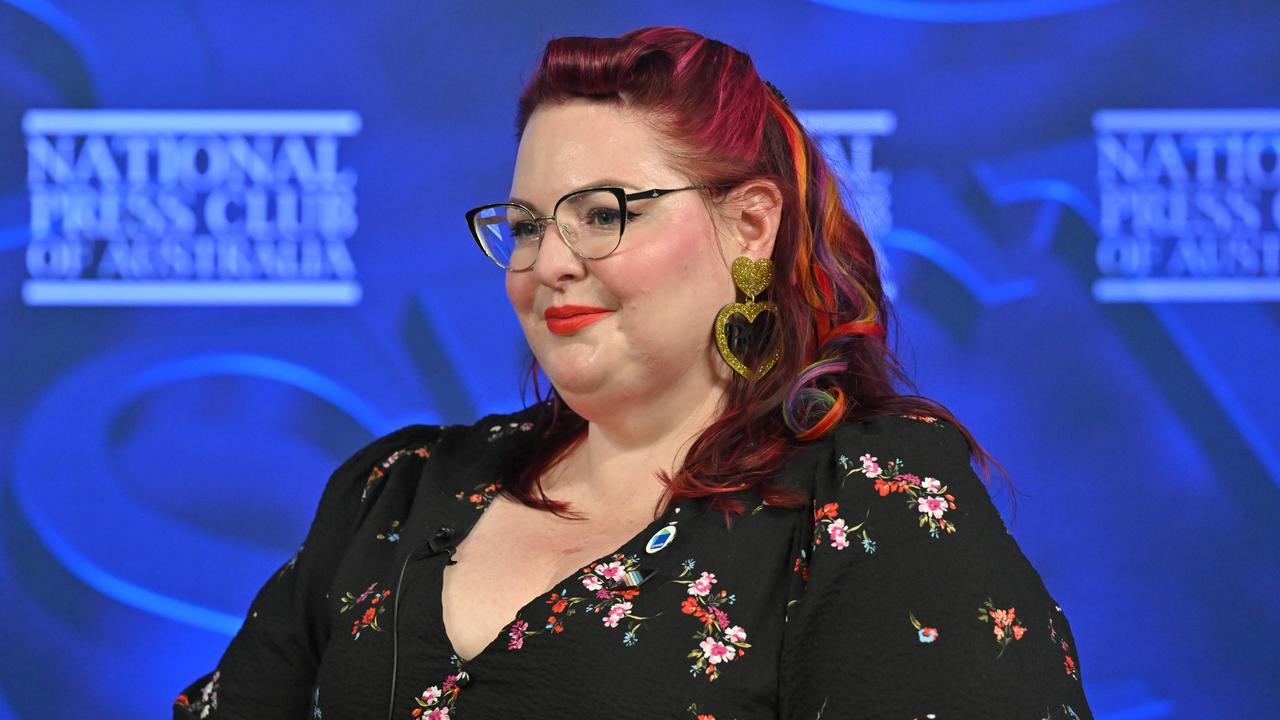
People with Disability Australia acting chief executive Megan Spindler-Smith said while there was an outline to what support children moving on to Thriving Kids will receive, there was less clarity for other people with disabilities once further NDIS changes kick in.
“The gaps have always been there for people with disability who have not been eligible for the NDIS. As the NDIS changes, those gaps are only going to widen,” Ms Spindler-Smith said.
“Thriving Kids is a start, but people with disability of all ages need to know what comes next, what support will be there and when they will be able to access it.”
Thriving Kids was announced by NDIS Minister Mark Butler in August 2025 as a way to rein in costs of the disability scheme.
Queensland is the only state that has yet to sign on to Thriving Kids, with Megan Spindler-Smith saying there was uncertainty as to what supports children would be eligible for.

“Queensland families need clarity. The lack of an agreement between governments cannot be used as an excuse to leave children and families without the supports they need,” Ms Spindler-Smith said.
Advocates say Queensland not signing on might beat a path back to the highly fragmented pre-2013 system which preceded the NDIS.
The disability community was still in the dark about how Thriving Kids would eventually work, Autism Association of Australia chief executive Nicole Rogerson told AAP.
“The remaining question … is how much autism is enough autism to get into the NDIS?” she said.
Deciding which children should go where and what will happen after they turn eight also remains largely a mystery.
“No state or territory has invested in allied health for school-age children,” incoming Royal Australian College of Physicians child health division president Paul Hotton told AAP.
“What’s going to happen to these children? None of (the states) can answer.”
Treasurer Jim Chalmers said while families may have questions for what changes would mean for them, the overhaul would leave the NDIS more sustainable.
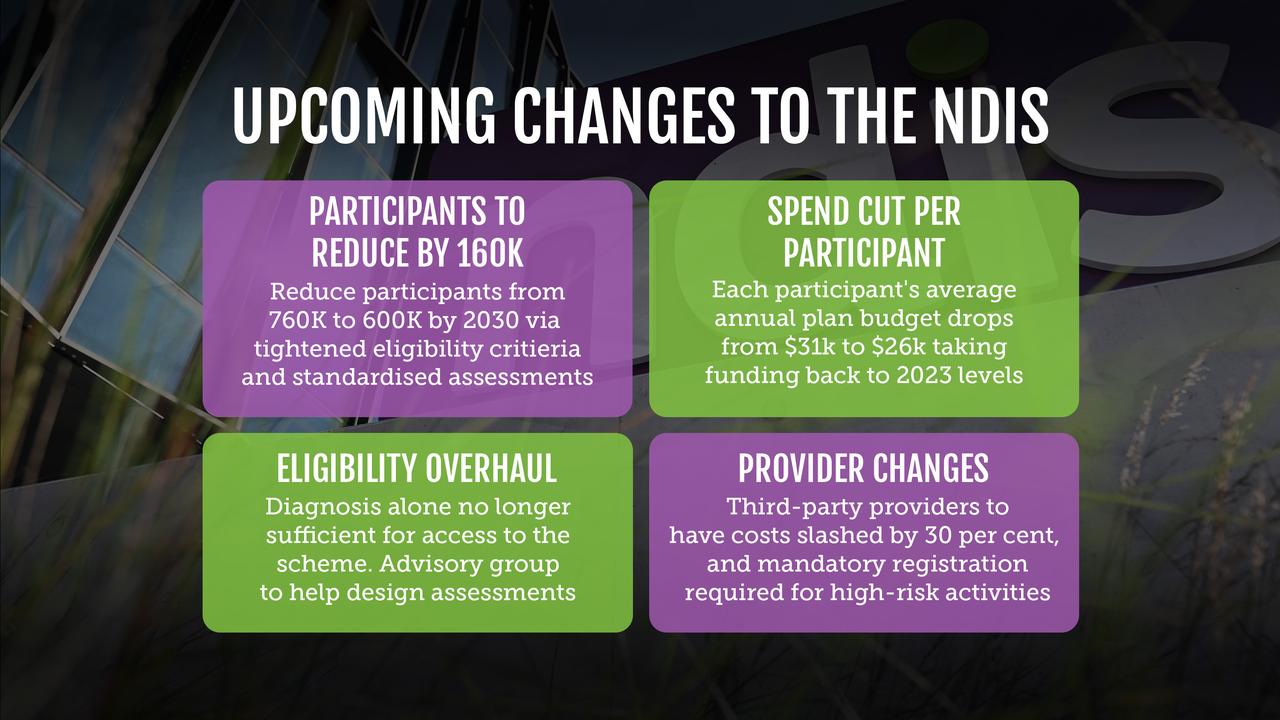
“When you are changing programs like this there is a level of concern and there is a level of anxiety. We take that seriously,” he told reporters in Brisbane.
“We’re confident that we will come up with the best combination of services and care and support for some of our most vulnerable people.”
Dr Hotton said Thriving Kids could theoretically be better for looking after mildly autistic children, but was as yet unlikely to meet its potential.
“Thriving Kids is needed, NDIS is not working,” he said,
“NDIS never worked because it doesn’t have real good clinical governance oversight … if we’re going to do something for children, there should be a national paediatrician.”
The advocates also flagged Canberra had likely low-balled the cost of administering Thriving Kids, similar to its consistently underestimating the cost of the NDIS.
“What does this look like in 10 to 15 years if we haven’t given those children the best quality early intervention?” Mr Rogerson said.
“The size of the funding envelope that has been agreed – that math just don’t math for me.”

Australian Associated Press is the beating heart of Australian news. AAP is Australia’s only independent national newswire and has been delivering accurate, reliable and fast news content to the media industry, government and corporate sector for 85 years. We keep Australia informed.