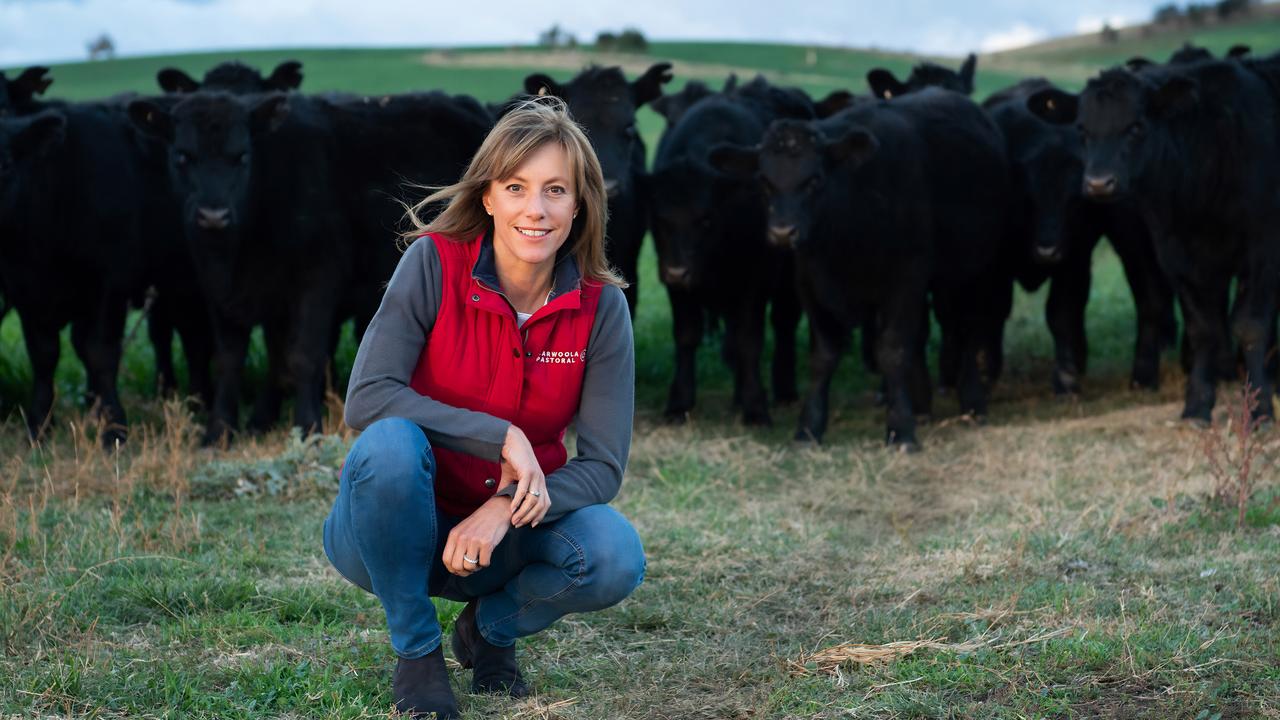

Bronwyn Darlington looked to the red planet to help Australian farmers.
It was NASA’s Mars exploration program that unexpectedly helped Dr Darlington develop technology to detect harmful cattle disease.
The NSW-based farmer and scientist contacted the space agency during the COVID-19 pandemic after discovering it was mapping molecules in human breath to monitor astronauts’ health.
She had been mapping molecules in cattle’s breath at the same time, in the hopes of developing a breath-testing tool to detect livestock pregnancy and illnesses.
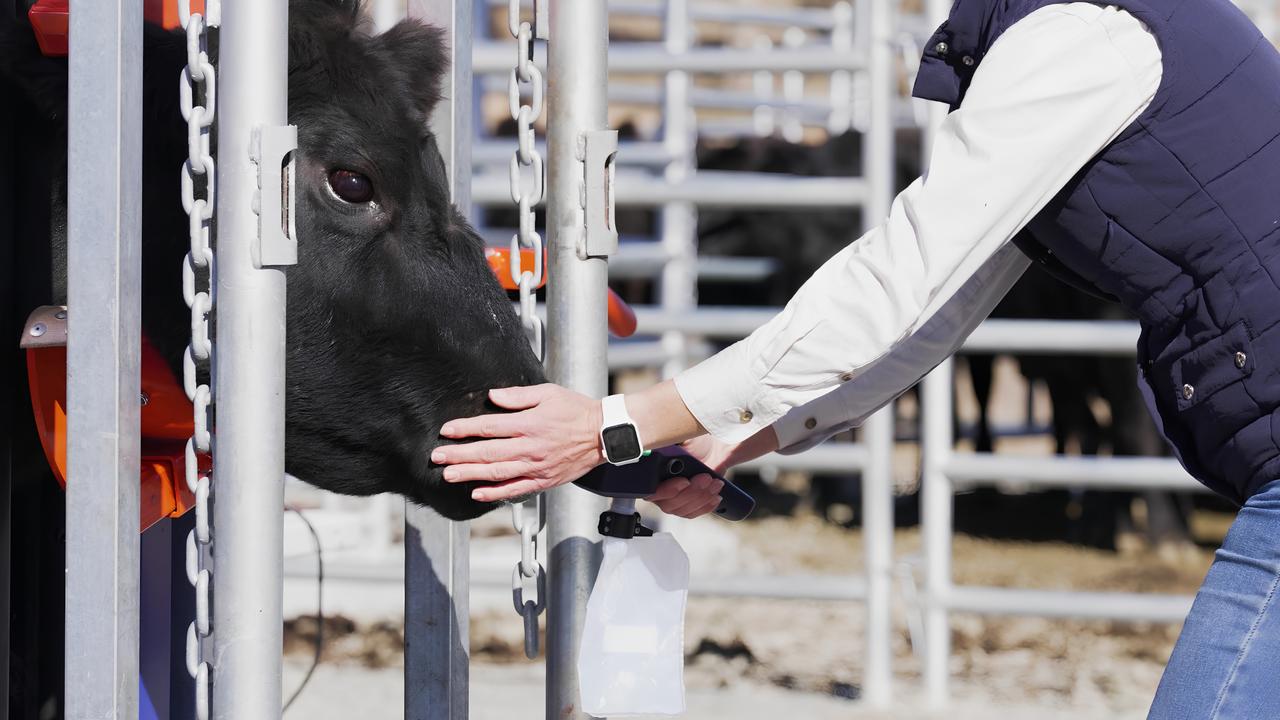
“I guess this is a bit of chutzpah, but I just emailed their inquiry line and said, ‘have you ever thought this could be used on cattle?’,” Dr Darlington told AAP.
She got an exemption for overseas travel during the pandemic and began taking cattle breath samples on Californian ranches for NASA to analyse with its high-tech sensors.
Dr Darlington adapted the NASA technology to found Agscent, a start-up creating high-tech diagnostics for early detection of bovine respiratory disease.
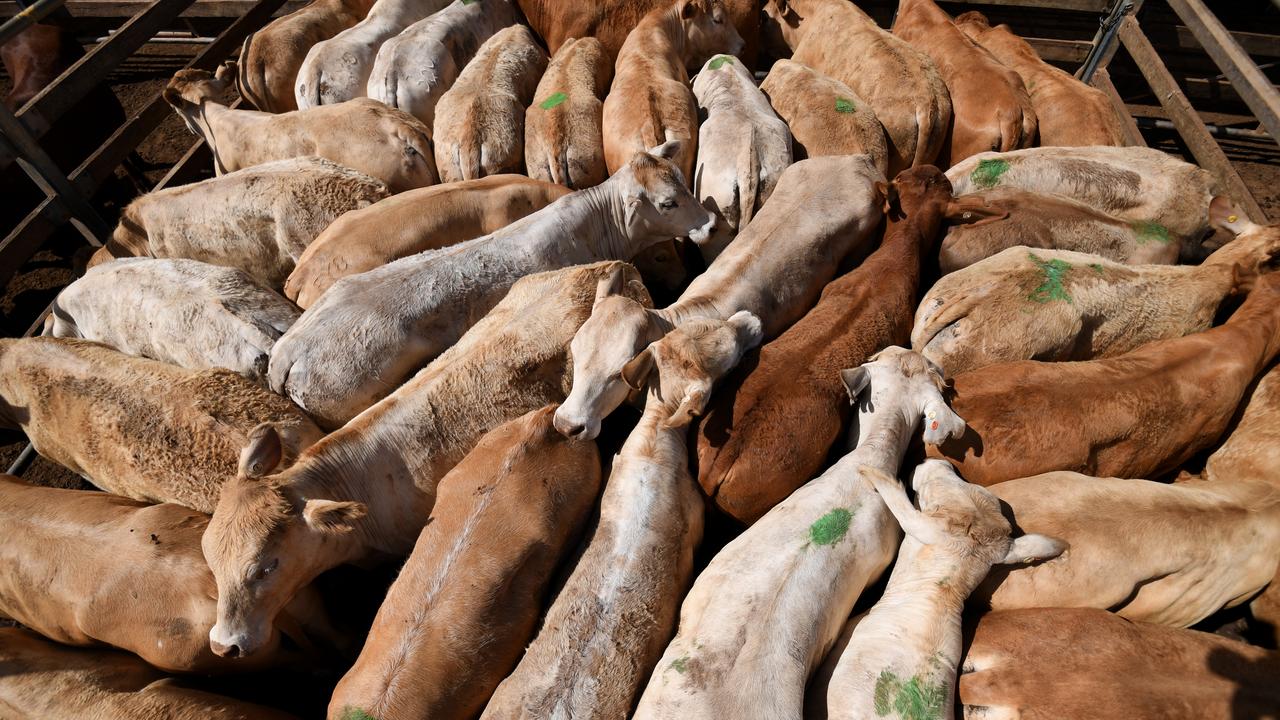
The condition costs cattle producers up to $100 million every year.
The technology was on Monday night awarded a $1.25 million grant from the NSW government’s Emerging Technology Commercialisation Fund.
The company closed a $5 million private investment round in July, with a valuation of nearly $27 million.
Agscent’s handheld tool uses advanced nanosensors and artificial intelligence to analyse a single breath sample from an animal, with results delivered in less than a minute.
It can also differentiate between viral and bacterial forms.
The tool will likely be in high demand, with bovine respiratory disease costing feedlots up to $80 per-head.
“When an animal gets sick … they don’t put on weight the same way, they don’t eat the same way, their body increases in temperature because it’s trying to fight something,” Dr Darlington said.
“So we can’t necessarily turn that into meat.”
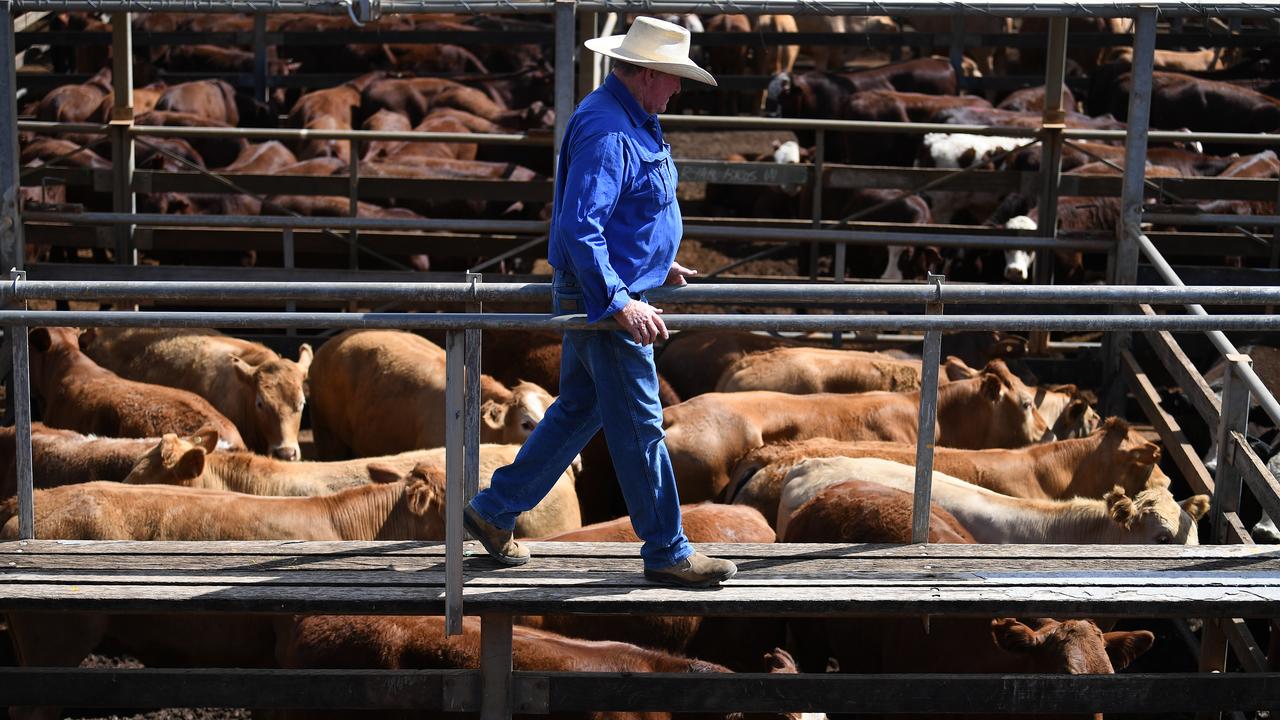
Existing ultrasound technology can only pick up lung lesions, by which time the disease has progressed to a point where productivity is lost for the rest of an animal’s life.
Dr Darlington said the grant would help the company prove the technology through more trials and to eventually install the tool in farms and feedlots
She also hopes Agscent’s work helps Australian innovators see exciting opportunities for homegrown ag-tech.
“Efficiency on the farm is now tied to the most exciting digital technologies, and we can do it right here,” she said.
“The investment opportunity in the US is way bigger, so grants like this are helping us stay here.”

Australian Associated Press is the beating heart of Australian news. AAP is Australia’s only independent national newswire and has been delivering accurate, reliable and fast news content to the media industry, government and corporate sector for 85 years. We keep Australia informed.