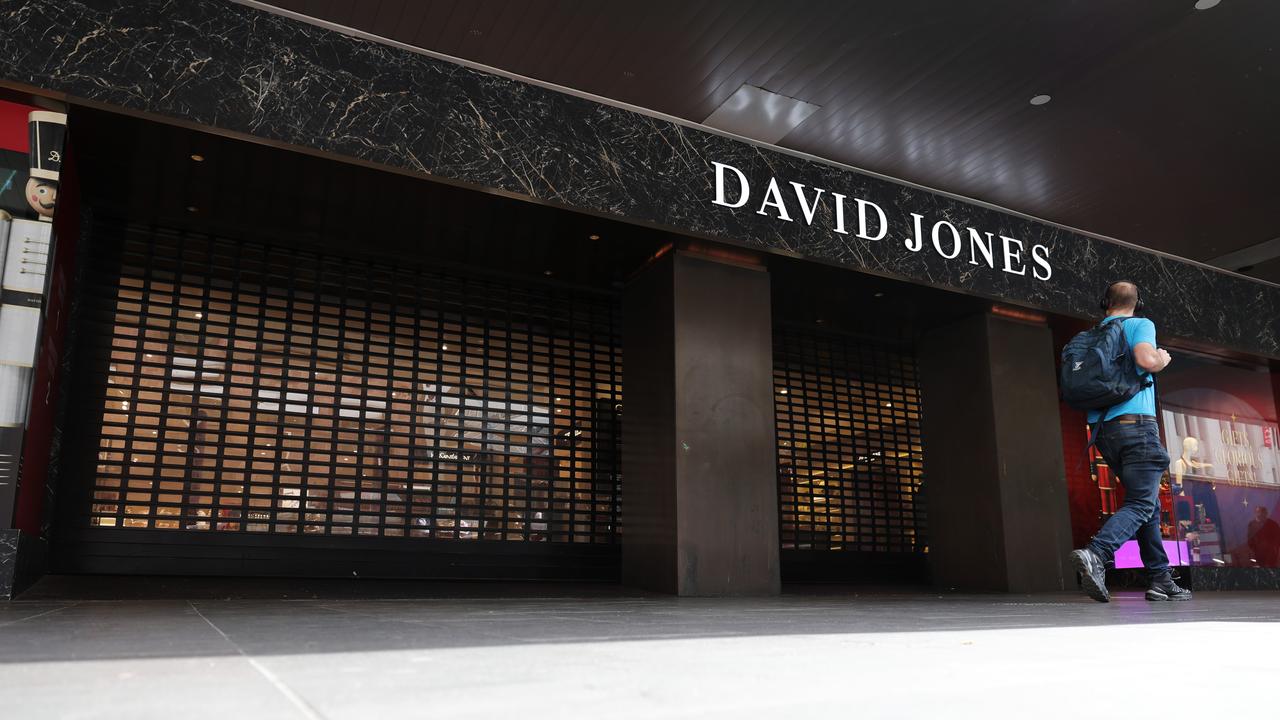

David Jones’ collapse into administration has highlighted Australia’s tough retail environment and sounded the alarm for thousands of smaller businesses on the brink.
The retail sector is contracting, with business exits in the third quarter up 41.3 per cent year-on-year while new entries fell more than 15 per cent, according to data from credit reporting agency Equifax.
“David Jones has become the highly visible face of the pressure confronting Australian retail, but our data suggests this is not simply a story about one major business,” Equifax commercial general manager Brad Walters said.
“Smaller retailers are also dealing with a difficult combination of softer discretionary spending, rising operating costs and increasingly narrow financial buffers.”
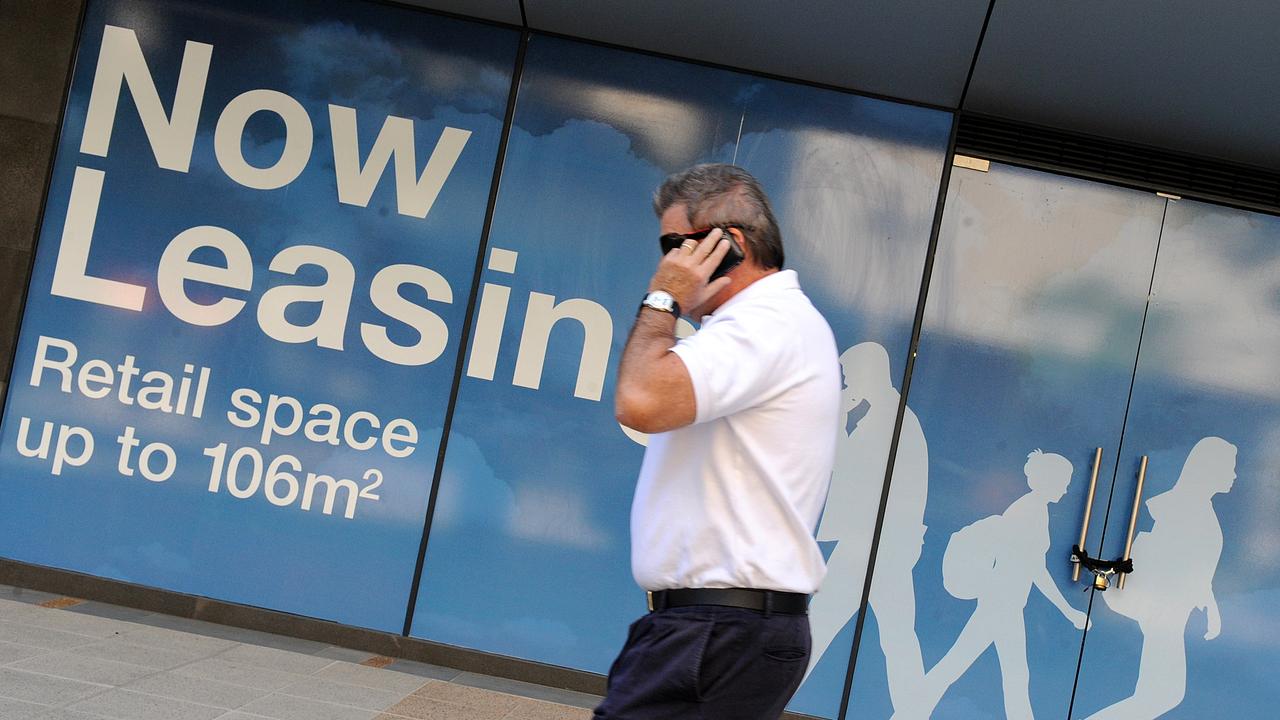
Active tax defaults are up 25 per cent compared to the same time in 2025, and that figure is even higher for sole traders, indicating trading income is struggling to keep up with expenses.
More small-to-medium enterprises (SMEs) in retail were seeking more credit, and their inquiries to non-bank lenders surged by a fifth year-on-year, a significant uptick in the appetite for alternative liquidity.
The figures indicated a clear distinction in how different-sized businesses were managing their balance sheets, Mr Walters said.
“Larger enterprises are more likely to be in a position to deleverage, pause large-scale equipment financing and protect their margins by reducing debt exposure,” he said.
“Instead of funding long-term expansion, smaller operators are taking on credit simply to manage immediate overheads.”
The pattern was echoed in hospitality, where company insolvencies eased by seven per cent, while at a business level the number rose by almost 17 per cent.
But the protection offered by scale has limits, as shown by the David Jones collapse, which has left thousands of its 6000 staff in limbo and half of its 37 stores across Australia and one in New Zealand facing imminent closure.
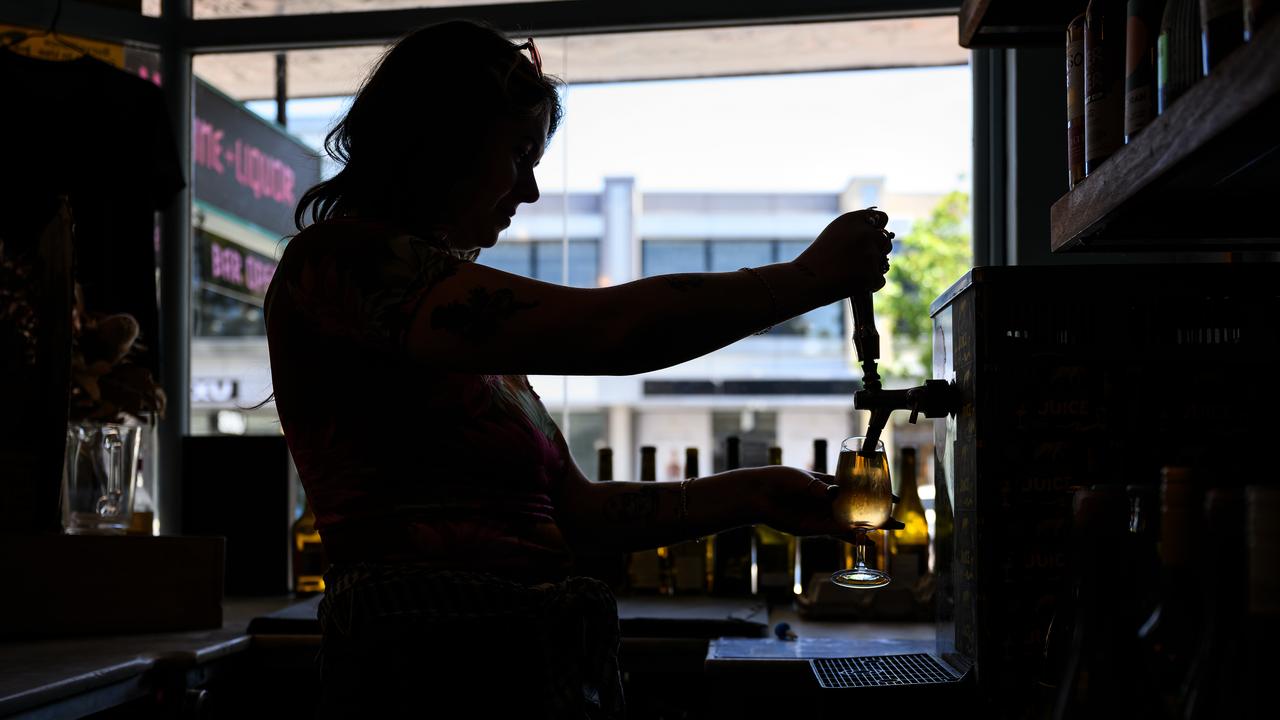
Small businesses across the economy are also under pressure, with total SME commercial credit demand up by more than 10 per cent over the quarter, compared to 6.7 per cent for larger operations.
“Whether it is subcontractors managing payment delays, logistics operators absorbing higher fuel bills, or small retailers and cafes leaning on non-bank lenders for day-to-day liquidity, businesses are adjusting to a very demanding trading climate,” Mr Walters said.
“Operators are doing everything they can to stay viable, even as accumulated tax liabilities continue to test their resilience.”
Many businesses are eagerly awaiting increased foot traffic as November sales ramp up to Black Friday and Cyber Monday events, with the Australian Retail Council and Roy Morgan forecasting Australians will spend $7.2 billion as they chase lower prices ahead of Christmas.
David Jones entered administration and receivership on November 5 after talks with its landlords broke down as the retailer was battling higher costs and falling sales and profits.
It has since announced plans to shut 19 of its 38 stores as it continues to face a possible sale or recapitalisation.
Its first creditors’ meeting will be held on Tuesday.

Australian Associated Press is the beating heart of Australian news. AAP is Australia’s only independent national newswire and has been delivering accurate, reliable and fast news content to the media industry, government and corporate sector for 85 years. We keep Australia informed.