
Artificial intelligence stocks have been some of the biggest casualties of the Democrats’ landslide win in the US midterms.
Down Under, data centre developers are hoping the blue tsunami can bring a wave of good fortune.
Even before last week’s election boilover, growing opposition to data centres in the US was throttling the AI infrastructure build-out.
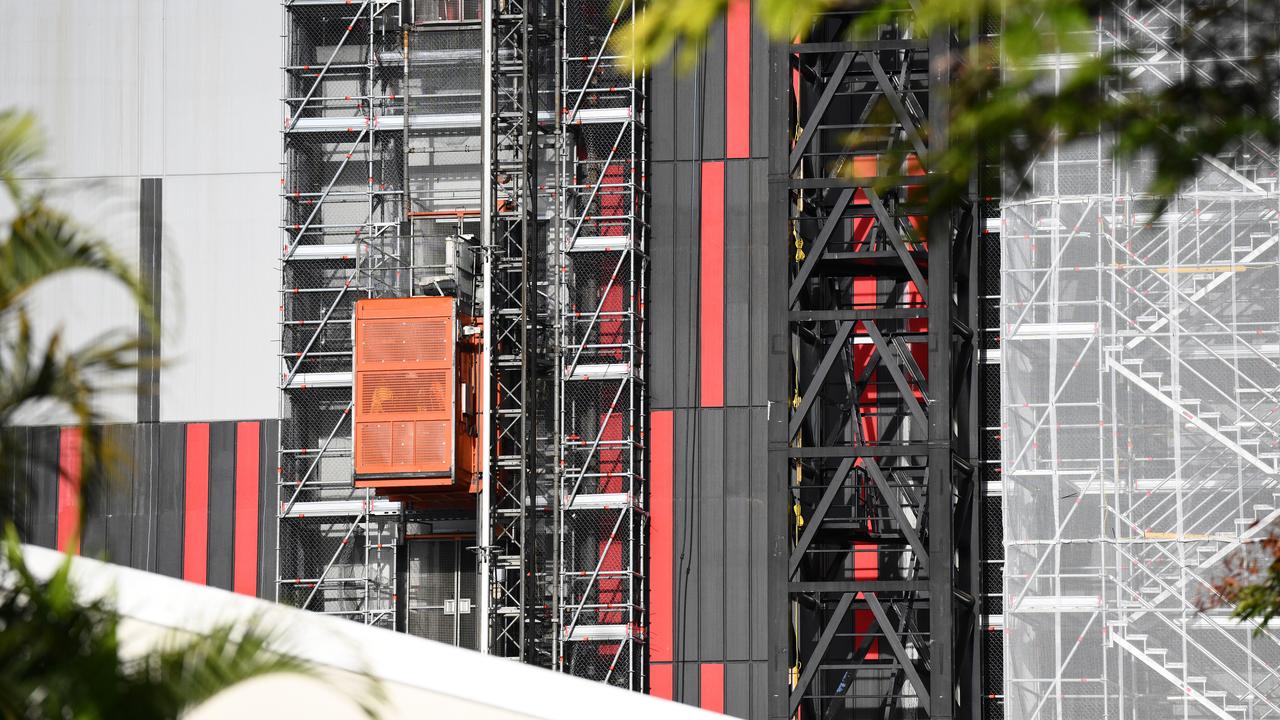
But the AI boom is still producing massive demand for compute capacity. Equally massive amounts of capital are still looking for somewhere to go.
And Australia has been one of the top beneficiaries.
A report released by Deloitte Access Economics on Wednesday identified 37 data centre projects worth $141 billion currently moving through Australia’s infrastructure pipeline – up 36 per cent in the past year.
With the Democrats seizing control of both Congress and the Senate, Deloitte partner Stephen Smith says the prospect of greater regulation could further slow the US data centre build-out and push more capital to other jurisdictions.
“It’s possible that these hyperscalers and others will seek to develop data centres outside the US,” he tells AAP.
“But it doesn’t necessarily follow that Australia will be a net beneficiary.”
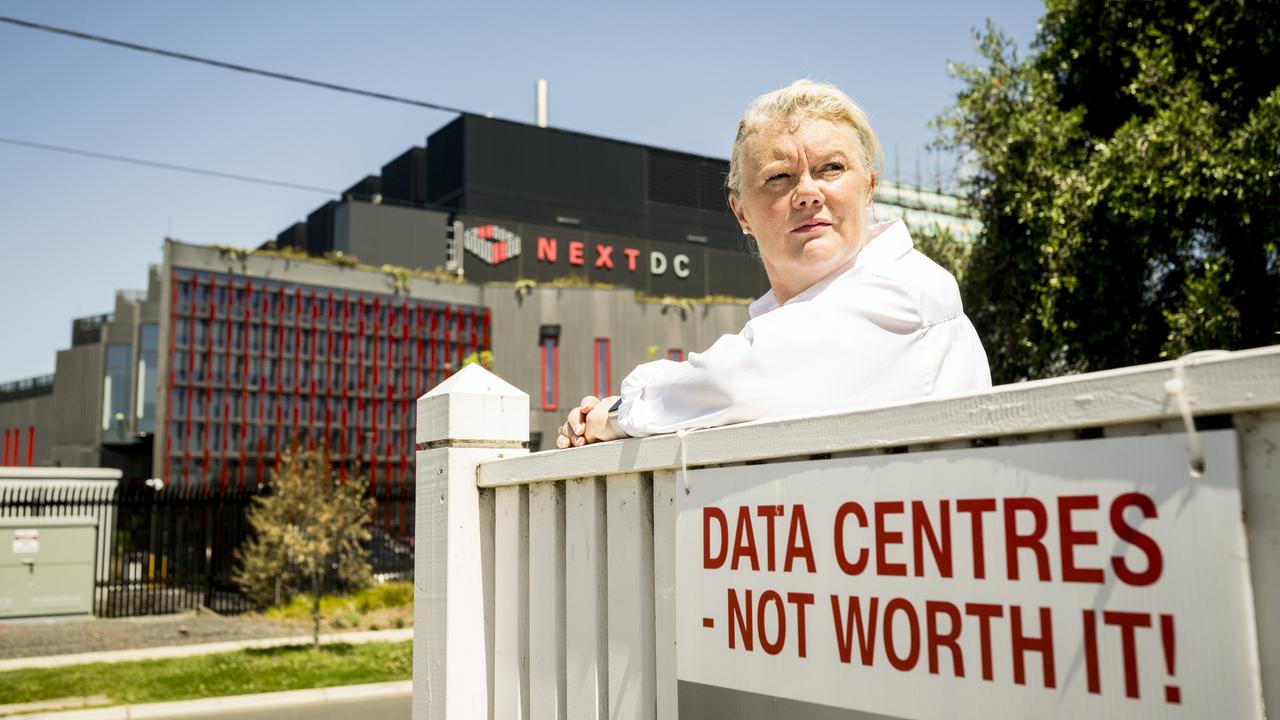
Data centre developers in Australia face much the same issues as those in the US.
“Politicians here may see some dangers in enabling rapid AI data centre rollout, given the results in the US midterms,” Mr Smith says.
“So it’s possible that this may be the beginning of a slightly more regulated management of data centre construction.”
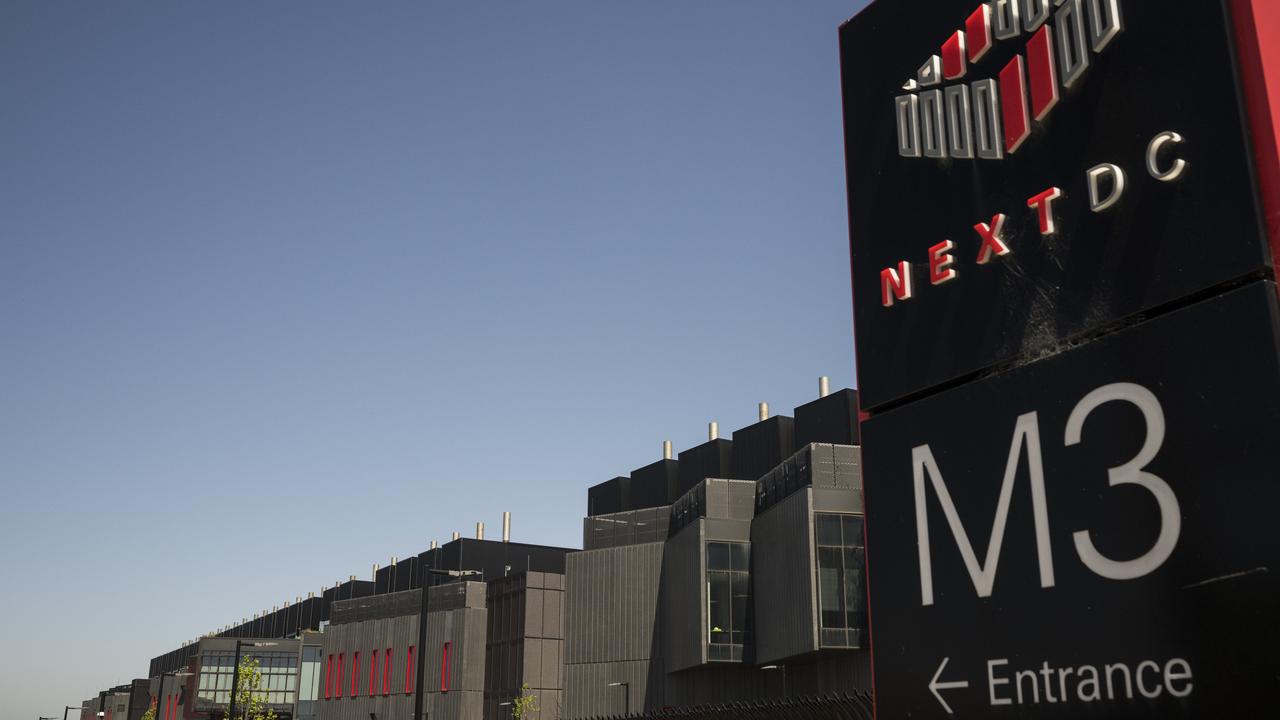
The poster child of the domestic data centre backlash is the failed expansion of NextDC’s M3 development in Melbourne.
After intense community backlash, power company Jemena paused the installation of 22-metre concrete power poles needed to supply the mammoth data centre – nicknamed “Mordor” by locals – with more electricity to expand its capacity.
Federal Greens leader David Shoebridge says Australia is two or three years behind the US, where voters overwhelmingly supported data centre moratoriums in dozens of ballots.
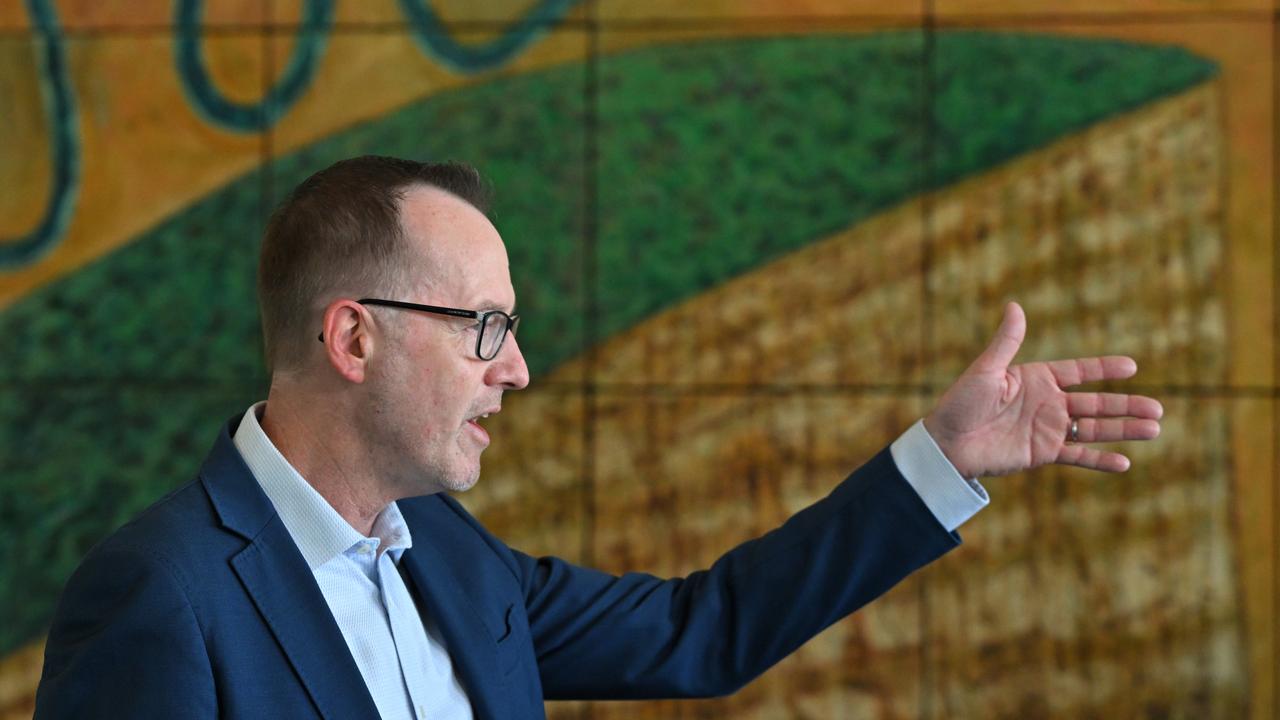
“What do we see here in Australia? Well, we see governments – state and federal – that are literally inviting in these US vampire tech bros, these billionaires, to come and take our water, take our power, take our data, and take our jobs,” he told reporters on Friday.
“The Greens are the party saying across this country ‘no’ to the rollout of these AI data centres in a moratorium – an urgent moratorium.”
While the industry needs to do better, Australian regulations on data centre operators are already more onerous than the US, limiting the backlash, the head of the sector’s peak body says.
“It’s definitely getting harder to build everywhere,” Data Centres Australia chief executive Belinda Dennett says.
“That means established builders, people who are building data centres, people who are operating data centres, are actually in a position of strength, and we have some of the best companies here in the world.
“There is opportunity for Australia. Perhaps that increases as that compute that we’re going to need globally – 220 gigawatts by 2030 – looks to where it can host that.”
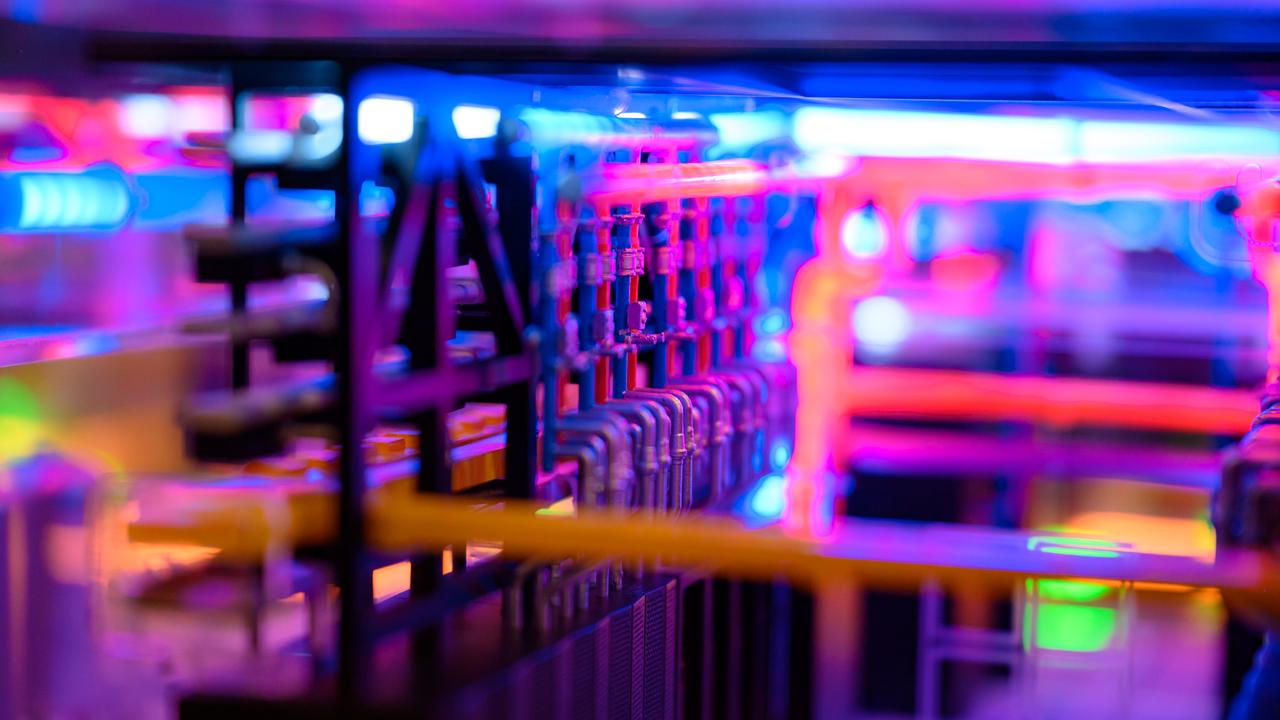
Ms Dennett supports more regulation, as long as it gives investors certainty.
The federal government plans to introduce legislation for national data centre standards in early 2027, requiring developers to supply as much energy as they use.
But the prospect of some states – like NSW, which released its own data centre guidelines in August – going it alone is disconcerting, Ms Dennett says.
“We are worried about duplication, particularly where they’re talking about cost recovery and cost mechanisms,” she says.
“We’re concerned about overlap of regulations.”
Federal Assistant Minister for Productivity Andrew Leigh says the government wants to ensure Australians reap the benefits of data centres located in their communities.
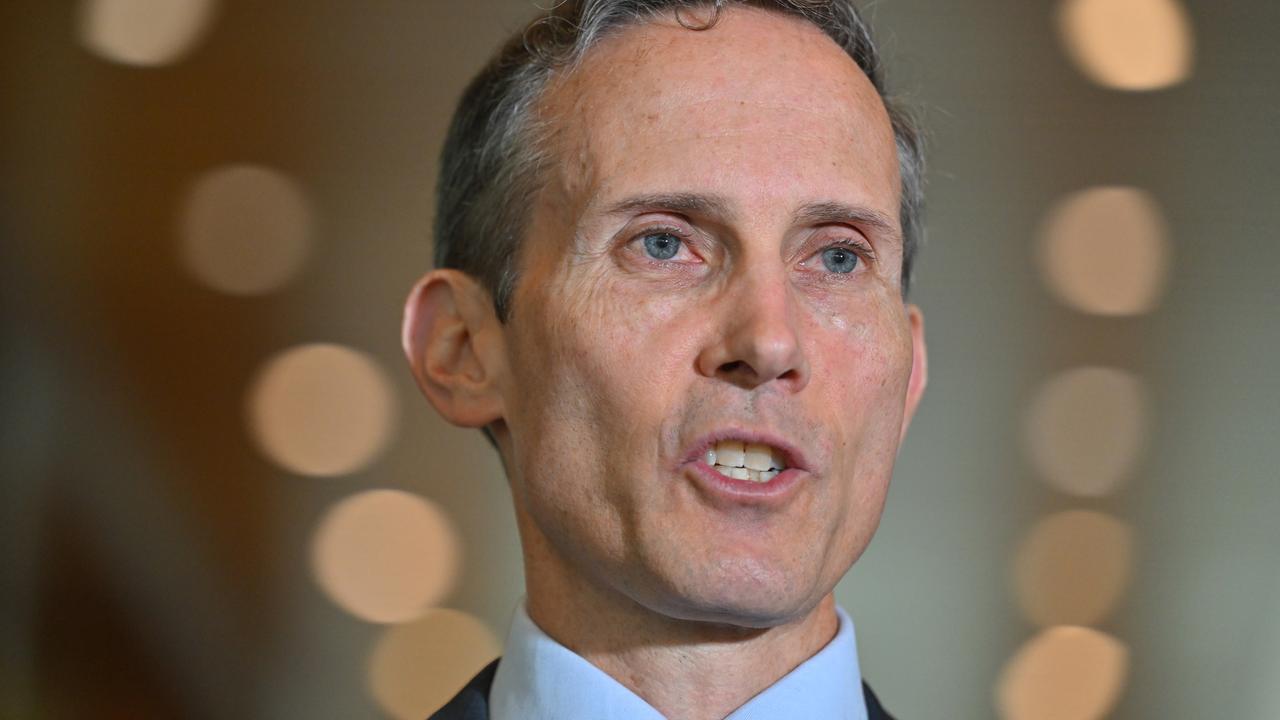
Hosting data centres in Australia is important to keep sensitive data secure, he says.
And there are other benefits to having a stake in the AI boom.
“There is significant value in Australia not simply being at the end of the line of the AI stack, of being part of developing AI tools,” Mr Leigh says.
“You look at apps such as Harrison and Heidi, which are playing an important role in AI health care, and the use of data centres is a part of that.”
But Clive Maguchu, a senior strategist at State Street Investment Management, says Australia is unlikely to see a significant influx of data centre investment as a result of the midterms.
“We do not see the prospect of greater regulation or moratoriums on AI data centres in the US as being a driver for more investor capital moving to Australia,” he says.

Community concerns about power, water, infrastructure and local impacts from the AI data centre build-out are growing in Australia and around the world, including in the US, Mr Maguchu says.
“The result may not be less demand for computing capacity, but greater scarcity of approved, powered sites, potentially benefiting existing data-centre assets while forcing future projects toward locations with available power, faster approvals and stronger community support,” he says.
“And that, at the moment, does not include Australia.”

Australian Associated Press is the beating heart of Australian news. AAP is Australia’s only independent national newswire and has been delivering accurate, reliable and fast news content to the media industry, government and corporate sector for 85 years. We keep Australia informed.