
Inflation is expected to stay above the Reserve Bank’s target range until the end of 2027, with only six other developed countries having a higher rate than Australia’s.
The extended period of high inflation has left the door open for more interest rate hikes.
Australia’s inflation rate was projected to be among the highest of advanced economies around the world, the International Monetary Fund forecast in its latest World Economic Outlook on Tuesday.
Inflation was forecast to slow from four per cent to 3.9 per cent this year and 3.1 per cent in 2027, above the RBA’s two to three per cent target band.
The central bank’s latest forecast in August predicted inflation to ease to 2.6 per cent by the end of 2027.
The only developed economies forecast to have higher inflation than Australia in 2026 were Greece, Bulgaria, Lithuania, Croatia, Iceland and Andorra.
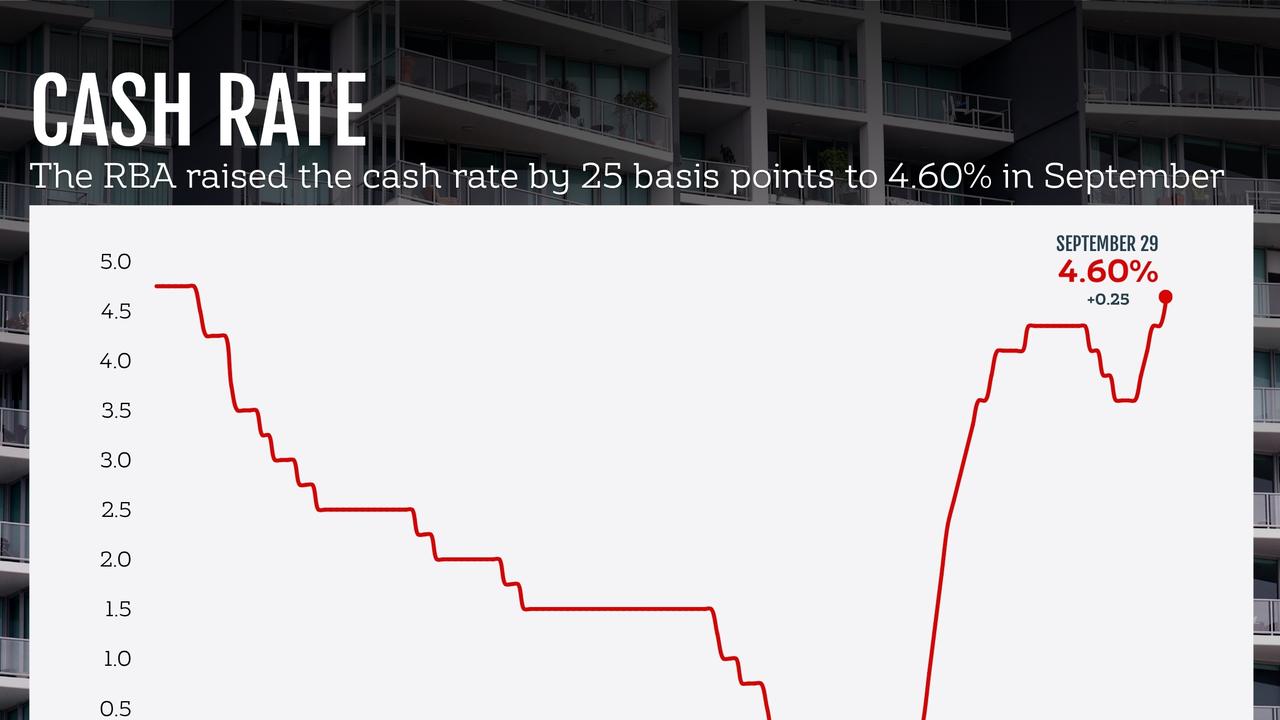
Minutes from the RBA board’s September meeting, when it unanimously decided to raise the cash rate to a 15-year high 4.6 per cent, showed the central bank was concerned that inflation was not easing fast enough.
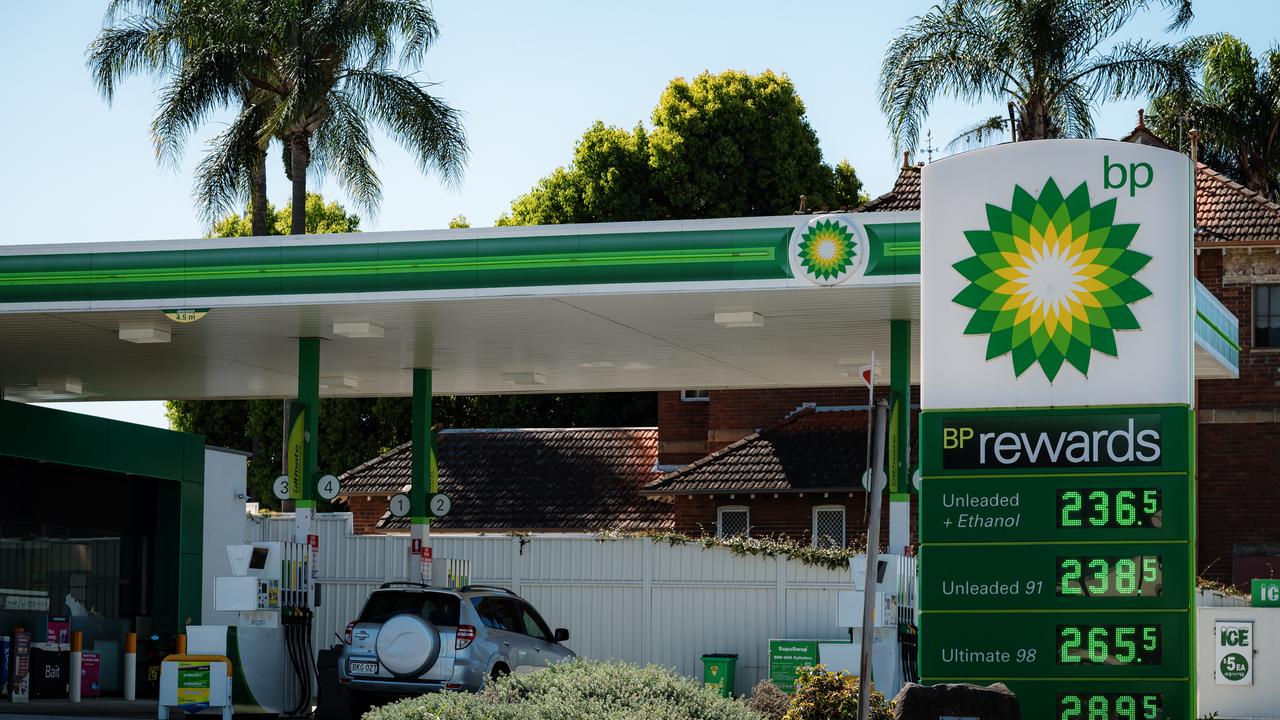
Multiple global supply shocks – the Middle East conflict, the AI boom and a super El Nino – were pushing up prices for oil, technology products and agricultural commodities.
While the board still wanted to preserve as many of the gains in the labour market as possible, more persistent supply shocks meant that it would have to accept higher unemployment and lower economic growth than would otherwise be the case to get inflation under control
“The board will remain focused on its mandate to deliver price stability and full employment and will continue to do what it considered necessary to achieve that outcome, including increasing the cash rate target further if required,” the minutes said.
ANZ head of Australian economics Adam Boyton said the minutes read hawkish and reinforced his view that another rate hike in November was more likely than not.
Although the board briefly considered a hold, the arguments in favour of raising the cash rate to 4.6 per cent won out.
Upside risks to inflation had materialised and inflation expectations were creeping up, meaning businesses were increasingly passing on higher costs of fuel and other inputs to consumers.
Rising cost pressures caused business confidence to fall four points in NAB’s September survey to -13 points, 22 points lower than a year earlier.
A confluence of higher fuel pries and interest rates, without relief in the form of an excise cut this time around, was driving confidence to a pretty weak level, NAB head of Australian economics Gareth Spence told AAP.

Australian Associated Press is the beating heart of Australian news. AAP is Australia’s only independent national newswire and has been delivering accurate, reliable and fast news content to the media industry, government and corporate sector for 85 years. We keep Australia informed.