In a cruel twist, the weather almost stopped world leaders from witnessing how one of the world’s most vulnerable nations is fighting climate change.
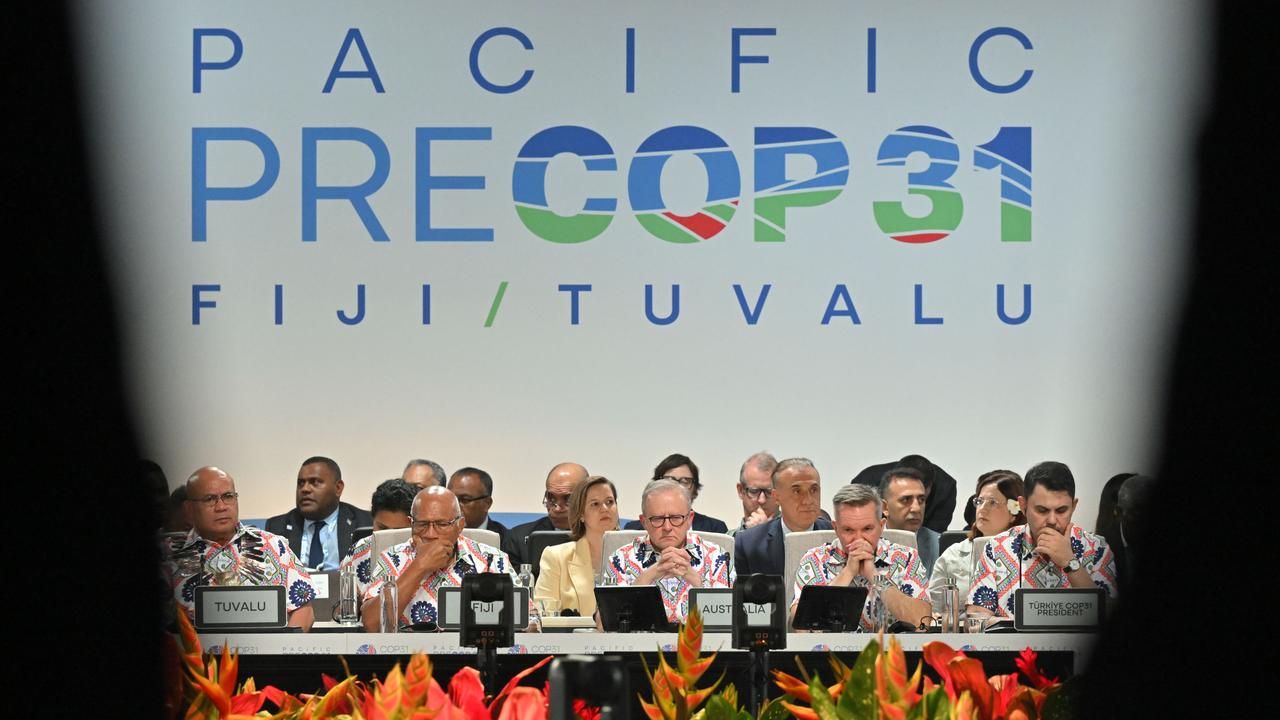
Representatives from 30 countries, including 14 presidents and prime ministers, took a two-and-a-half-hour flight from Fiji to Tuvalu, a tiny Pacific nation spread over nine islands and atolls.
Their arrival interrupted local traffic on the runway that splits the capital Funafuti in two, and overwhelmed a two-room airport that doubles as a community centre.
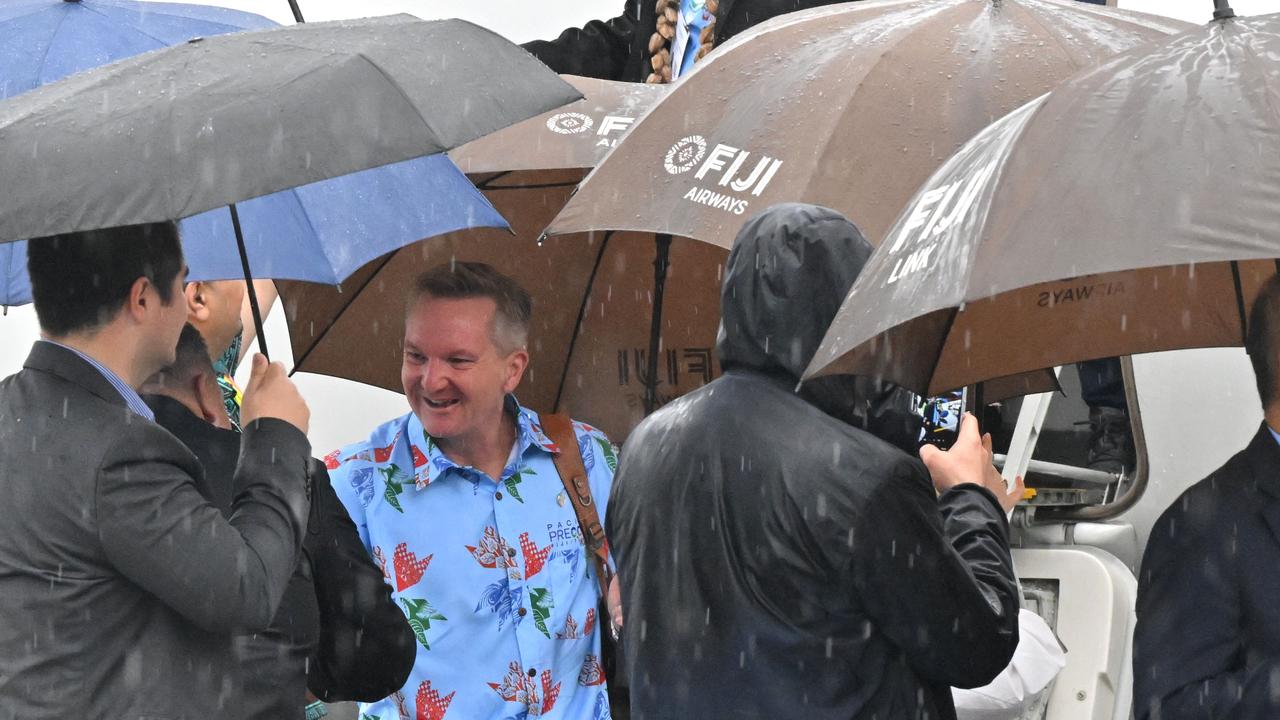
But by the time dignitaries landed, heavy rain had set in and a planned visit to a multimillion-dollar land reclamation project looked like it would be reduced to a drive-by.
Undeterred, Australian officials insisted the tour continue.
Organisers rounded up a makeshift motorcade of mini-vans, buses, utes, cars and trucks covered in tarps.
The delegation made it to the project site and trudged through sodden white sand to shelter in a marquee.
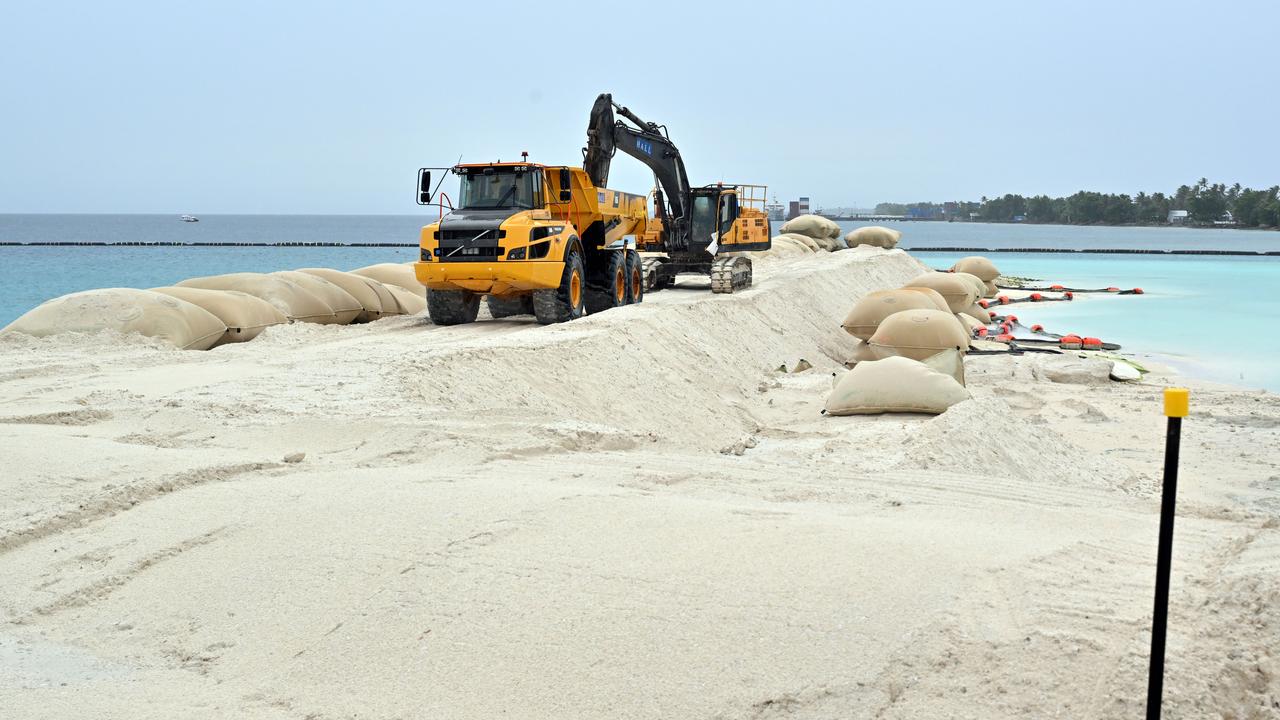
There, they heard how the Tuvalu Coastal Adaptation Project planned to add 20 hectares of habitable land to the island by the end of 2026.
Across four sites, project manager Alan Resture explained, sand dredged from the seabed would be used to create land capable of withstanding high tides inundating other parts of Tuvalu.
“It’s raised to six metres above the reef flat,” he said.
“During king tides, the highest astronomical tide is 3.2 metres.”
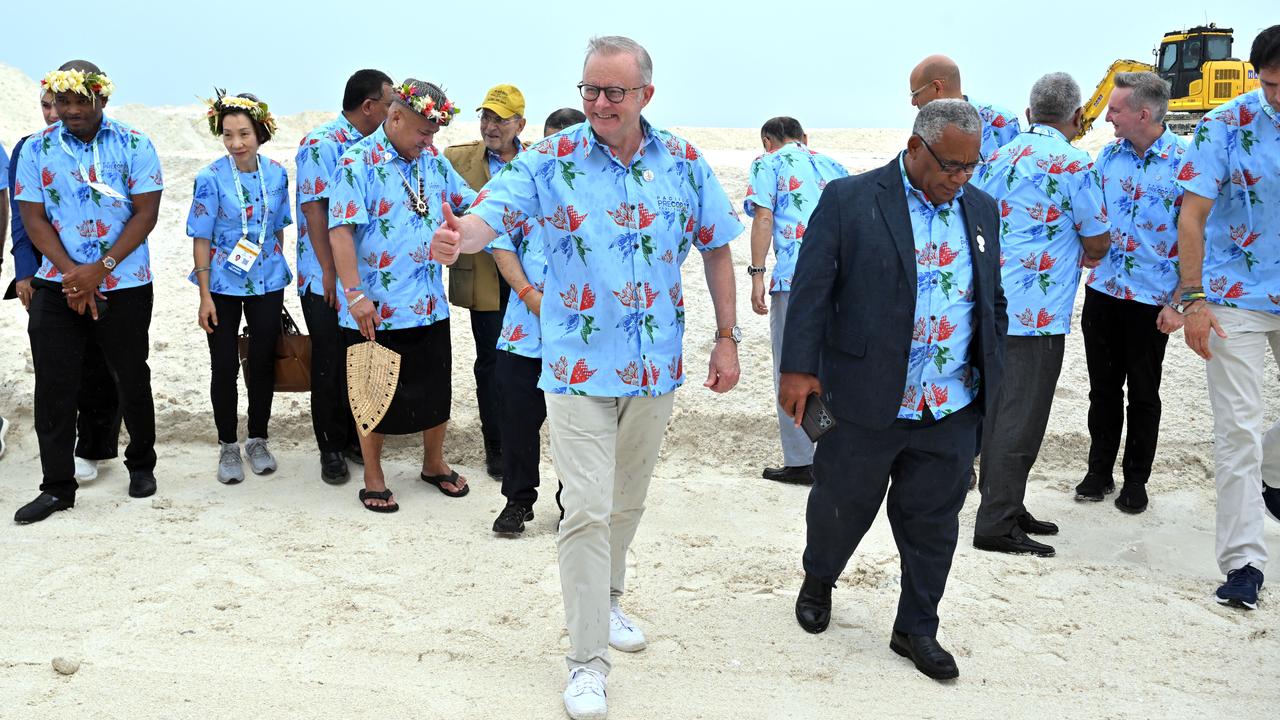
The visitors, many wearing traditional floral crowns known as fou, braved the rain to pose in front of the sand hills they almost bypassed.
The experience would stay with those who made the trip, COP31 President-Designate and Turkish Environment Minister Murat Kurum said, and inform decisions at November’s climate talks.
“We witnessed it ourselves,” he said.
“Tuvalu has made no contribution to this crisis but unfortunately they are faced with the threat. They are faced with an existential crisis and they are paying the heaviest price.”
Yet the visit itself was not without controversy, drawing only two leaders from outside the Pacific.
Australia is also attracting criticism for a lack of new financial commitments announced at the summit and its continuing reliance on fossil fuel exports despite calls from Pacific nations to phase them out.
The summit’s success might ultimately be judged in Turkey, where Pacific nations can assess whether their concerns have been translated into meaningful action.
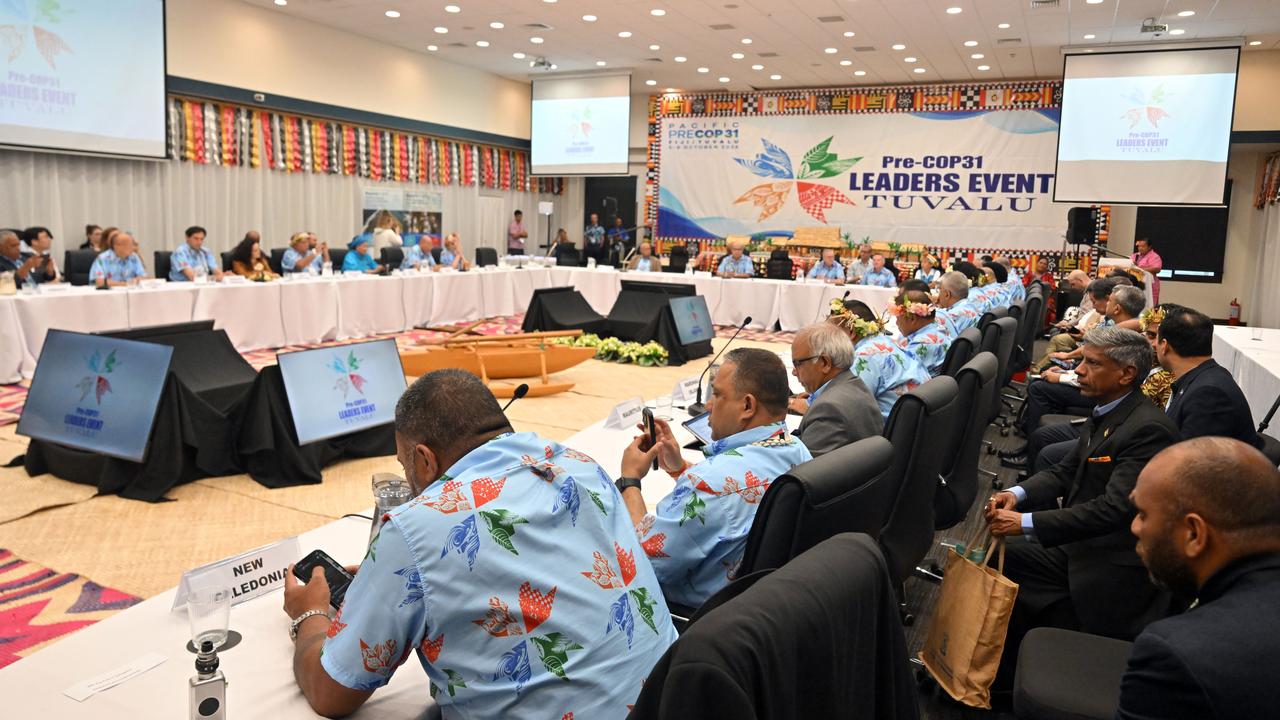
The island excursion formed part of a four-day pre-COP31 program based in Nadi, Fiji, that attracted about 4000 people from 100 countries.
Talks focused on four themes: keeping 1.5 degrees Celsius of warming within reach, elevating Pacific voices, recognising the role of the ocean and delivering access to climate finance.
Many talks centred on the Pacific Resilience Facility, a fund designed to attract $US500 million ($A717 million) for debt-free grants to small but high-impact adaptation and resilience projects.
Several nations committed more including the UK ($US13.24 million), Fiji ($US10 million), Denmark ($US2.3 million) and Ireland, which will almost double its existing $US3.3 million pledge.
The facility could help nations facing the biggest threats from global warming to build defences, Prime Minister Anthony Albanese said.
“The challenge now is capitalisation,” he said.
“My message today, unashamedly, to governments, development partners, financial institutions, philanthropic organisations, investors, is straightforward: back a Pacific-owned and Pacific-led solution.”
But Australia did not add to its existing $100 million commitment to the facility, instead announcing $10 million for energy and infrastructure projects from pre-approved programs.
The absence of new financial support represented a significant missed opportunity, Oxfam Australia chief executive Jennifer Tierney says.
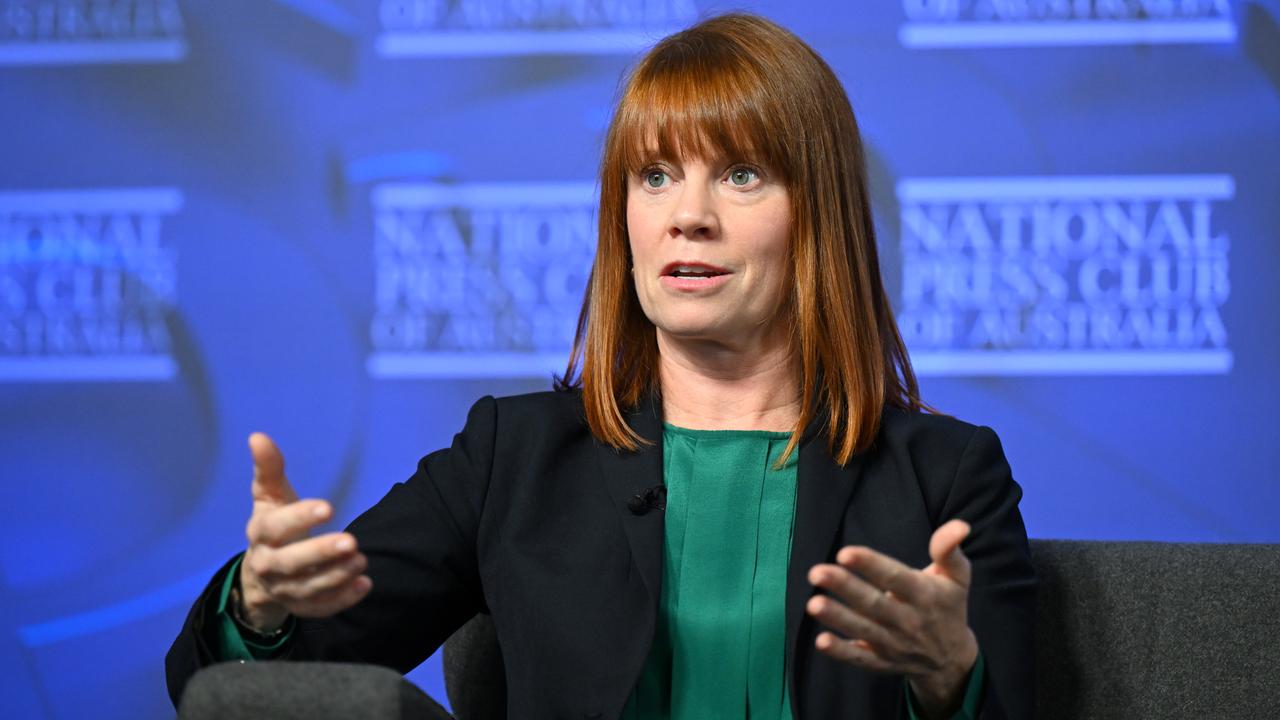
“For Australian leaders to leave pre-COP without a single substantial funding pledge is irresponsible and falls short of the bold leadership it promised,” she says.
“What Pacific communities need is genuine additional finance that reflects the scale and urgency of the climate crisis they are dealing with – losing homes, livelihoods and lives as disasters worsen.”
Australia’s delegation did not commit to phasing out fossil fuels, even as nations including Tuvalu, Vanuatu, Fiji and the Marshall Islands used the summit to call for a plan.
A High Court decision delivered during the event ruling against the expansion of a NSW coal mine highlighted the need for a fresh approach, Greenpeace Australia Pacific COP31 lead Dr Simon Bradshaw says.
“We must now follow other countries developing a national road map away from fossil fuels that ensures a managed wind-down of fossil fuel production, including exports,” he says.
Whether the Pacific’s calls for change and finance are heard would ultimately be determined at bigger talks in November, Fiji Environment Minister Lynda Tabuya said.
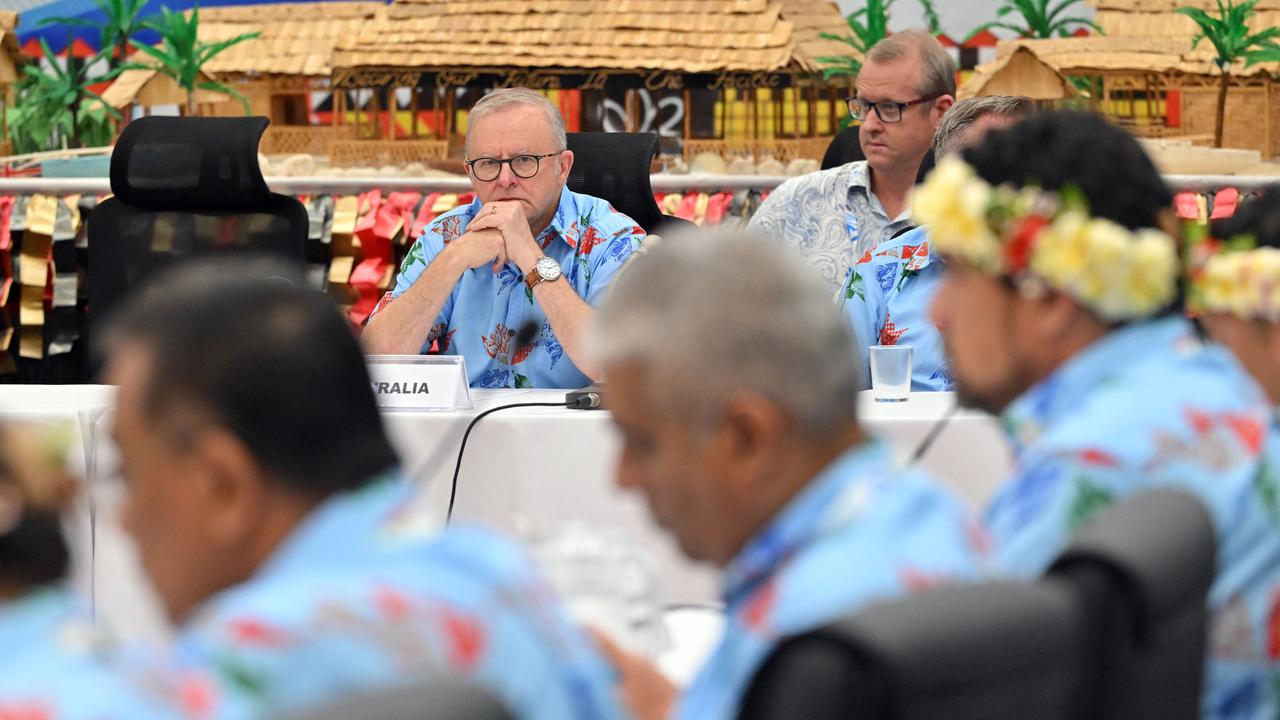
The COP31 event could attract representatives from 197 nations and the European Union to discuss issues raised in Fiji and the rainy leaders’ event in Funafuti.
“Pre-COP does not adopt decisions,” Ms Tabuya said.
“Its true value will be measured by what happens next.
“Whether these conversations we’ve had here will inform and shape decisions in Antalya … and ultimately by whether our actions make a real difference in the lives of billions of people exposed to climate crisis.”

Australian Associated Press is the beating heart of Australian news. AAP is Australia’s only independent national newswire and has been delivering accurate, reliable and fast news content to the media industry, government and corporate sector for 85 years. We keep Australia informed.