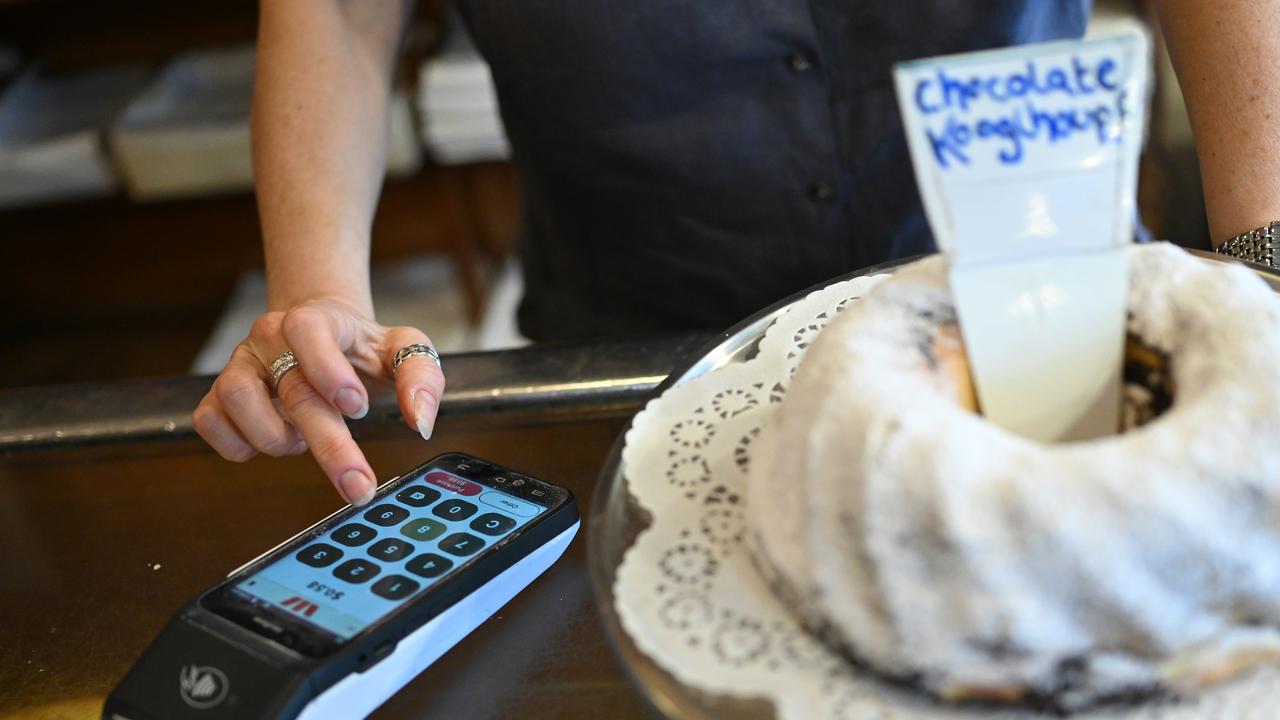
Small businesses have baulked at the suggestion they are the big winners in Labor’s ban on credit card surcharges.
After the government caved in to pressure and forced the tax office to delay its ban on accepting credit card payments, the business community wants Canberra to go a step further and can the surcharge ban altogether.
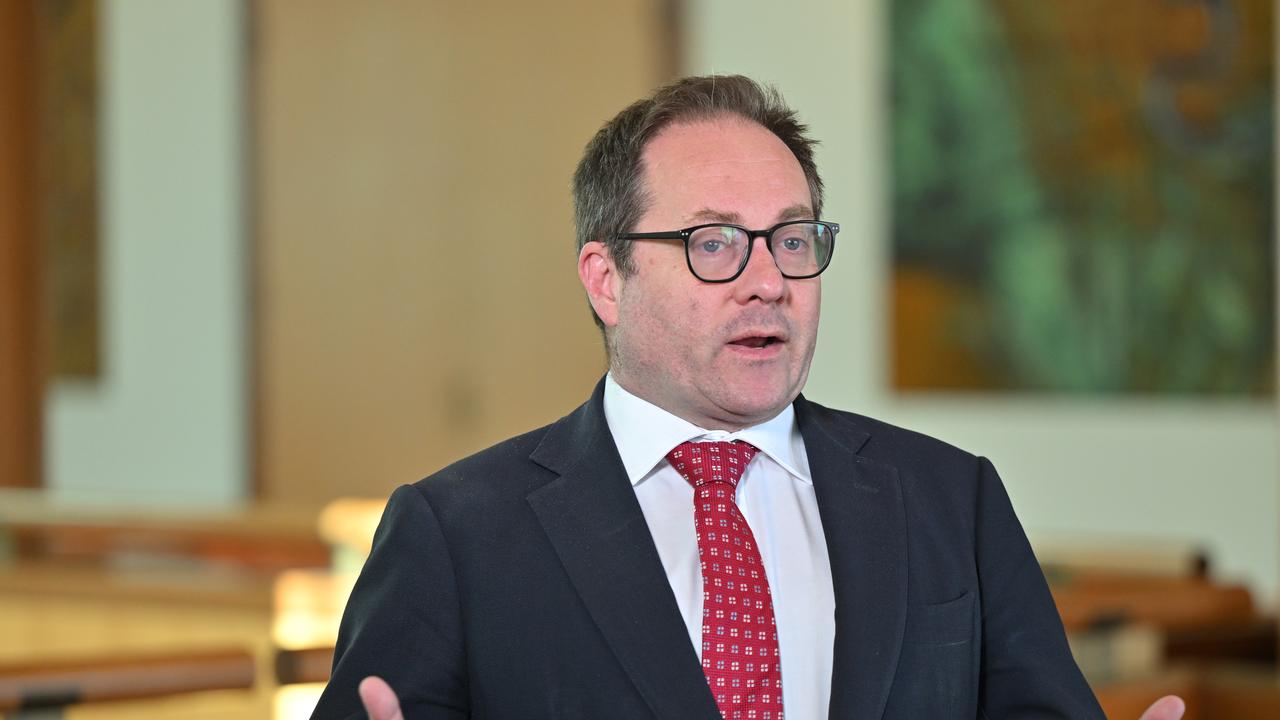
But Assistant Treasurer Daniel Mulino said it was “a huge positive for business”.
The Reserve Bank, which oversees Australia’s payments infrastructure, has also capped interchange fees – paid by the business’s payment provider to the customer’s card issuer – and improved transparency for prices set by card networks.
That will save small businesses $900 million per year in costs, Dr Mulino said.
“The Reserve Bank, when they looked at this, saw that Australia was an outlier,” he told ABC’s Afternoon Briefing program on Friday.
“We needed to make our payment system more transparent. Consumers, rightly, were getting very annoyed with the fact that when they tapped their card, they were paying a different price. So this was a reform that was long overdue.”
Choice head of policy Morgan Campbell agreed.
“Consumers are always better off knowing the price up-front rather than getting a surprise at the till through a surcharge,” he told AAP.
While merchants were hit with a one-off price increase when the ban came into effect, over time small businesses will be able to shop around for better deals with card providers, he said.
That should ultimately result in lower costs.
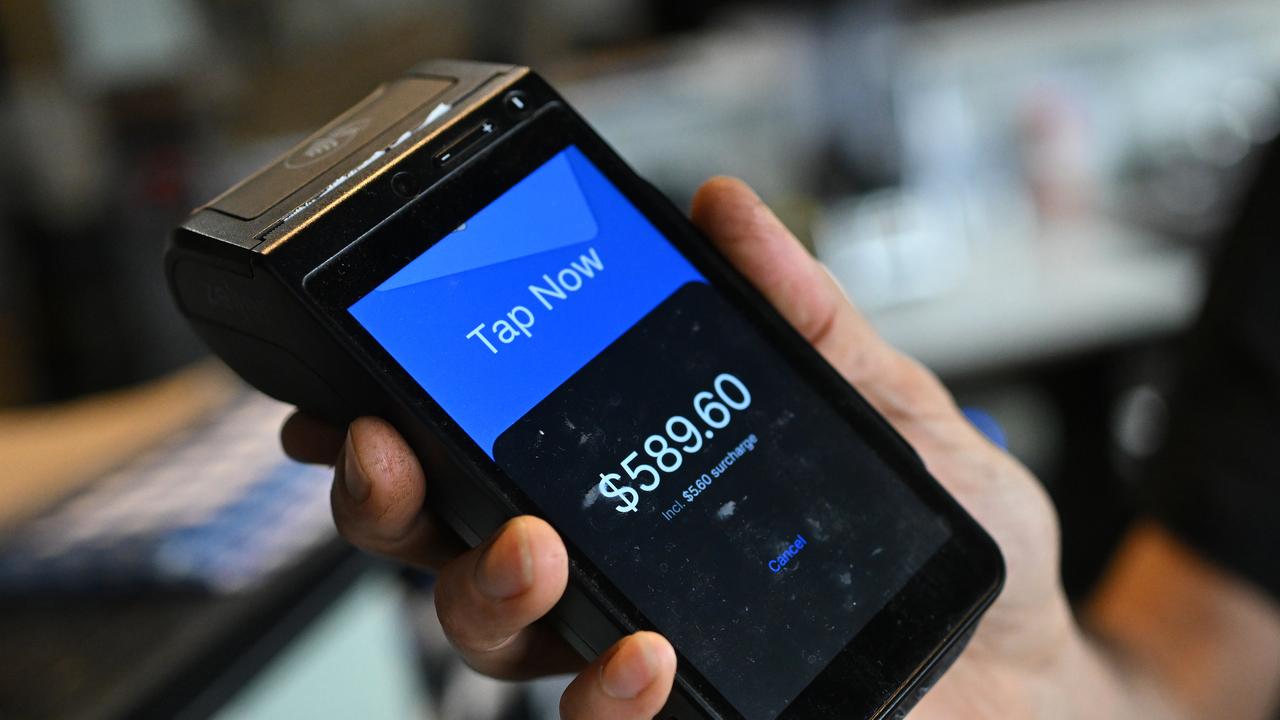
But Wes Lambert, chief executive of the Australian Restaurant and Cafe Association, said the changes would actually make scheme fees charged by card networks like Eftpos and Visa more opaque.
As a result, he said merchant fees – which are the total transaction fees paid by businesses – could climb from around one per cent to US levels of 2.5-3 per cent.
“There is a low understanding of the actual payments industry,” he said.
Greens leader David Shoebridge said the government should have legislated to force the banks to pay for card costs, rather than making consumers and small businesses take the hit.
Mr Lambert also challenged the Reserve Bank’s claim that only 15 per cent of businesses were imposing card surcharges before the ban, saying surveys showed 81 per cent of restaurant and cafe owners passed on some type of surcharge.
“We are hopeful that both the RBA and the government will recognise the circus that this has created, and that they should rethink their position,” he said.
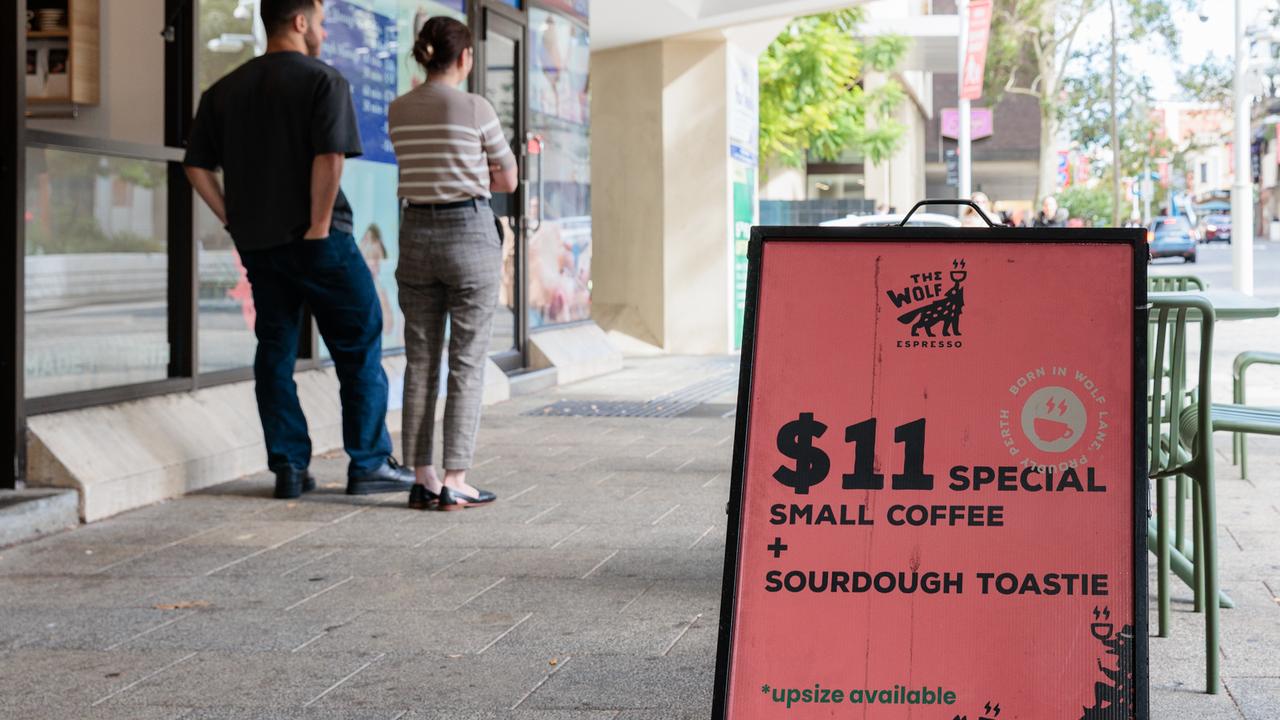
The surcharge ban came while the hospitality sector was already facing higher inflation and wage costs.
“All of those things are accelerating much faster than typically restaurants and cafes can put their prices up, which means that it goes directly to the bottom line,” Mr Lambert said.
Small Flat White, an online coffee price tracker, found 17 per cent of cafes increased prices since the ban came into effect on October 1.
Out of those that hiked prices, the average increase was 49c, or about 10.7 per cent.

Australian Associated Press is the beating heart of Australian news. AAP is Australia’s only independent national newswire and has been delivering accurate, reliable and fast news content to the media industry, government and corporate sector for 85 years. We keep Australia informed.