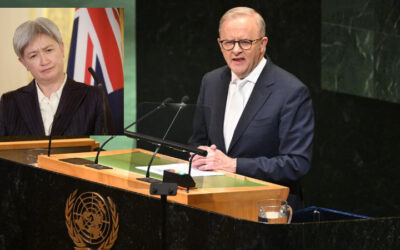
The international world order set up following World War II is no longer fit for the present-day environment, the prime minister will declare in a major foreign policy speech.
In an address to the Atlantic Council on Thursday, Australian time, Anthony Albanese will say many of the institutions that were necessary post-1945 were not enough to meet present-day challenges.
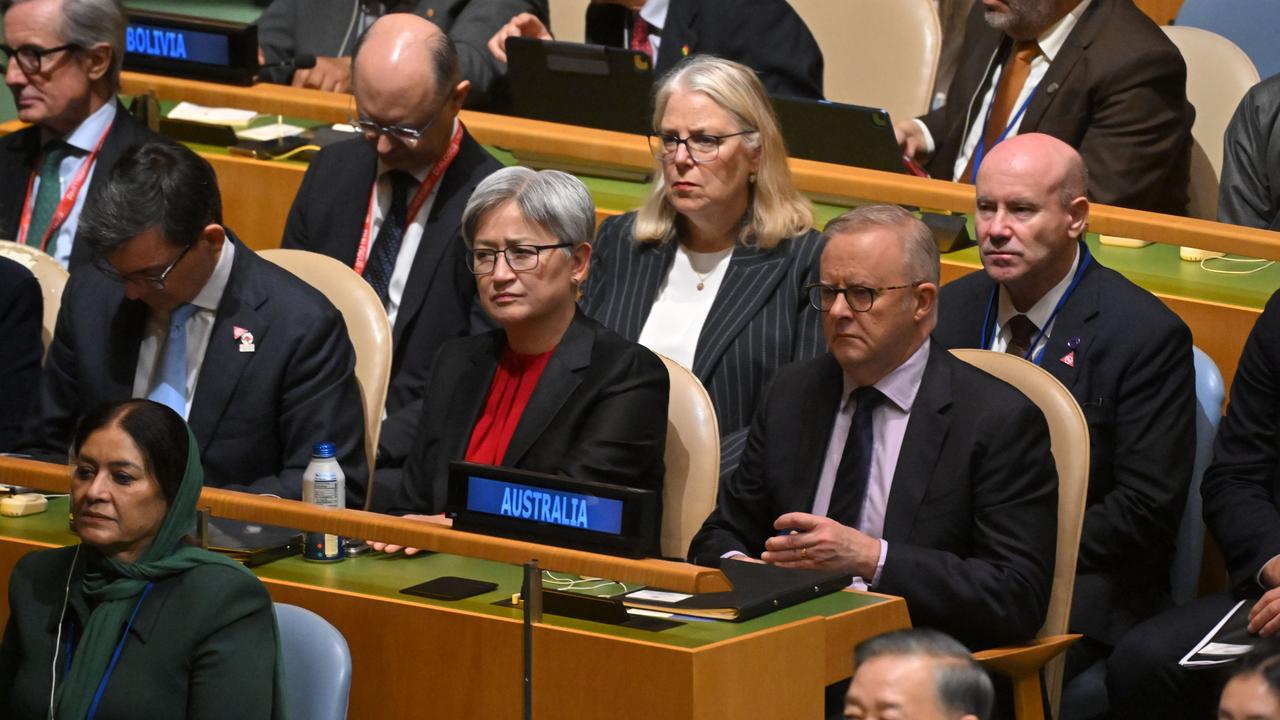
The prime minister will use the speech on the sidelines of the United Nations General Assembly in New York to argue partnerships with alliances remain crucial in a rapidly changing global environment.
“Since the end of the Cold War, the prevailing assumptions of international affairs were clear: openness was security, efficiency mattered more than resilience and international rules would be observed,” he will say.
“Those assumptions rested on the expectation that the influence of the major democratic powers would remain largely unchallenged.
“The post-1945 world order is no longer fit for purpose. Universal institutions that remain necessary are now not always sufficient for the challenges we face.”
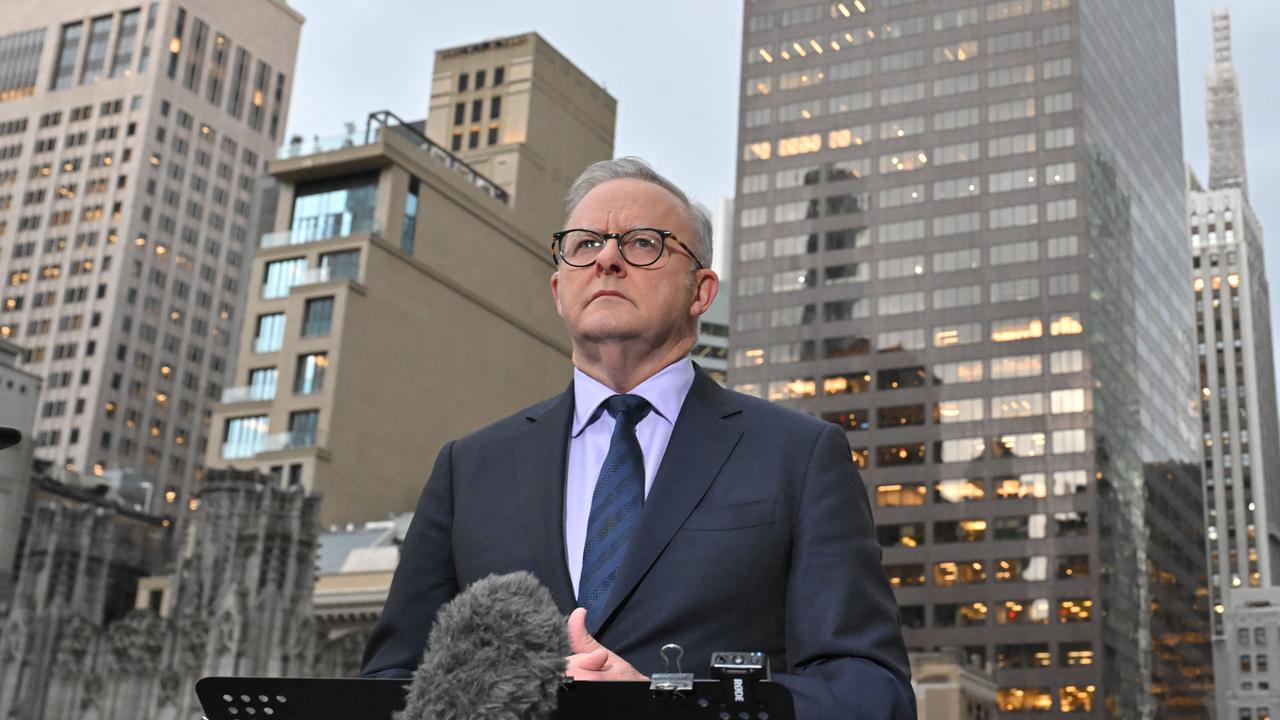
The prime minister will say Australia needed to shape a world order that will replace the old one, while preserving diplomatic rules.
Mr Albanese will point to the strategic competition between the United States and China in the Indo-Pacific region as being the most consequential issue facing the region.
While Australia had ties with the US and China as its key security and trading partners respectively, Mr Albanese will say the competition between the two powers should not be the only lens the Pacific should be dealt with.
“The Indo-Pacific is not a chessboard on which superpowers move the pieces,” he will say.
“Its countries are not spectators, they are shaping its future and writing their own script.”
The prime minister will make the speech after receiving the Atlantic Council’s Global Citizen award, where he is being recognised for his role in deepening alliances and promoting security and stability in the Indo-Pacific.
He will be among four award recipients at the event, including Formula One boss Stefano Domenicali, Finnish President Alexander Stubb and actress Cynthia Erivo.
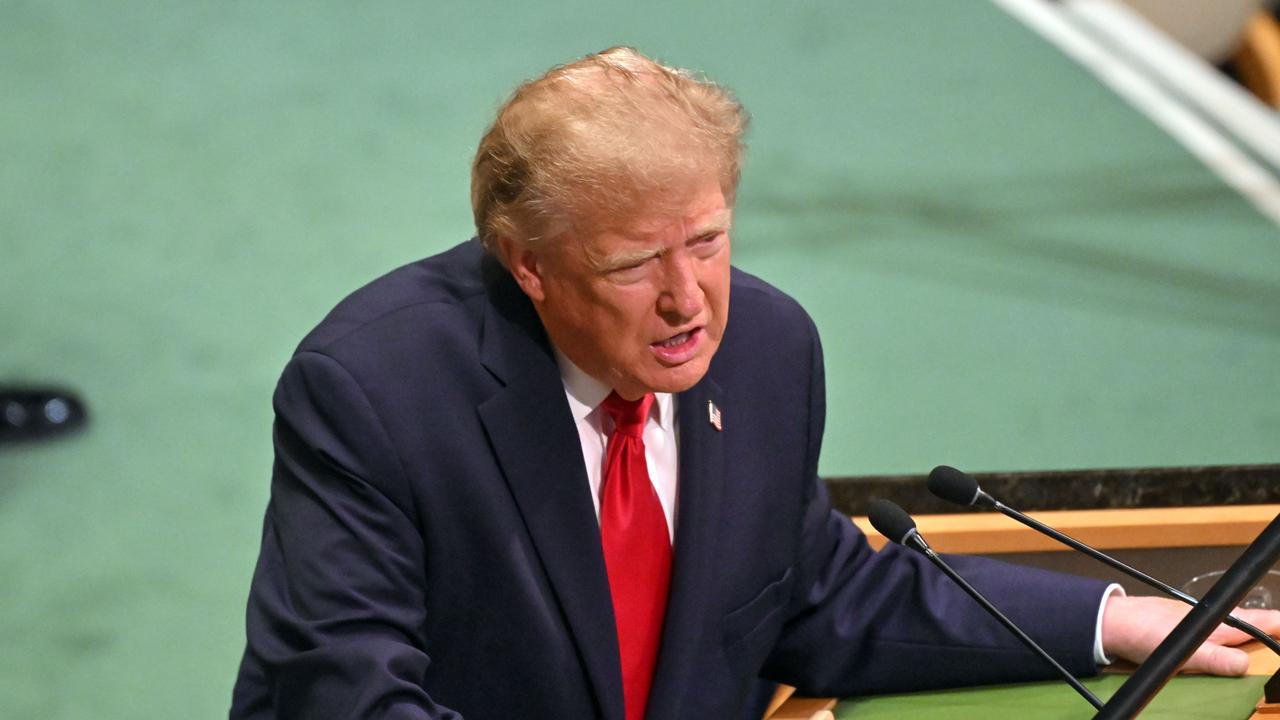
The speech comes a day after Mr Albanese met briefly with US President Donald Trump at a gala dinner hosted by the American leader.
The prime minister and Mr Trump have issued divergent calls on whether to rein in the use of AI following safety fears, or in the case of the US leader, accelerate its rollout.
Mr Albanese will be introduced by Papua New Guinea Prime Minister James Marape at the event, who the Australian leader has forged close ties with during his time in office.
Relations with Pacific nations such as Papua New Guinea will be highlighted by Mr Albanese in the speech.
“The Pacific has been a priority for my government since day one,” he will say.
“Our approach to the Pacific is characterised by respect. Respect for Pacific priorities, for their incredible culture and for their sovereignty.
“Our partnerships in the Pacific are building the security, prosperity and resilience of all our countries, so they can advance together, shaped by Pacific priorities.”
Mr Albanese will also point to ASEAN alliances in Southeast Asia as crucial to regional order.
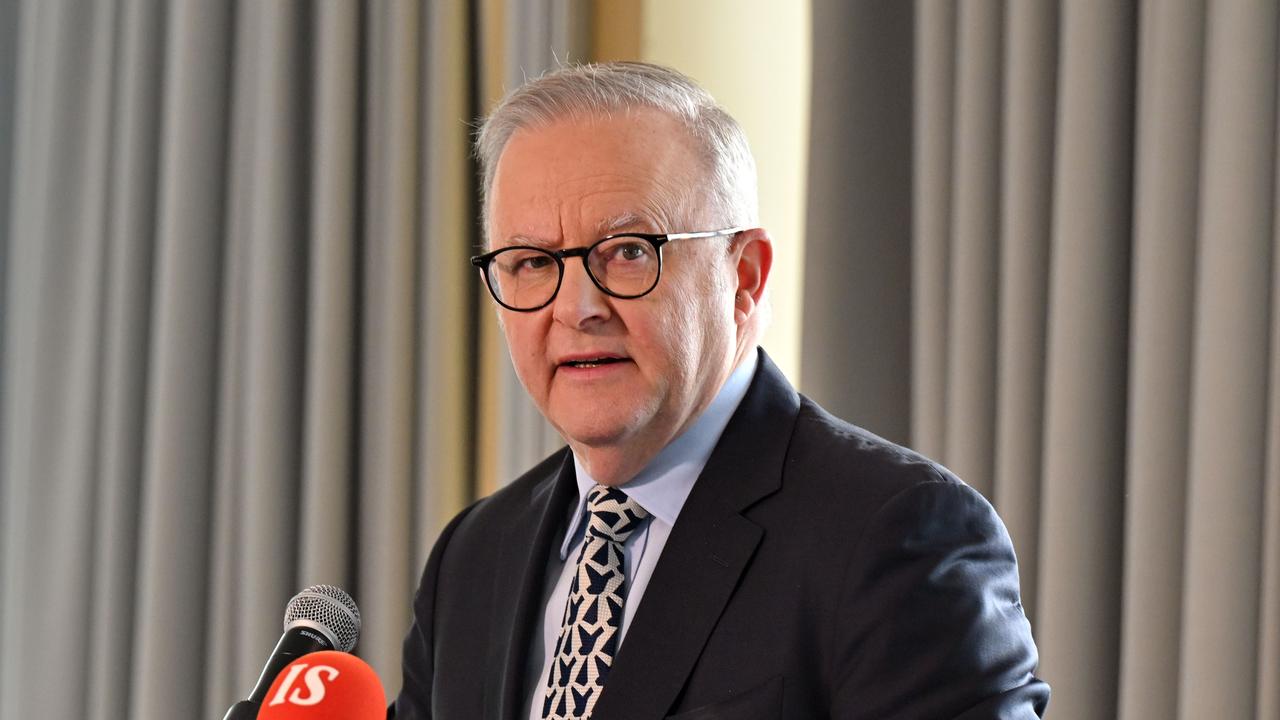
The new global order has forced countries to place a bigger emphasis on building resilience through critical minerals and energy measures, the prime minister will say.
That focus has been heightened by the impact of the COVID-19 pandemic and the war in Iran, which has led to supply chains coming under pressure and fuel prices surging.
“The rules that connect our nations remain essential, and they matter to Australia, to the Indo-Pacific and globally.”

Australian Associated Press is the beating heart of Australian news. AAP is Australia’s only independent national newswire and has been delivering accurate, reliable and fast news content to the media industry, government and corporate sector for 85 years. We keep Australia informed.