
Australian households will shrink but more people can expect to live well into their 90s, according to the latest update to forecasts of the country’s long-term future.
Treasury’s latest Intergenerational Report, to be published in full on Monday, will project the impact of government policies 40 years into the future.
An extract released on Sunday showed life expectancy at birth was forecast to reach almost 90 for women by 2065/66, up from about 86 years at present.
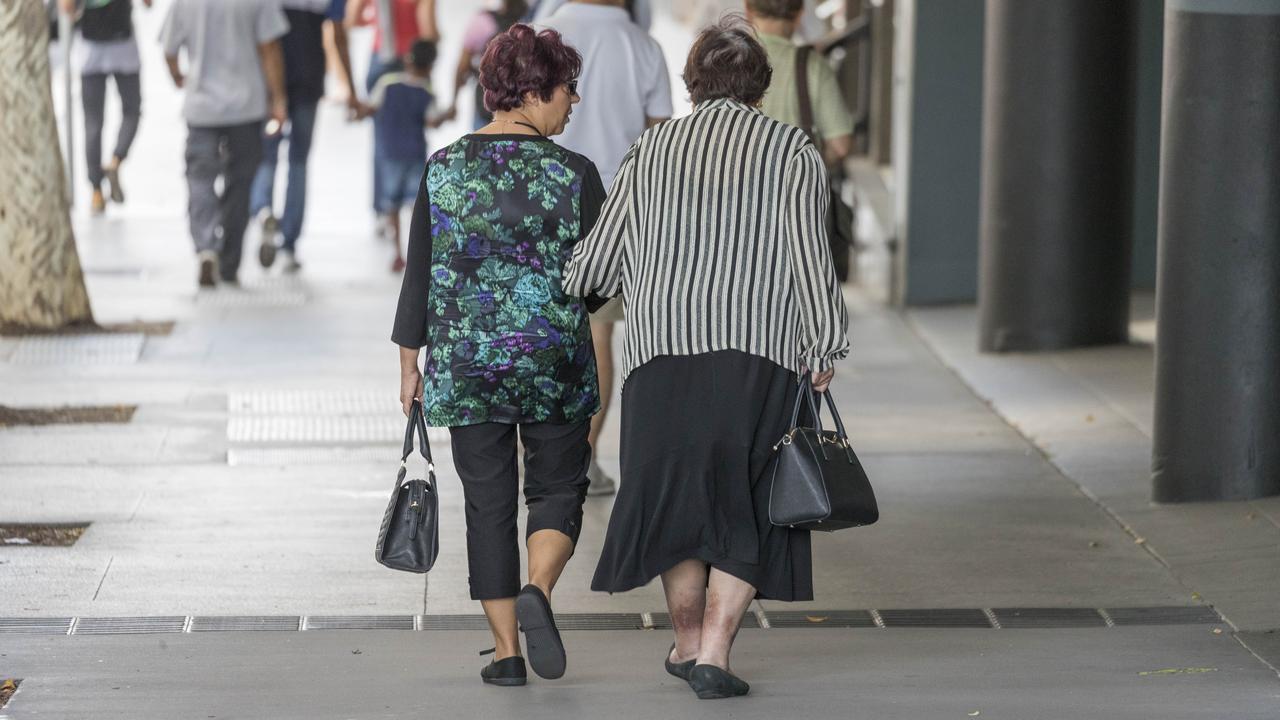
Life expectancy for men was predicted to rise to 86 years in the next four decades, up from 82 years.
Australia’s universal healthcare system and the impact of medical research were the key drivers of rising life expectancy, Treasurer Jim Chalmers said.
The report laid out the case for further investments in Medicare, the Pharmaceutical Benefits Scheme and the recent rollout of urgent care clinics, he said.
But a growing and aging population would also be at the centre of long-term budget pressures, Dr Chalmers told News24’s Sunday Agenda program.
“There are elements of the intergenerational report which are confronting, but it’s not a pessimistic report … because Australians are genuinely better placed and better prepared for all of this accelerating change that we are seeing,” he said.
Australia’s population is expected to be slightly lower by the mid-2060s than forecast in the previous Intergenerational Report, released in 2023.
Population growth was expected to slow to 0.9 per cent per year over the next four decades, down from 1.4 per cent annually in the previous 40 years, according to Treasury forecasts.

The nation’s population was predicted to reach 39.3 million by 2065/66, 1.8 million lower than the 2023 forecast.
Much of the slowdown in population growth was tied to lower fertility rates as women continued to have fewer children.
“Almost half the decline in fertility rates is actually because fewer people are having three or more kids and what that reflects is mums having fewer kids later in life,” Dr Chalmers said.
“Our job is to make it a little bit easier for people to make that choice if they want to,” he said, noting Labor’s policies to subsidise child care, increase paid parental leave and lift mandatory superannuation contributions.
Future government debt is expected to be slashed by half a trillion dollars compared to forecasts in the 2023 report, but much of the economic progress relies on emerging technologies such as artificial intelligence.
“Overwhelmingly, the fiscal story is a little bit better; but still, lots, lots more work to do to manage some of these pressures and risks,” Dr Chalmers said.
Previous Treasury advice suggested AI could provide significant productivity gains across the public and private sectors if the nation kept pace with the global shift towards the technology.

Australian Associated Press is the beating heart of Australian news. AAP is Australia’s only independent national newswire and has been delivering accurate, reliable and fast news content to the media industry, government and corporate sector for 85 years. We keep Australia informed.