
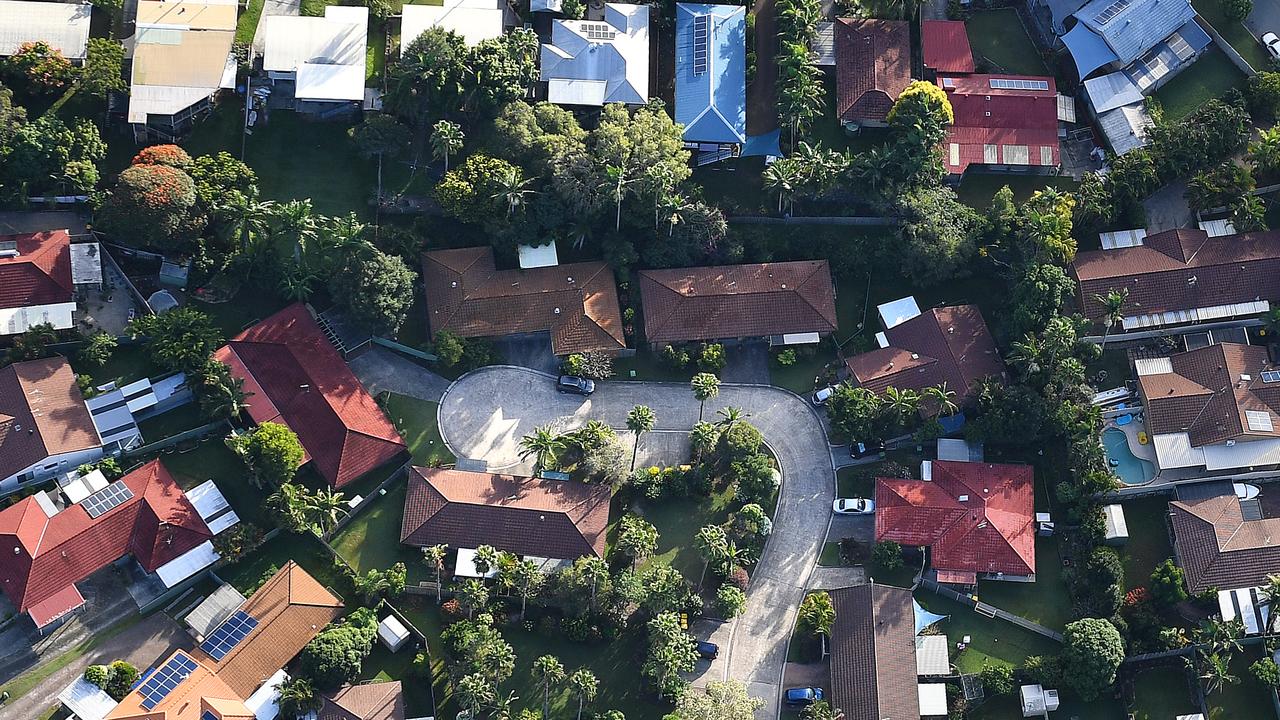
Australians still want a home of their own, financial security and the freedom to enjoy life.
But increasingly, getting there means waiting longer, working more, spending less and finding different ways to live.
New research paints a picture of aspiration, dislocation and growing isolation as Australians adjust their lives in tough economic times.
Seven in 10 Australians still see home ownership as a sign of financial success but almost two-thirds are prepared to delay it and similar milestones – as long as they reach that goal eventually.
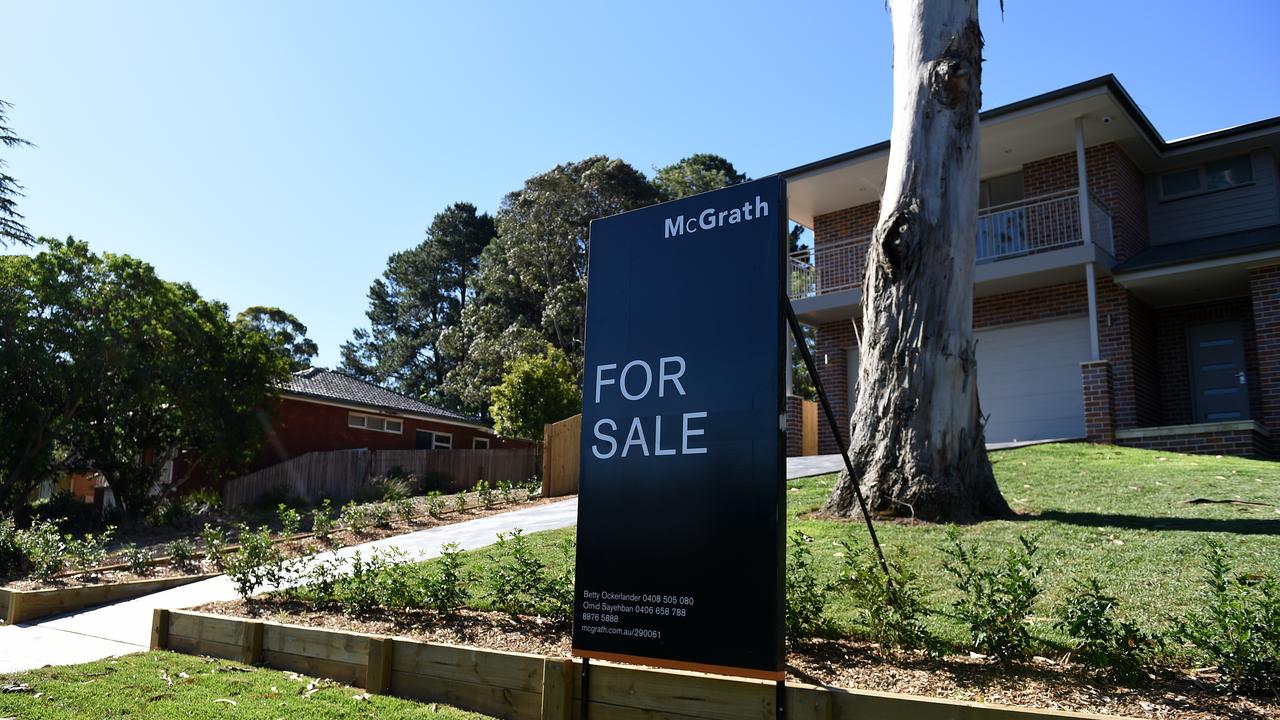
Almost six in 10 have made or expect to make significant sacrifices to reach their goals, according to a national YouGov survey commissioned by customer-owned bank NGM Group.
More than half have cut lifestyle spending, 30 per cent work longer hours or multiple jobs and 22 per cent have changed jobs or career paths.
NGM Group’s James Cudmore says the findings challenge the idea younger Australians are turning their backs on traditional aspirations.
“Despite the affordability challenges and economic uncertainty they’ve experienced, our findings suggest that aspirations such as home ownership, family, and financial security still really appeal to young people,” he says.
For Perth couple Chris Dinham, 35, and Bec Davies, 34, getting a foot on the property ladder meant changing their idea of what owning a home should look like.
After five years travelling Australia in a minibus and documenting their journey online as “Salt” and “Charcoal”, they found a remote property on the NSW Mid North Coast for much less than they could afford in their hometown or major cities, and built a tiny home.
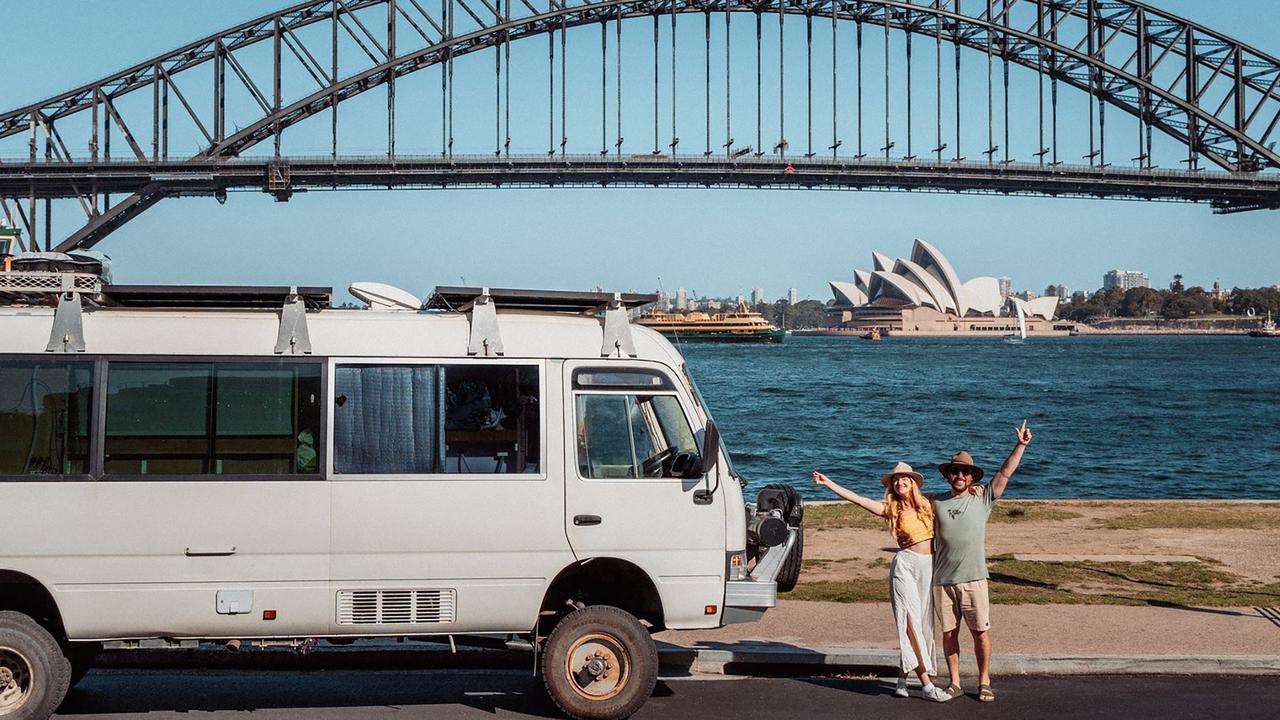
“We realised we didn’t need a large house to live a beautiful lifestyle,” Chris says.
“Once we got clear on what makes us happy, we built our home ownership journey around that.”
For others, the wait for a home of their own is stretching much further.
A separate study of 3562 people living in or hosting share accommodation found 44 per cent were aged 40 or older – making them the largest age group surveyed and challenging the image of the sharehouse as a temporary stop in young adulthood.
More than two-thirds said when they were 20, they thought they would have been out of share housing by the age they are now. That number rose to 78 per cent among those older than 40.
Three-quarters said high housing costs had extended how long they would continue sharing.
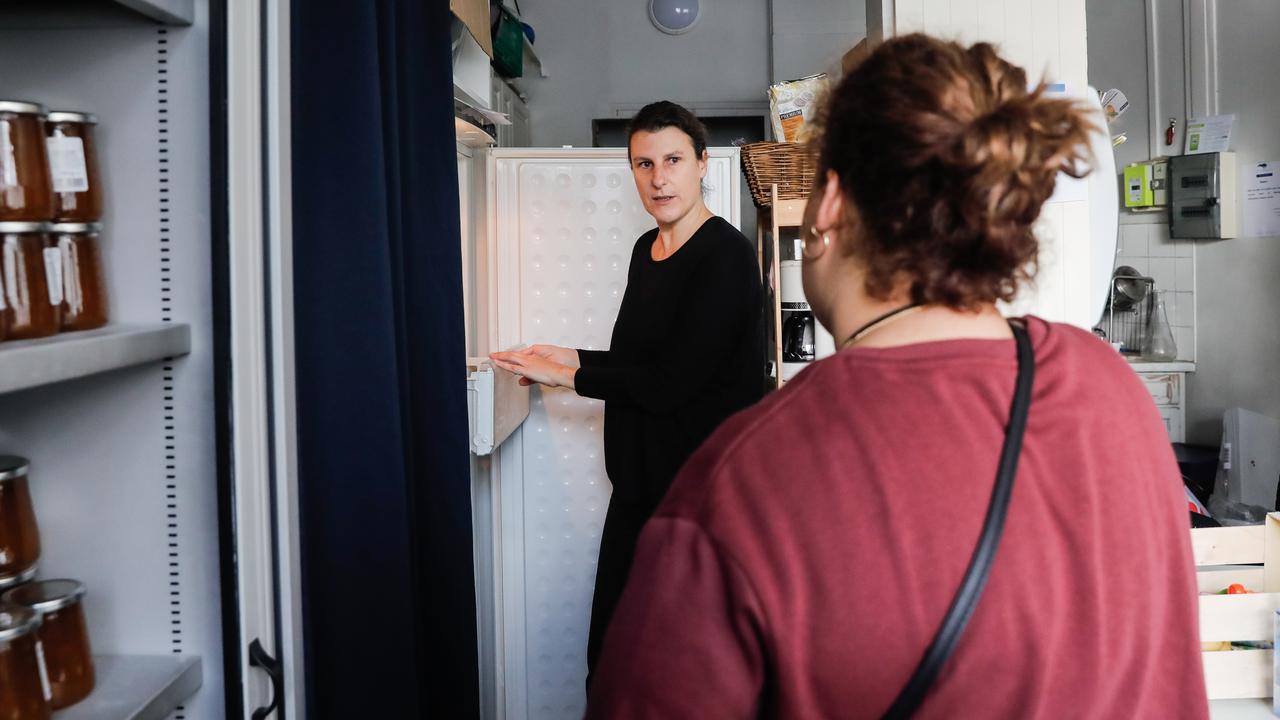
Almost one in three respondents said they did not expect they would ever own a home.
More than a third had already lived in shared accommodation for at least five years and almost one in five had done so for more than a decade.
Homerun founder Scott McKeon says sharehousing has become a more permanent part of Australia’s housing landscape.
“Sharehousing is a far more permanent housing class than the public perceives, and the profile of who lives in one is much broader than the stereotype,” he says.
Yet the shift towards shared living has an interesting counterpoint.
Some 86 per cent of respondents described their sharehouse as a positive place to live, with residents citing community and cost as the most common benefits.
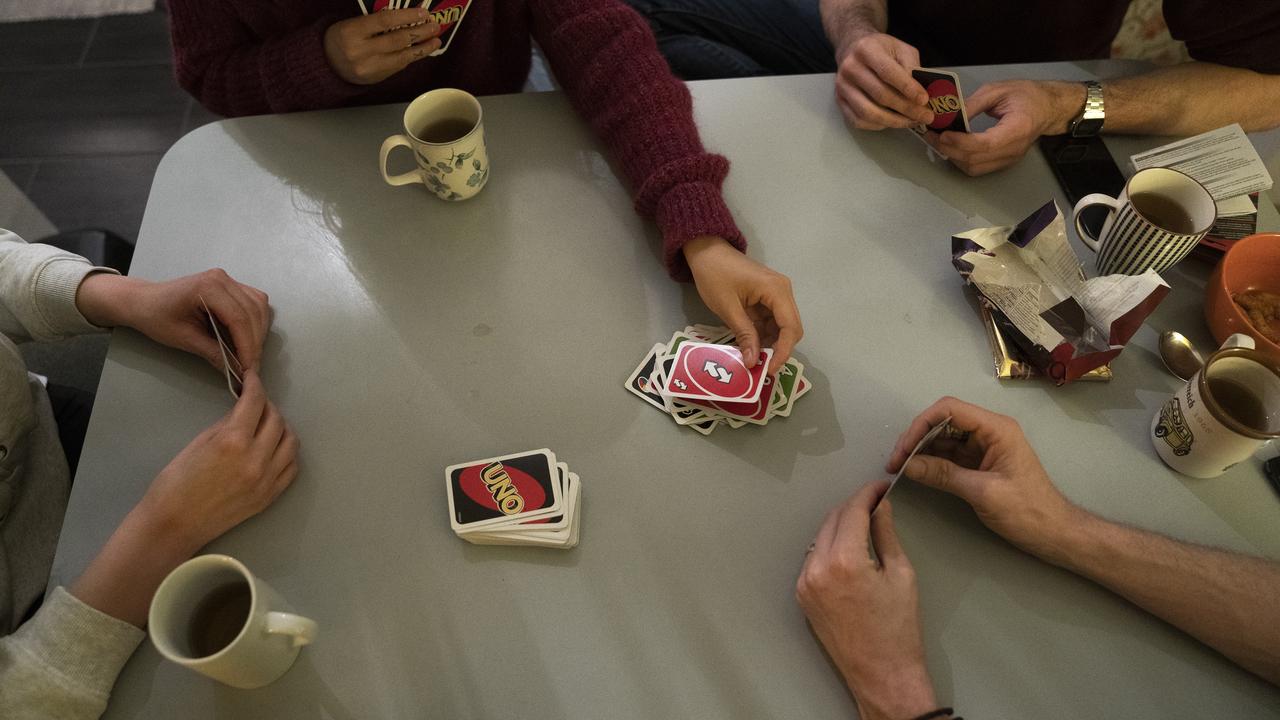
Despite this positivity around communal living, Australians across the wider population appear to be becoming less connected.
University of Sydney researchers examining 23 years of nationally representative HILDA data found social isolation had almost doubled, from 16.9 per cent in 2001 to 29.9 per cent in 2023.
Chronic loneliness also increased, from 6.3 per cent in 2002 to 8.4 per cent in 2023.
The burden was not evenly shared.
Loneliness and social isolation were consistently more common among unemployed Australians, people living in more disadvantaged areas, those living alone or widowed and people with lower levels of education.
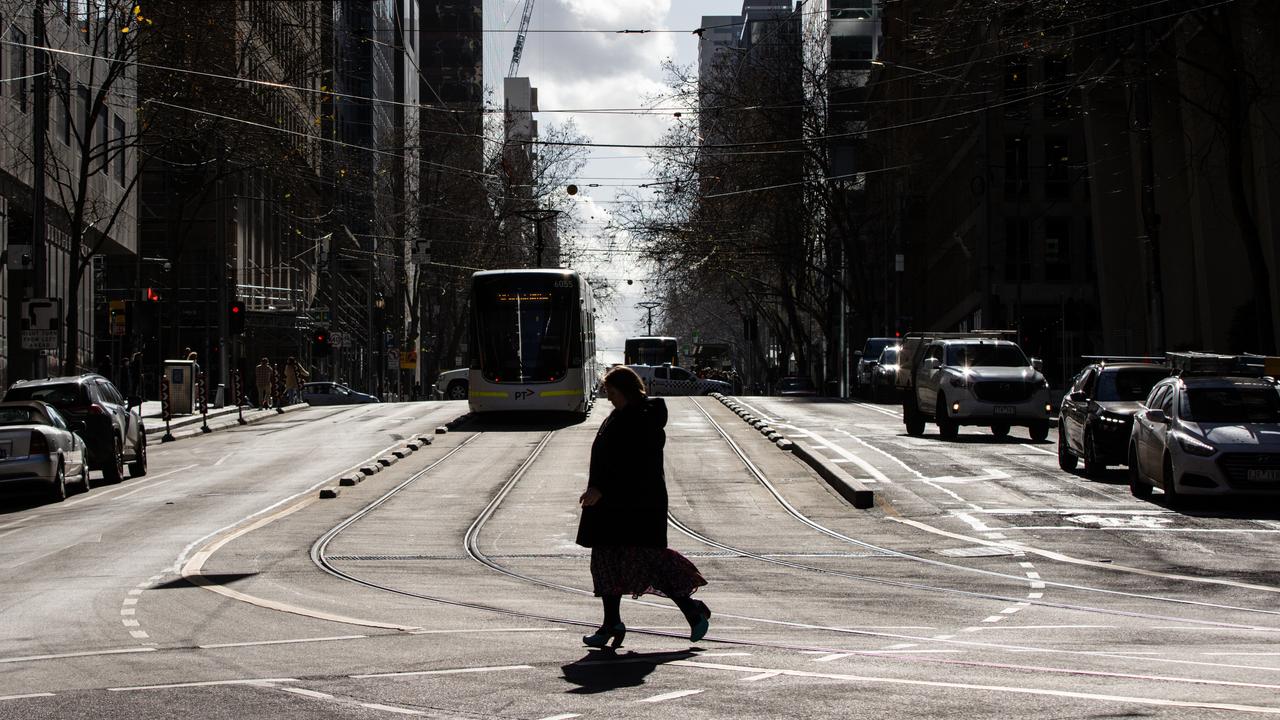
University of Sydney professor Melody Ding said employment, housing, living arrangements, community participation and neighbourhood disadvantage all helped shape people’s social connections.
“The widening social inequalities Australia has experienced in the last two decades may have contributed to worsening social connections as well,” she says.
“Social isolation and loneliness can have potential long-term health impacts, highlighting the need for sustained policy and public health action across the life course.”

Australian Associated Press is the beating heart of Australian news. AAP is Australia’s only independent national newswire and has been delivering accurate, reliable and fast news content to the media industry, government and corporate sector for 85 years. We keep Australia informed.