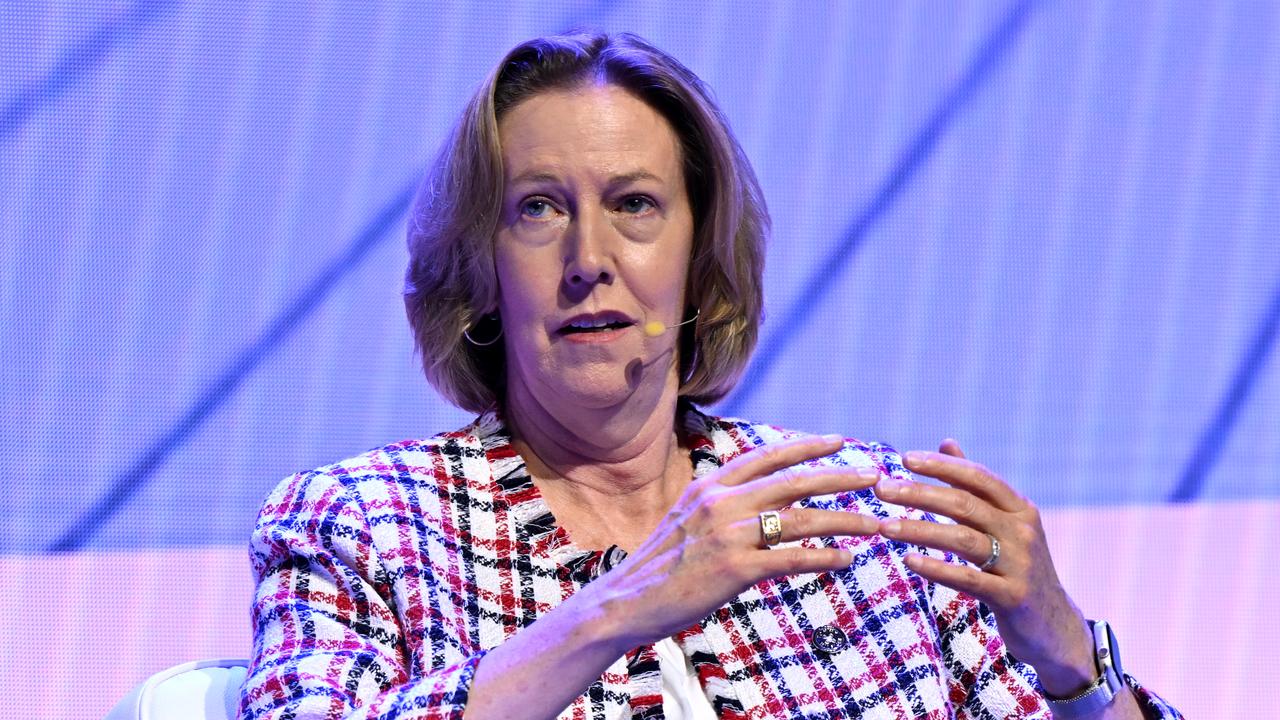
BP has launched a formal sale process for its UK North Sea business as new chief executive Meg O’Neill accelerates a sweeping portfolio overhaul aimed at cutting debt and simplifying the oil major.
A day earlier British Prime Minister Andy Burnham said he planned to take a “pragmatic” approach to developing and using oil and gas resources in the North Sea, setting out his position after US President Donald Trump said the basin would be opened up.
“The North Sea remains integral to the UK’s energy system. However, as we focus our portfolio and direct capital to our highest-value opportunities, we believe our North Sea business will be better positioned as part of another company,” O’Neill said in a statement on Friday.
ExxonMobil, Chevron, ConocoPhillips, Shell, TotalEnergies and Eni have sold, merged or otherwise reduced their operations in the ageing basin in recent years as production there falls.
Smaller players and private equity-backed firms have been the buyers.
BP, formerly known as British Petroleum, has worked in the North Sea for more than six decades and operates five major production hubs in the region, including the Clair oilfield, the largest on the UK continental shelf.
BP generated about five per cent of its oil and gas output from the British North Sea in 2025, about 117,000 barrels out of a total of 2.3 million barrels of oil equivalent a day.
As opposed to the other major North Sea oil and gas producer Norway, Britain’s tax regime on the industry in recent years has been marked by successive changes, decried by oil and gas companies for deterring investment.
Burnham’s Labour Party has already softened its election pledge to stop handing out new oil and gas licences and energy minister Miatta Fahnbulleh said she was in close contact with BP over its sale plan.
BP employs 1100 workers in its North Sea business out of a total of about 14,000 employees in Britain, the London-headquartered company said.
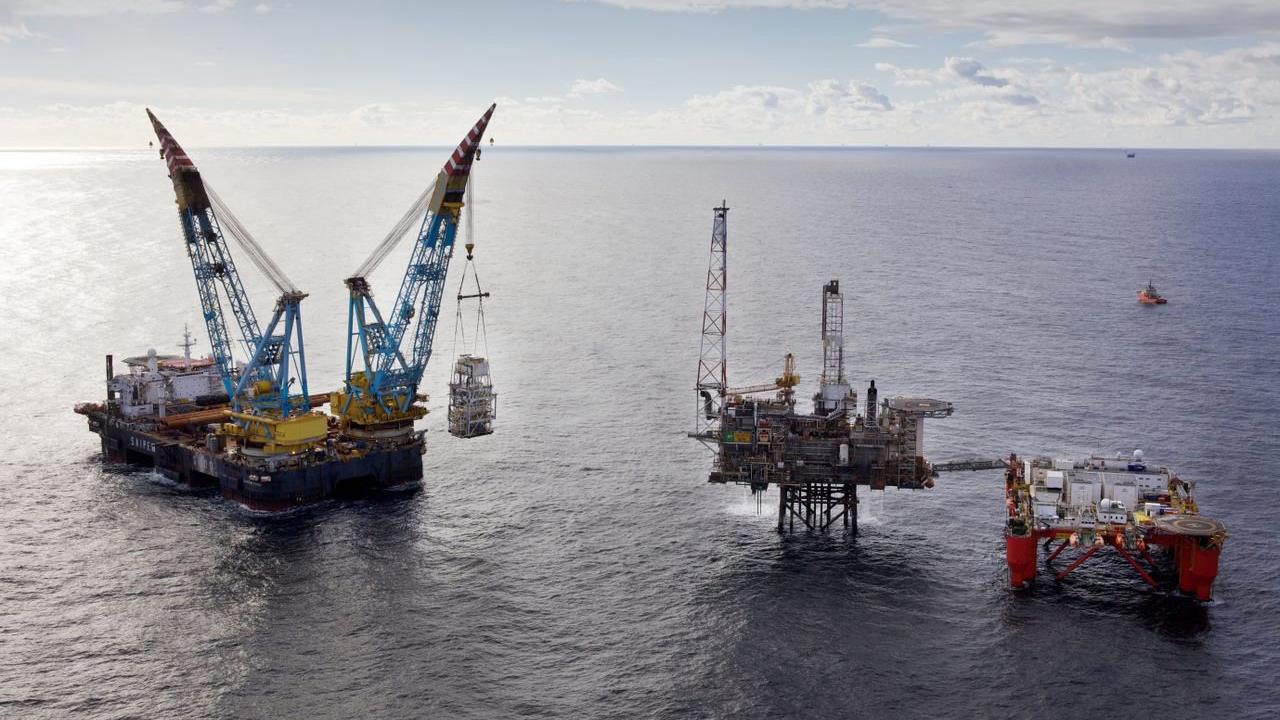
Overall output in the ageing oil and gas basin has plummeted to about one million boed in 2025 from 4.5 million boed at the turn of the millennium.
BP has stepped up its efforts to reduce debt, boost profit and refocus on its oil and gas businesses after scaling back its investment in renewable energy.
Since O’Neill took over in April, BP has reorganised into two business segments – upstream and downstream – from three, a change that took effect in July.
An internal email seen by Reuters on Thursday also disclosed BP’s planned to reduce its workforce by 700.

Australian Associated Press is the beating heart of Australian news. AAP is Australia’s only independent national newswire and has been delivering accurate, reliable and fast news content to the media industry, government and corporate sector for 85 years. We keep Australia informed.