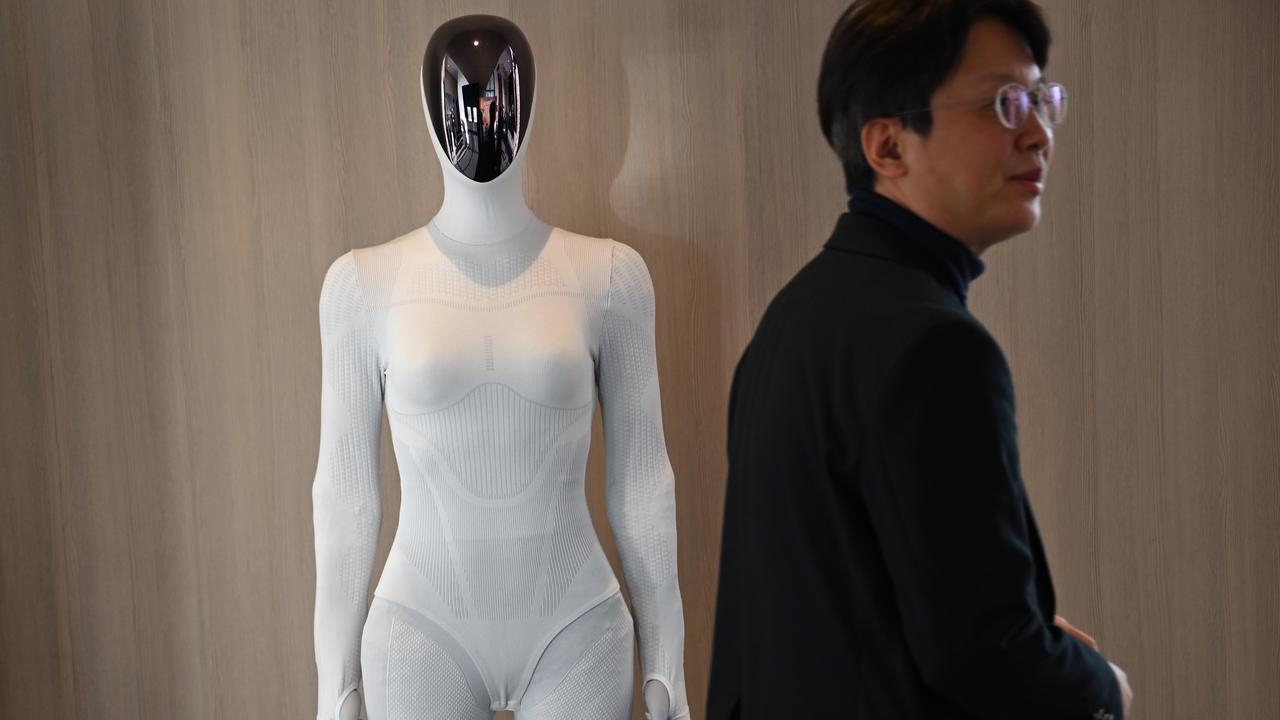
Humanoid robots may soon greet customers in Australian dealerships under a Chinese car maker’s plan to re-enter the local electric vehicle market.
While internal combustion engine vehicles make up the majority of cars on Australia’s roads, electric vehicles account for a growing share of new sales.
The domestic market is increasingly competitive, with suppliers looking beyond first movers to convince mainstream motorists to make the switch.
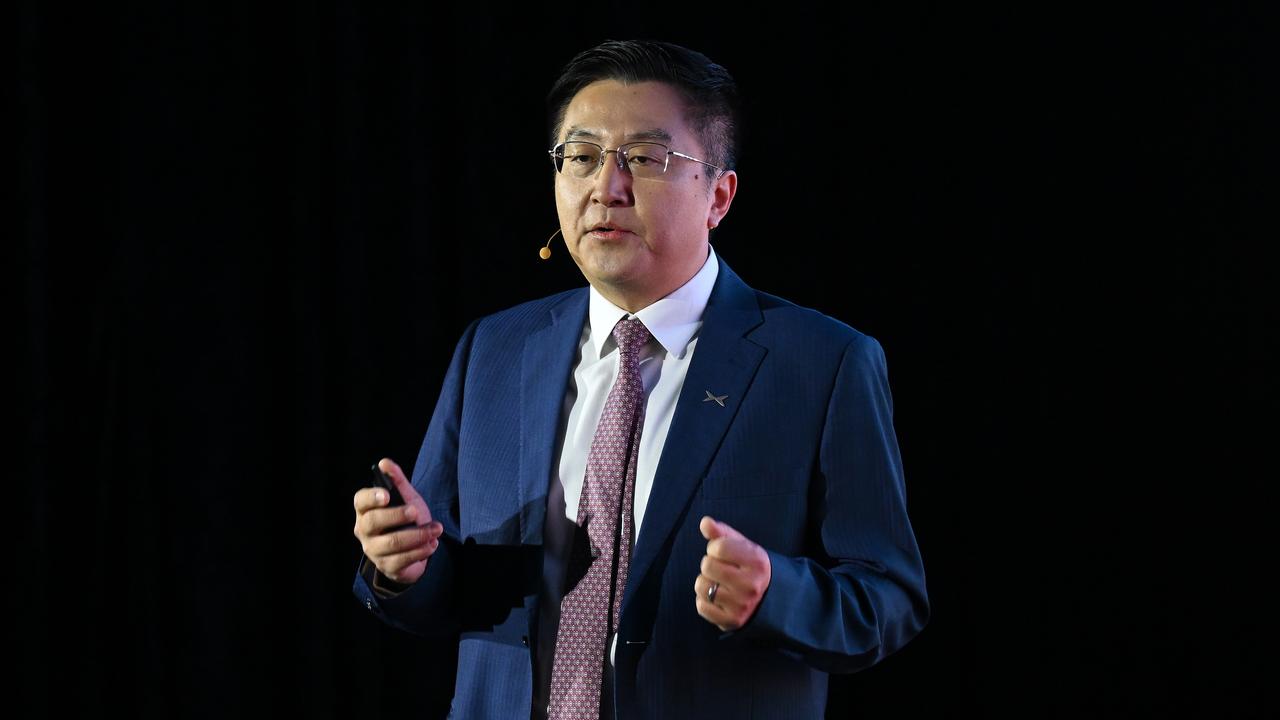
Guangzhou-based car maker XPeng made its pitch in Melbourne on Tuesday, arguing intelligence, not electrification, is the industry’s next frontier.
“Even though we were developing EVs, we always have our vision set on all modes of mobility in the future,” president and vice chairman Brian Gu told attendees.
Humanoid robots, self-driving software and flying vehicles are at the heart of the mobility revolution for the 12-year-old company.
The robot, named IRON, was first rolled out at an event in Guangzhou in November.
So fluid and human-like were its movements, Dr Gu said, attendants made a show of cutting open its leg to prove there was no human inside.
“It was actually the first time a robot has … cut open its own skin to prove to the world it’s indeed a robot,” he said.
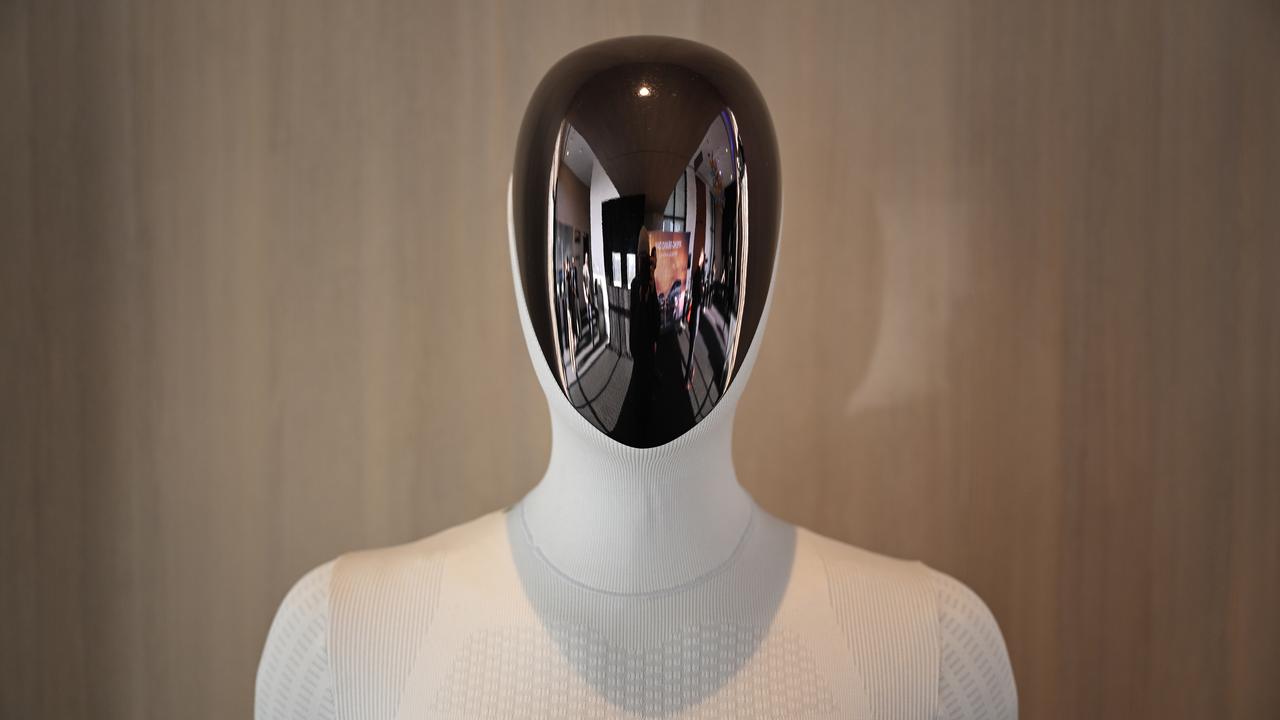
At 173cm tall and weighing 65kg, IRON is being trained to soon greet customer’s at XPeng’s dealerships, open doors and answer questions.
He insisted the robot would not replace human workers but would be rolled out to the company’s offices and factories, beginning in China.
“(IRON) will become a reality very soon, and hopefully very soon in Australia as well,” Dr Gu said.
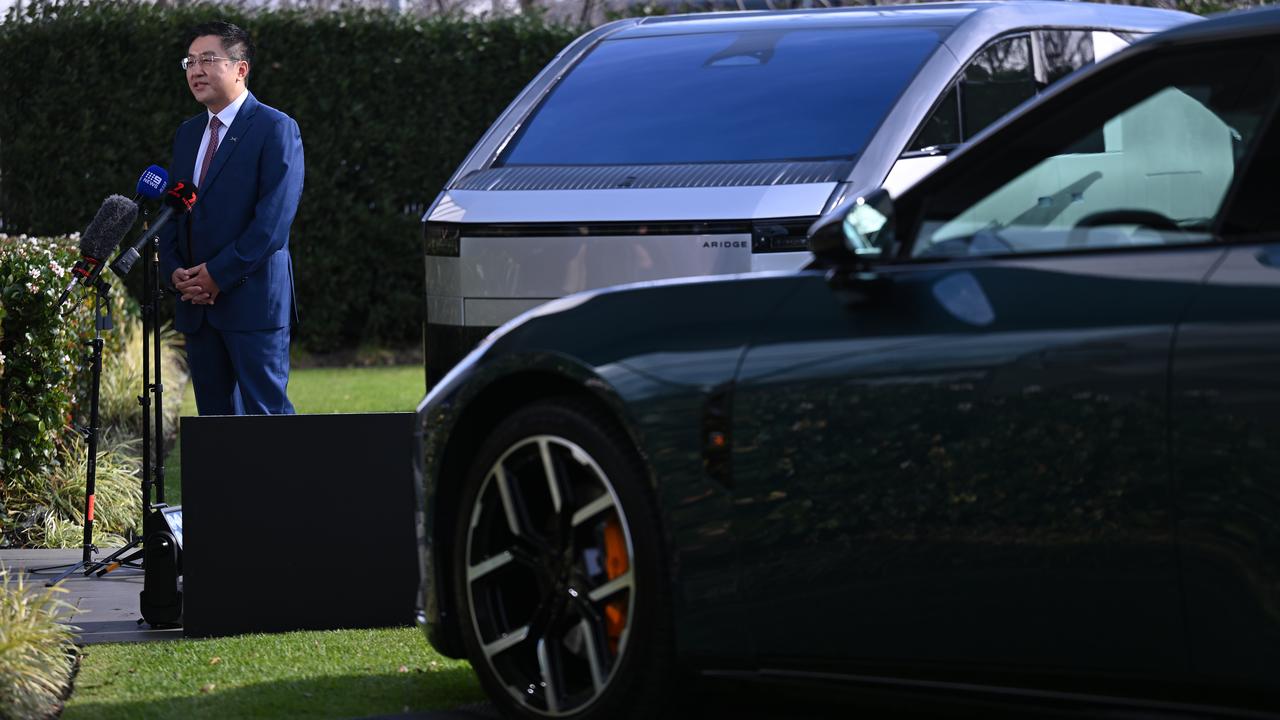
Xpeng launched in Australia in 2024, before its relationship with its exclusive local distributor soured, spilling over into a lengthy legal battle.
It has since developed a network of 25 dealerships and plans to expand its local fleet from a single SUV to five models in six months.
While it has posted strong year-on-year growth, its global sales remain a fraction of those posted by Tesla and fellow Chinese manufacturers BYD and Geely.
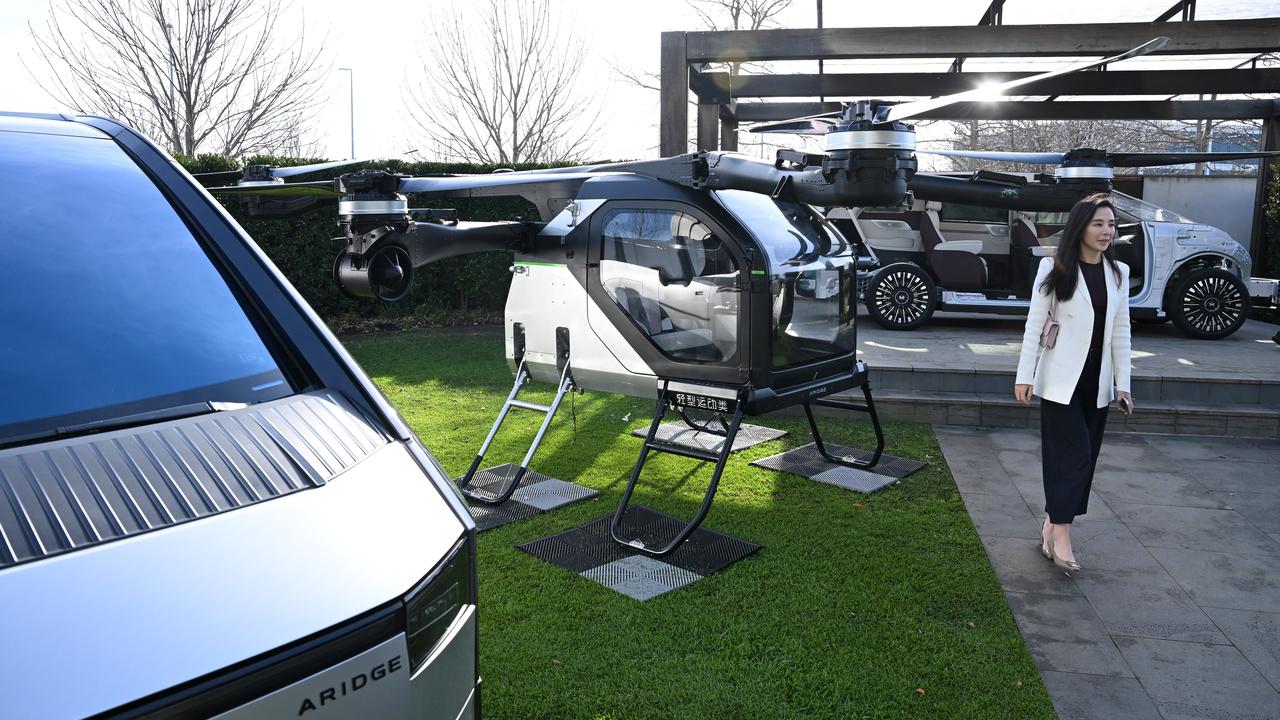
Electric and hybrid vehicles accounted for more than a third of new passenger car sales in Australia for June, up from about 11 per cent the year prior.
The figures, reported by the Electric Vehicle Council, are believed to have been buoyed by fuel supply concerns related to US and Israeli-led conflict in Iran.
Even before the conflict began, China emerged as the top supplier of new cars to Australia in early 2026, edging out Japan and Thailand.
Dr Gu described Australia as the company’s “home” in the southern hemisphere, adding it would tailor its technologies to Australian driving conditions.
“I would love to see the (self-driving vehicle) take on a tram hook turn,” he told the Melbourne audience.

Australian Associated Press is the beating heart of Australian news. AAP is Australia’s only independent national newswire and has been delivering accurate, reliable and fast news content to the media industry, government and corporate sector for 85 years. We keep Australia informed.