Hundreds of workers are expected to walk off the job at the world’s largest bulk iron ore export port amid failed wage negotiations between a mining giant and unions.
More than half of the 450 workers at BHP’s Port Hedland Bulk Export Terminal in Western Australia are expected to strike for eight hours next Thursday.
The move would mark the first major industrial action to hit the resource-rich Pilbara region in decades.
Electrical Trades Union WA says BHP has failed to progress wage bargaining talks for more than six months.
“This company has engaged in a campaign of US-style stonewalling tactics rather than negotiating,” secretary Adam Woodage said on Wednesday.
“I hope this sharpens the minds of BHP managers and shareholders on the importance of negotiating for a fair, safe and productive iron ore industry.”
The combined ports unions, comprised of the Electrical Trades Union, the Western Mine Workers’ Alliance, and the Australian Manufacturing Workers’ Union, are involved in the industrial action.
“Despite enormous profits, BHP has spent more than six months dragging out negotiations instead of putting a fair offer on the table,” AMWU WA state secretary Steve McCartney said.
“Our members aren’t asking for anything unreasonable. This dispute can end tomorrow. The choice is BHP’s.”
BHP said it was eager to keep negotiating constructively for a fair deal and make sure its operations continue running safely.
“Our focus remains on keeping our people safe, maintaining productive operations and reaching a fair, competitive and reasonable agreement with our people,” a spokesman said.
Enterprise agreements had recently been negotiated without incident with other parts of the company’s substantial Pilbara workforce, the company said.
Bargaining for BHP’s port operations agreement started in October 2025, with eight meetings conducted and another two planned.
BHP’s WA Iron Ore operations, centred around the Port Hedland export hub, are massive revenue drivers.
About 577 metric tonnes were exported from Port Hedland in 2024-25, worth an estimated $115.8 billion.
The company paid $2.8 billion in state royalties and related government payments in the 2025 financial year, contributing about nine per cent of all WA government revenue, BHP said.
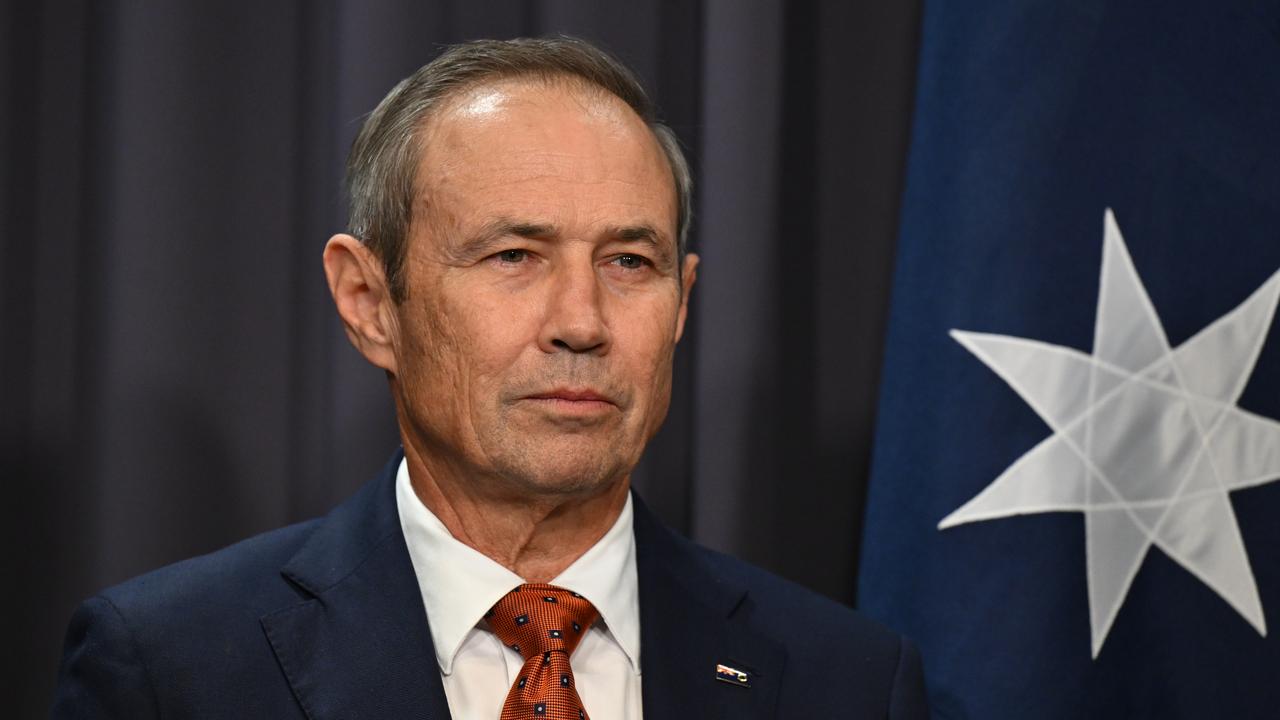
WA Premier Roger Cook said he did not support the strike and wanted the unions and BHP to negotiate an outcome to the dispute.
“The Pilbara is the engine room of the nation and I wouldn’t be the only one who would be concerned about any disruption to industry,” he said.
The Chamber of Minerals and Energy WA said it was a deeply disappointing outcome but not surprising.
“Union leaders have signalled all along that they are itching to bring strikes and division back to the Pilbara,” chief executive officer Aaron Morey said.
“Unions need to put the interests of their members ahead of their desire for a fight.”
Unions left the Pilbara in 2000, and since then, iron ore production has grown fivefold, creating more than 55,000 jobs.
“On top of that, more than $100 billion in ore royalties have been generated for the benefit of all Western Australians,” Mr Morey said.

Australian Associated Press is the beating heart of Australian news. AAP is Australia’s only independent national newswire and has been delivering accurate, reliable and fast news content to the media industry, government and corporate sector for 85 years. We keep Australia informed.