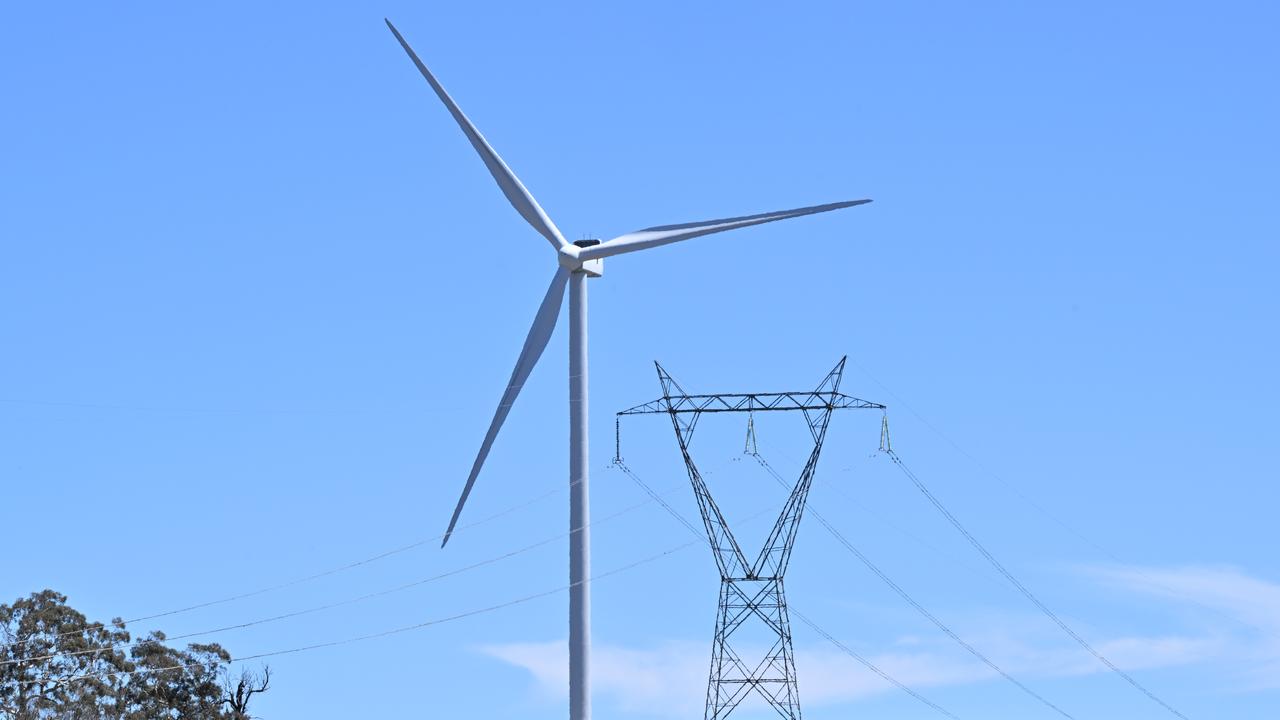
Nine in 10 renewables investors view data centres as a viable pathway to unlock clean energy investment.
The energy-hungry facilities have been identified as a promising development in an otherwise deteriorating investment outlook that could see money drying up for new solar and wind projects.
The Clean Energy Investor Group, the organisation behind the annual survey, says long-term power purchase agreements inked with data centre operators are thought to be improving projects’ bankability and helping to underwrite investment in new generation.
“However, data centres must not be used as an excuse to delay coal power closures, which investors want to see retired on time,” chief executive Richie Merzian said.
Australia has become a top destination for data centres as tech firms rush to meet demand for artificial intelligence tools.
While a source of local business investment, the rapid buildout has sparked community concerns around water, land and energy use, with fears the extra electricity demand could stretch out retirement plans for ageing, polluting coal plants if not met with surplus clean energy.
Fresh regulation is under consideration to ensure data centres are run off genuinely new solar and wind capacity.
Overall confidence in Australia’s clean energy investment landscape remains robust, with nearly 60 per cent of surveyed investors viewing the nation as a good place to park renewables capital.
Sentiment has been heading in the wrong direction, however.
Investors flagged delays to transmission buildouts as the top challenge, followed by sluggish planning approvals as well as connection hassles and other grid-side constraints.
Tax has emerged as another source of concern following the federal government’s capital gains tax reforms.
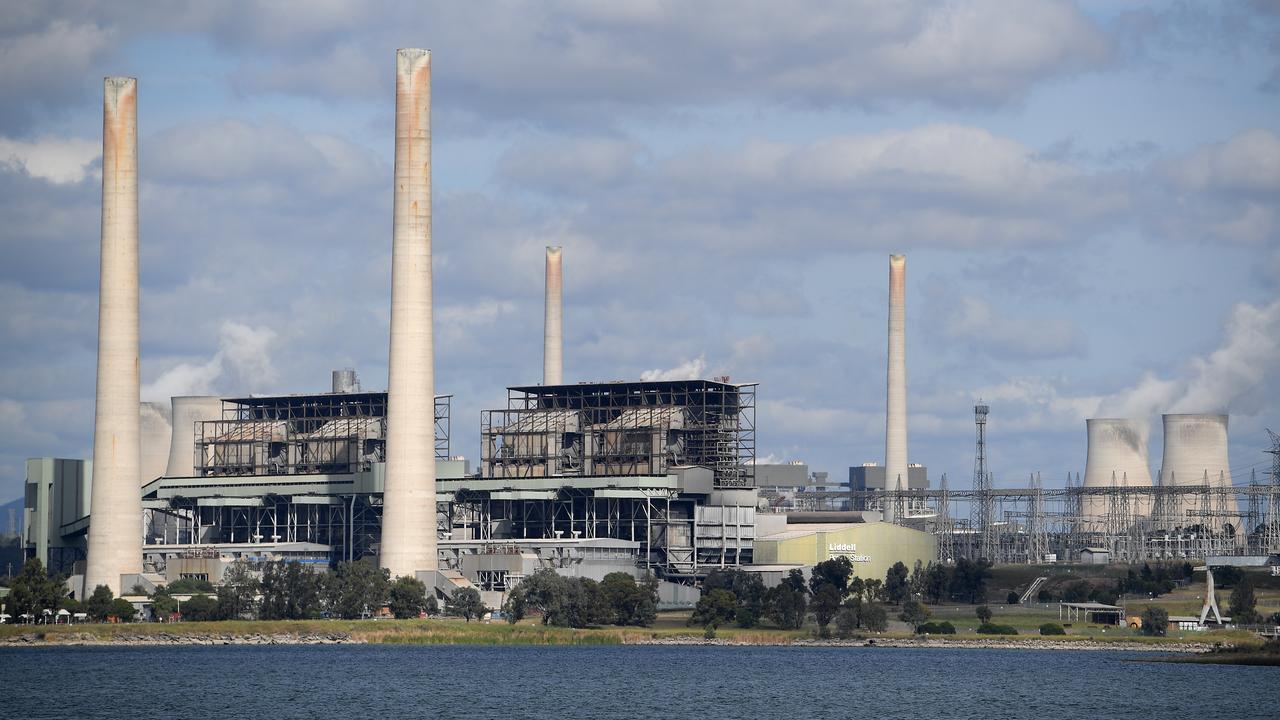
The clean energy industry was particularly opposed to moves to retrospectively apply the tax to green assets, fearing it would chase off foreign investors.
Labor has since confirmed no retrospective claims will be brought against already-settled transactions but some want a longer transition period and other tweaks to avoid chilling investment.
Australia’s 82 per cent renewables target by 2030 remains shakey even with above-expectation home battery and solar installs, with all-important large-scale projects – particularly wind – struggling to get off the ground.
Building out renewables to replace retiring coal plants is central to Australia’s international emissions reduction commitments of net zero by 2050 and a 62-70 per cent pollution cut by 2035.

Australian Associated Press is the beating heart of Australian news. AAP is Australia’s only independent national newswire and has been delivering accurate, reliable and fast news content to the media industry, government and corporate sector for 85 years. We keep Australia informed.