Responding to Middle East crises and rising oil prices, the United Nations has lowered its forecast for global economic growth and raised the prospects for inflation this year.
Global GDP growth is now forecast at 2.5 per cent for 2026, down from 2.7 per cent in January, and UN economists said it could fall to only 2.1 per cent “in a more adverse scenario”.
That would be one of the weakest growth rates this century, outside of the COVID-19 pandemic and the global financial crisis of 2008, Shantanu Mukherjee, director of economic analysis in the UN Department of Economic and Social Affairs, said at a news conference on Tuesday.
Global inflation is projected to rise to 3.9 per cent in 2026, 0.8 per cent higher than forecast in January, before the US and Israel launched airstrikes on Iran.
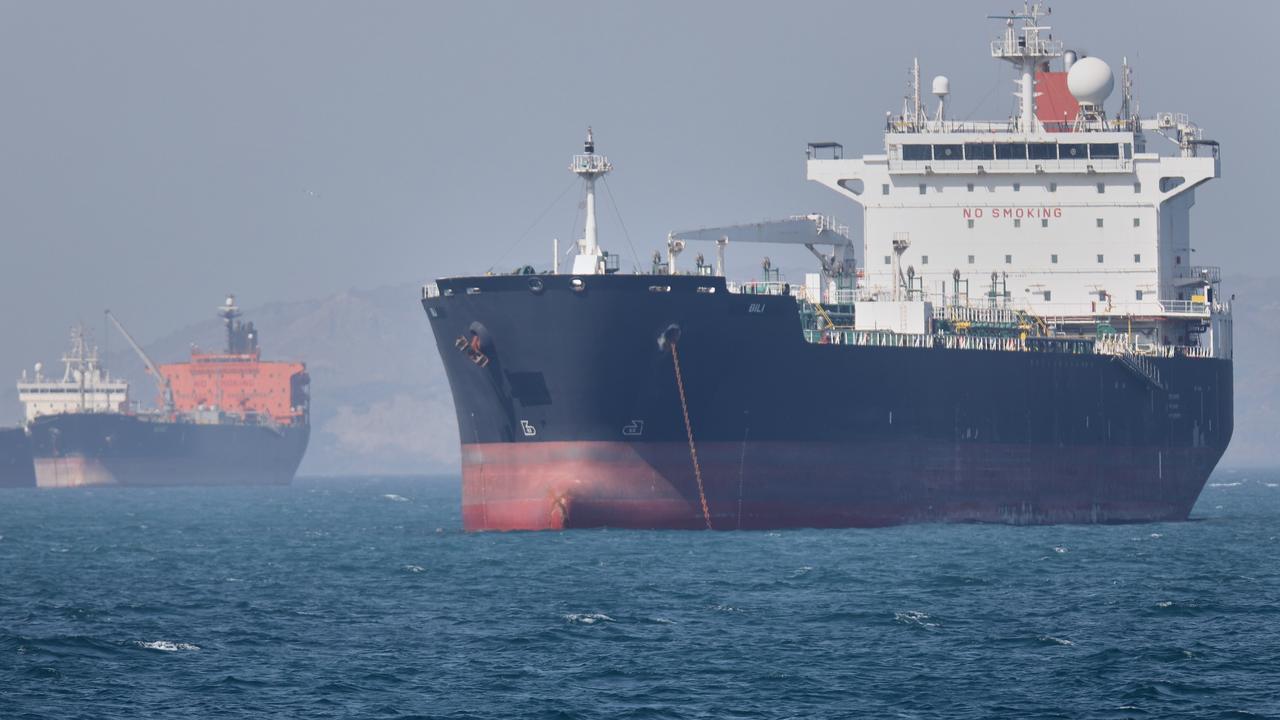
That nation responded by blocking the Strait of Hormuz, a critical waterway for shipments of oil, natural gas, fertiliser and other petroleum products.
“Increased energy prices are a potent factor, as are the prices of refinery products that are crucial to industrial production and commercial transport,” Mukherjee said.
But he stressed that not all countries will experience the same rate of inflation.
In richer developed countries, inflation is projected to rise from 2.6 per cent in 2025 to 2.9 per cent in 2026.
In developing countries, inflation is forecast to accelerate from 4.2 per cent to 5.2 per cent as higher costs for energy, transportation and imported goods erode real incomes.
with Reuters

Australian Associated Press is the beating heart of Australian news. AAP is Australia’s only independent national newswire and has been delivering accurate, reliable and fast news content to the media industry, government and corporate sector for 85 years. We keep Australia informed.