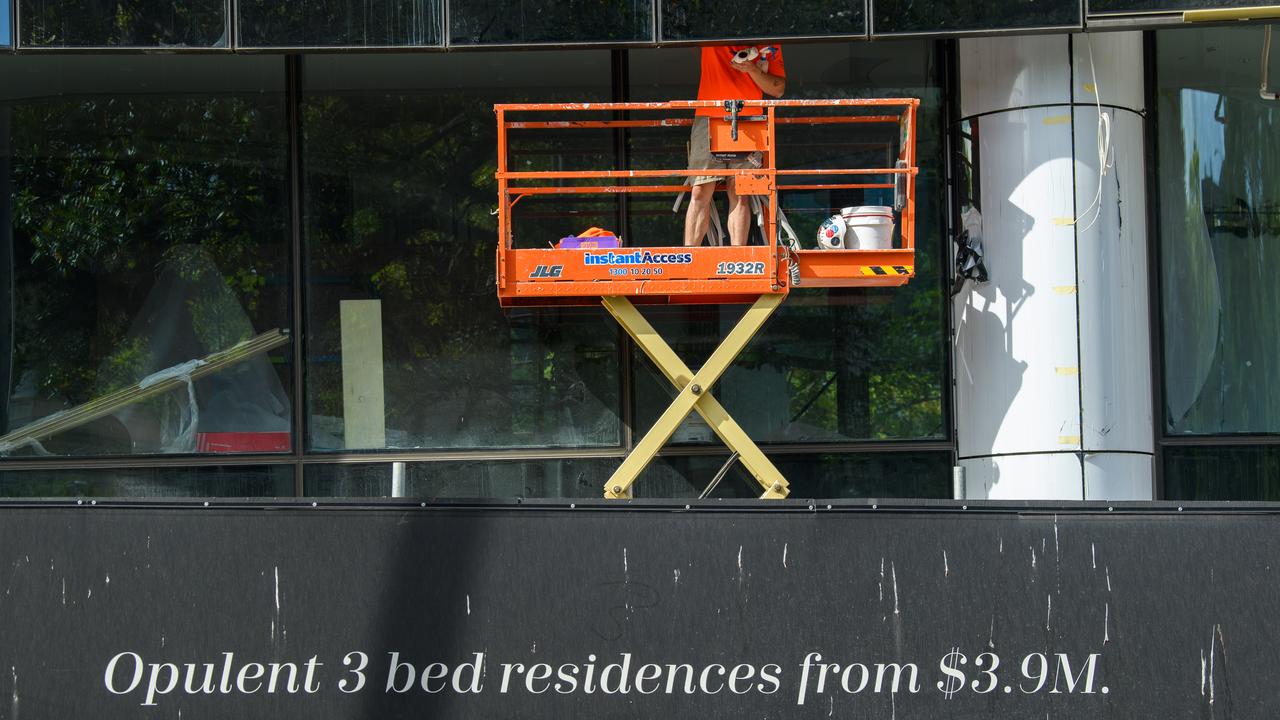
Australian taxpayers could be missing out on billions of dollars a year while wealthy landowners make out like bandits, amid efforts to tackle housing affordability.
The Albanese government’s fifth budget attempted to reshape Australia’s tax settings in favour of owner-occupiers over property investors.
But it neglected to address a “deep unfairness” at the heart of the nation’s housing policy, according to a report released by think tank Prosper Australia on Wednesday.
In recent years, state and territory governments have been easing zoning laws, like raising maximum building height limits, in a bid to boost housing supply and ease affordability pressures.

While upzoning is widely lauded by economists as an effective measure to boost supply, report authors Tim Helm and Henry Williams estimated it was also giving away $11 billion per year in windfall gains to property owners.
When a government raises the height limit that a property owner can build on their land, it is essentially giving away a public asset – the airspace above the land – for free, Dr Helm argues.
That results in an unearned increase in wealth for the owner.
For example, a 2016 report by Sydney’s Inner West Council found rezoning a block of land from industrial to eight-storey apartments increased the land value from $2 million to $10.7 million.
“We think development rights are legally and ethically the property of the community, and when we give them away through planning improvements without charging fair market price for them, it’s transferring wealth to private landowners,” Dr Helm told AAP.
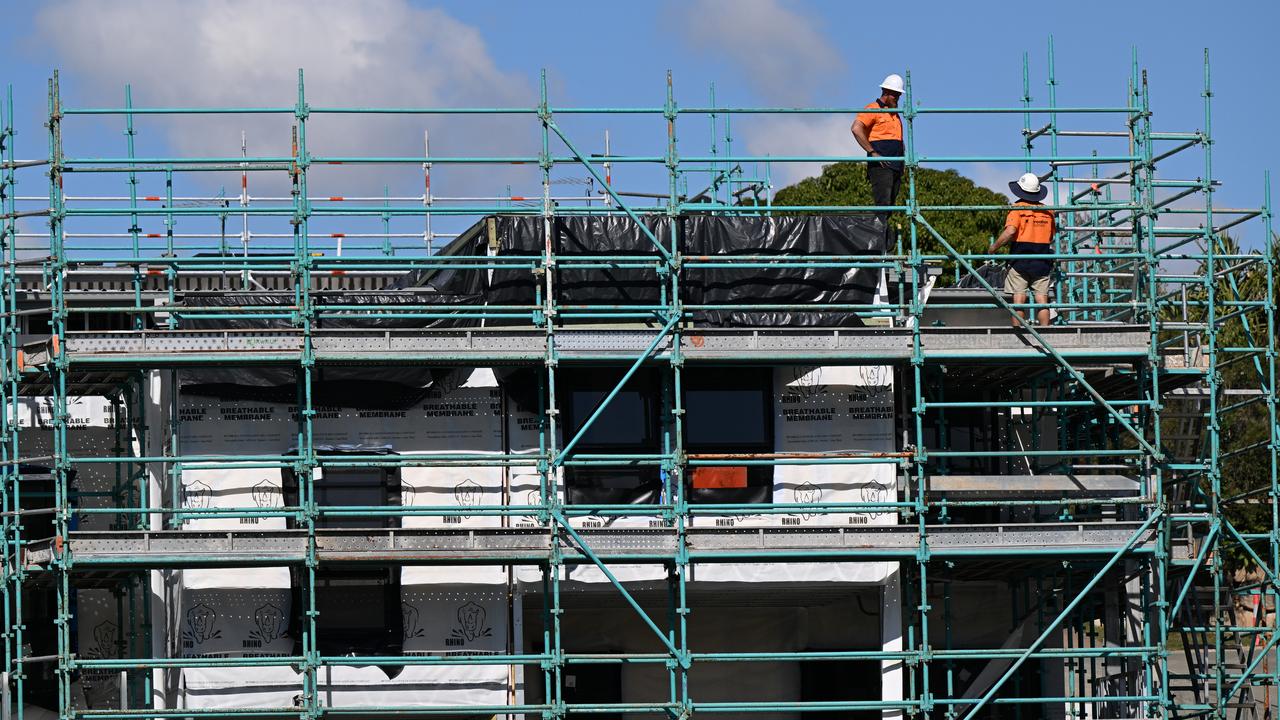
He called on state governments to impose a 75 per cent levy on the increase in land value created by development rights, based on the ACT’s lease variation charge which has been in place in some form for over 50 years.
The extra revenue could be used to abolish stamp duty for every first home buyer or build almost 200,000 new social housing dwellings, he said.
Dr Helm said the charge would not discourage new supply.
By only applying the charge to the excess profit created by upzoning, the landowner still keeps all the return from developing the property, plus an extra 25 per cent of the development right windfall.
Despite the levy, the ACT has built more dwellings per capita than any other jurisdiction over the past 15 years, with 12.2 dwellings per 1000 residents, compared to the national average of 8.2.
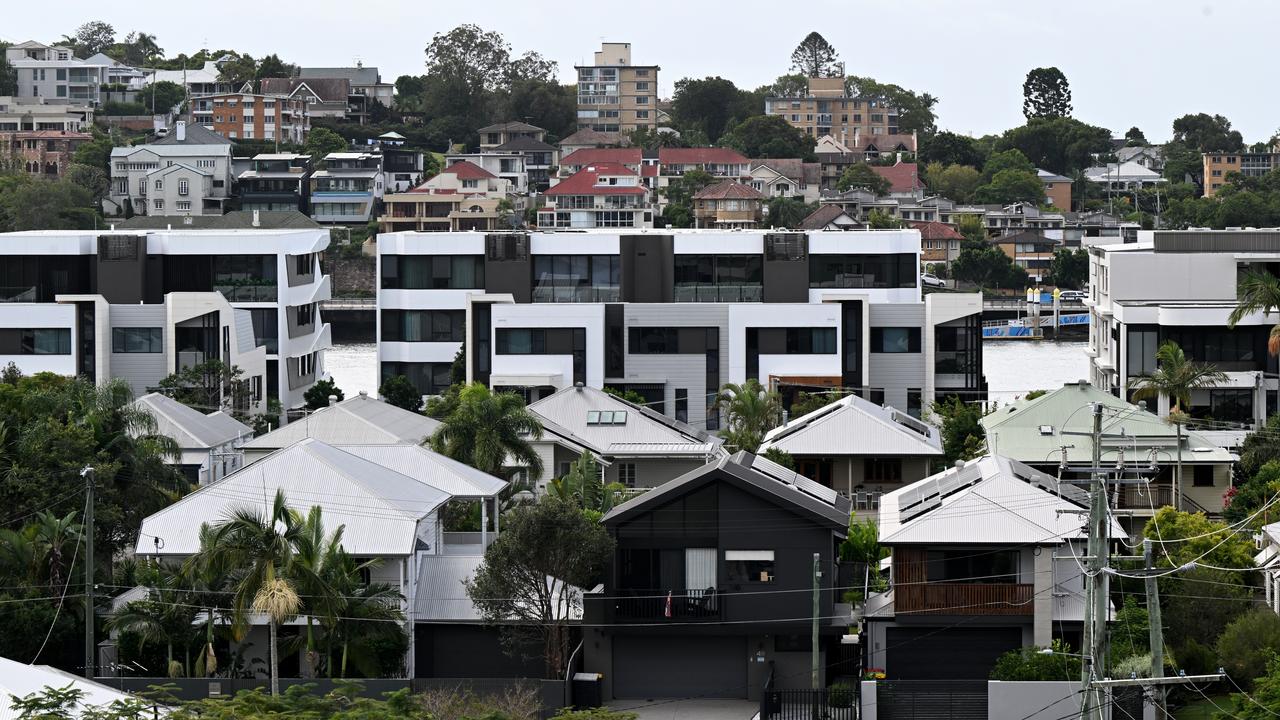
But the charge has long been a bete noire of the ACT property industry.
In practice, Property Council ACT executive director Ashlee Berry said the levy was adding to developers’ feasibility challenges and limiting new supply.
“At the end of the day, a developer is buying a parcel of land, putting in their investment, their capital, and ultimately taking risks to deliver homes for other people,” she said.
“We don’t agree with that premise that there needs to be some sort of windfall gain tax on that, because they’re already paying so much in taxes across the spectrum.”
Ms Berry pointed to a residential development in Canberra’s Dairy Road precinct, which has been bogged in protracted court proceedings after the ACT government slapped a $101 million lease variation charge on the proposal, which would have made it unviable.

Australian Associated Press is the beating heart of Australian news. AAP is Australia’s only independent national newswire and has been delivering accurate, reliable and fast news content to the media industry, government and corporate sector for 85 years. We keep Australia informed.