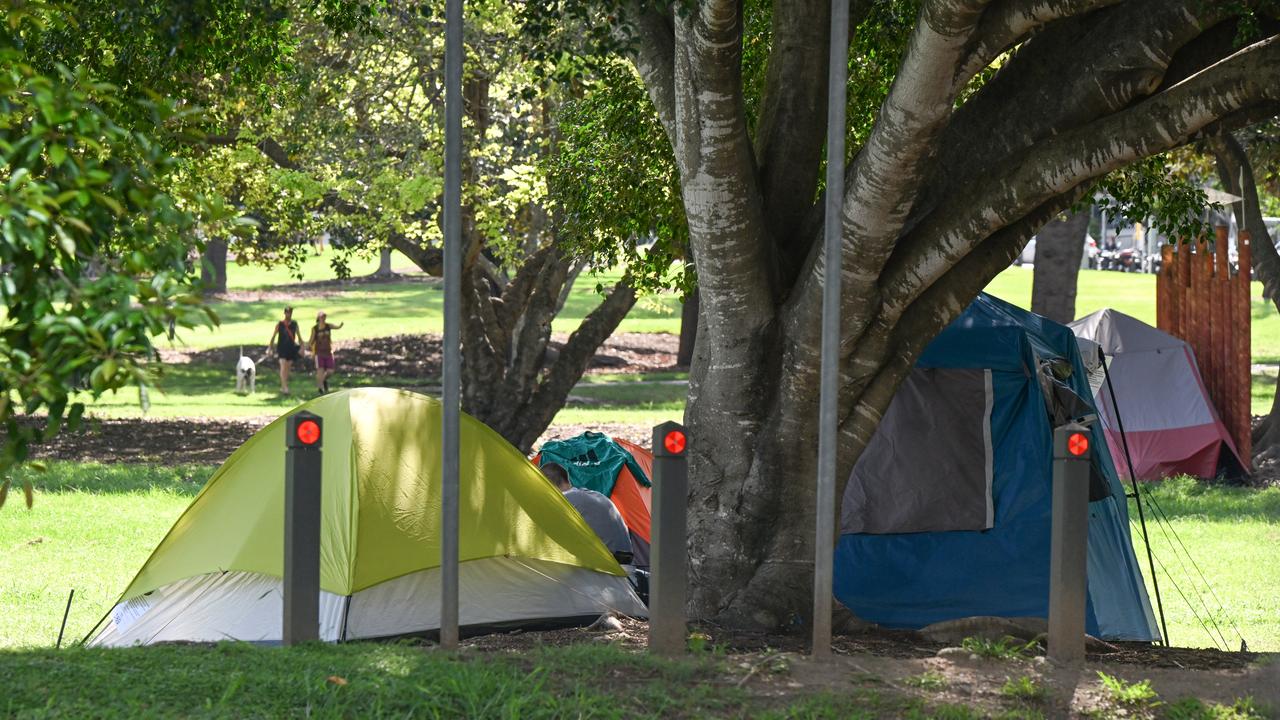
Climbing insurance premiums and other economic symptoms of climate change are expected to push rents higher and drive homelessness without well-targeted intervention.
Under a high-emissions future, characterised by the ongoing dominance of fossil fuels, homelessness rates could quadruple within a decade.
The University of Sydney modelling suggests even under a low-emissions scenario, in which timely emissions cuts limit temperature rise, homelessness could still double by the mid-2030s.
The study, published in Cities, runs simulations on how the Australian housing market – influenced by incomes, mortgage rates, insurance costs and other factors – would respond under various climate scenarios.
Each scenario assumes different levels of population growth, land availability, insurance costs, incomes and other economic markers that alter housing market dynamics.
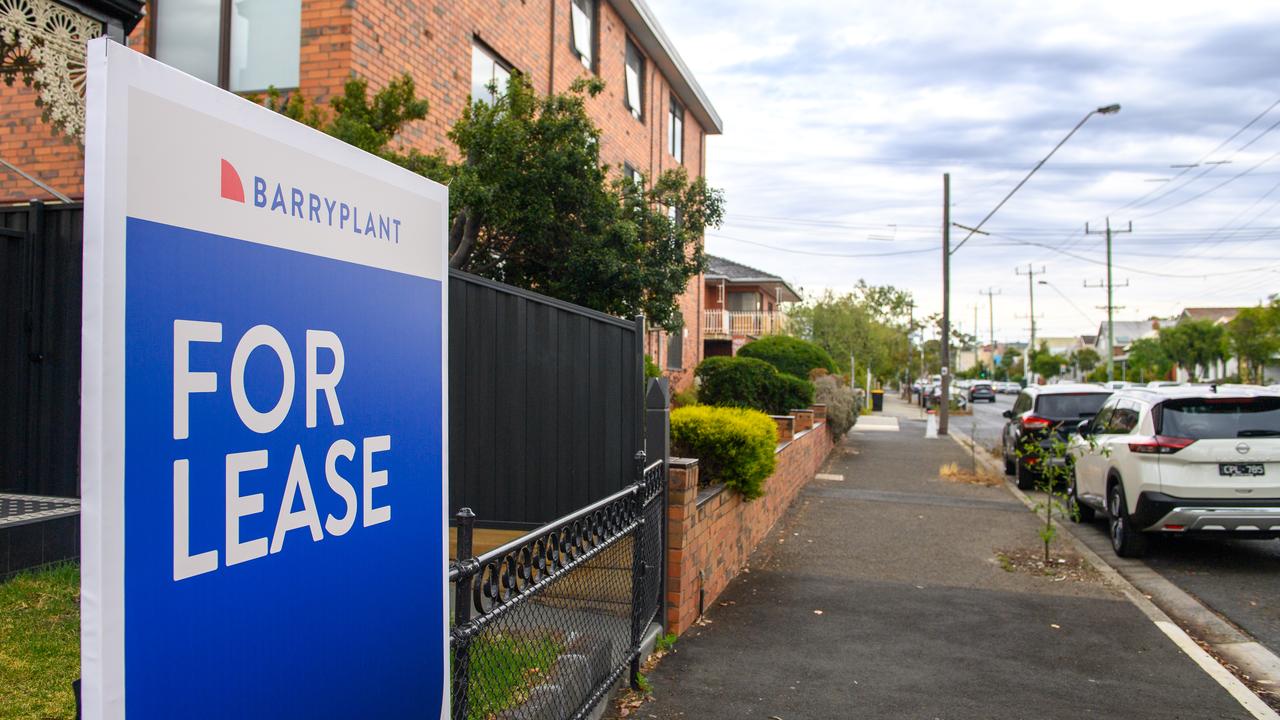
Under all climate scenarios – but especially under a fossil fuelled future – housing affordability worsens and a higher proportion of households end up renting rather than owning homes.
Rents, in turn, are forecast to rise as demand for rentals increases and landlords pass on higher insurance costs.
As housing affordability and accessibility are stretched, vulnerable populations are expected to become more at risk of homelessness.
Nader Naderpajouh, head of the university’s School of Project Management, told AAP the housing market responded to climate change in a non-linear and complex way but the models suggested it would deepen housing inequity and leave renters and low-income Australians worse off.
“They are impacted disproportionately by climate change,” Associate Professor Naderpajouh said.
The findings suggest policymakers should be shaping their policy interventions to target low-income households, renters and people at risk of experiencing homelessness.
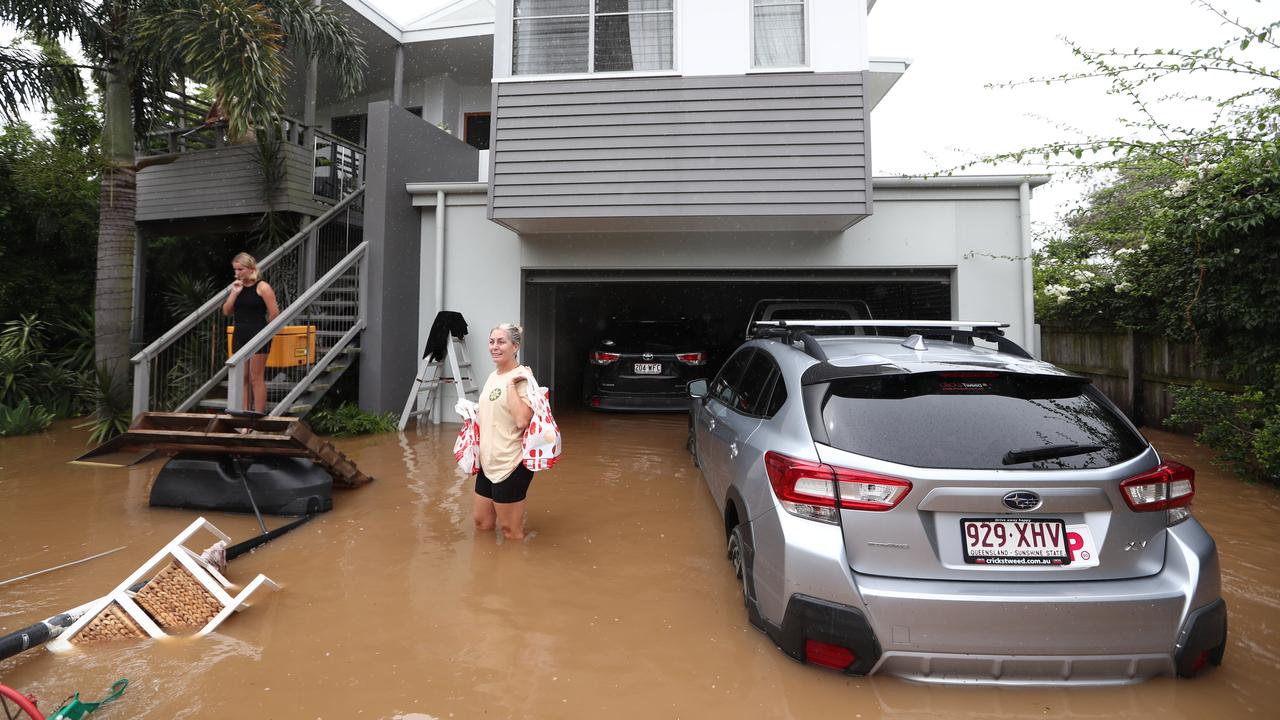
Blanket government support for insurance premiums or mortgage rates could, in fact, inadvertently deepen inequality, Assoc Prof Naderpajouh said.
Co-author Peyman Habibi-Moshfegh said climate change was often missing in discussions about the housing crisis.
“The numbers from our study show that future climate shocks need to be factored in when developing new housing policies and plans,” he said.
Climate change is already contributing to higher insurance premiums and reshaping the housing market.
Insurance costs are expected to rise dramatically in the coming decade, according to the National Climate Risk Assessment, with one million homes thought to be at high risk of falling into the uninsurable bucket by 2050.
The Climate Council estimates a $571 billion in damage-related loss to property values by 2030.
The international community has committed to limiting warming to well below 2C, while pursuing efforts to stay below 1.5C.
Under current policy commitments, warming between 2.3C-2.5C is expected – lower than previous estimates but still missing the Paris Agreement goal.

Australian Associated Press is the beating heart of Australian news. AAP is Australia’s only independent national newswire and has been delivering accurate, reliable and fast news content to the media industry, government and corporate sector for 85 years. We keep Australia informed.