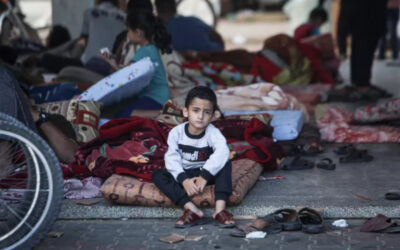

Racial narratives are spiralling out of control during a time of significant grief and remote communities are suffering, a federal inquiry into racism against Aboriginal people has been told.
The Alice Springs-based Ngaanyatjarra Pitjantjatjara Yankunytjatjara Women’s Council has made a scathing assessment of the fallout from a five-year-old girl’s alleged murder.
”In the past 48 hours, racial narratives have spiralled out of control, during a time of significant grief and sorry business,” council spokesperson Jessica Baker told the hearing in Adelaide on Friday.
”This is a national disgrace, and remote Aboriginal communities are suffering.”
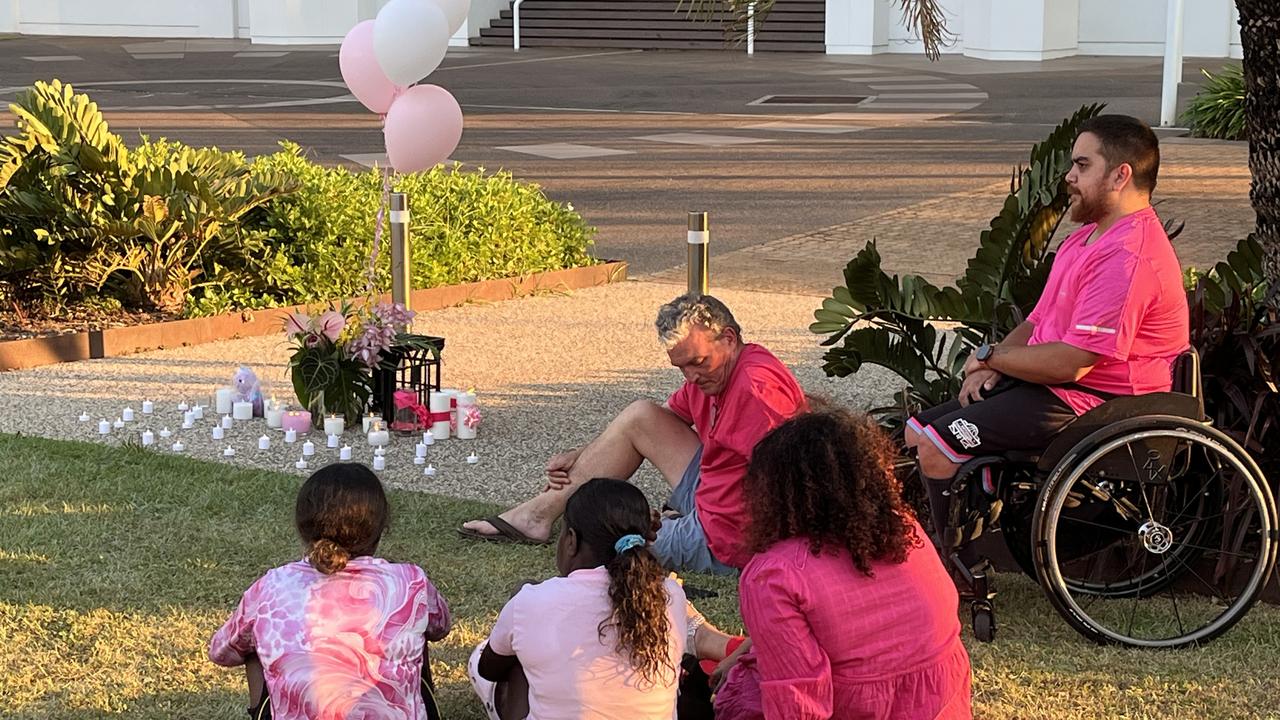
Kumanjayi Little Baby, a name used in line with cultural tradition after her death, was reported missing from a home at a town camp on the outskirts of Alice Springs on April 25.
Her body was found in scrubland on April 30 and Jefferson Lewis, 47, has been charged with her murder.
In the past two weeks, there had been ”alarming rates” of racism towards First Nations people in the media, Ms Baker said.
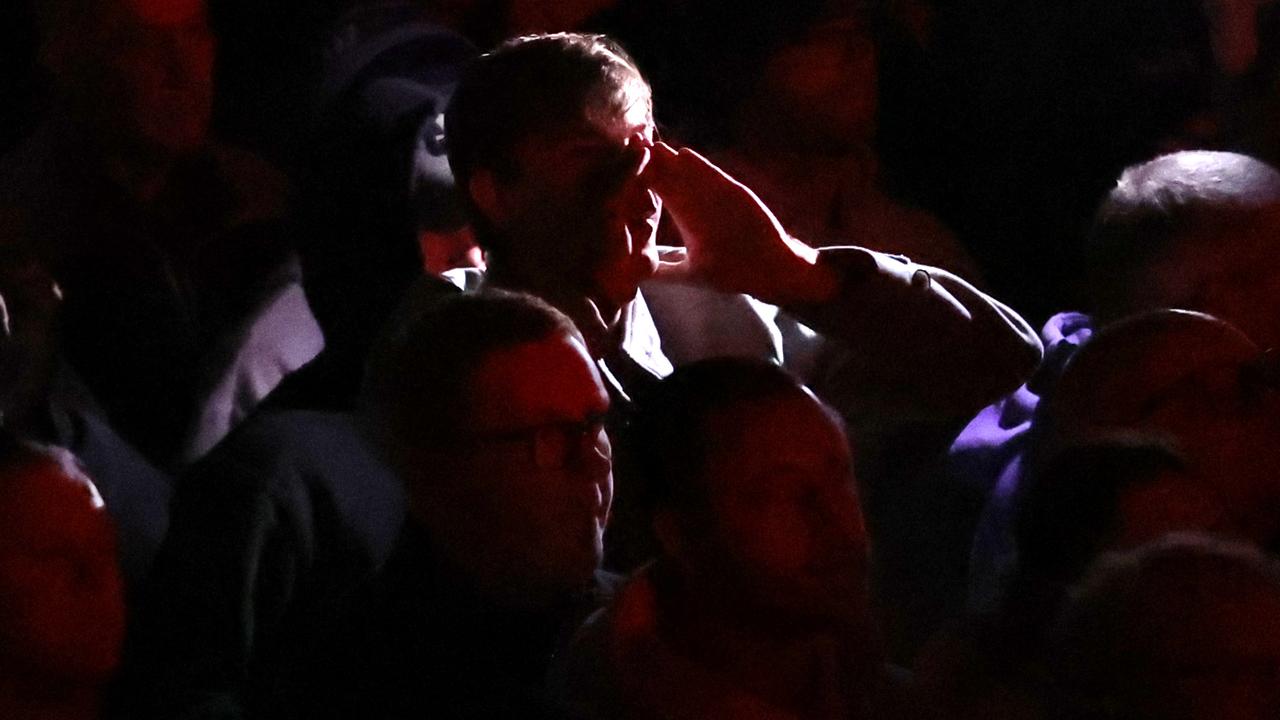
”We have seen respected veterans and elders booed by neo-Nazi groups at Anzac Day memorial services across the country, and an alleged comedian poking fun at the tragic death of Kumanjayi Little Baby,” she said.
Right-wing media was ”perpetuating hatred by crossing cultural boundaries, disrespecting family members during sorry business, and creating stories that do anything but address rising rates of violence against women and girls”.
”It is clear to us that women and girls are losing even more protection because of racist narratives and hate, but it’s framed around mother-blaming instead of focusing on the risks women and girls face in their communities,” Ms Baker said.
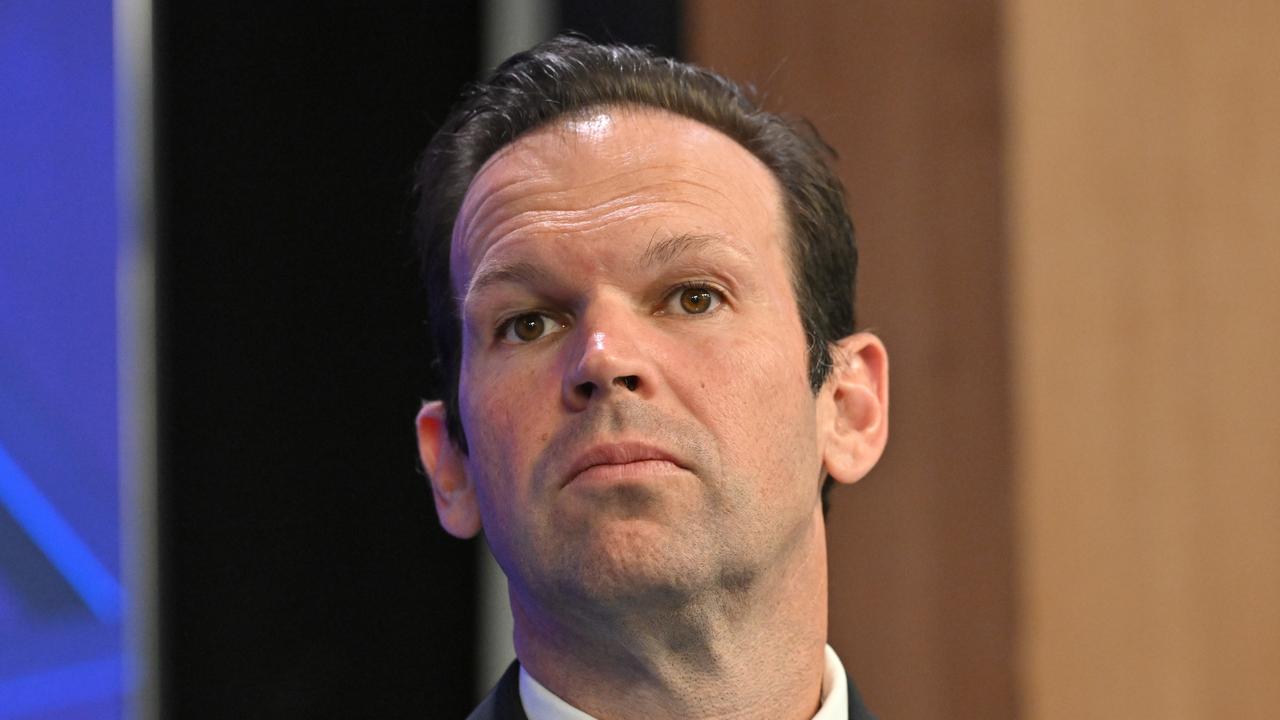
Nationals Leader Matt Canavan’s recent call for a royal commission into sexual abuse into Indigenous communities was ”both appallingly disrespectful and inherently racist”, Ms Baker said.
”It harkens back to the Howard era intervention of 2007, using false accusations to perpetuate lies about Aboriginal people and attempting to garner public attention, claiming public funds are being misused in remote communities.”
Recently, two members of a traditional healer team had been injured by police in separate but similar situations, she said.
”One got pepper-sprayed and tasered, the other was thrown to the ground and seriously injured, both elderly and innocent people,” Ms Baker said.
The respected and renowned community members were ”left with the trauma and humiliation of these interactions and unable to fulfil their roles of supporting communities”.
Racism was ”a poison infiltrating the land, rivers and air we breathe”.
”It has become so casual it is impossible not to breathe it in,” Ms Baker said.
NPY Women’s Council wants the federal government to hold state and territory governments accountable by demanding funds be diverted appropriately to “decolonise systems”.
”A genuine commitment must be made by governments to address systemic violence such as income inequality and housing insecurity,” Ms Baker said.
”Efforts to prevent, intervene and heal across a wide range of social issues are restricted when basic needs remain unmet.”
Action is also being sought by the National Commission for Aboriginal Torres Strait Islander Children and Young People, which wants an immediate investment in secure housing delivered through Aboriginal community-controlled organisations.
The commission is also seeking long-term funding for Aboriginal community-controlled organisations to lead family support and healing programs.
13YARN 13 92 76
Lifeline 13 11 14

Australian Associated Press is the beating heart of Australian news. AAP is Australia’s only independent national newswire and has been delivering accurate, reliable and fast news content to the media industry, government and corporate sector for 85 years. We keep Australia informed.