
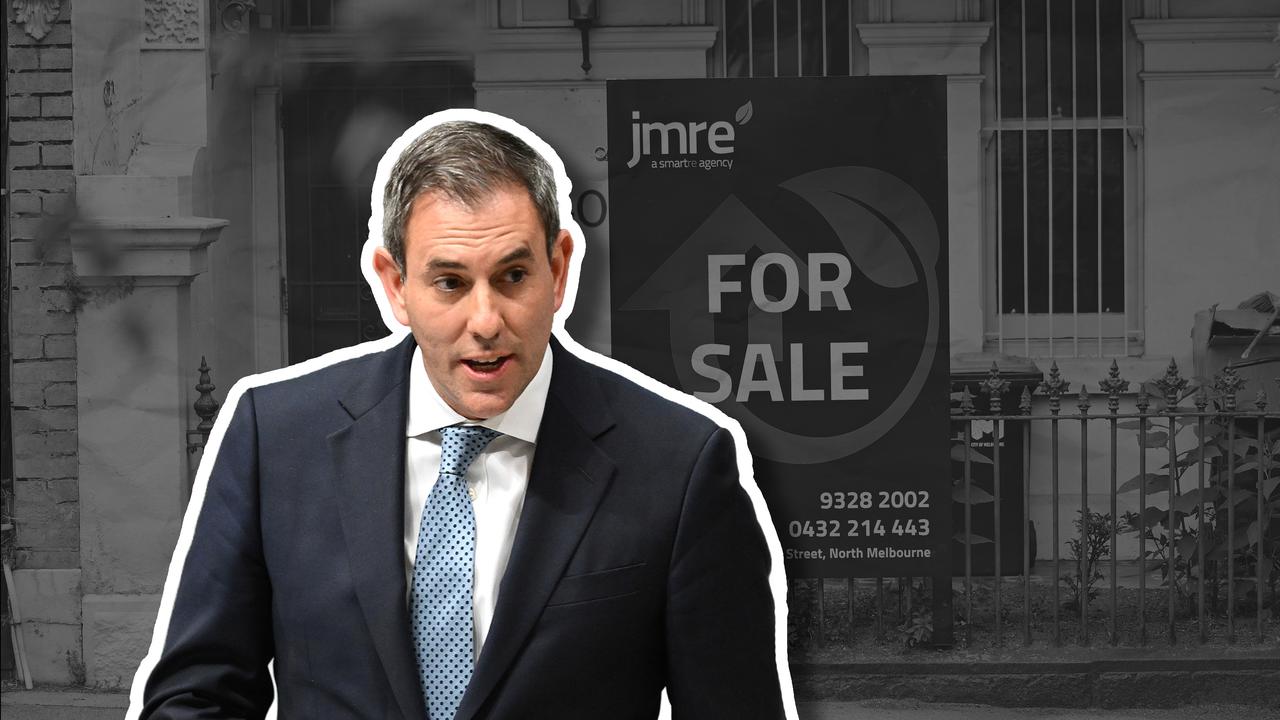
Treasurer Jim Chalmers must follow through on his promises of a disciplined budget or risk forcing the Reserve Bank to hike rates further, economists warn.
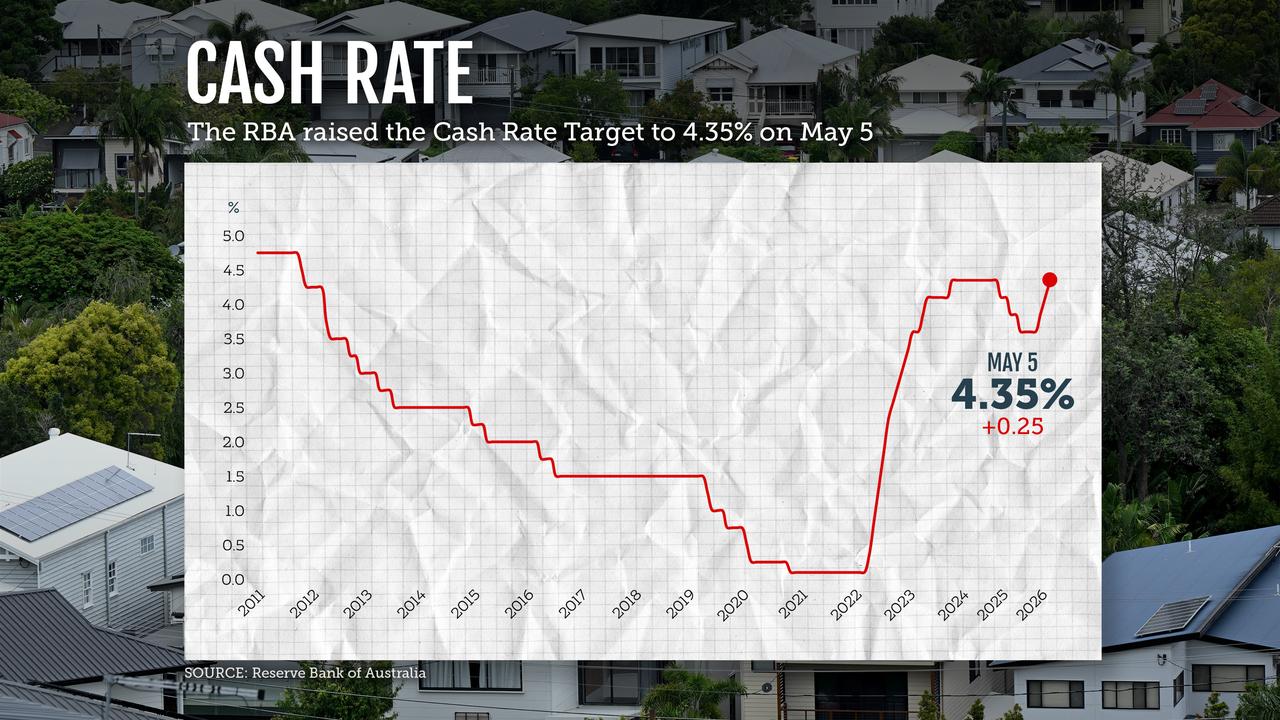
After the RBA raised interest rates for a third consecutive time on Tuesday, economists were divided on whether the central bank would follow it up with more hikes or enter a prolonged pause.
Economists at NAB joined Westpac in forecasting another hike in June.
But Commonwealth Bank and ANZ Bank continued to predict the RBA would leave the cash rate at 4.35 per cent, although “the risks would now appear more skewed to a rate hike in August” given the board’s hawkish tone, ANZ Head of Australian Economics Adam Boyton said.
HSBC’s local chief economist Paul Bloxham said the rises hikes since February allowed the RBA to enter “wait and see” mode.
But the bank could be forced to act more decisively if the treasurer unveils higher spending in the upcoming budget than expected.
“A key risk to our view is that the federal budget, which is due to be delivered on 12 May, is more expansionary than we have been assuming and that this could force the RBA to have to hike further,” Mr Bloxham said.
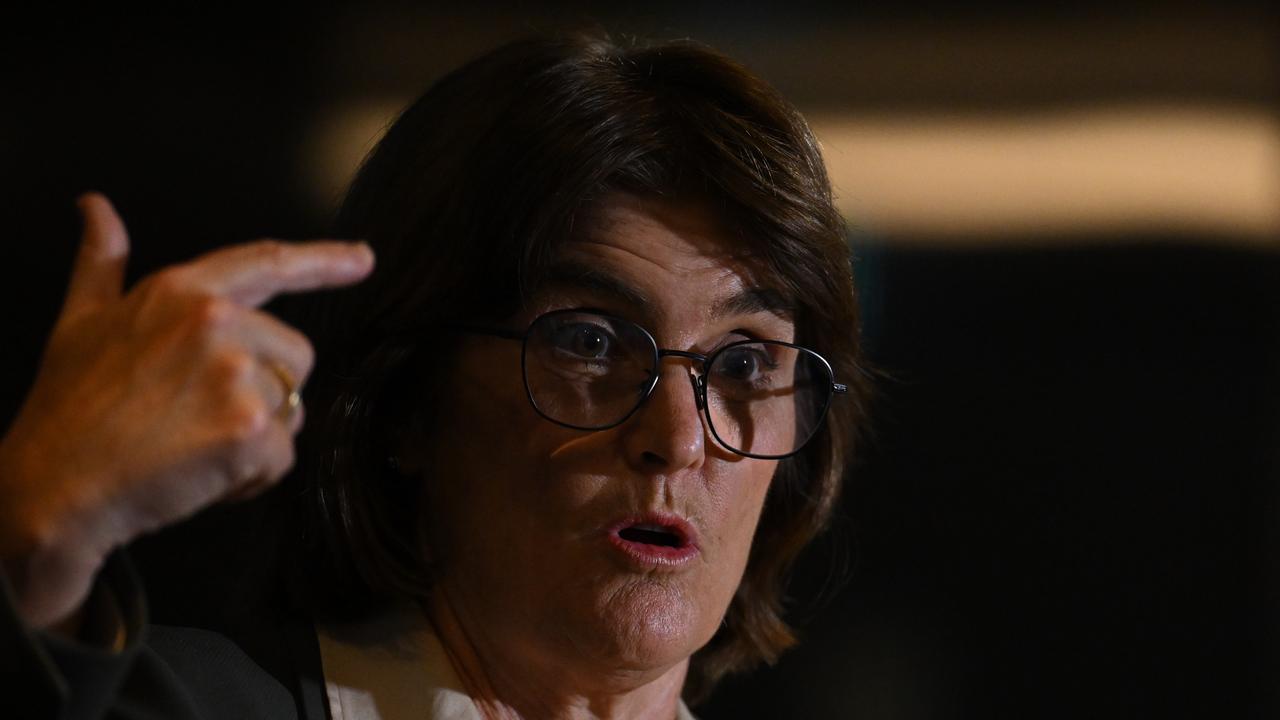
Governor Michele Bullock said government handouts, like a rumoured tax offset or a cut to the fuel excise, add to demand, which the RBA was trying to dampen as part of its fight against inflation.
“The extent to which government make up the shortfalls for households by giving them more money, it makes it harder to dampen demand,” Ms Bullock told reporters.
“When governments are spending a lot of money and we’re running up against capacity constraints, then they do need to think about whether or not there’s ways they can help the inflation problem by looking for ways to constrain demand.”
It wasn’t just the federal government that was boosting demand, she added.
The debt-laden Victorian government splashed an extra $18 billion on new spending initiatives in its pre-election budget on Tuesday.
Deloitte Access Economics partner Stephen Smith said governments needed to work in better alignment with the central bank to bring inflation under control.
“Accordingly, next week’s federal budget will be critical,” he said.
“The government will need to demonstrate a genuine commitment to fiscal discipline and structural reform, rather than relying on broad-based, short-term cost-of-living measures that may provide temporary relief while adding to medium-term inflation persistence.”
Genuine productivity-boosting reform was needed to lift the economy’s supply capacity long term, Mr Smith said.
Business Council chief executive Bran Black said the RBA’s decision underlined the need for productivity reforms to drive investment, as well as spending restraint.
“Households and businesses of all sizes are already feeling the pressure and the government must not add to it,” he said.
Dr Chalmers said the budget will be Labor’s most responsible to date and will play a helpful role in the fight against inflation.

Australian Associated Press is the beating heart of Australian news. AAP is Australia’s only independent national newswire and has been delivering accurate, reliable and fast news content to the media industry, government and corporate sector for 85 years. We keep Australia informed.