
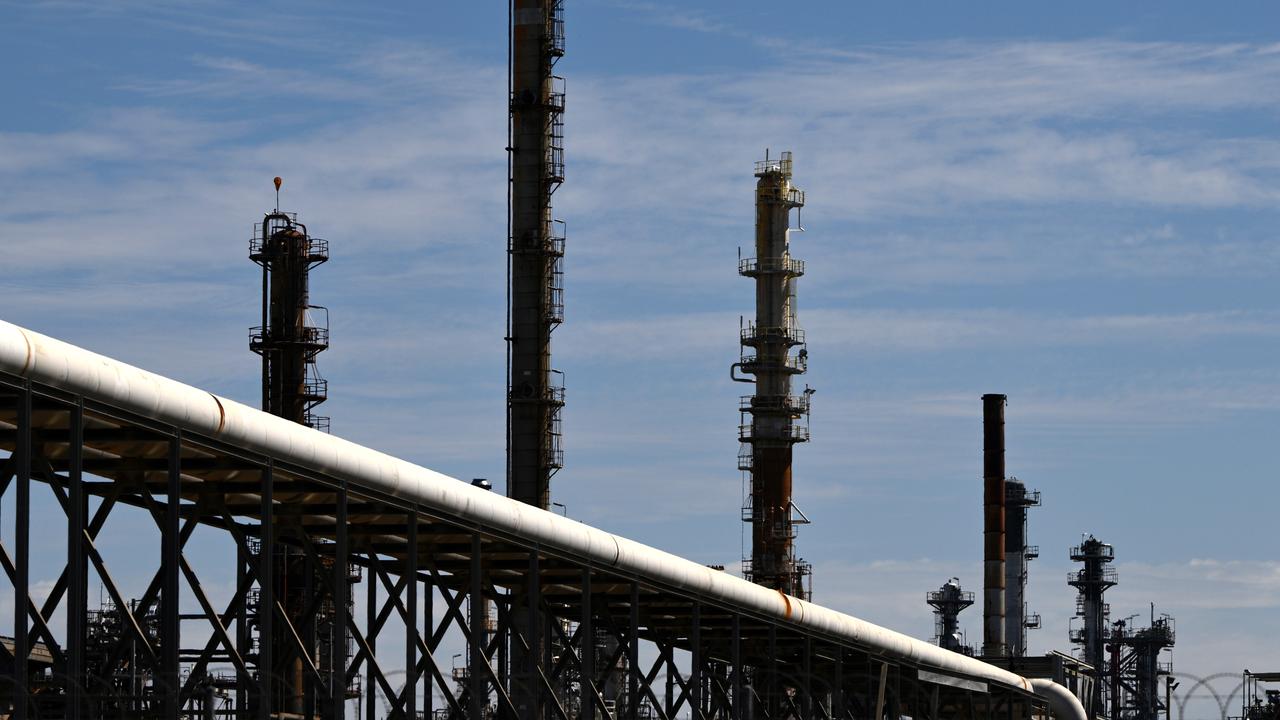
Australia’s richest state is considering creating its own fuel reserve for use during future energy emergencies – and it wouldn’t be shared with other jurisdictions.
A fuel crisis has gripped the nation since war erupted in the Middle East and Iran blocked oil shipments through the Strait of Hormuz in response to US and Israeli strikes.
The Western Australian government is assessing whether it could build a fuel stockpile to bolster energy security and supply chains across the vast state.

“This would be additional volumes of diesel purchased by the state government and held in storage for times when it’s tough and when we’re seeing challenges in those supply chains,” Energy Minister Amber-Jade Sanderson said on Sunday.
“This would be solely for West Australians and be directed at the discretion of the state government to areas that need it most.”
Those areas would include agricultural regions at the end of supply chains, mining operations and remote communities that rely on diesel to power generators.
The state government did not disclose how much the stockpile would cost, but Ms Sanderson said discussions were under way for a reserve “in the millions of litres”.
“This will help support that spot market (and) it will support those end of supply chain areas in the Great Southern, in the Wheatbelt and in the Goldfields, where they’ve had more difficulty getting that fuel (since the fuel crisis started).”
WA’s strategic stockpile would be in addition to the national fuel reserve, which the state believes it would still be able to access in the event of another crisis.
“It is a requirement for states to receive their fair share,” Ms Sanderson said.
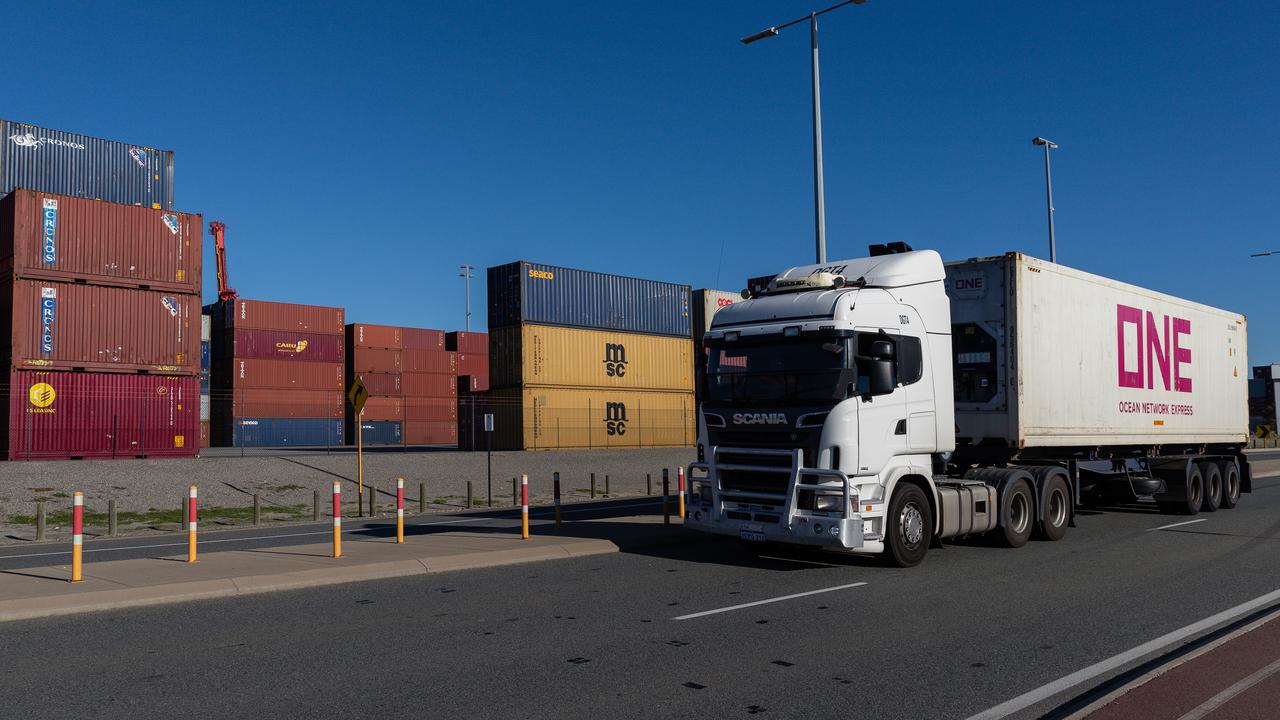
The current fuel emergency has revealed some suppliers did not store any of their national fuel stock obligation in WA.
“Viva and Ampol, for example … It’s in Queensland,” Ms Sanderson said.
The focus is initially on diesel, with WA using about a quarter of all supplies in Australia, Mr Sanderson said.
The WA government is assessing whether the state has the capacity to store and deliver extra fuel.
“There is significant storage capacity across the state,” Ms Sanderson said.
“We are intensive users of fuel, particularly in the resources sector, so we have storage capacity.”
Existing distribution networks had been able to cope with the increase in fuel released from the national reserves in recent weeks.
“Where we’re challenged is when we get to the second and third-tier distribution network, individual truck owners,” Ms Sanderson said.
“They are the distributors, largely, that we would essentially use if we were looking to manage that particular part of the supply chain.”

Australian Associated Press is the beating heart of Australian news. AAP is Australia’s only independent national newswire and has been delivering accurate, reliable and fast news content to the media industry, government and corporate sector for 85 years. We keep Australia informed.