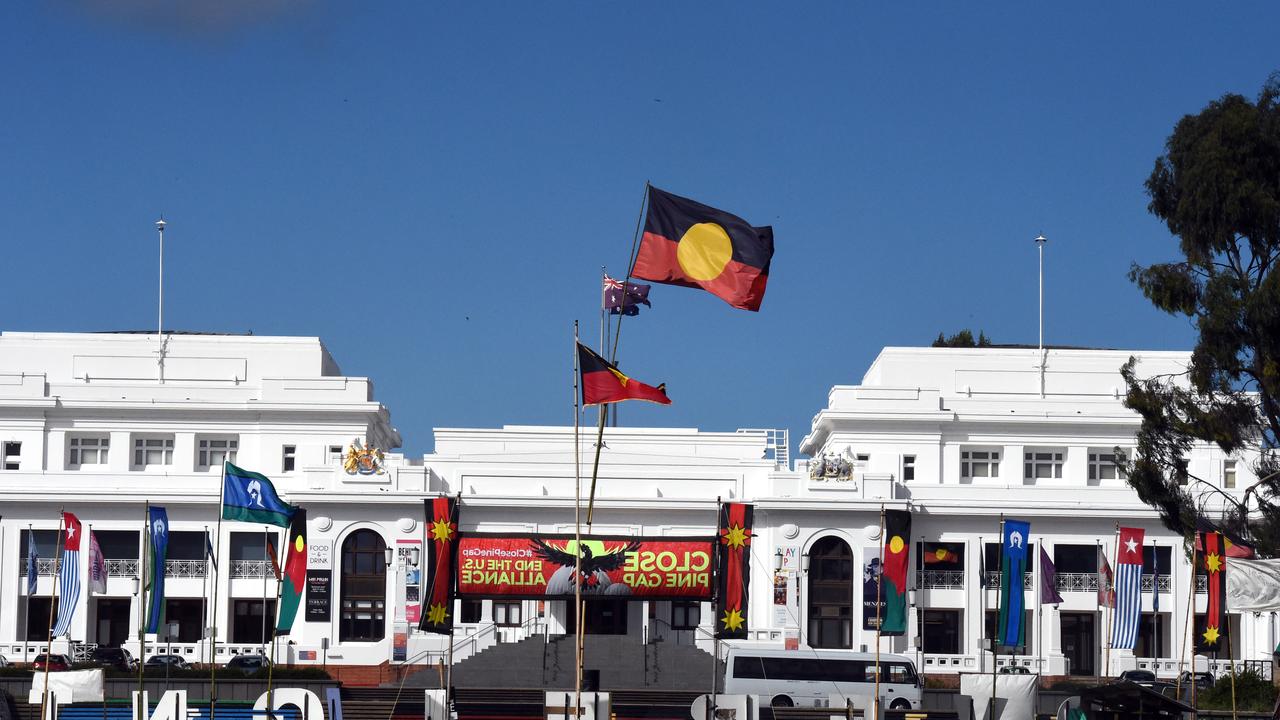
Rates of Indigenous incarceration have been steadily increasing across Australia, the latest example of how Closing the Gap targets are falling well short of expectations.
Of 17 identified socio-economic outcome areas, only three were on track to meet the government’s 2031 Closing the Gap targets and four were worsening, according to data updates released by the Productivity Commission on Wednesday.
Targets including improving child education development rates, life expectancy, infant health, and housing, as well as social and emotional wellbeing, and family safety, had all either stalled or were progressing below expectations.
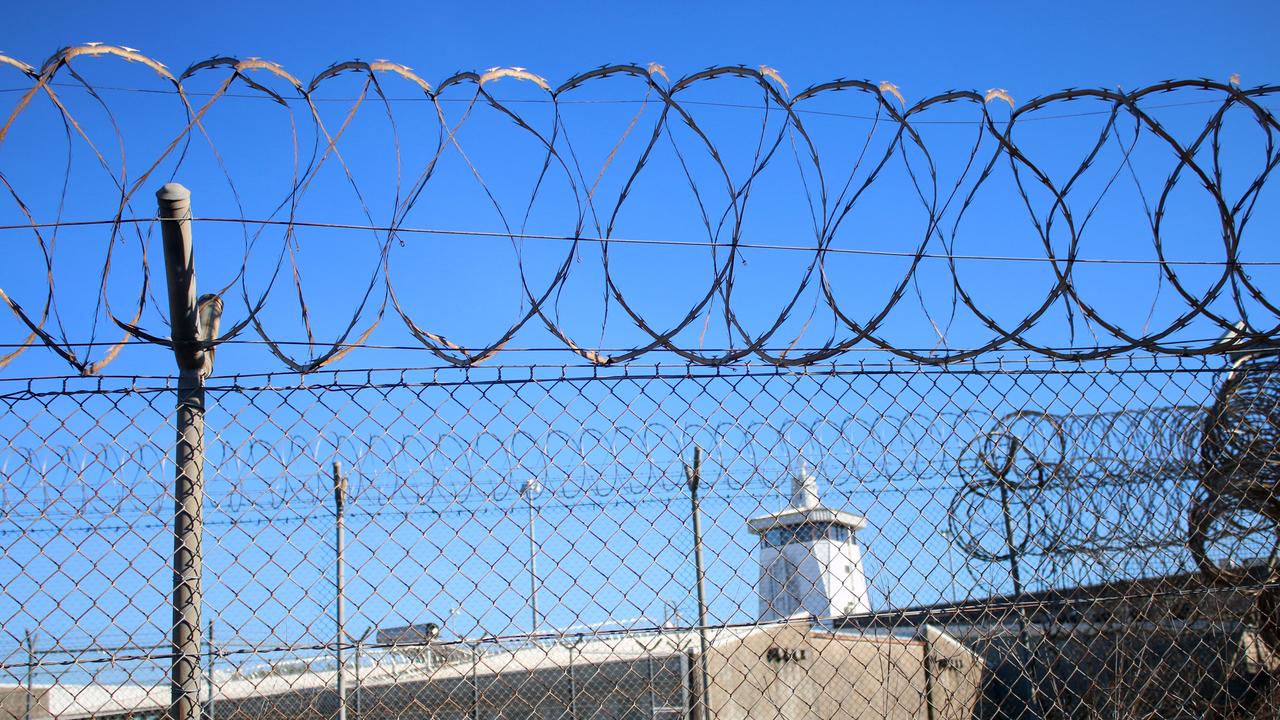
A key aim of Closing the Gap is to reduce the rate of Aboriginal and Torres Strait Islander adults held in incarceration by at least 15 per cent over the next five years.
However, as of June 2025, the rate of Aboriginal and Torres Strait Islander prisoners had increased to just over 2,500 people per 100,000 adults, or roughly 2.5 per cent of the population over 18 years old.
It is an increase from 1,925.4 per 100,000 adults – or 1.9 per cent – in the baseline year of 2019.
Compared to Australia’s overall imprisonment rate of 216 prisoners per 100,000 adults, Aboriginals and Torres Strait Islanders remain vastly over represented.
With 17,432 indigenous Australians behind bars, the group made up more than 35 per cent of the overall adult prison population as of June 2025, according to the Australian Bureau of Statistics.
Meanwhile, youth detention rates are considered unchanged from a baseline of nearly a decade ago, with the number of Aboriginal and Torres Strait Islander people aged 10–17 years behind bars on an average day being 25.7 per 10,000 young people in the population.
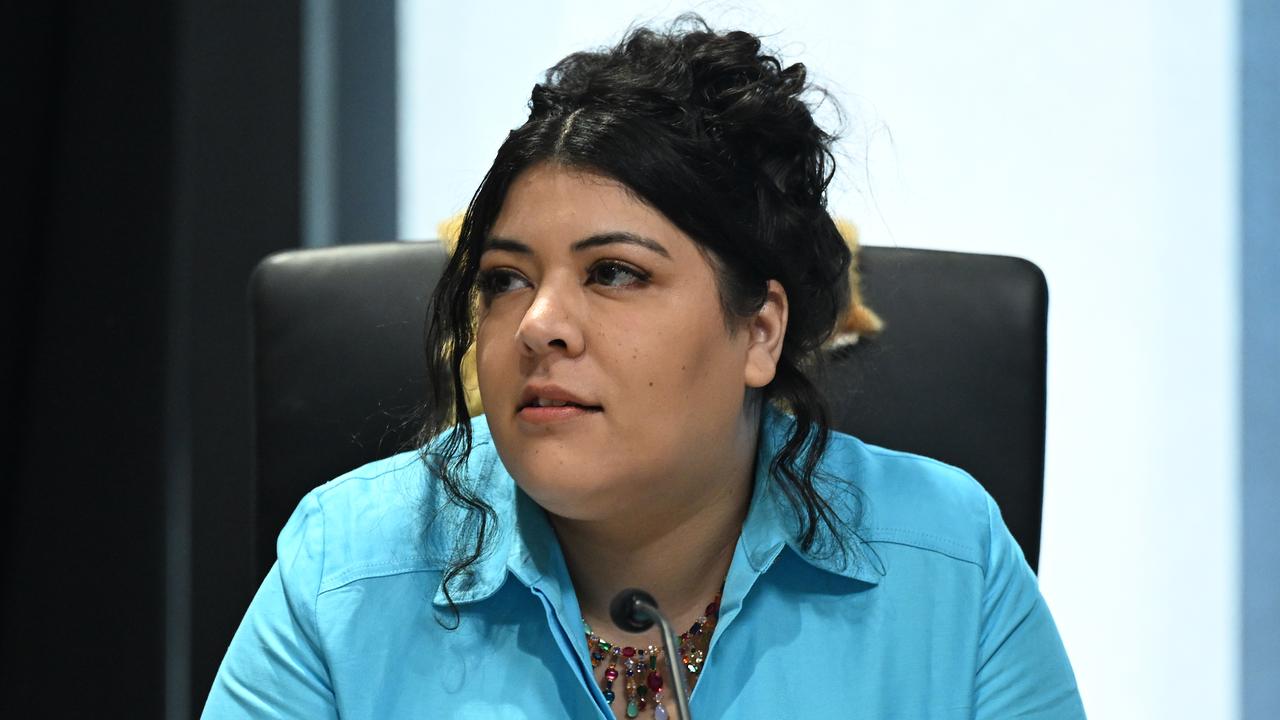
“Aboriginal and Torres Strait Islander adults are being locked up at the highest rate on record,” said Nerita Waight, acting chair of the National Aboriginal and Torres Strait Islander Legal Services.
“National progress on reducing the rate of Aboriginal and Torres Strait Islander children in detention is unchanging.”
The majority of young people being held in detention on any given day were on remand, having not been found guilty of any crime, with the ratio sometimes as high as more than 90 per cent, Ms Waight said.
“This is absolutely unacceptable,” she said.
“Governments should be doing everything in their power to improve the lives of Aboriginal and Torres Strait Islander people and achieve real equity.”
On other measures, child development rates had also fallen, with just 33.9 per cent of Aboriginal and Torres Strait Islander children commencing school being assessed as developmentally on track.
Ros Moriarty, the executive director of the Indigenous-operated Moriarty Foundation, said the key to unlocking a future where Aboriginal and Torres Strait Islander children thrive is getting the early education years right.
In an address to Parliament last month, Prime Minister Anthony Albanese said the government was “not contemplating failure” and remained determined to address disparity between Indigenous and non-Indigenous Australians.
However, Ms Moriarty said to succeed it was vital to invest in more early childhood interventions to set young Indigenous Australians on the right track.
“The prime minister stated he is ‘not contemplating failure,’ yet the national data shows as a nation we are failing our most vulnerable children,” she said.
13YARN 13 92 76
Lifeline 13 11 14

Australian Associated Press is the beating heart of Australian news. AAP is Australia’s only independent national newswire and has been delivering accurate, reliable and fast news content to the media industry, government and corporate sector for 85 years. We keep Australia informed.