Banning protests will not stop anti-Semitism, say critics of sweeping new police powers to outlaw any public assembly after a deadly terrorist attack.
Under snap legal changes to be introduced following the Bondi shooting, the NSW police commissioner would be able to suspend the protest authorisation system after a terrorism incident.
The declaration would last two weeks and could be renewed for up to three months.
It could be applied to specific locations or statewide.
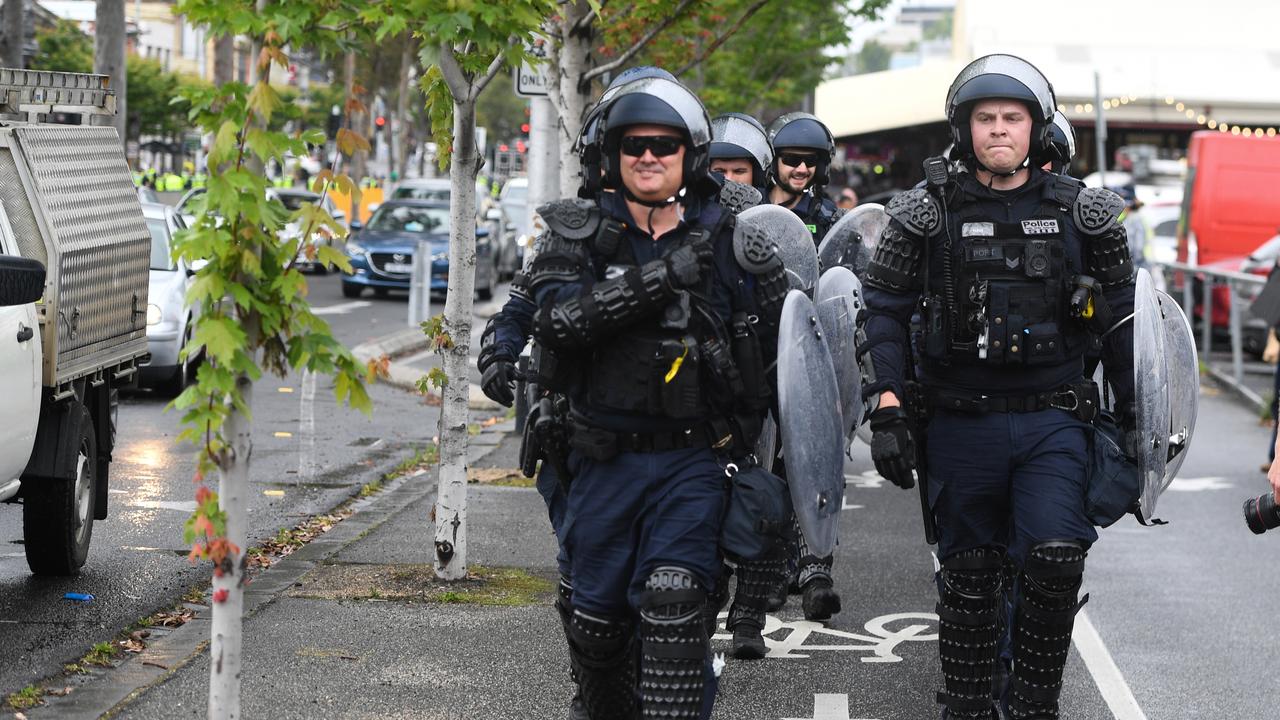
But the proposed laws, set to be rushed through a special sitting of NSW parliament next week, are likely to be tested immediately.
Civil rights groups have flagged a court challenge is almost certain.
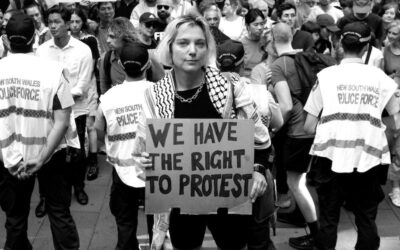
“These are far too broad powers for the police commissioner,” NSW Council for Civil Liberties president Tim Roberts said.
“The banning of protests will not stop anti-Semitism.”
Jews Against the Occupation ’48 and Greens MP Sue Higginson also came out against the changes.
“Restricting the civil liberties of all Australians due to the actions of two depraved terrorists with guns is not conducive to social cohesion,” Ms Higginson said.
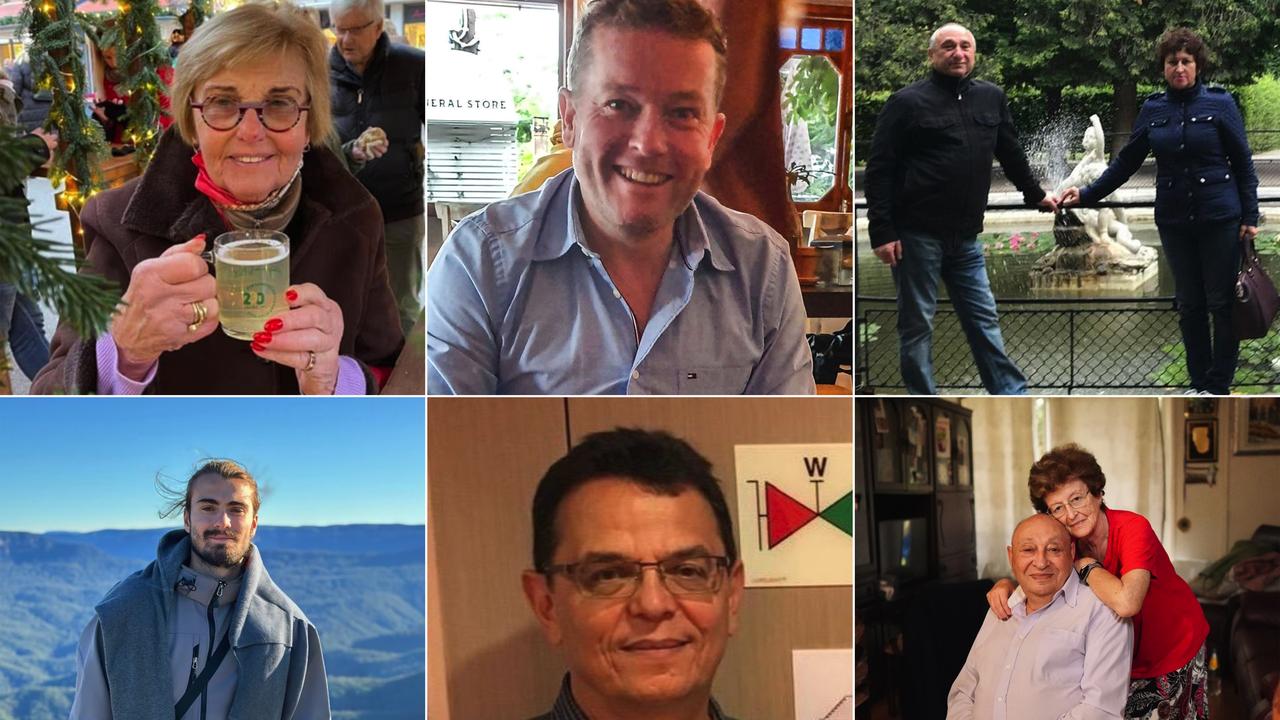
But the NSW Labor government hopes the protest restrictions will protect the grieving Jewish community after 15 people were killed in Sunday’s terrorist attack in Bondi.
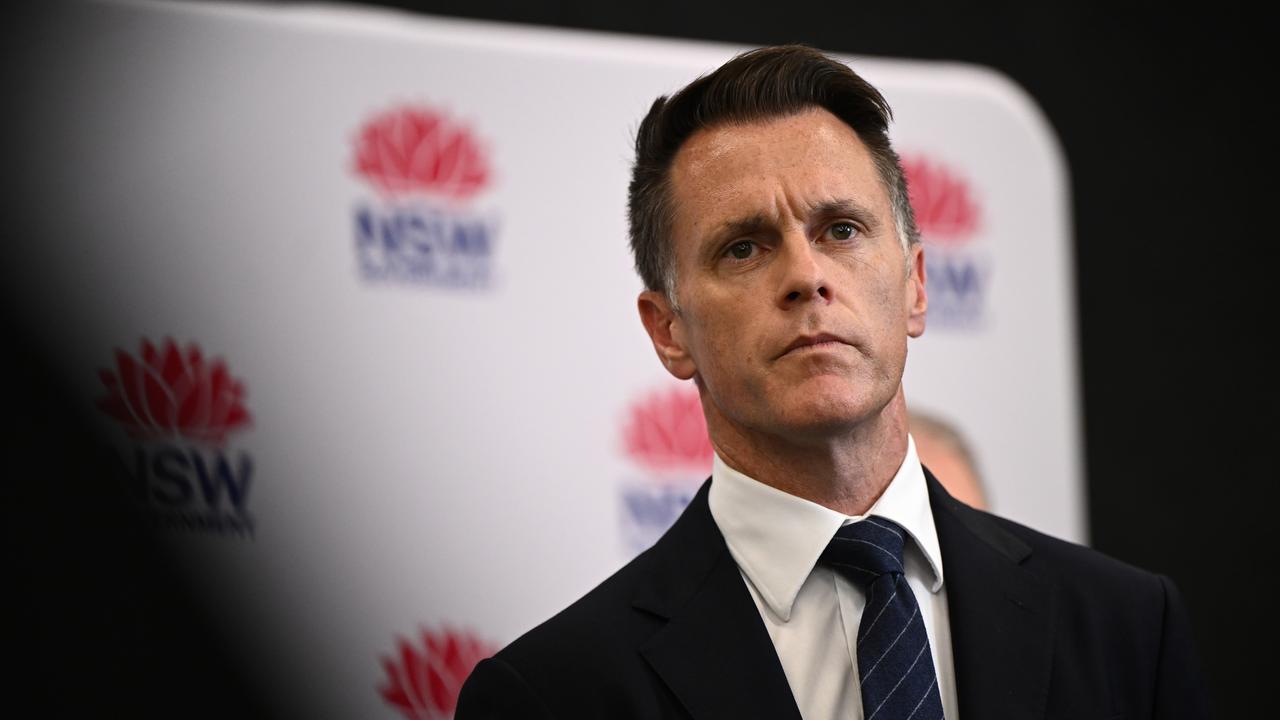
“This is obviously extraordinary powers not seen before in any jurisdiction in the country,” Premier Chris Minns said.
Pressed earlier in the week on whether the legislation was targeting pro-Palestine rallies, which some Jewish groups have described as a factor in rising anti-Semitism, Mr Minns said it would be a “blanket rule”.
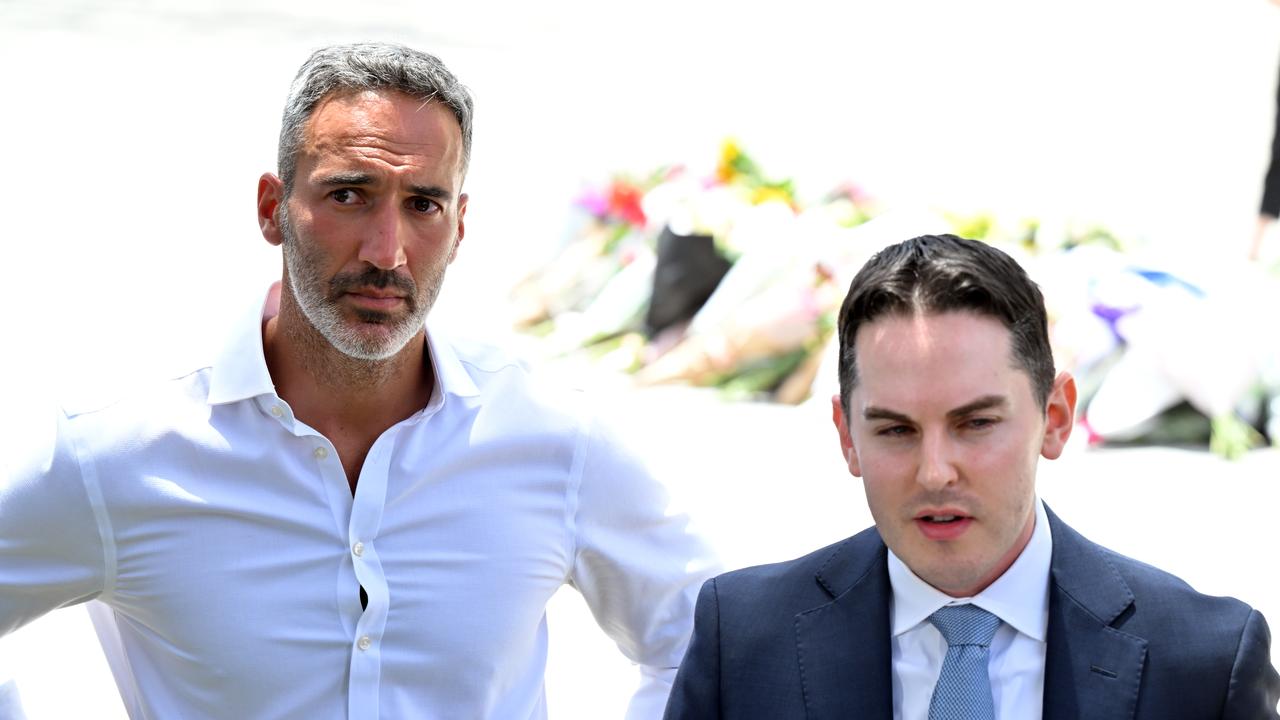
Jewish peak bodies have praised the changes but say more needs to be done to combat anti-Semitism specifically.
“The right to protest is an Australian value but so is letting us come together without harassment and intimidation,” NSW Jewish Board of Deputies president David Ossip said.
NSW Police on Friday said they were aware of plans for unauthorised gatherings this weekend which had been promoted on social media.
Anyone planning to attend should rethink their decision, NSW Police said.
“This is not a time for large gatherings that may heighten tension or create further risk to the safety of the community,” they said in a statement.
“Anyone considering violence, retribution or vigilante behaviour, should know that police will respond swiftly and decisively.”
The NSW government had other protest restrictions struck down earlier this year.
When asked whether he was confident his new laws could withstand a court challenge, Mr Minns insisted the proposals are robust.
“It’s been looked at by the Crown Solicitor, it’s been looked at by the Department of Communities and Justice,” he said.
The NSW Supreme Court confirmed it can hear urgent applications, including protest matters, every day of the year.

Australian Associated Press is the beating heart of Australian news. AAP is Australia’s only independent national newswire and has been delivering accurate, reliable and fast news content to the media industry, government and corporate sector for 85 years. We keep Australia informed.