
Just as businesses and consumers were beginning to grow more confident, a return to arms in the Middle East risks sending sentiment back to the doldrums.
Business confidence climbed nine points in June, despite warnings the federal budget would smash small businesses through increased taxes on capital gains and discretionary trusts, NAB’s business survey found.
The gradual recovery in confidence after it plummeted during the initial March energy shock had mirrored the easing in oil prices since, as businesses realised their worst fears about the economic fallout had been averted, NAB senior economist Taylor Nugent said.
Business conditions have stabilised, with output prices back about where they were in January, even though purchase costs remained elevated.
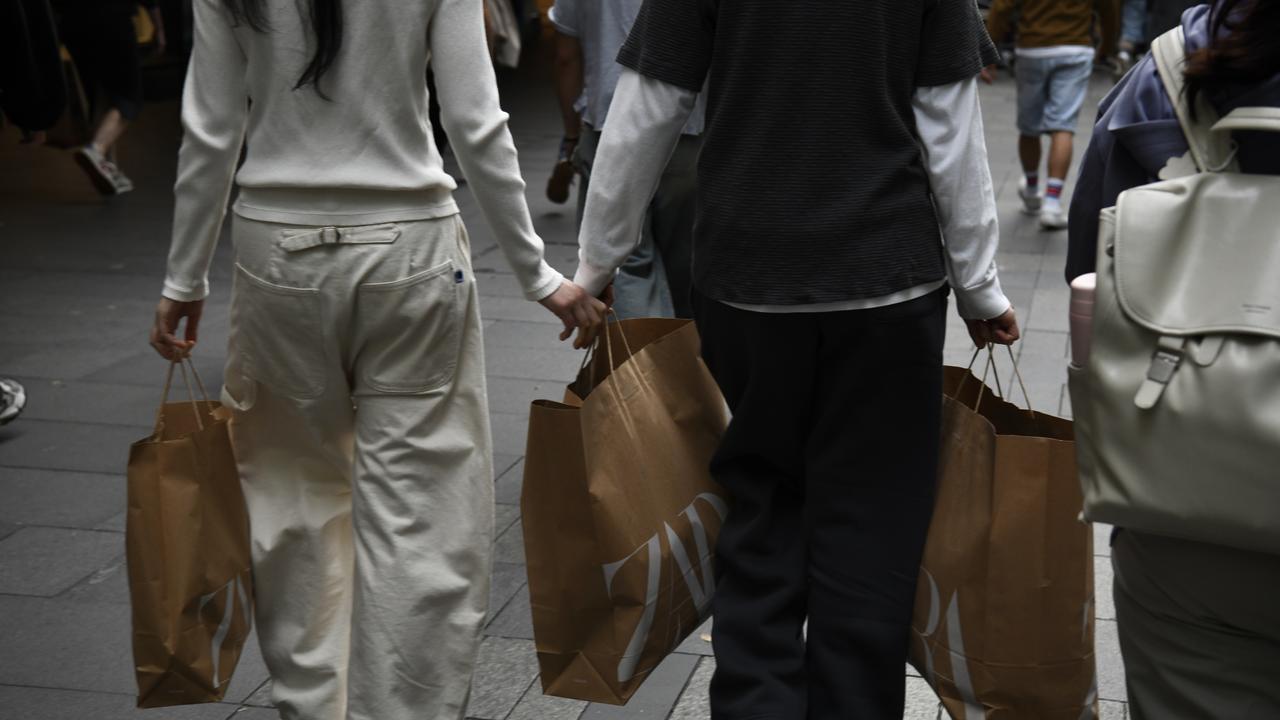
That suggested the softening in consumer demand had limited firms’ ability to pass on costs, reducing inflationary concerns for Reserve Bank governor Michele Bullock, Mr Nugent said.
“We have seen the economy slow over the last year, and we have seen that flow through into some easing of capacity pressures for businesses,” he told AAP on Tuesday.
“It means those supply constraints are binding a little bit less tightly than they were late last year. That will be encouraging for the RBA.”
While the government’s tax changes weighed on business sentiment in the second quarter, Mr Nugent said geopolitical tensions were the main driver.
Consumer confidence has also recovered slightly, according to the latest Westpac-Melbourne Institute survey.
Sentiment climbed from 80.6 per cent to 83.9 per cent in July, but the result was still in the most pessimistic 10 per cent of results in the survey’s 50-year history, Westpac head of Australian macro-forecasting Matt Hassan said.
Twelve months earlier, the index was at 93.1 per cent.
“Despite the gain, sentiment remains deeply pessimistic,” Mr Hassan said.
“Some of the July improvement looks to be relief that ‘worst case’ scenarios – around energy prices, interest rates and jobs – are not playing out.
“However, family finances are clearly under intense pressure and the outlook is uncertain.”
For households and businesses, the resumption of hostilities in the Strait of Hormuz in the past week underscored heightened economic uncertainty, with sentiment deteriorating over the course of the survey, Mr Hassan said.
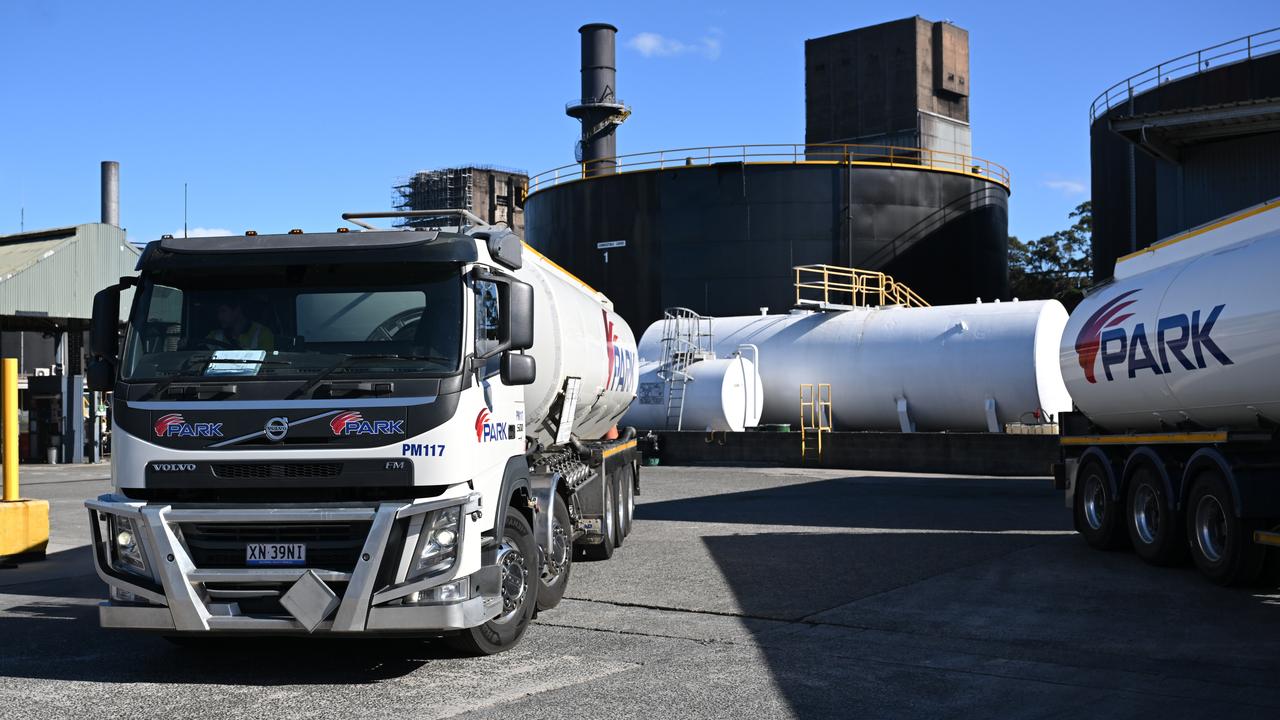
Maritime traffic through the vital waterway has been halted once again and the prospect of oil supplies normalising soon looks unlikely.
US President Donald Trump’s suggestion of a 20 per cent toll on all cargo shipped through the strait will add to inflation pressures.
Although the benchmark Brent crude oil price has jumped from about $US70 to about $US84 a barrel, prices remain well below May levels.
“In terms of how things have evolved since the RBA raised interest rates in May and put together their forecasts, on net we’re still in a bit of a better position than what they would have feared,” said Mr Nugent, who expects the Reserve Bank to keep rates on hold from here.
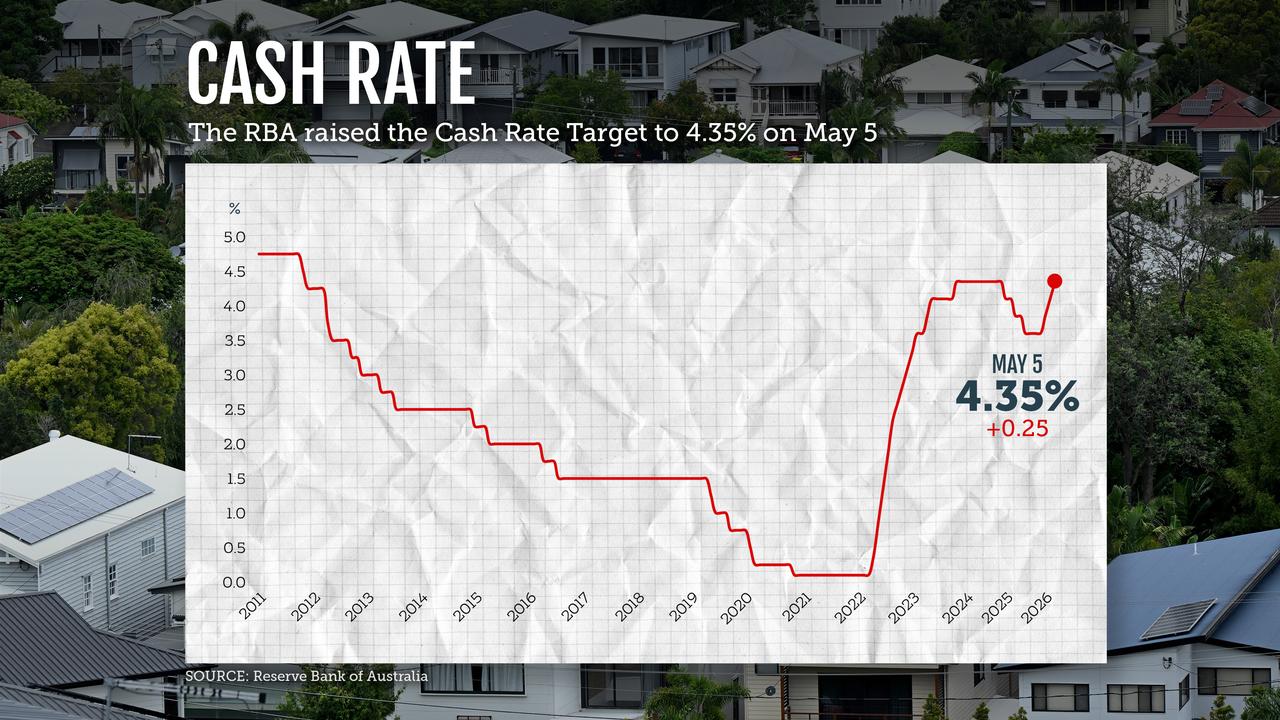
With fuel prices likely to increase throughout July and August with the reintroduction of fuel excise and higher oil costs, AMP economist My Bui said the short-term improvements in household confidence were unsustainable.
“The low levels of confidence similar to the peak of the cost-of-living issues in 2022-24 still point to slower spending growth from here,” she said.
On the one hand, slowing economic activity will make the Reserve Bank cautious about hiking rates.
“But the set of surveys also show us that the employment market hasn’t yet deteriorated to concerning levels and price pressures are still around,” Ms Bui said.
“So we continue to see higher chance of a hike from the RBA in the August meeting, taking the cash rate to 4.6 per cent.”

Australian Associated Press is the beating heart of Australian news. AAP is Australia’s only independent national newswire and has been delivering accurate, reliable and fast news content to the media industry, government and corporate sector for 85 years. We keep Australia informed.