
Small business switched off from electrification boom
Thousands of Australian small businesses are falling behind on electrification, weighing on national climate goals and leaving manufacturers exposed to gas market volatility.
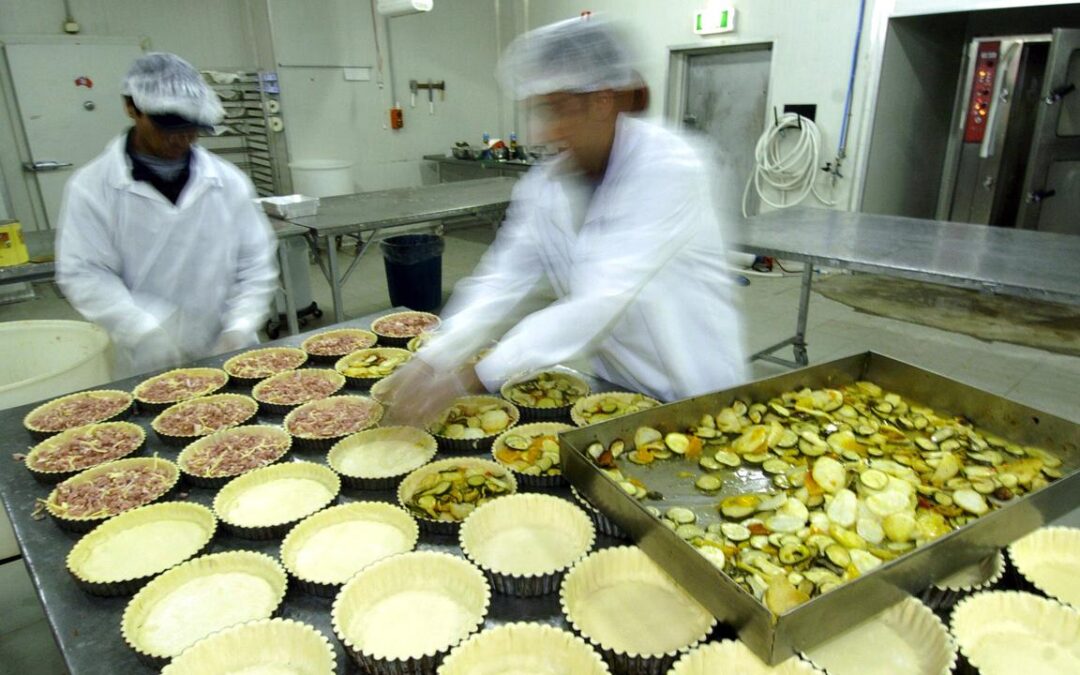
Many small and medium-sized businesses that rely on gas-powered heat to manufacture food, beverages, paper, cardboard and textiles have financially-attractive electric technologies available to them.
Yet even with projected domestic gas shortfalls and conflict in the Middle East injecting volatility into global fossil fuel markets, very few businesses are taking the leap.
This cohort are identified as a “missing middle” in decarbonisation policy making according to a report from climate and economics research institute Common Capital, with policy largely focused on households and large industrial users.
Without policy reforms, these transition projects are typically too minor for Australian Renewable Energy Agency support, but too complicated for state-based energy efficiency subsidies as currently designed.
The costs and headaches associated with connecting to the electricity network are another major handbrake.
Network providers charge all electricity users for the cost of transporting power through poles and wires, with the system built to withstand periods of peak demand to avoid blackouts.
The prospect of energy-intensive industrial users electrifying their equipment can prompt network providers to investigate upgrades, leading to expensive, long-running studies and infrastructure investment that adds to costs for small businesses.
Reforms to the way networks manage costs and incentivise energy users to shift their loads around was billed as an answer by Common Capital director Henry Adams.
A handful of forward-looking network operators have already been exploring “dynamic pricing” – charging less for electricity used outside of the most constrained times on the network – and “dynamic connections” – allowing network operators direct control devices to temper loads remotely during an unforeseen event.
Mr Adams said businesses that only need low or moderate heat to process goods have the ideal technology available to them to take advantage of dynamic charges and connections.
Electric thermal energy storage systems, akin to solid batteries that store heat, can be charged during the day when solar is generating cheap energy for later use during peak times.
“You’re able to get the benefit of shifting demand to these periods of the day where we have excess capacity,” Mr Adams told AAP.
“But you are still able protect the networks against the genuine concern of disruption as, unlike a traffic jam on a road that is inconvenient, a full traffic jam on the electricity network means the grid goes down.”
Smart, flexible industrial electrification has the potential to lower power bills for households and all users, he added, by avoiding unnecessary network upgrades and using the existing infrastructure more efficiently.
Between $691 million to $899 million would be needed over the next two decades to electrify Australia’s small gas-using facilities.
The transition would deliver 41 million metric tonnes of carbon dioxide equivalent in emissions reductions and more than $6 billion in public benefits.
Australia is pursuing a 62-70 per cent cut in its emissions by 2035 as part of international climate commitments.

Tomatoes become latest US affordability squeeze symbol
Tomatoes, ubiquitous in everything from fast-food burgers to haute cuisine, are taking on a new role beyond the plate in the United States: a nagging reminder of rising costs.
Prices for those red orbs have soared more than any other food product over the past year for US consumers.
“The tomato has become a symbol of something much deeper,” said Isaac Bernal Carbajo, a New York City chef who lamented life’s “simplest pleasures” falling victim to price increases.
“Something as basic as buying fresh vegetables is starting to become a serious financial decision for many families.”
Tomato prices are up about 40 per cent over a year ago, according to the latest US Consumer Price Index, dwarfing increases for other groceries, including coffee (up 18.5 per cent), beef roasts (up 17.8 per cent) and frozen fish and seafood (up 12 per cent).
A separate inflation gauge released on Thursday showed that overall prices increased 3.8 per cent in April from a year earlier, the highest reading in nearly three years.
Alongside crop yields, experts blame price increases for tomatoes, in part, on two pillars of US President Donald Trump’s second-term policies: the Iran war and tariffs.
The war spiked petrol prices and increased shipping costs.
Meanwhile, the US withdrew from a deal allowing duty-free imports of tomatoes from Mexico, which grows most of the United States’ supply.
Usha Haley, a Wichita State University economist, said it was “a perfect storm of trade policy, extreme weather and Mideast policy”.
US tomato farmers cheered the withdrawal from the tomato deal last July, saying it would help rebuild their shrinking industry.
But for consumers, it has been painful.
Although the US withdrew from the Mexico tomato deal in July, it took time to see the effect in the produce aisle, with more imports in late winter and early spring.
When the tomatoes arrived, they were slapped with a 17 per cent tariff.
“Tariffs are undeniably a big driver of the price inflation,” said Brett Massimino, a Virginia Commonwealth University business professor.
“Because the US relies on Mexico for the majority of its tomato supply, any changes in trade policy can have a large impact.”
US tariffs collected on tomatoes ballooned from just $US16,424 ($A23,000) in 2024 to nearly $US4.6 million, according to federal data.
As the cost trickles down, outraged shoppers have pulled out their phones in the produce aisle, shooting videos lamenting costs they said quadrupled, with some vowing to plant a garden to avoid the higher prices.
US goods trade deficit narrows as exports surge
The US trade deficit in goods contracted in April as a surge in exports more than offset rising imports, a trend that if sustained could result in trade contributing to economic growth in the second quarter.
The goods trade gap narrowed 3.4 per cent to $US82.4 billion ($A115.2 billion) last month, the Commerce Department’s Census Bureau said on Friday.
Economists polled by Reuters had forecast the goods trade deficit at $US86.5 billion.
Goods exports increased $US8.5 billion to $US219.7 billion.
Imports of goods rose $US5.6 billion to $US302.1 billion.
The trade deficit subtracted 1.25 percentage points from gross domestic product in the first quarter.
The economy of the United States grew at a 1.6 per cent annualised rate last quarter after expanding at a 0.5 per cent pace in the October-December quarter.
‘Blows my mind’: KPMG’s whistleblower issues collide
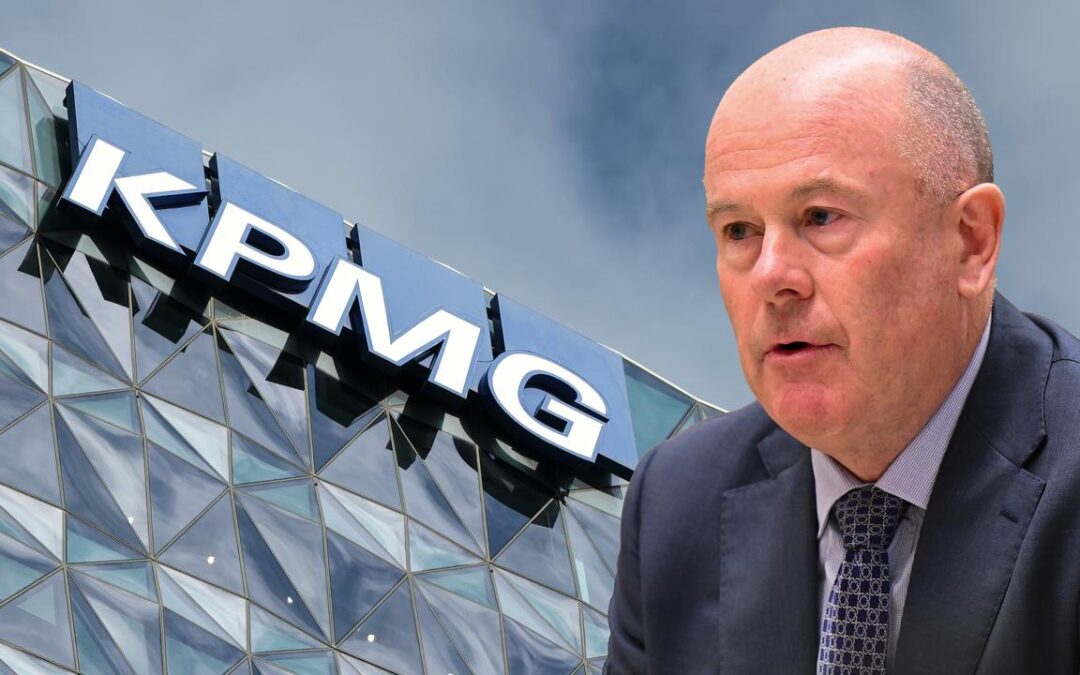
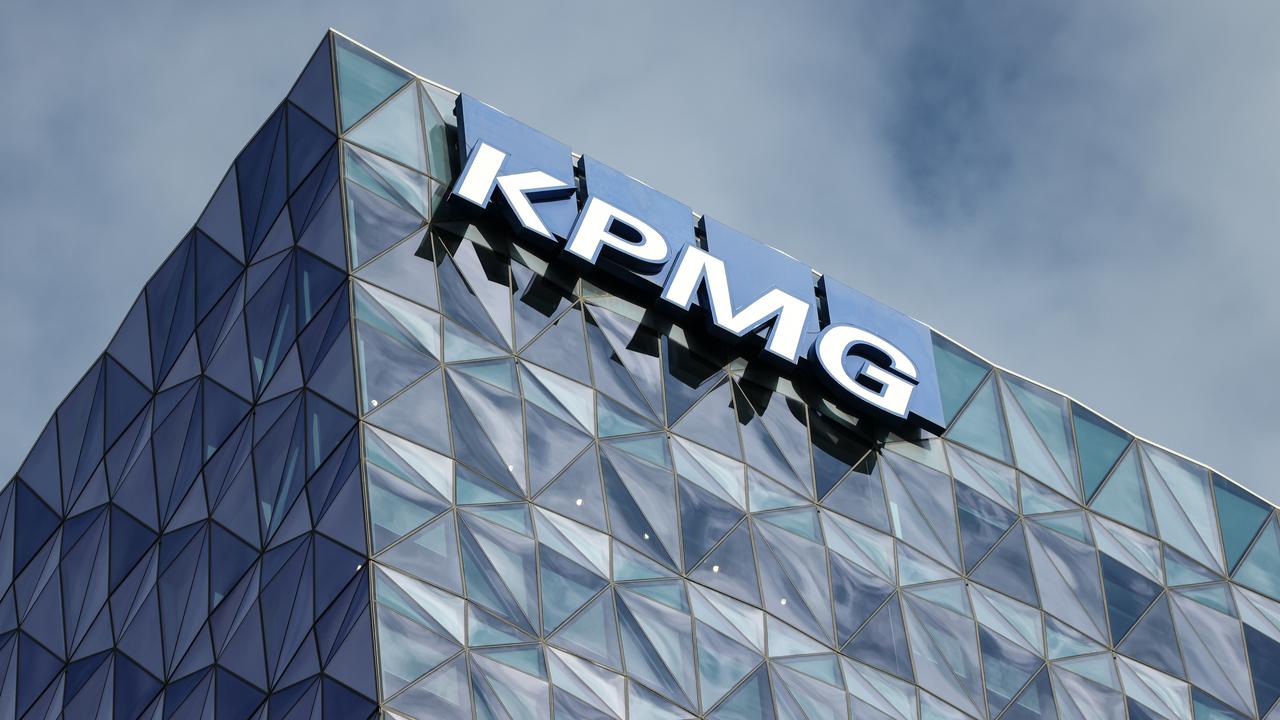
A top-tier consultancy firm whose Australian boss resigned over the treatment of a whistleblower was hosting whistleblower support services for some of the nation’s biggest corporations.
The revelation came to light during a federal parliamentary joint committee hearing into the activities of the corporate regulator chaired by Labor senator Deborah O’Neill.
Senator O’Neill told the hearing in Canberra on Friday that she had come across the National Australia Bank’s Whistleblower Protection Policy of April this year.
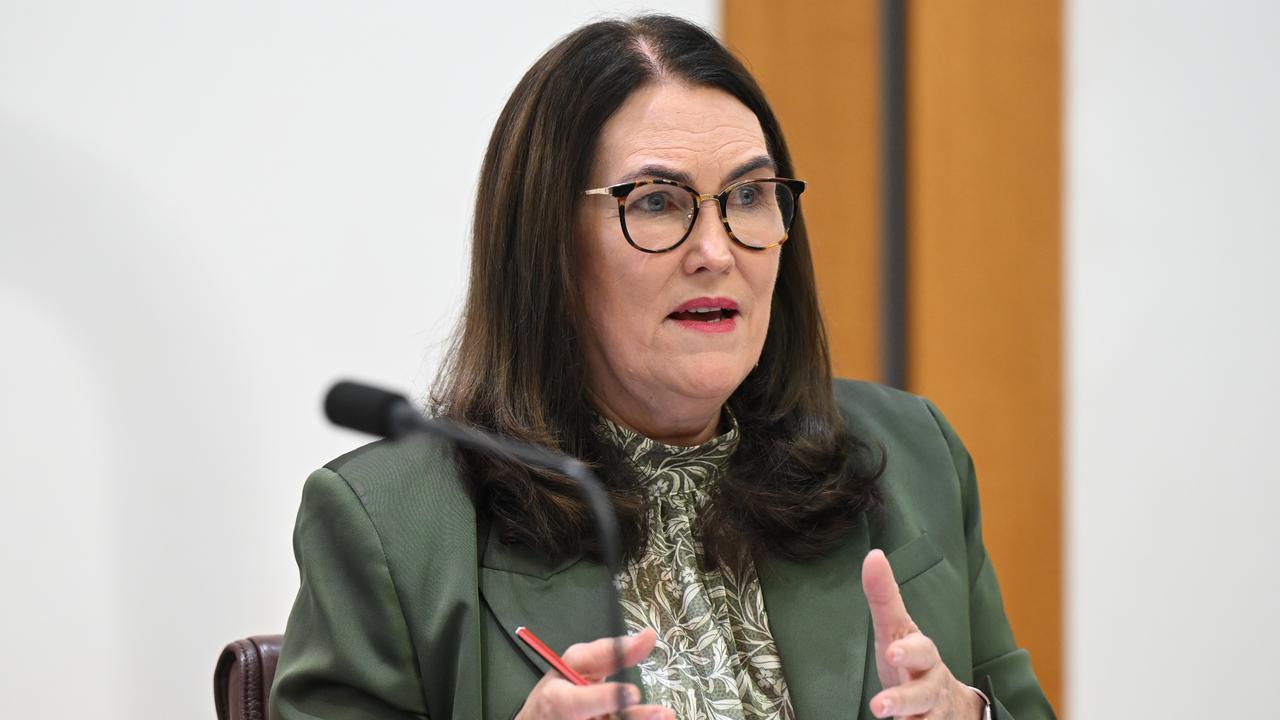
The policy refers potential whistleblowers to KPMG’s Fair Call Service, which is described as an “independently monitored external hotline and reporting services”.
The evidence came as KPMG, one of the Big Four accounting firms, on Friday revealed its Australian head Andrew Yates had resigned along with audit head Julian McPherson.
They took the fall over the treatment of and the mishandling of allegations by a whistleblower, after an internal investigation into the claims of misconduct was found to have fallen short of the firm’s expectations.
“I have been committed to a speak-up culture in our firm, it is clear that in this case we have let ourselves down and I take accountability,” Mr Yates said in a statement.
The ongoing internal probe also revealed a separate incident in which documents containing client information were inappropriately shared internally.
There were also allegations of an inappropriate remark in a team setting about the sharing of client information.
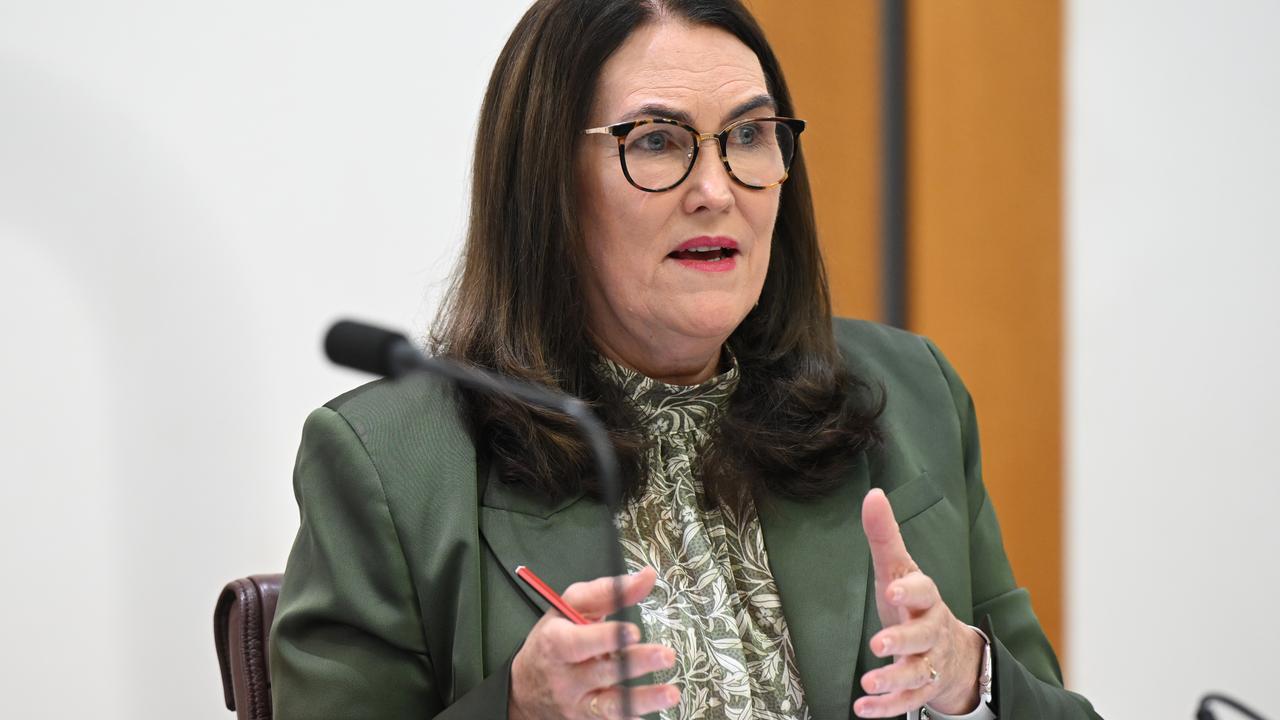
Asked if the corporate regulator would investigate, Australian Securities and Investments Commission deputy chair Sarah Court said it would make inquiries.
“We are very interested,” she told the joint committee on corporations and financial services.
Senator O’Neill said she was aware NAB wasn’t the only corporation using the KPMG service.
“Some of the most significant firms in this country seem to be using this service, which gives me pause,” she told the hearing.
“Who triaged the Fair Call KPMG whistleblower services? What companies were involved?
“I can say a little bit of digging so far has revealed that the RBA (Reserve Bank of Australia) and the ASX (Australian Securities Exchange) actually avail themselves of this whistleblower service, which just blows my mind.”
ASIC on Friday also confirmed it had begun a preliminary investigation into the conduct of at least three KPMG registered company auditors.
The probe is happening amid allegations that auditors working on a Lendlease matter retained and utilised access to audit tender pictures from the building company’s board papers to “inform” their tender for Westpac’s audit business.
Commissioner Kate O’Rourke stressed the investigation related to the auditors rather than the firm.
“We commenced these inquiries after a meeting with KPMG on the 14th of April, and then after receiving further anonymised, in that case, information in writing from KPMG, on the 29th of April,” she added.
Regarding KPMG’s own investigation, Ms Court said the regulator had issued a number of notices to KPMG for the production of information.
Liberals seek identity rebuild at key federal gathering
The Liberal Party is hoping to rebuild its identity as a viable alternative government during a key national meeting of party leaders and powerbrokers.
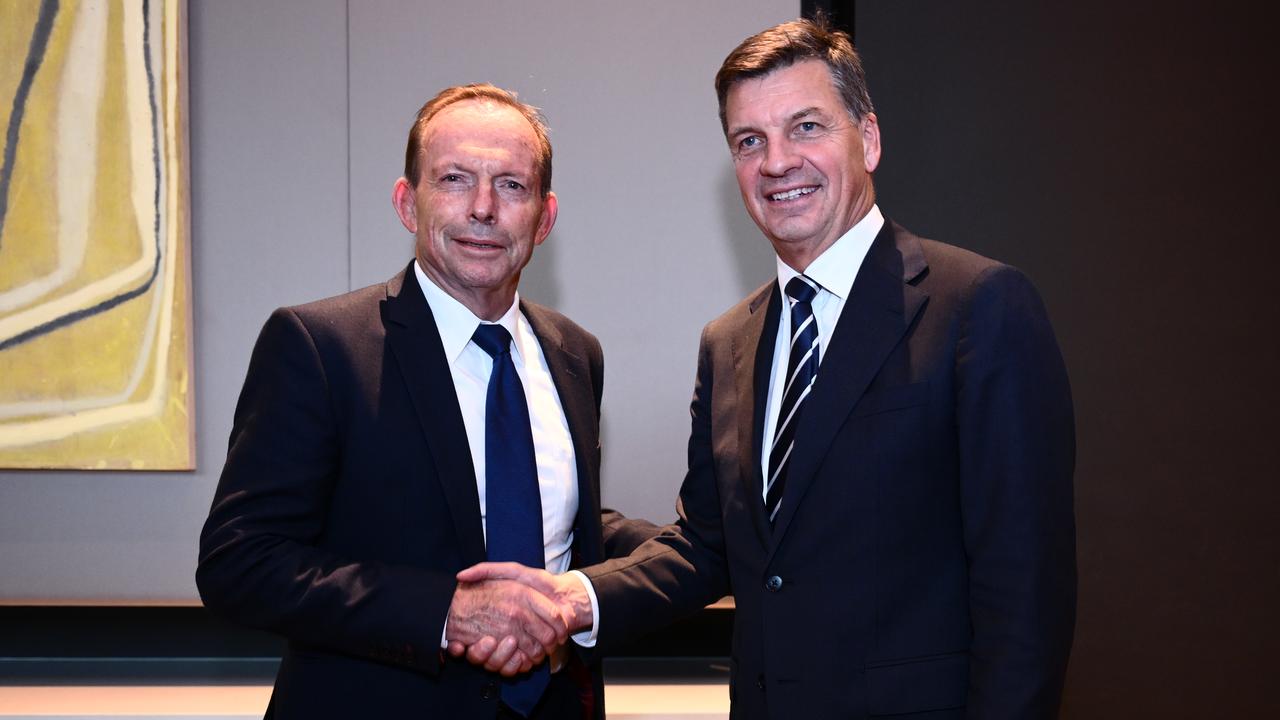
Opposition Leader Angus Taylor will front the Liberal Party federal council meeting in Melbourne on Saturday.
Deputy leader Jane Hume and outgoing federal director Andrew Hirst will also address the gathering.
Senior party leaders told the meeting’s first session on Friday while there were challenges ahead, the party could regain the trust of voters.
“It takes character to rebuild when the work is hard and the path is long,” outgoing federal president John Olsen told the meeting.
Key party policies, including stemming migration and opening the door to nuclear power, were passed by delegates with almost no opposition.
Also at Friday’s meeting, former prime minister Tony Abbott was elected unopposed as party president, taking on the unpaid role which includes helping shape policy and guiding campaign strategy.
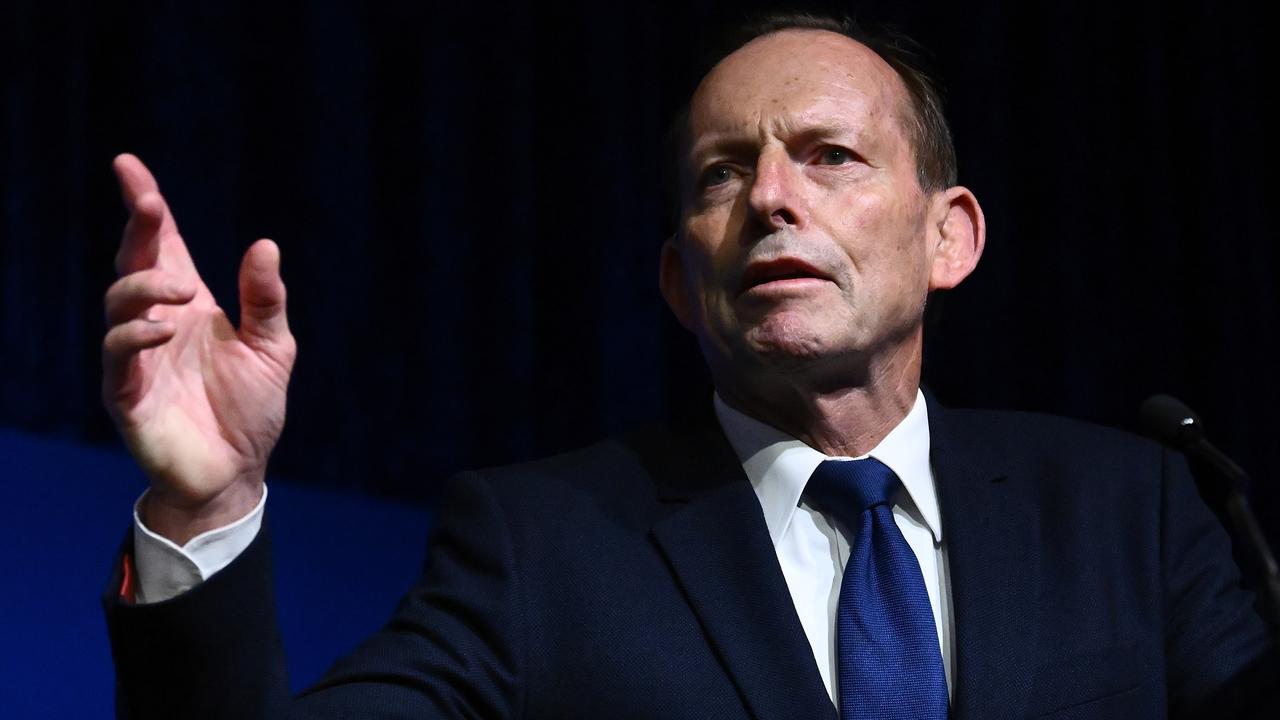
He told party faithful the challenge ahead was to persuade Australians the Liberals remained the most credible alternative to form government.
“As the last successful federal leader of the opposition, I do believe that I have the ability to help Angus Taylor to be the next successful federal leader of the opposition,” Mr Abbott said.
Mr Taylor was applauded at Friday’s meeting for his budget reply, which many in the party rated as garnering more interest than the budget itself.
The reply outlined a plan to overhaul the tax system, revoke welfare to non-citizens and slash immigration numbers.
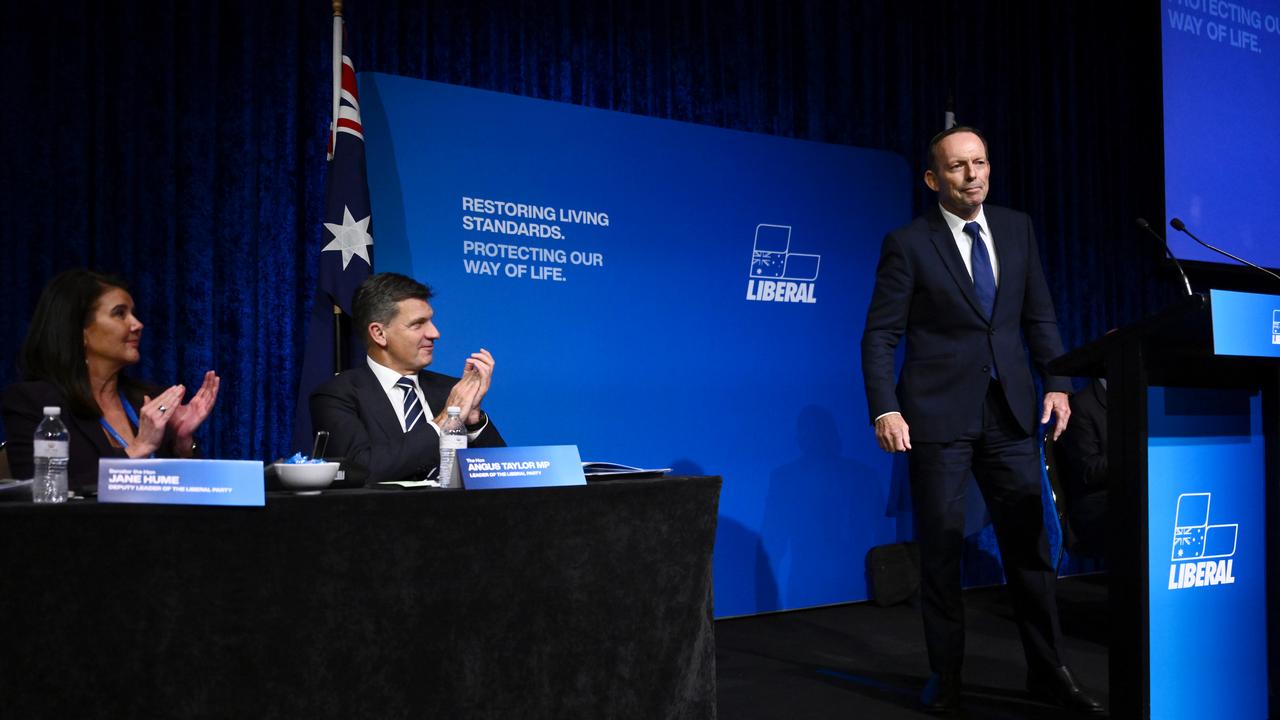
Mr Taylor has been accused since taking the top job in February of leaning further into right-wing policies to avoid losing voters amid a rise in the popularity of Pauline Hanson’s One Nation.
NSW and Victorian opposition leaders took advantage of Friday’s friendly platform to slam their respective state governments.
Jess Wilson, who will lead the Liberal Party to Victoria’s November state election, said voters in her state had lost hope after 12 years of Labor leadership.
Ms Wilson took aim at former premier Daniel Andrews’ COVID-19 policies, which she said were based on “dubious” science, and mocked plans to build a statue of the former state leader who held the top job for close to a decade.
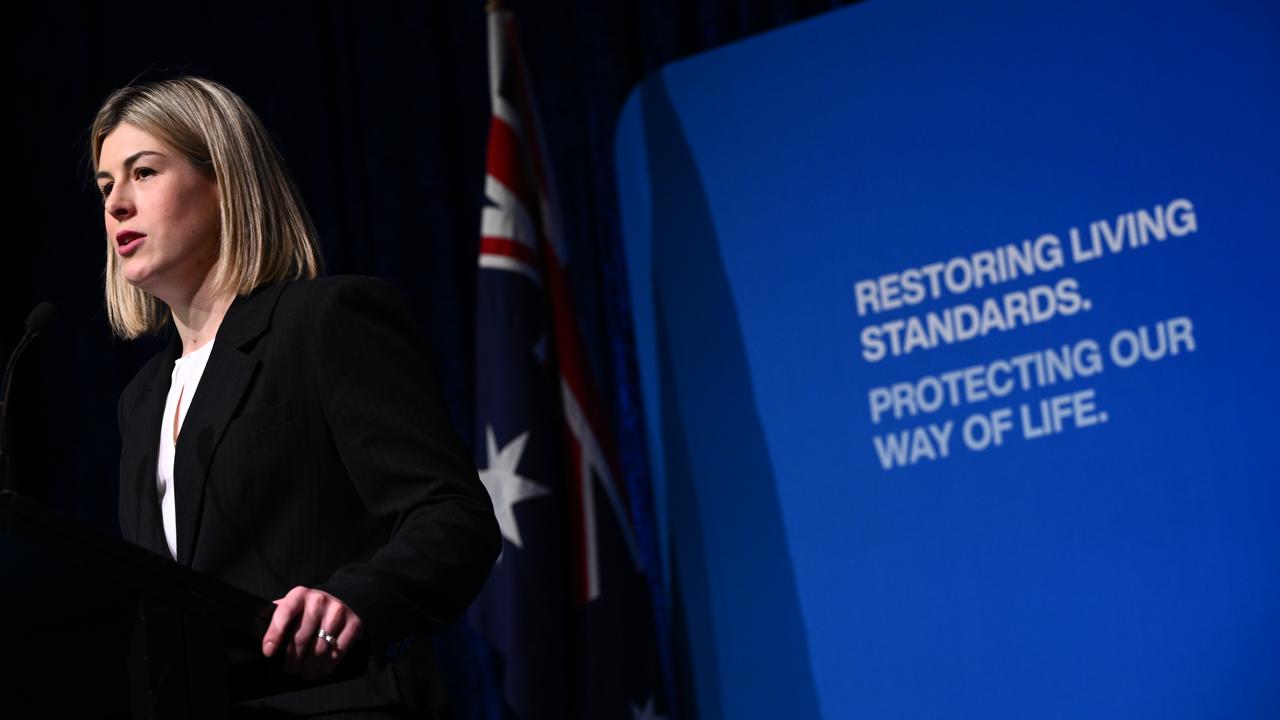
She promised disciplined budgets and lower taxes through scrapping an Indigenous treaty, putting a freeze on public service hiring and capping public sector executive salaries.
NSW Opposition Leader Kellie Sloane accused Premier Chris Minns of putting the brakes on her state’s economy after decades of Liberal growth.
Ms Sloane said the NSW election, scheduled for March 2027, would be one to watch – noting a first-term government had not lost an election in the state for almost a century.
Retailers under attack from weak demand, rising costs
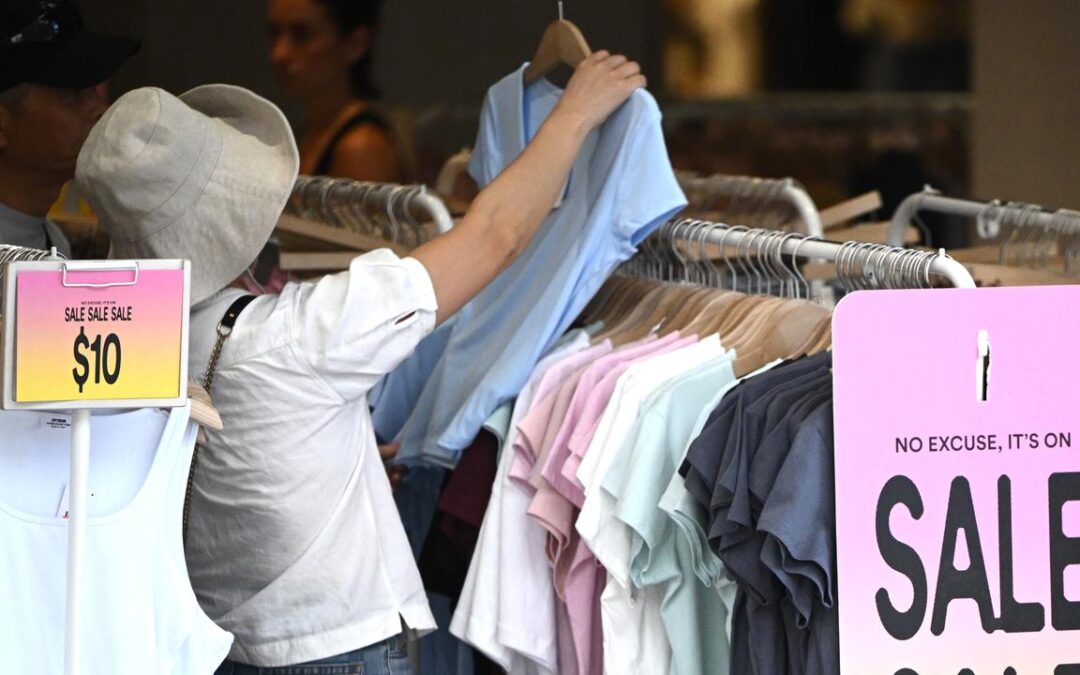
Australian businesses are under fire from both sides as conflict in the Middle East drives up prices and weakens demand.
After first lighting a fire under fuel costs, the impacts of the US-Israeli-led war in the Middle East have begun flowing through the rest of the Australian economy, adding to price pressures, the most recent Deloitte Access Economics Retail Forecast found.
Fuel, energy, plastics and fertiliser prices have surged while the rising cost of living is squeezing household budgets and dampening consumer spending.
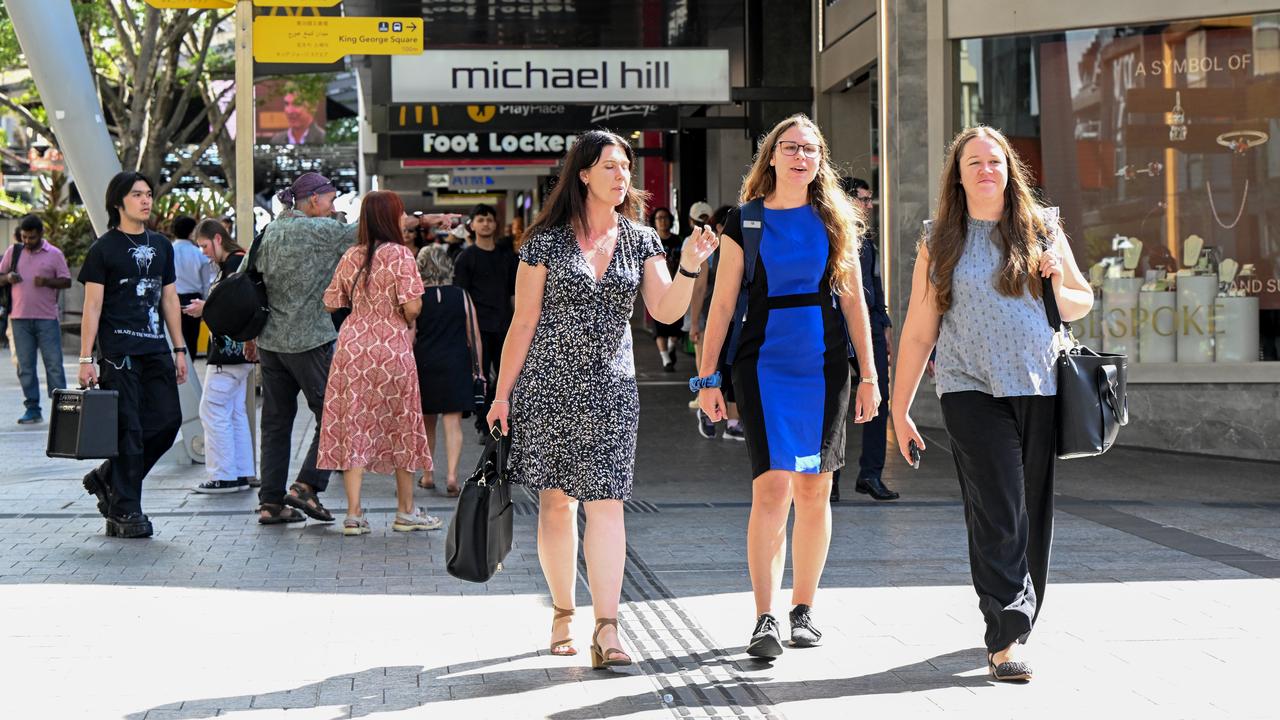
All of this is set to temper retail sector growth, with retail turnover expected to increase by 1.8 per cent in 2026, down from 2.3 per cent in 2025, the report found.
“Events over the first half of 2026 mean Australian retailers are facing a simultaneous attack from both flanks – rising costs and weakening demand,” Deloitte Access Economics partner David Rumbens said.
“Retailers typically pass cost shocks on to consumers relatively quickly during periods of high inflation.
“However, retailers also need to be aware that consumers can only take so much.”
Australia’s central bank raised interest rates for the third consecutive time in May, adding to consumer concerns.
Combined with trimmed mean annual inflation rising to 3.4 per cent and gloomy forecasts for economic growth and real wages, Mr Rumbens warned demand-side pressures were “threatening to bite”.
“Recent months have seen some of the worst consumer sentiment readings on record, with households increasingly worried about their finances,” he said.
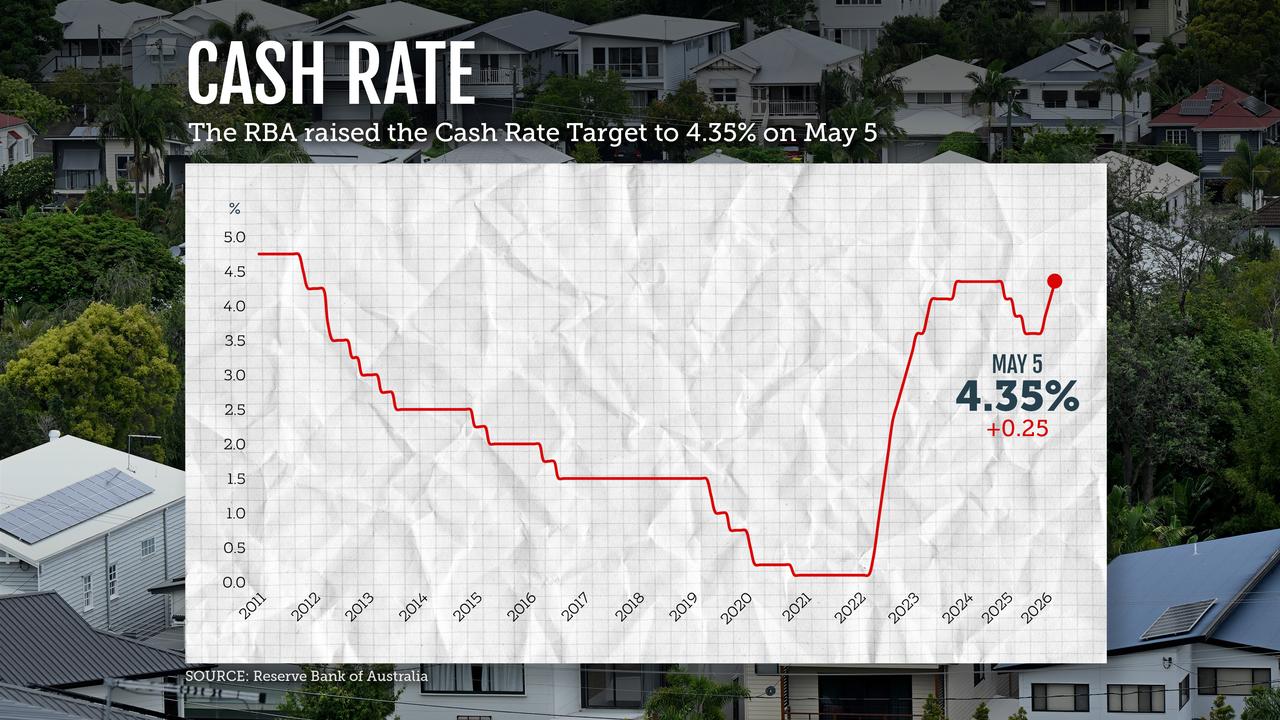
Discretionary spending growth is expected to slow from 2.5 per cent in the year to December 2025 to 0.7 per cent in the year to December 2026 as the impact of rate rises, elevated inflation and uncertainty about the Middle East continues.
On the other hand, spending on essentials is expected to grow from 2.5 per cent to three per cent in the same period, though the figure could pull back as households look to scrimp and save.
Impacts on Australian retailers were expected to worsen as the effects of the Reserve Bank’s rate rises fed through to mortgage costs and the consequences of the Middle East war spread, Mr Rumbens said.
Should the conflict continue, higher prices and a shortage of certain goods would have knock-on effects on inflation, interest rates and economic growth.
The Deloitte Access Economics report has urged business owners to plan for future scenarios, manage cost pressures and make strategic decisions.
‘Spiritual malaise’: Tony Abbott’s Liberal rallying cry
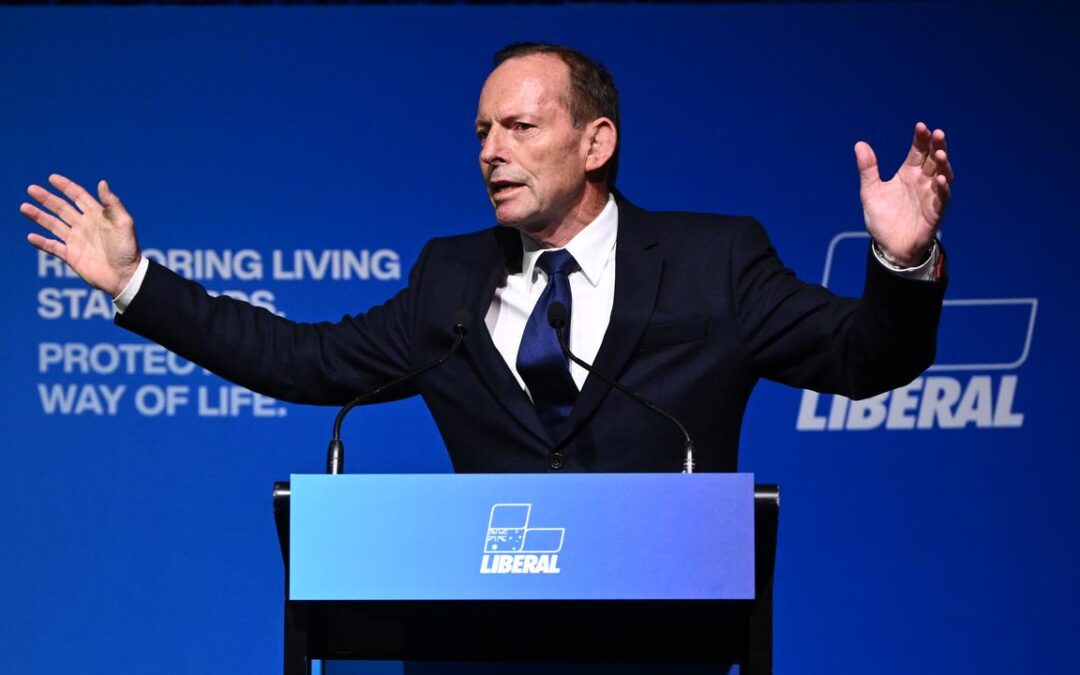
The Liberal Party remains the best hope for an alternative government despite undergoing an “existential crisis”, newly elected president Tony Abbott says.
The former prime minister’s role was made formal at the party’s federal council meeting in Melbourne on Friday.
“I owe the Liberal Party big time and that’s why I regard it as my duty to serve the party in this time of existential crisis,” Mr Abbott told the gathering.
“As the last successful federal leader of the opposition, I do believe that I have the ability to help Angus Taylor to be the next successful federal leader of the opposition.”
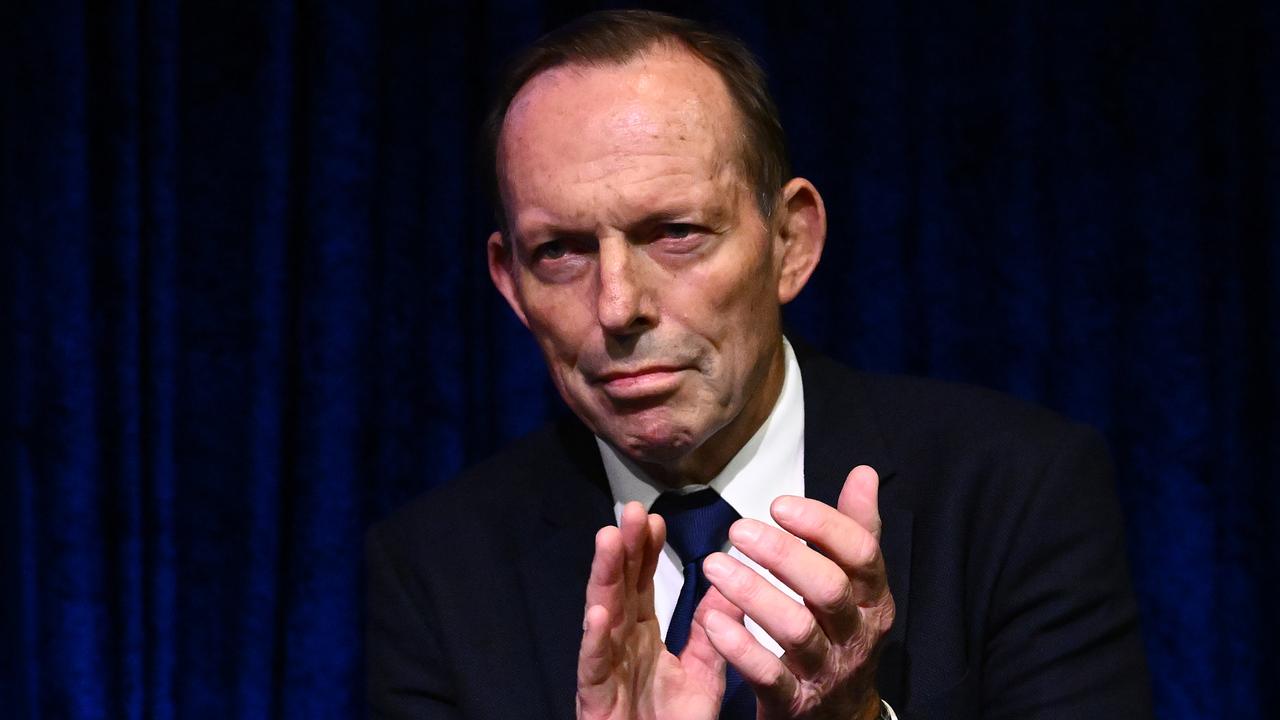
Mr Abbott led the coalition to a landslide election victory in 2013 before being replaced as leader two years later.
He said the country was drifting backwards, citing mass migration and what he called damaging taxes and an unnecessary focus on emissions reductions.
“We don’t believe in ourselves anymore,” Mr Abbott said.
“Our economy is stagnating, our society is fragmenting, our security is in peril, and underneath it all, there is a kind of spiritual malaise.
“I absolutely believe in the marrow of my being that we remain the best hope of better government in this country.”
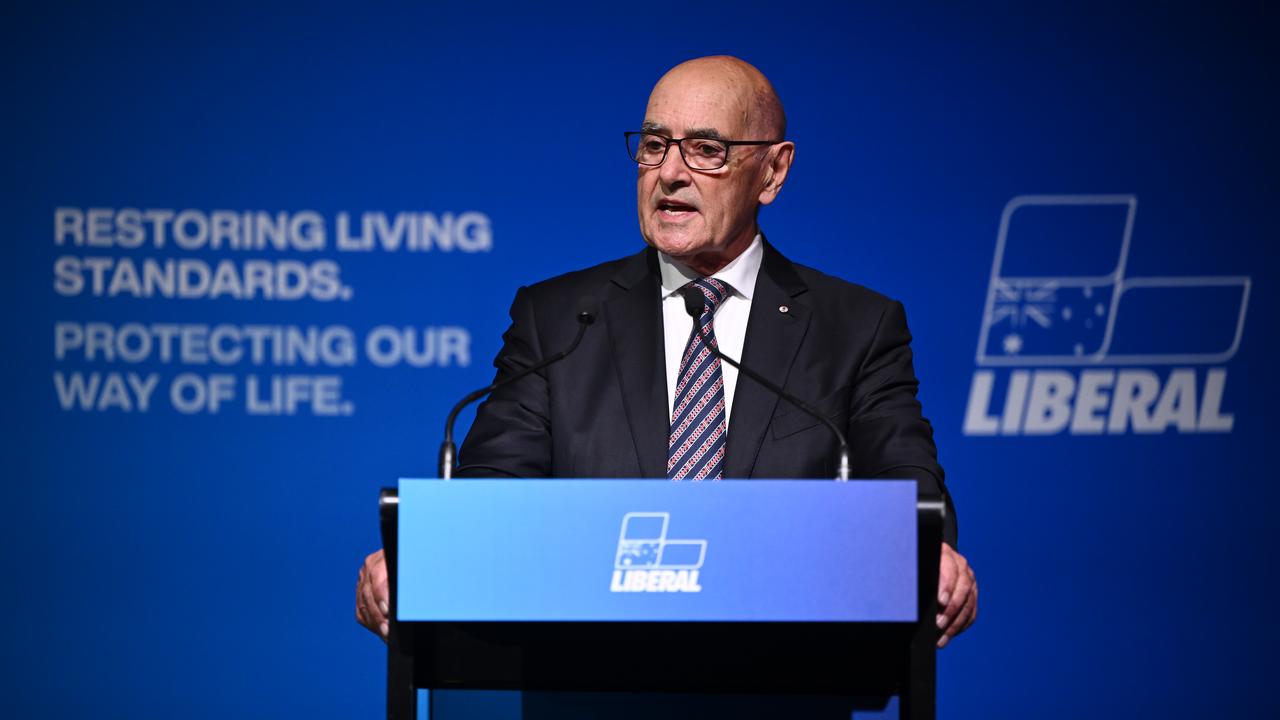
Outgoing president John Olsen said the party needed to face up to having delivered its worst federal election result and begin to rebuild its fortunes.
The ex-South Australian premier urged the party to rebuild and earn back the trust of Australians.
“It takes character to rebuild when the work is hard and the path is long; I look forward to seeing the party’s fortunes restored,” he told the council.
Mr Olsen said voters had taken note of the coalition’s infighting, including temporary splits between the Liberals and Nationals, and Australians expected “confidence, conviction, and consistency”.
“They expect us to focus on greater concerns than our internal disputes,” he said.
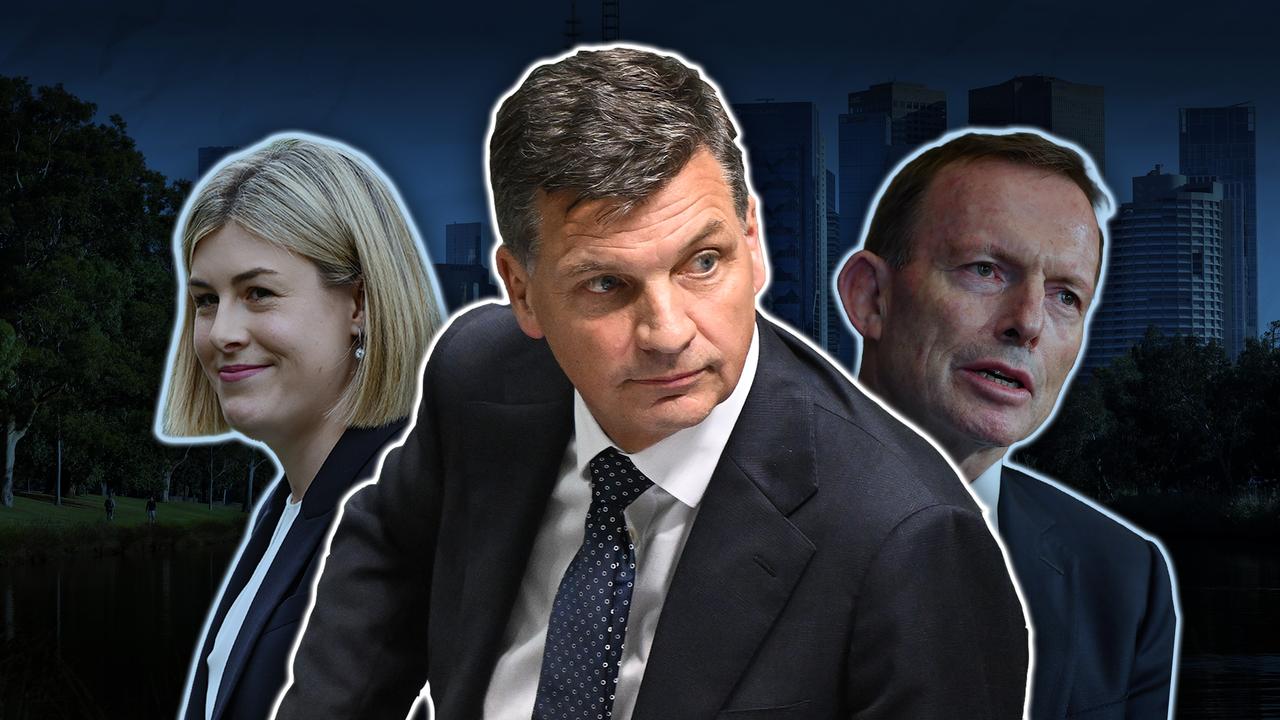
Support for the federal Liberal Party has plummeted to historic lows as support for Pauline Hanson’s One Nation rises.
The dire state of affairs and Opposition Leader Angus Taylor’s attack on the Albanese government’s controversial federal budget are hot topics at the council, which continues on Saturday.
The next Liberal leader up to bat at a major election, Victorian Opposition Leader Jess Wilson, vowed to rebuild her state, which she said had lost hope.
“We can win here in Victoria in November. We can win the next federal election,” she said.
“The only way to remove Anthony Albanese is to vote Liberal.”
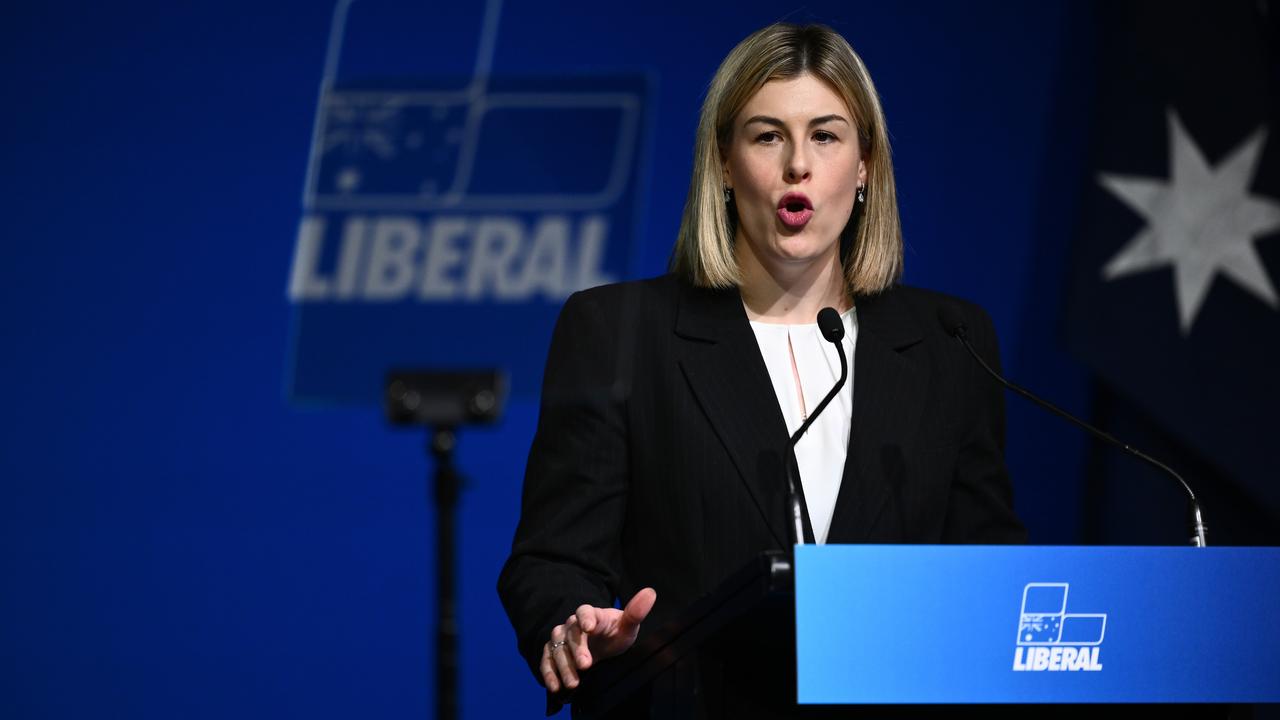
Ms Wilson promised disciplined budgets and lower taxes through scrapping an Indigenous treaty, putting a freeze on public service hiring and capping public sector executive salaries.
“Taxes must always be lower under a Liberal government,” she said.
She promised to be harder on crime, with jail time for those who broke bail and harsher punishments for juvenile offenders.
According to a Roy Morgan survey published on Tuesday, primary support for the coalition dropped one per cent to 23 per cent in the past week while support for One Nation increased by one per cent to 25.5 per cent.
Labor Party support fell two per cent to 27.5 per cent during the same period.
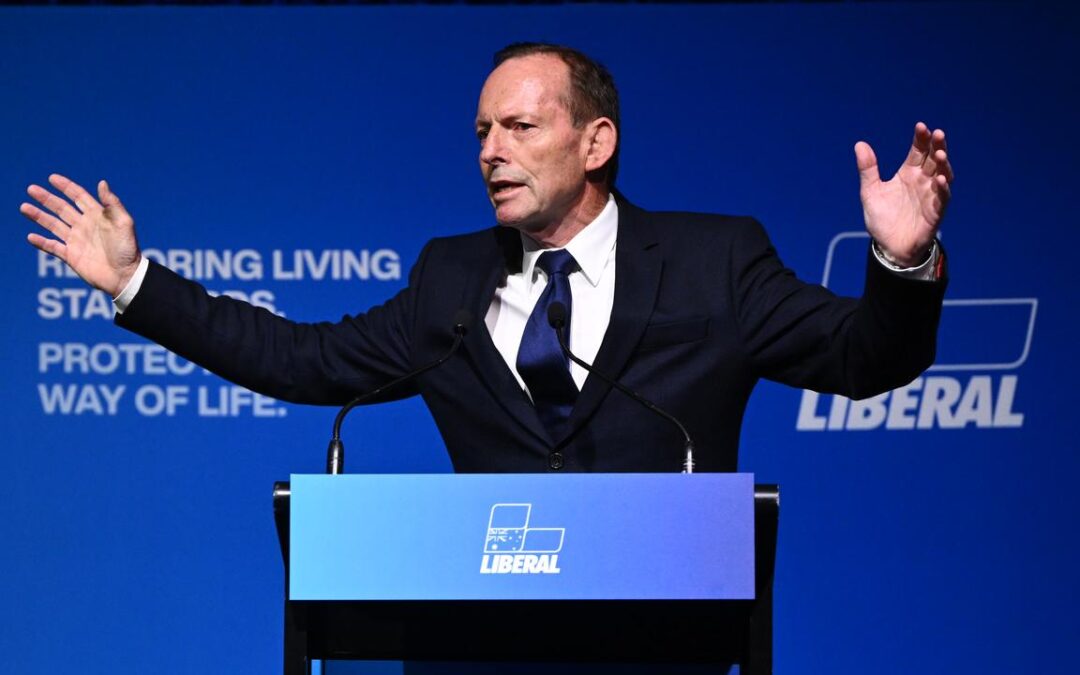
‘Spiritual malaise’: Tony Abbott’s Liberal rallying cry
The Liberal Party remains the best hope for an alternative government despite undergoing an “existential crisis”, newly elected president Tony Abbott says.
The former prime minister’s role was made formal at the party’s federal council meeting in Melbourne on Friday.
“I owe the Liberal Party big time and that’s why I regard it as my duty to serve the party in this time of existential crisis,” Mr Abbott told the gathering.
“As the last successful federal leader of the opposition, I do believe that I have the ability to help Angus Taylor to be the next successful federal leader of the opposition.”
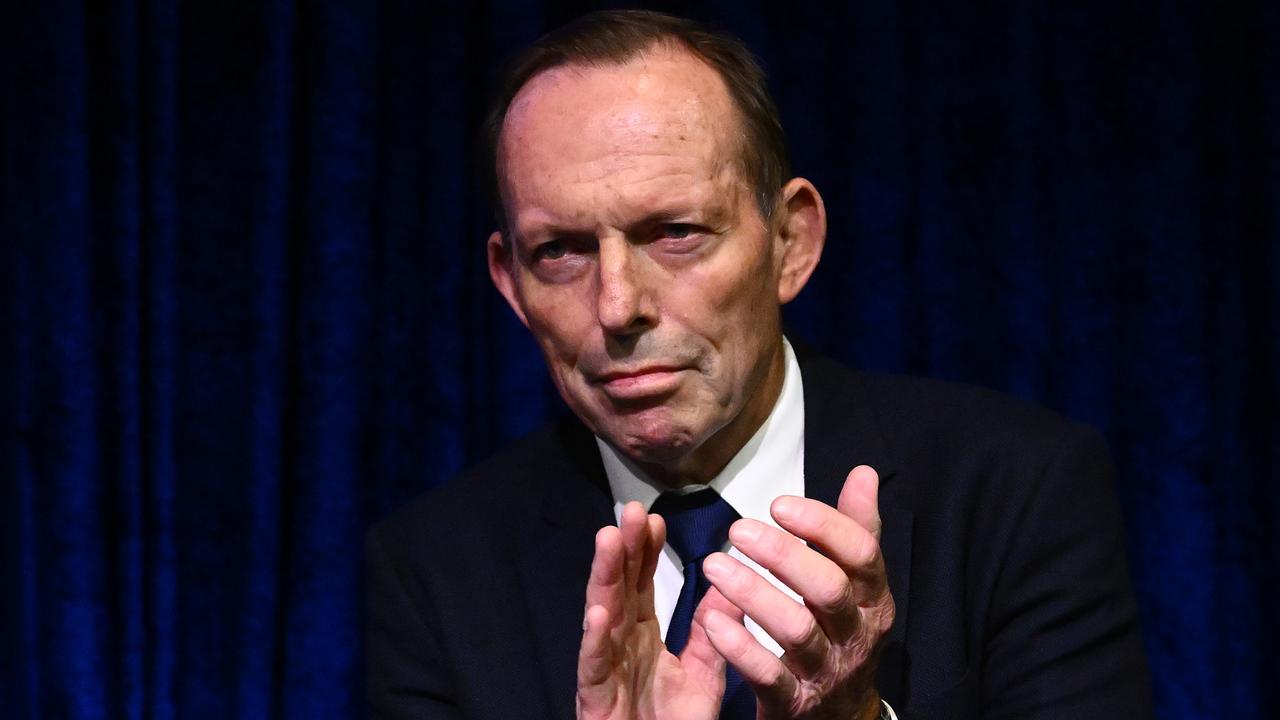
Mr Abbott led the coalition to a landslide election victory in 2013 before being replaced as leader two years later.
He said the country was drifting backwards, citing mass migration and what he called damaging taxes and an unnecessary focus on emissions reductions.
“We don’t believe in ourselves anymore,” Mr Abbott said.
“Our economy is stagnating, our society is fragmenting, our security is in peril, and underneath it all, there is a kind of spiritual malaise.
“I absolutely believe in the marrow of my being that we remain the best hope of better government in this country.”
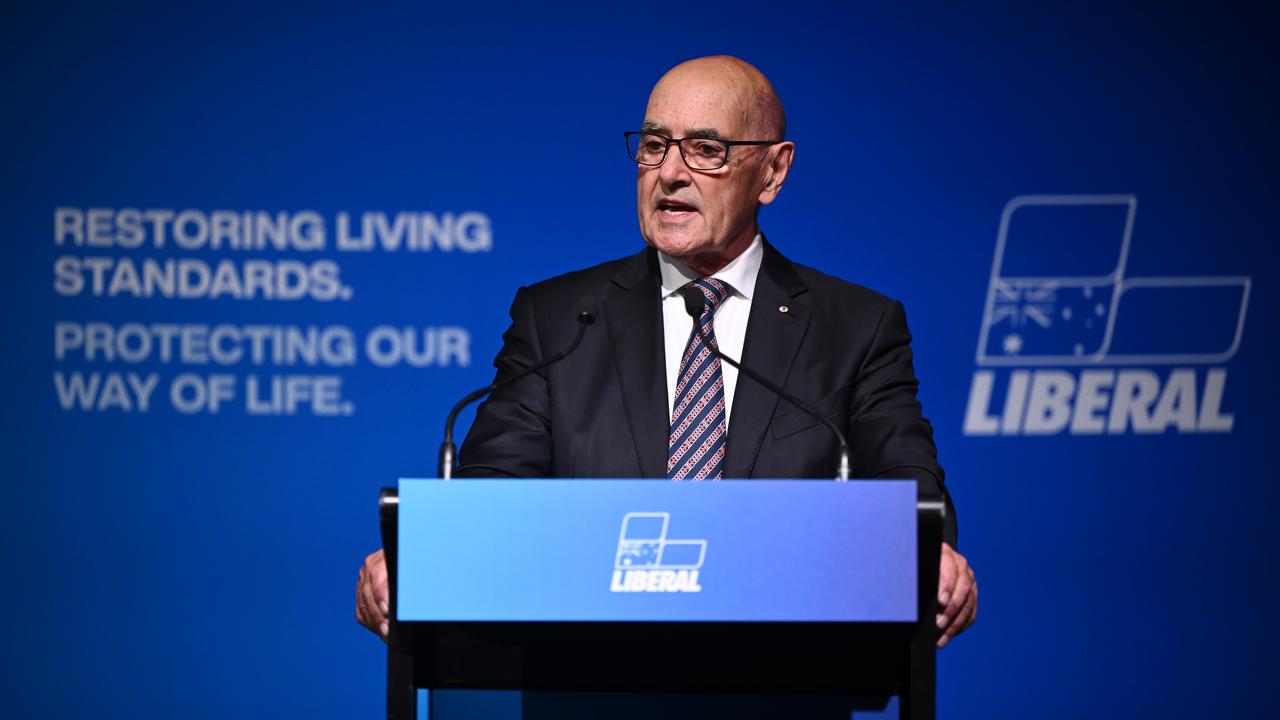
Outgoing president John Olsen said the party needed to face up to having delivered its worst federal election result and begin to rebuild its fortunes.
The ex-South Australian premier urged the party to rebuild and earn back the trust of Australians.
“It takes character to rebuild when the work is hard and the path is long; I look forward to seeing the party’s fortunes restored,” he told the council.
Mr Olsen said voters had taken note of the coalition’s infighting, including temporary splits between the Liberals and Nationals, and Australians expected “confidence, conviction, and consistency”.
“They expect us to focus on greater concerns than our internal disputes,” he said.
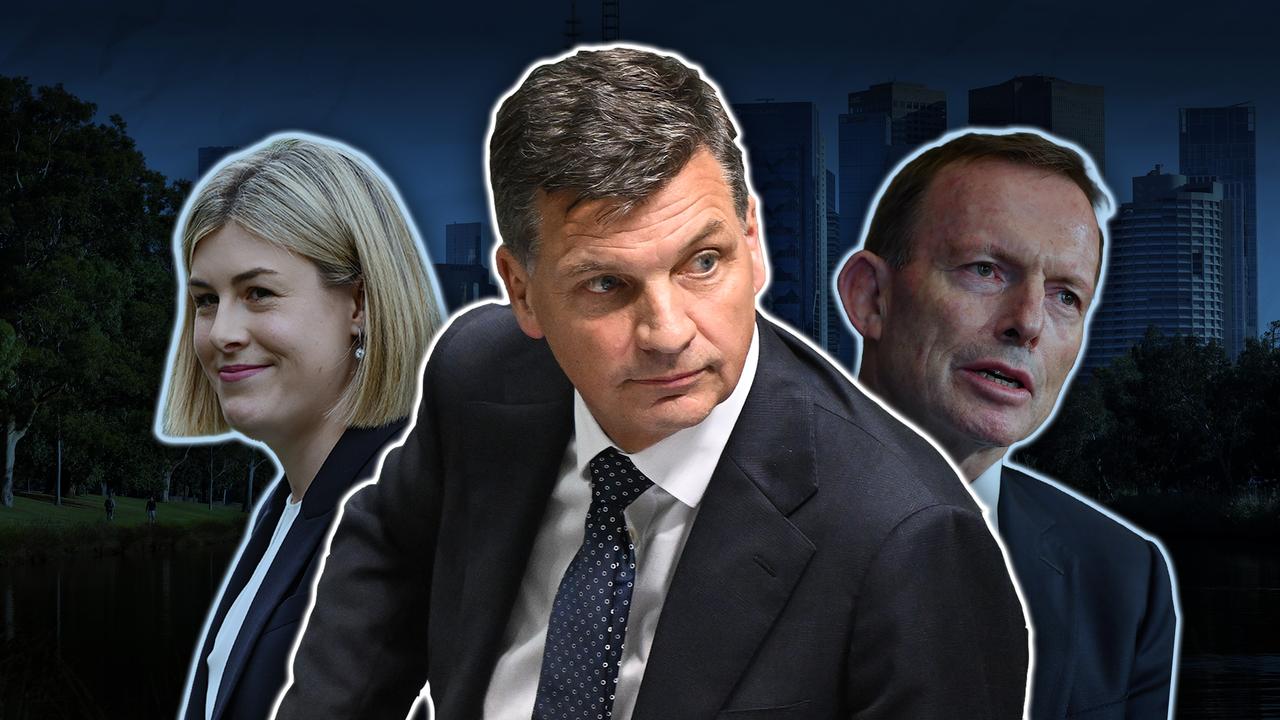
Support for the federal Liberal Party has plummeted to historic lows as support for Pauline Hanson’s One Nation rises.
The dire state of affairs and Opposition Leader Angus Taylor’s attack on the Albanese government’s controversial federal budget are hot topics at the council, which continues on Saturday.
The next Liberal leader up to bat at a major election, Victorian Opposition Leader Jess Wilson, vowed to rebuild her state, which she said had lost hope.
“We can win here in Victoria in November. We can win the next federal election,” she said.
“The only way to remove Anthony Albanese is to vote Liberal.”
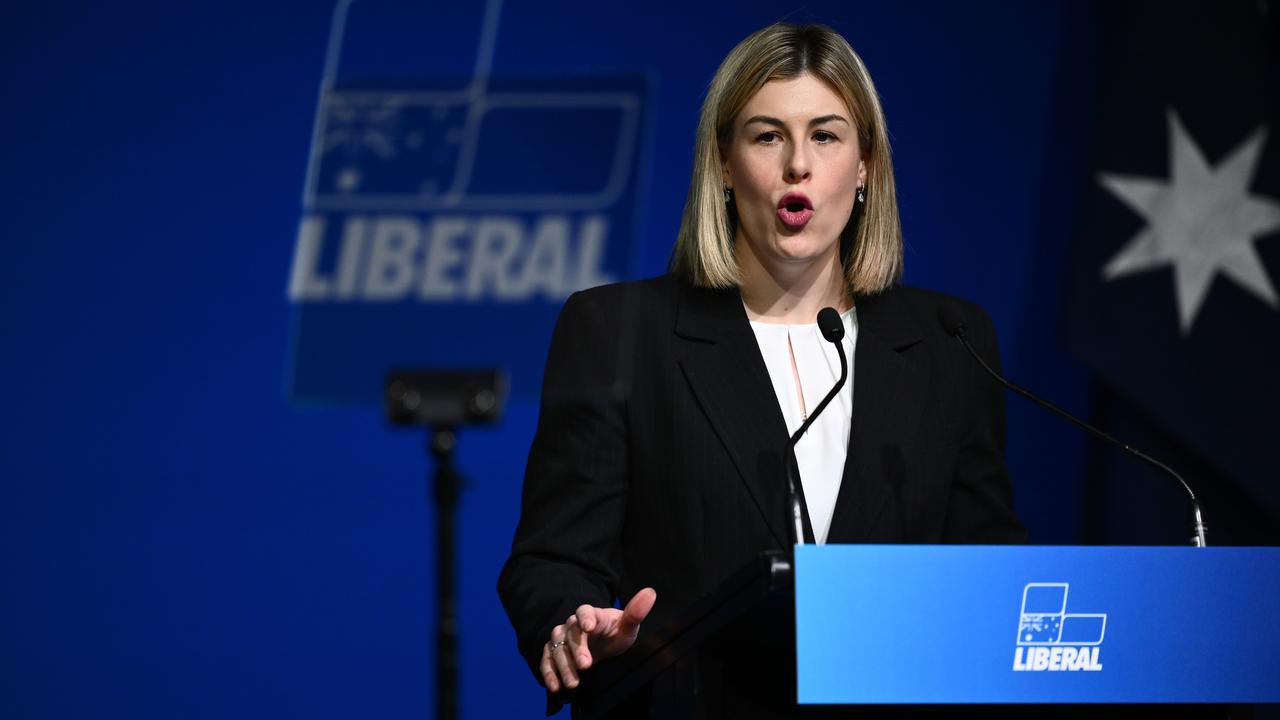
Ms Wilson promised disciplined budgets and lower taxes through scrapping an Indigenous treaty, putting a freeze on public service hiring and capping public sector executive salaries.
“Taxes must always be lower under a Liberal government,” she said.
She promised to be harder on crime, with jail time for those who broke bail and harsher punishments for juvenile offenders.
According to a Roy Morgan survey published on Tuesday, primary support for the coalition dropped one per cent to 23 per cent in the past week while support for One Nation increased by one per cent to 25.5 per cent.
Labor Party support fell two per cent to 27.5 per cent during the same period.
AI risks deepening divide between investors and workers
The divide between people who earn income from investments and those who work for a living could be exacerbated by the artificial intelligence revolution, economists at Australia’s largest business lender warn.
While the adoption of AI is expected to boost productivity, without policy intervention the benefits will likely be unevenly felt across the economy, NAB chief economist Sally Auld and senior economist Taylor Nugent found in a research note released on Friday.
Essentially, AI could result in the economic pie getting larger but workers not receiving a larger slice.

“While economists often concentrate on the efficiency gains of AI, there are potentially significant distributional consequences,” wrote Dr Auld and Mr Nugent.
“Indeed, one concern that many hold with the rise of AI is the risk that without careful policy decisions, AI may amplify income and wealth inequalities.
“If AI mainly substitutes for labour without a proportional increase in new tasks for labour, it could further shift income from labour to capital owners.”
In recent decades, low interest rates and financial deregulation have turbocharged asset prices.
But the share of income received by workers has declined.
Between the 1990s and the COVID pandemic, the gulf widened between those who earned income from capital and those who worked for a living, according to research by economist Gianni La Cava.
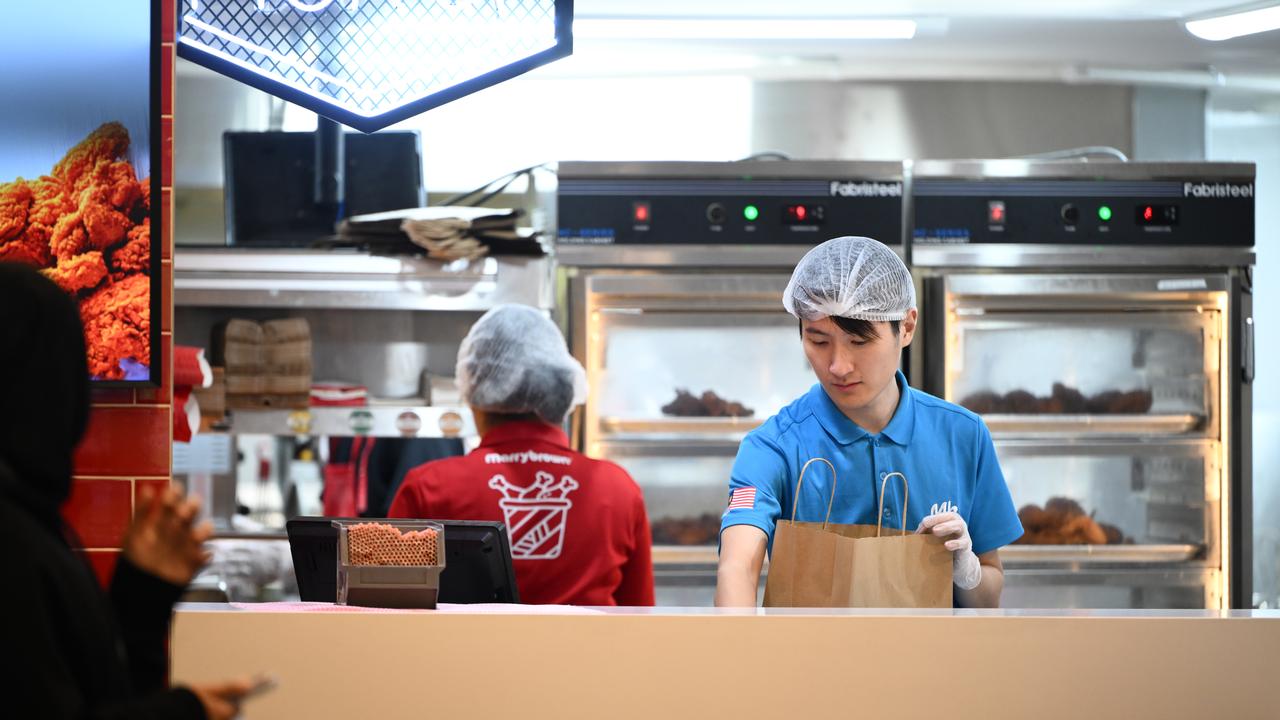
While the labour share of income climbed during the COVID pandemic, technology-exposed sectors such as retail and finance have experienced a significant decline.
“A bit like the AI story that people worry about now, in finance they replaced a lot of bank tellers with ATMs over the ’90s and 2000s,” Dr La Cava told AAP.
“That reduced their wage bill at the banks, and that reduced the labour share.”
Because capital tends to be concentrated among wealthier individuals, a higher income share of capital tends to result in greater economic inequality.
It can also be shifted around more easily to minimise tax requirements, said Treasury secretary Jenny Wilkinson on Thursday.
Labor has sought to frame its controversial budget tax changes around addressing this trend.
Replacing the 50 per cent capital gains tax discount with indexation would help rebalance the tax treatment of income earned from work – the way most Australians earn a living – with income earned from assets, Prime Minister Anthony Albanese told ABC News on Thursday.

The AI investment boom is reaping huge benefits for people with a stake in companies such as Anthropic, OpenAI and Palantir.
Anthropic, the firm behind chatbot Claude, was valued at more than $1.3 trillion on Friday, becoming the most valuable AI company in the world.
All that investment needs to generate a return.
One way for employers to justify their spending on AI is to use it to reduce labour costs.
It’s a worst case scenario, but Anthropic chief executive Dario Amodei has predicted AI could cause unemployment to spike up to 20 per cent.
While AI has the potential to increase jobs and incomes as higher productivity and growth spurs demand for workers, NAB found employment was about nine per cent lower in occupations with higher exposure to AI since 2022.
“For now, evidence of slower employment growth in occupations with elevated AI exposure suggests that it may take time for the offsetting benefits from additional labour demand to flow through,” Dr Auld and Mr Nugent said.

More immediately, the demand for AI computing power has upended Australia’s capital markets.
Data centre investment drove a massive 6.5 per cent increase in private capital expenditure in the March quarter, even though other industries were relatively soft.
Westpac senior economist Pat Bustamante estimated Australia’s data centre investment pipeline will exceed $155 billion, or 5.6 per cent of GDP, including expenditure on clean energy needed to power it.
“Crucially, this is just phase one,” he said.
“The larger pay-off, via stronger productivity, comes later, during the production phase as data centres enable widespread AI adoption.”
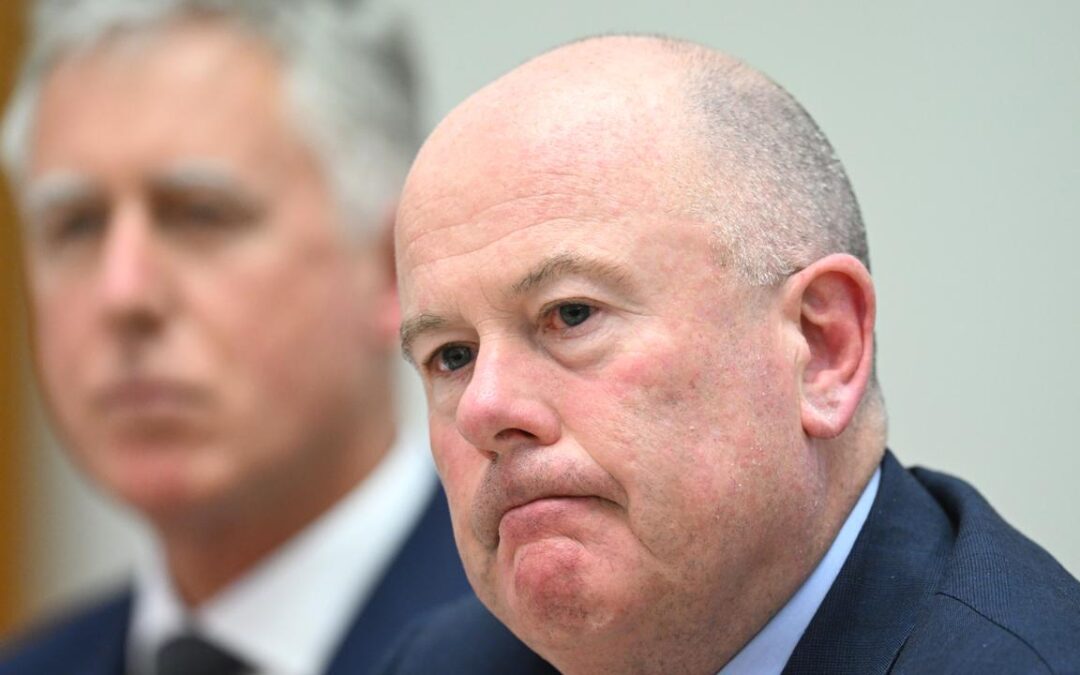
‘I take accountability’: top advisory firm leader quits
The Australian head of a top-tier consultancy firm at the centre of data mishandling allegations by a whistleblower has fallen on his sword, forcing the firm to apologise to clients including the federal government.
KPMG, one of the Big Four accounting firms, made the shock announcement on Friday as it was targeted by a federal parliamentary joint committee grilling the corporate regulator.
Australian Securities and Investments Commission officials ended up confirming in real time the regulator had been investigating since April after being pressed by committee chair and Labor senator Deborah O’Neill.
As that happened, KPMG revealed its Australian head Andrew Yates had resigned along with audit head Julian McPherson.
Mr Yates took the fall over the treatment of a whistleblower, after an internal investigation into their allegations was found to have fallen short of the firm’s expectations.
“I have been committed to a speak-up culture in our firm, it is clear that in this case we have let ourselves down and I take accountability,” Mr Yates said in a statement.
The ongoing internal probe revealed a separate incident in which documents containing client information were inappropriately shared internally.
There were also allegations of an inappropriate remark in a team setting about the sharing of client information.
“Matters have arisen for which I am responsible and I take accountability,” Mr McPherson said.
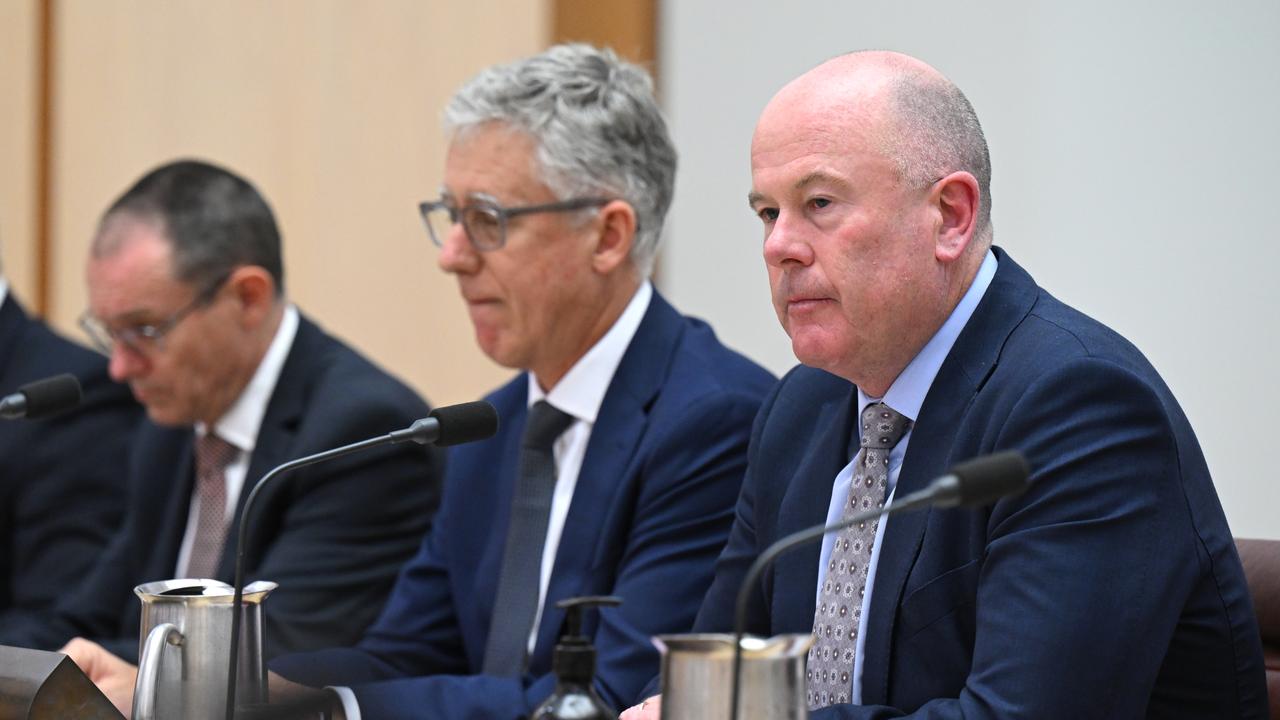
The three conduct matters were all raised by the whistleblower.
“We commit to learning from this process to ensure we create an environment where it is safe and easy to surface concerns that will be acted upon,” KPMG chair Martin Sheppard said.
“KPMG apologises to the clients whose information was not handled with the care and respect they expect from us.”
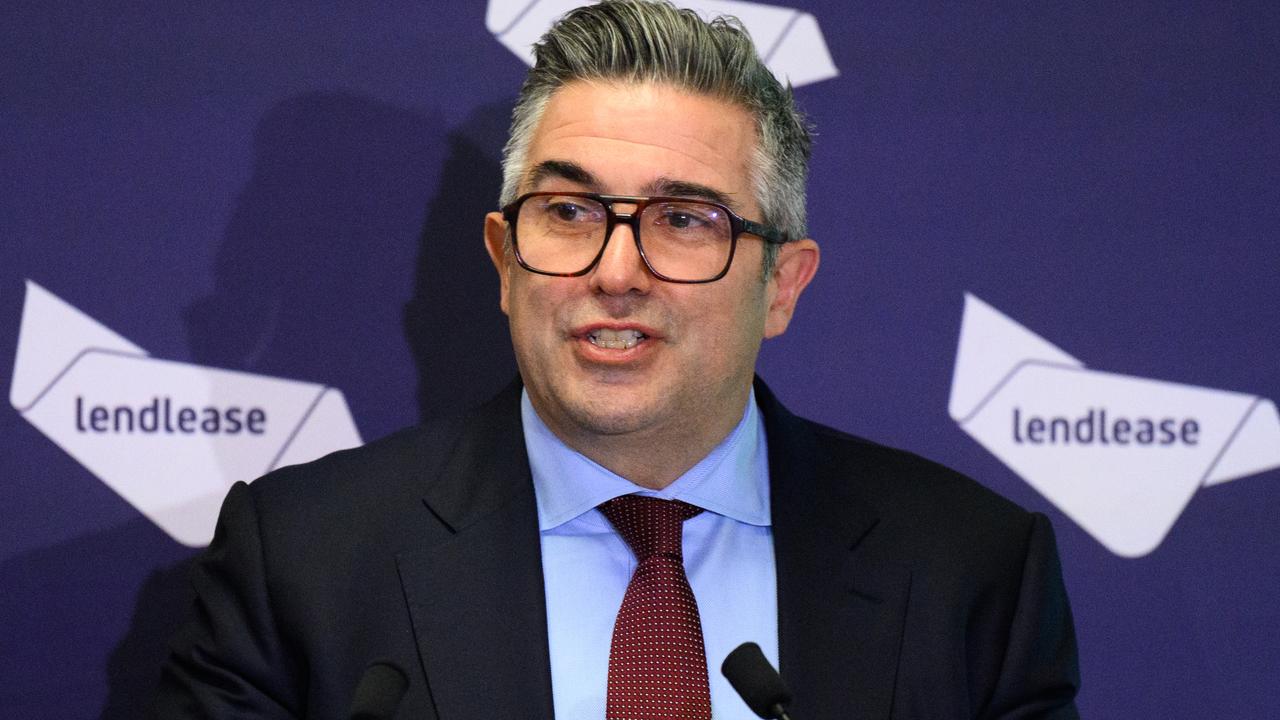
Before the statement, Senator O’Neill referred – under parliamentary privilege – to a letter received by the committee from Lendlease chief executive Tony Lombardo, which she then tabled.
It raised allegations of KPMG personnel on the audit team for the major developer “retaining and utilising access to audit tender pictures in Lendlease board papers to inform their tender for Westpac’s audit”, she said.
“Lendlease has advised KPMG that the actions of its employees are not acceptable and is in discussions with KPMG as to the action to be taken,” Mr Lombardo wrote in the document dated April 30.
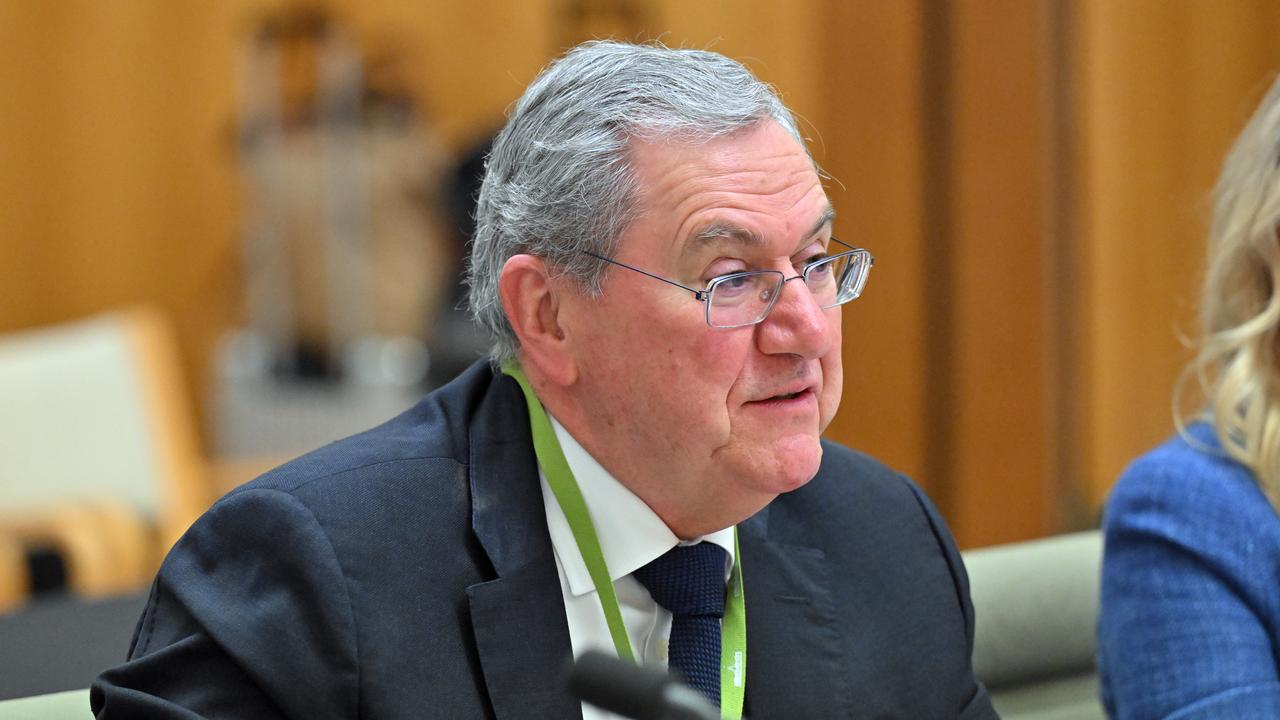
Asked for his response, ASIC chair Joe Longo said there appeared to be a breach of what would normally occur between an auditor and a client.
“As the letter itself points out, this is something that Lendlease and KPMG are going to have to sort out between themselves,” he told the committee.
Senator O’Neill posited that the allegations would raise alarm among users of KPMG’s registered company auditor services.
Commissioner Kate O’Rourke then told the hearing ASIC had begun a preliminary investigation into the conduct of at least three KPMG registered company auditors.
She stressed the investigation related to the auditors rather than the firm.
“We commenced these inquiries after a meeting with KPMG on the 14th of April, and then after receiving further anonymised, in that case, information in writing from KPMG, on the 29th of April.”
Regarding KPMG’s own investigation, deputy chair Sarah Court said the regulator had issued a number of notices to KPMG for the production of information.
“We have been informed by KPMG that they intend to claim legal professional privilege,” she said, noting it was the firm’s legal right.
Senator O’Neill took umbrage at this, arguing it would be “incumbent upon those remaining at KPMG to co-operate fully with ASIC and not seek to abuse legal professional privilege in a way that we have seen as a technique (by others) in the past”.
Ms Court said ASIC was “onto this” and would exercise its statutory powers in relation to the auditors.
It was an eventful hearing for Mr Longo, who finishes up as ASIC chair on Sunday and will be succeeded by Ms Court.