
Australia defends war efforts after Trump attack
Australia’s government insists it still has not received any direct requests from the United States for military aid in its war with Iran, after a public attack from President Donald Trump.
The US president criticised allied countries for not providing assistance in the conflict, as the closure of the Strait of Hormuz continues to put pressure on global oil prices.
“(UK Prime Minister Keir Starmer) didn’t want to help us. Australia, too. Australia was not great. I was a little surprised by Australia,” Mr Trump said.
Australia is providing military assistance in the Persian Gulf region following a request from the United Arab Emirates.
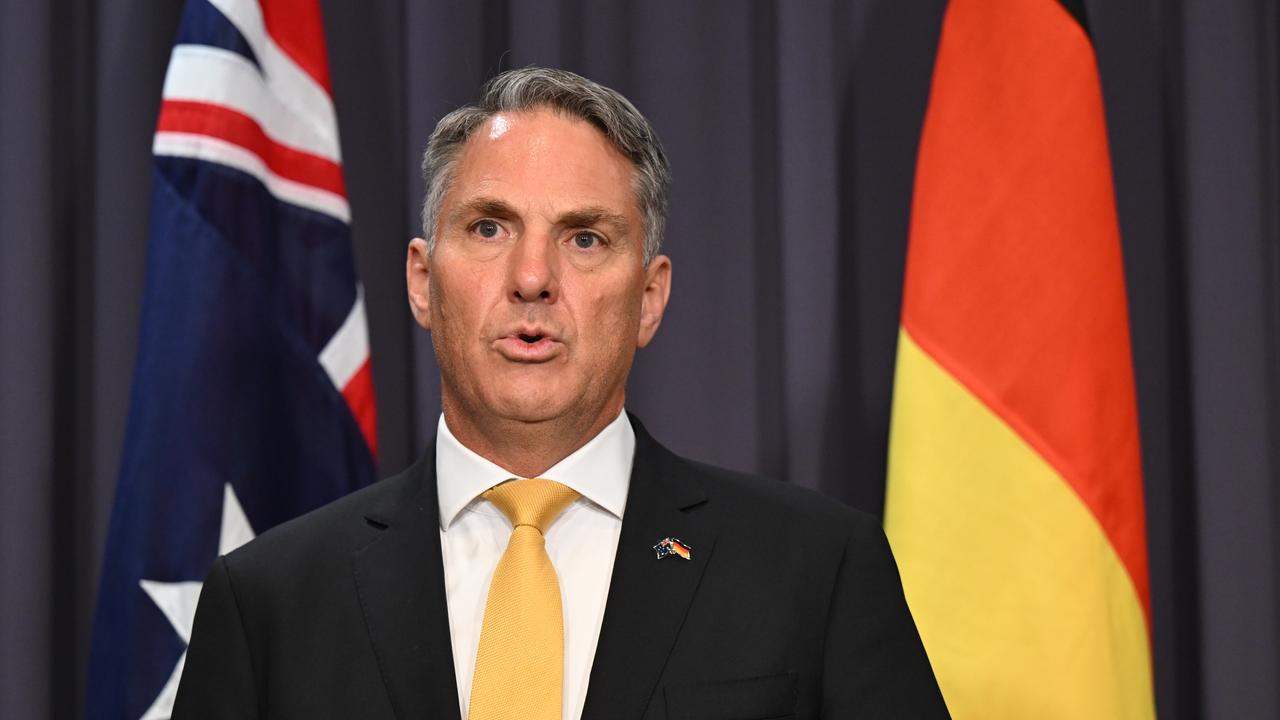
Defence Minister Richard Marles would not be drawn on the president’s criticism, but said no requests from the White House have been received.
“The last thing I’m going to do is give a running commentary on what the president has said, all we can do is respond to this situation, respond to the requests that are made of us,” he told ABC TV on Friday.
“We’re looking at all the requests that we get from countries around the world, including the United States, and obviously we answer them in the context of our national interest.
“Defending the states of the Gulf is really important given our relationship with them.”
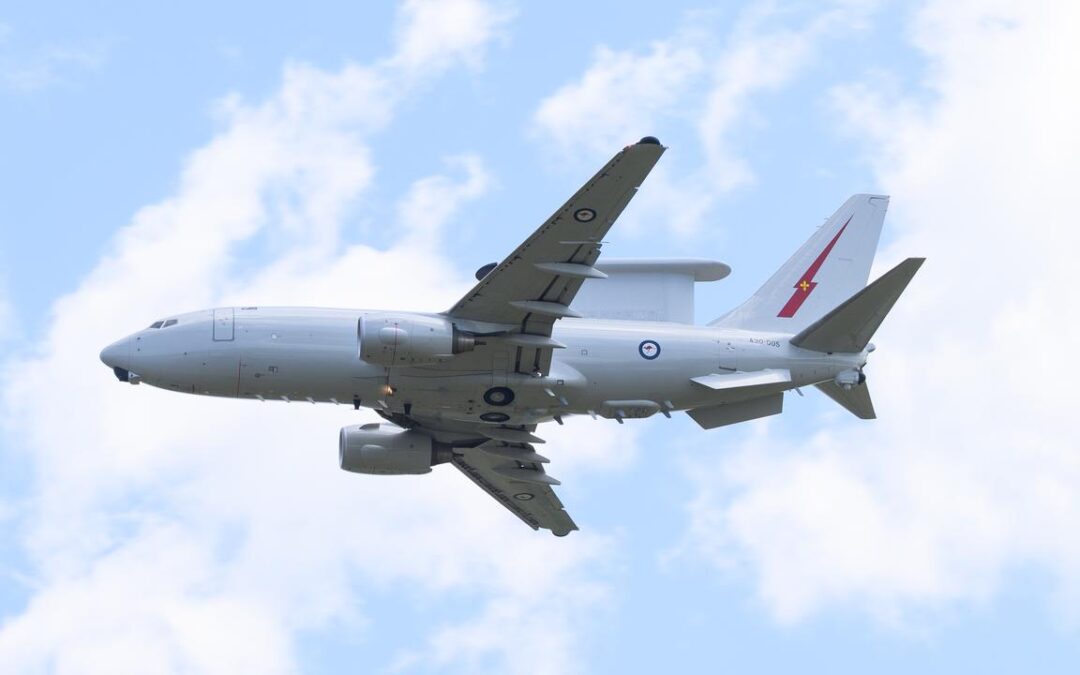
An E-7A Wedgetail military surveillance plane, along with 85 defence personnel, has been sent to the UAE to monitor Iranian drone strikes.
The request for help from the UAE has been the only one received by Australia since the US-Israel war with Iran began, Mr Marles said.
“The E-7 is in in the region, and it is playing a really important part,” he said.
“It is playing an important role in respect of the defence of the gulf states. We will work this through with our with our friends and our partners, to look at what role we can play.
The US president has extended a self-imposed deadline to Iran to re-open the Strait of Hormuz to April 6 before potential strikes on energy infrastructure.
Federal minister Murray Watt said it was imperative for the war to be resolved as soon as possible.
“From Australia’s perspective, we support anything that is going to get the Strait of Hormuz open as quickly as possible and restore some of the interrupted fuel chains that we have,” Senator Watt told ABC Radio on Friday.
“The longer this dispute goes on and the longer the Strait of Hormuz is closed, that’s going to continue to have impacts on the Australian economy and Australian families.”
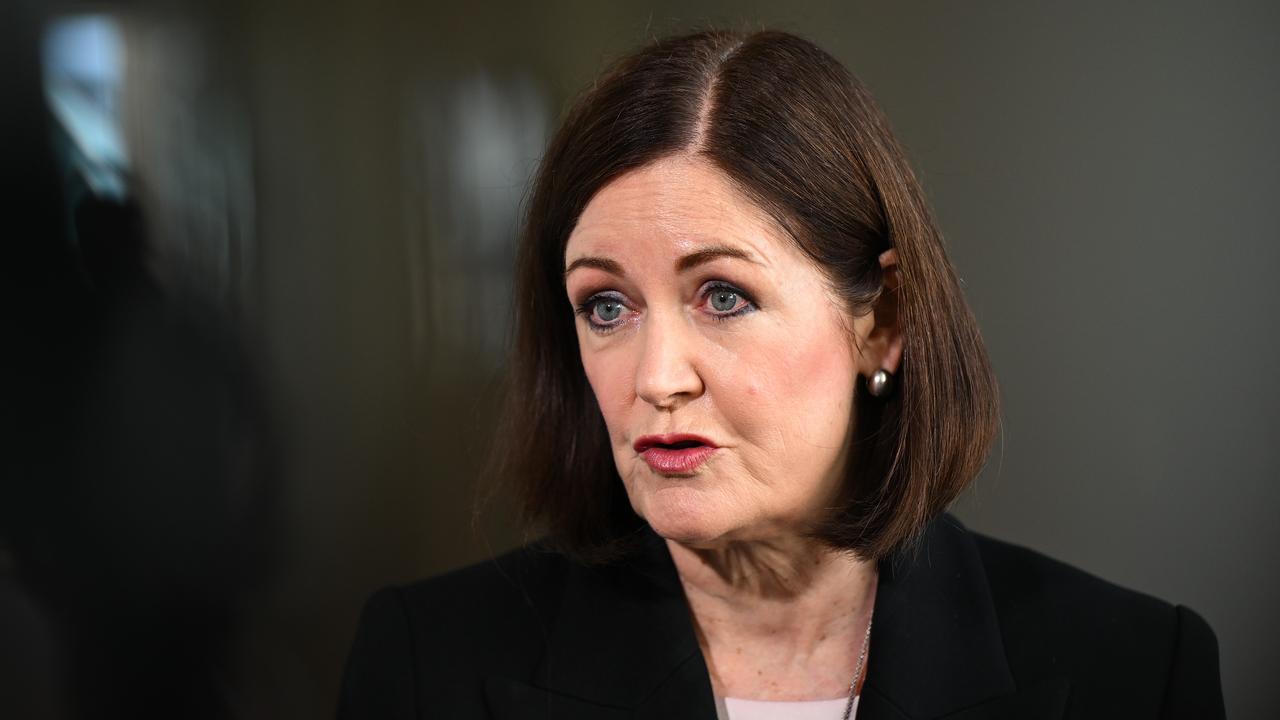
Coalition frontbencher Sarah Henderson said the government needed to outline why military help had not been provided to the US.
“It’s quite embarrassing that in the international stage we have been called out as not providing appropriate assistance to the US,” she told Sky News.
“The US is our strongest defence ally. This is pretty grim news overnight from the United States.”
Fuel firms forced to share data as city servos use caps
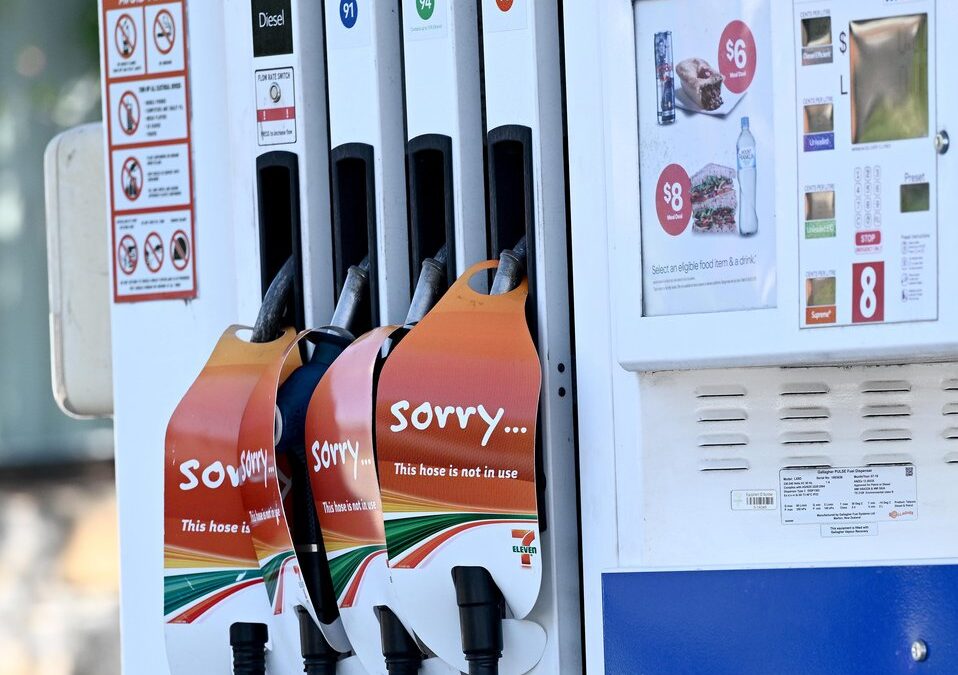
Fuel companies are being forced to share data about their supplies and sales in Australia’s most populous state, as petrol caps reach city service stations.
Notices demanding a wide range of information have been issued to fuel providers to help form a complete view of NSW’s fuel supplies as the Middle East war drags on, Environment Minister Penny Sharpe announced on Friday.
The information would help the state government prepare for the exercise of emergency powers if needed, she said.
“We need a clear picture of the situation to best support people and communities as we navigate the challenges posed by this global conflict,” Ms Sharpe said in a statement.
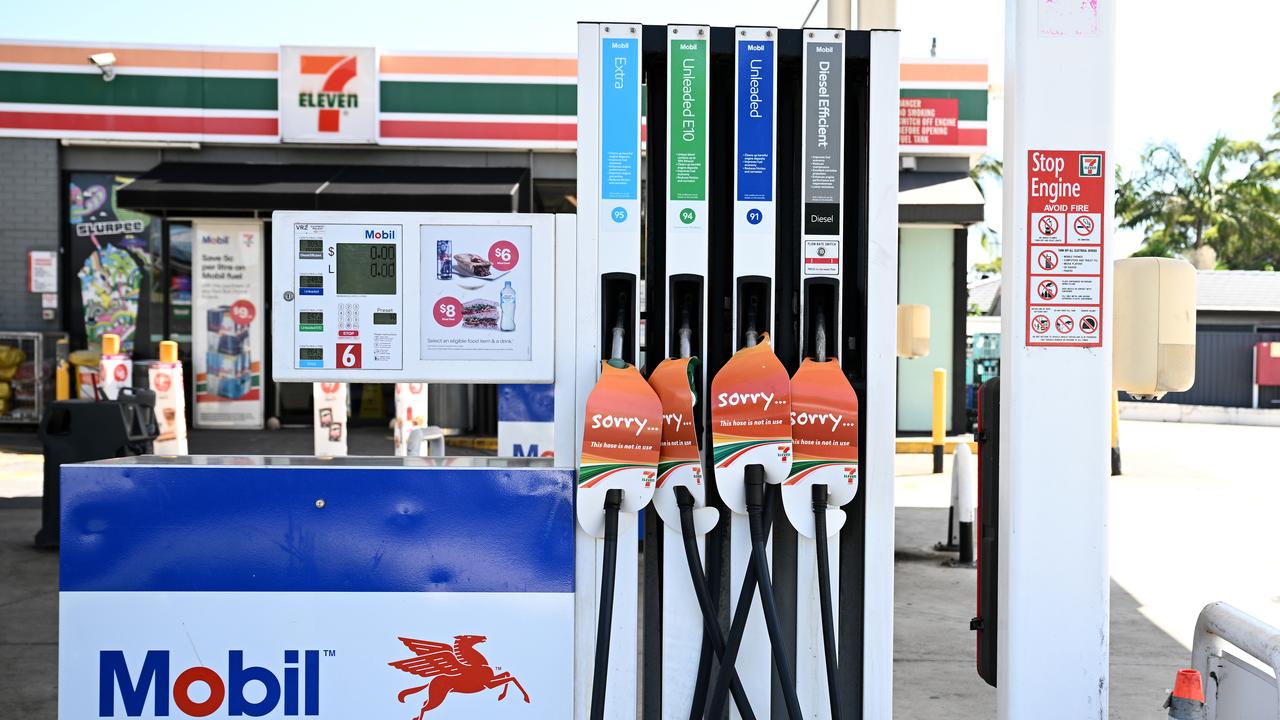
Oil prices have skyrocketed since the US and Israel launched attacks on Iran in late February.
The new edict from NSW comes as limits on how much petrol people can buy reaches at least one metropolitan service station.
An employee at a Shell-branded service station on Sydney’s northern beaches confirmed to AAP the outlet had implemented a cap of 50 litres per person and banned the filling of jerry cans.
The crisis could also be putting at risk older people relying on home care visits.
Reports of aged care workers not taking up home visit shifts because of rising fuel prices have become more common, advocacy group Ageing Australia said.
Some aged care providers were reporting monthly fuel bill rises of more than half, leaving patients vulnerable, chief executive Tom Symondson said.
“We want to avoid a re-run of the sector’s experience in the early days of COVID, where we saw hospitals and their staff designated as essential services and aged care left to fend for itself,” Mr Symondson said.
The United Workers Union argues in-home aged care workers, who travel an average of 260km per week, should be reimbursed by the federal government with fuel vouchers.
“Older Australians are in danger of missing the care they rely on every day,” the union’s aged care director Catalina Gonzalez said.
“If workers can’t afford the fuel to do their work, older Australians miss medications, go without meals, miss essential wound care, and are left without personal care.”
More than 500 service stations were without some kind of fuel on Thursday but more petrol and diesel was flowing to the regions, Energy Minister Chris Bowen told parliament.
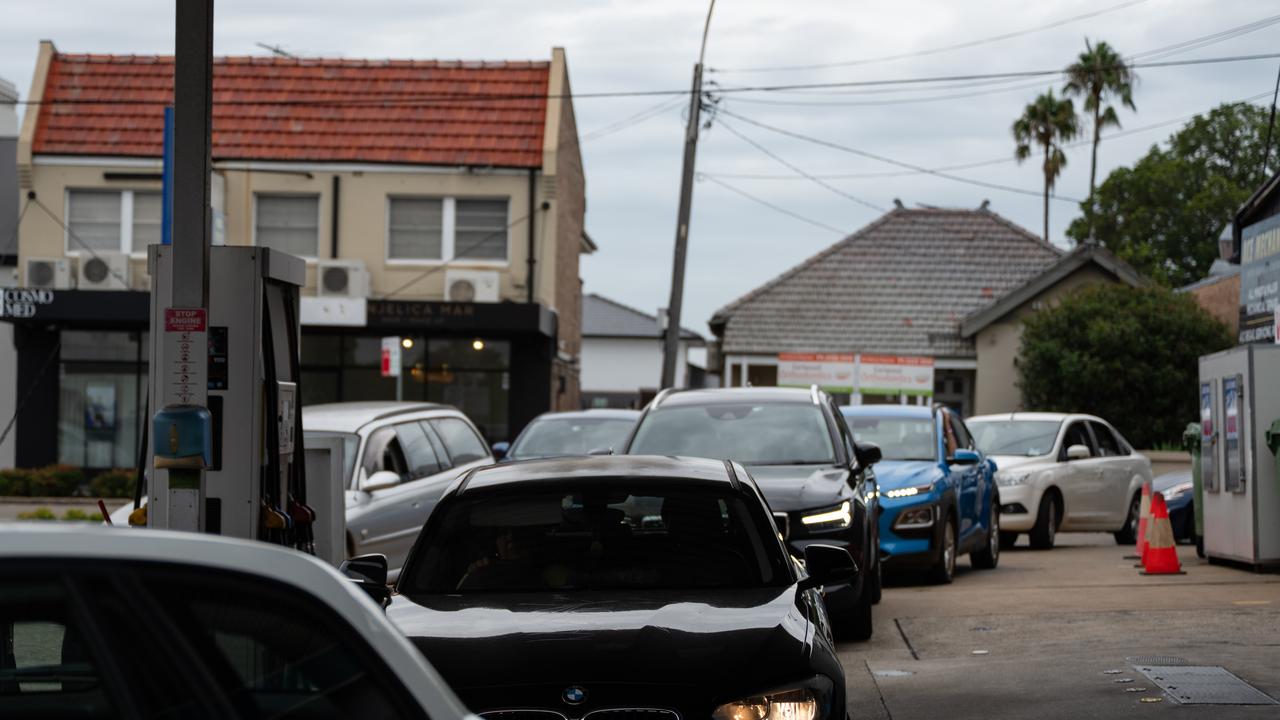
Iran has been attacking regional energy infrastructure and effectively closed the Strait of Hormuz, forcing countries to respond to global fuel supply shortages.
National cabinet will meet to discuss the ongoing fuel crisis on Monday.
The government has insisted Australia has enough fuel and that shortages are being driven by panic buying, which was seen during COVID-19 lockdowns.
However, the panic buying is being driven by a different set of forces than those during the pandemic, one expert says.
Tim Neal, who has researched panic buying at scale, said the behaviour during the pandemic was primarily about future supply concerns from lockdown disruptions.
“With fuel prices, there are supply concerns especially when it comes to diesel,” Dr Neal told AAP.
“But what initially started the panic buying was a price motive. People are stocking up because you expect future price increases.”
Sudden spikes in demand could quickly outstrip supply, leading to temporary outages, Dr Neal said.
But he said it was too early to determine whether shortages were driven more by supply disruptions or surging demand, but both factors were likely at play.
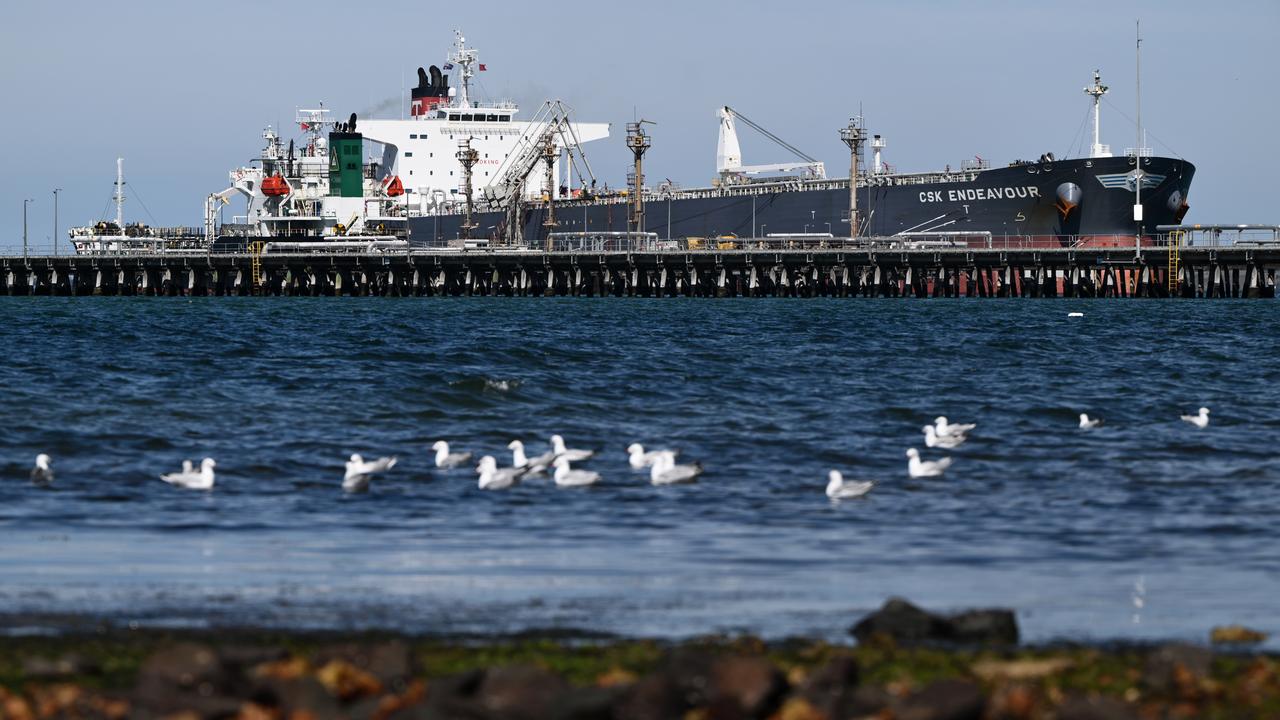
Efforts to curb panic buying were often limited once it began, Dr Neal said, because the behaviour becomes self-reinforcing.
“All you need for panic buying to be rational is to believe that other people are going to be panicking,” he said.
Tougher penalties for price gouging passed parliament on Thursday afternoon.
Legislation doubling the maximum fine for false and misleading conduct or cartel behaviour to $100 million was given the green light by the Senate, in a bid to deter petrol companies from profiting from the shortages.
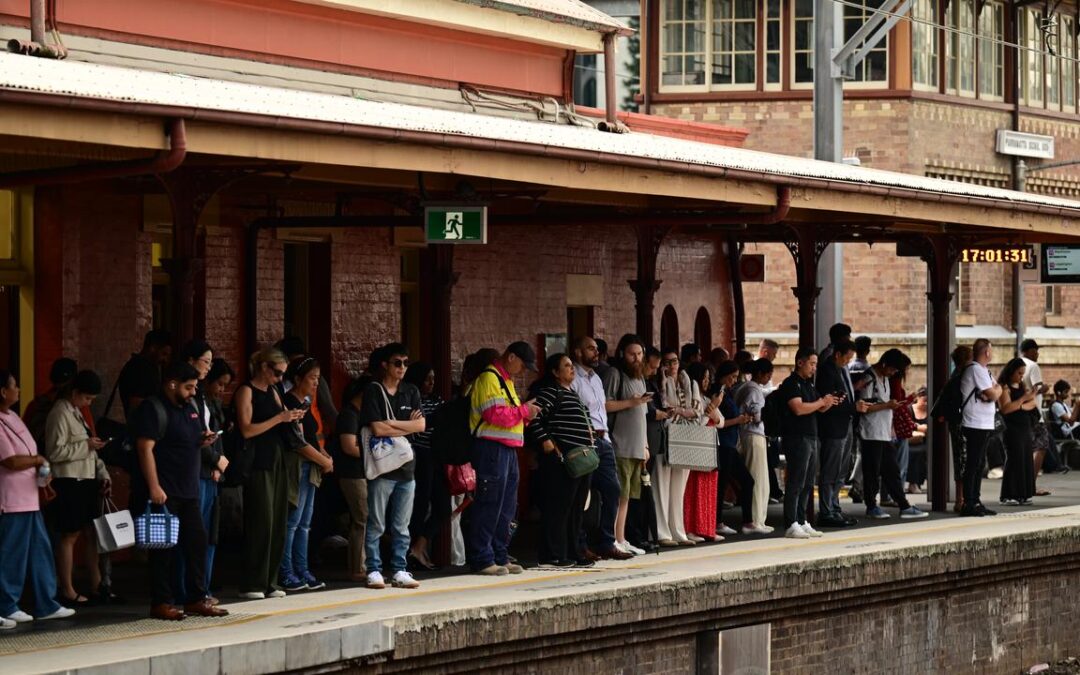
Fuel crisis drives Aussies to rethink how they travel
Adam Bratt couldn’t help but feel stressed about his finances after seeing fuel prices skyrocket.
It reached breaking point this week for the Melbourne charity shop manager, who opted to abandon his car and rely on public transport for his daily commute to work.
He’s far from alone.
Many Australians are changing their travel habits, reporting similar shifts in their commutes, turning to walking or cycling or cutting back on travel altogether.
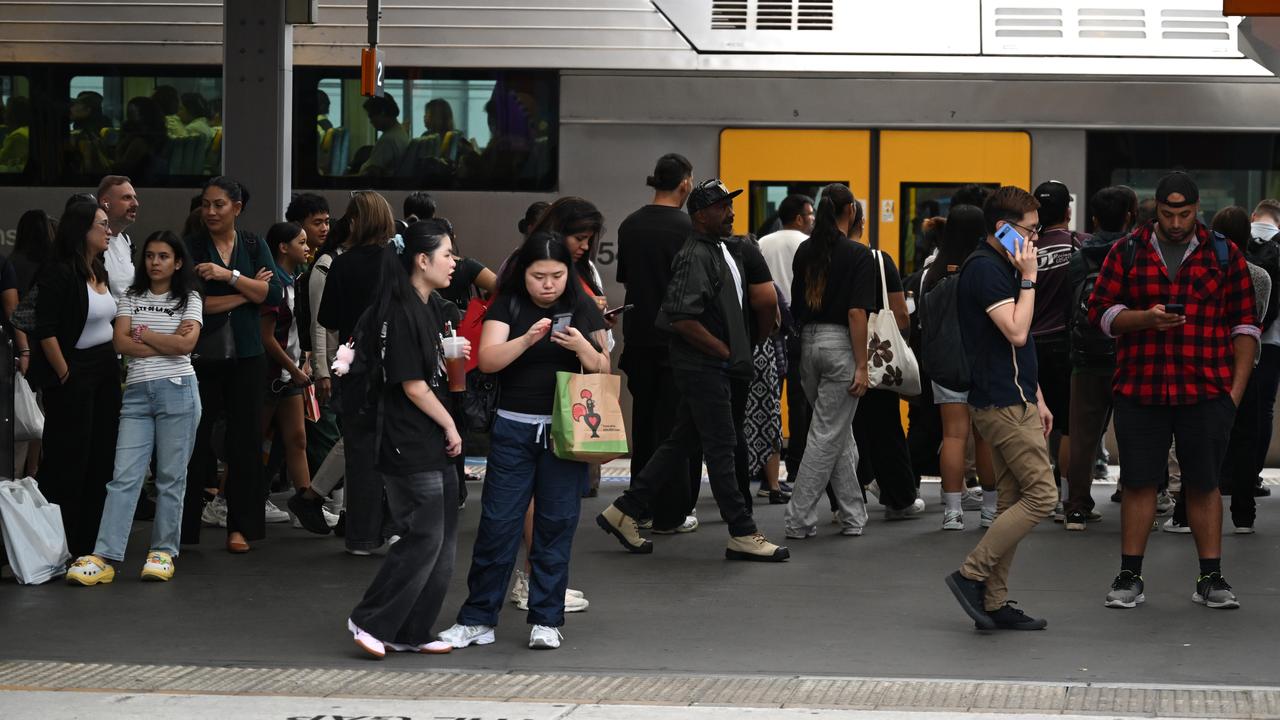
“Filling a tank of petrol has become a lot more painful all of a sudden,” Mr Bratt told AAP.
He now walks from his home, catches two trains and walks again to his workplace, adding at least an hour to his commute.
“I don’t intend to get rid of my car, but for commuting, it’s part of overall cost-cutting,” he said.
“Cost of living was a problem before the fuel crisis, but the fuel’s certainly not helping.”
More people would alter their travel behaviour if fuel prices continued to rise, University of Sydney transport expert Geoffrey Clifton told AAP.
“We will start to see a prolonged shift in how people travel and we’ll see more people moving into public transport and leaving their cars at home, or doing things like downsizing their vehicle,” he said.
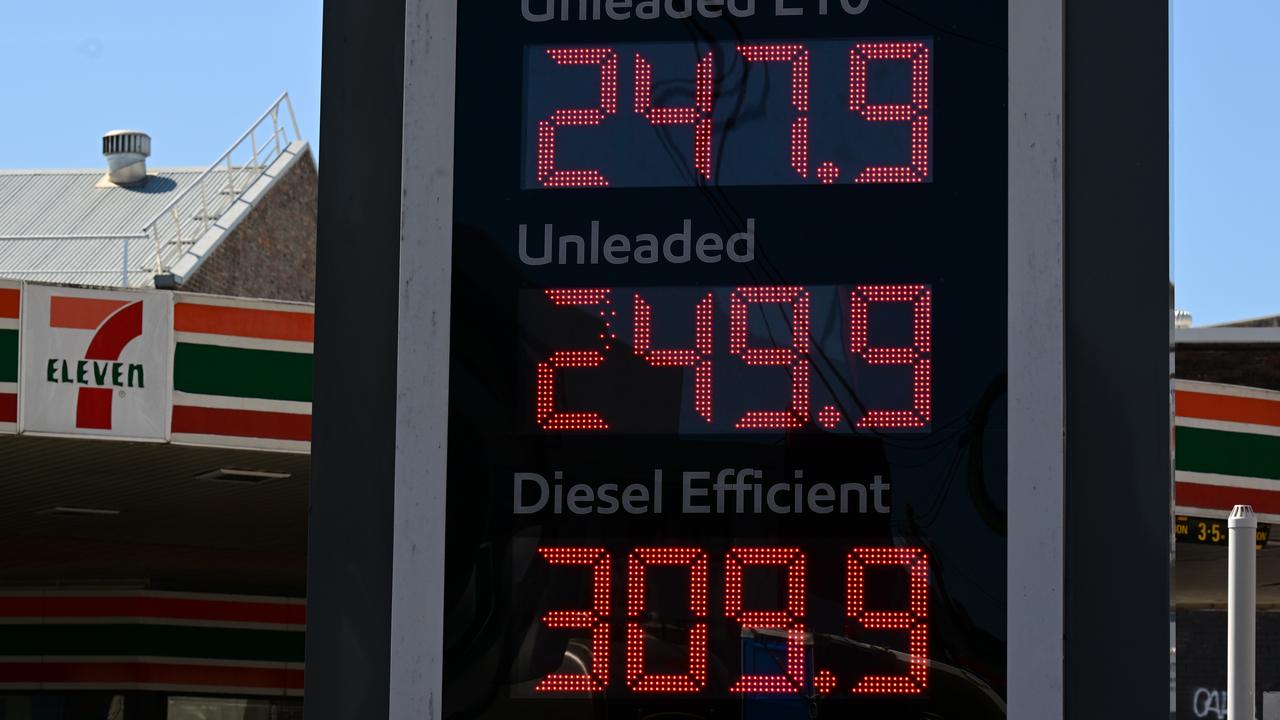
The US-Israeli war on Iran has triggered a global energy shock, sending oil prices soaring and driving a sharp rise in fuel costs.
It has also reignited discussions around fuel rationing, last implemented during the 1979 oil crisis when supply disruptions caused prices to surge and led to widespread shortages and higher petrol costs.
“That definitely led people to shift away from driving and also to buy smaller cars, so the very big classic family size cars gave way to more modern, smaller cars,” Dr Clifton said.
University student Ebony May decided this week to complete her studies from home rather than travelling to campus.
“It’s just a bit expensive, and then parking on top of that,” she told AAP.
“It is a shame because I do really enjoy going into campus, but sometimes you just think, I can’t really justify it.”
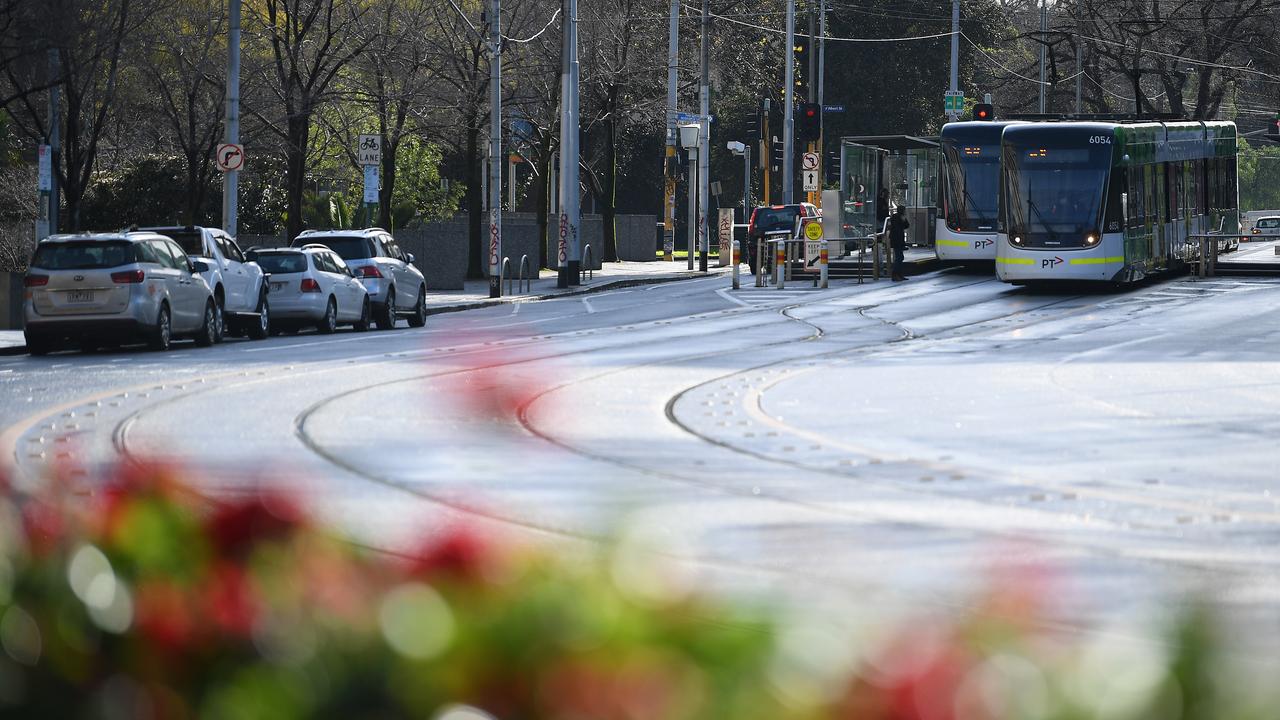
The 22-year-old business student believes many of her peers are struggling with the sudden surge in prices, although early trends across Australian cities indicate there are no major shifts in transport habits.
In Victoria, there has been a slight decline in usage across the Greater Melbourne declared road network, with midweek travel between March 9 and 20 down by one per cent.
There was a slight rise in Myki tap-ons across the city’s public transport network during the third week of March compared to the week prior.
Commuter numbers on Queensland’s public transport system, which has 50-cent fares, have risen by five per cent since March 1.
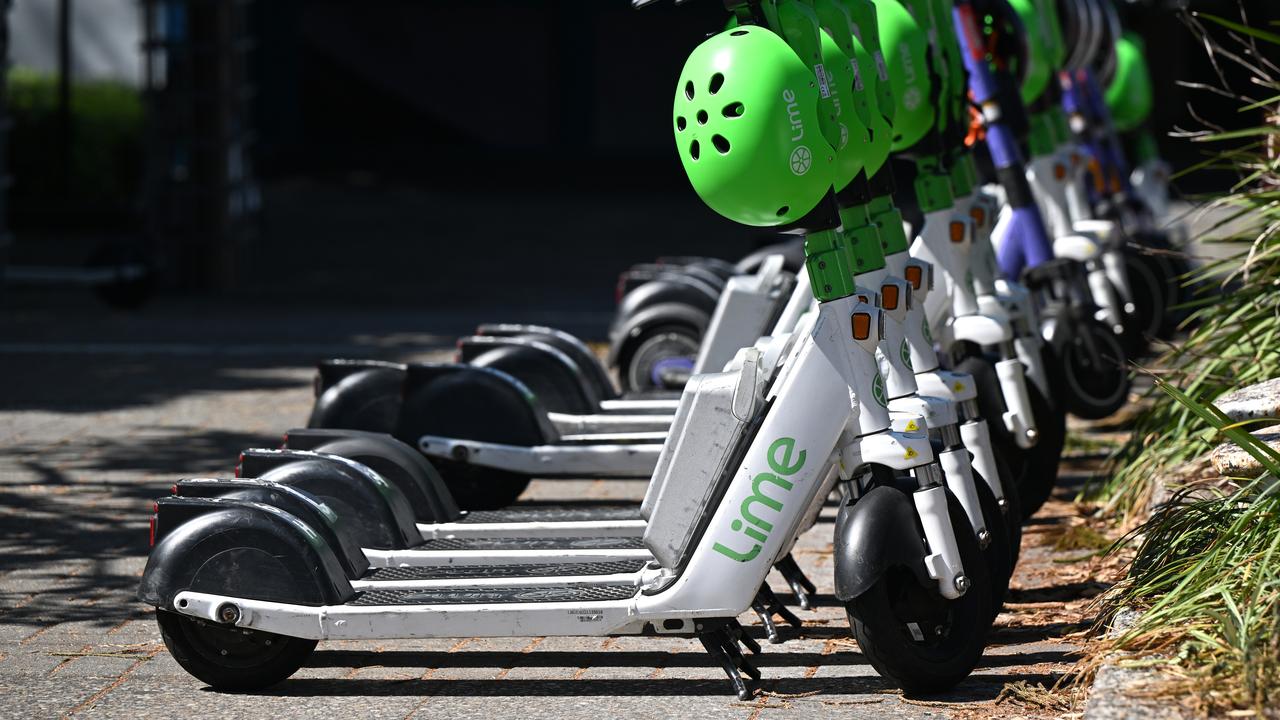
People are also turning to alternative options, including e-bike and e-scooter provider Lime, which reported a 10 per cent increase in trips in Sydney from the first week of March to the second.
Zaur Tomaev owns Port Melbourne Cycles and told AAP he had seen a slight uptick in bike sales in the past week.
The end of March is usually a quiet period for the shop, he said.
“I think if fuel prices will (keep) going up, many more people will start to commute and ride bikes instead.”
Towns ‘prepare for the worst’ as cyclone bears down
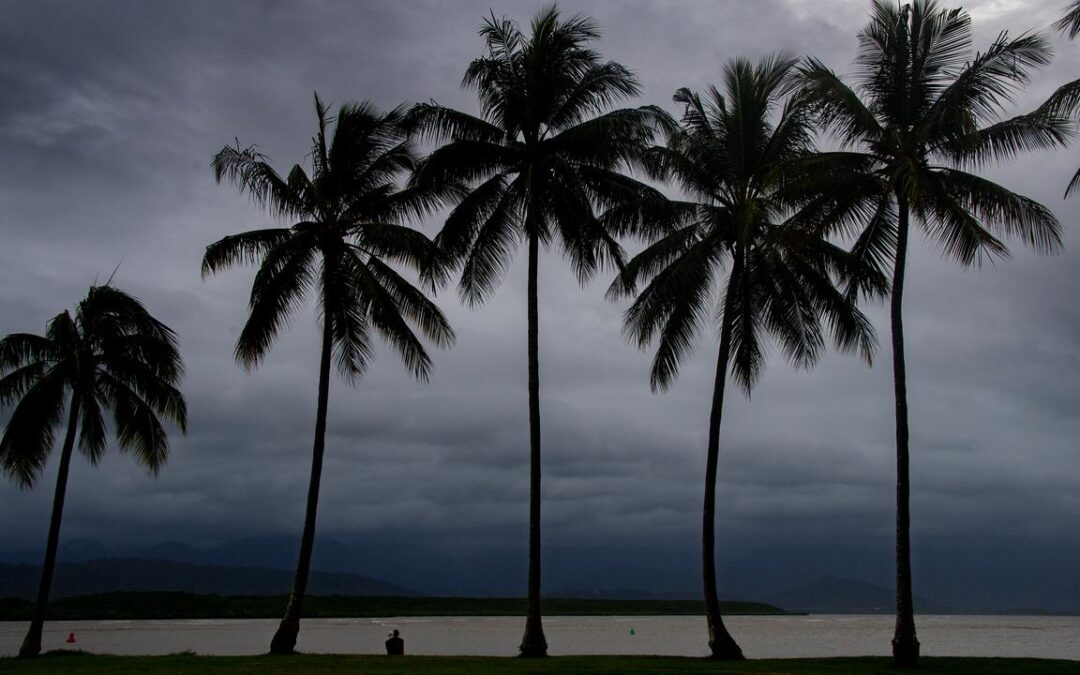
Communities are preparing for the worst as a reformed cyclone that has crossed borders gathers strength and heads towards the mainland for a third time.
Tropical Cyclone Narelle was upgraded on Thursday to a powerful category four system off the Western Australian northwest coast.
The storm is on track to make landfall late on Friday in the Shark Bay area as a category three system, which can produce gusts up to 224km/h.
Tourists have been told to leave the region, major roads have been closed, and evacuation centres have been set up ahead of Narelle’s arrival.
Shark Bay shire president Peter Stubberfield said volunteers were busy sandbagging ahead of a possible tidal surge in the tiny holiday town of Denham on the Peron Peninsula, 830km north of Perth.
“We’re preparing for the worst, which could be a category three cyclone, and we’re hoping for anything less than that,” he said.
Mr Stubberfield said tourists had been asked to leave the community of about 700 people, which has one road into it from the mainland, but some were refusing.
“There seems to be a bit of pushback for some people; some of the travellers don’t seem to be taking it seriously, which is a bit frustrating,” he said.
Narelle’s epic journey across northern Australia began when it made landfall in Queensland as a category four system on Friday, crossing the Cape York Peninsula.
It left a trail of power outages and flooding as it hit the NT as a category three by Sunday, forcing hundreds of people to evacuate.
After initially crossing northern WA as a tropical low on Monday, Narelle has gained strength in the Indian Ocean, as it headed southwest along the Pilbara coastline.
It is producing gusts up to 230km/h and is located about 365km northeast of Exmouth.
Tackle shop manager Barry Taylor said Exmouth residents had been hard at work “getting everything as locked down or strapped up and as safe as we can” ahead of Narelle’s arrival.
“Fingers crossed we don’t cop it too hard,” he said.
The system is set to move southeast after crossing the coast and pass as a tropical low east of Perth on Saturday, bringing showers and thunderstorms.
More than a week after arriving, Narelle is expected to finally leave Australia when it moves into the Southern Ocean early on Sunday.
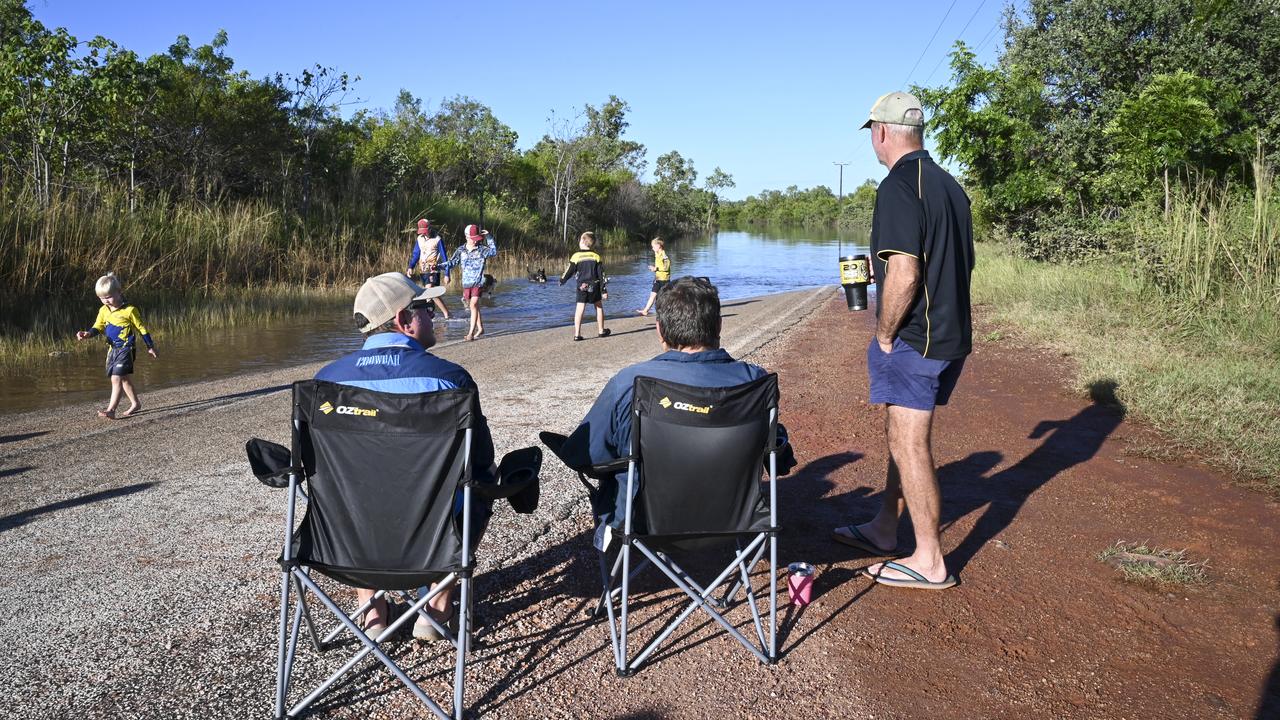
Some homes in the NT town of Katherine have been inundated for the second time in a month.
The Katherine River was expected to peak just above the major flood level of 17.5 metres at the town bridge on Thursday.
The river rise, caused by heavy rain dumped by Narelle, flooded streets in the town and put water through low-lying properties, including on Gorge Road and in the nearby community of Kalano, mayor Joanna Holden told AAP.
Emergency shelters have been prepared to take evacuees and a portable field hospital has been set up after the town’s hospital was closed.
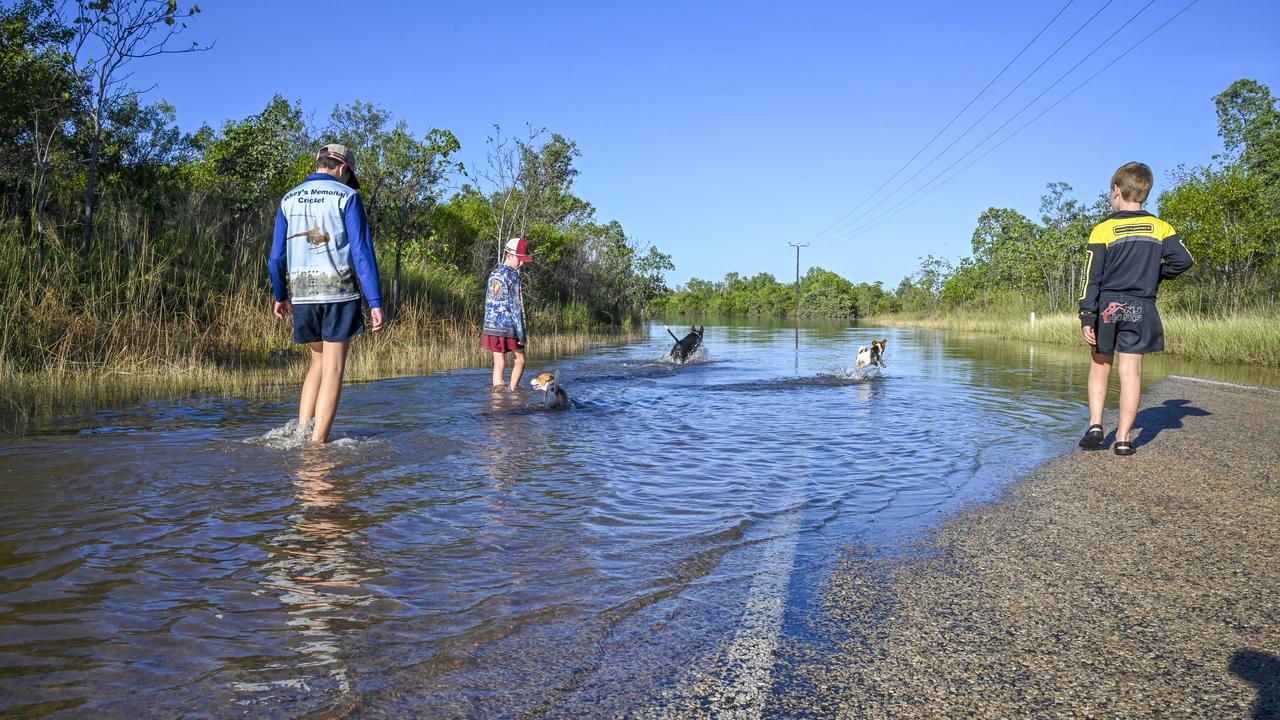
Homes and businesses in Katherine were inundated on March 7 after the river peaked at 19.2 metres, causing the town’s worst flooding in 28 years.
Ms Holden said the river was likely to sit at a major flood level of about 17.5 metres for some hours before receding.
It was too early to say if the worst of the new flooding was over, she said.
“Until that river drops right back down, any rain now is a risk.”
Residents have had to put their clean-up on hold, but prepared for renewed flooding with a major sandbagging operation by volunteers and defence force personnel sent in to assist.
Low-paid workers caught in wage rise-inflation dilemma
Low-paid workers should receive a “sustainable” real wage increase that keeps them ahead of price growth but allows inflation to return to target within 15 months, the federal government says.
Labor repeated its call from 2025 for a pay bump that does not exacerbate inflation in its submission to the Fair Work Commission’s annual wage review.
Each year, the industrial umpire determines how much extra the more than 2.6 million Australians on minimum and award wages will get paid.
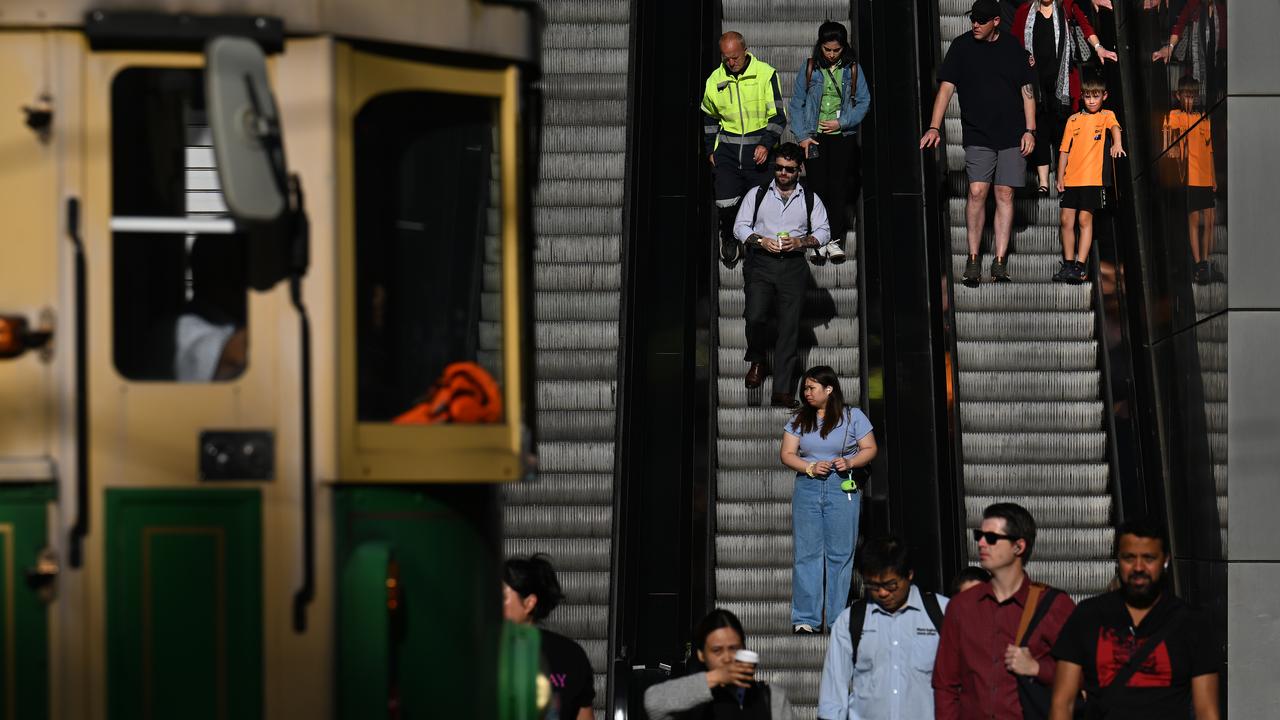
The commission decided in 2025 that, although inflation was on the way down in 2025, workers deserved a 3.5 per cent pay bump to help “catch up” with the fall in real incomes during the post-COVID inflation spike.
But the return of inflationary pressures and war in the Middle East has complicated the commission’s decision for 2026.
On one hand, unions argue low-paid workers are still behind from the previous inflation spike, calling for a five per cent increase.
Business groups warn a pay rise above inflation, which came in at 3.7 per cent in the 12 months to February, would only exacerbate inflation, which is already being fuelled by soaring oil prices.
Low productivity growth has reduced the rate at which wages can grow without causing a flow-through to consumer prices.
The government does not nominate a specific wage increase figure, but by recommending a real wage rise, in effect calls for a pay rise higher than inflation, which is forecast to climb as high as five per cent in the second quarter.
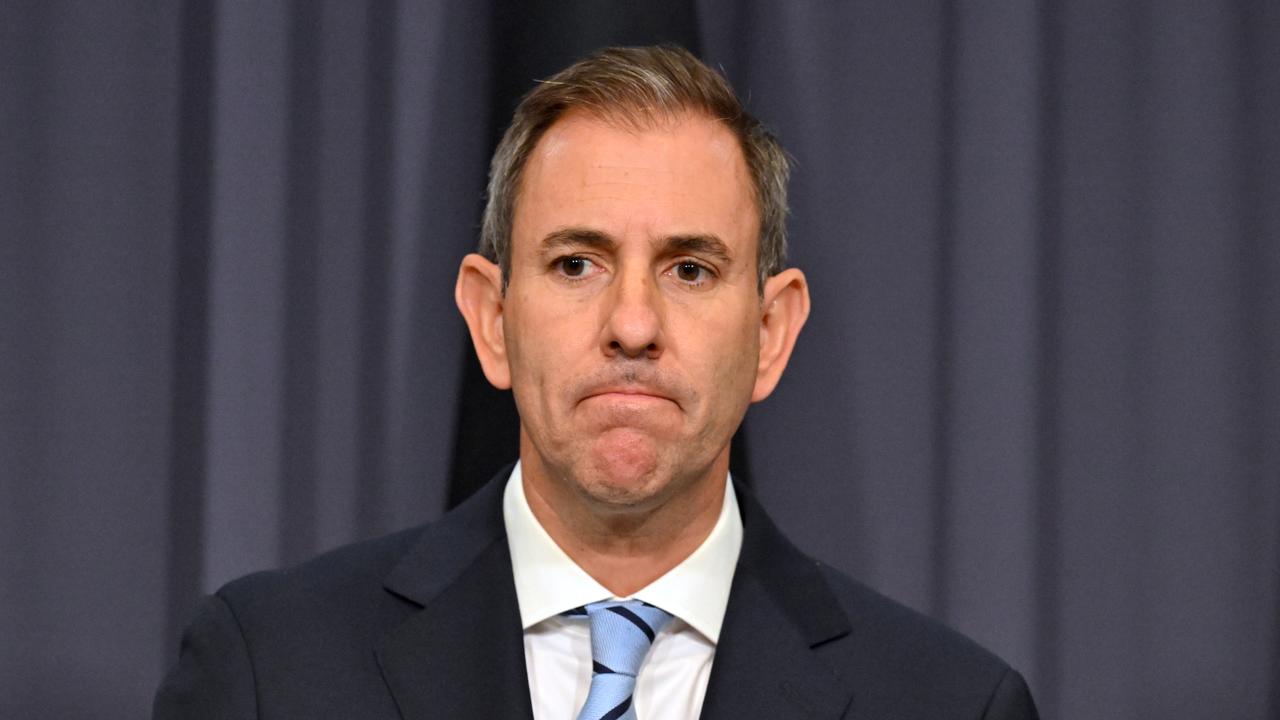
“Workers are doing it tough right now and that’s why we think they should get a sustainable real wage increase,” Treasurer Jim Chalmers said in a statement.
Employment Minister Amanda Rishworth said lower-paid workers were more exposed to unexpected financial shocks and experienced greater financial hardship.
“An increase to the minimum wage can also play a role in closing the gender pay gap given women are disproportionately represented in award-reliant jobs,” she said.
The Fair Work Commission will hand down its annual wage review decision in June.
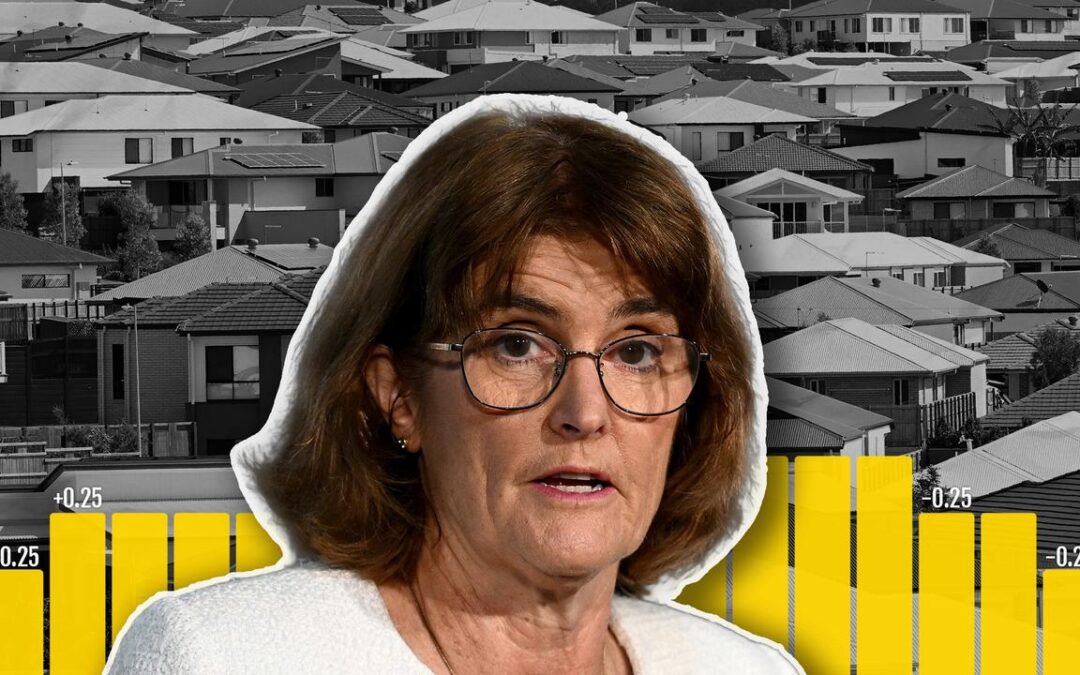
RBA ready to shift up a gear as the neutral rate rises
The Iran war could push up the “neutral” interest rate level, requiring even more rate rises to get inflation under control, a Reserve Bank official says.
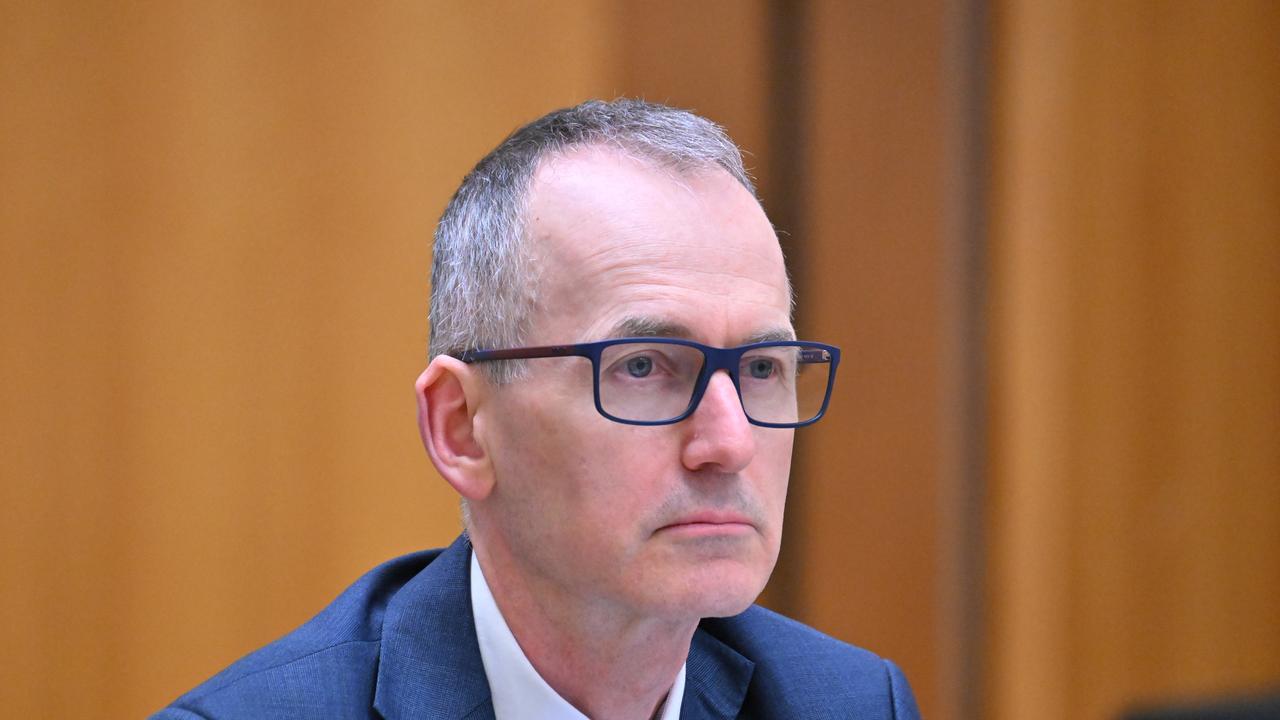
As the conflict in the Middle East sent oil prices and economic uncertainty sky-high, the RBA must keep a lid on inflation expectations, assistant governor Christopher Kent said in an address on Thursday.
Inflation data released by the Australian Bureau of Statistics a day earlier confirmed the central bank’s assessment that domestic conditions were already too tight, even before the outbreak of war.
Although headline inflation eased from 3.8 to 3.7 per cent in February, economists predict the consumer price index could surpass five per cent by June as the second-order effects of higher oil costs flow through the broader economy.
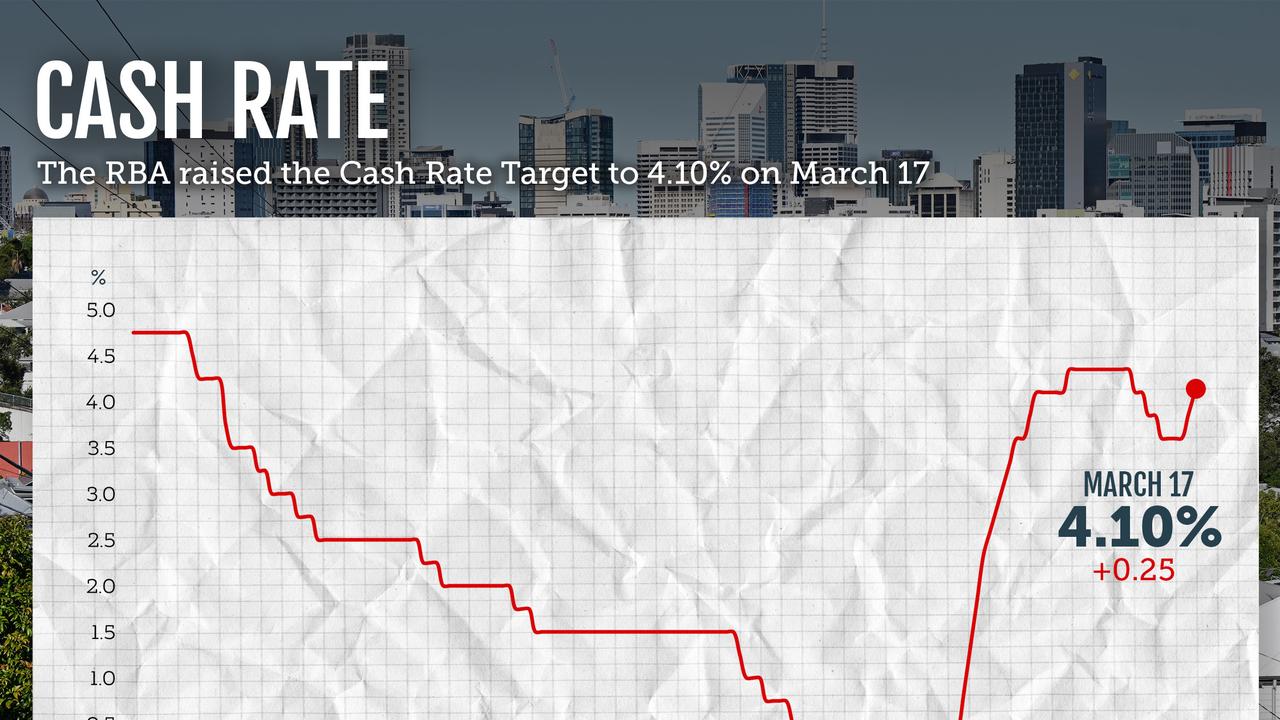
Markets expect the RBA to respond by lifting interest rates at least two more times, after hikes announced by governor Michele Bullock in February and March.
But how high the bank needs to lift the cash rate depends on the so-called neutral rate – the theoretical interest rate at which inflation will remain steady.
Dr Kent said the turmoil in commodity and other markets had led to tightening in financial conditions which, all else being equal, implied a decline in short-term neutral rates, meaning interest rates would not have to be raised as high to have the same effect.
“However, the supply shock also poses a risk to inflation and longer-term inflation expectations at a time when there are ongoing capacity pressures in Australia and several other advanced economies,” he told the KangaNews Debt Capital Market Summit in Sydney.
“This could both push short-run neutral rates higher and necessitate a more restrictive stance of policy.”
The longer the war dragged on, the larger the economic impact would be and the greater the risk of a market sell-off, he said.
Dr Kent reaffirmed the bank’s commitment to getting inflation under control, even though the energy crisis risks tanking the economy and higher interest rates could further exacerbate a downturn.
“A negative supply shock pushes up prices and leads to weaker economic activity, making us all poorer,” he said.
“Central banks cannot change that. But they can ensure that the initial rise in prices does not lead to a rise in longer-term inflationary expectations and extended inflationary pressures.”
The government is also trying to grapple with the impact of a prolonged war on Australia’s economy.
Treasurer Jim Chalmers on Wednesday said Treasury had modelled two scenarios for the economy, based on oil prices staying at $US100 a barrel for a short time or rising to $US120 a barrel for a longer time, both of which looked “pretty conservative now”.
The benchmark Brent crude price was just under $US100 a barrel on Wednesday amid conflicting claims of peace talks between the US and Iran.
Treasury was working on “some more challenging circumstances”, but modelling had yet to be completed, Dr Chalmers said.
Trump to meet Xi in China in May, White House says
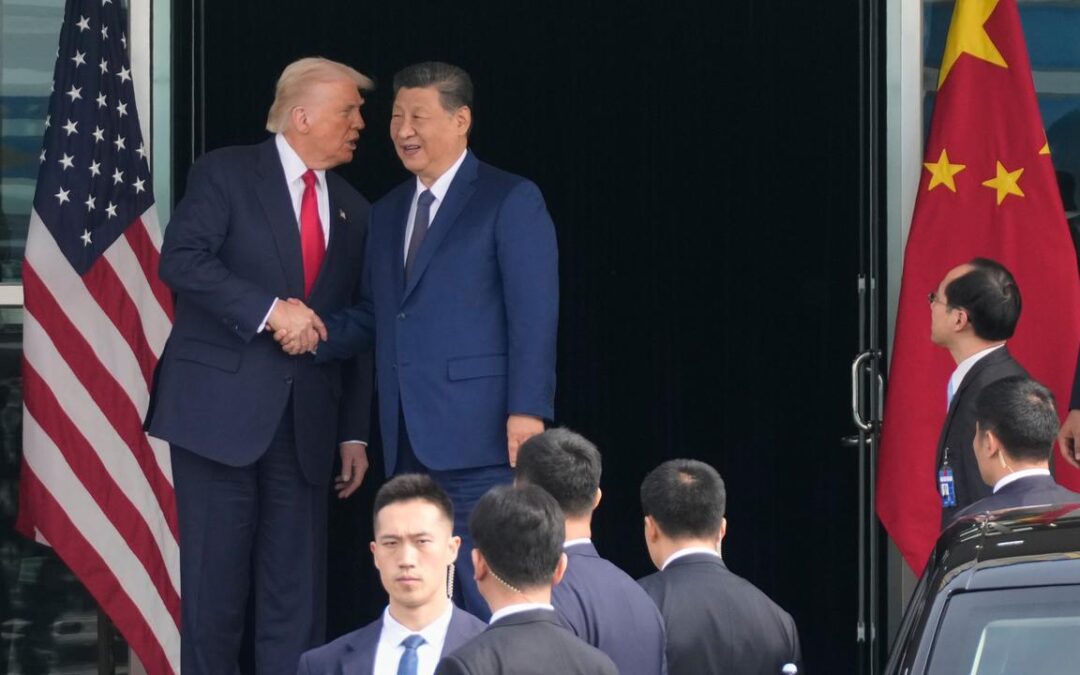
US President Donald Trump will visit China for a state visit with Chinese President Xi Jinping on May 14 and 15, and Xi will visit Washington DC for a reciprocal visit at a later date, White House press secretary Karoline Leavitt says.
The visit had originally been slated for next week but it was delayed amid the ongoing US-Israeli war on Iran.
Leavitt said Xi understood the need to reschedule the trip.
“I’m pleased to announce that President Trump’s meeting and long-awaited meeting with President Xi in China will now take place in Beijing on May 14th and 15th,” Leavitt said at a press briefing.
“First Lady Melania and President Trump will also host President Xi and Madame Peng for a reciprocal visit in Washington DC at a later date to be announced this year.”
Trump’s last trip to China, in 2017, was the most recent by a US president.
Trump’s visit will be the leaders’ first in-person talks since an October meeting in South Korea, where they agreed on a trade truce.
Robot joins Melania Trump to tout AI teachers
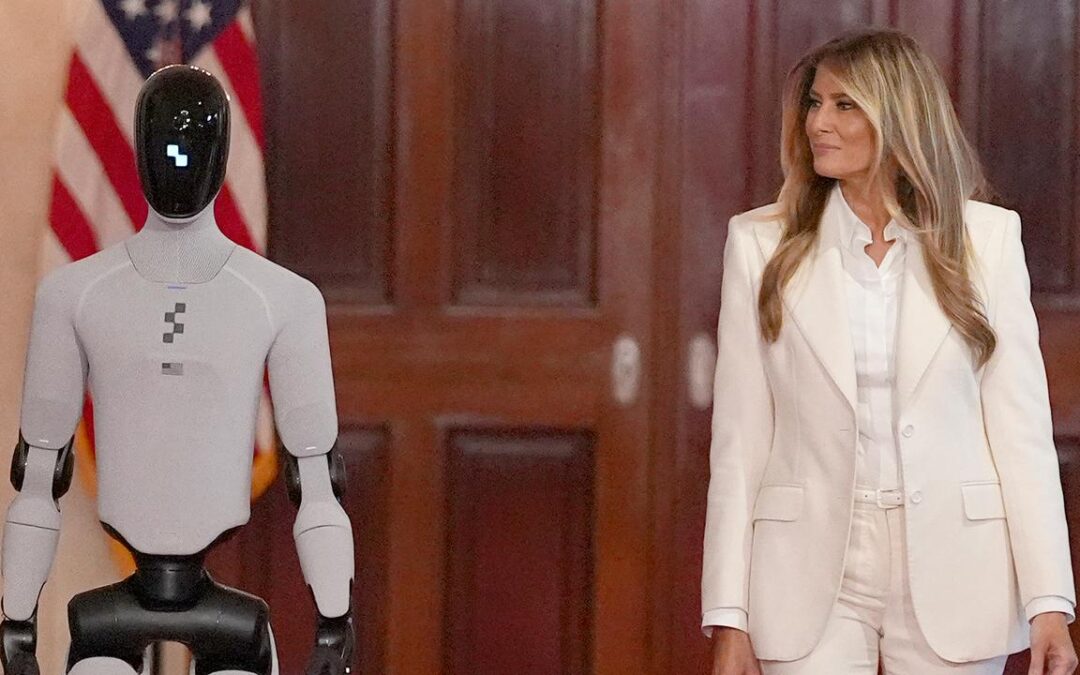
A humanoid robot has walked down a red-carpeted White House hallway, accompanying US first lady Melania Trump into an event where she urged greater use of artificial intelligence in education.
The human-shaped robot, which introduced itself as “Figure 03,” joined Trump in the East Room to welcome dozens of first spouses from around the world to the technology-focused Fostering the Future Together summit.
“I am grateful to be part of this historic movement to empower children with technology and education,” the robot said, greeting guests in 11 languages.
Trump said Figure 03 was the first US-made humanoid guest at the White House, and used its appearance to promote the need for governments and major technology companies to work together to use AI for student instruction.
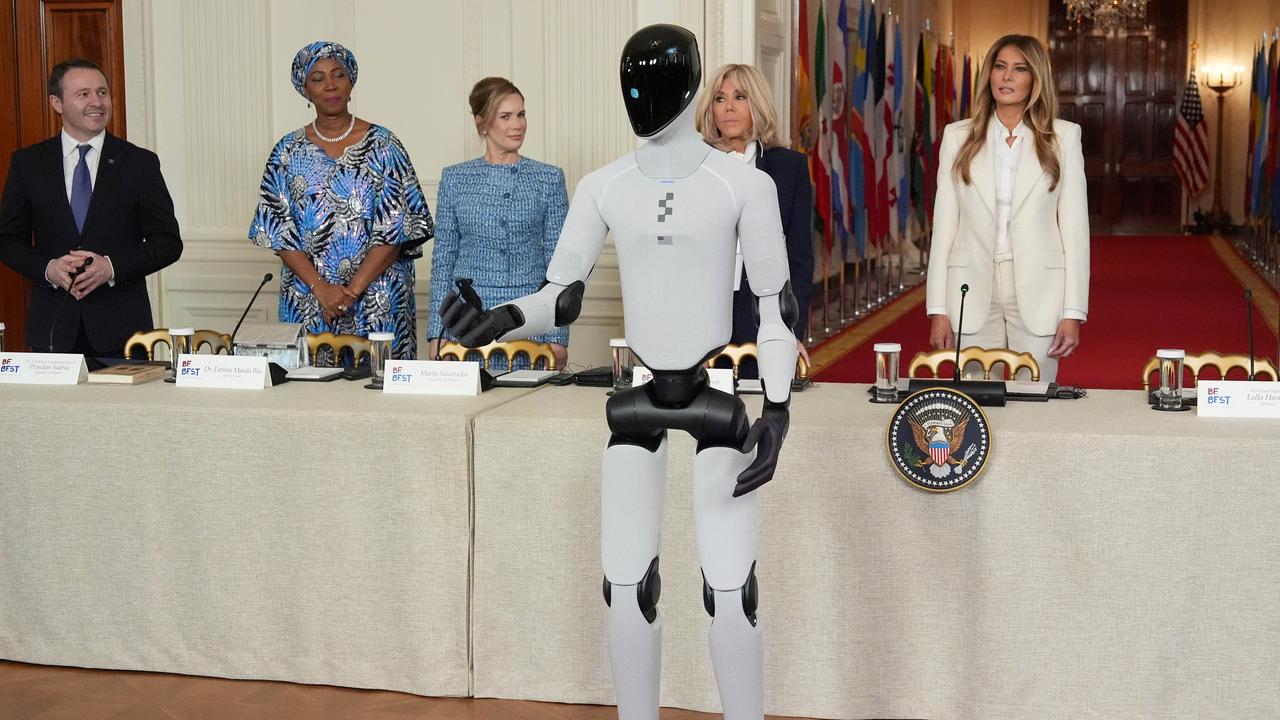
“Very soon artificial intelligence will move from our mobile phones to humanoids that deliver utility,” she said.
The first lady, a former model, described how in the near future a hypothetical humanoid teacher could quickly access classical studies, mathematics and other subjects to deliver personalised education to students based on their learning speed and “emotional state”.
US Education Secretary Linda McMahon, who is carrying out President Donald Trump’s agenda of downsizing the federal education department, smiled from the front row as the first lady talked about shaking up education.
“We can accelerate civilisation’s march forward when enterprise delivers innovation, government creates scale and our capital markets finance the distribution of these emerging technologies,” Trump said.
The president’s wife also warned of technological dangers, a concern echoed by France’s first lady Brigitte Macron, who touted her country’s moves to restrict screen time and social media for children.
Earlier on Wednesday, President Trump appointed Meta CEO Mark Zuckerberg, Oracle Executive Chairman Larry Ellison and Nvidia CEO Jensen Huang to a council that will weigh in on AI policy and other issues.

Meta, Google liable for social media addiction: US jury
A Los Angeles jury has found Alphabet’s Google and Meta liable for damages in a landmark social media addiction lawsuit that will influence thousands of similar cases against the tech companies.
The jury awarded $US3 million ($A4.3 million) in damages to the plaintiff.
Meta will be liable for 70 per cent of the damages and Google for 30 per cent.
Punitive damages for the companies will be decided next.
The jury may consider whether Google or Meta’s products caused the plaintiff physical harm or whether the companies disregarded the health of other users, Judge Carolyn Kuhl said in court.
The case involves a 20-year-old woman who said she became addicted to Google’s YouTube and Meta’s Instagram at a young age because of their attention-grabbing design.
The jury concluded Google and Meta were negligent in the design of both apps and failed to warn about their dangers.

“Today’s verdict is a referendum – from a jury, to an entire industry – that accountability has arrived,” the plaintiff’s lead counsel said in a statement.
Shares of Meta were up 1.0 per cent and Alphabet shares were up 0.2 per cent, little changed after the verdict.
Meta disagrees with the verdict and its lawyers are “evaluating our legal options,” a company spokesperson said.
Google plans to appeal, company spokesman José Castañeda said.
The plaintiffs in the Los Angeles proceeding focused on platform design rather than content, making it harder for the companies to avert liability.
Snap and TikTok were also defendants in the trial.
Both settled with the plaintiff before it began.
Terms of the agreements were not disclosed.
Large technology companies in the United States have faced mounting criticism in the last decade over child and teen safety.
The debate has now shifted to courts and state governments.
The US Congress has declined to pass comprehensive legislation regulating social media.
At least 20 US states enacted laws last year on social media usage and children, according to the nonpartisan National Conference of State Legislatures, an organisation that tracks state laws.
The legislation includes bills that regulate the use of mobile phones in schools and require users to verify their ages to open a social media account.
NetChoice, a trade association backed by tech companies such as Meta and Google, is seeking to invalidate age verification requirements in court.
A separate social media addiction case brought by several US states and school districts against technology companies is expected to go to trial this year in federal court in Oakland, California.
Another state trial is slated to begin in Los Angeles in July, said Matthew Bergman, one of the lawyers leading the cases for the plaintiffs.
It will involve Instagram, YouTube, TikTok and Snapchat.
Separately, a New Mexico jury on Tuesday found Meta violated state law in a lawsuit brought by the state’s attorney general, who accused the company of misleading users about the safety of Facebook, Instagram and WhatsApp and of enabling child sexual exploitation on those platforms.
Hard time for renters as landlords squeeze tight market
Australian renters continue to have a hard time finding a home, despite vacancy rates slowly improving from post COVID pandemic lows.
Vacancy rates across Australian capital cities and the regions remain below two per cent, and competition for rentals is expected to remain strong, a report has found.
While higher interest rates could slow investor activity in 2026, tight rental market conditions means rental costs would continue to grow, the PropTrack Westpac Investor Report for 2026 found.
Property investors have been active in recent years, with new investor loans up 64 per cent from 2023 lows, REA Group senior economist Angus Moore said.
“On top of that, home prices have continued to rise, meaning that share of investor sales recording a profit has been the highest in at least a decade,” he said on Thursday.
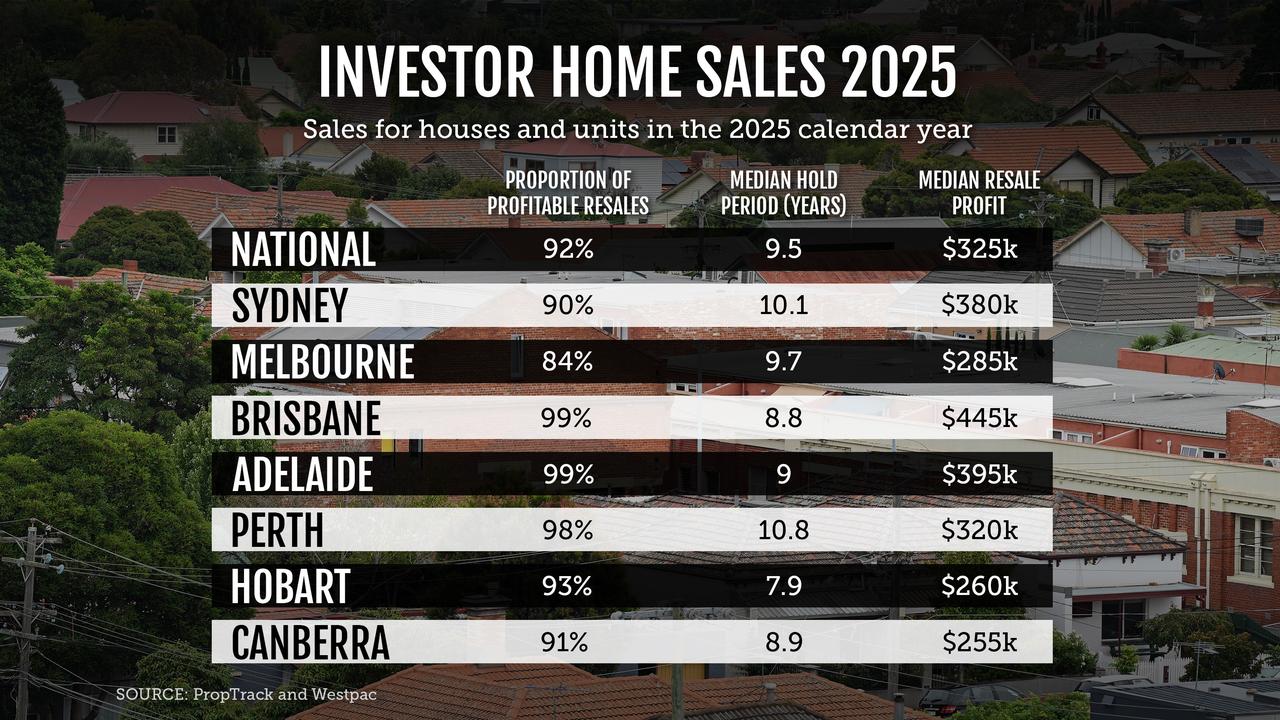
Only seven in every 100 investor sales failed to make a profit in the last few months of 2025 – the highest level in more than a decade.
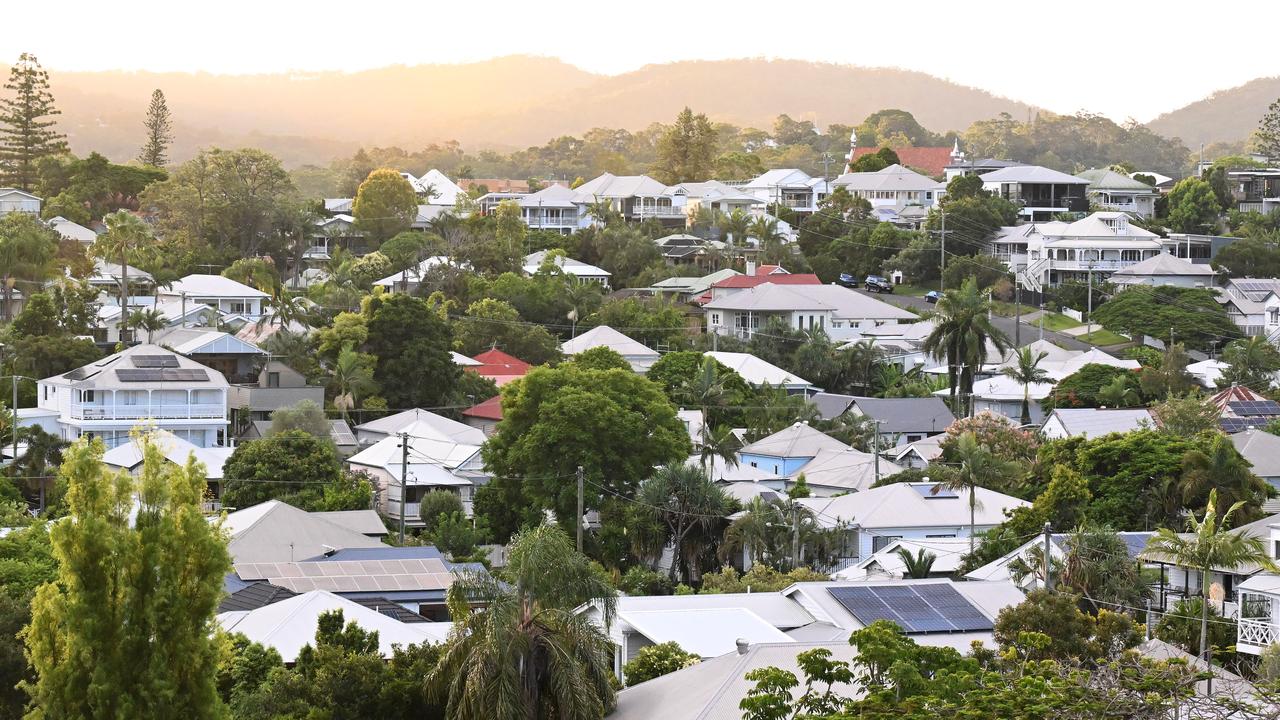
Home price growth in Brisbane, Adelaide and Perth has been exceptional; with prices in these cities more than doubling since 2020.
Melbourne has recorded the slowest increase, with home prices up just over 20 per cent in six years, although investor inquiries about property in the southern capital were rising again.
Investors were particularly active in NSW, accounting for 44 per cent of home loans, up from 37 per cent in 2022 and 29 per cent in late 2020.
In Western Australia, South Australia, and Queensland, investors made up 40 per cent or more of total lending.
It was likely to be a challenging year for Australia’s housing market, with higher interest rates capping property price growth, and the Middle East war adding an extra layer of uncertainty, Westpac chief economist Luci Ellis said.
“For RBA policy, this makes it difficult to judge how upside risks to inflation compare to downside risks to growth,” Ms Ellis said.
“For housing though, the already very stretched starting point for prices means higher interest rates will weigh on affordability and buyer sentiment.
“We expect price growth to cool in 2026 to a more sedate five per cent gain nationally, down from eight per cent in 2025, and with a more pronounced slowing in the ‘hot’ markets of Brisbane and Perth.”