
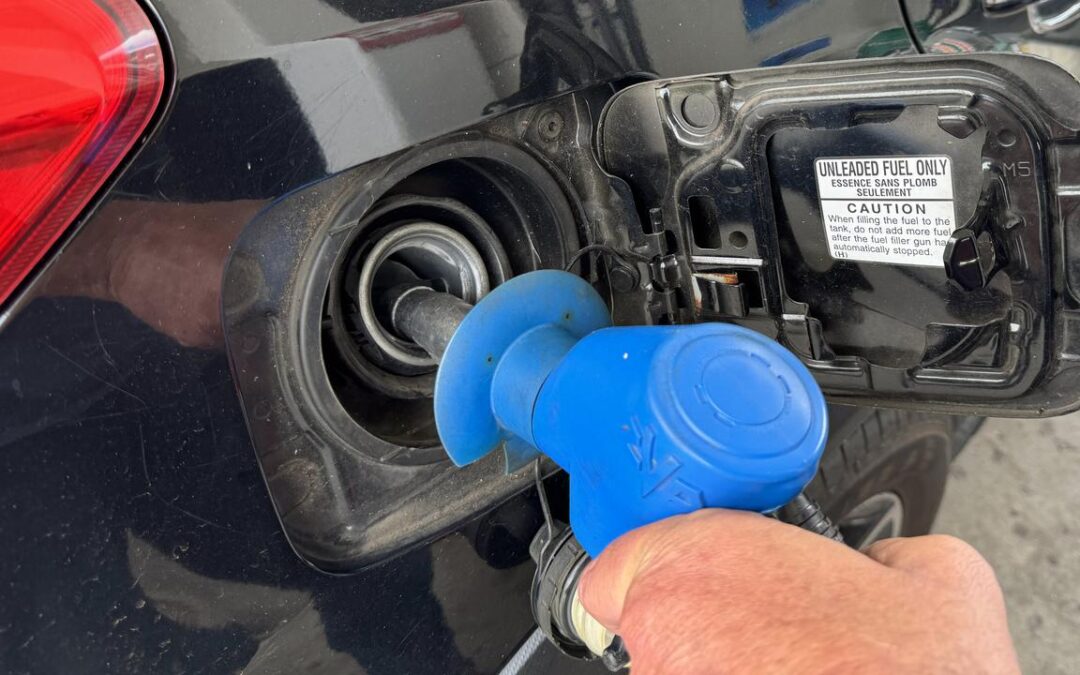
Common sense urged as Aussies feel pinch at the pump
Australians are again being urged to use common sense at the fuel pump as the government prepares special powers to help improve supply across the country.
Emergency laws will be introduced to federal parliament on Monday which would allow the government to underwrite fuel suppliers seeking stock from across the world and bringing it to Australia.
The government will not pay for the fuel but rather use public funds as insurance for companies having to buy supplies as prices skyrocket.
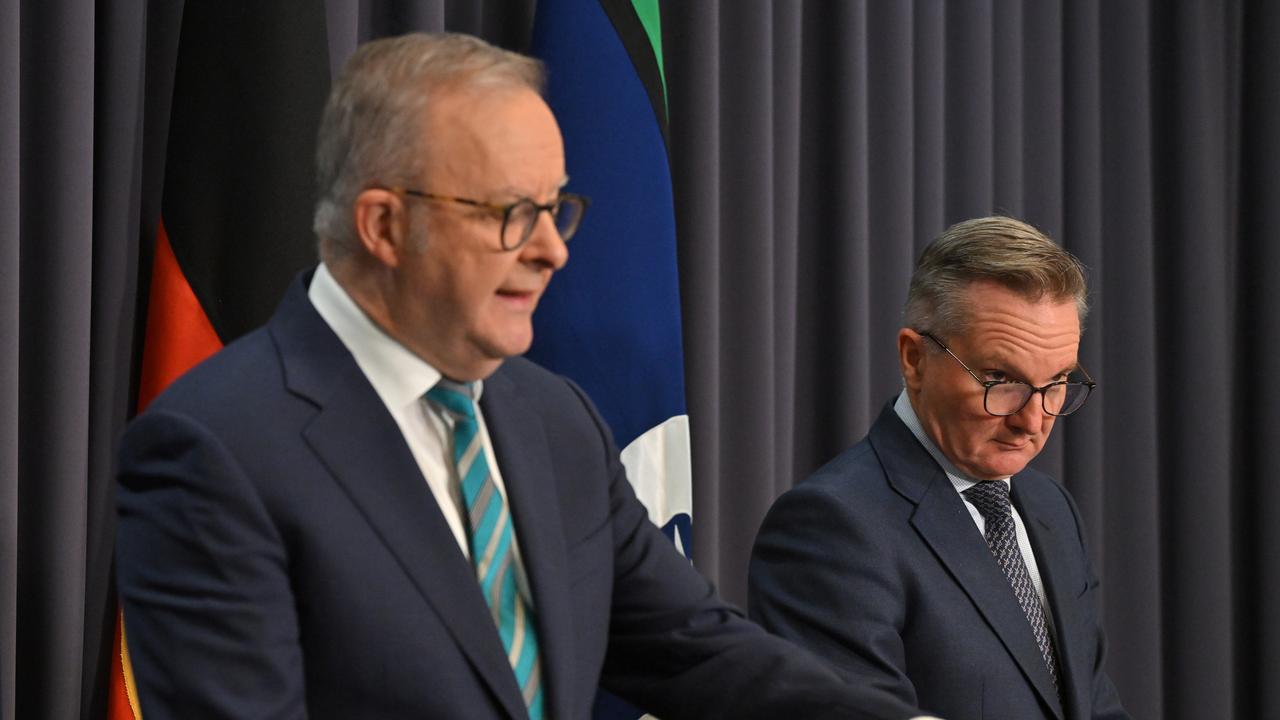
Ongoing uncertainty about the Iran War, which has driven up prices and dwindled supplies amid a blockaded Strait of Hormuz, has caused the government to propose the special powers.
Prime Minister Anthony Albanese says Australia’s fuel supplies are stable and will remain so for coming weeks.
However the powers will help the nation to be “overprepared” for ongoing conflict.
“This isn’t about dealing with something that will happen next week, this is prudent planning, this is about being overprepared,” he said on Saturday.
“It’s a really practical measure so that if there’s a cargo ship out there available from a nation like Korea that is being bid upon, then the private sector can do that with the confidence that comes from government support in order to secure that additional supply.”
Australia currently has 39 days of petrol, 30 days of diesel and 30 days of jet fuel in stocks.
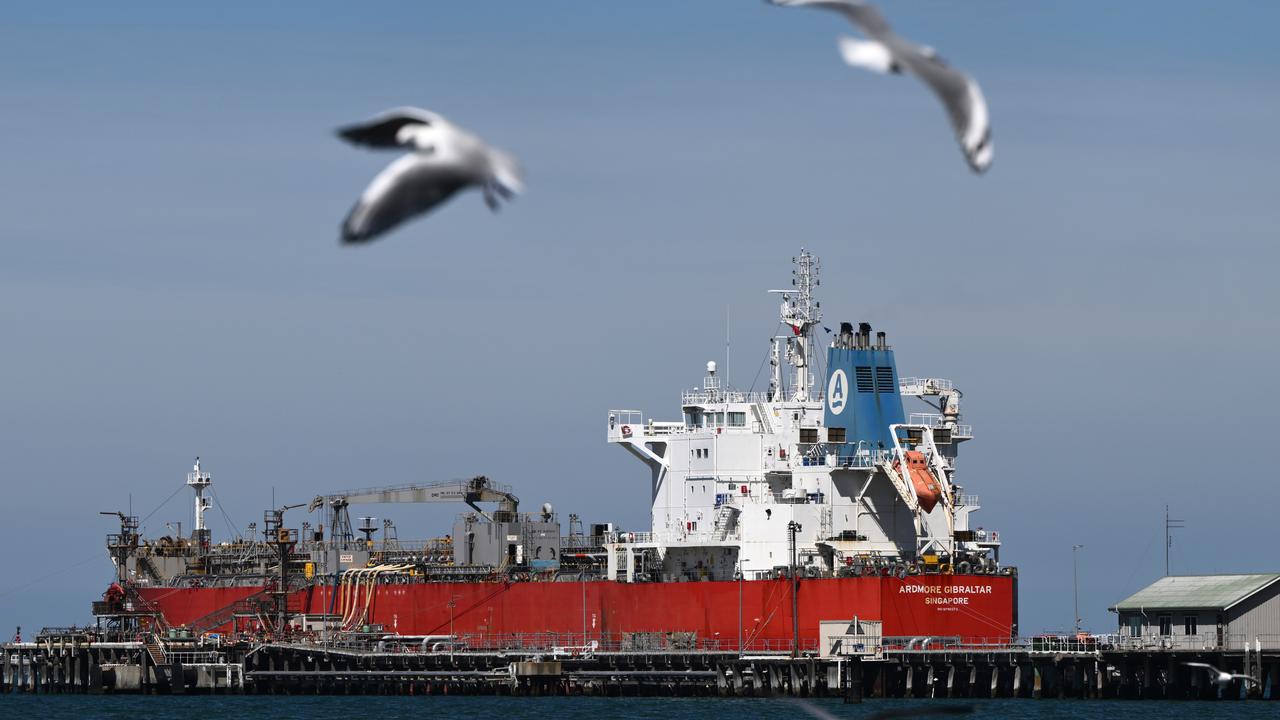
But people should not feel the need to stockpile fuel for themselves, with Mr Albanese calling on individuals and businesses to use common sense.
“People need to take what they need and no more,” he said.
“I don’t want things to be mandated but common sense should apply as well.
“There are more people working from home who are able to do so, that makes sense. There are more people catching public transport than before (and) that also makes sense.”
In Victoria, the state government will make public transport free for the next month to help people feeling the pinch when filling up their cars.
Passengers will not have to touch-on their myki travel card and all public transport gates will be open from Tuesday, March 31.
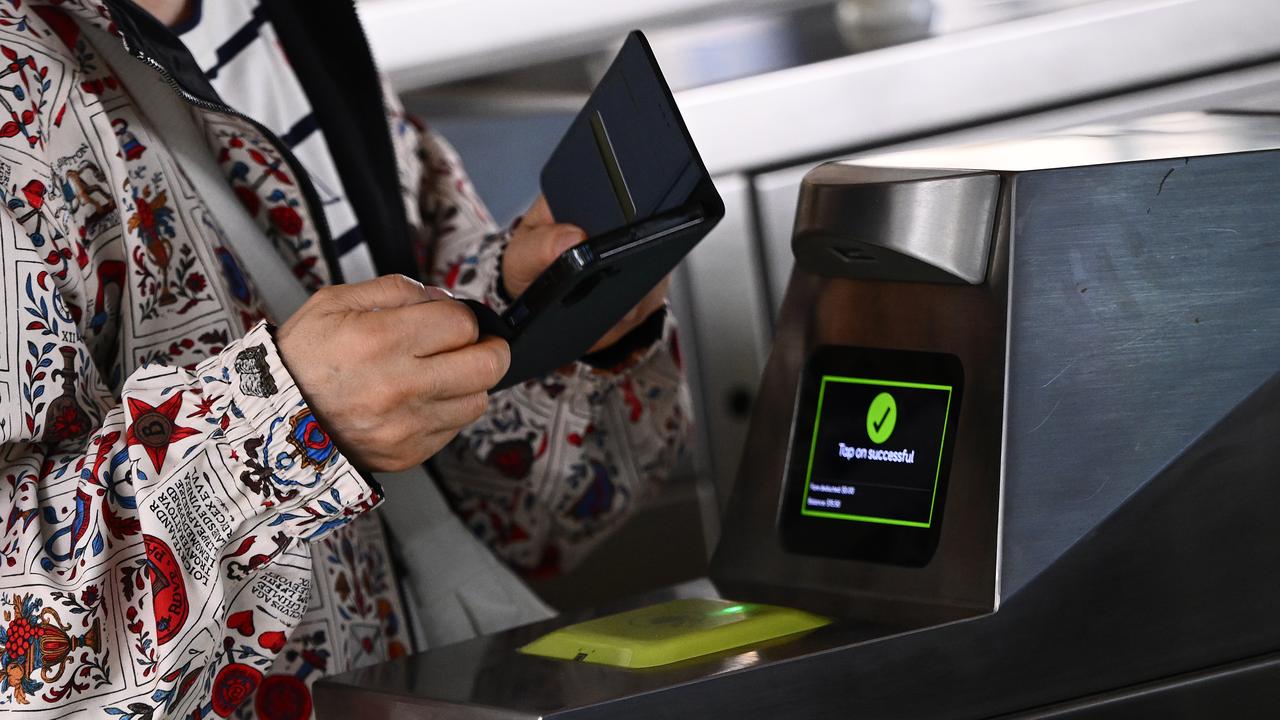
Trains, trams and buses are expected to get busier but the government says thousands of extra services have been added to the network to meet demand.
“This is a temporary measure to help with the cost of living; it will take pressure off the pump and help you save,” Premier Jacinta Allan said.
“This won’t solve every problem but it’s an immediate step to help Victorians right now while we keep working on new solutions to make Victoria more affordable.”
FBI probe of 2020 US election ‘not based in reality’
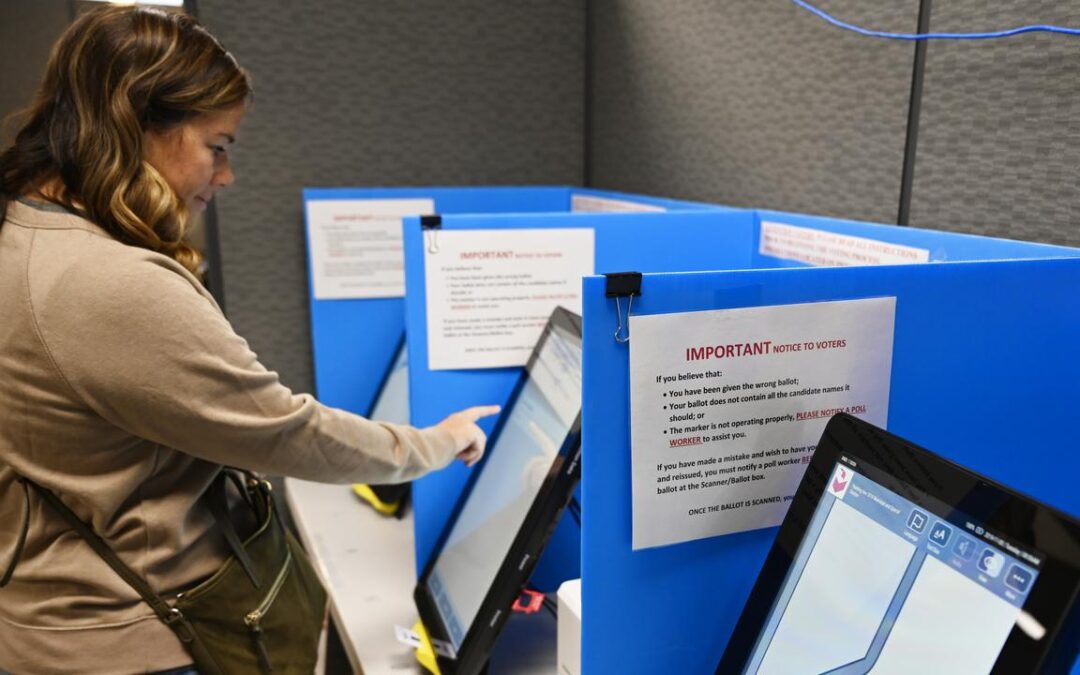
Georgia’s Fulton County has assailed the credibility of the FBI’s investigation into the 2020 US election as it urged a judge to order the return of ballots federal authorities seized in pursuit of President Donald Trump’s false claims of widespread voter fraud.
At a hearing in Atlanta federal court on Friday, lawyers for Fulton County put on the witness stand Ryan Macias, an elections expert who advised the county in 2020. He told the judge the federal government’s evidence was not “based in reality”.
An affidavit an FBI agent used to secure a warrant to search the county’s election centre in January “does not make sense” and relies on witnesses “who don’t know how elections are conducted,” Macias said.
The testimony was part of the county’s effort to convince US District Judge JP Boulee that the seizure of more than 600 boxes of 2020 election ballots, approved by a magistrate judge, showed a “callous disregard” for its rights under the US Constitution.
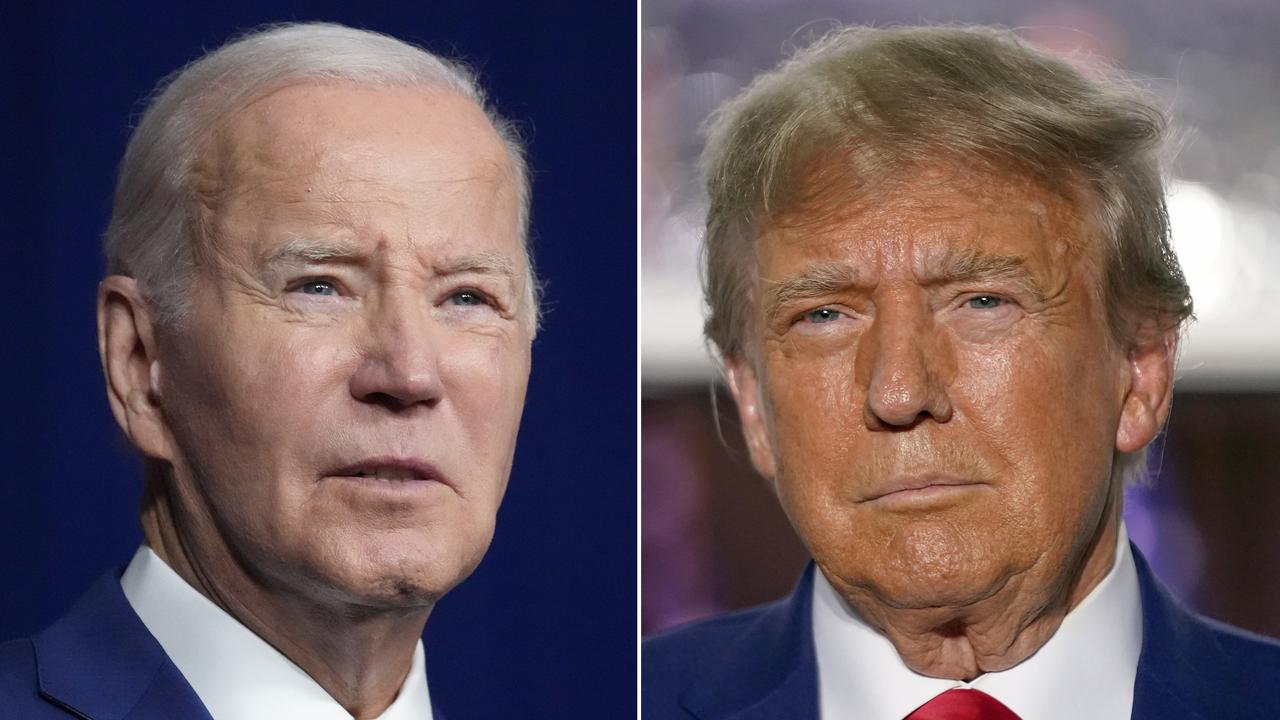
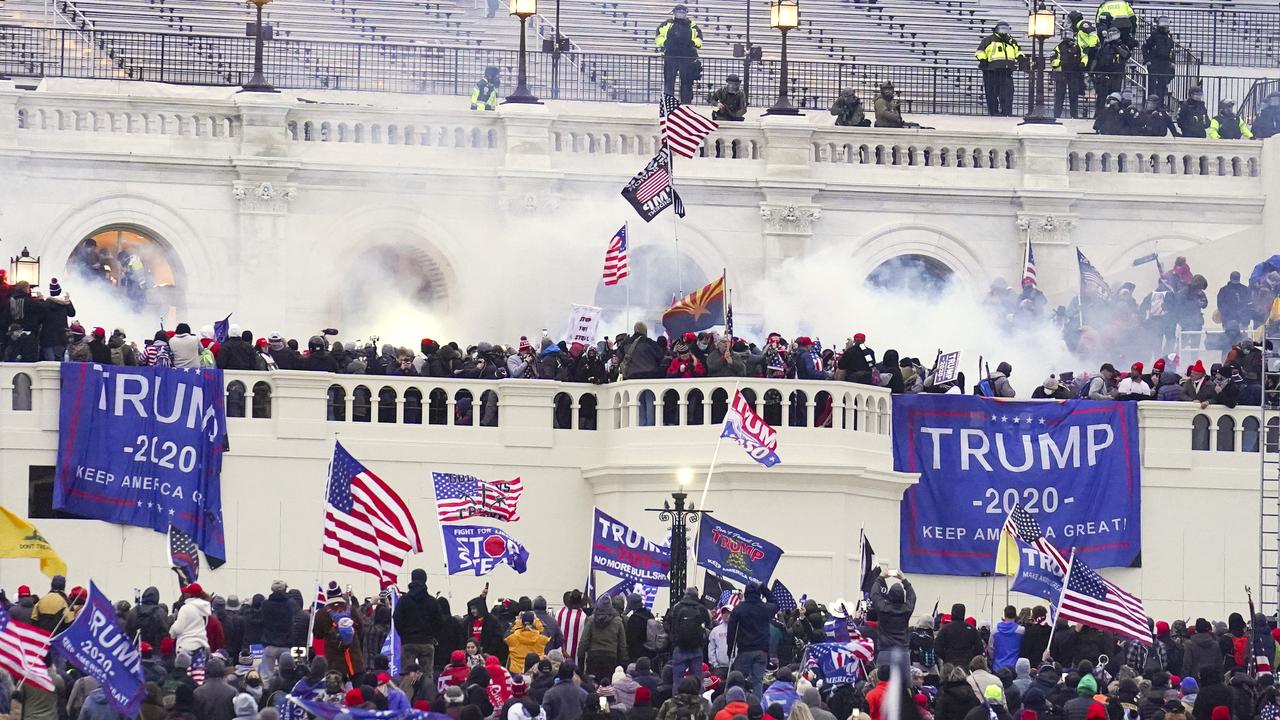
The search of the facility, attended by Director of National Intelligence Tulsi Gabbard, showed how the Trump administration has deployed US law enforcement and intelligence authorities to reinvestigate his loss to Democrat Joe Biden.
Trump has falsely claimed that his defeat in 2020 was marred by large-scale voter fraud and has sowed doubts about the security of US elections ahead of the November midterm elections.
Boulee appeared sceptical of at least some of Fulton County’s arguments, questioning whether the county had shown a need to have original copies of the material.
He also noted the FBI included some “contrary information” in the warrant affidavit, including summarising past reports that found no evidence of fraud or intentional wrongdoing.
“How far does the affidavit have to go” in including information that cuts against the FBI’s case, Boulee asked, challenging Fulton County’s claim the document omitted key facts.
Tysen Duva, the head of the Justice Department’s Criminal Division, argued that Fulton County faces a daunting legal bar in showing that the search was improper and had not cleared it.
Duva dismissed Macias’ testimony as a disagreement about the evidence and highlighted his lack of involvement in the FBI’s probe.
“There is enough in this affidavit to stand,” Duva told the judge.
During the search, FBI agents seized a large volume of material related to the 2020 election from the county’s election centre in Union City, Georgia, including original 2020 ballots.
Authorities cited alleged “deficiencies or defects” with the 2020 vote, including claims that some digital images of ballots were missing and some absentee ballots did not appear to have been folded as required.
The investigation began with a referral from Kurt Olsen, a lawyer who aided Trump’s attempts to overturn the 2020 election and has since been tasked by the White House with re-examining the vote.
Prosecutors cited potential violations of a records retention law and a law that criminalises attempts to deprive or defraud residents of a fair election.
The prospect of more Trump administration probes into the midterm congressional elections this year loomed over the hearing.
Abbe Lowell, a lawyer for Fulton County who is representing several Trump adversaries being investigated by the Trump administration, warned the Justice Department’s arguments could allow the federal government to “come into hundreds if not thousands of election centres” around the country.
Fulton County, a Democratic stronghold in a state that has become hotly contested in presidential elections, became the centre of conspiracy theories and fraud claims spread by Trump and his allies following the 2020 election.
Biden’s wide margin in Fulton County was key to flipping Georgia in Democrats’ favour. The state swung back to Trump in 2024.
Earth hour turns 20 at pivotal moment in climate action
Twenty years ago, Sydney became the birth place of one of the world’s best-known viral environment campaigns.
In 2007, public awareness of climate change was sharpening.
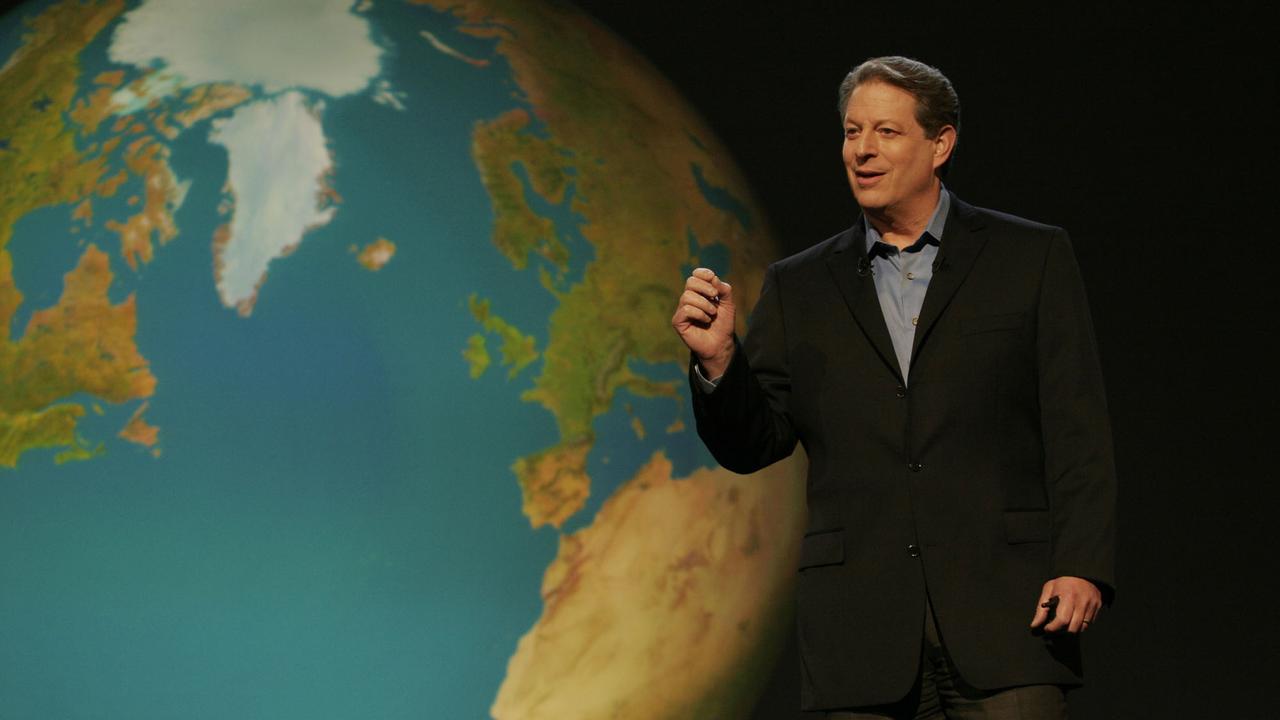
Scientific consensus on the culprit – human greenhouse gas emissions – was hardening and former US vice president Al Gore’s landmark documentary An Inconvenient Truth was making waves.
At the same time, scepticism and denial was still prevalent.
Earth Hour, spearheaded by the World Wildlife Fund, Leo Burnett and Fairfax Media, was aimed at rallying the public behind the climate cause through a highly-visible, symbolic gesture of their support: switching off the lights.
More than 2.2 million people and 2000 businesses in Sydney took up the cause and stayed in the dark for an hour.
Such was the impact, the campaign rapidly spread worldwide to become an annual calendar fixture.
WWF global president Adil Najam, who is in Australia meeting with local colleagues, says Earth Hour’s message is about far more than conserving energy.
“It is clear that, you know, one hour once a year, is not what’s going to save the planet,” he told AAP.
Earth Hour is more about reminding people they have agency to contribute to something bigger, he said.
It also keeps pressure on governments to act on climate and environmental issues by illustrating the scale of support.

The high-profile environmental group has long encouraged participants to go beyond the hour without non-essential lights and pair it with tangible action like joining community cleanups or tree-planting projects.
Reflecting on the climate and environment movement in 2026, Dr Najam says Earth Hour’s call to action has never been more pivotal.
The planet is already living through the consequences of climate change: World Meteorological Organization data shows the past 11 years have been the hottest on record, fuelling weather extremes, sea level rise and stressed coral reefs and other ecosystems.
Yet the world also now has the affordable clean energy technologies necessary to move away from fossil fuels.
The transition is well under way but not fast enough to meet international commitments to limit warming to 1.5C above pre-industrial temperatures.
Dr Najam said now was the time to be more hard-nosed about action and impact, a notion reflected in last year’s United Nations climate talks in Brazil dubbed the “Implementation COP”.
“Moving from meeting to meeting and report to report is extremely important,” he said.
“But unless it translates into action and unless action can demonstrate impact, we are in danger of not only losing momentum but losing our moment on Earth.”
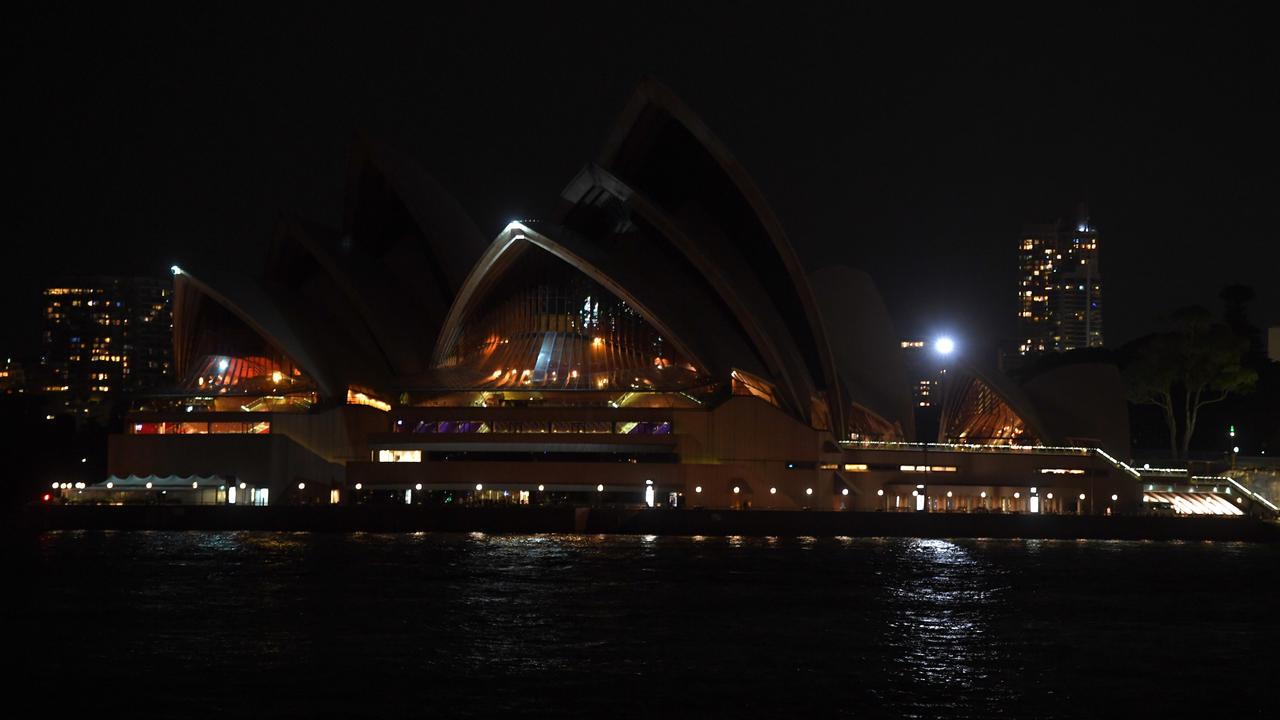
The climate expert will be in Sydney for the 20th anniversary of Earth Hour to watch the Opera House plunge into darkness, followed by other recognisable monuments and buildings worldwide.
“The Sydney Opera House has, in many ways now, become the symbol of the Earth in ways that people certainly may not fully even recognise,” he said
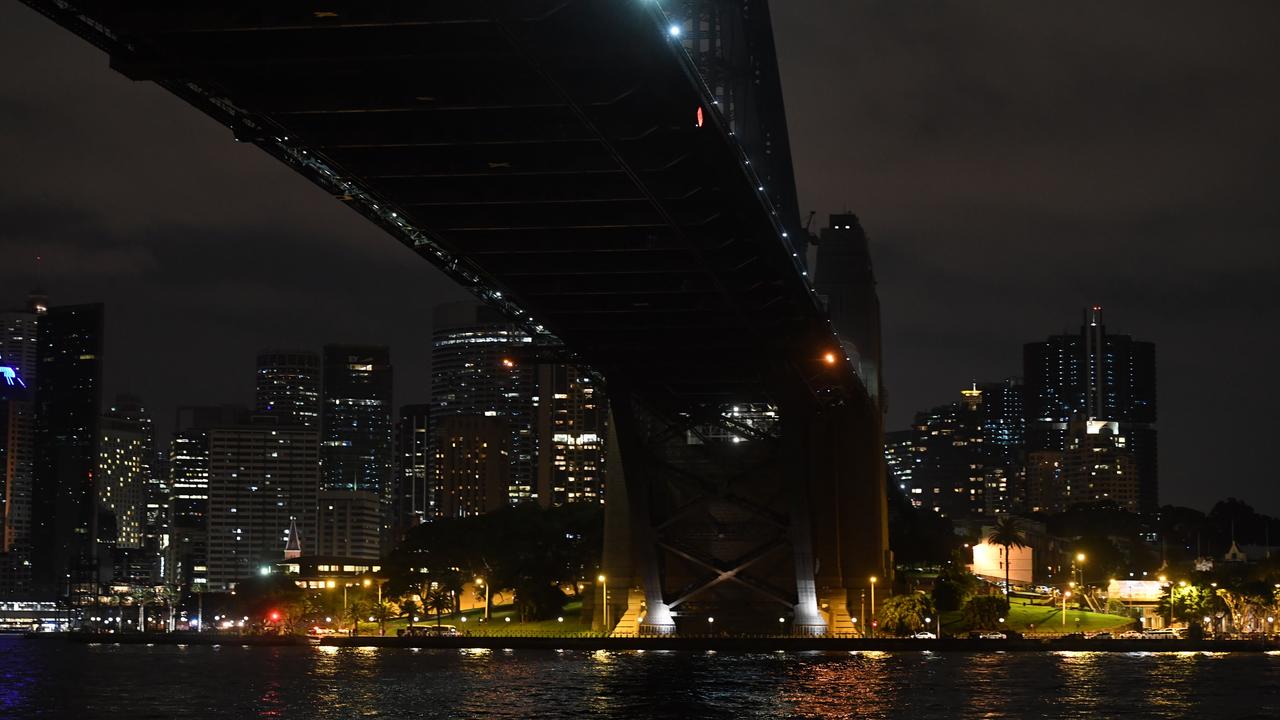
Australia’s lights will go off between 8.30pm and 9.30pm AEDT on Saturday.

Why small business is fighting back against Meta bans
Larissa Carnegie felt powerless as the social media profile she had tirelessly built was reduced to nothing more than an error message.
The Brisbane hairdresser was devastated to discover she had lost accounts boasting thousands of followers after allegedly breaching community guidelines related to sexual exploitation.
Although they have since been reinstated, almost 12 months later, she considers herself one of the fortunate few.

“I felt like I was in a fever dream the other morning when I woke up. It’s been such a weird whirlwind having my accounts back,” Ms Carnegie tells AAP.
Small business owners are increasingly reporting being shut out of accounts, with little support available to help them find their way back.
The result can mean serious financial and operational consequences.
Ms Carnegie had been trying to retrieve her accounts, both business and personal, after they were flagged in June last year.
As days turned into weeks and weeks into months, she found she had no clear way to contact Meta to resolve the issue, all while her business nosedived.
She ended up paying for Meta-verified, in a bid to speak with an employee from the one of the world’s largest tech companies.
“For literally six months, no one was able to help me through Meta Help Centre,” she recalls.
“They kept saying it was a different department that deals with it, it was out of their jurisdiction and they couldn’t really help me.
“I never got any answers.”

Six months later, she was handed a final decision from the tech giant: her account was officially disabled as a result of breaching community standards on child sexual exploitation, abuse and nudity.
“They just took my Instagram and because it said I violated community guidelines, even though I was never given any proof or evidence, or any understanding as to why it was taken,” says the Brisbane creative.
“It’s such a sensitive topic and being accused of it without any evidence was really shocking.”
The impact of the decision was crippling for Ms Carnegie, who relies heavily on social media to showcase her portfolio and attract clients.
She describes social media as her main point of contact with customers and a space where she can build rapport and make booking quick and easy.
“Our Instagram is basically our portfolio; anytime a client comes in, they’ve always got Instagram images saved from other pages of hairstylists of their inspo,” Ms Carnegie explains.
“Not having that or being able to post made it really difficult to keep in contact with clients and also to promote my business.
“I’ve just lost money left, right and centre because I can’t promote myself.”
Ms Carnegie’s accounts were reinstated shortly after AAP contacted Meta with questions on Wednesday.
The Telecommunications Industry Ombudsman reported a 20 per cent increase in digital platform complaints, including those involving Meta, in 2025 compared to the previous year.
A total of 719 complaints were recorded, with 244 lodged just in the final three months of the year.
The majority related to issues accessing accounts.
“Despite the growing number of people approaching the TIO for help in this area, we are unable to escalate or resolve these complaints, as digital platforms remain outside our jurisdiction,” the latest industry ombudsman’s report found.
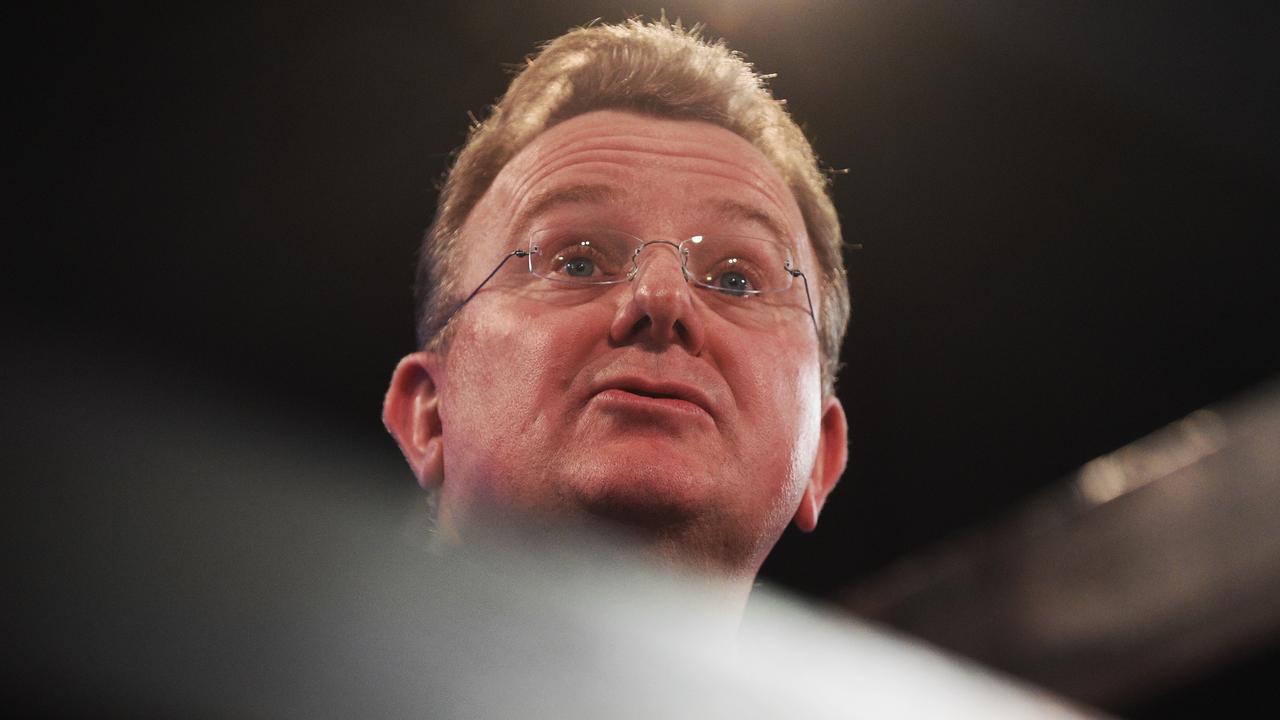
There has been a significant increase in small businesses having their accounts deactivated by digital platforms over alleged breaches of community standards relating to child sexual exploitation, according to Small Business and Family Enterprise Ombudsman Bruce Billson.
To address the issue, he believes the platforms need to provide clear, appropriate and easily accessible help.
“The reality is an increasing number of small and family businesses are reliant on these platforms as their channel to their marketplace, their customers, their storytelling and their communication,” he tells AAP.
“To have that deactivated is effectively like being blocked from engaging in trade and commerce.
“That’s a very significant action to take and there should be greater scrutiny about those steps, particularly where Meta can identify that.”
Meta executives continue to work with authorities to find a timely resolution of matters for small businesses, Mr Billson adds.
Social media accounts are currently screened by a combination of people and technology at Meta who find and remove accounts that break rules.
Technology is also used to identify signals of potentially suspicious behaviour, such as when adult accounts are reported or blocked by teen accounts, or search for violating child safety terms.
Meta maintains that if an account or piece of content is removed in error, they will restore it.
“We take action on accounts that violate our policies and people can appeal if they think we’ve made a mistake,” a Meta spokesperson told AAP.
But that hasn’t been the case for Sydney creative Jazmyn Gillies, who says she’s given up hope of ever getting her business account back.
The 26-year-old was locked out of Instagram just days after launching her events business in May.
“Maybe two weeks before the first event, it crashed, and I was kicked out for child sexual exploitation, which is crazy,” Ms Gillies says.
“I was locked out. I didn’t just lose my business account, I lost my personal account, which is what I was relying on to promote my new brand.
“It was just a really bad timing for me.”

The Sydneysider has tried everything to get her accounts back, from buying verification to even considering paying external services for help, though she felt they were taking advantage of her.
She’s since started a new account but her old one had more than 6000 followers, built up while working in Los Angeles and New York.
Those connections were crucial to her continued success.
“It’s obviously been quite tough,” she says.
For now, Ms Gillies has given up and is trying to accept the hand she has been dealt.
“I’ve been so disappointed for months and months,” she says.
“This has taught me, don’t build your house on borrowed land, or an app that you can’t really rely on.”
BYD experiences first profit drop since 2021
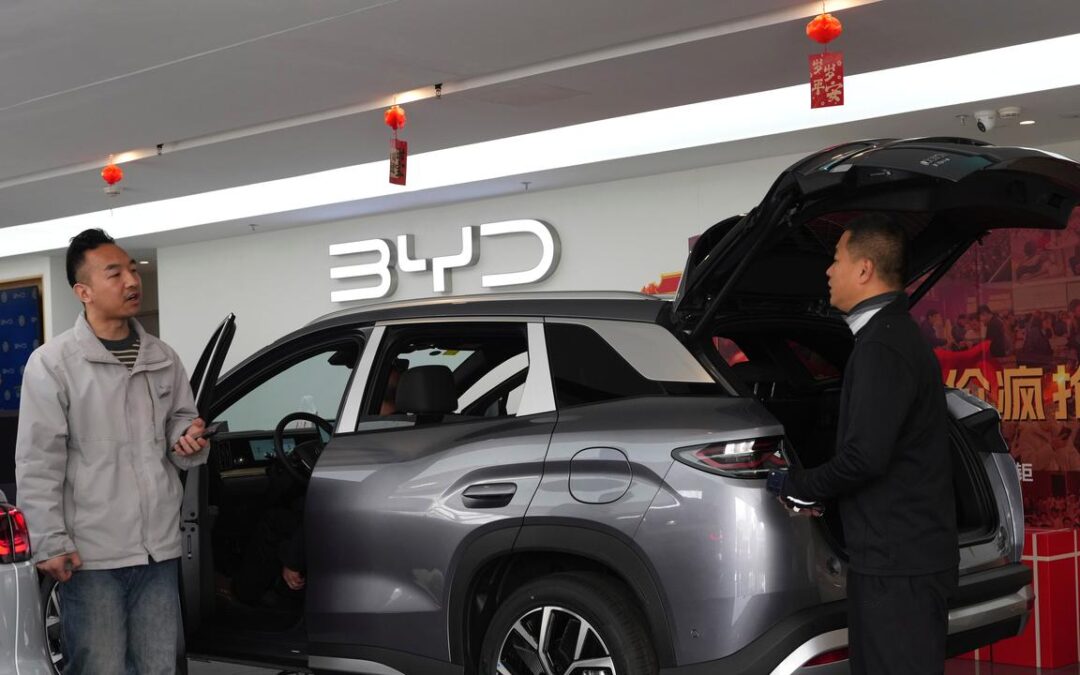
Chinese car maker BYD says its annual sales have risen to a record high, outpacing Tesla’s, but its profit fell for the first time since 2021 under pressure from cutthroat competition.
BYD, the largest electric vehicle maker, has been expanding into global markets including Latin America and Europe, where car analysts say profit margins are typically higher than in China.
It is also banking on cutting-edge technology upgrades to grow appeal, announcing a new powerful fast-charging battery days ahead of its earnings report.
With competition inside China at punishingly high levels, analysts foresee a tough road ahead this year.
But in a boost for EV makers, higher oil and petrol prices due to the Iran war are starting to recharge interest in renewable energy.
BYD annual sales reached $US116 billion ($A169 billion), the company said on Friday.
Domestic sales have been declining recently for Shenzhen-based BYD, which overtook Tesla in 2025 as the world’s biggest EV maker, selling 2.26 million electric vehicles last year, up 28 per cent from a year earlier.
Tesla said it delivered 1.64 million vehicles, down nine per cent.
The Chinese company’s revenue grew 3.5 per cent to 804 billion yuan ($A169 billion) in 2025, another record, eclipsing rival Tesla’s full year revenue of $US94.8 billion.
However, BYD said its annual profit was 32.6 billion yuan last year, down 19 per cent from 2024.
The company last booked a profit decline in 2021.
The Chinese car group has reported six straight months of declining sales.
Total sales in January-February fell 36 per cent year-on-year to 400,241 units, as higher overseas sales did not offset persistent weakness in domestic demand.
“They cannot rely on mass market EVs to help them keep the same volume that they were selling,” said Chris Liu, a Shanghai-based senior analyst at advisory group Omdia.
A fierce price war in China, the world’s biggest car market, has hurt BYD’s profitability, and rivals such as Geely Auto were gaining ground in early 2026.
“We also recognise that competition in the NEV (new energy vehicle) industry has reached a fever pitch, and is undergoing a brutal ‘knockout stage’,” chairman Wang Chuan-fu wrote in its earnings report on Friday.
Wide-reaching government subsidies meant to encourage Chinese drivers to switch to EVs have been extended but are scaled back this year, putting pressure on car makers.
Expectations are that the Iran war and the global energy shock would push more people to switch to EVs, with the likes of BYD standing to gain at home and overseas.
BYD shares traded in Hong Kong have fallen more than 20 per cent over the past year but have been rising in March.
Overseas, BYD plans to keep growing its global market share to hone its profits.
It has made inroads in the United Kingdom, Brazil and Argentina and is aiming to sell about 1.3 million vehicles overseas in 2026, up from about 1.05 million last year.
Its strategy in building and expanding factories overseas will also help boost its international market growth, said Claire Yuan at S&P Global Ratings.
Truckies want cash payments, slash in road user charge
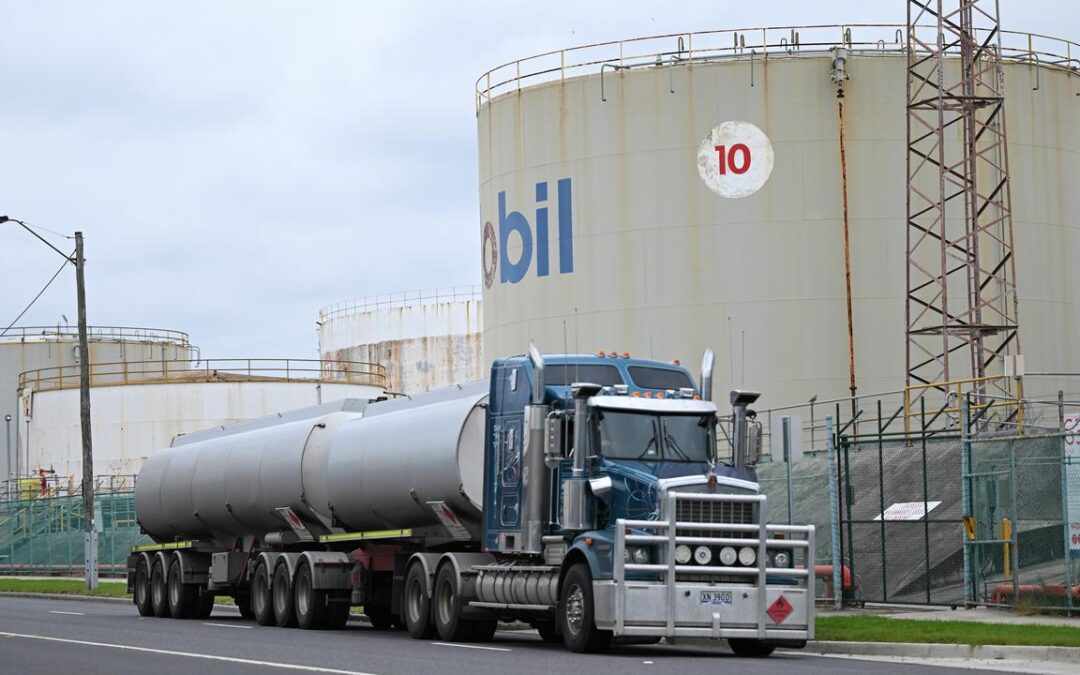
Transport companies are seeking emergency financial payments and a cut to the heavy vehicle road user charge as part of a nationwide response to fuel shortages caused by the Iran war.
Australia’s consumer watchdog on Friday reported average diesel prices in the five largest cities hit 303.5 cents per litre, rising 27.8 cents in a week.
Unleaded petrol prices hit 252.2 cents per litre.
Prime Minister Anthony Albanese has promised a national response to the fuel crisis, with supply-related measures expected to be announced on Saturday.
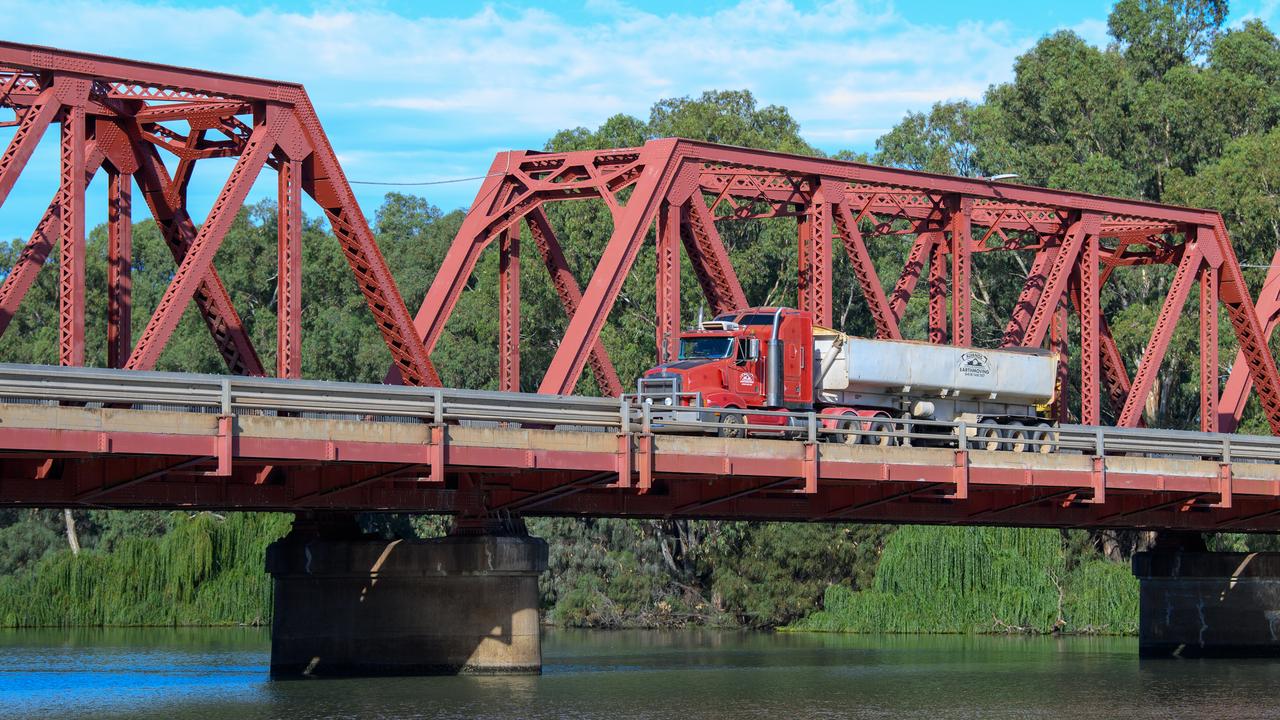
The National Road Transport Association has called for three “urgent” actions – emergency financial support payments for affected transport businesses, a six-month moratorium on heavy vehicle equipment loan repayments and a suspension of the road user charge.
“A consistent, nationwide approach is critical to ensure operators aren’t facing a patchwork of measures and can access the same level of support regardless of where they operate,” chief executive Warren Clark said.
“These are practical, short-term measures that would deliver immediate cashflow relief and help keep trucks on the road.”
The coalition has called for a reduction in the fuel excise to provide relief to motorists.
But Mr Clark said the reduction alone would not be enough to address the scale of the current crisis.
“The government’s response has fallen well short of what industry urgently needs,” he said.
“Operators are crying out for help, yet the government continues to be largely absent at a time when decisive intervention is critical.”
Mr Albanese will meet state and territory leaders on Monday to co-ordinate a national cabinet response.
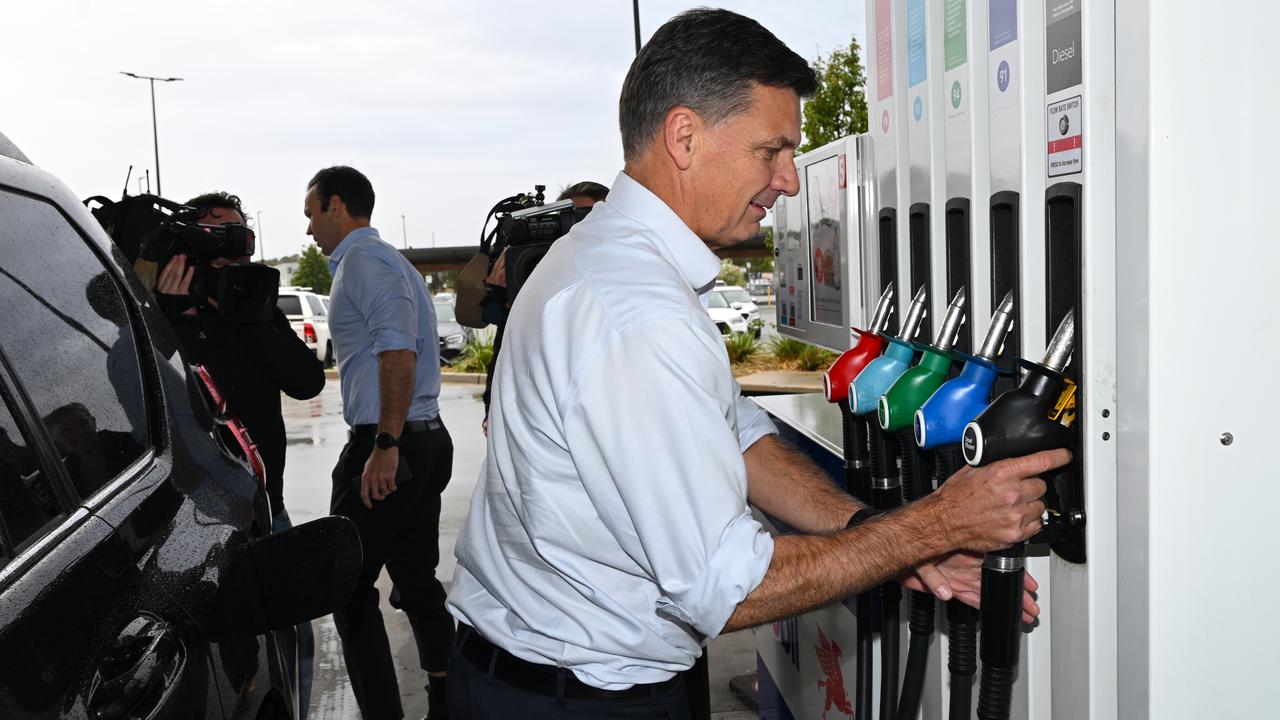
Opposition Leader Angus Taylor said halving the 52.6c a litre excise, as well as the heavy vehicle road user charge, would provide immediate relief for households.
The government said new cargoes had replaced six fuel shipments to Australia that had been cancelled or deferred.
Labor has repeatedly insisted Australia has enough fuel and any shortages are being driven by panic-buying.
The US-led war on Iran has disrupted one of the world’s most important oil corridors, sending global oil prices skyrocketing.
Australia’s biggest LNG plants offline due to cyclone
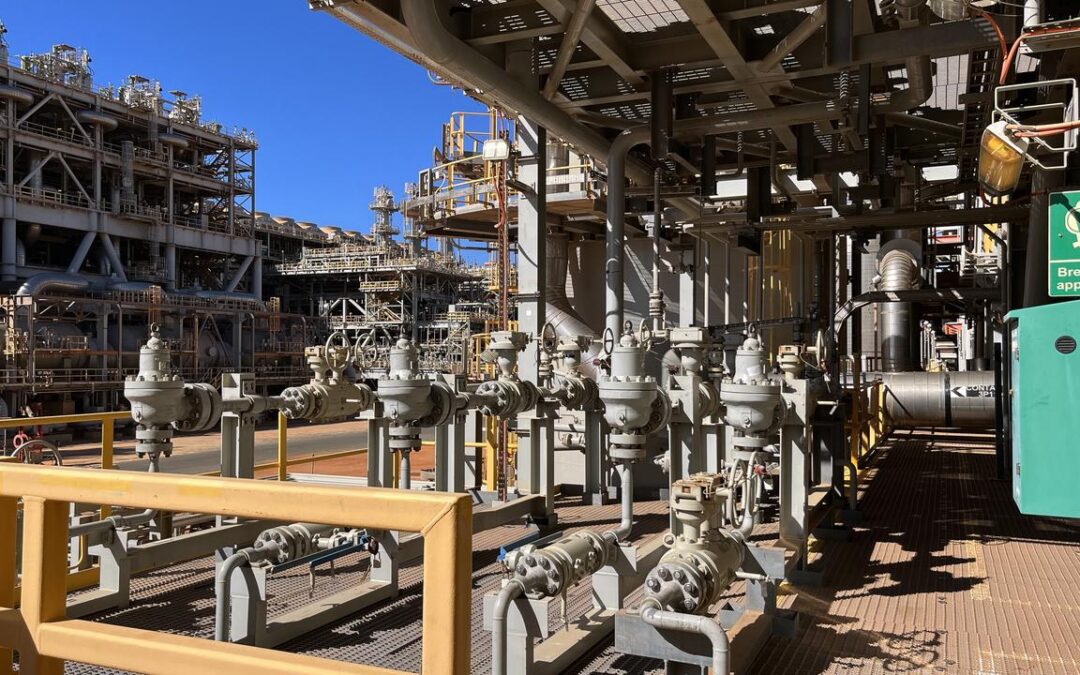
A powerful tropical cyclone in Western Australia has disrupted production at the country’s two biggest liquefied natural gas plants run by Chevron and Woodside, exacerbating a global supply crunch caused by the conflict in the Middle East.
Australia became the world’s second-largest LNG exporter after Qatar shut down production in March following damage to its facilities from Iranian strikes.
Global LNG flows out of the Middle East have also been upended by Iran’s blockage of the Strait of Hormuz.
Chevron said it was working to restore production at its Gorgon and Wheatstone LNG facilities in Western Australia following outages that were likely due to Tropical Cyclone Narelle, a category three storm, which crossed the coast on Friday.
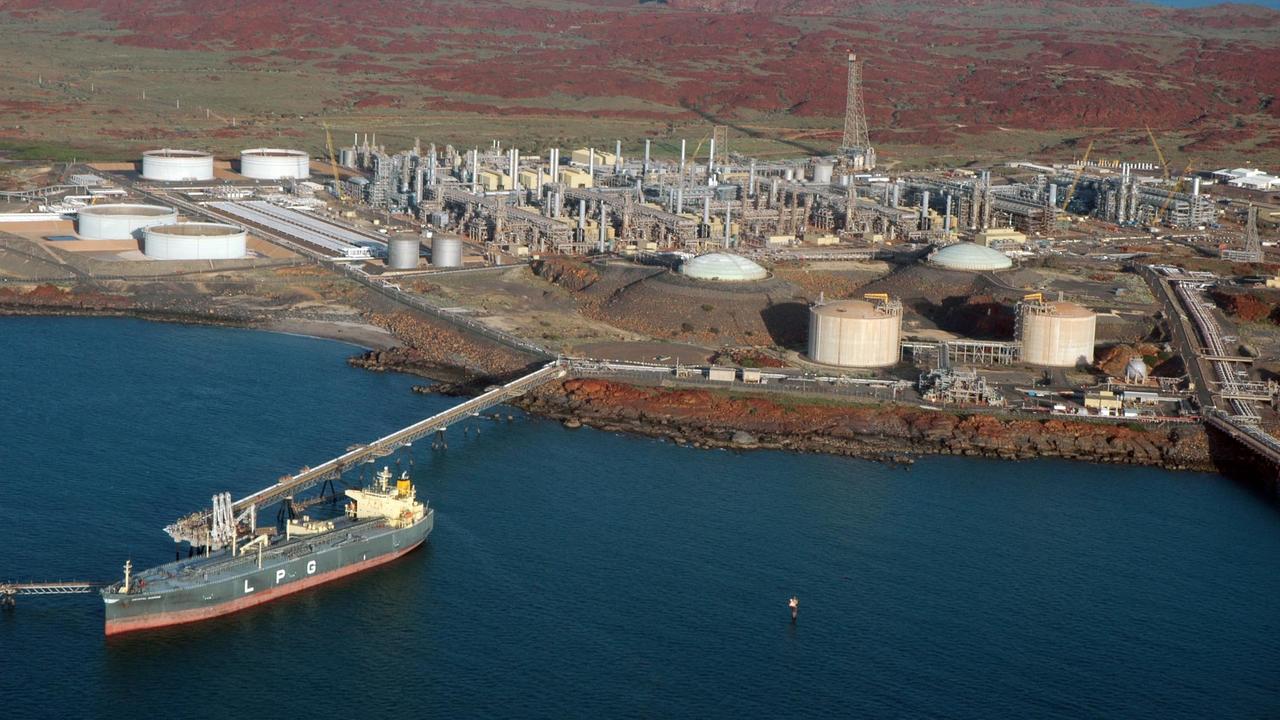
Gorgon is Australia’s largest LNG export facility, producing 15.6 million tonnes a year with three processing trains, while the smaller Wheatstone consists of two trains producing 8.9 million tonnes.
Woodside also said production at its Karratha gas plant had been disrupted by the cyclone.
The gas plant is the onshore processing facility for the North West Shelf, Australia’s oldest and second-largest LNG project, producing 14.3 million tonnes a year, down from 16.9 million tonnes a year after it shut down one of its five production trains.
MST Marquee analyst Saul Kavonic estimated the cyclone was disrupting more than 30 million tonnes a year of Australian LNG supply.
Combined with the shock from the Middle East, he said more than a quarter of global LNG supply was affected.
“This will exacerbate gas market tightness in Asia and Europe, especially if it takes more than a matter of days to normalise Australian production levels again,” Kavonic said.
A Chevron Australia spokesperson said an outage occurred at the Wheatstone platform, about 225km off Australia’s west coast, on Thursday, causing a suspension of onshore gas production.
“All personnel were demobilised from the Wheatstone Platform ahead of the cyclone passing, which has been operated remotely from our Perth office since Tuesday afternoon,” the spokesperson said.
Three hours later, an outage shut down one of three LNG production trains at the Gorgon facility on Barrow Island, about 50km offshore.
“We will resume full production at both facilities once it is safe to do so,” a Chevron Australia spokesperson said.
Woodside said production at the North West Shelf project would restart once it is able to send workers back to its offshore facilities.
It said operations were continuing at its Macedon domestic gas plant and its Pluto LNG facility.
“If there is any material impact to production or assets, Woodside will update the market,” a spokesperson said.
CBA ups inflation prediction as supply chains strain
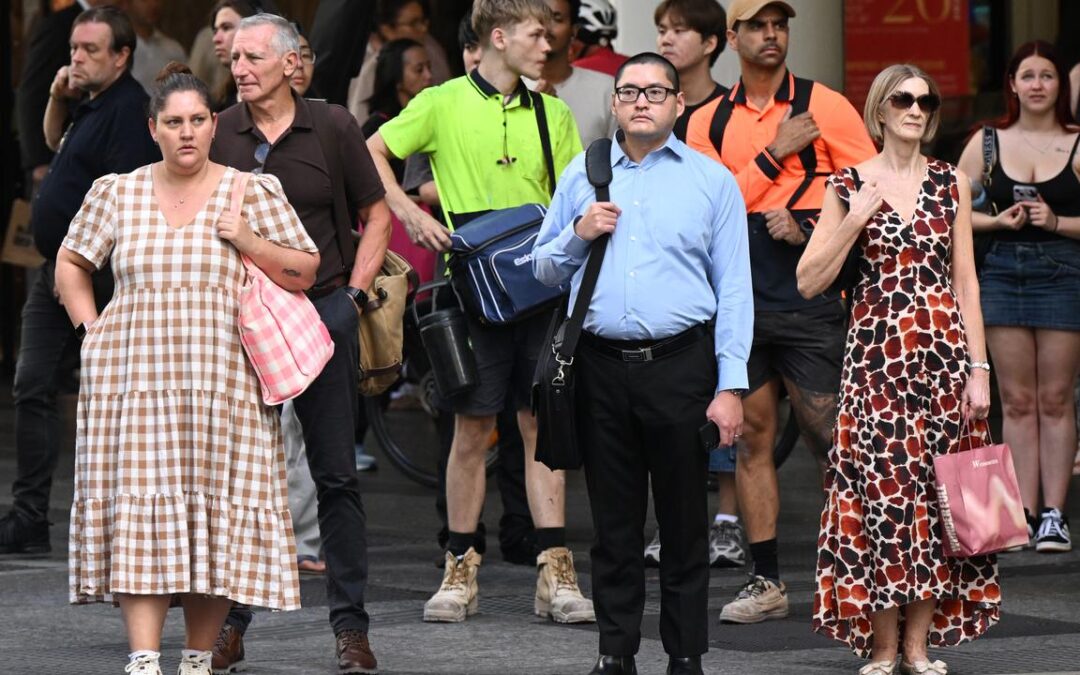
Economists at Australia’s largest lender have issued a dire warning for consumers, forecasting inflation to scale new heights as hopes of a quick resolution to the Iran war fade.
The Commonwealth Bank (CBA) expects headline inflation to peak at 5.4 per cent by June – 1.4 per cent higher than its previous forecast.
As markets try to parse conflicting statements from the US and Iran about ceasefire talks, CBA head of Australian economics Belinda Allen and her team were unconvinced by the rhetoric coming out of the White House.
“In our central case, this conflict still has some time to run, and the Strait of Hormuz is unlikely to re-open quickly despite ongoing reports of US-Iran talks,” they said in a research note on Friday.
CBA’s base case is predicated on the benchmark oil price – currently about $US105 a barrel – sitting at $US120 a barrel for about three months.
Treasury also modelled a scenario in which oil prices hit $US120, but forecast inflation to rise as high as five per cent.
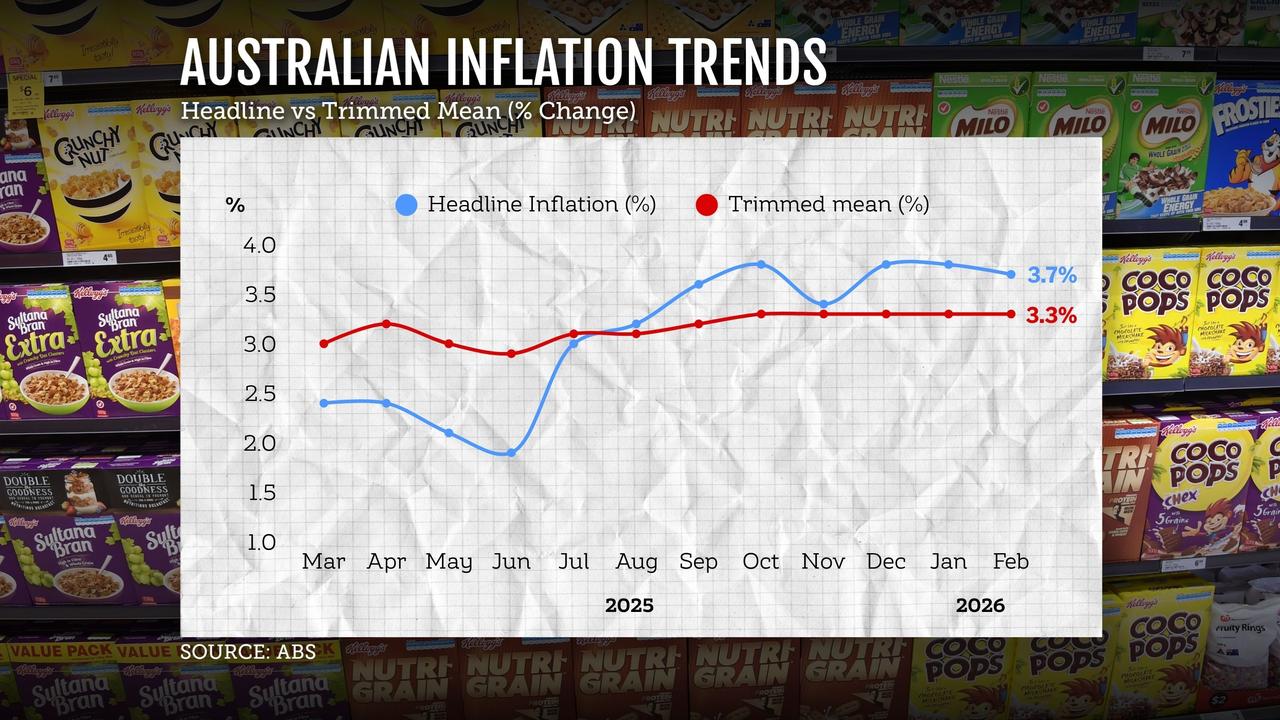
The Australian Bureau of Statistics reported on Wednesday that inflation eased to 3.7 per cent in the year to February, although the data pre-dated the start of the Middle East conflict.
The inflation spike is expected to be smaller than when the Russia-Ukraine war combined with the post-COVID-19 pandemic economic bounce and inflation peaked at 7.8 per cent, CBA said.
“However, risks are tilted to the upside, particularly given the recent escalation in the conflict and the possibility that it persists for longer than currently priced by markets,” the bank said.
The difference this time is the impact on energy markets is expected to have a greater impact on slowing economic activity.
CBA’s growth forecast for 2026 was slashed from 1.9 per cent to 1.6 per cent, while unemployment was expected to drift up from 4.3 per cent to 4.6 per cent by early 2027.
Westpac chief economist Luci Ellis said it would be a mistake to treat the current crisis the same as COVID-19.
“The current conflict bears little resemblance to the COVID pandemic, so policy responses should differ,” she said.
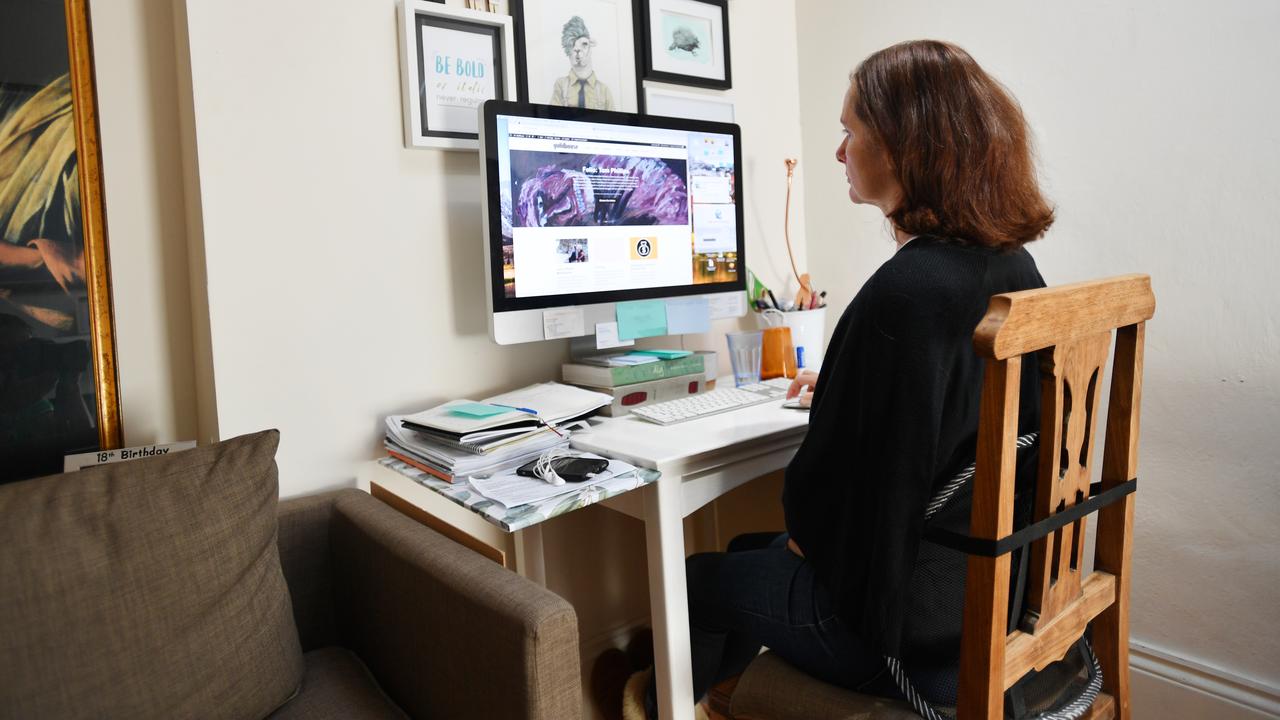
“We were surprised that work-from-home mandates have been seriously proposed.”
Australia’s fuel supply disruption is being caused by consumer stockpiling, not a reduction in supply.
The government should instead make more effort to publicise the restocking of petrol stations that have run out, and measures to free up supply, such as changes to fuel standards and the oil-for-gas deal with Singapore, Dr Ellis said.
In a positive development for Australia’s oil supplies, several tankers operated by countries not involved in the conflict have been afforded safe passage through the Strait of Hormuz in recent days, Westpac economists Elliot Clarke and Ryan Wells noted.
“If Iranian authorities hold to this guidance, China’s fleet and vessels from other non-aligned countries such as Malaysia (a key supplier to Australia who reportedly reached an agreement with Iran overnight) could slowly reduce the current global deficiency in crude and LNG supply, even if the US/Israel and Iran continue military actions against one another,” they said.
But the story of the conflict is more than just higher oil prices, CBA said.
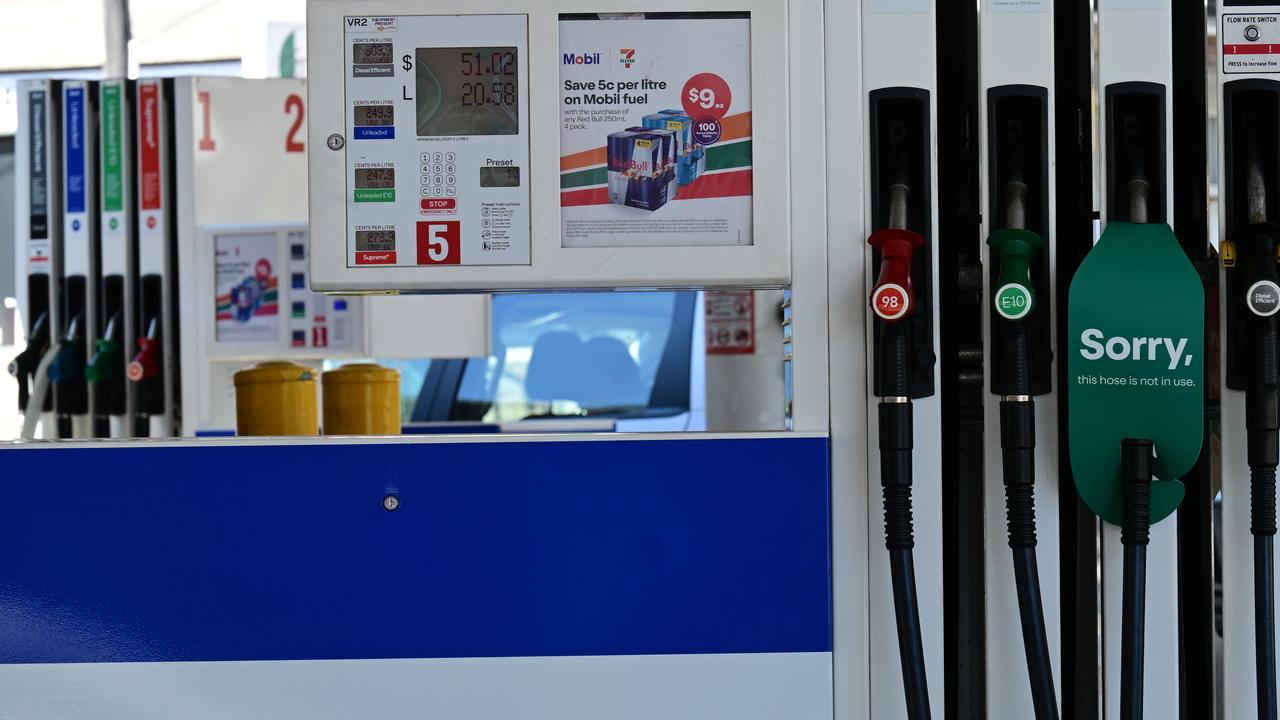
Fuel is an input across the economy, and as businesses pass on higher transport and energy costs, underlying inflation will rise across the board.
Supply chains for broader industrial and agricultural inputs, such as fertiliser and aluminium, are also being disrupted.
Oil is also used to manufacture plastics, the costs of which have soared since the war broke out, JP Morgan analyst Ben Jarman said.
“Higher plastics costs should be impacting a broad swathe of other manufacturing processes including furniture, pharmaceuticals and printing, as well as construction to a lesser extent,” he said.
Asia stocks extend global rout as Iran war drags on
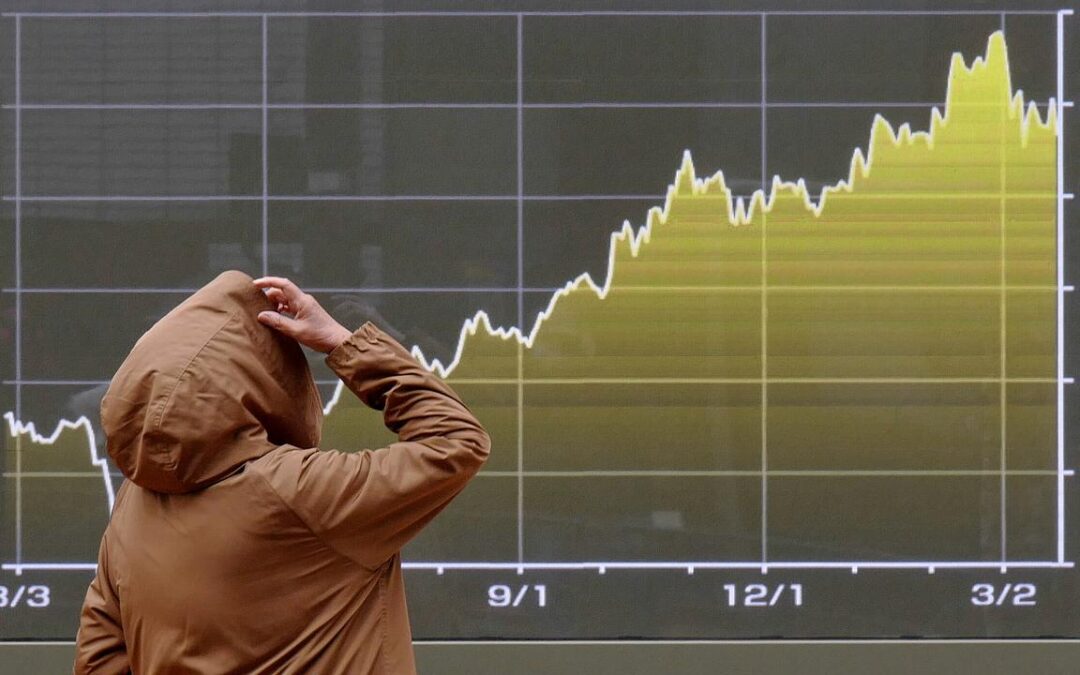
Asian stock markets were swept up in a global rout on Friday, tracking Wall Street lower as the threat of a protracted energy shock out of the war-torn Middle East sent borrowing costs spiralling higher.
Investors took a modicum of comfort from US President Donald Trump’s decision to extend his ultimatum to strike Iranian power plants by 10 days, after pushing back his initial 48-hour deadline by five days. Brent crude futures fell 1.0 per cent to $US107.07 ($A154.62) a barrel having jumped nearly 6.0 per cent overnight.
However, movement in oil prices was small and reports that Trump was considering sending more troops only added to concern about the war escalating into a ground conflict, with no certainty that the Strait of Hormuz could be reopened to shipping soon.
Iran has dismissed a US proposal to end the conflict as “one sided and unfair”.
Wall Street futures bounced 0.2 per cent in Asia. Overnight, the Nasdaq Composite slumped 2.4 per cent to be down nearly 11 per cent from its record close on October 29, confirming it has been in a correction since then.
“The Middle East headlines won’t stop for the weekend so the weight of money leans towards assuming another risk-off week ahead as the US continues to add military resources to the region,” said ITC Markets senior FX analyst Sean Callow.
“Many see the Iranian regime as holding the upper hand and doubt that there are indeed productive negotiations with the US in process… Underlying pressure towards higher oil prices, USD and yields along with weaker equities appears intact.”
On Friday, MSCI’s broadest index of Asia-Pacific shares outside Japan tumbled 1.4 per cent and was set for a weekly drop of 3.0 per cent. Japan’s Nikkei skidded 1.3 per cent and was down 0.9 per cent for the week.
South Korea’s KOSPI plunged 3.0 per cent, bringing its weekly loss to a staggering 8.5 per cent. Chinese blue chips fell 1.0 per cent, while Hong Kong’s Hang Seng index slipped 0.4 per cent.
Citi analysts said more severe scenarios of the Middle East conflict could drag global growth below 2.0 per cent this year, push headline inflation beyond 4.0 per cent and stoke recession risk.
“Asia, particularly Korea, Japan, and India, faces the most intense headwinds due to heavy reliance on imported fuel and direct exposure to disruptions in the Strait of Hormuz,” they said in a client note.
Norway’s Norges Bank was the latest central bank to flag inflation risk and interest rate hikes ahead as the war rages on. Having held policy steady on Thursday, the bank said it expected to raise rates this year, a stark contrast with its earlier forecast of three cuts by the end of 2028.
Global bond yields jumped anew after the climb in oil prices amplified inflation concern. Japan’s 10-year yields rose 4 basis points to 2.31 per cent, while Australia’s benchmark 10-year yields surged 7 bps to 5.076 per cent.
The two-year US Treasury yield held steady at 3.9714 per cent on Friday, having jumped 10 basis points overnight as traders priced in more risk of a rate rise from the US Federal Reserve this year, which is about 50 per cent priced in.
In currencies, the US dollar was bathed in safe-haven glow having gained for three sessions. The risk-sensitive Australian dollar bore the brunt of market selloff, falling 0.2 per cent to a two-month low of $US0.6872 ($A0.9924) after a 0.8 per cent fall overnight.
The euro held at $US1.1533 ($A1.6655) after slipping 0.3 per cent overnight, while the yen hovered at 159.70 a dollar. Market watchers expect intervention should the yen hit 160.
Gold rose 0.6 per cent to $US4,405 ($A6,361) an ounce after a nearly 3.0 per cent fall overnight.
Australia defends war efforts after Trump attack
Australia’s government insists it still has not received any direct requests from the United States for military aid in its war with Iran, after a public attack from President Donald Trump.
The US president criticised allied countries for not providing assistance in the conflict, as the closure of the Strait of Hormuz continues to put pressure on global oil prices.
“(UK Prime Minister Keir Starmer) didn’t want to help us. Australia, too. Australia was not great. I was a little surprised by Australia,” Mr Trump said.
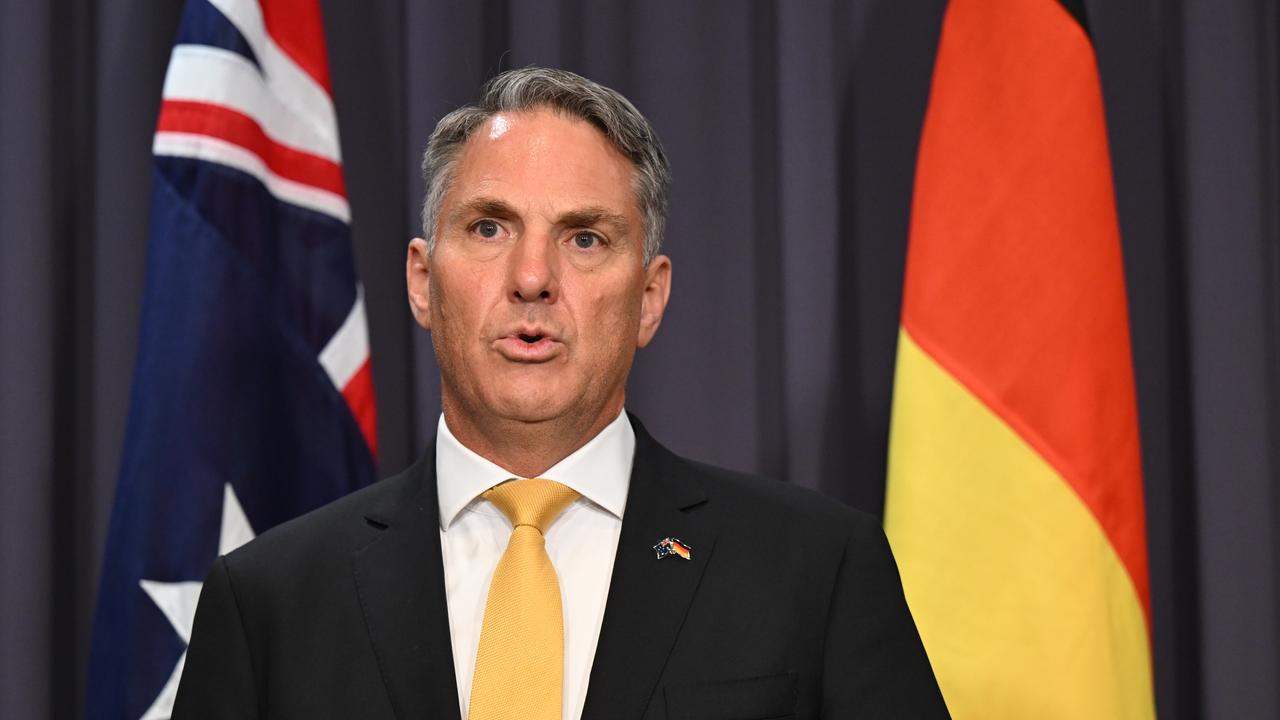
Australia is providing military assistance in the Persian Gulf region following a request from the United Arab Emirates.
Defence Minister Richard Marles would not be drawn on the president’s criticism, but said no requests from the White House have been received.
“The last thing I’m going to do is give a running commentary on what the president has said, all we can do is respond to this situation, respond to the requests that are made of us,” he told ABC TV on Friday.
“We’re looking at all the requests that we get from countries around the world, including the United States, and obviously we answer them in the context of our national interest.
“Defending the states of the Gulf is really important given our relationship with them.”
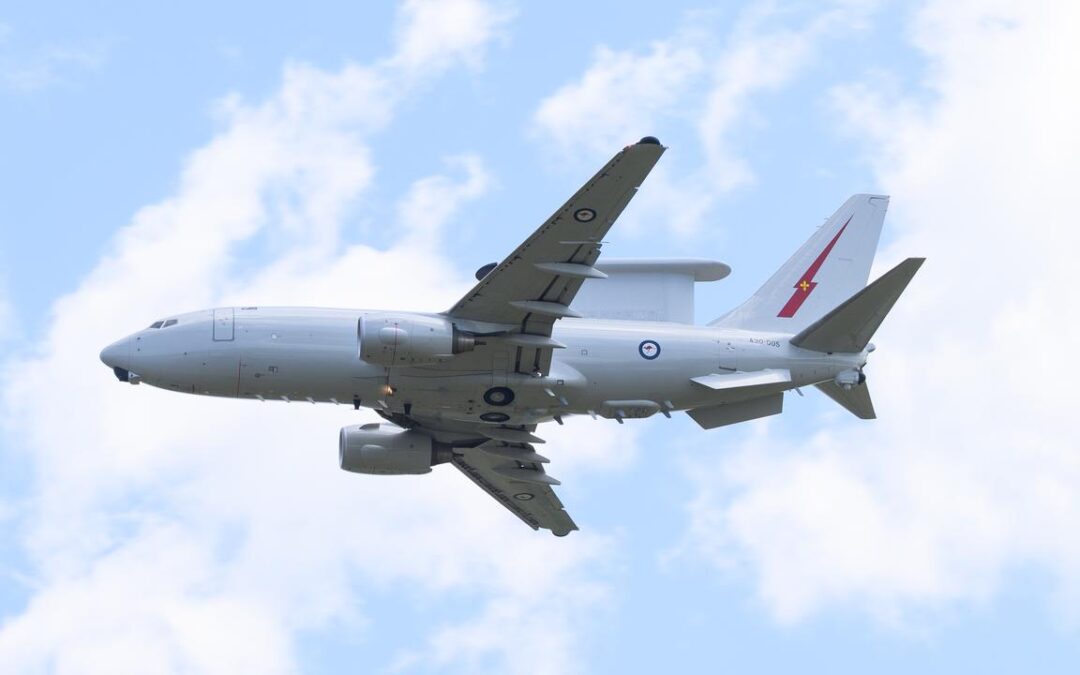
An E-7A Wedgetail military surveillance plane, along with 85 defence personnel, has been sent to the UAE to monitor Iranian drone strikes.
The request for help from the UAE has been the only one received by Australia since the US-Israel war with Iran began, Mr Marles said.
“The E-7 is in in the region, and it is playing a really important part,” he said.
“It is playing an important role in respect of the defence of the gulf states. We will work this through with our with our friends and our partners, to look at what role we can play.
The US president has extended a self-imposed deadline to Iran to re-open the Strait of Hormuz to April 6 before potential strikes on energy infrastructure.
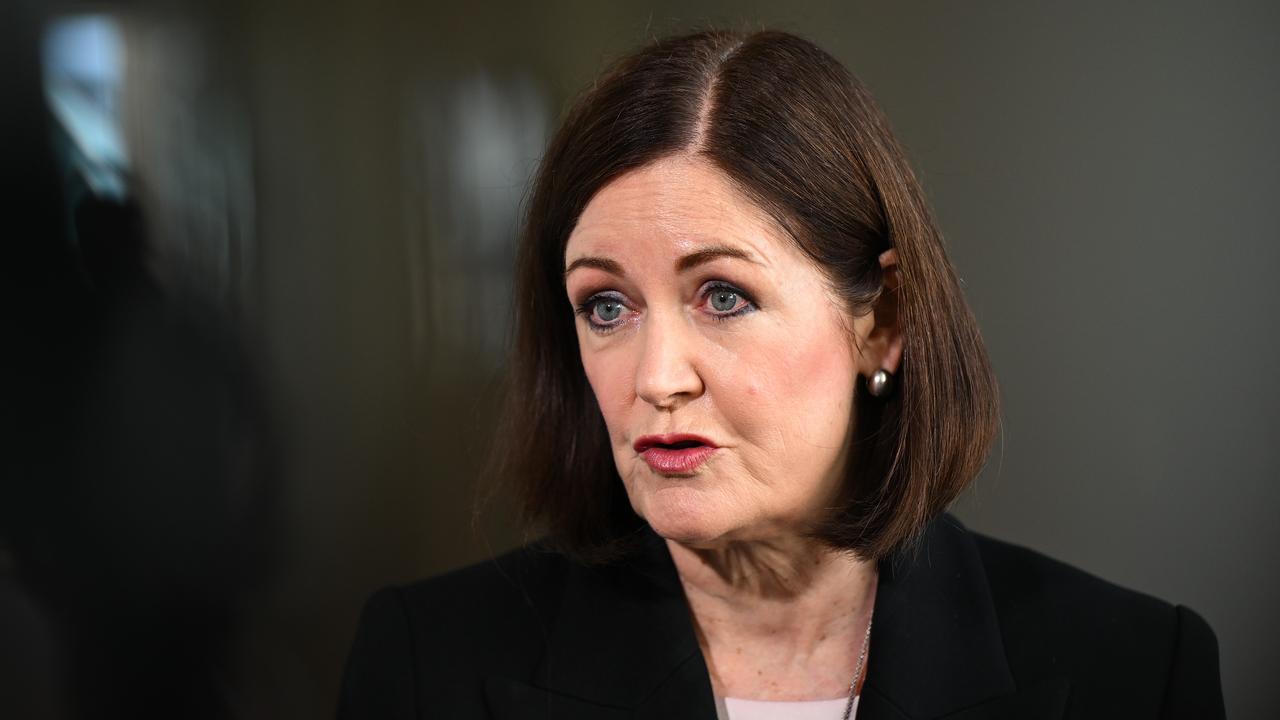
Federal minister Murray Watt said it was imperative for the war to be resolved as soon as possible.
“From Australia’s perspective, we support anything that is going to get the Strait of Hormuz open as quickly as possible and restore some of the interrupted fuel chains that we have,” Senator Watt told ABC Radio on Friday.
“The longer this dispute goes on and the longer the Strait of Hormuz is closed, that’s going to continue to have impacts on the Australian economy and Australian families.”
Coalition frontbencher Sarah Henderson said the government needed to outline why military help had not been provided to the US.
“It’s quite embarrassing that in the international stage we have been called out as not providing appropriate assistance to the US,” she told Sky News.
“The US is our strongest defence ally. This is pretty grim news overnight from the United States.”