
Top forecaster’s dire prediction if Iran war drags on
One of Australia’s top economic soothsayers has a grim prediction if the war in the Middle East is not resolved soon.
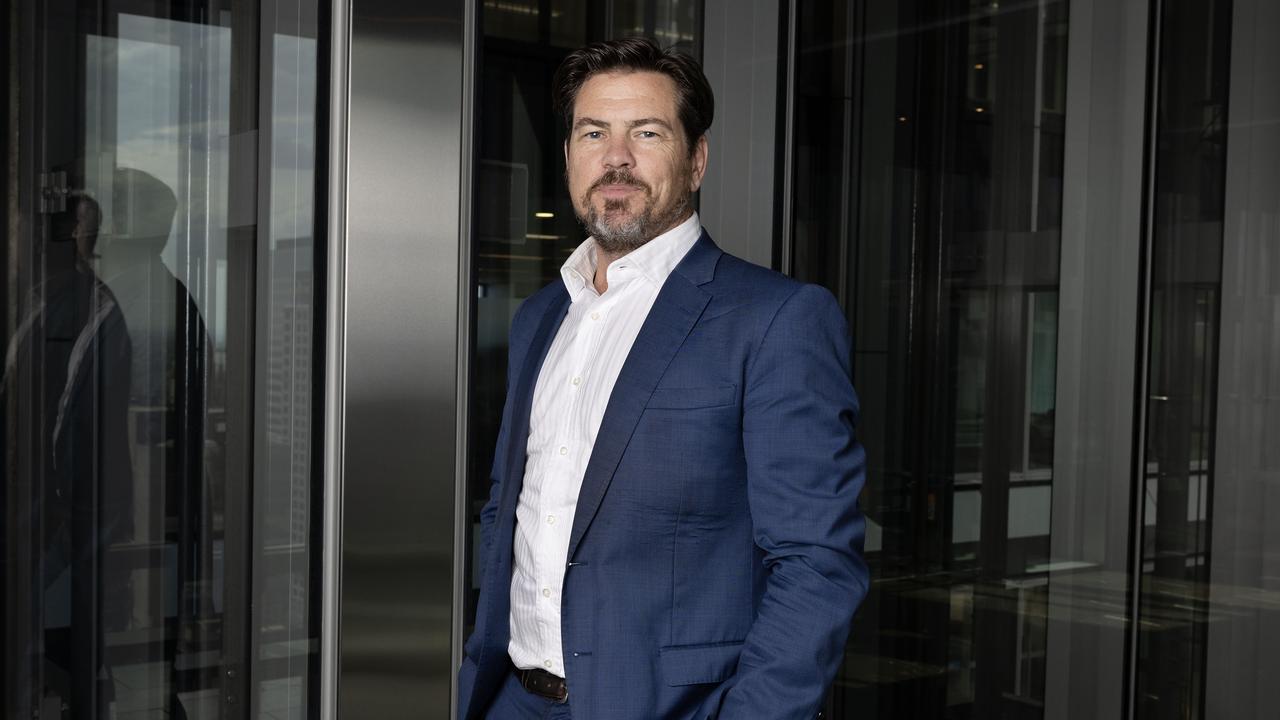
HSBC chief economist Paul Bloxham forecasts Australia’s economy will contract in the June and September quarters if oil prices spike to $US140 a barrel and stay above $US100 a barrel through 2026.
That would mean the nation’s first recession, excluding the COVID-19 pandemic, since the early 1990s and Paul Keating’s “recession we had to have”.
In the “ugly scenario” envisaged by Mr Bloxham, higher-for-longer inflation as a result of elevated oil prices and higher interest rates eat away at household income and dampen consumption.
Unemployment jumps to 5.5 per cent, as the Reserve Bank, fearful of rising inflation expectations, hikes interest rates a further two times.
“Clearly, we see tougher times ahead,” said Mr Bloxham, who was previously crowned Australia’s top economic forecaster by the Australian Financial Review.
“How tough is uncertain.”
Reserve Bank governor Michele Bullock recently warned a recession was possible if inflation proved too hard to get under control.
HSBC’s base case is less dire than its worst-case scenario with unemployment peaking at five per cent from its current 4.3 per cent.
But that outcome depends on the Middle East conflict being resolved at some point and oil prices declining.
In that case, Australia’s economy was predicted to contract for only one quarter and the RBA to hike interest rates once more.
Other forecasters also see some relief in oil prices within the next few months but are starting to countenance similar doomsday scenarios if the war drags on.
Economists at Commonwealth Bank have produced a downside scenario in which the benchmark oil price hits $US150 a barrel and inflation rises as high as 6.4 per cent by June.
Brent crude oil futures climbed 4.8 per cent to more than $US112 a barrel over the weekend as the Iran-backed Houthis threatened to close shipping in the Red Sea and the market braced for a more protracted conflict.
Given expectations of a longer conflict and early signs of strong pass-through of oil costs to consumer prices across the economy, Westpac upped its interest rate forecast from one to three more hikes.
“This shift reflects the longer disruption to and slower recovery in fuel supply (previously) … with the Strait of Hormuz essentially closed for eight weeks and traffic recovering only slowly after that,” the bank’s chief economist Luci Ellis said.
“It also reflects the surprisingly rapid pass-through of higher fuel and other oil-derived product prices into other prices in Australia.”
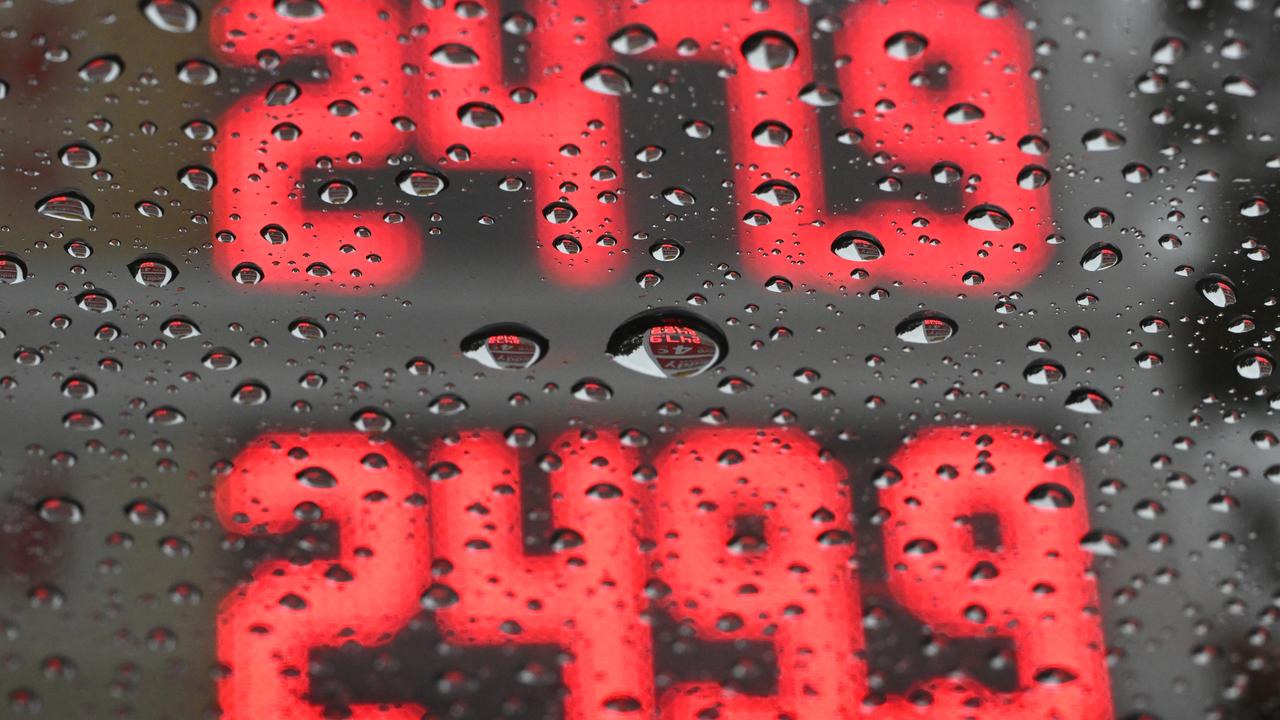
The government’s decision on Monday to halve the fuel excise reduced the headline inflation forecast in the near-term, but only pushed the peak of 5.4 per cent out to later in the June quarter, Dr Ellis said.
For firms already struggling with rising inflation before the war, the energy shock has kicked off a damaging new business cycle, Deloitte Access Economics partner David Rumbens said.
“The Australian economy is running on empty,” he said in a business outlook report on Monday.
“Higher fuel prices and a domestic economy that struggles to contain inflation at modest rates of economic growth are different dimensions of a supply crisis story.”
Dr Ellis noted there was a possibility the forecasts were overly pessimistic and fuel supplies recovered faster than current assumptions.
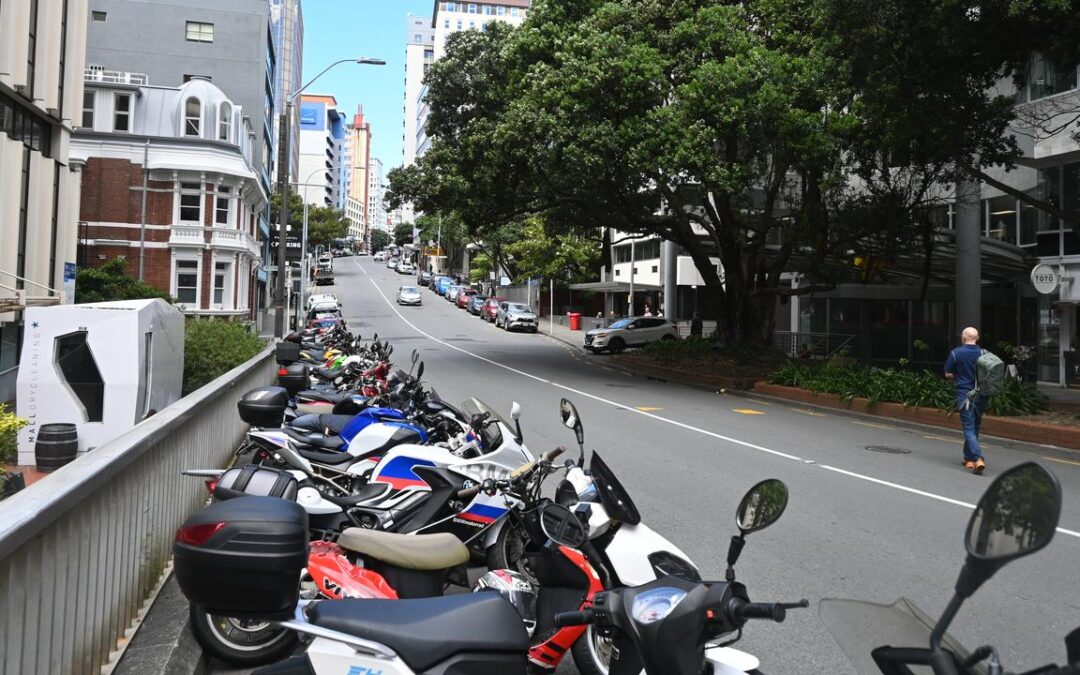
‘Not COVID 2.0’: NZ PM Luxon upbeat on fuel crisis
New Zealand is going shopping for an insurance quota of fuel as the government insists its stocks are in “good heart”.
Like all nations, New Zealand is navigating the looming energy crisis arising from the US-Israeli attacks on Iran and its retaliations.
It is particularly vulnerable to price and availability shocks, given it imports all petrol, diesel and jet fuel and sits in the South Pacific at the end of the supply chain.
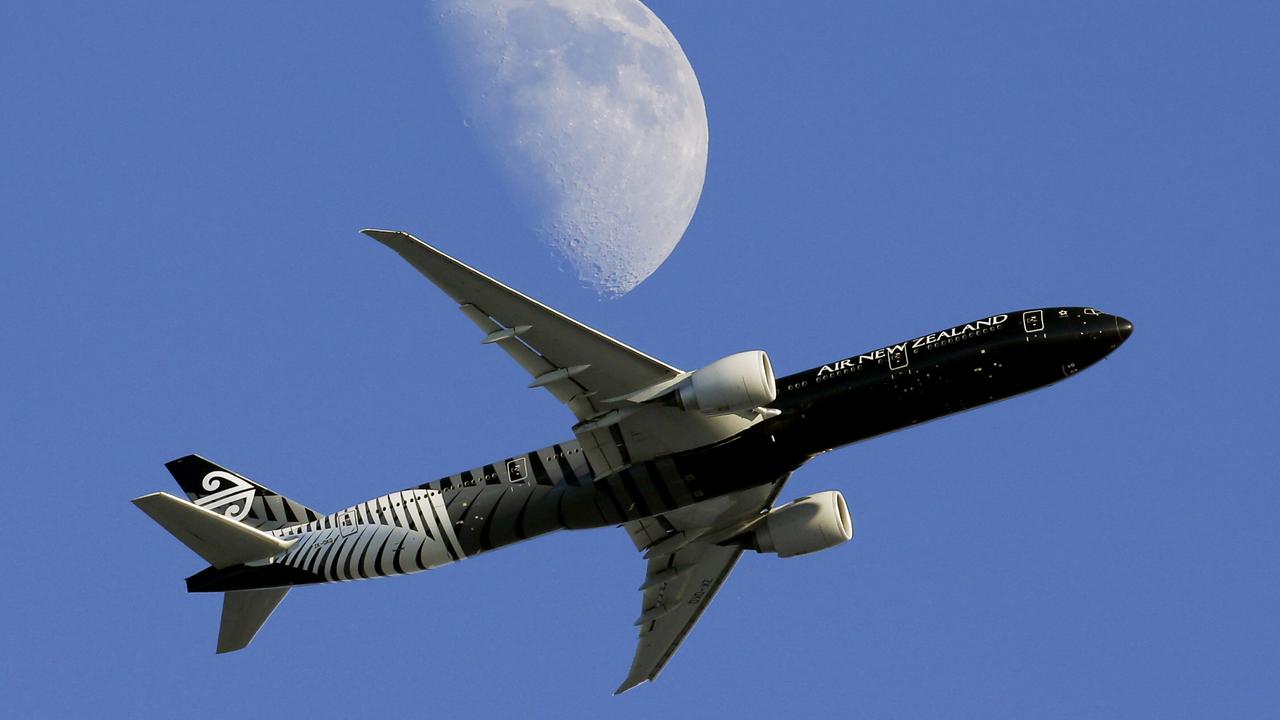
Prime Minister Chris Luxon is no stranger to these challenges, given his past role as Air New Zealand chief executive.
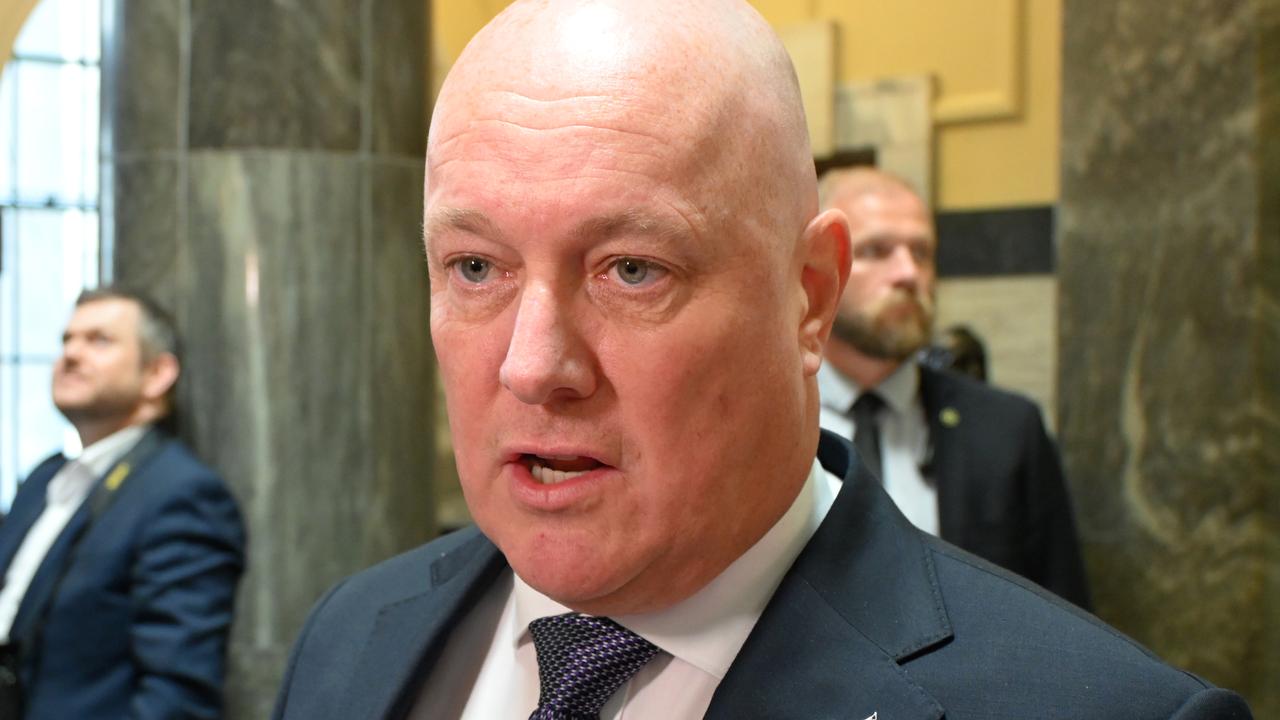
“I’ve been through fuel crises before in my former life,” he told reporters in Wellington on Monday.
“I can tell you, it ain’t pleasant trying to run an airline with 30 per cent of the fuel you need for several months.
“So it’s really important we get our head in a mindset sense, into where this thing could go.”
The NZ government has also devised a four-stage escalation protocol for the crisis, which places the country at the initial “monitor” stage.
In-country stocks of petrol and diesel have improved in the past week, standing at 27.9 days of petrol, 21.7 days of diesel and 25.3 days of jet fuel.
Similar amounts of each fuel are also in transit to NZ, giving Mr Luxon a degree of confidence.
“This is not COVID 2.0. People are not going to be sitting at home baking sourdough,” he told Newstalk ZB.
“The kids are going to school. It’s business as usual at the moment.”
Mr Luxon said Kiwis should be “reassured” by the current situation.
“We are doing what we said we would do, which is secure fuel supply. We have ample stocks on hand,” he said.
“We are meeting our minimum stock holding obligations. We have seen no signs yet from our oil importers that actually there are any challenges or issues with that. That’s great.”
The government is exploring “additional purchase of stocks through to June”, as well as new diesel storage facilities at Marsden Point, an oil refinery shuttered in 2022.
However, it won’t be following the Australian route of subsidising fuel to ease cost-of-living concerns.
The average price of a litre of unleaded 91 was $NZ3.42 ($A2.86) on Monday, according to aggregator website Gasly – up 36 per cent in March.
Diesel has risen by 86 per cent to $NZ3.44 ($A2.82).
While the Australian government announced a $2.55 billion plan to halve the fuel excise for the next three months, Mr Luxon has dismissed that option as bad policy.
“It’s poorly targeted. It actually benefits high-income households and it actually encourages fuel use when it’s constrained,” he said.
“We’re doing everything we can to minimise the impacts on increasing inflation and rising debt.”
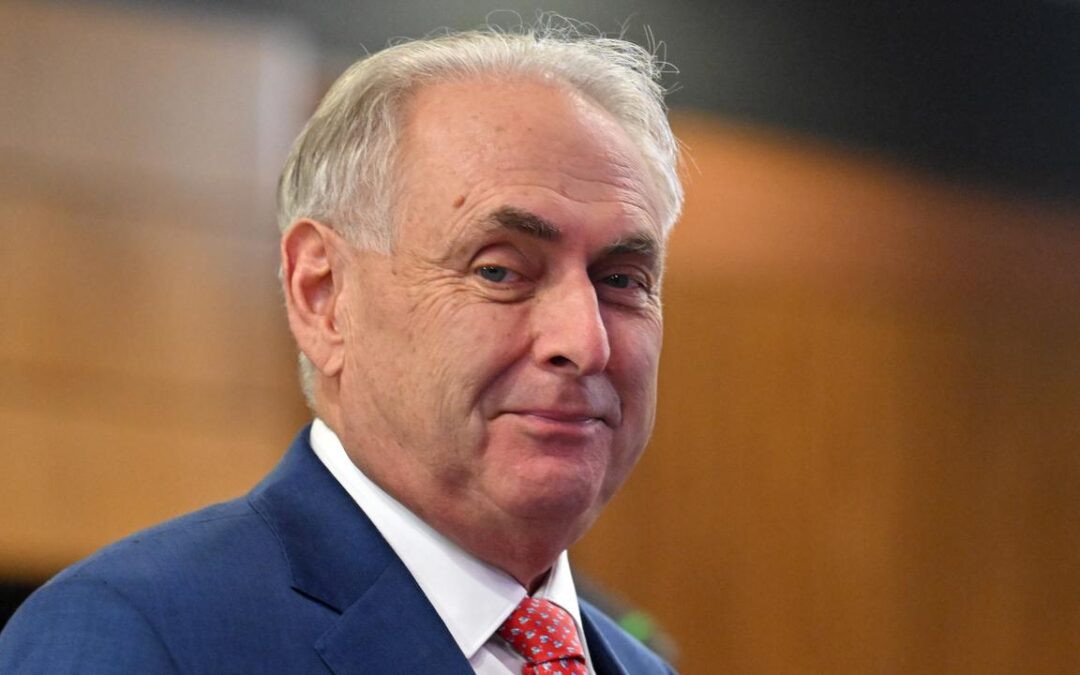
Australia to have another ‘crack’ at Indian trade deal
Australia will look to expand its trade deal with India, as nations try to diversify relationships amid global uncertainty.
Trade Minister Don Farrell said the government will again hold negotiations for the Australia-India Comprehensive Economic Cooperation Agreement.
“We’re going to have another crack in India in the next few weeks,” he told the National Press Club on Monday.
An existing trade agreement with the 1.4 billion person-strong nation came into force in December 2022.
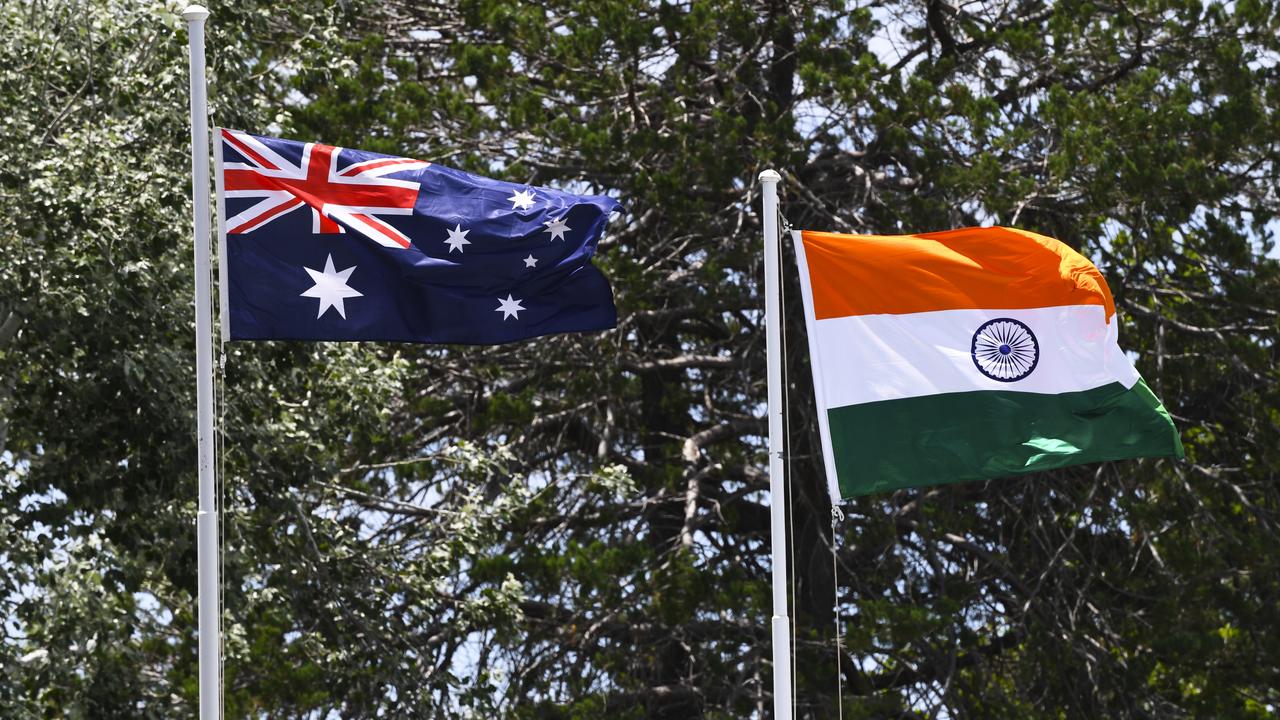
That deal led to tariffs being eliminated on more than 85 per cent of Australian goods estimated to be worth more than $12 billion each year.
Trade with India has increased by 17 per cent since.
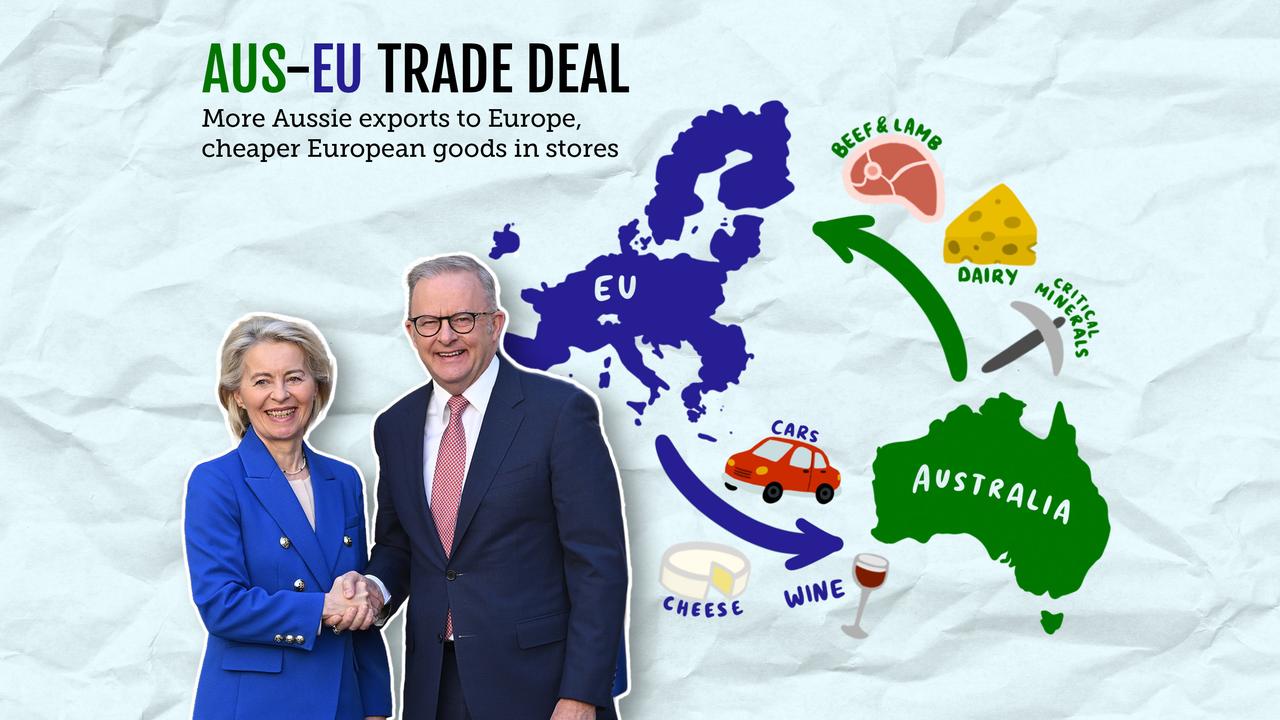
Spruiking the government’s free trade agreement with the European Union, Senator Farrell said he was disappointed by criticism levelled by red meat producers who argued the deal falls short in delivering a significant increase in market access.
“We’ve established a really good relationship with the Europeans,” he said.
“There was an element of distrust having rejected the agreement on two occasions, but I think that’s passed now, and they (Europeans) are satisfied that we are reliable trading partners.”
The agreement allows 30,600 tonnes of new beef access per year, an eight-fold increase on Australia’s previously guaranteed access.
The trade minister said he was hopeful the deal will be ratified by the end of 2026.
“I would not rule out, given the enthusiasm both of Australia and Europe at the senior levels, that we get this deal done by the end of the year,” he said.
“With the UAE agreement, we managed to do that in less than 12 months.
“I would hope that that sets the template for what we can do with the Europeans, because the sooner we can get all of our products in the into Europe, the better.”
Asked if Labor was concerned the Trump administration’s tariffs might enshrine how the US does business, Senator Farrell said the revenue raised by taxes on imports might prove too alluring for all future American governments.
“My fear is that the Democrats might say … we can’t give up this trillions of dollars worth of extra (money),” he said.
WTO talks end in deadlock after Brazil blocks deal
World Trade Organization talks have ended in deadlock after Brazil blocked a bid by the US and other countries to secure an extension to a moratorium on customs duties for electronic transmissions like digital downloads.
The talks at a WTO meeting in Cameroon were seeking to bridge differences over extending the e-commerce moratorium, and agree to a plan for broader reform of the organisation.
Ministers there had been trying to extend the moratorium, which is due to expire this month, by four years plus an additional buffer year to 2031, diplomats said.
Talks would now continue in Geneva after the impasse on prolonging the moratorium, WTO conference chair Luc Magloire Mbarga Atangana said.
Britain’s business and trade secretary Peter Kyle said the failure to get an agreement was “a major setback for global trade”.
“This is not the outcome we wanted. The UK worked hard to deliver the change that WTO needs and the failure to get a collective decision this week is a major setback for global trade,” Kyle said in a statement.
In what is seen as a test for the WTO’s relevance, after a year of trade turmoil and major disruptions due to the Iran war, diplomats said ministers got stuck on extending the moratorium beyond more than two years following objections from Brazil.
Diplomats had been working throughout Sunday to close the gaps between Brazil, which had originally sought a two year extension, and the US which wanted a permanent extension, by drafting a proposed document of a four year extension with a one year sunset buffer, concluding in 2031.
Brazil later proposed a four year extension, with a review clause half way through, however, that was not supported, two diplomats told Reuters.
A US official said Brazil had opposed a “near-consensus document”.
“It’s not US vs Brazil. It’s Brazil and Turkey v 164 members,” a US official said.
“The US wanted the sky,” a Brazilian diplomat told Reuters, adding that Brazil wanted to remain prudent in renewing the moratorium by two years, like in previous ministerial conferences.
“In four or five years’ time, no one will be able to predict what e-commerce will be about, and this has an influence on a number of countries’ policies,” they added
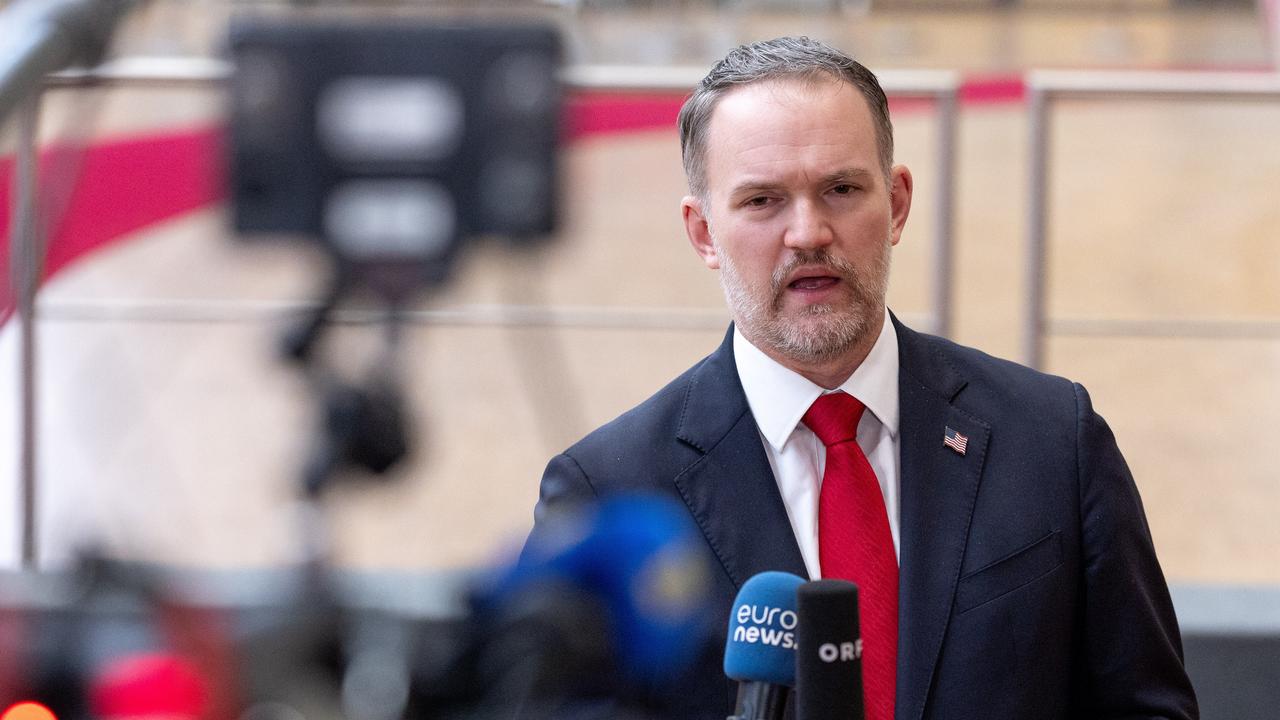
Another diplomat said that US Trade Representative Jamieson Greer made delegates “uncomfortable” as he suggested there “would be consequences”, if the US did not get a long-term extension to the moratorium.
Business leaders say an extension is vital to guarantee predictability, fearing duties could otherwise be introduced. It is also seen as key to securing US support for the WTO.
After initial resistance from some WTO members, a new draft of the reform roadmap, that provides a timeline for progress and sets out the key issues to address was close to being agreed, three diplomats said.
Those include improving decision-making in a consensus-based system that has long been stymied by a few countries, and the trade benefits extended to developing countries.
A declaration on reform will also be sent to Geneva for further discussion, the WTO conference chair said.
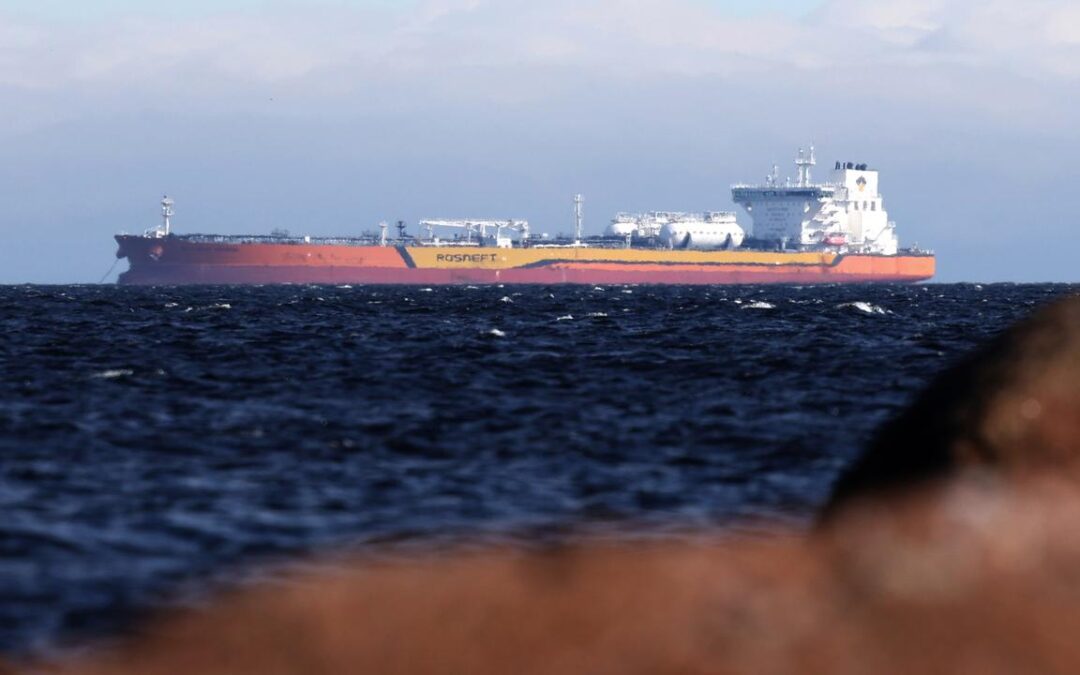
Russia’s Ust-Luga port damaged by more Ukrainian drones
Russia’s Baltic Ust-Luga port, one of its largest petroleum export hubs, has been damaged again by a Ukrainian drone attack which sparked a blaze later brought under control.
It followed several Ukrainian drone strikes last week on Russia’s western energy corridor when facilities at the ports of Ust-Luga and Primorsk came under fire, igniting storage tanks and forcing a suspension of oil and oil product loadings.
The regional governor of Leningrad said firefighters had brought the fire at the port and nearby sites under control on Sunday.
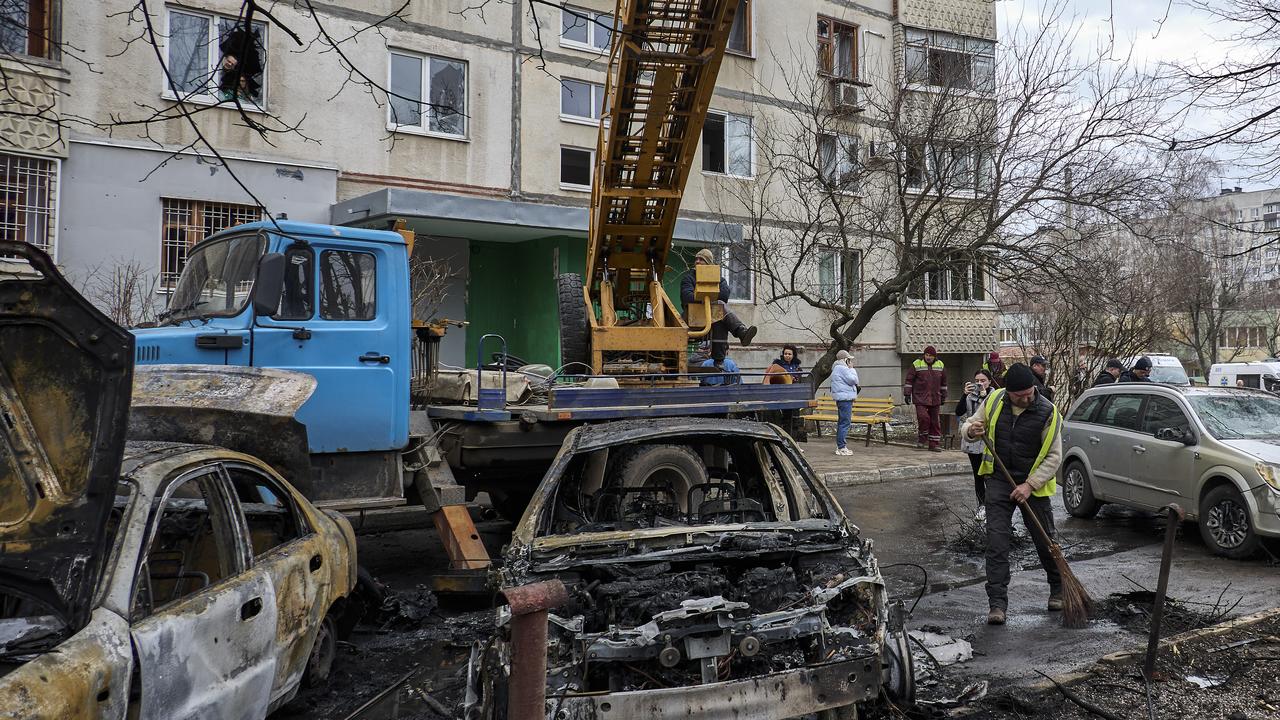
Ukraine’s SBU security agency said long-range drones struck an oil terminal at Ust-Luga.
It added in a statement that the strike caused “serious damage” and a fire at the port.
The recent attacks have caused severe oil supply disruption for Russia, the world’s second-largest oil exporter, and have come just as oil prices exceeded $US100 ($A145) a barrel due to the Iran war.
“Additional firefighting resources from the Leningrad region and St Petersburg, including two fire trains, have been involved in extinguishing the fire at the port,” Regional Governor Alexander Drozdenko wrote on Telegram on Sunday.
A residence had been damaged in a nearby settlement, he said.
Drozdenko had earlier in the day said waves of Ukrainian drones had hit the area.
The port, operated by Russian oil pipeline monopoly Transneft, handles around 700,000 barrels per day of oil exports, and, according to sources, shipped 32.9 million metric tons of oil products in 2025.
Reuters was unable to immediately verify the scale of the damage.
Meanwhile, a Russian strike on the eastern Ukrainian city of Kramatorsk killed three people and injured 13 on Sunday, police said.
Ukraine’s national police said a boy of 13 was among the dead.
A statement said Russian forces used glide bombs in the strike on Kramatorsk.
Ukrainian President Volodymyr Zelenskiy is seeking support from Gulf states for Ukraine’s war against Russia as western military aid faces fresh uncertainty and Kyiv struggles to cover its budget deficit and fund domestic weapons production.
Kyiv has offered its air-defence expertise and drone technology to countries seeking to counter Iran’s drone attacks.
“From our own experience, we know that without a unified system, it is simply impossible to set up full-fledged protection of people and critical infrastructure,” Zelenskiy wrote.
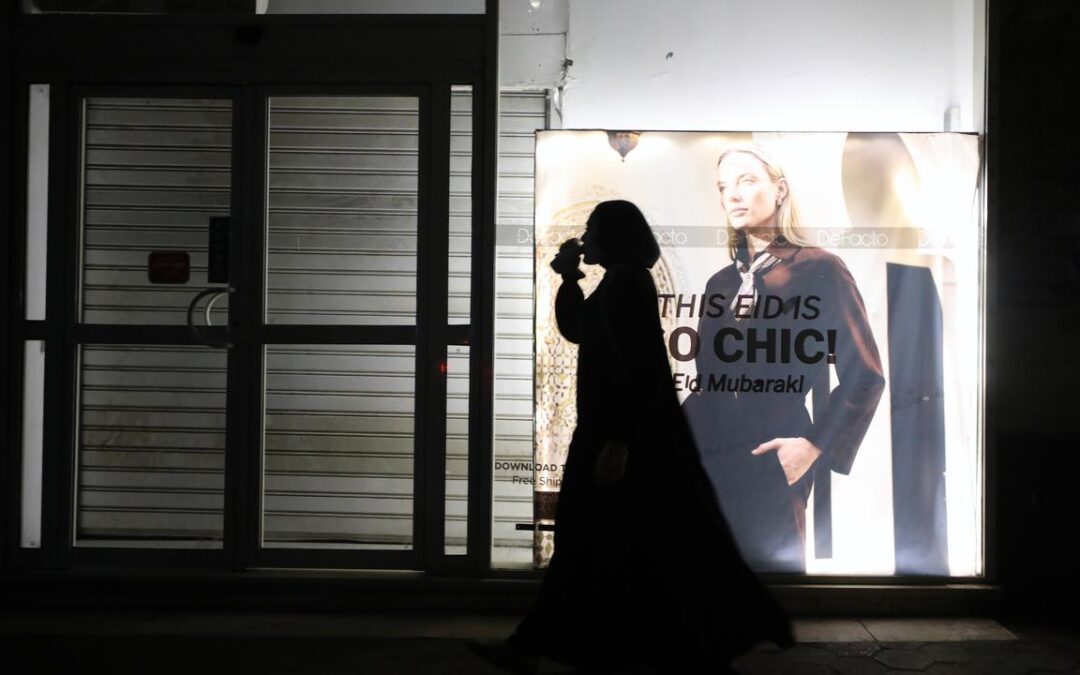
Egypt’s early closing order jolts Cairo’s night life
The Egyptian government is seeking ways to conserve oil-powered electricity during the US-Israel war with Iran, with a curfew that threatens Cairo’s identity as a city that never sleeps.
The government imposed new nationwide closing times Saturday for stores, restaurants and cafes, ordering them to shut early.
“It’s ruinous,” said Youssef Salah, a cafe owner in Cairo.
“It deprives us from our peak time.”
The decision is one of a series of measures the government has taken in recent weeks to mitigate the fallout of the US and Israeli war against Iran, which has shaken the Middle East and the global economy.
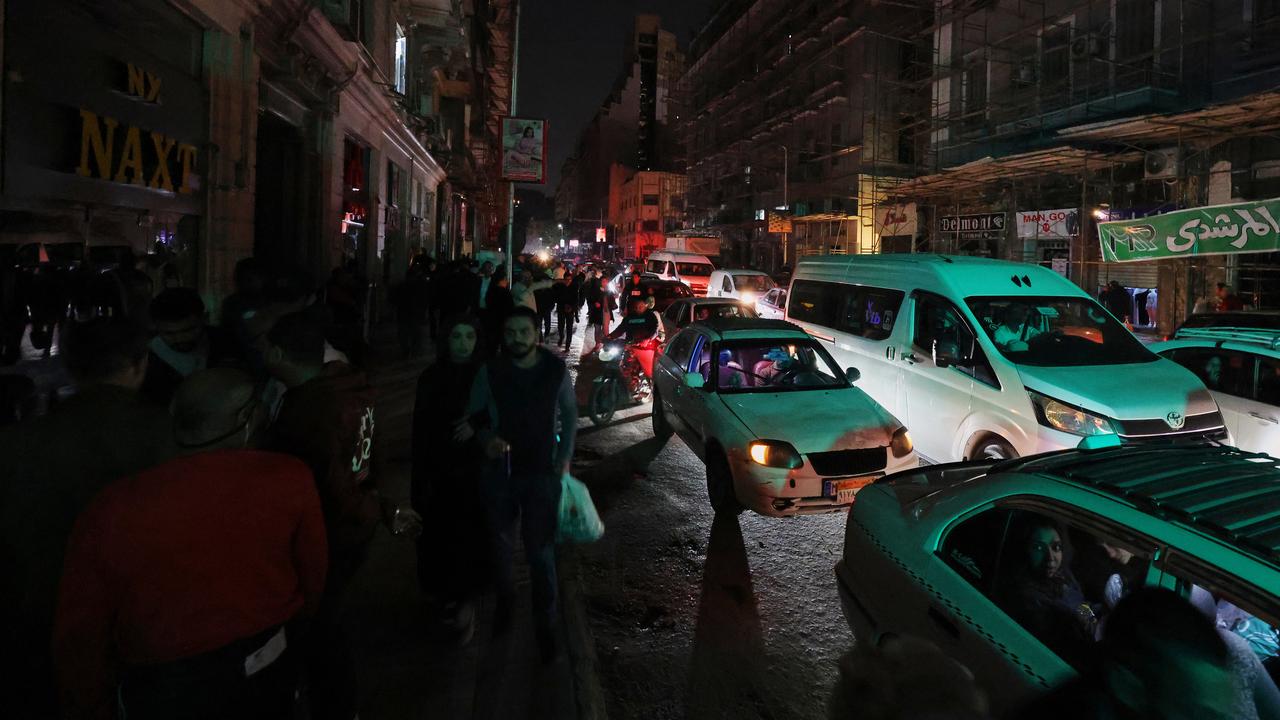
Though Egypt is not a party to the widening conflict, the most populous Arab country is one of the most impacted by the war’s far-reaching repercussions, including higher oil prices and disrupted shipping routes.
The early closures will have dire repercussions on hundreds of thousands of small businesses found on almost every street, alley and lane across the country.
Some of them — including many eateries, juice shops and cafés — usually operate nonstop.
Salah, the café owner in Cairo’s middle-class neighbourhood of Sayeda Zeinab, said he was forced to cut his 35-member workforce by 40 per cent.
The 46-year-old father-of-three used to keep his venue open 24 hours a day, with peak hours starting in the evening till the first hours of the new day.
The late-night shifts are now abolished, he said.
“It’s painful,” Salah said as he closed his shop doors at 9pm (local time) on Saturday.
Yet two days into the decision, some Egyptians danced around the government order.
Some cafes closed their front doors as patrons inside went about smoking shisha or playing chess, dominos or cards.
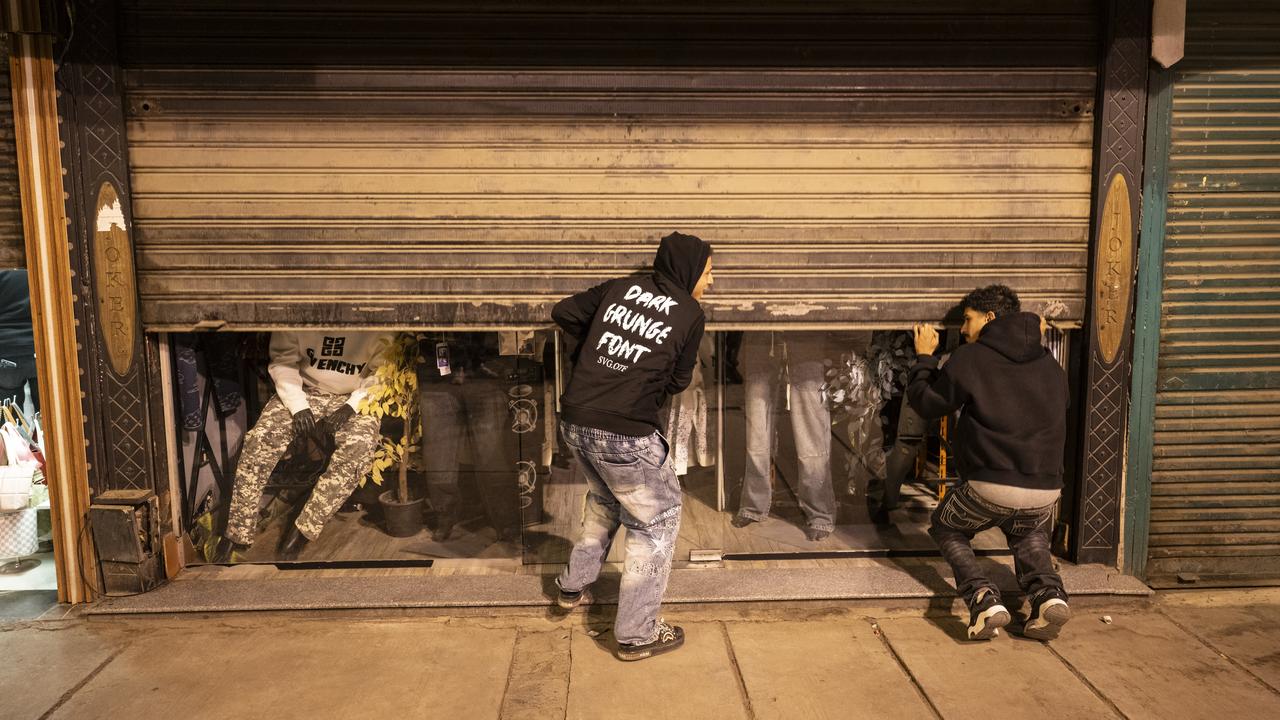
Some took to social media sarcastically to criticise the decision for depriving Cairo of its nightlife.
“The Butterfly effect,” Mahmoud Elmamlouk, editor of a local outlet wrote on social media after cafe shops shuttered their doors Saturday evening.
“The closure of Strait of Hormuz has deprived us from smoking shisha.”
Ayman Harbi, who works at a store in downtown Cairo, called on the government to extend the opening hours at least till midnight, saying that closing at 9pm is “extremely difficult” for business like his.
“Our work in the summer usually starts after 8pm,” he said.
“Forcing me to close at 9pm makes the workday pointless.”
Magdy al-Deeb, a business owner, urged the government to reverse the decision to preserve jobs, especially for cafes and small businesses.
“Where will all those people (workers) go,” he asked of those who could lose their jobs.
Smoking a shisha — the tobacco burning water pipe — in a Cairo café, he said society “must protect people’s livelihoods”.
The decision to close businesses early has also changed the lifestyle of Egyptians accustomed to being able to buy virtually anything at any time, especially in big cities like Cairo and Alexandria.
A night time tour across Cairo Saturday and Sunday revealed the city’s usually vibrant streets turned eerily quiet.
Shops, restaurants, malls and cafes across the country have been ordered to close at 9pm for a month.
The measures — described by the government as “exceptional” — include dimming streetlights and roadside advertising.
The government exempted tourist-attraction areas from its energy-saving measures, given that tourism is a major source of foreign currency for the cash-strapped country.
The exempt areas include the Red Sea tourist resorts of Hurghada, Sharm el-Sheikh, Marsa Alam, as well as the antiquities-rich southern cities of Aswan and Luxor.

Gambling and welfare issues dog greyhound racing boons
Gambling harm and animal welfare problems far outweigh the economic boons of greyhound racing, an independent analysis has found.
As the West Australian government weighs up the future of greyhound racing, former Business Council of Australia economist Stephen Walters has found the sport costs the state more than it returns.
The state government is set to spend $108.3 million in taxpayer funds over the next three years on greyhound racing prize money, payments to dog breeders, and other costs associated with the industry, according to his report, compiled for welfare group Animals Australia.
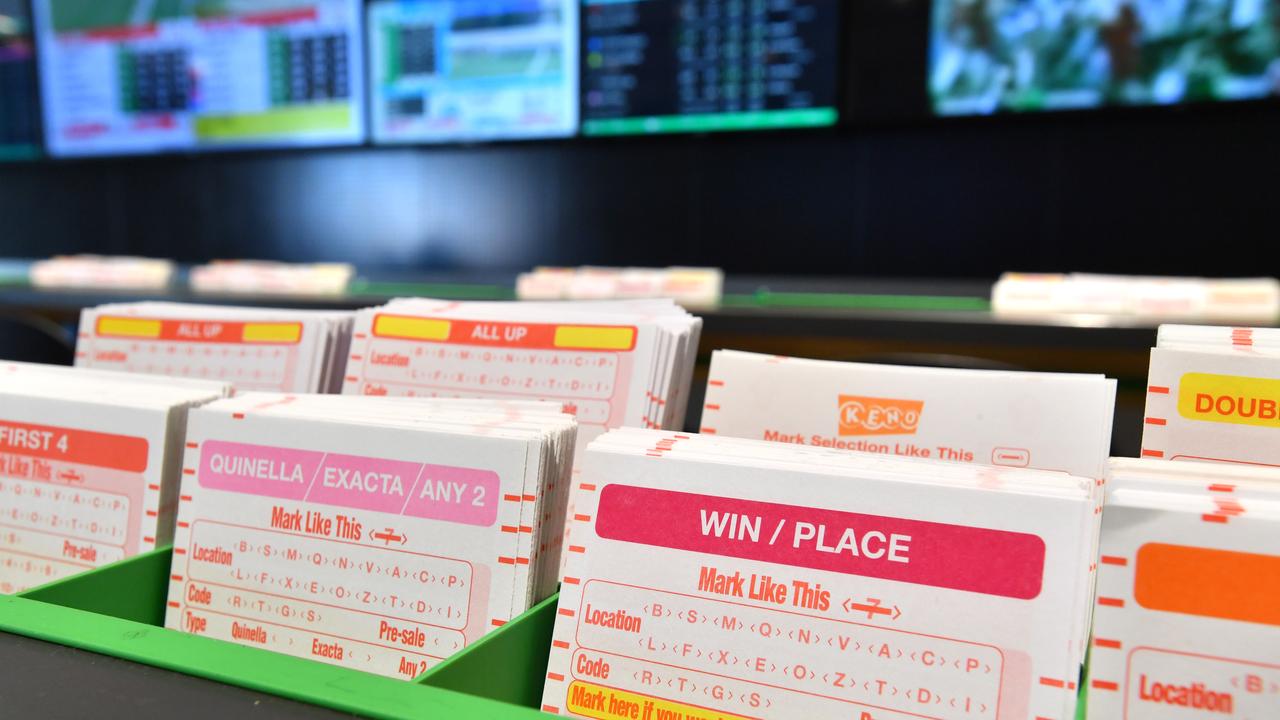
But for every dollar spent, 21 cents of economic value is lost through gambling harms, poor animal welfare, inefficient land use at training facilities and race tracks, and the diversion of taxpayer funds to the sport instead of places like schools and hospitals, the cost-benefit analysis found.
“Greyhound racing destroys economic value in Western Australia,” Mr Walters said.
A parliamentary inquiry into WA’s greyhound racing industry, which gets under way on Monday, will examine transparency and animal welfare concerns as the government faces pressure to ban the sport.
Tasmania’s parliament in August voted to phase out greyhound racing by 2029, while New Zealand, Wales and Scotland also plan to outlaw the practice in coming years.
Mr Walters acknowledged the industry helped generate revenue and employed people at racetracks and in ancillary jobs such as transport and vet services, but argued these benefits were “swamped” by costs in WA.
Wagering is the largest single cost associated with WA’s greyhound racing industry due to the long-term cost of family breakdown, deterioration in mental health, loss of income and government funding needed to alleviate the impacts of gambling, the report found.
It has already cost the state $110.5 million in 2026.
But should WA follow in Tasmania’s footsteps and close the industry by 2029, the societal costs of gambling would only decline by five per cent as 95 per cent of the wagering undertaken in greyhound racing would likely to be diverted to other gambling activities rather than non-wagering purposes.
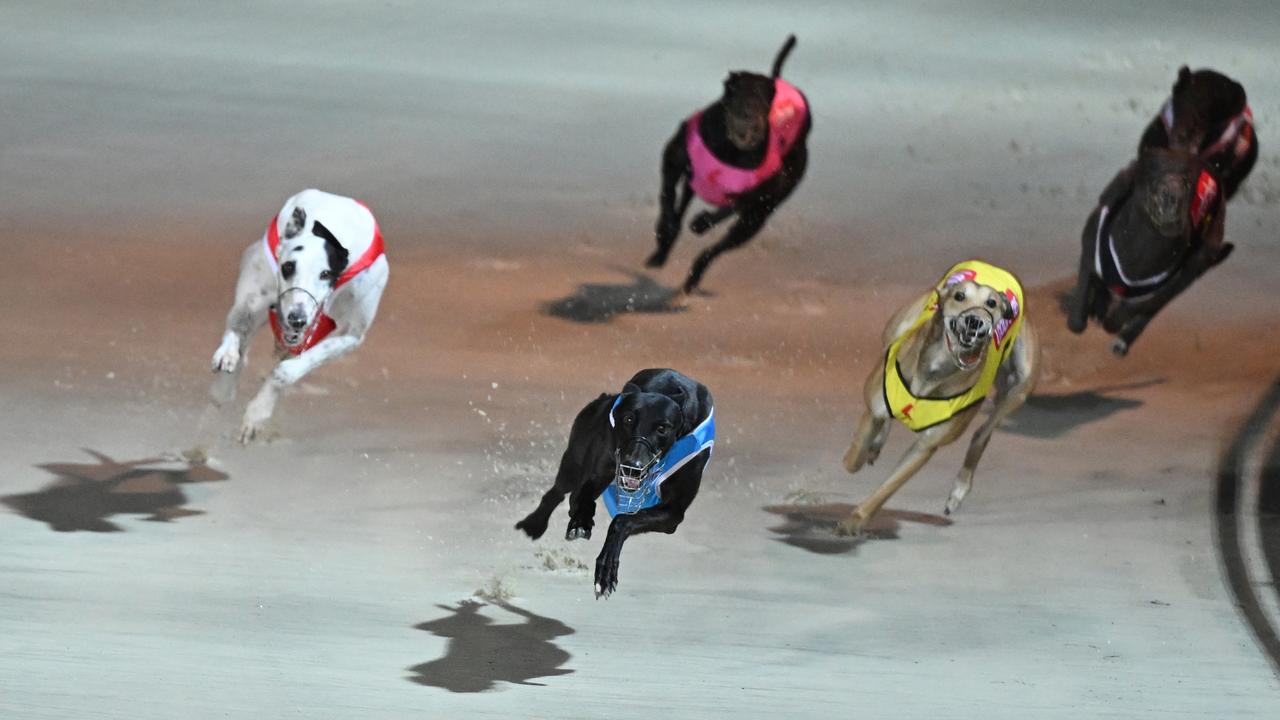
The costs of poor welfare outcomes for dogs such as death and over-breeding were relatively small, and while the broader social costs of the issue were believed to be significantly higher, they were difficult to rigorously quantify, Mr Walters acknowledged.
The greyhound industry is already facing declining attendance as a 2025 DemosAU survey shows most WA respondents do not support the sport.
“It is not clear the greyhound racing code would survive independently without substantial funding from taxpayers,” Mr Walters’ report read.
WA’s Labor government is launching a review into the state’s racing industry to ensure a framework for long-term financial stability, noting it employs thousands of workers and contributes $1.3 billion to the WA economy every year.
National Gambling Helpline 1800 858 858
Don’t repeat COVID failures in fuel crisis, Labor urged
A national dashboard for fuel prices and outages, free nationwide public transport and a co-ordinated approach to curbing demand are among the issues a crisis meeting of leaders is being urged to consider.
National cabinet will meet on Monday to discuss the Middle East fuel crunch for a second time.
State and territory leaders and business groups have called for a national approach to plot a path through the crisis as petrol prices surge and hundreds of service stations run dry.
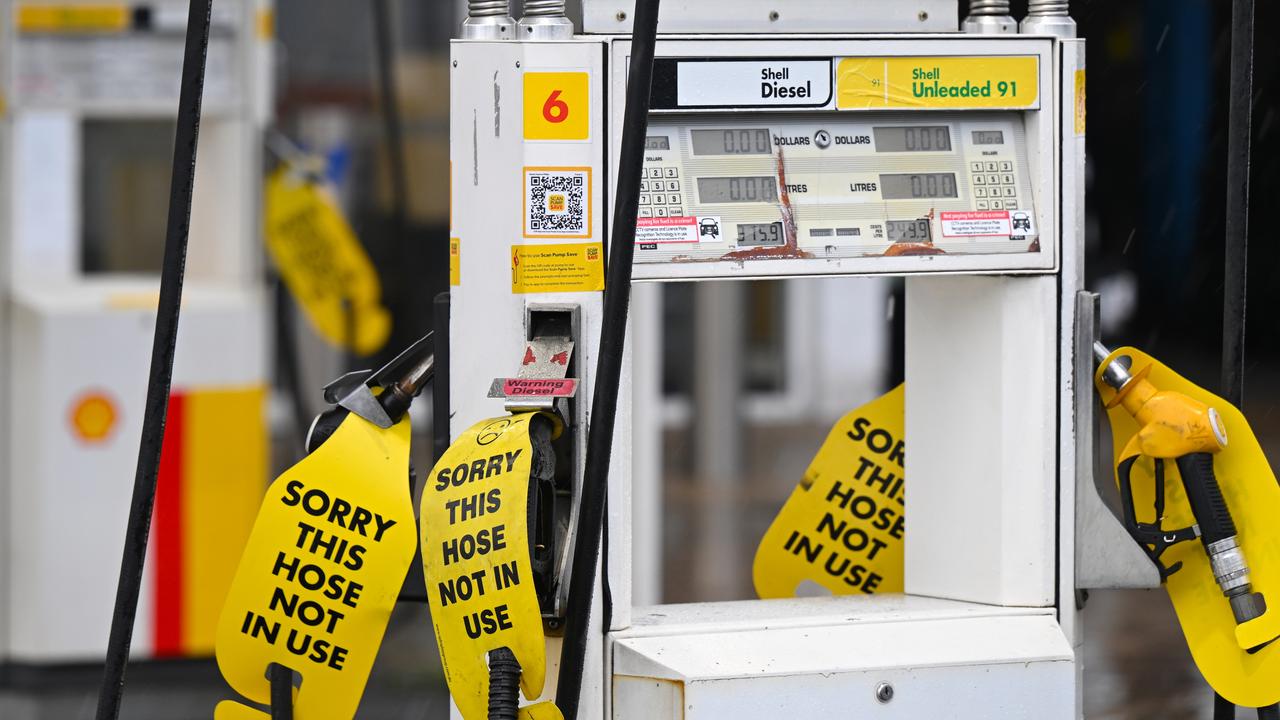
Australia’s fuel stocks remain at normal levels, but fears of future shortages and price spikes caused by the ongoing blockage of the Strait of Hormuz have spurred users to bulk-buy petrol and diesel, leading to localised shortfalls.
Queensland Premier David Crisafulli accused the federal government of withholding information from the Australian people.
“I won’t stand for Australians not getting the information they need,” he said in a speech on Sunday.
“We’re asking Canberra to release information about prices and outages at a specific time each day, for every state and territory: a national dashboard.”
Australian Chamber of Commerce and Industry chief executive Andrew McKellar said a nationally consistent approach to the crisis was needed.
“We don’t want to head back into that situation that we had a couple of years ago in COVID, where Queensland was doing one thing, NSW had a different approach, Western Australia cut itself off from the rest of the economy, the Victorian economy was locked down for over a year,” he said.
The chamber called for the government to encourage measures to reduce demand for fuel, including supporting greater flexibility to work from home and boosting public transport usage.
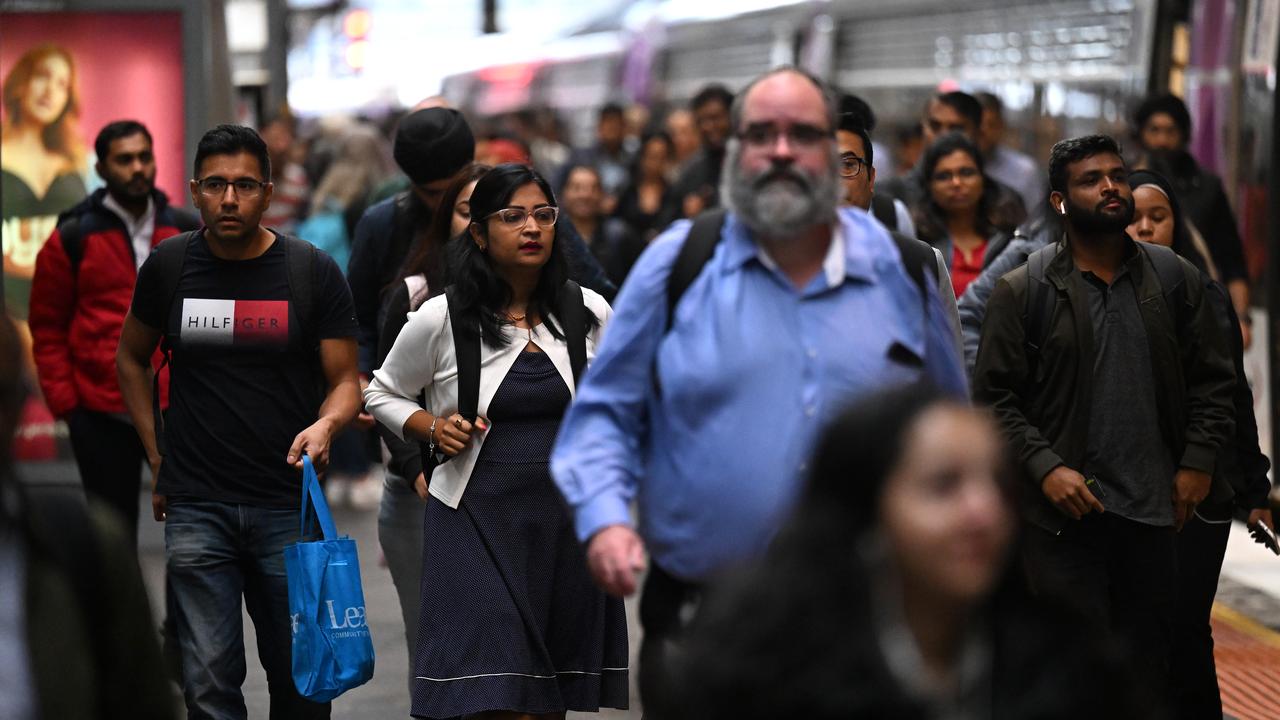
Victoria and Tasmania have announced temporary fare waivers for public transport users, which prompted the Greens to urge the Commonwealth to help fund other states to make their networks free.
“Free public transport must be on the agenda at tomorrow’s national cabinet meeting,” Greens senator Sarah Hanson-Young said.
On Monday, the Greens will look to ramp up the pressure on the government to increase taxes on gas exporters set to make windfall profits from the Middle East conflict, with a motion to set up a parliamentary inquiry into the proposal.
The cross bench has been pushing for a 25 per cent tax on gas exports for weeks.
Opposition industry spokesman Andrew Hastie broke ranks with his Liberal colleagues on Sunday, saying he was open-minded about a windfall profits tax.
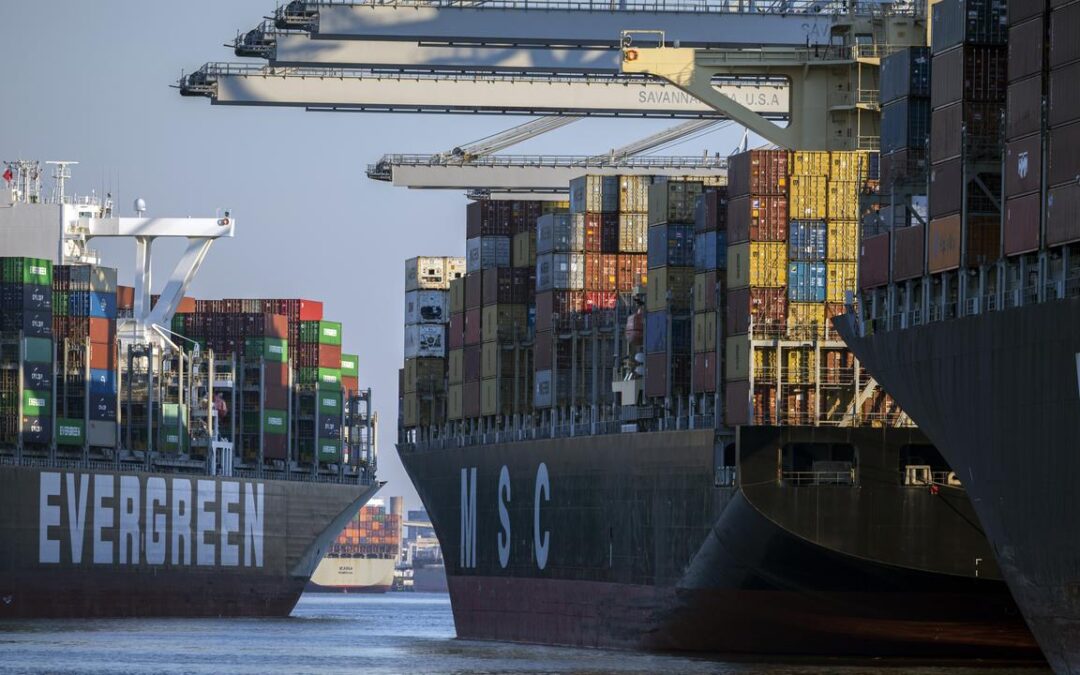
Trade talks stall amid US-India split over e-commerce
Trade ministers are close to agreeing on a reform plan for the World Trade Organization as wrangling continues over extending a moratorium on customs duties on electronic transmissions such as digital downloads, diplomats say.
The talks at a WTO meeting in Cameroon include efforts to bridge differences between the US and India over extending the e-commerce moratorium, due to expire in March.
Extending the moratorium – first adopted in 1998 as part of a declaration to encourage early digital trade growth – is seen as a test for the WTO’s relevance following a year of tariff-fuelled trade turmoil and major disruptions due to the Iran war.
After initial resistance from some WTO members, a new draft of the reform roadmap provides a timeline for progress and sets out the key issues to address, according to a copy of the draft seen by Reuters.
Those issues include improving decision-making in a consensus-based system that has long been stymied by a few countries and the trade benefits extended to developing countries.
The reform debate comes amid efforts to rework WTO rules to make subsidy use more transparent and decision-making easier.
The US and the EU argue China, in particular, has taken advantage of current rules to their detriment.
Bringing an agreement reached by a subset of members aimed at boosting investment in developing countries into WTO rules also remained blocked by India, which said plurilateral accords risked eroding the body’s founding principles.
Alongside the reform discussions, a senior diplomatic source – speaking on condition of anonymity – said there was a possibility of a four-year extension of the e-commerce moratorium.
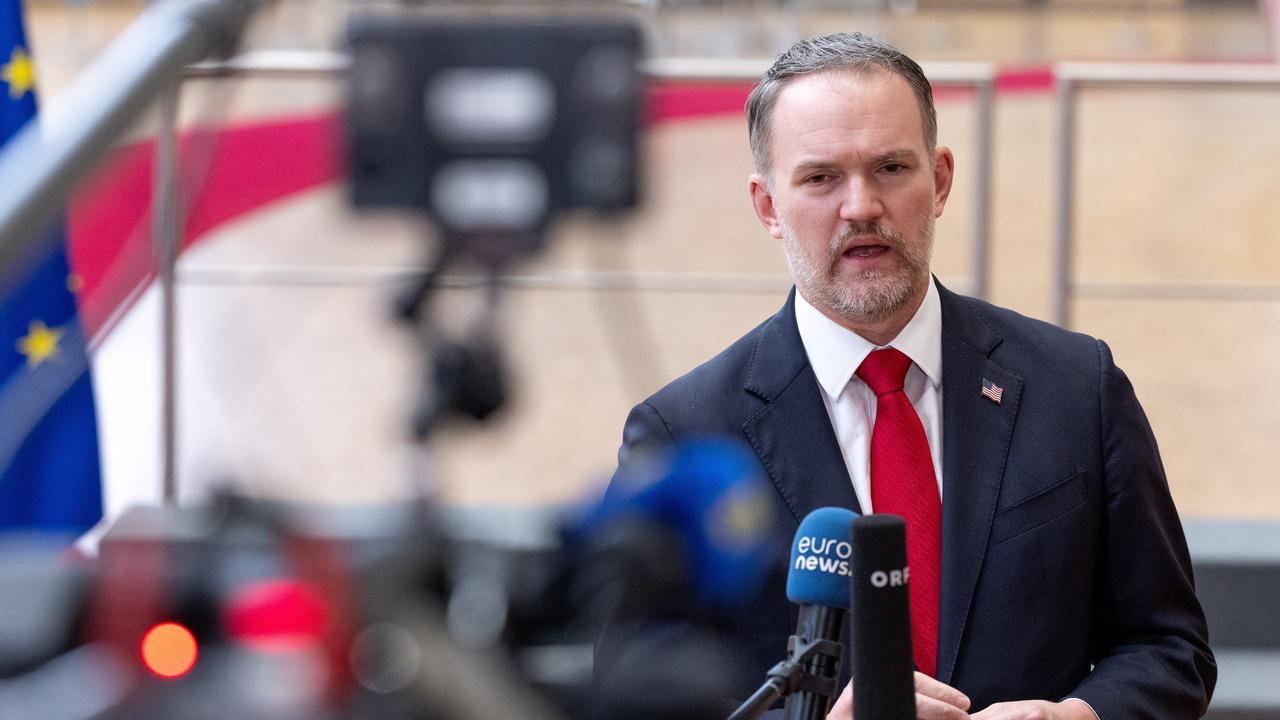
India indicated on Friday it would accept a two-year extension, diplomats said, while there were suggestions the US could accept a 10-year extension, another diplomat said.
US Trade Representative Jamieson Greer said this week Washington wanted a permanent extension.
A new draft document on e-commerce seen by Reuters proposed support for developing country members concerned about losing tax revenues, as well as a review clause.
Business leaders say an extension is vital to guarantee predictability, fearing duties could otherwise be introduced.
It is also seen as key to securing US support for the global trade body.
“If the moratorium does not get extended, the US will use it as an excuse to beat the WTO on the head,” a senior diplomat said.
RBA to air board’s disagreement in meeting minutes
Minutes from the Reserve Bank’s March cash rate meeting should prove interesting reading.
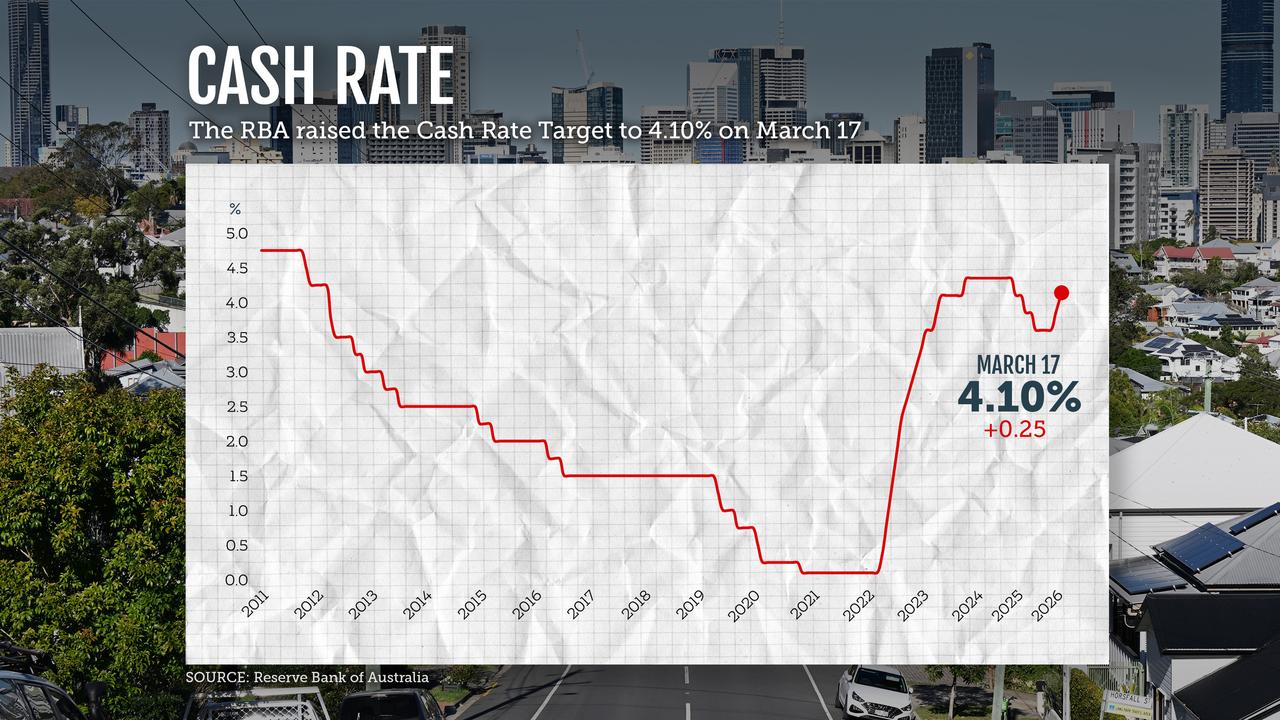
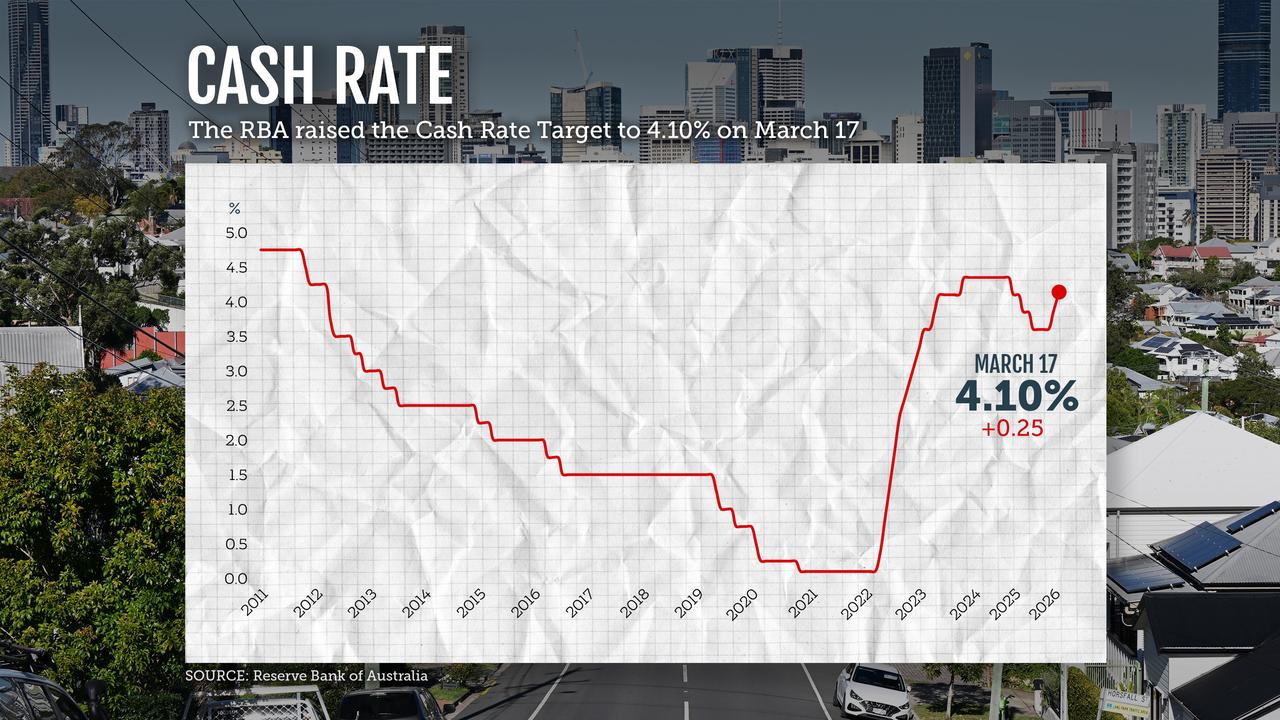
The 5-4 split by its monetary policy board in favour of a 25-basis point hike was the narrowest since the RBA started publishing unattributed votes in July 2025.
Governor Michele Bullock has already revealed what was behind the division.
“All members agreed another rate increase was needed to address domestic inflationary pressures,” she told reporters after the meeting on March 17.
The difference in opinion came down to timing, she said.
The five hawks, who ultimately got their way, argued that the global energy shock caused by the Middle East conflict would only worsen inflation that was already too high.
Inflation expectations were already rising and needed to be quickly got on top of, or they risked becoming unanchored.
But the four doves argued it would be wiser to wait and see until May, given all the uncertainty.
“This would have given us an opportunity to consider more data on inflation and the labour market,” Ms Bullock said.
“And it would also have perhaps provided a bit more clarity on the potential impact of the conflict in the Middle East.”
While that much is known, the meeting minutes, to be released on Tuesday, could provide more insight into how likely another increase will be in May.
“Of most interest will be elements that shed light on any potential terminal level for the cash rate and the arguments for and against the March tightening,” economists from ANZ Bank said.
The four dissenters may have agreed another hike was needed, albeit in May rather than March, but now that it’s flowing through the economy, will they be satisfied the job is done for now?
If so, all they need is one more hawk to flip to scupper another hike in May.
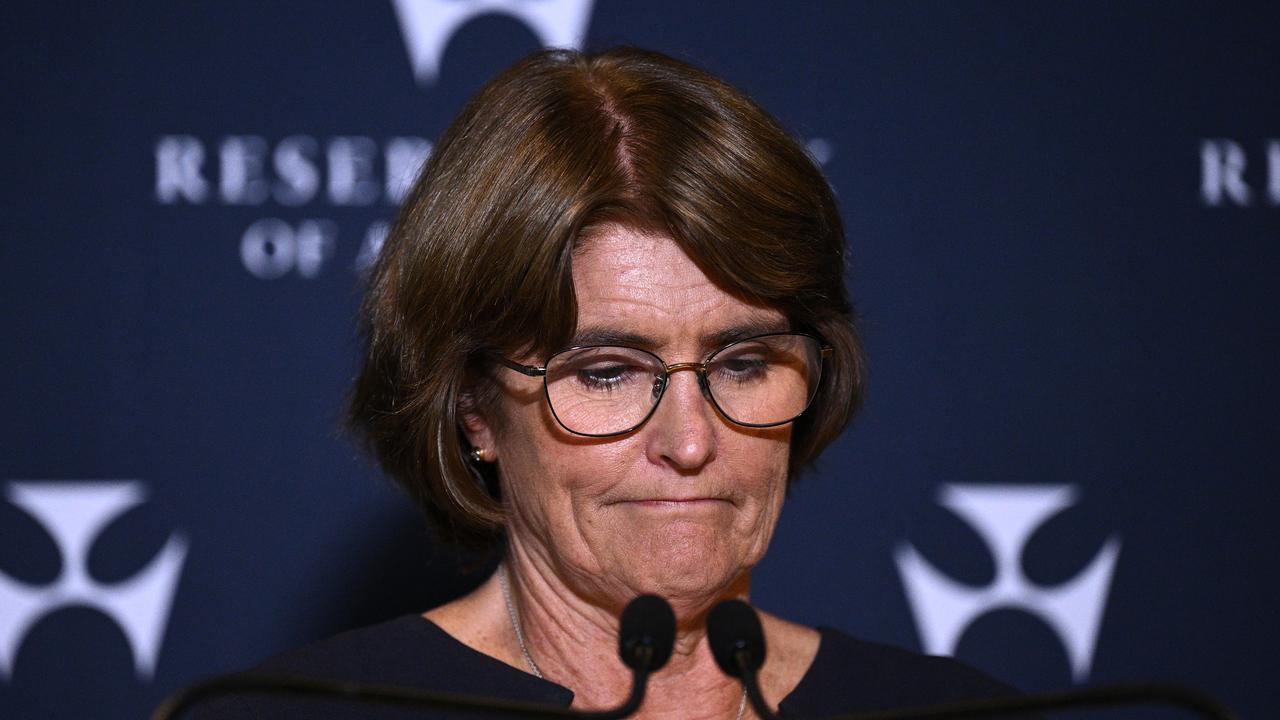
They may be convinced that the longer the war drags on, the greater it will push down on economic growth, threatening the other side of the bank’s dual mandate.
“There is a risk some board members weight the downside risks to jobs and unemployment more heavily, leading to less tightening,” economists from Commonwealth Bank said.
Markets have scaled back bets for a May rate rise in the days since the last meeting but are still pricing the chance of a hike at more than two thirds.
One thing the RBA board will be keeping a close eye on ahead of its next meeting will be the labour market.
Ms Bullock said there was general agreement the jobs market was in a much better place than the board previously thought, tipping the risks more towards the inflation side of the mandate than the employment side.
Job vacancy data, to be released on Thursday by the Australian Bureau of Statistics, will therefore be closely watched for signs of a pick-up in labour demand, said National Australia Bank economists Jessie Cameron and Josh Copeland.
The ABS will also release February building approvals figures on Wednesday.
ANZ expects a six per cent increase following a 7.2 per cent fall in January.
Meanwhile, the risk appetite of Wall Street investors understandably remains damp thanks to the Middle East conflict.
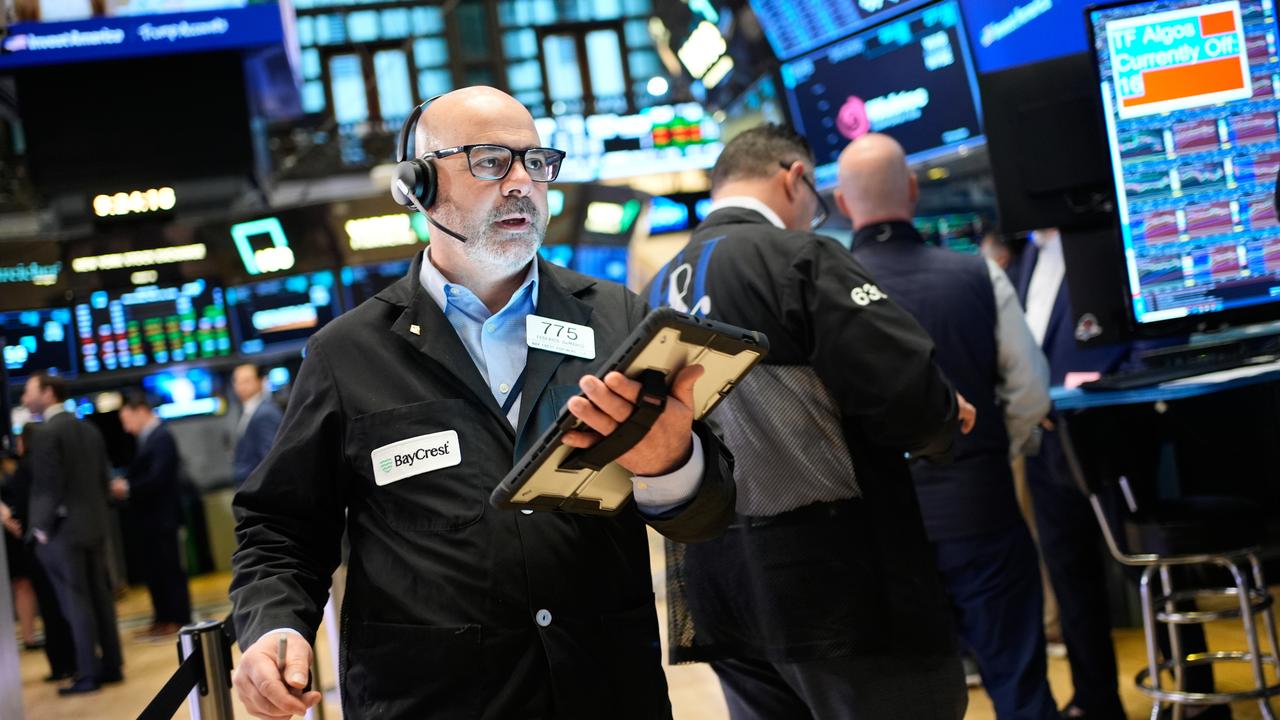
Each of the three major US indexes closed on Saturday Australian time at their lowest levels in more than seven months.
The Dow Jones fell 793.47 points, or 1.73 per cent, to 45,166.64, the S&P 500 lost 108.31 points, or 1.67 per cent, to 6,368.85 and the Nasdaq tumbled 459.72 points, or 2.15 per cent, to 20,948.36.
Australian share futures dipped 65 points, or 0.76 per cent, to 14,263.
The S&P/ASX fell 9.4 points on Friday, down 0.11 per cent, to 8,516.3, as the broader All Ordinaries lost 13.7 points, or 0.16 per cent, to 8,712.8.