

Vegas showgirl sues Taylor Swift over album branding
A lawsuit says Taylor Swift’s The Life of a Showgirl album stole the spotlight from the life of a real one.
Maren Wade says in the trademark infringement lawsuit filed on Monday in federal court in California that the glittery branding of Swift’s 2025 album comes too close to the aesthetic of her own Confessions of a Showgirl.
That was the name of a column she wrote on backstage Sin City life in the Las Vegas Weekly starting in 2014, which she turned into a live show that she took on a national tour.
“Both share the same structure, the same dominant phrase, and the same overall commercial impression,” the lawsuit says.
“Both are used in overlapping markets and are directed at the same consumers.”

Wade is described as a “singer, songwriter, comedian, and writer” in the lawsuit filed under her legal name, Maren Flagg, and her “Showgirl” brand encompasses performances, writing and digital media.
The Life of a Showgirl, Swift’s 12th studio album released in October, sold four million copies in its first week. Its cover features her in Las Vegas cabaret garb, submerged in water with her current favourite colour scheme of orange and mint green.
On Tuesday, the morning after the lawsuit was filed, Swift dropped the newest video for the album for the album’s track Elizabeth Taylor, featuring archival footage of the Hollywood luminary who died in 2011.
Wade appeared to embrace Swift’s use of the showgirl image initially, sharing Instagram posts that used Swift’s music, hashtags related to the album, and the mint green colour scheme. But Wade’s social media presence has gone silent in recent months.
Also named as defendants in the lawsuit are the company that manages Swift’s trademarks, her record label and its merchandising arm.
The lawsuit says the album, its promotion and the products surrounding it caused “textbook reverse confusion: a junior user’s overwhelming commercial presence drowns out the senior user’s mark, until consumers begin to assume that the original is the imitation. What Plaintiff had built over twelve years, Defendants threatened to swallow in weeks”.
A representative for Swift declined comment on the lawsuit.
Wade and her lawyer say the existence and trademark of Confessions of a Showgirl would not have escaped the notice of Swift’s team.
The lawsuit says the US Patent and Trademark Office declined to grant a trademark registration to Life of a Showgirl over potential confusion with the existing trademark.

“Defendants were therefore placed on actual notice that their chosen designation was likely to be confused with a mark that already belonged to someone,” the lawsuit says.
“They continued using it anyway.”
A letter issued by the office in early March says the application was suspended due to potential confusion with another pending trademark filed earlier, for “Showgirl,” by a third party and pertaining to perfume. It also cited a Likelihood of Confusion Refusal based on the existing “Confessions” trademark.
The lawsuit seeks an injunction permanently barring Swift and her companies from using the Life of a Showgirl name and imagery, and monetary damages to be determined at trial, including profits attributable to the use of the brand.
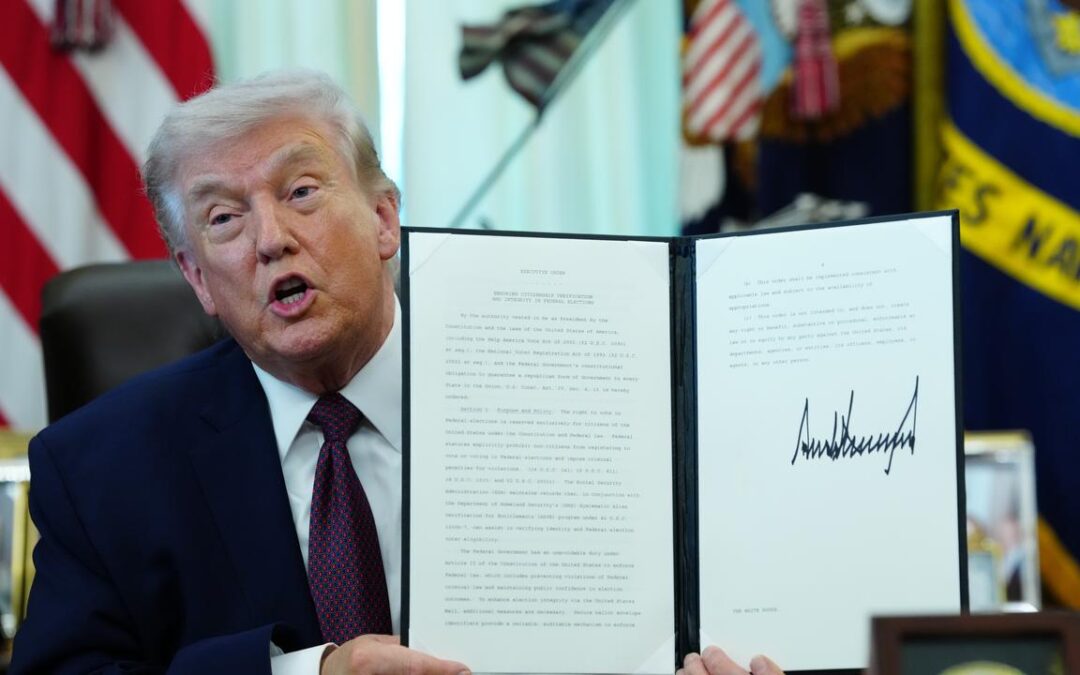
Trump signs order tightening US mail-in voting rules
US President Donald Trump has signed an executive order aimed at tightening mail-in voting rules nationwide, including by directing his administration to create a list of confirmed citizens eligible to vote in each state, and says he doesn’t see how the measure could be challenged.
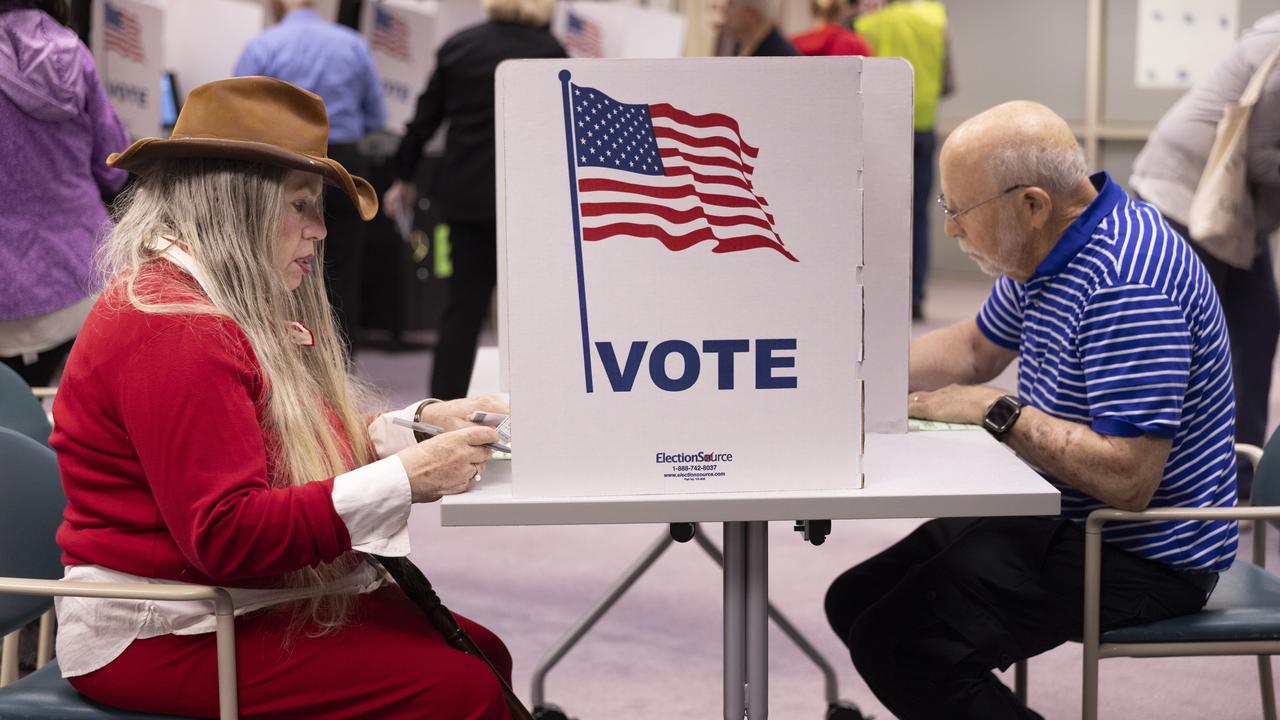
The order would use federal data to help state election officials verify who is eligible to vote in their jurisdictions. It would also require absentee ballots to be sent only to voters on each state’s approved mail-in ballot list and mandate secure ballot envelopes with unique tracking barcodes.
Any move to force changes to state-run election systems is likely to face immediate legal challenges.
Trump on Tuesday said only a judge could block the order and complained that there were many “rogue” and “very bad” judges.
“I don’t see how they can challenge it,” he said about the executive order.
The Republican president for years has held to his false claim that his 2020 election defeat was the result of widespread voter fraud and has called for a tightening of rules for voting by mail ahead of the November midterm elections, when his party will be trying to defend its narrow majorities in Congress.
His vocal opposition to voting by mail did not stop Trump from casting his own vote that way in a special election in Florida last week. Asked about it, he said he cast a ballot by mail recently “because I’m president” and “I had a lot of different things” to do.
He has previously used executive action to direct federal agencies to help states verify voter citizenship and sought to bar states from counting mail ballots received after Election Day, a direct challenge to election procedures traditionally set by the states.
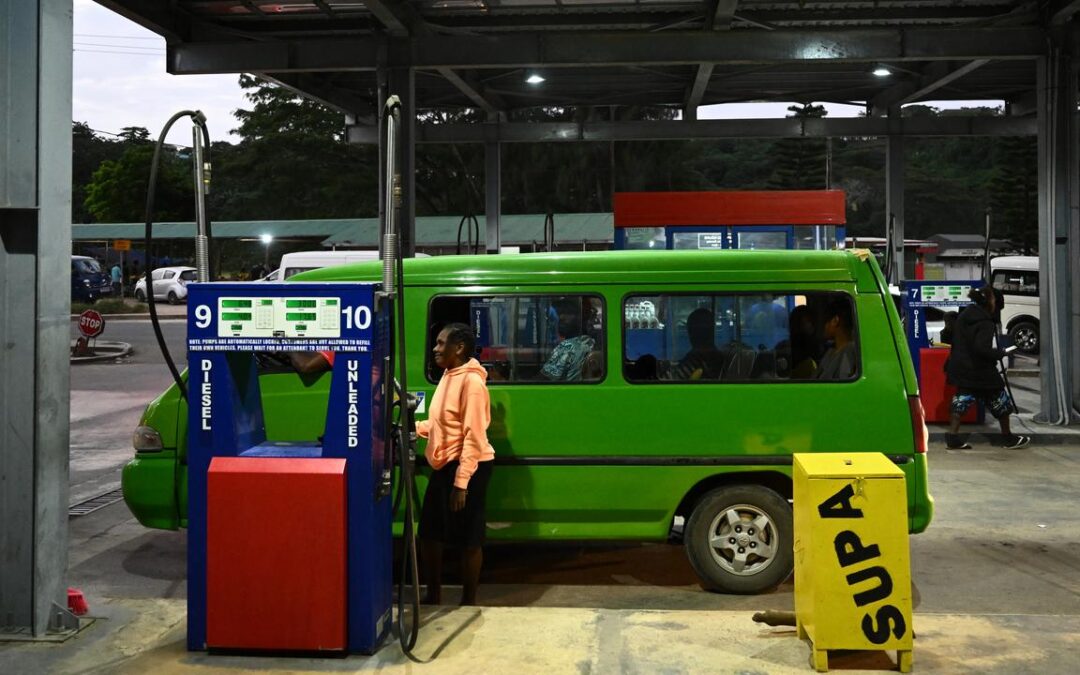
Pacific energy crisis looms amid Middle East war
The war in the Middle East is threatening to derail diesel-dependent Pacific island economies, with one country facing fuel import bills equal to three times its annual healthcare budget.
Fiji could be hit with a 115 per cent increase on its annual imported fuel costs from 2025 levels, by about $US670 million ($A978 million), if oil holds at post-shock prices, analysis shows.
This massive spike represents almost three times Fiji’s annual healthcare budget, according to Zero Carbon Analytics.
The energy and climate researchers found Vanuatu’s refined petroleum import costs could surge $US120 million ($A175 million), amounting to about 11 per cent of GDP.
Brent crude oil prices have surpassed $US100 ($A146) a barrel following the US-Israeli invasion of Iran and subsequent disruptions to shipping through the Strait of Hormuz.
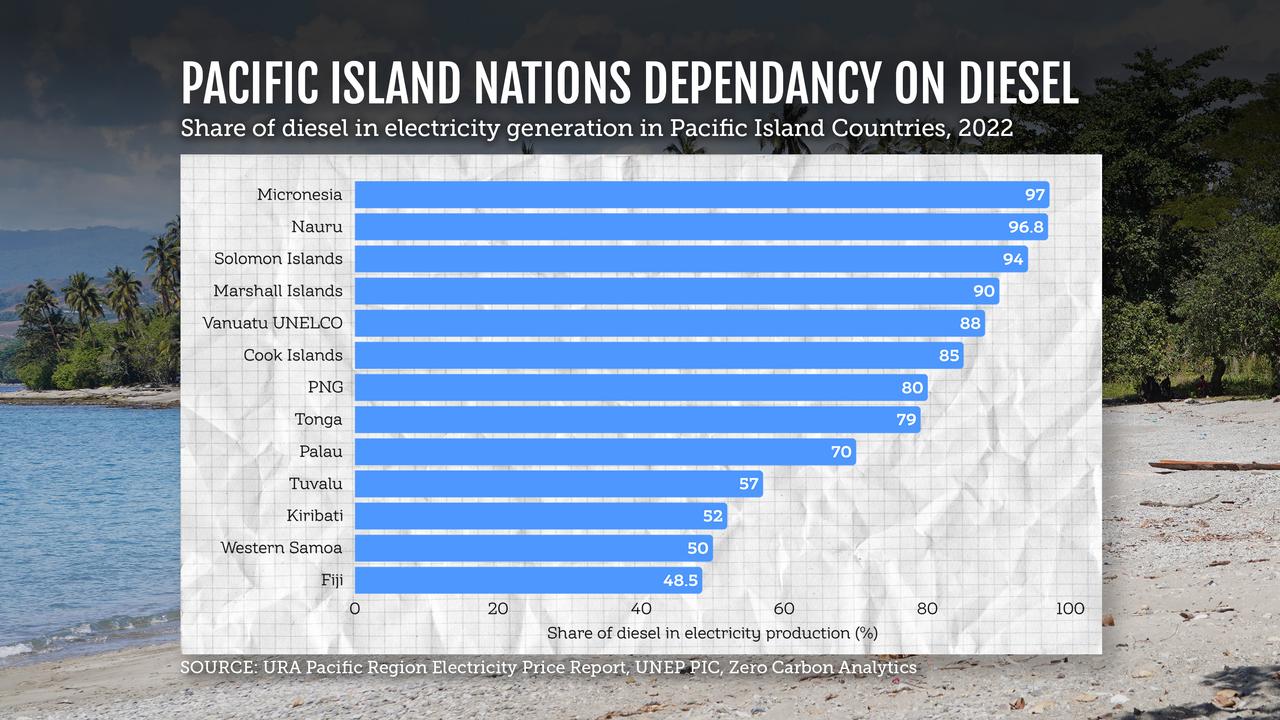
The conflict is squeezing economies worldwide but pressures are particularly acute for small island countries that rely heavily on diesel for power generation.
Skyrocketing fuel costs drain foreign exchange reserves and risk pushing countries into high levels of debt, leaving them vulnerable to future shocks and more reliant on foreign aid.
With 80 per cent of regional energy currently dependent on imported oil, the crisis has accelerated the push for local clean energy generation.
While reducing emissions is a factor, for these nations responsible for just 0.03 per cent of global conditions, the primary driver is energy security.
Permanent Secretary for Environment and Climate Change for the Republic of Fiji Sivendra Michael said clean energy would provide cheap and reliable power.
“When our energy comes from the sun, wind and other indigenous sources of energy, nobody can cut off our supply and our exposure to oil price volatility and the implications of a war happening on the other side of the world are minimised,” Dr Michael said.
“We need our partners to back our commitment to low-carbon transition.”
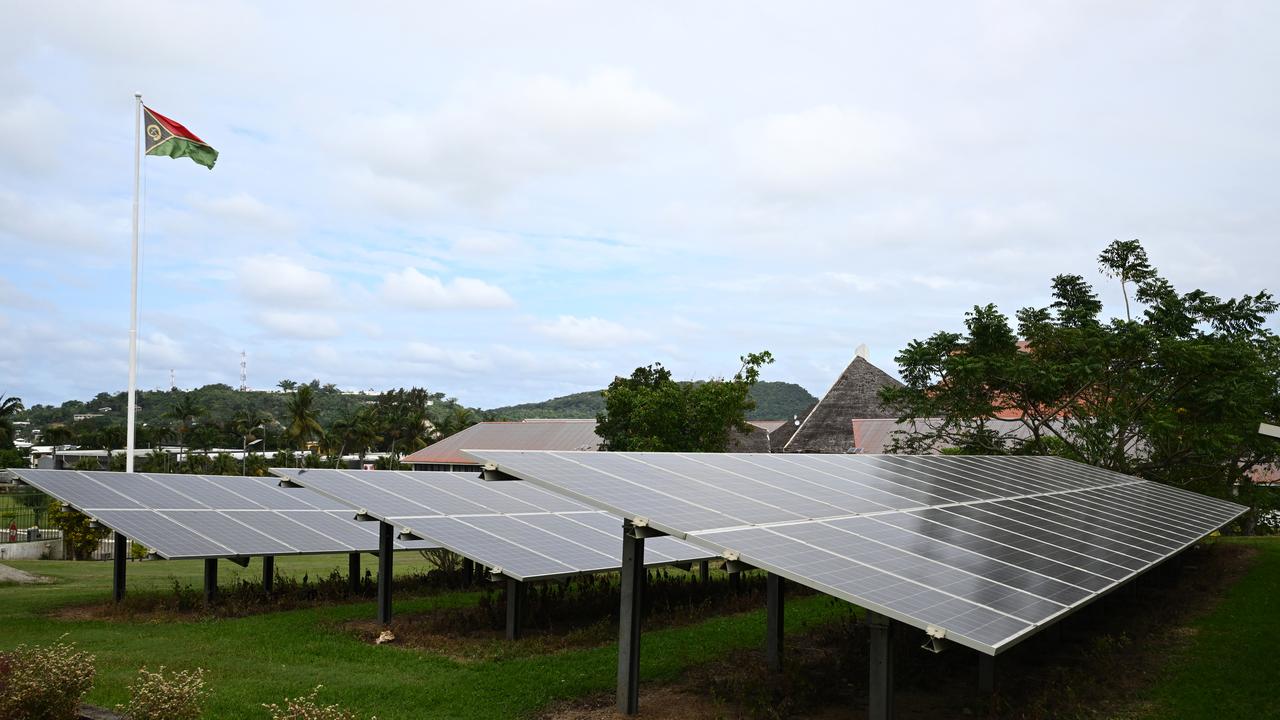
Australia, a major foreign aid and security partner of many Pacific nations, is investing $75 million in renewable energy for rural and remote communities across the Pacific and Timor-Leste.
Australia and the Pacific are set to play key roles in the 2026 United Nations climate talks, with the larger nation running multilateral negotiations and pre-meeting leadership events in Fiji and Tuvalu.
Zero Carbon Analytics energy transition researcher Amy Kong said small economies were already spending huge proportions of GDP on fuel imports.
“The Iran oil crisis has exposed the vulnerabilities of small island states and their dependence on diesel,” she said.
“These are the countries that can least afford the volatility of the market.”

Health insurance premiums to cut more from hip pockets
Australians are being urged to examine their health insurance coverage as a hike in the premiums takes effect.
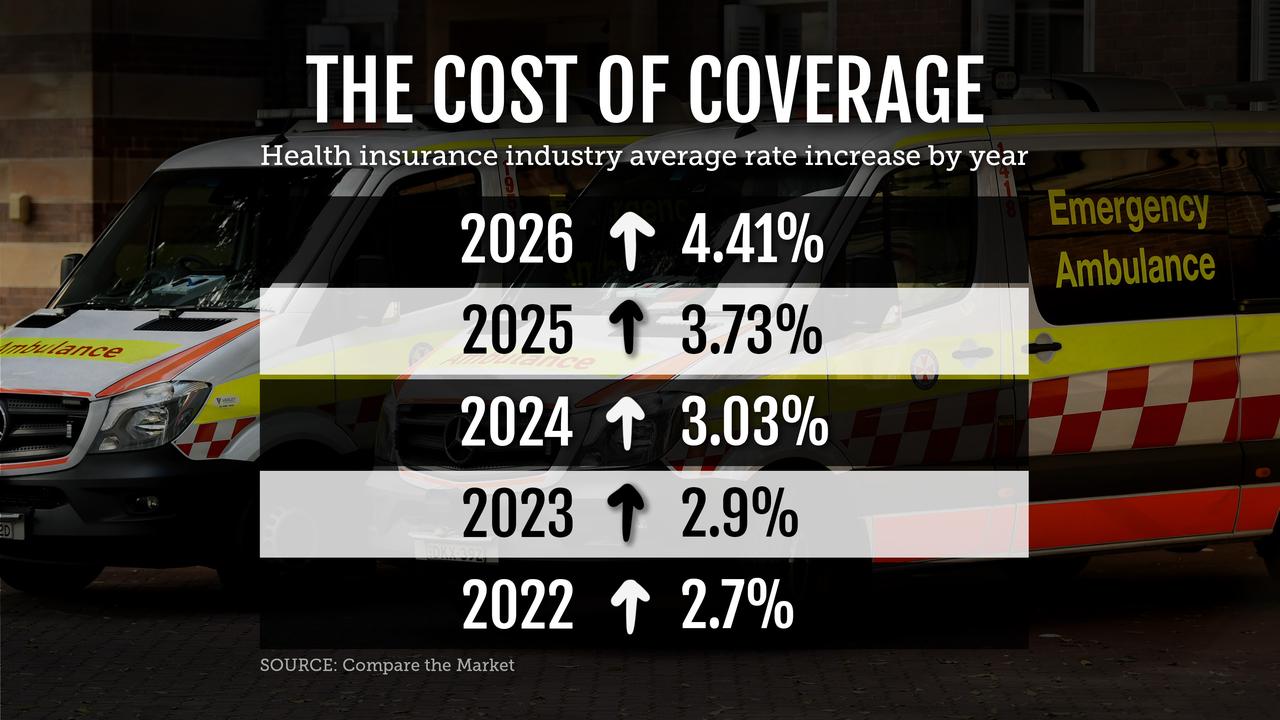
The cost of premiums will rise an average of 4.41 per cent on Wednesday, the biggest price rise since a 4.84 per cent hike in 2017.
The federal government approved the rise in February, after the cost of providing medical and hospital services climbed five per cent last financial year.
Private Healthcare Australia chief executive Rachel David said people relied on private hospitals at every stage of life, including neonatal intensive care for newborns, mental health treatment for young adults, and joint replacements that help older Australians stay independent.
Dr David said the structure of the gold, silver, bronze and basic tiering system, introduced by the Morrison government in 2019 to make health insurance easier to understand, was contributing to affordability pressures.
Gold policy premiums across the largest five funds will rise an average of 13.3 per cent, according to consumer group CHOICE, while people on the silver, bronze and basic policies face increases from 2.6 per cent to 3.3 per cent.
The higher increases for some gold policies reflected these products covered the most complex and costly medical treatments, including inpatient mental health care, weight loss surgery, reproductive services, pregnancy and birth, Dr David said.
“Gold policies have now become a catch-all for a very wide range of treatments, many that are used by a relatively small proportion of members,” she said.
“That makes these policies more expensive and less sustainable over time for insurers and consumers,” she said.
“In a nutshell, gold hospital cover is now predominantly used by a group of people who know they are going to claim for high-cost services, which is highly inflationary.”
Private Healthcare Australia wants a review of the tiering framework that would allow insurers to design products better tailored to different life stages and health needs, spreading the risk of high-cost care across a wider population.
In the meantime, consumers concerned about affordability could consider whether they needed a gold cover or whether a silver or bronze product could better suit their stage of life, Dr David said.
They could also adjust their excess to reduce premiums and review extras cover to remove services they were unlikely to use.
Undersupply, oil supply crisis fuel more housing pain
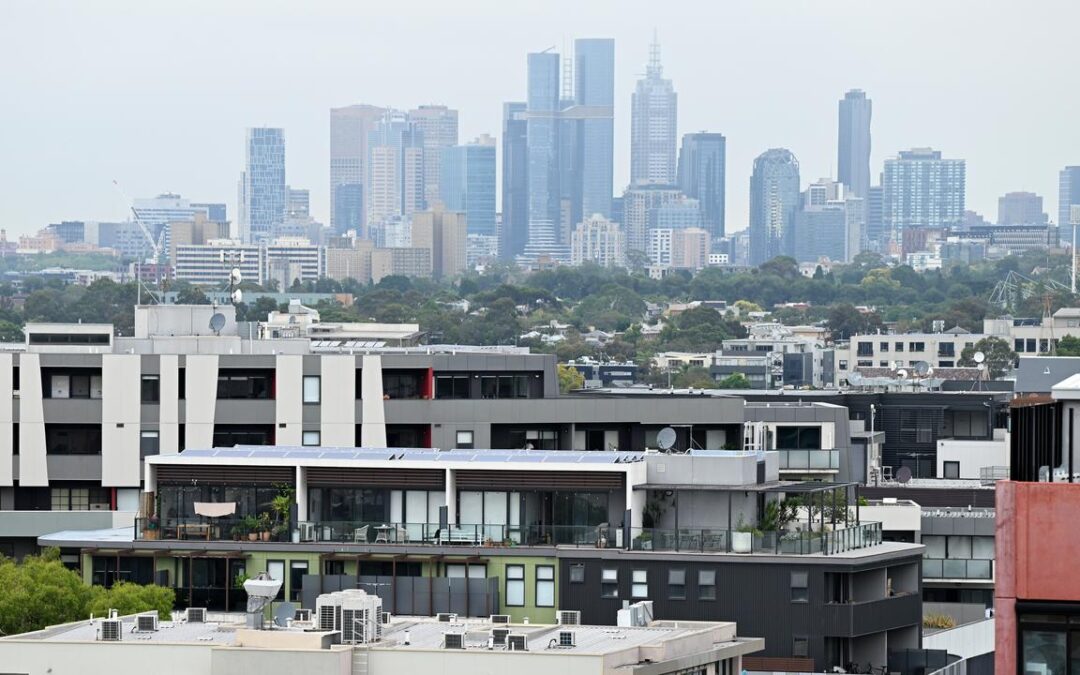
Buyers and renters are between “a rock and a hard place” as rising inflation and interest rates interact with low housing supply in markets across Australia.
While the Middle East conflict will take some steam out of price growth, Australia’s chronic undersupply of housing continues to support property values across the country.
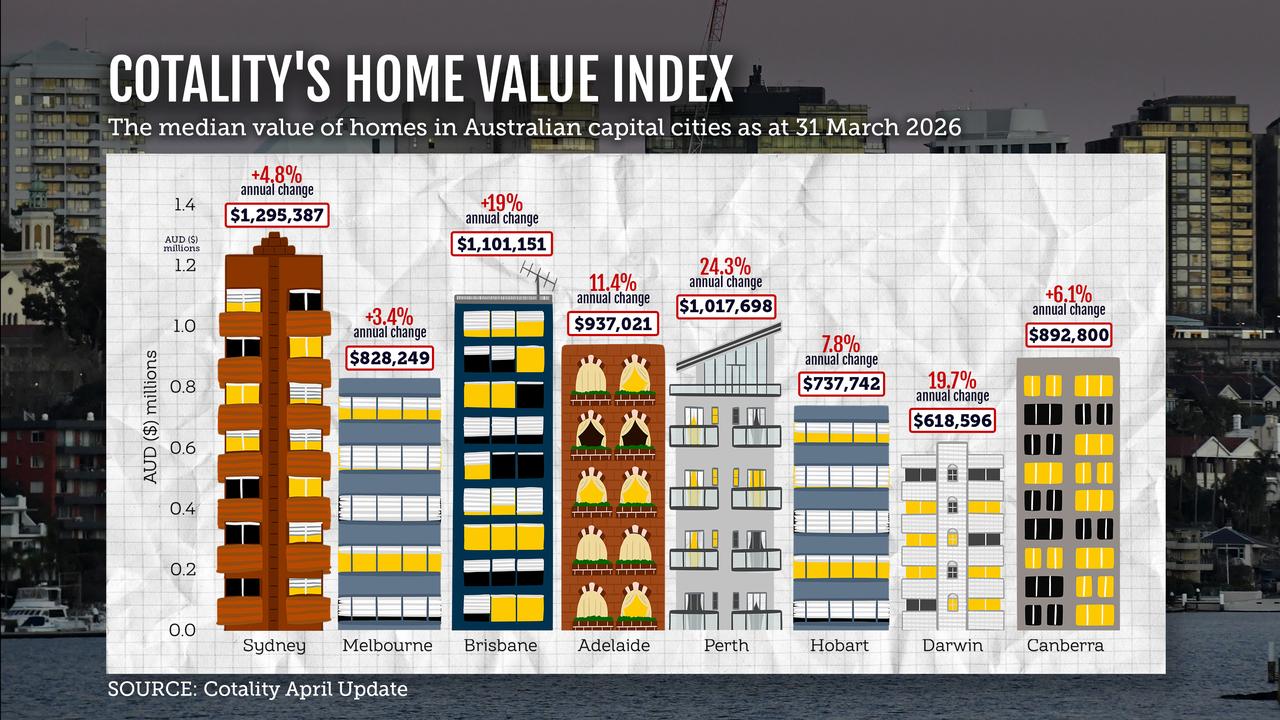
Cotality’s home value index climbed 0.7 per cent in March, with a median property at a record $933,137, the data firm reported on Wednesday.
It follows a rise of 0.8 per cent in February and takes the annual growth rate to 9.9 per cent.
But divergences are widening between the larger capitals of Sydney and Melbourne, which fell 0.1 per cent and 0.2 per cent respectively in March, and the mid-sized markets, where growth continues apace.
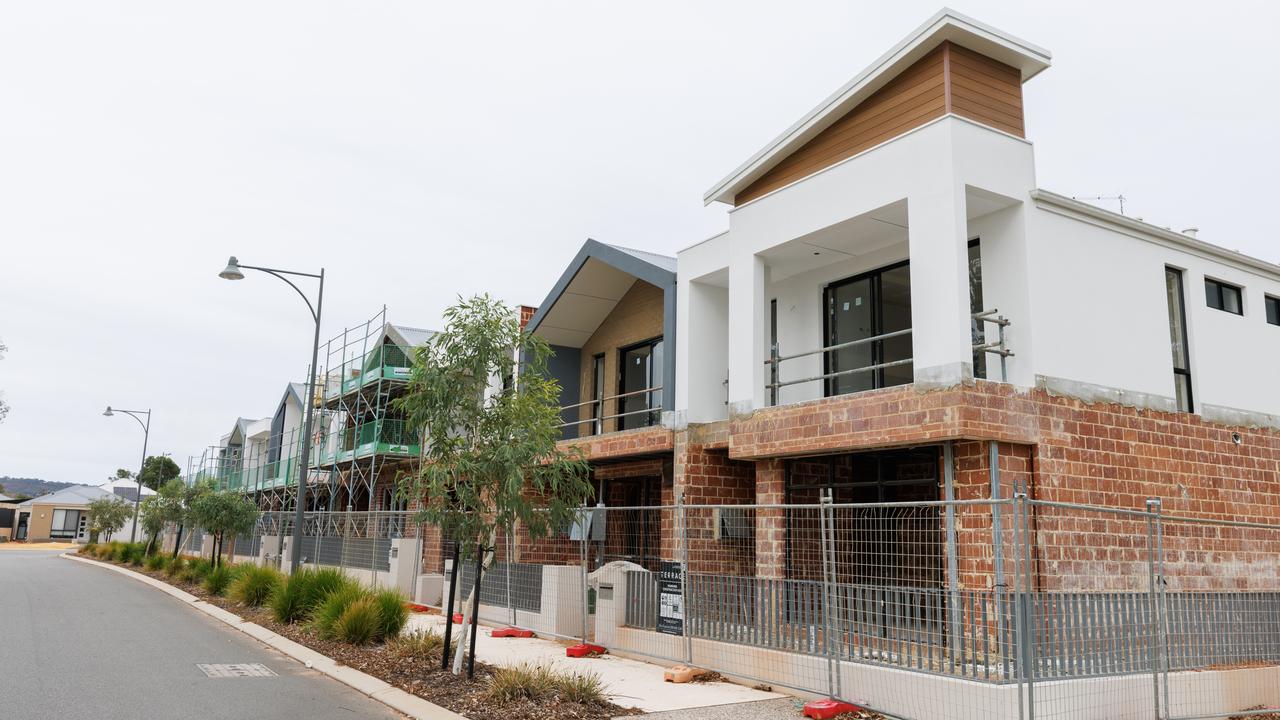
Home price growth accelerated to 2.5 per cent in Perth, which became the third market to crack the seven-figure club with a median dwelling value of $1,017,698.
Mid-tier markets have been outperforming Melbourne and Sydney for a number of years, but the gulf was widening due to the scale of the supply deficit in Perth, Adelaide and Brisbane.
“Sydney and Melbourne are now seeing listings above average, so there’s more choice,” Cotality research director Tim Lawless told AAP.
“There’s less urgency for buyers. They can negotiate.
“Whereas in Perth, listings are still about 40 per cent below average.”
With up to three more interest rate rises predicted in 2026, prospective buyers would be feeling a sense of urgency to get into the market despite low confidence and vacancy rates.
“So for a lot of buyers or renters, they’re probably between a rock and a hard place,” Mr Lawless said.
Markets will inevitably slow down as a result of the Middle East conflict.
Higher inflation will eat away at household disposable incomes and higher interest rates will diminish borrowing capacity, softening demand.
But the supply side of the equation was also threatened.
Rising fuel prices and the shortages of construction materials such as PVC pipes would push up building costs and make projects less viable.
“When you have this ongoing undersupply of new housing, it generally implies a housing downturn may not be as deep as what it might have been otherwise,” Mr Lawless said.
Within housing markets, conditions were also diverging, with the lower quartile outpacing more expensive properties.
As borrowing capacity falls, buyers are pushed towards less expensive homes where they compete with investors and first-home buyers taking advantage of the government’s expanded five per cent deposit guarantee scheme.
But the growth in first-home buyers’ credit was unlikely to be sustained as they struggled to prove they could service a 95 per cent loan-to-value ratio mortgage, Mr Lawless said.
For those unable to get a foot on the property ladder, the rental market offers no respite.
Rental affordability is already at record levels and set to become even worse.
Rents grew 5.7 per cent in the past 12 months, the fastest annual rate of growth since October 2024.
“What’s driving the acceleration is simply that vacancy rates remain close to record lows at 1.6 per cent,” Mr Lawless said.
“So you have to imagine there’s going to be upwards pressure on rents when you have such a shortage of availability of rental stock.”
Weeks-long wait for some for fuel price relief
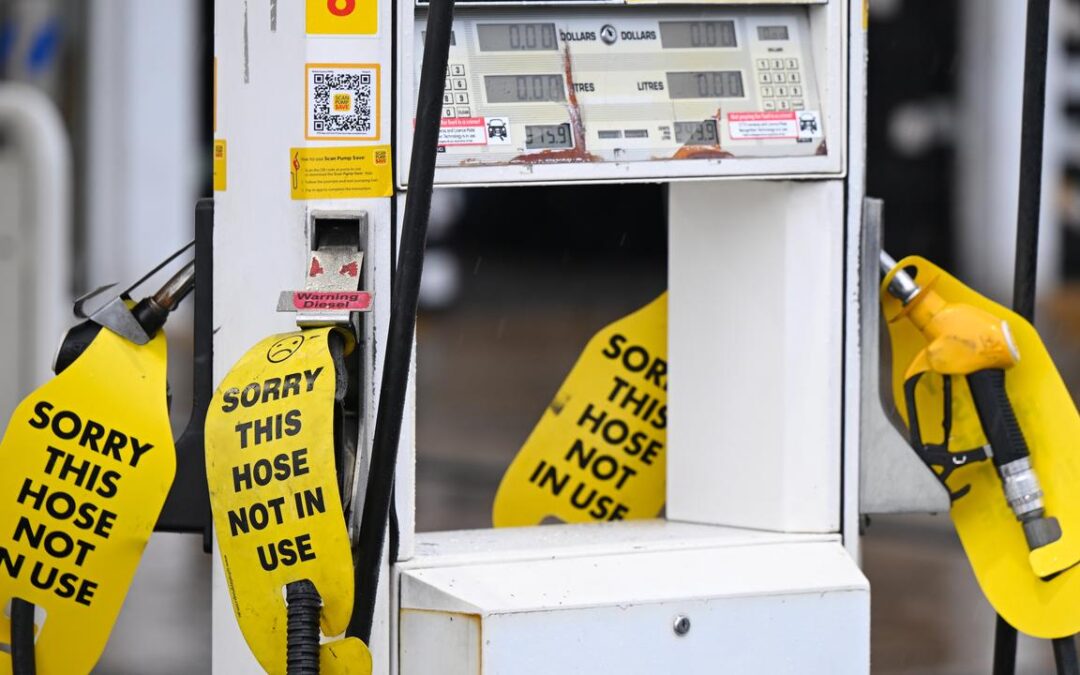
Families hoping to get away over Easter are unlikely to get cheaper petrol before the long weekend and regional people could be waiting weeks for relief.
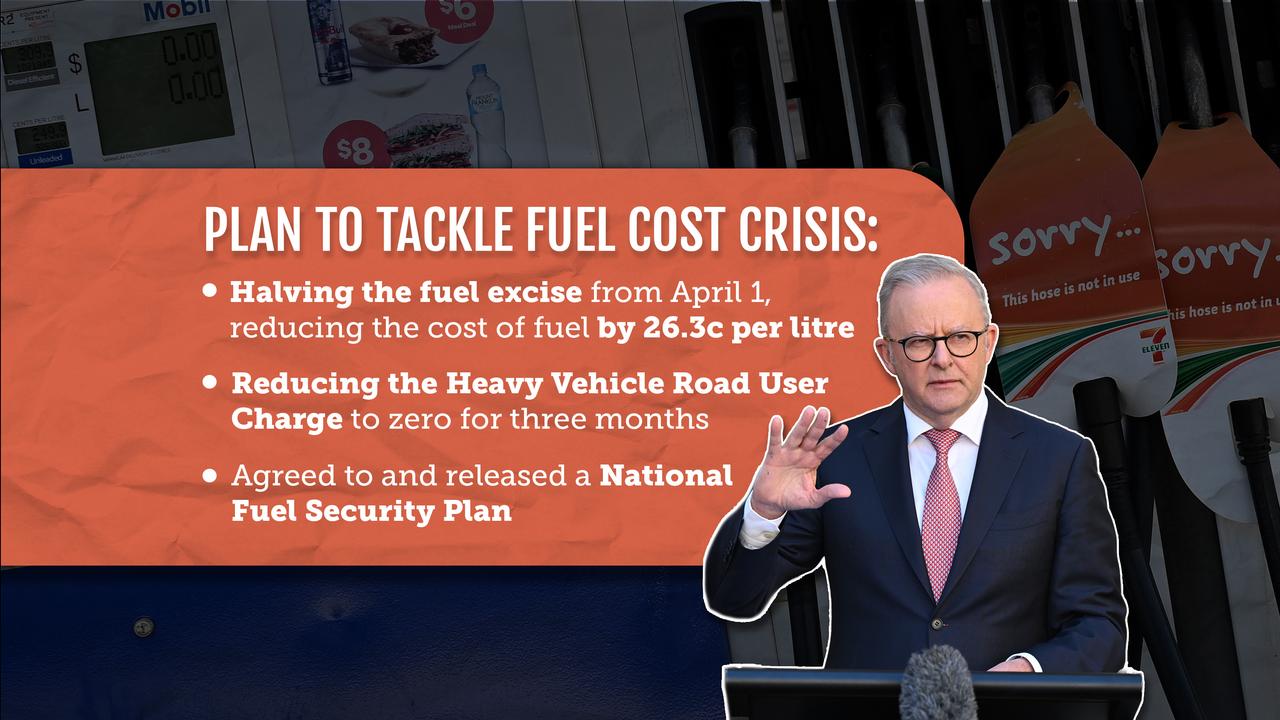
The federal government has cut wholesale fuel prices by 26 cents a litre in a bid to head off the worst economic effects of the Middle East war.
But the change would not be felt straight away because service stations needed to sell all their older, higher-taxed stock before bringing in the cheaper fuel, NRMA spokesman Peter Khoury told AAP.
That process would likely take anything from a day or two for high-turnover metro stations to two or more weeks for some regional sites, he said.
“Once they buy new fuel, they will pass the discount on at that point,” Mr Khoury said.
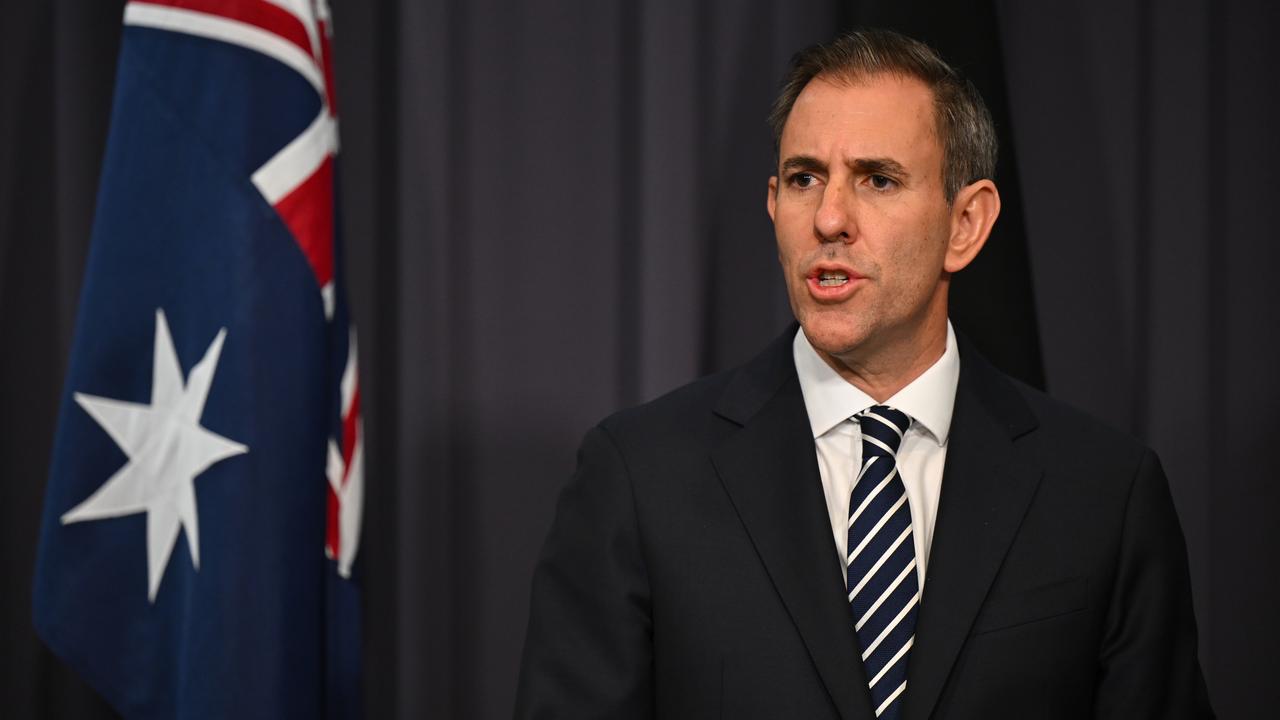
The consumer watchdog would be watching closely to ensure service stations passed on the price cuts to consumers, Treasurer Jim Chalmers said.
But he reiterated the change would not kick in straight away.
“I want to manage expectations on that front because people shouldn’t rock up at five past midnight … and expect to see the full benefit passed on,” he told reporters on Tuesday.
Former Australian Competition and Consumer Commission boss Allan Fels said while there was no law against price-gouging, public shaming would be a powerful tool to force fuel companies to do the right thing.
“The ACCC has no direct powers either to set maximum prices or to fine companies for excessive pricing or price-gouging,” he told AAP.
“But the ACCC can publicly criticise someone that’s not passing on the benefit.”
The watchdog would also need to keep a close eye on the “rocket and feather” effect on fuel prices, Professor Fels said.
“When costs go up, prices go up like a rocket. When costs go down, prices fall slowly like a feather to the ground,” he said.
States and territories are considering further changes that would see them forgo some of their GST revenue on the higher fuel prices, but the reforms appear to be bogged down because jurisdictions cannot agree on the best way forward.
Some states want to reduce the 10 per cent GST on petrol and diesel, giving motorists a direct benefit, while others are keen to keep the rate as is but use the increased revenue to fund a broad cost-of-living payment.

Spice maker McCormick to combine with Unilever food
Spice and flavourings company McCormick says it is combining with Unilever’s foods division, which includes household names like Hellmann’s and Knorr.
The combined company will maintain McCormick’s name and leadership.
But upon closing, Unilever shareholders are still expected to own 55.1 per cent of the food company as well as 9.9 per cent in outstanding equity, while McCormick shareholders will own 35 per cent.
Unilever and McCormick confirmed they were in talks about a deal last month, with Unilever attempting to streamline its business and focus on beauty and personal care products.
McCormick and its red-capped array of spices is a $US15 billion ($A22 billion) company and the stable of brands it is adding from Unilever are worth billions more.
The companies said on Tuesday that McCormick and Unilever would have a combined revenue of $US20 billion for the 2025 fiscal year.
The transaction announced on Tuesday excludes Unilever’s food business in India, Nepal and Portugal.
McCormick CEO Brendan Foley said in a prepared statement that the deal “accelerates McCormick’s strategy and reinforces our continued focus on flavour”.
He added that McCormick has “long admired” Unilever’s foods business, which has a “portfolio that complements our existing business, capabilities and long-term vision”.
Unilever, which is based in London, was founded nearly a century ago when Dutch margarine maker Margarine Unie merged with British soap maker Lever Brothers.
The conglomerate now makes dozens of different brands including Dove soap, Vaseline, Hellmann’s mayonnaise, Liquid IV hydration, Axe body spray and Pepsodent toothpaste.
In 2024, Unilever announced it was spinning off its ice cream business, which included the Ben & Jerry’s, Magnum and Breyers brands.
That business became the Magnum Ice Cream Co, which is based in Amsterdam.
Last year, Unilever sold The Vegetarian Butcher, a plant-based meat brand, and Graze, a healthy snacking brand.
McCormick, based in Hunt Valley, Maryland, has been expanding its portfolio to take advantage of consumers’ growing interest in global flavours and sauces.
The 137-year-old company bought Reckitt Benckiser’s food division – including the French’s mustard and Frank’s RedHot sauce brands – in 2017.
In 2020, it bought Cholula, a Mexican spicy sauce brand.
Shares of both companies rose slightly before the opening bell in the US on Tuesday.
Euro zone inflation surges past ECB target on oil shock
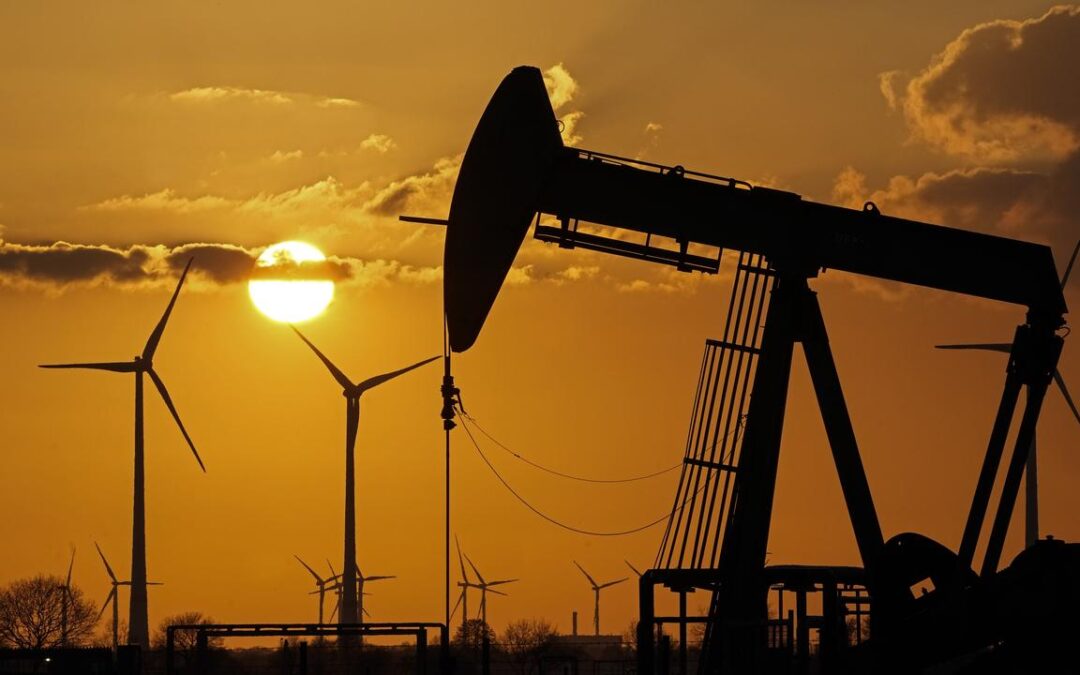
Euro zone inflation has soared past the European Central Bank’s two per cent target due to surging oil and gas prices, heightening a policy dilemma as expensive energy drags growth and risks generating a self-reinforcing inflation spiral.
Oil prices have nearly doubled as a result of the Iran war and the ECB is debating whether to raise interest rates to prevent this surge becoming entrenched in the price of other goods and services.
Overall inflation in the 21 countries sharing the euro currency jumped to 2.5 per cent in March from 1.9 per cent a month earlier, below expectations for 2.6 per cent in a Reuters poll of economists, as energy costs rose 4.9 per cent.
“The previously price-stable environment is saying goodbye” said Alexander Krueger, chief economist at Hauck Aufhaeuser Lampe.
“What matters is that this inflationary dirt does not feed through into the core rate.”
A closely watched figure on underlying inflation, which excludes volatile food and energy, meanwhile, fell to 2.3 per cent from 2.4 per cent, data from Eurostat, the EU’s statistics agency showed on Tuesday.
Basic economic theory argues that central banks should look past one-off price shocks generated by supply disruptions, especially because monetary policy works with long lags.
But a quick rise in energy inflation can easily broaden out if companies start building this into selling prices and workers begin demanding higher wages for the loss of disposable income.
High energy prices should increasingly make other goods more expensive and push up core inflation, said Commerzbank’s chief economist Joerg Kraemer, forecasting headline inflation will rise above three per cent by May unless the war ends quickly.
The public might also start doubting the ECB’s resolve if it remained idle, firming the case for rate hikes even in the event of large but not so persistent inflation episodes, ECB President Christine Lagarde said last week.
Financial markets now see three interest rate hikes from the ECB in 2026, with the first in either April or June.
Australia urges probe into Lebanon peacekeeper killings
The killing of United Nations peacekeepers in southern Lebanon has been condemned by Australia as the Israeli ambassador defends his country’s ground invasion of the neighbouring nation.
Three Indonesian personnel working for the UN have been killed in Lebanon but the force which carried out the strikes is yet to be formally identified.
Foreign Minister Penny Wong condemned the killings and said the attacks were unacceptable.
“We extend our sincere condolences to their loved ones, colleagues and to Indonesia,” she said on X.
“We support Indonesia’s calls for a thorough investigation.”
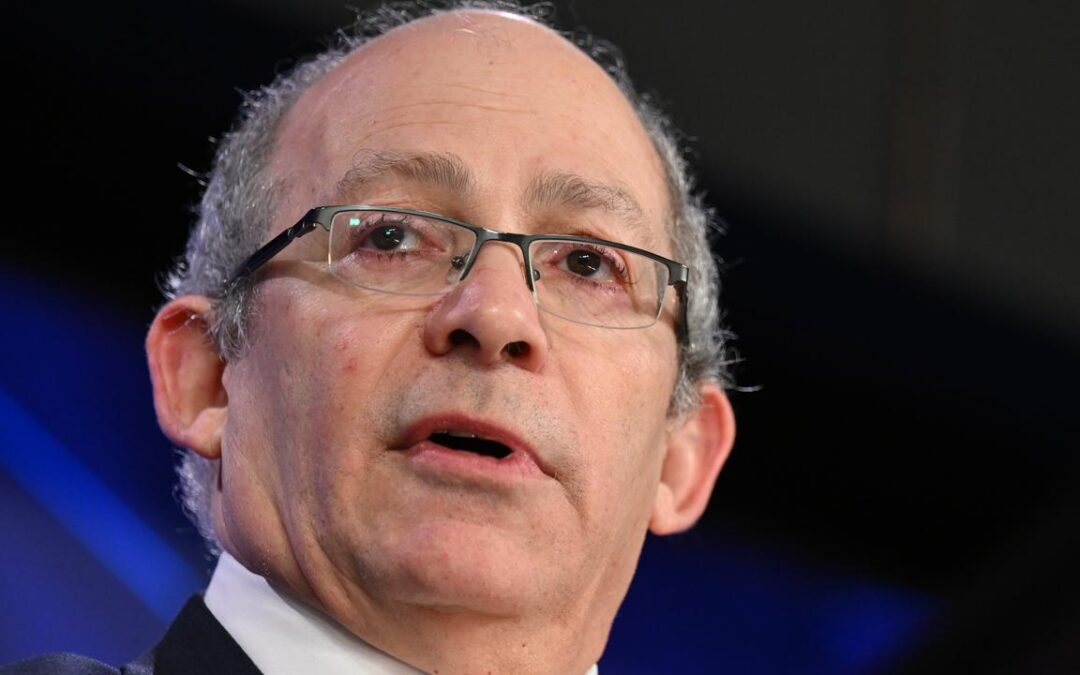
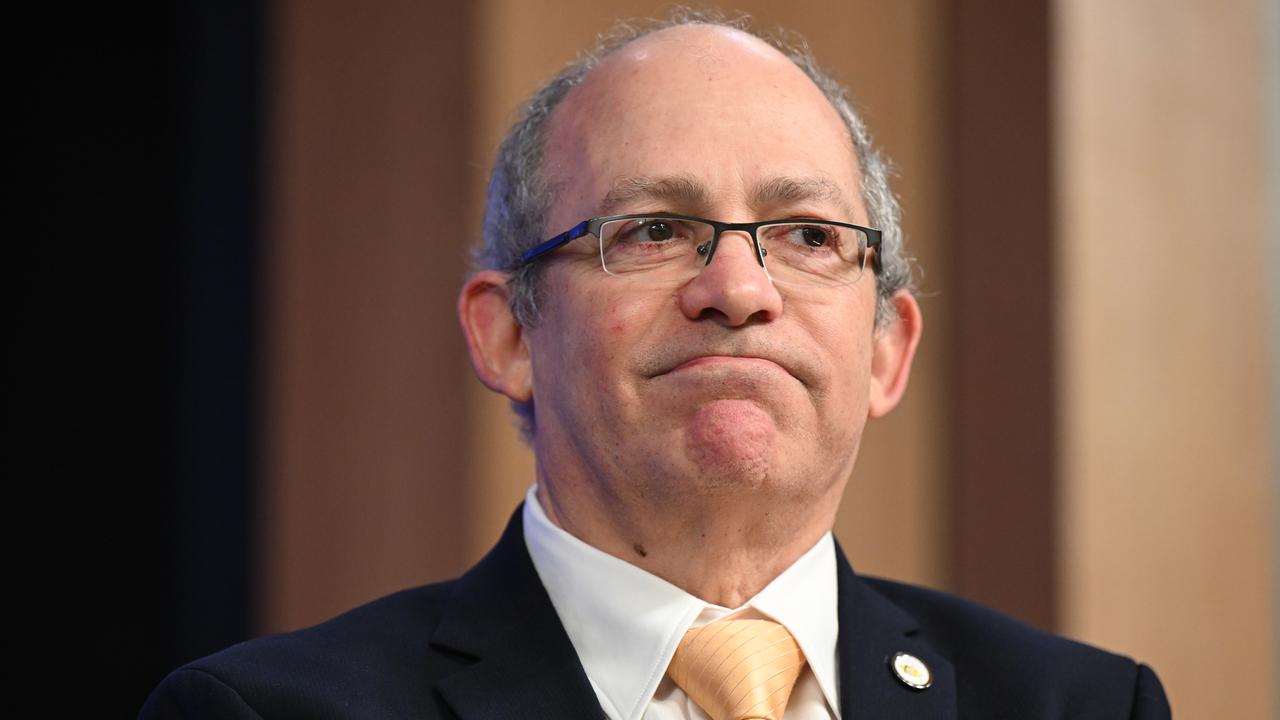
Israel’s ambassador to Australia Hillel Newman claimed his country’s incursion into Lebanon was “100 per cent defensive” to stop Hezbollah from launching rockets into Israel.
Israel is seeking to take control of part of Lebanon between the border and the Litani river, 30 kilometres north.
More than 1200 people have been killed since the start of the Israeli ground incursion, the Lebanese health ministry has said according to local media.
“We are in a difficult neighbourhood,” Dr Newman told the National Press Club on Tuesday.
“We have neighbours who are bent on the destruction of the state of Israel.
“I wish my neighbours were Fiji and New Zealand, my life would be totally different,” he said.
Overnight, Israel passed laws allowing the death penalty for Palestinians in the West Bank who are convicted of murdering Israelis.
In response, Senator Wong said Australia was against the death penalty in all instances but Dr Newman said the rules would be a deterrent for “terrorists” on Israel’s borders.
He said there were safeguards written into the legislation, allowing people sentenced to death to appeal.
A small group of protesters gathered outside the venue, with one telling AAP they were “disgusted” the ambassador was being given such a platform.
“We don’t need to hear more from Israel and yet here he is on our stage,” demonstrator Peta Swarbrick said.
Dr Newman, who arrived in Canberra early in 2026, defended Israel’s killing of three journalists in Lebanon on Saturday, claiming at least two of them had links to Hezbollah, a listed terrorist group.
“Israel has never targeted a journalist just for being a journalist,” he said.
After the strike, Israel’s defence force posted an image of journalist Ali Shoeib – one of those killed – which was doctored to show him in a military uniform.
Dr Newman would not say when the war would end, only outlining his country’s main objectives for the conflict which were removing Iran’s ability to launch nuclear and conventional missiles.
He said while regime change in Iran was not Israel’s primary goal, it would likely be needed to remove the military threat.
US President Donald Trump has threatened to target Iran’s energy infrastructure if a deal to end the joint American and Israeli war against Iran is not reached soon.
Senator Wong confirmed more than 103 direct commercial flights carrying about 10,400 Australians have arrived home from the Middle East since March 4.
Australians in the region should not delay their departure and should leave on commercial flights, she said.
“While there are talks to end the conflict, the situation in the Middle East remains volatile and could deteriorate rapidly,” Senator Wong said.
Australians are also being urged not to travel through Bahrain, Iran, Iraq, Israel, Kuwait, Lebanon, Palestine, Qatar, Syria, the United Arab Emirates and Yemen.
The federal government has been intensifying its calls for de-escalation.
Prime Minister Anthony Albanese has called for a clear timeline to end the conflict, arguing the United States has achieved most of its initial objectives.
Deal brokered to end ABC staff’s pay stand-off
ABC management and staff representatives have reached a tentative agreement after a stand-off that resulted in the first major strike at the national broadcaster in decades.
A pay increase of four per cent in the first year, followed by a pair of 3.25 per cent rises, had been agreed, ABC management said in a staff email seen by AAP.
It is a slight increase on the ABC’s previous offer of 3.5 per cent in the first year.
But a previously proposed $1000 bonus has not been included.
Employees at the top end of several bands will also have the opportunity for career progression and added bonuses.
In its staff email, the ABC said the position had been endorsed by representatives for the two key employee unions.
The offer will need to go to a staff vote to be formally accepted.
In a message sent to union members on Tuesday, the Media, Entertainment and Arts Alliance offered a positive assessment of the potential deal.
“This significant improvement was won by union members walking off the job and demonstrating clearly what we are worth,” the message said.
“Because of that, we now have above inflation pay for year one on the table, real pathways for band progression, and improved reward for hard work.”
Non-media staff at the ABC are represented by the Community and Public Sector Union.
The agreement comes after employees and representatives of the media union met with ABC managing director Hugh Marks on Monday after swathes of staff took part in the mass strike.
Negotiations reached a stalemate when workers knocked back a 10-per-cent pay rise over three years, pushing for 13.5 per cent, and protested what they said was the ABC’s over-reliance on short-term contracts.
Mediated by the Fair Work Commission, a meeting on Monday was the first major discussion since the strike action.
Thousands of journalists, camera operators, technicians and other ABC workers went on strike for 24 hours starting on Wednesday morning, forcing the channel to broadcast re-runs, clips from BBC News and contributions from non-union staff.
More than 4400 people work at the ABC, including 2000 in news, the largest division.