

Rescue package to shield workers from AI-driven cuts
Workers facing the threat of artificial intelligence-driven job losses are set to be protected under a multimillion-dollar state government rescue package.
The Victorian government on Sunday unveiled the $14 million plan which includes $8.2 million for a career rescue scheme designed to support workers in at-risk industries.
While AI adoption is expected to boost productivity, there are widespread concerns the technology could also be used to eliminate many jobs.
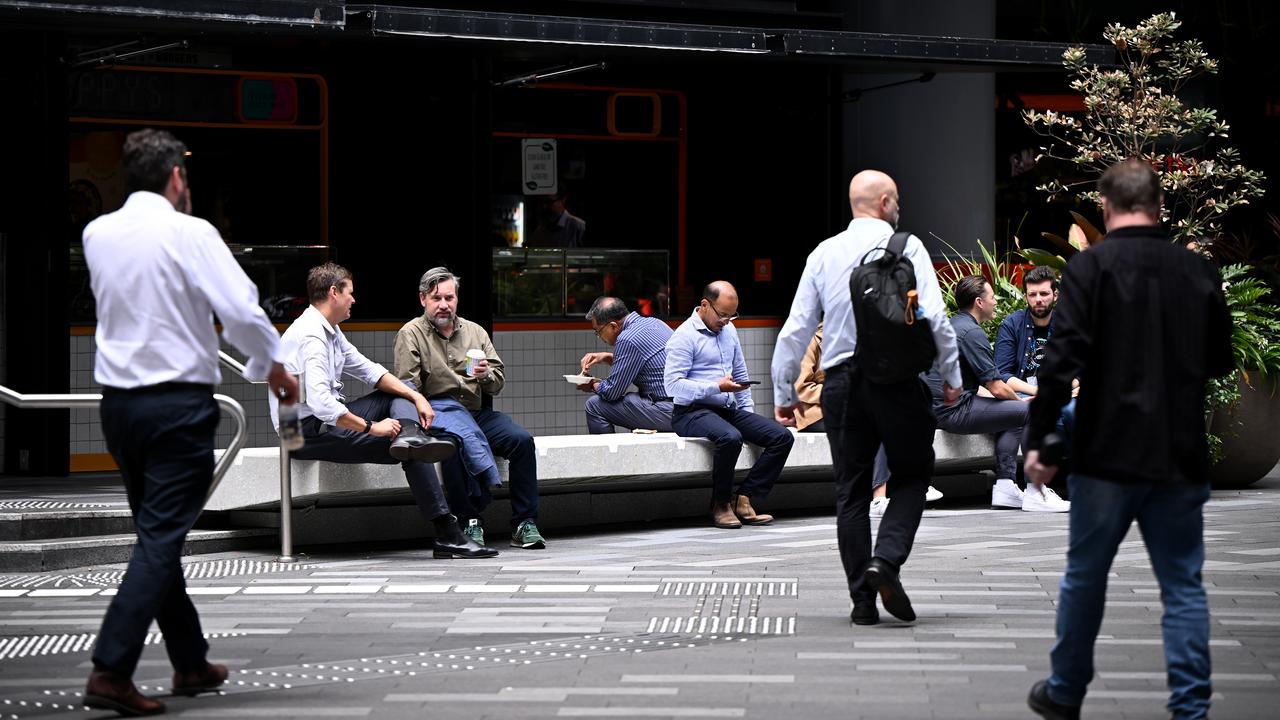
“It’s always the Labor way to make sure that workers are supported during times of transition (and) times when workers are seeing what they knew was their work being disrupted by outside forces,” Premier Jacinta Allan said on Sunday.
“That is why we are focused on providing support both for workers who are being impacted but also looking at how we can provide training so workers of the future can be ready to work in an AI workforce.”
The package seeks to fast-track at-risk employees to work in specialist AI and other technology roles before similar technology makes them redundant.
The head of Anthropic, the world’s most valuable AI-focused startup, has said the technology could cause unemployment to spike by up to 20 per cent.
An ANU poll released in April found almost a third of Australians were concerned machines would replace them.
The survey was taken after local tech darling Atlassian axed 1600 jobs, including 500 in Australia, citing AI-caused changes in workforce needs.
The state government’s move is expected to support more than 6200 Victorians to upskill.
State budget to help unlock doors for first home buyers
The first bricks are set to be laid in a neighbourhood built entirely for first home buyers.
The Australia-first initiative will see 400 new homes allocated to a pocket in Adelaide’s north specifically for those buying their first home.
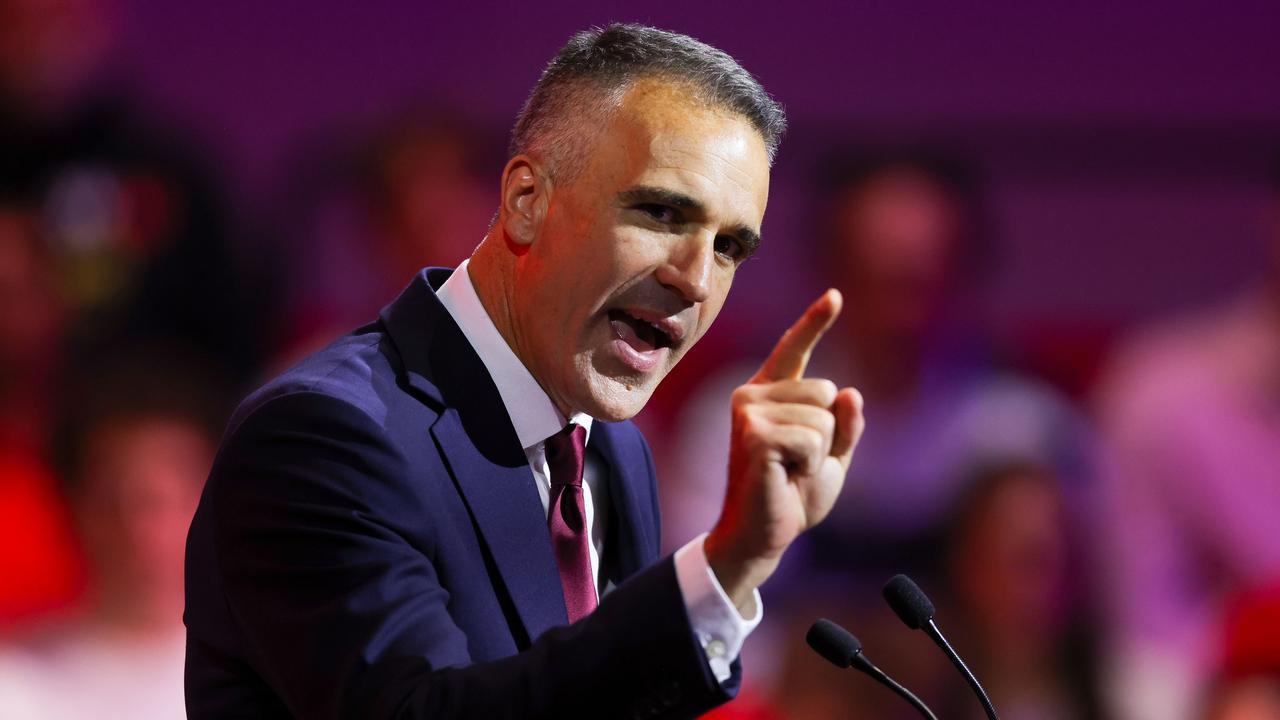
South Australian Premier Peter Malinauskas said the state had the fastest-growing economy and fastest housing growth in the nation.
“In this week’s state budget, we’ll be allocating an additional $50 million to accelerate delivery of 400 extra new homes that will be exclusively available to first home buyers only,” Mr Malinauskas told reporters on Sunday.
“This will be the nation’s first-ever first home buyer neighbourhood.”
The pre-budget announcement comes ahead of the state Labor government unveiling its fiscal blueprint on Thursday, its first since being returned to power in a landslide result in March.
The first allotments – from 140 to 450 square metres in size – are already ready for sale as part of the federal government’s plan to build 100,000 homes nation-wide for first home buyers.
Civil works are under way to prepare the land, supported by a $50 million concessional federal government loan.
About 30 per cent of the allotments will be classified as affordable and released through HomeSeeker SA, capped at a maximum sale price of $259,000 for eligible buyers.
Eligible first home buyers who buy or build a new home will also be exempt from stamp duty.
SA Housing Minister Nick Champion said hundreds of families would benefit from the scheme.
“There is nowhere else in Australia where an entire neighbourhood has been set aside exclusively for first home buyers,” he said.
Brad and Courtney Vincent have just purchased a parcel of land in the purpose-built allotment for their first family home.
“To get our foot in the door and to build a life with our kids … it gives us security and peace of mind,” the couple told reporters.
Under an election pledge made earlier this year, Mr Malinauskas said he would stimulate housing growth across the state, abolish stamp duty for downsizers and help free up larger homes for families.
In February, the government announced a rent-to-own policy, fixing the price of a home at move-in to guard against price escalation.
South Australia hopes to build 6877 homes for first-time buyers as part of the 100,000 homes pledged nationally.
China’s factory activity slows in May
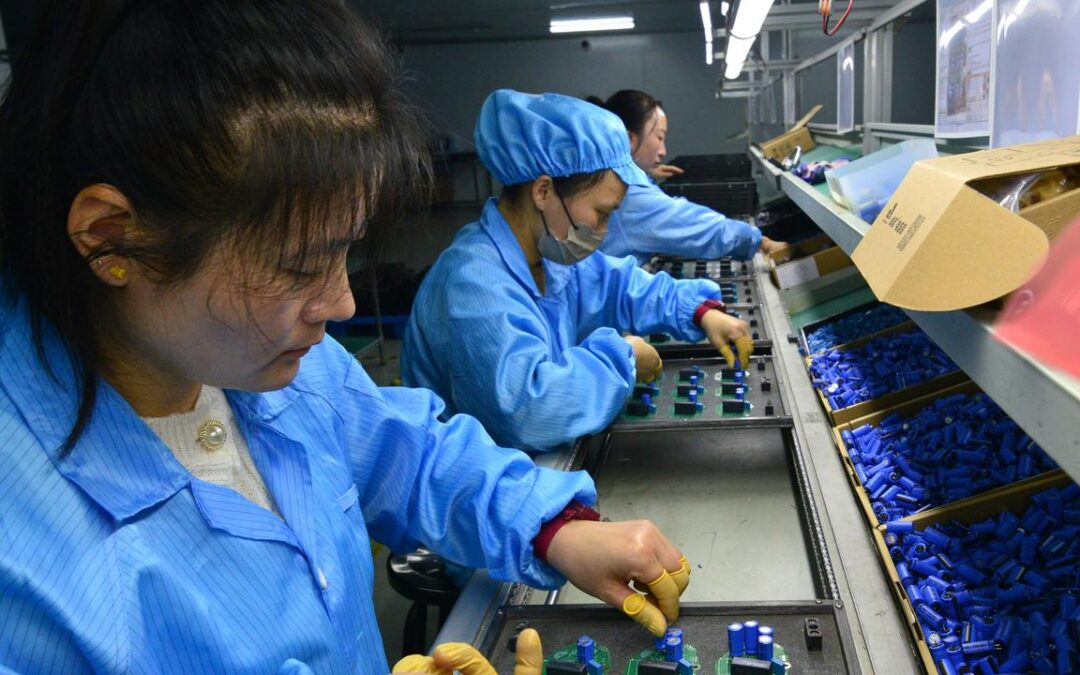
China’s factory activity was flat in May, raising questions about how much further the country’s economy can shield itself from the fallout of the ongoing Iran war and pressure on demand.
The official manufacturing purchasing managers index moderated to 50 from 50.3 in April, according to the National Bureau of Statistics official survey released on Sunday.
Measured on a scale between 0 and 100, a PMI reading above 50 indicates expansion, while a reading below 50 reflects contraction.
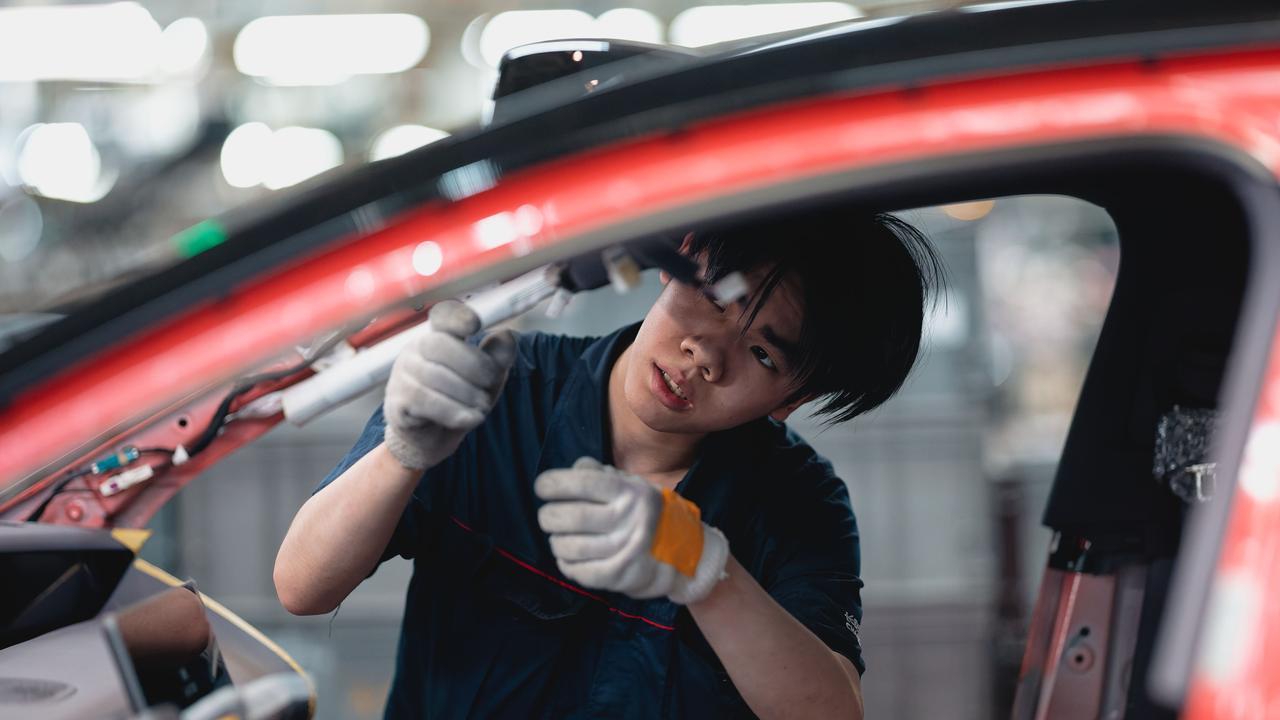
The new orders sub-index dropped to 49.9 from 50.6 in April, while the sub-index on production edged down to 51.2 from April’s 51.5. The sub-index for raw material stockpiles fell to 48.6 from 49.3 in April.
China has been less affected by the global energy shock from the Iran war than many other countries, which face inflationary pressures as as oil prices have surged due to the closure of the Strait of Hormuz, through which a fifth of the world’s oil is shipped in peacetime.
Analysts say China’s ample oil reserves and diversified sources of energy have helped the world’s second-largest economy weather the war nearly unscathed.
“Though the energy crisis remains the dominant headwind for Asia, China is relatively more shielded given its robust energy security set-up,” Frederic Neumann, Chief Asia Economist at HSBC bank, wrote in a research note last week.
Meanwhile, exports remain key for China’s broader economy, HSBC said.
While China’s exports to the United States have dropped year-on-year during most months in the past year, its global exports have been robust, particularly to Europe and Southeast Asia.
Hopes for a recovery in exports to the US have risen following President Donald Trump’s summit with Chinese leader Xi Jinping in Beijing in mid-May, and after the two countries agreed to set up separate boards of trade and investment.
Autos, technology and artificial intelligence-related exports have been helping to drive export growth, but some economists also point to concerns over the broader economy. Domestic demand remains sluggish in the wake of a years-long property sector slump that has clobbered consumer confidence and investment.
GDP data tops the economic agenda, RBA officials speak
Australia’s economic growth story this year would be pretty lacklustre if not for one saving grace.
With rising interest rates and the Iran war suppressing growth across the economy, a boom in data centre investment has bucked the trend.
March quarter gross domestic product figures to be released by the Australian Bureau of Statistics on Wednesday are expected to show a moderate slowdown to 0.5 per cent, with annual growth tracking for 2.6 per cent.
But the figure would have been even lower without a record $8.6 billion in data centre expenditure – a rise of 96 per cent.
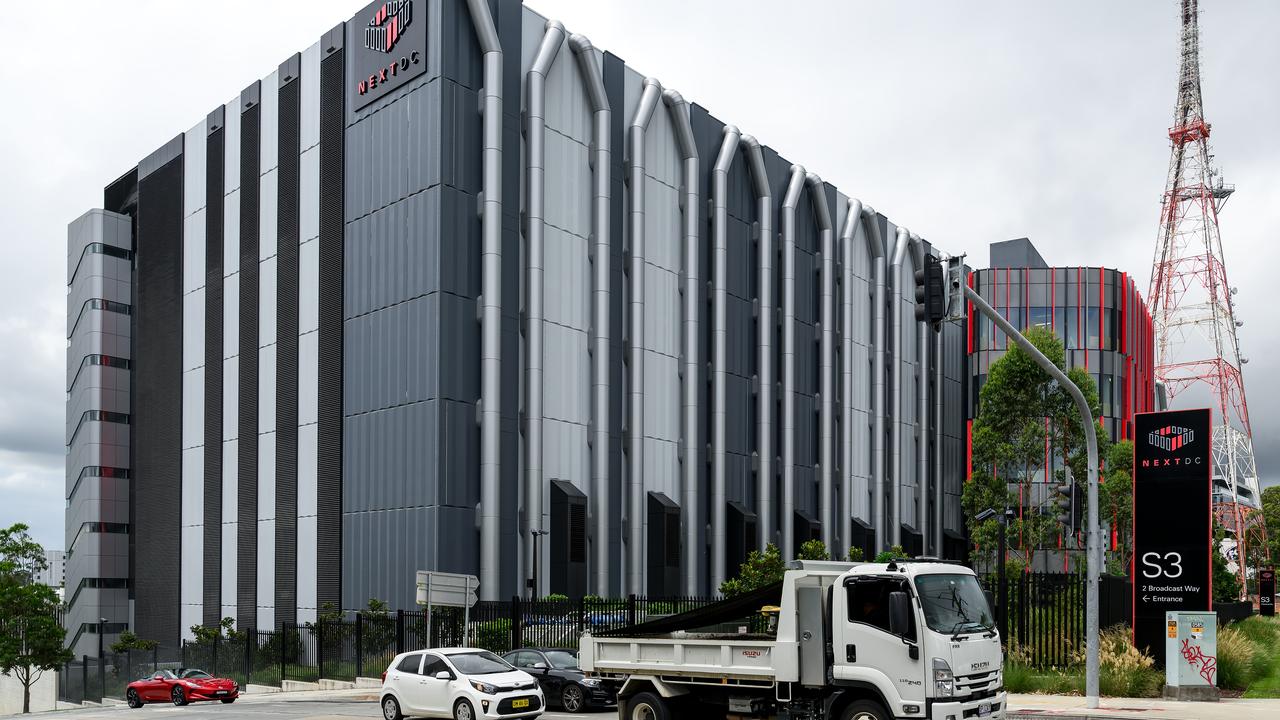
The national accounts data will likely show new investment accelerated to six per cent in the quarter and 10.3 per cent annually – the strongest quarterly growth since 2012 – said Westpac senior economist Pat Bustamante.
“The build‑out has now accelerated and is becoming more prominent at a time when other GDP components, which are more sensitive to interest rate increases, are slowing (household consumption) or going backwards (construction of new dwellings),” he said.
However, much of the growth in data centre spending related to purchases of server racks and processing equipment, which are largely imported.
“We expect a large share of the capex spending on equipment to be ‘leaked’ through higher imports,” Mr Bustamante said.
“Despite this leakage, we show that data centre investment still has significant broader ‘spillover’ impacts on GDP and employment as structures are built and equipment is transported, fitted and installed, and that this economic boost tends to be frontloaded.”
Outside of investment, demand growth appears to have slowed, he said.
Given the data only covers one month of the Middle East conflict and two rate hikes, the negative impacts will show up more strongly in June quarter data, said ANZ economist Adam Boyton.
Other figures to look for during the week include home values from property data firm Cotality on Monday, ABS building approvals on Tuesday and the balance of trade on Thursday.
AMP chief economist Shane Oliver expects a 0.1 per cent fall in national home prices in May, although the drop could be steeper in Sydney and Melbourne.
Another important event on Australia’s economic calender is the Fair Work Commission’s minimum wage decision on Tuesday.
Unions have been pushing for an increase of six per cent for Australia’s almost three million minimum and award wage earners, while business groups have recommended pay bumps of between 3 and 3.5 per cent.
The commission tends to pick a figure somewhere in the middle.
While the direct impact of the decision on inflation is relatively modest, given the limited share of workers affected, economists warn it is used as a bargaining benchmark across the economy.
The Reserve Bank’s reaction to the bevvy of domestic data will be revealed when governor Michele Bullock and assistant governor Christopher Kent front a senate estimates hearing on Thursday.
Deputy governor Andrew Hauser will take part in a fireside chat hosted by Sky News and The Australian on Friday.
But once again, domestic developments could be overshadowed by events abroad, with the US and Iran rumoured to be close to striking another deal.
Commonwealth Bank geo‑economist Madison Cartwright estimates there’s a 70 per cent chance of finalising a deal to reopen the Strait of Hormuz within the next week or so, which would be good news for global inflation and economic growth prospects.
Wall Street’s main indices have meanwhile posted weekly and monthly gains as investors await details on negotiations.
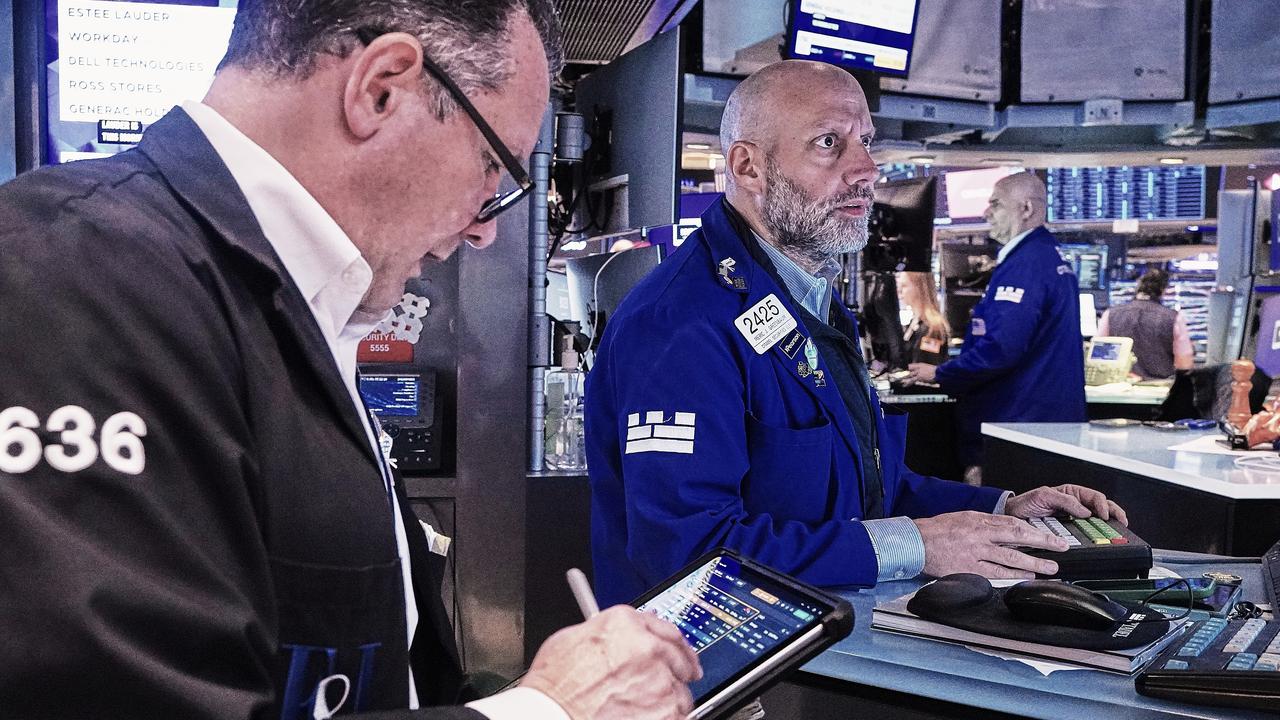
The Dow Jones rose 0.72 per cent to 51,032.34 on Friday, the S&P 500 gained 0.22 per cent to 7,580.07 and the Nasdaq improved 0.21 per cent to 26,972.62.
Australian share futures slipped 13 points, or 0.14 per cent, to 17,025.
The S&P/ASX200 gained 138.8 points on Friday, up 1.62 per cent to 8,731.7, as the broader All Ordinaries improved by 145.4 points, or 1.65 per cent, to 8,965.
‘Won’t knock the job’: Hanson declares she can be PM
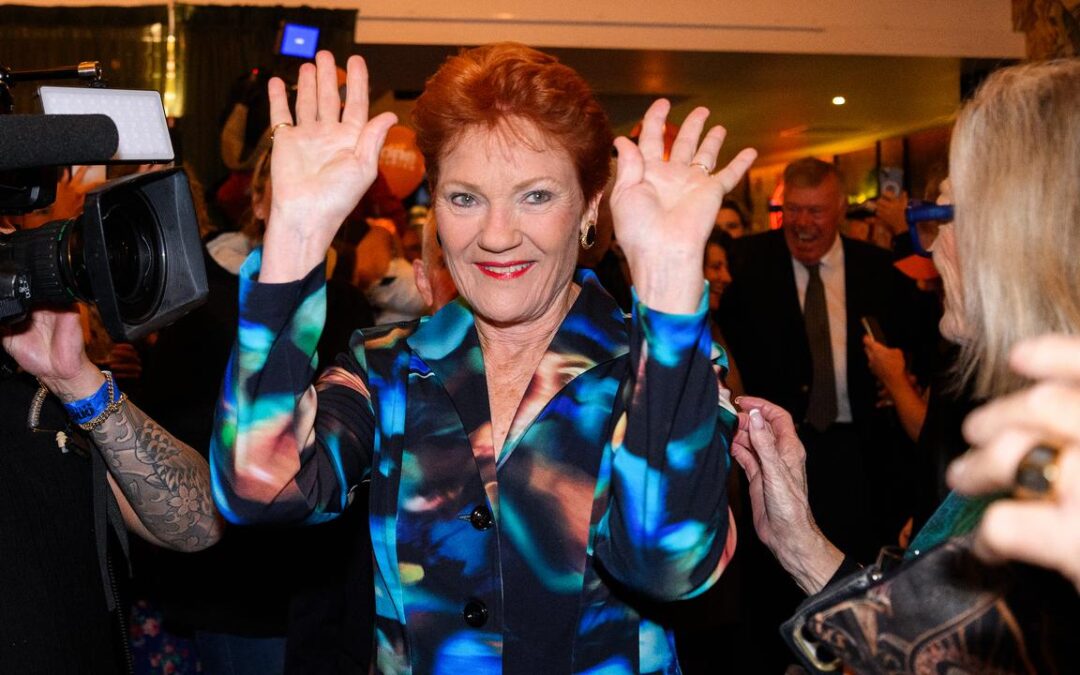
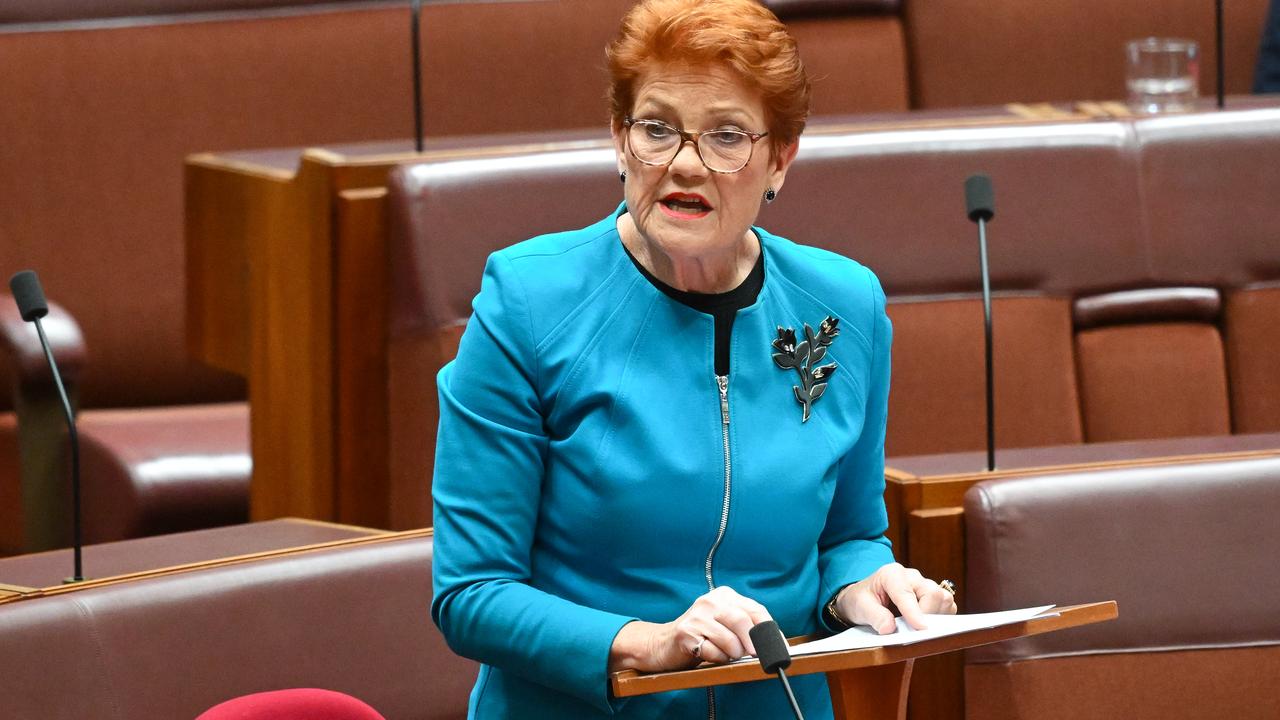
One Nation leader Pauline Hanson has declared she has what it takes to become prime minister, saying she could pull together an effective cabinet to run the government.
As support surges for her right-wing party, Senator Hanson said she “won’t knock the job” of prime minister while conceding she didn’t know if she would ever be elected to the job.
“I believe that I have the ability to do it,” she told Sky News on Sunday.
“I’m not going to underestimate myself or say no, I can’t do it, because … have a look at what we’ve got now… and that’s why we’re in a mess.
“Whether it’s Pauline Hanson as prime minister or we’ve got someone else to take on that job … I will look at who’s the best person to do it.”
A recent RedBridge/Accent Research poll showed One Nation could win up to 59 seats in parliament if an election were held now, leaving Labor with a slim majority, the Liberals with a handful of seats and the Nationals with none.
The fish-and-chip-shop owner turned firebrand conservative said she had confidence One Nation MPs would be able to form a competent cabinet if the party won government.
“I’m getting a great team around me, and even those members of parliament that I have now, they’re great, down-to-earth – the experience and knowledge they have behind them, it’s marvellous,” Senator Hanson said.
Senator Hanson again said she was considering moving to the lower house at the next election, but she did not say which seat she wanted to contest.
“I’m not making a decision now and I’m not going to tell anyone what I’m doing at this moment because I haven’t clearly made up my mind,” she said.
By convention, Australia’s prime minister serves in the lower house, rather than the Senate.
Pressed on her party’s stance on Muslim immigration, Senator Hanson said she wanted to ban the burqa and left the door open to blocking people from certain countries from entering Australia.
“If you’ve got people coming from these countries that are radical Islamists, and their ideology is not compatible with our country … there’s certain countries I probably would ban them coming into Australia,” she said.
The One Nation leader also defended her ties to mining magnate Gina Rinehart, who recently gifted the party a million-dollar private plane and has flown Senator Hanson to events in Australia and abroad.
“I appreciate the support she’s given me,” Senator Hanson said.
“I’ve been open and honest with it. I don’t know why people … have a problem with my having a plane which gets me out to regional areas.
“It’s no cost to the taxpayer. You don’t pay for the fuel.”
Ms Rinehart is Australia’s richest person and was previously a strong supporter of the Liberal Party.
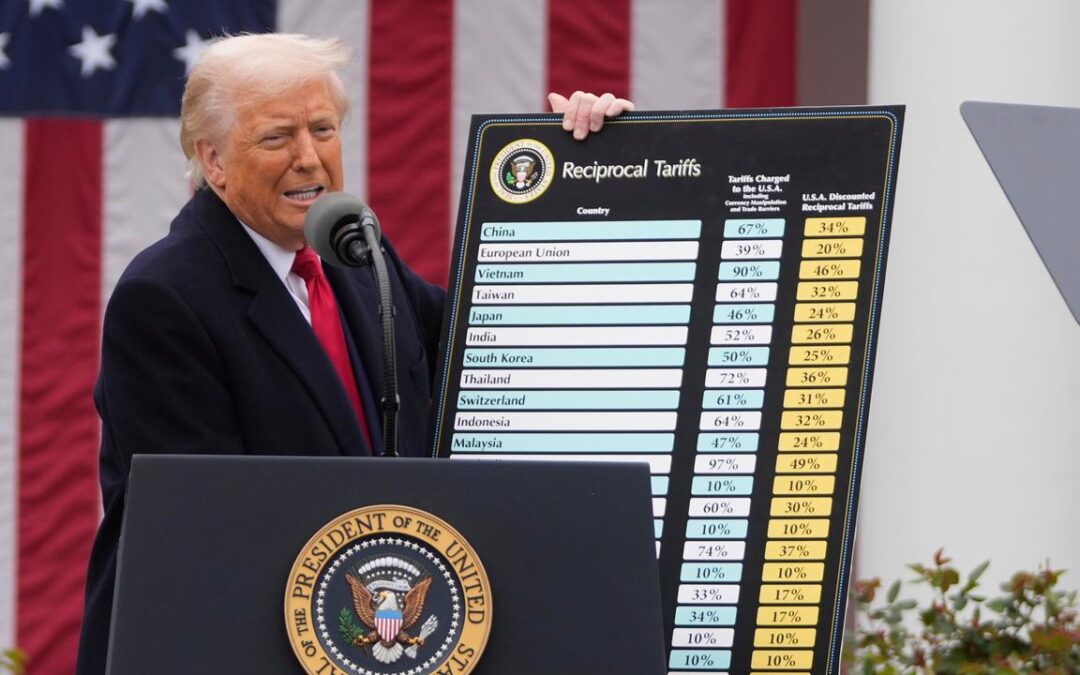
Trump plans to appeal order on US tariff refunds
US businesses big and small have started receiving tariff refunds after the United States Supreme Court ruled that President Donald Trump lacked the constitutional authority to impose higher import taxes on goods from nearly every other country.
The process could grind to a halt, however, after Trump’s administration said on Friday that it intended to appeal a federal judge’s order to allow all companies that paid the invalidated duties to seek refunds, not just the ones that filed lawsuits.
Until the Department of Justice informed the judge of its planned appeal, the refund system overseen by US Customs and Border Protection had been working fairly smoothly.
Refunds reached the bank accounts of the first successful applicants on May 12, about three weeks after importers and their customs brokers could start submitting claims through an online system, according to CBP.
Applications for refunds totalling $US85 billion ($A118 billion) – more than half of the $US166 billion the agency estimated the government owes to companies that paid the tariffs on imported goods – were accepted for processing as of May 22, CBP reported in a legal filing earlier in the week.
It said it had so far directed the Treasury Department to issue $US20.6 billion in refunds.
The administration revealed its appeal preparations while objecting to a demand by Judge Richard K Eaton for CBP Commissioner Rodney Scott to appear in the US Court of International Trade to answer questions about how long it would take to repay all 330,000 importers that might be eligible for refunds.
The judge has scheduled a June 9 hearing on why he should not require the government do whatever it takes to speed up the process.
Justice Department lawyers asked Eaton to allow one or two of Scott’s deputies to appear in his place, arguing that as a high-ranking presidential appointee, the CBP chief could not be compelled to testify in court.
They also argued that Eaton exceeded his own authority when he determined in March that the Supreme Court’s ruling entitled “all importers of record” to refunds.
“For that reason, defendants intend to appeal the court’s universal injunction,” the lawyers wrote, adding that CBP would continue to move “as quicky as it can to process refunds in a phased approach” for businesses that filed 485 pending trade court complaints to assert their rights to refunds.
In a terse reply on Friday, Eaton said he needed to hear directly from Scott whether the government would return all of the money it collected between when Trump put what he called “reciprocal” tariffs on most countries in April 2025 and when the Supreme Court struck them down in late February.
“This case involves $US166 billion,” the judge wrote.
“It is undisputed that the remedy for this unlawful collection is for the United States government to refund the unlawfully collected duties.”
Some US retail chains said they planned to use their tariff refunds to lower customer prices on some items.
Walmart chief financial officer John David Rainey told analysts last week that the company would implement price cuts even though the maximum refund it might be eligible for represented less than half of one per cent of Walmart’s $US483 billion in annual US sales.
Some smaller companies told the Associated Press that the partial refunds they have received so far would go toward paying remaining or future tariffs, reducing debt or just keeping the lights on after more than a year of uncertainty and additional import costs.
Housing fair go spruiked as Labor digs in on tax reform
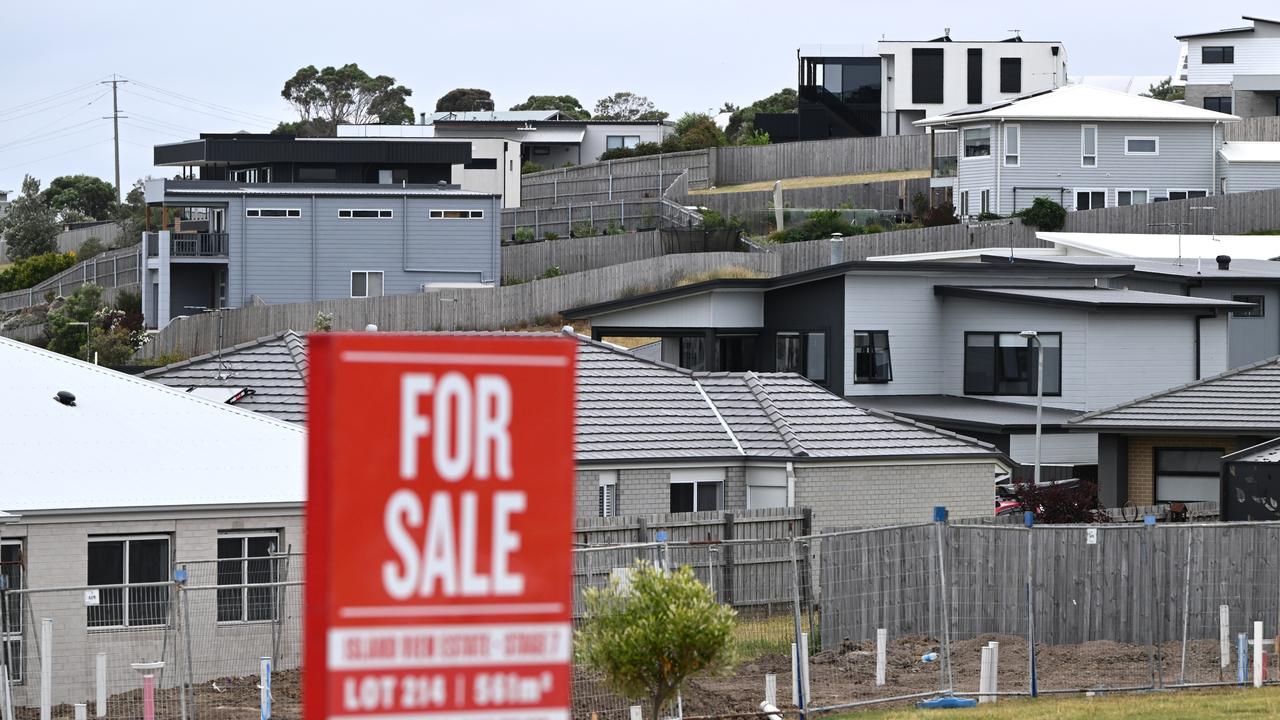
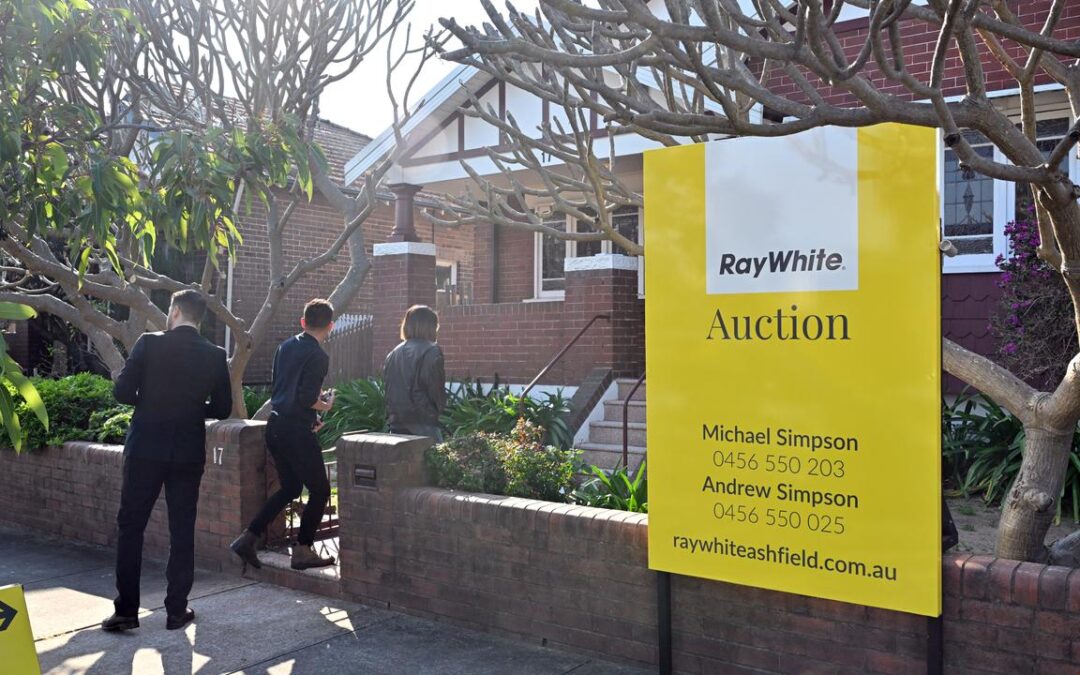
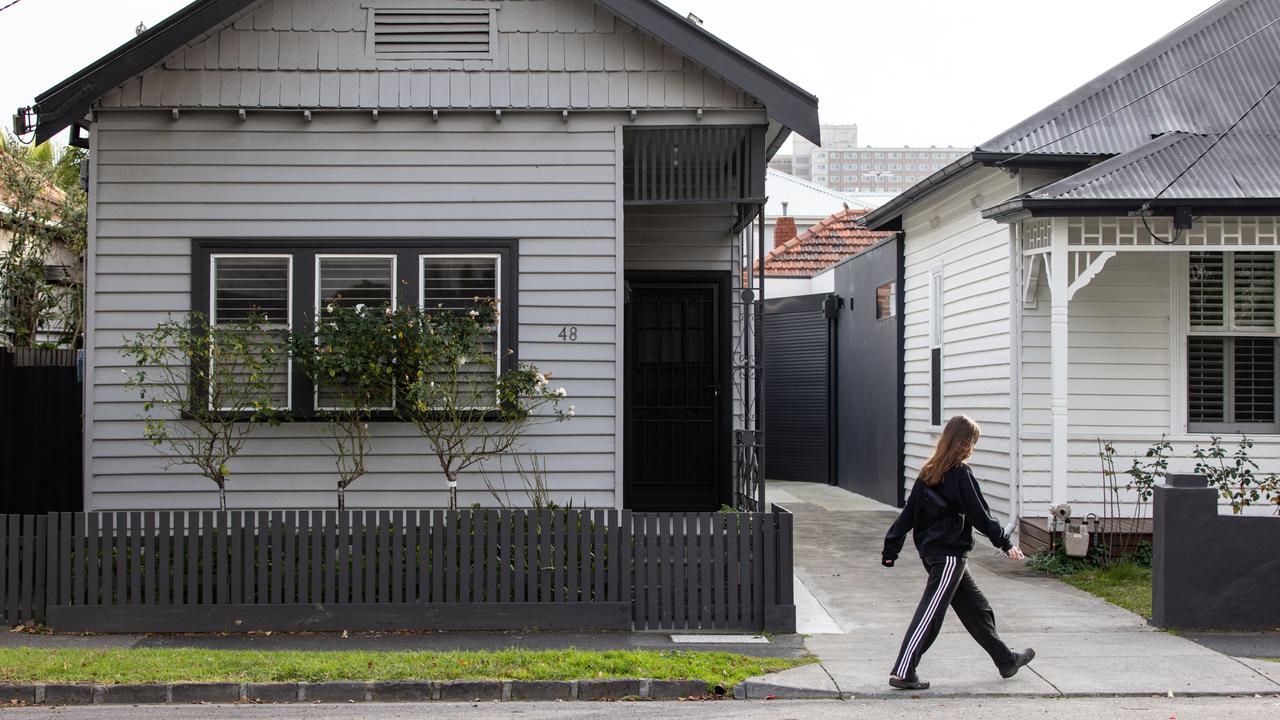
Falling home ownership rates among younger Australians feature in the latest sales pitch from a federal government still fighting fires weeks after the budget release.
Levelling the playing field for first-home buyers has been a prominent selling point of Labor’s tax reform package, which includes changes to negative gearing and the capital gains tax.
“If you work hard, you should be able to get ahead but that hasn’t been the case for many Australians,” Treasurer Jim Chalmers said.
“This isn’t the fault of older Australians, it’s the fault of successive governments that have ignored the challenges in tax and housing for far too long.”
Home ownership rates among 25-34-year-olds have fallen faster than for other age groups, sinking seven percentage points in the two decades from 2001 to 2021.
The combination of the 50 per cent capital gains tax discount – brought in by the Howard coalition government in 1999 – and negative gearing have made housing an enticing investment, the government says, and at the expense of homebuyers.
Reserve Bank research has also found the proportion of Baby Boomer property investors has climbed sharply since the capital gains discount was introduced, from 12 per cent in 2000 to 28 per cent in 2023.
The share of investors younger than 30 fell from nine per cent to four per cent over the same time.
Under Labor’s changes, the 50 per cent discount will be scrapped and gains adjusted for inflation taxed instead and negative gearing phased out.
Attractive tax treatment will remain open for new home builds, however.
Opposition Leader Angus Taylor labelled the reform package “toxic” and a war on aspiration at a Liberal Party federal council meeting in Melbourne on Saturday.
Mr Taylor promised to repeal the changes if the coalition win power.
Also on the offensive have been real estate and property groups, releasing modelling on Friday claiming the impact of the tax package would be worse for rent prices and housing supply than Treasury forecasts.
Business lobbies have also been critical of the plan to axe the 50 per cent capital gains tax discount, arguing it will discourage productive investment.
Carve-outs for startups have been flagged and the government is consulting on other changes with industry groups.
The tax changes have been referred to a Senate committee for scrutiny, with the committee to report back by June 22.
Germany’s ailing Free Democrats pick 74-year-old leader
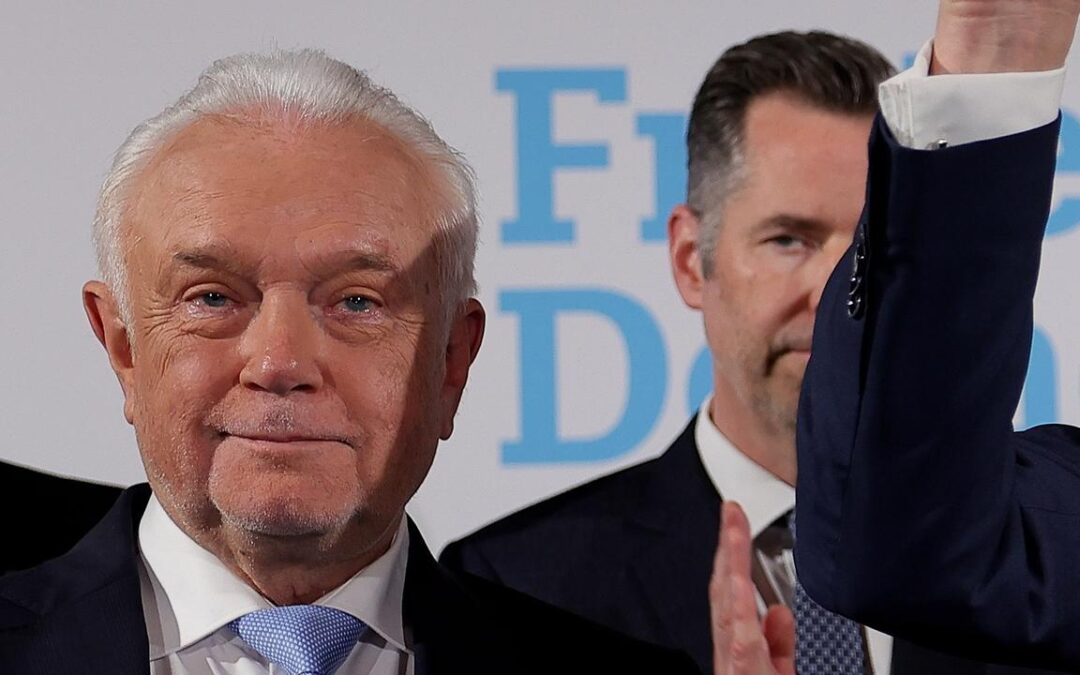
Germany’s ailing Free Democratic Party has picked the 74-year-old Wolfgang Kubicki as its new leader, as the pro-business party seeks to recover from a run of election defeats.
The veteran politician prevailed over Member of the European Parliament Marie-Agnes Strack-Zimmermann in a vote at the party conference in Berlin, earning 390 votes to her 259.
Kubicki is now tasked with achieving what the previous party chairman, Christian Dürr, failed to do since his election a year ago: to lead the FDP out of its growing irrelevance and restore it to a position as a serious political force.
Long a kingmaker in German politics as a coalition partner for either the conservative bloc or the Social Democrats, the FDP’s support has plunged since the collapse of former chancellor Olaf Scholz’s government in late 2024.
Dürr took the helm of the classically liberal party following its failure to clear the five per cent threshold needed to win seats in the Bundestag, Germany’s lower house of parliament, in the February 2025 general election.
However, he was unable to turn the tide.
This year, the FDP has suffered further setbacks in state elections in Baden-Württemberg (4.4 per cent) and Rhineland-Palatinate (2.1 per cent), failing to win any seats in either regional parliament.
As a result, the entire party leadership resigned.
The new team under Kubicki has been elected for just one year.
He will face his first test as early as September, when new state parliaments will be elected in Saxony-Anhalt, Mecklenburg-Vorpommern and Berlin.
In all three states, the FDP currently stands at under five per cent in opinion polls.

Australia’s digital ‘arteries’ vulnerable to attack
Australia’s vulnerability to attacks on subsea cables that internet traffic flows through has been underlined by the deputy prime minister at an Asian security summit.
Richard Marles, also Australia’s defence minister, has highlighted the “historically unprecedented” attacks on critical infrastructure on the ocean floor.
“It is striking that several cables have been severed across the Baltic and the Taiwan Strait since November 2024,” he said at 2026 Shangri-La Dialogue, without levelling accusations at individual countries.
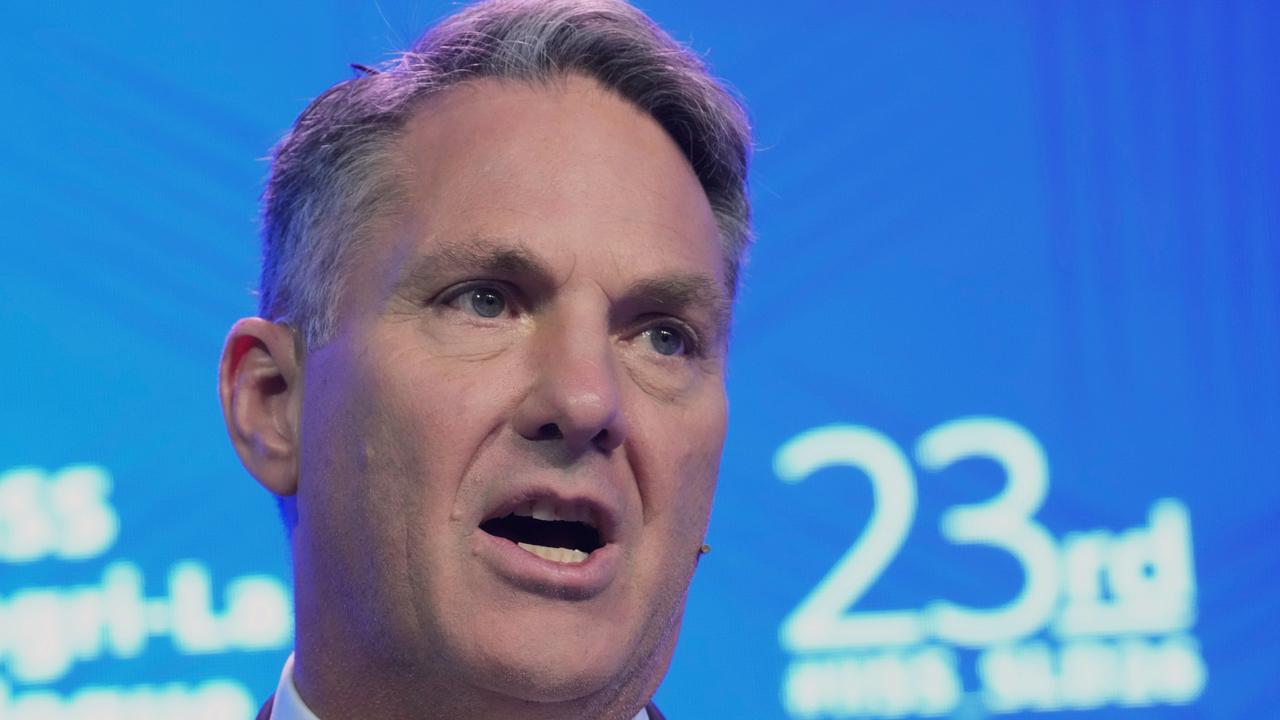
“Now, maybe these were accidents,” he added at the Singapore defence meeting on Saturday.
“But even if they were, it highlights the vulnerability of this crucial part of the globe’s infrastructure.”
With roughly 99 per cent of Australia’s internet flowing through just 15 subsea cables, Mr Marles said Australia was among the most exposed nations in the world to this “documented pattern of behaviour”.
Pacific island nations were even more vulnerable as they were often served by a single cable.
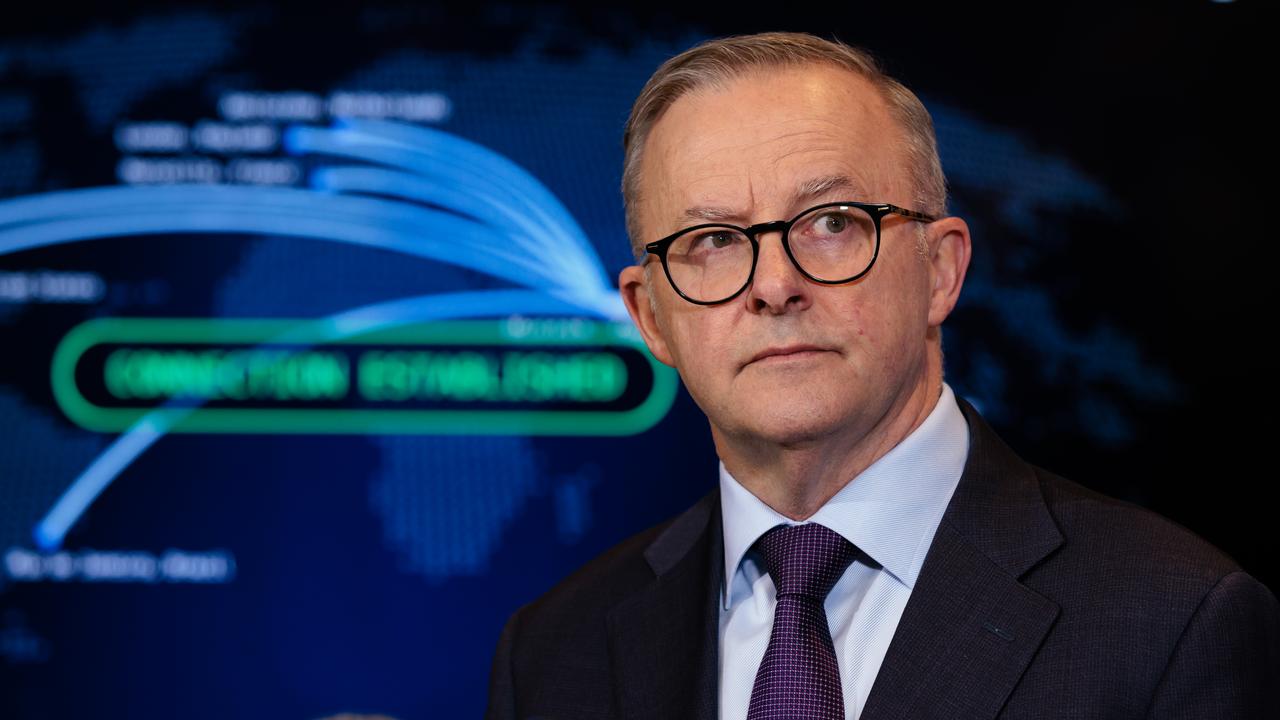
“These cables are, in the most literal sense, the arteries of modern civilisation,” he said.
“Our financial systems, our health systems, our communications, our intelligence partnerships, our ability to operate as a modern economy and a functioning state: all of it is critically dependent on infrastructure that is exposed, that cannot move and – as we have now seen demonstrated in the Baltic – can be cut with an anchor in the middle of the night.”
Australia’s dependence on subsea cables has been identified as an “Achilles’ heel” by the Australian Strategic Policy Institute, with cables converging at a few landing points and many following similar routes, leaving them vulnerable to attacks on multiple lines at once.
Australia’s growing reliance on artificial intelligence tools and corresponding demand for high-speed, reliable internet connectively is leaving the nation even more vulnerable to subsea cable disruptions.
Diesel boost on the water for bottlenecked regions
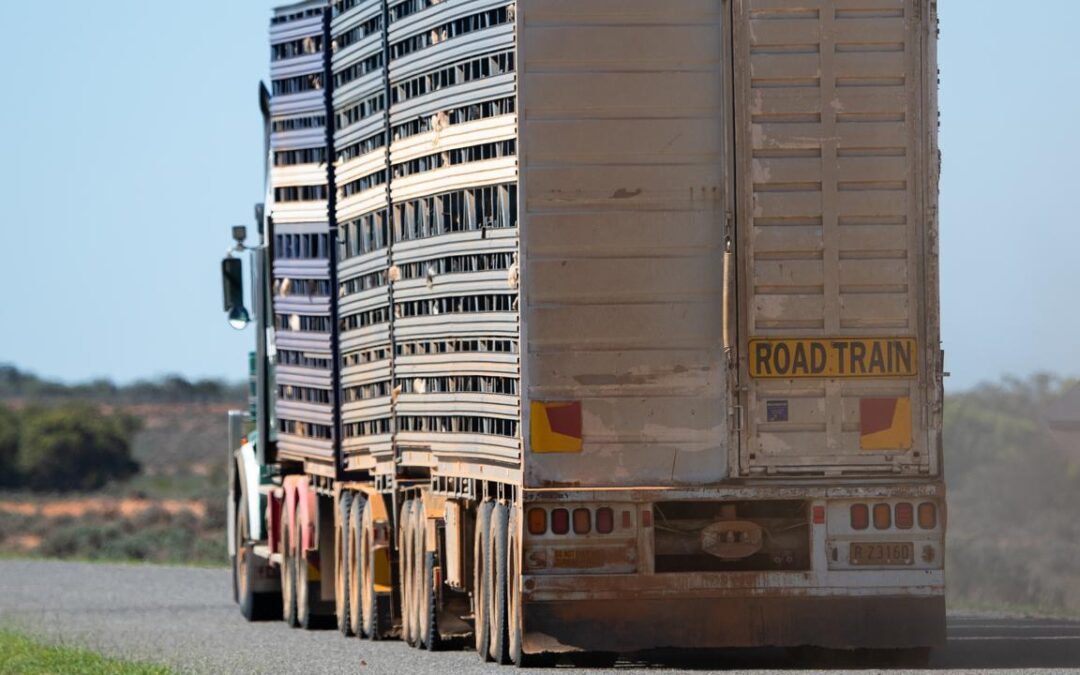
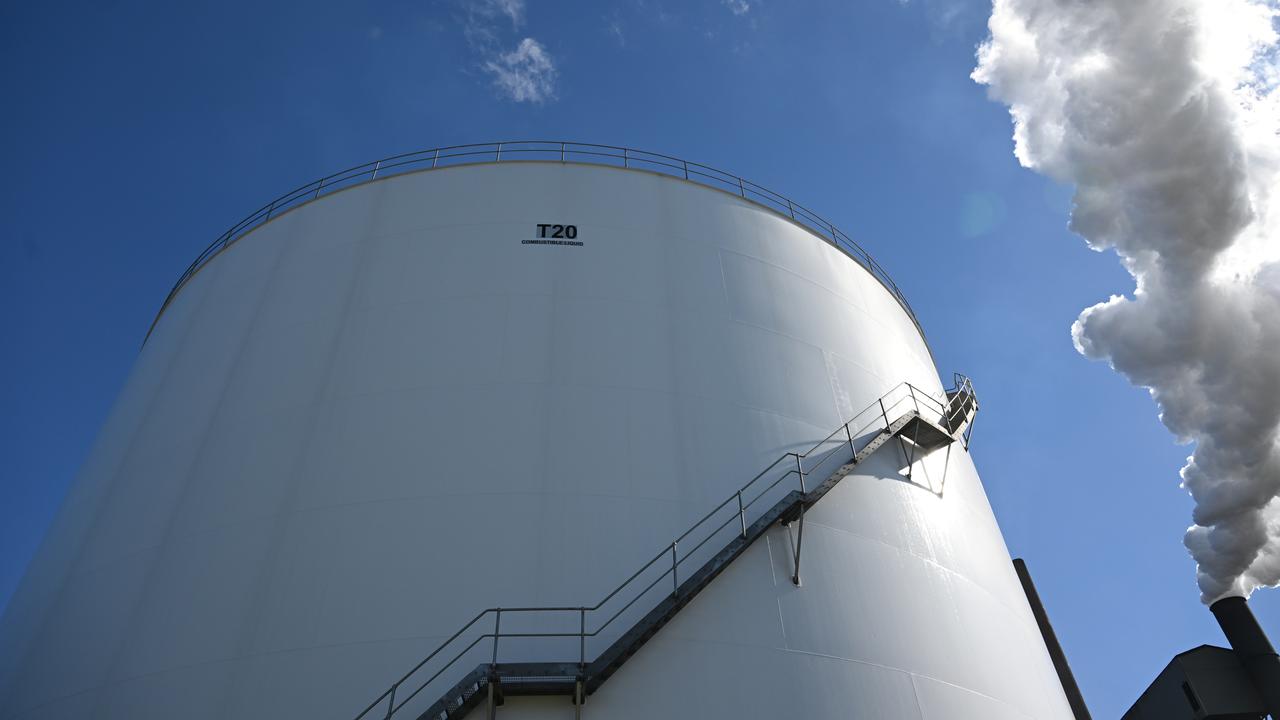
The federal government has secured an extra 40 million litres of diesel to address bottlenecked Queensland supplies.
An agreement between Export Finance Australia and independent supplier Freedom Fuels should see the shipment arrive in Brisbane in coming days.
It will then be distributed across the state to meet supply constraints in regional and independent service stations from June onwards.
Anthony Albanese says the fuel is in addition to 16 shipments already secured with help from Ampol, BP, IOR and Viva Energy in response to global supply instability triggered by the Middle East conflict.
“This is a win for regional Queensland when they need it most,” the prime minister said on Saturday.
“(It comes via) a partnership between our government and a business with demonstrated and reliable pathways to ensure fuel gets to farmers and growers who need it.”
Energy Minister Chris Bowen said the temporary relaxation of Australia’s Minimum Stockholding Obligation for petrol and diesel would also be extended for three months.
The measure ensures bulk importers and refineries maintain a baseline level of stock at all times.
The extension will effectively allow suppliers to keep 20 per cent less diesel and petrol in reserve as long as they commit to delivering more fuel into the domestic market until the end of September.
“This measure provides ongoing flexibility for industry to respond quickly in the event of another significant spike in demand,” Mr Bowen said.
However, Australia’s domestic holdings have given the government confidence the three-month extension strikes the right balance should global conditions deteriorate.
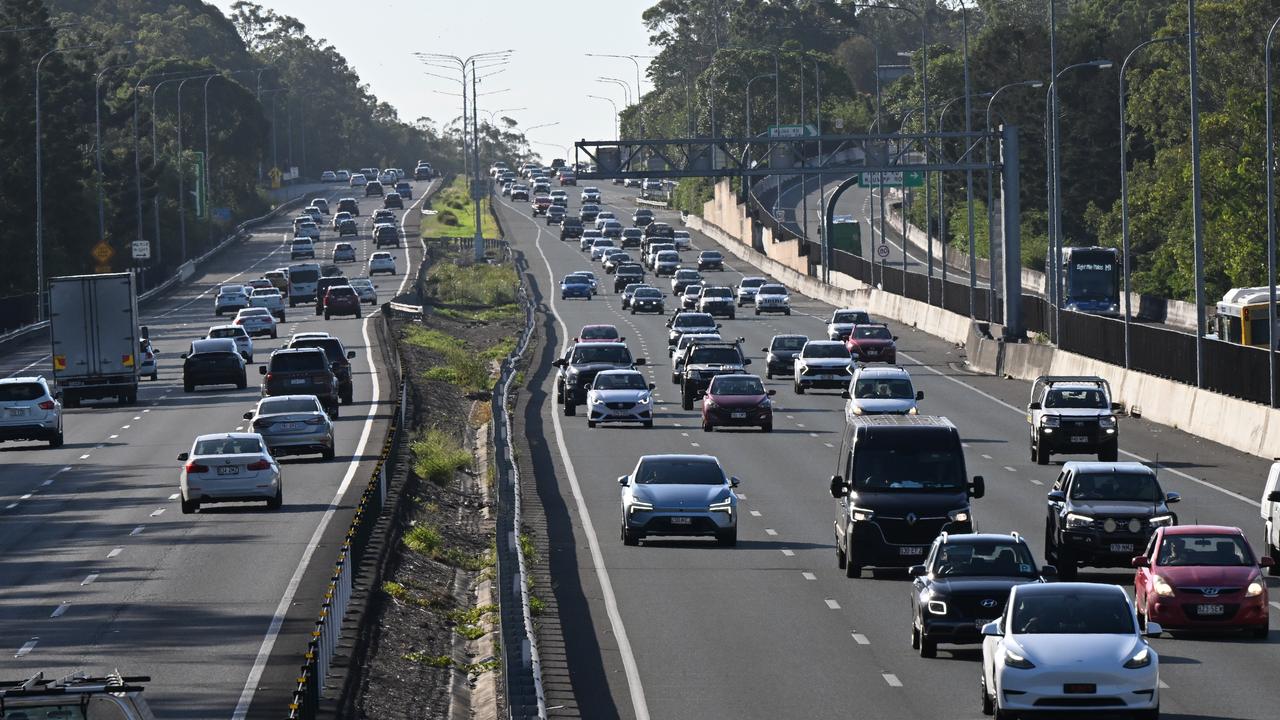
Mr Bowen said supply tankers were arriving in Australia’s ports but the ongoing closure of the Strait of Hormuz continued to disrupt markets.
“Even once shipping resumes, the return to normal of the global flow of fuels and goods will take months,” he said.
Under its Strategic Reserve powers, the government has also secured an extra 205,000 tonnes of agricultural-grade fertiliser, Mr Albanese said.
Australia currently holds 48 days’ worth of petrol, or 12 more than when Iran was first bombed.
It holds 36 days of diesel or an extra four days’ worth, and 30 days of jet fuel or an additional day.
Some 46 ships ready to deliver various fuel types are also on the water.
The latest Australian Bureau of Statistics Survey of Business Conditions and Sentiments reveals fuel prices and supply have adversely affected 72 per cent of businesses across the country.