
Century-old farming dynasty ends with one last harvest
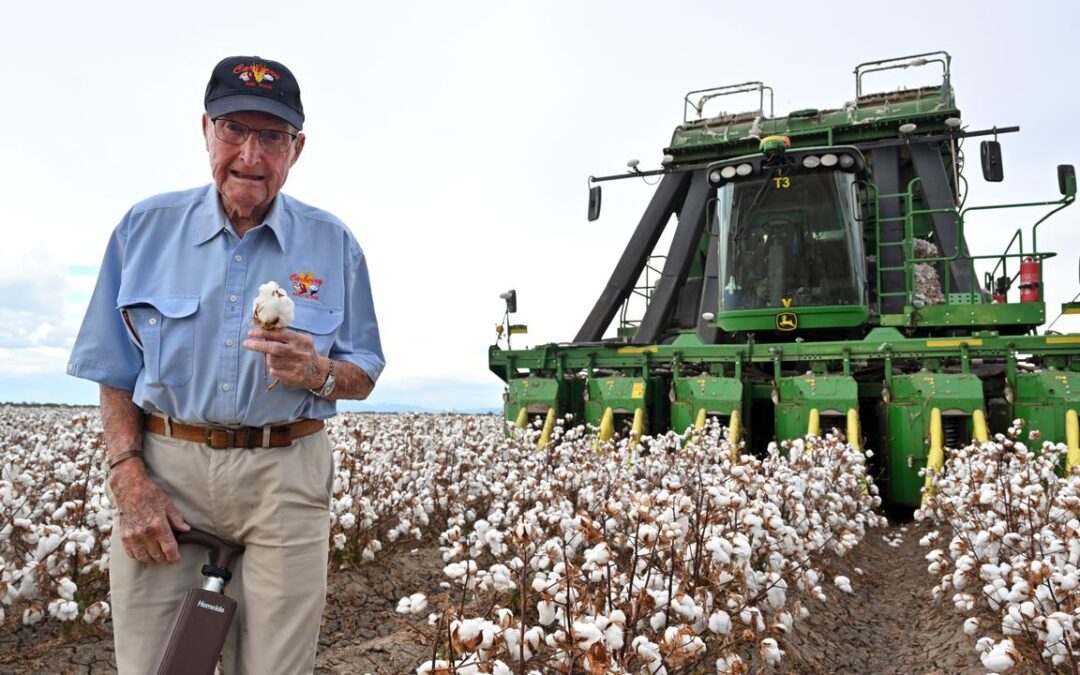
When Pat Carberry finally climbs down from the cabin of his harvester this season there will be mixed emotions.
He’s farmed cotton at his Cardale property, near Narrabri in NSW’s northwest, for 59 of his 97 years.
But 2026 will be the last time he and his family hit the fields.
The ending of a century-old family partnership, the rising cost of machinery and fertiliser, and water licensing issues have all contributed to a decision to sell up and pursue other endeavours.
Cardale and its operation look vastly different since Pat’s father, Stan, bought the land upon returning from Gallipoli and the battlegrounds of the Middle East in 1917.
Even so, modern cotton farming is not a simple task for the uninitiated.
“You might think we’ve got to the stage of it being idiot-proof but it’s not quite that,” Pat tells AAP.
“Over the years, we’ve increased our yields by six or 700 per cent but so has all our expenses.”
Pat’s father Stan was wounded more than a dozen times during his World War I service but it didn’t stop him setting up a farm on land obtained on a soldier settlement scheme.
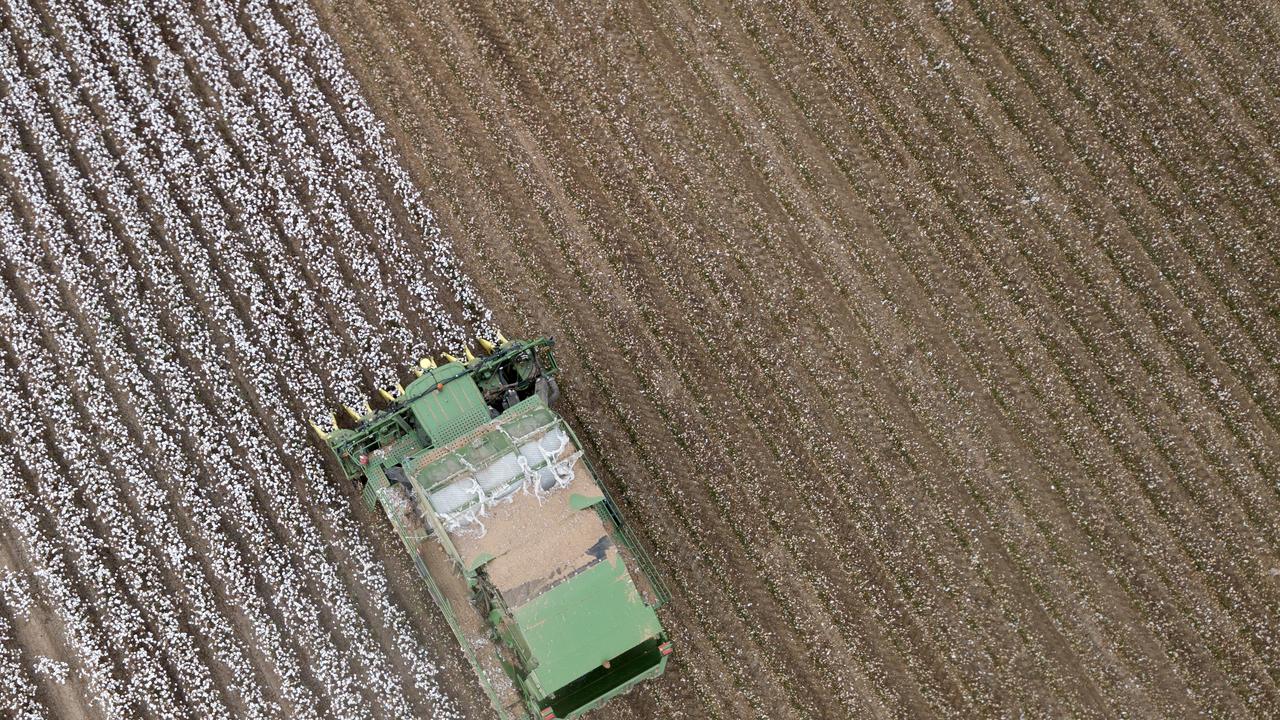
After three-and-a-half decades of wheat and sheep farming, Stan and his children jumped on the back of a 1960s wave of cotton-growing started by a pair of Americans looking for fresh overseas ground.
Since the middle of that decade, Pat and his family have been at the forefront of Australia’s cotton industry, one of the most highly regarded cotton crops in the world.
“We’ve been through insects and that was partly solved by genetically modified cotton,” Pat says.
“I used to have 100 cotton chippers out there, and that’s been partly solved by genetically modifying protein … so we could spray Roundup over the top and kill weeds and not the cotton.”
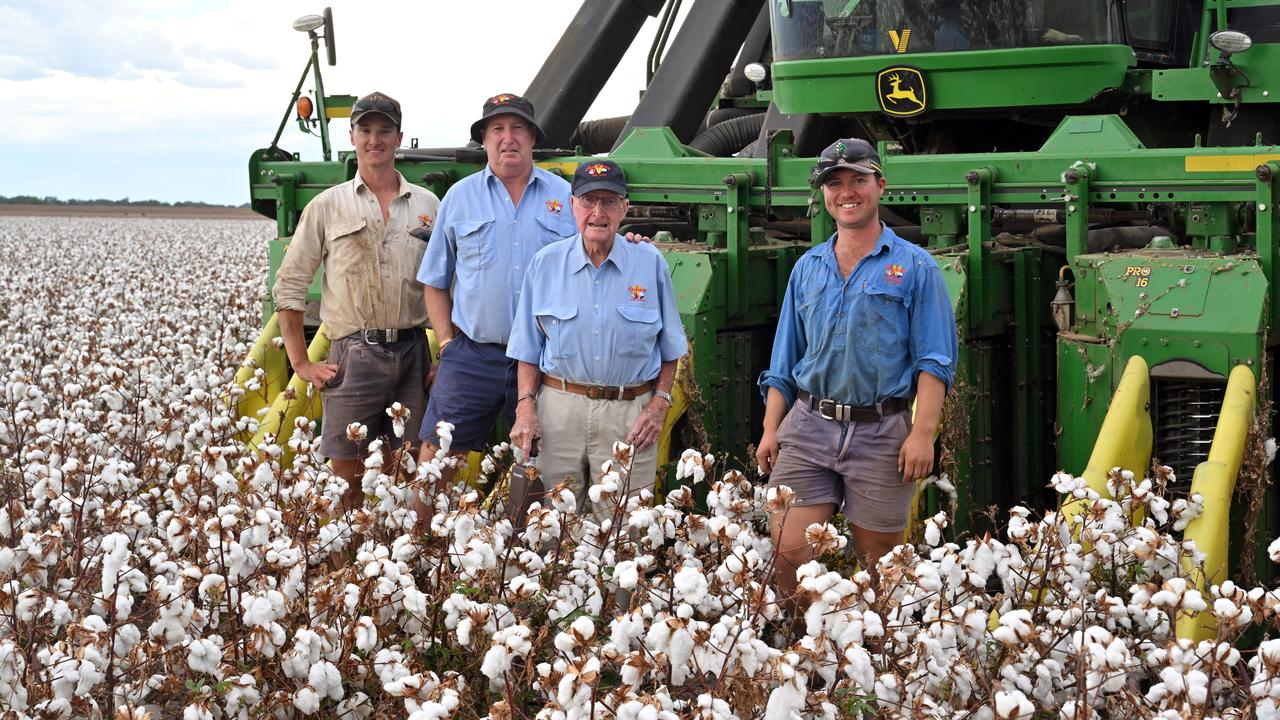
Four generations of Carberrys have lived and worked at Cardale with Pat’s son Mike and grandson Samuel taking over most of the day-to-day in recent years.
But Pat can’t keep himself away from the action, especially during the harvest.
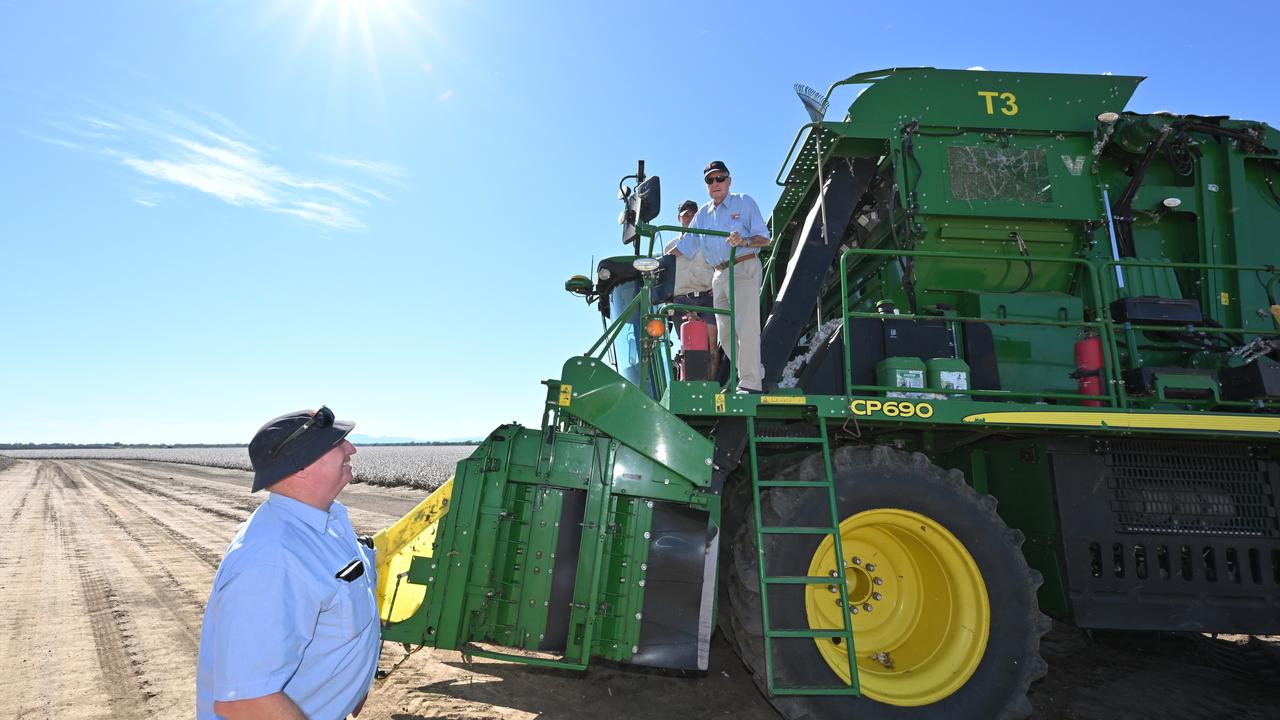
He’s not afraid to get behind the wheel of one of the farm’s modern cotton pickers that have slashed the amount of manpower needed during harvest.
“He comes out every day for smoko and we do a drive around the farm,” Mike says.
“He says he’s been to work and I do say to him that he uses that word loosely.”
Despite the gentle ribbing, Mike wouldn’t have it any other way.
“We love having him out around the farm; what’s in Dad’s head is so valuable to us and I’ve never lost sight of that,” he adds.
For most of its history in Australia, cotton has been littered with family farming stories like Pat’s.
But with cost pressures on essentials like diesel and fertilisers and the rising influence of corporate conglomerates, small operators are battling.
“The family farm is struggling to take the highs and the lows, particularly the lows,” Mike says.
“Our expenses have just got out of control and we’re price-takers.
“The fuel situation at the moment or the fertiliser situation, we can’t pass that on.”
A key driver of increasing yield has been Australian scientists and breeders making the industry more efficient.
Excessive water and pesticide use are environmental criticisms often levelled at cotton farming, particularly during drought.
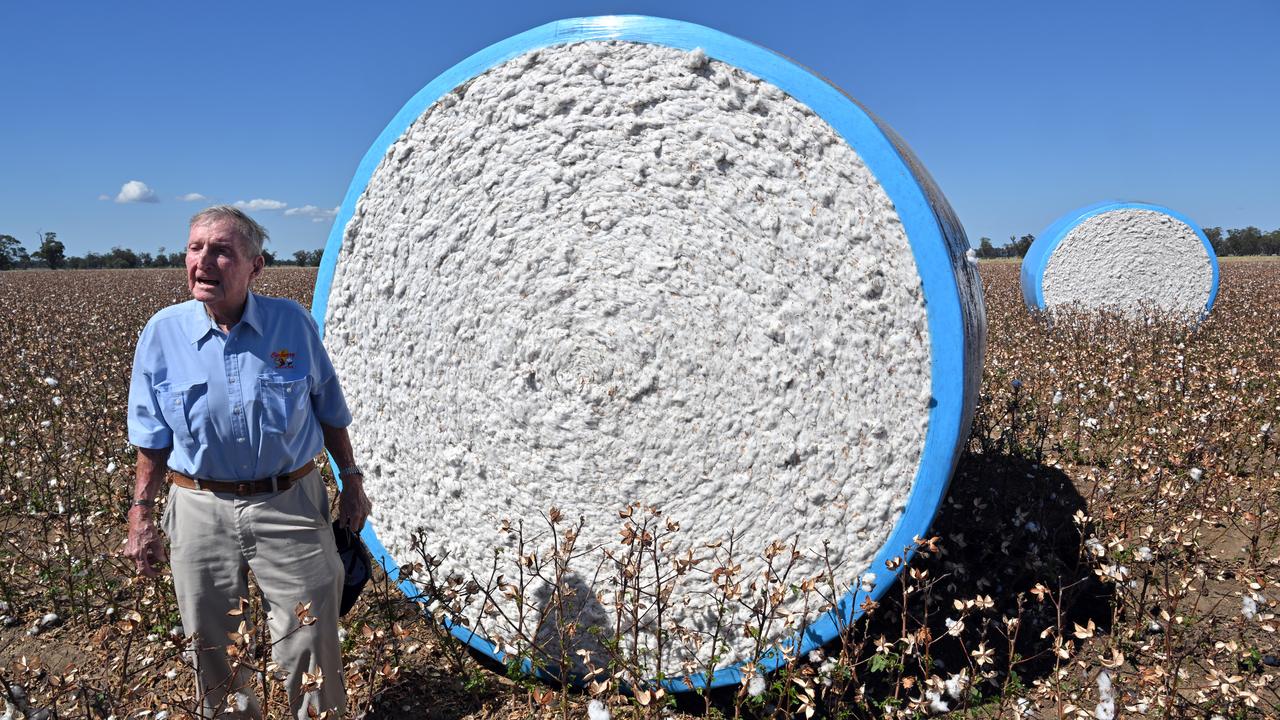
But the chief executive of Cotton Australia says the industry has relied on science and technology to make giant leaps to address those concerns.
“Swarm bots spray the cops, they’ve got cameras on there that only spray when there’s a weed underneath … that’s reducing herbicide use by up to 80 per cent,” Adam Kay tells AAP.
“We’ve doubled our water use efficiency, we’re producing twice as much cotton from a litre of water as we did 20 years ago.”
As a natural fibre, cotton also has significant environmental advantages over its main competitors, Mr Kay says.
“Your polyesters and lycras … they don’t break down and they’re made from oil,” he says.
Almost all of the cotton grown in Australia is shipped overseas due to the lack of local spinning infrastructure and cheaper wages abroad.

Bonds underwear was one of the final major textile manufacturers to operate a factory using local cotton but their last facility near Wollongong shut its doors in 2010.
Mike’s pedigree and intimate knowledge of the industry has meant he’s long been at the forefront of Australia’s mission to improve standards for growers.
The MyBMP initiative is a set of industry standards for local producers to ensure workplace health and safety and provide buyers certainty about environmental protections.
Mike was involved from its conception and says standardising the processes across the industry will keep Australian cotton desirable for years to come.
“We’re trying to get people wanting to use 100 per cent Australian cotton in their products,” he says.
Back home at Cardale, the only focus for now is securing a good return for its 59th and last harvest under the Carberry ownership.
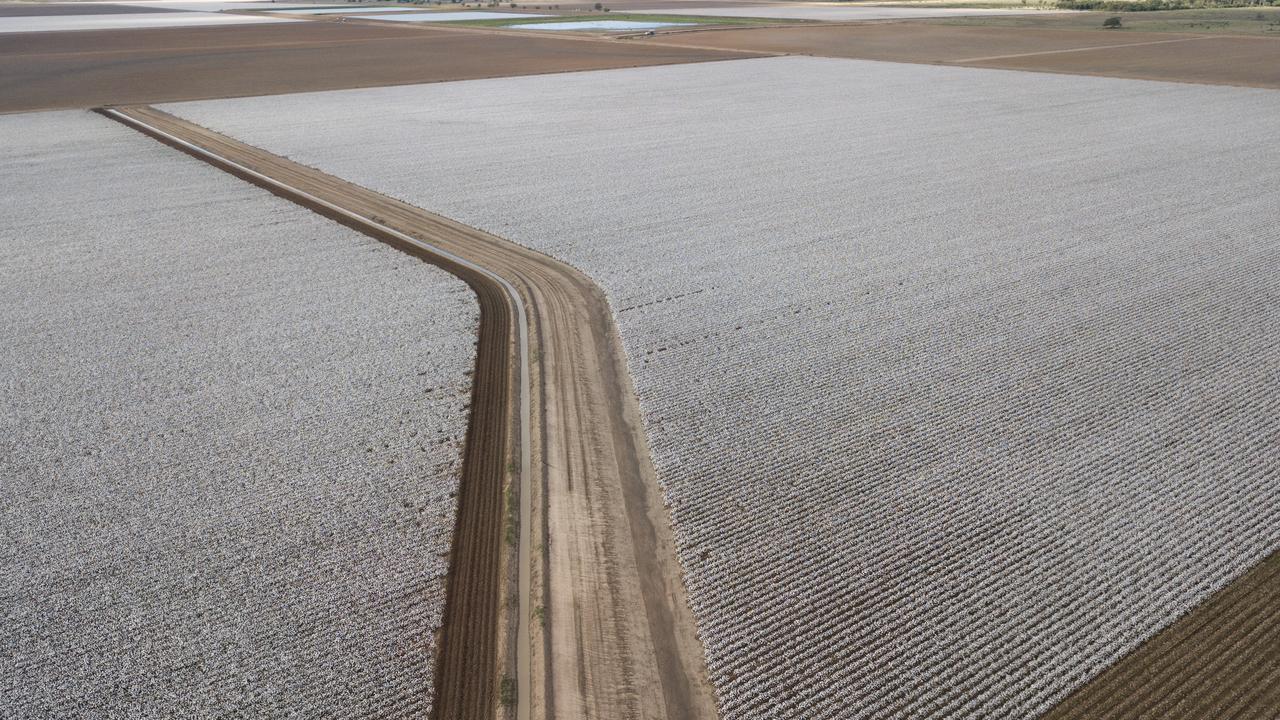
While Pat and his clan won’t be there, the farm’s immediate future is secure with the Carberrys selling to a neighbouring seed company after the family partnership that ran the farm for 107 years broke up.
But Pat isn’t quite sure just what he’s going to do now there won’t be a farm with his family working the fields.
“We’re not too sure where we’re going to go from here,” he concedes.
“We’re going to pick up our football and go home.”

Japan PM plans Australia visit over rare earths: report
Japanese Prime Minister Sanae Takaichi is planning a visit to Australia, seeking to discuss supply chains for rare earth elements and co-operation on safe navigation in the Strait of Hormuz, the Nikkei newspaper reports.
Takaichi’s initiative comes shortly after her government signed a rare earths deal with France, which Japan’s public broadcaster NHK reported on Wednesday.
Japan and other countries have been aiming to diversify away from the supply chain largely dominated by China, the world’s largest rare earths producer and supplier.
The Japanese and Australian leaders will also discuss the “free and open Indo-Pacific” initiative, the Nikkei report said.
The attempt to lessen dependence on China has allowed Australian miners to secure deals, with Lynas agreeing a potential rare earths deal with South Korean firm LS Eco Energy last week.
Australian Minister for Resources Madeleine King said on Thursday that France was among the countries that were set to invest in Australian critical mineral projects.
Why you notice daylight saving changing less and less
When Tasmania became the first state to roll the clocks forward in summer 59 years go, not everyone was happy.
“Leave God’s time alone,” one person wrote to an ABC program on daylight saving in 1970.
“If God had wanted us to wake up in the dark, he would have given us cats’ eyes to help us do it more satisfactorily,” another said.
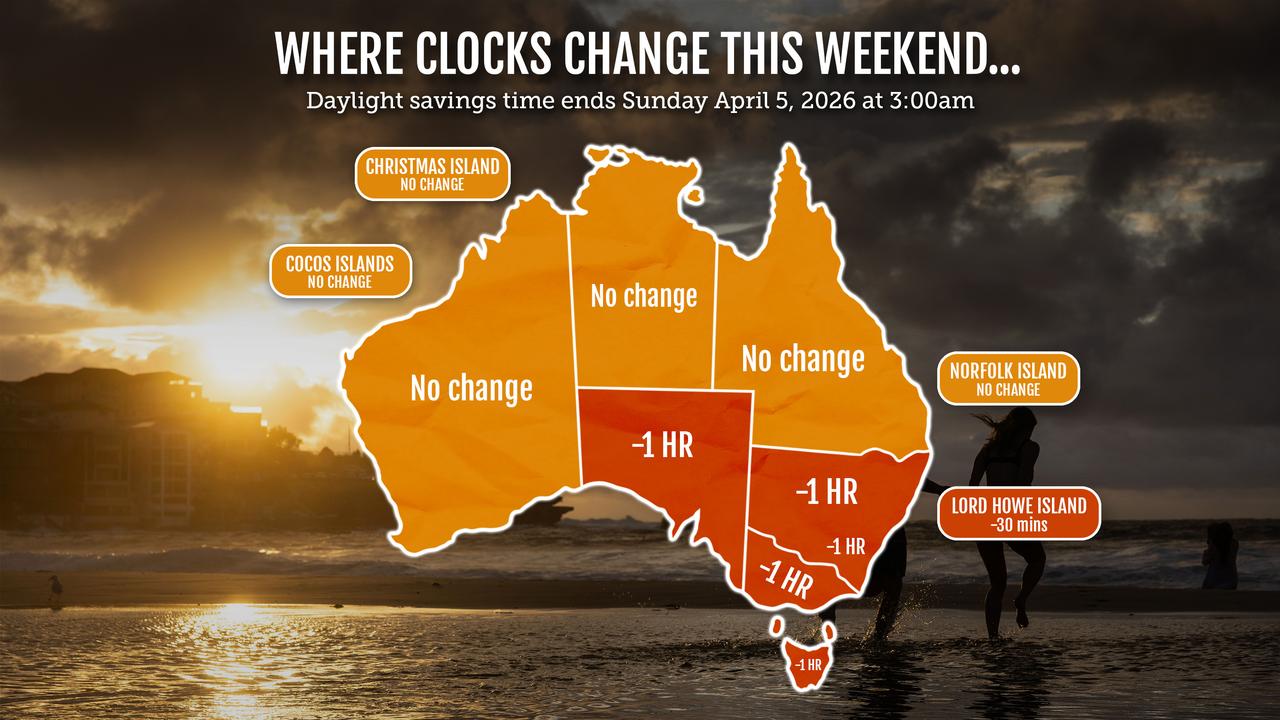
Today, daylight saving might barely be noticeable thanks to the unflinching accuracy of our smartphone clocks, which will diligently repeat an hour on Easter Sunday as states roll back to standard time.
But in the bowels of a sprawling lab complex nestled in dense Sydney bushland, Australia’s chief time boffin Michael Wouters attends to the trillion-dollar global task of keeping accurate time with atomic clocks.
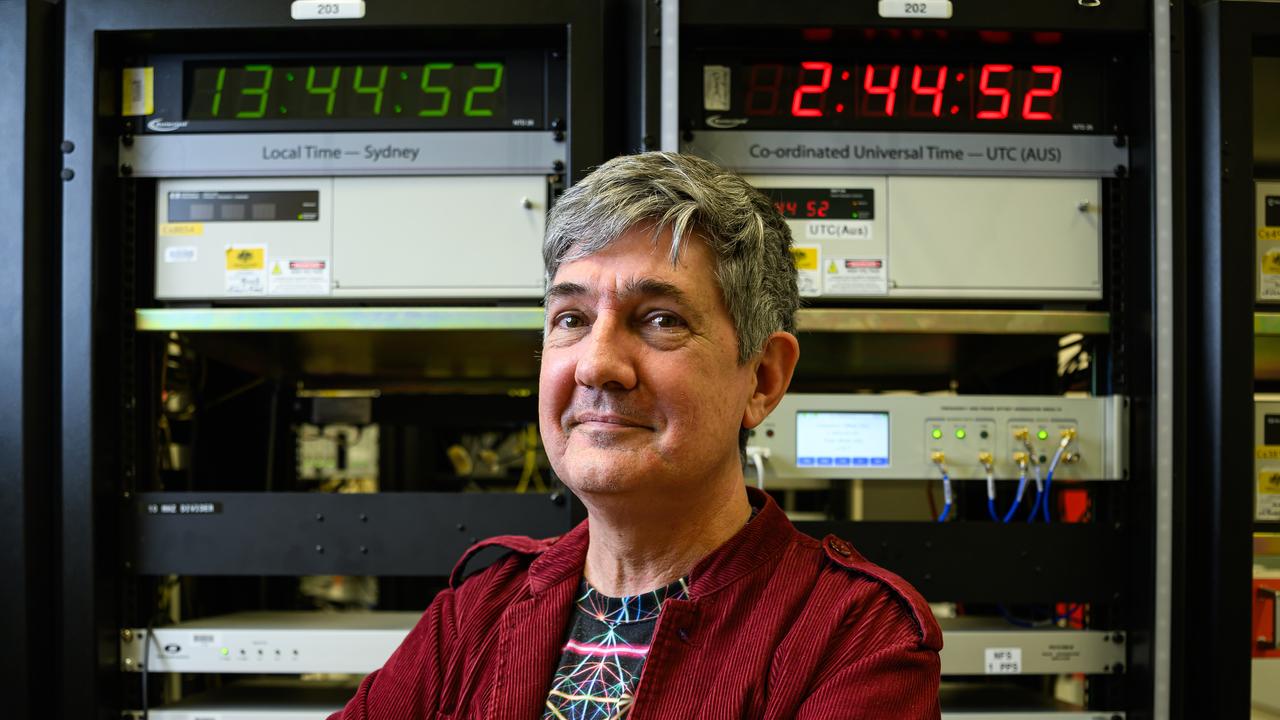
Instead of a pendulum, these blast caesium atoms with microwaves more than nine billion times a second.
A luxury wristwatch might set you back ten grand, but these machines each cost up to $140,000.
“They’re not all that expensive considering their lifetime,” Dr Wouters told AAP.
There is no central world clock, meaning co-ordinated universal time (UTC) – the global standard – is just the average of hundreds of atomic clocks in government labs.
Their time is broadcast with the help of people like Harlan Stenn, who manages the open-source software distributing time to computers from his spare bedroom in Oregon, mostly by himself.
Mr Stenn is barely audible over the six-foot rack of computers towering and whirring over his desk.
“You wouldn’t believe my electricity bill,” he told AAP.

Down in California, Australian-born Kim Davies helps oversee the time zone database, which translates Dr Wouters’ UTC into more than 300 local offsets.
“(The system) is notable for the fact it’s not notable,” he told AAP.
“It’s silent, and automatic, and that’s what’s most of interest to it.”
He says governments aren’t always proactive in reporting time zone changes, including daylight saving, with people’s unpredictability sometimes baffling computers.
“Time zone policy has been set by very human things,” he says.
Airlines, banks, telecoms operators and makers of precisely calibrated measuring instruments also need atomic time, which skips a beat only once every 100 million years.
Nevertheless, there is a market for better clocks.
“There are about 400 clocks that contribute to UTC … ours are very ordinary,” Dr Wouters says.
“There are new clocks that are about 100 to 1000 times better.”
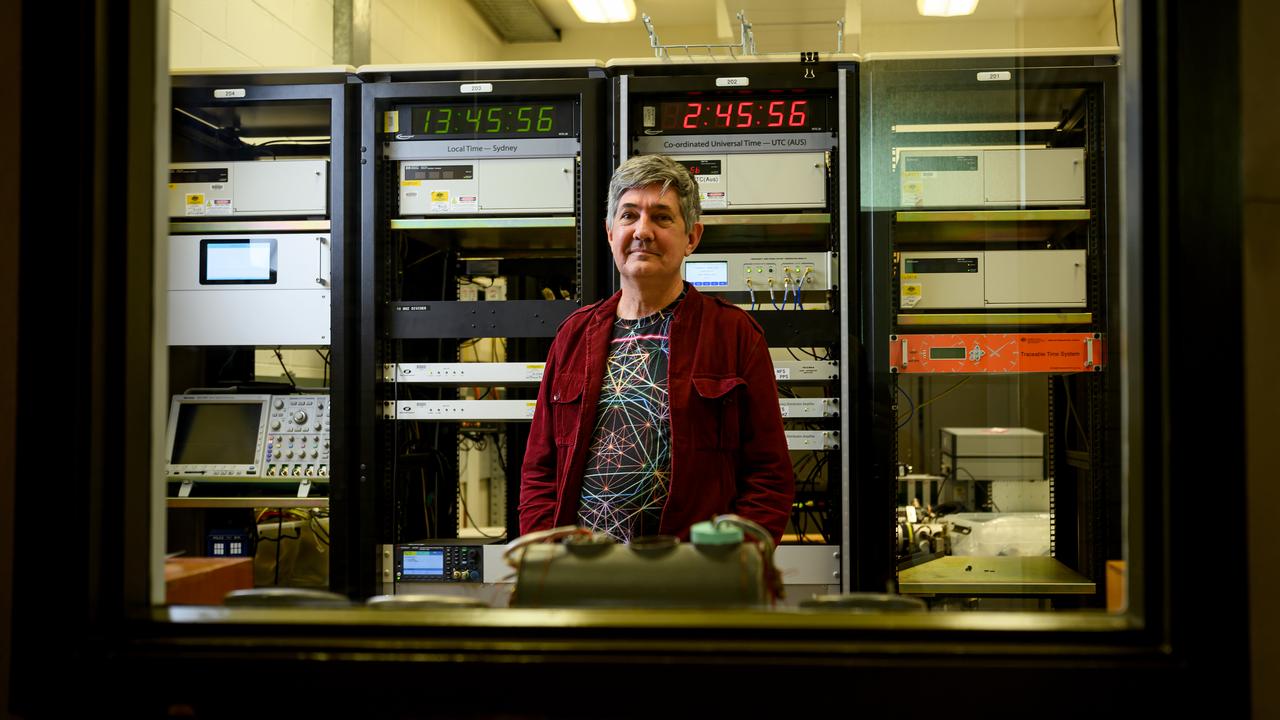
Time marches relentlessly forward, but these clocks – more than 20 years old and using 1950s technology – are also monuments to time stood still.
Even the furniture in the National Measurement Institute, where Dr Wouters has served for 29 years, looks frozen in the 1970s, the complex itself a retro brutalist icon.
And all those years are still not enough for scientists to settle on what time actually is, according to Dr Wouters.
“It’s one of those things … physicists haven’t quite agreed on,” he told AAP.
He won’t be drawn on that thorny issue himself, content to tinker away at the system which keeps modern life in sync.
Thanks to him, the Stenn software and the Davies database, the twice-yearly need to adjust watches has reduced to an intermittent nuisance for the few who maintain analog wristwear.
Not that you’ll see time moving on the wrist of Australia’s chief timekeeper.
“It’s a point of honour in standards of time and frequency not to have a watch,” Dr Wouters said.
When not in sight of an atomic clock, he checks the time on his phone.
Excise cut softens blow for Easter road trippers
Record high fuel prices have not translated into Easter holiday booking cancellation spree at holiday parks and resorts, a major tourism operator says.
NRMA, which owns about 50 holiday parks and resorts, said there was only a slight drop-off in bookings.
“There have been some cancellations but not at the levels initially feared,” the association’s spokesperson Peter Khoury told AAP.
“That’s to be expected with record high fuel prices.”
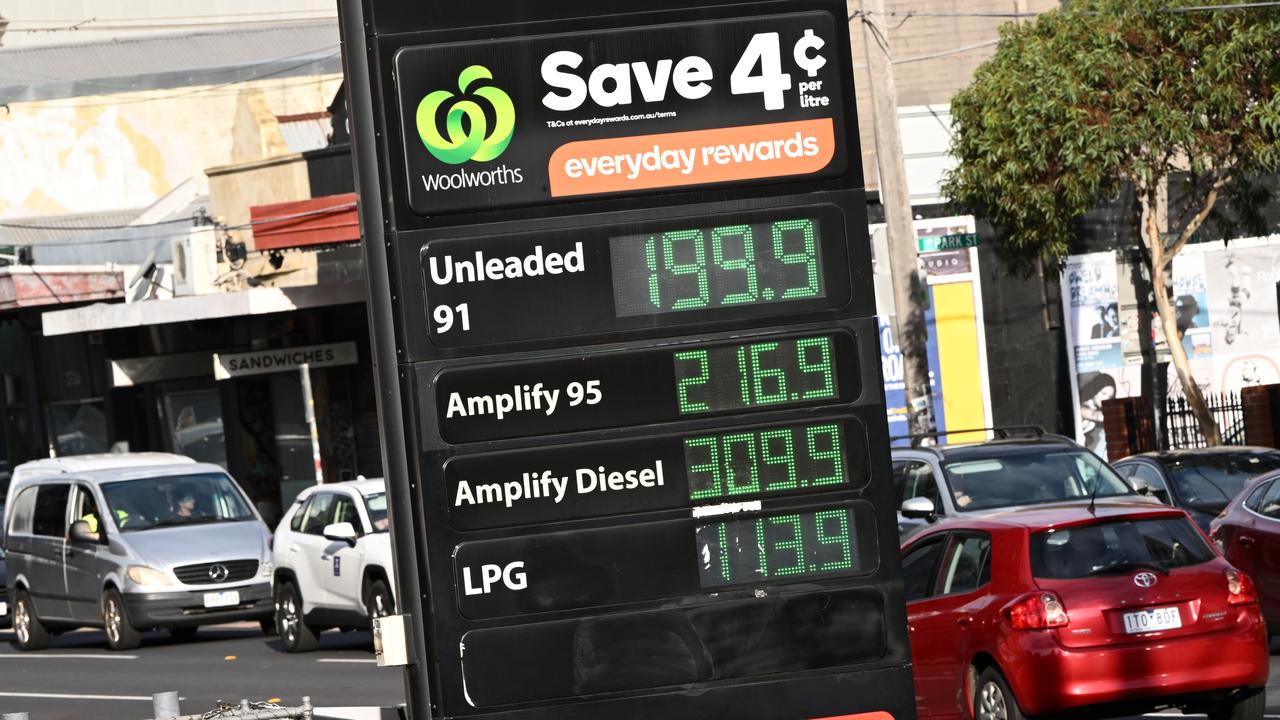
A survey conducted in March by the motoring group found that nearly a quarter of drivers at 24 per cent are combining trips to make the tank last a bit longer.
More than 40 per cent polled were also cutting back on driving by between 10 to 30 per cent.
Mr Khoury said cautious consumer confidence was buoyed by the federal government assuring the public of its supply strategy.
“There’s been more certainty around supply, the cut in the excise may have encouraged to people to get in the car and people have started to regulate their behaviour,” he said.
Transport for NSW senior official Rob Austin said the Easter break was traditionally one of the busiest times despite cost of living concerns.
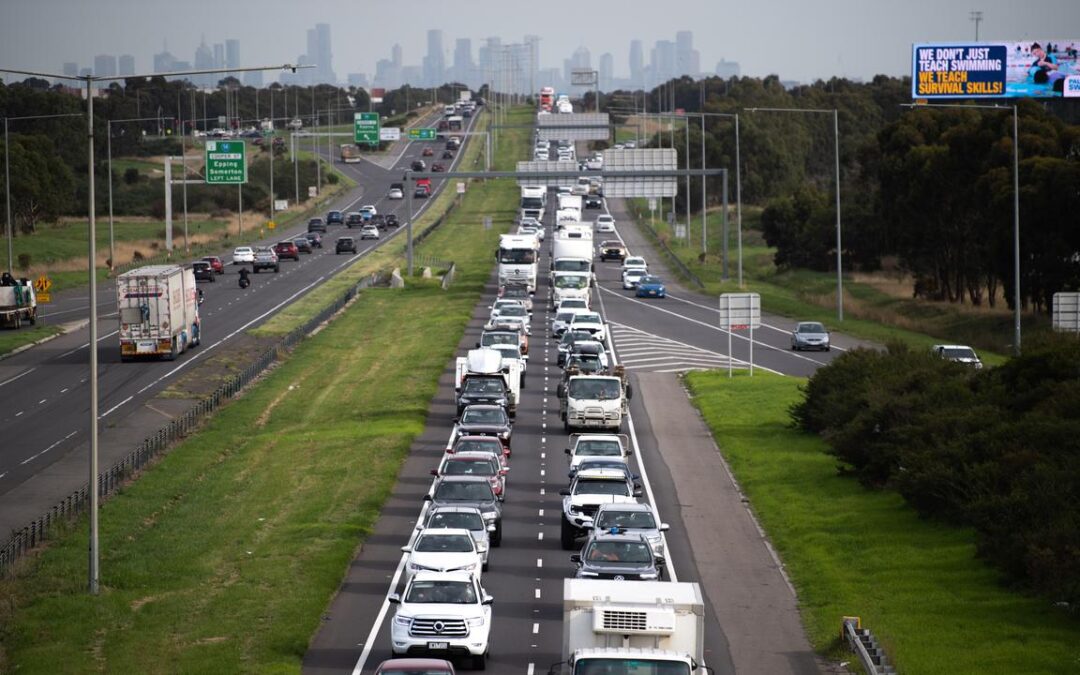
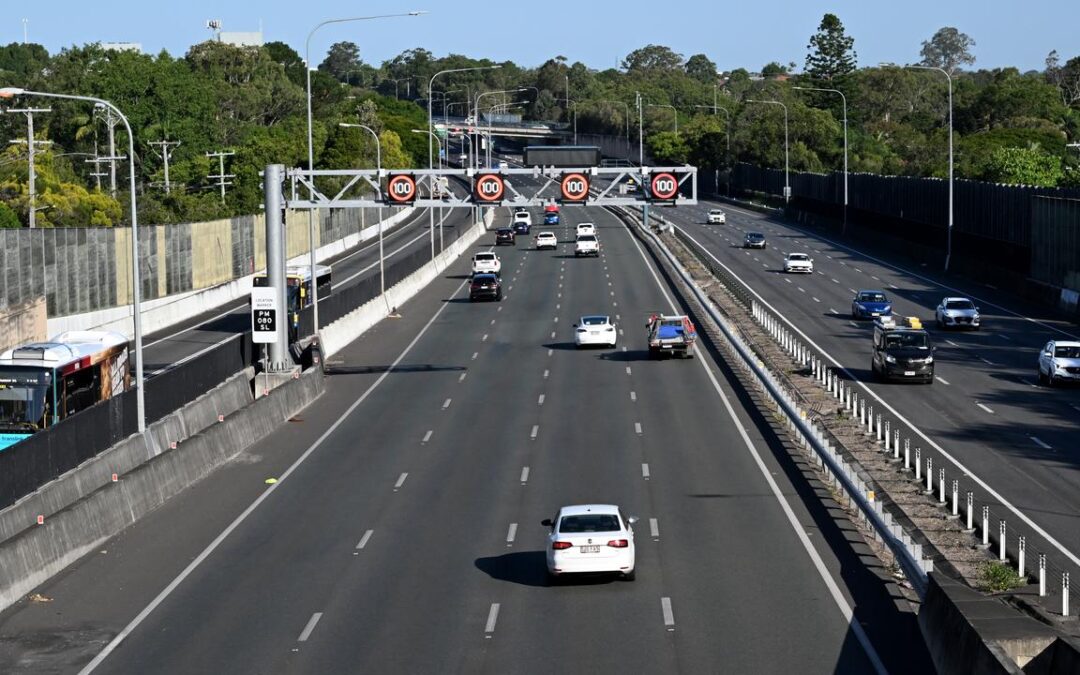
“We know Easter road trips may look a bit different this year for many people, but we are still expecting lots of extra vehicles, especially on key corridors to the regions,” he said.
Fuel price spikes around long weekends reflect both predictable demand cycles and behavioural responses, Western Sydney University academic Amanda Craft said.
“Research on panic buying shows that when motorists anticipate shortages or price rises, they tend to fill up earlier and more often,” she explained.
“This can disrupt holiday travel at the margins, with some drivers facing limited availability or needing to detour – even though the broader system isn’t actually short on fuel at this stage.”

There were 182 service stations without diesel and 48 without unleaded petrol in NSW.
In Victoria 76 service stations had run out of diesel, and 75 were without in Queensland.
“Most of the shortages we’re seeing are in diesel,” Energy Minister Chris Bowen said on Friday.
“Refineries and petrol companies are working hard to refill that stock over the Easter break.”
Mr Bowen asked Australians planning a road trip for the Easter break to fill up in the city beforehand, to help out regional and rural areas which were experiencing greater fuel shortages.
Drivers will get an additional 5.7 cents a litre off their fuel until June 30 as part of a deal between federal and state governments to forgo some GST revenue, Prime Minister Anthony Albanese announced on Thursday.
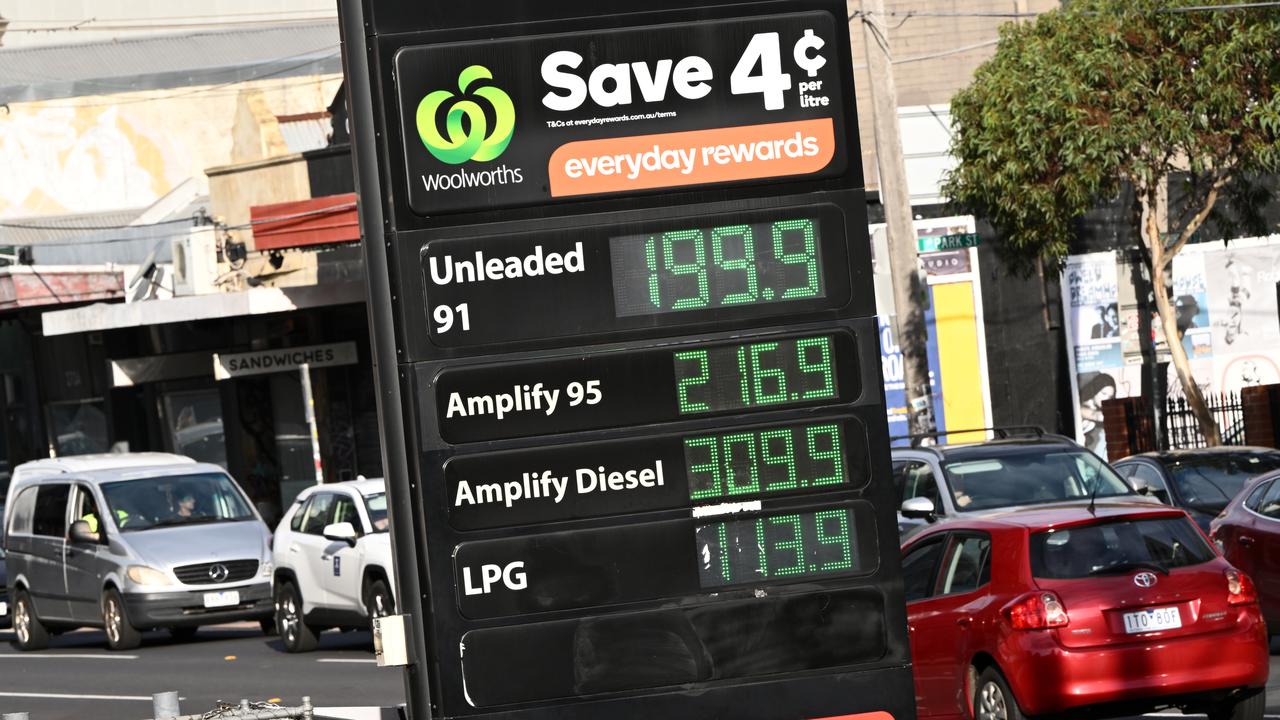
The move follows a cut to the fuel excise, reducing wholesale petrol and diesel costs by around 26 cents a litre, for a total of 32 cents off.
Easter holiday hunts closer to home as fuel prices bite
Aussies could be forced to spend a basket-full this Easter long weekend, with rising fuel prices prompting many to stay closer to home.
But during such uncertain times, connection with others and small indulgences could trump cost-of-living anxieties.
More than 40 per cent of Australians had already cancelled or scaled back their Easter travel plans during the fuel crisis, data from the Tourism and Transport Forum for late March showed.
Cutting back on travel was natural as rising fuel costs directly hit the hip pocket, said Amanda Craft, from Western Sydney University Business School.
But rather than abandon Easter plans entirely, many will simply look less further afield, she says.
“Easter holidays have been planned probably months in advance, they coincide with school holidays, and people see their families,” Dr Craft told AAP.
“It’s not something people are going to want to give up completely, but they’re going to try to minimise the costs as much as possible.”
Aussies are on average actually set to spend more this Easter than in previous years.
The 56 per cent of Australians who said they will spend money this Easter, on average will fork out $2019 – compared to $1556 the year before, research by consumer group Finder showed.
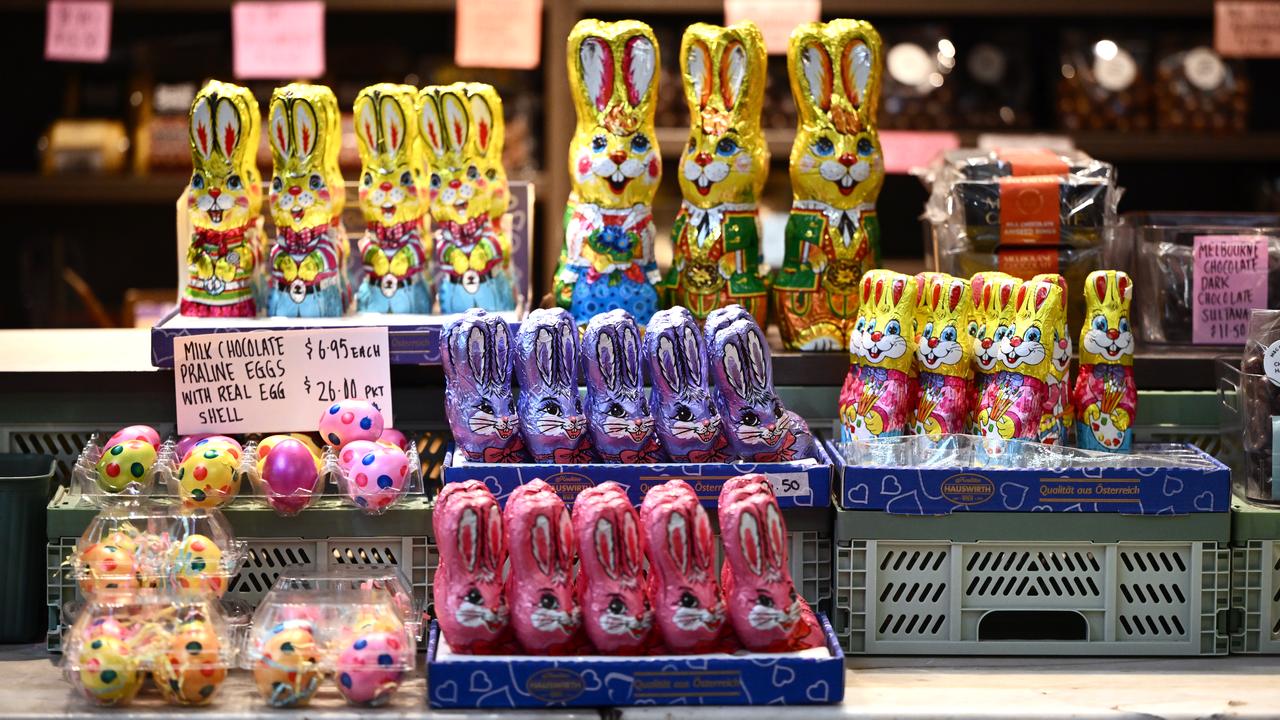
Travel makes up the bulk of that expected spend at $1488, compared to $1005 the previous Easter – while anticipated spending on chocolate is slightly less than last year, at $62 in 2026 compared to $68 previously.
While inflation and rising travel costs likely explain much of the increase, Bond University consumer behaviour expert Belinda Barton says there could be more to the story.
“It’s somewhat confusing when you’re in a circumstance like we are at the moment where we’ve got war, we’ve got inflation and we’ve got cost of living,” she told AAP.
Dr Barton said people may be prioritising community and family over other anxieties that would otherwise lead them to tighten the belt.
“So when you’ve got things like war and a lot of doom and gloom out there, people tend to prioritise living in present, which may contradict feelings of anxiety around the cost of living,” she told AAP.
But prioritising family and enjoyment doesn’t have to mean spending big, with financial planning academic Michelle Cull from Western Sydney University urging a more “old-fashioned” approach.
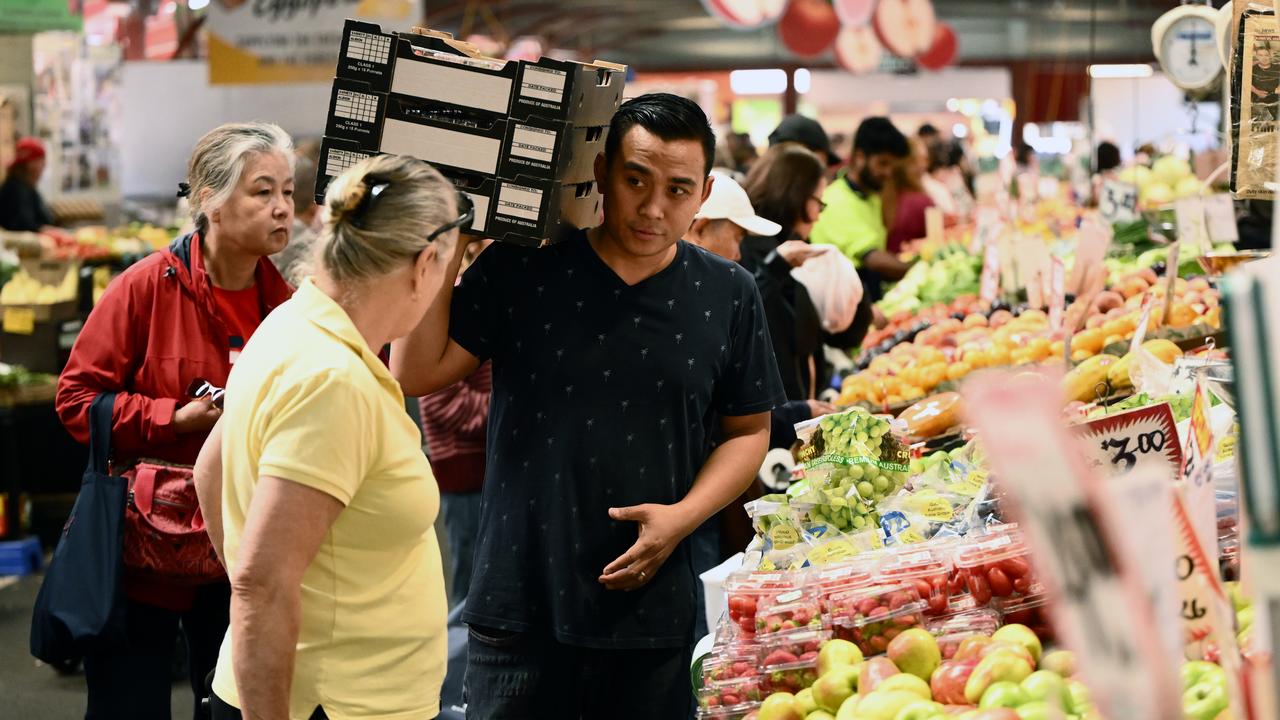
She pointed to Australia’s many great free public facilities and outdoor areas.
“Picnics are great if you’re getting together with extended family – maybe you even have games and things you could set up,” she told AAP.
“The old egg and spoon, for example, or the three-legged race. These things don’t cost anything and can actually be quite a lot of fun.”
Foodbank chief executive Kylea Tink urged those anxious about putting food on the table this Easter to reach out, even if they think there are others more in need.
“Services like Foodbank are here to help make sure people don’t have to be brought to their knees to be able to continue to do what they want to do within their family,” she told AAP.
Fuel fears put brakes on travel as supply hopes rise
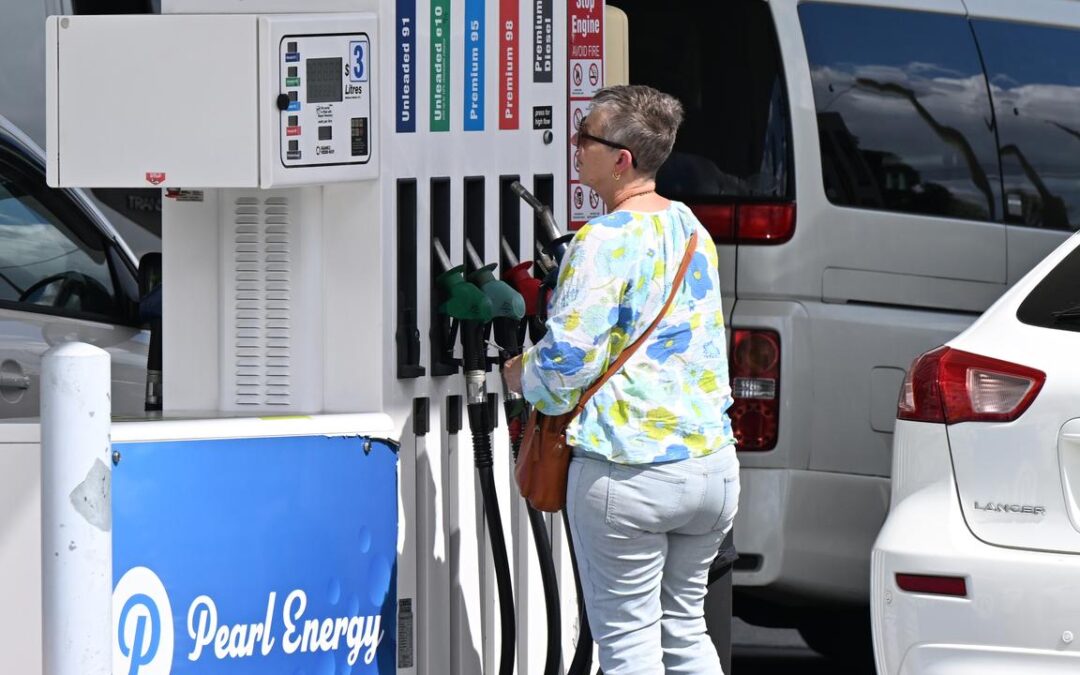
Hundreds of service stations around Australia are out of petrol leading into the Easter long weekend but a reduction in fuel prices will give some hope to anxious travellers.
Fuel supplies and imports are remaining stable, Australian Institute of Petroleum chief executive Malcolm Roberts says, with the spike in demand for petrol and diesel at the start of the Iran war beginning to ease.
Of the more than 8000 service stations around the country, 653 – or eight per cent – are missing one or more grades of fuel.
“That’s been a bit of an improvement from where it has been, but there’s undoubtedly local short-term problems,” Mr Roberts told AAP.
“The distribution system’s been working overtime for a month now.
“There’s essentially no more tankers, no more drivers than what we had four weeks ago.”
Motorists will get an additional 5.7 cents a litre off their fuel until June 30 as part of a deal between federal and state governments to forgo some GST revenue, Prime Minister Anthony Albanese announced on Thursday.
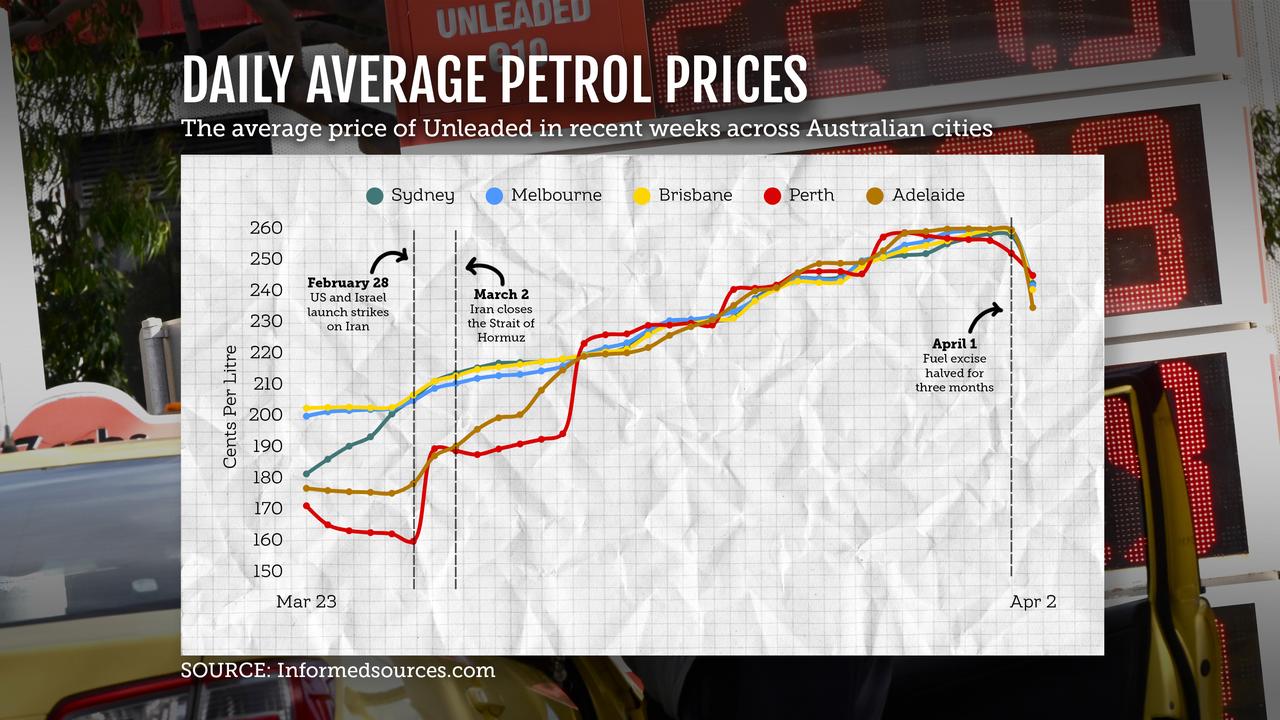
The move follows a cut to the fuel excise, reducing wholesale petrol and diesel costs by around 26 cents a litre.
Opposition Leader Angus Taylor used a video address on Thursday night to call for a federal budget response to the fuel crisis and again urged the government to be more transparent about the availability of petrol and diesel supplies.
“In a crisis, Australians deserve a government that’s transparent and gives you the facts every day,” he said.
“The prime minister and treasurer must use the upcoming budget not just to respond to this crisis, but to set our country up for the future.”
While the price drops may provide some relief, the tourism sector remains under pressure, with motorists anxious about the cost and availability of fuel in some destinations.
Caravan parks more than a few hours away from the city were suffering the most from a decline in bookings, Caravan Industry Association general manager of research and insights Peter Clay told AAP.
“(Travellers are asking) is there fuel available? Is there diesel available where I’m going?” he said.
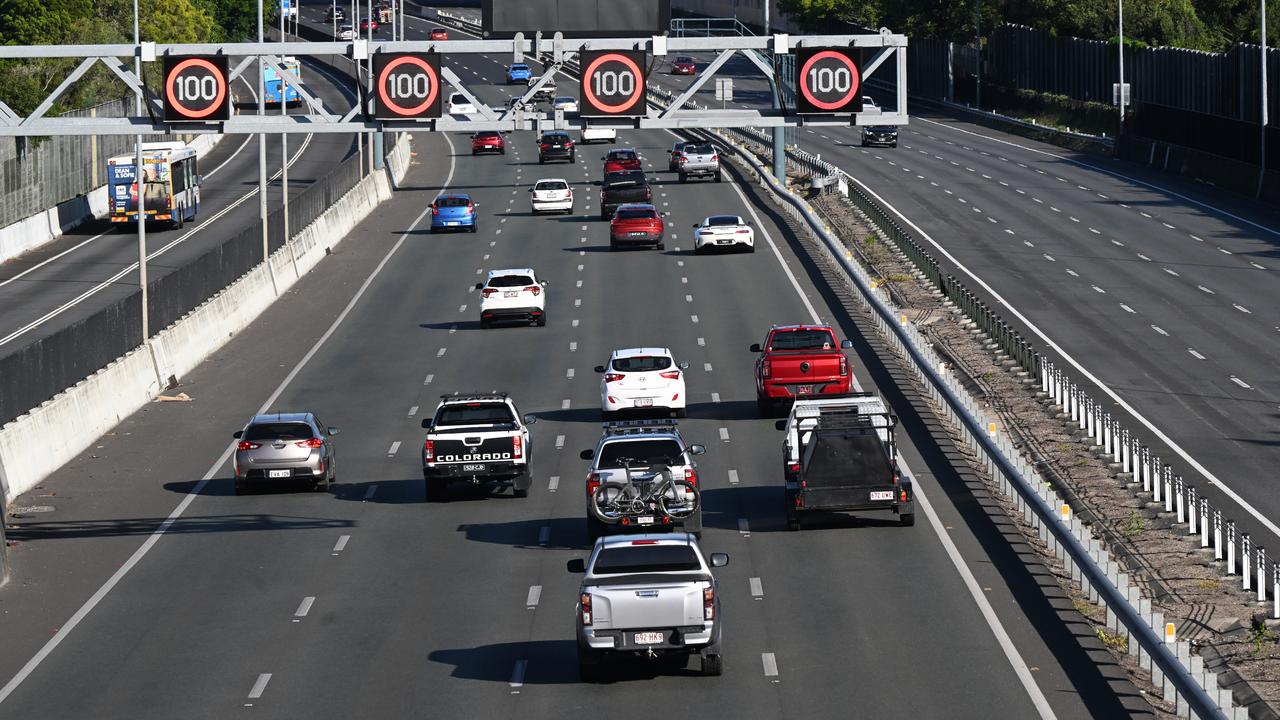
The cancellation rate for Easter normally sits at about 30 per cent, he said, and that had ticked up this year because of the fuel crisis.
Hotels have also taken a hit as Australians and foreigners cut back on travel, facing a decline in bookings of up to 10 per cent across the east coast capital cities compared to the same time in 2025, Accommodation Australia boss James Goodwin said.
“If you can afford it, if you are in a position to be able to travel, then don’t put off that travel,” he told AAP.
“Just make sure that you’re looking around, that you’re going to a place where you know that you can get the fuel, or make sure you fill up before you leave.”

US, Iran must be ‘pulled back’ from prolonged war
Australia must join partner nations in helping pull the US and Iran back from the “brink” in a bid to end the war and reopen a crucial oil corridor, military analysts warn.
In a televised address from the White House on Thursday, US President Donald Trump said the core objectives of the war in Iran were “nearing completion” and that the regime was no longer a threat.
“They are decimated both militarily and economically and in every other way,” he said during a 20-minute speech.
In response, Iran has disrupted maritime navigation which has sent oil prices soaring.
Mr Trump called on allies of the US that do depend on oil coming through the Strait of Hormuz to take action.
“The countries of the world that do receive oil through the Hormuz Straight must take care of that passage,” he said.
“They must grab it and cherish it. They could do it easily.
“We will be helpful, but they should take the lead in protecting the oil that they so desperately depend on.”
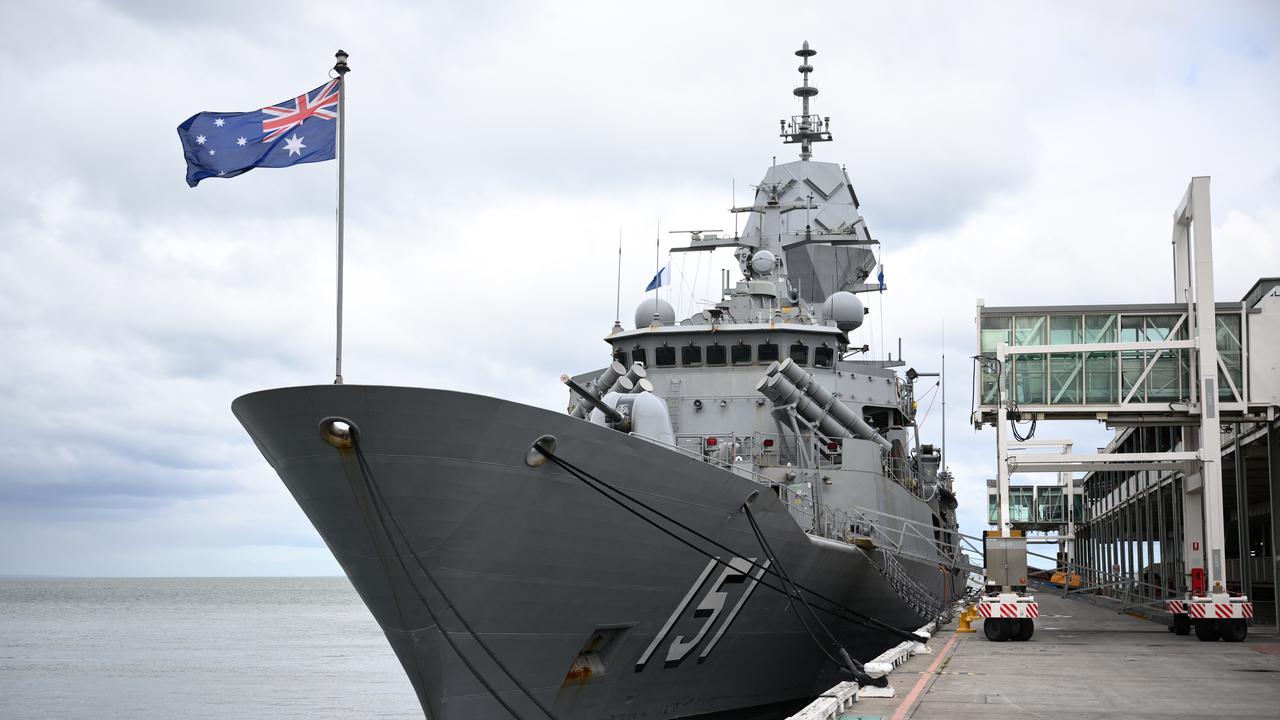
Defence analyst Marcus Hellyer, head of research at Strategic Analysis Australia, said a modest military contribution from Canberra in the form of a warship would be unlikely to have any impact on the conflict in the Middle East.
“The worst case is a nuclear war, we do need to find a solution and countries need to pull Israel, the US and Iran back from the brink,” he told AAP.
He said Australia didn’t have many ships it could send to the region due to previous governments’ mismanagement of the defence acquisition process.
“Our cupboard is quite bare,” the analyst said.
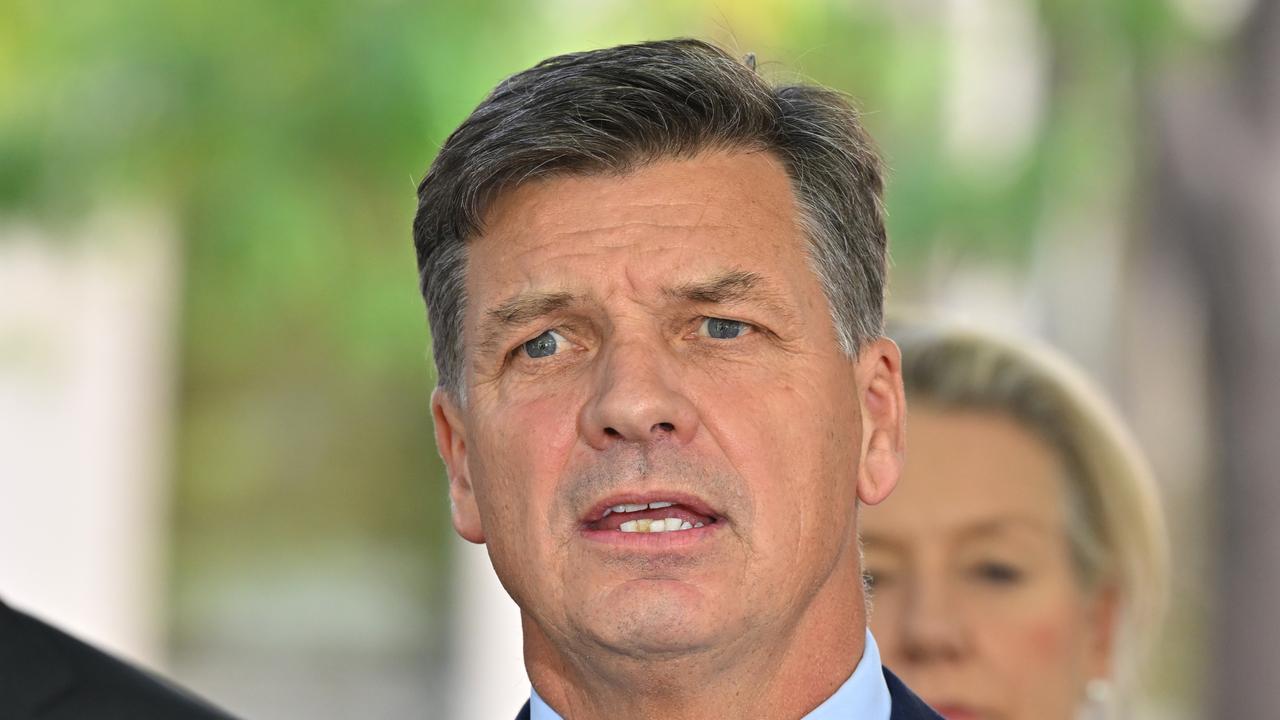
Opposition Leader Angus Taylor has called for Australia to consider any requests made by the US to send military assets to the Middle East.
Labor has repeatedly insisted no formal request has been made by the US.
Prime Minister Anthony Albanese questioned the need for a prolonged war in an address to the National Press Club on Thursday.
Australia faces ‘sharp recession’ if US escalates war
US President Donald Trump’s threat to send Iran “back to the Stone Ages” has rattled equity markets.
If he follows through, Australia is at risk of entering a recession.
In a prolonged war scenario, modelled by Oxford Economics Australia, the nation’s gross domestic product would contract 0.3 per cent in the June quarter and fall a further 0.8 per cent in the three months to September.
That would be Australia’s sharpest economic slowdown, excluding COVID-19, since the early 1990s.
Oxford Economics’ baseline forecast is for the war to last two months, meaning the Strait of Hormuz would reopen to ships carrying oil, gas, fertiliser and other crucial commodities at the end of April.
“However, opportunities for de-escalation are narrowing, risking a more prolonged conflict,” Oxford Economics Australia economist Harry McAuley said in a report published on Thursday, shortly after Mr Trump’s hawkish televised primetime speech.
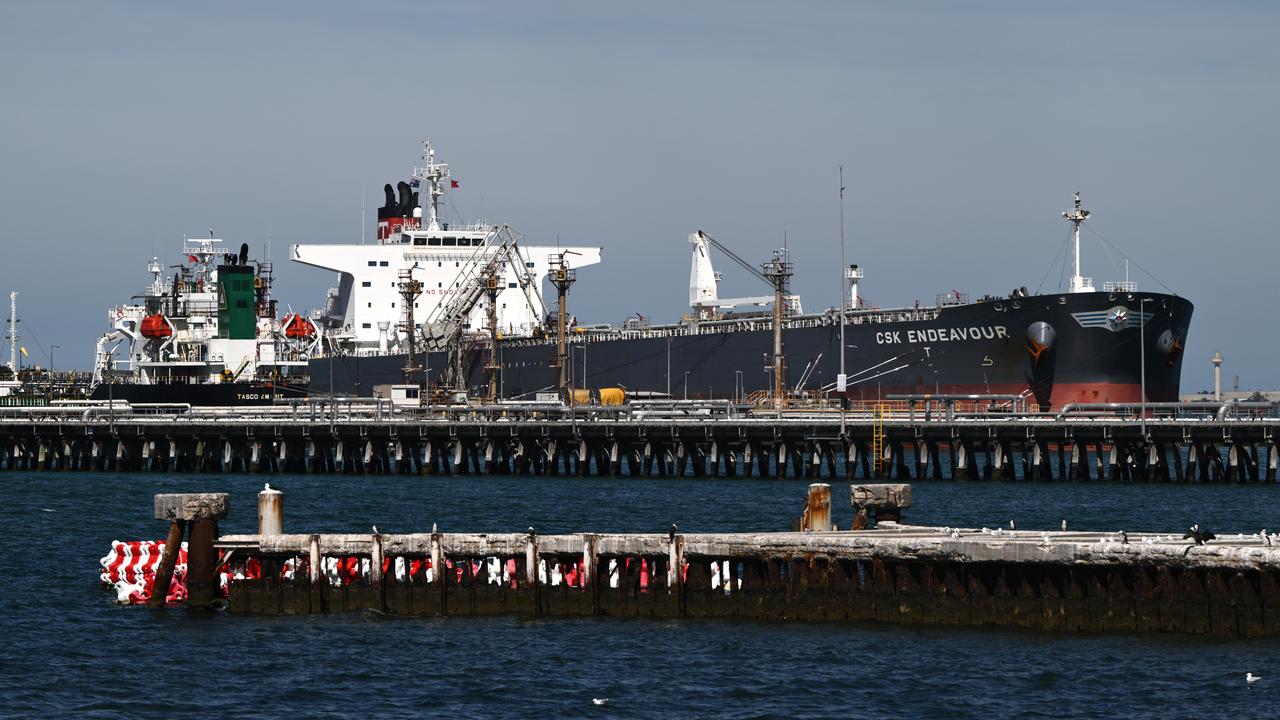
In the prolonged war scenario, oil prices would stay above $US150 a barrel for four months alongside shortages of energy products, pushing global inflation near 7.7 per cent.
The benchmark crude oil price has yet to exceed $US120 a barrel during the conflict, but following Mr Trump’s speech spiked five per cent to $US105 a barrel.
The ASX200 lurched 1.06 per cent lower.
Traders saw little in Mr Trump’s speech that would suggest the Strait of Hormuz would open any time soon.
Although Australia is a net energy exporter, it is highly exposed to the global oil shock as it imports about 85 per cent of its petrol, diesel and jet fuel supplies from overseas, Commonwealth Bank senior economist Ryan Felsman said.
Australia is more dependent on diesel than most major economies, in part due to its vast geography requiring a greater share of trucking, and a large share of mining and agriculture in the economy.
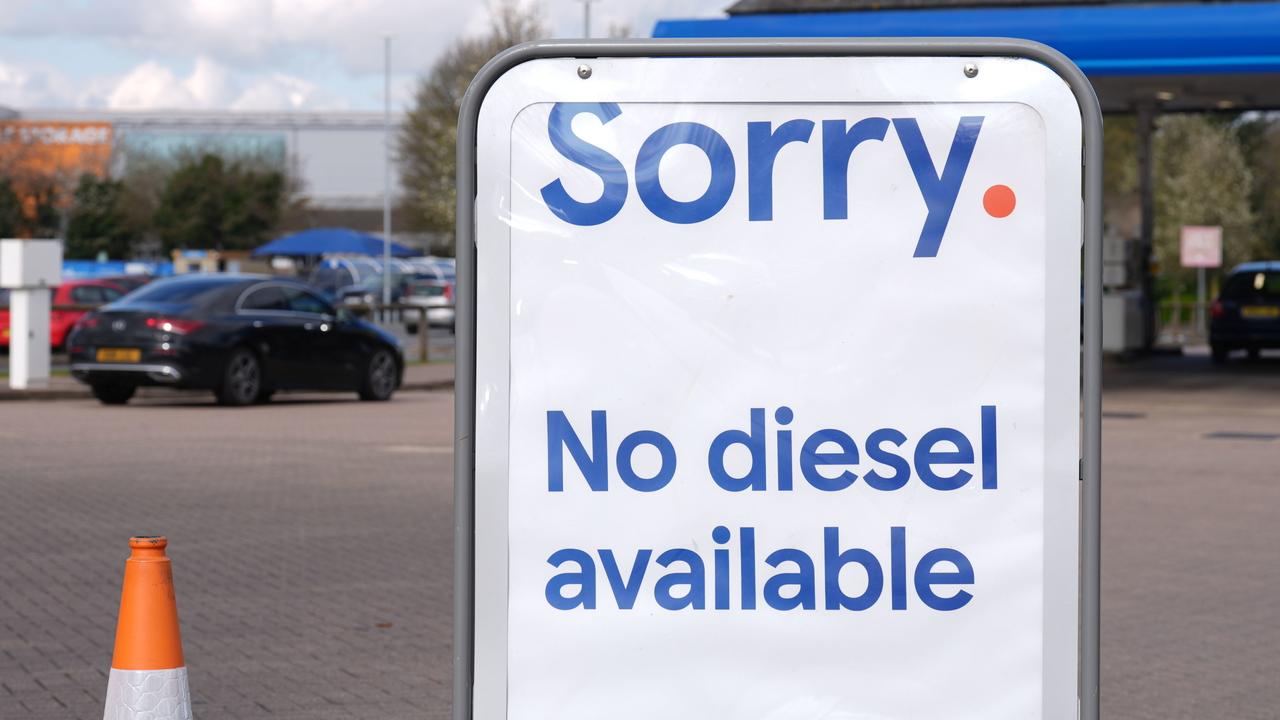
“Energy-intensive agriculture, transport, construction and mining sectors could incur a material hit from persistent fuel shortages and rising input costs,” Mr Felsman said.
As well as the hit from higher input costs, Australian industries will be impacted by weaker economic activity.
CBA continues to expect the Reserve Bank to hike the cash rate again in May to get on top of inflation expectations.
NAB economist Michael Hayes also predicts a 25-basis point lift in May, largely driven by the backdrop of high domestic inflation pressures and a still tight labour market.
Job vacancies rose 2.7 per cent over the three months to February to 338,000 – the highest level in 12 months – the Australian Bureau of Statistics reported on Thursday.
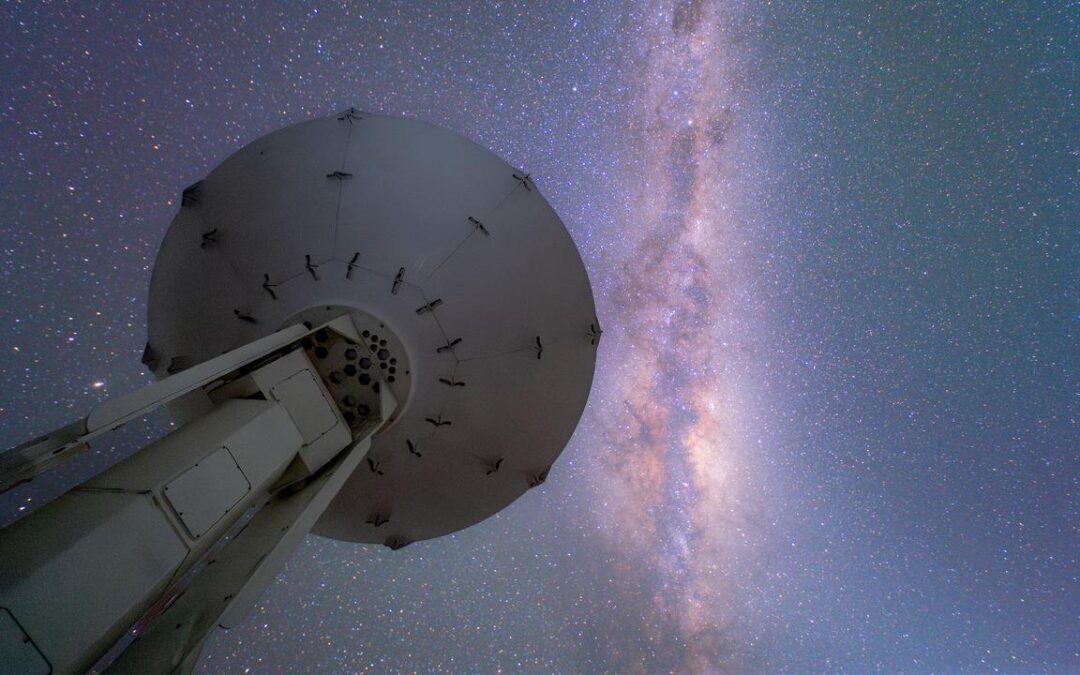
Aussie dish serves up second helping for moon mission
Almost 60 years after playing a key role in the first moon landing, Australia has again reached for the stars as NASA launched its latest lunar mission.
A South Australian dish has been tasked with assisting the Artemis II mission in a sequel to the nation’s effort during the 1969 landing which inspired a movie.
Four astronauts are aboard the Orion crew capsule attached to the NASA rocket that launched from Cape Canaveral in Florida early on Thursday Australian time.
South Australian-based aerospace company Southern Launch is tracking Orion during its 10-day mission as the United States look to send humans around the moon for the first time since 1972.
Southern Launch is using its TALON telemetry dish at the Koonibba Test Range site, in the state’s remote far west, to keep tabs on Orion decades after Australia’s famous 1969 effort.
Back then a Parkes radio telescope in NSW – known as The Dish – supported the first mission that landed humans on the moon, tracking Apollo 11 and gathering telemetry and TV signals from the historic lunar walk.
Southern Launch chief executive Lloyd Damp said his company’s dish was a lot smaller and didn’t have the same functions as the Parkes set-up made famous in the 2000 movie The Dish.
But the SA dish can use a change in frequency or pitch – called the Doppler signal – from the Orion craft to calculate its speed, providing key information for the mission.
“The sound of an emergency services vehicle’s siren is different when it comes towards you compared to when it’s going away from you,” Mr Damp told AAP on Thursday, explaining the signal.
“We can work out how fast the spacecraft is going exactly the same sort of way.”
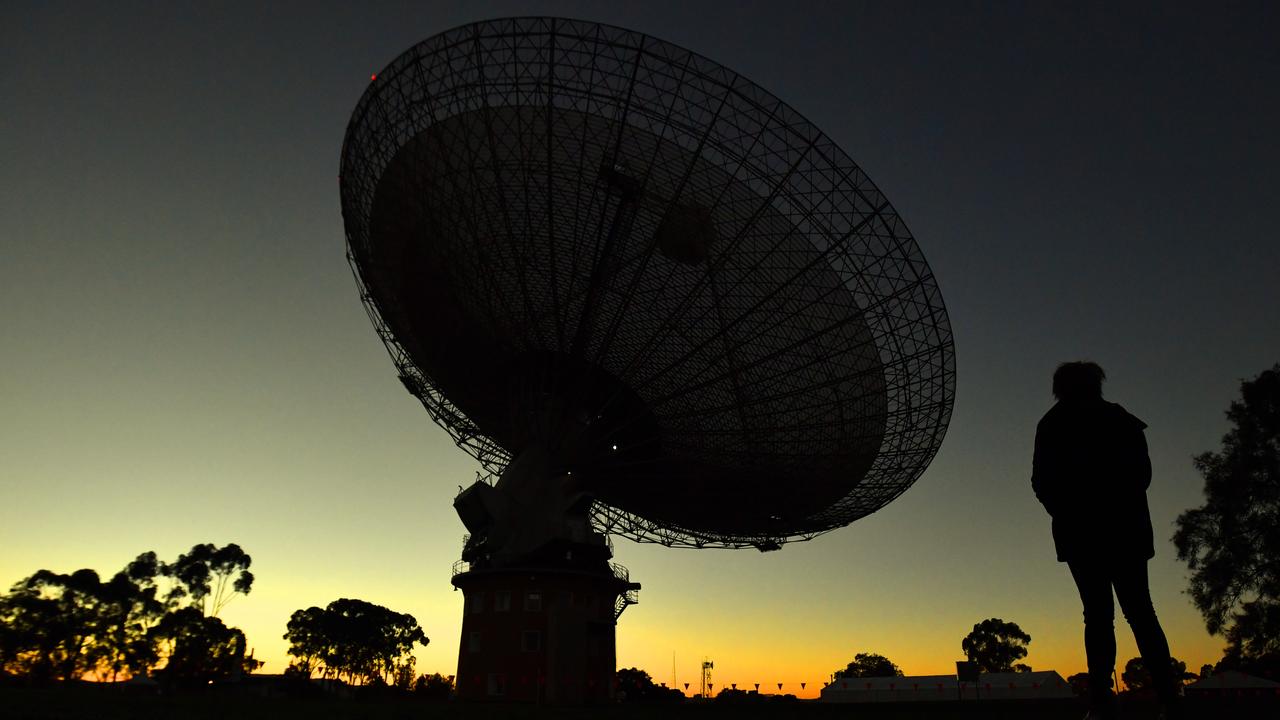
The Doppler signal from the Orion spacecraft is sent to NASA through Southern Launch’s partners, Raven Defense, to help it fly to the moon.
Artemis II is conducting a crewed flight around the moon, testing critical systems ahead of future lunar landings.
“So it’s a very exciting day for us today, we’re supporting Artemis, which is absolutely inspiring to … an entire generation,” Mr Damp said.
“I didn’t grow up in a generation that went to the moon.
“But my kids are, and they are so excited about space … because humanity is taking these huge steps forward.”
NASA’s long term, multi-mission Artemis program aimed at returning humans to the moon provided a great opportunity for the Australian space industry, Flinders University’s Professor Rodrigo Praino said.
“They’re talking about landing on the moon by 2028 and using a base there as a stepping stone to go to Mars,” he told AAP.
Australia needed to develop strategies and create plans to contribute to the NASA program, he said.
“It’s a great opportunity for Australia … for anyone engaged in any sort of space technology and space infrastructure,” said Prof Praino, the Jeff Bleich Centre for Democracy and Disruptive Technologies director.
Southern Launch, which also operates a second space port at SA’s Eyre Peninsula, has been launching experimental rockets for international customers for several years.
A key drug one of its customers is developing is for chemotherapy.
“The really cool thing is that these satellites manufacture pharmaceuticals while they’re on orbit, and they need somewhere special to land,” Mr Damp said.
“If you can make a more pure anti-cancer drug in space, suddenly, the quality of life for people who have to take these horrible, horrible chemicals is a lot better.”
SA was an ideal location because the landings required wide open, uninhabited spaces and very little air and maritime traffic.
For eight years, the company has been building relationships and working out ways the hi-tech, high-speed activities can occur while airlines are operating, Mr Damp said.
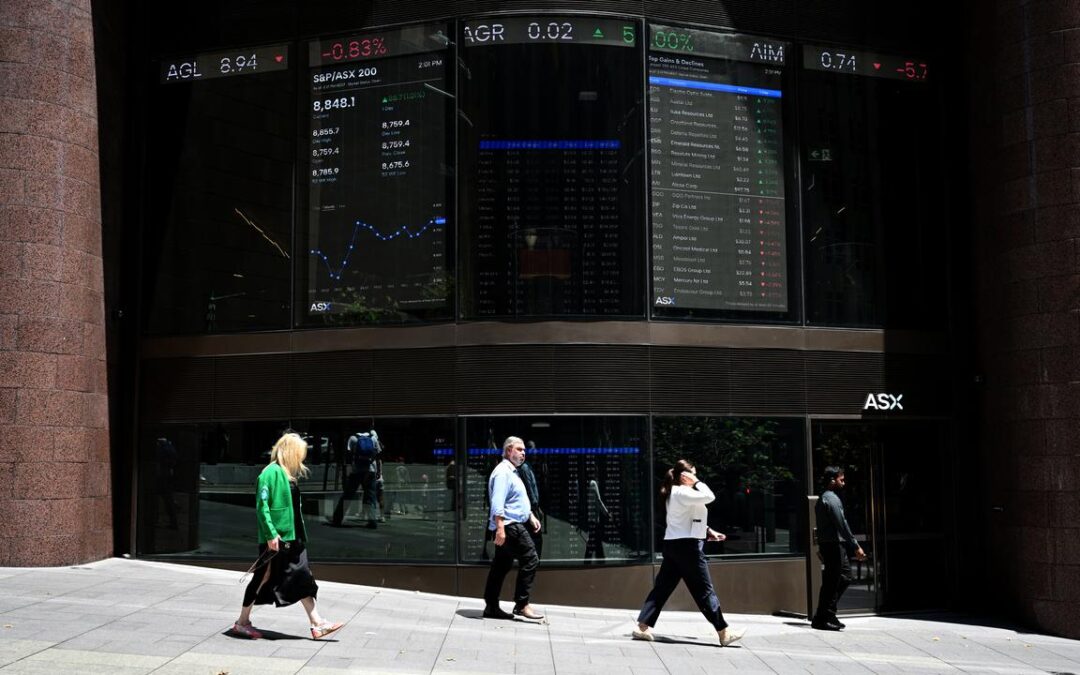
ASX vows reform after placing ‘investors over markets’
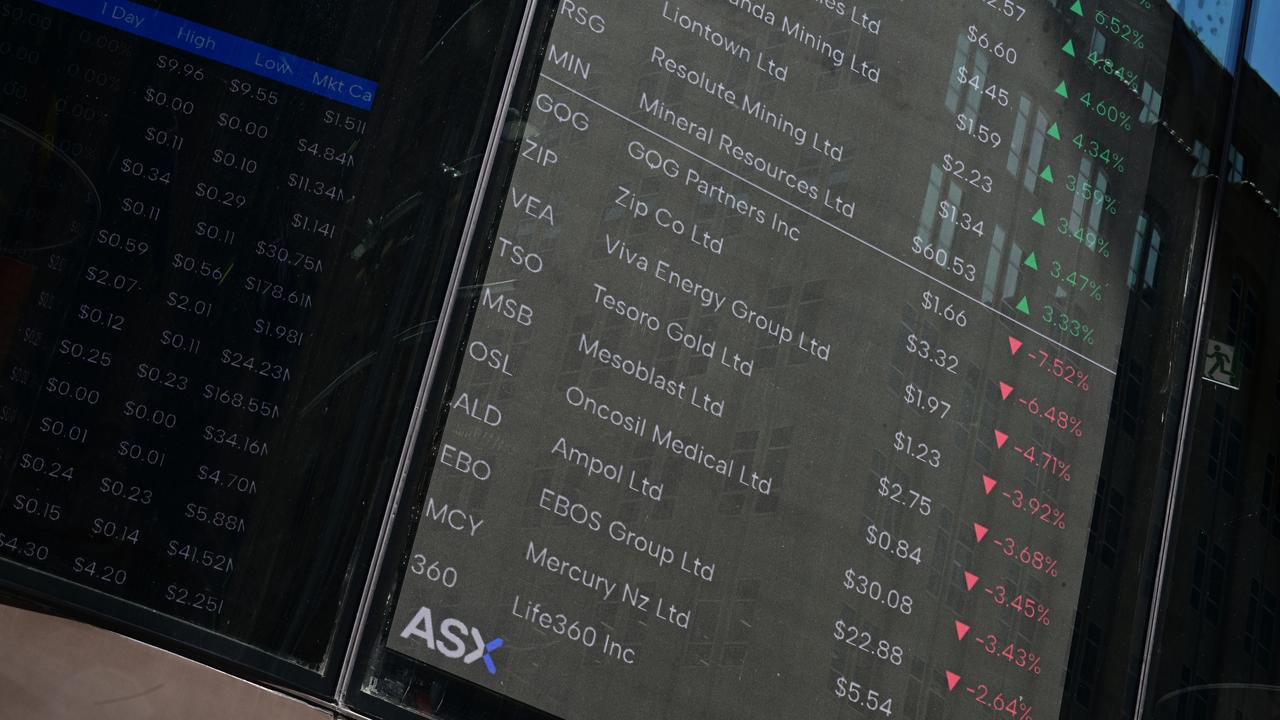
The operator of Australia’s stock exchange is promising further reform after copping more criticism from an independent probe commissioned by the corporate watchdog.
The final report of the three-member panel, led by Commonwealth Bank director Rob Whitfield, attacked ASX Ltd’s “insular and defensive culture”, saying it had underinvested in critical market infrastructure in favour of higher shareholder returns.
The report was commissioned by the Australian Securities and Investments Commission in July 2025, after a number of embarrassing technical glitches at the bourse, including a full-day outage on November 16, 2020, and a settlement failure on December 20, 2024.
The panel’s interim report, delivered in December, was so damning that it led ASIC to force the ASX to hold another $150 million in reserve.
It agreed to reforms following that report, including appointing independent directors not part of ASX Ltd to the boards that govern four of its settlement and clearing functions.
The final report, based on over 140 stakeholder interviews, revealed details of some of the ASX’s technical issues but did not recommend any more specific reforms.
“A ‘laundry list’ approach of detailed recommendations for improvement has not previously served ASX or the market ecosystem well,” the report released on Thursday said.
The ASX had become overwhelmed after being subject to more than 120 reports examining aspects of its governance, capability, culture and risk management in the past five and a half years, the inquiry found.
ASX chairman David Clarke said the 88-page final report, like the 21-page interim report, was tough reading.
“The panel … found a culture that had become defensive and insular, where we don’t spend enough time looking outward,” he said.
“This is not how we shape and steward the exchange of the future.”
The ASX on February 27 submitted a commitment plan to ASIC, outlining how it would deliver a strategic package of reforms.
Initiatives are underway to strengthen engagement between the ASX and its regulators, ASIC and the Reserve Bank, the report said.
The ASX is also hunting for a new chief executive after CEO Helen Lofthouse announced in February that she would leave in May.
The Australian Council of Superannuation Investors said in a statement that it would contact the ASX to urge a swift implementation of the actions outlined in the report.
“Australia’s superannuation members deserve strong governance at the top to support the long-term performance of their retirement savings,” the council said.
AS