
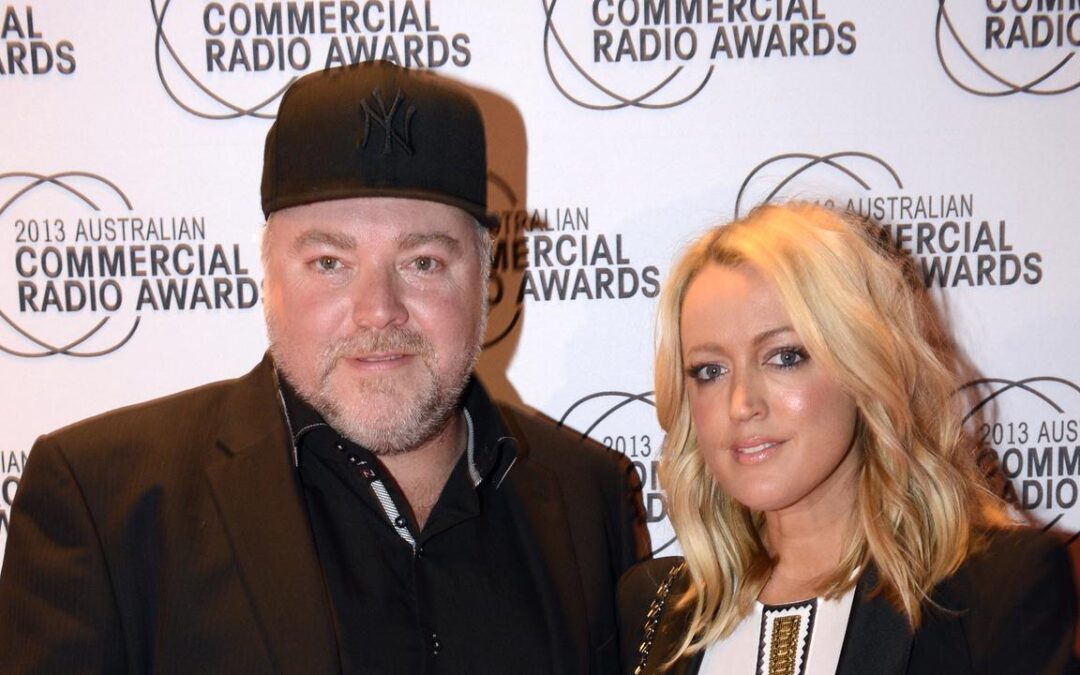
‘Abusive relationship’: Jackie O’s claim against Kyle
Jackie “O” Henderson complained for months about co-host Kyle Sandilands before their final on-air bust up, court documents allege.
In a claim statement lodged with the Federal Court, the broadcast star said nothing in her $100 million, 10-year contract with radio giant ARN should have led her to be fired just for refusing to work with Sandilands.
On February 20, the pair clashed on KIIS FM’s Kyle and Jackie O Show after Sandilands accused his co-host of being “off with the fairies”.
But Henderson alleged in court documents she complained to station management multiple times about comments by Sandilands for around six months.
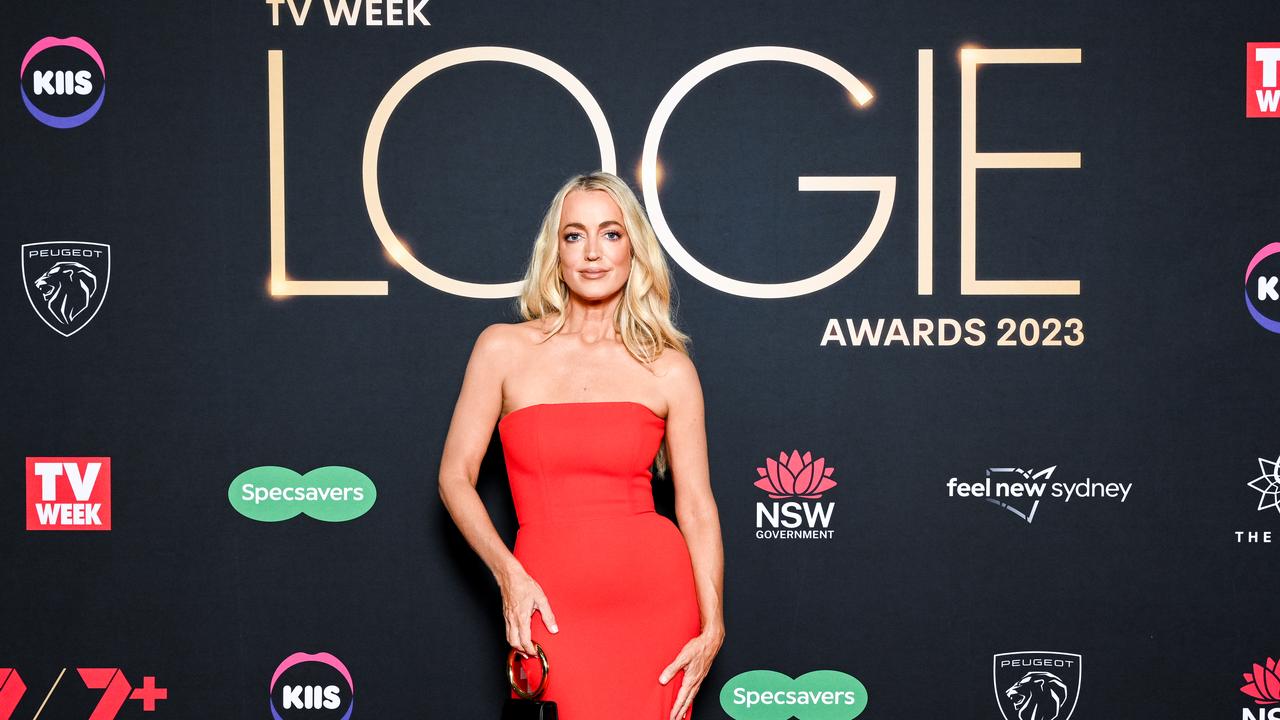
In August 2025, Sandilands made “offensive and degrading comments on-air”, she said.
The documents claim Sandilands said some of Henderson’s comments were “weird, psychological bullshit” and her belief in “hype words” was negatively impacting her dating life.
Sandilands also referred to her “period time”, the documents said.
Henderson claimed she temporarily left the show and spoke to station head Derek Bargwanna and executive producer Natalie Penfold as a result.
A month later, the pair allegedly clashed again and words used by Sandilands were censored by the station.
A day after the argument, Henderson alleged she asked Mr Bargwanna to raise issues about Sandilands’ conduct with ARN chairman Hamish McLennan.
The claim document said Henderson was receiving multiple complaints from listeners that Sandilands was perpetrating an “abusive relationship”.
Mr Bargwanna told her he raised the issue with ARN management, she said.
When the two clashed for the final time in February, Henderson claimed her employer did nothing to intervene despite being visibly and audibly upset.
She said Sandilands swore at her four separate times in the tirade, as well as questioning her ability to do her job, causing her to be hurt and offended.
Henderson informed ARN she could no longer work with Sandilands on February 26 and that the company had breached its obligation to provide a safe place of work.
She alleged the company did nothing to minimise the risk to her wellbeing despite her repeated warnings.
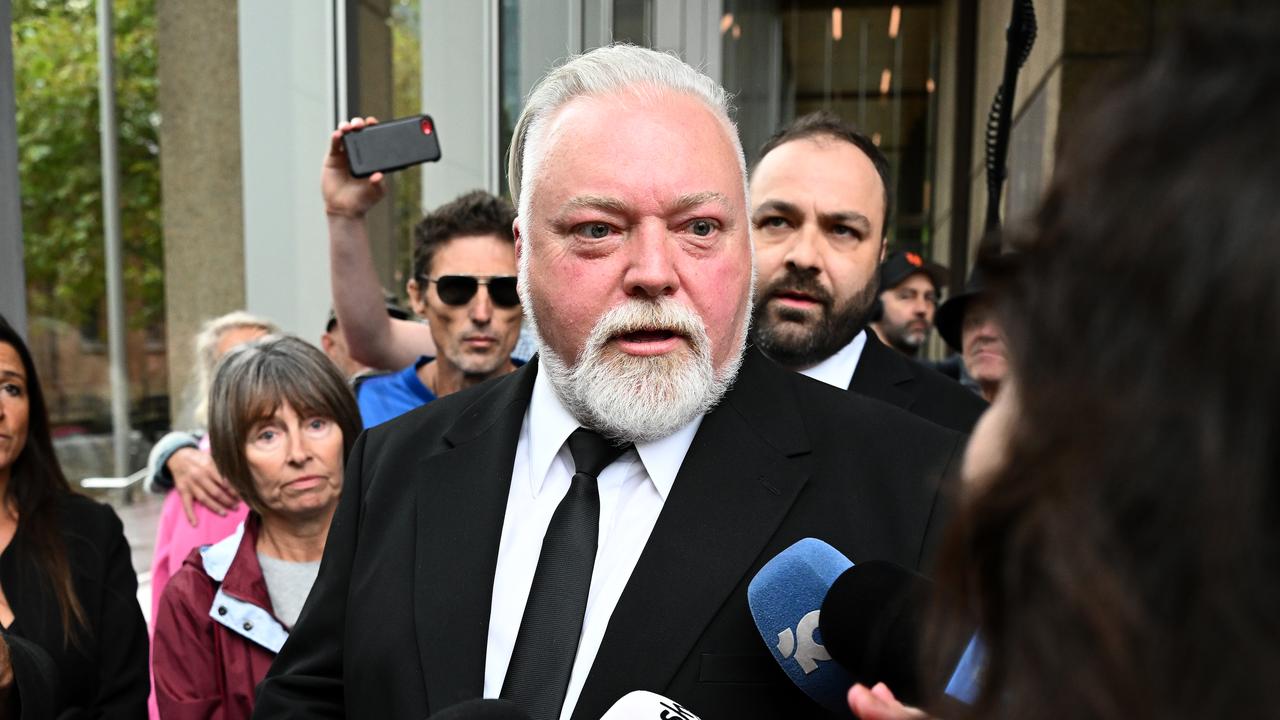
On March 3, the company’s lawyers wrote to Henderson and said her complaint represented a breach of her contract, the documents allege.
However, Henderson claimed the contract did not specify she had to present with Sandilands.
“It was an express term of the agreement that the ‘program services’ could be provided … in a live broadcast radio program that did not include Mr Sandilands,” the document stated.
For the alleged unfair termination of her agreement, Henderson claims she is owed at least $82.25 million in unpaid fees.
Her and Sandilands both signed contracts worth $100 million over 10 years in October 2023.
Henderson also said she was denied the opportunity to earn a share of station revenue as set out in her contract.
The trouble for the radio giant comes as it fights a separate court battle with the other half of the presenting partnership.
Sandilands was sacked by the company for “serious misconduct” during the February 20 clash, a claim the shock jock denies.
He is also seeking the payout of the rest of his $100 million contract.
Henderson and ARN will have their first case management hearing in the Federal Court on April 24.
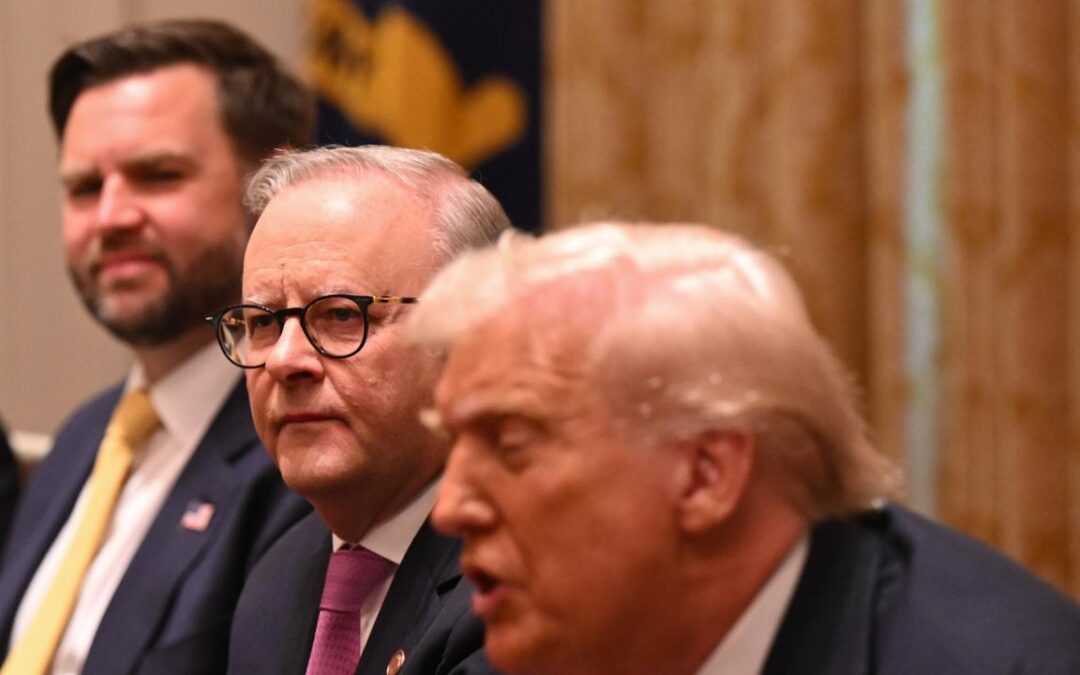
Trump chided over ‘extraordinary’ Iran war threats
A deal to pause fighting in Iran and reopen a key trade route for oil is a positive move, but Donald Trump’s threat to end Iranian civilisation is cause for concern, the prime minister says.
The US president has agreed to stop attacking Iran for two weeks in exchange for the reopening of the economically critical Strait of Hormuz.
Iran’s de facto closure of the narrow waterway has sent oil prices skyrocketing and thrown global supply chains into chaos.

The temporary deal, brokered by Pakistan, was a welcome development that would hopefully lead to a permanent end to hostilities, Anthony Albanese said.
“This is positive news, we’ve been calling for de-escalation for some time,” he told Sky News on Wednesday.
But Mr Albanese criticised the US president’s threat in the lead up to the ceasefire deal that a “whole civilisation will die tonight” if his terms were not met.
Mr Trump also said he’d target Iran’s bridges and power plants if a deal was not reached.
“I don’t think it’s appropriate to use language such as that from the president of the United States and I think it will cause some concern,” the prime minister said.
“The potential of damage to civilian infrastructure in Iran was an extraordinary statement to make.”
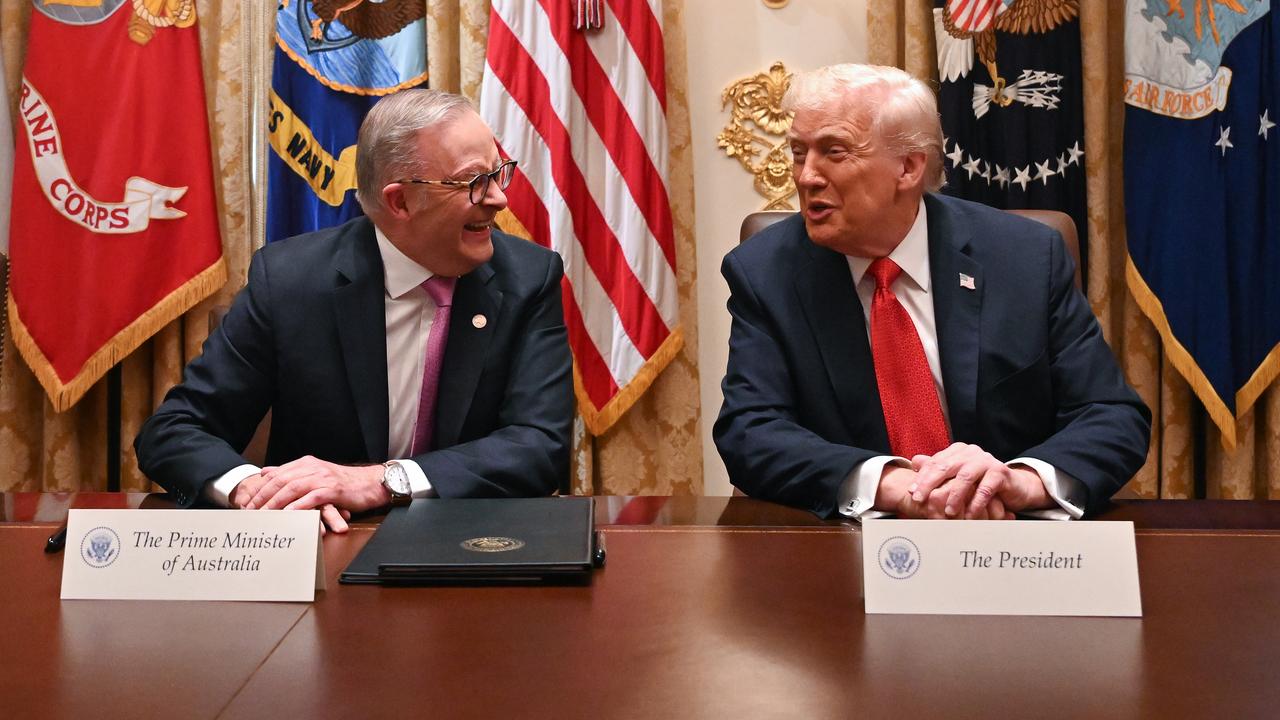
Asked if attacks on civilian infrastructure would have constituted a war crime, Mr Albanese only said it was good to see an easing of hostilities.
“It’s a long step between a tweet and that suggestion. What we have called for is a de-escalation, and that has occurred,” he said.
The Pope and the head of the United Nations were among those who criticised Mr Trump’s comments.
Energy Minister Chris Bowen struck a more cautious tone on the ceasefire agreement, warning Australians not to get ahead of themselves.
“We welcome progress, but I don’t think we can say that the Straits of Hormuz are now open,” he told reporters in Sydney.
“There’s more work to be done.”
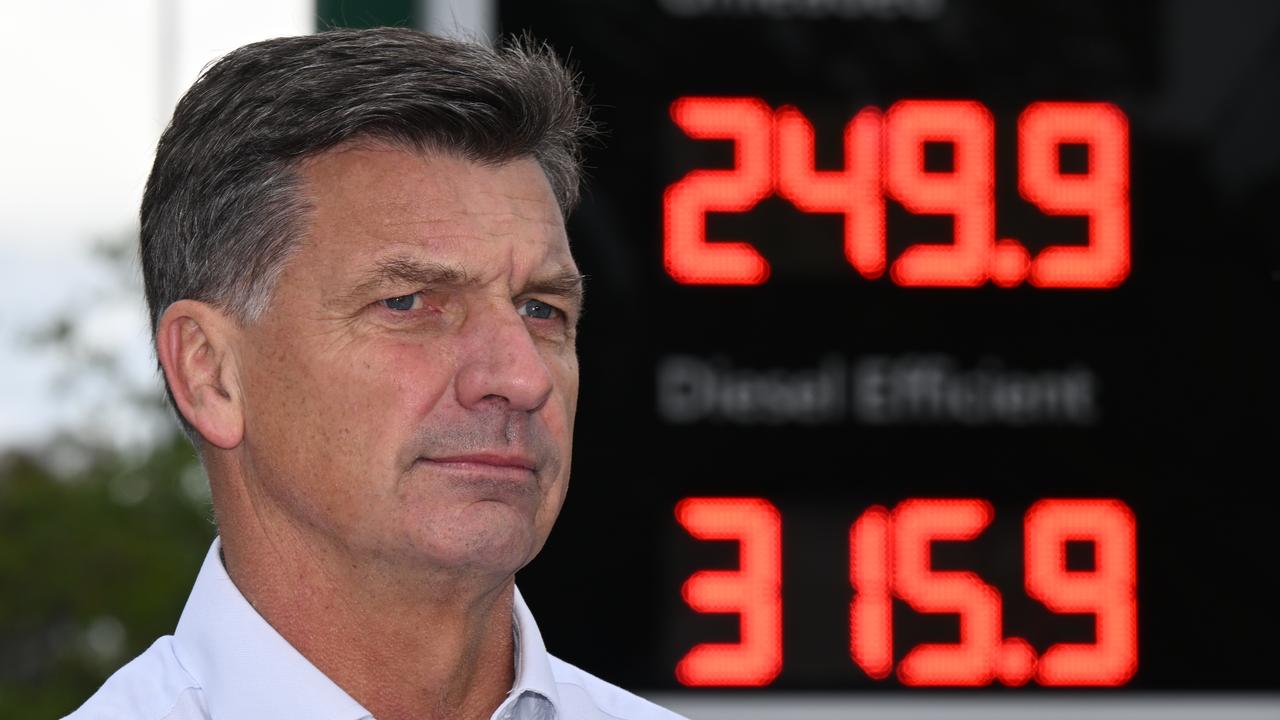
Opposition Leader Angus Taylor said the ceasefire deal was a good development and would help bring down prices in Australia.
“The outcome that is an imperative here is that we have an opening up of the Strait of Hormuz, we have oil and refined products moving through, coming to Australia, putting downward pressure on prices,” he said.
Asked about Mr Trump’s threat, Mr Taylor said he wouldn’t use the same language.
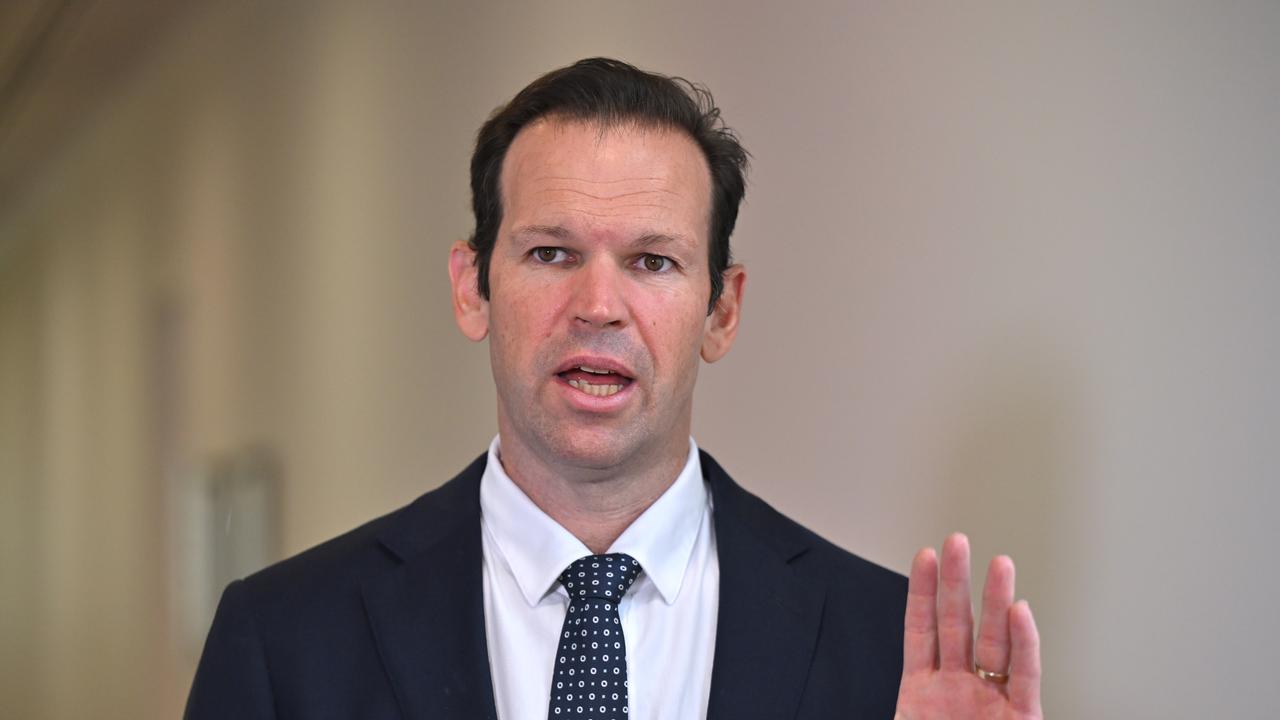
Earlier, Nationals leader Matt Canavan urged Australia to push back against the president’s rhetoric.
“It’s incumbent on us to implore our friends in the United States to de-escalate this and de-escalate it fast,” he told ABC Radio.
“It’s gotten out of hand very quickly, as these things often do … now’s the time for Australia to, and the prime minister, to make it very clear that we can’t support this type of approach to any kind of conflict.”
After the pause in fighting was announced, the Australian stock exchange shot up almost three per cent at the open, while the Australian dollar spiked to 70.75 US cents and oil prices plunged.
Mr Trump said he had received a 10-point plan from Iran aimed at ending the war, describing it as “workable”.
“Almost all of the various points of contention have been agreed to between the United States and Iran, but a two-week period will allow the agreement to be finalised and consummated,” he said in a post on his platform Truth Social.
Australia, China phone call focuses on energy security
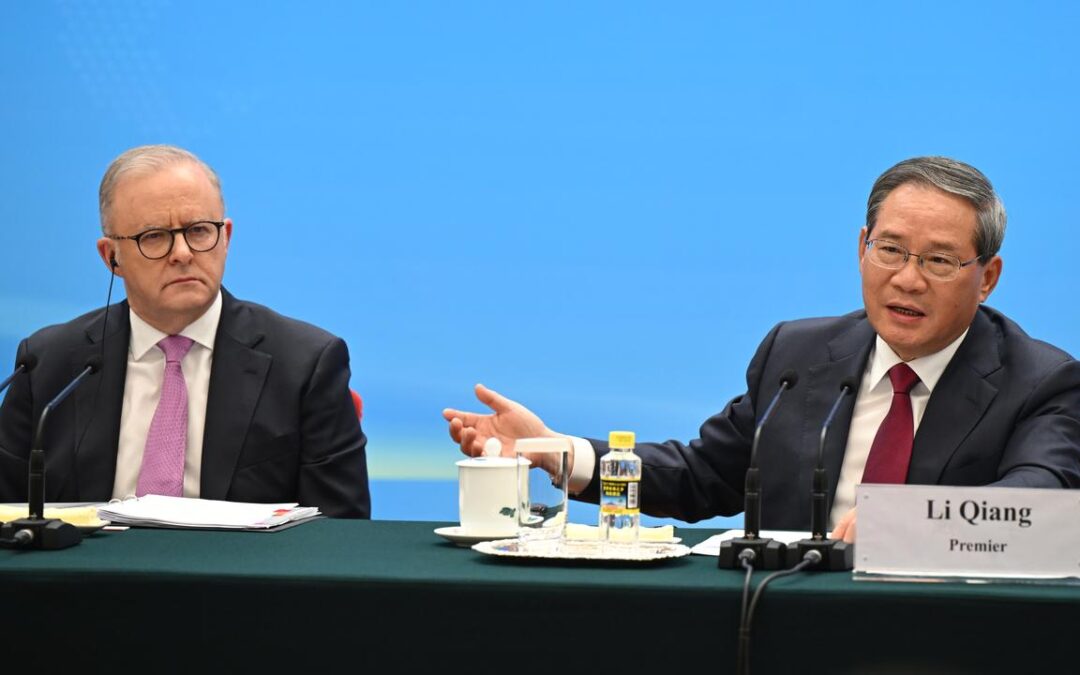
Australian Prime Minister Anthony Albanese says he has discussed regional energy security with his Chinese counterpart Li Qiang by phone as China’s fuel export ban exacerbates energy disruptions linked to the Iran war.
China is a major source of fuel in Asia and supplied a third of Australia’s jet fuel last year.
Chinese authorities have banned fuel exports to protect the domestic market although the government has not acknowledged the decision.
Several countries in the region, including Bangladesh and Sri Lanka, have asked China to grant exemptions and sources say it is considering allowing small exports to countries in need.
The leaders discussed the importance of energy security and agreed to boost communication to support regional energy security, Mr Albanese’s office said.
Mr Li said the international situation was chaotic but the readout from state news agency Xinhua did not mention energy security or fuel.
The leaders discussed co-operation in clean energy and electric vehicles, the readout also said.
Mr Albanese said he looked forward to visiting China for the APEC Leaders’ Meeting in November where he will meet Li.
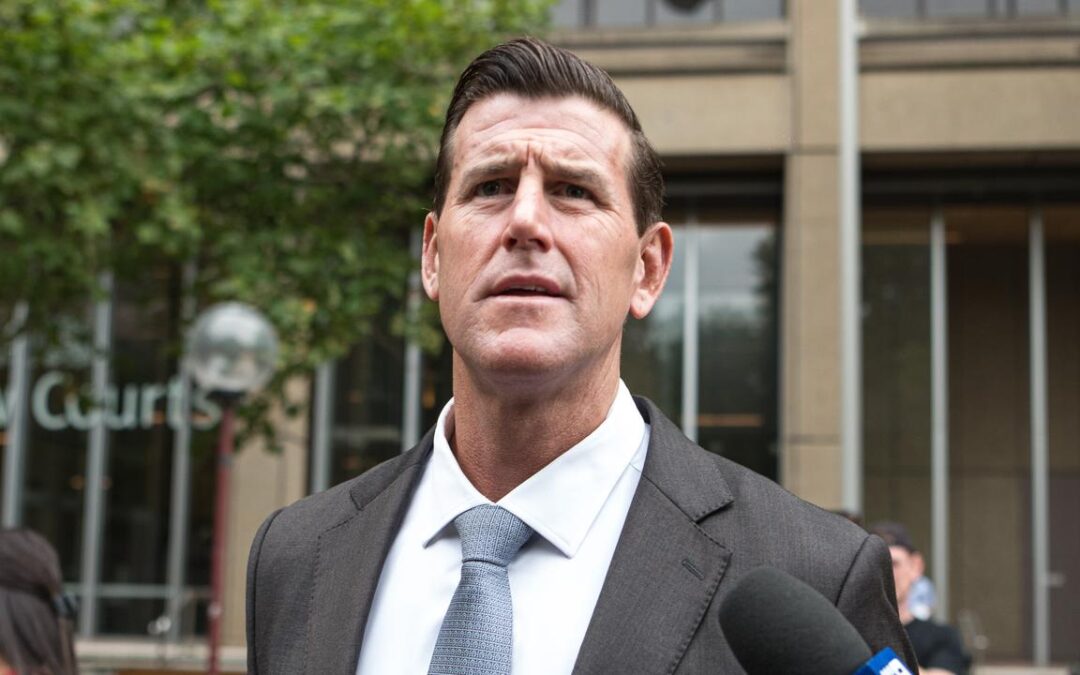
Roberts-Smith to front court after night spent in cell
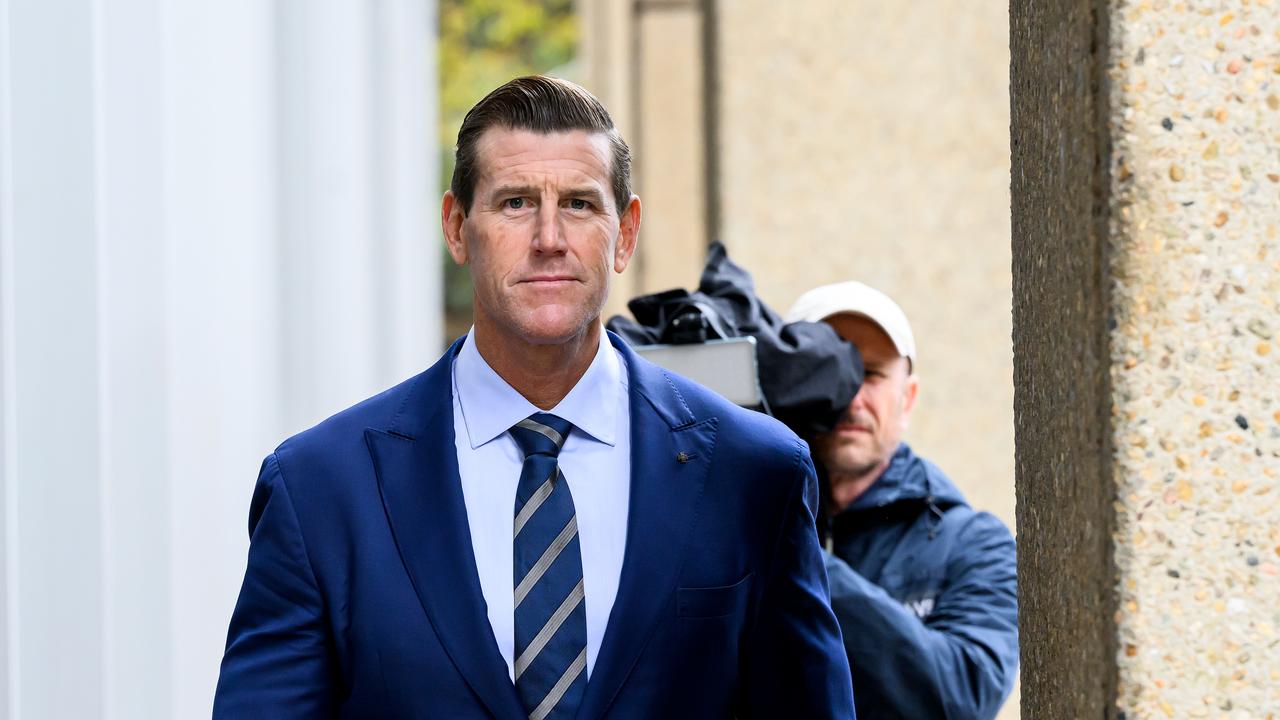
After a night in prison, former SAS soldier and Victoria Cross recipient Ben Roberts-Smith is set to face court for the first time as an alleged murderer.
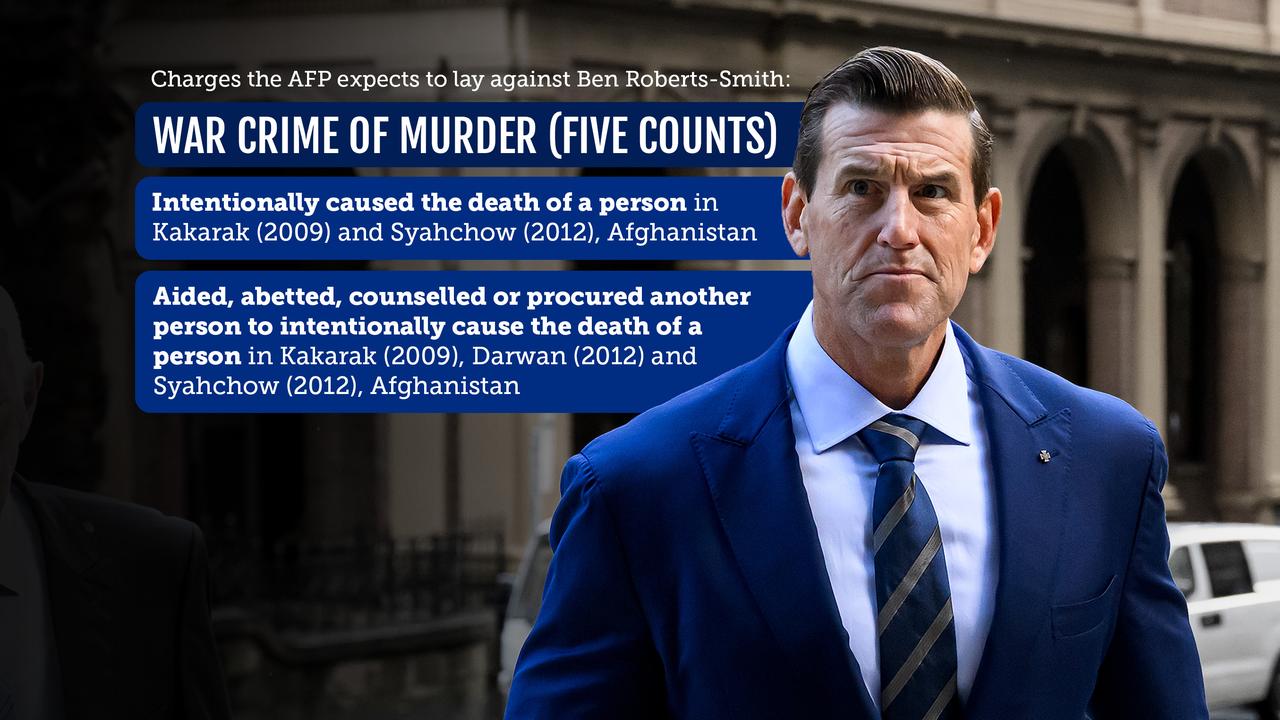
Australia’s most decorated living soldier will face a bail court on Wednesday after he was charged with two counts of the war crime of murder and three counts of aiding or abetting the same charge.
The maximum penalty for the charges is life imprisonment.
The 47-year-old, who was held on remand on Tuesday night, is accused of the murder of unarmed civilians while deployed in Afghanistan between 2009 and 2012 as well as failing to stop members of his unit from killing three others.
While Roberts-Smith’s courtroom travails began in 2017 when he unsuccessfully sued Nine newspapers for defamation, legal experts say his case moving to the criminal realm could be a watershed for war crimes prosecutions in Australia.
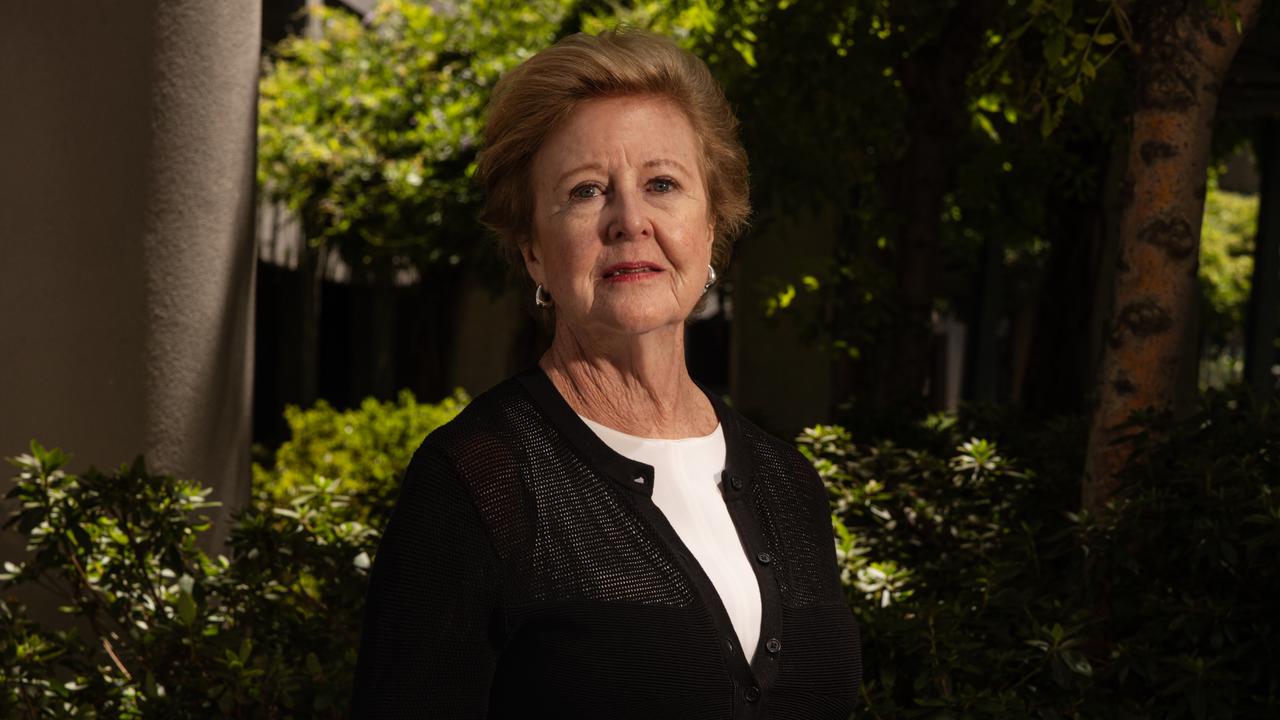
The prospect of a criminal trial for alleged offences committed overseas in the theatre of war was almost unprecedented in modern times, former president of the Australian Human Rights Commission Gillian Triggs said.
“It’s a very technical area of law and we have had very few examples in Australian national practice that would provide some precedents,” Professor Triggs told AAP.
She said Australia’s failed prosecutions of multiple alleged Nazi war criminals in the 1990s prompted authorities to be extremely cautious before launching criminal action.
But with two men now charged for alleged war crimes committed in Afghanistan, the floodgates of prosecutions might now be ready to open.
Another former SAS soldier, Oliver Schulz, was charged in 2023 with the war crime of the murder of a young man in Afghanistan in 2012.
He has maintained his innocence.
“These (trials) would … strengthen the willingness of justice department prosecutors to say ‘we’ve got the evidence here and we’ll go forward with it’,” Prof Triggs said.
Roberts-Smith’s case will be monitored internationally, Prof Triggs said, with the decision to charge at home taking the matter out of the hands of war crimes prosecutors at the International Criminal Court.
However, before the case proceeded to any potential trial, Australian prosecutors would need to solve some complex legal problems, an international law expert said.
“A long time has passed, so that delay itself can create challenges in terms of collecting reliable evidence,” University of Queensland international law professor Rain Liivoja told AAP.
“The fact that the alleged crimes were committed overseas, and indeed in a location to which there is no easy access, makes the collection of evidence even more difficult.”
A Federal Court judge previously found Roberts-Smith was responsible for a number of killings but those findings were made on the balance of probabilities, rather than the criminal standard of beyond reasonable doubt.
Nationals leader’s vision for ‘Australia on steroids’
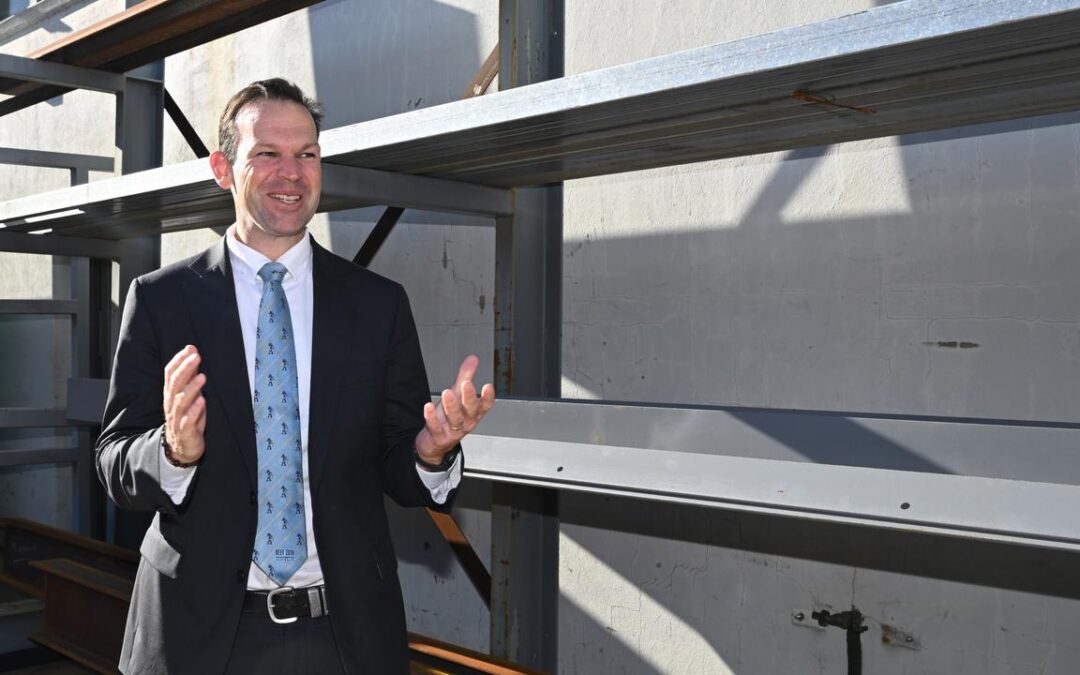
Nationals leader Matt Canavan will outline his economic vision for a revolutionised “hyper Australia,” urging the nation to abandon net zero targets, curb migration and embrace industry protection.
“We need an Australia with more of everything: more factories, more dams, more vision, more cities, more homes and more babies,” he will say on Wednesday in his first National Press Club address as leader.
“I like to call it a hyper Australia but whatever you like to call it my agenda is an Australia on steroids.”
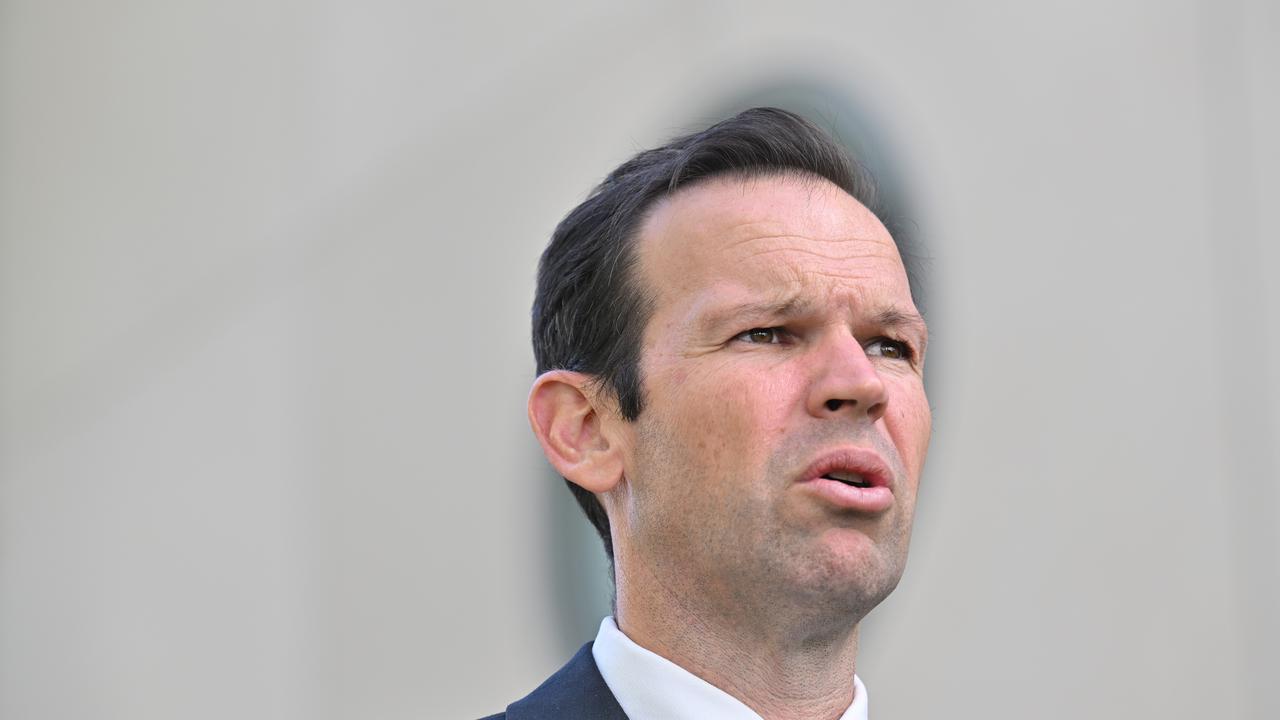
Senator Canavan will argue Australians are experiencing an unprecedented decline in living standards, blaming high energy costs, globalisation and government policy settings.
The Queensland senator, who became leader of the Nationals after David Littleproud’s shock resignation in March, will take direct aim at the prime minister, accusing him of clinging to outdated economic thinking and relying too heavily on the clean energy transition.
“A microwaved Milton Friedman is not going to solve our economic woes – and it is certainly not going to calm the rightful rage of the Australian people at their political leaders’ incompetence in trashing the promise of the luckiest country in the world,” he will say.
“The chief cheerleader of this economic cul-de-sac remains the prime minister – Captain Status Quo himself.
“He still believes that a few more subsidies for batteries and hydrogen will fix everything.”
Senator Canavan will propose an economic plan, which he titled a Patriot Agenda for an Australian Economic Revival, with five main areas of focus.
The first will be a “manufacturing renaissance” through protecting key industries against foreign competition, and the second will be closing the border to mass migration to free up infrastructure and housing stock.
“Australia has always defined itself by the things we make, build and grow,” Senator Canavan will say in his speech.
“We made cars, we built the Snowy Hydro, Queenslanders are known as banana benders, and yes – we invented the Hills Hoist clothesline.”
He will also call for an energy abundance by scrapping net zero and investing in all forms of energy to lower prices, and a national works program that builds dams, roads, rail, ports and space ports.
Senator Canavan will also propose the building of new cities as a fifth focus area, allowing young Australians to afford a home and access the same services in capital cities.
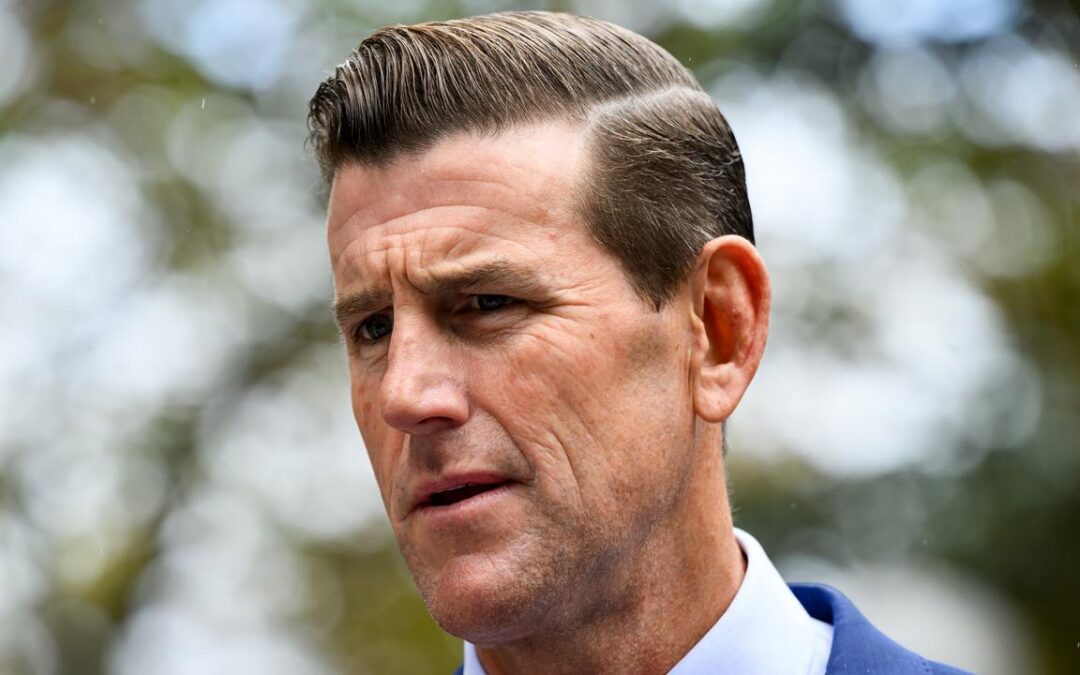
Roberts-Smith set for war crime charges over killings
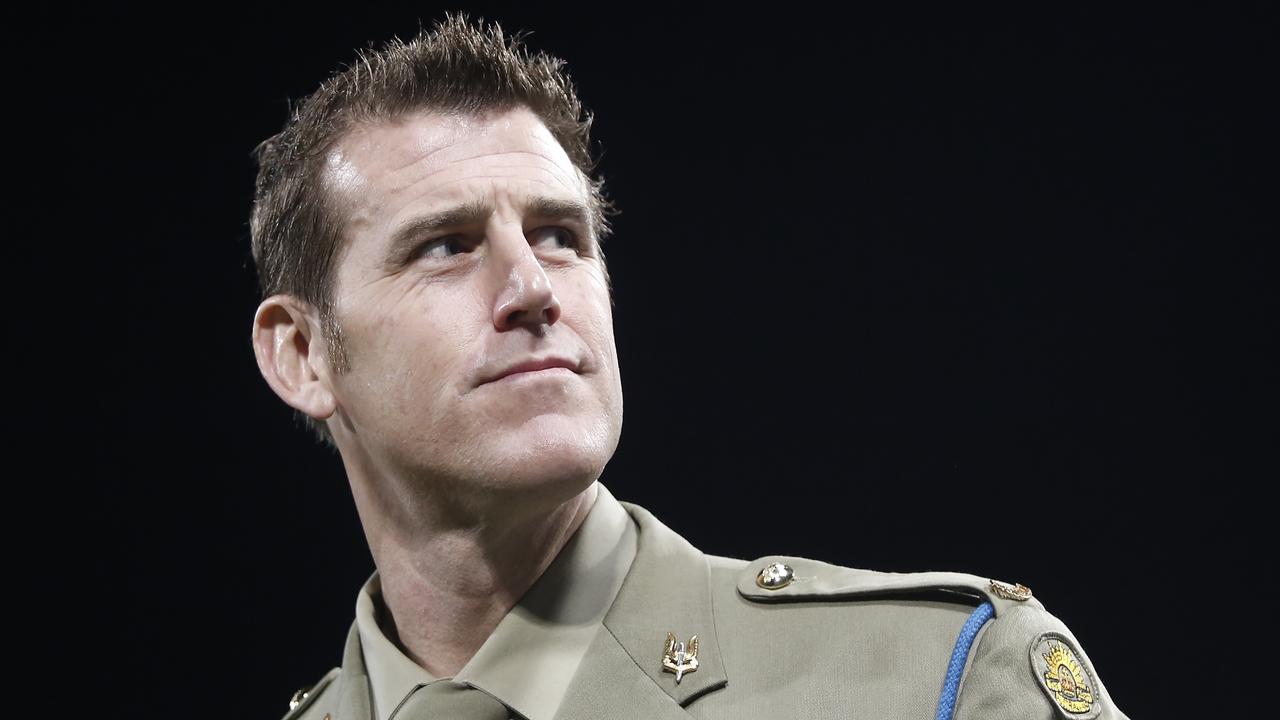
Former SAS soldier Ben Roberts-Smith could face life in prison for alleged war crimes involving the murder of unarmed Afghan civilians.
Australia’s most decorated living soldier was arrested at Sydney Domestic Airport on Tuesday morning after extensive allegations he murdered Afghans while deployed in the country between 2009 and 2012.
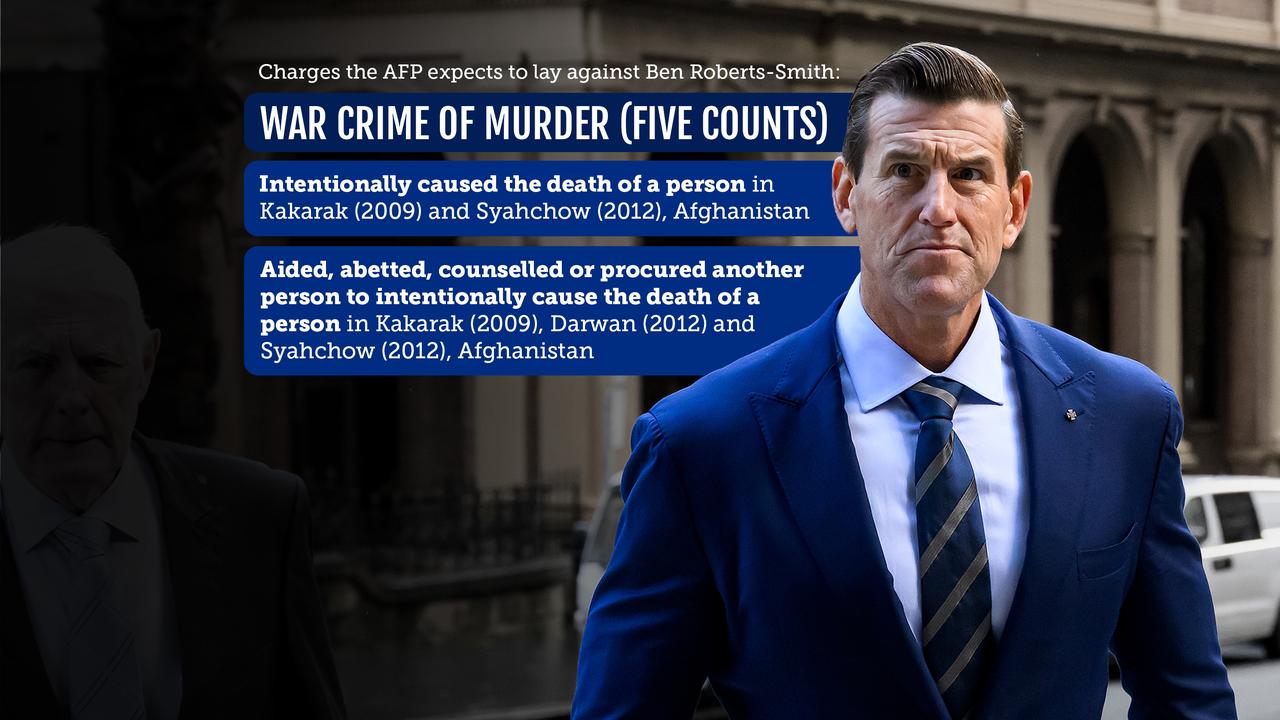
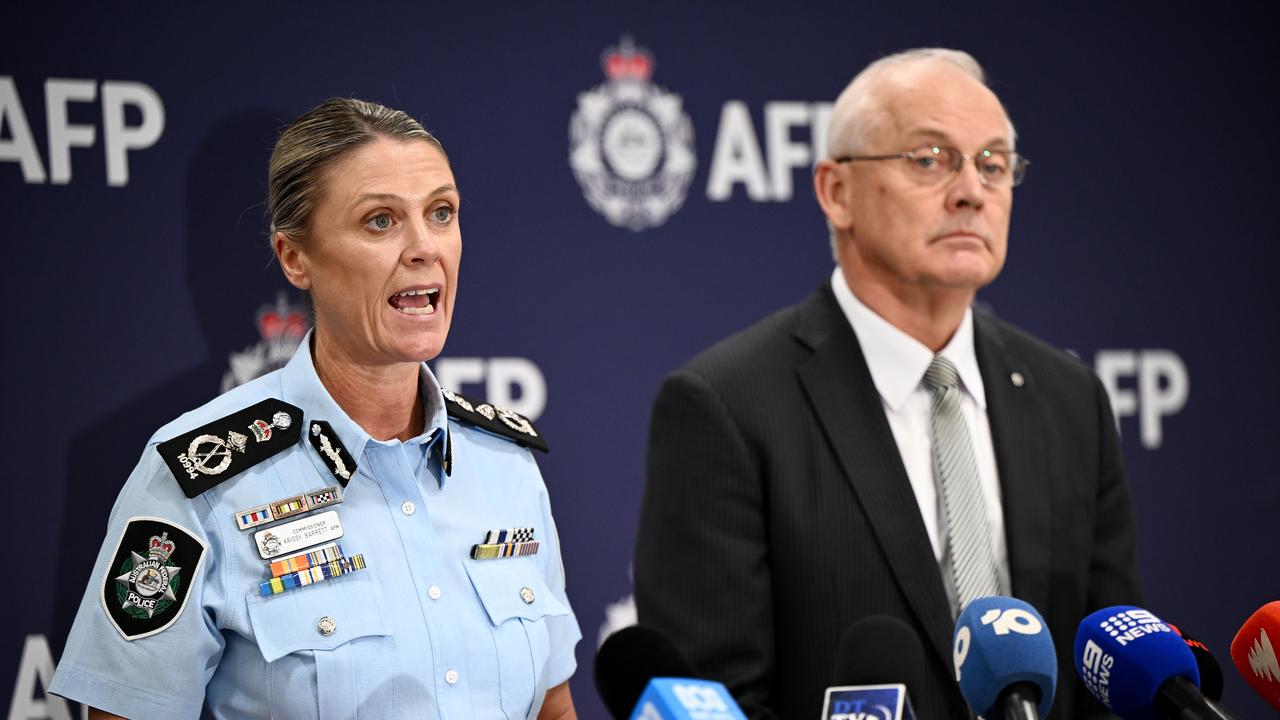
Australian Federal Police commissioner Krissy Barrett declined to name Roberts-Smith, but confirmed a 47-year-old former ADF member would be charged with five courts of war crime murder, which carries a maximum penalty of life imprisonment.
“It will be alleged the victims were detained, unarmed and were under the control of ADF members when they were killed,” she told reporters.
“It will be alleged the victims were shot by the accused or shot by subordinate members of the ADF in the presence of and acting on the orders of the accused.”
She noted the victims were not taking part in hostilities at the time of their alleged murder in the war zone.
The allegations include that Roberts-Smith intentionally caused the death of two people in Afghanistan between 2009 and 2012.
He is also accused of aiding, abetting, counselling or procuring another person to commit a murder on three separate occasions.
Asked if others were involved in those matters, the Office of the Special Investigator said investigations were ongoing.
Roberts-Smith is expected to appear in a NSW court either late on Tuesday or on Wednesday morning.
The Office of the Special Investigator, comprised of 54 investigators, launched an investigation into the soldier in 2021.
In collaboration with the AFP, it has launched 53 investigations involving allegations of war crimes by ADF members in Afghanistan, 39 of which have been provisionally finalised.
“The OSI has been tasked with investigating literally dozens of murders alleged to have been committed in the middle of a war zone in a country 9000 kilometres from Australia,” OSI director Ross Barnett said.
“Because we can’t go to that country…. we don’t have access to the crime scenes… we don’t have access to the deceased, there’s no post-mortem… so it’s a very challenging starting point for all these investigations.”
Roberts-Smith will be the second Australian soldier to be charged with war crimes under domestic law after another ex-SAS soldier, Oliver Schulz, was charged in 2023 over the war crime of the 2012 murder of a young man in Afghanistan.
Schulz has maintained his innocence. His matter is yet to go to trial, but the case could provide a blueprint for Roberts-Smith.
A Federal Court judge previously found Roberts-Smith was responsible for a number of killings in a blockbuster defamation trial against Nine newspapers.
The articles were published in 2018 and the alleged war criminal has maintained his innocence.
Justice Anthony Besanko’s findings were on the balance of probabilities, rather than the criminal standard of beyond reasonable doubt.
Justice Besanko found Roberts-Smith machine-gunned an unarmed prisoner in the back, taking the man’s prosthetic leg back to Australia to use as a beer drinking vessel, during a 2009 raid on a compound codenamed Whiskey 108.
He also said Roberts-Smith stood silent while a rookie soldier was ordered to execute an elderly Afghan prisoner so he could be “blooded”.
Justice Besanko found one of the newspapers’ central claims – that Mr Roberts-Smith had kicked an unarmed and handcuffed man, Ali Jan, off a 10-metre cliff and then ensured he was shot – was true.
Fuel crisis drives record Aussie electric car sales
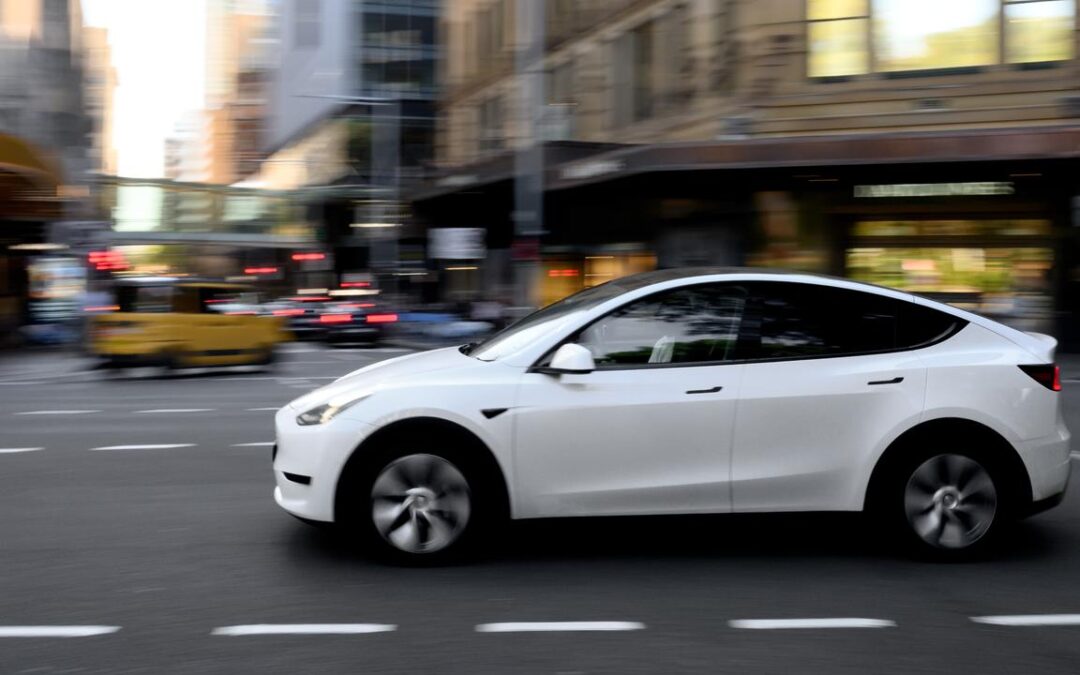
Australians have raced to secure electric vehicles during the Middle East war-driven fuel crisis, near-doubling sales to set a national record.
Motorists bought more than 15,800 new electric cars during March, according to figures released by the Federal Chamber of Automotive Industries on Tuesday, while sales of petrol and diesel vehicles stalled.
Pure electric cars represented 14.6 per cent of all new-car sales during the month, growing from 7.5 per cent in March 2025.
The tally was the highest number of electric vehicles sold in Australia in a month.
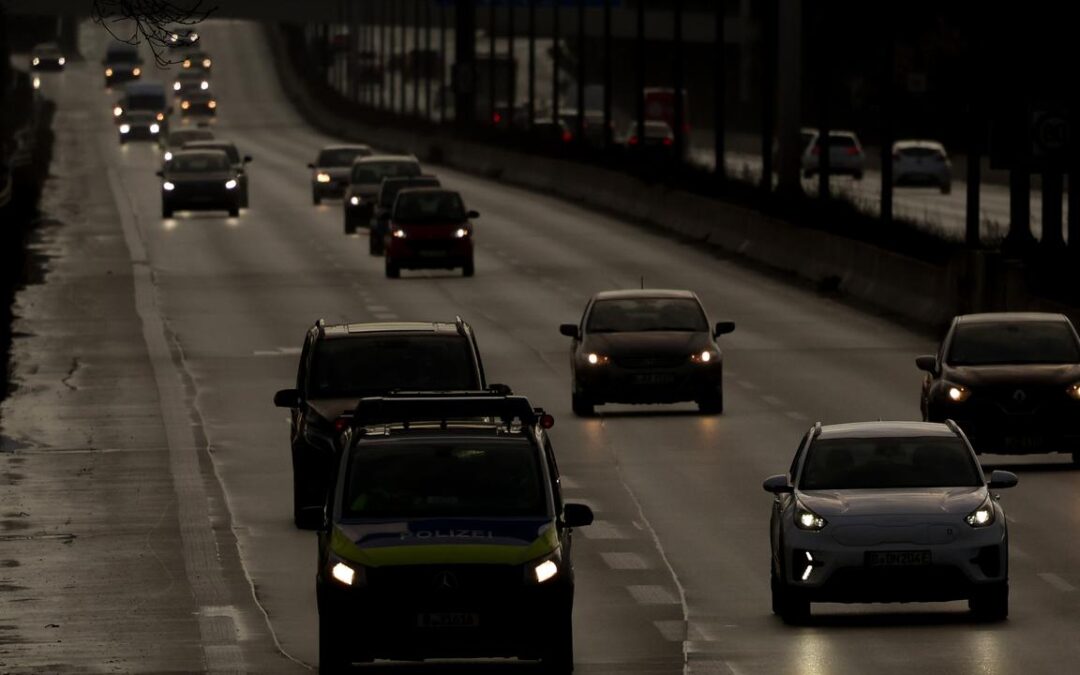
The rush for battery-powered vehicles comes as fuel shortages challenge drivers around the nation following conflict in Iran, which has pushed the price of diesel beyond $3 a litre.
The charge for electric vehicles occurred despite a modest drop in new car sales of 3.3 per cent, chamber chief executive Tony Weber said, but he stopped short of calling it a permanent trend.
“It is too early to determine if this represents a structural shift in the market,” he said.
“More consumers are considering EVs due to the disruptions of fuel supply caused by the conflict in the Middle East, along with the review into the fringe benefits tax concessions for EVs.”
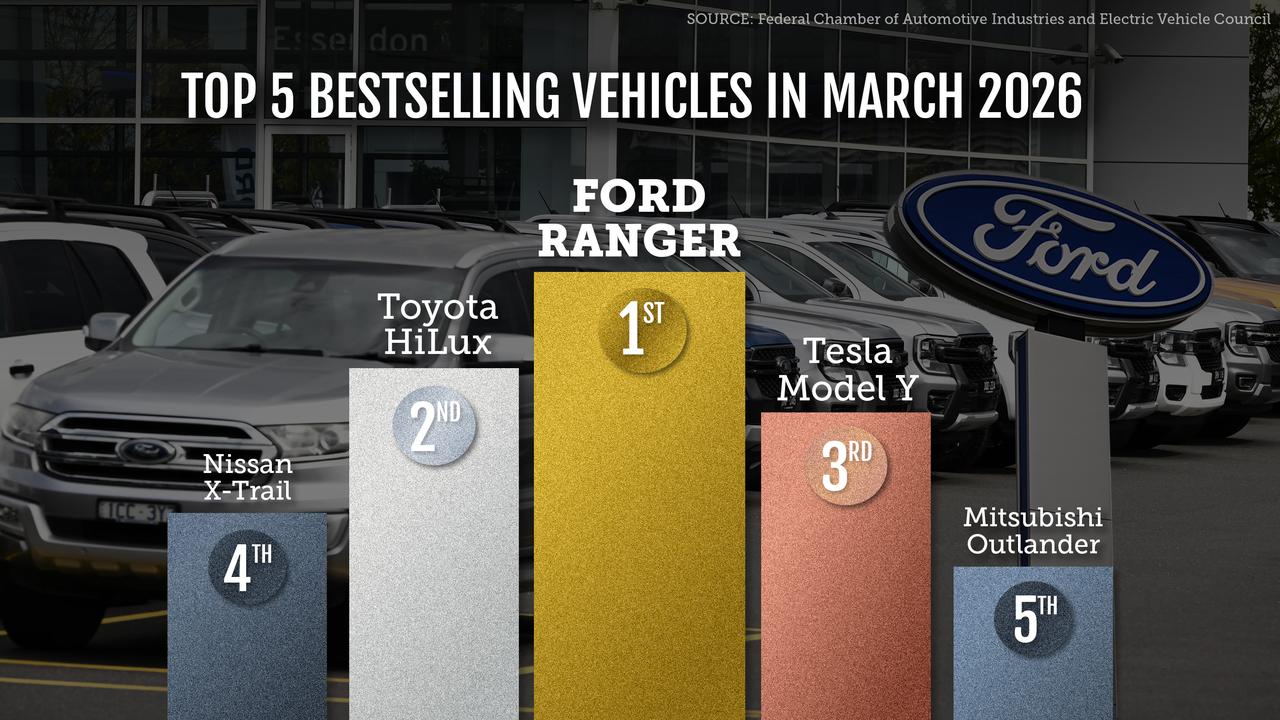
Tesla’s Model Y ranked as Australia’s third best-selling vehicle during March as a result of the sales surge and electric vehicles have doubled in popularity during 2026, rising by 115 per cent.
Sales of other low-emission cars also accelerated during March, with hybrid vehicle sales up by 6.7 per cent to almost 18,000 vehicles, while plug-in hybrid sales rose by 18.5 per cent compared to the same month in 2025.
By comparison, petrol vehicle sales slowed by 20.8 per cent during March, and diesel vehicles fell by 10.1 per cent.
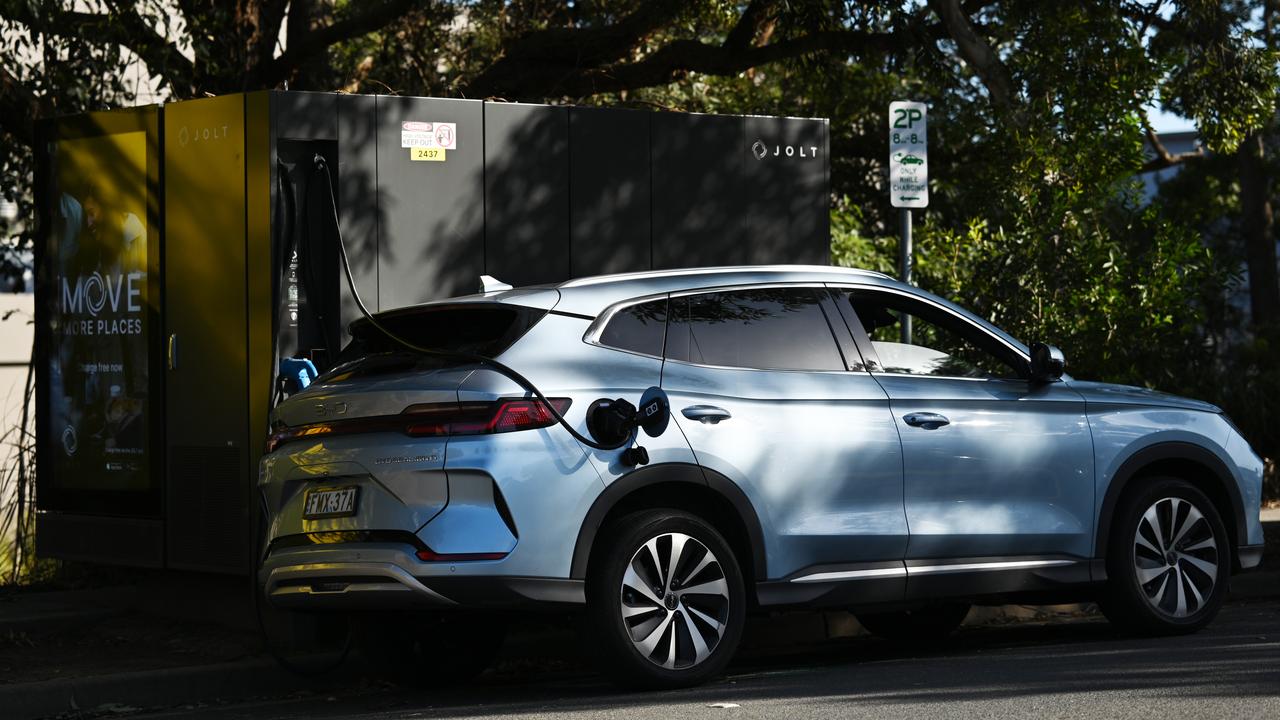
If the trend towards low-emission vehicles was to continue, governments needed to boost investments in electric vehicle chargers, Mr Weber said.
“A long-term shift to EVs will require Australian governments to sharpen their focus on public charging infrastructure, particularly in regional areas and locations where home charging is not practical,” he said.
“Ensuring infrastructure keeps pace with consumer demand will be critical to enabling sustainable growth in EV adoption beyond short-term influences.”
The electric vehicle sales record also comes as the federal government reviews the Electric Car Discount and as it considers the introduction of a road-user charge to replace revenue that would have been collected by fuel excise.
Despite the emerging sales trend, the Ford Ranger ute again claimed the title of Australia’s best-selling vehicle for March, followed by the Toyota HiLux ute.
Toyota remained the top automotive brand in the nation, followed by Mazda, Kia, Ford and Hyundai.
War puts world on road to higher prices, slower growth
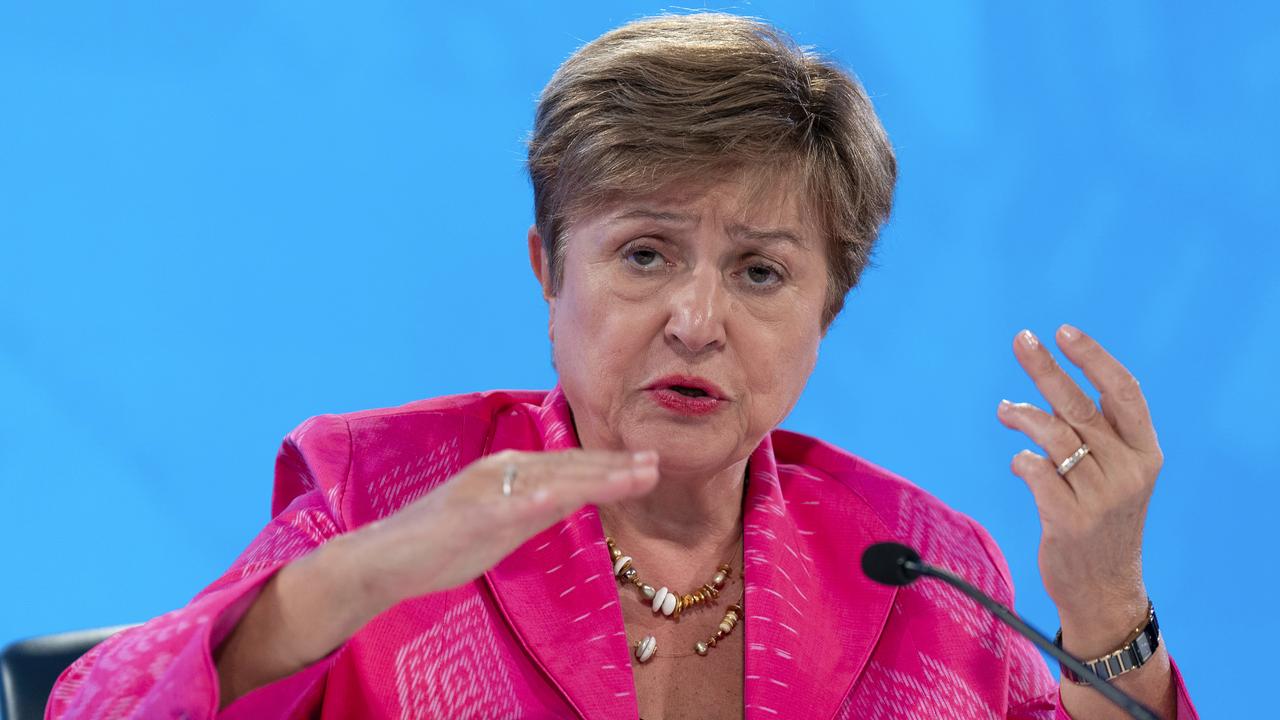
The war in the Middle East will lead to higher inflation and slower global growth, says the head of the International Monetary Fund ahead of next week’s global forecast for the world economy.
The war has triggered the worst-ever disruption in global energy supply, with millions of barrels of oil production shuttered due to Iran’s effective blockage of the Strait of Hormuz, crucial for shipping one-fifth of the world’s oil and gas.
Even if the conflict is swiftly resolved, the IMF is set to reduce its forecast for economic growth and bump up its outlook for inflation, Kristalina Georgieva, managing director of the IMF, told Reuters.
The war is expected to dominate discussions among finance officials from around the world at next week’s spring meetings of the IMF and World Bank in Washington.
The Fund is expected to release a range of scenarios in its upcoming World Economic Outlook due on April 14.
It signalled a possible downgrade in a March 30 blog post, citing the asymmetric shock of the war and tighter financial conditions.
Without the war, Georgieva said the IMF had expected a small upgrade in its projection for global growth of 3.3 per cent in 2026 and 3.2 per cent in 2027 as economies continue to recover from the pandemic.
“Instead, all roads now lead to higher prices and slower growth,” said Georgieva, who will preview the spring meetings in a speech on Thursday.
World Bank President Ajay Banga will present his view at an Atlantic Council event on Tuesday.
“We are in a world of elevated uncertainty,” the IMF chief said, citing geopolitical tensions, technological advancements, climate shocks and demographic shifts.
“All of this means that after we recover from this shock, we need to keep our eyes open for the next one.”
The war has shrunk global oil supply by 13 per cent, Georgieva said, with the impact rippling through oil and gas shipments and into related supply chains such as helium and fertilisers.
Even a rapid end to hostilities and a fairly rapid recovery will result in a “relatively small” downward revision of the growth forecast and an upward revision of its inflation forecast, she said. If the war is protracted, the effect on inflation and growth will be greater.
Poor, vulnerable countries with no energy reserves will be hardest hit, Georgieva added, noting that many countries had little to no fiscal space to help their populations weather the price increases caused by the war, which in turn also increased the prospects of social unrest.
Georgieva said some countries had already asked for funding help, but did not name them. She said the IMF could augment some existing lending programs to meet countries’ needs. Eighty-five per cent of the IMF’s members are energy importers.
Broad energy subsidies were not the answer, she said, urging policymakers to avoid government payments that could further inflame inflationary pressures.
The impact has been asymmetric, hitting energy-importing countries hardest, but even energy exporters such as Qatar are feeling the effect from Iranian strikes against their production facilities.

Netflix debuts Playground gaming app for kids
Netflix has launched an app called “Netflix Playground” that will feature games built around popular children’s characters such as Peppa Pig and Sesame Street.
Analysts say the streaming giant’s gaming efforts have yet to emerge as a major growth driver.
One of the main challenges, analysts believe, is Netflix’s relatively limited portfolio of iconic intellectual property compared with rivals such as Warner Bros Discovery, which owns franchises including DC Comics.
Some of the most popular games from Netflix include Rockstar Games’ GTA: San Andreas and those based on its own hit shows such as Squid Game: Unleashed.
The streaming giant said the new features aim to be a “curated space where parents know kids are entertained, engaged and enriched”.
The move is also aimed at deepening engagement with families, a segment where children’s content has traditionally been seen as helping reduce churn because parents are less likely to cancel.
“Emphasising kids programs will make Netflix stickier for households with children,” Emarketer senior analyst Ross Benes said.
The new app will help Netflix “compete in the one area where it has a deficiency compared to Disney+, which is children’s programming,” he added.
The new app is designed for children eight years old and younger and is included in all levels of Netflix membership.
Each game will be playable offline, including Playtime With Peppa Pig, Dr Seuss’s Horton! and Sesame Street.
In addition to parental controls, the platform ensures no ads, in-app purchases or extra fees.
Netflix Playground is available for download in the United States, Canada, the United Kingdom, Australia, the Philippines and New Zealand.
The company will launch globally towards the end of this month.
High fuel prices drive ‘massive spike’ in e-bike sales
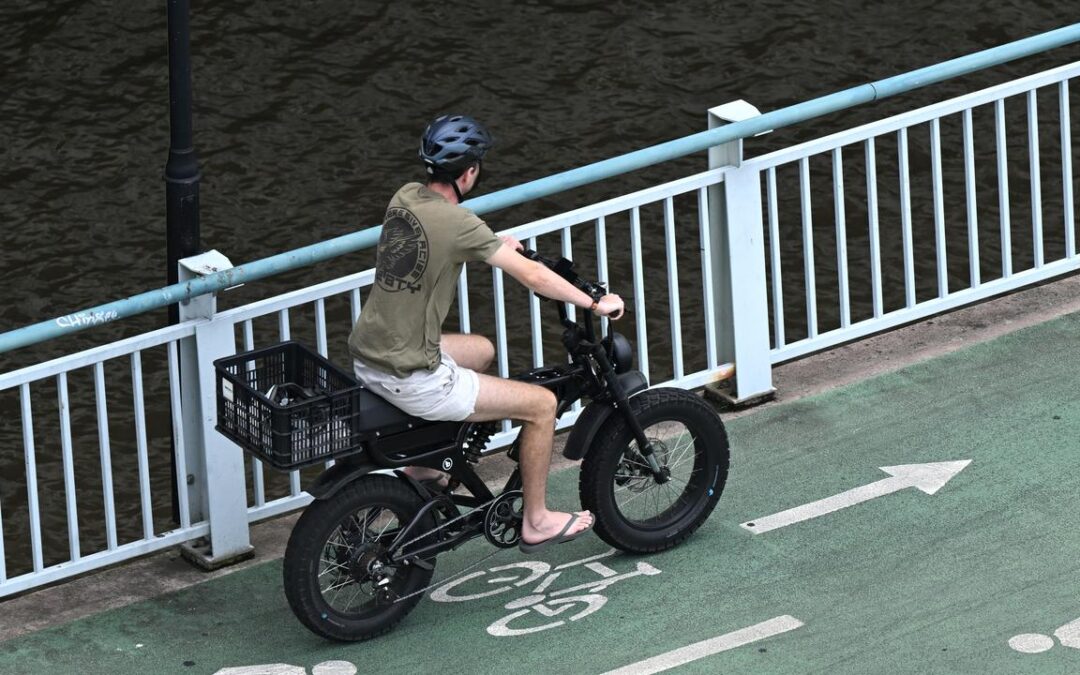
Electric bike sales are surging as rising fuel costs push commuters to find a cheaper way to get around, industry figures say.
While Australian e-bike sales have been climbing for years, retailers say recent fuel price pressures have sharply accelerated the trend.
“We’ve seen a massive spike in interest in e-bikes in the last couple of weeks,” Peter Bourke, general manager of Bicycle Industries Australia, told AAP.
Sales accelerated as consumers began to expect fuel price shocks related to global supply challenges to stick around beyond the short term, Mr Bourke said.
“It took a few weeks for people to understand the price rise wasn’t going to be a one or two week thing,” he said.
“That’s when shops began to see a lot more foot traffic.”
The evidence remains anecdotal, but Mr Bourke insisted e-bike retailers nationwide were seeing more buyer interest.
One such retailer is bike store 99 Bikes South Melbourne, where e-bike sales have roughly quadrupled in recent weeks, manager Jake Shaw said.
“When (petrol) prices hit $2.50 (per litre), instantly we had a jump in sales,” Mr Shaw said.
The spike has not yet been as significant as that experienced during the COVID-19 pandemic but is showing no signs of slowing, he said.
“It’s getting close,” he said.
It comes as experts warn the forces driving up fuel costs are unlikely to ease quickly despite some temporary signs of relief.
On Monday, Energy Minister Chris Bowen announced Australia had secured fuel supply into May, securing orders beyond a previous mid-April horizon.
It followed the federal government’s decision to halve taxes on petrol and diesel and an agreement by states to pass on an expected GST windfall.
But the combined savings, worth more than 30c a litre, have not offset the impact of high oil prices due to Iran’s restriction of supply through the Strait of Hormuz.
US President Donald Trump has flagged strikes on Iran could end within weeks, recently saying core objectives were nearing completion.
In an expletive-laden social media post on Sunday (Monday AEST), Mr Trump threatened Iran to open the “F***in’ Strait” or the regime will be “living in Hell”.
The federal government has accepted the impacts of the war will continue, even if it comes to a swift end.
The flow-on effects on fuel prices and inflation will have a long tail, Assistant Foreign Affairs Minister Matt Thistlethwaite said on Sunday.
“If (the war) ended tomorrow, there’d still be effects in the coming months, but we’re planning for that,” he said.