
Stop Lebanon attacks to secure oil supply: Australia
Australia has called on Israel to end its attacks on Lebanon after a ceasefire deal was struck with Iran, warning that any ongoing fighting puts the flow of oil through the Strait of Hormuz at risk.
Israel says it has carried out its largest wave of strikes against Lebanon since the start of the war, leaving at least 250 people dead, according to local authorities.
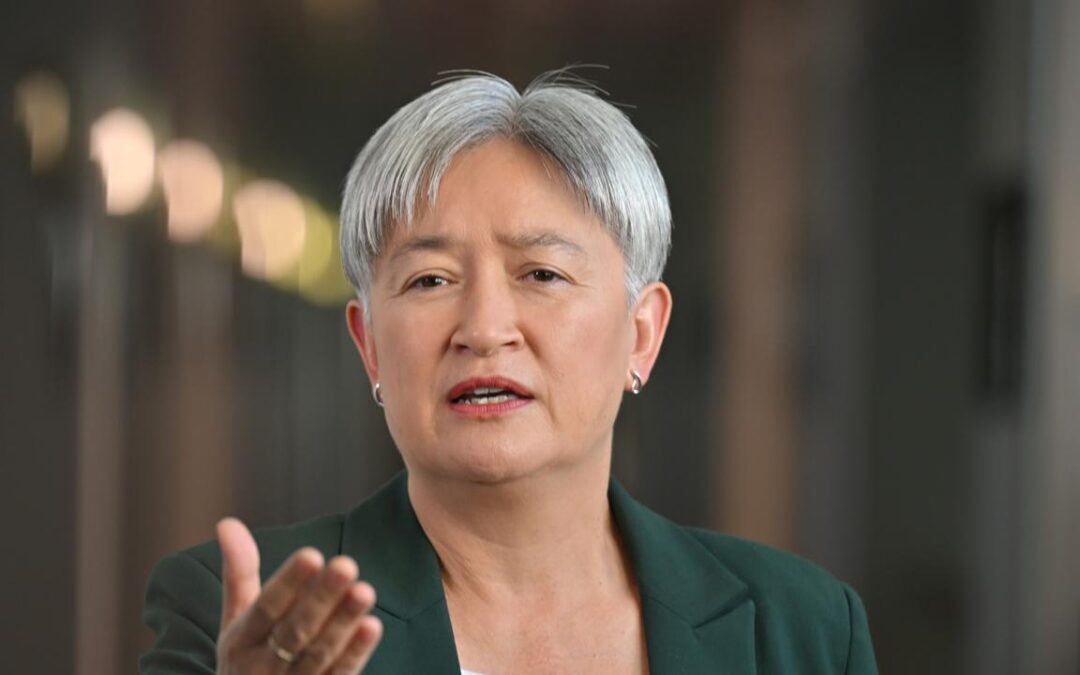
In a joint statement with the United Kingdom, Indonesia, Jordan, Brazil, Colombia, and Sierra Leone, Foreign Minister Penny Wong called for an urgent end to the fighting in Lebanon.
“The ceasefire is fragile, but the world needs it to hold,” she told ABC TV on Thursday.
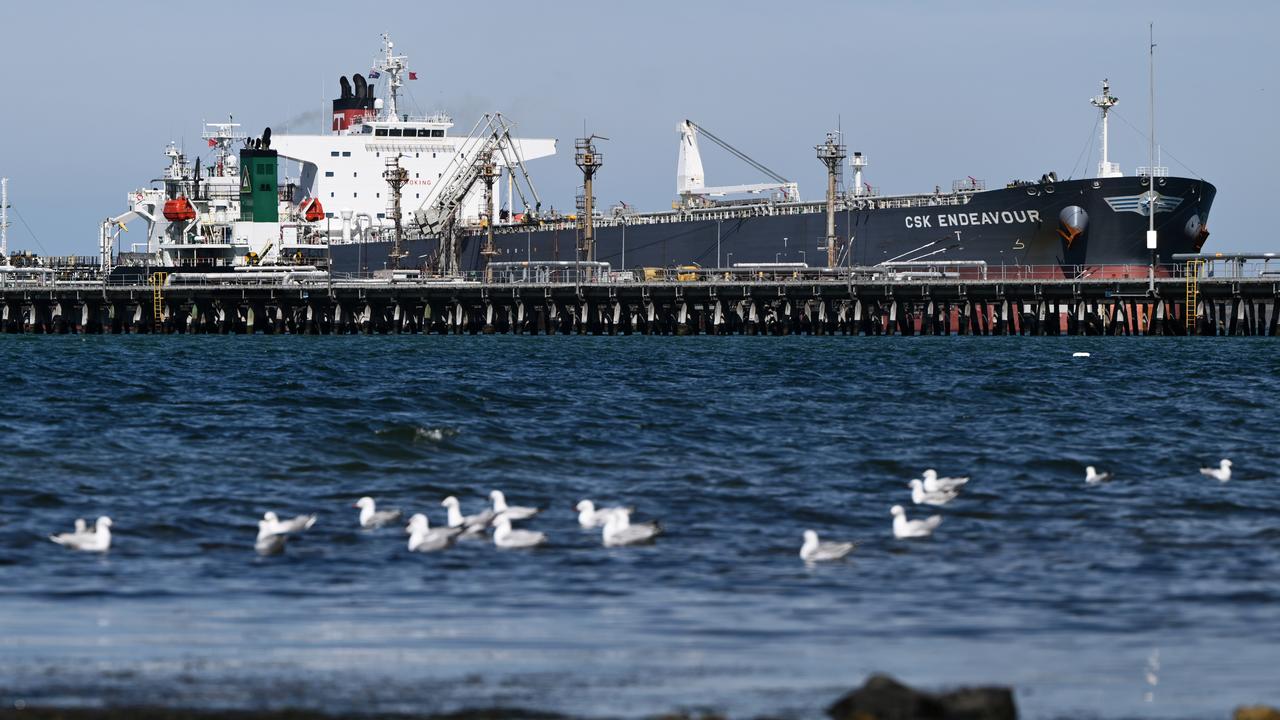
“There is a risk that continued conflict in Lebanon will risk the ceasefire itself across the region.
“We want to see the Strait of Hormuz open so that Australians and the world can see lower prices for fuel.”
She said the deadly attacks overnight were “deeply concerning”.
The Israeli strikes on Lebanon follow Iran’s agreement on Wednesday to a two-week ceasefire with the US and Israel, which would reopen the Strait of Hormuz for oil trade.
Iran says Lebanon is included in that now-shaky deal and has reportedly closed the crucial shipping route again in response to the Israeli attacks.
The US and Israel say Lebanon was never part of the peace deal.
Israeli President Benjamin Netanyahu has also declared his country is ready to return to fighting in Iran at any moment, because it still has objectives to achieve.
“The finger is on the trigger,” he said in remarks translated from Hebrew.
Opposition defence spokesman James Paterson said he was sceptical of Iran’s claims that Lebanon was not included in the ceasefire but expressed concern about the scale of Israel’s attacks.
“Certainly we’re concerned about civilian deaths in conflicts like these,” he told ABC Radio on Thursday.
“Clearly what we have is a dispute between the parties to this conflict about the terms of the ceasefire.”

Beware the ‘urgent’ email at the end of the working day
Australian businesses are losing more than $150 million a year to scammers, with some embedding themselves in sensitive company email chains just waiting for the right moment to strike.
The threat can occur close to the end of the working day, when workers are clearing the decks and getting ready to go home, or at any other time the predator thinks people will be distracted.
An urgent email from a manager might arrive pushing for a certain invoice to be paid immediately.
But they may not be who they claim to be.

“Scammers are actually becoming very sophisticated,” William Mailer, chief behavioural scientist at Commonwealth Bank of Australia, told AAP.
“They can create email addresses that look almost identical to a legitimate email address, or they can actually access real email accounts of a colleague, a boss or a supplier.
“Sometimes these scams actually come embedded in email trails.”
Once embedded, the scammer can patiently study how processes and payments occur, by whom, and over what cycles.
“They’re really able to time the scam … so it feels very routine and normal, as though it’s coming from a trusted source, which makes it really difficult for the employee, for the manager to identify the scam,” Mr Mailer said.

According to the National Anti-Scam Centre, Australian businesses fell victim to thousands of so-called payment redirection scams in 2025, losing a combined $167 million.
It’s the second-highest successful scam in the nation, behind investment scams and above romance scams.
According to CBA research released on Thursday, 73 per cent of business compromise scams arrive by email and typically include requests to add or change payment details or approve transfers.
In many cases, employees are proving better at picking up the red flags than managers.
Testing of more than 1100 employees, managers and owners of small, medium and large businesses by CBA’s behavioural science team found 76 per cent of employees could spot a scam compared to 53 per cent of managers.
But when the scams were successful, it turned out that 42 per cent of employees and 20 per cent of managers were initially suspicious.
“When people are busy, under pressure or responding to requests that appear to come from senior leaders or trusted suppliers, they’re more likely to rely on instinct rather than stopping to verify,” Mr Mailer said.
“That’s exactly the moment scammers are counting on.”
Businesses should be alert to email tone, especially if it sounds brash or aggressive, and to requests that are urgent and unexpected, or requests to update bank details and make payments to new accounts.
In 2025, Australians lost a total of $2.18 billion to hundreds of thousands of different scams.
Relief for businesses, top bank with oil ready to flow
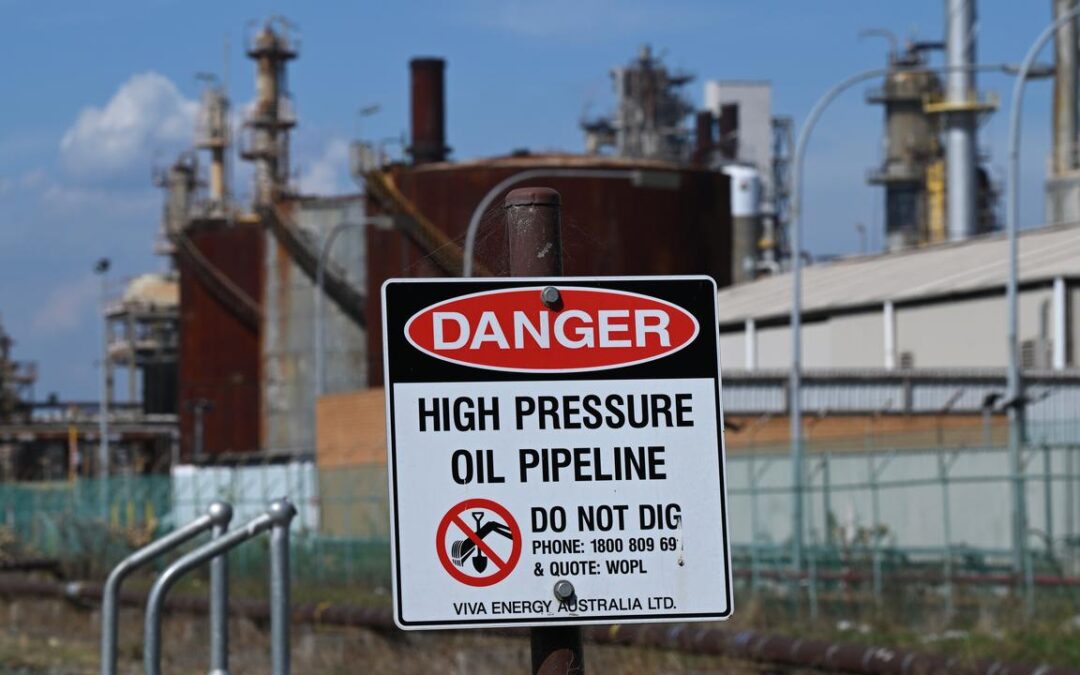
A ceasefire between the US and Iran has delivered a much-needed reprieve for Australian businesses and the Reserve Bank.
Oil prices fell almost 15 per cent to $US95 a barrel after President Donald Trump announced on Wednesday the US would pause hostilities for two weeks while negotiations for a permanent peace continued.
Iran’s confirmation it would allow shipping through the Strait of Hormuz over the same period lifted hopes of a normalisation in fuel supplies and a respite in inflation.
Although the prospects of a long-term resolution remained uncertain, having the Strait open for even two weeks allowed a backlog of oil to pass through and supply chains to recover, Oxford Economics Australia lead economist Ben Udy said.
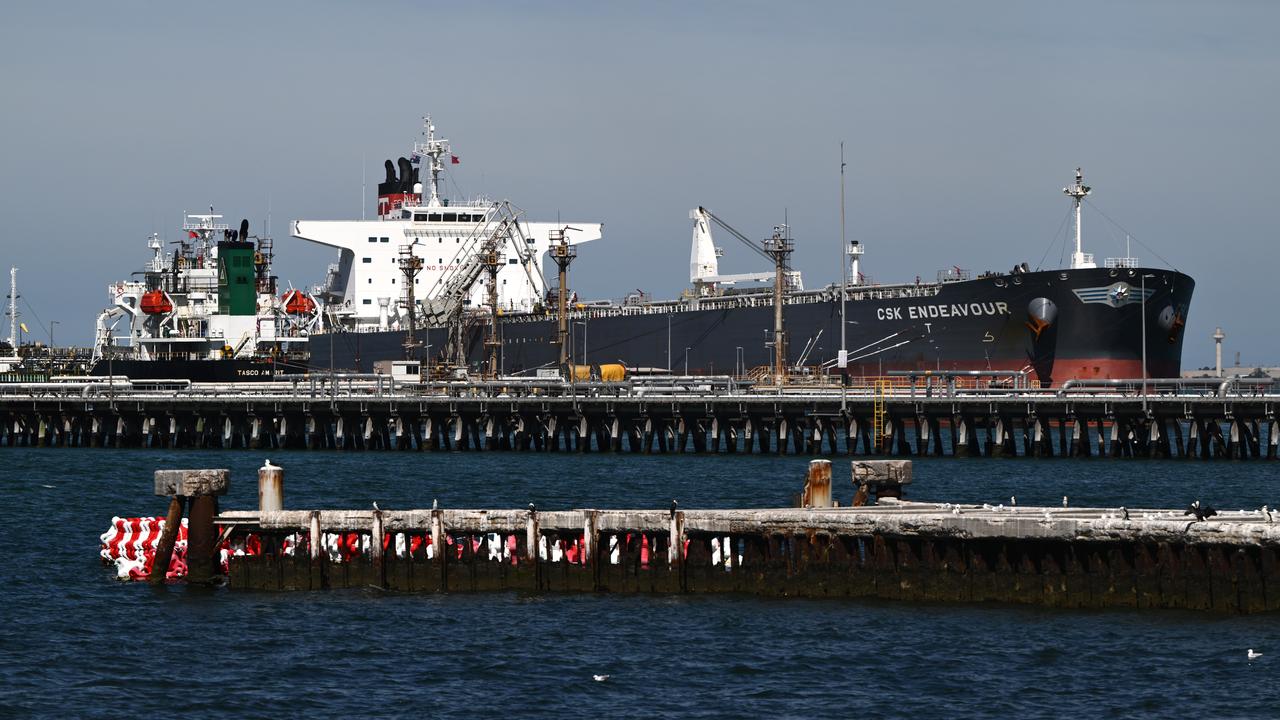
“That’ll allow the deficit of oil that we’ve seen in the global economy to start to close, and will help a lot of those supply chains recover, at least in the near term,” he told AAP.
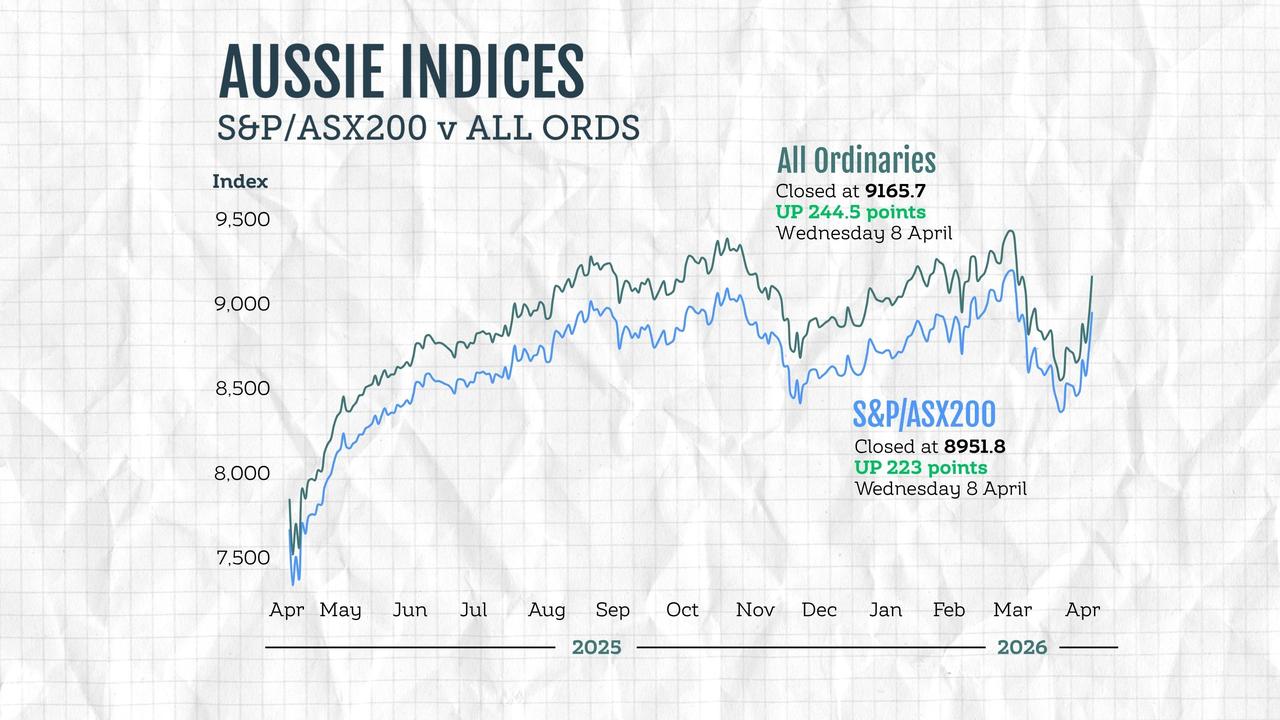
Risk-on sentiment propelled equity markets sharply higher following the agreement. Australia’s ASX200 closed up 2.6 per cent.
But markets are likely to experience increased volatility over the next two weeks as traders pore over additional information that comes to light about a potential long-term deal, Mr Udy said.
“Irrespective of what happens in two weeks, the developments today do make it easier for businesses to continue operating in Australia,” he said.
“With the benefit of a bit of foresight, companies are probably able to prepare a little bit better for any potential future disruptions to the Strait.”
It was essential Australia used the two-week reprieve to replenish fuel stockpiles and bolster resilience, Australian Chamber of Commerce and Industry chief executive Andrew McKellar said.
“News of a two‑week ceasefire gives some relief, as it provides crucial breathing space and the opportunity to progress work in improving fuel security,” he said.
“However, the risks have not disappeared. Businesses remain exposed to global supply shocks, and Australia cannot assume that the break in conflict will hold.”
The benchmark oil price remained well above the pre-war level of about $US70 a barrel.
Commonwealth Bank commodities analyst Vivek Dhar said there was a risk a comprehensive deal would fail to materialise and energy prices would remain elevated for an extended period.
“Iran’s control over the key waterway provides a means for war reparations via tolling and deters US and Israel from attacking Iran again,” he wrote in a research note.
“But Israel and other countries in the Persian Gulf will be deeply uncomfortable with such a concession.
“Therefore, while oil and LNG prices can fall materially, there is still scope for a significant geopolitical premium being entrenched for the foreseeable future based on the details of the comprehensive agreement.”
Mr Udy still expected the Reserve Bank to lift rates in May, even though the reopening of the Strait would give the bank a bit more breathing room.
“The increase in fuel that has already happened will put pressure on inflation in both March and April,” he said.
“The other parts of supply chains that have been affected – things like fertiliser affecting food prices, helium exports impacting (computer) chips – are going to have long-lasting impacts on supply chains.”
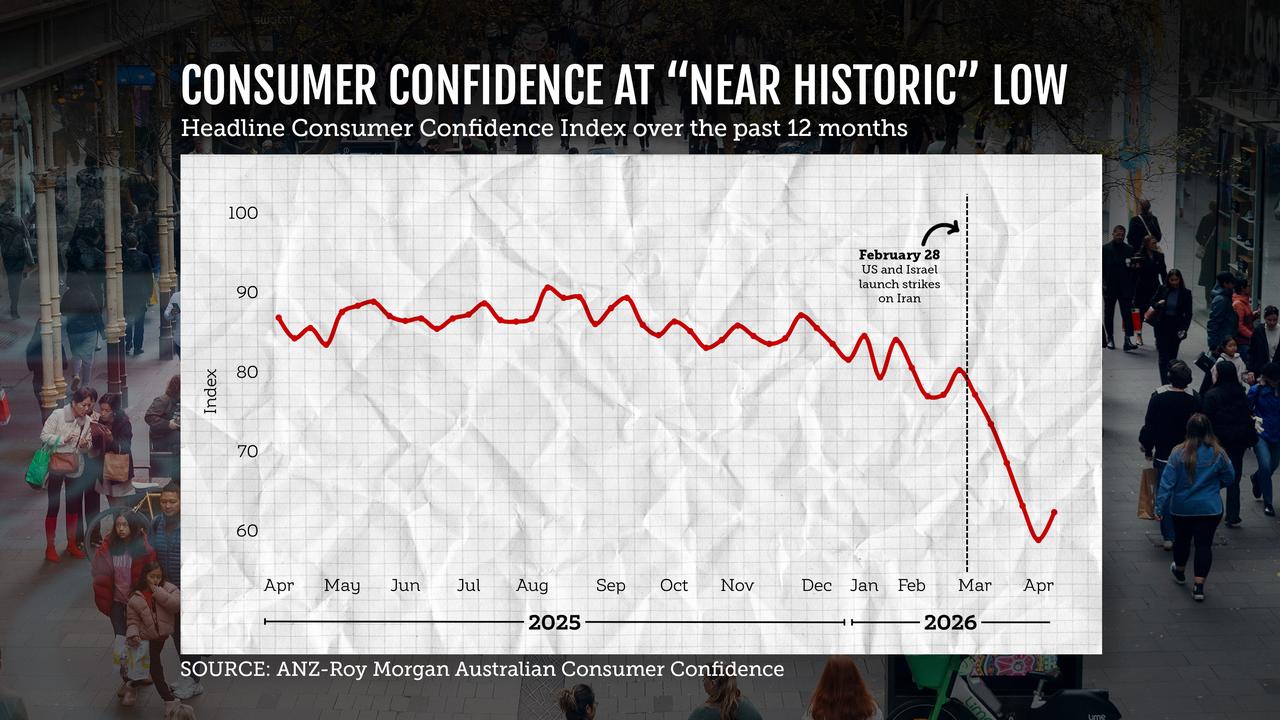
News of the ceasefire might buoy consumer sentiment, which bounced back from record lows last week as motorists enjoyed some temporary relief from rising fuel prices.
Household sentiment picked up 3.5 points to 62.3 in the week leading into Easter, coinciding with the government’s decision to cut the fuel excise, according to the ANZ-Roy Morgan consumer confidence index.
“All subindices strengthened and inflation expectations eased slightly,” ANZ economist Sophia Angala said.
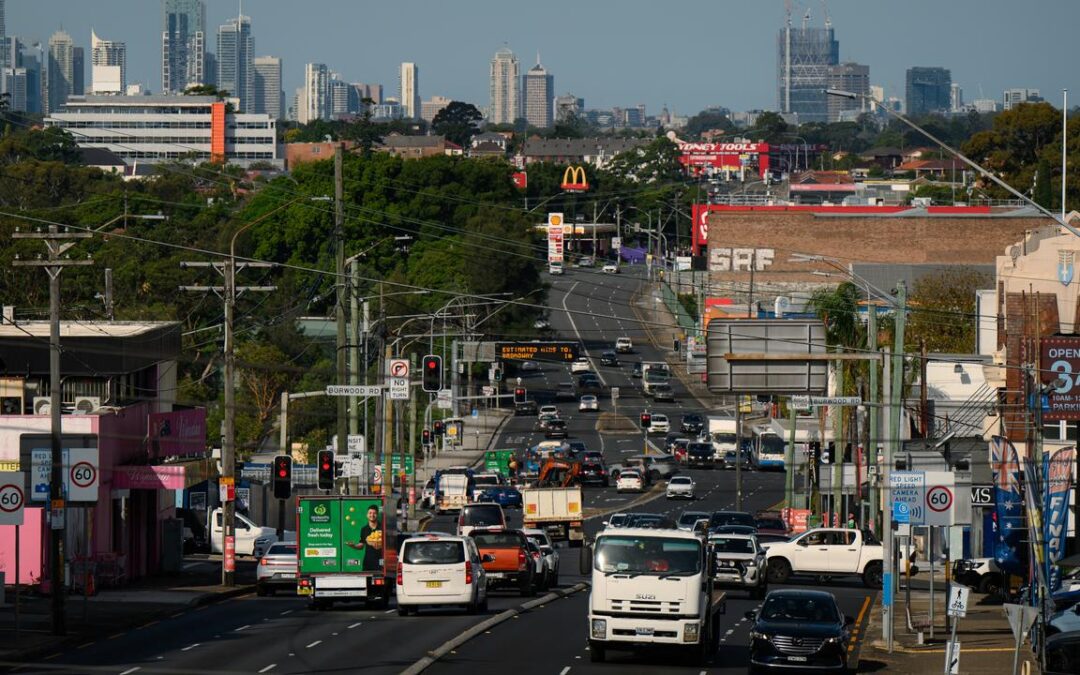
Fuel prices unlikely to tank in hurry despite ceasefire
Motorists may have to wait months for fuel prices to come down, despite the US and Iran agreeing to a pause in fighting which includes reopening the Strait of Hormuz.
In exchange for American attacks being put on hold for two weeks, Iran has agreed to allow tankers to resume travelling through the critical waterway, which before the war carried around one-fifth of the world’s oil.
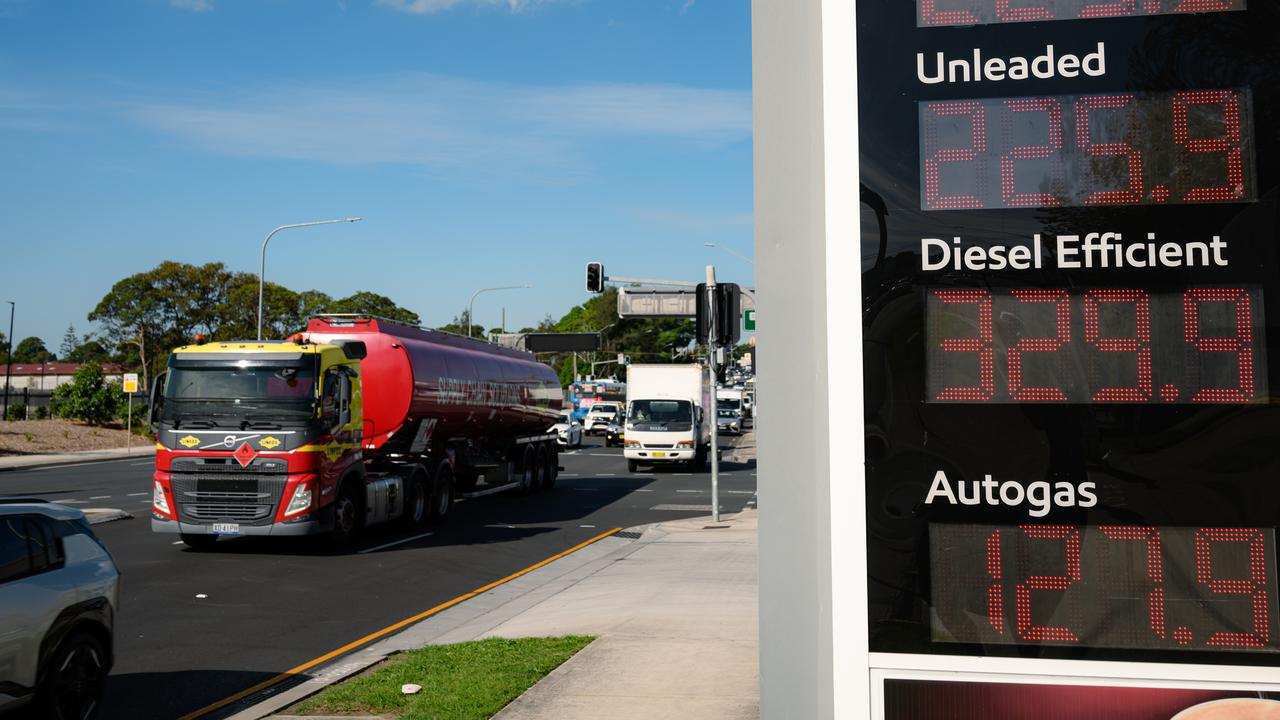
While the American oil benchmark Brent Crude plunged 13 per cent to about $US95 a barrel, Australian petrol and diesel prices are unlikely to respond straight away, experts and industry insiders have told AAP.
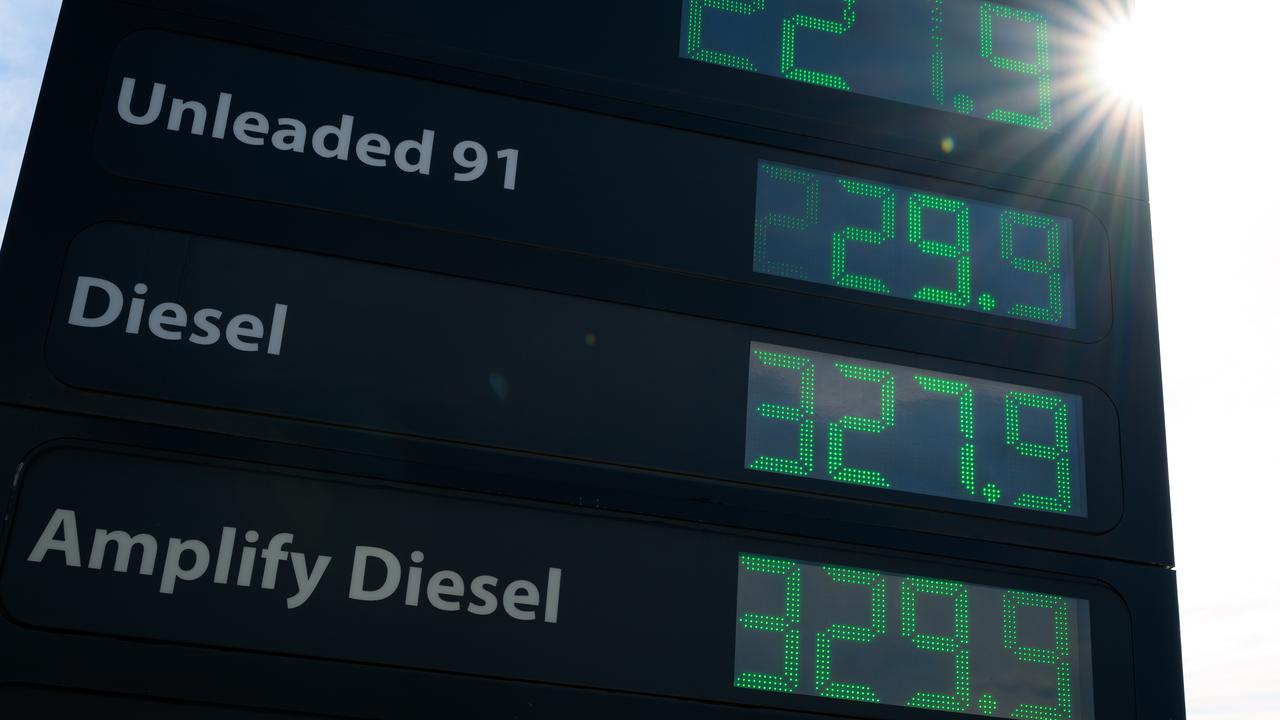
Australian Institute of Petroleum chief executive Malcolm Roberts, who represents major petrol companies including Ampol, BP, Mobil and Viva Energy, said the ceasefire was welcome but the effects would take some time to flow through supply chains.
“We would caution people from expecting this will have immediate effects on supply or prices in our region,” he said.
“It’s going to take quite some time for global supply chains to reconnect.”
US President Donald Trump claimed a “total and complete victory” and declared it was a “big day” for world peace, but Energy Minister Chris Bowen struck a cautious tone on the reopening of the Strait of Hormuz, warning it didn’t appear to be a done deal.
“We welcome progress, but I don’t think we can say that the Strait of Hormuz are now open,” he told reporters in Sydney on Wednesday.
“There’s more work to be done.”
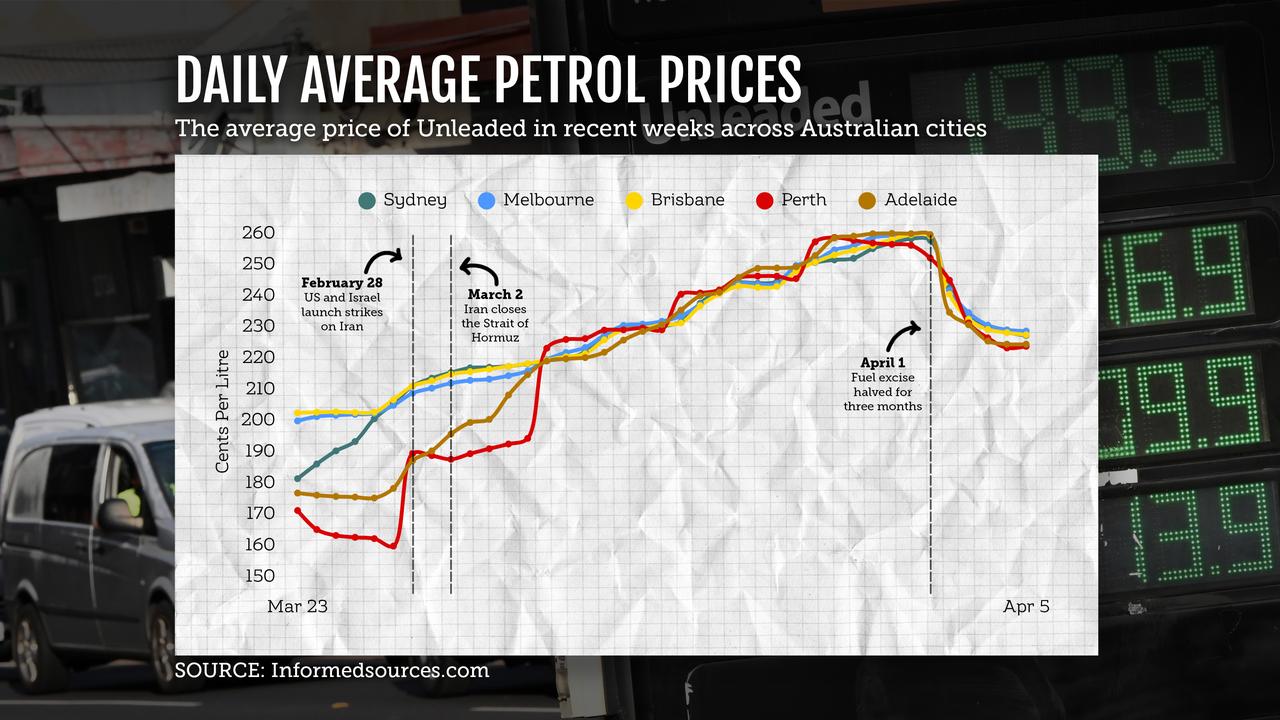
If the ceasefire held, petrol and diesel prices would likely begin dropping over coming months as fuel companies sold out of their more expensive fuel, Australian National University supply chain lecturer David Leaney said.
“While that expensive oil is making its way around the world and being refined into fuel with a higher cost, that cost (of petrol and diesel) stays high for a couple of months,” he said.
NRMA spokesman Peter Khoury said the organisation would watch closely to ensure falling wholesale prices were passed on in full.
“Australians have been paying the highest price on record for more than a month. We need to get relief back into family budgets,” he said on Wednesday.
Prime Minister Anthony Albanese had a phone call with His Majesty the Sultan of Brunei on Wednesday, where the importance of ensuring global energy supply chains were kept open was discussed.
As Mr Albanese prepares to travel to Singapore on Thursday for talks aimed at further shoring up Australia’s fuel supplies, the opposition has called for a public database of how much petrol and diesel are in the nation’s reserves.
Opposition Leader Angus Taylor will call on the government to implement a publicly accessible dashboard, which would provide information on service stations without fuel, the number of days of remaining stock and available storage.
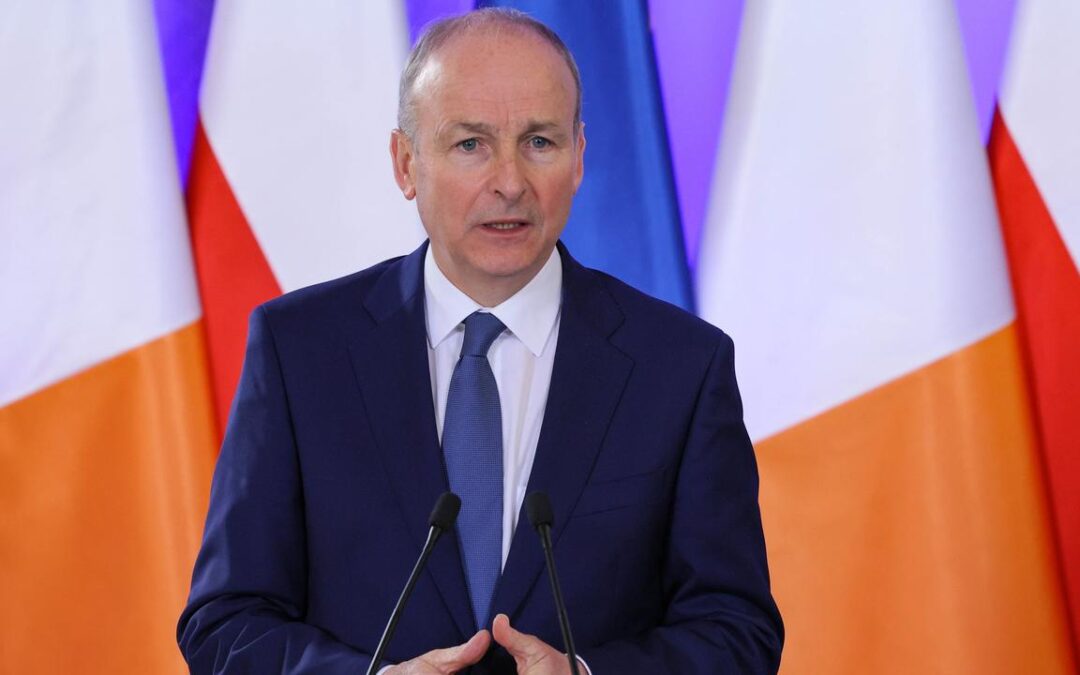
Fuel cost protests clog Irish cities for second day
Protesters calling for further government help to lower the cost of fuel have clogged up busy thoroughfares and motorways with parked lorries and tractors across Ireland, disrupting commuters and public transport for a second successive day.
Convoys of vehicles began converging on Dublin’s city centre and other towns and cities on Tuesday, with protesters, including hauliers and farmers, complaining that a 250 million euro ($A414 million) package to temporarily cut taxes on petrol and diesel did not go far enough to cushion the knock-on cost of the Middle East conflict.
“With the price we’re paying for fuel, I’m probably two months away from my business folding,” said Christopher Duffy, 46, an agricultural contractor who was part of a group blocking Dublin’s main thoroughfare of O’Connell Street that is calling for the price of diesel to be capped at a lower rate.
“It’s not a lot to ask for really … We’re just backed into a corner.”
Ministers said they would not agree to the protesters’ demands to meet with them as they did not belong to representative groups with whom the government has been engaging on supports.
Organisers pledged a third day of disruption on Thursday.
“We respect people’s right to protest but what is not acceptable is people declaring that we will turn O’Connell Street into a car park,” Prime Minister Micheal Martin told a news conference.
The lining of tractors and trucks down O’Connell Street led to severe delays to bus services and the part suspension of one of the two tram lines that cross the city.
Significant traffic delays were also reported at motorways leading into other major cities.
Protests at two fuel depots blocking deliveries into the cities of Galway and Limerick had led to at least one forecourt running out of fuel, the head of the representative body for forecourt operators told broadcaster RTE.
Ireland’s government welcomed a two-week ceasefire in the Iran conflict and expected it to lead to a fall in fuel prices soon.
“If they give us that phone call or that meeting, the streets of Dublin will be cleared. If they don’t, we’ll stay as long as it’ll take,” said 61-year-old farmer and agricultural contractor John Dallon.

Best day in a year as Aussie shares surge on Iran truce
Australia’s share market is trading at its highest level since early March after the US and Iran struck a two-week ceasefire, easing soaring oil prices and boosting investor confidence.
The S&P/ASX200 gained 233 points on Wednesday, up 2.55 per cent, to 8,951.8, as the broader All Ordinaries lifted by 244.5 points, or 2.74 per cent, to 9,165.7.
Oil prices plummeted on news of the temporary truce, which hinges key agreements including the re-opening of the Strait of Hormuz to western oil tankers, after its effective blockade by Iran plunged the world into an energy crisis.
It was the bourse’s best day in about a year, returning $83 billion to the All Ordinaries’ $3.1 trillion combined market value after falling more than 10 per cent at its lowest point since the conflict began.
The Australian dollar is buying 70.71 US cents, up from 69.19 US cents on the improved outlook for global growth and commodity prices.
Truckies blast out loud warning over rising fuel costs
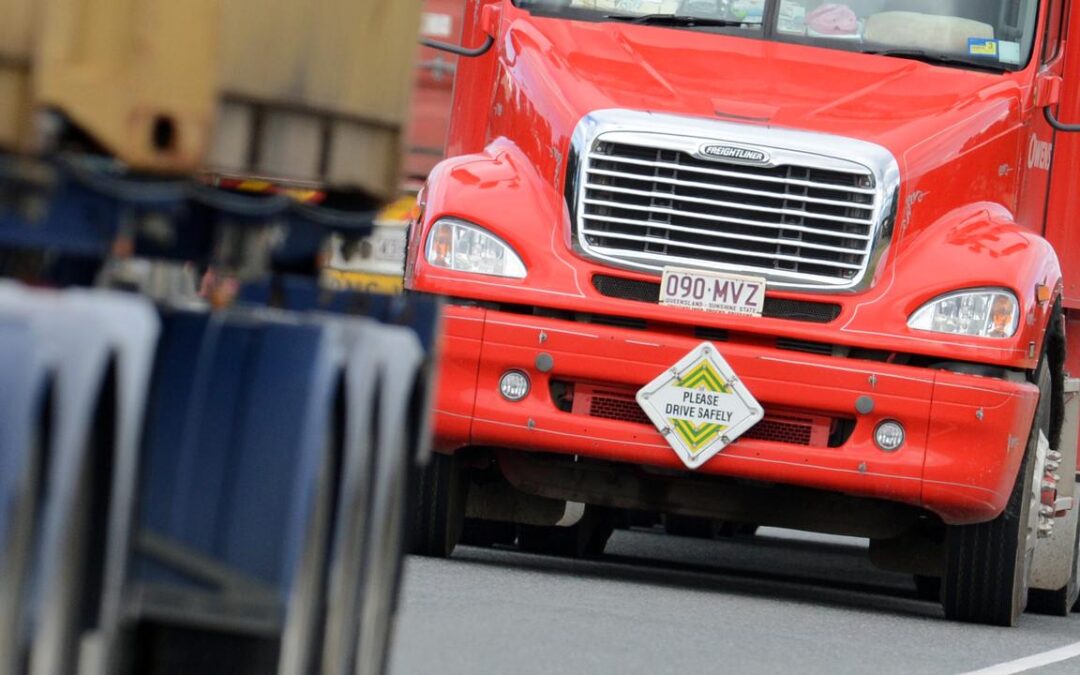
Transport workers believe the Australian industry faces an existential crisis as soaring diesel demand and rising fuel costs bleed businesses dry.
Truck drivers hauling goods across the nation are calling on large retailers, manufacturers and mining companies to increase fuel levies, or else fall of a debt cliff.
Unions and transport employers are at the Fair Work Commission in Sydney arguing large businesses should be compelled to calculate fuel prices on a weekly, rather than a monthly, basis.
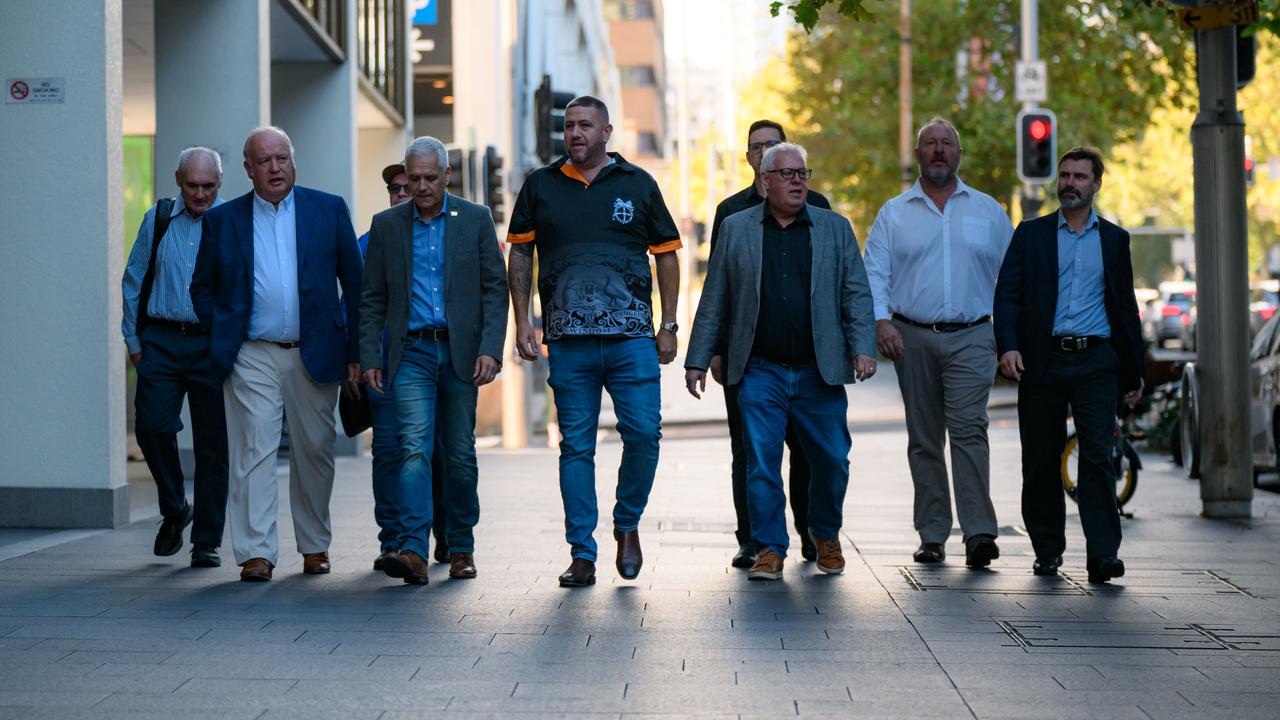
The application calls for extra costs as a result of the different calculation method to be covered by clients, and passed down through the supply chain.
“If we don’t get this right, then the road transport industry will grind to a halt,” Transport Workers’ Union secretary Michael Kaine told reporters on Wednesday.
“Road transport is the backbone of the Australian economy, and we must attend to this present existential crisis.”
The emergency application comes after Workplace Relations Minister Amanda Rishworth declared the commission could issue an order within a short time frame to deal with the trucking industry’s concerns.
Mr Kaine blamed multinational giant Amazon and shopping behemoth Aldi for not alleviating the financial pain of truck drivers, among others.
“Those companies have been jacking up prices using the war as a pretext,” he said.
“Stop shirking responsibility, open the purse strings and make sure you are funding those that make sure that Australia is connected.”
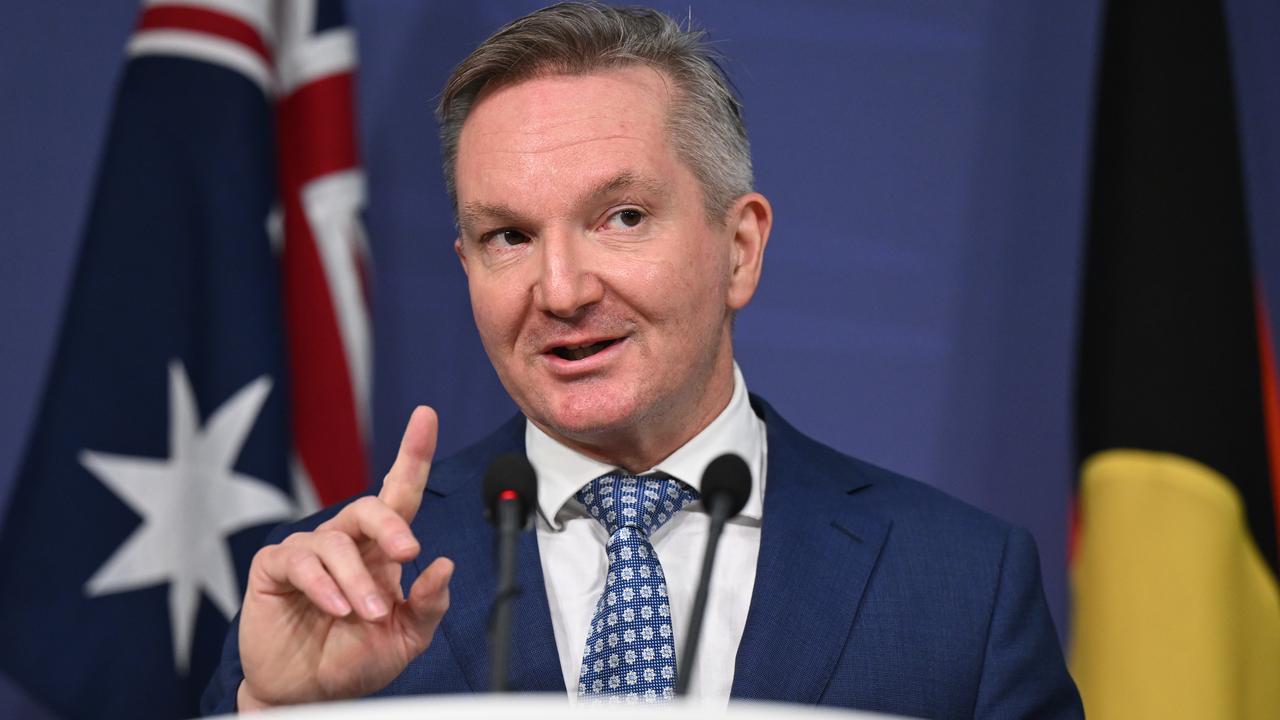
Energy Minister Chris Bowen said demand for diesel and other fuels was 30 per cent higher over Easter compared to the same period in 2025.
Some 221 petrol stations are without diesel out of 7940 nationwide, which Mr Bowen said showed “petrol and diesel is going out the door at a rapid rate, but also coming in the door”.
“More day to day transactions, which predominates in regional Australia, hasn’t been working as well,” he noted.
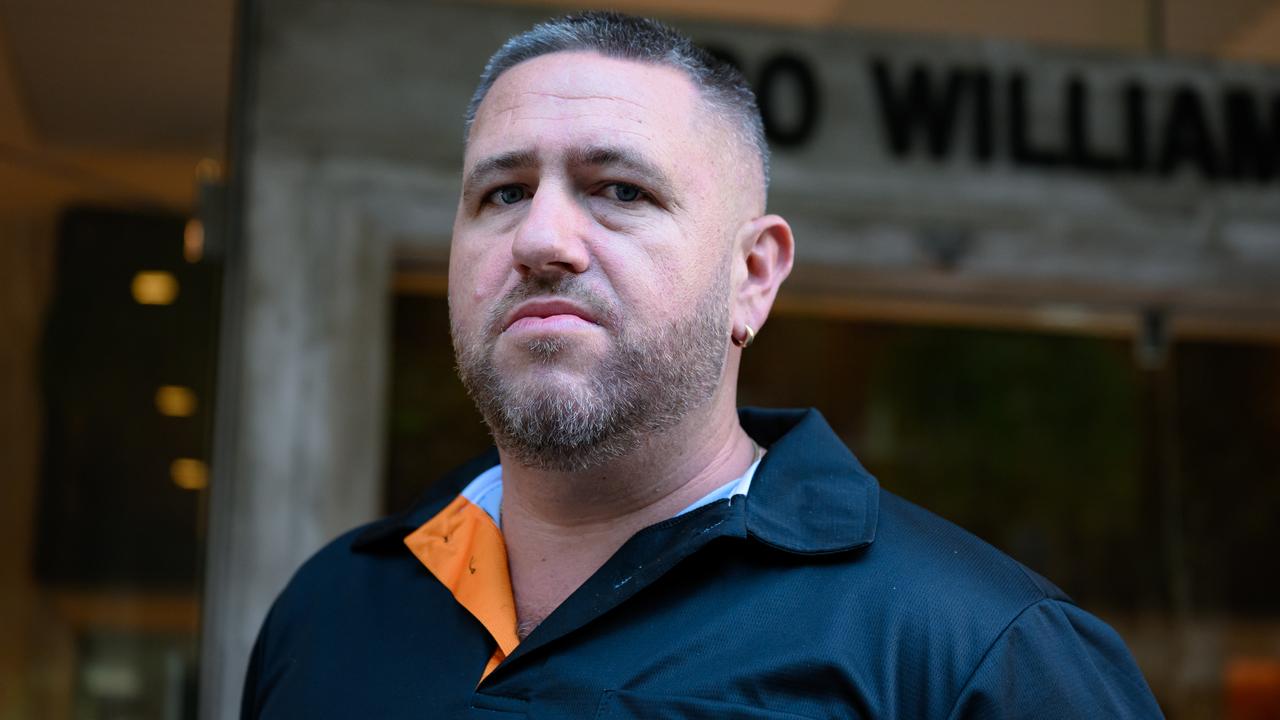
Filling up the tank for truck driver Zack O’Brien, 38, has more than doubled from $300 a week to about $700 in March and April.
The fuel excise has been a relief but is not sustainable in a volatile oil market with the price per litre for diesel skyrocketing from $1.70 per litre to more than $3.
“Drivers can’t afford to have a day off,” he said.
“We’re mum and dad operators. If this (Fair Work orders) doesn’t happen for us, the wheels will stop turning and the whole industry will fall over.”

‘Abusive relationship’: Jackie O’s claim against Kyle
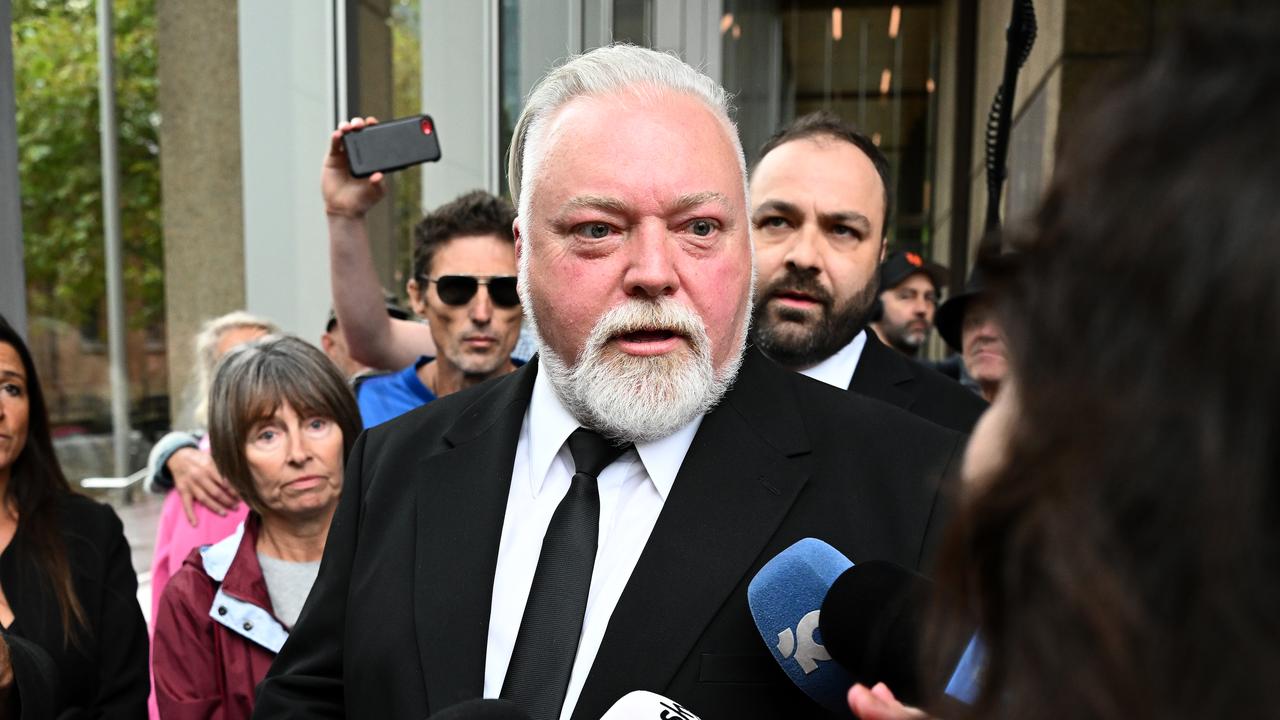
Jackie “O” Henderson complained for months about co-host Kyle Sandilands before their final on-air bust up, court documents allege.
In a claim statement lodged with the Federal Court, the broadcast star said nothing in her $100 million, 10-year contract with radio giant ARN should have led her to be fired just for refusing to work with Sandilands.
On February 20, the pair clashed on KIIS FM’s Kyle and Jackie O Show after Sandilands accused his co-host of being “off with the fairies”.
But Henderson alleged in court documents she complained to station management multiple times about comments by Sandilands for around six months.

In August 2025, Sandilands made “offensive and degrading comments on-air”, she said.
The documents claim Sandilands said some of Henderson’s comments were “weird, psychological bullshit” and her belief in “hype words” was negatively impacting her dating life.
Sandilands also referred to her “period time”, the documents said.
Henderson claimed she temporarily left the show and spoke to station head Derek Bargwanna and executive producer Natalie Penfold as a result.
A month later, the pair allegedly clashed again and words used by Sandilands were censored by the station.
A day after the argument, Henderson alleged she asked Mr Bargwanna to raise issues about Sandilands’ conduct with ARN chairman Hamish McLennan.
The claim document said Henderson was receiving multiple complaints from listeners that Sandilands was perpetrating an “abusive relationship”.
Mr Bargwanna told her he raised the issue with ARN management, she said.
When the two clashed for the final time in February, Henderson claimed her employer did nothing to intervene despite being visibly and audibly upset.
She said Sandilands swore at her four separate times in the tirade, as well as questioning her ability to do her job, causing her to be hurt and offended.
Henderson informed ARN she could no longer work with Sandilands on February 26 and that the company had breached its obligation to provide a safe place of work.
She alleged the company did nothing to minimise the risk to her wellbeing despite her repeated warnings.
On March 3, the company’s lawyers wrote to Henderson and said her complaint represented a breach of her contract, the documents allege.
However, Henderson claimed the contract did not specify she had to present with Sandilands.
“It was an express term of the agreement that the ‘program services’ could be provided … in a live broadcast radio program that did not include Mr Sandilands,” the document stated.
For the alleged unfair termination of her agreement, Henderson claims she is owed at least $82.25 million in unpaid fees.
Her and Sandilands both signed contracts worth $100 million over 10 years in October 2023.
Henderson also said she was denied the opportunity to earn a share of station revenue as set out in her contract.
The trouble for the radio giant comes as it fights a separate court battle with the other half of the presenting partnership.
Sandilands was sacked by the company for “serious misconduct” during the February 20 clash, a claim the shock jock denies.
He is also seeking the payout of the rest of his $100 million contract.
Henderson and ARN will have their first case management hearing in the Federal Court on April 24.
Trump chided over ‘extraordinary’ Iran war threats
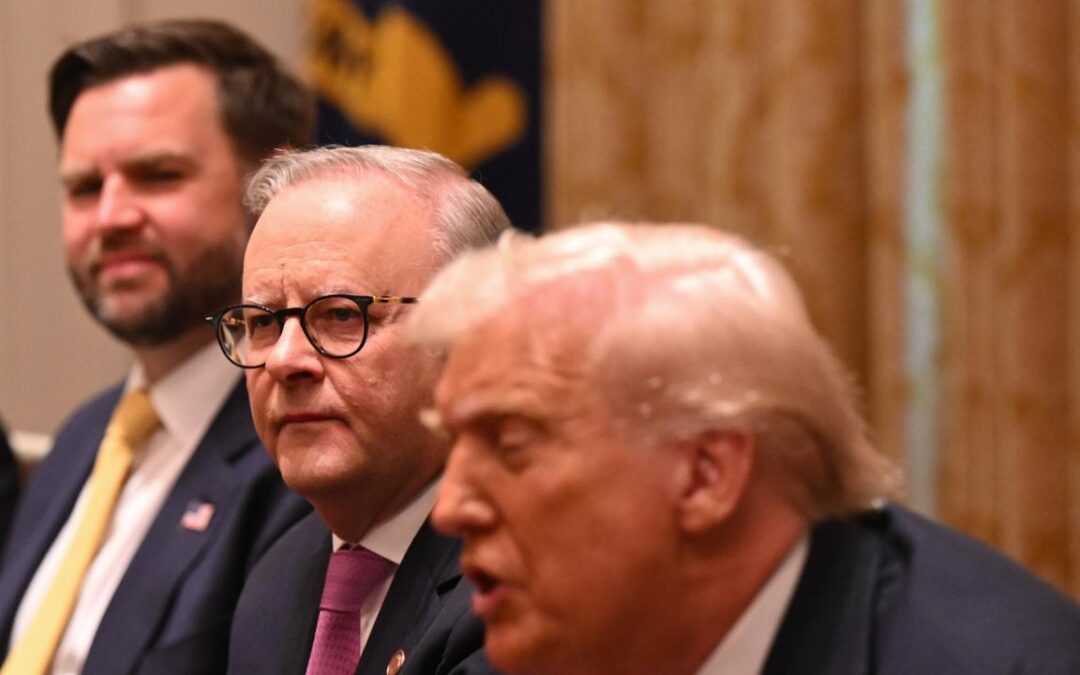
A deal to pause fighting in Iran and reopen a key trade route for oil is a positive move, but Donald Trump’s threat to end Iranian civilisation is cause for concern, the prime minister says.
The US president has agreed to stop attacking Iran for two weeks in exchange for the reopening of the economically critical Strait of Hormuz.
Iran’s de facto closure of the narrow waterway has sent oil prices skyrocketing and thrown global supply chains into chaos.

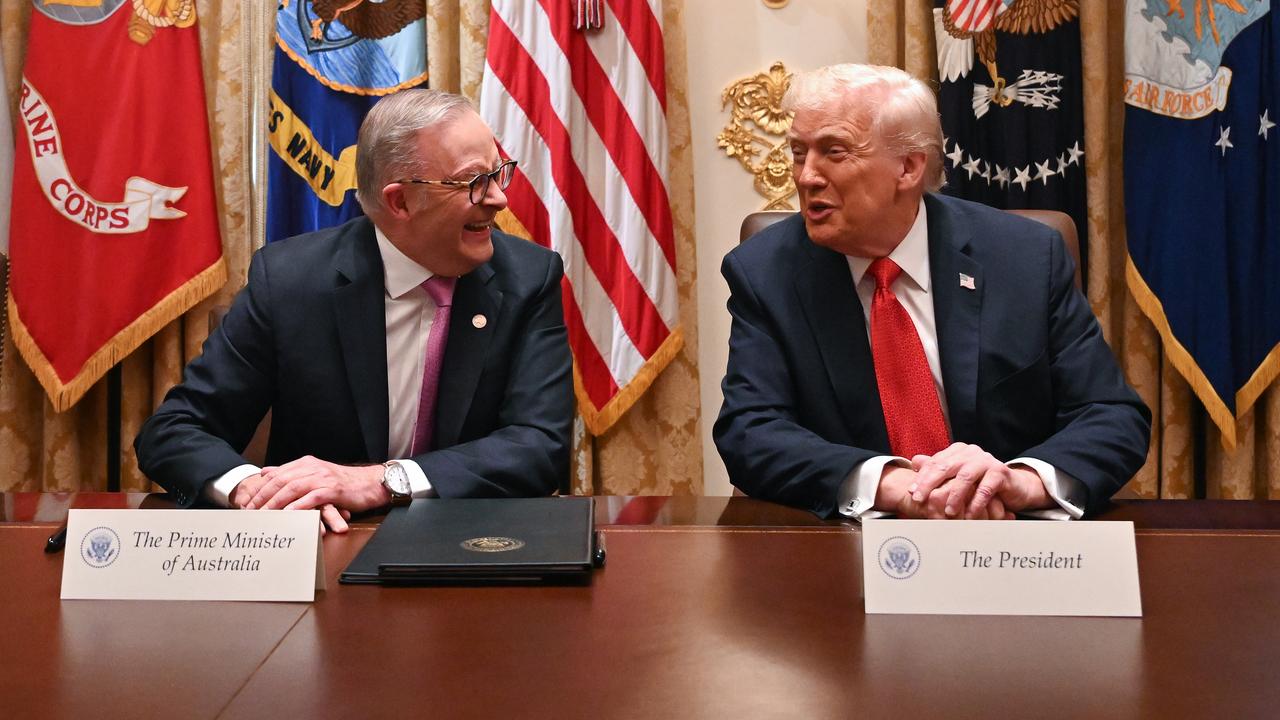
The temporary deal, brokered by Pakistan, was a welcome development that would hopefully lead to a permanent end to hostilities, Anthony Albanese said.
“This is positive news, we’ve been calling for de-escalation for some time,” he told Sky News on Wednesday.
But Mr Albanese criticised the US president’s threat in the lead up to the ceasefire deal that a “whole civilisation will die tonight” if his terms were not met.
Mr Trump also said he’d target Iran’s bridges and power plants if a deal was not reached.
“I don’t think it’s appropriate to use language such as that from the president of the United States and I think it will cause some concern,” the prime minister said.
“The potential of damage to civilian infrastructure in Iran was an extraordinary statement to make.”
Asked if attacks on civilian infrastructure would have constituted a war crime, Mr Albanese only said it was good to see an easing of hostilities.
“It’s a long step between a tweet and that suggestion. What we have called for is a de-escalation, and that has occurred,” he said.
The Pope and the head of the United Nations were among those who criticised Mr Trump’s comments.
Energy Minister Chris Bowen struck a more cautious tone on the ceasefire agreement, warning Australians not to get ahead of themselves.
“We welcome progress, but I don’t think we can say that the Straits of Hormuz are now open,” he told reporters in Sydney.
“There’s more work to be done.”
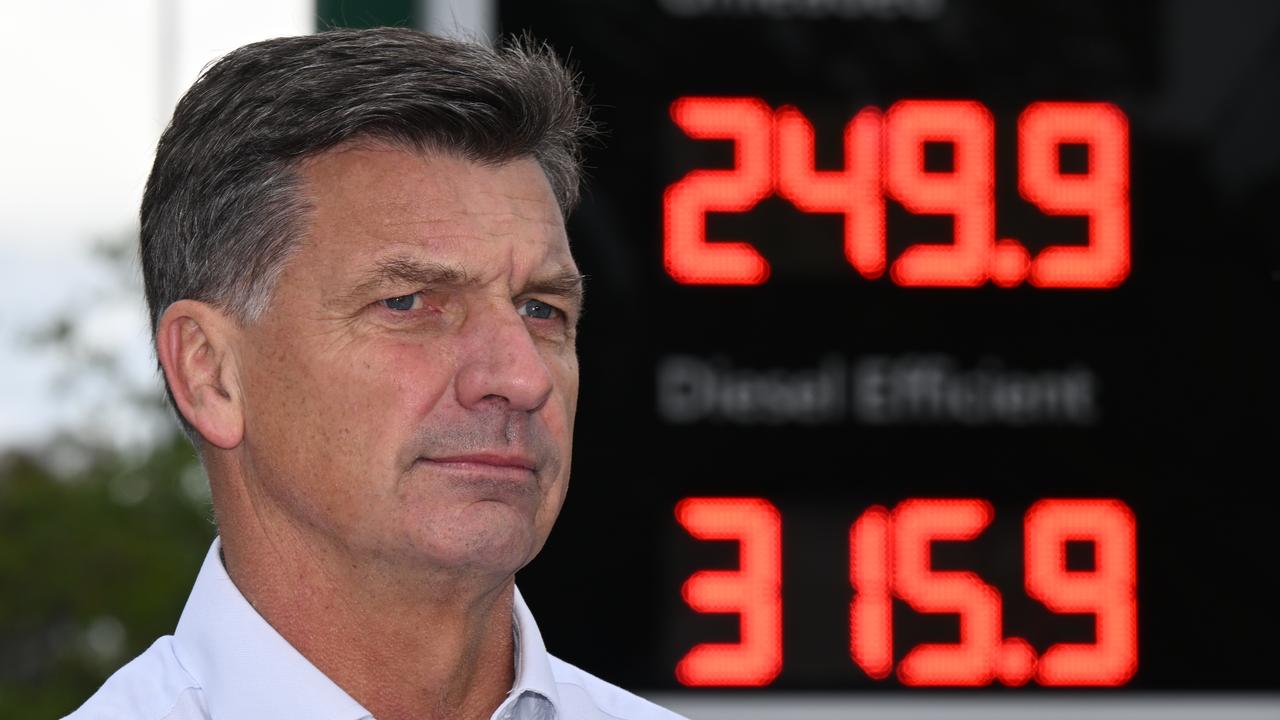
Opposition Leader Angus Taylor said the ceasefire deal was a good development and would help bring down prices in Australia.
“The outcome that is an imperative here is that we have an opening up of the Strait of Hormuz, we have oil and refined products moving through, coming to Australia, putting downward pressure on prices,” he said.
Asked about Mr Trump’s threat, Mr Taylor said he wouldn’t use the same language.
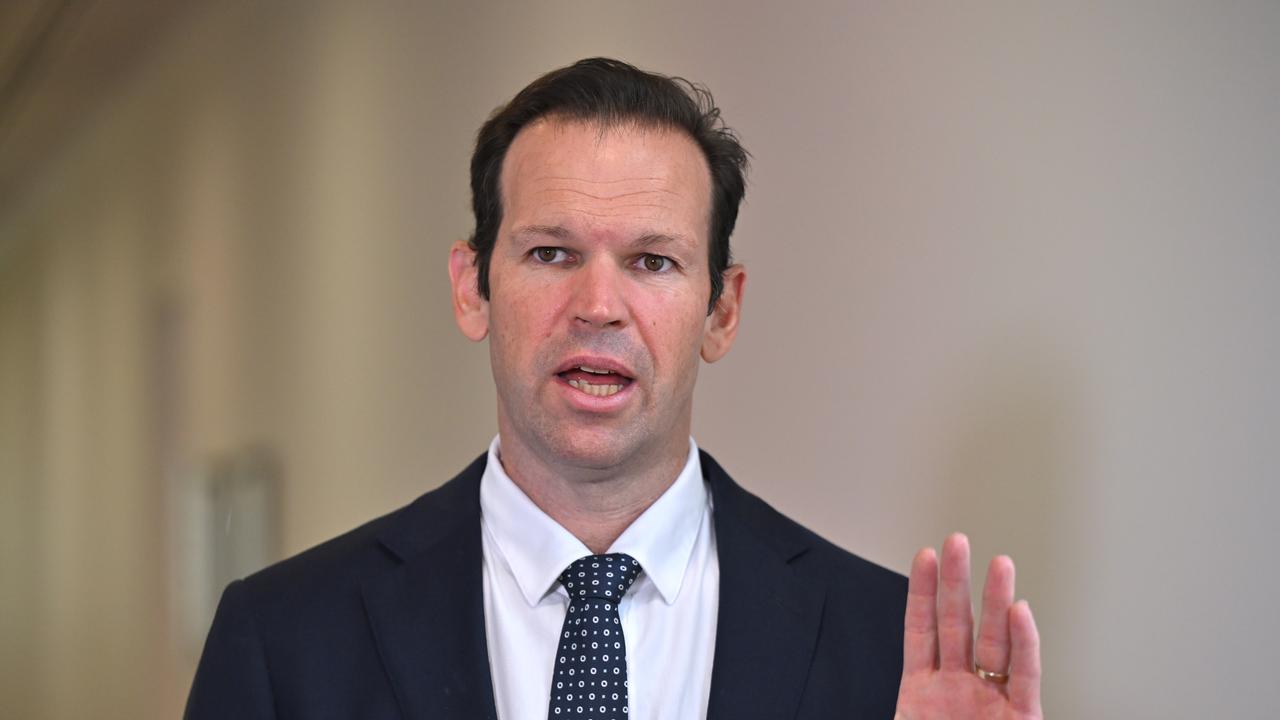
Earlier, Nationals leader Matt Canavan urged Australia to push back against the president’s rhetoric.
“It’s incumbent on us to implore our friends in the United States to de-escalate this and de-escalate it fast,” he told ABC Radio.
“It’s gotten out of hand very quickly, as these things often do … now’s the time for Australia to, and the prime minister, to make it very clear that we can’t support this type of approach to any kind of conflict.”
After the pause in fighting was announced, the Australian stock exchange shot up almost three per cent at the open, while the Australian dollar spiked to 70.75 US cents and oil prices plunged.
Mr Trump said he had received a 10-point plan from Iran aimed at ending the war, describing it as “workable”.
“Almost all of the various points of contention have been agreed to between the United States and Iran, but a two-week period will allow the agreement to be finalised and consummated,” he said in a post on his platform Truth Social.
Australia, China phone call focuses on energy security
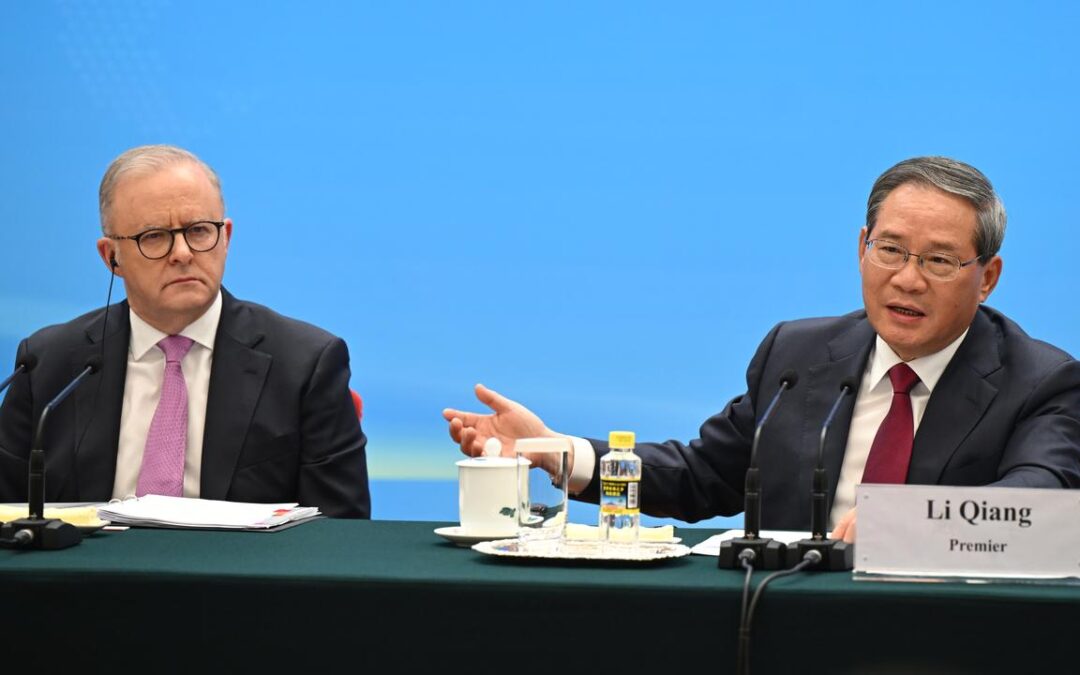
Australian Prime Minister Anthony Albanese says he has discussed regional energy security with his Chinese counterpart Li Qiang by phone as China’s fuel export ban exacerbates energy disruptions linked to the Iran war.
China is a major source of fuel in Asia and supplied a third of Australia’s jet fuel last year.
Chinese authorities have banned fuel exports to protect the domestic market although the government has not acknowledged the decision.
Several countries in the region, including Bangladesh and Sri Lanka, have asked China to grant exemptions and sources say it is considering allowing small exports to countries in need.
The leaders discussed the importance of energy security and agreed to boost communication to support regional energy security, Mr Albanese’s office said.
Mr Li said the international situation was chaotic but the readout from state news agency Xinhua did not mention energy security or fuel.
The leaders discussed co-operation in clean energy and electric vehicles, the readout also said.
Mr Albanese said he looked forward to visiting China for the APEC Leaders’ Meeting in November where he will meet Li.