
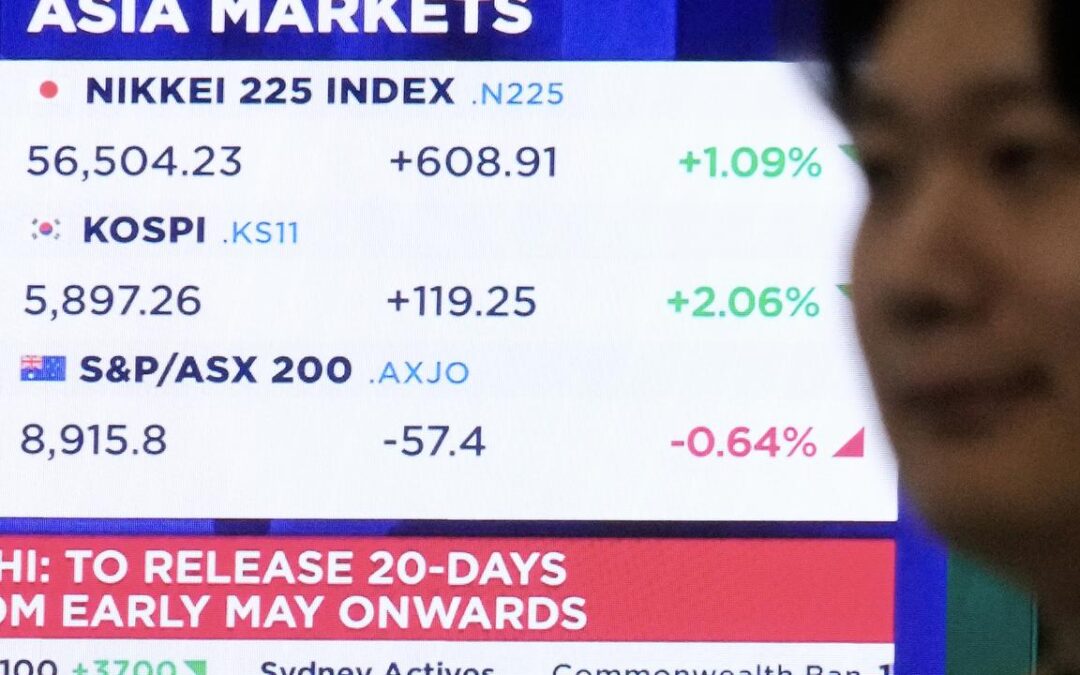
Asian stocks shaky as US-Iran ceasefire tested
Asian stocks have ticked up but early gains were capped as traders questioned the durability of the US-Iran ceasefire and remained wary of fragile hopes for Israel-Lebanon peace talks. I
Investors were nervous as Iran cited Israel’s ongoing attacks on Lebanon as a key sticking point in its agreement with the US
MSCI’s broadest index of Asia-Pacific shares outside Japan gained 0.5 per cent, led by a 1.9 per cent jump for South Korea’s Kospi. Japan’s Nikkei 225 tacked on 1.5 per cent, while S&P 500 e-mini futures reversed earlier losses to trade flat.
“The US-Iran ceasefire led to a sharp recovery in Asian markets but the risk-on sentiment got tested yesterday,” said Rupal Agarwal, Asia quant strategist at Bernstein in Singapore.
“We believe this could be the beginning of the end and is presenting an opportunity for investors to focus on pre-war trends and fundamentals,” she said. “We recommend adding back some beaten-down names.”
On Thursday, the S&P 500 rose 0.6 per cent, with MSCI’s benchmark of global equities making modest gains after Israeli Prime Minister Benjamin Netanyahu said on Thursday he is seeking direct talks with Beirut – a day after the worst bombardment of the war killed more than 300 people in Lebanon and placed the US-Iran ceasefire in jeopardy.
Brent crude rose 1 per cent to $96.83 a barrel as trading resumed in Asia, after Hezbollah launched a missile at Israel, triggering air raid sirens in parts of the country, including in Tel Aviv.
The Strait of Hormuz remains largely closed to shipping, with marine traffic at well below 10 per cent of normal volumes on Thursday as Tehran asserted its control of the strategic waterway that typically carries one-fifth of global oil and gas shipments.
The closure of the strait during the six-week Iran war sent shockwaves through global markets as oil prices surged and energy supplies tightened.
US President Donald Trump weighed in with a blunt warning. In a post on Truth Social, he said Iran was doing a “very poor job” of allowing oil to pass through the strait. “That is not the agreement we have!” he wrote, underscoring Washington’s frustration as the market fallout intensified.
The US dollar index, which measures the greenback’s strength against a basket of six currencies, was up 0.1 per cent at 98.92, after data released Thursday showed weekly jobless claims increased by 16,000 to 219,000 and continuing claims fell by 38,000 to 1.794 million, the lowest level since May 2024.
The Core PCE price index also rose 0.4 per cent for second straight month, reflecting a year-on-year increase of 3.0 per cent.
The yield on the US 10-year Treasury bond was up 0.6 basis point at 4.285 per cent.
Fed funds futures show traders bringing forward expectations for the Federal Reserve’s next 25-basis-point rate cut to April 2027. The implied probability that the US central bank stays on hold at its meeting that month has slipped to 49.6 per cent, from 64 per cent on Thursday, when markets still leaned toward easing later in the year, according to the CME Group’s FedWatch tool.
Elsewhere, in the latest blow to the embattled private credit asset class, investors have asked to pull more than 15 per cent of their assets from Carlyle’s flagship private credit interval fund, the group said in a shareholder letter on Thursday.
Bitcoin was down 0.7 per cent at $71,903.27, while ether was 1.0 per cent lower at $2,191.81.
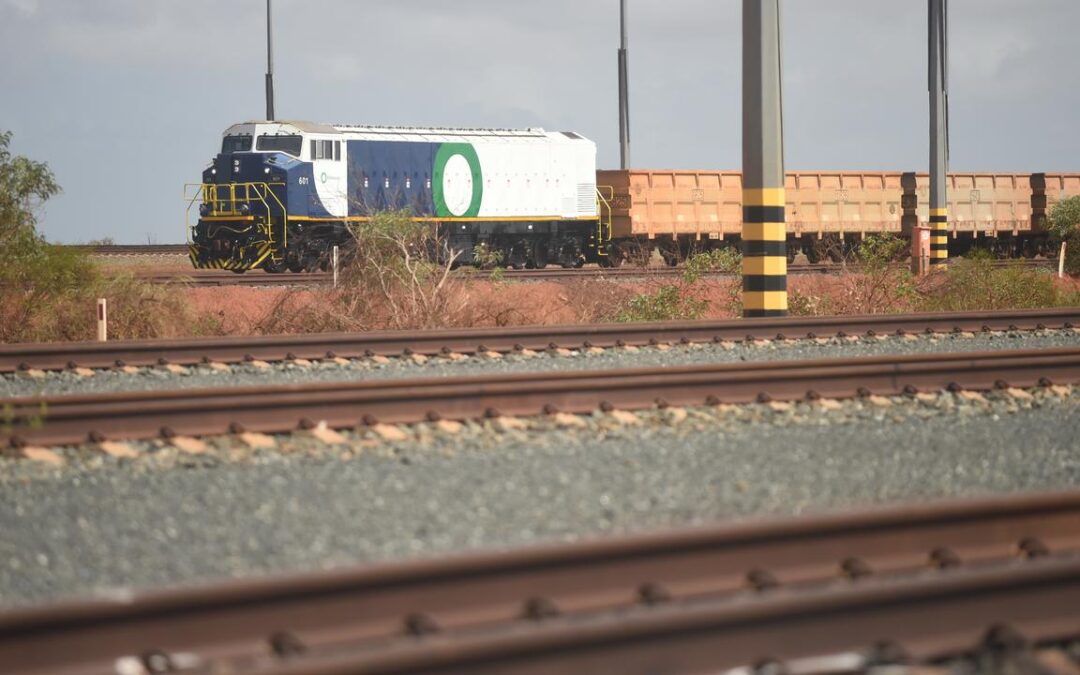
Miner’s green push to help skip fuel woes rocking firms
One of Australia’s largest iron ore producers is accelerating plans to phase out fossil fuels, as geopolitical tensions continue to drive up oil prices.
The Andrew ‘Twiggy’ Forest-controlled Fortescue Metals Group expects to save $US100 million ($A141 million) in fossil fuel costs by 2027.
The latest push by the Perth-based company comes as a lobby group warns more than 80 per cent of Australian businesses are facing higher operating costs due to the global fuel crisis.
The crisis began on February 28 when the US attacked Iran, sending the price of Brent crude to a recent peak of $US119.50 a barrel, from $US60 at the start of the year.
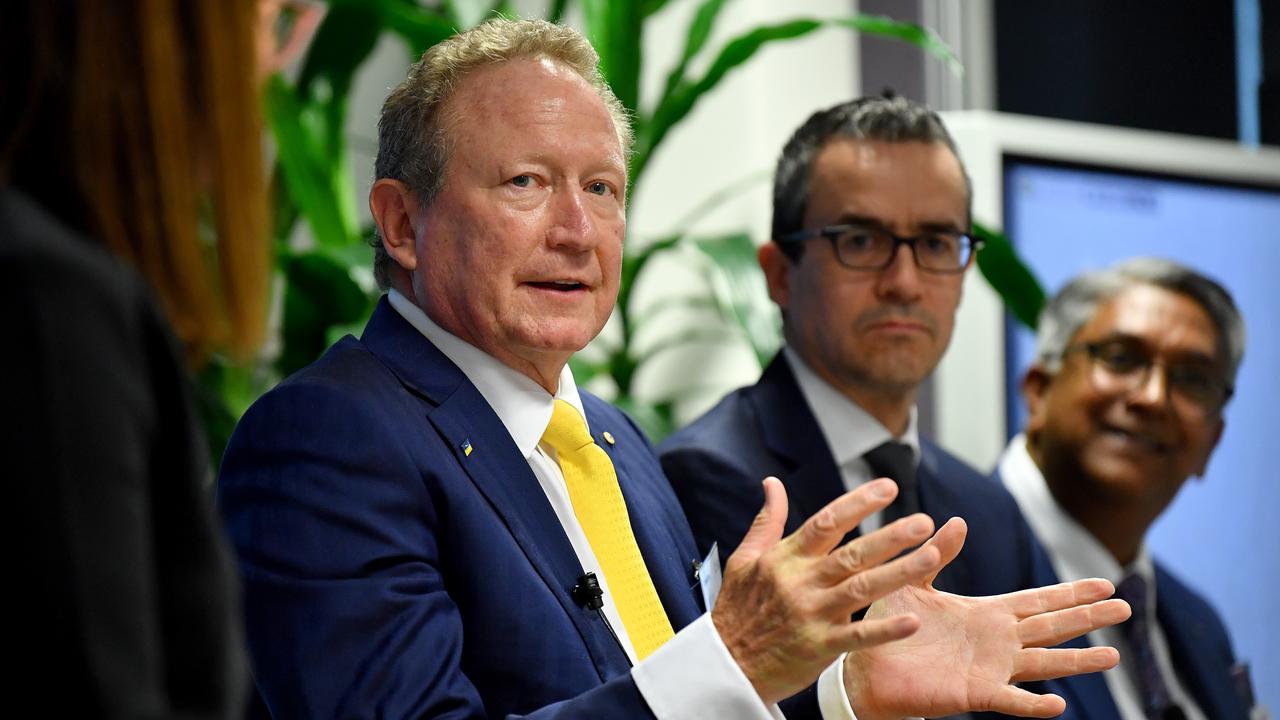
Even if oil supply issues abate, the price of crude is unlikely to return to $US60 any time soon, with most market economists pointing to a price around $US80 in the coming months.
“Businesses will remain on edge until there is a clear and lasting end to the conflict,” Australian Chamber of Commerce and Industry chief Andrew McKellar said on Friday.
“Even if hostilities pause, disruptions to oil supply will have lasting consequences in many industries.”
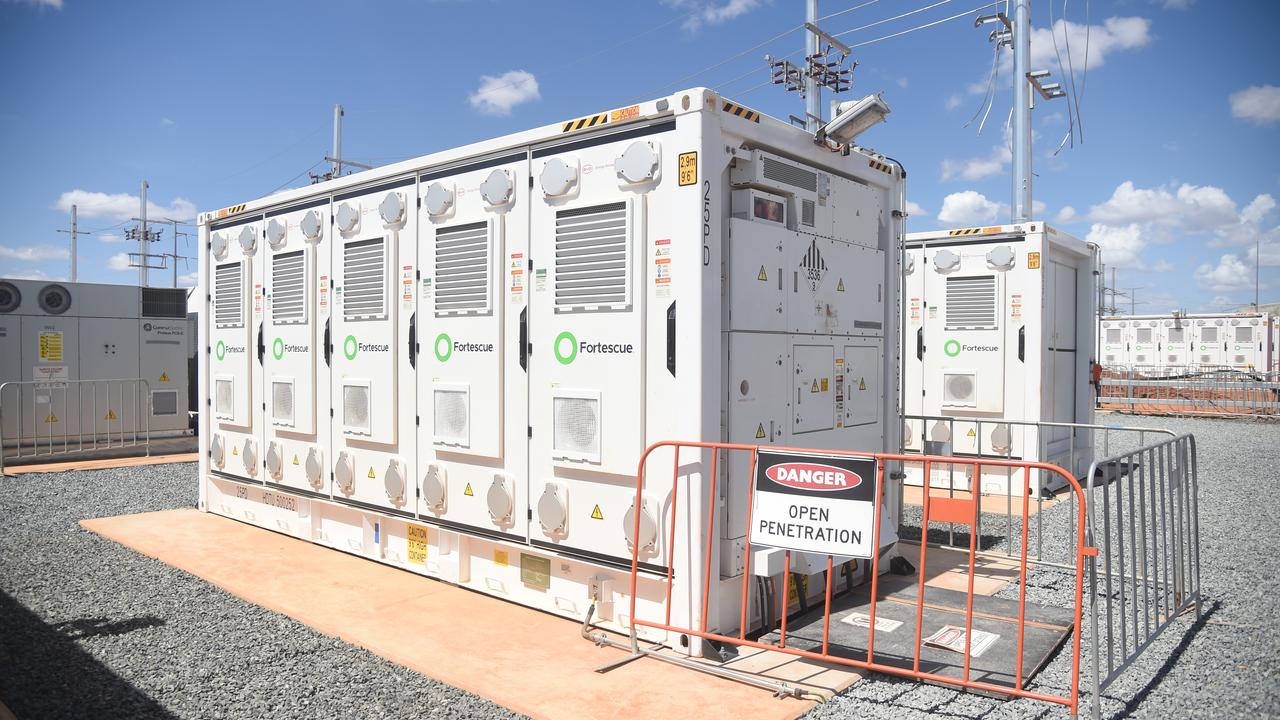
Fortescue is building what it describes as the world’s first industrial and fully integrated green-energy grid, eliminating the need for diesel and fossil fuels.
It announced on Friday that by the end of 2027, the system will be powering all of its operations for 24-hour periods without fossil fuels – ahead of its previous 2030 target.
Fortescue expects its Pilbara green grid to be completed by the end of 2028.
“As global energy supply chains become increasingly unstable, and the massive risks of fossil fuel dependence are exposed, Fortescue is … proving industry can power itself,” it said.
Fortescue is pursuing a mix of green energy solutions, including wind, solar and battery infrastructure.
The Australian chamber’s survey of almost 2300 respondents, taken from March 24 to April 2, shows other businesses are at the mercy of fuel prices, which have pushed up freight and transport costs.
It found 61 per cent are absorbing higher fuel costs rather than passing them on to consumers following the outbreak of the war in the Middle East, which has raged for almost six weeks.
As a result, 44 per cent were experiencing cashflow issues and a similar number were facing reduced consumer spending
As margins shrink, 55 per cent said they had reduced essential spending, and nearly a third have put investment or expansion plans on hold.
World equity markets remain on the back foot, with most stock indices – including Australia’s S&P/ASX200 – down by up to eight per cent from record highs about a month ago.
“While a pullback or even a short bear market has been widely expected … its extent appears at the mercy of how quickly supply chains can normalise,” Bendigo Bank chief economist David Robertson said.
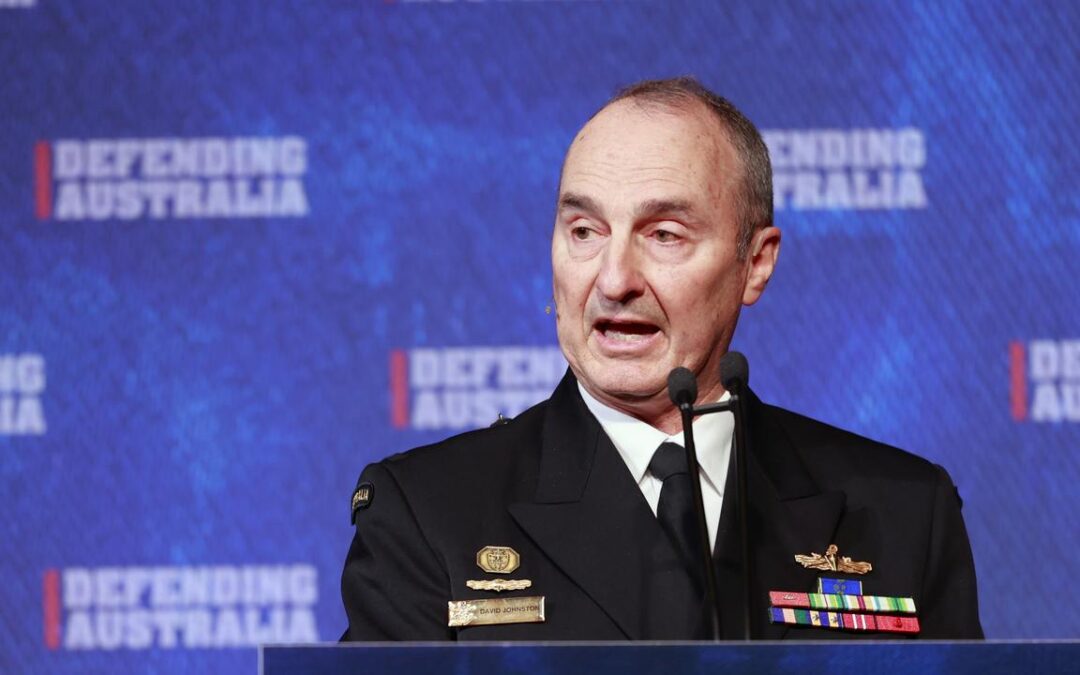
ADF boss weighs in on Middle East military capabilities
Australia could deploy a warship to keep the Strait of Hormuz open for oil trade if it was asked, the head of the defence force says, but the government wants to focus its military attention closer to home.
The nation’s top military officer has pushed back on suggestions Australia has not sent a Navy ship to the Middle East because of its ageing fleet, arguing it was more a question of where the defence force should focus its efforts.
“I am very confident we could deploy a ship into that environment if the government was to make a decision to do so,” Admiral David Johnston told journalists at a briefing in Canberra on Thursday.
“I have no hesitation in our ability to work in a Strait of Hormuz-type role.
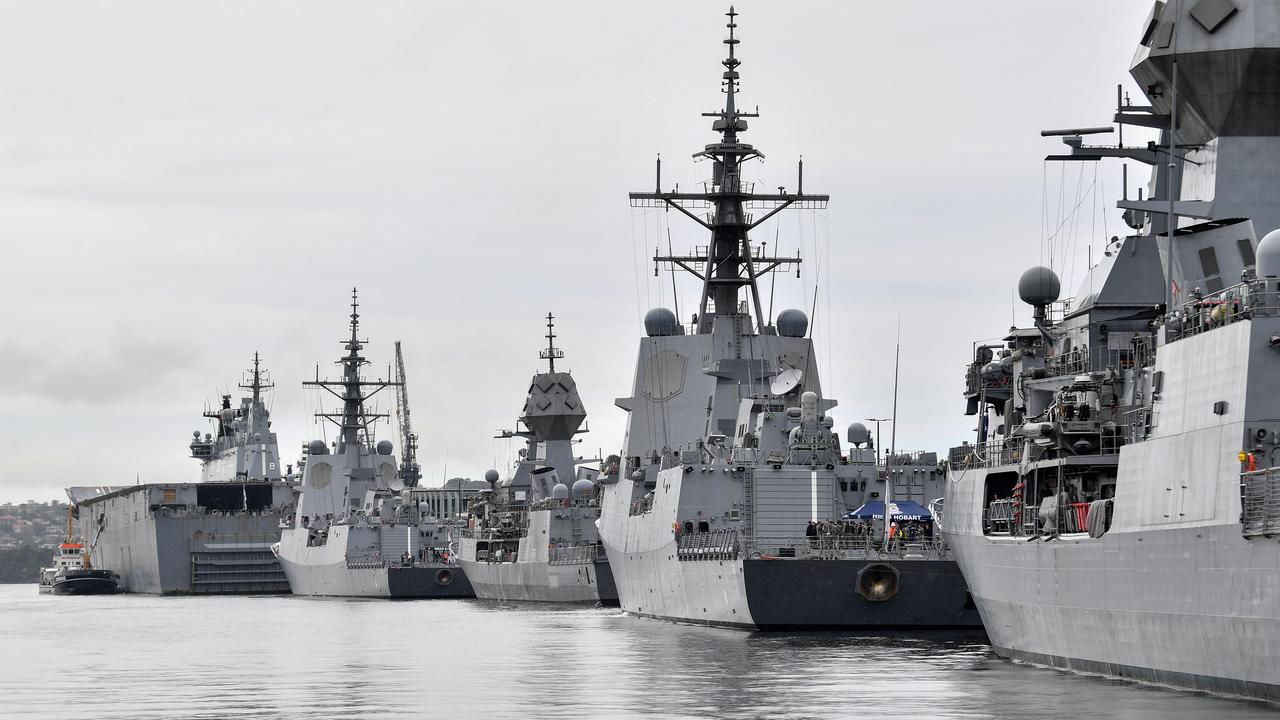
“But perhaps what is an at least as important question is: where do our priorities lie?”
The opposition and some defence analysts have suggested Australia has not sent a ship because it doesn’t have the capacity to do so.
But Defence Minister Richard Marles said that wasn’t correct.
“We have capability, and that’s not the issue,” he told ABC Radio on Friday.
“We still have significant roles to play in the Indo-Pacific, which is where the bulk of our naval effort goes,” Mr Marles said.
“All of those issues don’t go away.”
Iran has reportedly said it will begin charging a $1-a-barrel toll for oil passing through the Strait of Hormuz, to be paid in cryptocurrency or Chinese yuan.
Around one-fifth of the world’s oil passed through the strait before the start of the war between Iran, the US and Israel.
US President Donald Trump took aim at the reported toll, urging Tehran to reverse course.
“There are reports that Iran is charging fees to tankers going through the Hormuz Strait – They better not be and, if they are, they better stop now!” he said in a post on his platform Truth Social.
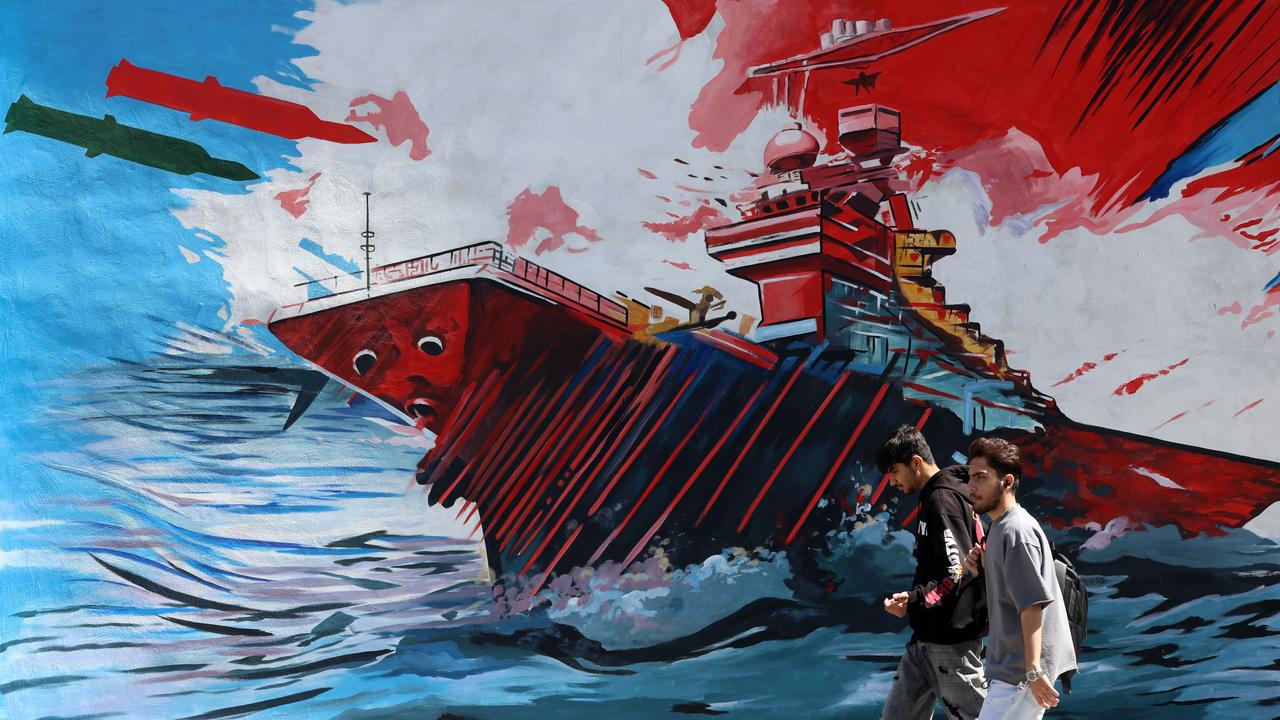
Former prime minister Tony Abbott said Australia was betraying its values and letting down the US by not sending troops the Middle East.
“What is the point of having armed forces if they’re not to be used to support our allies in a just cause?” he wrote in an opinion piece for the Daily Telegraph.
Greens Senator David Shoebridge said Australia should be focused on securing peace in the region and should not get involved in trying to keep the strait open.
“There’s no conceivable way in which Australia’s military contribution would assist in keeping the Strait of Hormuz open. That is not our job. We didn’t create this crisis,” he told ABC Radio.
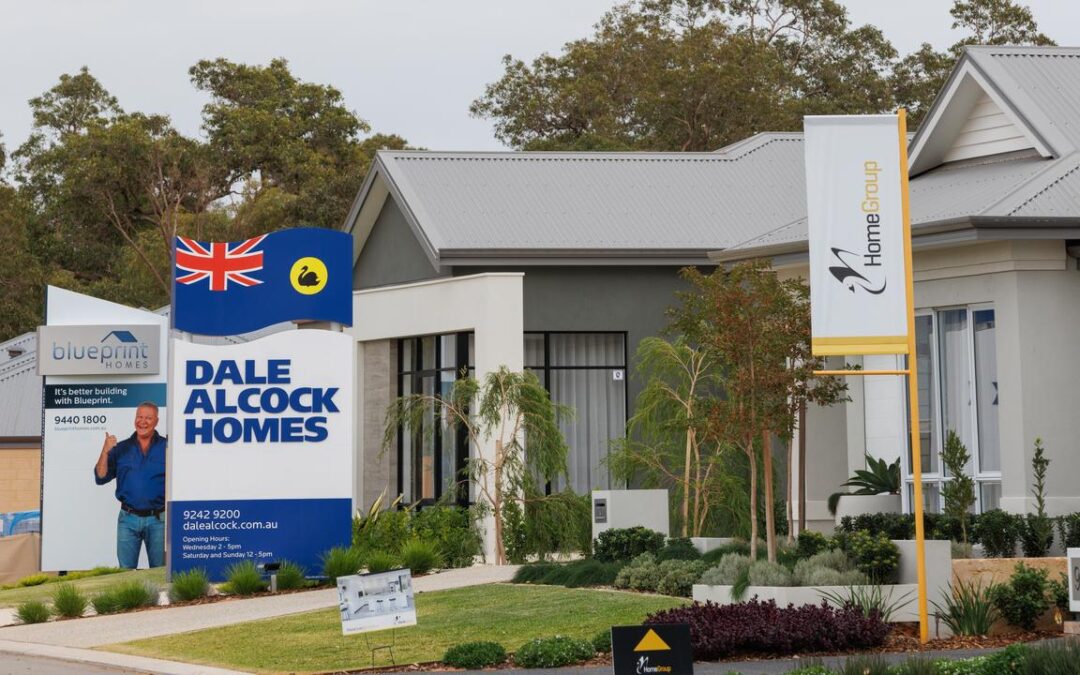
Data reveals key to fixing housing affordability crisis
Since the start of the pandemic, a growing trend has been reshaping Australia’s housing landscape.
Traditionally cheaper than Sydney and Melbourne, the mid-tier capitals of Perth, Brisbane and, to a lesser extent, Adelaide have had their housing affordability advantage eroded as their rate of home building lagged population growth.
Latest analysis, released by property data firm Cotality on Friday, confirmed the link between supply and affordability as state and federal governments attempt to build their way out of the housing crisis.
Of Australia’s five major housing markets, Victoria has built new homes at a faster tick than the other states since the outbreak of COVID-19, resulting in prices growing at a much slower rate than the national average.
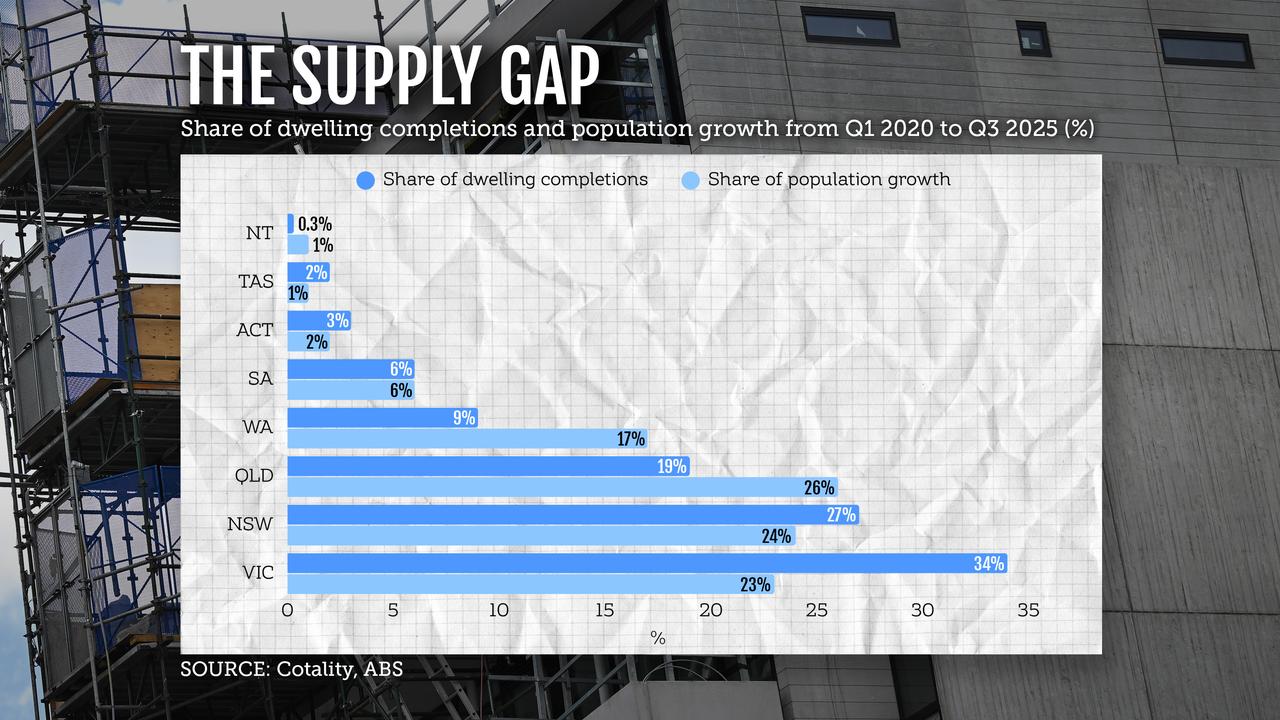
About one-in-three new homes completed in Australia between the start of 2020 and September 2025 were built in Victoria, despite the state accounting for less than a quarter of Australia’s population growth over the same period.
Over the same period, prices grew by 16 per cent, compared to nationwide growth of 55 per cent.
“Policy support at both the state and federal level assisted the growth in Victorian dwellings over this period,” Cotality head of research Gerard Burg said.
Property values in Perth surged an eye-watering 92 per cent – the largest jump of the major capital cities.
Simultaneously, Western Australia completed the lowest share of new dwellings (nine per cent) relative to population growth (17 per cent).
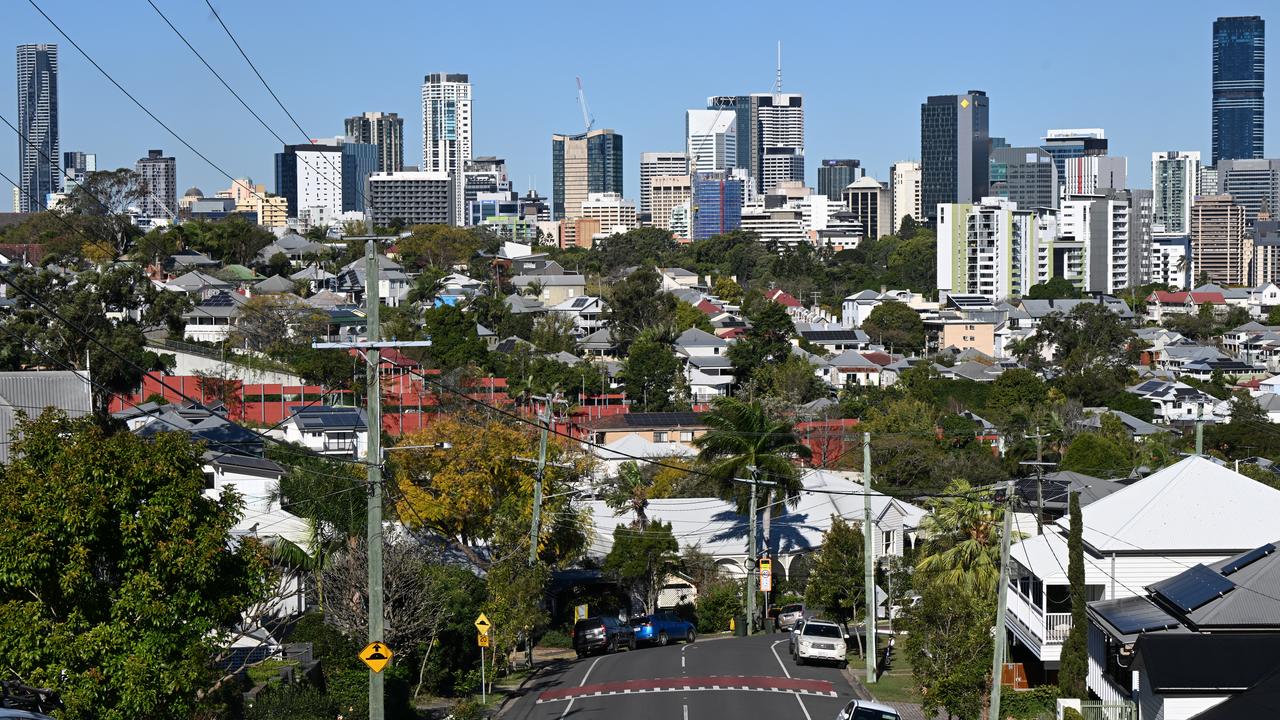
Queensland accounted for more than a quarter of Australia’s population growth, but less than one-fifth of new dwelling supply.
Brisbane’s median dwelling value rose 91 per cent.
“Overall, when we see a supply-demand imbalance such as those in Perth or Brisbane, we wind up with a large pool of buyers competing for a small pool of dwellings,” Mr Burg said.
“This creates a seller’s market and can rapidly drive up home values, as we saw in these two capitals.”
Peter Tulip, chief economist at the Centre for Independent Studies, said the relationship between supply and pricing was also evident in housing markets in the US and New Zealand.
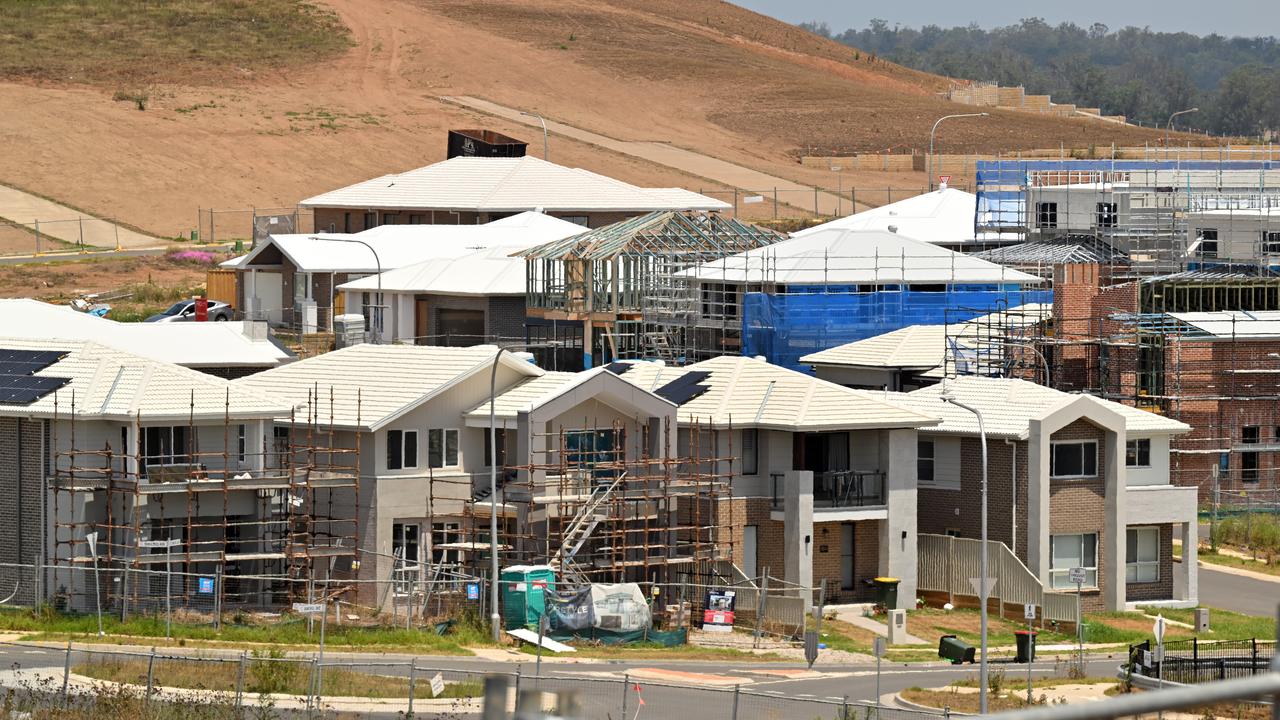
By relaxing zoning regulations and greatly increasing the amount of medium density allowed to be built in Auckland, researchers estimated housing stock increased by four per cent, reducing rents by 28 per cent relative to other comparable cities in New Zealand.
“This has very important policy implications, which is that if we increase housing supply, housing will become more affordable,” Dr Tulip told AAP.
Dr Tulip said the NSW and Victorian governments led the way in liberalising zoning rules to increase supply, but it would still be months before their reforms, put in place one-to-two years ago, began to bear fruit.
PM seeks fuel assurance in Singapore amid tensions
Australia’s fuel supply has been guaranteed until almost June as the prime minister flies to Singapore for high-stakes talks to shore up further stocks amid global uncertainty.
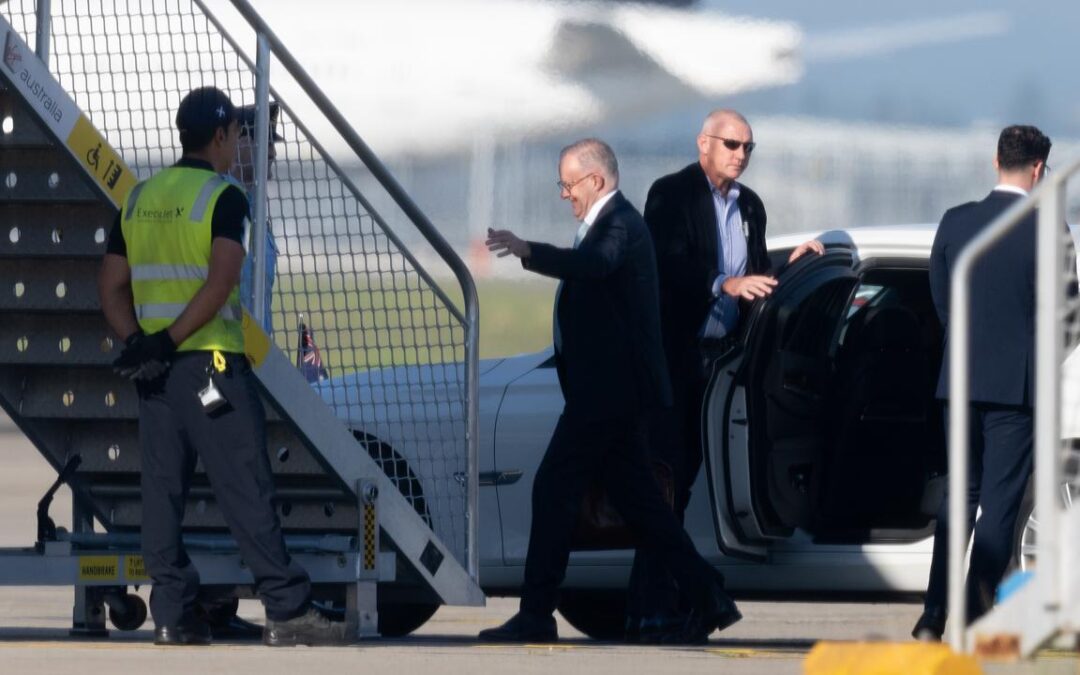
Anthony Albanese jetted out of Australia on Thursday morning ahead of a bilateral meeting with his Singaporean counterpart Lawrence Wong on Friday.
The one-on-one meeting comes after US President Donald Trump announced a two-week ceasefire with Iran, provided the regime immediately reopened the Strait of Hormuz shipping lane.
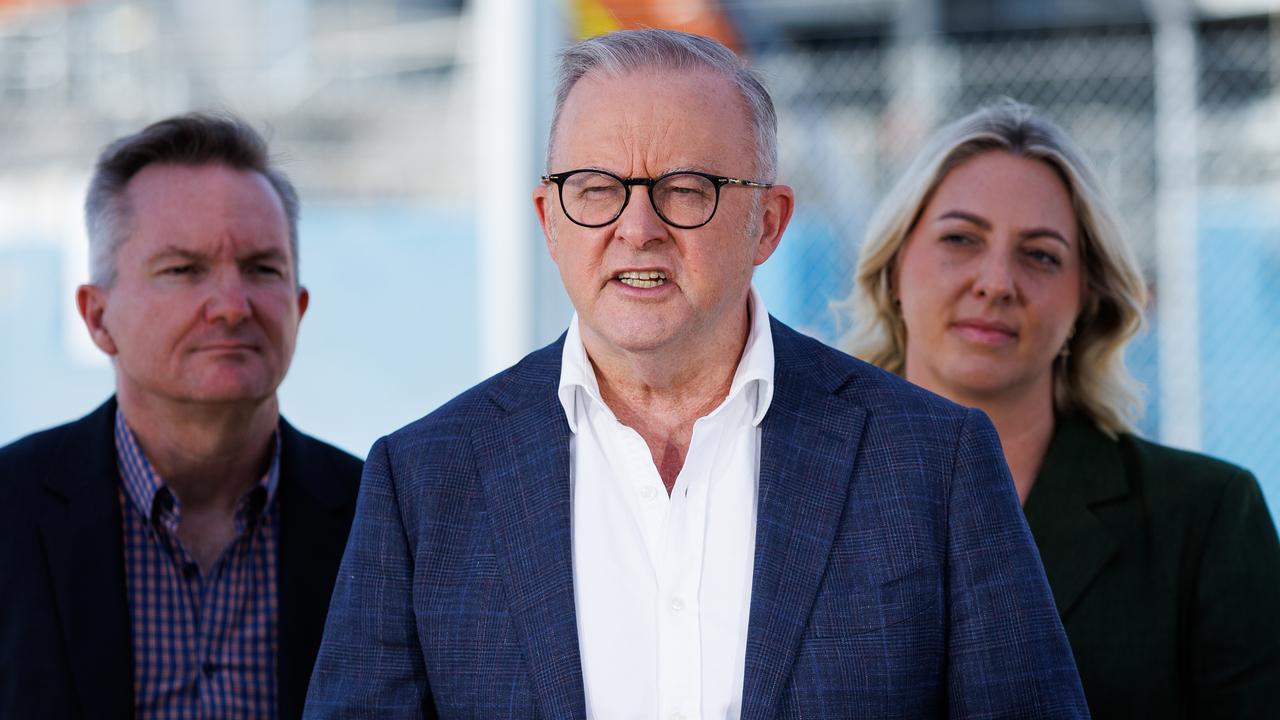
“We want to see it pursued,” Mr Albanese said of the ceasefire on Thursday.
“Even if it is a permanent end of the conflict that we want to see, it doesn’t mean that Strait of Hormuz is reopened and that it’s back to business as usual.
“I’m looking forward to a constructive meeting with Prime Minister Lawrence Wong.”
Mr Albanese’s mission will involve convincing Singapore to prioritise Australia if the ceasefire fails, with trade in petrol and diesel to also feature heavily in discussions.
Singapore is the largest supplier of refined petrol to Australia, accounting for more than half the nation’s intake.
Mr Albanese said strengthening ties with Singapore would be crucial as the war in the Middle East and the closure of the strait disrupted global oil supplies.
“There’s been substantial damage in the Gulf and that will have consequences for a period of at least months ahead,” Mr Albanese said.
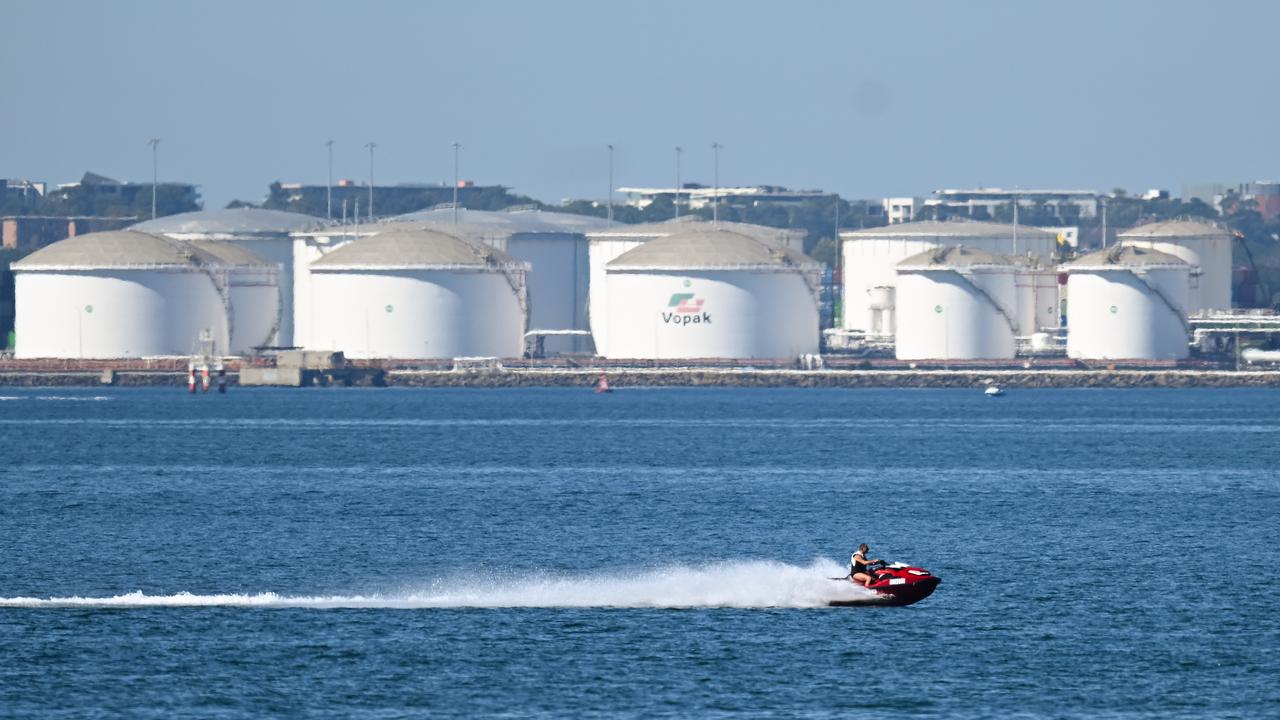
Mr Albanese will also visit Singapore’s Jurong Island, where the city-state has three oil refineries, on Friday.
Production at the facilities has been limited as most of the oil processed there comes via the Strait of Hormuz.
Energy Minister Chris Bowen said supply was now guaranteed “several weeks” into May.
He said Australia obtained most of its fuel from Asia, but other purchases were coming from North America and Mexico after becoming available on short notice.
“Obviously, the closer it is to Australia, the better,” he told reporters on Thursday.
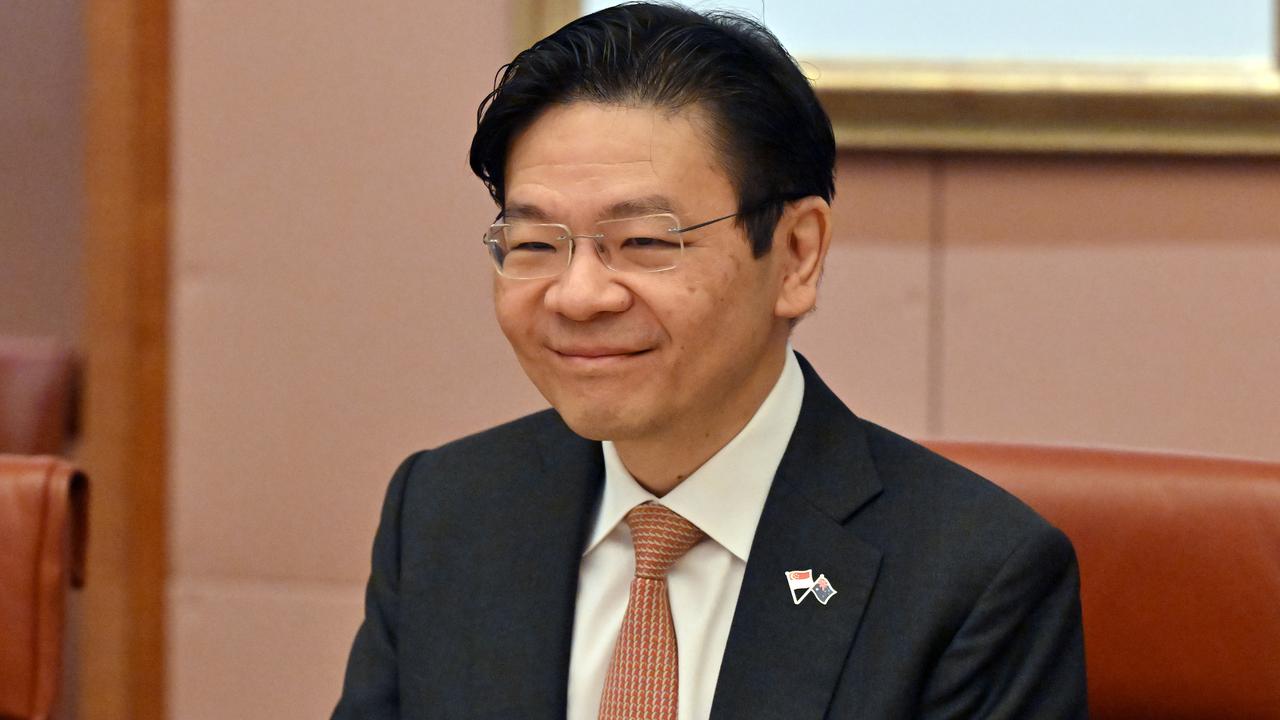
Singapore is Australia’s largest two-way trade partner in Southeast Asia.
In March, Mr Albanese and Mr Wong signed a joint statement reaffirming Australia and Singapore’s commitments to continue trading in energy.
The statement said the countries would “support the flow of essential goods including petroleum oils, such as diesel, and liquefied natural gas”.
Mr Albanese’s trip is also expected to reinforce broader economic and security ties, with both nations seeking to maintain stable supply chains in an increasingly volatile geopolitical environment.
Irish army set to remove depot blockage amid fuel demos
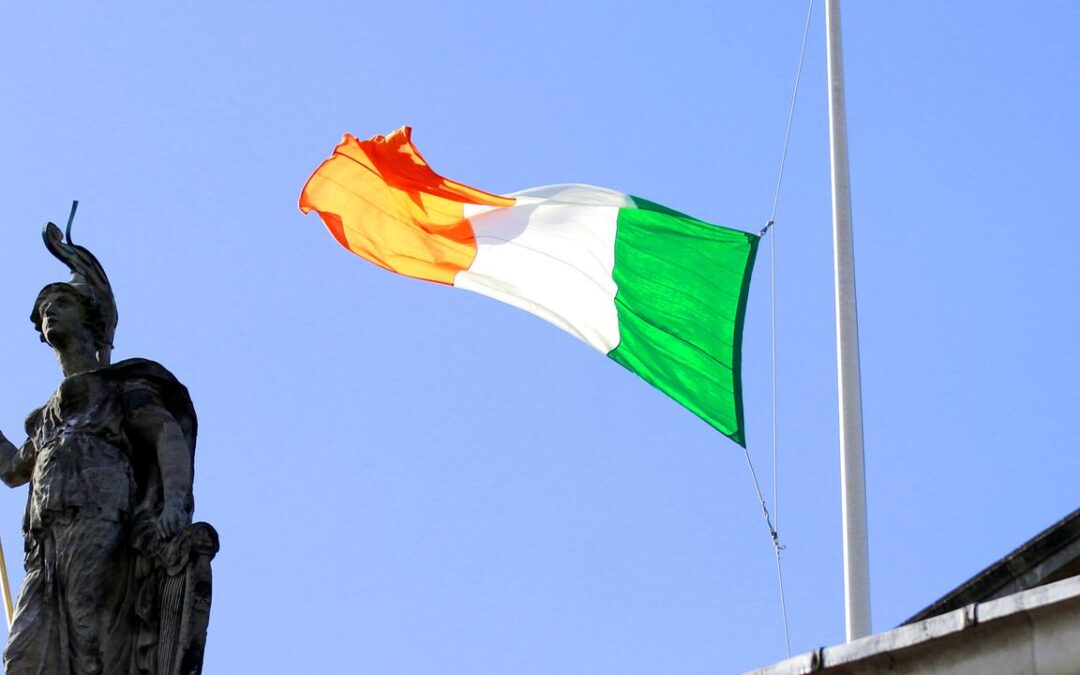
Ireland’s army has been called in to remove heavy vehicles blocking fuel depots as part of a continuing protest across the country over rising fuel prices.
The justice minister said large vehicles blocking critical infrastructure would be removed.
Protests over the Irish government’s response to rising fuel prices entered a third day on Thursday.
Several distinct but co-ordinated protests began on Tuesday involving slow-moving convoys on motorways and blockades on major roads in Dublin and other cities.
Hauliers and agricultural contractors using large trucks and tractors are among protesters disrupting traffic.
On Wednesday, protests escalated with vehicles blocking fuel depots.
In a statement on Thursday morning, Justice Minister Jim O’Callaghan said “the blocking of critical national infrastructure will not be permitted to continue and the assistance of the Defence Forces has been requested”.
He added owners of the vehicles involved in the blockades “should remove them immediately this morning and should not complain later about any damage caused to those vehicles during removal”.
The military confirmed they had received a request for assistance from police and said because “this operation is ongoing” they would not be commenting further.
They have four heavy-lift recovery trucks available to help clear trucks and tractors involved in blockades and it is understood it is envisaged that assistance will be limited to these vehicles and the personnel required to operate them.
The Defence Forces also said images of a convoy of Mowag armoured personnel carriers circulating on social media are “the personnel of the 128th Infantry Battalion conducting mission readiness exercises ahead of deployment to UNIFIL next month”.
Irish Prime Minister Micheal Martin told RTE he did not “anticipate” there would be violence if the army and gardai (police) moved in on demonstrators.
The Taoiseach said it is “not in our nature to be engineering any situation that gives rise to conflict”.
Martin said “the government had to act” once the Whitegate oil refinery in County Cork and the Foynes fuel terminal in County Limerick were blocked.
Defence Minister Helen McEntee told reporters at the Curragh Camp that the Defence Forces intervention was “never a first resort”.
In a statement to the media at Garda headquarters in Dublin, Deputy Commissioner Shawna Coxon said gardai were “moving to an enforcement phase” unless protesters “desist and disperse”.
She added: “An Garda Siochana is advising protesters to immediately cease blockades of such critical national infrastructure or face the full rigours of the law.”
The protesters say they have nominated “three or four” spokespeople they want to meet government leaders.
However, speaking on RTE radio, one of them, John Dallon said he does not speak for the protesters blocking fuel depots: “I’m here on the streets of Dublin, I have no voice as regards what’s happening down the country as regards blocking up ports.”
He added: “What’s happening down there is out of my hands, I have no control over what happens.”
Agriculture Minister Martin Heydon said he would meet with farming and haulier representative groups but would not speak to the protesters.
He said: “What is very clear here is that this is a clear choice between democracy or anarchy, and we have a rule of law in this country.
“I completely understand where people’s frustration is from in terms of (the) very high energy shock as a result of the war that has broken out between America, Israel and Iran.”
Fuels for Ireland chief executive Kevin McPartland said there was a risk to supplies to petrol forecourts as a result of fuel depots being blocked.
Just over two weeks ago, Ireland’s ruling coalition signed off on a range of measures to reduce fuel costs, including a temporary excise duty reduction for motor fuels, expansion of the diesel rebate scheme for hauliers and bus operators, and an extension of the fuel allowance.
It resulted in an effective reduction of 17 cents for petrol, 22 cents for diesel, and five cents for green diesel – but the savings were largely eroded as the Iran war raged on.
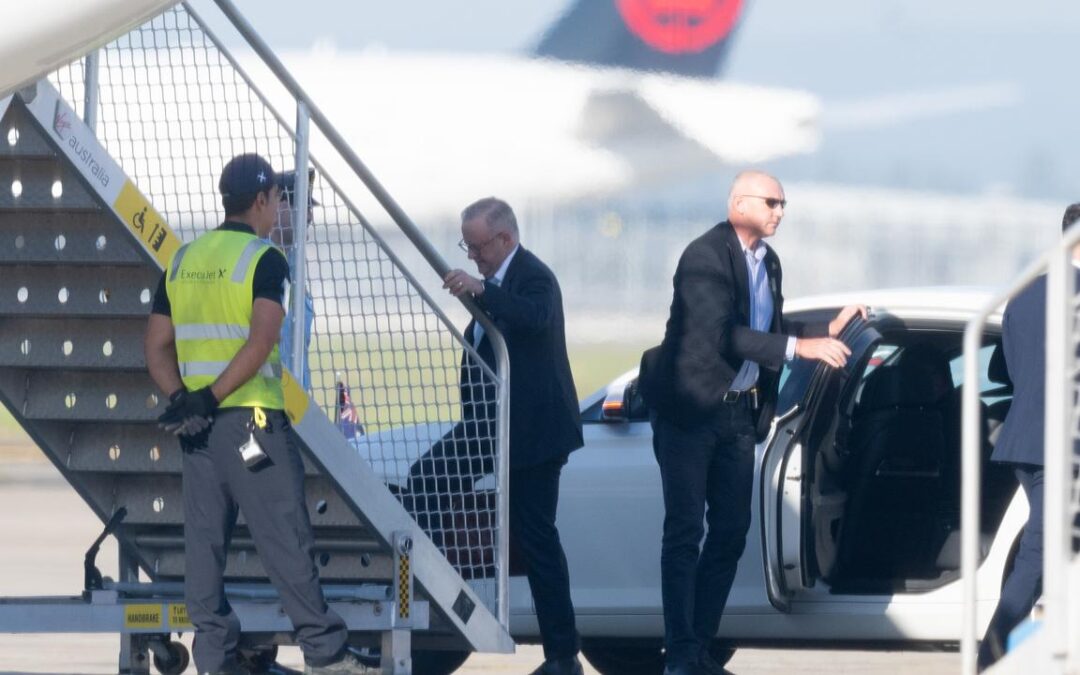
Albanese seeks out fuel supply deal in Singapore visit
Anthony Albanese is hoping talks with his Singaporean counterpart will lead to a boost in domestic fuel supply amid the conflict in the Middle East.
The prime minister flew out of Australia on Thursday morning ahead of a bilateral meeting with Singapore’s leader Lawrence Wong on Friday.
Trade in petrol and diesel along with energy will feature heavily in discussions, with Singapore the largest supplier of refined petrol to Australia, accounting for more than half its intake.
Mr Albanese said a strengthening of ties with Singapore would be crucial as global oil supplies are impacted by the war in the Middle East and the closure of the Strait of Hormuz.
“I’m looking forward to a constructive meeting with Prime Minister Lawrence Wong tomorrow. This is an important relationship,” he told reporters in Brisbane on Thursday.
“We have spent four years building relationships in our region, particularly with ASEAN leaders.
“The relationship we have is a critical one, and of course Singapore is a major supplier of fuel to Australia.”
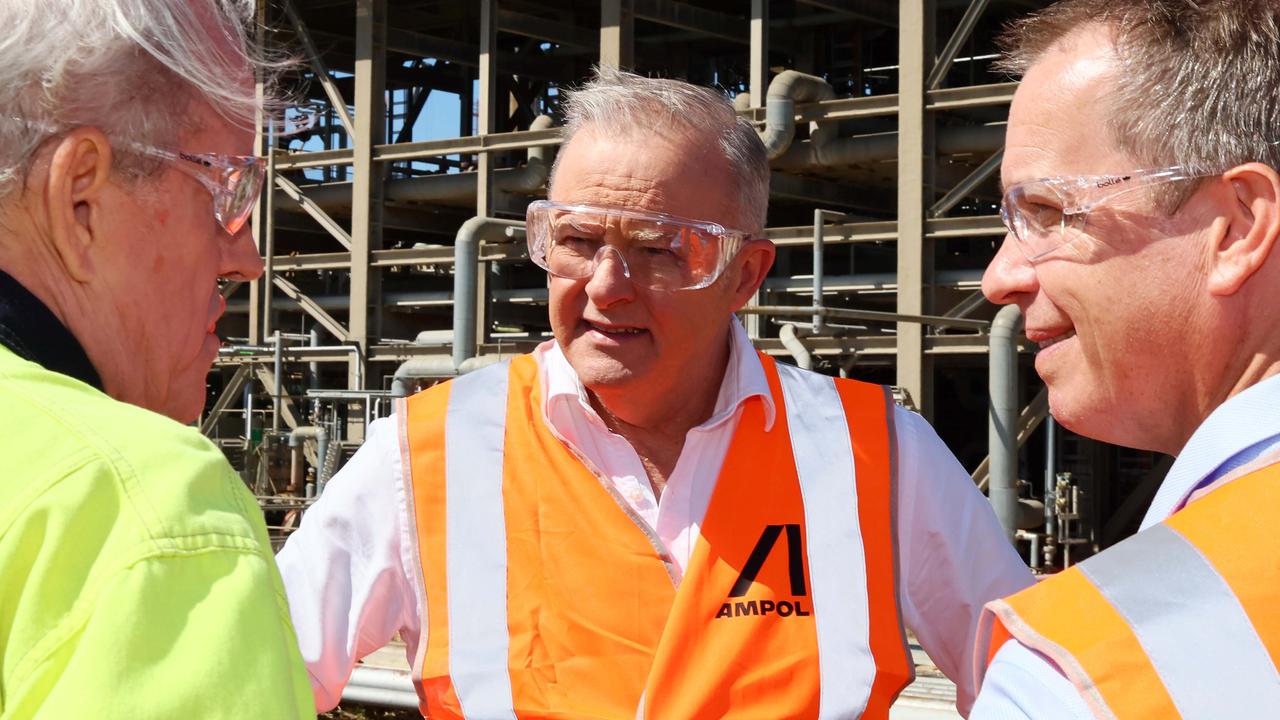
The prime minister said the quickly convened meeting in Singapore spoke to the depths of the ties with the Asian nation.
“We don’t pre-empt one-on-one meetings at leaders levels, but the fact that we have been welcomed at relatively short notice to Singapore speaks about the strength of the relationship,” Mr Albanese said.
As well as the talks with the Singapore prime minister, Mr Albanese will visit Jurong Island, where the city-state has its three oil refineries.
However, production at the facilities has been limited due to most of the oil processed there coming via the Strait of Hormuz.
Treasurer Jim Chalmers said shoring up support in Singapore would be critical.
“It’s why ministers … are engaging with industry and supporting investment to make sure that we get through this difficult period, and that we set ourselves up to recover from the extreme uncertainty that we are going through right now,” he told reporters in Melbourne.
“We are a big supplier of LNG to Singapore. Singapore is a really important refiner of our liquid fuels. This is a relationship of very substantial mutual economic benefit, and long may that situation continue.”
Singapore is Australia’s largest two-way trade partner in southeast Asia.
In March, Mr Albanese and Mr Wong signed a joint statement reaffirming commitments by the two countries to continue trading in energy.
The statement said the countries would “support the flow of essential goods including petroleum oils, such as diesel, and liquefied natural gas”.
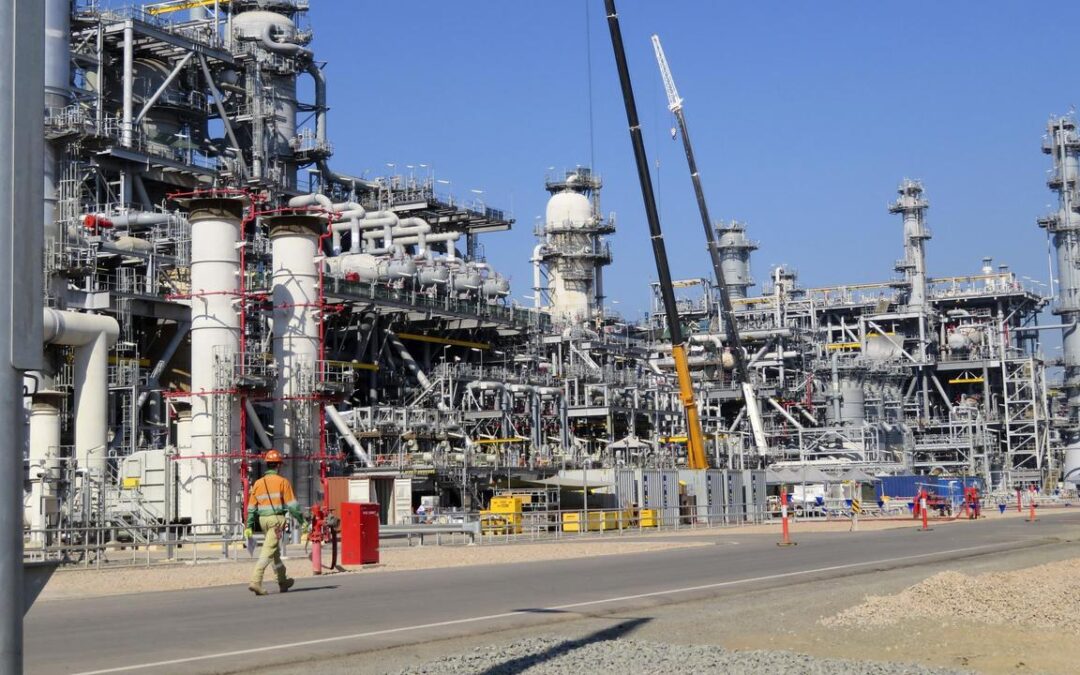
Gas giant workers ready to strike over ‘dodgy pay deal’
Workers could walk off the job at an oil and gas giant’s offshore LNG plant, as a union pursues “unrealistic claims” on behalf of its members, an employer group says.
Offshore Alliance applied to the Fair Work Commission on Wednesday for a protected action ballot order, stating via social media that Inpex Ichthys LNG operations, off the West Australian coast, had offered workers a dodgy pay deal.
The Australian Resources and Energy Employer Association said the alliance’s claims could increase Inpex’s labour costs by about 50 to 60 per cent.
The union, made up of the Australian Workers Union and Maritime Union of Australia, also wants increased employee allowances, automatic promotions, guaranteed bonuses, Gold Class Qantas membership, and company-funded FIFO travel from anywhere in the world, the association said.
The association’s deputy chief executive, Tara Diamond, said the claims were detached from economic reality and risked setting an unsustainable precedent across the sector.
“These are not responsible or incremental claims,” she said in a statement on Thursday.
“They are an attempt to significantly lift pay and allowance structures for a workforce that is already among the highest paid in Australia.”
Inpex employees typically earn between $300,000 and $400,000 per year, and the union claims would push wages beyond $500,000 per annum on average,” Ms Diamond said.
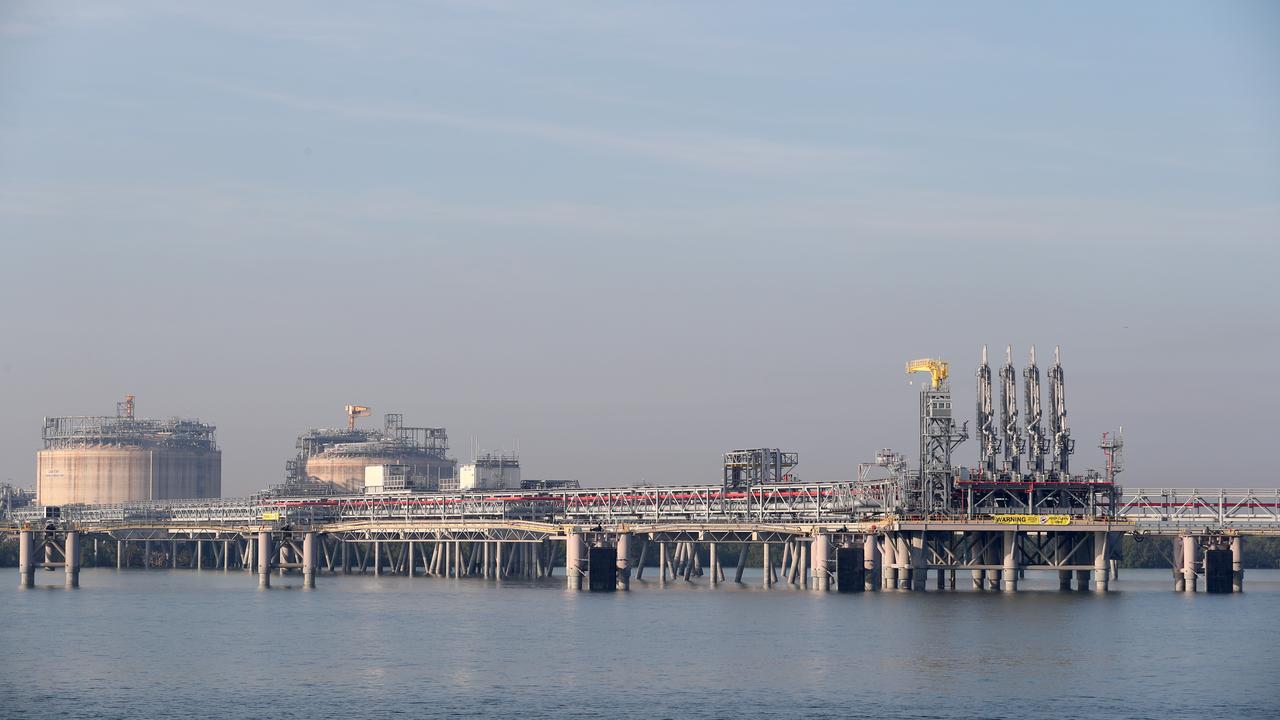
The association said the alliance’s bargaining and campaigning across the offshore LNG industry had become increasingly aggressive.
“It is a co-ordinated campaign model that combines unsustainable claims with a deliberate escalation toward industrial action,” Ms Diamond said.
The union’s recent public statements have foreshadowed industrial action and drawn comparisons to previous offshore disputes, threatening prolonged disruption and significant financial losses.
“The industry has seen this playbook before,” Ms Diamond said.
When disputes escalate, the impacts flow through to production, supply chains and the broader economy.
The association said the timing of the possible industrial action increases the risk of shortages.
“In a period of heightened global energy demand and ongoing fuel supply and pricing pressures, maintaining stable and reliable operations is critical,” Ms Diamond said.
In a Facebook post, the Offshore Alliance said Inpex’s Enterprise Agreement proposal would erode the job security, push down pay and give employees sub-standard employment conditions.
“Our members won’t be copping the scraps off the bargaining table, and we anticipate a 100 per cent rejection of Inpex’s dodgy deal,” the union said.
“There is not a single bargaining claim that Inpex cannot afford.”
It said members would vote yes for protected industrial action.
Inpex and Australian Energy Producers have been contacted for comment.
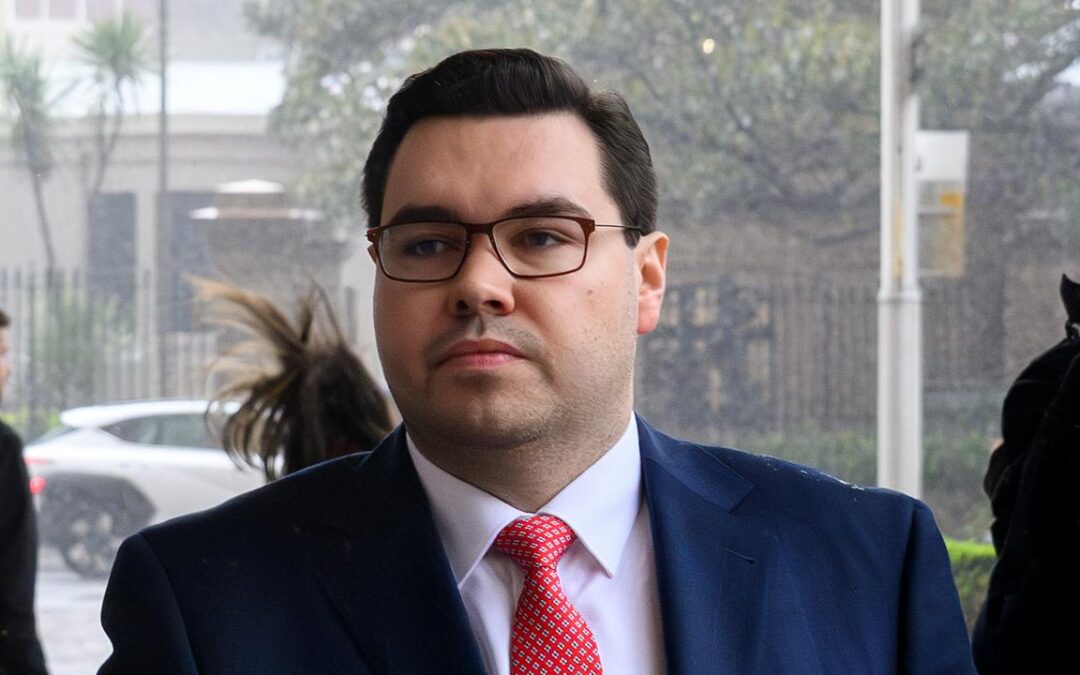
Lehrmann loses final bid to appeal Higgins rape finding
Disgraced former Liberal staffer Bruce Lehrmann has run out of options to appeal a ruinous defamation loss, including a judge’s finding that he likely raped Brittany Higgins in Parliament House.
The 30-year-old took his case against Network Ten to the High Court, where he challenged findings by dual courts that the broadcaster did not defame him by airing Ms Higgins’ allegation during an interview on The Project in February 2021.
On Thursday, the High Court rejected Lehrmann’s application for special leave to appeal.
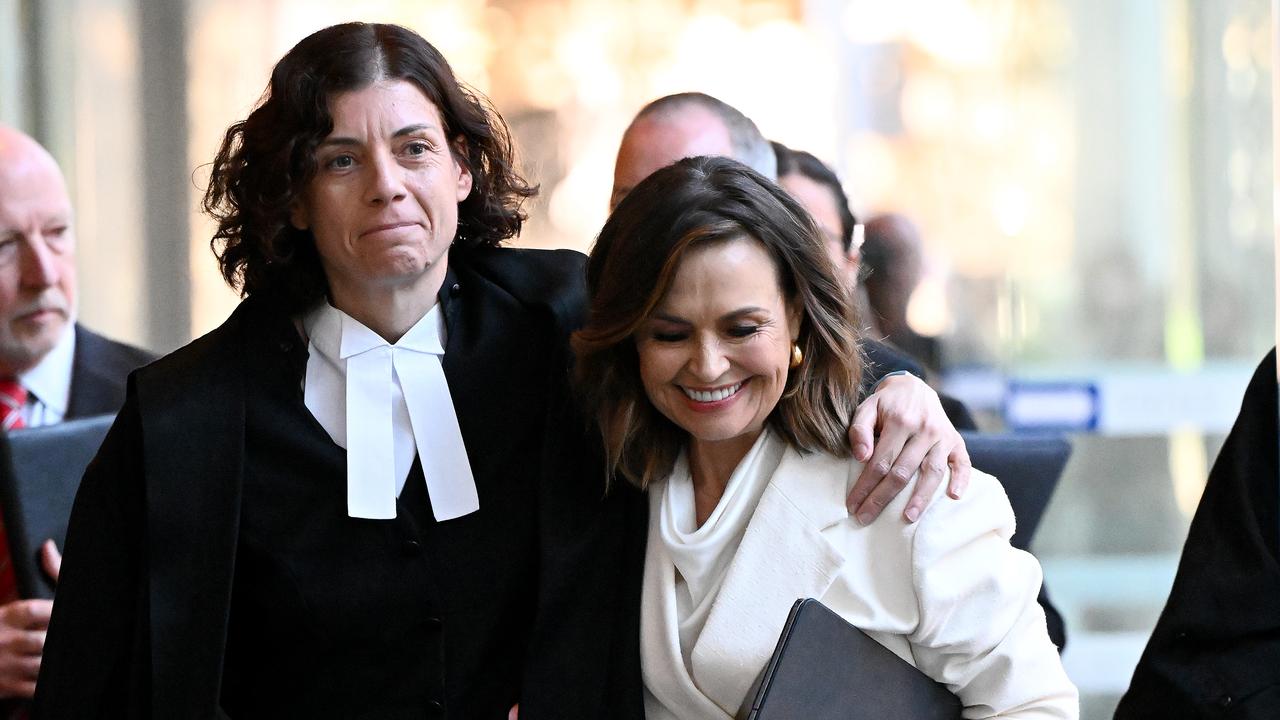
Typically, the court refuses to hold a full hearing if it thinks an appeal does not grapple with a major question of Australian law.
In April 2024, Federal Court Justice Michael Lee first dismissed the 30-year-old’s case against Ten and journalist Lisa Wilkinson, describing it as an “omnishambles”.
The judge’s findings, including that Lehrmann raped Ms Higgins on the balance of probabilities, were upheld on appeal by the Full Federal Court in December.
Ms Higgins had been out drinking with colleagues, including Lehrmann, in 2019 before the pair wound up at Parliament House in the office of their then-boss Senator Linda Reynolds.
It was there the alleged rape happened.
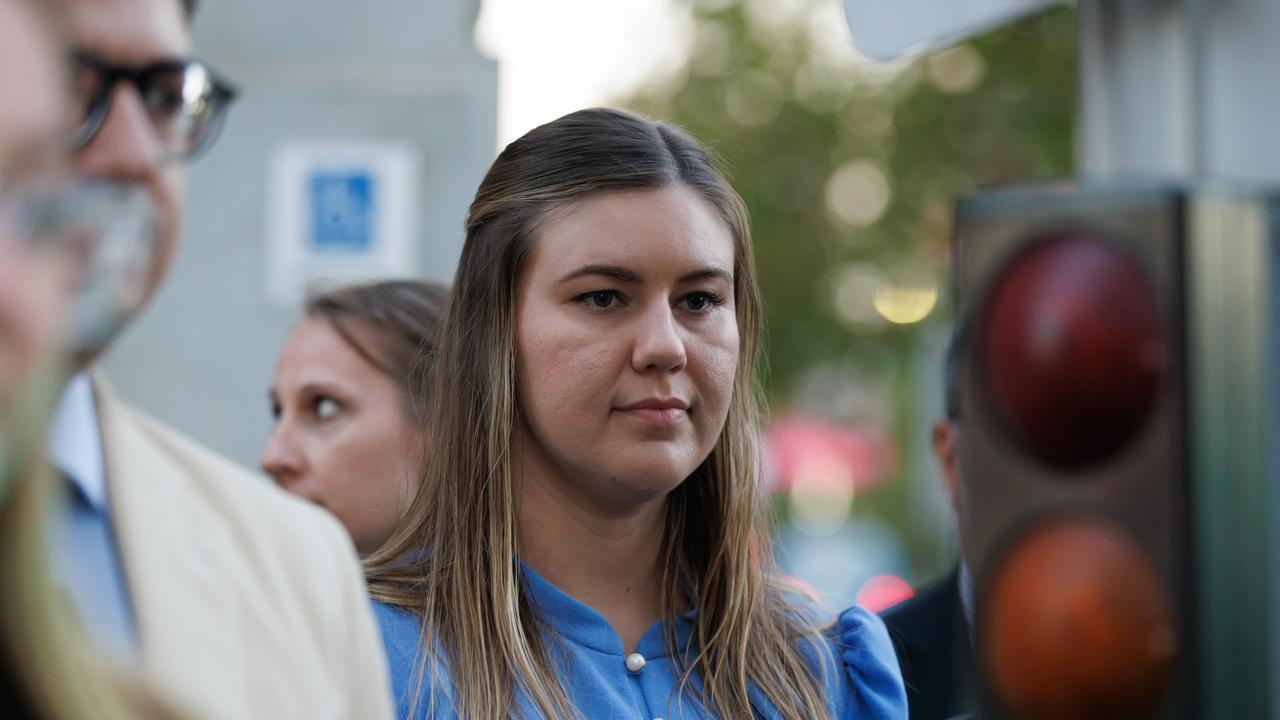
The 30-year-old Lehrmann has consistently repeatedly denied any sexual conduct occurred, saying he returned during the early hours to write notes about French submarine contracts.
This claim was roundly rejected by Justice Lee, saying the young man had been seen kissing Ms Higgins, whom he found attractive.
“Now does a man in a situation like that have French submarine contracts on his mind or does he have something else on his mind?” the judge quipped.
A criminal case against Lehrmann in the ACT was derailed due to juror misconduct.
A further trial was ruled out and no findings have been made against him in a court of criminal law.
The failed High Court bid could lead to Lehrmann being forced into bankruptcy due to court orders he pay a $2 million legal bill to Ten.
1800 RESPECT (1800 737 732)
National Sexual Abuse and Redress Support Service 1800 211 028
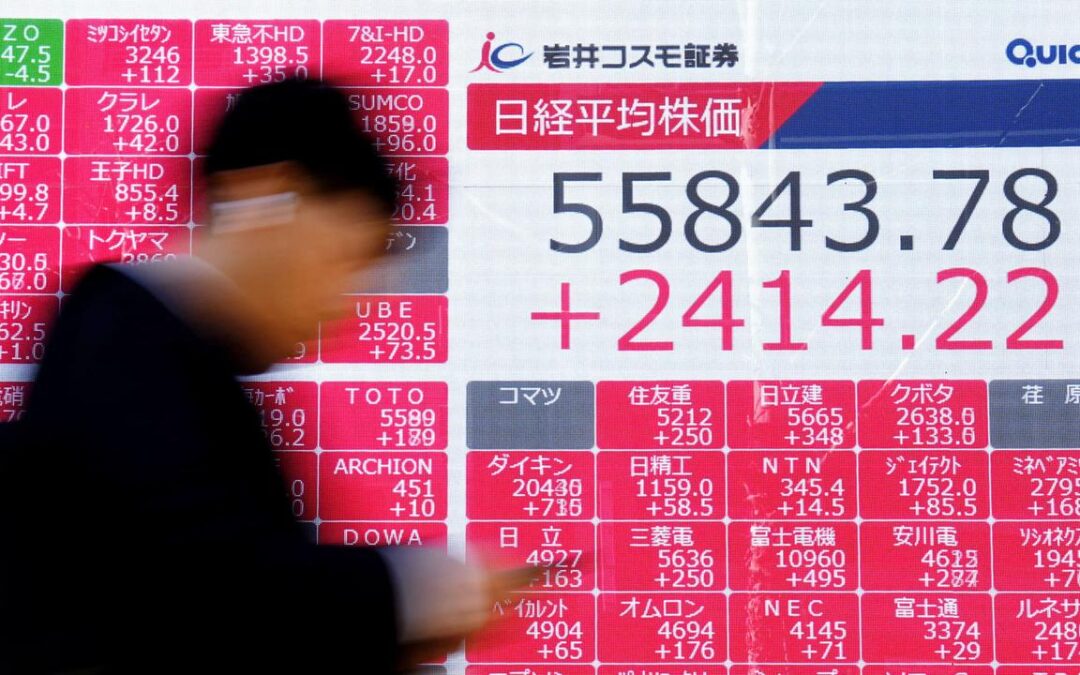
Asia stocks turn cautious as reality intrudes in Gulf
Asian share markets were in a more sober mood on Thursday as cracks quickly began to appear in the fragile Gulf ceasefire, nudging oil prices back up and reminding investors the inflationary fallout will last for a long time yet.
There was scant sign that the Strait of Hormuz was open in any meaningful way, with Iran flexing its control over the vital oil artery and demanding tolls for safe passage.
“You have a fifth of the world’s oil supply moving through a corridor that is still effectively under the influence of one of the parties to the conflict,” said Nigel Green, CEO at deVere Group.
“That’s not stability. You don’t need a full blockade to move oil markets sharply higher again.
“Missiles are still being launched in the Gulf, Israel is still engaged on another front, and yet markets are behaving as though the region has normalised.”
As a result prices for US crude futures edged up 2.8 per cent to $US96.99 ($A137.50) a barrel, while Brent rose 2.1 per cent to $US96.74 ($A137.15).
Japan’s Nikkei dithered either side of flat, after jumping 5.4 per cent the previous session. South Korea dipped 0.4 per cent, following a leap of 6.8 per cent. MSCI’s broadest index of Asia-Pacific shares outside Japan eased 0.3 per cent.
On Wall Street, S&P 500 futures and Nasdaq futures were both off 0.2 per cent as Wednesday’s surge petered out.
For a mixed Europe, EUROSTOXX 50 futures inched up 0.1 per cent, DAX futures fell 0.3 per cent and FTSE futures rose 0.5 per cent.
With oil prices still around 40 per cent higher than pre-conflict, an inflationary spike is about to show up in the hard data across the globe.
Figures on US core prices for February due later Thursday are expected to show a chunky 0.4 per cent rise for a second month, and that was before the surge in energy costs.
Minutes from the Federal Reserve’s last policy meeting showed a growing number of members felt a rate hike might be needed to contain inflation, though many hoped the next move would still be a cut.
That tempered a rally in Treasuries, which proved modest compared to the big gains seen in European debt markets. Yields on US 10-year notes sat at 4.29 per cent, compared to 3.96 per cent before the attack on Iran.
Fed fund futures imply only 7 basis points of easing for the rest of this year, having given up on 50 basis points of cuts since the end of February.
“The committee broadly agreed that it was too early to act, suggesting the Fed will likely remain on hold this year, in line with our view,” said analysts at JPMorgan in a note.
They also saw risks shifting to just one rate hike from the European Central Bank this year, rather than two.
The shifting outlook for rates saw the dollar pare some of its knee-jerk losses, with the euro flat at $US1.1660 ($A1.6530) and off a top of $US1.1721 ($A1.6617).
The dollar steadied at 158.60 yen, having fallen as far as 157.89 at one stage on Wednesday.
In commodity markets, gold was flat at $US4,718 ($A6,689) an ounce , after bouncing as high as $US4,777 ($A6,772) overnight.