

Global fund tips Australia to lead world in inflation
Australia is projected to have one of the highest inflation rates in the developed world as the Middle East conflict threatens a global recession, according to a dire scenario forecast by the International Monetary Fund.
In the latest update to its World Economic Outlook, released late on Tuesday AEST, the global lender of last resort said the world economy was in for more pain without a speedy resolution to the conflict.
The IMF revised its economic growth projections for Australia slightly down from January.
The national GDP growth rate is expected to come in at two per cent in 2026, down from 2.1 per cent, and 1.7 for 2027, from 2.2 per cent.
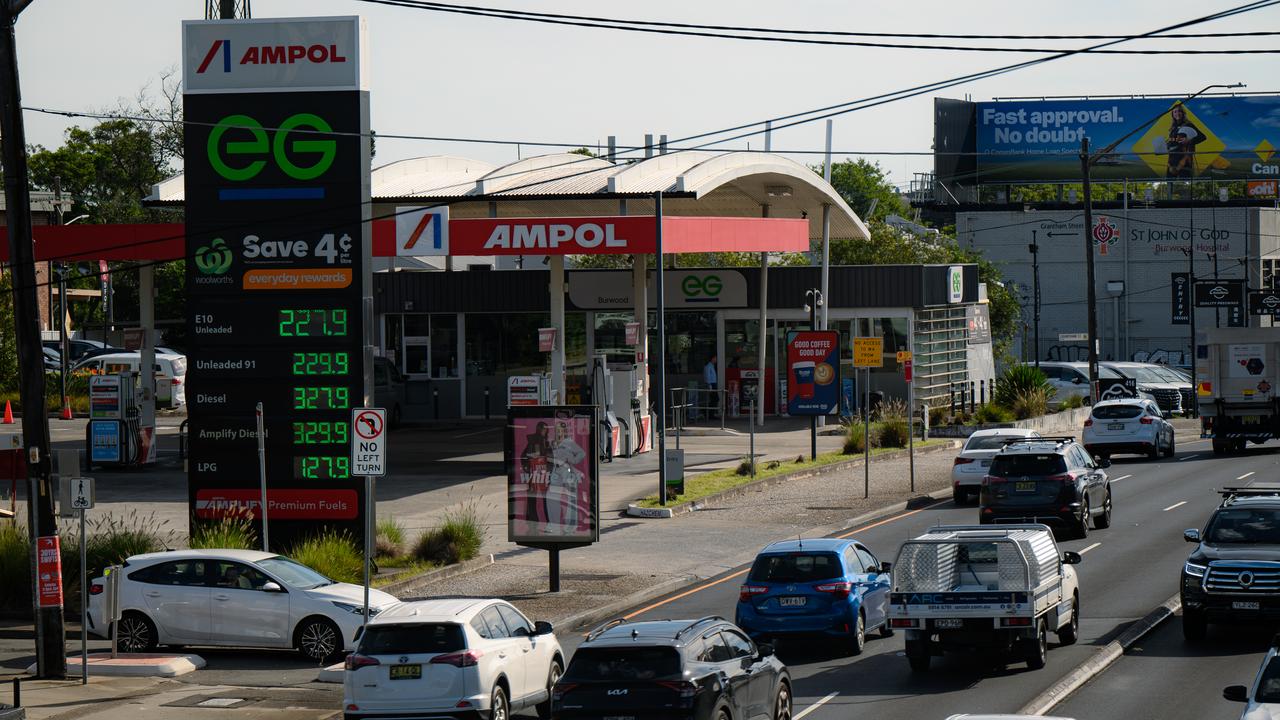
But Australia’s inflation outlook was revised significantly higher, with consumer price growth of four per cent in 2026 exceeding most advanced economies, including the US, the UK and New Zealand.
The IMF had been preparing to revise its growth forecasts upwards before the war.
But the closure of the Strait of Hormuz and attacks on oil and gas facilities halted the positive momentum and raised the prospect of a major energy crisis should hostilities continue, IMF chief economist Pierre-Olivier Gourinchas said.
Under a severe scenario, in which an extended conflict results in more damage to energy infrastructure, global growth would fall to two per cent in 2026 and perilously close to a global recession.
“What should we avoid?” Mr Gourinchas said.
First and foremost, governments should refrain from wasteful and untargeted fiscal measures such as energy caps or subsidies, designed to ease cost pressures for households and businesses.
“While such measures are popular, evidence suggests they are often both poorly designed and very costly for the public purse,” he said.
“Moreover, avoiding fiscal stimulus at a time of rising inflation is another critical component so as not to complicate the task of central banks.”
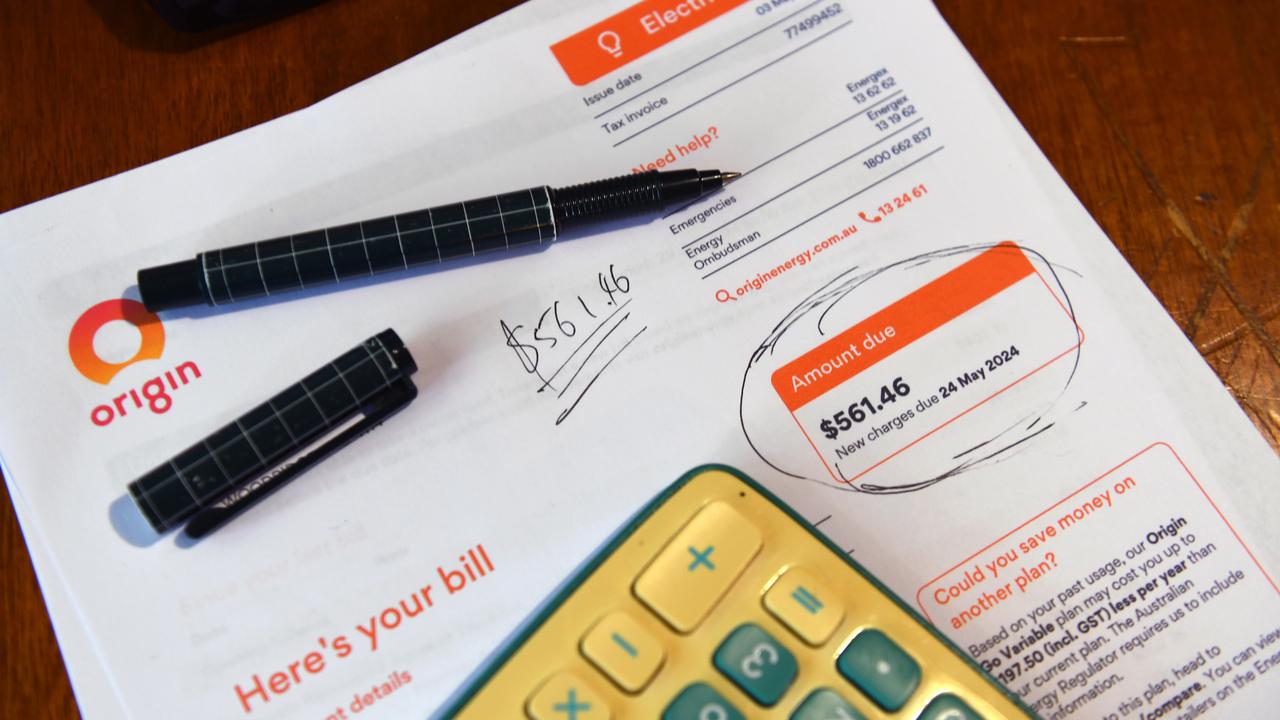
Economists have warned the Albanese government’s cuts to the fuel excise would keep inflation higher for longer and would diminish price signals encouraging Australians to preserve fuel by driving less, catching public transport or riding a bike, for example.
“Preserving price signals is important: high prices signal scarcity, encouraging demand restraint and supply expansion,” Mr Gourinchas said.
He urged central banks to look through the surge in energy prices, as long as inflation expectations remained well anchored and monetary policy settings were already calibrated.
On inflation expectations, RBA deputy governor Andrew Hauser noted in a speaking event in New York on Tuesday that inflation expectations were picking up in the short term, but remained anchored long term.
However, he admitted he was not confident rates were at the right level.
Looking beyond the conflict, the AI revolution promised hope of higher economic growth, productivity and ultimately living standards, but the scars of war would be long-lasting, the IMF said.
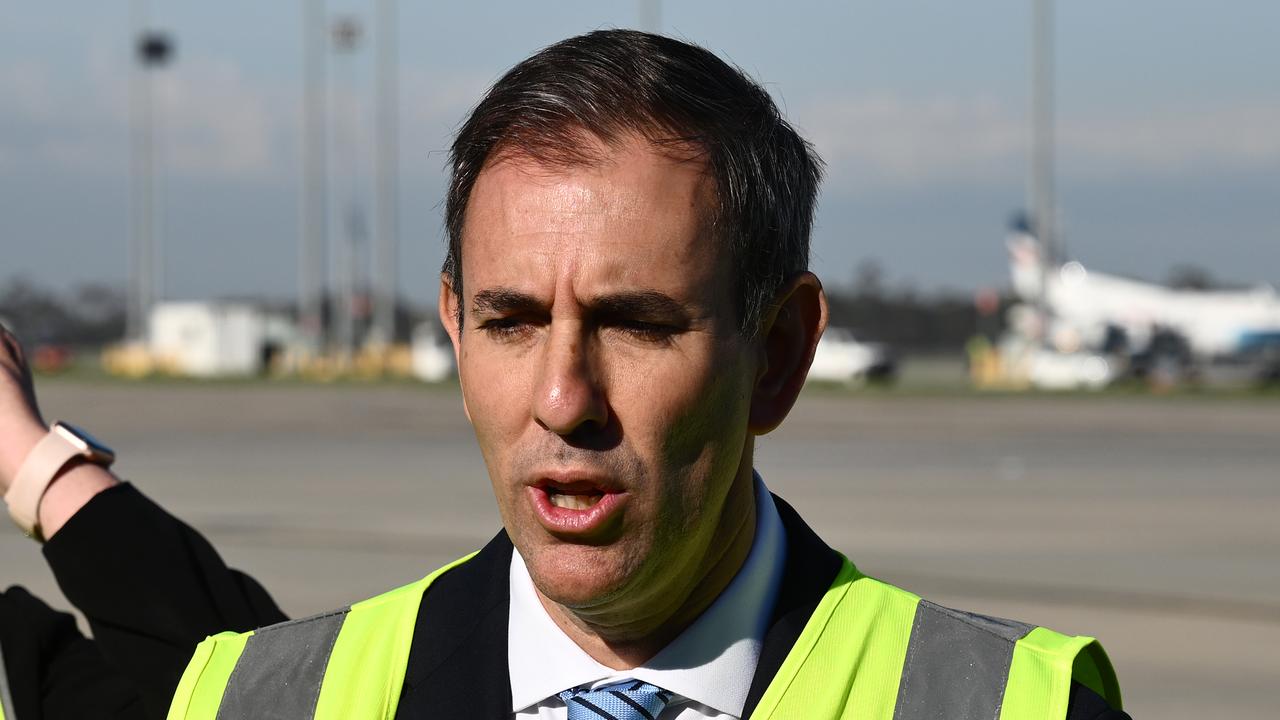
Treasurer Jim Chalmers will head to Washington, DC, on Wednesday to discuss the economic maelstrom with international counterparts, including UK counterpart Rachel Reeves and Chinese Finance Minister Lan Foan, at the IMF-World Bank Spring Meetings.
The report showed it was “a dangerous moment for the global economy”, Dr Chalmers said.
“We’re weighing all of this extreme uncertainty as we prepare a budget focused on resilience and reform.”
Harry and Meghan’s Australian experiment continues
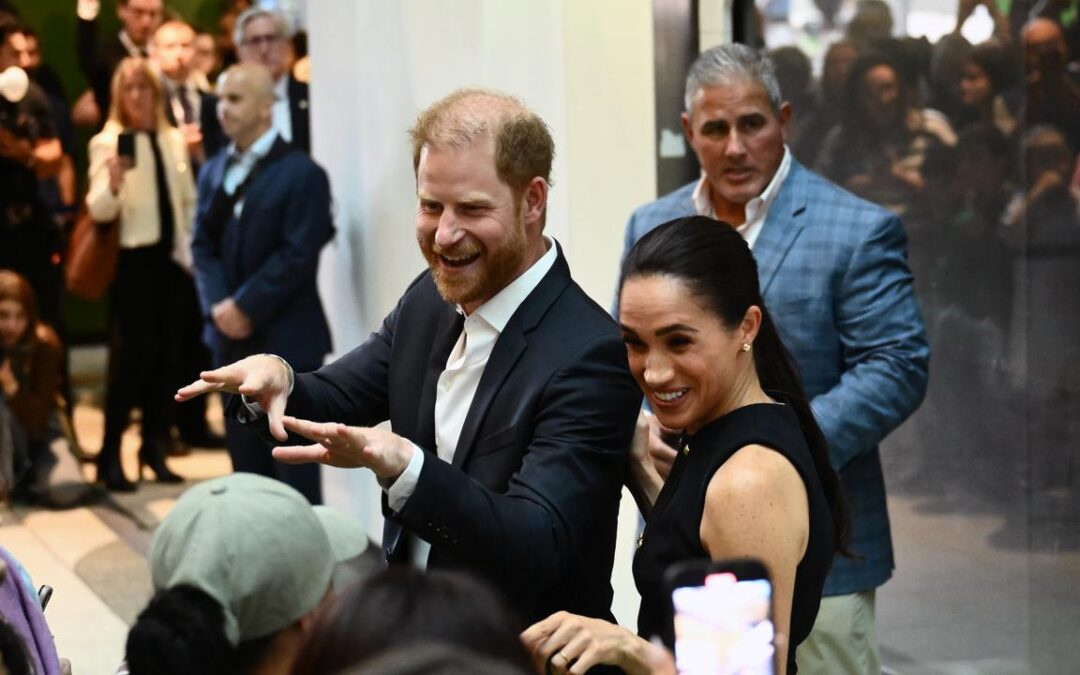
A visit seemingly fit for royalty is set to serve as a commercial experiment for the Duke and Duchess of Sussex as their Australian tour enters its second day.
Prince Harry and Meghan have another busy day planned on Wednesday, meeting charity representatives at the headquarters of AFL team the Western Bulldogs in Melbourne before Harry flies to Canberra for events at the Australian War Memorial.
The four-day visit could be mistaken for an official royal tour with its charitable appearances, hospital visits, and fanfare, although the pair are no longer working royals and are visiting in a private capacity.
The visit is not unusual, according to University of Sydney history professor and monarchy expert Cindy McCreery, who told AAP it was likely for marketing purposes.
“The fact they have chosen Australia as the place to do this activity, it does reflect that way that Australia could add to their brand,” Dr McCreery said.
“We also need to be aware that their options are somewhat limited, they could not do this trip in Britain. That absolutely would not be supported.
“Australia’s an experiment and it will be interesting to see whether this leads to future visits to other countries, with the same kind of combination of charitable and commercial activities.”
The visit marks the couple’s first since 2018, when they spent nine days travelling across Australia.
Excited crowds gathered to greet the pair on Tuesday, meeting families and youngsters packed inside the foyer at Melbourne’s Royal Children’s Hospital.
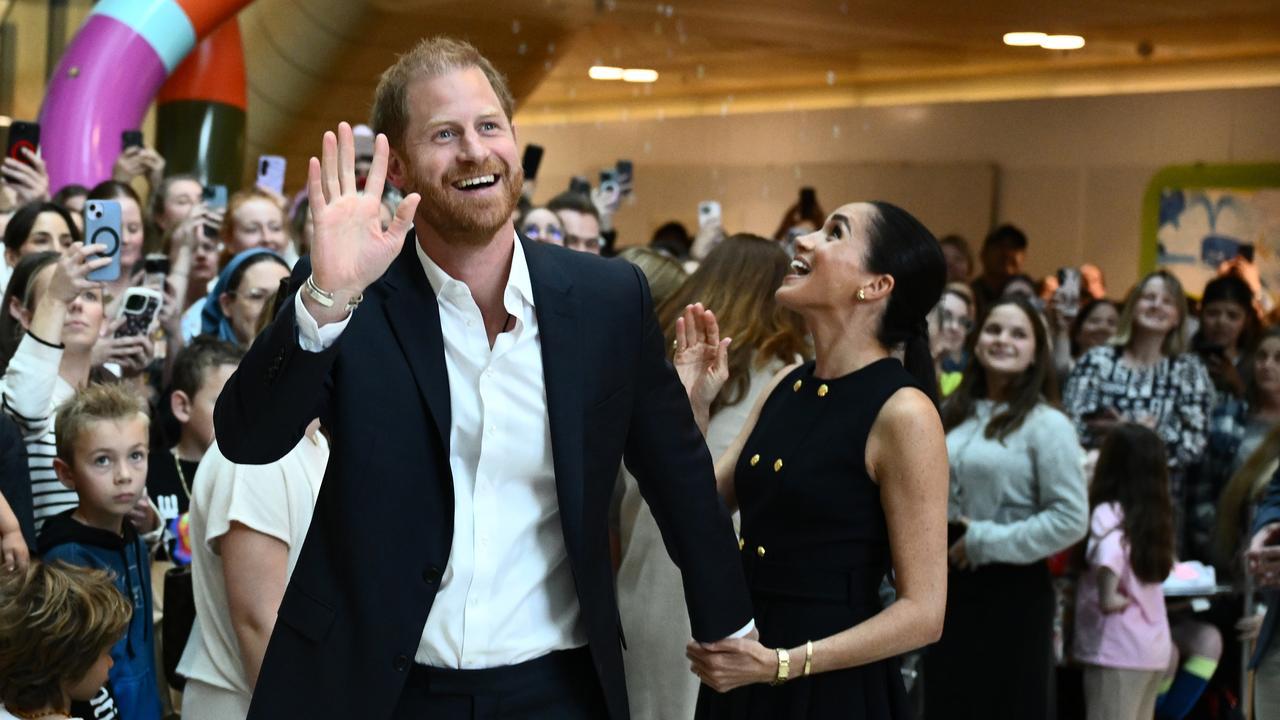
After the hospital, the duke and duchess toured a centre delivering support to women and children experiencing family violence and homelessness, before visiting the Australian National Veterans Arts Museum.
Harry will return to Melbourne on Wednesday night before joining Meghan for the Scar Tree Walk, a cultural journey connecting traditional and contemporary Aboriginal cultures.
Commitments will then move toward a more commercial focus, with Harry due to deliver a keynote speech at the InterEdge Psychosocial Safety Summit in Melbourne where tickets range from about $1000 to $2400.
The pair will fly to Sydney on Thursday, where Meghan will headline an exclusive three-day women’s retreat pitched as a “girls weekend like no other” with tickets starting at $2699.
The Duke and Duchess will end their trip in Sydney where they will sail around the harbour and attend a rugby match.
Harry and Meghan’s Australian experiment continues
A visit seemingly fit for royalty is set to serve as a commercial experiment for the Duke and Duchess of Sussex as their Australian tour enters its second day.
Prince Harry and Meghan have another busy day planned on Wednesday, meeting charity representatives at the headquarters of AFL team the Western Bulldogs in Melbourne before Harry flies to Canberra for events at the Australian War Memorial.
The four-day visit could be mistaken for an official royal tour with its charitable appearances, hospital visits, and fanfare, although the pair are no longer working royals and are visiting in a private capacity.
The visit is not unusual, according to University of Sydney history professor and monarchy expert Cindy McCreery, who told AAP it was likely for marketing purposes.
“The fact they have chosen Australia as the place to do this activity, it does reflect that way that Australia could add to their brand,” Dr McCreery said.
“We also need to be aware that their options are somewhat limited, they could not do this trip in Britain. That absolutely would not be supported.
“Australia’s an experiment and it will be interesting to see whether this leads to future visits to other countries, with the same kind of combination of charitable and commercial activities.”
The visit marks the couple’s first since 2018, when they spent nine days travelling across Australia.
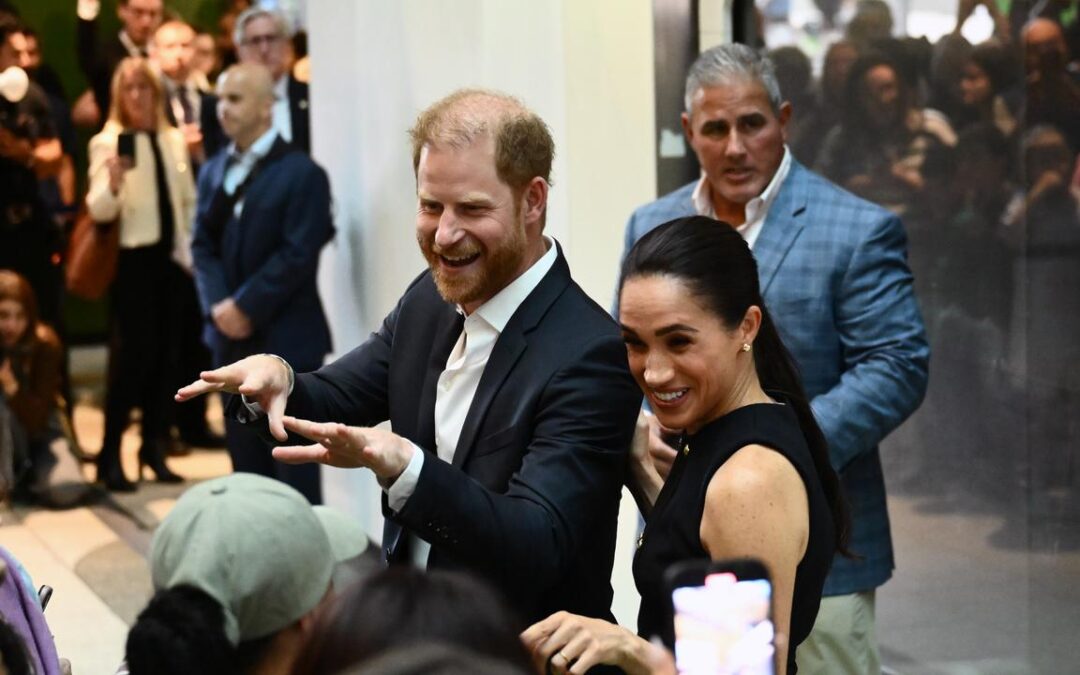
Excited crowds gathered to greet the pair on Tuesday, meeting families and youngsters packed inside the foyer at Melbourne’s Royal Children’s Hospital.
After the hospital, the duke and duchess toured a centre delivering support to women and children experiencing family violence and homelessness, before visiting the Australian National Veterans Arts Museum.
Harry will return to Melbourne on Wednesday night before joining Meghan for the Scar Tree Walk, a cultural journey connecting traditional and contemporary Aboriginal cultures.
Commitments will then move toward a more commercial focus, with Harry due to deliver a keynote speech at the InterEdge Psychosocial Safety Summit in Melbourne where tickets range from about $1000 to $2400.
The pair will fly to Sydney on Thursday, where Meghan will headline an exclusive three-day women’s retreat pitched as a “girls weekend like no other” with tickets starting at $2699.
The Duke and Duchess will end their trip in Sydney where they will sail around the harbour and attend a rugby match.

Chronic housing shortage heaps more pain onto renters
Exceptionally tight rental markets are pushing prices up ever faster and adding to cost-of-living pressures while taking up a record share of workers’ incomes.
Rents climbed 2.1 per cent over the three months to March, housing data group Cotality revealed in its quarterly rental review on Wednesday.
The pace of rental increases has quickened in recent months.
Rents grew by 1.2 per cent in the last three months of 2025 and 0.9 per cent the quarter before that.
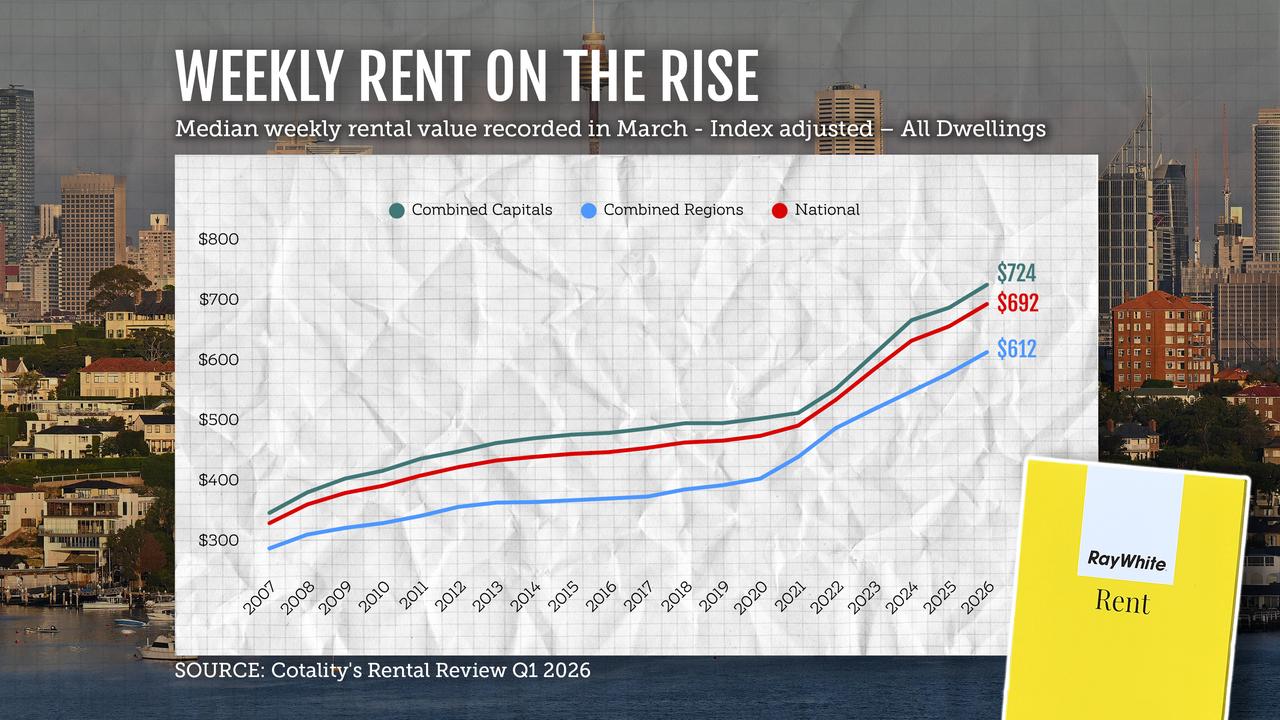
Cotality head of research Gerard Burg said rental affordability had deteriorated sharply, with five years of sustained growth adding $202 to the typical household’s weekly rent.
Households were now committing a record 33.1 per cent of their gross median income to rent, up from 26.2 per cent in September 2020.
“Rent growth had moderated through much of 2024 and into mid-2025, but there’s been a lack of supply to meet the demand, which is placing immense pressure on the rental market,” Mr Burg said.
“Until supply catches up meaningfully with demand, rental growth is likely to stay elevated.”
Vacancy rates have fallen from already-low levels over the past 12 months.
Nationally, there are just 1.6 vacant dwellings per 100 rentals, but some capitals are much tighter.
In Adelaide, which recorded a 2.2 per cent rise in rents in the quarter, vacancy rates are at one per cent.
Perth experienced the fastest growth in rents – three per cent over the quarter – and the second-lowest vacancy rate of 1.2 per cent.
“There is little in the current data to suggest conditions are improving,” Mr Burg said.
“When vacancy rates fall to 1.5 per cent or less it leaves renters with very little negotiating power and fewer options. It means renters have to consider alternate options such as share houses, moving to a new area or back in with family.”
Without a significant increase in rental supply, there is unlikely to be any material easing in affordability, he added.
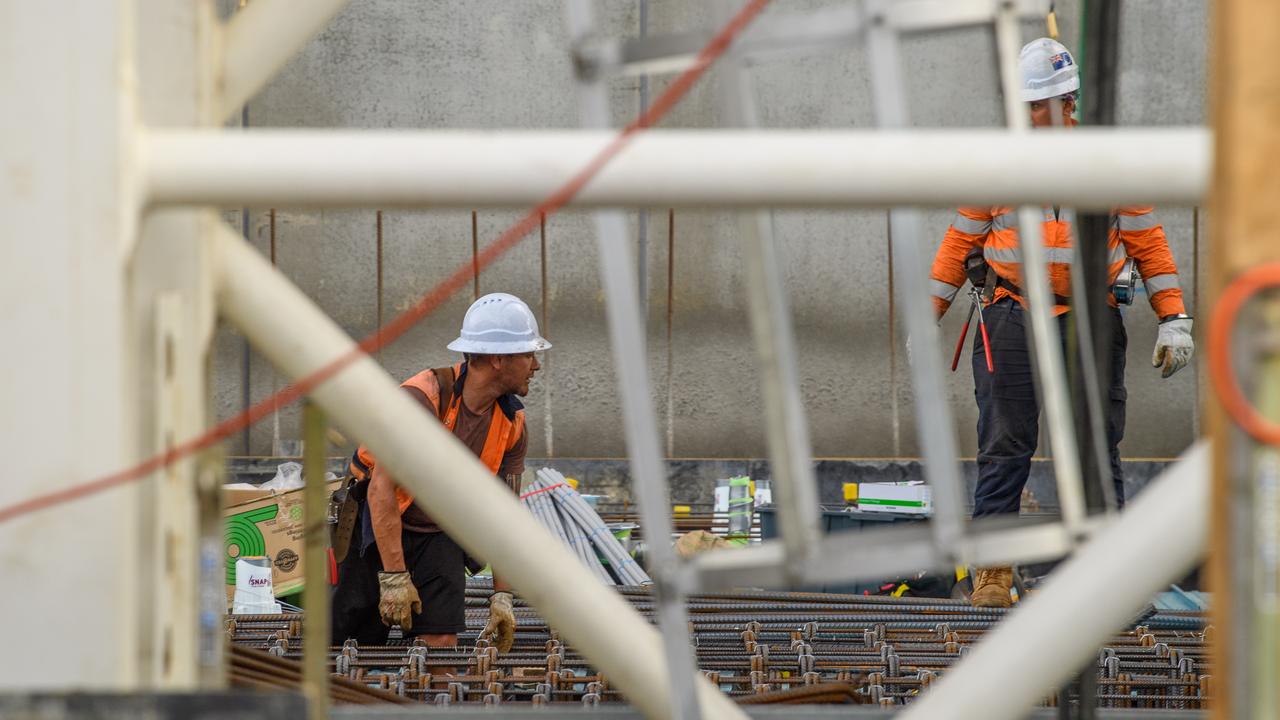
Rising rental costs heap pressure on households already facing higher inflation driven by the Middle East conflict.
The supply shock from the war is also undermining efforts to tackle the undersupply of housing, pushing up the cost of building a home by as much as 10 per cent, according to Westpac, and threatening project feasibility.
NAB’s head of Australian economics Gareth Spence said insolvencies for construction firms were already elevated heading into the crisis.
“Price levels for things like construction inputs, they’re 30 per cent higher than they were pre-pandemic, and we know that there will be some upward pressure on that going forward,” he told AAP.
Sydney remained the most expensive capital city, with a median rent of $824 per week, compared to the median Melbourne rental at $632 a week.
Global fund tips Australia to lead world in inflation
Australia is projected to have one of the highest inflation rates in the developed world as the Middle East conflict threatens a global recession, according to a dire scenario forecast by the International Monetary Fund.
In the latest update to its World Economic Outlook, released late on Tuesday AEST, the global lender of last resort said the world economy was in for more pain without a speedy resolution to the conflict.
The IMF revised its economic growth projections for Australia slightly down from January.
The national GDP growth rate is expected to come in at two per cent in 2026, down from 2.1 per cent, and 1.7 for 2027, from 2.2 per cent.
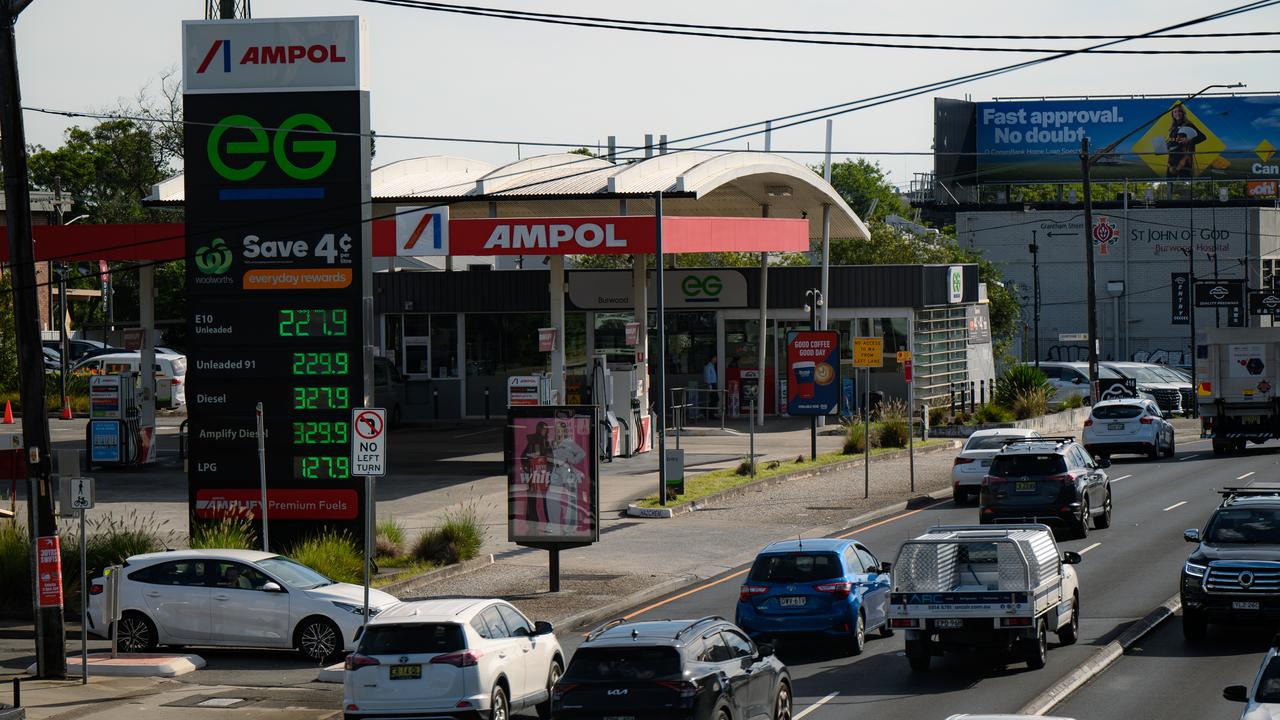
But Australia’s inflation outlook was revised significantly higher, with consumer price growth of four per cent in 2026 exceeding most advanced economies, including the US, the UK and New Zealand.
The IMF had been preparing to revise its growth forecasts upwards before the war.
But the closure of the Strait of Hormuz and attacks on oil and gas facilities halted the positive momentum and raised the prospect of a major energy crisis should hostilities continue, IMF chief economist Pierre-Olivier Gourinchas said.
Under a severe scenario, in which an extended conflict results in more damage to energy infrastructure, global growth would fall to two per cent in 2026 and perilously close to a global recession.
“What should we avoid?” Mr Gourinchas said.
First and foremost, governments should refrain from wasteful and untargeted fiscal measures such as energy caps or subsidies, designed to ease cost pressures for households and businesses.
“While such measures are popular, evidence suggests they are often both poorly designed and very costly for the public purse,” he said.
“Moreover, avoiding fiscal stimulus at a time of rising inflation is another critical component so as not to complicate the task of central banks.”
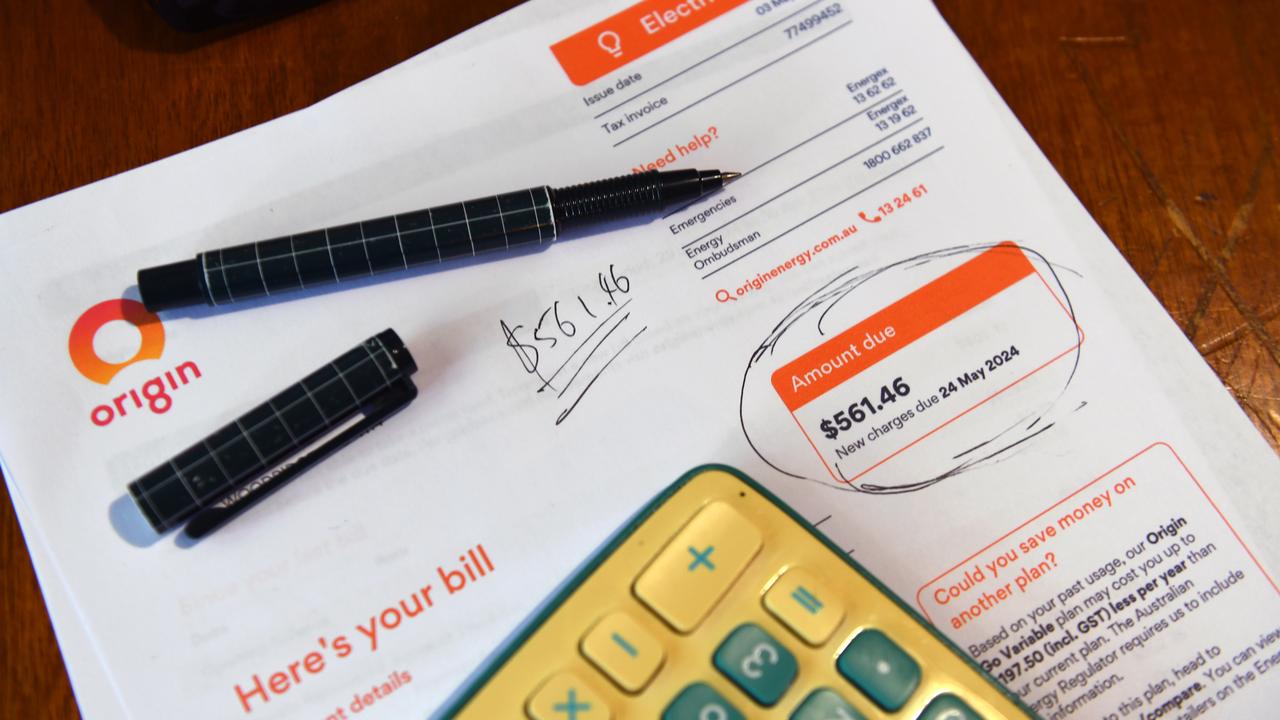
Economists have warned the Albanese government’s cuts to the fuel excise would keep inflation higher for longer and would diminish price signals encouraging Australians to preserve fuel by driving less, catching public transport or riding a bike, for example.
“Preserving price signals is important: high prices signal scarcity, encouraging demand restraint and supply expansion,” Mr Gourinchas said.
He urged central banks to look through the surge in energy prices, as long as inflation expectations remained well anchored and monetary policy settings were already calibrated.
On inflation expectations, RBA deputy governor Andrew Hauser noted in a speaking event in New York on Tuesday that inflation expectations were picking up in the short term, but remained anchored long term.
However, he admitted he was not confident rates were at the right level.
Looking beyond the conflict, the AI revolution promised hope of higher economic growth, productivity and ultimately living standards, but the scars of war would be long-lasting, the IMF said.
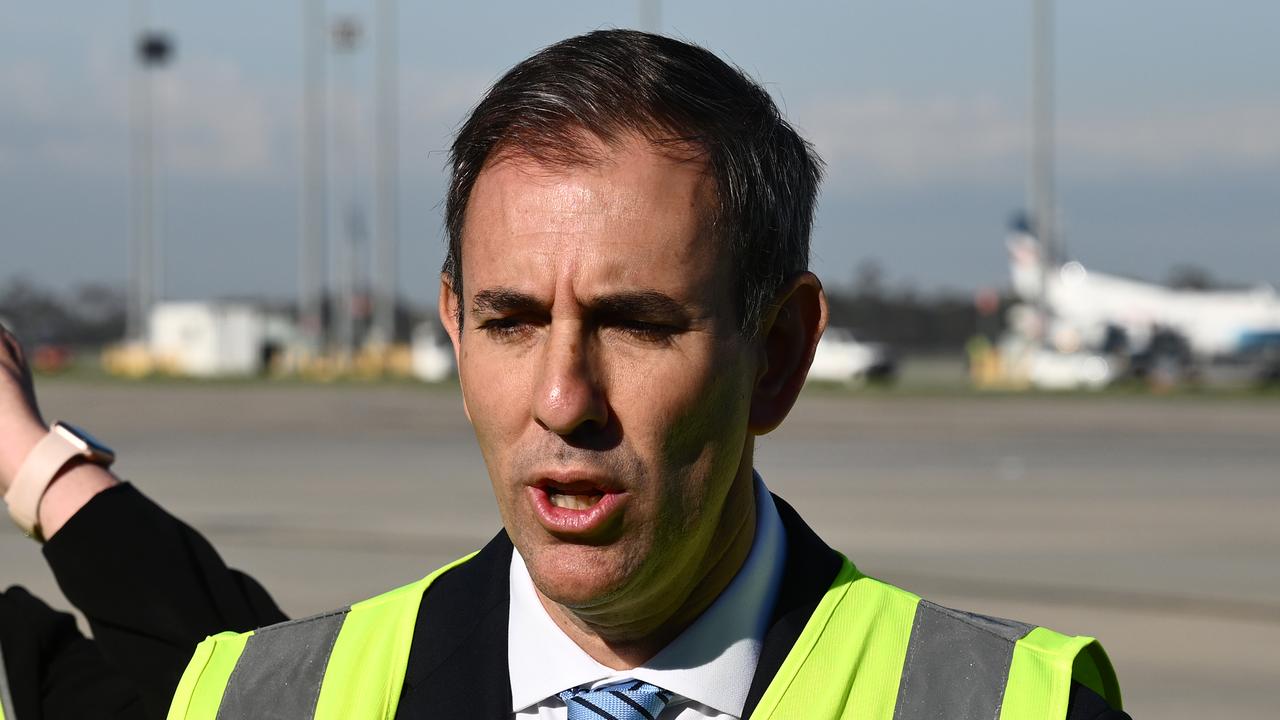
Treasurer Jim Chalmers will head to Washington, DC, on Wednesday to discuss the economic maelstrom with international counterparts, including UK counterpart Rachel Reeves and Chinese Finance Minister Lan Foan, at the IMF-World Bank Spring Meetings.
The report showed it was “a dangerous moment for the global economy”, Dr Chalmers said.
“We’re weighing all of this extreme uncertainty as we prepare a budget focused on resilience and reform.”
Irish minister quits over govt response to fuel demos
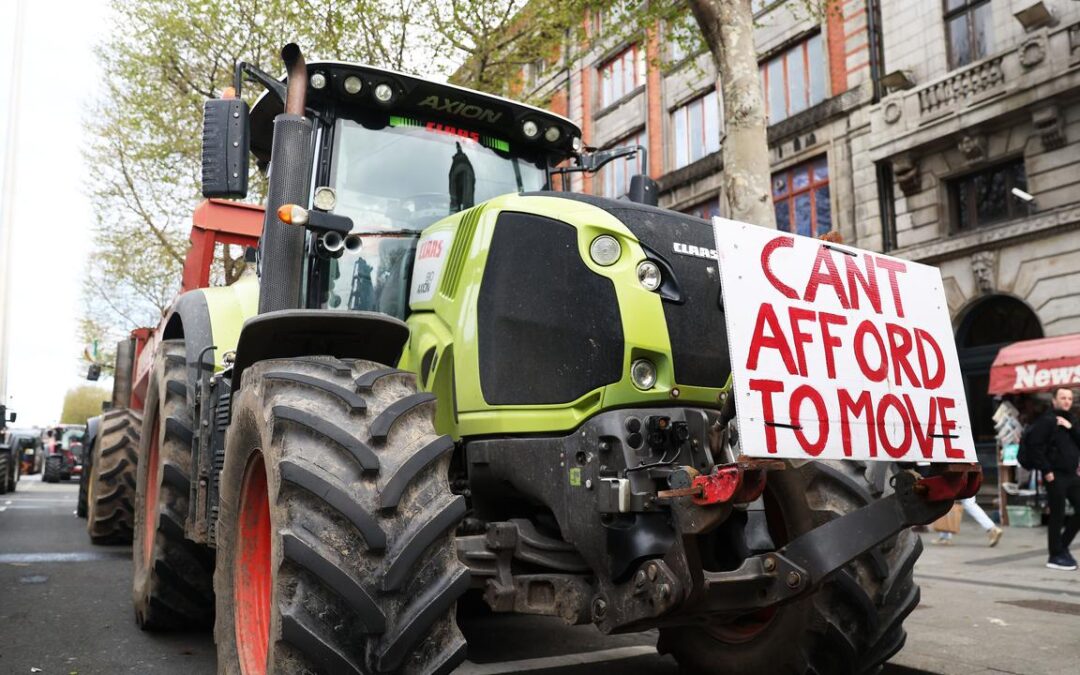
An Irish junior minister has resigned in protest over the government’s response to a wave of public demonstration against surging fuel prices last week and says he will join the opposition in voting no-confidence in the coalition.
The government is still expected to survive the confidence motion the opposition put down after protesters blockaded oil infrastructure and left about a third of Ireland’s petrol stations without fuel.
The disruption ended on Monday.
However, the resignation of Michael Healy-Rae during the debate came as an unexpected blow to the government.
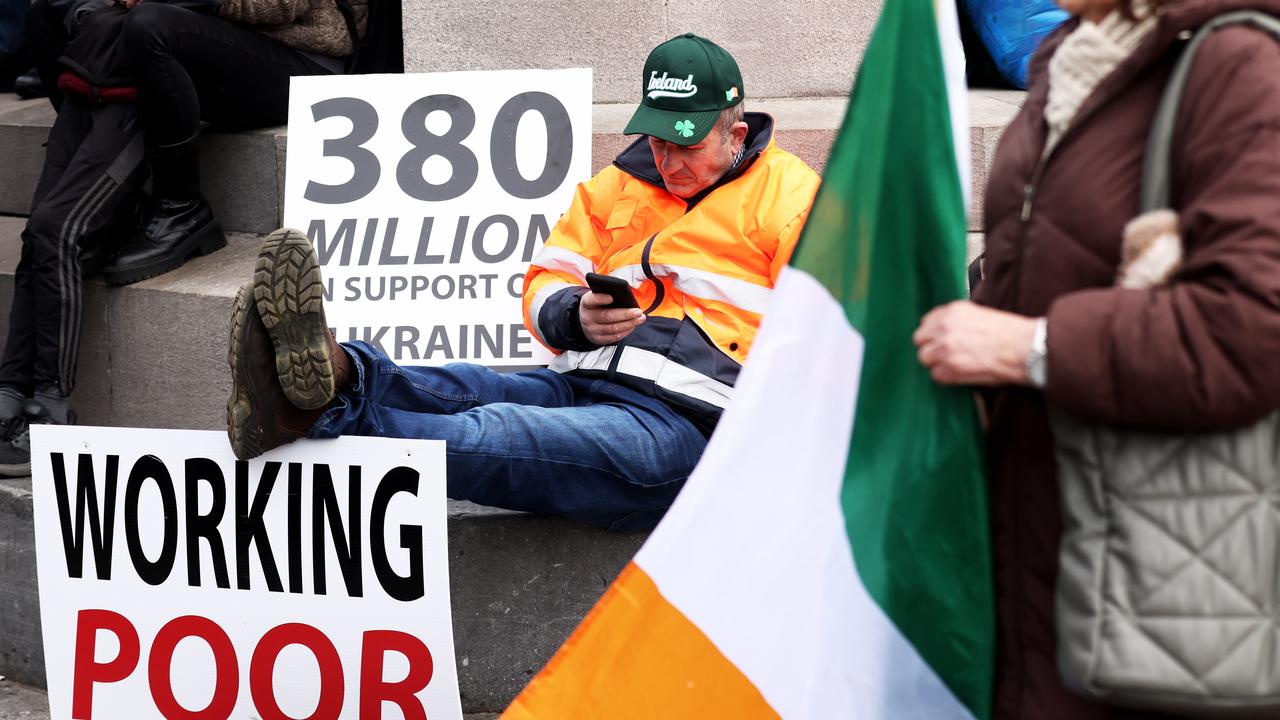
Healy-Rae is one of a number of independent MPs whose support the centre-right-led coalition relies on for its majority.
“The leader of the country should have listened and because of the fact that I believe this government has let the people of Ireland down, I will be voting no confidence in the leader of the country and I will be tendering my resignation as a Minister of State from now,” Healy-Rae told parliament.
He added that his constituents in rural county Kerry did not want to see him “or any Healy-Rae” back the government.
That suggested his brother and fellow independent MP, Danny, would also withdraw his support, further cutting the government’s majority.
In a bid to ease the discontent, the government announced 500 million euros ($A821 million) worth of spending increases and tax cuts to soften the effect on consumers and businesses on Sunday.
That was on top of a 250 million euro package introduced three weeks ago.
Irish Prime Minister Micheál Martin said the government had acted to end the “destructive blockade” and that tax cuts they offered were the largest in Europe to cope with fuel prices that have soared after the US-Israel war on Iran led to the closure of the Strait of Hormuz, a vital channel for the world’s oil.
“The basic core claim that we are doing nothing and are falling behind other countries is simply untrue,” Martin said.
Martin led a motion to support his coalition made up of the Fianna Fáil and Fine Gael parties along with some independents ahead of a no-confidence vote brought by Sinn Fein, the largest opposition party.
If Martin’s motion passes, it would make the no-confidence motion moot.
But if it fails, it would have the effect of a no-confidence vote and force his government to resign, leading parliament to pick a new prime minister or trigger a general election.
Protests in Ireland began last Tuesday with slow-moving convoys clogging roadways.
They grew as word spread on social media as truckers, farmers and taxi and bus operators blocked key infrastructure and the main thoroughfare in the capital Dublin.
Demonstrators called for price caps or tax cuts to alleviate soaring fuel costs they said will drive people out of business.
Martin said the government can learn from the protests but defended the response by police and military to clear roadblocks at the country’s sole oil refinery at Whitegate in County Cork and at several depots.
with AP

Disney CEO announces job cuts expected to total 1000
Walt Disney’s new chief executive Josh D’Amaro has announced lay-offs in an email to employees as he looks to streamline the company’s operations.
About 1000 positions will be eliminated, according to a person familiar with the development.
The cuts will fall on the marketing group, which was reorganised in January, and other parts of the company, including its studio and television business, ESPN, products and technology and certain corporate functions, according to the source.
Disney began notifying employees this week.
“Given the fast-moving pace of our industries, this requires us to constantly assess how to foster a more agile and technologically-enabled workforce to meet tomorrow’s needs,” D’Amaro wrote in an email seen by Reuters.
“As a result, we will be eliminating roles in some parts of the company.”
Like other Hollywood studios, Disney is adjusting to new economic realities including a declining television business, shrinking box office and heightened competition.
Warner Bros Discovery and Paramount Skydance have also undergone lay-offs.
The last significant round of lay-offs at Disney came in 2023 when the company said it would cut 7000 jobs as part of an effort to save $US5.5 billion ($A7.7 billion) in costs.
At the time, Disney was under pressure from activist investor Nelson Peltz to improve its financial performance and stem losses at its streaming business.
Disney said it had employed approximately 231,000 people as of September, the end of its fiscal year.
China lifts BHP iron ore bans after executive visit
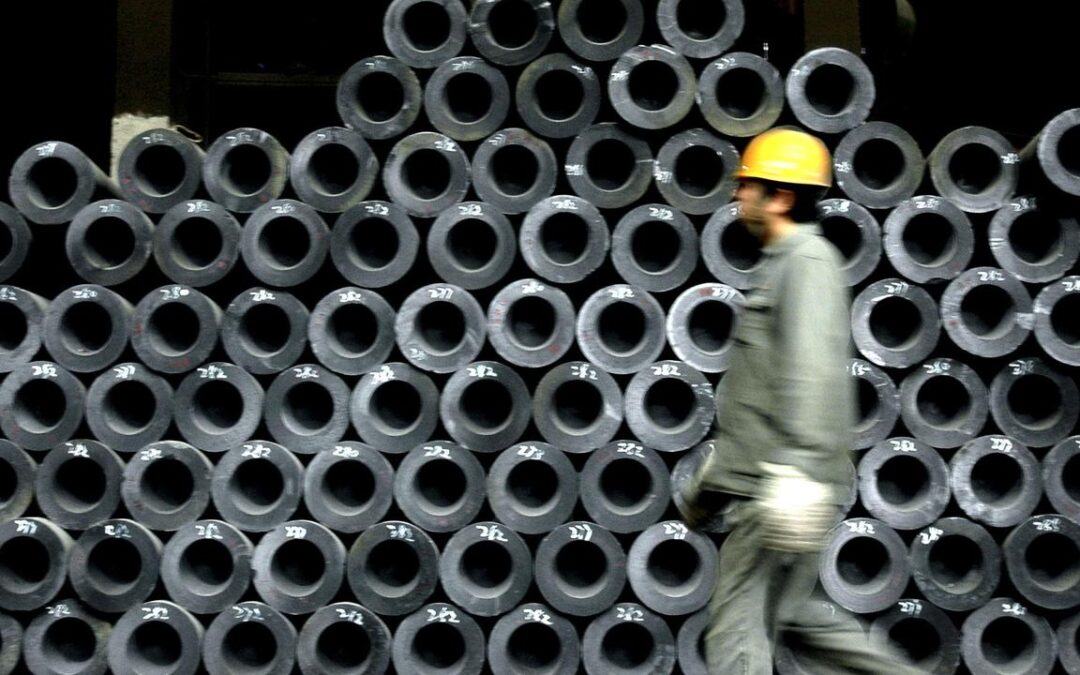
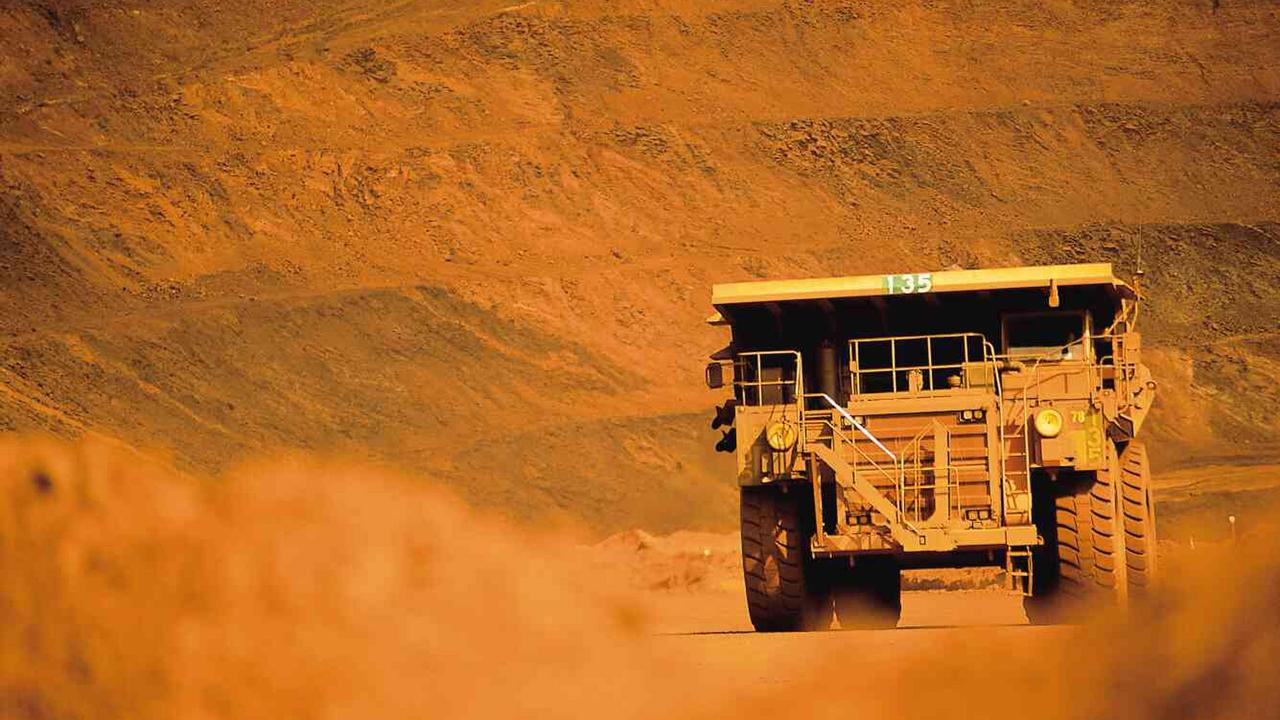
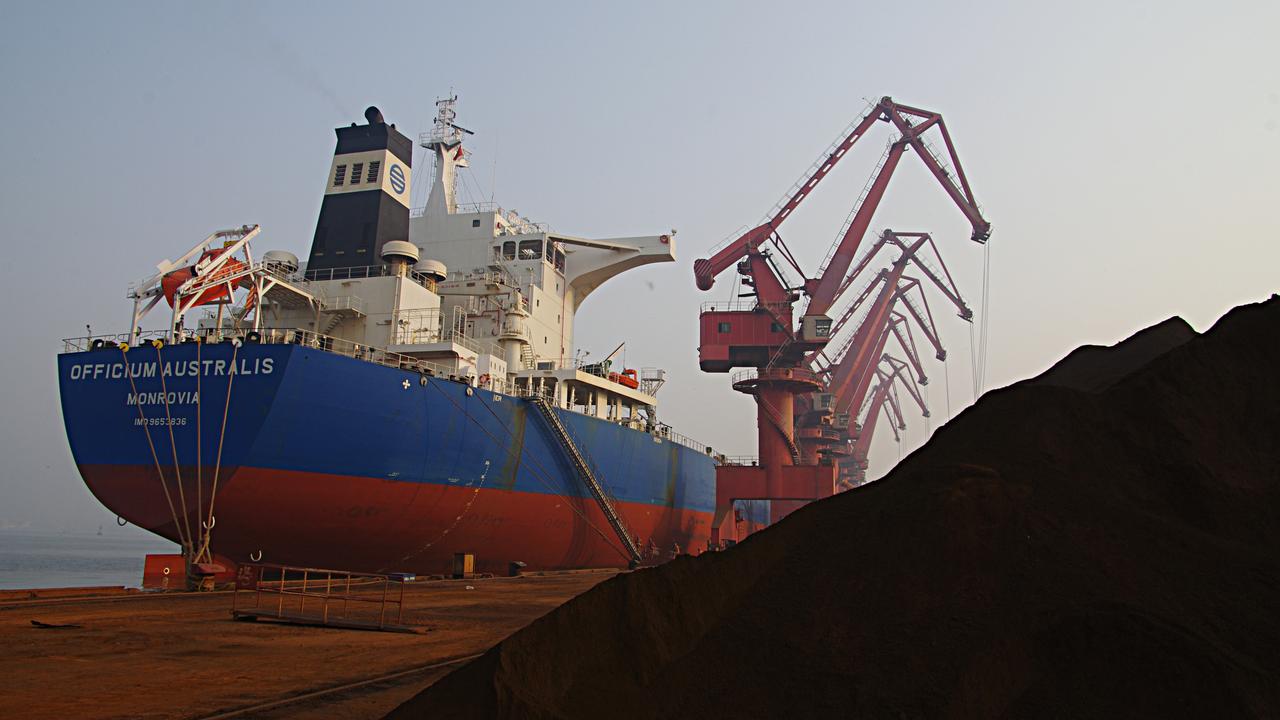
China has lifted bans on procurement of the key steelmaking ingredient from mining giant BHP Group, sources tell Reuters, ending a months-long dispute following a visit by the miner’s top executives to its largest customer.
On Tuesday, state iron ore buyer China Mineral Resources Group (CMRG) notified some domestic steel mills that after more than six months, they were free to buy BHP’s seaborne cargoes, said two sources with knowledge of the matter who sought anonymity because the topic is sensitive.
CMRG also told steelmakers they could take delivery from next week of BHP cargoes formerly subject to the bans, the sources said.
Ship-tracking data on Tuesday from Kpler showed two vessels carrying BHP’s Jimblebar fines are set to head to China.
China Baowu Steel Group’s chairman met chief executive Mike Henry and incoming CEO Brandon Craig last week in Shanghai to discuss industry challenges and strategic co-operation, the Chinese company said in a social media post on Friday.
They also met with Chinalco, according to a social media post by the firm.
Craig will take the helm of the world’s biggest listed miner on July 1.
CMRG did not immediately respond to a request for comment.
BHP declined to comment.
On LinkedIn, Craig said a “real highlight” of his China trip was his time with Baowu, pointing to its “remarkable” growth thanks partly due to BHP’s iron ore, and also citing their five year partnership to reduce emissions in steelmaking.
“Importantly, the relationship runs deeper than the materials we supply,” Craig said on Tuesday.
While the resolution to the stand-off might look like an early win for the incoming CEO, it’s too early to say whether it reflects any change in BHP strategy, analysts said.
BHP shares rallied as much as 3.8 per cent.
CMRG, set up in 2022 to centralise iron ore procurement and win better terms from miners, progressively tightened curbs on steel mills and traders buying BHP iron ore since last September while it negotiated with BHP on a supply contract for 2026.
Last September, CMRG banned purchases of BHP’s Jimblebar fines, followed by the miner’s Jinbao fines last November and Newman fines in March, Reuters has reported.
Chinese steelmakers were not allowed to take delivery of those products unloaded at ports during the period of the bans.
Those curbs had limited availability of iron ore in the spot market, pushing up prices for steelmakers even as China’s portside stocks piled up to a record high in March.
Iron ore seaborne prices have mostly held above a key psychological level of $US100 a tonne since last August, resisting earlier expectations of some analysts that a supply glut would take them below $US90.
RBA watches business price rises closely as hikes loom
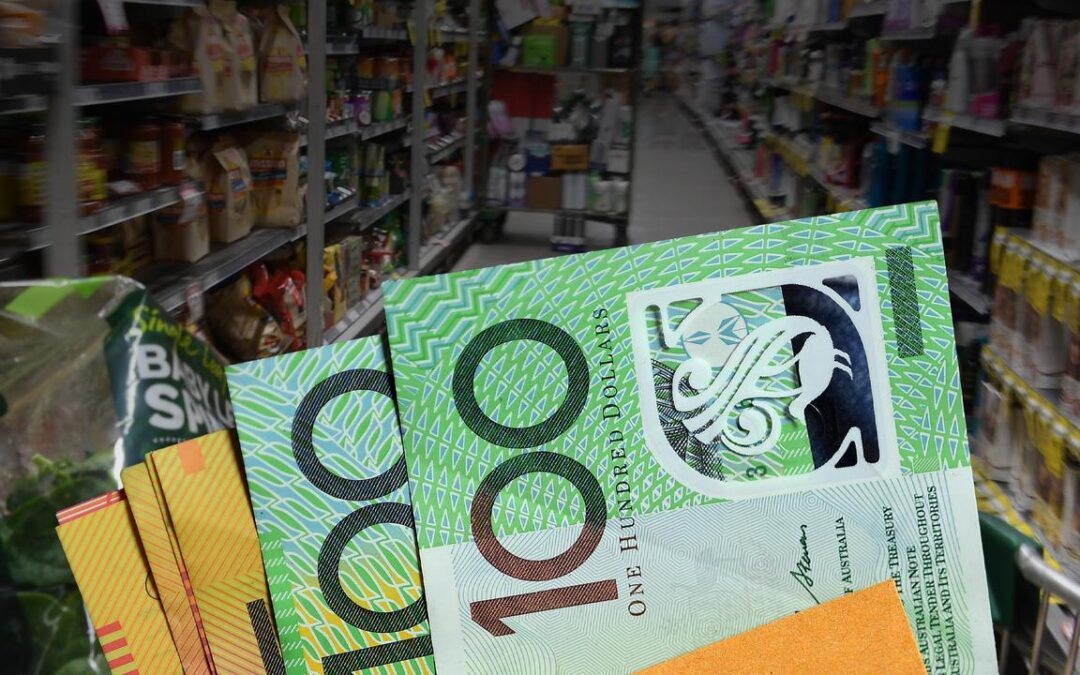
If companies are able to pass on costs from the Iran war more than previously thought, the Reserve Bank may have to hike rates even higher, a top official says.
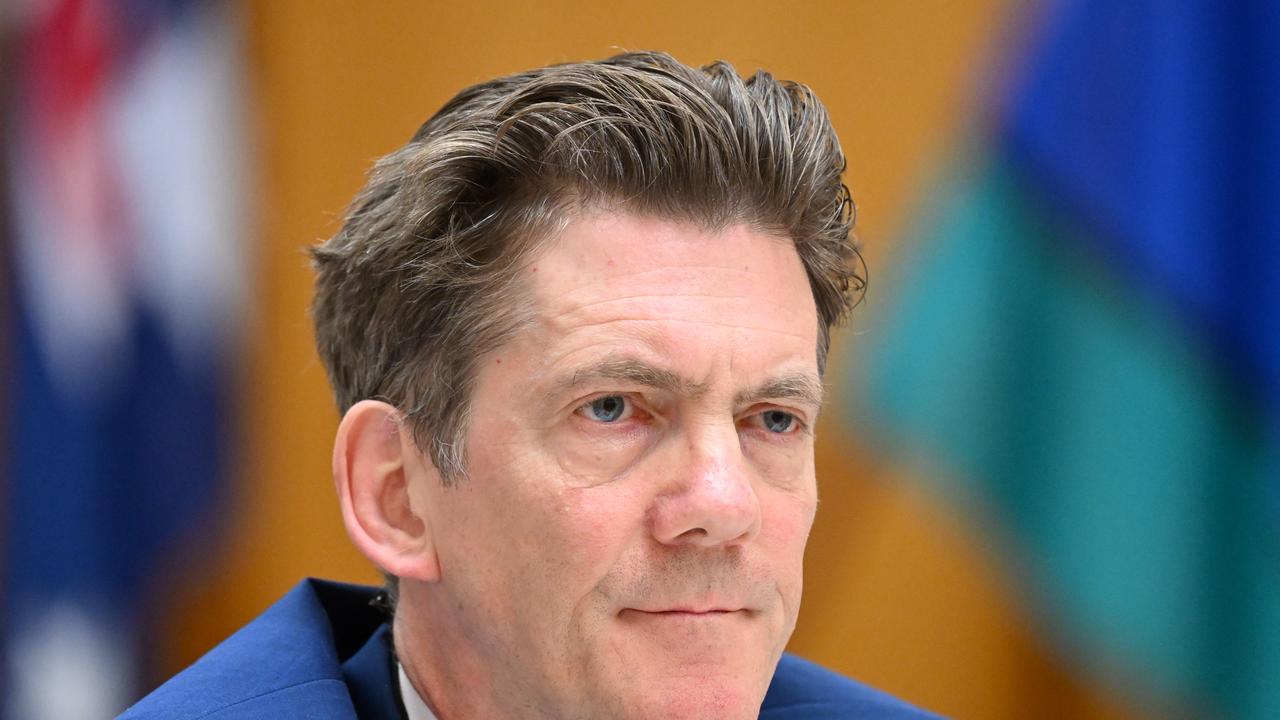
The central bank was still “feeling its way” through the energy shock and what it meant for inflation, deputy governor Andrew Hauser said in a fireside chat in New York City on Tuesday morning, AEST.
The RBA raised interest rates in back-to-back meetings in February and March, after already-too-high inflation was compounded by the US-Israeli attacks on Iran and subsequent closure of the Strait of Hormuz.
With higher fuel costs leading to price increases across the board, many economists – including those at Australia’s big four banks – predict a third consecutive cash rate rise to 4.35 per cent in May.
Mr Hauser said the RBA was unsure whether current rates were high enough to get inflation under control.
“Rates will have to go to a level that will bring inflation back to target, to be totally frank with you, and if that means them going higher, it means them going higher. If it means they’re high enough, it means they’re high enough,” he told a New York University financial event.
“I wouldn’t say we have high confidence that we’ve yet set interest rates at the right level, because you never do have high confidence. But we’re going to have to monitor this new shock pretty carefully.”
Mr Hauser said companies had told the central bank they were finding it incredibly difficult to pass on price rises.

Some models showed a visible shock like the Middle East crisis that impacted every company’s cost base gave firms an opportunity to pass through price rises they might otherwise had found difficult, Mr Hauser said.
“If that’s the case, well we’ll have to react to that, but I don’t know that we’ve seen enough yet to be sure.”
The two RBA rate hikes and the Iran war caused the biggest plunge in consumer confidence since the onset of the COVID-19 pandemic, according to the Westpac-Melbourne Institute consumer sentiment index.
“Australian consumers are being hit by another ‘cost of living’ shock,” Westpac’s head of Australian macro-forecasting Matthew Hassan said.
The index declined 12.5 per cent to 80.1 points in April, near historic lows but still above the beginning of the pandemic and during the 1980s and early 1990s recessions.
“A sharp deterioration in expectations suggests consumers are bracing for a return to the extended period of weakness seen during the 2022–24 inflation fight,” Mr Hassan said.
Meanwhile, business confidence notched the second-biggest fall on record in March, the National Australia Bank’s monthly business survey found.
The 29-point decline in the index took it deep into pessimistic territory. Falls of that magnitude had previously only been seen during the Global Financial Crisis and the onset of COVID, NAB economists Gareth Spence and Michael Hayes said.
But business conditions only fell by one percentage point, “reflecting the fact that while the global news backdrop has impacted sentiment, it is still early in terms of the flow through to activity”.
Forward-looking measures suggest the deterioration in conditions is on the way, though.
Forward orders fell six points, wiping away gains made since the start of 2026, while purchase cost growth rose three per cent in quarterly terms, double the rate recorded in February.
China’s March exports slow as Iran war wipes out gains
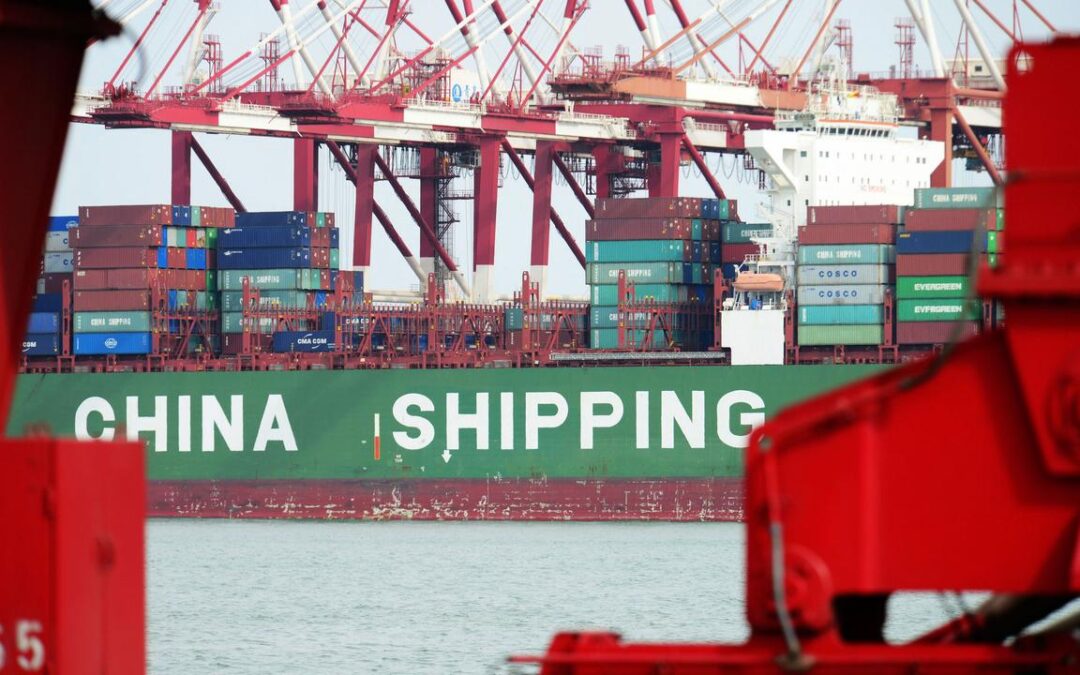
China’s export engine slowed in March as buyers chasing an AI-fuelled future ran into the hard reality of war in the Middle East, which has sparked an energy shock and complicated Beijing’s push to keep growth on track.
Outbound shipments from the world’s second-largest economy grew an annual 2.5 per cent, customs data showed on Tuesday, a five-month low, and slowing from a 21.8 per cent gain in the January-February period. They sharply undershot forecasts for 8.3 per cent growth in a Reuters poll.
Imports rose 27.8 per cent, the best performance since November 2021, compared with a 19.8 per cent increase over January and February and forecasts for 11.2 per cent growth.
March marks the first real test of whether enthusiasm for artificial intelligence – and the chips and servers it demands – could offset gloom unleashed by the global energy shock after Iran’s closure of the Strait of Hormuz, the strategic waterway for the world’s 20 per cent of oil and gas flows.
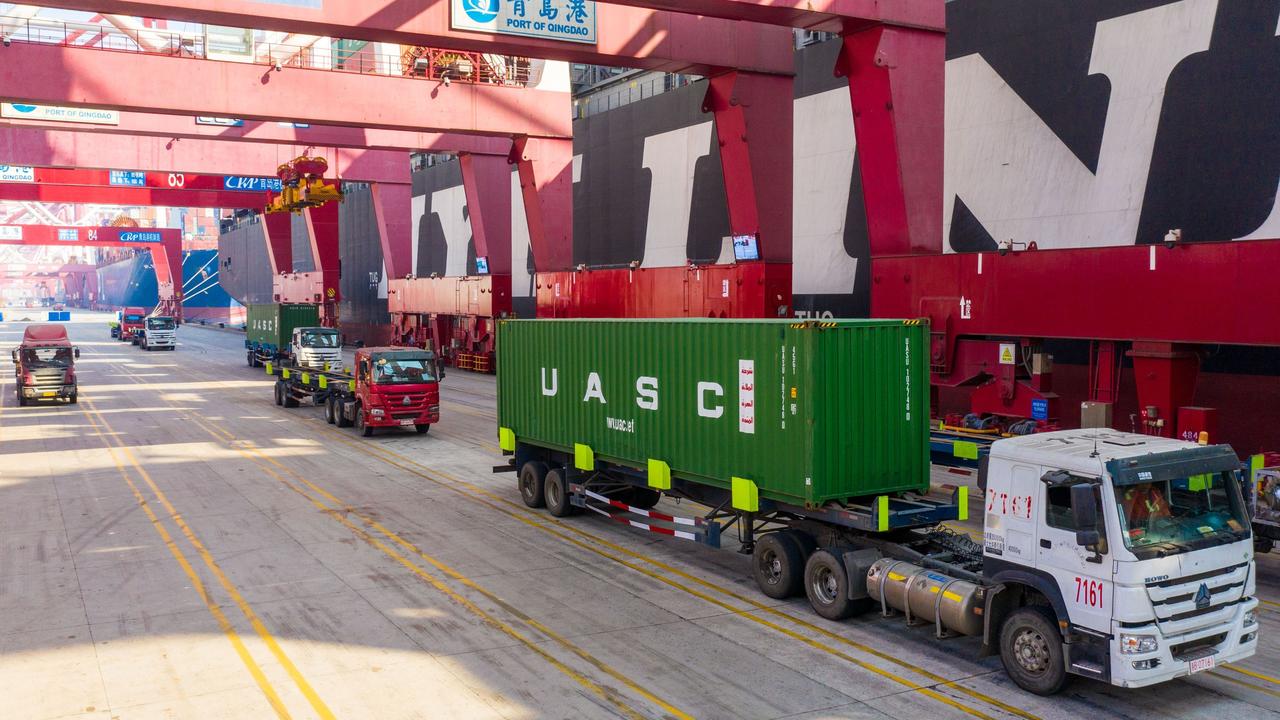
China roared into 2026 with outbound shipments far outstripping forecasts, powered by tech exports, raising the prospect it could smash last year’s record $A1.7 trillion trade surplus. The Iran war casts doubts about that trajectory.
Even China, long criticised by trading partners for subsidy-backed, cut-price manufacturing, is not insulated from the hit to buyers’ purchasing power as fuel and transport costs rise.
Still, Chinese producers may yet gain ground as buyers seek cheaper options, said Fred Neumann, HSBC’s chief Asia economist. Decades of commodity stockpiling have also helped blunt the impact of raw-material shocks on factory gate prices, he said.
Economists had been divided on how Chinese producers fared in the first full month under the shadow of war.
Mizuho Securities had the highest forecast, projecting a 24 per cent rise, ahead of Macquarie Group, which expected a 17 per cent increase. At the other end of the scale, Citigroup forecast growth of just three per cent.
A high base is also likely to be a drag, after Chinese factories rushed shipments a year earlier to beat US President Donald Trump’s April 2 “Liberation Day” tariff deadline.
March factory activity data out of China showed goods exports continued to support growth, but the war in Iran weighed on sentiment as commodity prices rose sharply, lifting input costs.
China’s trade surplus came in at $A72.02 billion in March from $A301 billion over January and February.
Trump is expected to visit China for a meeting with Chinese President Xi Jinping in May, where analysts see scope for deals on farm goods and aircraft parts but little chance of movement on flashpoints like Taiwan.