
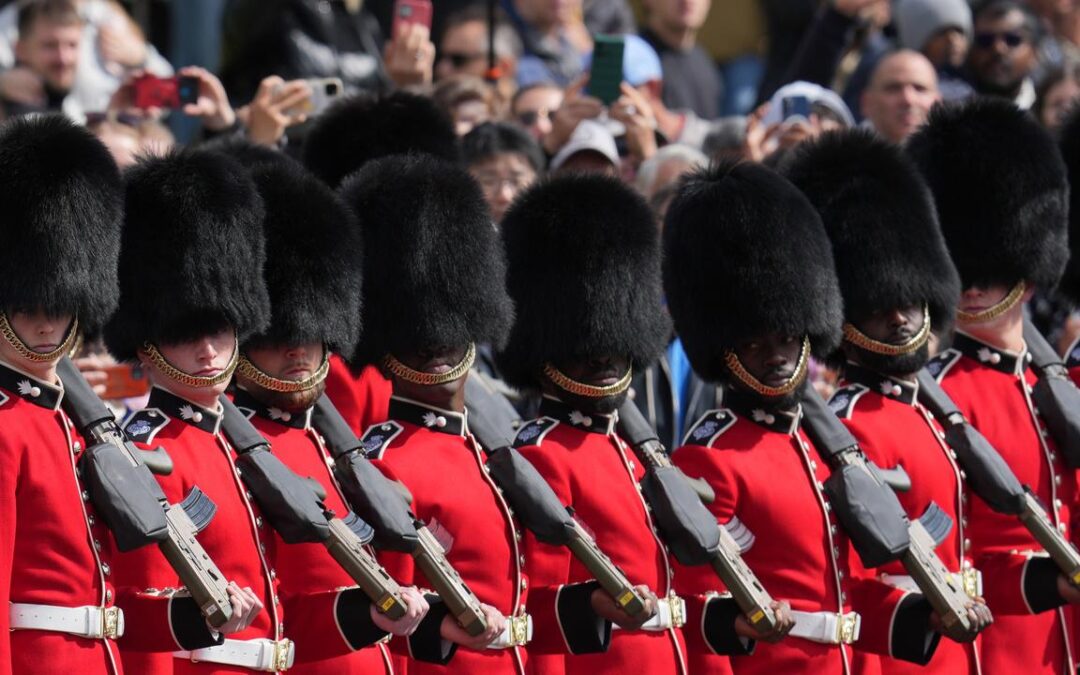
Royal guards’ bearskin cap orders rise ‘indefensible’
An animal rights group has criticised the British Government for an “indefensible” rise in bearskin cap orders for royal guards, despite a pledge to clamp down on fur imports.
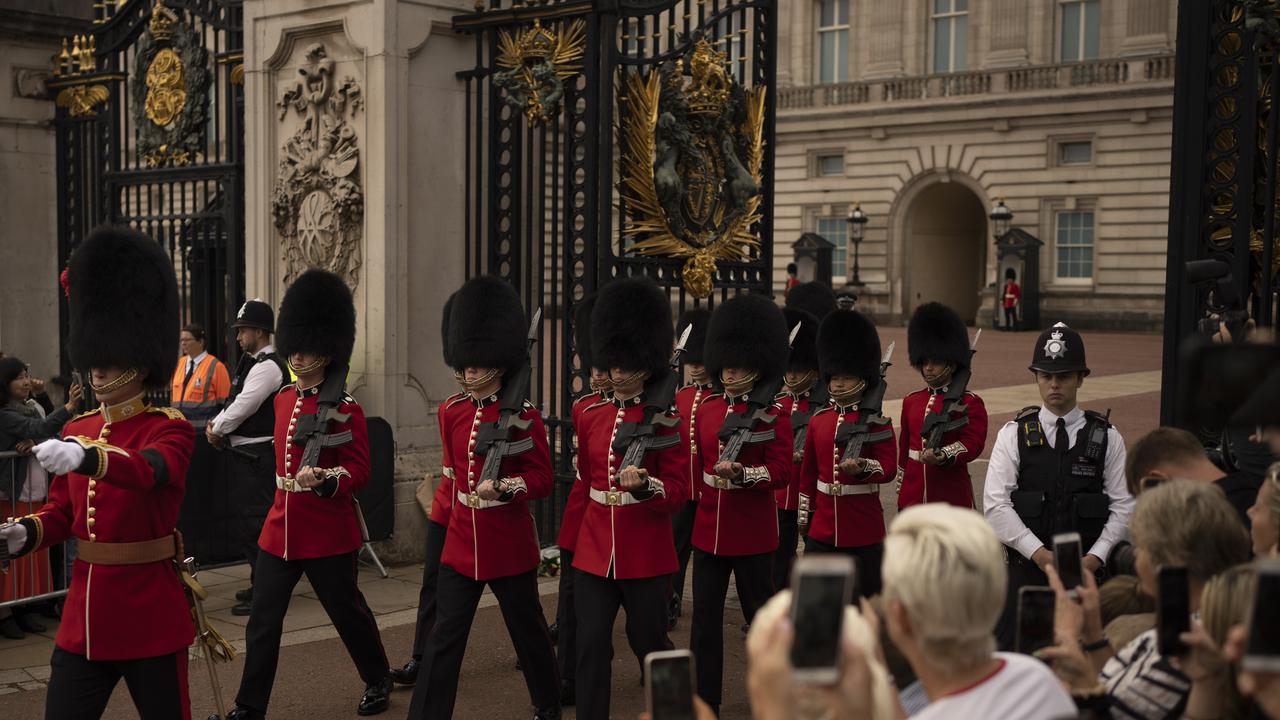
Orders for the tall fur caps worn by the King’s Guards outside Buckingham Palace and St James’s Palace have risen more than fourfold since the Labour Party took power, according to data obtained by People for the Ethical Treatment of Animals (Peta) under freedom of information laws, rising from 22 caps in 2024 to 96 in 2025.
The black caps, which were introduced following the Battle of Waterloo in 1815 to make soldiers appear tall and threatening, cost the Ministry of Defence (MoD) more than stg225,000 ($A420,332) in 2025, marking a nearly eight per cent increase in the price per cap from 2024.
The Labour Party previously committed to ban fur imports to the UK in 2018, while the government pledged to deliver “the most ambitious animal welfare program in a generation” in a policy paper published in 2025.
Peta has called on Defence Minister Luke Pollard to switch to faux fur caps.
“Each cap costs a bear their life – making it indefensible that a government claiming to be the ‘party of animal welfare’ continues to use taxpayer money on these purely ornamental caps,” Peta’s Kate Werner said.
“With modern, high-quality faux fur readily available, there is no excuse to continue using bear fur,” she said.
The black caps are worn by foot soldiers in the Grenadier Guards, the Coldstream Guards, the Scots Guards, the Irish Guards and the Welsh Guards.
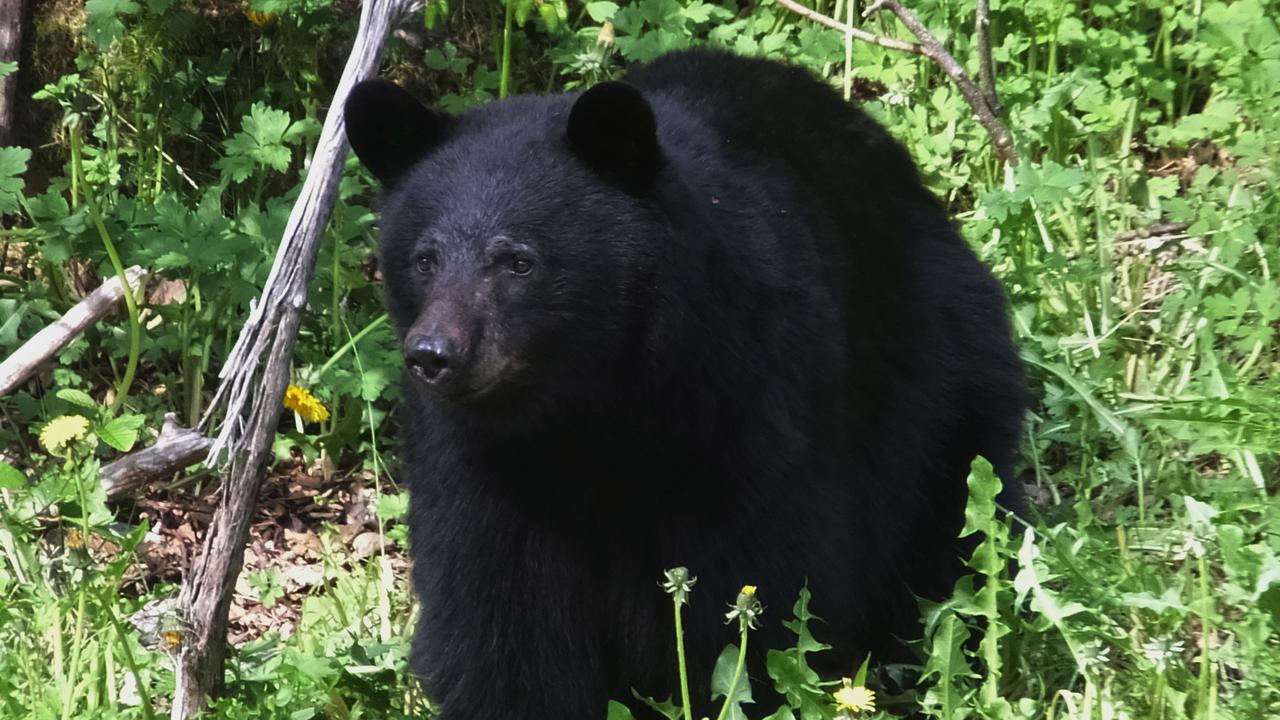
They are made of bearskin sourced from Canada, where hunters shoot bears with high-powered crossbows, which is an illegal form of hunting in the UK.
“Many bears are shot several times, and some escape only to die slowly from blood loss, gangrene, starvation, or dehydration,” Peta said.
“The continued use of bear fur for the caps creates a market for the pelts and incentivises hunters to kill the bears.”
A MoD spokesperson said the department bought “the minimum number of bearskin caps to replace those which have seen extensive use over extended years”.

Aussie shares waver as US-Iran peace deal stalls
Australia’s share market has started the week on the back foot, as investors look for signs of progress in US-Iran negotiations after hopes of a breakthrough amounted to little over the weekend.
The S&P/ASX200 edged 14.6 points lower by midday, down 0.16 per cent, to 8,717.4, as the broader All Ordinaries lost 6.5 points, or 0.07 per cent, to 8,958.5.
“Negotiations between the US and Iran remain an outstanding concern and a source of potential volatility going forward,” Capital.com senior market analyst Kyle Rodda said.
“Price action points to a market placing its proverbial bets that a deal will get done, despite the apparent differences between both parties regarding Iran’s uranium enrichment, nuclear program and control of the Strait of Hormuz.”
Only IT and basic materials stocks were trading clearly higher by lunchtime, with local tech up more than five per cent after Wall Street’s tech-heavy Nasdaq hit fresh highs on Friday.
Mega miners BHP and Rio Tinto each climbed more than 0.7 per cent as copper prices advanced but iron ore futures hovered near $US105 a tonne.
Gold stocks were broadly higher as the precious metal crept up to $US4,530 ($A6,305) an ounce.
Lithium producers PLS and Liontown each charged more than 2.7 per cent into the green, while rare earths producers Lynas and Iluka lost ground.
The heavyweight financials sector was sluggish, easing 0.4 per cent as CommBank led three of its big four competitors lower, while NAB eked out a 0.2 per cent improvement to $37.39.
Real estate stocks were also heavy, slipping one per cent as Lendlease fell to a multi-year low after announcing the sales of its Santa Giulia mixed use project in Milan for roughly $250 million.
Health care stocks plunged 1.5 per cent lower in a broad-based sell-off.
Pro Medicus was a notable exception, its shares soared more than nine per cent higher to $144.79 after it signed $46 million in new and renewed contracts with health providers Allegheny and TidalHealth.
Consumer-facings stocks were under pressure, with staples tumbling 1.4 per cent and cyclicals slipping 0.5 per cent.
In company news, TPG Telecom has appointed former Telstra executive Nerida Caesar to its board as an independent non-executive director.
Shares in fashion retailer Cettire rocketed higher by more than a fifth after it inked a partnership with TMall Global, Alibaba Group’s cross-border e-commerce platform.
Looking ahead, the Australian Bureau of Statistics will release April GDP figures on Wednesday, and Reserve Bank governor Michele Bullock will discuss the federal budget before the Senate Economics Legislation Committee on Thursday.
The Australian dollar is buying 71.86 US cents, up from 71.61 US cents on Friday at 5pm.

Accused ‘ISIS bride’ renounces terrorists, lawyer says
A woman accused of travelling to Syria, joining the Islamic State and marrying a number of its members has renounced the terror group and violent jihad, her lawyer says.
Rayann El Houli, 34, was due to apply for bail in Melbourne Magistrates Court on Monday morning but her barrister Peter Morrissey SC sought an adjournment.
He told the court the prosecution had raised concerns about El Houli’s risk of endangering the community, claiming there was a lack of evidence she had renounced IS.
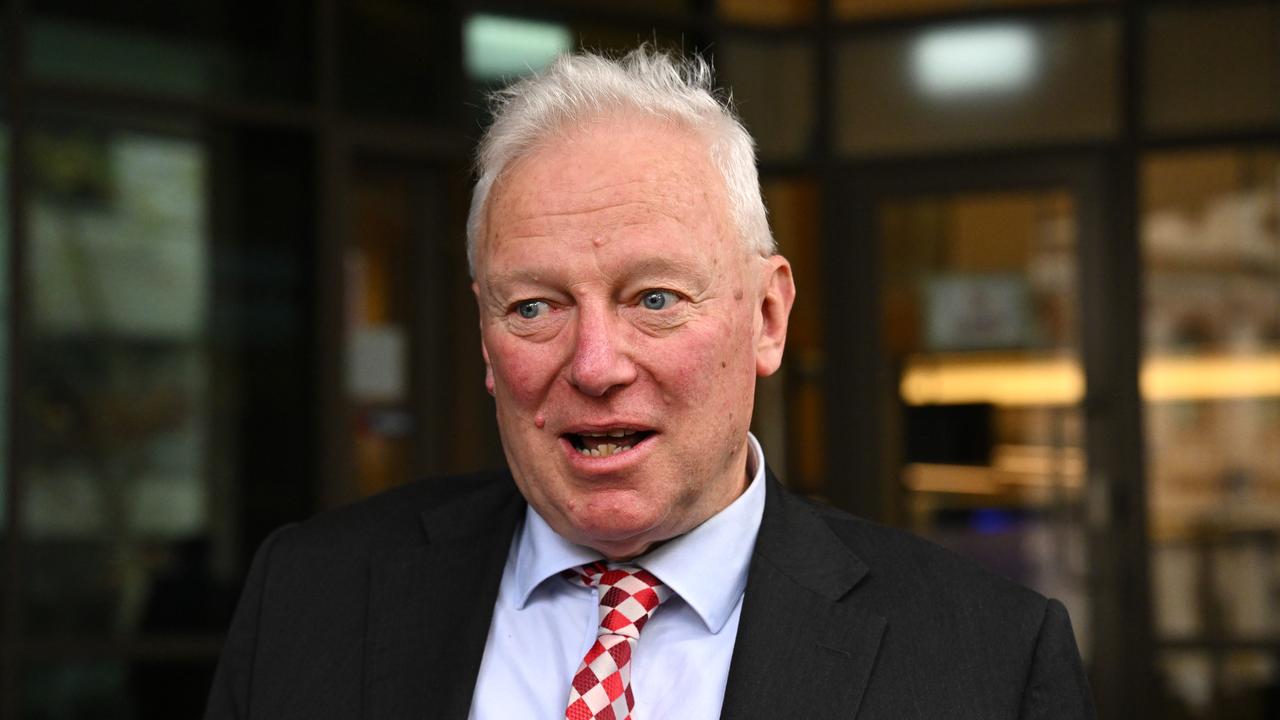
Mr Morrissey said he needed more time to obtain the relevant material but he was instructed to make a statement on behalf of his client.
“She renounces ISIS and violent jihad,” he told the court.
“She wants nothing to do with it – not now, not in the future, not directly and not indirectly, not for herself and not for the people she loves, and especially not for her children.”
El Houli was on Thursday charged by Australian Federal Police with travelling to a declared conflict zone and joining the terrorist organisation Islamic State.
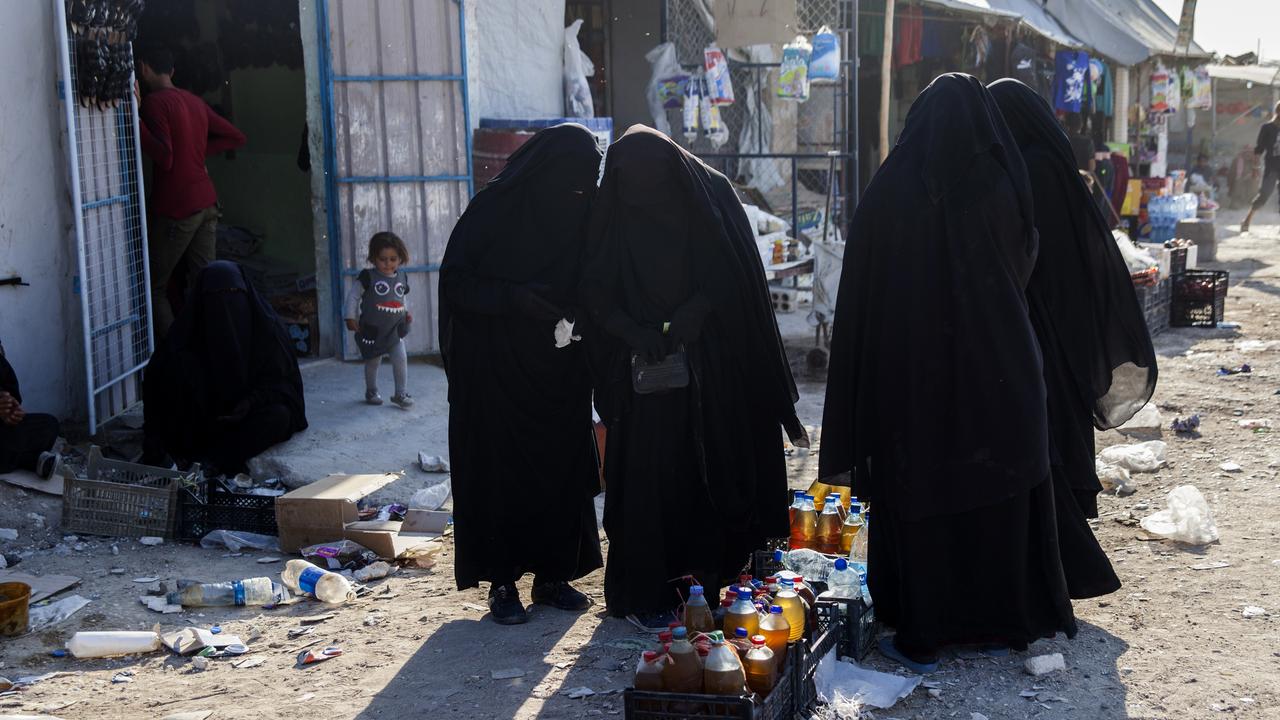
Police allege she travelled to Syria between 2013 and 2014 before being detained by Kurdish forces in 2019 and held with her family at the al-Hawl detention camp in northeast Syria.
The 34-year-old travelled through Lebanon with her children and another woman and returned to Australia in September.
Chief Magistrate Lisa Hannan on Monday outlined some of the allegations against El Houli, including that she intentionally travelled to Syria for the purpose of joining IS.
It’s also alleged she married a number of the group’s members and expressed radicalised views while in Syria, including supporting acts of martyrdom and the killing of non-believers.
Police also claim El Houli only left Syria when IS was defeated and not as a result of a change in views.
Mr Morrissey told the court his client had renounced the terror group, which was evidenced by his statement to the court and her decision to return to Australia.
El Houli also showed her face on Monday as a “matter of good faith” to the court after first appearing in a burqa on Thursday, Mr Morrissey said.
“It’s quite a big deal,” he said.
Mr Morrissey accepted his client had not yet engaged in anti-terrorism programs but said she would be willing to undertake any courses suggested by the prosecution.
The defence were also looking to engage a risk assessment expert to assess El Houli before the bail application proceeds, Mr Morrissey said.
Judge Hannan supported that course, saying the views El Houli was accused of expressing were “extremely concerning”.
“These are very serious charges and the risk is serious indeed,” she told the court.
The bail application was adjourned to a date to be fixed, with El Houli remanded behind bars.

US to halt Nvidia AI chip sales to Chinese firms
The US Department of Commerce has moved to close a potential loophole that may have led companies to export the world’s most advanced chips – like Nvidia’s most sophisticated Blackwell processors – to subsidiaries of Chinese companies located outside China.
The unexpected guidance suggests that the United States’ best AI chips may have been making their way to the subsidiaries of Chinese AI firms based in places such as Malaysia despite broader US efforts to starve Chinese firms of semiconductors needed to develop critical AI capabilities.
The new guidance was posted on the Commerce Department’s website on Sunday after a paper about the loophole circulated in Washington, according to people familiar with the matter.

The paper, a copy of which was seen by Reuters, says “the floodgates have quietly opened”, dated Friday, the paper does not list any author.
It is unclear how many of the chips have been exported in the year that the Trump administration left the door open. One chip industry source with deep supply-chain knowledge estimated it was in the hundreds of thousands.
In the unusual weekend guidance, the department’s Bureau of Industry and Security (BIS) said it would enforce licence requirements for advanced chips to entities headquartered in China when the entities were located outside China.
“BIS issued guidance clarifying export licence requirements that have been in place since 2023,” a bureau spokesperson said.
“BIS will continue to enforce export controls rigorously to safeguard critical American technology.”
The new guidance does not change anything for Nvidia, a company official said, adding that it could not ship the chips because the Commerce Department had clearly imposed a licence requirement on Nvidia in a letter.
AMD, another big producer of sought-after AI chips, did not immediately respond to a request for comment.
The Commerce Department created the opening when it announced in May 2025 that it would not be enforcing the AI Diffusion rule issued in the last days of the Biden administration. The rule had licensing requirements governing global access to AI chips.
Former State Department official Chris McGuire, an expert on technology and national security, said in a social media post on Sunday that the loophole allowed the overseas subsidiaries of Chinese companies to buy Nvidia Blackwell chips without a licence.
“This is a HUGE problem,” he said.
“Chinese companies have been buying these chips, very likely at scale,” McGuire said.
The guidance closes the loophole, but leaves another open, McGuire said.
That loophole drops the requirement that Taiwan-based TSMC and other foundries do extra due diligence to ensure the high-end AI chips they are making are not for Chinese front companies.
He said that issue was not fixed by the guidance.
A spokesman for TSMC declined comment.
In addition, the new guidance does not require data centres to stop using the chips or cut off servicing of the advanced computing items such as servers.
Just half of Australians feel prepared for retirement
Despite some progress and a world-class superannuation system, retirement remains a source of financial anxiety for many Australians, according to a new report highlighting the value of financial advice.
Just 51 per cent of Australians feel prepared for retirement, according to the third annual Rethinking Retirement report by super provider Colonial First State (CFS).
“When we first started surveying Australians a couple of years ago, the figure was only at about one-third, so it’s good to see that that’s improved,” CFS executive director of growth and retirement Marissa Powe said.
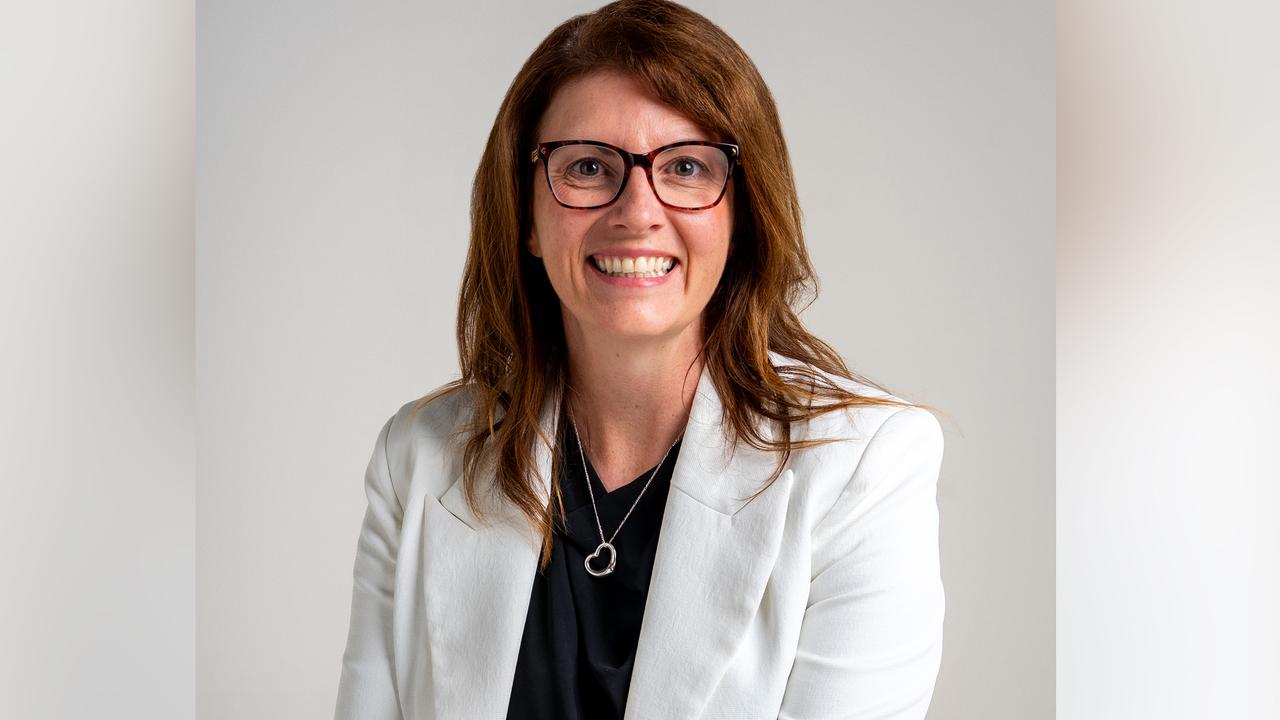
The 2026 report, based on a survey of 1993 Australians, found women felt less confident about retirement than men, with 62 per cent of women worried they would not have enough money to live comfortably, compared to just 48 per cent of men.
“We know that that is a result of some of the contextual factors around lower lifetime earnings, and women are statistically more likely to have broken work patterns, so it does make sense to see that reflected in the data,” Ms Powe told AAP.
The survey respondents said they would need an average of more than $1 million to retire comfortably, an increase of $183,000 from the previous survey, which Ms Powe said likely reflected the cost-of-living crunch.
The report showed the value of financial advice, with 77 per cent of those who had received it saying they felt prepared for retirement, compared to 45 per cent of those who had no advice.

“Those who have had advice that’s tailored to them and their individual circumstances, really gives them more confidence that they have a plan in place,” Ms Powe said.
Shaun Au, a senior financial advisor with Viridian Advisory in Perth, said people thinking about retirement often ask whether 67 is “retirement age”.
“It’s quite interesting how many people have that misconception,” he said.
“That’s obviously tied to Centrelink and social security.”
But while the age pension has a qualifying age of 67, Australia has no official “retirement age” – it was a matter of individual preference and what people could afford, Mr Au said.
There was so much information available on the internet about retirement that it could lead to “analysis paralysis” and inaction, he said.

“If I put more into super, is that the right thing to do? Will my money get stuck? I’ve still got this mortgage, when should I sell this property?”
Ms Powe said most superannuation fund providers supplied simple, free advice on whether their investments were on track and best set for a customer’s life cycle.
For those who wanted more tailored advice, she said most super providers could help members connect with a financial advisor in their area.
“So I really think getting in contact with your super fund is a great first step,” she said.
Home prices flatline, but no such joy for renters
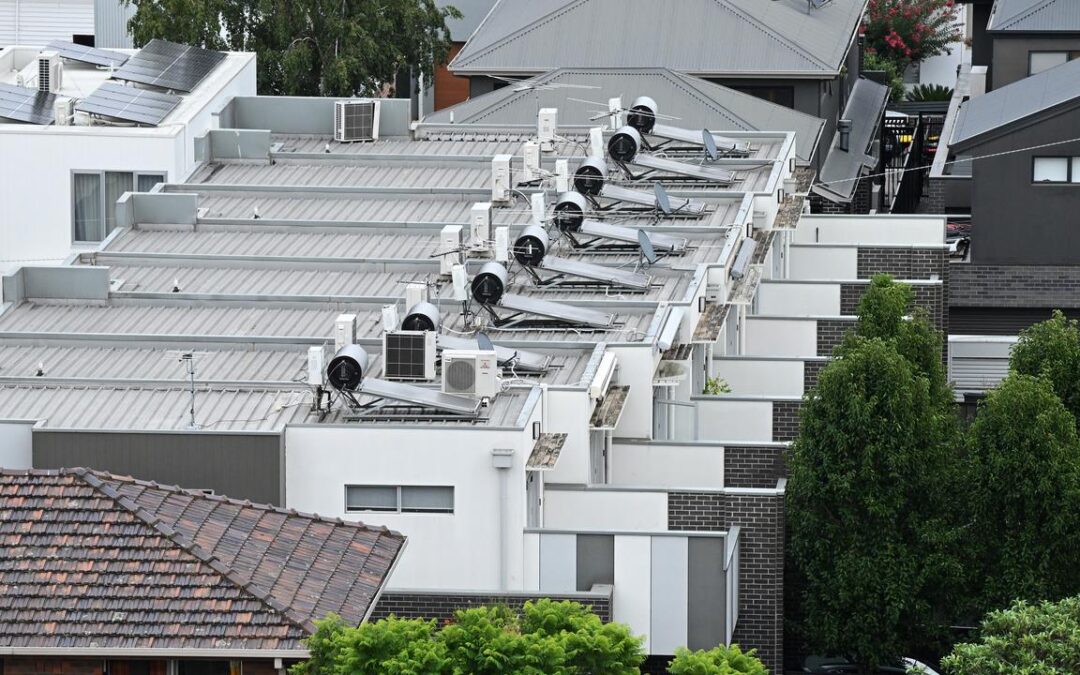
Home prices are falling in Australia’s two largest cities as high interest rates and investor tax changes put pressure on an already soft market.
Dwelling values fell 0.9 per cent in Sydney, 0.8 per cent in Melbourne and 0.2 per cent in the ACT during May, according to data released by research agency Cotality on Monday.
While prices rose in other state and territory capitals, the growth was weaker than previously seen.
Cotality research director Tim Lawless said some of the weakness was part of the regular housing price cycle, but other factors were also playing a role.
“Late last year it was more about affordability and serviceability challenges as housing prices were outpacing incomes,” he told AAP.
“Then towards the end of last year we started to see inflation accelerating, the RBA taking a more hawkish stance – that was a blow to confidence – and from there we saw interest rates starting to rise, global oil shock and now a budget has been handed down.”
Perth and Darwin posted the strongest monthly price increases at 1.5 per cent, followed by Brisbane and Hobart at 0.9 per cent and Adelaide at 0.5 per cent.
Sydney’s median dwelling price stands at $1,282,020, while the figure in Melbourne is $812,621.
Price growth was stronger outside the capital cities, with regional Western Australia leading the way at 1.9 per cent in May and 22.7 per cent annually.
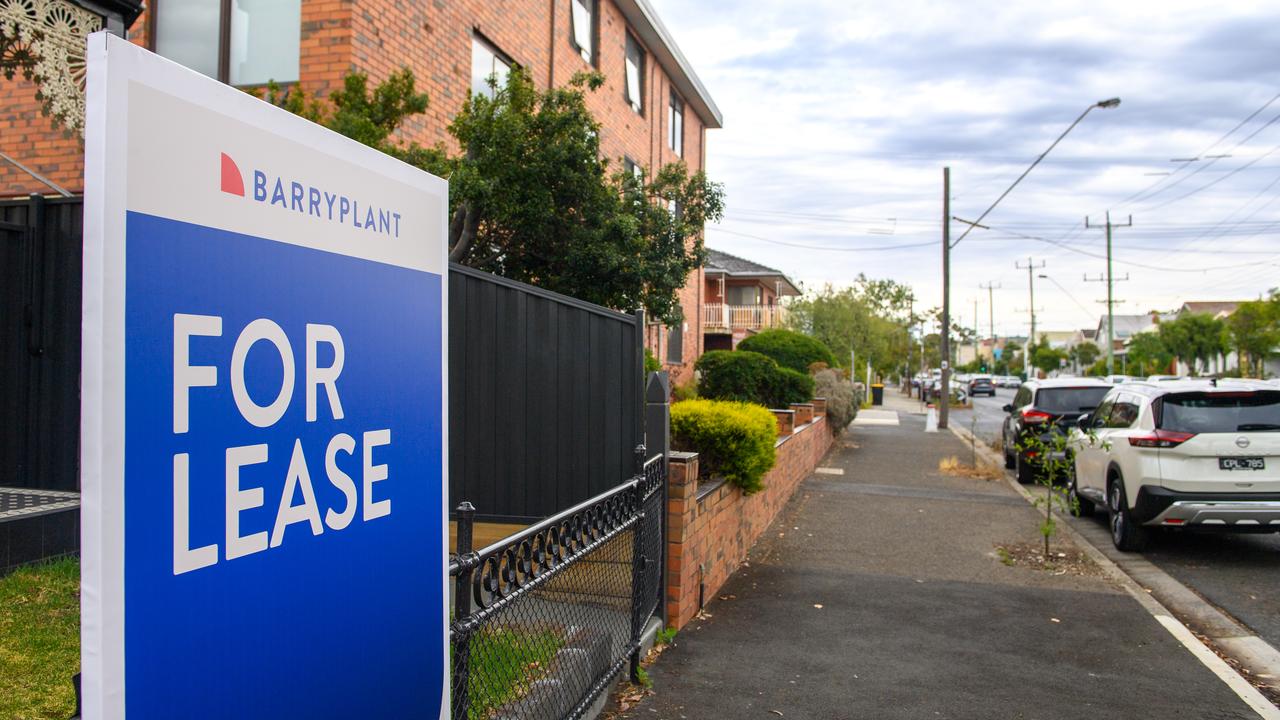
Around the country, rents rose 0.6 per cent in May, which was the same as their April reading but slightly less than the first three months of 2026.
A very low national vacancy rate of 1.5 per cent – meaning demand for rental properties is high – was likely to keep pushing up rents over the coming months, the Cotality report warned.
Mr Lawless said the government’s decision to restrict key investor incentives to new homes would likely slow their spending, but it was too early to see any significant impacts in the national data.
“Looking forward, absolutely we expect there to be less investment in the housing market and we’ll see a pullback in overall transactional activity,” he said.
Auction clearance rates – considered a useful leading indicator for future property price rises – have reached a “new cyclical low” following the announcement of the tax changes, according to separate Cotality data.
Labor launches costings broadside from budget back foot
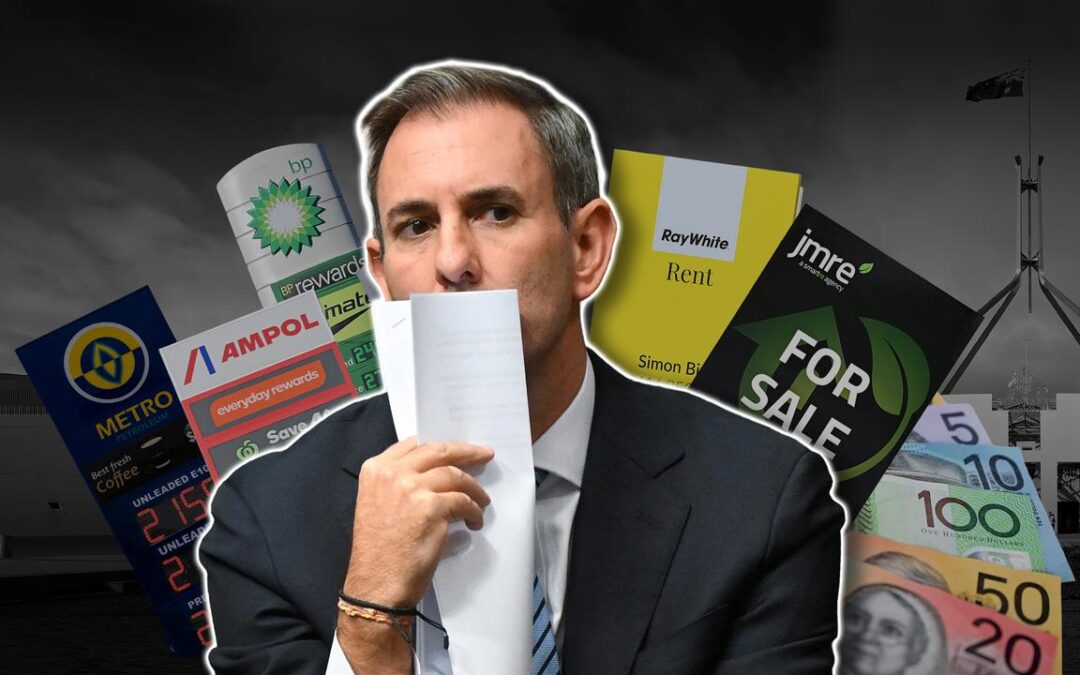
Treasurer Jim Chalmers has launched a political broadside against the coalition, accusing it of planning a half-trillion-dollar hit to the budget bottom line.
Labor has found itself under increasing pressure in recent weeks over its decision to wind back tax concessions for investments in property, shares and trusts.
But costings released by Dr Chalmers show repealing the changes – as the coalition has promised – would cost the federal budget tens of billions of dollars in lost revenue.
The opposition’s policies would cost a total of $544.4 billion over the next nine years, according to the analysis.
That includes $212 billion in lost revenue from indexing income taxes, $43.1 billion from repealing the CGT and negative gearing reforms, $44.2 billion from scrapping the new tax on trusts, $93.5 billion on increased defence spending and $50 billion from slashing Australia’s migrant intake.
While the coalition would make some savings from scrapping various measures, including a tax discount on electric vehicles and a key housing fund, the government’s figures suggest it would not come close to offsetting the extra spending.
“This is a multibillion-dollar debt bomb that the coalition would drop on future generations of Australians,” Dr Chalmers said in a statement.
“Their uncosted policies would deliver much bigger deficits, higher debt and higher inflation.”
Some of the figures Labor has relied on for its costings date back to commitments made in 2022. The government says this makes its estimates somewhat conservative.
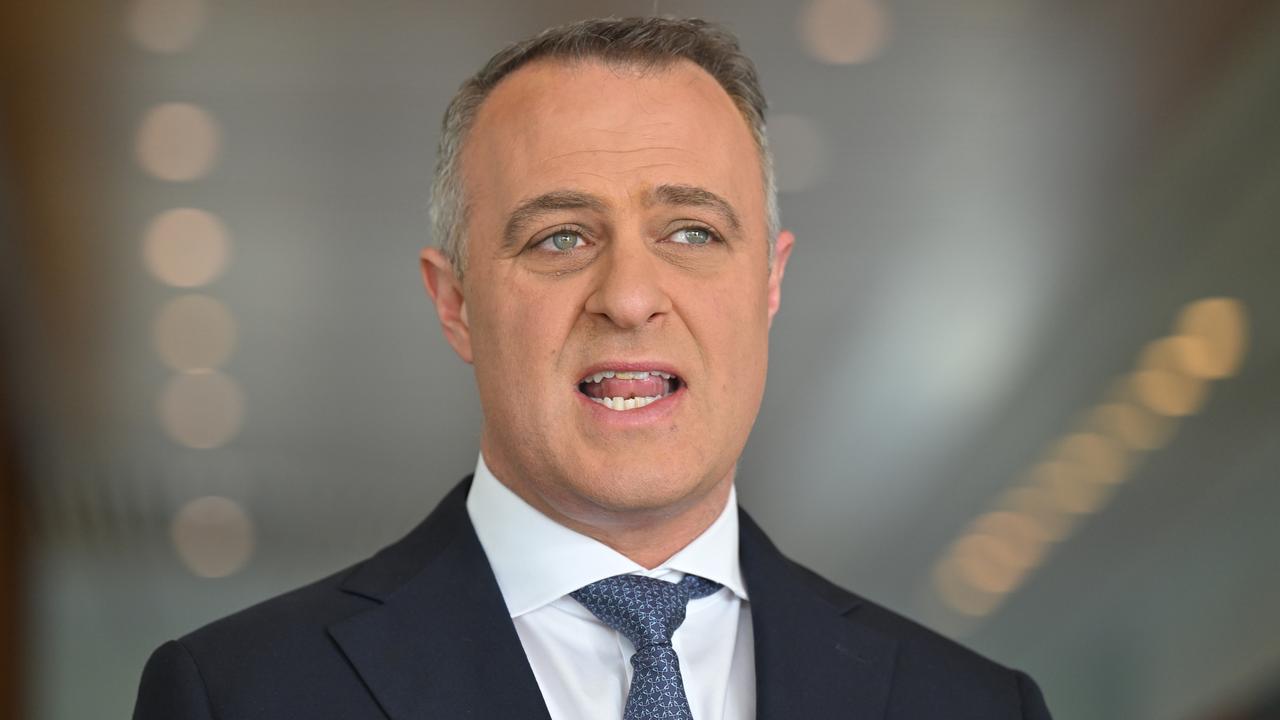
Shadow treasurer Tim Wilson rejected the government’s claims, accusing it of planning to slug Australians with billions of dollars in higher taxes.
“Jim Chalmers and Anthony Albanese have admitted they’re hitting us with $273 billion in taxes Australians didn’t vote for,” he said.
Mr Wilson’s figure is based on Labor refusing to back the coalition’s plan to index income tax brackets in line with inflation, as well as the government’s planned changes to negative gearing and the capital gains tax.
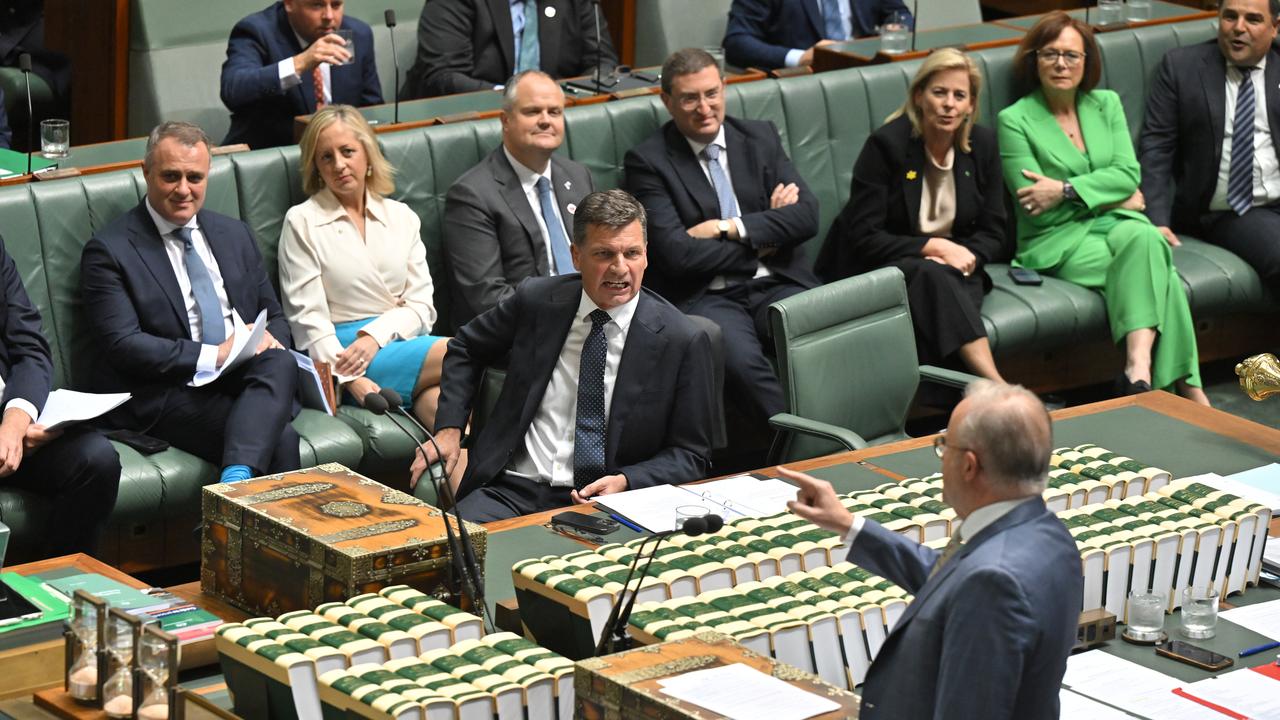
Parliament resumes on Tuesday for three sitting days, with debate over the tax reforms likely to take centre stage as the government seeks to have the legislation passed before the lengthy winter break.
The coalition is threatening to withhold support for separate legislation tightening eligibility for the National Disability Insurance Scheme if Labor tries to pass its tax changes with the support of the Greens, paving the way for messy negotiations in the coming days.
Poll puts One Nation ahead of Labor
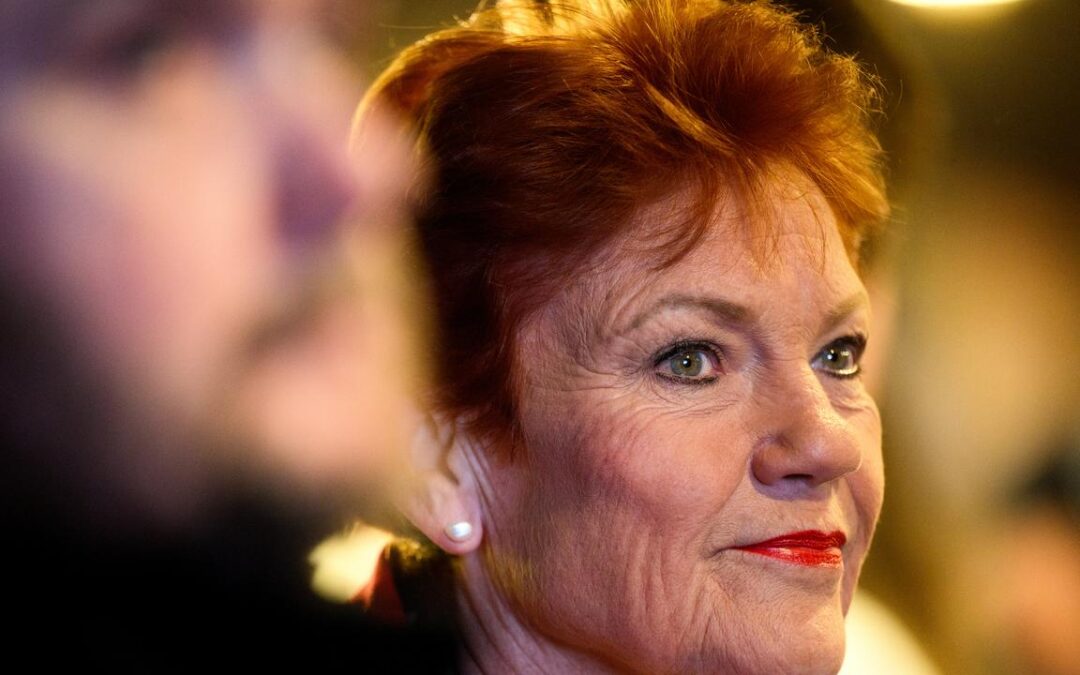
Pauline Hanson’s One Nation is the most popular political party in the country, a survey suggests.
A Redbridge Group/Accent Research poll, published on Monday by The Australian Financial Review, shows support for One Nation has risen four points to 31 per cent.
Labor’s primary vote is at 28 per cent, down three points since the poll firm’s last survey a month ago and the government’s budget that was announced on May 12, and the coalition dropped two points to 20 per cent.
Support for the Greens dipped one point to 12 per cent and backing for the “other” category of parties rose two points to nine per cent.
Labor leads One Nation 51 per cent to 49 per cent on the Redbridge poll’s two-party-preferred basis, calculated by asking respondents how they would direct their preferences.
The poll of 1005 voters was conducted between Monday and Thursday.
The poll shows Senator Hanson’s net favourability – her approval rating minus her disapproval rating – at zero.
No Australian politician in the poll has a positive net favourability rating: Prime Minister Anthony Albanese is on minus 19 while both Liberal leader Angus Taylor and Nationals leader Matt Canavan are on minus four.
Mr Albanese remains the preferred prime minister in the poll, with 31 per cent favouring the Labor leader while Senator Hanson is on 25 per cent and Mr Taylor is on 14 per cent.
Mr Albanese’s lead on the measure dropped two points and Senator Hanson’s rose by two points while Mr Taylor’s remained unchanged.
Before the poll results were released, Senator Hanson told Sky News on Sunday she had confidence One Nation MPs would be able to form a competent cabinet if her party won government.
“I’m getting a great team around me, and even those members of parliament that I have now, they’re great, down-to-earth – the experience and knowledge they have behind them, it’s marvellous,” Senator Hanson said.
Senator Hanson again said she was considering moving to the lower house at the next election but she did not say which seat she wanted to contest.
“I’m not making a decision now and I’m not going to tell anyone what I’m doing at this moment because I haven’t clearly made up my mind,” she said.
By convention, Australia’s prime minister serves in the lower house rather than the Senate.
The poll said 63 per cent of respondents believed Australia was heading in the wrong direction, a result Redbridge director Tony Barry said helped explain One Nation’s surge.
“That pervasive negative mood sentiment is fuelling more anti-establishment support and a view among a growing cohort of voters that the answer lies outside established norms and major parties,” Mr Barry said.

Rescue package to shield workers from AI-driven cuts
Workers facing the threat of artificial intelligence-driven job losses are set to be protected under a multimillion-dollar state government rescue package.
The Victorian government on Sunday unveiled the $14 million plan which includes $8.2 million for a career rescue scheme designed to support workers in at-risk industries.
While AI adoption is expected to boost productivity, there are widespread concerns the technology could also be used to eliminate many jobs.
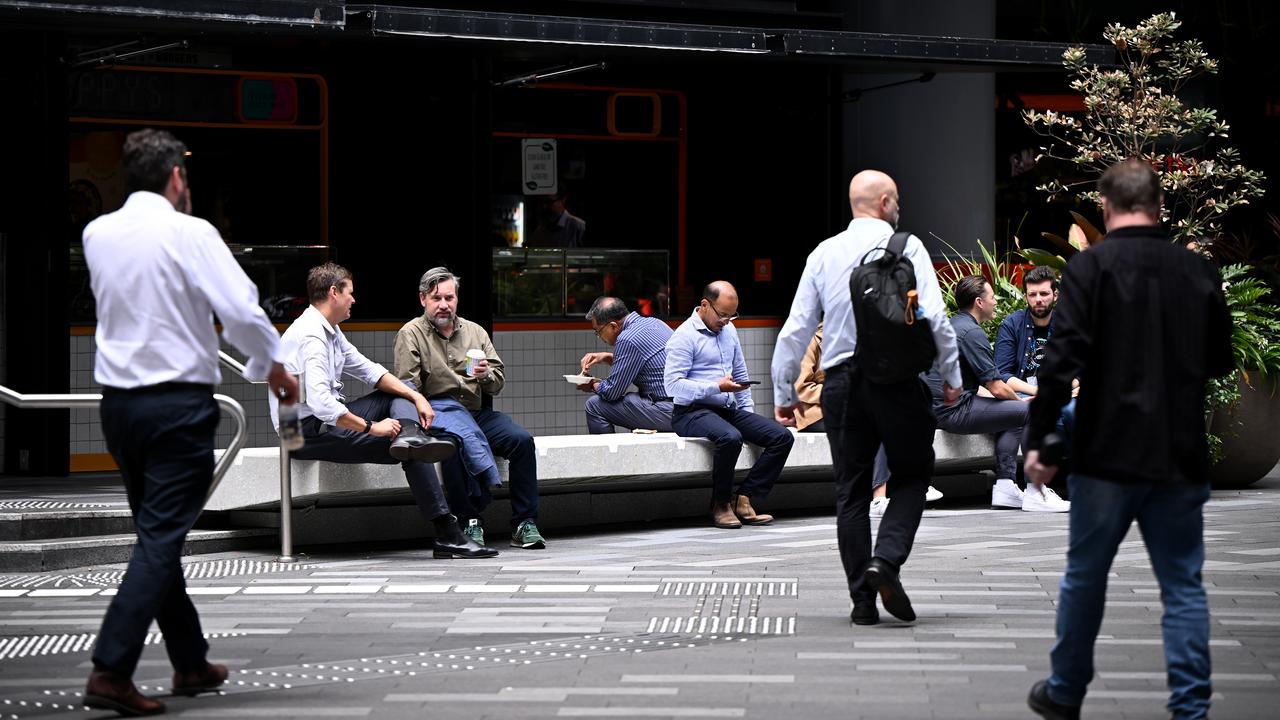
“It’s always the Labor way to make sure that workers are supported during times of transition (and) times when workers are seeing what they knew was their work being disrupted by outside forces,” Premier Jacinta Allan said on Sunday.
“That is why we are focused on providing support both for workers who are being impacted but also looking at how we can provide training so workers of the future can be ready to work in an AI workforce.”
The package seeks to fast-track at-risk employees to work in specialist AI and other technology roles before similar technology makes them redundant.
The head of Anthropic, the world’s most valuable AI-focused startup, has said the technology could cause unemployment to spike by up to 20 per cent.
An ANU poll released in April found almost a third of Australians were concerned machines would replace them.
The survey was taken after local tech darling Atlassian axed 1600 jobs, including 500 in Australia, citing AI-caused changes in workforce needs.
The state government’s move is expected to support more than 6200 Victorians to upskill.
State budget to help unlock doors for first home buyers
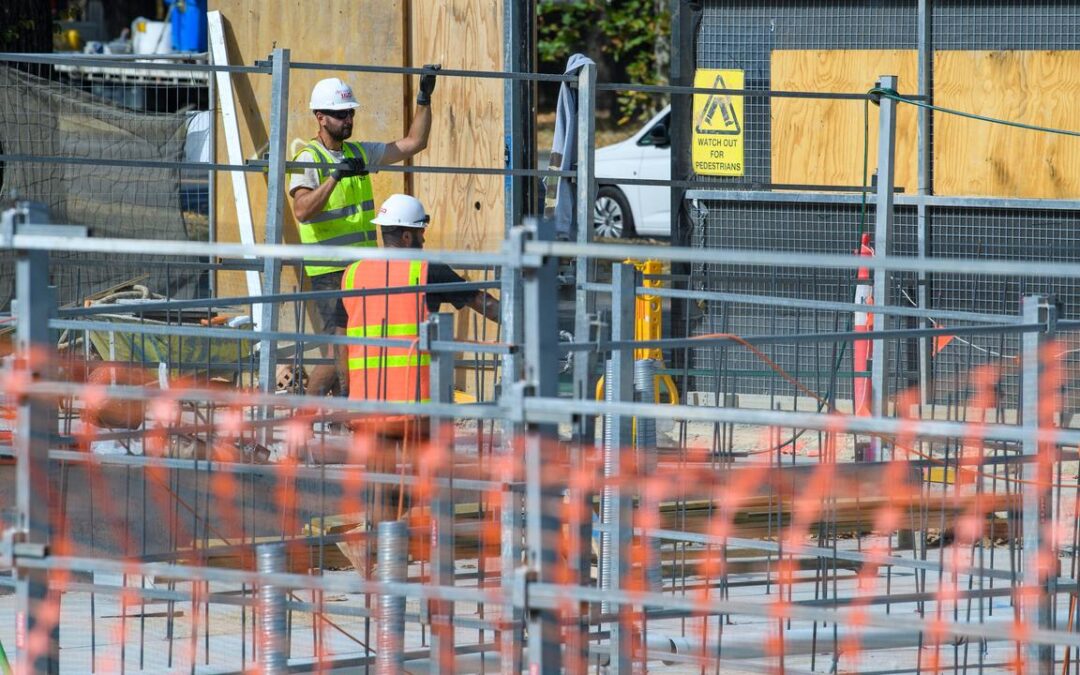
The first bricks are set to be laid in a neighbourhood built entirely for first home buyers.
The Australia-first initiative will see 400 new homes allocated to a pocket in Adelaide’s north specifically for those buying their first home.
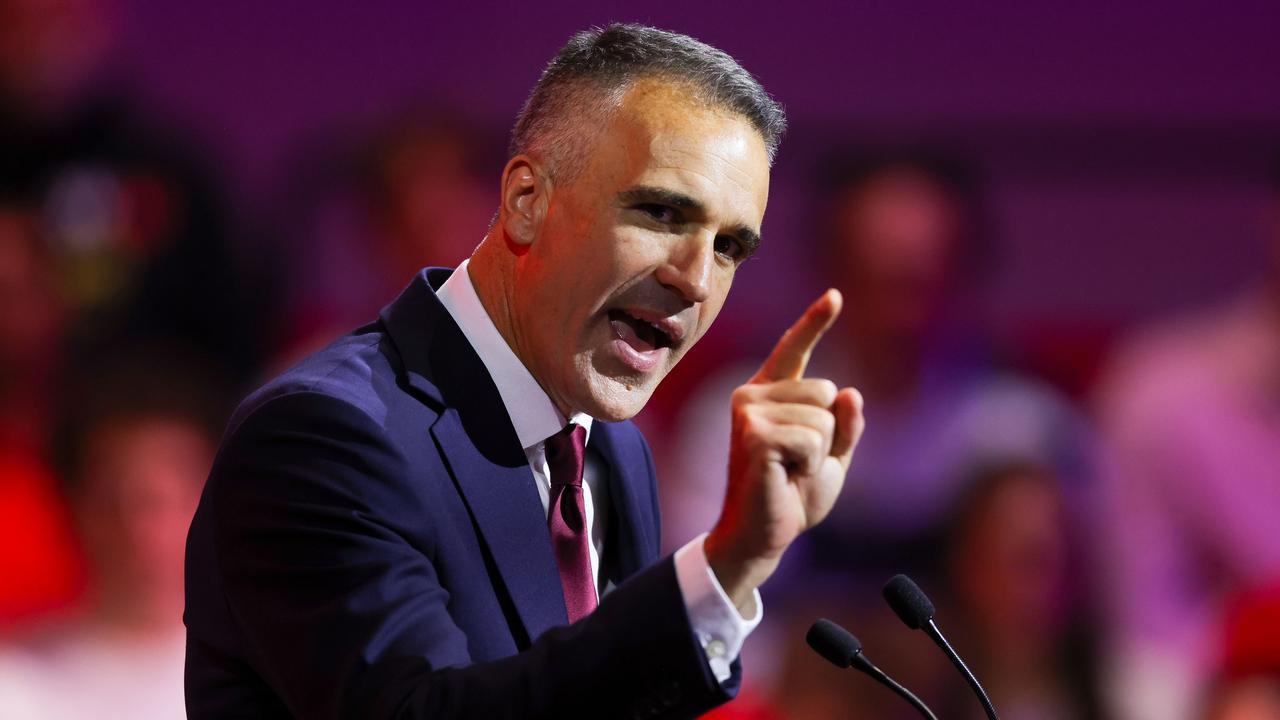
South Australian Premier Peter Malinauskas said the state had the fastest-growing economy and fastest housing growth in the nation.
“In this week’s state budget, we’ll be allocating an additional $50 million to accelerate delivery of 400 extra new homes that will be exclusively available to first home buyers only,” Mr Malinauskas told reporters on Sunday.
“This will be the nation’s first-ever first home buyer neighbourhood.”
The pre-budget announcement comes ahead of the state Labor government unveiling its fiscal blueprint on Thursday, its first since being returned to power in a landslide result in March.
The first allotments – from 140 to 450 square metres in size – are already ready for sale as part of the federal government’s plan to build 100,000 homes nation-wide for first home buyers.
Civil works are under way to prepare the land, supported by a $50 million concessional federal government loan.
About 30 per cent of the allotments will be classified as affordable and released through HomeSeeker SA, capped at a maximum sale price of $259,000 for eligible buyers.
Eligible first home buyers who buy or build a new home will also be exempt from stamp duty.
SA Housing Minister Nick Champion said hundreds of families would benefit from the scheme.
“There is nowhere else in Australia where an entire neighbourhood has been set aside exclusively for first home buyers,” he said.
Brad and Courtney Vincent have just purchased a parcel of land in the purpose-built allotment for their first family home.
“To get our foot in the door and to build a life with our kids … it gives us security and peace of mind,” the couple told reporters.
Under an election pledge made earlier this year, Mr Malinauskas said he would stimulate housing growth across the state, abolish stamp duty for downsizers and help free up larger homes for families.
In February, the government announced a rent-to-own policy, fixing the price of a home at move-in to guard against price escalation.
South Australia hopes to build 6877 homes for first-time buyers as part of the 100,000 homes pledged nationally.