
Dire warning for Aussie borrowers if Iran war drags on
Mortgage holders could be hit by five more interest rate hikes by Christmas if there is no resolution to the Iran war soon.
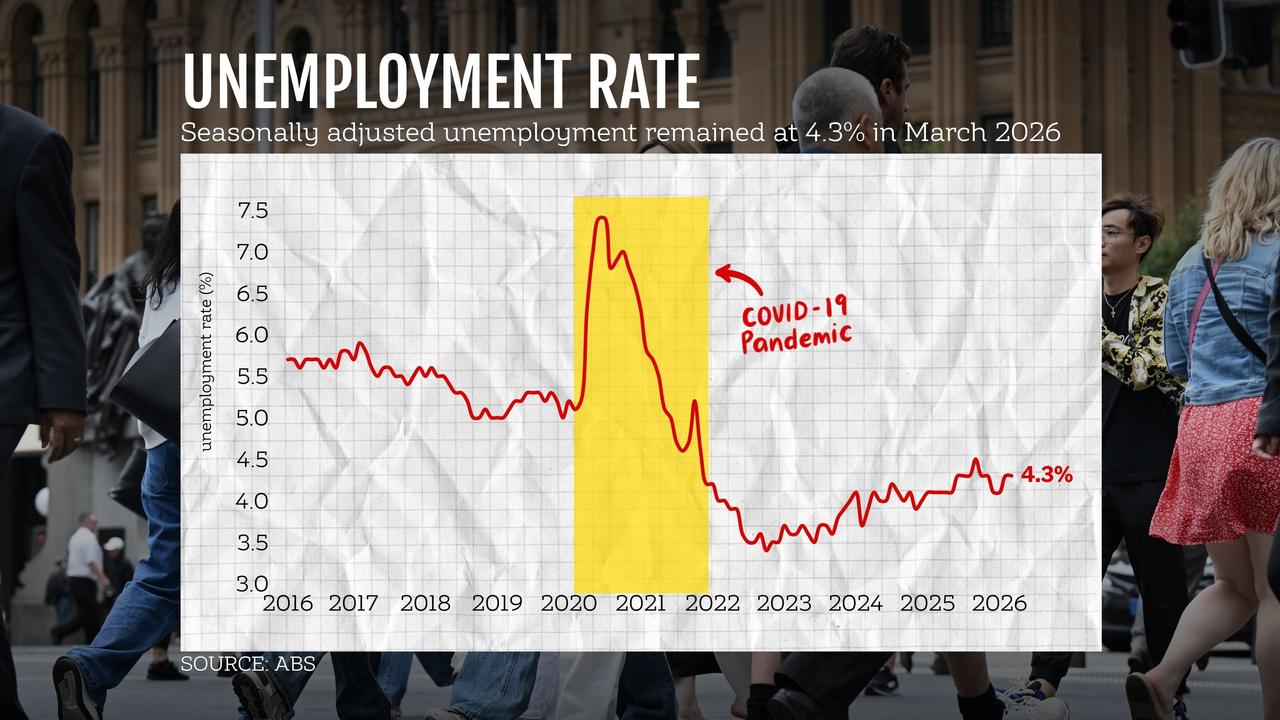
Data released by the Australian Bureau of Statistics on Thursday showed the nation’s labour market was still in good shape, with the unemployment rate holding steady at 4.3 per cent in March.
But a prolonged supply chain disruption will severely impact households and jobs, according to Harry Murphy Cruise, head of economic research at Oxford Economics.
If the Middle East crisis lingers into the third quarter, crude oil prices could hit $US150 to $US160 a barrel, from about $US100 now.
“Australia had an inflation problem well before this conflict kicked off,” Mr Murphy Cruise said.
“So that’s a tricky world to navigate and it could be even trickier if we see oil prices rise to that $US150 a barrel.
“That would push underlying inflation much closer to six per cent, broadly in line with where it was at the peak of the pandemic.”
Annualised underlying inflation, which strips out volatile items, is currently at 3.3 per cent.
A further jump would give the Reserve Bank of Australia the impetus to hike the cash interest rate from 4.10 per cent.
“If we see oil prices move higher in that prolonged conflict scenario, that would push, or would force, the RBA to hike to five and a half per cent through this year,” Mr Murphy Cruise said.
“All that is very bad news for households. Households are in a really tough spot at the moment. They are seeing inflation rise around them.”
The situation was similar for businesses, Mr Murphy Cruise said.
“Businesses are scared. They don’t know what the outlook looks like, and they’ve got higher input costs,” he said.
A survey of 828 company directors conducted by Roy Morgan found 41 per cent believed current interest rate levels would cause a major uptick in insolvencies, while almost nine in 10 expected business costs to rise.
“While productivity concerns still dominate, the fuel and energy crisis unfolding as a consequence of the Middle East conflict will only intensify the challenges being felt in the economy,” Australian Institute of Company Directors chief economist Mark Thirlwell said.
HSBC chief economist Paul Bloxham expects the central bank to hike the cash rate again at its May meeting.
“However, beyond the May meeting, we expect the RBA’s decision will depend on how quickly the economy is weakening and, critically, on whether there are signs that this is feeding through to significant weakening in the jobs market,” he said.
But while higher fuel costs and interest rates will weaken the labour market, it might not result in mass lay-offs, Westpac economist Ryan Wells said.
“Since the 2000s, employers have typically opted to reduce average hours worked rather than headcount during labour market downturns in order to retain flexibility,” he said.
“So, absent a severe recession, we are likely to see a larger pull-back in average hours worked together with a slowing (not decline) in employment this year.”
Westpac expects the unemployment rate to hit a quarter average of 4.9 per cent by the second half of 2026.
It comes as Treasurer Jim Chalmers gave a speech overnight at a meeting of G20 finance ministers in Washington, warning the effects of the Iran war would linger.
“Lasting damage has been done and the recovery will be longer and harder than any of us would like,” he said.
“We won’t see everything go back to normal straight away. There is no normal anymore, and the fallout from this conflict will be felt for some time even if the ceasefire sticks and the Strait reopens soon.”
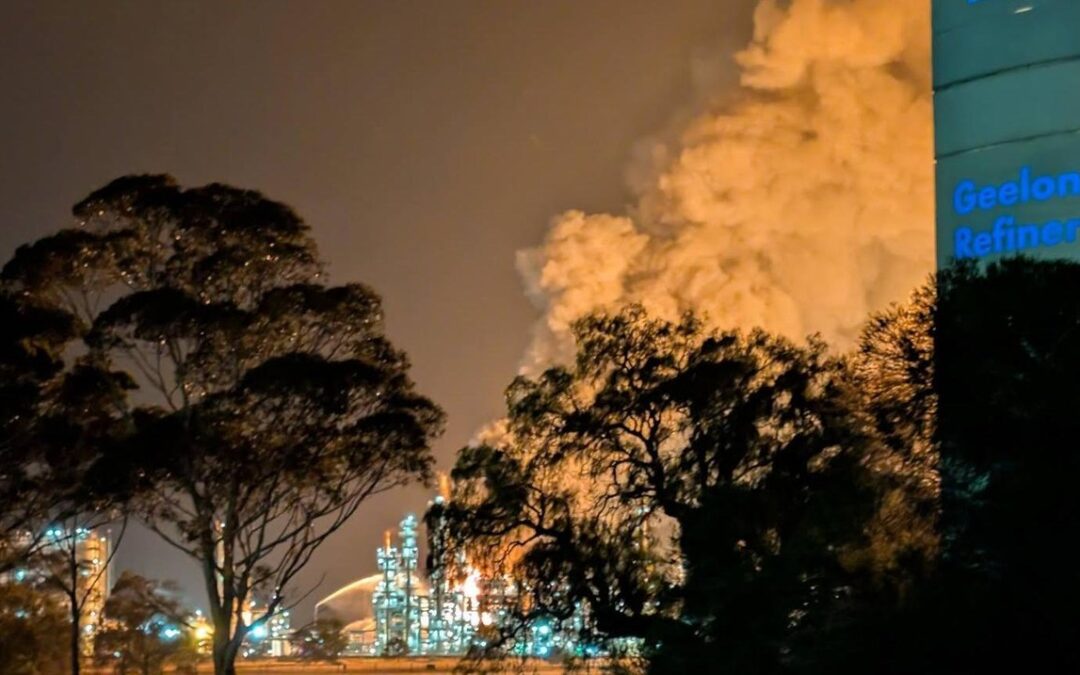
Fresh fuel supply fears hosed down after refinery blaze
A major fire at one of Australia’s two oil refineries won’t lead to fuel shortages, authorities say, with additional imports tipped to make up for the production shortfall.
The fire broke out at the Corio site, southwest of Melbourne, about 11pm on Wednesday and took fire crews almost 12 hours to extinguish.
The Viva Energy Geelong refinery supplies more than half of Victoria’s fuel and about 10 per cent nationwide, according to the company.
Energy Minister Chris Bowen said the company was confident it could replace any production shortfall caused by the blaze with imported fuel, but admitted the full extent of the impact on petrol production was not yet clear.
“This is not a positive development, this is not good timing, and this is a setback,” Mr Bowen told reporters on Thursday.
“But I can assure Australians, the government and industry are working very closely together to manage the impacts of this fire.
“Viva is confident that they will be able to replace the impacted petrol production with imports.”
The fire primarily affected infrastructure responsible for the production of petrol and aviation gasoline, which is distinct from jet fuel and usually used by small aircraft.
Production of diesel and jet fuel was continuing at the site at temporarily reduced levels as a safety precaution, Mr Bowen said.
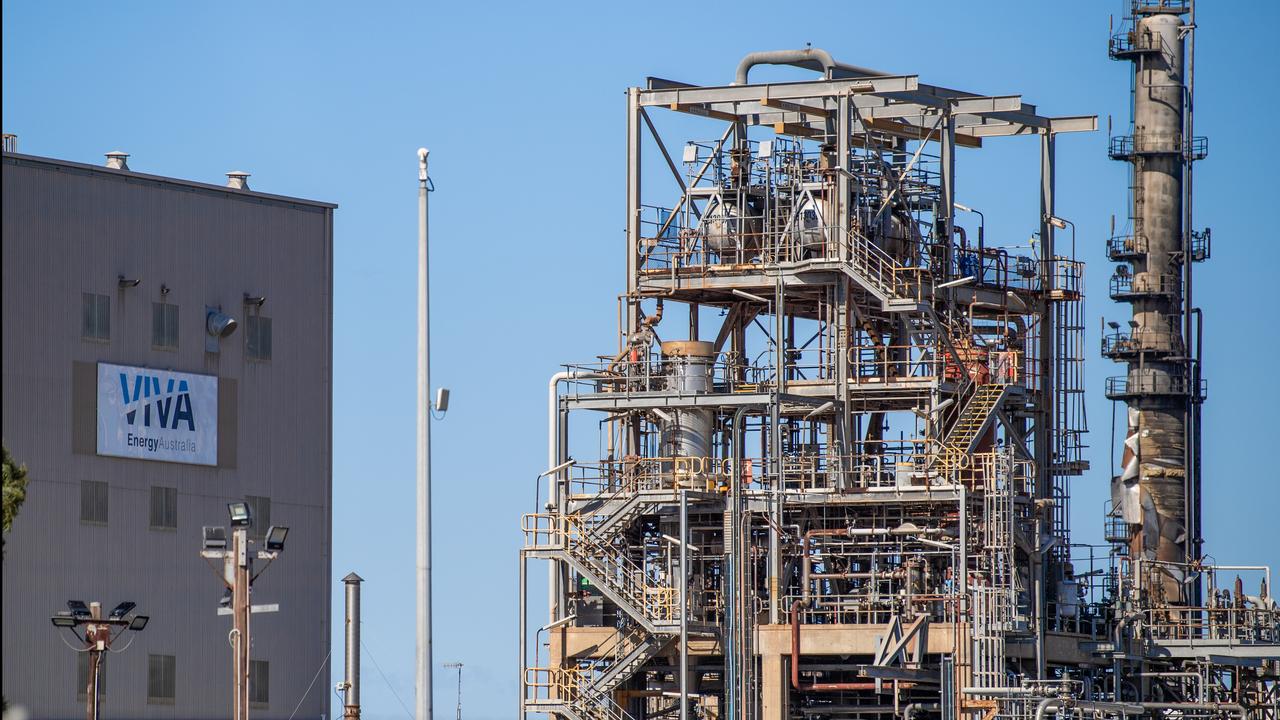
While investigators would probe the cause of the fire, incident controller Anthony Pearce from Fire Rescue Victoria said a gas leak was believed to have been responsible.
“There was a leak of gas from a mechanical component in the system,” he said.
“The gasses then appeared to have ignited.”
An estimated 25 to 50 employees were inside the facility when the fire broke out and immediately acted to suppress the blaze, Australian Workers Union Victorian branch president Ross Kenna said.
“There was an ignition of gas and it created an explosion and fireball,” he told AAP.
“Our members on site managed to get the fire suppression systems running straight away.”
Speaking from Malaysia, where he was in the midst of securing an energy trade deal, Anthony Albanese described images of the fire as “very distressing”.
“Clearly there will be consequences for it, but there’ll be a proper assessment taking place over the coming short period,” the prime minister said.
“As for the damage, obviously there will need to be an assessment of that and the consequences for fuel supply.
“We’ll continue to work with the company to do what we can to make sure that anything that is offline is brought online as soon as possible.”
Malaysia is the largest supplier of crude oil to Australia.
Despite assurances from the government, Institute for Energy Economics and Financial Analysis energy finance analyst Kevin Morrison said the fire could act like a “second oil shock”, pushing prices higher at the bowser, particularly in Victoria.
“We saw sort of an immediate impact on prices when the conflict started in Iran. You could almost sort of see a similar measure here,” he told AAP.
“Obviously not as dramatic, but we’re facing another major supply interruption and when we have that, prices normally react upwards.”
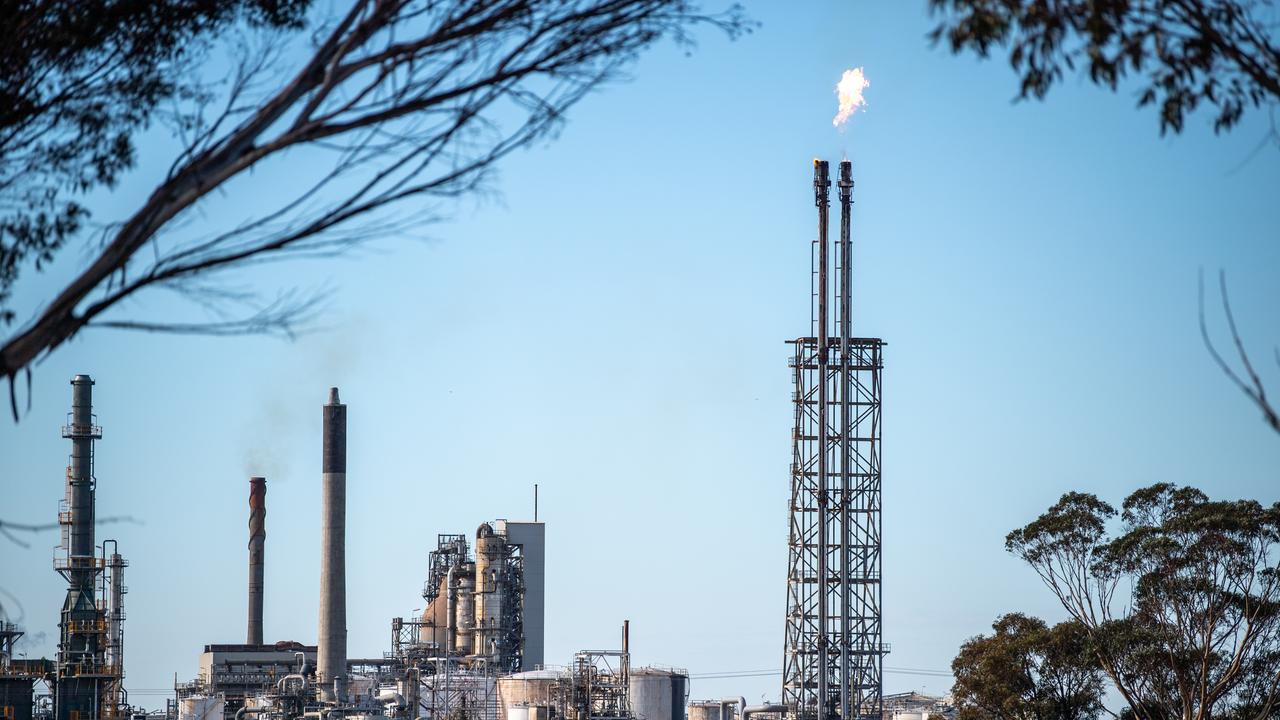
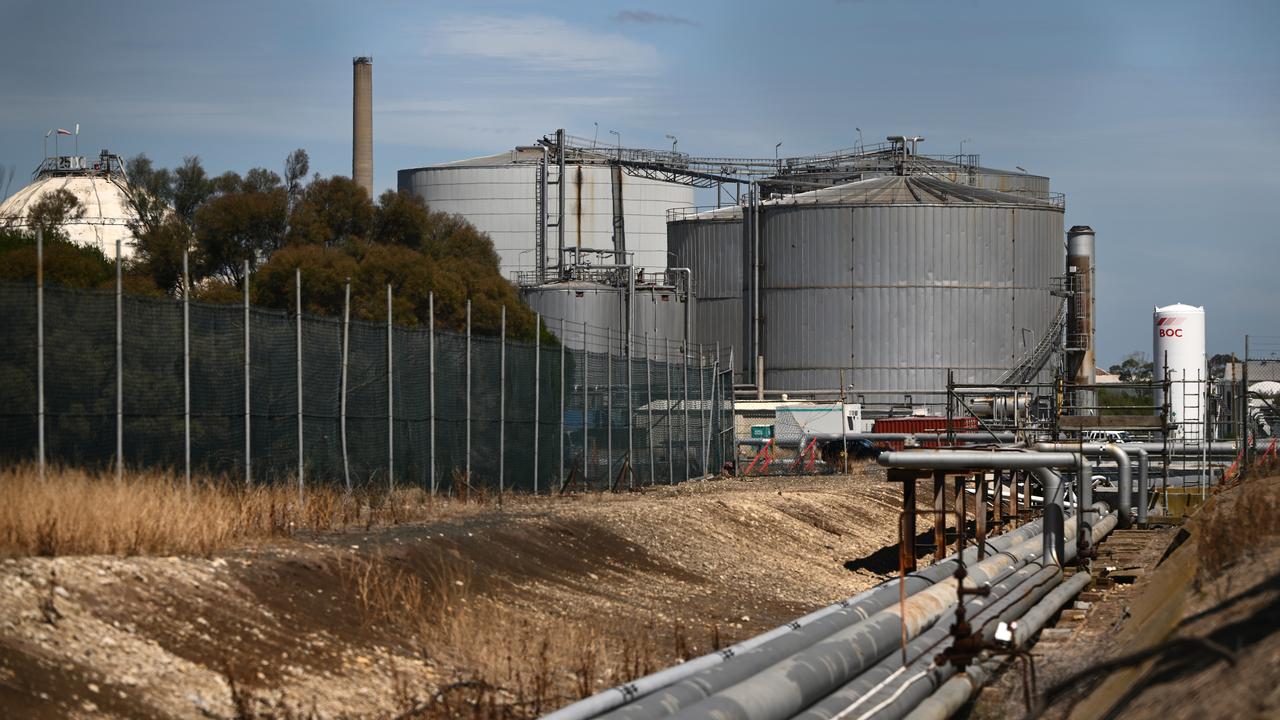
The refinery can produce more than 120,000 barrels of oil per day, manufacturing petrol, diesel, jet fuel, LPG, avgas and low aromatic fuel.
Along with Ampol’s Lytton Oil Refinery in Brisbane, the Geelong plant is one of two facilities capable of refining fuel domestically.
About 50 firefighters, 10 fire trucks and a boat attended the scene, Fire Rescue Victoria assistant chief fire officer Michael McGuinness told reporters.
There are no reported injuries and all employees and emergency responders have been accounted for.
Viva Energy halted trading its shares on the stock market ahead of an update on the damage caused by the blaze.
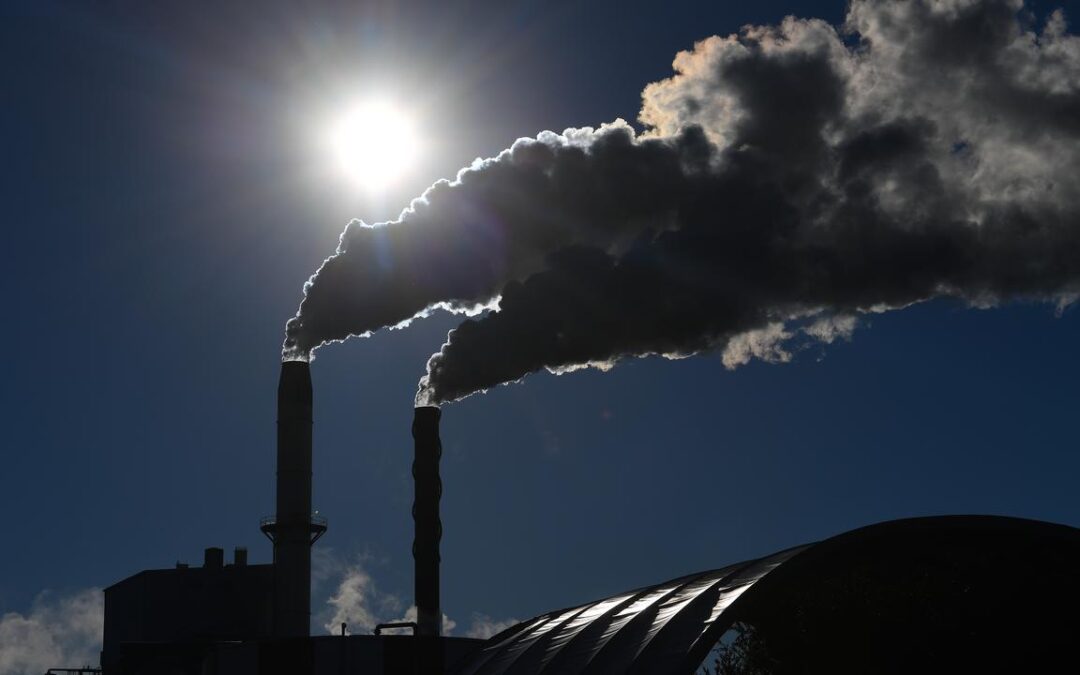
Climate emitters opt for cheap offsets, few real cuts
Australia’s biggest polluters appear to be hoarding credits generated by staying beneath the emissions baseline while cheap carbon credits dominate the nation’s flagship industrial climate scheme.
The second batch of figures under Labor’s reworked safeguard mechanism reveals a growing reliance on offsets, up 45 per cent on 2023/2024, alongside modest cuts of roughly two per cent in onsite emissions.
While the scheme targeting more than 200 of Australia’s mines, factories and other emissions-intensive facilities is designed to ratchet up gradually and give companies time to buy clean equipment, critics were concerned by growing reliance on offsets.
The safeguard mechanism forces polluters to lower emissions against legally binding limits – known as baselines – via genuine cuts through electrification or efficiency, or by buying carbon credits to offset their pollution.
Companies have a few different options for offsetting emissions above the cap.
Safeguard mechanism credits can be purchased from other polluters that have trimmed their onsite emissions.
Alternatively, emitters can buy Australian Carbon Credits Units (ACCUs), which include projects that absorb carbon – predominantly land-based ones such as planting trees.
University of Melbourne researcher Kate Dooley said safeguard mechanism credits had been generated in the past few years but few were changing hands between companies.
Instead, companies had been buying up carbon credit units at scale.
Beyond the integrity and effectiveness problems plaguing the long-running trading scheme, Dr Dooley said it was not scientifically sound to balance industrial emissions with land-based offsets.
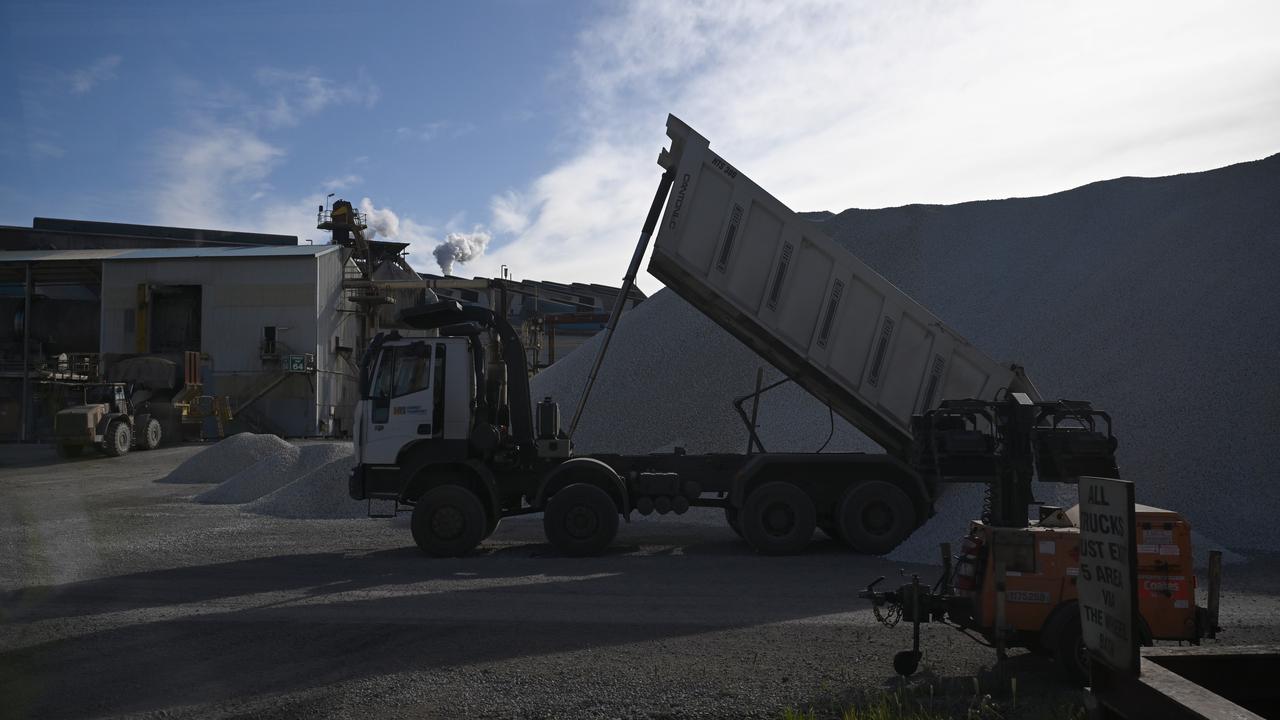
Carbon stored by planting trees does not represent permanent reductions in atmospheric carbon and cannot counter the additional long-term emissions released by burning fossil fuels that would otherwise have remained underground long-term.
Dr Dooley would prefer polluters stick to trading safeguard mechanism credits and see carbon credit units phased out, or at least capped.
“With SMCs, you’re trading like-for-like. To some degree, you’re trading industrial reductions with industrial emissions,” she told AAP.
The safeguard mechanism is due for review in the upcoming financial year.
Climate Change and Energy Minister Chris Bowen has indicated the work could commence later in 2026 rather than mid-year.
Anticipating criticism of offset use under the scheme, Mr Bowen on Wednesday touted the 5.8 million tonnes of onsite emissions cuts in two years.
“This is good policy working well,” he told reporters in Sydney.
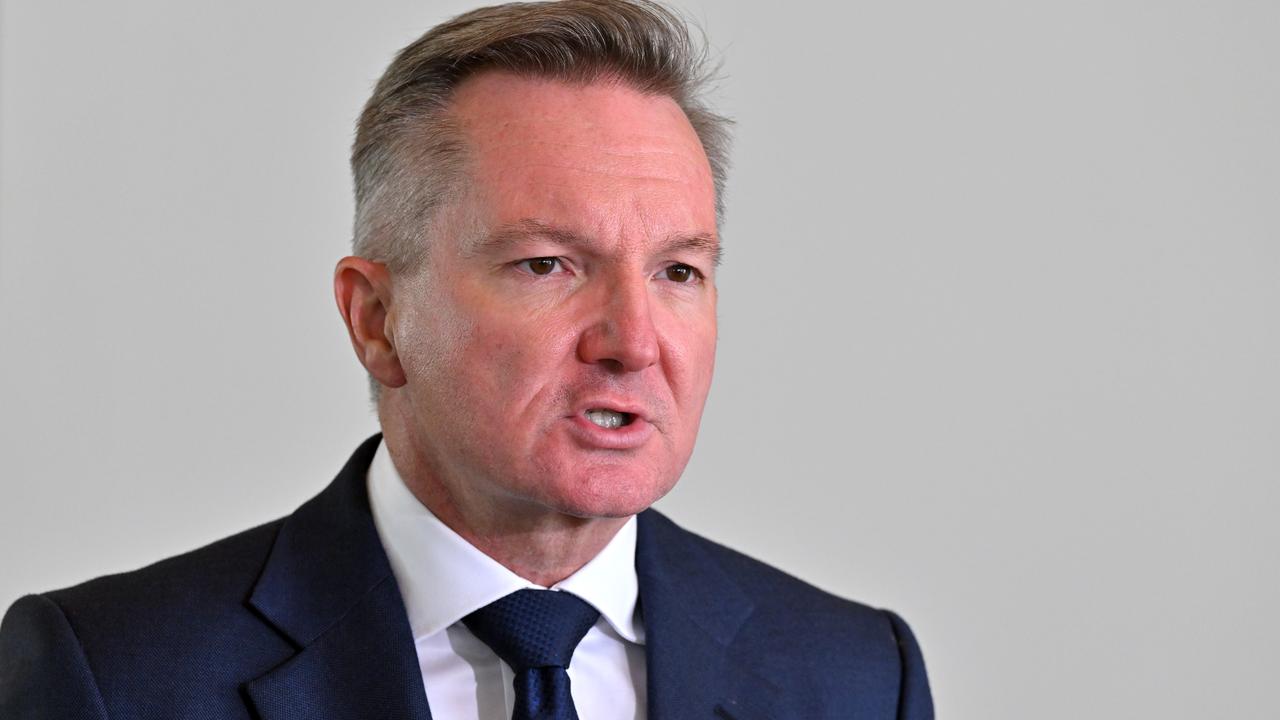
Carbon Market Institute director of corporate transition Kurt Winter said the safeguard had generated moderate net and gross emission cuts and was on track to deliver its legislated 2030 goals.
“The government’s review later this year provides an opportunity to strengthen investment signals towards achieving Australia’s 2035 ambition”.
He also highlighted 2025 as the first year covered emissions were higher than baseline pollution allowances, suggesting the market incentive to invest in decarbonisation was intensifying.
Climate Integrity executive director Claire Snyder said the safeguard mechanism was allowing emitters to “buy their way out of their obligations”, a sentiment echoed by the Climate Council.
“Too many polluters are treating our climate like a credit card – loading up on cheap offsets instead of actually cutting their pollution,” senior advocacy advisor Ben McLeod said.
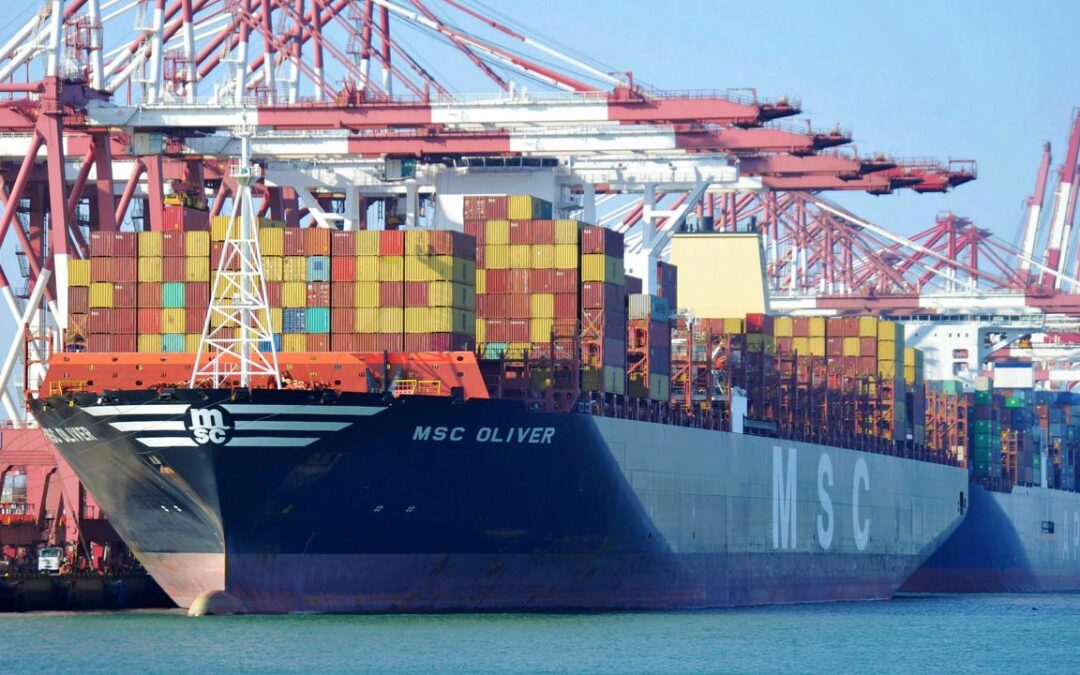
China’s economic growth tops forecasts, war risks loom
China’s economy grew 5.0 per cent in the first quarter from a year earlier, official data shows, beating analysts’ expectations as policymakers brace for the fallout from the Iran war.
Analysts polled by Reuters had forecast the January-March quarter gross domestic product (GDP) would expand 4.8 per cent from a year earlier, compared with a 3-year low of 4.5 per cent in the fourth quarter.
On a quarterly basis, GDP grew 1.3 per cent in the first quarter, matching forecasts and just ahead of the 1.2 per cent gain in the previous quarter.
Risks to the world’s second-largest economy have surged since the Middle East war erupted on February 28.
The conflict has laid bare a critical vulnerability: as the world’s biggest energy importer and a heavily export-driven economy, China is acutely exposed to an oil shock that is already slowing trade, driving up factory costs and clouding the outlook for the year.
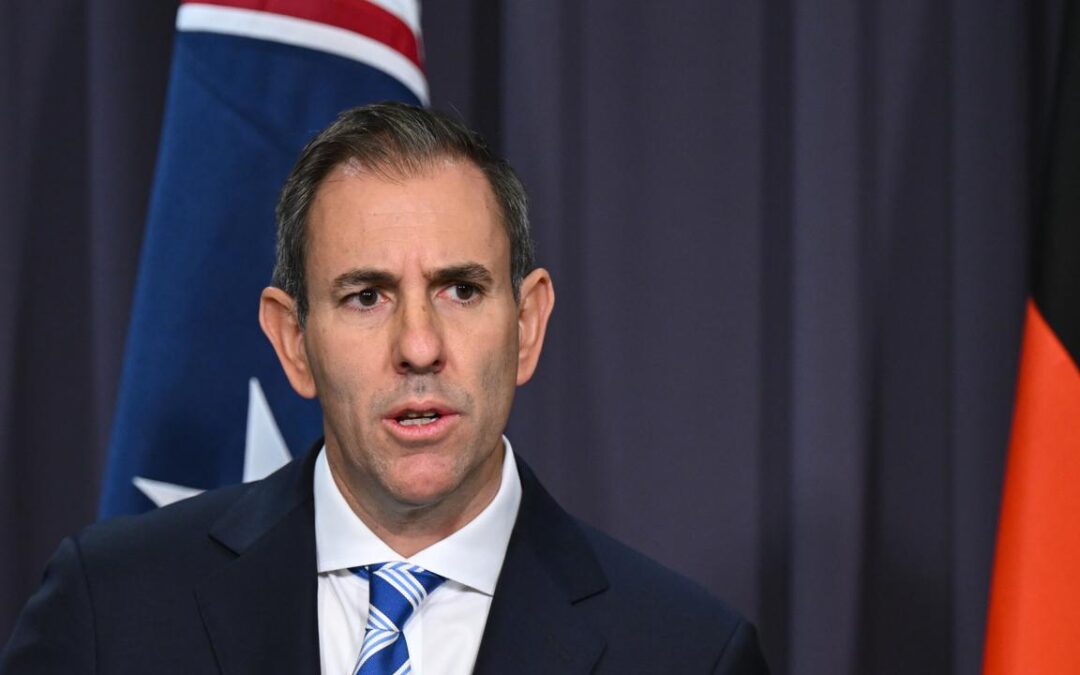
Australia joins calls for Iran ceasefire to be upheld
Australia and finance ministers from around the world have jointly called for peace in the Middle East to be upheld, warning of risks to the global economy should the shaky ceasefire collapse.
Treasurer Jim Chalmers and counterparts from 10 countries, including the United Kingdom, Japan, Sweden, the Netherlands and Finland have urged the US, Israel and Iran to abide by the ceasefire agreement struck last week.
“The past weeks have brought unacceptable loss of life and significant disruption to the global economy and financial markets,” the statement reads.
“The ceasefire will be crucial to protecting civilian populations and the security of the region.”
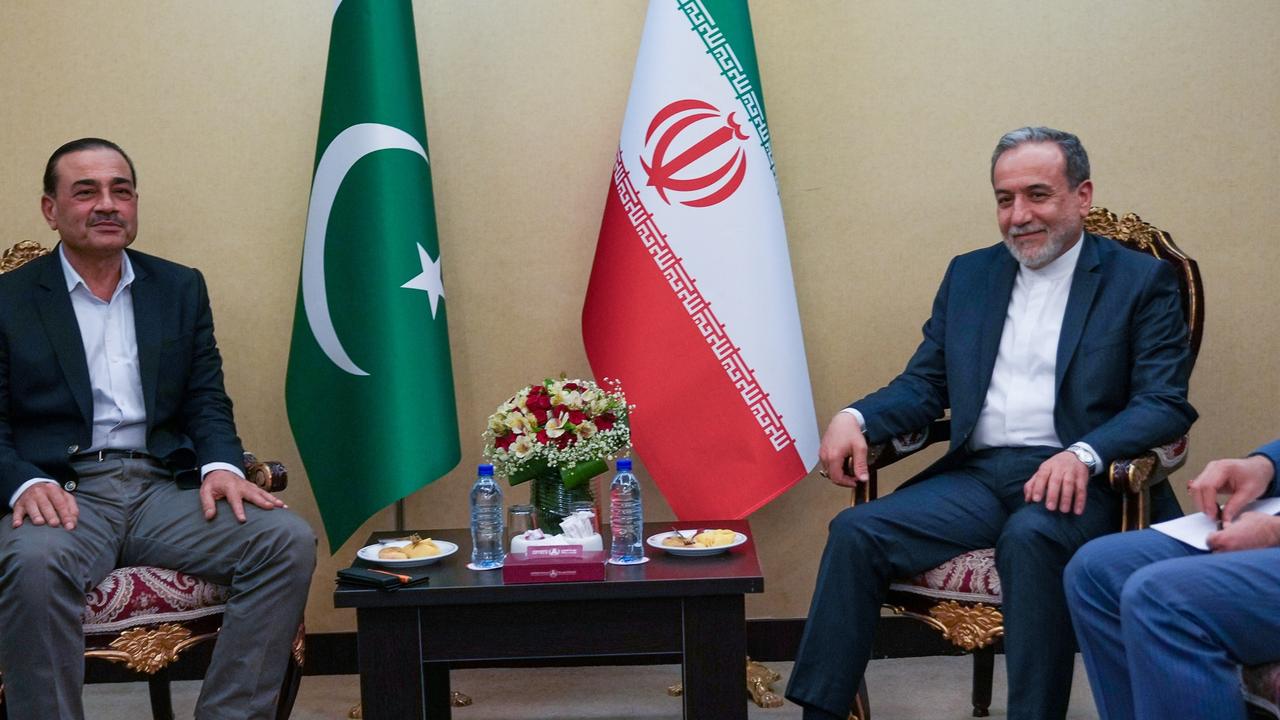
The countries called for a swift and lasting resolution to the conflict and a return to free and safe transit through the Strait of Hormuz, which has remained shut since the US-Israeli strikes launched on Iran in February.
“Renewed hostilities, a widening of the conflict or continued disruption in the Strait of Hormuz would pose serious additional risks to global energy security, supply chains and economic and financial stability,” the statement says.
It warns impacts on growth, inflation and markets will persist beyond the conflict’s resolution.
Finance ministers from Spain, Norway, Ireland, Poland and New Zealand also signed the statement.
The governments also reaffirmed their commitment to “accelerate long-term energy diversification”, including through clean energy transition.
“We welcome any steps countries may take to achieve these objectives,” the statement says.
Pakistan’s army chief is in Tehran to continue mediation efforts as the US and Iran continue indirect talks aimed at extending the two-week ceasefire beyond its April 22 expiry date.
Dr Chalmers is in Washington, DC, discussing the economic maelstrom with the International Monetary Fund and World Bank.
The joint statement welcomed any co-ordination between those organisations, as well as the International Energy Agency, to develop a “shared assessment of global economic impacts”.
“We call on the IMF and World Bank to provide a co-ordinated emergency support offer for countries in need, tailored to country circumstances and drawing on the full range and flexibility of their toolkits,” it said.
Dr Chalmers said an end to the war could not come soon enough, as it was a “dangerous” time for the global economy.
“Australians are paying a hefty price for events on the other side of the world,” he said in a statement.

Ex-Top Gun pilot loses appeal against extradition
A former US fighter pilot accused of training Chinese soldiers is set to be extradited from Australia after his appeal was dismissed after a years-long legal battle.
Daniel Duggan has spent three-and-a-half years in custody over allegations he breached US arms-trafficking laws by training Chinese pilots in South Africa between 2010 and 2012.
He was arrested at the behest of the US in 2022 while at a supermarket in regional NSW, where he lived with his wife Saffrine and six children.
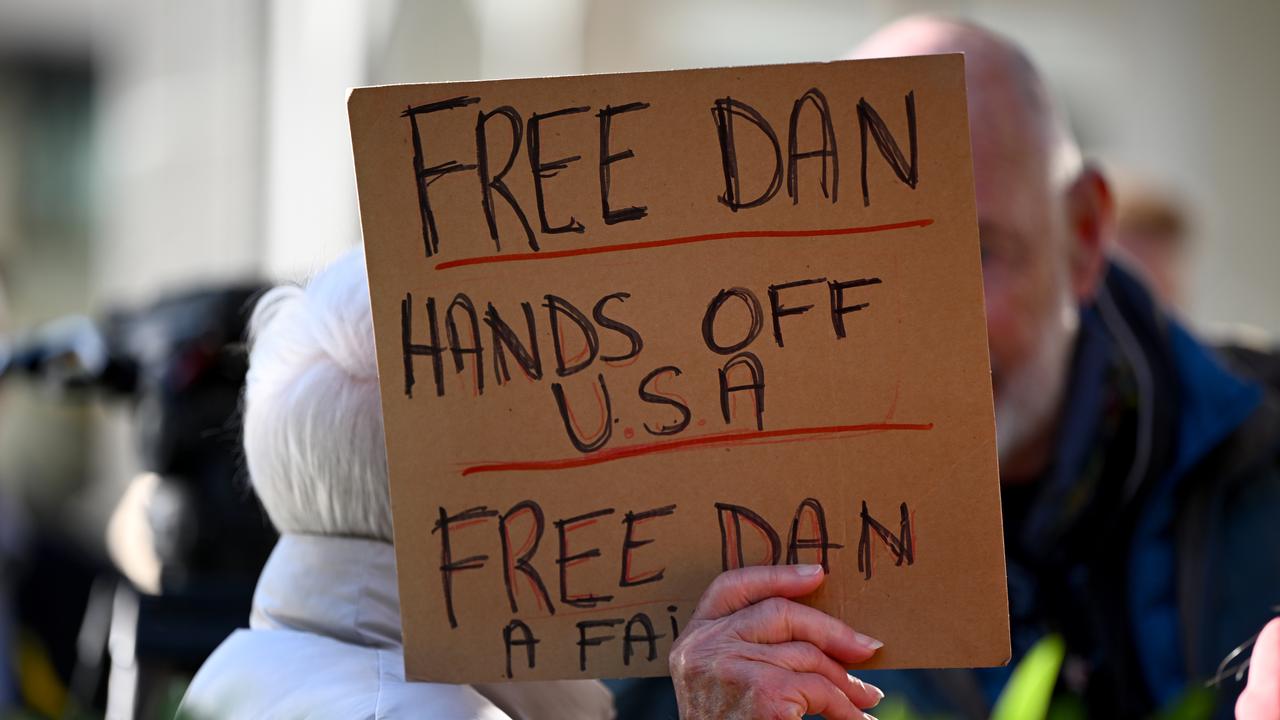
The Duggan family’s years-long fight against extradition was dealt a heavy blow in December 2024 when then-attorney general Mark Dreyfus approved the extradition.
They challenged the decision in the Federal Court, which handed down its ruling on Thursday in the nation’s capital.
Justice James Stellios dismissed the appeal and ordered Duggan to pay the government’s costs in a brief but bruising decision.
An appeal against the judge’s ruling can be lodged within 28 days.
Duggan’s lawyers argued the offence he is accused of was not classified as an offence in Australia at the time, which is contrary to the requirements of an extradition treaty.
An offence must have been criminal in both the requesting and requested countries for an extradition to be legally permissible.
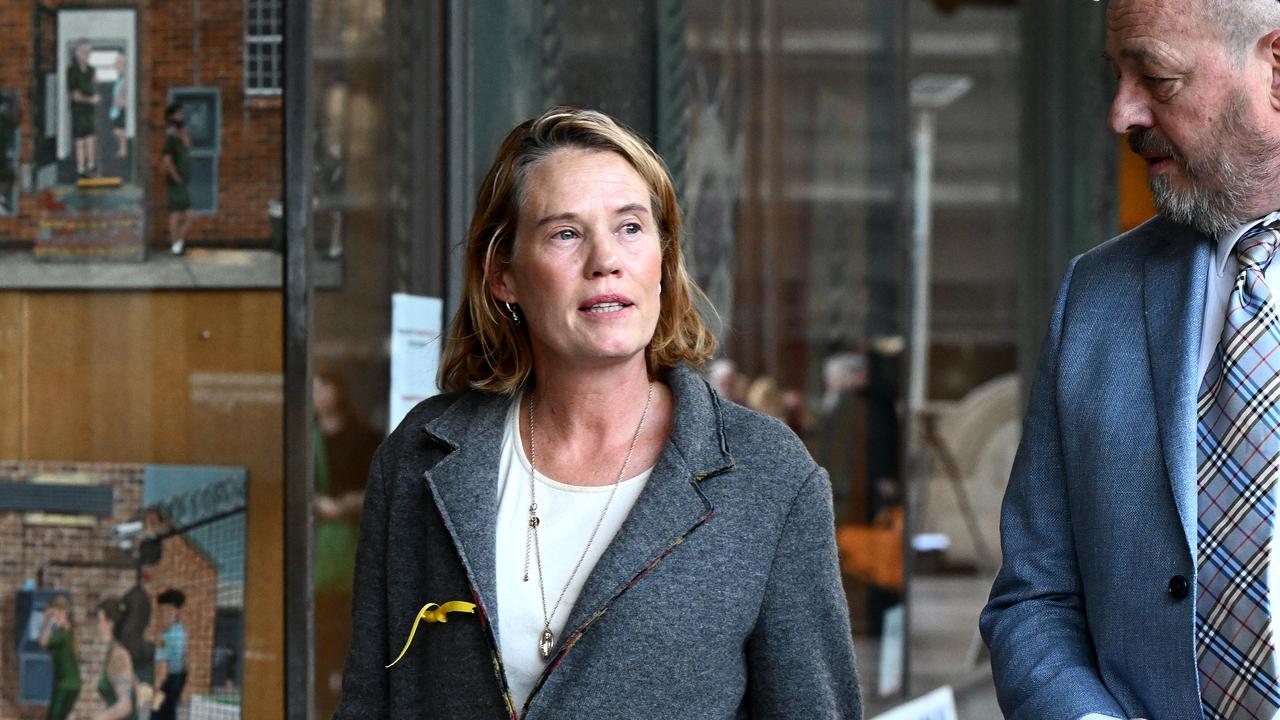
Ms Duggan gathered with supporters to hear the decision being handed down.
She has been open about the crippling financial toll the legal battle has taken on her family, who estimate their legal bills amount to about half a million dollars.
Duggan has been refused Legal Aid, while an injunction placed on his family’s half-built house means they can neither sell it nor live in it.
He had been kept in a maximum security prison in central NSW around 100km from his family, Ms Duggan previously revealed.
Charges and an indictment were first filed against the Australian citizen in a sealed court case during US President Donald Trump’s first term.
Duggan previously wrote in a letter from prison that he believed his activities were not illegal and Australian and US intelligence services knew of his work.
Global funds send message to Santos before meeting
Australia’s second-biggest gas producer is facing a backlash from major international investors representing more than $1.7 billion under management, ahead of a major shareholder gathering.
Santos will host its annual meeting in Adelaide on Thursday, when it will update investors on its progress for the 2025 calendar year, its energy expansion plans and take questions from the floor.
Two of its directors, Janine McArdle and Vickki McFadden, will also seek re-election to the board, which will in turn take investors’ temperature on its remuneration, or salaries, report for high-level executives.
However, four of the world’s biggest investors have already expressed their opposition to the re-election of one or both directors via proxy votes ahead of the meeting.
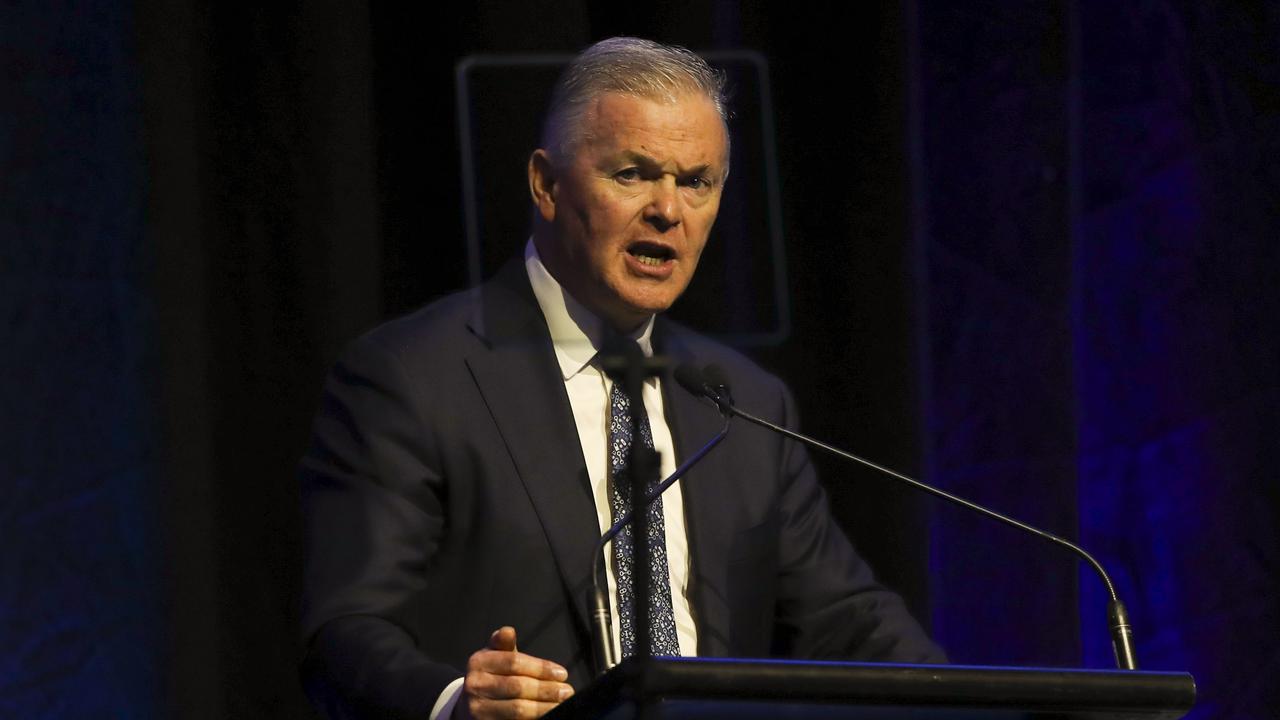
Those against both include US pension funds representing the California public service (CalPERS) and teachers (CalSTRS).
Norway’s biggest private asset manager Storebrand and Norway’s KLP, a private pension fund, voted against re-electing Ms McArdle, but both backed Ms McFadden.
“A vote against the incumbent member of the audit committee, Janine Marie McArdle, is warranted because the company is not aligned with investor expectations on net zero by 2050 targets and commitments,” Storebrand said.
Storebrand and KLP also voted against the remuneration report, with the latter wanting to “raise concerns” with a one-off incentive boost for managing director and chief executive Kevin Gallagher.
KLP argued it did not appear well aligned “with shareholder experience over the last five-year period”.
The vote on the remuneration resolution is advisory and non-binding on the board.
Santos delivered an underlying net profit of $898 million for 2025, up 24 per cent on the previous year.
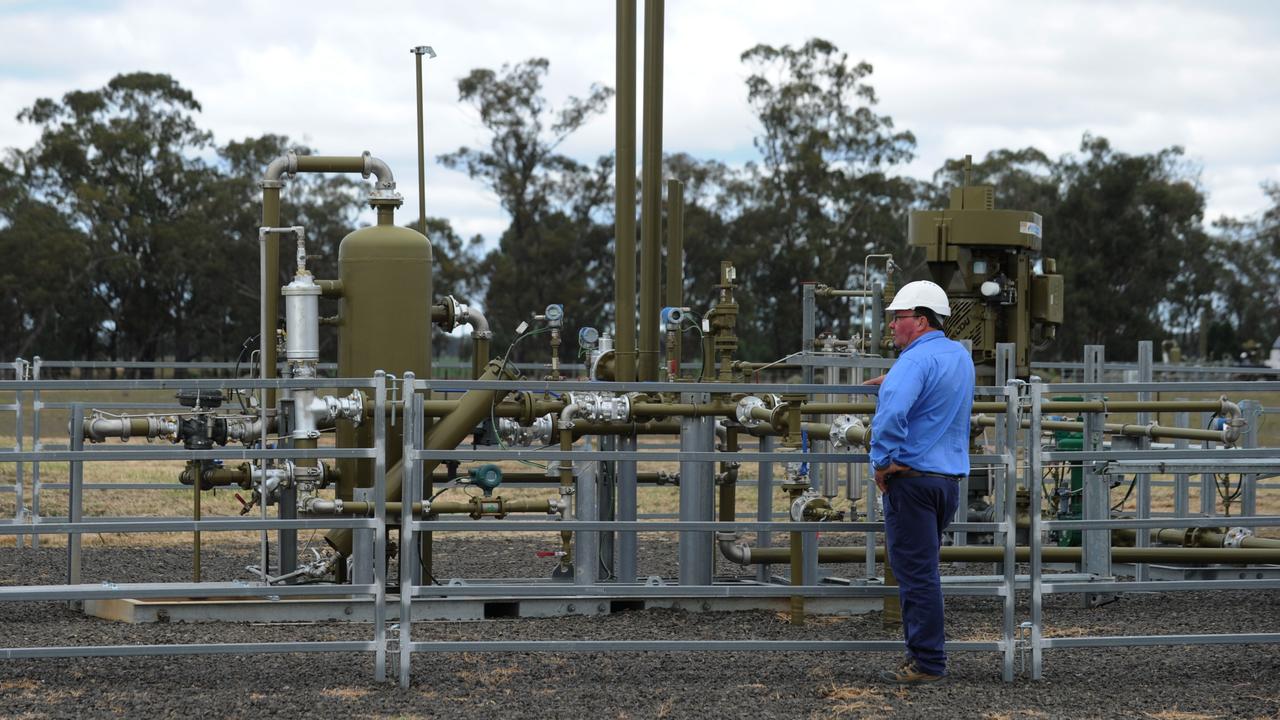
Its key businesses include the Gladstone (Queensland), Barossa (Timor Sea) and Papua New Guinea LNG projects.
It also operates Australia’s largest onshore oil and gas field development spanning the borders of northeast South Australia and southwest Queensland.
Environment group Market Forces, which opposes Santos’ gas activities, said the four investors’ voting decisions signalled “significant investor discontent” and that Australian funds should do the same.
“Major international investors have voted against Santos director re-elections over several years,” Market Forces chief executive Will van de Pol said in a statement.
“But Australia’s biggest super funds have over $5.5 billion invested in the oil and gas company and are failing to use all levers to rein in fossil fuel expansion plans that threaten members’ retirement outcomes.”
The funds include market heavyweights Hesta and Australian Retirement Trust.
Santos’ annual general meeting begins at 10am CST at the Adelaide Convention Centre.
Business, diplomatic talks in PM’s SE Asia energy dash
Talks with the head of a major global oil giant and the Malaysian prime minister will dominate the final official day of Anthony Albanese’s south-east Asian fuel security tour, after arriving in Kuala Lumpur.
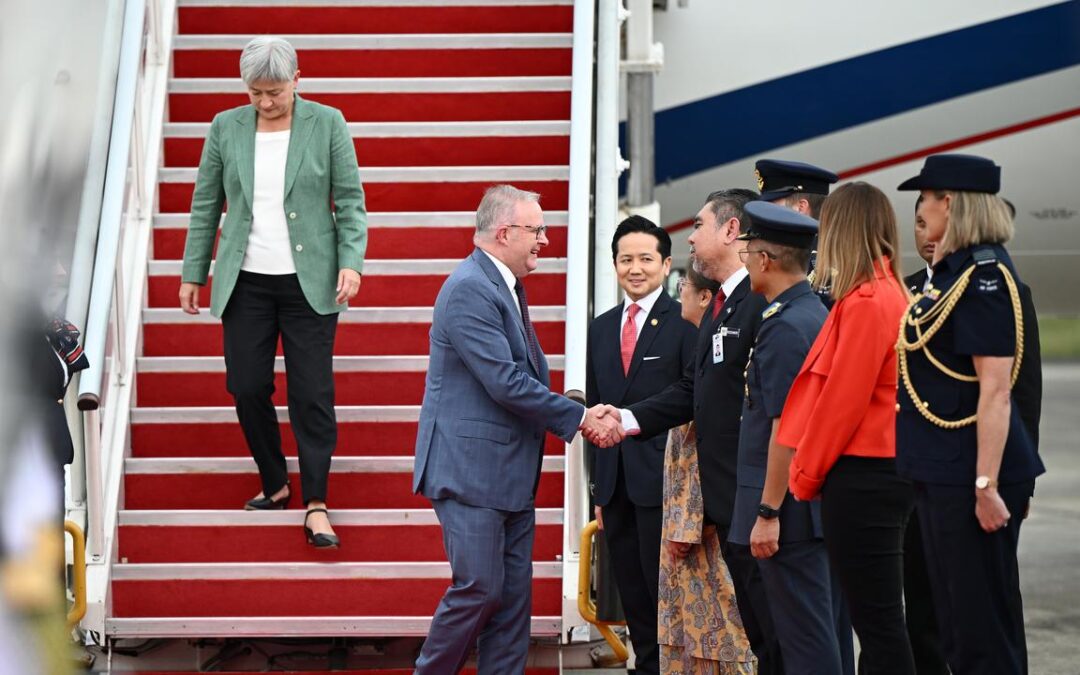
With a hint of rain hanging in the air after a heavy downpour, Mr Albanese was greeted on Tuesday evening by a white-suited military honour guard as he stepped down the stairs of a RAAF aircraft.
He was met on the tarmac by Malaysia’s minister of natural resources and environmental sustainability Datuk Seri Arthur Joseph Kurup and a string of other officials before being whisked away in a motorcade.
A small crowd gathered to watch Mr Albanese arrive at his hotel in Kuala Lumpur’s city centre, including one man in a Rabbitohs jersey who shook the prime minister’s hand.
Malaysia supplies 14 per cent of Australia’s diesel, 10 per cent of its petrol and 11 per cent of its jet fuel, and is also the nation’s largest provider of crude oil.
The prime minister will seek to leverage Australia’s position as Malaysia’s dominant supplier of liquefied natural gas to secure guarantees about long-term fuel shipments if the Middle East war continues causing chaos for global trade.
Mr Albanese will sit down with Malaysian Prime Minister Anwar Ibrahim on Thursday, along with senior executives from Petronas, one of Asia’s biggest oil producers and refiners.
Malaysia also imports hundreds of millions of dollars worth of Russian oil and fuel each year, some of which is sold on to Australia.
Ukraine has called for a total ban on the use of Russian oil.
The talks follow a 24-hour visit to Brunei Darussalam during which Mr Albanese received a guarantee the tiny sultanate was not considering restricting the amount of fuel or fertiliser shipped to Australia.
In exchange, Australia – which is Brunei’s largest trading partner – will continue to provide crucial food shipments.
Brunei supplies around 11 per cent of Australia’s fertiliser. In 2024, Australia supplied around three-quarters of the Brunei’s meat imports.
During a meeting at Brunei’s Royal Palace, both Mr Albanese and Sultan Haji Hassanal Bolkiah expressed “deep concern” over the war in the Middle East and pledged to strengthen energy supply chains and maintain open trade flows.
“Australia has always been a trusted friend and partner. Over the years, our relations have continued to prosper,” the monarch told Mr Albanese during their bilateral meeting.

Jobs data to reveal first signs of Iran war impact
Fresh jobs figures will be an early indicator of how Australia’s economy is faring during the Iran war as a report points to positive signs for government finances.
Labour force figures for March will be released on Thursday by the Australian Bureau of Statistics, the first full month of data since the Iran conflict started and oil trade was disrupted with the closure of the Strait of Hormuz.
Economists are tipping unemployment to remain at 4.3 per cent, despite the number of jobs growing by 25,000 for the month.
Westpac economist Ryan Wells said the data was significant as it would be the first drop that aligned with the war, but it could still be too early to tell the full impact of the conflict.
“It is almost certainly too early for flow-on effects from this shock or from recent interest rate rises to be showing through in labour markets,” he said.
“Changes in non-fuel spending is still evolving – discretionary services spending has softened, largely in accommodation and recreation, but there are no real signs of weakness in discretionary goods spending.”
The previous month’s figures showed a surprise jump in unemployment from 4.1 to 4.3 per cent due to fewer unemployed people waiting to start a new job in February compared to the same period in previous years.
It comes as an International Monetary Fund fiscal monitor report found Australia’s budget balance was among the three strongest of the G20 nations.
The report said the balance as a share of GDP was ahead of countries such as the US, UK, Germany and Japan, while the nation had the fifth-lowest debt when weighed against economic output.
“The commonwealth has built a strong fiscal position that can help buffer future fiscal headwinds,” it said.
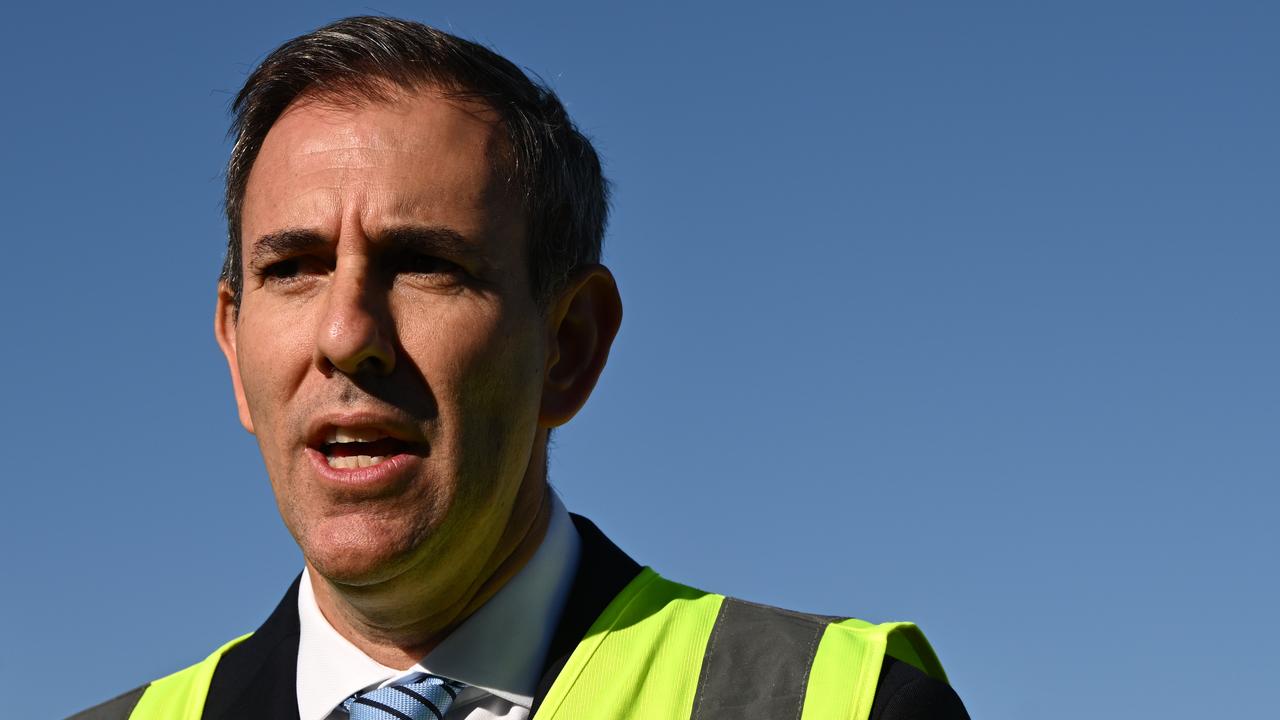
The findings coincide with Treasurer Jim Chalmers holding talks in Washington for the IMF-World Bank spring meetings, along with his counterparts from the UK, China and Japan.
The IMF has warned of a global recession if the situation in the Middle East does not abate.
Dr Chalmers said the ranking of the government’s finances was an outstanding result.
“We’re not immune from global volatility as a result of the conflict in the Middle East but thanks to the progress we’ve made in the budget, we’re well placed to confront it,” he said.
Record peacetime spend set for Australia’s military
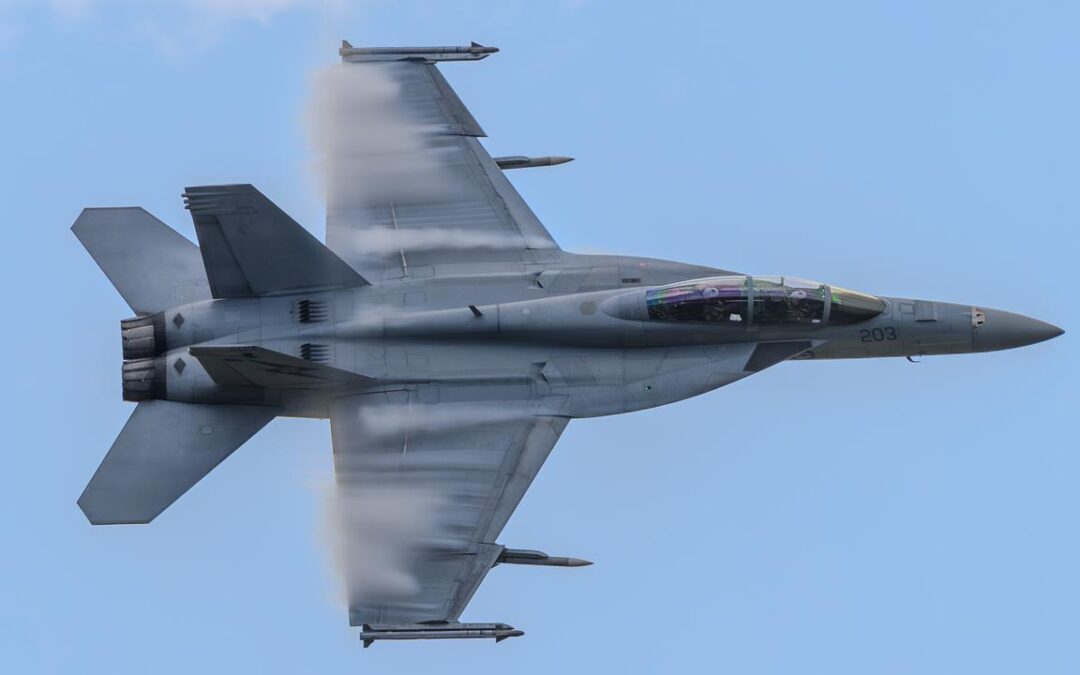
Australia is set to spend the most amount on defence outside of wartime as the military’s strategy for coming years is released.
Defence Minister Richard Marles will hand down the 2026 national defence strategy on Thursday, which will lay out the path forward for Australia’s armed forces and projects it will pursue over the next two years.
Mr Marles will reveal in a speech at the National Press Club an extra $14 billion will be spent on defence in the next four years, compared with estimates laid out in the previous strategy from 2024.
An additional $53 billion will be set aside for defence over the next decade.
The figures mean Australia’s total defence spending will rise to three per cent of GDP by 2033.
The federal government previously announced it would aim to reach 2.3 per cent by the 2033 deadline.
Australia has been facing calls by the US to lift its defence spend to 3.5 per cent as the Trump administration pushes allied countries to do more with their military.
Mr Marles will say an increase in money allocated for the military was necessary given the shift in the global environment.
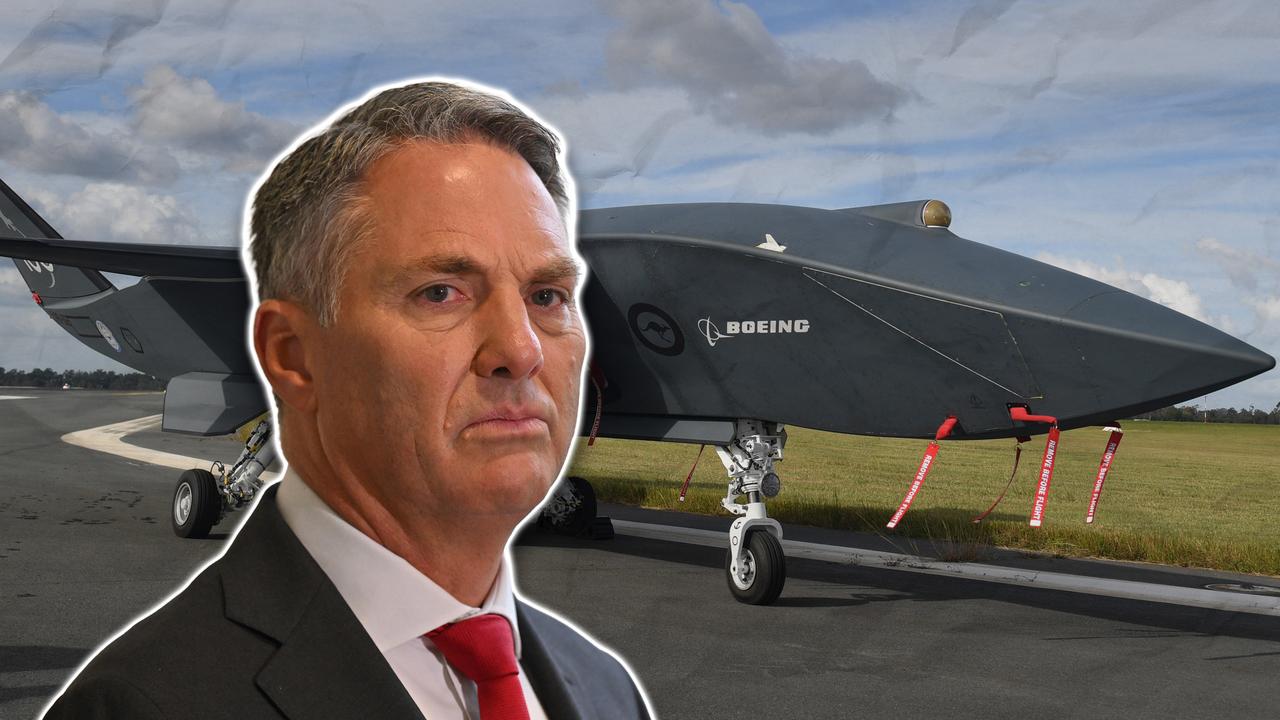
“Australia faces its most complex and threatening strategic circumstances since the end of World War II. International norms that once constrained the use of force and military coercion continue to erode,” he will say.
“In the face of this, the Albanese government is pursuing every avenue of increasing defence capability quickly, mostly through bigger defence appropriations but also through accessing private capital.
“The result is that we are now seeing the biggest peacetime increase in defence spending in our nation’s history.”
The defence minister will also lay out priority areas for the Australian Defence Force in the speech.
Already, billions of extra dollars have been earmarked for drones, given their successful use in Ukraine and the Middle East.
“Delivering this strategy is not only about investing more — it is about spending better,” Mr Marles will say.
“It puts Australia on a path to strengthen our defence self-reliance. It reinforces the industrial and national foundations of defence, and it situates Australia firmly within a network of trusted regional and global partnerships.”