

Popular buy now, pay later company sees bad debts rise
One of Australia’s biggest buy now, pay later businesses has set a new earnings record as more people use its service to pay for everyday essentials such as utilities and insurance.
The news boosted Zip shares, which bounced more than 15 per cent, after it revealed a 41 per cent jump in quarterly cash earnings to a landmark $65.1 million.
Zip’s total transaction volume was up 22.4 per cent to $4 billion in the March quarter, while its operating margin expanded to 19.4 per cent, from 16.5 per cent a year ago.
Its bad debts increased, ticking up from 1.6 per cent of total transaction volume a year ago to 1.9 per cent in the March quarter.
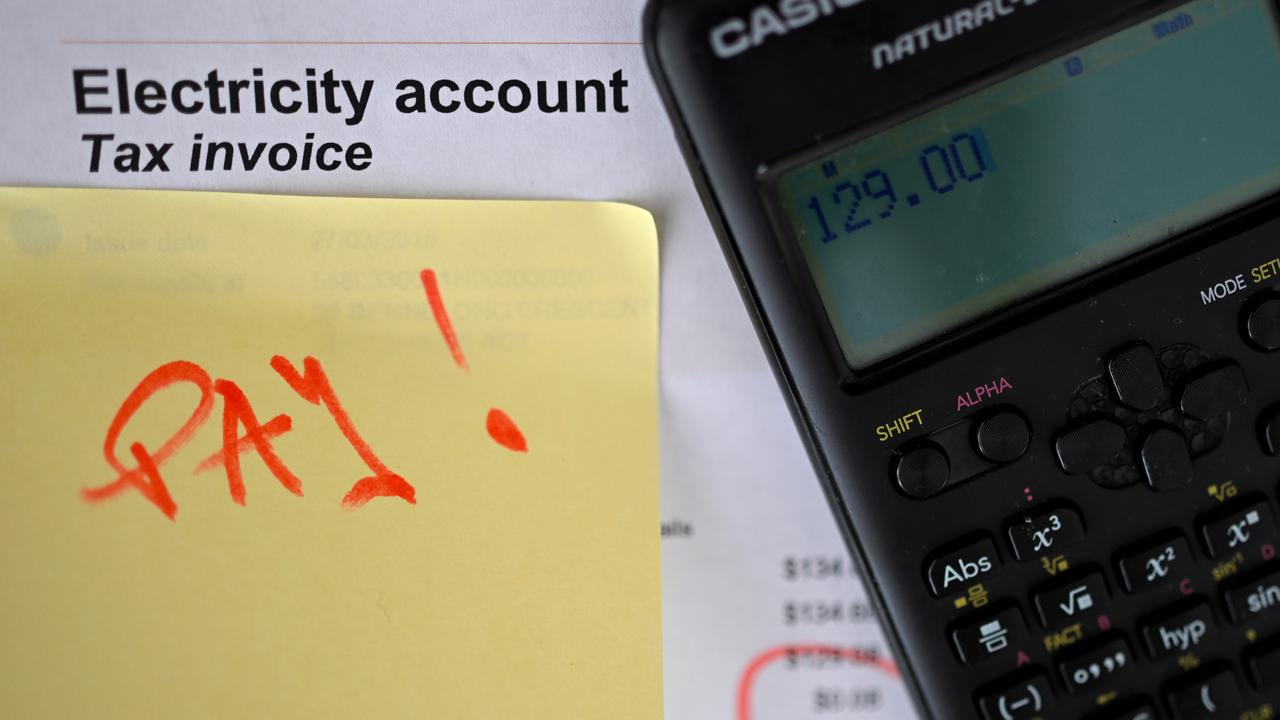
Zip said this was within management targets and forecast bad debts to fall under 1.75 per cent of total transaction volume in the June quarter.
In Australia and New Zealand, where it has almost two million customers, spending with Zip was up 18.2 per cent.
“Growth was driven by increased use of Zip for everyday spend, including utilities, insurance, education and health,” it said in a statement.
Zip also operates in the US, where it has 4.6 million active customers.
The number merchants on Zip’s platform increased 12.7 per cent to 93,900, while Zip’s overall number of active customers rose 3.5 per cent to 6.5 million.
“Zip’s resilient business model continues to drive increased profitability at scale,” chief executive Cynthia Scott said.
Zip now expects to make no less than $260 million in full-year earnings before tax, depreciation and amortisation.
Zip had previously forecast second-half earnings to be broadly in line with its first-half $124.3 million, which would have meant full-year cash earnings of around $248.6 million.
According to fintech group Raiz Invest, consumer spending via instalments has surged 26 per cent over the past three years, from $469 per month in January 2023 to $589 in January 2026.
Raiz Invest chief executive Brendan Malone has told AAP that much of the spending relates to households managing grocery bills, covering school expenses and otherwise trying to make ends meet.
Zip shares were changing hands at $2.37 in morning trading – up 50 per cent over the past month, albeit down 31 per cent from the start of the year.
Zip partnered with TPG Telecom in Australia to launch ZMobile on April 9, a new mobile offering that lets customers activate an eSIM and manage their plans in the Zip app.
Stocks set for weekly gain, oil below $US100 a barrel
Asian stocks were poised for a second week of strong gains and oil prices were pinned below $US100 ($A140) a barrel with investors hopeful for a near-term resolution to the Middle East war.
Investors have been quick to take an optimistic view on any signs of denouement this month, even though the Strait of Hormuz – through which a fifth of the world’s oil and gas supply typically flows – remains closed.
A 10-day ceasefire between Lebanon and Israel went into effect on Thursday and President Donald Trump said the next meeting between the United States and Iran may take place over the weekend, when their current ceasefire is due to expire.
That pushed oil prices lower, with Brent crude futures falling more than 1.0 per cent to $US98.14 ($A137.04) a barrel. US West Texas Intermediate crude futures fell 1.6 per cent to $US93.15 ($A130.08) a barrel.
In stocks, MSCI’s broadest index of Asia-Pacific shares outside Japan was down 0.6 per cent, but remained close to its highest since March 2, the first trading day after the Iran war broke out.
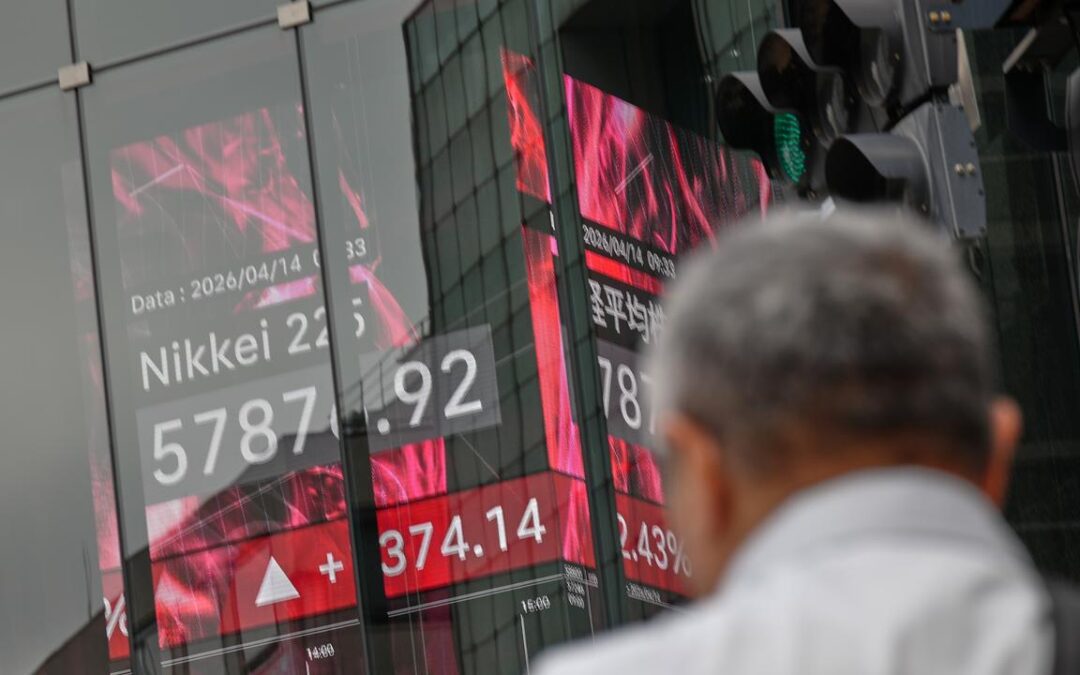
The index is up 14.5 per cent in April after dropping 13.5 per cent in March. Japan’s Nikkei fell 0.9 per cent in early trading after hitting a record high on Thursday. Almost all stock markets are back to levels before the war erupted at the end of February.
For Andrew Chorlton, CIO for public fixed income at M&G, the last two weeks have been surprising in how quickly markets have been willing to look through the conflict and energy shock.
“There’s quite a strong contrast between what policymakers and central bankers are saying about the risks that this (conflict) is creating versus what the market is implying,” he said.
“That seems somewhat complacent,” Chorlton added. “It seems unlikely that there shouldn’t be some additional risk premium priced in, either to growth or to inflation.”
The US dollar benefited from safe haven flows in March, but has since given up those gains. The euro last bought $US1.1779 ($A1.6448), just below the seven-week high it touched in the previous session.
The US benchmark S&P 500 and the tech-heavy Nasdaq rose modestly to record closing highs for a second straight day on Thursday.
“I think equity markets are remaining positive and some solid US earnings have helped, but – and it’s a big but – we need to see some concrete evidence that peace is going to last,” said Nick Twidale, chief market strategist at ATFX Global.
“And to me, that is a full reopening of the Strait, or we could see some substantial corrections in global stocks in the coming days and weeks.”
Closure of the waterway has caused the worst oil price shock in history, and spurred the International Monetary Fund to downgrade its outlook for the global economy, warning that a prolonged conflict could push the world to the brink of recession.
The dollar index, which measures the greenback against a basket of currencies including the yen and the euro, was at 98.24, loitering near its lowest since March 2. The index had declined for eight straight sessions through Wednesday.
The yen was steady at 159.32 per dollar while the risk-sensitive Australian dollar fetched $US0.7163 ($A1.0003), drifting near the four-year high it touched on Thursday.

‘They were not there’: Trump blasts Australia again
US President Donald Trump has singled out Australia again for not supplying military assistance in its war against Iran, claiming “we asked them to be there”.
As Lebanon and Israel agreed to a 10-day ceasefire, Mr Trump criticised Australia for not supplying military aid to help reopen the Strait of Hormuz.
“I’m not happy with Australia because they were not there when we asked them to be there,” he said.
“They were not there having to do with Hormuz. So I’m not happy. I’m not happy with them.”
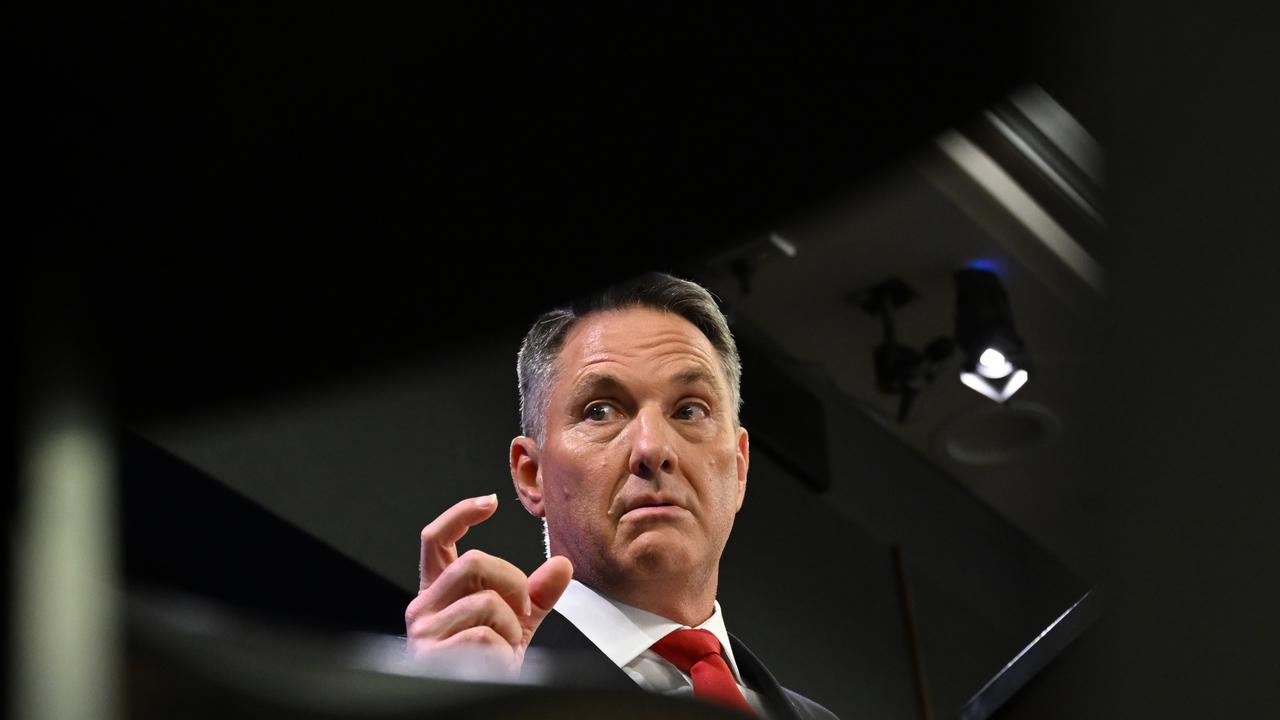
However, Defence Minister Richard Marles reiterated the US has not made a specific request for military support in the Middle East.
“We’ll work with all of our partners, our allies — and that very much includes the United States — in terms of whatever needs to be done in relation to the Strait of Hormuz,” he told ABC Radio on Friday.
“I’m not about to go into a running commentary on what the US president says. I mean, we’re dealing with the situations as we find them.
“That said, we very much support the strategic objective of denying Iran a deployable nuclear weapon and that capability.”
Australia had deployed an E-7A Wedgetail surveillance plane to the Middle East, following request from Gulf countries for defences from missile attacks.
Mr Marles said the federal government was in contact with the Trump administration “at different levels” on a regular basis .
“Our alliance with the United States is as important today as it’s ever been, and we continue to work deeply with the US and and that includes communicating to them where we’re at,” he said.
Opposition defence spokesman James Paterson said the relationship between the US and Australia needed to be prioritised, despite the criticism from the president.
“The reality is he is the president of our most important ally and he will be for the next three years. So this is an important relationship that needs to be managed,” he told ABC Radio.

“It is very unfortunate that we have this contradiction between what the Australian government is saying and what the US government is saying.”
Senator Paterson said Australia should participate as part of a multinational effort to reopen the Strait of Hormuz.
Treasurer Jim Chalmers, who is in Washington for talks with other finance ministers, said no formal request from the US had been received.
“It’s not unusual for President Trump to call for more investment from partners in allies when it comes to defence,” he told reporters.
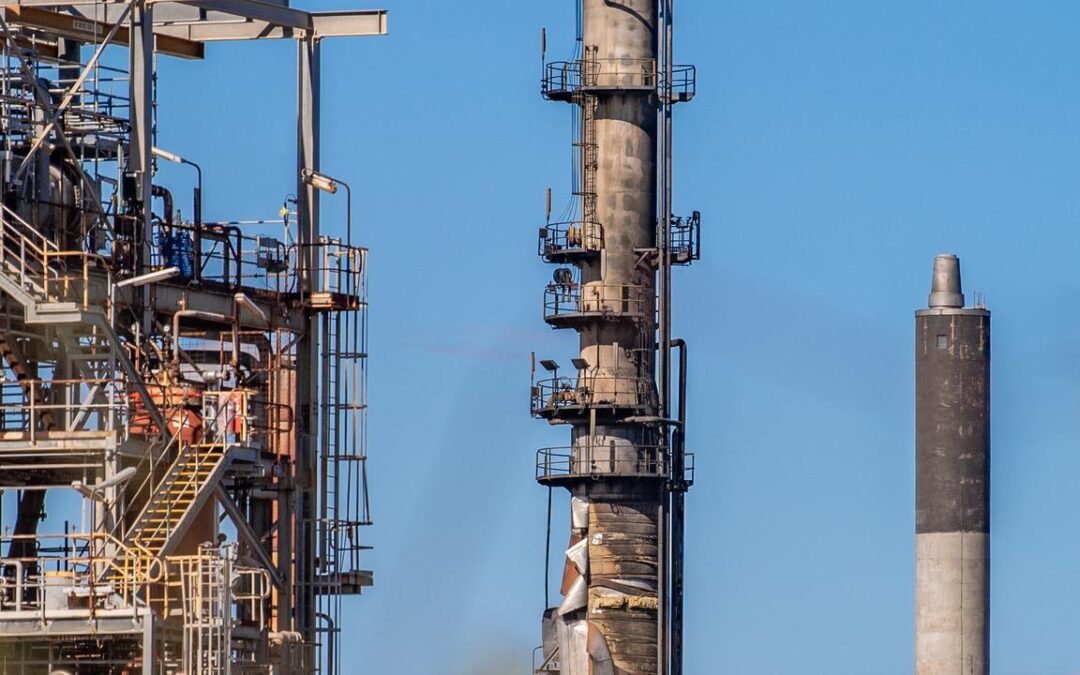
Fuel supply impact from refinery inferno revealed
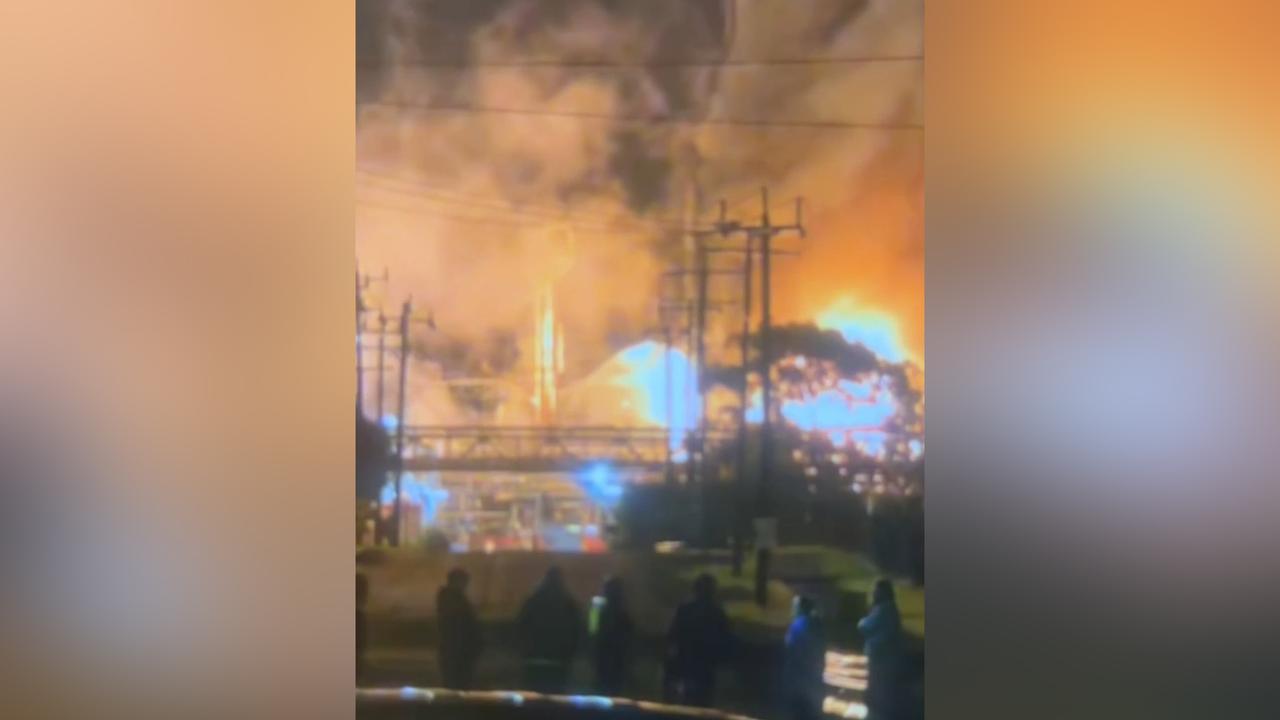
Nearly half of petrol production has been disrupted by a major fire at one of Australia’s only fuel refineries, the prime minister says.
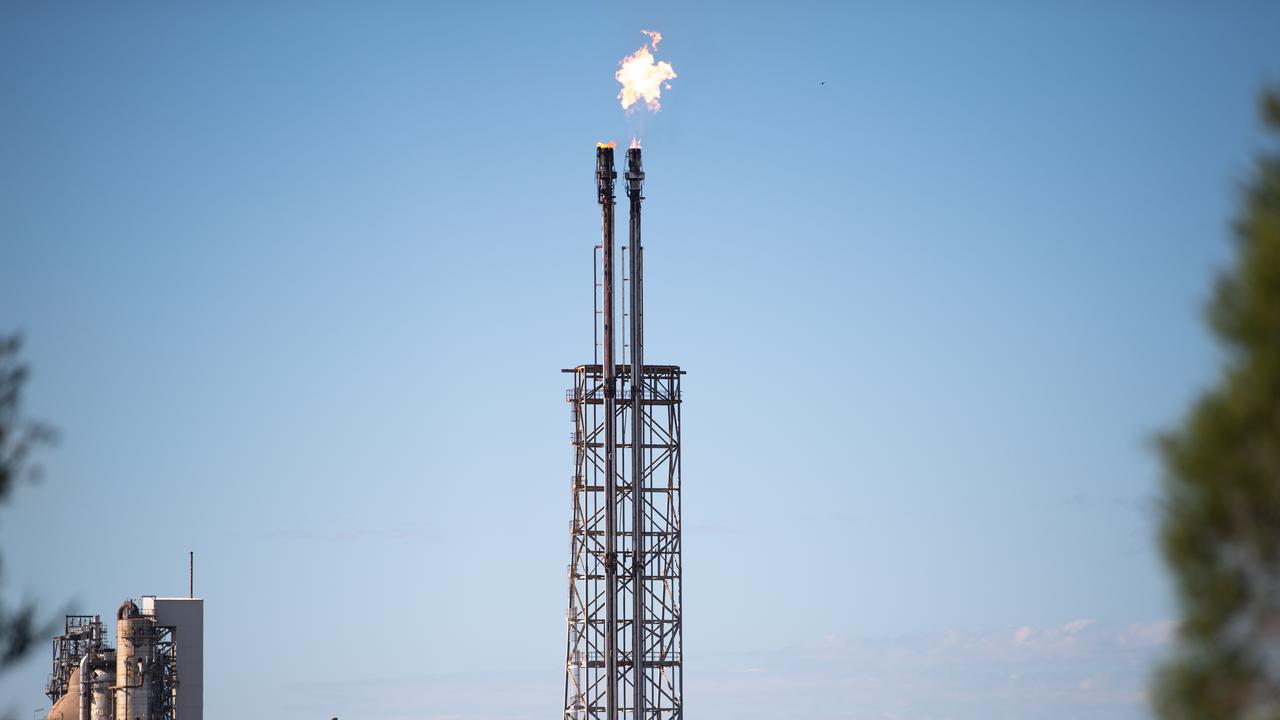
The fire broke out late on Wednesday at the Viva Energy Geelong refinery, southwest of Melbourne, which supplies more than half of Victoria’s fuel and about 10 per cent nationwide.
Anthony Albanese, who toured the facility on Friday morning after cutting short a trip to Southeast Asia, said the incident was regrettable, but was hopeful of production increasing again.
As of Friday, 60 per cent of petrol production was underway at the refinery, along with 80 per cent of diesel production and 80 per cent for aviation fuel.
“We hope, of course, as does the company, that that ramps up over the coming period as well,” Mr Albanese told reporters.
“The good news is … that no one was injured in this incident that occurred, and that is a tribute to the professionalism and to the management issues that have been put in place to deal with an incident like this.”
The refinery, which has been operating at full capacity in recent weeks, will be slowing its output for the time being, Viva said.
Chief executive Scott Wyatt said there was still a way to go before the site got back to previous levels.
“Any shortfalls of production, we’re very confident that we can cover that with our our import program which is quite substantial,” he said.
“It’s been, obviously, a challenging event for our team. It’s a shocking incident.”
As the prime minister visited the site, a handful of orange-clad workers could be seen arriving at the facility’s main office.
The fire alone, suspected to have been caused by a gas leak, will be unlikely to bring Australia closer to stage three of its four-stage national fuel security plan, Defence Minister Richard Marles said.
“Obviously the timing of this is terrible, so there’s no getting away from from that,” Mr Marles said.
“I don’t think what’s happened here moves us from one stage to the other, but obviously that’s a set of circumstances that we continue to monitor.”
Australia is currently at stage two of the national fuel security plan, a practical guide aimed at managing supply challenges related to conflict in the Middle East.
Exactly what the next stage, stage three, would look like is not clear, but would involve practical measures to limit fuel use.
The fire primarily affected infrastructure responsible for the production of petrol and aviation gasoline, which is distinct from jet fuel and usually used by small aircraft.

Prince Harry opens up as unofficial tour draws to close
Prince Harry and Meghan’s unofficial royal tour has reached its final day, with the pair using their time in Australia to speak about grief, personal struggles and the pressures of public life.
The Duke and Duchess of Sussex will wrap up their trip on Friday, making the most of the autumn sun with a Sydney Harbour boat ride alongside Invictus Australia representatives, before attending a Super Rugby Pacific match.
The former royals have been all smiles throughout their four-day visit, making many public appearances and posing for selfies during their commitments in Melbourne.
For royal-watchers, the experience has been surreal.
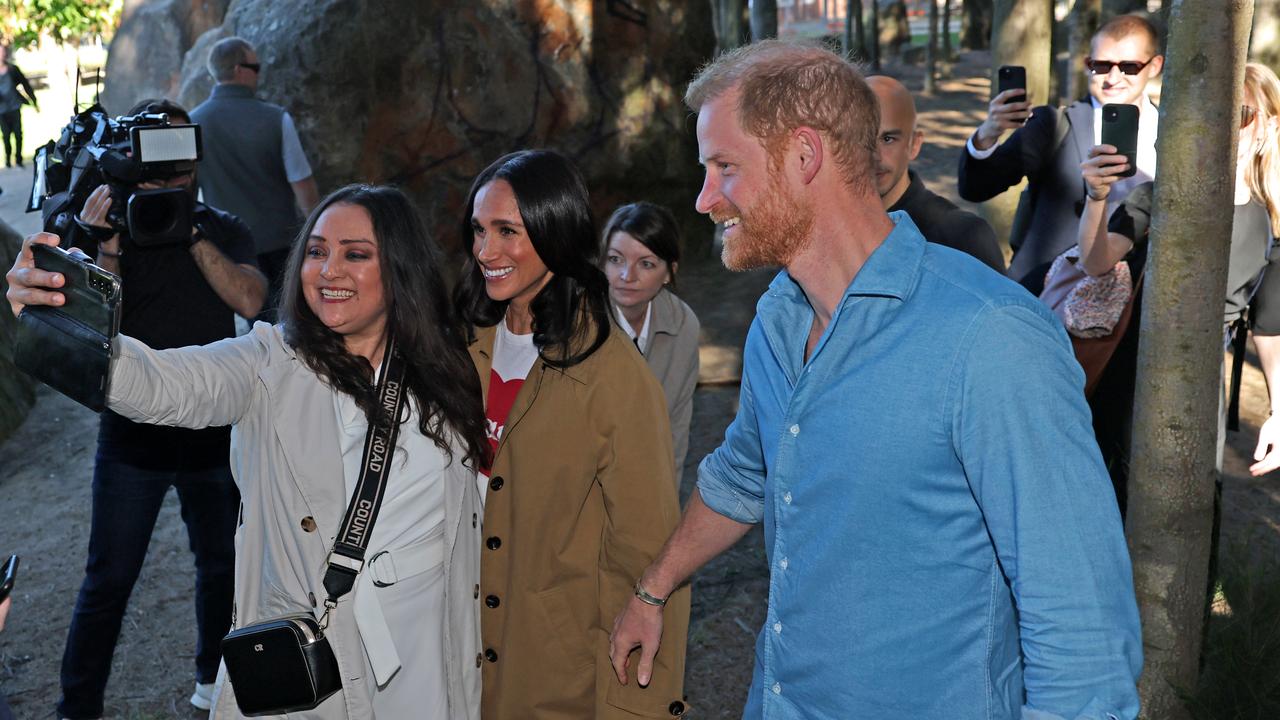
Among them were Courtney Higlett and her son Zaya, who shared a special moment with the couple on Thursday.
“A lot’s gone on with Harry and Meghan, and we choose to ignore it and just look up to them as role models for what they do,” Ms Higlett told AAP.
The appearance marked the closest the pair have come to a traditional royal walkabout during the trip.
Fans in Sydney are expected to have more chances to catch a glimpse of Harry and Meghan, with the pair set to be on full display during their harbour boat ride.
Private ticket holders will also get up close with Meghan when she delivers a speech on Friday night as the headline guest at an exclusive Sydney retreat, where tickets start at $2699.
Those paying $3199 for the VIP experience will receive a group table photo with Meghan, along with gift bags and a premium hotel room.
“The highlight of the weekend will be an in-person conversation with Meghan, Duchess of Sussex,” the website said.

No longer working royals following their much-publicised split with Buckingham Palace, Harry and Meghan are visiting in a private capacity.
Rather than open meet-and-greets with members of the public, the pair have opted to stick to managed private environments during their tour.
Harry delivered his own keynote speech at the InterEdge Summit in Melbourne on Thursday, where he shared feeling “lost, betrayed, or completely powerless” at times in his life.
During a conversation with former federal politician Brendan Nelson, Harry recalled a moment in the days following the death in 1997 of his mother, Princess Diana, when he felt unable to move forward with public life.
“After my mum died just before my 13th birthday – I was like: ‘I don’t want this job. I don’t want this role – wherever this is headed, I don’t like it’,” he said.

The duke also used the speech to reflect on a time when he lacked the tools to recognise his own mental health struggles.
“There have been many times when I’ve felt overwhelmed,” he told the large crowd.
Guests paid about $1000 to $2400 for a ticket to the InterEdge Summit, although media reports suggest that Harry was not paid a fee for his speech.
Wearing a jacket and white shirt, Harry received a standing ovation after his speech, along with a kiss on the cheek from Meghan, who was seated in the audience.
Accused war criminal Ben Roberts-Smith to seek freedom
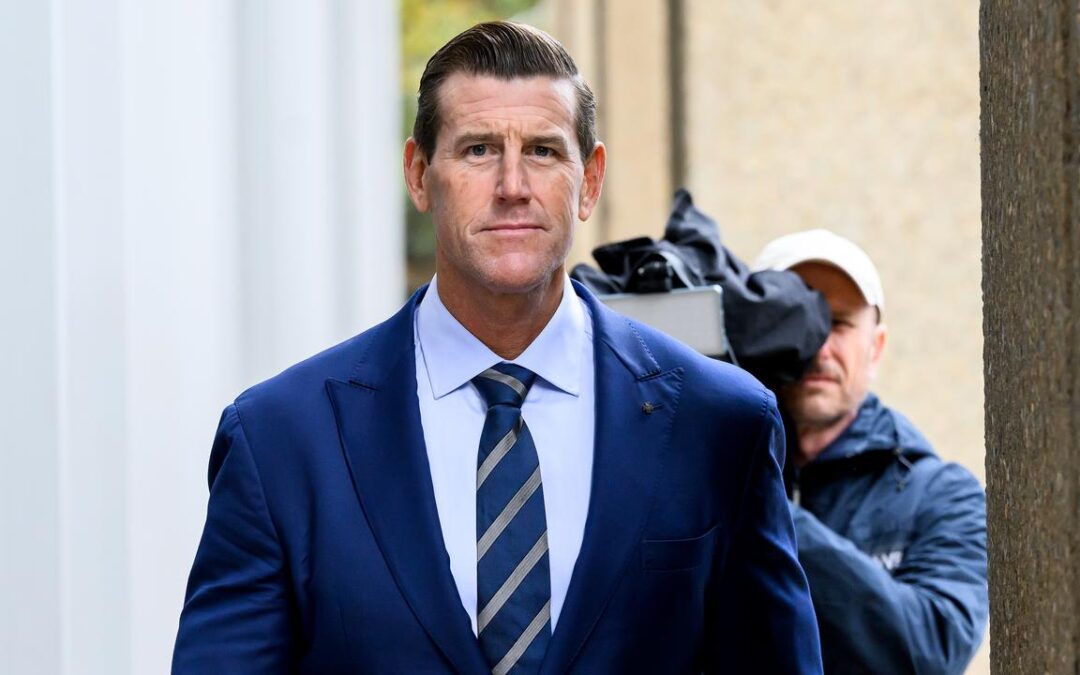
After spending more than a week in prison, Victoria Cross recipient and alleged war criminal Ben Roberts-Smith is expected to make a bail bid for freedom.
The 47-year-old former SAS soldier was sensationally arrested on April 7 and charged with murdering five unarmed non-combatants while deployed in Afghanistan between 2009 and 2012.
He was placed on remand and is listed to appear at Sydney’s Downing Centre Local Court on Friday to seek bail.
He is expected to appear by audio-visual link from prison.
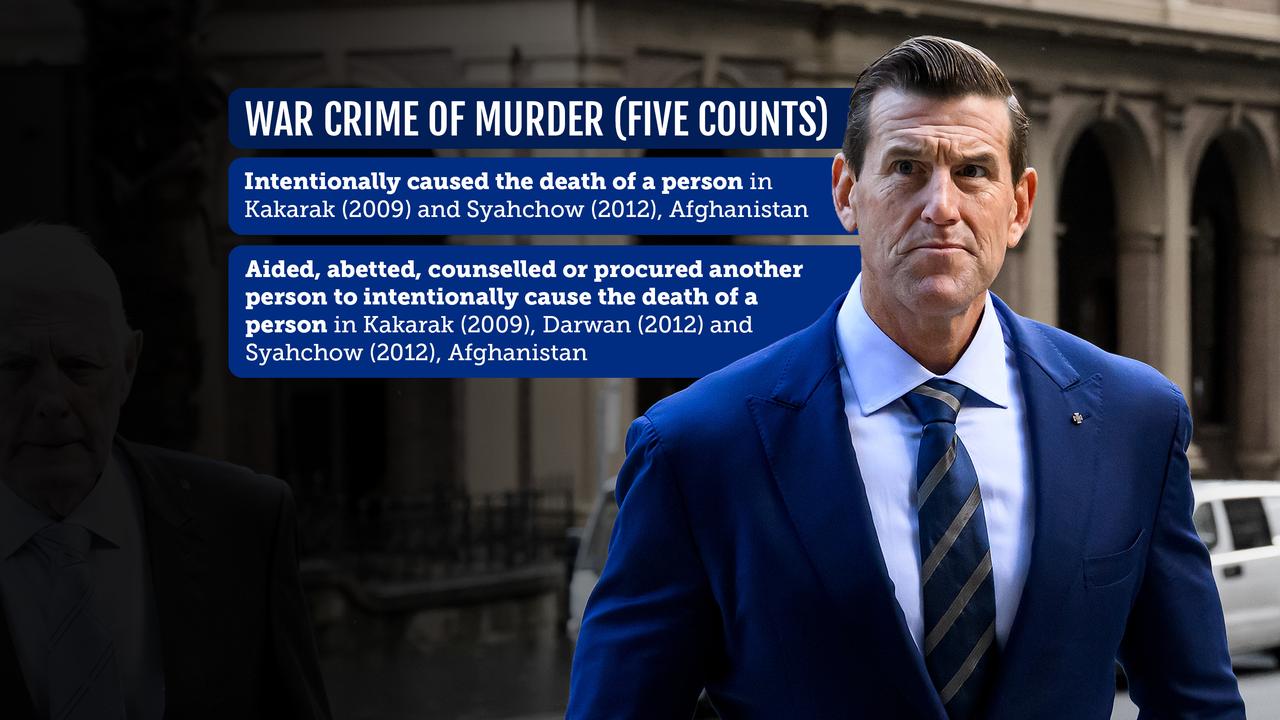
Australia’s most decorated living soldier is accused of directly murdering two Afghan individuals and aiding, abetting or procuring the murder of three more.
At Kakarak in Uruzgan Province in April 2009, Roberts-Smith allegedly ordered another soldier, only known as Person 4, to kill Mohammed Essa, court documents reveal.
He also allegedly murdered another unarmed civilian, Ahmadullah, during that same raid.
Roberts-Smith allegedly ordered the murder of another man, Ali Jan, during a raid on the village of Darwan, also in Uruzgan Province, in September 2012.
The remaining two charges relate to incidents in Syahchow, Uruzgan.
There, Roberts-Smith is accused of jointly murdering an unnamed Afghan prisoner with another soldier, only known as Person 68, and ordering the execution of another.
Court documents reveal both deceased men were listed as enemies killed in action.
War crime allegations against Roberts-Smith were first exposed by the now Nine-owned Fairfax Media in 2018.
The war veteran sued the paper for defamation in the Federal Court but suffered a crushing defeat with a judge finding the accusations of murder were, on the balance of probabilities, true.
He failed to overturn these findings on appeal to the full Federal Court and the High Court.
The move from a civil case to criminal charges means prosecutors have to prove the allegations beyond reasonable doubt for a guilty verdict to be handed down.
Roberts-Smith is the second former SAS soldier facing the courts on war crime charges.
Oliver Schultz was charged in 2023 with the war crime of murder of a young man Dad Mohammad in a wheat field in Uruzgan Province in 2012.
Both war crime accused have maintained their innocence.
Dire warning for Aussie borrowers if Iran war drags on
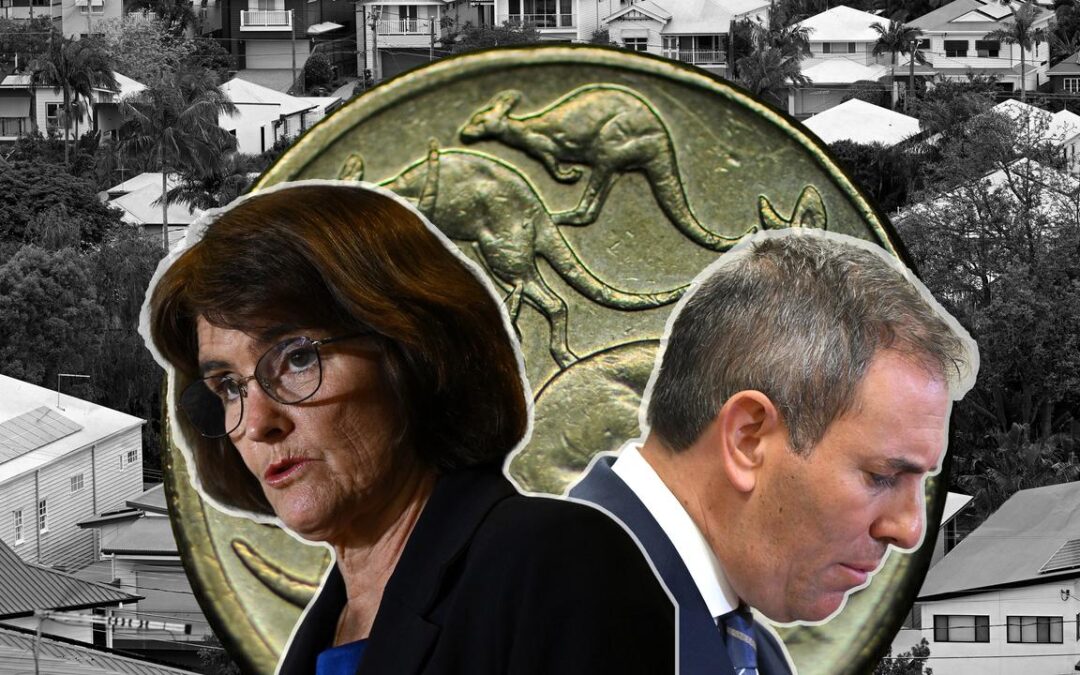
Mortgage holders could be hit by five more interest rate hikes by Christmas if there is no resolution to the Iran war soon.
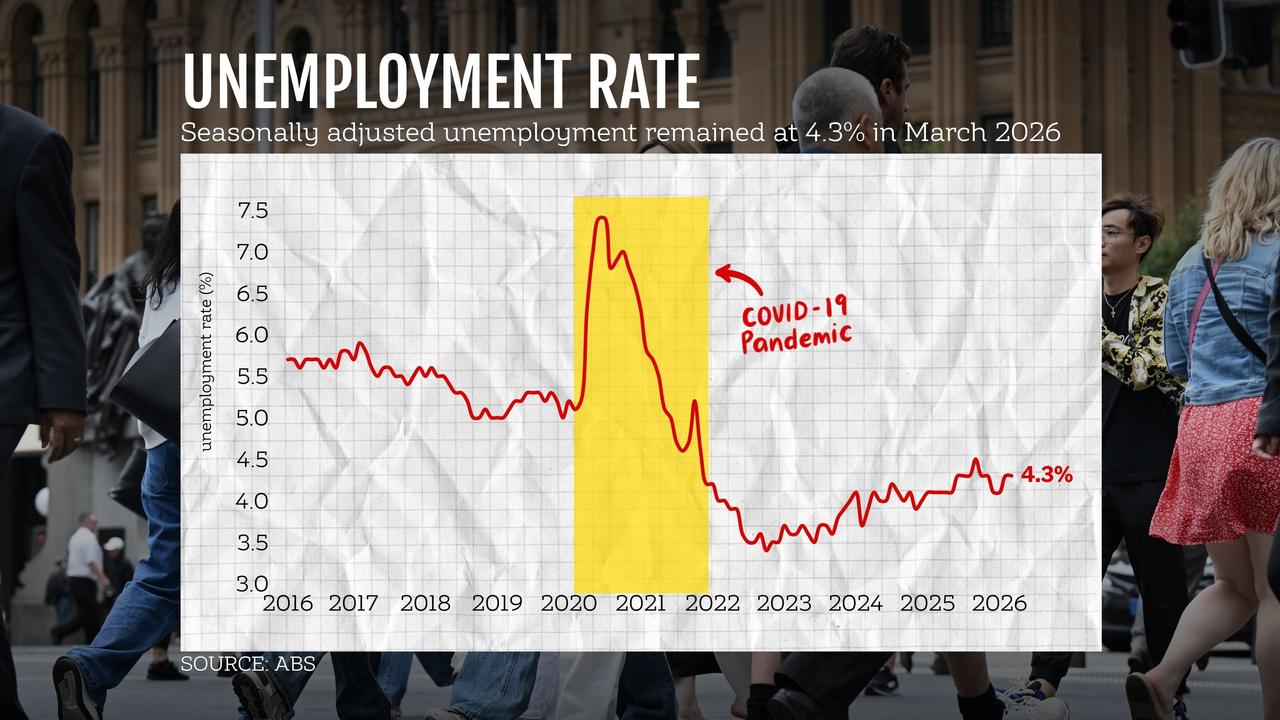
Data released by the Australian Bureau of Statistics on Thursday showed the nation’s labour market was still in good shape, with the unemployment rate holding steady at 4.3 per cent in March.
But a prolonged supply chain disruption will severely impact households and jobs, according to Harry Murphy Cruise, head of economic research at Oxford Economics.
If the Middle East crisis lingers into the third quarter, crude oil prices could hit $US150 to $US160 a barrel, from about $US100 now.
“Australia had an inflation problem well before this conflict kicked off,” Mr Murphy Cruise said.
“So that’s a tricky world to navigate and it could be even trickier if we see oil prices rise to that $US150 a barrel.
“That would push underlying inflation much closer to six per cent, broadly in line with where it was at the peak of the pandemic.”
Annualised underlying inflation, which strips out volatile items, is currently at 3.3 per cent.
A further jump would give the Reserve Bank of Australia the impetus to hike the cash interest rate from 4.10 per cent.
“If we see oil prices move higher in that prolonged conflict scenario, that would push, or would force, the RBA to hike to five and a half per cent through this year,” Mr Murphy Cruise said.
“All that is very bad news for households. Households are in a really tough spot at the moment. They are seeing inflation rise around them.”
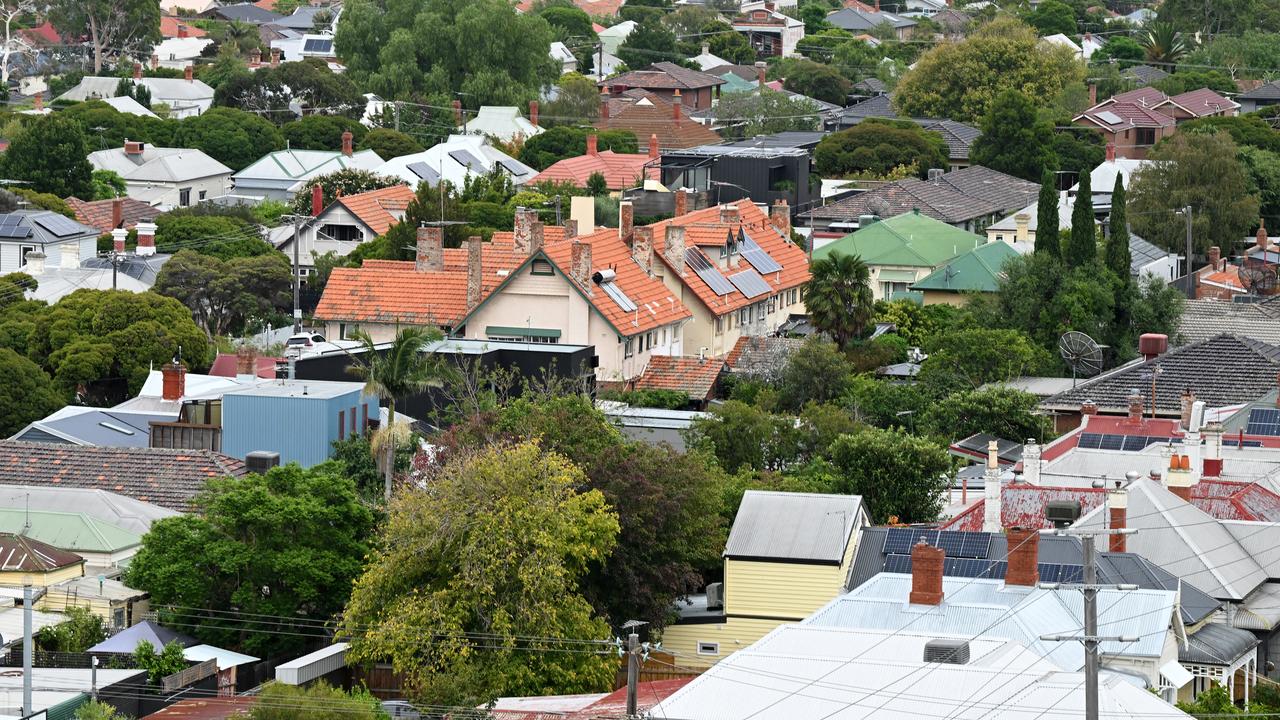
The situation was similar for businesses, Mr Murphy Cruise said.
“Businesses are scared. They don’t know what the outlook looks like, and they’ve got higher input costs,” he said.
A survey of 828 company directors conducted by Roy Morgan found 41 per cent believed current interest rate levels would cause a major uptick in insolvencies, while almost nine in 10 expected business costs to rise.
“While productivity concerns still dominate, the fuel and energy crisis unfolding as a consequence of the Middle East conflict will only intensify the challenges being felt in the economy,” Australian Institute of Company Directors chief economist Mark Thirlwell said.
HSBC chief economist Paul Bloxham expects the central bank to hike the cash rate again at its May meeting.
“However, beyond the May meeting, we expect the RBA’s decision will depend on how quickly the economy is weakening and, critically, on whether there are signs that this is feeding through to significant weakening in the jobs market,” he said.
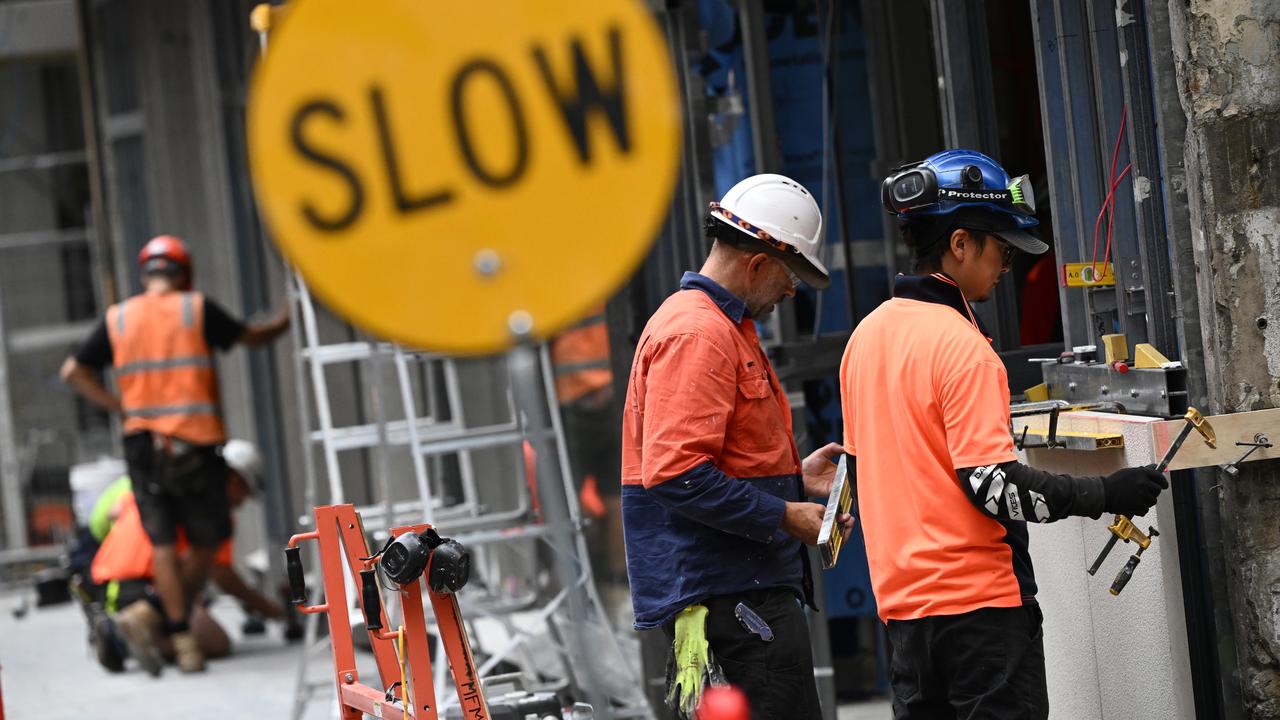
But while higher fuel costs and interest rates will weaken the labour market, it might not result in mass lay-offs, Westpac economist Ryan Wells said.
“Since the 2000s, employers have typically opted to reduce average hours worked rather than headcount during labour market downturns in order to retain flexibility,” he said.
“So, absent a severe recession, we are likely to see a larger pull-back in average hours worked together with a slowing (not decline) in employment this year.”
Westpac expects the unemployment rate to hit a quarter average of 4.9 per cent by the second half of 2026.
It comes as Treasurer Jim Chalmers gave a speech overnight at a meeting of G20 finance ministers in Washington, warning the effects of the Iran war would linger.
“Lasting damage has been done and the recovery will be longer and harder than any of us would like,” he said.
“We won’t see everything go back to normal straight away. There is no normal anymore, and the fallout from this conflict will be felt for some time even if the ceasefire sticks and the Strait reopens soon.”
Fresh fuel supply fears hosed down after refinery blaze
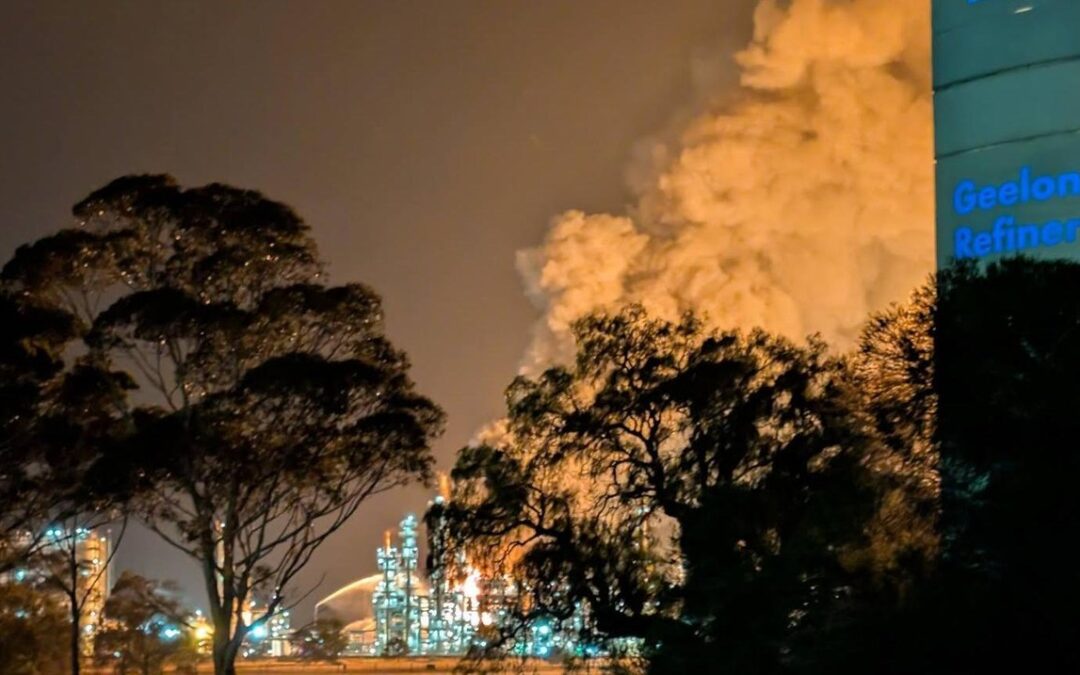
A major fire at one of Australia’s two oil refineries won’t lead to fuel shortages, authorities say, with additional imports tipped to make up for the production shortfall.
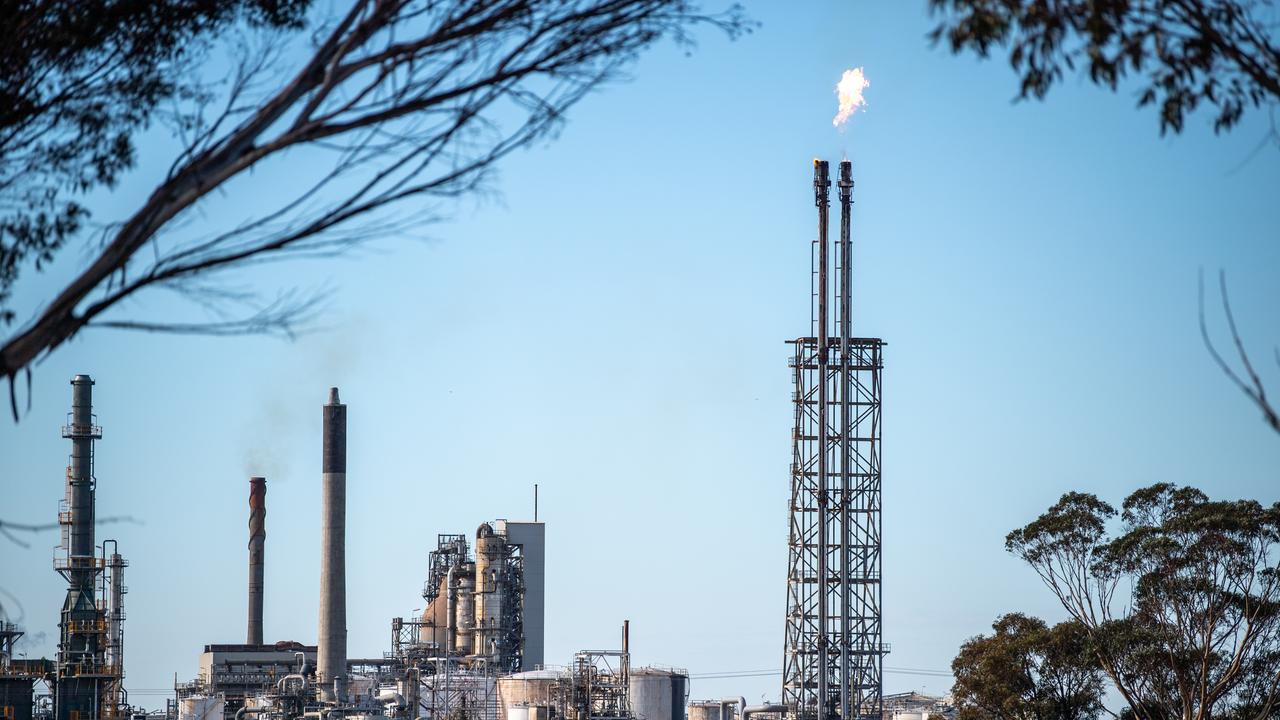
The fire broke out at the Corio site, southwest of Melbourne, about 11pm on Wednesday and took fire crews almost 12 hours to extinguish.
The Viva Energy Geelong refinery supplies more than half of Victoria’s fuel and about 10 per cent nationwide, according to the company.
Energy Minister Chris Bowen said the company was confident it could replace any production shortfall caused by the blaze with imported fuel, but admitted the full extent of the impact on petrol production was not yet clear.
“This is not a positive development, this is not good timing, and this is a setback,” Mr Bowen told reporters on Thursday.
“But I can assure Australians, the government and industry are working very closely together to manage the impacts of this fire.
“Viva is confident that they will be able to replace the impacted petrol production with imports.”
The fire primarily affected infrastructure responsible for the production of petrol and aviation gasoline, which is distinct from jet fuel and usually used by small aircraft.
Production of diesel and jet fuel was continuing at the site at temporarily reduced levels as a safety precaution, Mr Bowen said.
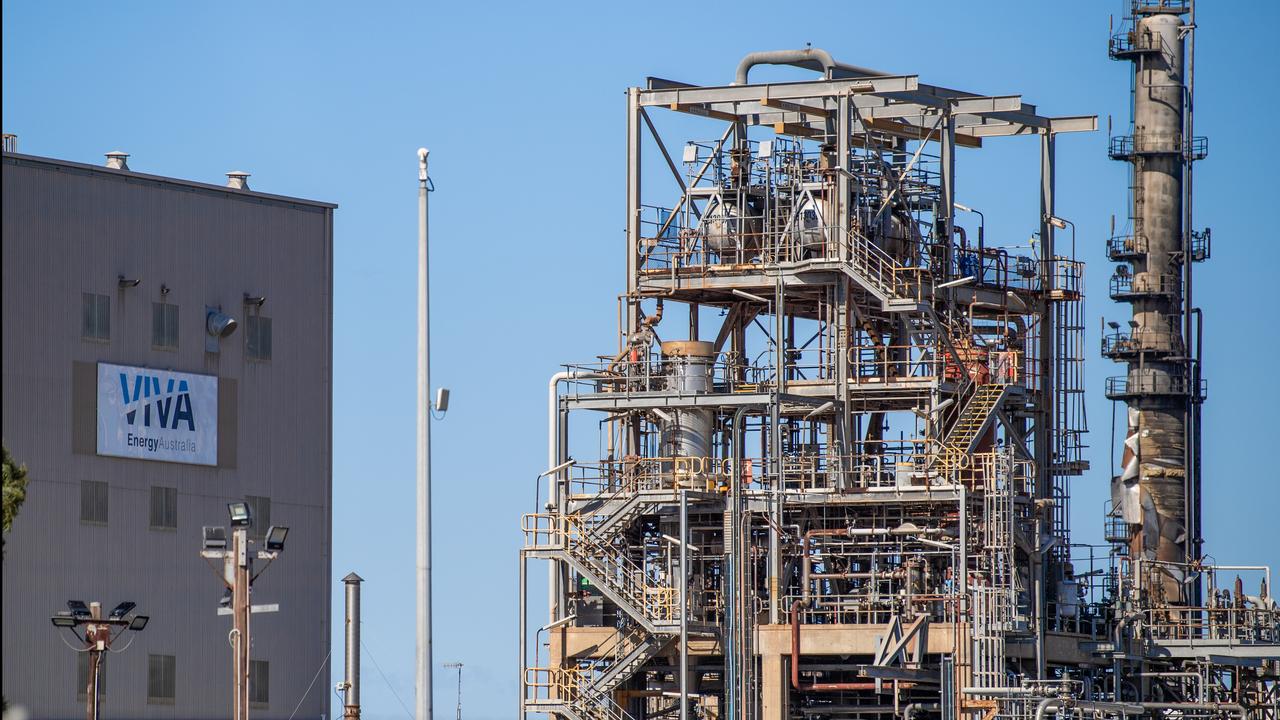
While investigators would probe the cause of the fire, incident controller Anthony Pearce from Fire Rescue Victoria said a gas leak was believed to have been responsible.
“There was a leak of gas from a mechanical component in the system,” he said.
“The gasses then appeared to have ignited.”
An estimated 25 to 50 employees were inside the facility when the fire broke out and immediately acted to suppress the blaze, Australian Workers Union Victorian branch president Ross Kenna said.
“There was an ignition of gas and it created an explosion and fireball,” he told AAP.
“Our members on site managed to get the fire suppression systems running straight away.”
Speaking from Malaysia, where he was in the midst of securing an energy trade deal, Anthony Albanese described images of the fire as “very distressing”.
“Clearly there will be consequences for it, but there’ll be a proper assessment taking place over the coming short period,” the prime minister said.
“As for the damage, obviously there will need to be an assessment of that and the consequences for fuel supply.
“We’ll continue to work with the company to do what we can to make sure that anything that is offline is brought online as soon as possible.”
Malaysia is the largest supplier of crude oil to Australia.
Despite assurances from the government, Institute for Energy Economics and Financial Analysis energy finance analyst Kevin Morrison said the fire could act like a “second oil shock”, pushing prices higher at the bowser, particularly in Victoria.
“We saw sort of an immediate impact on prices when the conflict started in Iran. You could almost sort of see a similar measure here,” he told AAP.
“Obviously not as dramatic, but we’re facing another major supply interruption and when we have that, prices normally react upwards.”
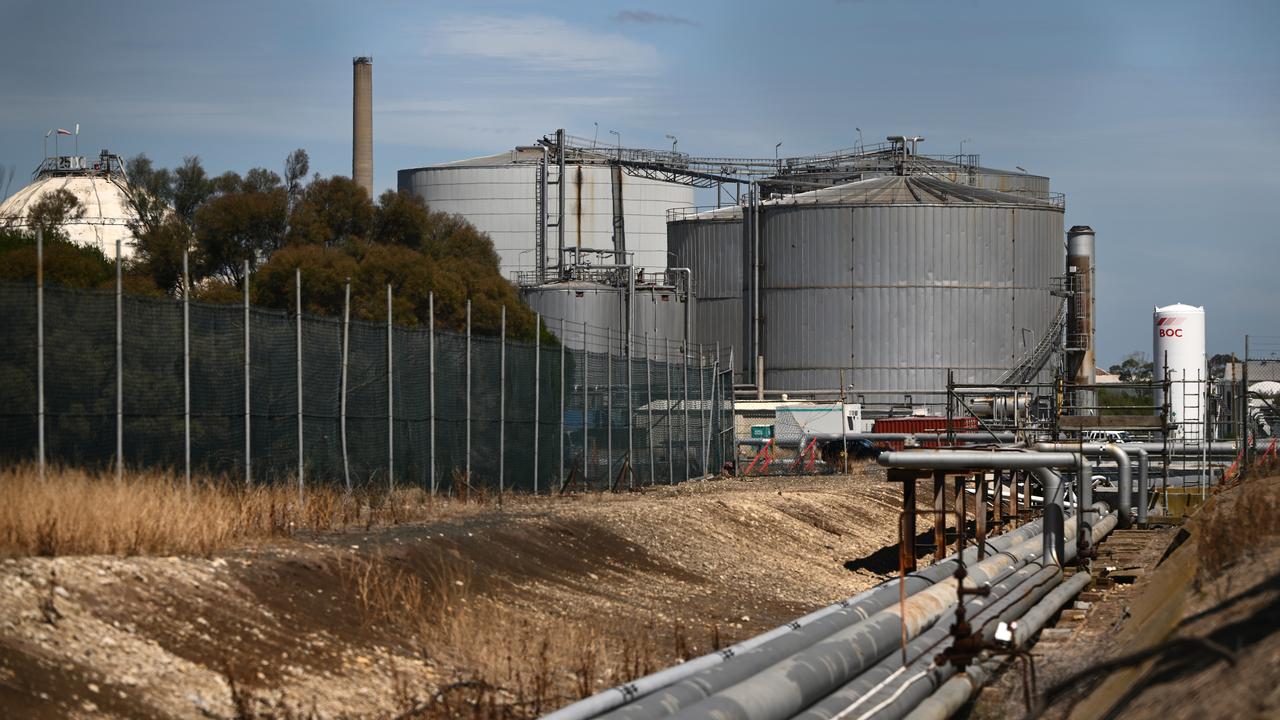
The refinery can produce more than 120,000 barrels of oil per day, manufacturing petrol, diesel, jet fuel, LPG, avgas and low aromatic fuel.
Along with Ampol’s Lytton Oil Refinery in Brisbane, the Geelong plant is one of two facilities capable of refining fuel domestically.
About 50 firefighters, 10 fire trucks and a boat attended the scene, Fire Rescue Victoria assistant chief fire officer Michael McGuinness told reporters.
There are no reported injuries and all employees and emergency responders have been accounted for.
Viva Energy halted trading its shares on the stock market ahead of an update on the damage caused by the blaze.
Climate emitters opt for cheap offsets, few real cuts
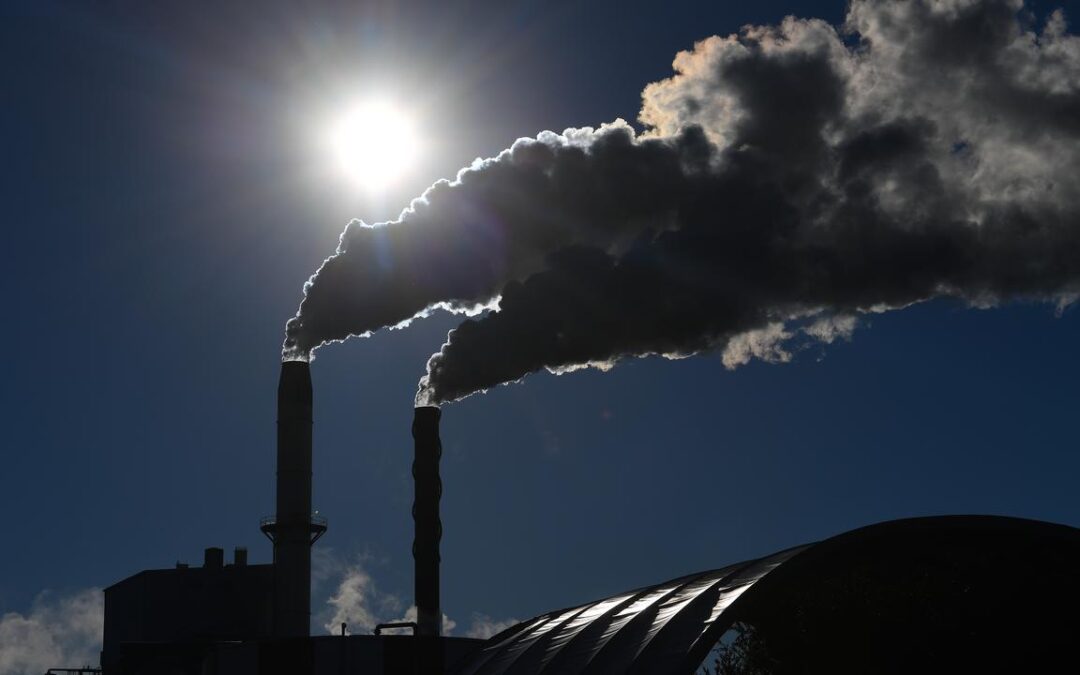
Australia’s biggest polluters appear to be hoarding credits generated by staying beneath the emissions baseline while cheap carbon credits dominate the nation’s flagship industrial climate scheme.
The second batch of figures under Labor’s reworked safeguard mechanism reveals a growing reliance on offsets, up 45 per cent on 2023/2024, alongside modest cuts of roughly two per cent in onsite emissions.
While the scheme targeting more than 200 of Australia’s mines, factories and other emissions-intensive facilities is designed to ratchet up gradually and give companies time to buy clean equipment, critics were concerned by growing reliance on offsets.
The safeguard mechanism forces polluters to lower emissions against legally binding limits – known as baselines – via genuine cuts through electrification or efficiency, or by buying carbon credits to offset their pollution.
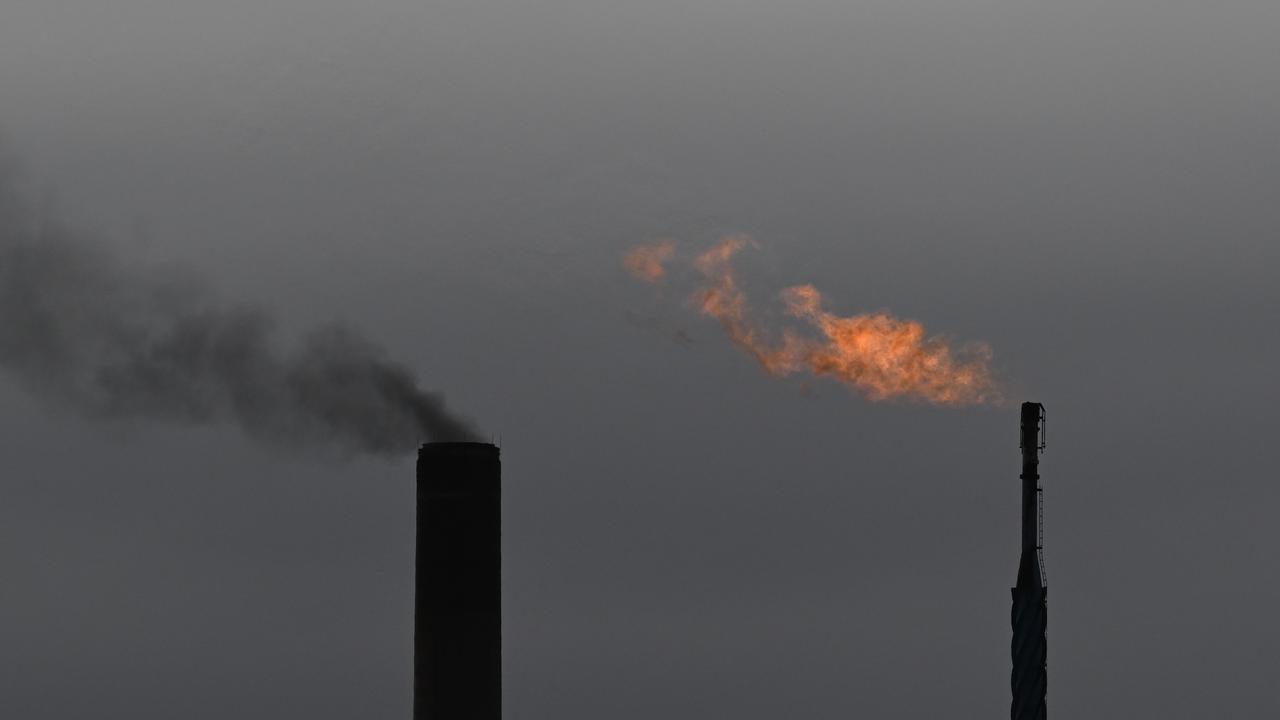
Companies have a few different options for offsetting emissions above the cap.
Safeguard mechanism credits can be purchased from other polluters that have trimmed their onsite emissions.
Alternatively, emitters can buy Australian Carbon Credits Units (ACCUs), which include projects that absorb carbon – predominantly land-based ones such as planting trees.
University of Melbourne researcher Kate Dooley said safeguard mechanism credits had been generated in the past few years but few were changing hands between companies.
Instead, companies had been buying up carbon credit units at scale.
Beyond the integrity and effectiveness problems plaguing the long-running trading scheme, Dr Dooley said it was not scientifically sound to balance industrial emissions with land-based offsets.
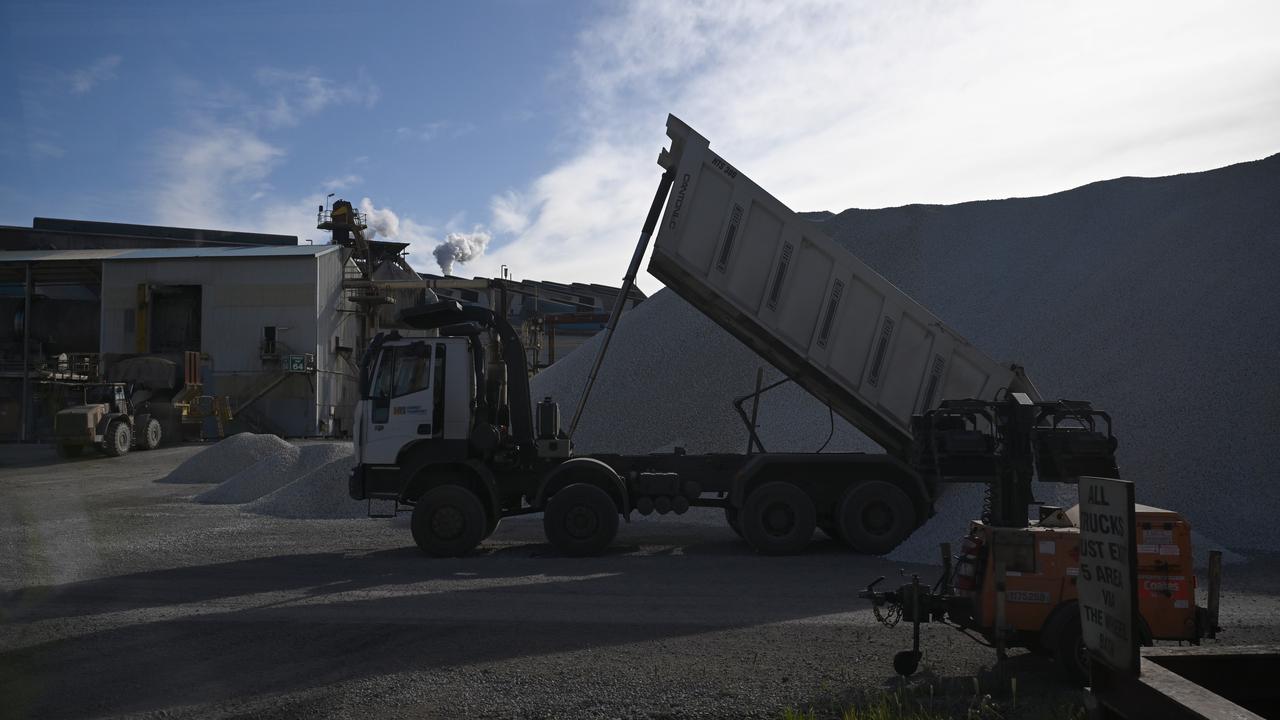
Carbon stored by planting trees does not represent permanent reductions in atmospheric carbon and cannot counter the additional long-term emissions released by burning fossil fuels that would otherwise have remained underground long-term.
Dr Dooley would prefer polluters stick to trading safeguard mechanism credits and see carbon credit units phased out, or at least capped.
“With SMCs, you’re trading like-for-like. To some degree, you’re trading industrial reductions with industrial emissions,” she told AAP.
The safeguard mechanism is due for review in the upcoming financial year.
Climate Change and Energy Minister Chris Bowen has indicated the work could commence later in 2026 rather than mid-year.
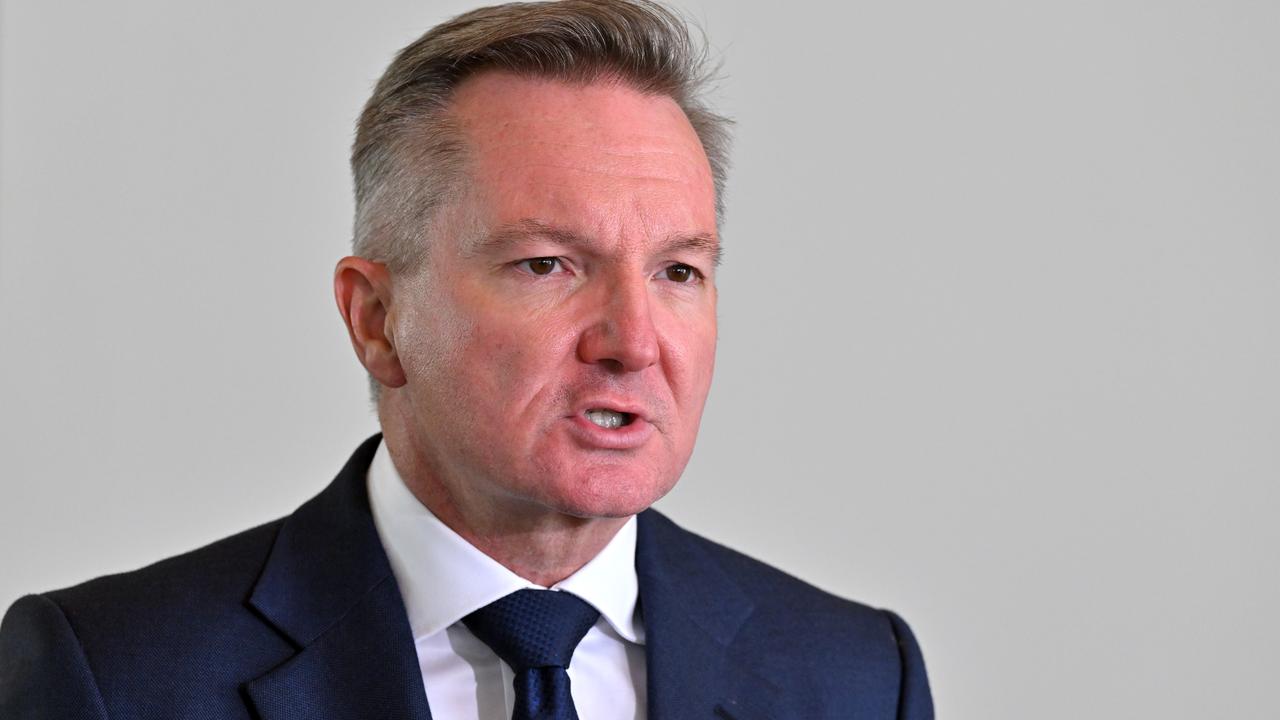
Anticipating criticism of offset use under the scheme, Mr Bowen on Wednesday touted the 5.8 million tonnes of onsite emissions cuts in two years.
“This is good policy working well,” he told reporters in Sydney.
Carbon Market Institute director of corporate transition Kurt Winter said the safeguard had generated moderate net and gross emission cuts and was on track to deliver its legislated 2030 goals.
“The government’s review later this year provides an opportunity to strengthen investment signals towards achieving Australia’s 2035 ambition”.
He also highlighted 2025 as the first year covered emissions were higher than baseline pollution allowances, suggesting the market incentive to invest in decarbonisation was intensifying.
Climate Integrity executive director Claire Snyder said the safeguard mechanism was allowing emitters to “buy their way out of their obligations”, a sentiment echoed by the Climate Council.
“Too many polluters are treating our climate like a credit card – loading up on cheap offsets instead of actually cutting their pollution,” senior advocacy advisor Ben McLeod said.
China’s economic growth tops forecasts, war risks loom
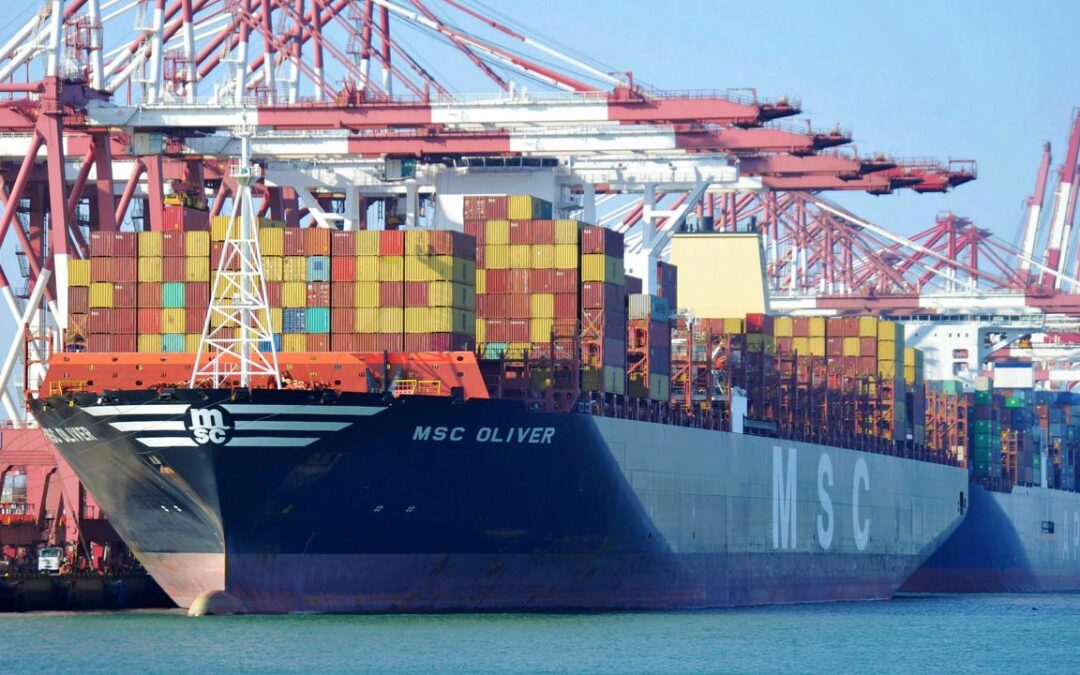
China’s economy grew 5.0 per cent in the first quarter from a year earlier, official data shows, beating analysts’ expectations as policymakers brace for the fallout from the Iran war.
Analysts polled by Reuters had forecast the January-March quarter gross domestic product (GDP) would expand 4.8 per cent from a year earlier, compared with a 3-year low of 4.5 per cent in the fourth quarter.
On a quarterly basis, GDP grew 1.3 per cent in the first quarter, matching forecasts and just ahead of the 1.2 per cent gain in the previous quarter.
Risks to the world’s second-largest economy have surged since the Middle East war erupted on February 28.
The conflict has laid bare a critical vulnerability: as the world’s biggest energy importer and a heavily export-driven economy, China is acutely exposed to an oil shock that is already slowing trade, driving up factory costs and clouding the outlook for the year.