
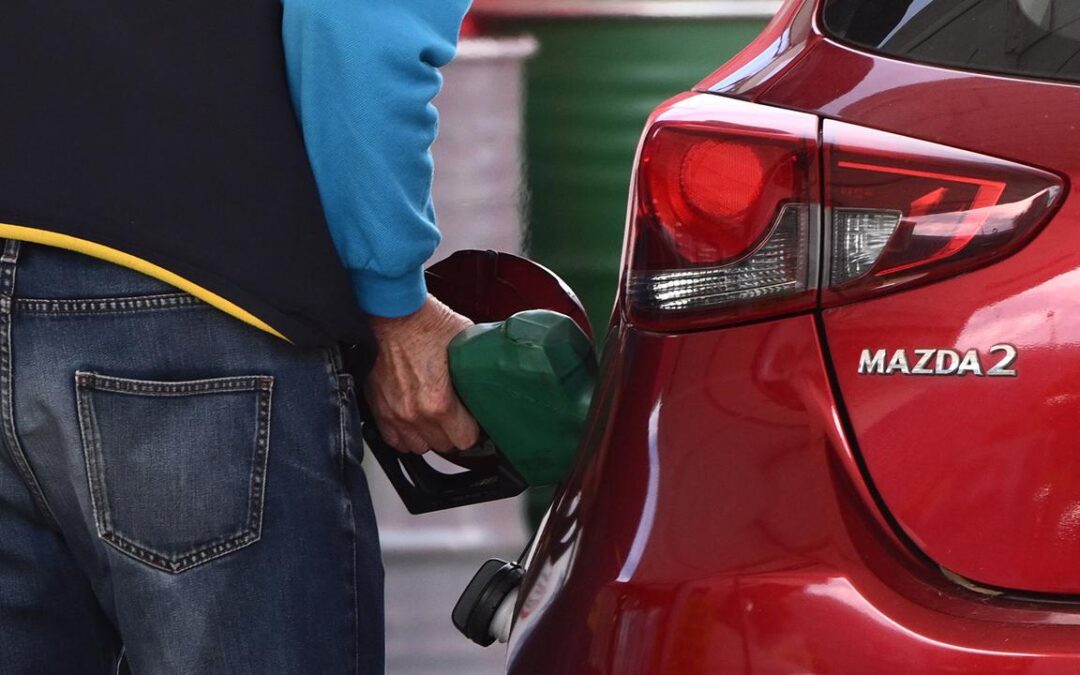
Bowser prices at mercy of delicate shipping agreement
Everyone is hoping petrol prices keep falling but no one is confident.
Australian motorists woke on Saturday to news Iran had reopened the contentious Strait of Hormuz.
Yet by the time they’d soaped and hosed off the family ride and stepped inside for a coffee, Tehran was threatening to reimpose the restriction.
The United States says a convoy of oil tankers is crossing the crucial shipping channel in a first major movement of supplies since it and Israel launched war on Iran seven weeks ago.
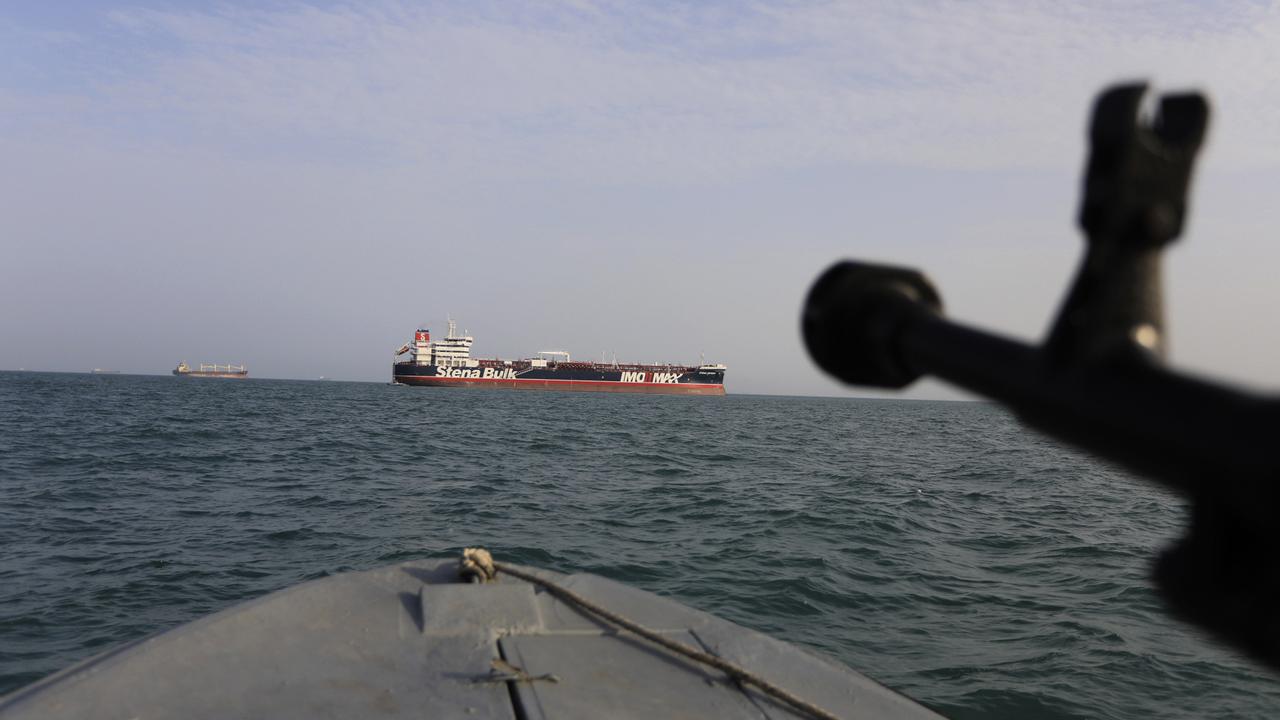
Yet late on Saturday, Australian time, confusion swirled, with reports Iran had fired on a ship attempting to pass.
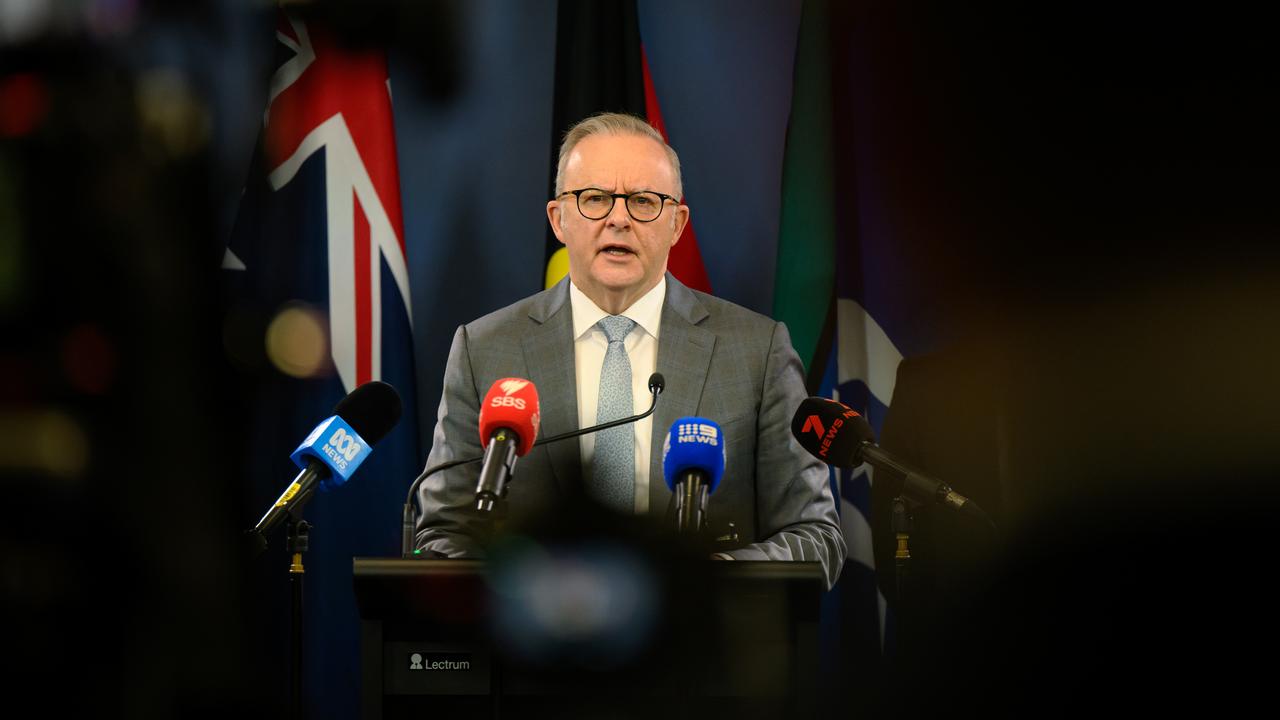
Anthony Albanese was earlier positive a reinvigoration of maritime commerce would spell good news for Australian petrol and diesel prices.
He was at pains to stress the arrangement was fragile, following an overnight summit on Friday of some 50 countries to support an ongoing Middle East ceasefire.
The clock is ticking on the pause in hostilities, which could fall apart as soon as Wednesday.
“We want to see de-escalation, we want to see the Strait of Hormuz opened and we want to see no privatisation and no tolls,” the prime minister told reporters in Sydney.
“We want to see this fragile arrangement confirmed and we want to see those ships being able to pass.”
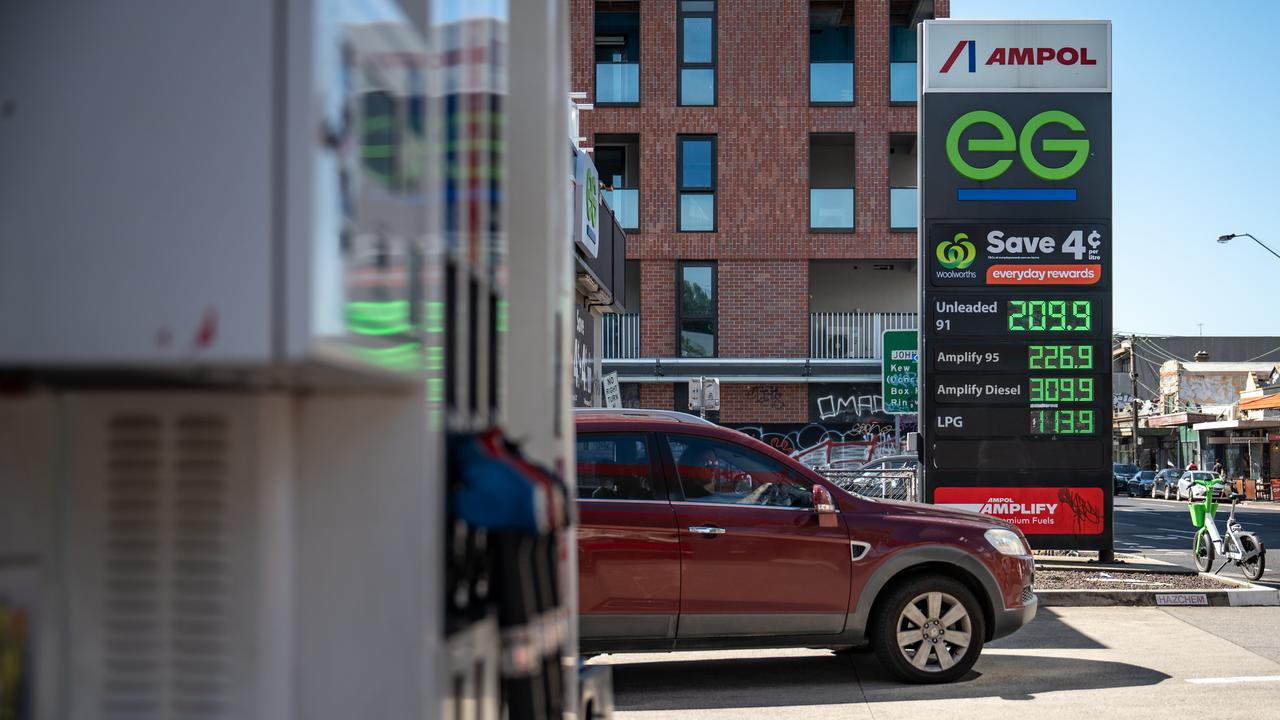
Australian bowser prices have dipped below $2.10 a litre and are under $3 for diesel for the first time since February across major cities.
However it may take time for consumers to feel the full impact of the Hormuz reopening even if it holds.
While recent falls in global oil prices are translating to cheaper fuel, markets are volatile, according to National Roads and Motorists Association spokesman Peter Khoury.
“Wholesale prices have been falling and they should continue to fall,” he told AAP.
“We are focusing on the wholesale prices in Australia because that’s the clearest indication of what going to happen at the bowser.
“It takes about seven to 10 days for those falls in oil prices to flow on in the Australian market.”
Reprieve aside, Mr Khoury is urging motorists to remain cautious, saying it is still unclear whether the cheaper fuel will last.
“Trying to predict what’s going to happen in the Middle East is the quickest way to get made a fool of yourself,” he added.
“We’re really careful not to get too far ahead of ourselves but the trajectory has been in the right direction, it’s been positive and we really need that to continue.”
Energy Minister Chris Bowen says Australia has 46 days of petrol in reserve and 31 days’ worth of diesel.
The number of petrol stations without fuel is also dropping and there are about 120 without diesel across the nation.
Australasian Convenience and Petroleum Marketers Association’s Rowan Lee told AAP the issue facing consumers was fuel price rather than supply.
He said price pressures were expected to continue for at least the next six months.
“It’s just really uncharted territory and that is not underplaying it,” he said.
Energy Economics and Financial Analysis spokesman Kevin Morrison told ABC News it could take six weeks before Australia gets 80 per cent of the oil that’s been affected coming back online if peace holds.
“I don’t think we can expect cheaper oil prices in the foreseeable future,” he said.
Thousands march in calls to end domestic violence
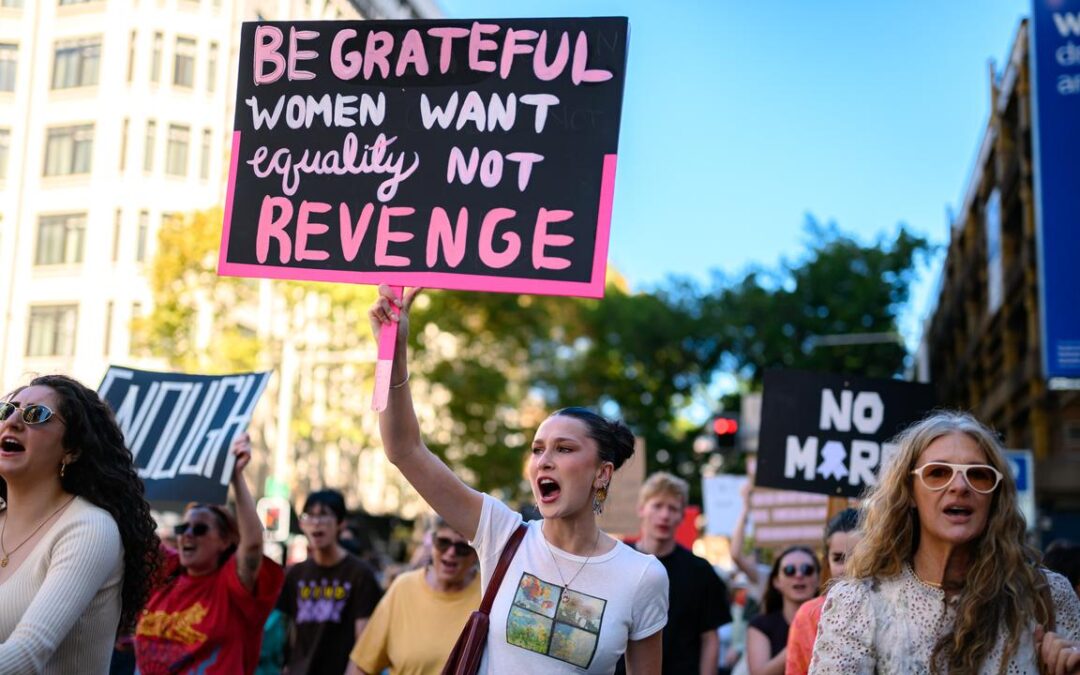
Thousands of Australians have taken to the streets to call for action on the root causes of domestic violence and improved support for survivors.
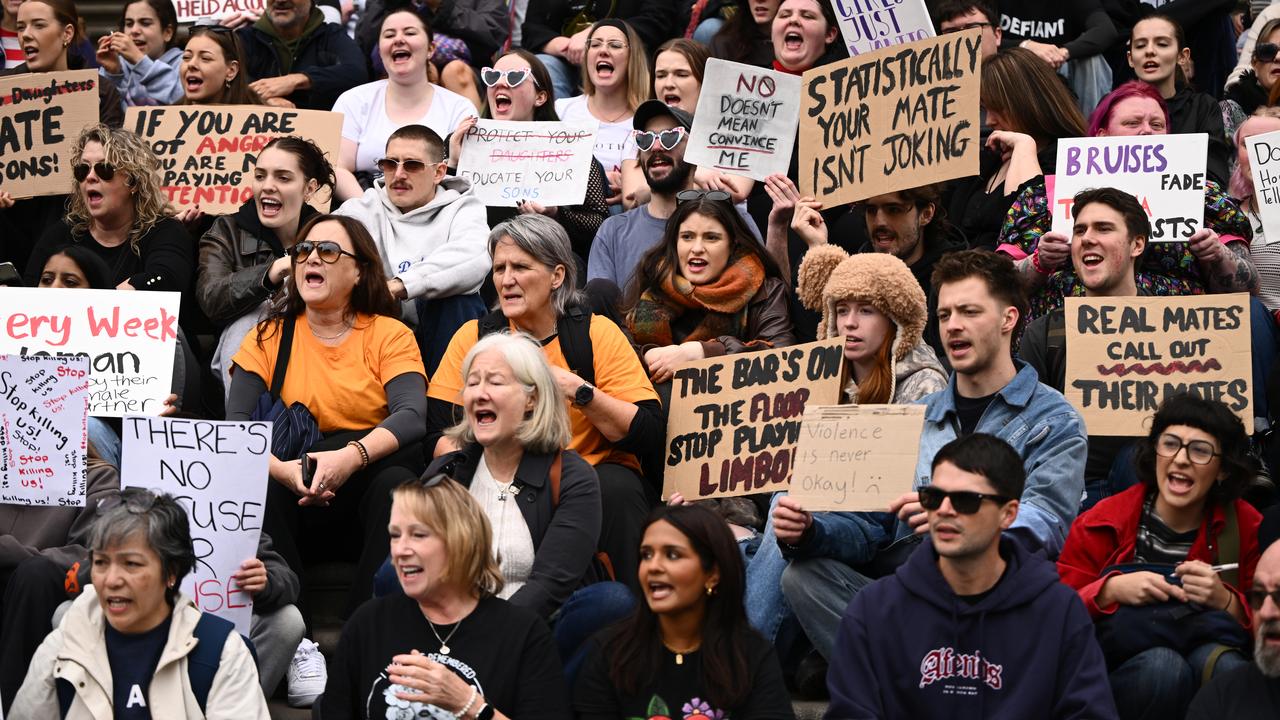
Protesters marched through Sydney, Melbourne, Adelaide, Brisbane, Wollongong, Tamworth, the Gold Coast and Toowoomba on Saturday as part of What Were You Wearing Australia’s events to oppose gender-based violence.
Many held posters with statistics illustrating the scale of the issue in Australia, while others wore shirts commemorating loved ones lost to domestic or family violence.

Some took aim at “manosphere” culture and men’s behaviour as the internet has increasingly become a platform to showcase and encourage misogynistic content.
“Domestic violence is often swept under the rug by politicians and media,” participant Rachel Garrett told AAP at the Sydney event.
“So many women are silently suffering as they live in fear of the men in their lives.
“In the current cultural climate, when young men are being radicalised by public figures like Andrew Tate, it’s really important to call on our government to do better and stand in solidarity with women worldwide.”
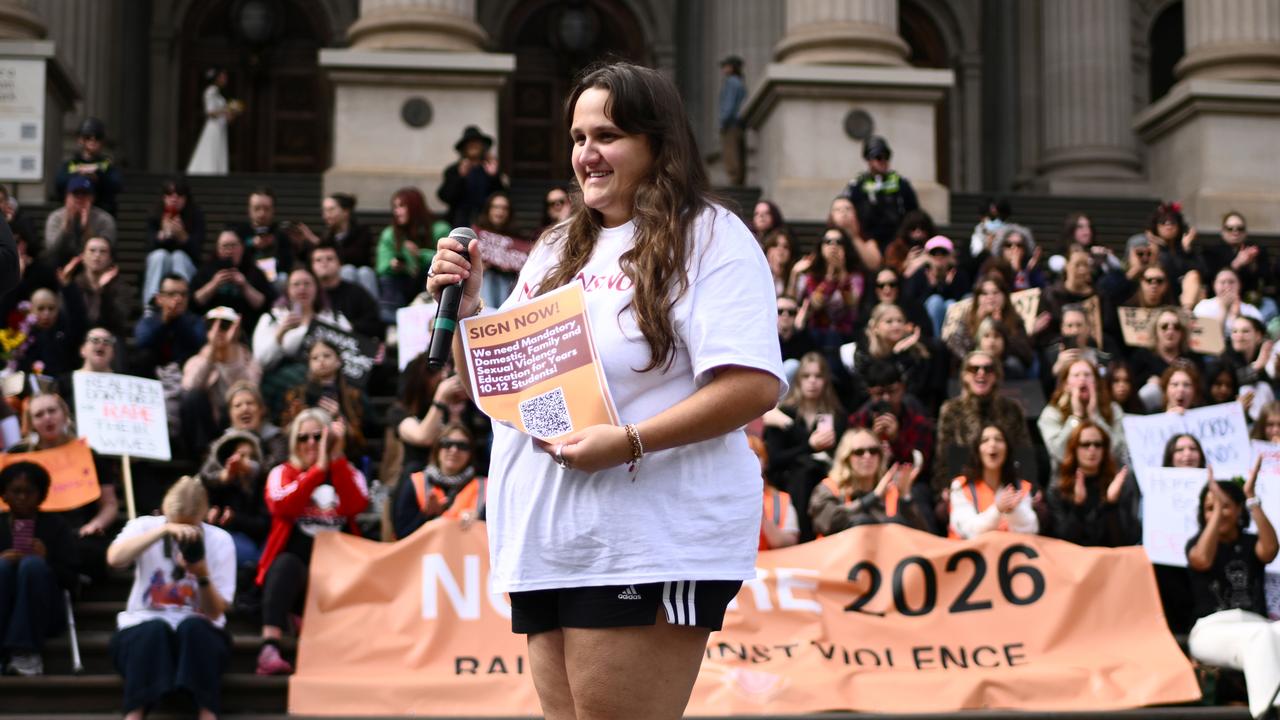
Victim-survivor and advocate Brittany Higgins appeared with her husband at the Melbourne rally as event organiser Sarah Williams spoke.
“Sexual violence thrives in silence and stigma,” Ms Williams told AAP.
“When survivors are asked what they were wearing, where they were or what they were doing, the focus is placed on the survivor instead of the perpetrator responsible.”
The rallies were first hosted in the wake of the 2024 Bondi Junction shopping centre attack, during which a man armed with a knife killed six people and injured a dozen others, the majority of them women.
This year, the organisation has called for the federal and state governments to better fund frontline services, including men’s behaviour change, legislate an AI duty of care to stop abuse facilitated by the controversial technology, and offer free counselling and support for all victim-survivors.
“Our sector is running every day as Australia’s fourth emergency service,” Women’s Community Shelters chief executive Annabelle Daniel told the Sydney rally.
“Every phone rings off the hook and every day, services have to say no to people who should never be turned away.
“We cannot continue to run on goodwill alone, we cannot ask women and communities to absorb what our systems simply refuse to carry and we cannot ask women and children to carry the burden of being resilient when the front lines are running on empty.”
About one in seven Australians has experienced sexual violence since the age of 15, with more than one in five women and one in 16 men reporting abuse.
Rallies will be held on Sunday in Ballarat, Perth, the NSW Central Coast, Dubbo, Cairns, Sunshine Coast, Canberra and Hobart.
1800 RESPECT (1800 737 732)
National Sexual Abuse and Redress Support Service 1800 211 028
US renews Russia oil waiver after pressure from nations
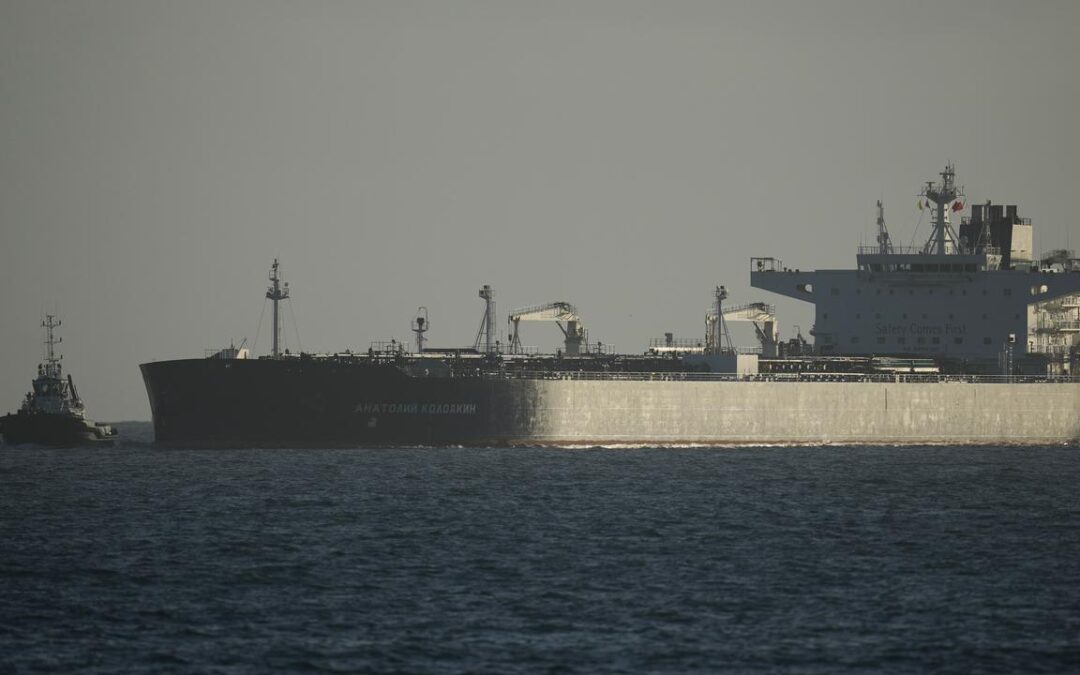
The Trump administration has renewed a waiver allowing nations to buy sanctioned Russian oil at sea for about a month.
The US Treasury Department’s waiver lets countries purchase Russian oil and petroleum products loaded on vessels through to May 16.
It replaces a 30-day waiver that expired on April 11 and excludes transactions involving Iran, Cuba and North Korea.
The move is part of the administration’s effort to control global energy prices that have shot higher during the US-Israeli war on Iran.
It came after nations in Asia, suffering from the global energy shock, pressed Washington to allow alternative supplies to reach markets.
“As negotiations (with Iran) accelerate, Treasury wants to ensure oil is available to those who need it,” a Treasury Department spokesperson said.
Just two days earlier, Treasury Secretary Scott Bessent said Washington would not be renewing the waiver for Russian oil and another for Iranian oil, which is set to expire on Sunday.
Global oil prices tumbled nine per cent on Friday to about $US90 a barrel after Iran temporarily reopened the Strait of Hormuz, an oil choke point in the Gulf.
But the war has already created the worst global energy supply disruption in history, the International Energy Agency has said.
The war, which is entering its eighth week, has damaged more than 80 oil and gas facilities in the Middle East, and Tehran has warned it could close the strait again if the recent US navy blockade of Iranian ports continues.
US President Donald Trump has also faced pressure from partner countries on the oil price. A US source said partner countries on the sidelines of Group of 20, World Bank and International Monetary Fund meetings in Washington this week had requested the US extend the waiver.
US lawmakers from both political parties had slammed the administration over the sanctions waivers, saying they stood to help the economy of Iran while it was at war with the US and of Russia as it was at war with Ukraine.
The waivers could impede the West’s efforts to deprive Russia of revenue for its war in Ukraine and put Washington at odds with its allies.
European Commission President Ursula von der Leyen has said now is not the time to relax sanctions against Russia.
Russian presidential envoy Kirill Dmitriev said US-Russian economic and energy co-operation will continue, in a social media post about the renewal of the waiver.
He had said the first waiver on Russian oil would free 100 million barrels of crude, equal to almost a day’s worth of global output.
Iran reopens Strait of Hormuz, tells US to end blockade
Iran has temporarily reopened the Strait of Hormuz following a ceasefire agreement in Lebanon but warns it could close the crucial waterway again if the US navy continues its blockade of Iranian ports.
Iranian Foreign Minister Abbas Araqchi announced on social media the strait, a slender chokepoint in global energy trade, was open for all commercial vessels for the remainder of the US-brokered 10-day truce between Israel and Lebanon.
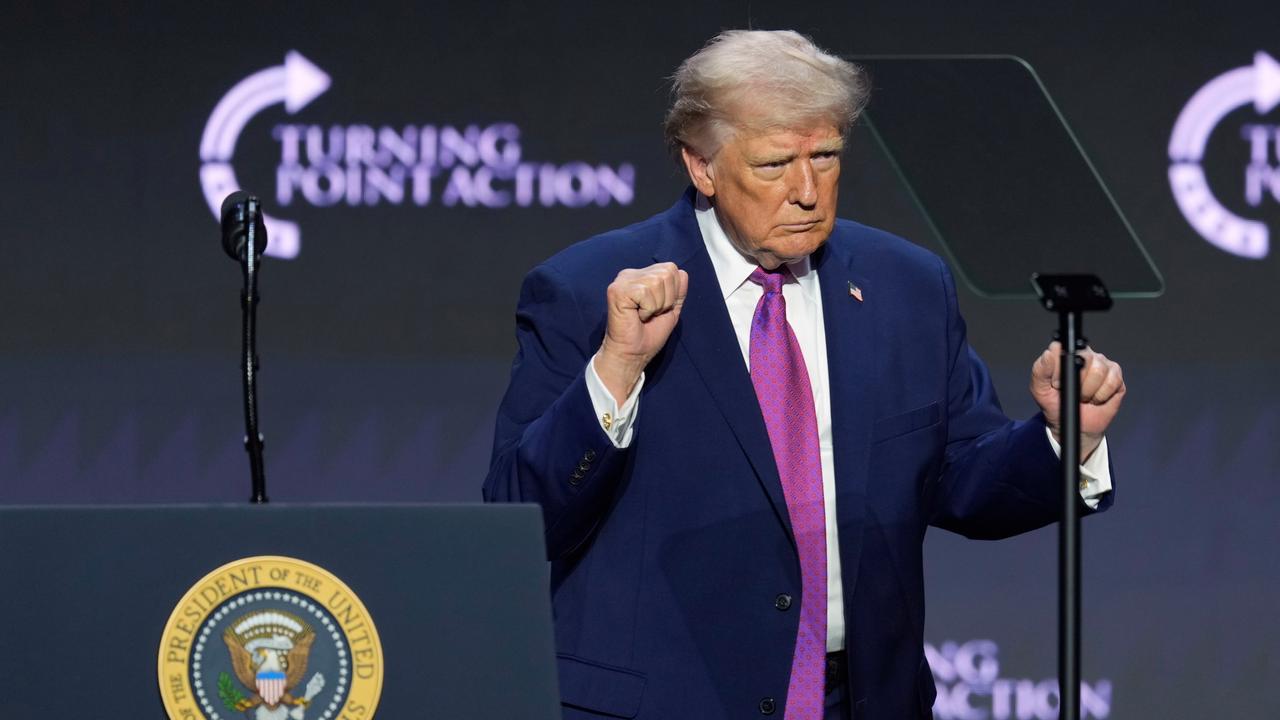
US President Donald Trump, who with Israel launched the war on Iran on February 28, told supporters at a rally in Arizona that Araqchi’s announcement marked “a great and brilliant day for the world”.
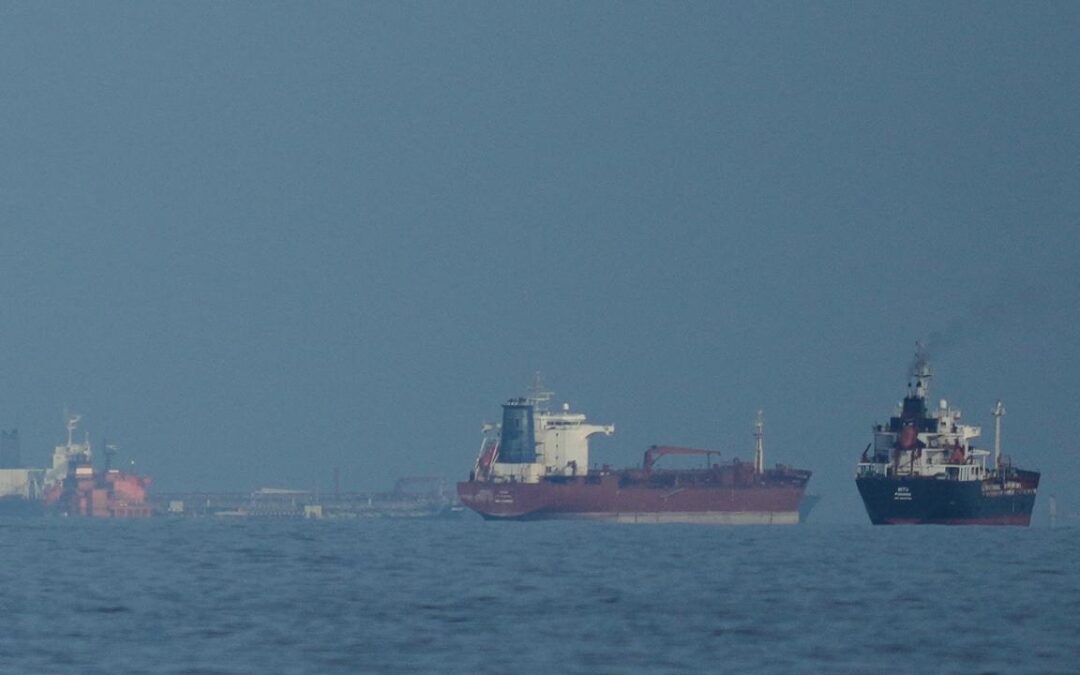
But subsequent statements and clarifications from both sides left uncertainty over how quickly shipping might return to normal, and some vessels could be observed making unsuccessful attempts to cross the strait on Friday, local time, before turning back.
Trump said a US blockade of ships sailing to Iranian ports, announced after talks with Iran last weekend ended without agreement, would remain until “our transaction with Iran is 100 per cent complete”.
Iran responded sharply, with its parliament speaker and senior negotiator Mohammad Baqer Qalibaf saying in a social media post that the strait, which until recently carried about a fifth of the world’s oil trade, “will not remain open” if the US blockade continues.
He also said Trump had made multiple false claims about the peace talks on Friday.
Iran has said all ships must co-ordinate with the Islamic Revolutionary Guard Corps, which was not the case before the war.
The Defence Ministry said in a statement quoted by state television that military vessels and ships linked to “hostile forces”, the US and Israel, were still not permitted to pass.
Vessel traffic data showed a group of about 20 ships, including container ships, bulk carriers, and tankers, moving through the Gulf toward the Strait of Hormuz on Friday evening, but most ended up turning back, although it was not clear why.
The group included three container ships operated by French shipping group CMA CGM, which declined to comment.
It was the largest group of vessels to attempt the transit since the start of the war.
Trump told Reuters the US would remove Iran’s stockpiles of enriched uranium. Foreign Ministry spokesperson Esmaeil Baghaei told state TV the material would not be transferred anywhere.
Separately, a senior Iranian official said Iran hoped a preliminary agreement could be reached in the coming days that could extend a ceasefire that is due to expire next week.
That could buy more time for negotiations on lifting sanctions on Iran and securing compensation for war damages, the official said.
Oil prices fell about 10 per cent, and global stocks jumped on news that marine traffic might flow through the strait again.
Shipping companies cautiously welcomed Iran’s announcement but said they would require clarifications, including about the risk of mines, before vessels move through the entry point to the Gulf.
The US navy warned seafarers the mine threat in parts of the waterway was not fully understood and said they should consider avoiding the area.
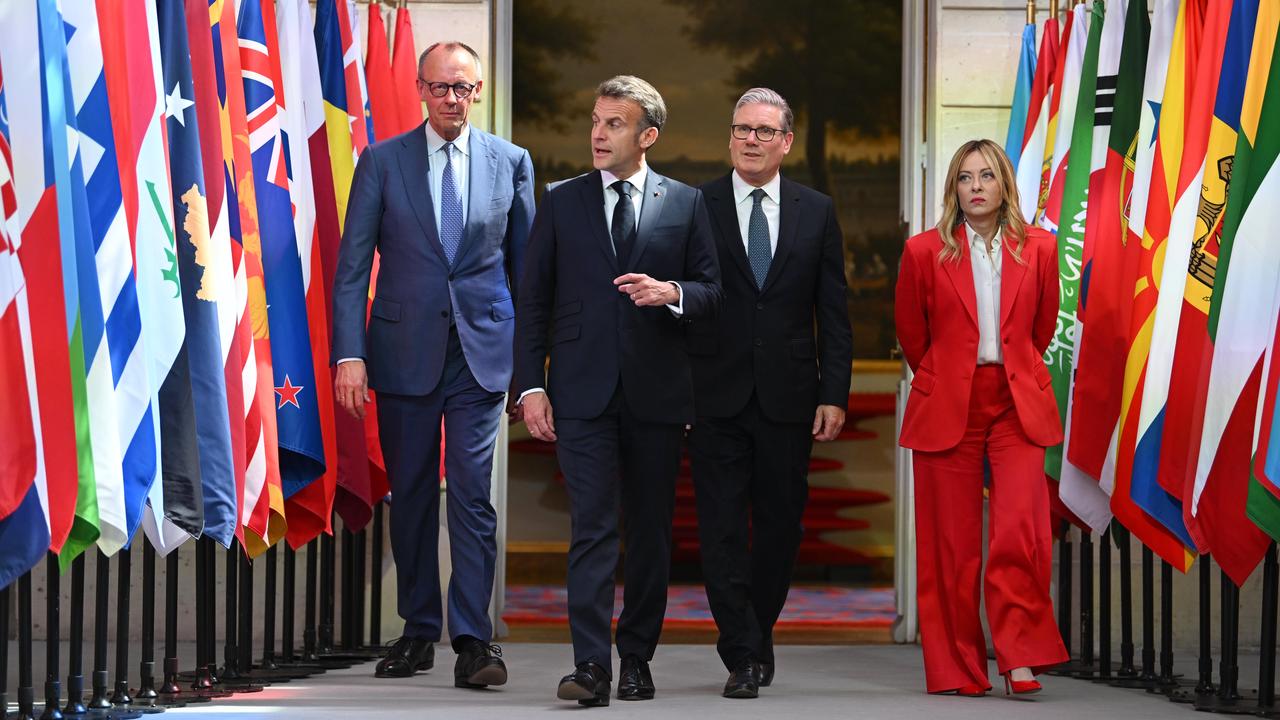
After a video conference on Friday, more than a dozen nations said they were willing to join an international mission to protect shipping in the strait when conditions permit, Britain said.
Trump told Reuters there could probably be more peace talks this weekend. Some diplomats said that was unlikely given the logistics of gathering in the Pakistani capital Islamabad, where the talks are expected to take place.
A Pakistani source involved in mediation efforts said an upcoming meeting could result in an initial memorandum of understanding, followed by a comprehensive peace agreement within 60 days.
Australia, world leaders warily welcome strait opening
World leaders have cautiously welcomed the reopening of the Strait of Hormuz, as the news sent global oil prices plunging more than 10 per cent overnight.
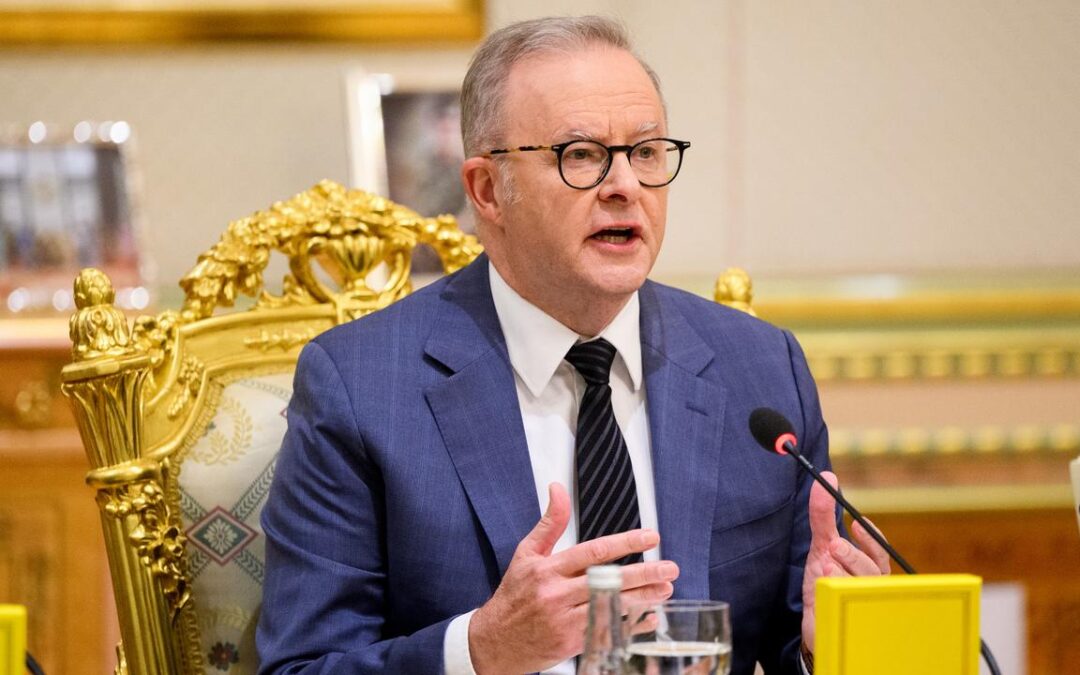
Prime Minister Anthony Albanese will shortly speak to reporters after joining a virtual summit of about 50 countries on Friday evening, hosted by France and the United Kingdom.
The meeting aimed to establish support for a fragile ceasefire in the region following the US-Israeli war against Iran and ensure shipping routes reopen through the strait, under the banner of the Strait of Hormuz Maritime Freedom of Navigation Initiative.
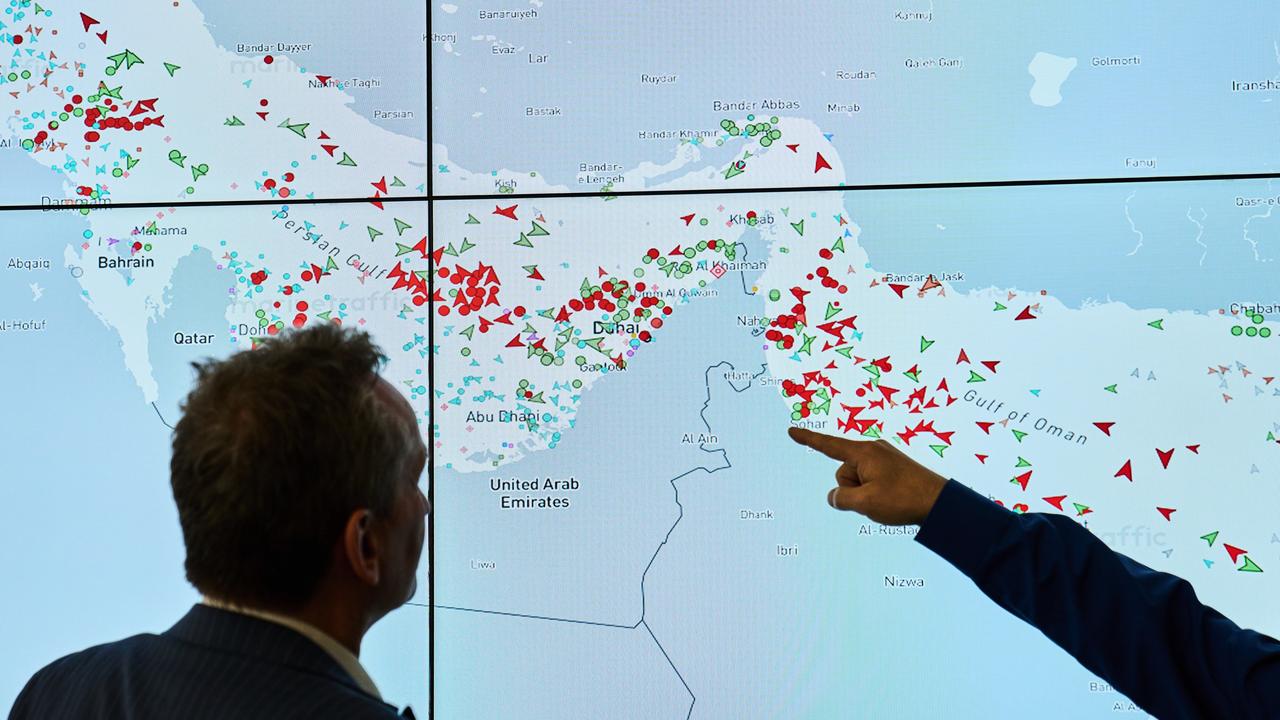
Mr Albanese joined the meeting intending to highlight the need for de-escalation and a swift resolution to the conflict – something he said Australia had consistently called for.
The prime minister also expressed how acutely Asia was feeling the impact of disruptions, with the vast majority of oil that previously passed through the strait bound for the region.
“Australia and our Indo-Pacific partners are experiencing first-hand the impact of unprecedented disruptions to energy supply chains and impact on oil and fuel prices,” Mr Albanese said before the meeting.
“Here in Australia, we are working around the clock to shield Australians from the worst of the impacts.”
Mr Albanese formally backed co-ordinated international diplomacy to help resolve the conflict, noting the longer the war went on, the greater the human cost and the more significant its impact on the global economy.
He and Energy Minister Chris Bowen are set to speak to reporters in Sydney on Saturday morning while Deputy Prime Minister Richard Marles will meet with his Japanese counterpart in Melbourne.
Iranian Foreign Minister Abbas Araqchi posted a message on X around the time of the meeting declaring the Strait of Hormuz “completely open”.
French President Emmanuel Macron and UK Prime Minister Keir Starmer welcomed the Iranian statement but said the reopening must become permanent.
Mr Macron and Mr Starmer said a meeting of military planners would take place in London next week as part of a bid to create an international mission to restore maritime security.
But US President Donald Trump told NATO allies to “stay away”.
“Now that the Hormuz Strait situation is over, I received a call from NATO asking if we would need some help,” Mr Trump posted on Truth Social.
“I TOLD THEM TO STAY AWAY, UNLESS THEY JUST WANT TO LOAD UP THEIR SHIPS WITH OIL.”
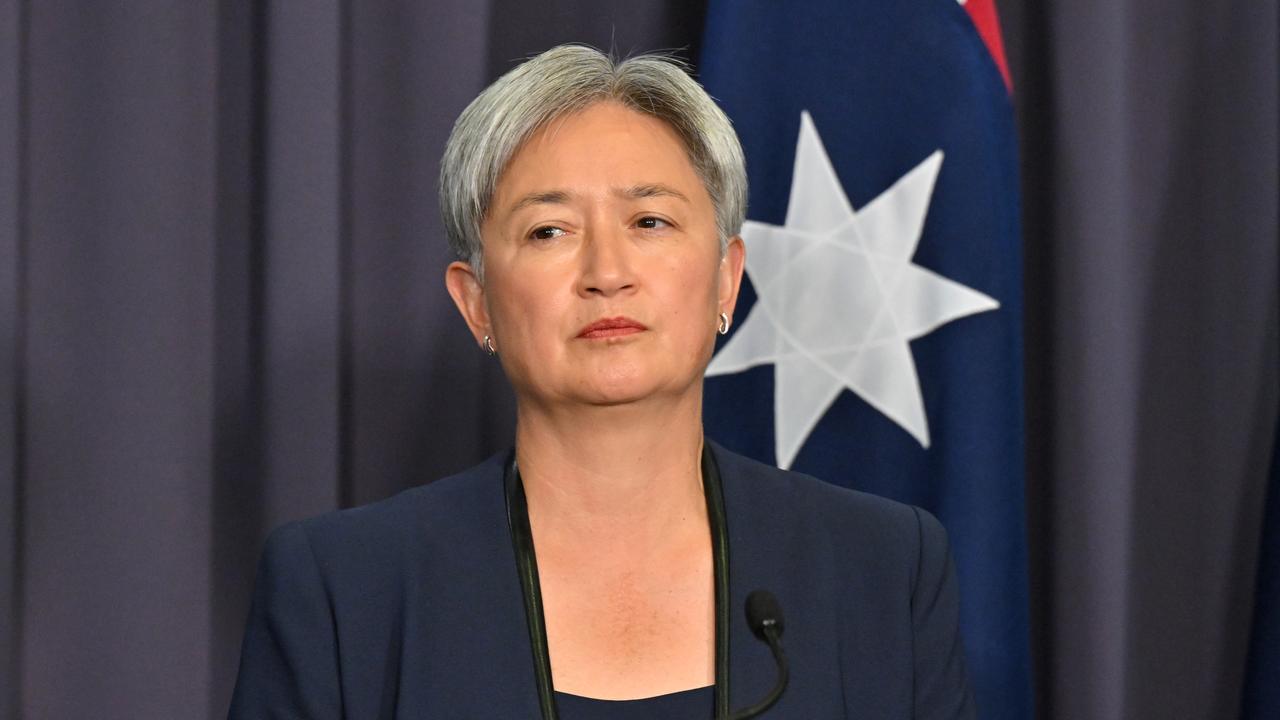
Asked whether Australians would be prepared to offer defensive assets, Foreign Minister Penny Wong said a diplomatic approach was preferred.
Senator Wong commented on the back of a visit to Singapore with Trade Minister Don Farrell on Friday.
The pair signed a supply agreement with Singaporean Foreign Minister Dr Vivian Balakrishnan and Energy Minister Tan See Leeng designed to strengthen energy security in the region.
“The protocol reflects the priority we accord each other with respect to trade in essential supplies including petroleum oils, such as diesel, and liquefied natural gas,” the ministers said in a joint statement issued on Friday evening.
Budget tightrope to cut oil dependence, ease inflation
War in the Middle East and the fuel crunch it has triggered have forced a frantic redrafting of the federal budget papers.
Before the conflict disrupted the narrow stretch of water that roughly 20 per cent of global oil supplies sail through, penny-pinching and reform was being touted to improve Australia’s long-term financial position.
However the government has since temporarily halved the tax on petrol and diesel to give immediate relief from blisteringly high fuel prices at a $2.5 billion cost to the public purse.
“There’s a real tightrope they’re going to have to walk to get it right,” reckons Grattan Institute energy and climate change program director Alison Reeve.
“They’ve found themselves with this crisis to deal with but they also need to be very careful about the structure of that spending because you also don’t want it to be inflationary.”
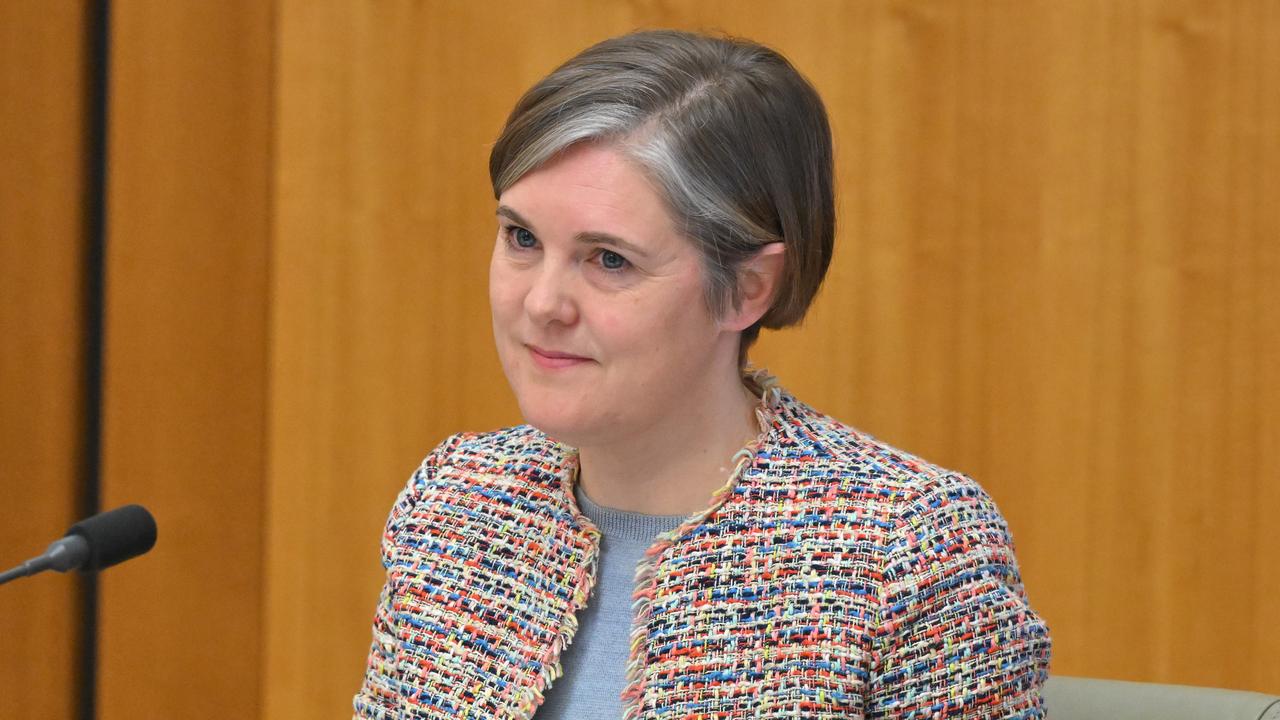
In addition, some sections of the community are genuinely hurting and providing no government assistance risks political pain, she adds.
There have been calls from the federal opposition and others to fast-track mining exploration but Ms Reeve says policymakers should be focused on cutting dependence on imported fuels via electrification and renewables.
Climate Change and Energy Minister Chris Bowen broadly agrees.
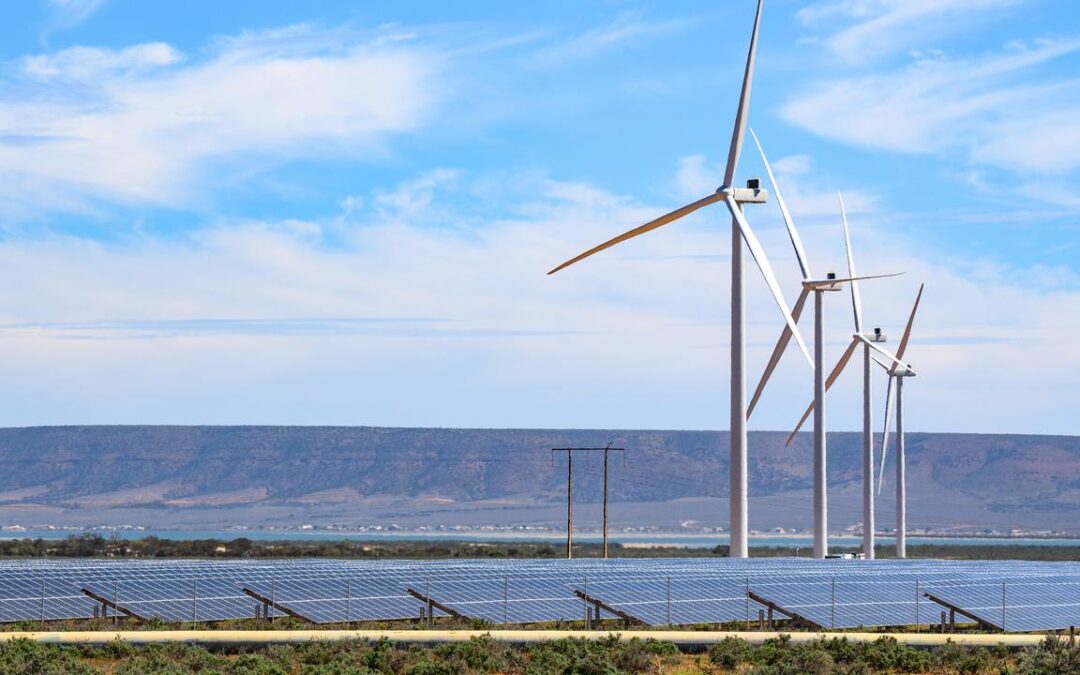
“No war can impede the flow of sun to Australia,” he told reporters on Monday.
“No sanctions can be applied to wind.”
Unveiling a four-point budget plan to “Trump-proof” the Australian economy from the energy crisis last week, Climate Council chief executive Amanda McKenzie urged the government to steer clear of short-term fixes.
“It needs to meet the moment by reducing reliance on fossil fuels and investing in reliable, affordable Australian power from the sun, wind and batteries.”
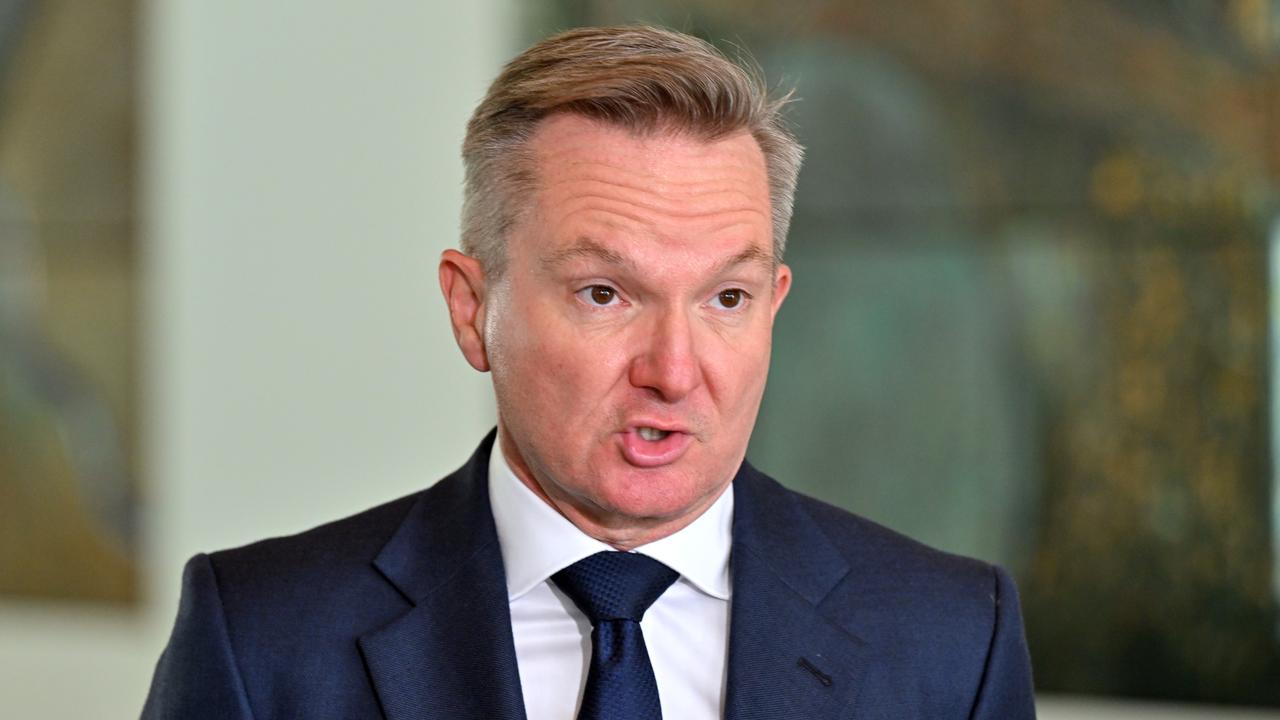
Transport is a prime opportunity to lighten imported fuel dependence.
Electric vehicles are already freeing up almost 15 million litres of petrol and diesel every week and EV interest has exploded since the war began, with sales surging for new and second-hand cars.
Yet rumoured tax settings tweaks have electric vehicle advocates concerned the pace of adoption could be weakened at a time when momentum is needed most
Recent remarks from Transport Minister Catherine King suggest the well-signposted introduction of road-user charge – which would charge motorists per kilometre driven – may be put off as the government shies from any potential disincentive to immediate EV uptake.
A rework of the fringe benefits tax discount, which allows salary packaging for electric cars, has also reportedly been on the cards.
Ms Reeve says there is a case for restructuring the discount settings to lower costs and improve equity without abolishing it altogether.
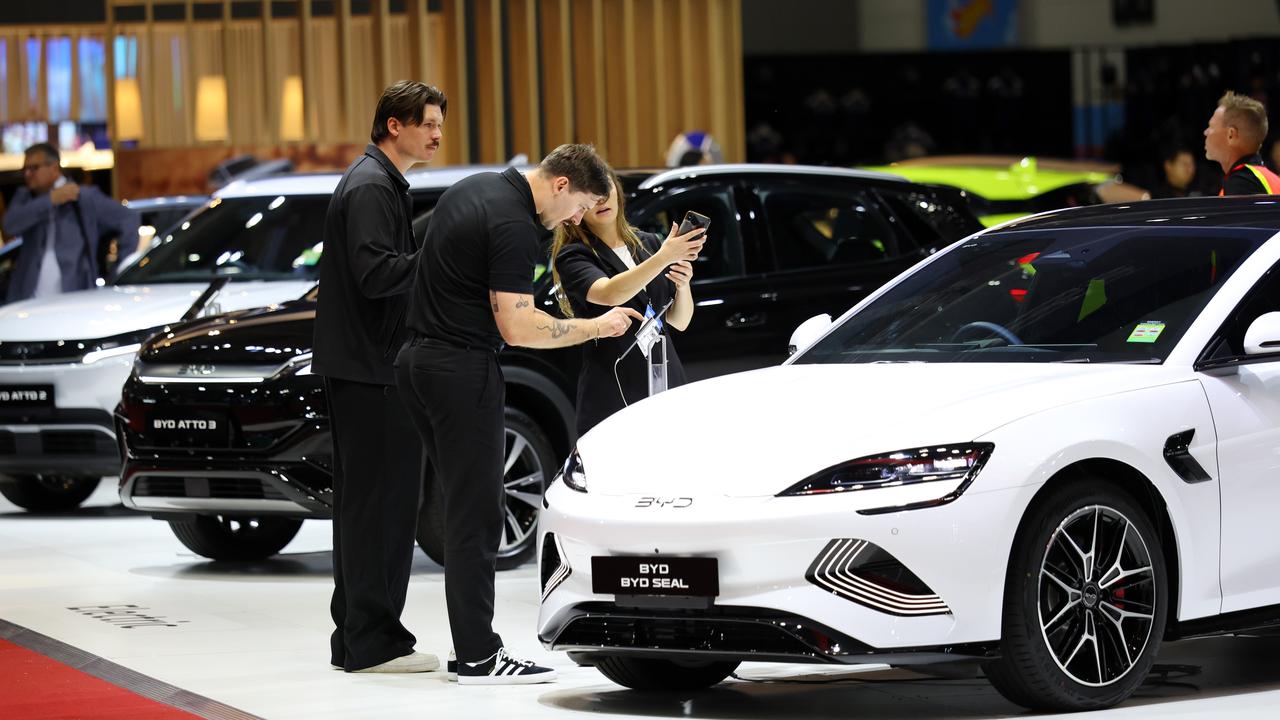
Freight has also dominated headlines as punishingly high diesel costs squeeze the sector and add to grocery and good transport costs.
Charging infrastructure along busy freight corridors would be an attractive candidate for additional government support, Ms Reeve says, as well as low-cost financing options to help owner-drivers purchase electric trucks.
Mining machinery is also heavily reliant on imported fuels.
Mining companies and other off-site diesel users are entitled to exemptions on diesel excise, a credit scheme initially set up in recognition the revenue raised at the pump would fund public roads.
Yet the Australian Council of Trade Unions and other groups argue the credit allowance is too generous and creates little incentive for miners to electrify.
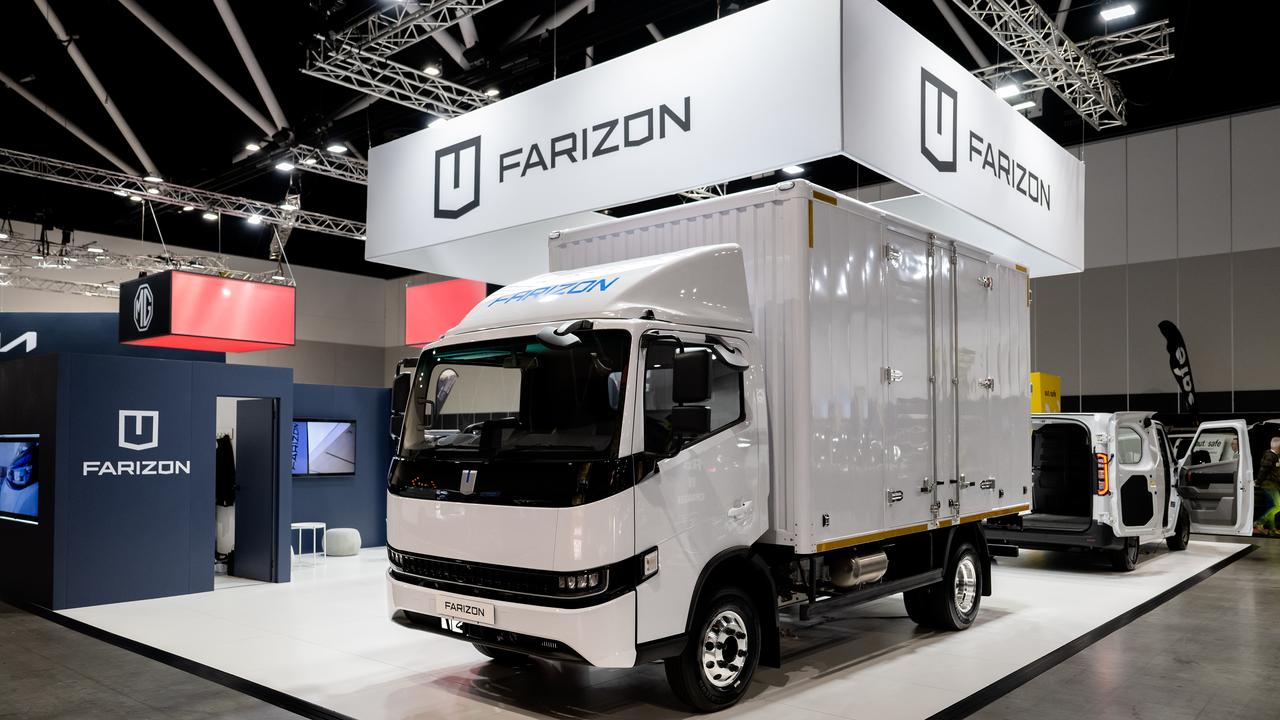
Australian National University professor of engineering Andrew Blakers says reworking the tax exemptions could nudge more miners in the direction spearheaded by Fortescue, the iron ore giant pursuing aggressive cuts to onsite diesel use.
“Fifty per cent of new truck sales in China are electric,” he tells AAP.
“All this nonsense about the truck electric trucks not being ready is plain wrong.”
Australia is already making inroads on its broader transition to a renewably-powered grid.
Yet Prof Blakers flags areas demanding further attention, including additional large-scale pumped hydro projects to provide storage for an electrifying economy.
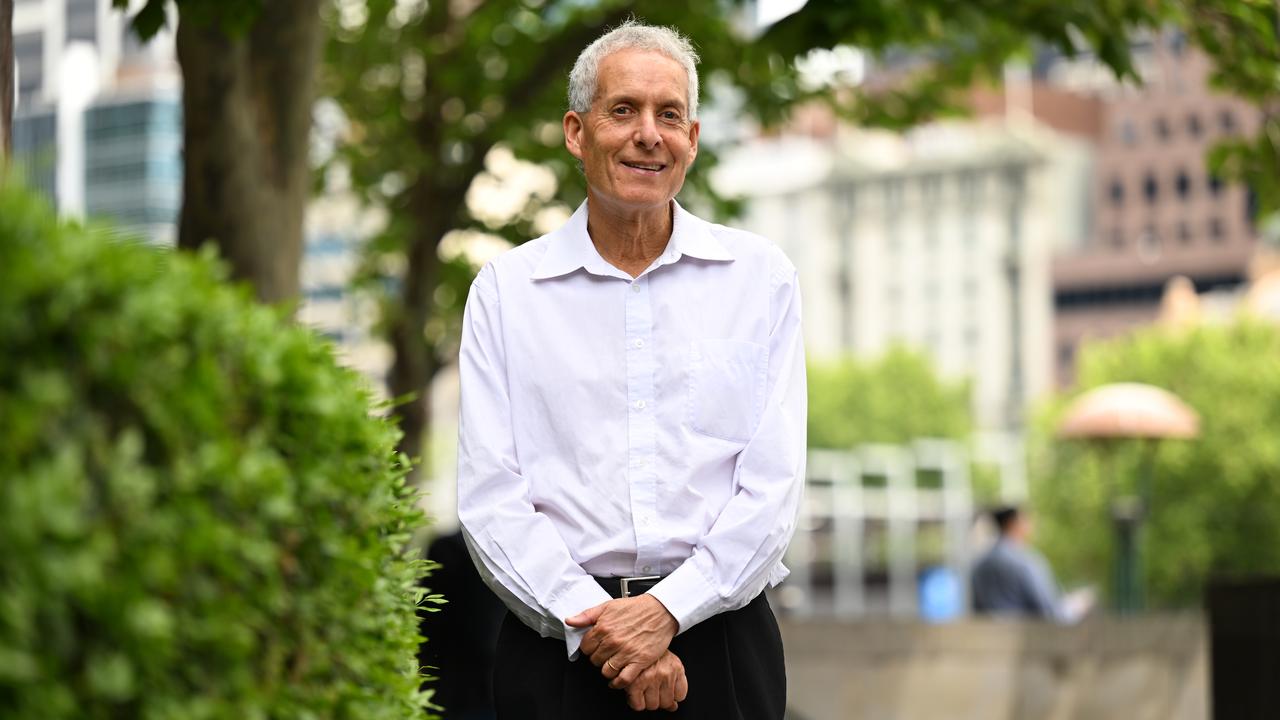
Electrify Armidale convenor Trevor Brown wants a federal budget that does more for households locked out of home electrification and solar.
Schemes such as the wildly-successful home battery program, for example, could do more to include low-income households and renters, he says.
Government-supported local energy hubs would also be useful for regional areas with knowledge gaps.
“It’s really mostly about educating, initially,” he says.
“If we can encourage households to insulate and not leave their oven doors open all day and all night, to stop these huge electricity bills they can’t afford.”
Ahead of the federal budget due on May 12, gas exports have emerged as a prominent battleground.
Unions, the Greens and crossbenchers have been calling for higher taxes on LNG to capture more of the conflict-driven windfall profits.
Gas industry group Australian Energy Producers has been spearheading the defence.
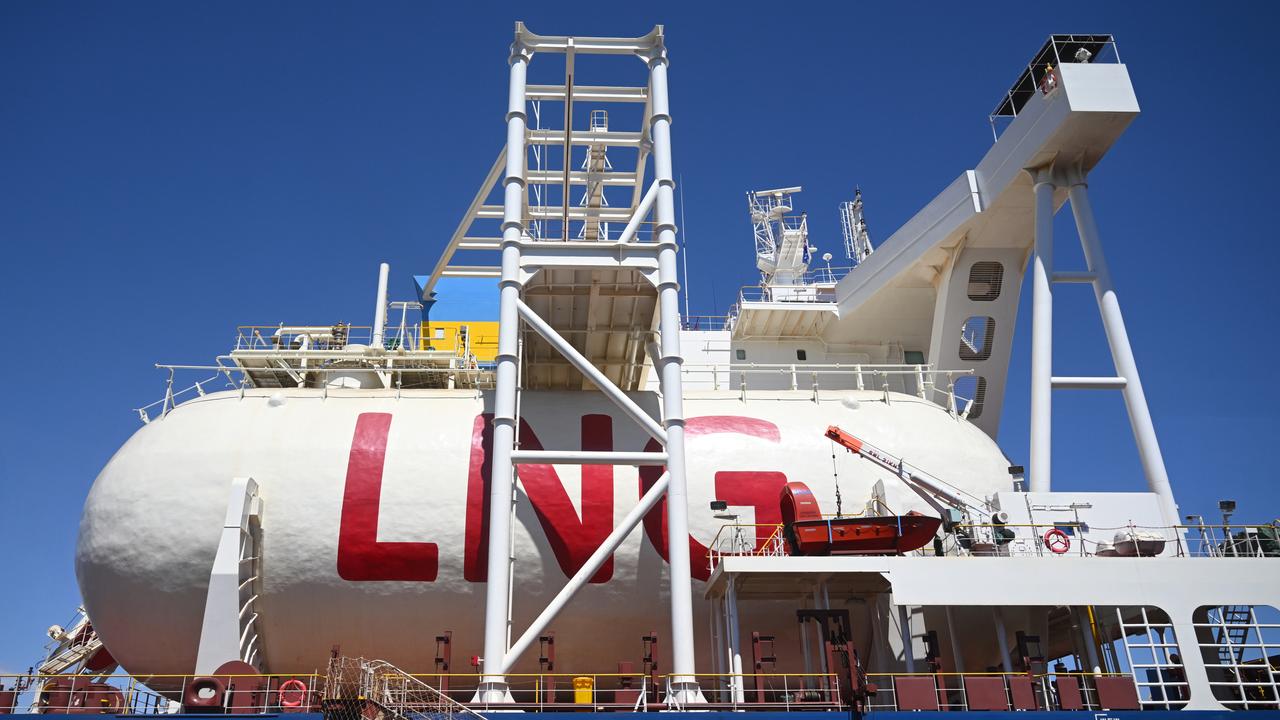
It argues that it would drive investment offshore and jeopardise future energy supply at a time of global uncertainty.
It should be noted that the prime minister’s department has reportedly ordered Treasury modelling of “new levy options” on the gas industry.
However Resources Minister Madeleine King has also flagged the huge sums of private capital invested in gas projects that also supply the domestic market.

Home shopping channel QVC seeks bankruptcy protection
The owner of home shopping network pioneer QVC has filed for Chapter 11 bankruptcy protection in the United States.
The filing by parent company QVC Group, which also owns HSN, formerly the Home Shopping Network, arrives as long-running TV shopping networks struggle to adapt to the rapid shift by consumers now tuning in to livestreams on TikTok or online marketplaces like Shein.
QVC Group, which filed in the US Bankruptcy Court for the Southern District of Texas, said that its international operations are not included in the process.
It has more than $US1 billion ($A1.4 billion) in cash on hand and said that it has ample liquidity to meet its business obligations.
QVC Group added that all of its brands are operating as usual, including customer-facing operations in the United Kingdom, Germany, Japan and Italy.
It will continue to serve its customers across all channels and platforms for QVC, HSN and Cornerstone Brands.
“Bankruptcy may allow the necessary restructuring to give QVC the room to operate with better financials. However, it does not solve the need to reinvent and become relevant,” Neil Saunders, managing director of GlobalData, said in a statement.
QVC Group has attempted to revive flagging sales for some time, which in 2024 were down almost 30 per cent compared with its peak of more than $US14 billion in 2020.
Shares in QVC Group, which went for more than $US900 a decade ago, were trading for less than $US3 earlier this week.
The company is looking to emerge from bankruptcy protection in about 90 days.
By-election sparked by MP’s death ignites fuel debate
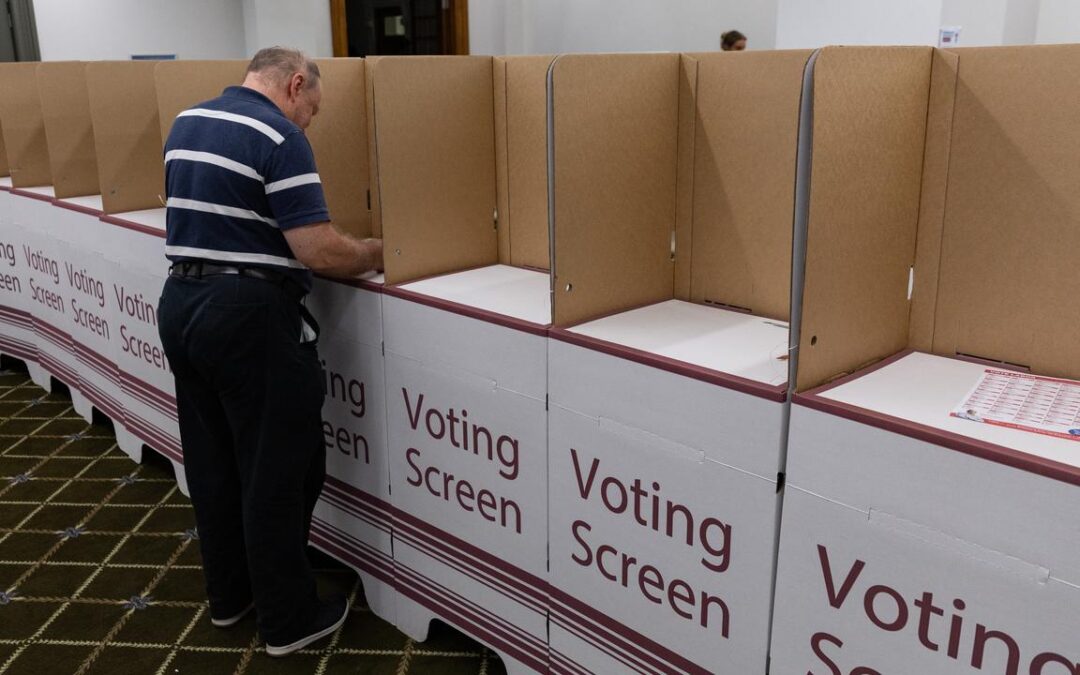
A by-election triggered by an MP’s sudden death looms as a litmus test for a state government’s handling of the fuel crisis.
More than 40,000 Queensland voters will take to the polls in the north Brisbane electorate of Stafford on May 16 after independent Jimmy Sullivan was found dead in his home a week ago.
The 44-year-old’s death was not treated as suspicious.
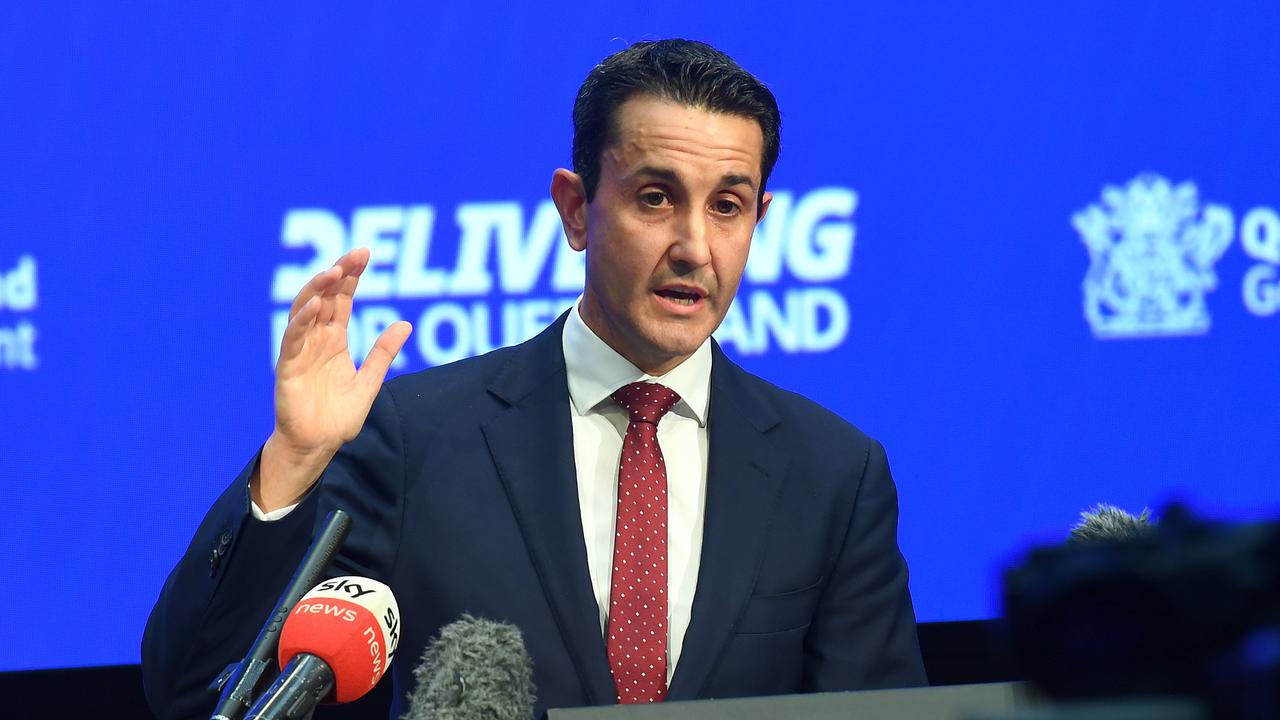
Speaking at a service station in the electorate on Friday, Queensland Premier David Crisafulli said the by-election was a chance for people to show their support for his government’s plan to drill for oil.
The Liberal National government has flagged a proposal to open Australia’s first oil field in half a century at Taroom Trough, west of Brisbane.
“It is an opportunity for the people of Stafford to send a message that they do back our plan for us to ensure we have our own fuel supply,” Mr Crisafulli said of the by-election.
“And also to send a message to Labor and the Greens, who are finding every reason to stand in the way, that that’s not acceptable.”
Mr Crisafulli claimed the state was in discussions to build a second refinery in Queensland to service the potential development of oil reserves amid the fuel crisis.
Multiple sites were being investigated in the Gladstone region north of Brisbane, he said.
The premier backed claims the Taroom Trough represented a generational opportunity to ensure the state’s sovereign capability by reducing its dependence on fuel imports.
Federal Environment Minister Murray Watt has rejected calls to fast-track environmental approval for the project on the basis national interest exemptions were not available for fossil fuels.
Mr Crisafulli called for the Environment Protection and Biodiversity Conservation Act, which was updated in December, to be amended to allow the project to proceed.
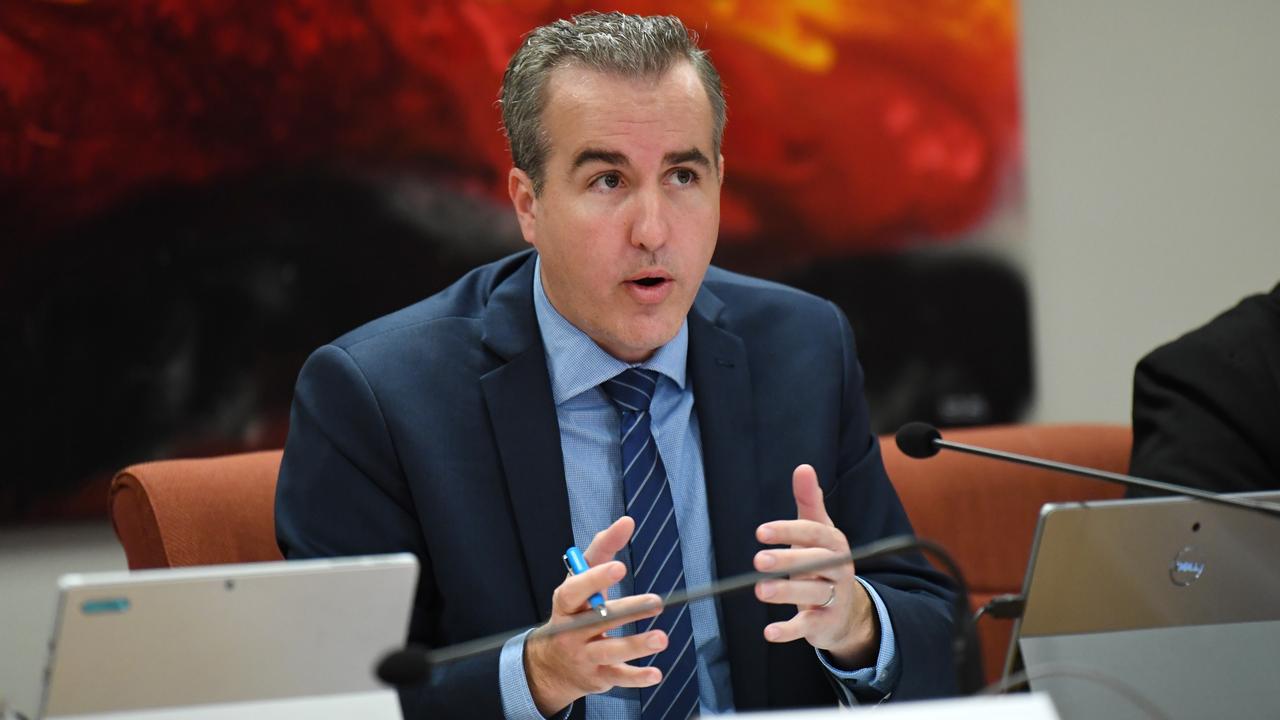
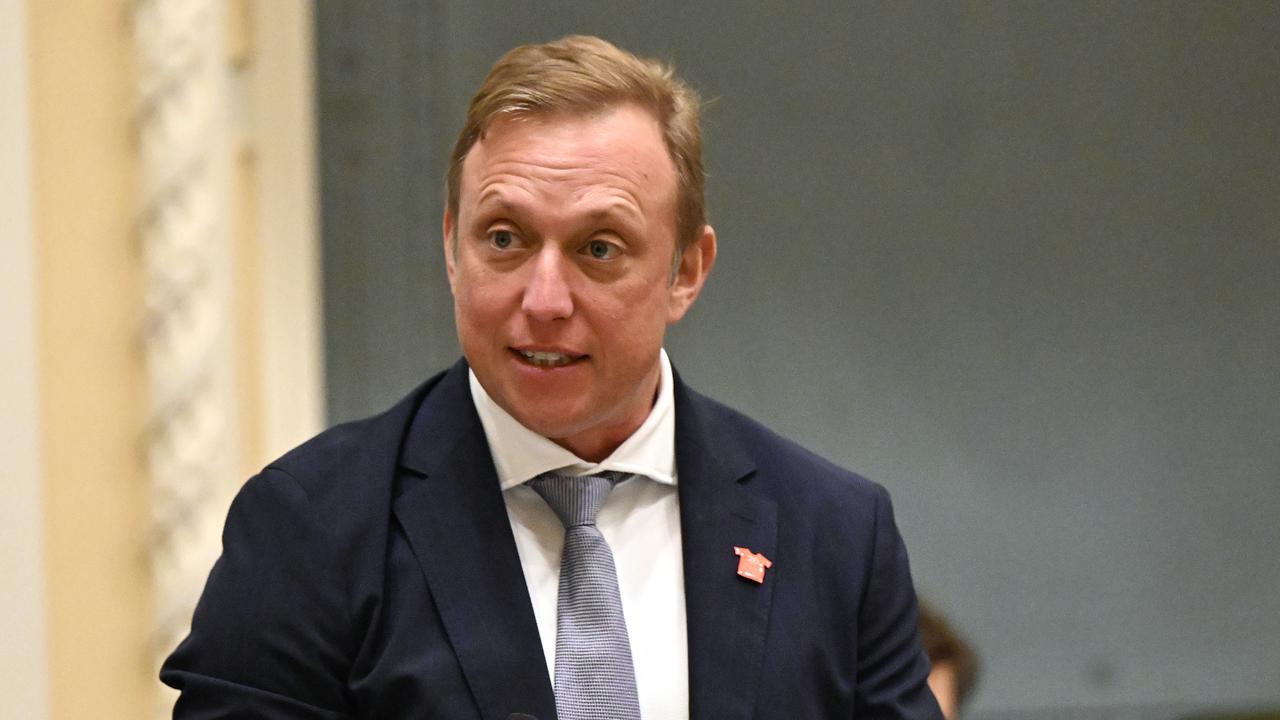
However, Queensland Opposition Leader Steven Miles took aim at the LNP’s handling of the fuel crisis while visiting the state’s only current oil refinery at Lytton on Friday.
“Queenslanders are sitting around the dinner table talking about how to make ends meet, talking about how they will be able to afford to fill their car with petrol,” he said.
The LNP and Labor have yet to settle on their candidates for Stafford.
Electoral Commissioner Pat Vidgen said nominations would open at 9am on Saturday and close at midday on April 24, with early voting from May 5.
The by-election date was confirmed a week after Mr Sullivan’s death.
Mr Sullivan moved to the crossbench after he was expelled from the Labor caucus in May.
In October 2024, Labor leader and former premier Steven Miles directed Mr Sullivan to take leave while he attended to legal and medical issues.
Men arrested for allegedly stealing 1000 litres of fuel
A pair of alleged thieves have been arrested after a tank filled with about $3500 of fuel was stolen.
The two men allegedly broke into a building site in Tralee, near the ACT-NSW border, and took a water tank containing 1000 litres of fuel on Saturday afternoon.
Police spent almost a week investigating the theft until they found the diesel-filled water tank at a home in Mount Fairy about 45km away.
A ute was also seized and they arrested a 37-year-old man found hiding in the premises on Thursday afternoon.
He was charged with larceny and entering an enclosed land without a lawful excuse.
Earlier that day, officers arrested a 27-year-old after searching a Queanbeyan home where they seized a small amount of methylamphetamine.
He faces charges of larceny, destroying or damaging property, entering an enclosed land without a lawful excuse, breach of bail and some drug charges.
The 27-year-old was granted bail and will face court on Monday.
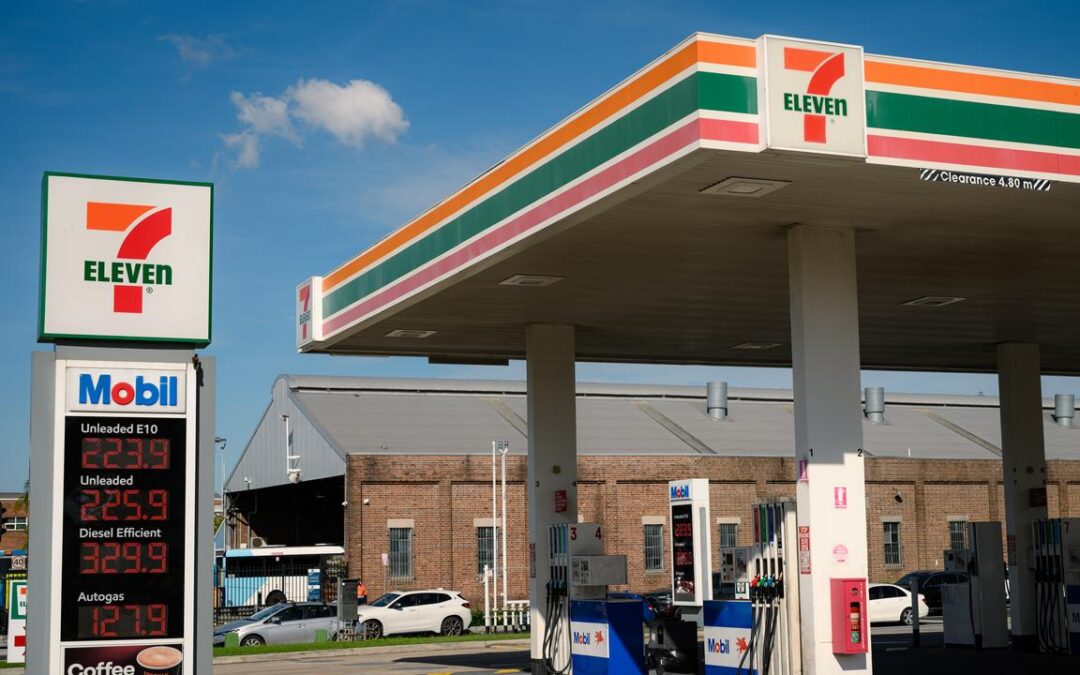
In the surrounding region, diesel currently costs between $2.78 and $2.95 per litre.
The price of fuel has skyrocketed in recent months due to the Iran-Israel-US conflict and ensuing politics over the Strait of Hormuz, a vital shipping lane for oil and fuel.
At its peak, the price of diesel ballooned beyond $3 a litre.
Though the federal government has introduced some measures to bring down the cost of fuel, such as a cut to the fuel excise, inflation and cost pressures continue to weigh on Australian consumers.
The swelling cost of fuel has forced councils to increase their rates for garbage collection while airlines have jacked up ticket prices.
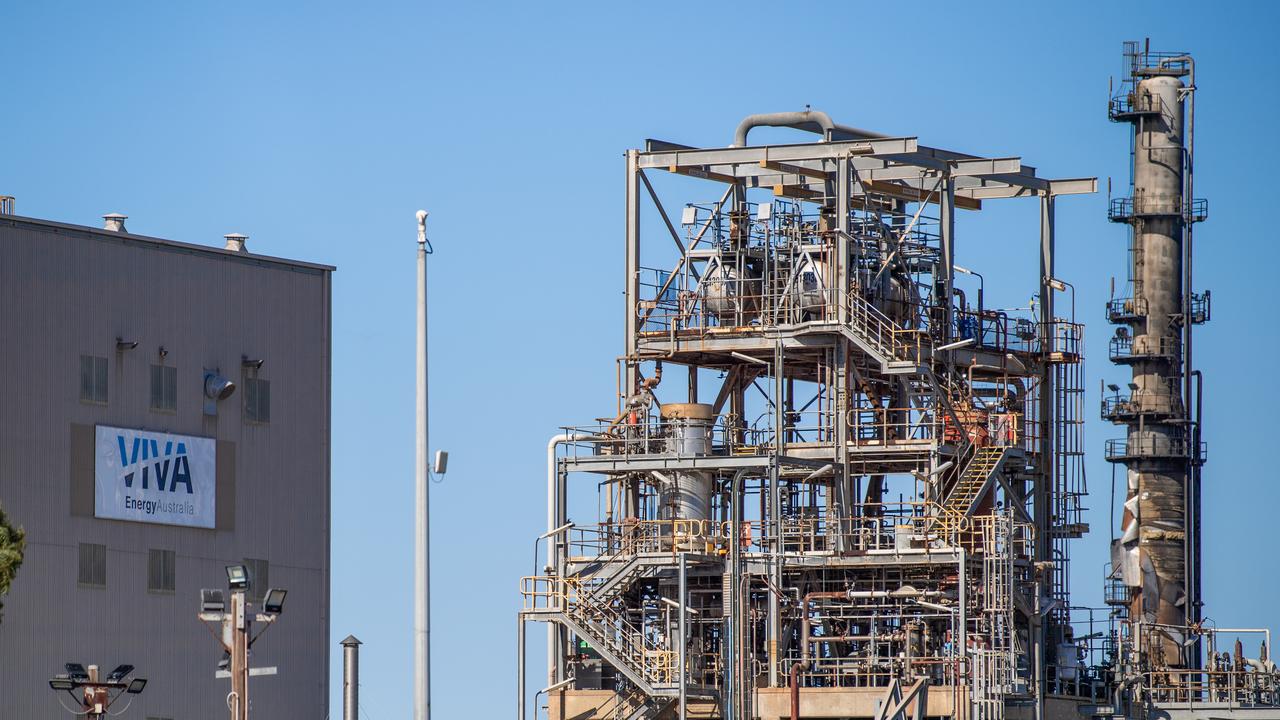
Fuel prices could also worsen after a fire damaged almost half of petrol production at one of Australia’s two remaining refineries on Wednesday.
The Viva Energy Geelong refinery supplies 10 per cent of fuel nationally and half of Victoria’s stock.
Pacific declaration urges end to age of fossil fuels
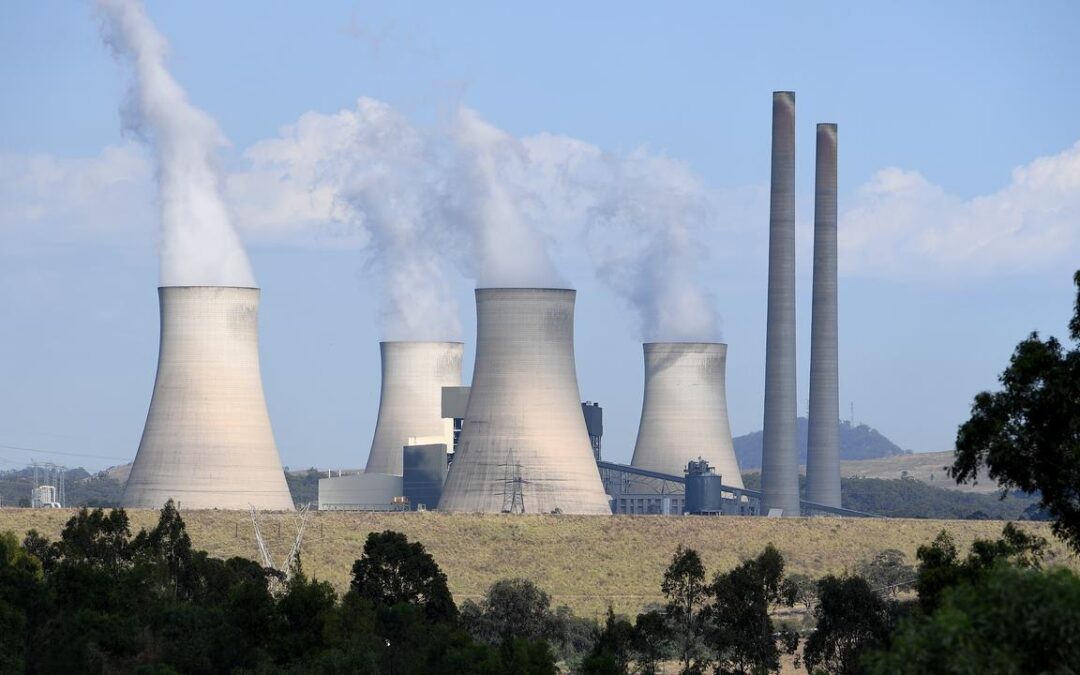
Carbon capture and storage, geoengineering and other technologies that justify ongoing fossil fuel production have been denounced by Pacific nations in a landmark declaration.
Following talks in Port Vila, ministers and senior officials have reiterated support for an urgent fossil fuel phase-out and Pacific economies run off 100 per cent renewable energy.
The Tassiriki Call unifies Pacific island states messaging ahead of an inaugural international conference on fossil fuel phase-out to be held in Colombia later in April.
Pacific island nations are vulnerable to sea level rise and extreme weather fuelled by climate change and have led international diplomacy on limiting temperature rise for decades.
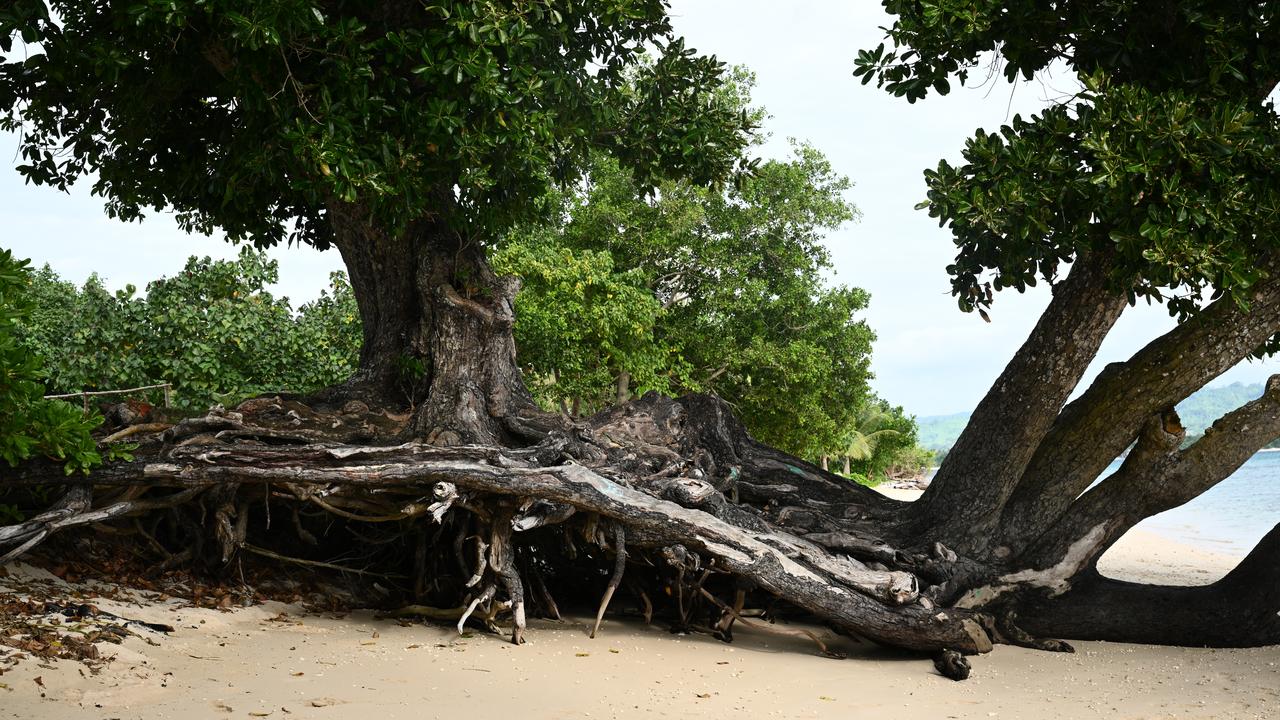
The region is also highly dependent on imported liquid fuels for power generation and transport and has been hit hard by the latest oil shock caused by war in the Middle East.
Ministers and officials from Tuvalu, Samoa, Fiji, Palau, Federated States of Micronesia and the Republic of Vanuatu have signed off on the Tassiriki Call for a Fossil Fuel Free Pacific.
Urging countries to commit to a clear, time-bound process to negotiate a fossil fuel treaty is a key ask of the cohort.
The declaration further commits to wielding international law strategically to target fossil fuel production and subsidies following a landmark opinion on climate change from the International Court of Justice.
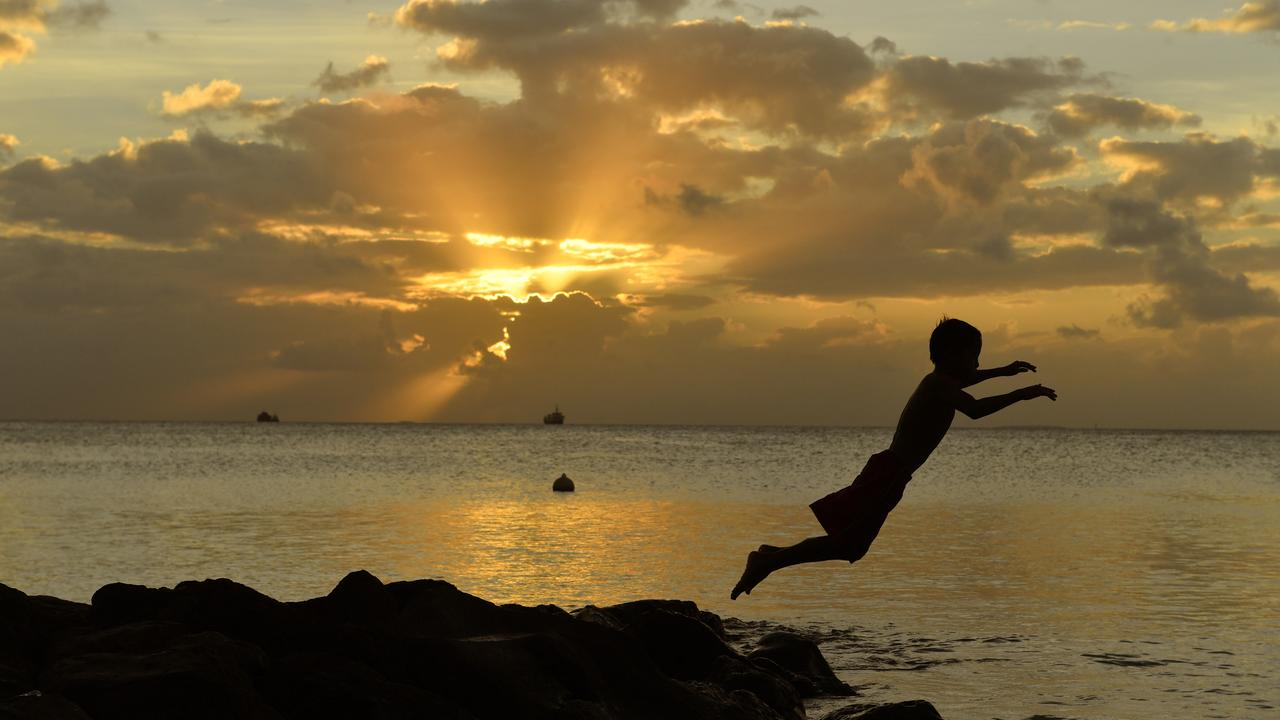
In the opinion, judges from the world’s highest court specified fossil fuel production could constitute an “internationally wrongful act”.
Carbon capture and storage, carbon offsetting and geoengineering were also singled out as deeply concerning and at risk of “diverting finance, political attention and time away from proven pathways aligned with the 1.5C limit”.
Tuvalu minister for home affairs, environment and climate change Maina Talia said the declaration marked the next chapter in a fossil fuel-free future.
“It sets a clear direction for our unified coalition of countries who are ready to secure a fast, fair and financed transition away from coal, oil and gas production,” Dr Talia said.
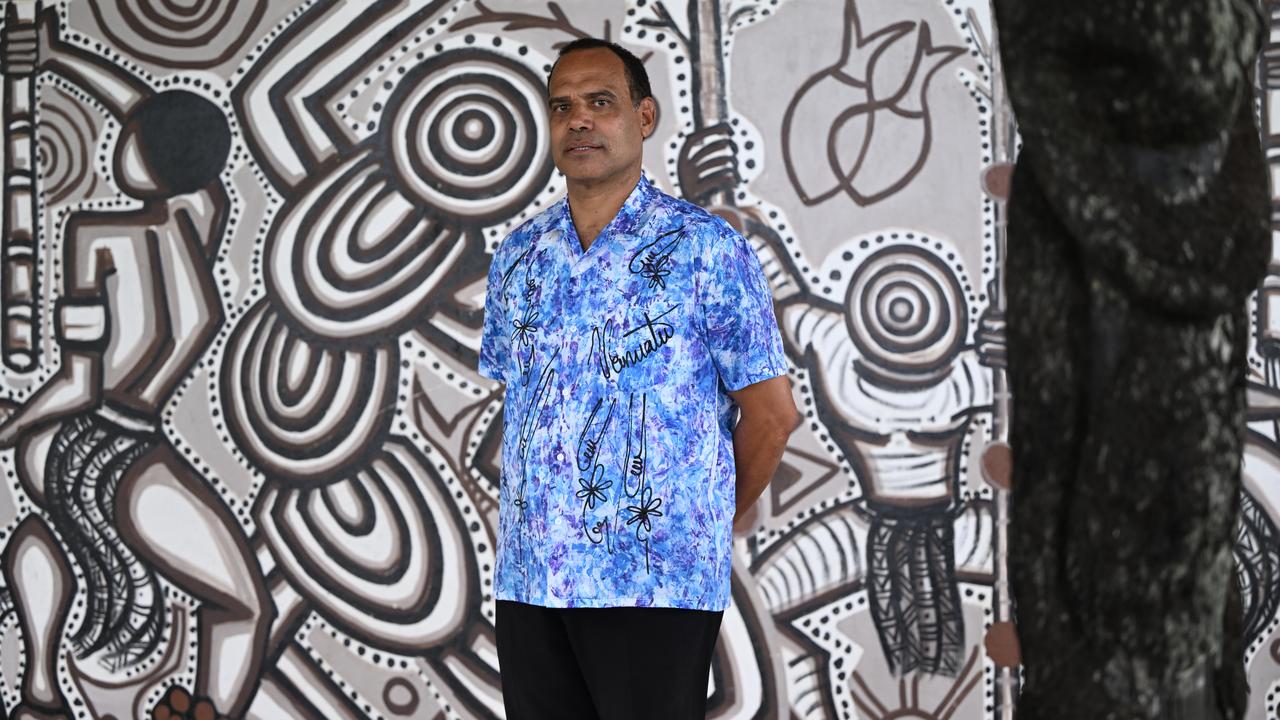
Vanuatu climate change, adaptation, meteorology and geo-hazards, and energy minister Ralph Regenvanu said the Tassiriki Call was a “blueprint for survival and prosperity”.
“It is a unified message from the frontline of the climate crisis: the age of fossil fuels must end.”
Australia holds a novel negotiating role at the next round of international climate talks to be held in Turkey, with Fiji and Tuvalu to hold pre-COP31 meetings.
At COP30 in Brazil, Australia signed the Belem Declaration that signals support for a fossil fuel transition roadmap.
While Australia has been pursuing a rapid renewables transition and set ambitious climate targets, it remains a major exporter of fossil fuels.