
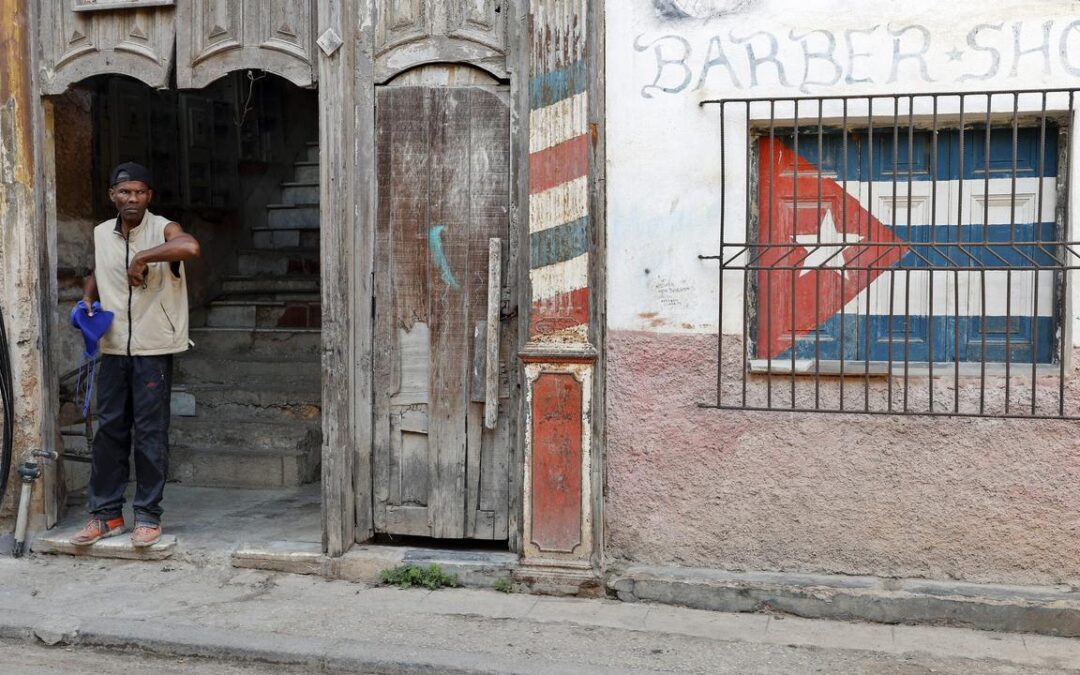
Cuba says ‘respectful’ meeting held with US officials
US officials met recently with their Cuban counterparts in Havana, an official in the Cuban foreign ministry has confirmed in an interview to state-run outlet Granma.
Axios reported on Friday that a senior US delegation visited the island the week before, saying Cuban officials have a small window to adopt US-backed reforms before conditions worsen.
Alejandro Garcia del Toro, who handles US affairs in the Cuban foreign ministry, said neither party set deadlines or made threatening statements in the meeting, which he called “respectful”.
“Eliminating the energy embargo against the country was a top priority for our delegation,” Garcia del Toro said.
The US officials urged the Cuban government to follow longstanding US policy to lift the Cuban embargo, Axios reported, including compensation for assets and properties confiscated after the 1959 revolution, the release of political prisoners and ensuring greater political freedoms.
The US delegation also offered to set up Starlink satellite services in the country, Axios reported.
Garcia del Toro said that the US was represented by deputy State Department officials and Cuba was represented “at the level of deputy foreign minister.”
Axios had reported that talks involved Raul Guillermo Rodriguez Castro, the grandson of former Cuban President Raul Castro, who is 94 and still wields great influence.

Tim Tam turmoil: Woolies defends ‘fake discount’ claims
Supermarket giant Woolworths will defend its discounting regime in court against consumer watchdog claims it used fake discounts to mislead customers despite higher prices.
Woolworths will present its case to the Federal Court after Coles made its defence in February, with the court withholding judgment until both grocery juggernauts have offered their arguments.
The Australian Competition and Consumer Commission launched the joint action in 2024, alleging the pair broke consumer law by hiking prices on everyday items for brief periods before reducing them as part of their separate “Prices Dropped” and “Down Down” promotions.
The discounted prices were often the same or higher than the original shelf prices and therefore deliberately misled consumers, the ACCC claims.
The watchdog alleges the conduct involved 266 products for Woolworths at different times across 20 months between late 2021 and mid-2023, impacting tens of millions of sales by itself and Coles.
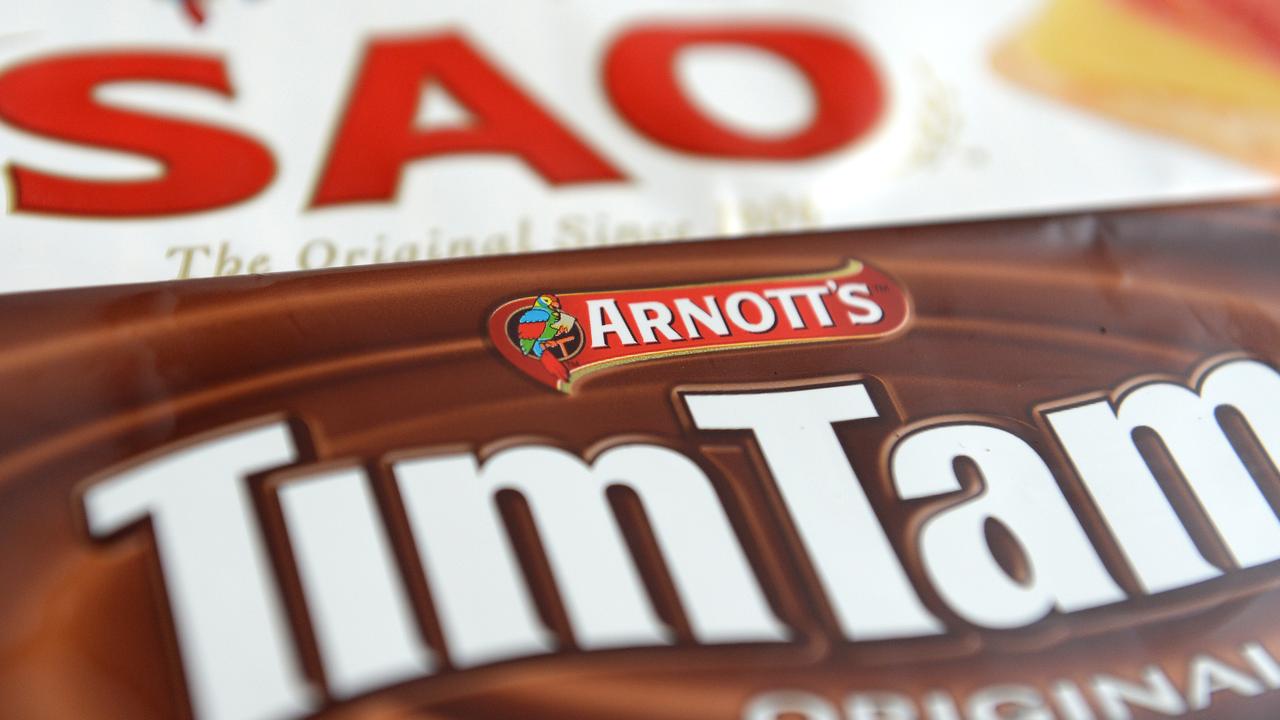
The product list was pared down to 12 agreed items to be scrutinised in court, including a Tim Tams Family pack, Carman’s classic fruit and nut muesli bars and Sakata rice crackers.
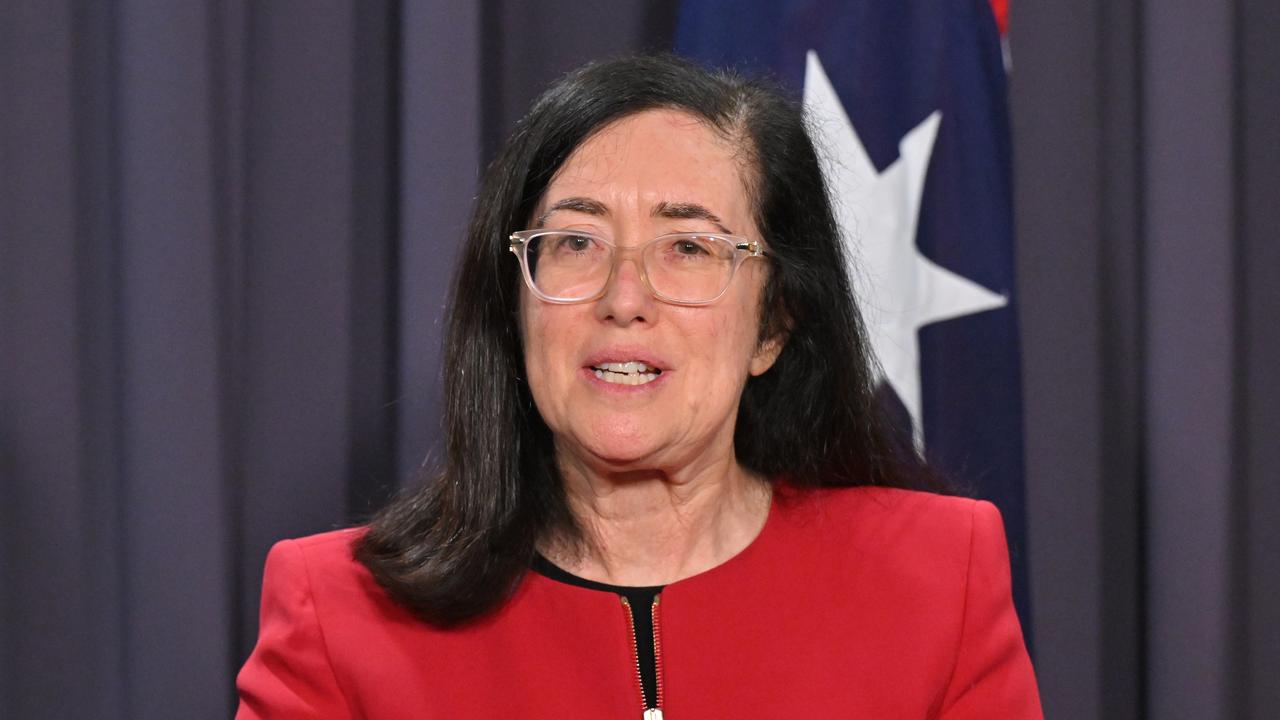
“We allege these misleading claims about illusory discounts diminished the ability of consumers to make informed choices about what products to buy, and where,” ACCC chair Gina Cass-Gottlieb said.
The watchdog is not alleging Coles and Woolworths have colluded or engaged in anti-competitive behaviour.
In a statement to AAP, Woolworths said it fundamentally disagreed with the claims and at no stage misled or deceived its customers.
“Following COVID, there was a period of extraordinary inflation, and we were acutely aware that customers expected Woolworths to provide value wherever possible,” the spokesman said.
“Inflation also put pressure on our suppliers’ costs, and we worked with them to reduce the inflationary impact on customers through our Prices Dropped program.”
The supermarket giant said it respected the ACCC’s role and took the allegations seriously.
The case resumes as a new wave of inflation is set to hit Australian consumers due to soaring oil prices sparked by the US-led war on Iran.
Australia’s supermarket sector has come under heavy scrutiny after cost pressures borne by the COVID-19 pandemic, prompting multiple inquiries.
One such probe found Australian supermarkets to be some of the world’s most profitable, with margins expanding in the years after the pandemic.
It found no evidence of price gouging, but the watchdog has flagged potential future legal action through new excessive pricing laws set to come into effect in 2026.
Coles and Woolworths account for roughly two-thirds of the Australian supermarket industry.

Hollywood star’s role in malicious smear website probed
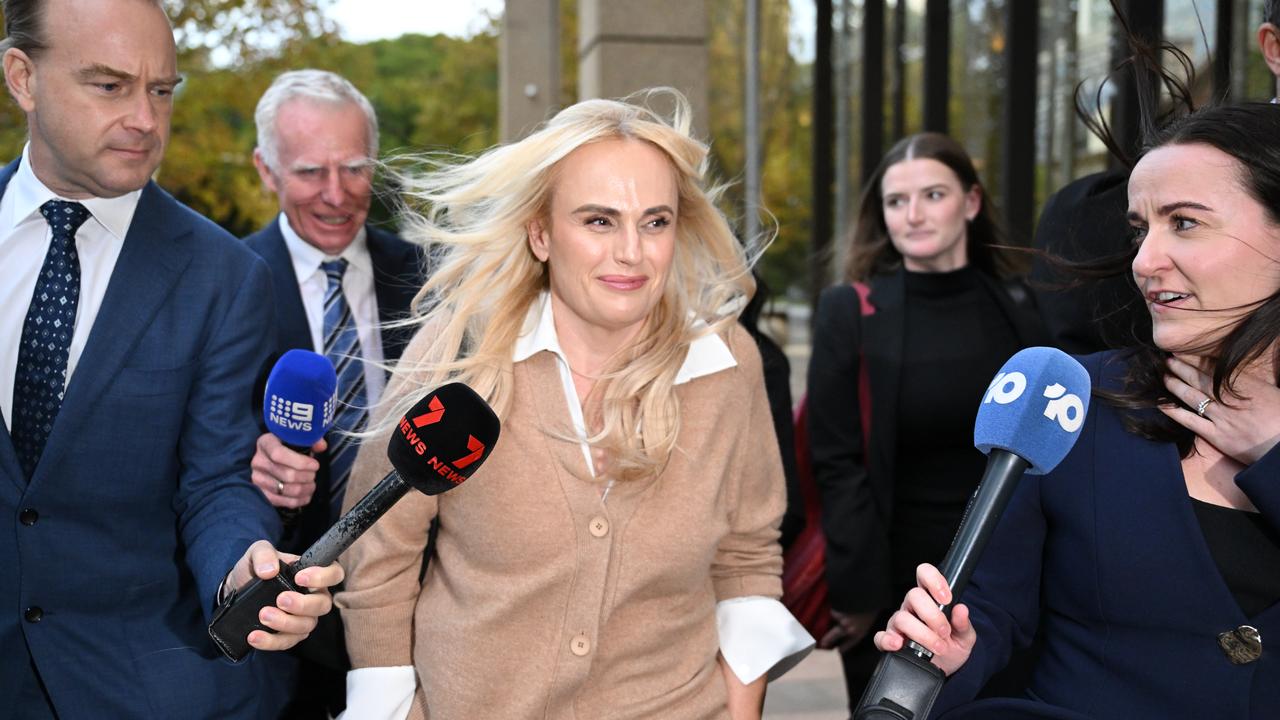
Malicious websites attacking the producer and star of Rebel Wilson’s directorial debut will be the focus of the second day of a blockbuster defamation trial.
The Pitch Perfect star directed, co-produced and acted in The Deb, a musical comedy set in rural NSW that remained unreleased for two years due to legal disputes.
She is being sued by lead actor Charlotte MacInnes over social media posts that claimed the young actor had disclosed she had felt uncomfortable with co-producer Amanda Ghost.
MacInnes denies making the complaint to Wilson and says she has been harmed by the older actor’s suggestions that she withdrew the alleged comments in exchange for a lead role and a record deal.
The allegations were referenced in malicious smear websites that attacked Ms Ghost and alleged she was a sex trafficker.
Wilson directed a US publicist to publish the websites and then shared links with associates of Ghost and MacInnes, the younger actor claims.
But the Bridesmaids actor denies any involvement in creating the websites and says there is no evidence to support the allegation.
The question of attribution will be explored in the Federal Court when former The Agency Group employee Katie Case testifies on the second day of the defamation hearing on Tuesday.
Text messages tendered to the court appear to reveal her role in creating the smear websites while working for the PR firm under The Agency Group founder Melissa Nathan.
In the messages sent on August 6, 2024, Ms Nathan tells her employee Wilson wants one of “those sites”.
“It can be really really harsh … making her a madam basically lol,” she instructed, per the court documents.
“Oh my god lol ok this one will be fun,” Ms Case replied after promising to pull it together.
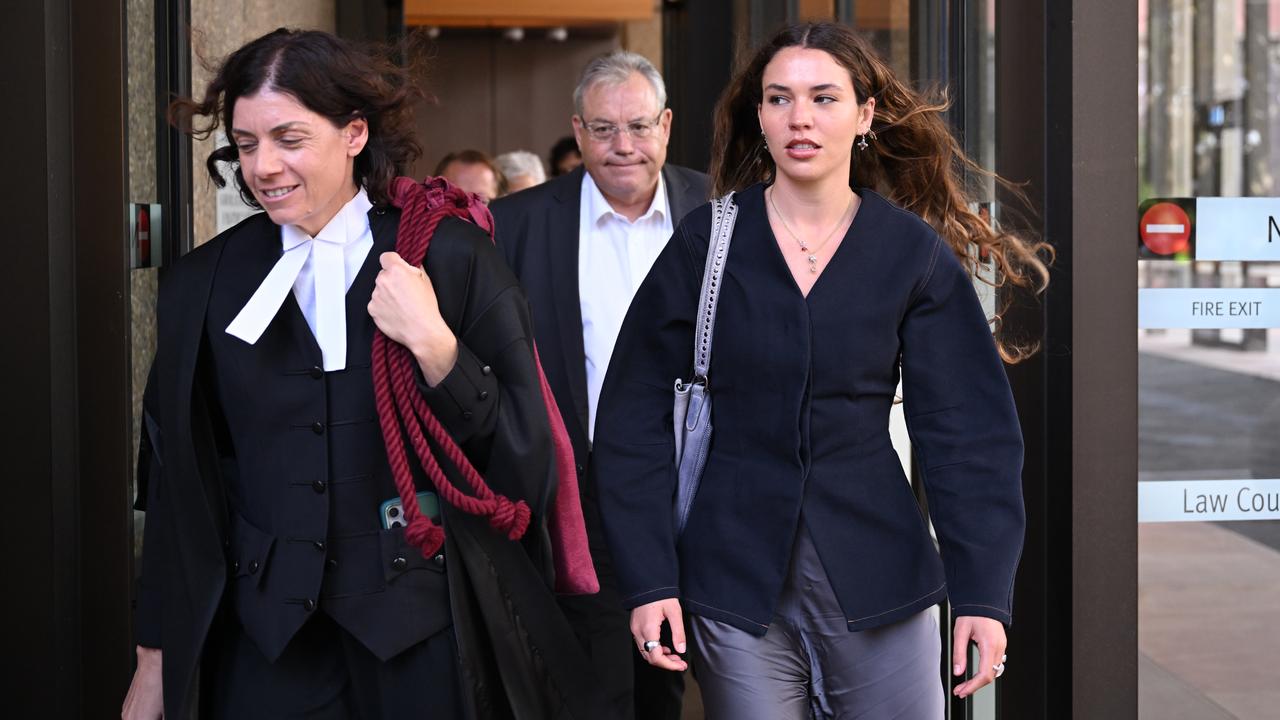
MacInnes claims the PR firm was acting on behalf of Wilson when it published the websites detailing shocking allegations.
A document containing many of the allegations published on the website was created under the name of Wilson’s company, according to MacInnes’ barrister Sue Chrysanthou SC.
Wilson’s insistence she had nothing to do with the smear websites “beggars belief”, she said.
But it was possible someone acting on Wilson’s behalf had engaged the firm in hopes of securing a more favourable narrative, her barrister Dauid Sibtain SC argued.
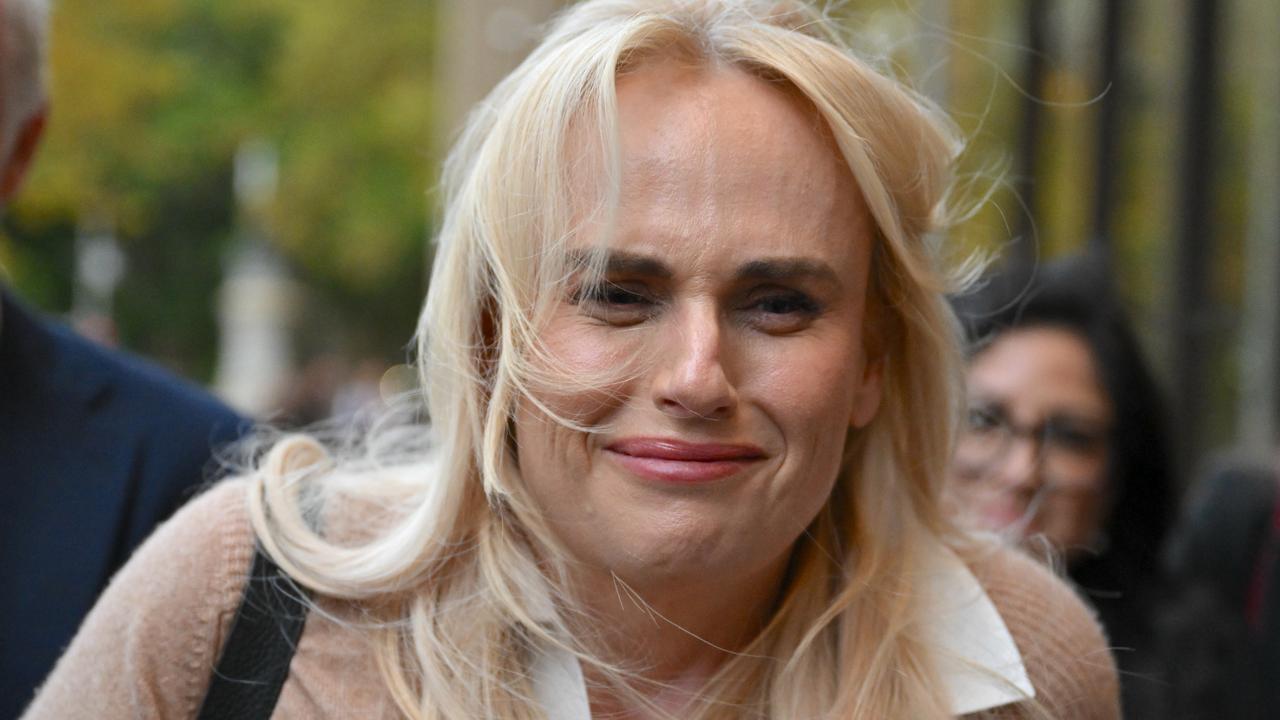
The texts between third parties don’t prove the Hollywood actor played a role in creating the websites and mere mentions of her name couldn’t support that proposition, he said.
“The websites are a distraction,” Mr Sibtain told the court.
“They are not really about the critical issue in this case … (which) is that Ms MacInnes did in fact make a complaint to Ms Wilson.”
Wilson and MacInnes are expected to attend court separately on Tuesday after avoiding eye contact on the first day of the proceedings.
The Deb was released earlier in April in Australia after legal issues prevented its widespread release following its 2024 premiere.
Turkey says COP31 will push for more global action
The United Nations climate summit will seek to turn past decisions into action, with financing the main focus, Turkey says, as it prepares to host and chair COP31.
Environment and Climate Change Minister Murat Kurum said financing was the most important task, with almost $US1 trillion ($A1.4 trillion) needed to help developing countries meet climate change targets.
He said raising public awareness about climate policies was essential at a time when wars and security crises dominated the global agenda.
“Important decisions have been taken in every COP so far,” Kurum said in an interview at a diplomacy forum in Antalya at the weekend.
“We will follow up these decisions, but what is essential is putting them into practice.
“The expectation of the world, of humanity, from us is to move to practice.
“Let’s take steps to realise the NDCs that countries have put forth – and there are some countries who have not put them forward,” Kurum said, referring to the nationally determined contribution (NDC) of each nation.
He said while wars were inevitable, Turkey would call on every nation to focus on the “big picture” and see the imminent threats posed by climate change.
The annual COP conference is the main global forum for driving action on climate change.

The long-established consensus among the world’s scientists is that climate change is real, mostly caused by humans, and getting worse.
Its main cause is greenhouse gas emissions from burning fossil fuels like coal, oil and gas, which trap heat in the atmosphere.
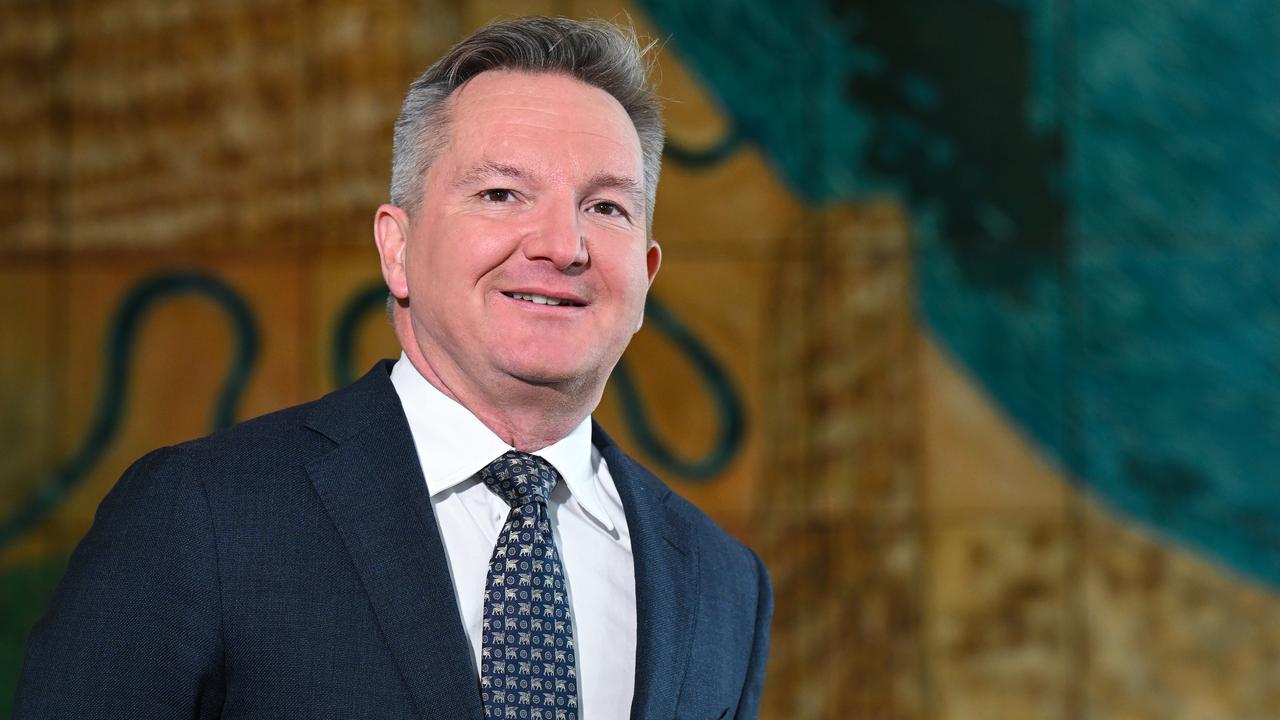
After a lengthy stand-off in 2025, Turkey and Australia agreed on a format in which Turkey would host the COP31 summit in November and hold its presidency, while Australia’s Climate Change and Energy Minister Chris Bowen would lead the negotiation process.
The COP conference will take place in November in the southern Turkish province of Antalya.
The minister – who will also be COP31 President – said Turkey wanted the conference to be “the COP of implementation”, where actions take precedence over promises.
“We want all countries to hand in their NDCs by COP31. We are working for this, we are also working for this within the UN,” he said, adding that $150 million in financing was needed for developing countries to prepare their NDCs.
One of the most significant perceived shortcomings from 2025’s COP30 was the lack of concrete agreement on language to promote the global phasing-out of fossil fuels.
Asked how the issue would be addressed at COP31, Kurum said Turkey aimed to press countries to implement the decisions taken on this issue at COP30, adding technology to allow such a shift needed to be further developed.
He said Turkey was using both renewable energy and fossil fuels because it needed to meet its needs and be self-sufficient, but added it would move away from this if it found cheaper energy through new technology.
“We must bring moving away from fossil fuels to the global agenda by providing a transition period,” he said.
“During COP31, we will put into effect those partial decisions taken in COP30.”
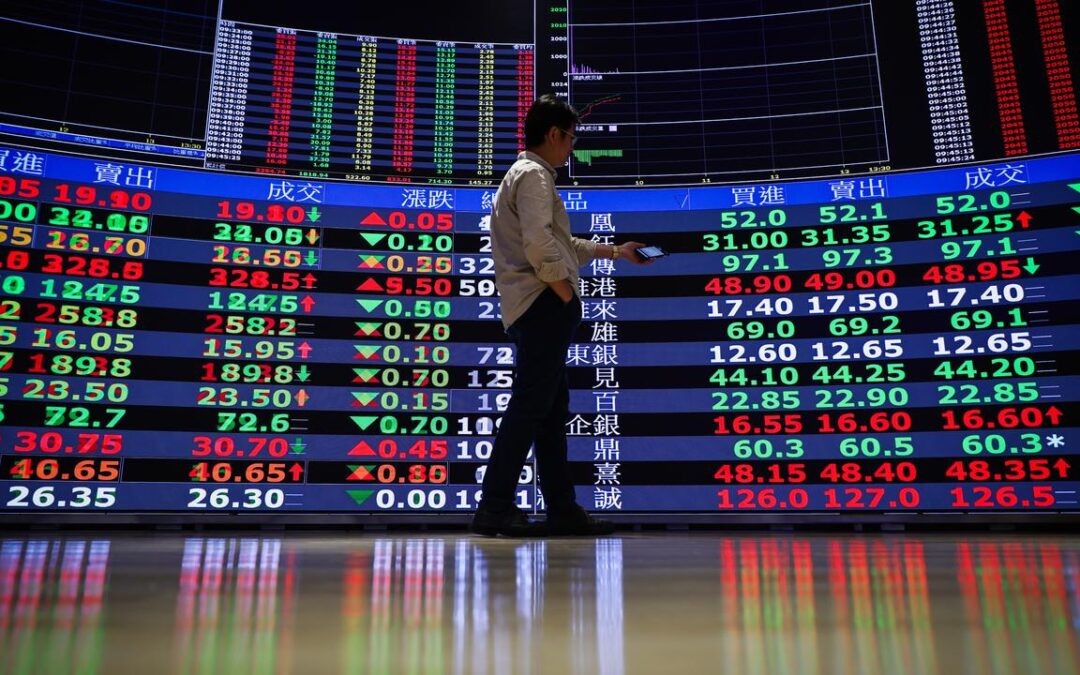
Oil jumps, stocks retreat as Mideast ceasefire teeters
Oil prices have jumped and global equities have eased as markets grow increasingly concerned the ceasefire between the US and Iran might not hold, while tensions over the Strait of Hormuz escalate.
Brent crude futures rose about 6.0 per cent on Monday to $95.85 a barrel.
MSCI’s world share index was last down around 0.3 per cent, with Europe’s cross-regional STOXX 600 down 1.1 per cent, after Asia’s equity markets shrugged off risks to advance.
S&P 500 futures were 0.65 per cent lower.
Concerns grew on Monday that the ceasefire between the US and Iran might not hold after the US said it had seized an Iranian cargo ship that tried to run its blockade and Iran vowed to retaliate.
The US has maintained a blockade of Iranian ports, while Iran has lifted and then reimposed its own blockade on marine traffic passing through the Strait of Hormuz.
Kpler data, however, showed more than 20 vessels carrying oil products, metals, gas and fertiliser passed through the strait on Saturday, the busiest day for the choke point since March 1.
“Markets try to cling on to every bit of news that may point to one outcome or another, hence these large swings. But it is still a very uncertain and volatile situation,” Investec economist Sandra Horsfield said.
She noted that while markets have pulled back, moves made Friday – when Iran said it would open the Strait of Hormuz – had not been fully retraced, suggesting that at least some “improved sentiment still prevails”.
Outside the Middle East, British Prime Minister Keir Starmer is slated to address parliament on Monday, facing calls for his resignation over his handling of the appointment of Peter Mandelson as US ambassador even though he had failed a vetting process.
Meanwhile, the outlook for further negotiations between the US and Iran seemed uncertain.
“Whether this impasse proves to be merely a detour on the path to a resolution remains to be seen, but more volatility would seem the most likely outcome,” Derren Nathan, head of equity research at Hargreaves Lansdown, said in a note.
Iran rejected new peace talks with the US, its state news agency reported on Sunday, hours after US President Donald Trump said he was sending envoys for talks in Pakistan and would launch new strikes on Iran unless it accepts his terms.
“We always thought there would be some swings and roundabouts within that, rather than a straight linear path to the end outcome,” Investec’s Horsfield said.
Bonds, which rallied on Friday, retreated, and the yield on benchmark 10-year Treasuries rose 2.6 basis points to 4.2697 per cent, while the yield on German 10-year government bonds was last 3.6 bps higher at 3.0015 per cent.
The dollar – which was sold for the best part of the past two weeks – broadly steadied, trading at $1.1761 per euro.
Wall Street indexes touched record highs on Friday, supported by expectations of robust first-quarter earnings, the bulk of which come this week.
British inflation data, US retail sales and European Purchasing Managers’ Index figures are also due during the week, though much of markets’ focus will be on Gulf shipping.
“The critical barometer of geopolitical risk has been distilled into one data point: the number of ships transiting the Strait of Hormuz,” said Bob Savage, head of markets macro strategy at BNY.
“Peace talks matter, but the immediate focus is on oil and other supply shortages driving inflation.”
French prosecutors summon Elon Musk over X images
Elon Musk has been summoned to Paris, where investigators are looking into allegations of misconduct related to the social media platform X, including the spread of child sexual abuse material and deepfake content.
Musk, the world’s richest man, and former X chief executive Linda Yaccarino have been summoned for “voluntary interviews”, while other employees of the platform are scheduled to be heard as witnesses throughout the week, the Paris prosecutor’s office said.
It remains unclear whether Musk and Yaccarino will travel to Paris.
A spokesperson for X did not respond to questions from The Associated Press and Yaccarino’s current company, eMed, did not respond to a request sent by email.
French prosecutors also suspect controversy around the platform’s AI system Grok’s deepfakes was concocted to boost the value of Musk-owned companies ahead of a key market listing, and alerted US authorities.
Musk welcomed a report that US justice officials refused to help French investigators, posting on X: “This needs to stop.”
Musk was summoned after a search took place in February at the French premises of X as part of an investigation opened in January 2025 by the cybercrime unit of the Paris prosecutor’s office.
Musk and Yaccarino have been invited in their capacities as managers of X at the time of the events being investigated.
Yaccarino was chief executive from May 2023 until July 2025.
“These voluntary interviews with the executives are intended to allow them to present their position regarding the facts and, where appropriate, the compliance measures they plan to implement,” prosecutors said.
“At this stage, the conduct of this investigation is part of a constructive approach, with the ultimate objective of ensuring that platform X complies with French law, insofar as it operates within the national territory.”
Asked whether Musk would risk sanctions if he skipped the hearing, the Paris prosecutor’s office declined to comment.
French authorities opened their investigation after reports from a French lawmaker alleging biased algorithms on X likely distorted the functioning of an automated data-processing system.
It expanded after the AI system, Grok, generated posts that allegedly denied the Holocaust, a crime in France, and spread sexually explicit deepfakes.
It’s looking into alleged “complicity” in possessing and spreading pornographic images of minors, sexually explicit deepfakes, denial of crimes against humanity and manipulation of an automated data processing system as part of an organised group, among other charges.
Grok, which was built by xAI and is available through X, sparked global outrage after it pumped out a torrent of sexualised non-consensual deepfake images in response to requests from X users.
Grok also wrote in a widely shared post in French that gas chambers at the Auschwitz-Birkenau death camp were designed for “disinfection with Zyklon B against typhus” rather than for mass murder – language long associated with Holocaust denial.
In later posts on X, the chatbot reversed itself and acknowledged its earlier reply was wrong, saying it had been deleted, and pointed to historical evidence that Zyklon B was used to kill more than one million people in Auschwitz gas chambers.
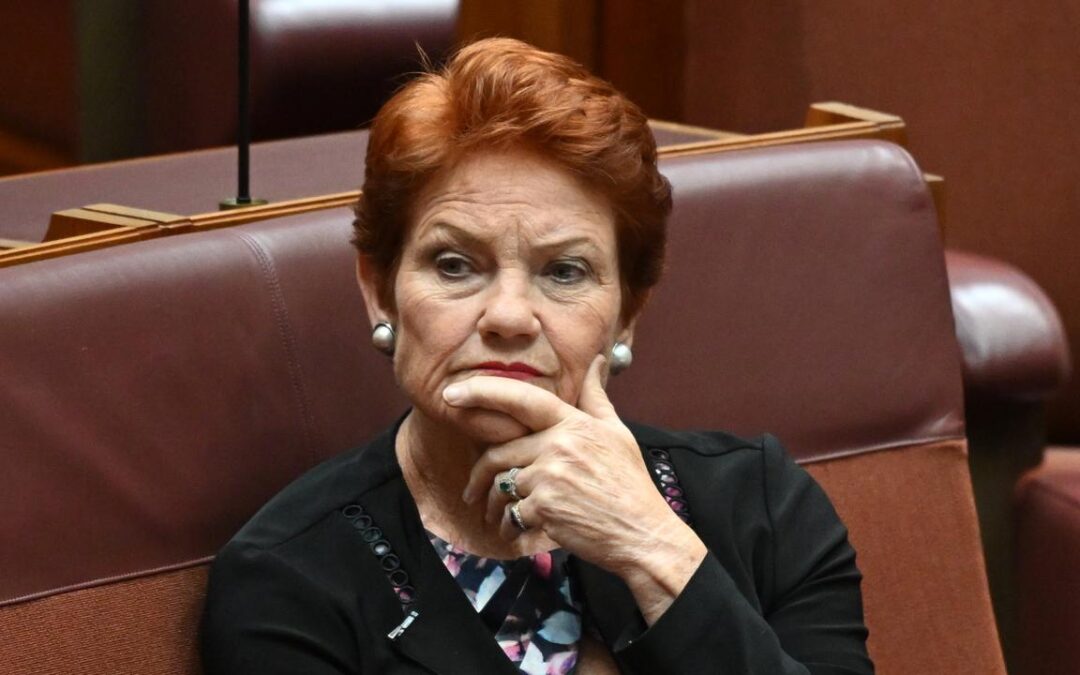
Cracks show in One Nation vote as Hanson taunts rivals
Major parties are trying to emulate One Nation policies, its leader says, as two opinion polls show a plateau in voter support for the populist political force.
The latest Newspoll shows Pauline Hanson’s party falling from its peak of 27 per cent to 24 per cent.
But the shift in voters has not meant an increase in support for the major parties.
Labor remains steady on a primary vote of 31 per cent, as does the coalition on 21 per cent.
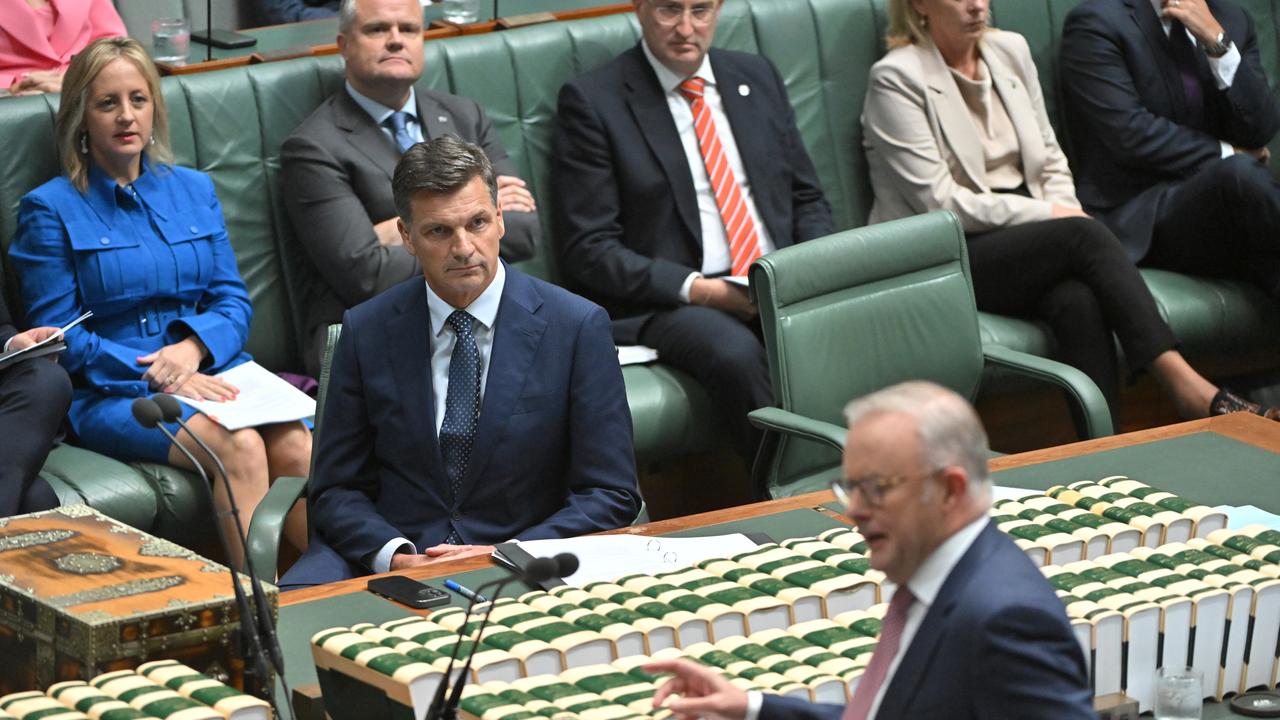
Anthony Albanese remains the preferred prime minister over Angus Taylor, ahead 46 per cent to 37, with 17 per cent remaining uncommitted.
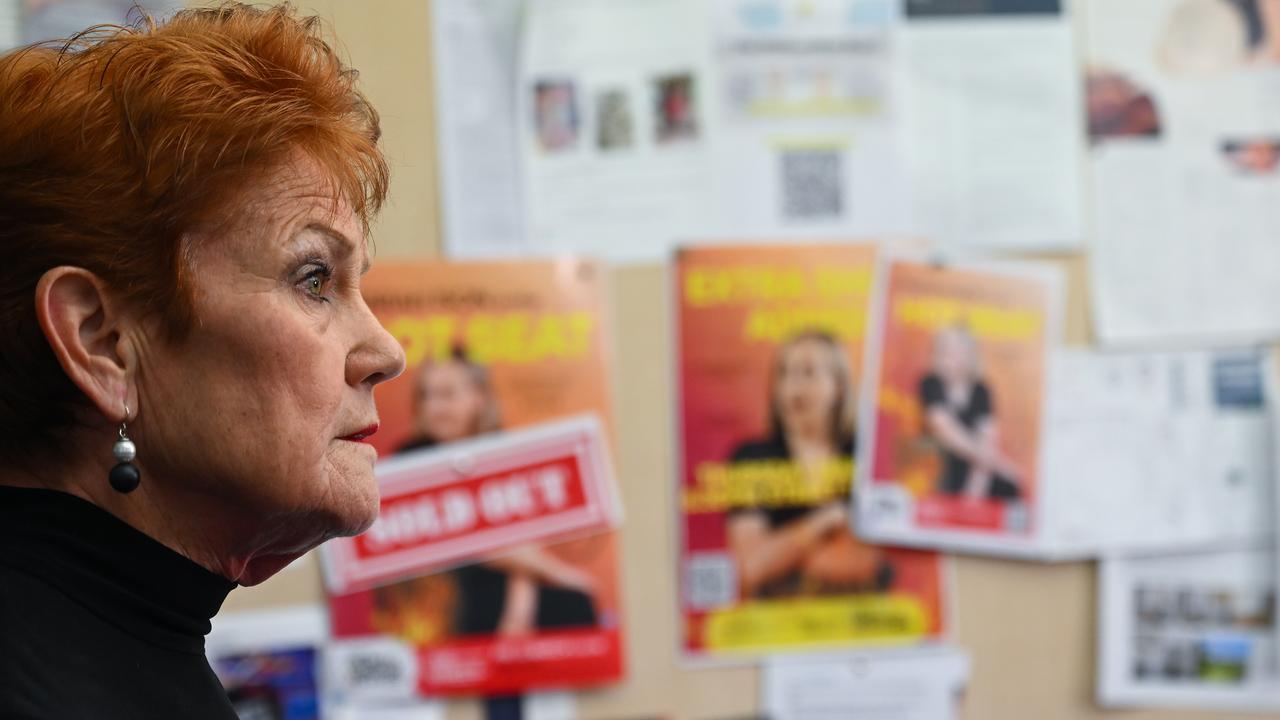
Senator Hanson said Mr Taylor’s release of the coalition’s immigration policy on Tuesday was only because of pressure in the polls from One Nation.
“He’s picking up the vibes, and that’s why a lot of people are supporting One Nation,” Senator Hanson told Melbourne radio station 3AW on Monday.
“At least we’re on the same page, and we want to do it.
“Will they follow through and do it? I doubt it.”
While 40 per cent of voters were satisfied with the prime minister’s performance, Mr Albanese had a dissatisfaction level of 57 per cent.
Mr Taylor’s net approval rating has gone down, with 33 per cent satisfied and 46 per cent dissatisfied with him as opposition leader.
Under the coalition’s policy, immigration levels would be reduced and those who didn’t respect Australian values would be “booted out”.
A Resolve poll, also published on Sunday, showed One Nation falling in support from 24 per cent to 22 per cent.
The drop has meant the coalition has overtaken One Nation as the party with the second-highest primary vote, rising from 22 to 23 per cent in the latest survey.
Labor rose by three percentage points from 29 to 32 per cent.
Mr Albanese holds a narrow lead over Mr Taylor as preferred prime minister, leading by 33 per cent to 32 per cent.
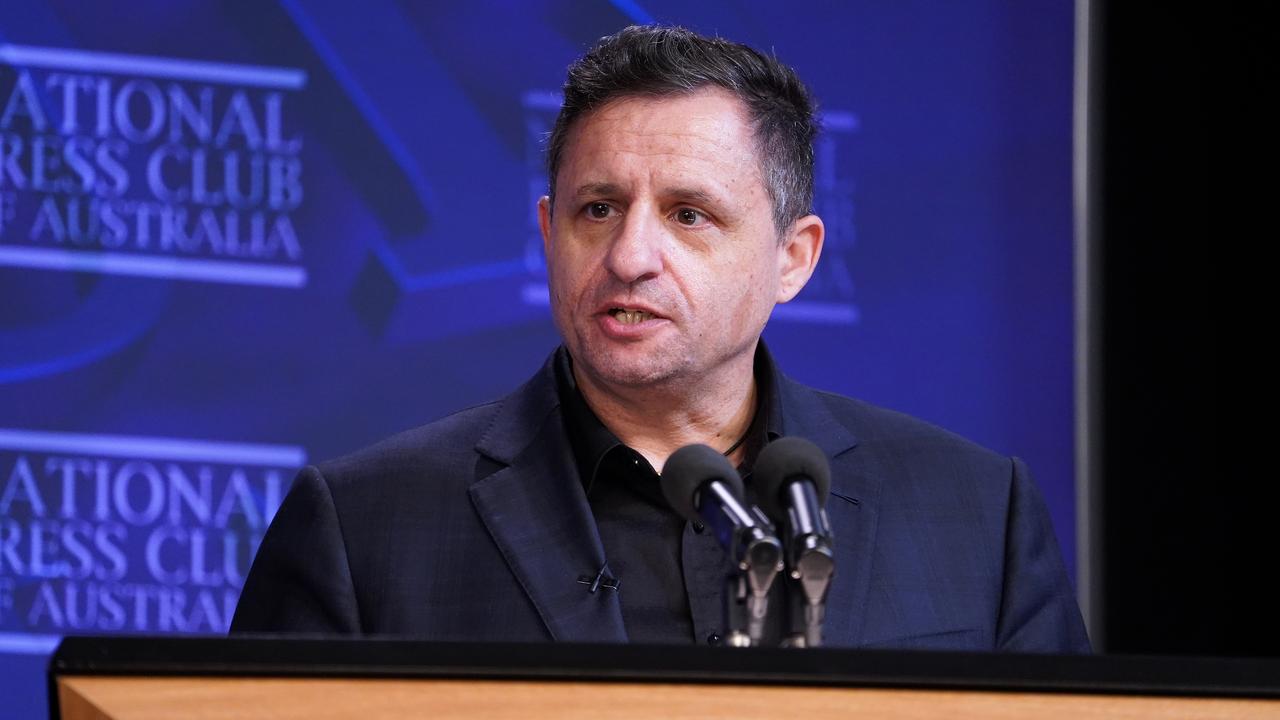
Kos Samaras, director of strategy and campaigns at polling company RedBridge said One Nation’s support had clearly plateaued but it was too early to tell whether voters were turning away from the party.
“Really what we’re seeing is a ceiling… the One Nation vote has stabilised in the mid-to-high 20s” he told AAP.
But the respected pollster said the Liberals and Nationals shouldn’t be celebrating.
“We don’t see any evidence that the coalition’s making any inroads into One Nation’s base,” Mr Samaras said, adding the small drop of support for Senator Hanson’s party had mostly gone to other minor parties and independents.
Nationals senator Bridget McKenzie said the shift in support from One Nation did not come as a surprise.
“In times of global crisis, as we’re currently in, Australians rightfully look to parties of government,” she told ABC Radio on Monday.
The Newspoll and Resolve surveys coincided with the Middle East war and closure of the Strait of Hormuz, which has affected global oil prices.
World weighs fate of Mideast ceasefire, US seizes ship
Concerns the ceasefire between the United States and Iran might not hold are growing after the US said it had seized an Iranian cargo ship that tried to run its blockade and Iran vowed to retaliate.
Efforts to build a more lasting peace in the region likewise appeared to be on shaky ground, as Iran said it would not participate in a second round of negotiations the US had hoped to kick off before the ceasefire expires on Tuesday.
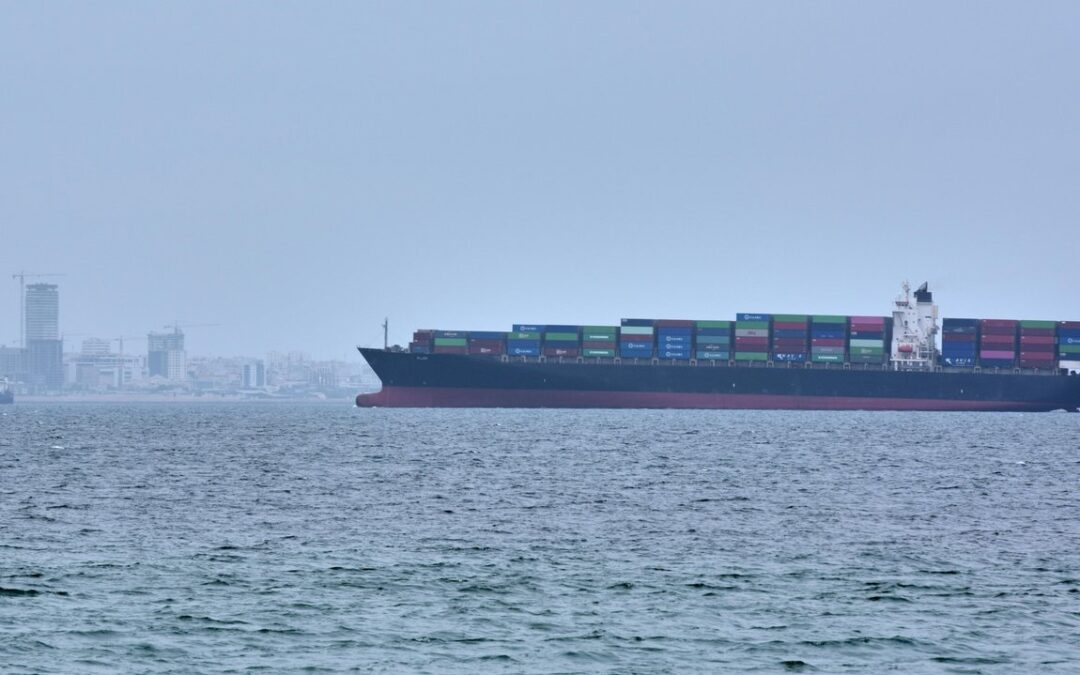
The US has maintained a blockade of Iranian ports, while Iran has lifted and then reimposed its own blockade on marine traffic passing through the Strait of Hormuz, which typically handles roughly one-fifth of the world’s oil supply.
The US military said it fired on an Iranian-flagged cargo ship headed towards Iran’s Bandar Abbas port on Sunday after a six-hour stand-off, disabling its engines.
US marines then rappelled from helicopters onto the vessel, US Central Command said.
“We have full custody of their ship, and are seeing what’s on board!” President Trump wrote on social media.
Iran’s military said the ship had been travelling from China.
“We warn that the armed forces of the Islamic Republic of Iran will soon respond and retaliate against this armed piracy by the US military,” a military spokesperson said, according to state media.
Oil prices jumped more than five per cent and stock markets wobbled as traders fretted the ceasefire would collapse and traffic in and out of the Gulf would remain at a bare minimum.
Iranian state media reported Tehran had rejected new peace talks, citing the ongoing blockade, threatening rhetoric and Washington’s shifting positions and “excessive demands”.
“One cannot restrict Iran’s oil exports while expecting free security for others,” Iran’s First Vice President Mohammadreza Aref wrote on social media.
“The choice is clear: either a free oil market for all, or the risk of significant costs for everyone.”
Trump earlier warned Iran the US would destroy every bridge and power plant in Iran if Tehran rejected his terms.
Iran has vowed to hit Gulf Arab neighbours’ power stations and desalination plants if the US attacks its civilian infrastructure.
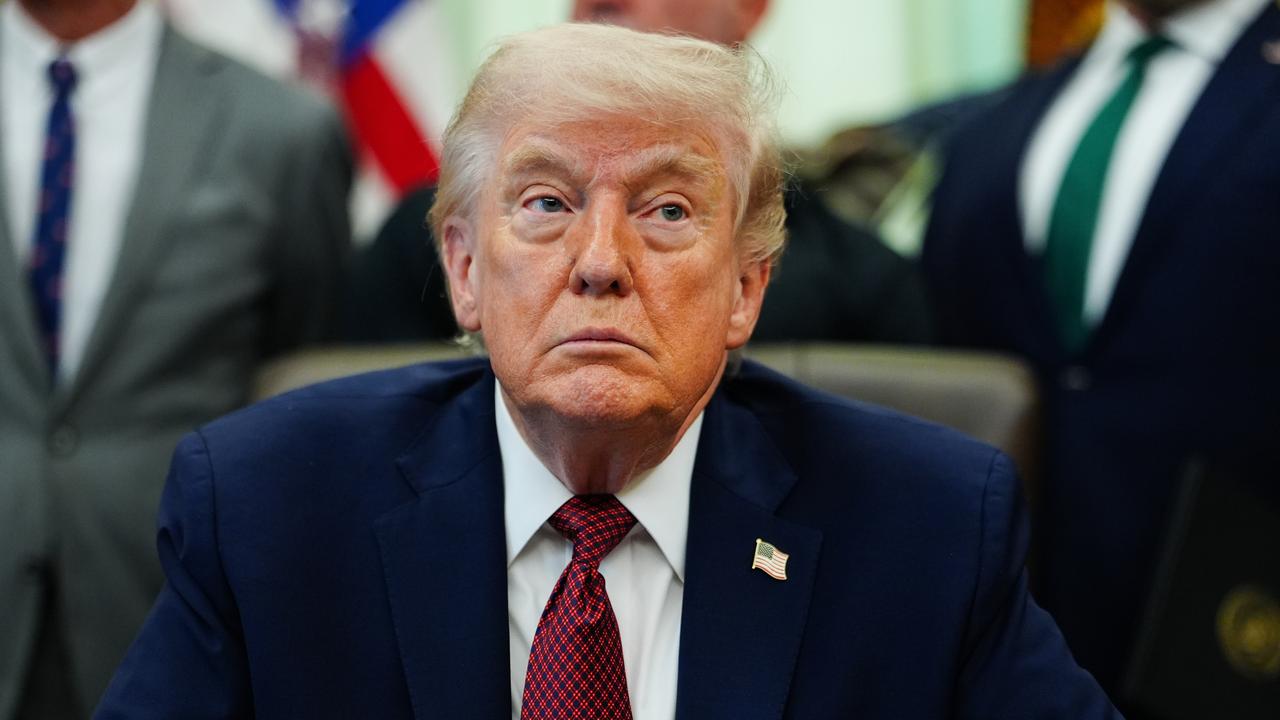
Trump said his envoys would arrive in Islamabad on Monday evening, one day before a two-week ceasefire ends.
A White House official told Reuters the US delegation would be headed by Vice President JD Vance, who led the war’s first peace talks a week ago, and would include Trump’s envoy Steve Witkoff and son-in-law Jared Kushner.
But Trump told ABC News and MS Now Vance would not go.
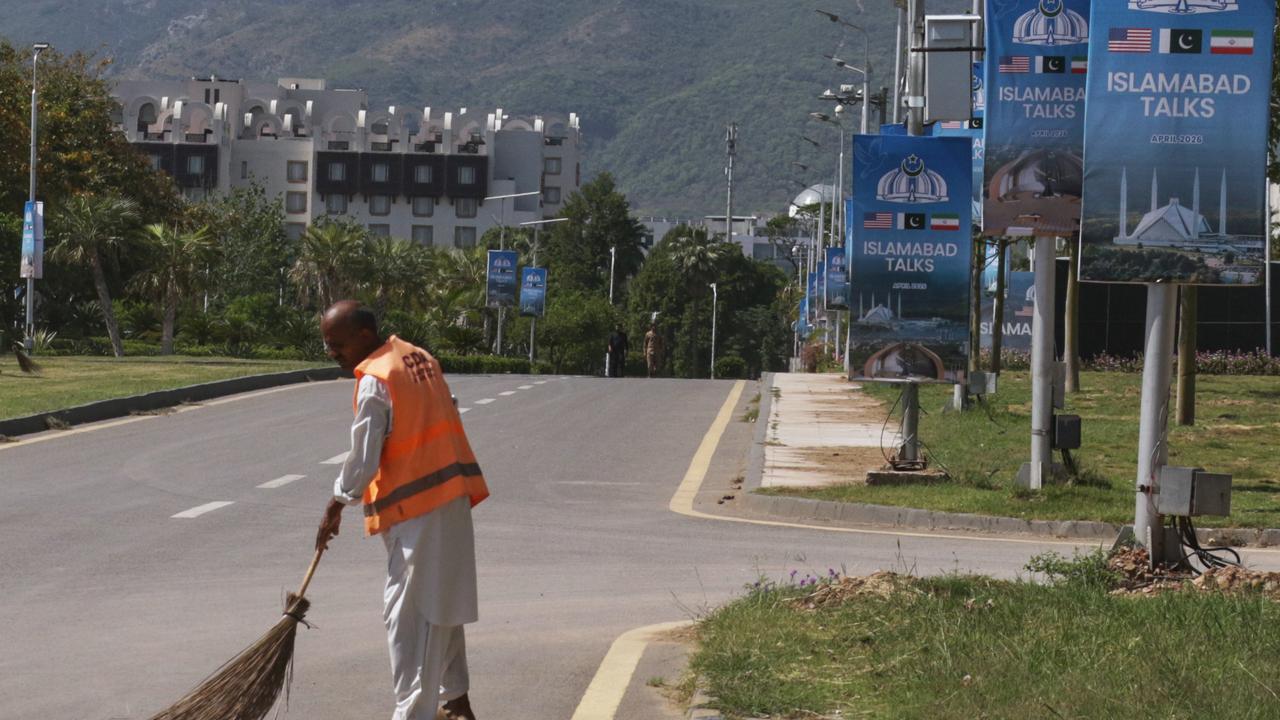
Pakistan, which has served as the main mediator, appeared to be preparing for the talks.
Two giant US C-17 planes carrying security equipment and vehicles landed at an air base on Sunday in preparation for the US delegation’s arrival, Pakistani security sources said.
Municipal authorities in the Pakistani capital of Islamabad halted public transport and heavy goods traffic through the city.
Barbed wire was rolled out near the Serena Hotel, where last week’s talks were held, and guests were told to leave.
Iran’s parliament speaker Mohammad Baqer Qalibaf, who has led the republic’s side in the talks, had earlier said the two sides had made progress but were still far apart on nuclear issues and the strait.
European allies, repeatedly criticised by Trump for not aiding his war effort, worry Washington’s negotiating team is pushing for a swift, superficial deal that would require months or years of complex follow-on talks.
Now in its eighth week, the war has created the most severe shock to global energy supplies in history, with oil prices surging.
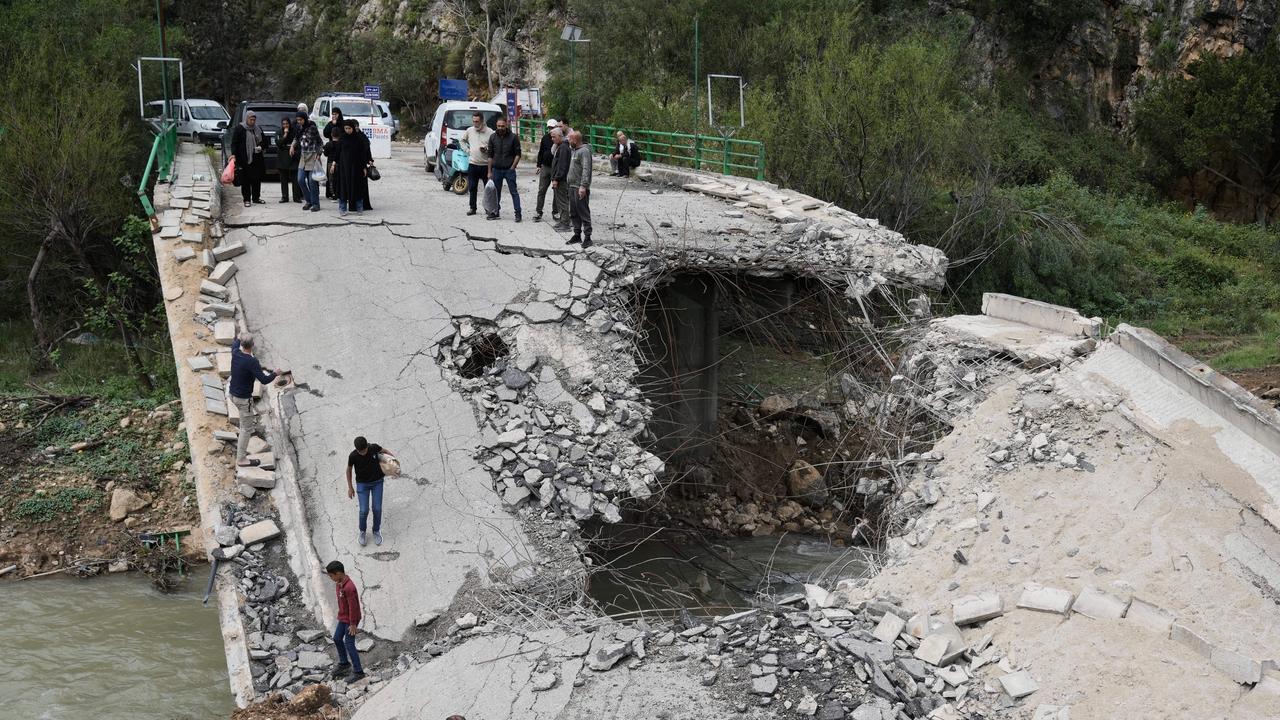
Thousands of people have been killed by US-Israeli strikes on Iran and in an Israeli invasion of Lebanon conducted in parallel since the war began on February 28.
Iran responded to the attacks with missiles and drones against Israeli and nearby Arab countries that host US bases.
The Islamic Republic executed two men convicted of co-operating with Israel’s Mossad intelligence service and planning attacks inside the country, the judiciary’s news outlet Mizan reported on Sunday.
Truckies win fuel boost to fight dire price threat
Transport workers could receive a boost to the amount they receive to cover fuel costs as the impacts from the Iran war threaten their livelihoods.
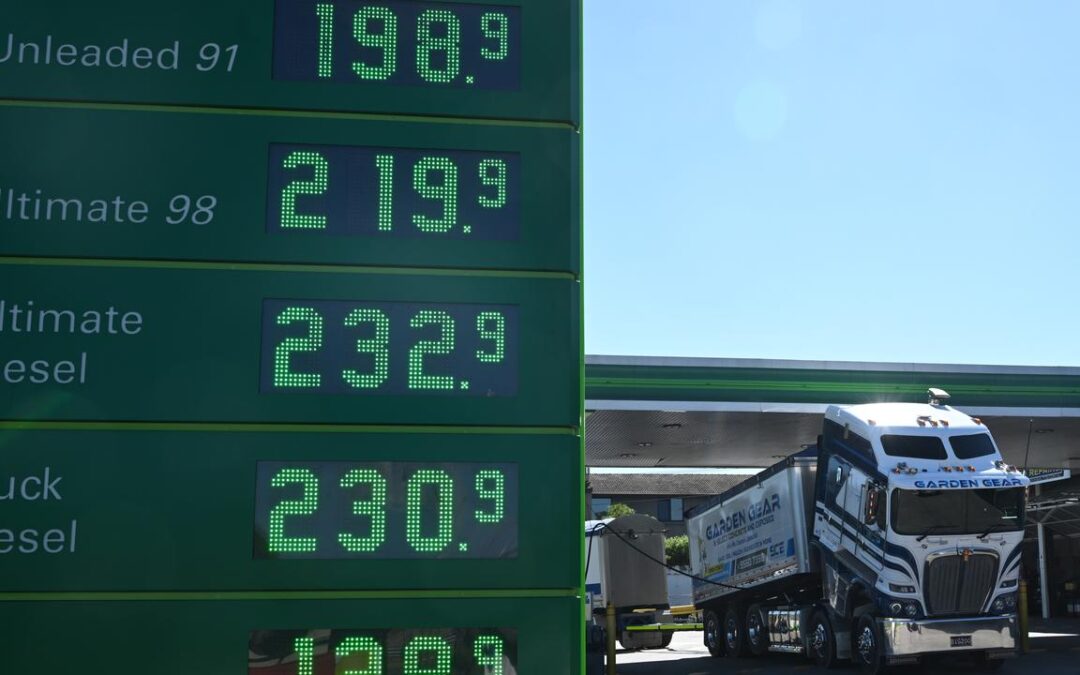
The Fair Work Commission has ordered companies in the sector to review their rates twice every month to account for the high costs of petrol and diesel.
The orders will come into effect from Tuesday and will be in place as long as the weekly average price of diesel is above $2 per litre.
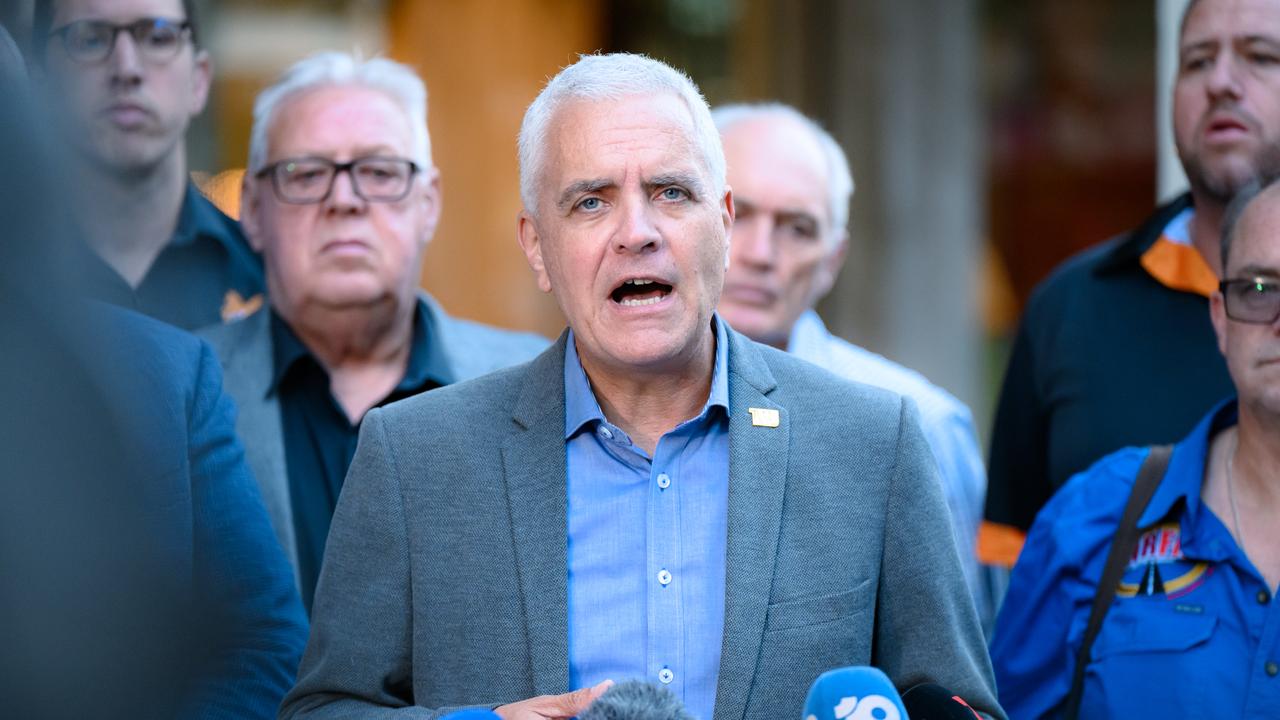
The ruling followed a case submitted by the Transport Workers’ Union to the workplace watchdog.
Secretary Michael Kaine said the decision was historic.
“(The order) for the first time, puts obligations on the wealthy clients at the top of our supply chains to pay their fair share to the transport industry,” he said.
“Over the last few weeks drivers and transport businesses have outlined the dire circumstances they are facing with diesel costs, many already having to park up their trucks or rely on personal loans just to keep going.”
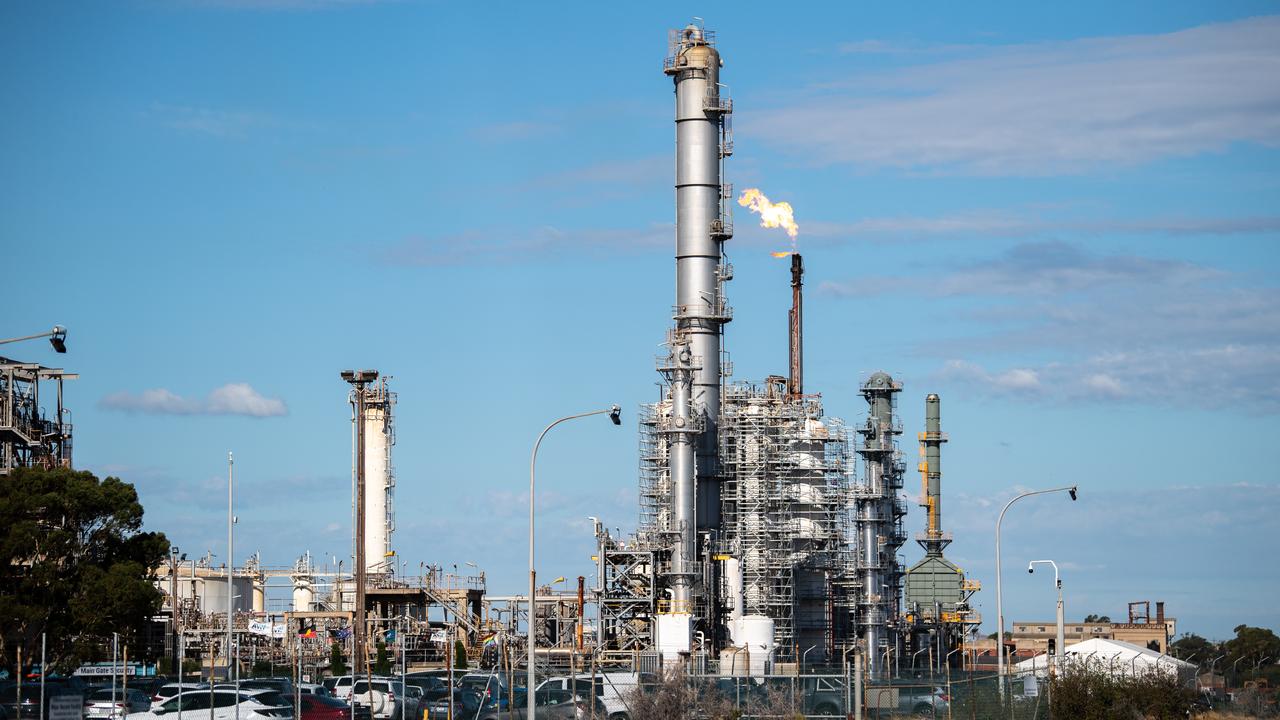
The decision comes as the owners of the Geelong Viva refinery, which was damaged in a fire on Wednesday night, said the site was expected to return to almost full capacity in the coming weeks.
In a statement to the ASX, Viva Energy said capacity was set to ramp up at the facility.
“Over the next few weeks, and subject to plant inspection, the company expects to be in a position to … lift production of diesel, jet fuel and petrol to over 90 per cent of capacity,” the statement said.
“The refinery is then expected to continue production at these levels until repairs are completed.”
The refinery was at 60 per cent output for petrol following the fire and at 80 per cent for jet fuel and diesel.
Viva has promised a full investigation into the cause of the incident.

The company had been in a trading halt following the fire, but selling resumed on Monday morning.
Viva shares dropped by as much as 9.5 per cent when it came out of the halt and were sitting at $2.34 by mid-afternoon, down about 7.7 per cent.
The Geelong facility is one of only two refineries operating in Australia and provides 10 per cent of the country’s fuel supply and 50 per cent of Victoria’s.
Production had been increased at the refinery following the closure of the Strait of Hormuz, which placed pressure on global oil supply.
Freight and trucking firms from Monday were also able to apply for interest-free loans to help weather the price hikes of doing business.
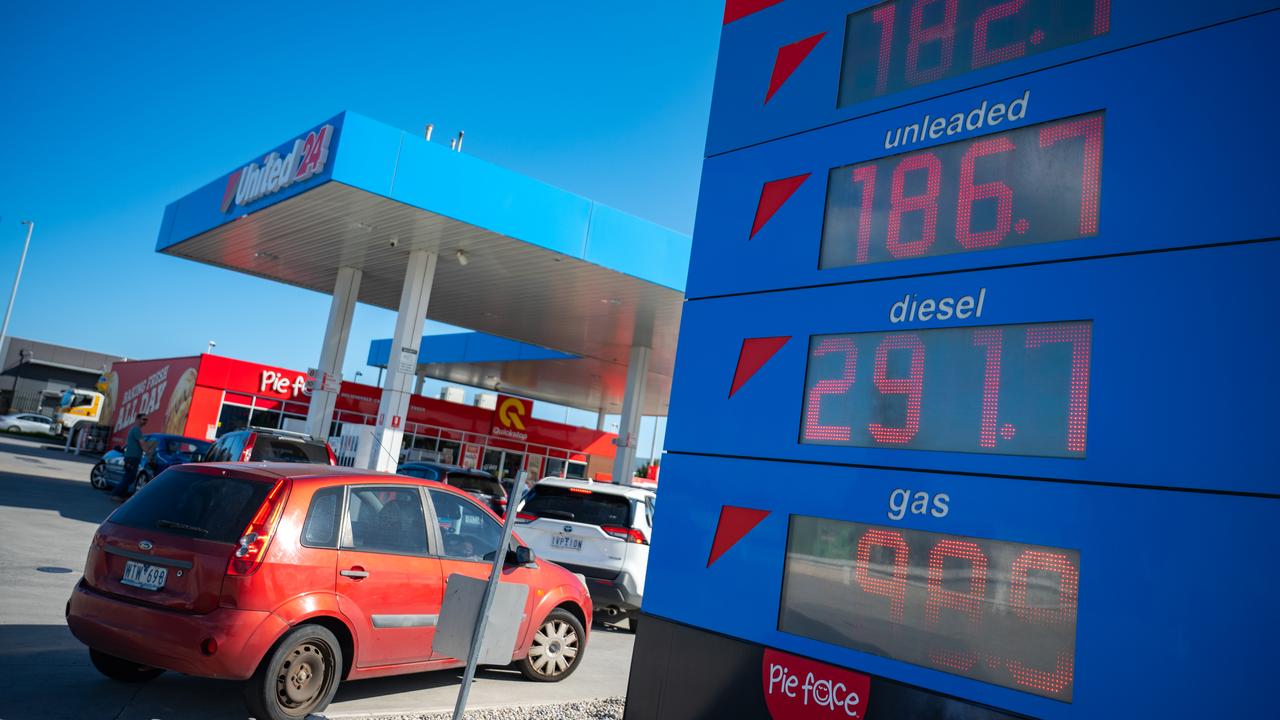
The loans were part of a $1 billion economic resilience program package and will apply to businesses that make or transport fuels, fertiliser and agricultural products.
The concessions were announced by Prime Minister Anthony Albanese during a speech at the National Press Club earlier in April.
Industry Minister Tim Ayres said the loans would provide stability during volatile economic times.
“The billion dollar facility is there to be used as much as it is required,” he told reporters in Canberra.
Loans of up to $5 million are available for companies with a turnover less than $100 million.
Australian Banking Association chief executive Simon Birmingham said the financial sector would support the rollout of the loans.
“Banks are stepping up to support the rollout of these zero-interest loans to businesses who are doing it tough as a result of the current conflict in the Middle East,” he said.
Big bank takes action as Middle East crisis rolls on
A second major bank is taking action to protect its business amid an uncertain economic outlook, as the crisis in the Middle East continues to weigh.
National Australia Bank has flagged higher provisions due to a rise in credit impairment charges and will discount and partially underwrite its dividend reinvestment plan to raise extra funds.
“In light of the volatility in markets following the conflict in the Middle East, National Australia Bank (NAB) has reviewed its credit provisioning and capital settings to better reflect the risks now inherent in our business,” the business-focused bank said.
Last week, Westpac revealed the conflict had dented earnings contributions from its treasury and markets trading division.
The unit’s net interest margin contribution will fall to seven basis points in the second quarter of 2025/26, from 15 basis points in the first.
NAB will book a $706 million credit impairment charge when it reports its first-half results on May 4, which would be around 68 per cent higher than the previous first half.
That will include a $152 million “economic adjustment” charge reflecting the changing outlook for Australia’s economy, which is expected to weaken as the conflict continues.
The bank will also allocate $201 million in adjustments for potential stress that may emerge in energy-related business sectors likely to be impacted by fuel supply issues and costs related to the conflict.
NAB chief economist Sally Auld warned in March that the macro-economic outlook appeared to be heading for a more treacherous phase and that the impact of large shocks to oil prices would be amplified by tighter financial conditions.
“As forecasters, this development leaves us worried about downside risks to growth,” she said.
Ms Auld is predicting Australia’s economy to grow by just 1.8 per cent in 2026 and 2027, compared with a previous forecast of two per cent for each year.
The rise in the price of retail fuel is also expected to drive inflation to an annual rate of five per cent in the second quarter, while unemployment could peak at 4.75 per cent in 2027, Ms Auld said.
NAB shares fell more than three per cent in morning trading on Monday to $41.01.