
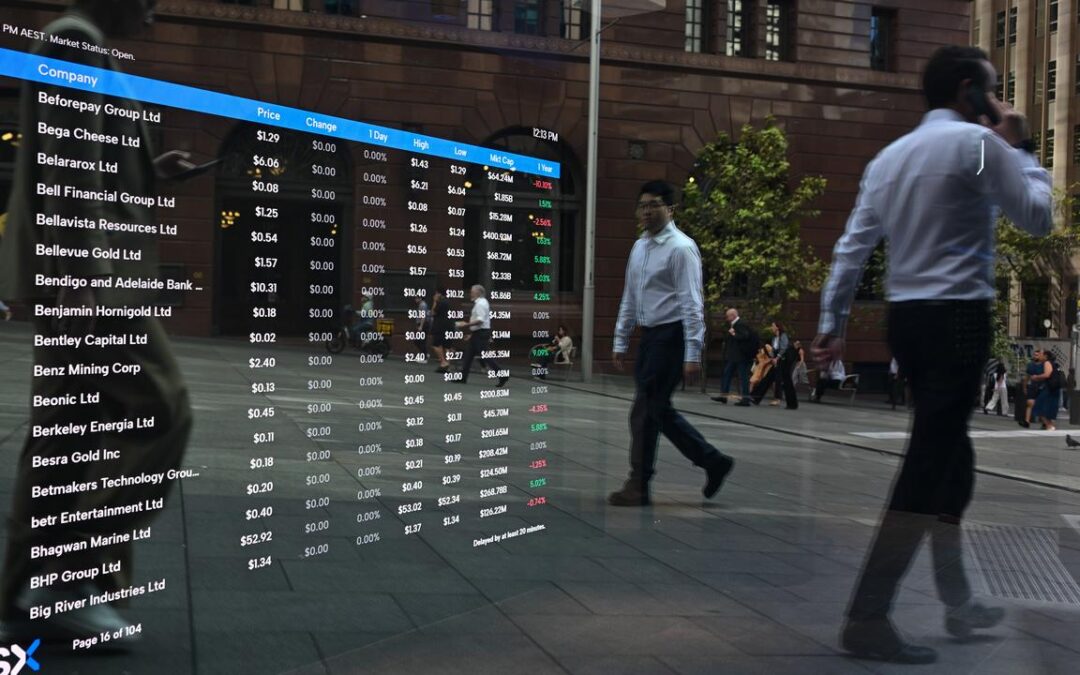
Aussie shares fall as war dims hopes for US rate cuts
The local share market has suffered its worst loss in more than a month on fears the Middle East conflict could delay US interest rate cuts, even after President Donald Trump extended a ceasefire with Iran at the request of Pakistani mediators.
The benchmark S&P/ASX200 index on Wednesday fell 105.8 points, or 1.2 per cent, to 8,843.6, its worst single-day loss since a 142-point fall on March 19.
The broader All Ordinaries dropped 102.8 points, or 1.12 per cent, to 9,074.3.
The Australian dollar was trading for 71.69 US cents, from 71.63 US cents at 5pm on Tuesday.
Search to shore up fuel security strikes ‘liquid gold’
A search to boost fuel security has struck “liquid gold” after a state government clashed with the commonwealth over a proposed new oil field.
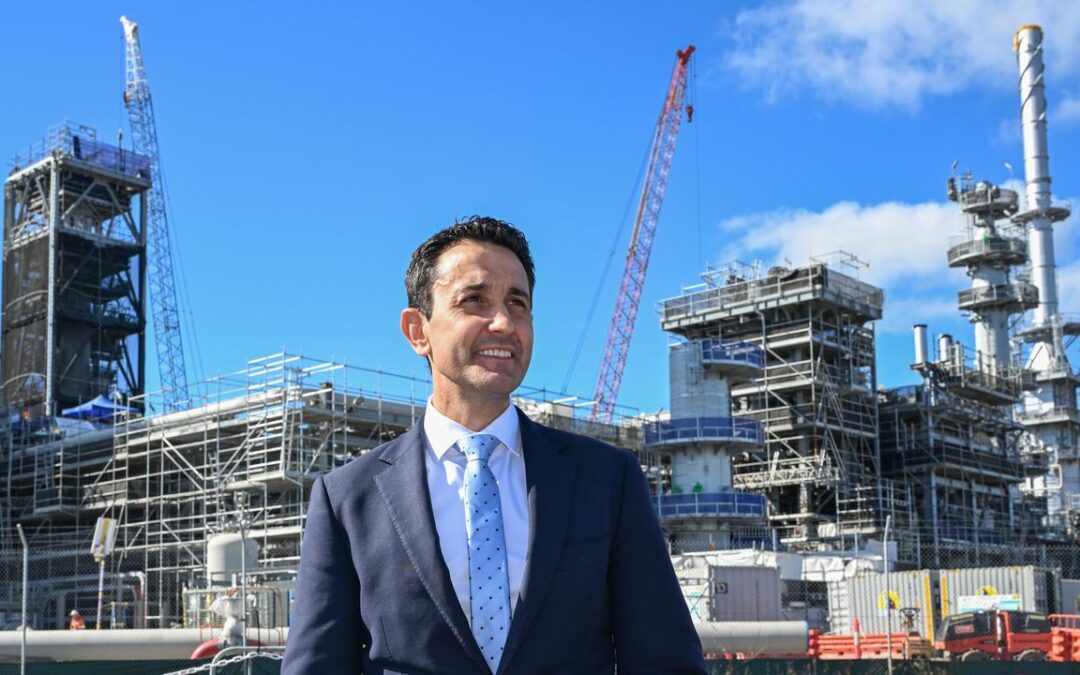
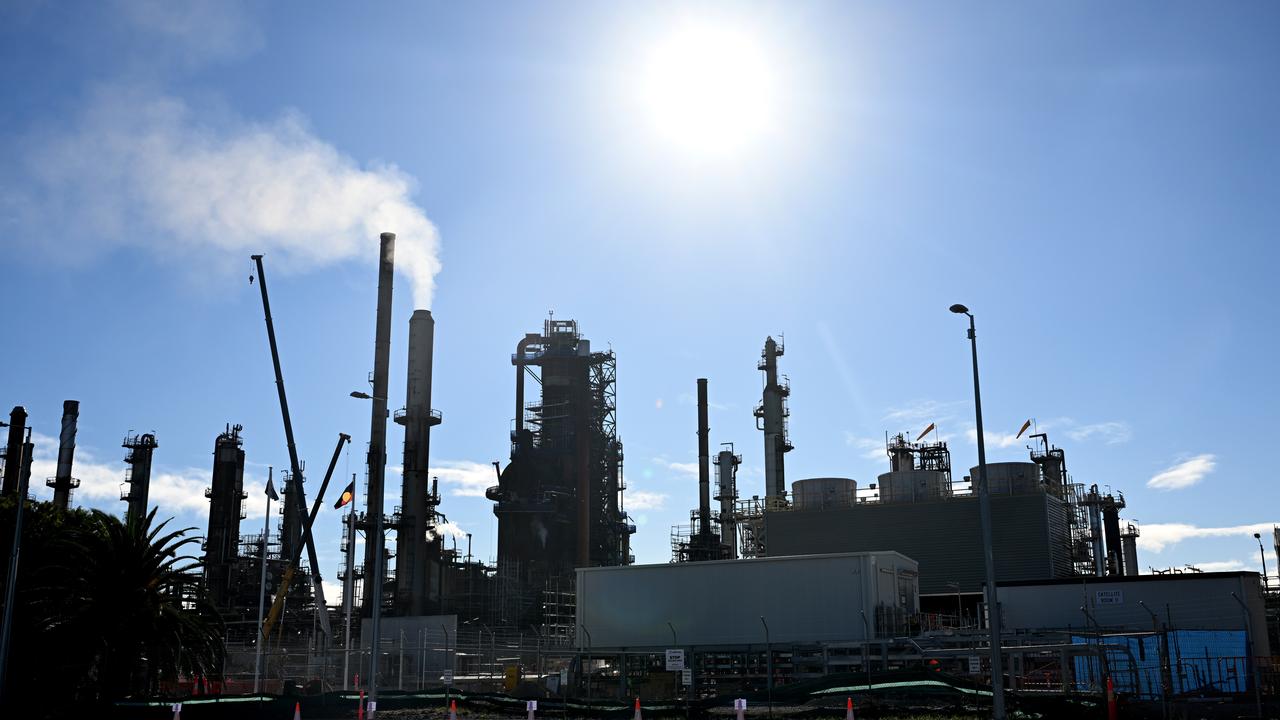
The Queensland government announced it would pump $25 million into the development of renewable diesel in partnership with Ampol’s Port of Brisbane refinery ahead of a potentially awkward national cabinet meeting.
The project will deliver the country’s first sustainable production of second generation low-carbon liquid fuels, with stage one set to pump out up to 20 million litres of renewable diesel a year from 2028.
Up to 750 million litres of diesel are expected to be produced by the early 2030s.
“Within a few short years, Queensland will be producing hundreds of millions of litres of liquid gold because the right investments were made and the right partnerships were forged,” Deputy Premier Jarrod Bleijie said on Wednesday.
The refinery’s existing hydro‑treating facility will be upgraded to process biogenic feedstocks such as tallow and canola alongside traditional diesel.
The investment was part of Queensland’s fuel security plan which includes exploring Taroom Trough – touted as Australia’s first significant new oil field in 50 years – triggering a war of words with the commonwealth.
Fuel security meant restoring Queensland’s “ability to drill, refine and store”, Premier David Crisafulli said on Wednesday.
“This project means more fuel produced locally for Queenslanders,” Mr Crisafulli said.
“These projects are important to ensure we are never again left at the mercy of foreign nations, at the end of a global supply chain.”
The Queensland government will attend Thursday’s national cabinet meeting to discuss fuel issues after butting heads with the commonwealth over fast tracking plans to explore Taroom Trough.
It has been calling for the federal government to grant an oil exploration exemption for the project but has been accused of being “all talk and no action” by the environment minister.
Murray Watt said the state government was calling for the project to be fast-tracked via a mechanism that did not exist under federal environment laws, accusing it of not making a formal request about drilling prospects.
Prime Minister Anthony Albanese will discuss fuel security measures at national cabinet on Thursday after extra diesel shipments were secured for Australia.
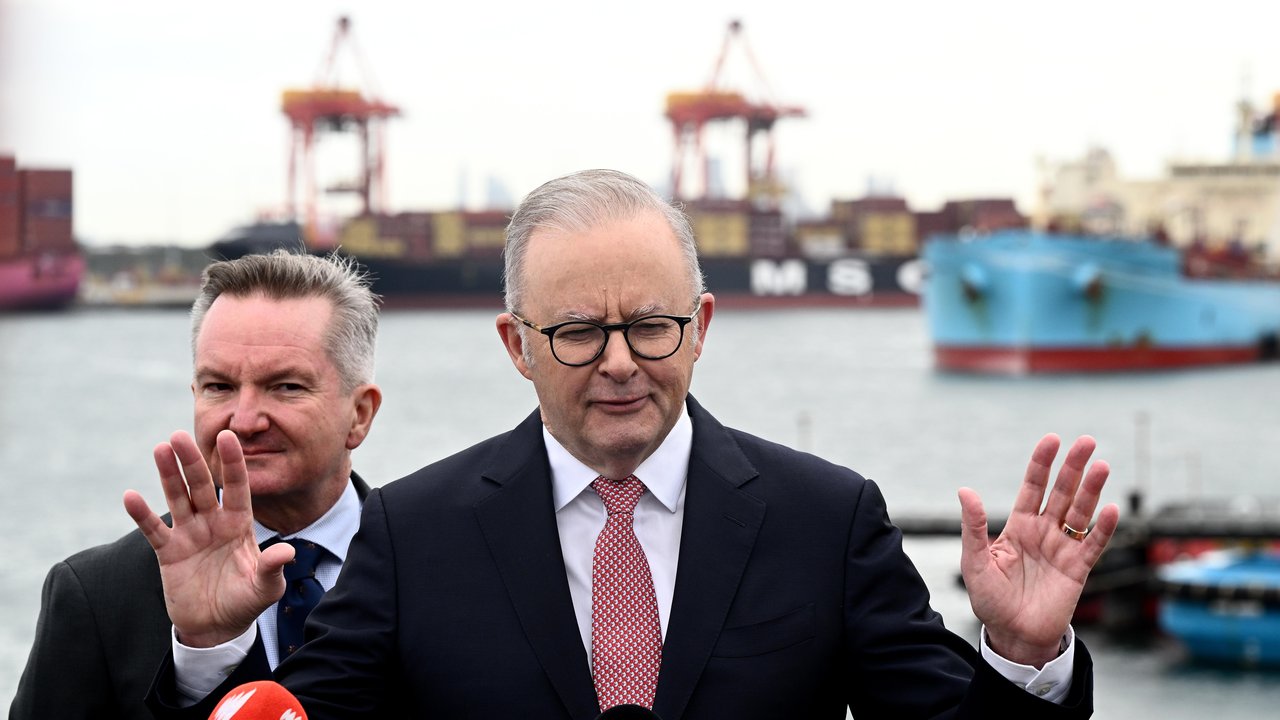
An additional 200 million litres of diesel will come into Australia as part of four cargoes coming from South Korea, Malaysia and Brunei.
Two of the cargoes have been bought by BP and the other two by Viva Energy using new taxpayer-backed underwriting powers, with the shipments due to arrive in Australia in late May or early June.
According to the NRMA, Australia uses almost 94 million litres of diesel a day.
The supplies would give an extra buffer against volatility in the fuel market driven by the war in Iran and subsequent blockages of the Strait of Hormuz, Mr Albanese said.
“We will continue to use every measure at our disposal to make a difference,” the prime minister told reporters from Sydney’s Port Botany on Wednesday.
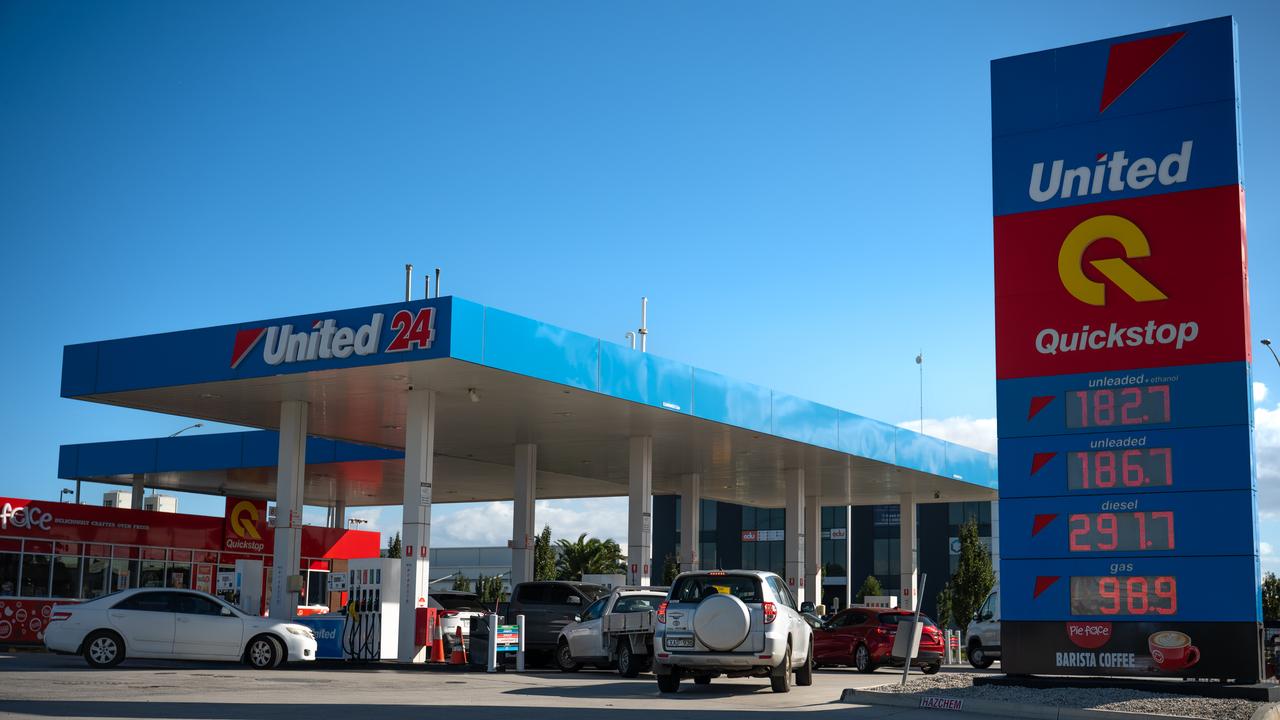
No major changes to fuel security strategies are expected from national cabinet talks.
There are 61 fuel ships en route to Australia, with five to arrive in Sydney in coming days.
Meanwhile, farmers have been promised more fertiliser imports as part of a deal struck between the federal government and major companies.
The agreement with chemical suppliers CSBP and Incitec Pivot involves underwriting their purchases to reduce the financial risk of importing fertiliser.
The deal was struck using the government’s strategic reserve powers, which are designed to shore up supplies of crude oil, fuel and fertiliser, all of which have been impacted by the strait’s closure.

Wallets stretch, but musicals still king of the jungle
The most successful musical in history is returning to Australia to prove it rules over everything the light touches.
Riding a surprising wave of revenue from audiences ravenous for stage spectacles, The Lion King musical returns in Sydney on Thursday, with nine of its first 10 performances sold out.
Tickets for nosebleed seats start at $60.

“None of the big hits musicals that have come along since The Lion King, the likes of the Hamiltons and what have you … none of them do the things that The Lion King does”, the show’s associate director Anthony Lyn told AAP.
Herds of life-size elephants, gazelles, wildebeest, zebras – crafted, sculpted, woven and beaded by hand – will stampede through the aisles to welcome lion cub Simba to the world over a spine-tingling African chorus in the show’s colossal opening number Circle of Life.
Mufasa and his pride have certainly been feeling the love, totting up almost $13 billion at the box office so far – on par with the cinema earnings of all the Star Wars films combined.
More than 127 million people have crowded theatres in 24 countries during the musical’s 29-year run, a tenure exceeded only by Broadway elders Phantom of the Opera and Chicago.
Musicals appear unbruised by cost-of-living pressures, with the genre selling a record 4.4 million tickets and clocking up more than half a billion dollars in revenue in Australia in 2024.

The three best years ever for musical theatre in Australia were from 2022 to 2024, following the COVID-19 pandemic.
“We need entertainment, we need to be able to switch off, we need to be transported, we need stories”, Daniel Frederiksen, who plays The Lion King’s arch-villain Scar told AAP.
Emily Nkomo, who plays heroine lioness Nala, said live theatre offered irreplaceable human connection.
“(There’s) that feeling that you get when you see people do something this beautiful on stage,” she said.
“We can communicate with the audience and then they respond back and we respond with them as well.
“There’s nothing like it.”
The Lion King is scheduled to play Sydney’s Capitol Theatre until August 30.
Smelter’s wage lifeline fails to allay viability fears
Hundreds of workers at Australia’s only manganese alloy smelter, which is under administration, have been given short-term pay assurances that unions say do nothing to address long-term security concerns.
The federal and Tasmanian government’s 50-50 loan of up to $3 million was announced on Wednesday and will cover the entirety of the facility’s 200-strong workforce.
It comes about a week after administrators told some 175 workers they would soon need to either take leave without pay or face redundancy.
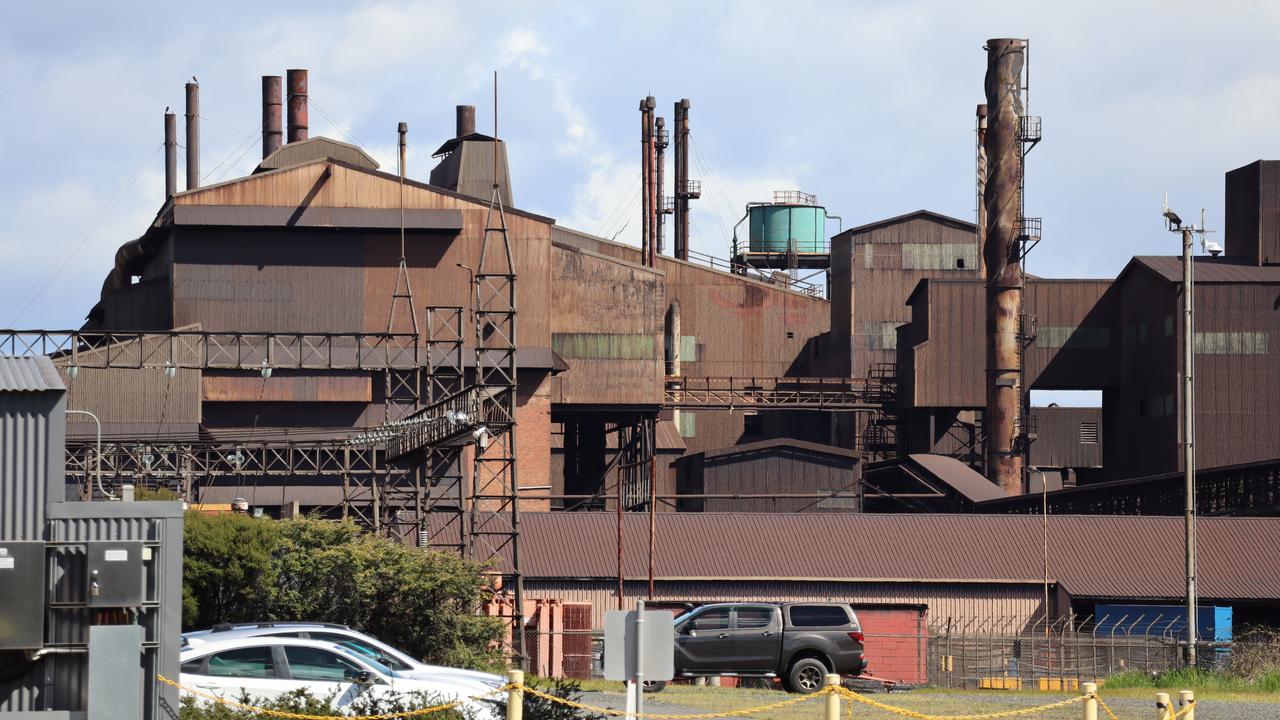
The Liberty Bell Bay smelter in northern Tasmania has been sitting idle since May when it paused operations, citing ore supply issues and global price volatility.
The smelter, which was a subsidiary of GFG Alliance owned by controversial businessman Sanjeev Gupta, went into administration in March.
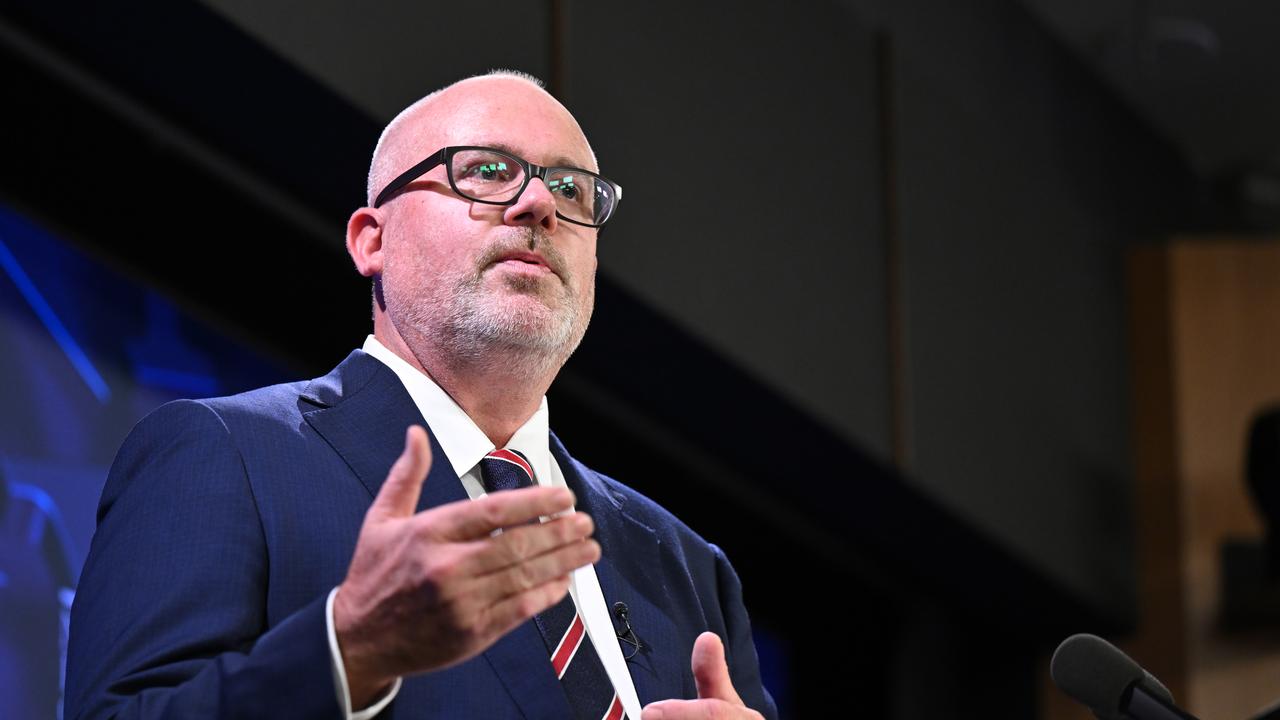
Federal Industry Minister Tim Ayres said the $3 million of new support was a good step, and governments were working to support a transition to a new owner.
Administrators Ernst and Young have indicated there are a dozen potential buyers for the smelter, which produces an alloy to strengthen steel.
Mr Ayres indicated it wasn’t viable for the federal government to provide support when the smelter was in the hands of GFG Alliance.
“What has happened here is the owner of this facility has run it down,” he told reporters.
“This is an efficient facility … with markets and customers that want to buy its products.”
Tasmanian Premier Jeremy Rockliff didn’t guarantee support for workers if the sale process dragged on beyond three weeks.
GFG Alliance had deserted and disrespected the community and its workforce, he said.
Smelter workers recently held a rally, calling for state and federal government intervention.
Australian Workers Union assistant national Secretary Chris Donovan said the funding was welcome.
“It keeps food on the table and a roof over the heads of hundreds of working families,” he said.
”But let’s be clear: this is a short-term lifeline, not a long-term solution. This site needs its workforce in place to be sold, and that process is likely to require months, not weeks.”
In August, the Tasmanian government loaned Liberty Bell Bay $20 million to purchase ore with the goal of resuming operations.
When operations didn’t restart, the government in January appointed receivers and managers to protect the ore stockpile, accusing the company of breaching loan arrangements.
In May, the national corporate regulator lodged legal action to try to wind up Liberty Bell Bay over a failure to lodge tax returns.
GFG Alliance in November said it had signed a memorandum of understanding with a Georgian company to operate the smelter for up to five years.
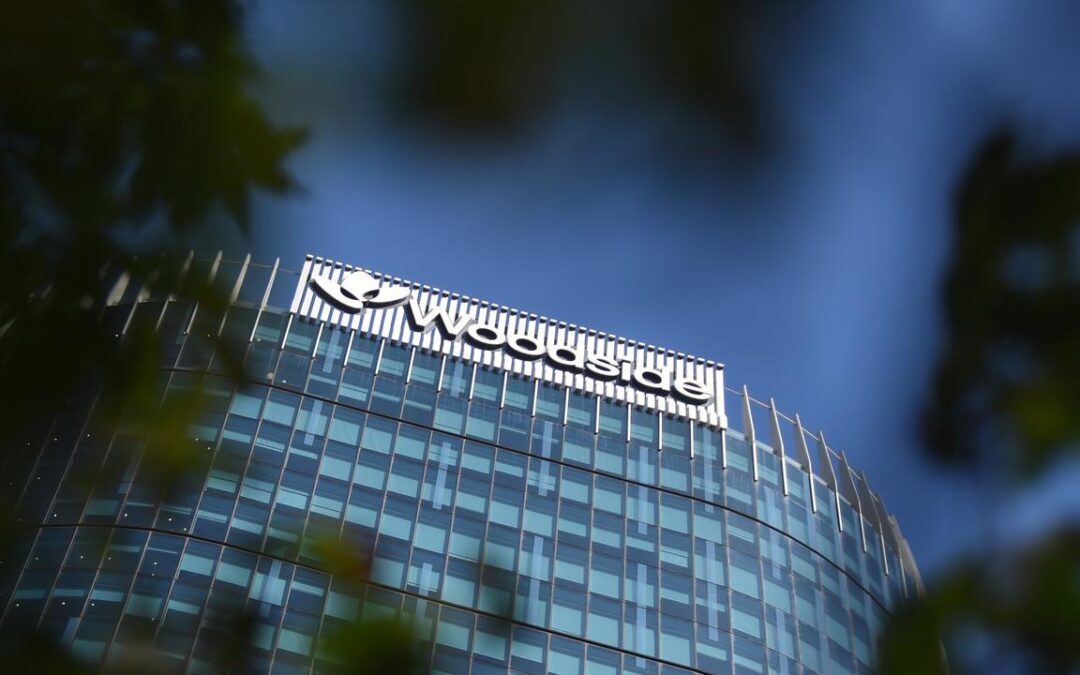
Greenpeace claims win, as court dismisses Woodside case
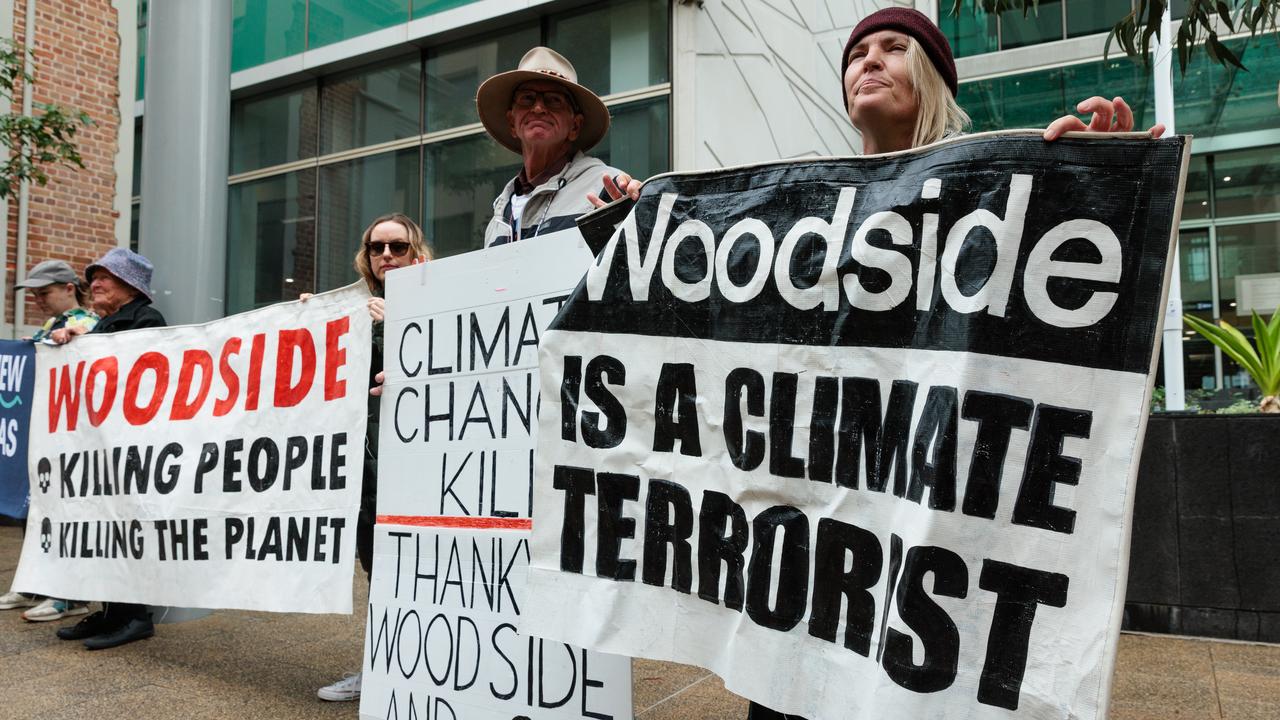
A conservation charity has claimed a win after a court dismissed its greenwashing legal case against Australia’s biggest energy company.
Greenpeace launched legal action against Woodside Energy in 2023 in the Federal Court, alleging it misled or deceived Australians about its climate performance and plans.
The case was dismissed by the court on Wednesday by consent of both parties, court documents show.
Greenpeace declared the outcome a victory, saying Woodside changed how it presented its plan for carbon emissions and how it responded to climate change after the case was launched.
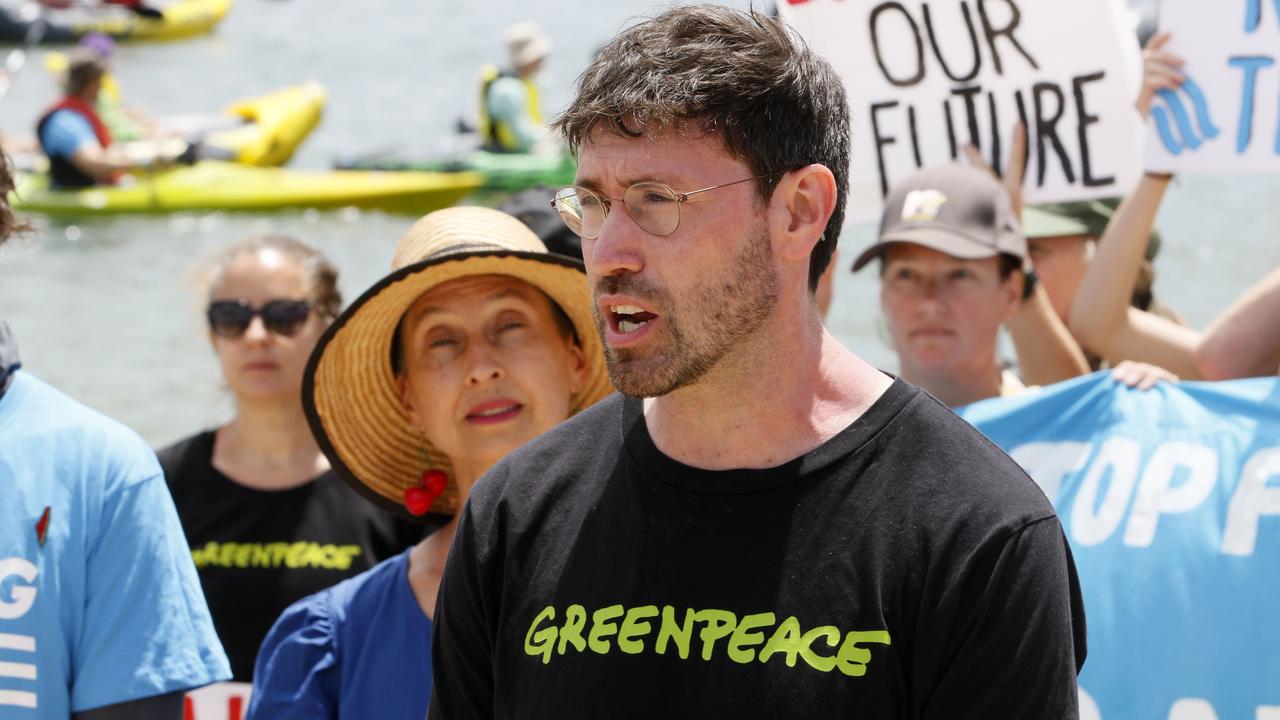
“We take that as a win and have decided to continue the fight against fossil fuel corporations outside of the courts,” said Joe Rafalowicz, Greenpeace Australia Pacific’s head of climate and energy.
“Greenpeace strongly supports public interest litigation as a crucial tool in democratic engagement to protect our planet and holding large corporations accountable for their contributions to climate change.”
Woodside said it welcomed the case being dismissed but declined to comment further.
“The proceedings, in which GAP challenged certain representations made by Woodside in relation to its climate strategy and emissions reduction targets, were dismissed by consent of both parties, who will bear their own costs,” the company said in a statement.
Greenpeace’s legal case claimed Woodside stated that it cut down on pollution produced from extracting and processing its gas and oil by 11 per cent in 2022.
But it leaned heavily on carbon offsets, and its actual emissions went up by more than 3 per cent, the organisation claimed.
The gas giant also publicly had a plan to be “net zero” by 2050, but didn’t spell out that the target didn’t apply to the emissions produced when its oil and gas were burnt, Greenpeace said
The conservation group said Woodside’s statements were designed to make investors, governments and the general public believe it was reducing its emissions, but they were actually increasing.
Santos was cleared of greenwashing in February, when a case brought by the advocacy organisation Australasian Centre for Corporate Responsibility in 2021 failed.
It challenged claims by Santos that natural gas provided “clean energy” and that the company had a “credible and clear plan” to achieve net-zero greenhouse gas emissions by 2040.
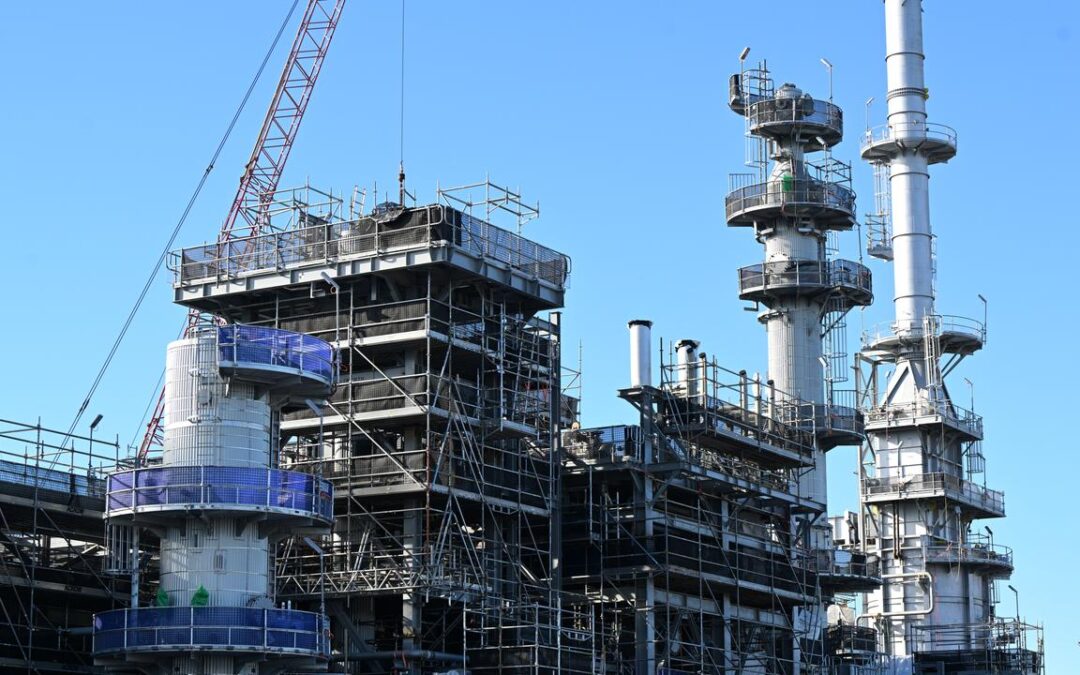
Refinery owner reaps profit boost from Middle East war
The owner of one of Australia’s two oil refiners has warned that the crisis in the Middle East is continuing to drive the cost of “black gold” higher.
As a result, Ampol’s Lytton refinery in Brisbane has experienced a huge increase in its refiner, or profit, margin in the first quarter of its financial year.
The difference between what it pays for crude oil and what it sells the refined product for has risen to $US25.45 per barrel, from $US6.07 per barrel in the same quarter in 2025.
The conflict began on February 28 when the US led an attack on Iran, resulting in the closure of the Strait of Hormuz, through which about 20 per cent of the world’s crude oil supply flows.
Ahead of the war, Brent crude was trading around $US60 a barrel. It’s now just under $US100, after jumping as high as $US120, pushing up prices at the petrol pump.
Some analysts have warned that crude could soar to $US150 a barrel if the crisis continues into the second half of this calendar year.
The Lytton refinery increased production in the first quarter by 10 per cent to 1434 million litres.
Ampol also reported fuel sales increased 4.7 per cent, supported by resilient demand across its convenience retail and wholesale channels.
“Our primary focus has been on securing supply for our customers in the Australian and New Zealand markets,” Ampol said on Wednesday.
But the ramifications of the closure of the strait continue to present challenges.
“There is considerable uncertainty regarding the impact and duration of the conflict, as well as the rate at which fuel supply chains can recover,” Ampol said.
The Lytton refinery processes “light sweet” crude – as measured by the Brent price, reflecting sulphur content – which is easier to process than standard Persian Gulf “sour” crude, although it tends to cost more.
“Consequently, suitable crudes for Lytton remain available in market, with crude purchases secured into July in line with normal purchasing patterns, albeit at higher landed cost,” it said.
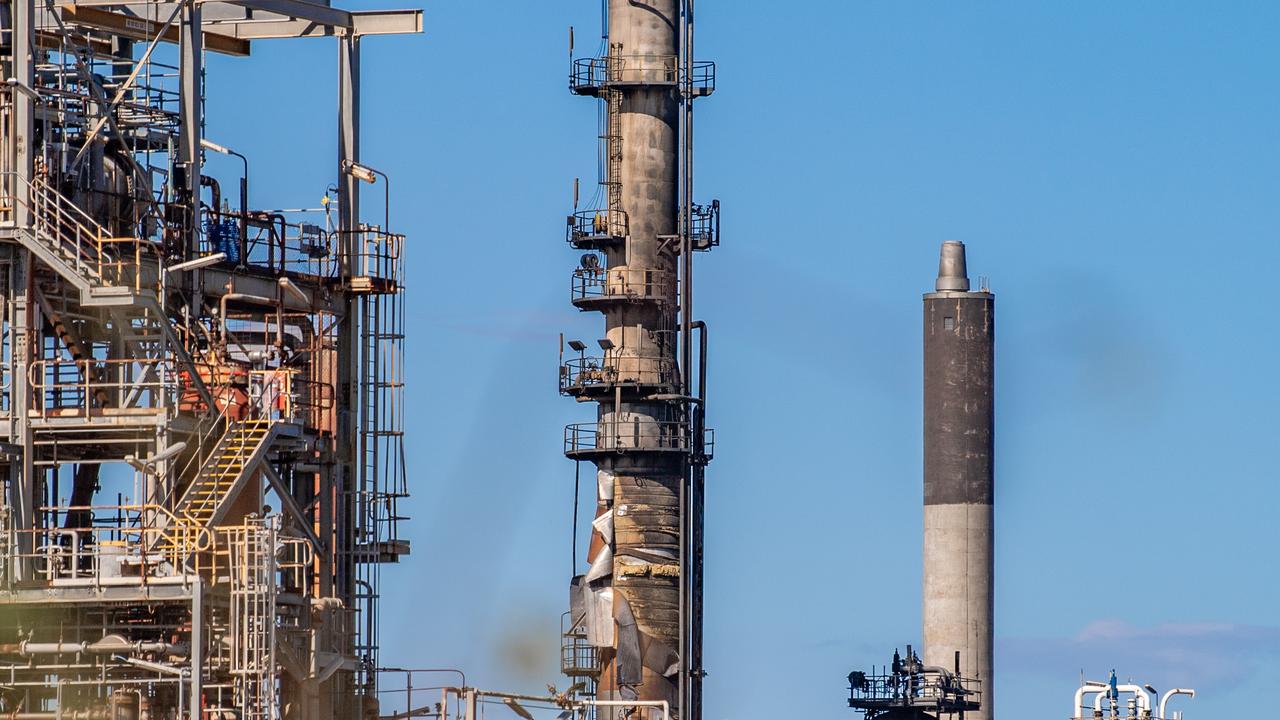
Australia’s other refinery owner is Viva Energy, which operates the Geelong refinery in Corio, Victoria.
That refinery was damaged in a fire earlier in April and the site is not expected to return to close to full capacity for a couple of weeks.
Together, the Geelong and Lytton refineries account for about 20 per cent of Australia’s on-ground fuel supplies.
Ampol shares were up 4.4 per cent to $32.99 in morning trading on the stock exchange.
Stocks gain as Trump extends Iran ceasefire
US stock futures rose and the dollar wavered on Wednesday after President Donald Trump said he would indefinitely extend the Iran ceasefire keeping sentiment buoyed although with the Strait of Hormuz still closed oil held onto its recent gains.
Trump’s announcement appeared to be unilateral, and it was not immediately clear whether Iran, or US ally Israel, would agree to extend the ceasefire, which began two weeks ago.
Markets though took the news in stride with risk momentum intact. S&P futures rose 0.5 per cent while Nasdaq futures gained 0.6 per cent in early Asian hours.
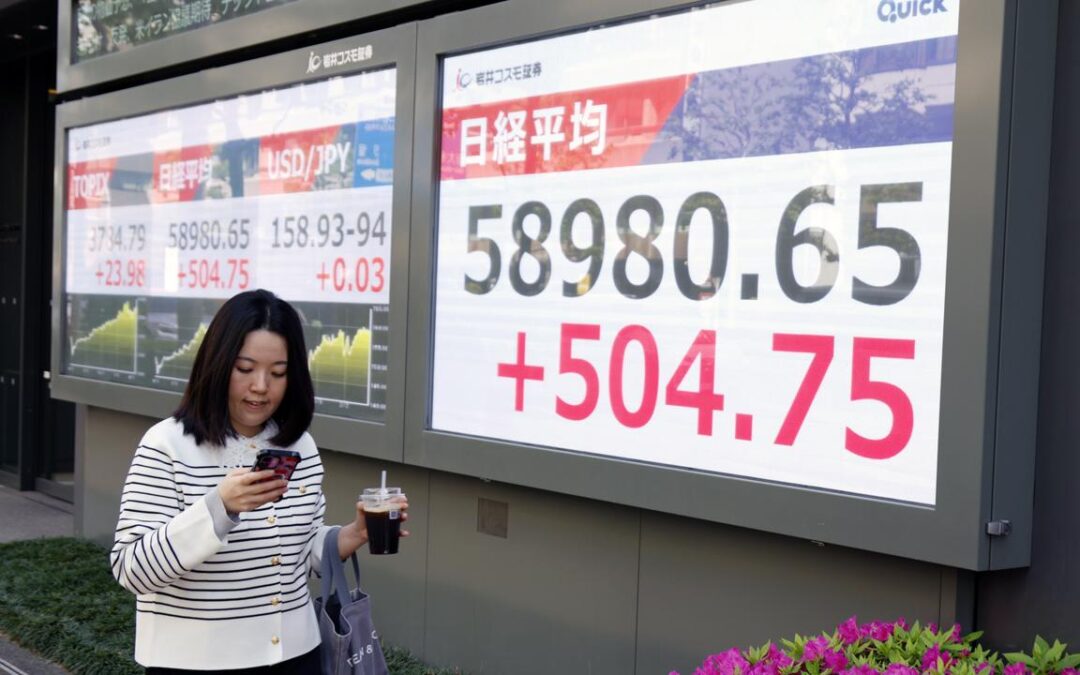
MSCI’s broadest index of Asia-Pacific shares outside Japan eased 0.14 per cent after hitting a seven-week high in the previous session. Japan’s Nikkei was down 0.2 per cent as traders consolidated their recent gains.
After a sharp selloff in March due to war in the Middle East, markets across the globe have swiftly rebounded in April and are back at pre-war levels as the prospect of a peace deal and the ceasefire have helped risk sentiment.
“It appears markets were right to assume peak war uncertainty is behind us,” said Matt Simpson, a senior market analyst at StoneX.
“Risk seems likely to remain buoyant and dips viewed favourably by equity bulls. The closure of the Strait of Hormuz is already priced in.”
Trump said he would continue the US Navy’s blockade of Iran’s ports and shore. Tehran has effectively closed the Strait of Hormuz through which one-fifth of world’s energy supply usually flows, causing a global energy shock.
US West Texas Intermediate crude futures climbed 0.44 per cent to $US90.12 ($A125.61) a barrel. The benchmark contract rose 2.8 per cent on Tuesday.
In currencies, the euro last fetched $US1.1748 ($A1.6375) in early trading. The yen was a bit stronger at 159.26 per dollar and sterling firmed to $US1.3519 ($A1.8843).
Regional bank sees credit stress ahead as economy slows
One of Australia’s leading regional banks has warned the economy will likely slow in the months ahead, after posting a lower profit as higher credit expenses weighed.
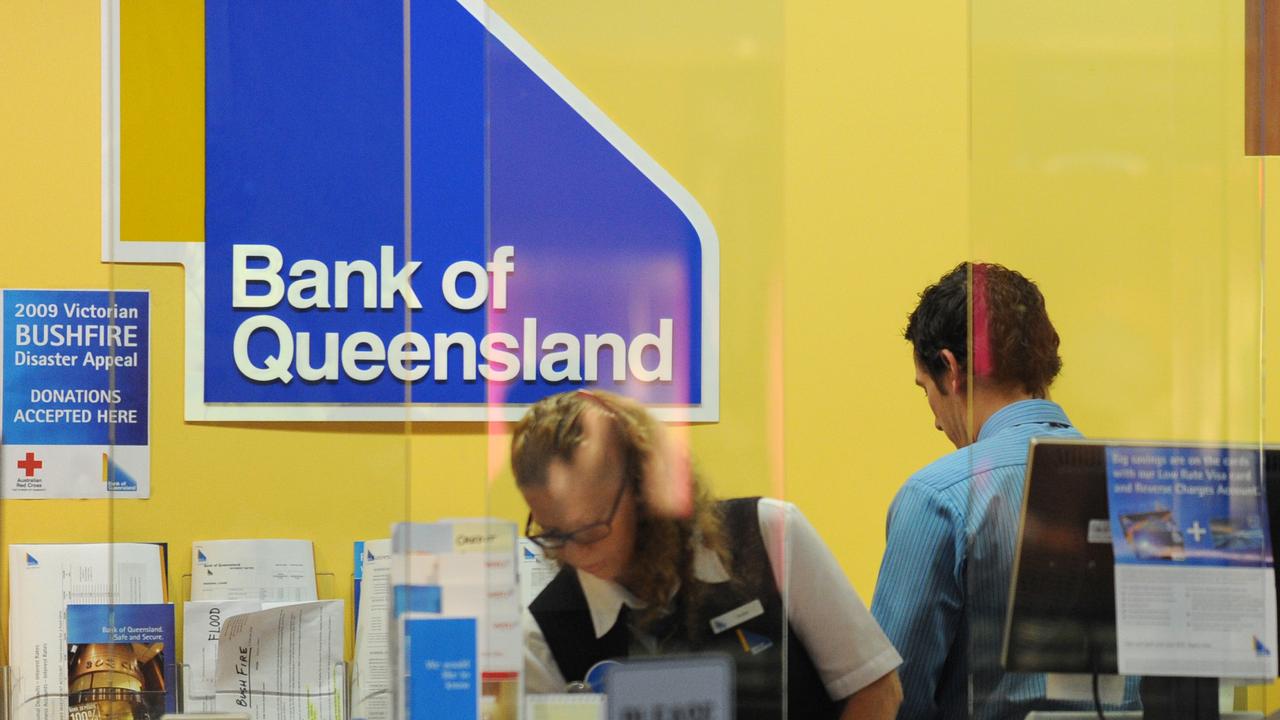
Bank of Queensland made a net profit of $136 million in the first half of its financial year, down 20 per cent from $171 million previously.
The bottom-line result was worse than market predictions of around $169 million, as cash earnings dipped by four per cent to $176 million.
Chief executive Rod Finch said he was focused on simplifying the business, pointing to its digital banking offering that’s attracted more new customers, and ongoing cost management.
Looking ahead, the bank expects to see a moderation in economic growth in the second half of its financial year.
“Consumer and business confidence continues to be weighed down by elevated inflation, increasing cash rates and uncertainty arising from the Middle East conflict,” it said.
“It is expected that inflation concerns will lead to additional cash rate increases through the remainder of calendar year 2026.”
Mr Finch acknowledged there was economic uncertainty ahead, but said the bank had “strong financial and operational resilience”.
“BOQ is well-positioned to navigate the current conditions and support our customers and the broader economy,” he added.
During its first half, Bank of Queensland booked a loan impairment – or bad debts – expense of $20 million, up from $3 million in the same period last year.
The bank will pay a 20 cent dividend for the six months ended February 28, up from 18 cents last time.
‘Scared’: NDIS shake-up sparks fear of cuts to support
Disabled Australians fear their services will be cut under a major overhaul aimed at reining in the spiralling cost of the National Disability Insurance Scheme.
Health Minister Mark Butler is expected to unveil sweeping reforms to the $50 billion program on Wednesday, which are likely to include changes to who is eligible for support and tougher registration requirements for providers.
But as the government declared it would be negligent to allow the NDIS to continue growing at abound 10 per cent a year, disability advocates have warned cuts to services would leave participants worse off.
“Our community is scared and we want a surety that things are going to be OK,” People With Disability Australia president Jeramy Hope told AAP.
He urged the government to focus on making the scheme more efficient by reducing bureaucracy, rather than cutting eligibility to save money.
Finance Minister Katy Gallagher said while she understood the concerns of the disability community, the long-term viability of the NDIS needed to be addressed.
“I get that the disability community will be feeling a lot of this pressure,” she told reporters in Parliament House on Tuesday.
“But we have a lot of pressure to make sure this scheme actually is sustainable.
“We’re finding an extra $35 billion than what was originally intended a year – it’s almost like we would be negligent if we just pretended that was OK,” Senator Gallagher said.
On Tuesday, Mr Butler and Treasurer Jim Chalmers briefed state and territory officials, who are reluctant to agree to any changes which would require them to pay more.
“We can’t have a situation where people are knocked off the NDIS and then the state provides the service, because it’s still coming out of the same pockets of New South Wales taxpayers,” NSW Premier Chris Minns told reporters in Sydney.
National Disability Services chief executive Michael Perusco backed the government’s push for change, warning the scheme had strayed far beyond its original purpose of supporting people with a lifelong, significant disability.
He also called for mandatory registration of all providers to make the scheme more transparent and accountable.
“At the moment, we’ve got the situation where only one out of 20 providers are registered. There isn’t visibility of those other 19 providers, and that has to change,” Mr Perusco said.
Gas exporters face grilling amid 25 per cent levy push
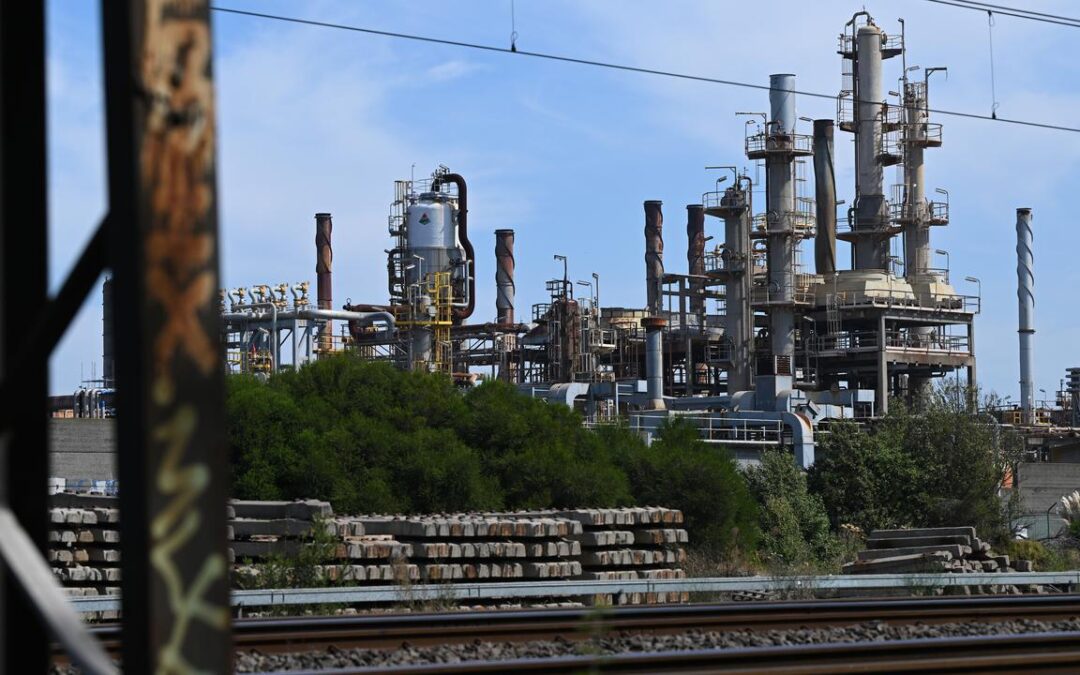
Australia’s resources industry will push back against calls to overhaul the tax regime for gas sold overseas as producers front a parliamentary inquiry.
Representatives from Shell Australia, ConocoPhillips and Origin Energy will be prodded by senators as momentum builds behind a proposal for a 25 per cent tax on gas exports.
Only Shell is scheduled to send its most senior executive, a decision sharply criticised by the Greens who have been urging company chiefs to front up.
On Tuesday, parliamentarians heard from think tanks, economists, environmental charities and social services groups all broadly in support of higher levies on gas exports.
The shortcomings of the Petroleum Resources Rent Tax, the federal mechanism for taxing resource profits for the gas industry, was well canvassed in the first batch of hearings.
Modelling from ethical investor Future Group suggests Australia is capturing less than seven per cent of its resource rents through the PRRT, royalties and excise, much lower than comparable revenue raised in Norway, Qatar and the United Kingdom.
Peak industry body Australian Energy Producers argues Australia’s tax regime for oil and gas is very different to that of Norway and Qatar.
Both countries share risk and reward through state investment and supportive tax arrangements that lower up-front costs and provide fiscal stability, it says.
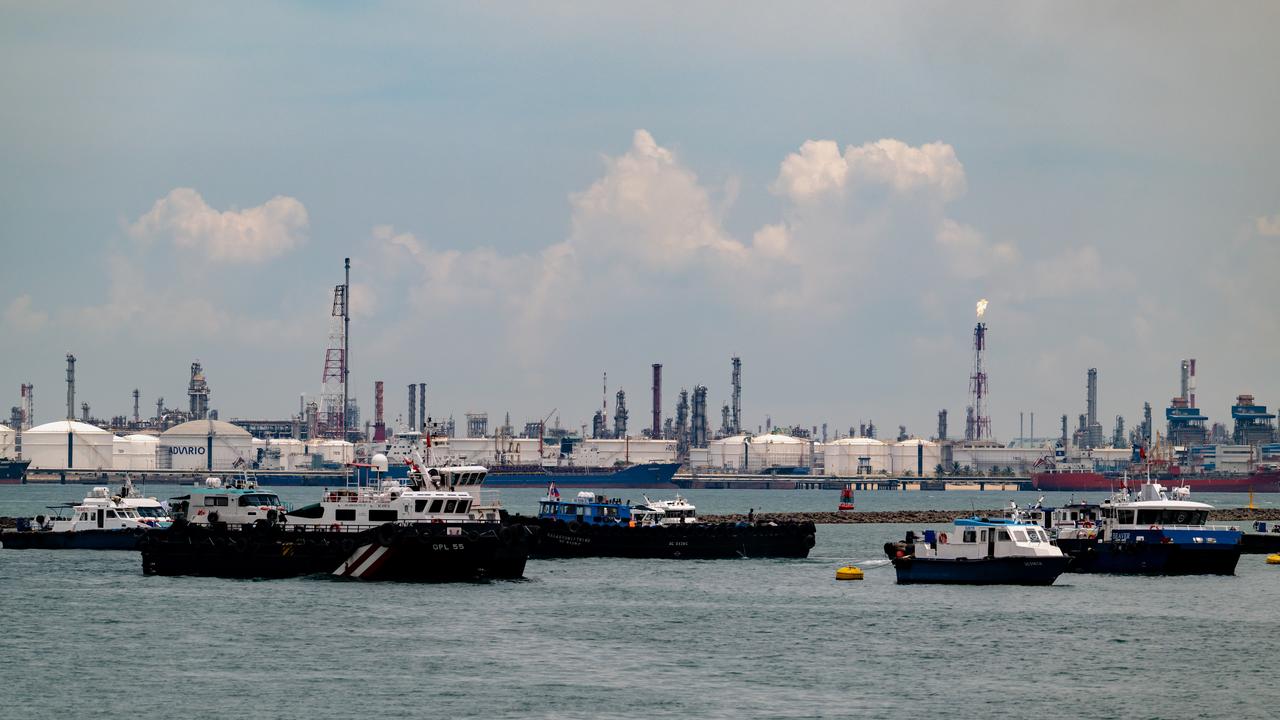
The industry body also defends the tax haul from oil and gas and says the industry is the second-highest contributor to commonwealth income taxes.
Raising taxes would discourage investment in Australia and nudge companies to explore projects elsewhere, the gas industry group maintains, potentially jeopardising availability of domestic supply.
The Queensland Resources Council, the Business Council of Australia and officials from multiple government departments will also be heard by the committee on Wednesday.