
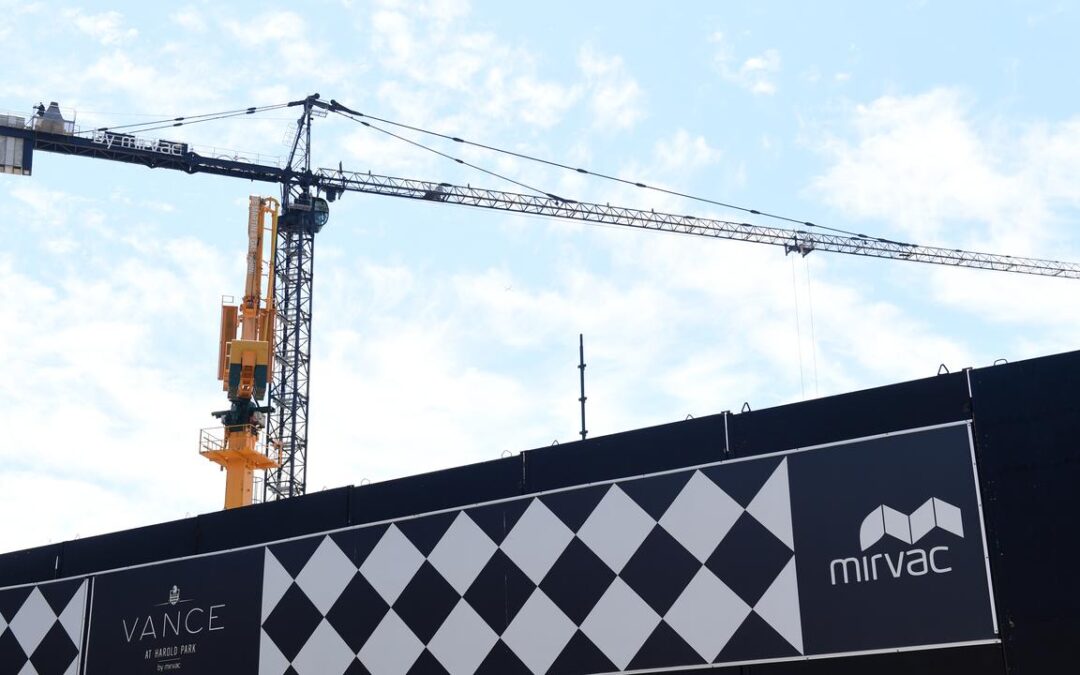
Home builder cautious over war impact on supply chains
One of Australia’s biggest residential home builders is eyeing the Middle East conflict for potential impacts on its supply chains, after reporting an increase in property sales.
Mirvac, which specialises in apartments and residential communities, benefited from a 12 per cent rise in sales in its third quarter, with almost 600 lots changing hands.
Over the year ended March 31, residential sales jumped 28 per cent with almost 1900 lots exchanged.
Chief executive Campbell Hanan said sales remained resilient in NSW, Queensland and Western Australia, although there had been some moderation in activity in recent weeks.
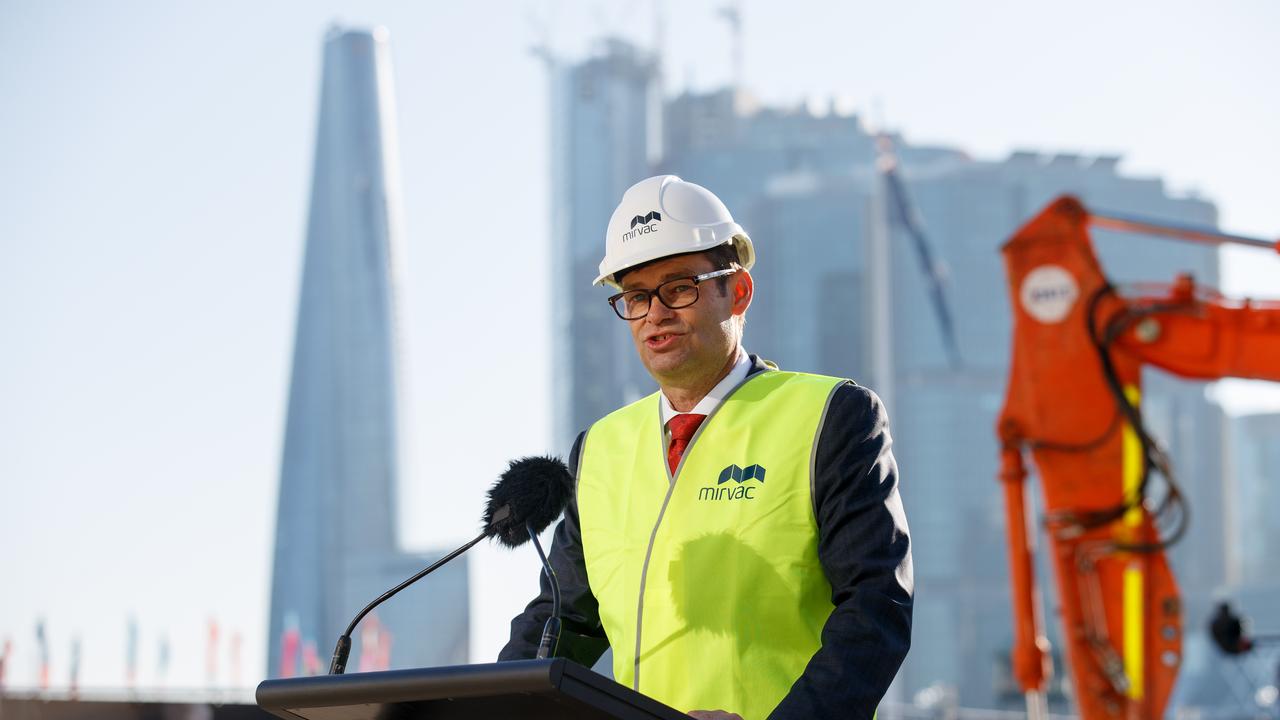
“We are monitoring the potential impact of the conflict in the Middle East and are proactively managing the risks,” he told investors.
Mirvac, which is focused on managing its supply chains and protecting liquidity, has also encountered higher petrol prices driven by the US war on Iran, which began on February 28, which has increased the cost of civil works.
As well, while sales for selected projects moderated going into April after posting 281 sales in the month of March, “enquiry levels remain strong”.
“Our active projects remain on track,” Mr Hanan said.
“Overall, we have good visibility of earnings for the remainder of the financial year.”
In the broader housing market, there have been some signs of moderating sales activity in recent weeks, after back-to-back interest rate rises by the central bank in February and March.
Last weekend was the third week in a row that auction clearance rates were below 60 per cent, due to sales being withdrawn, according to market researcher Cotality.
The longer-term average clearance rate is around 64 per cent, with 70 per cent indicating a seller’s market and less than 60 per cent a buyer’s market.
Property Council chief executive Mike Zorbas said that since shipping traffic through the Strait of Hormuz was halted by the war, the cost of building materials, such as PVC pipes, has soared by as much as 36 per cent.
“With costs high and confidence fragile, even relatively small increases in uncertainty can delay or stall projects before construction begins,” he said.
In morning trading on the stock exchange, Mirvac’s stapled securities had dropped 1.5 per cent to $1.75.
In February, Mirvac reported a five per cent rise in 2025/26 first-half net operating profit to $248 million.
Its portfolio also includes office buildings, industrial assets, retail centres and build-to-rent projects.
Rising star to be grilled over bath with film producer
The star of Rebel Wilson’s directorial debut will testify about how she described an experience she had with one of the film’s producers, as her blockbuster defamation trial continues.
Charlotte MacInnes felt she had her big break when she was cast in musical comedy The Deb, which was set in rural NSW and directed and co-produced by Wilson.
But MacInnes is now suing the Pitch Perfect star over social media posts claiming the young actor had complained about feeling uncomfortable after bathing with co-producer Amanda Ghost.
Wilson’s social media posts suggested MacInnes had dishonestly retracted the complaint in return for a lead role in a stage production and a record deal, the young actor claims.
She denies making a complaint after sharing a bath with Ms Ghost, both clad in swimmers, to warm up after the producer suffered a medical episode at Bondi Beach in September 2023.
The pair had been staying with others in an apartment from which MacInnes was ousted after Wilson aired the alleged sexual harassment allegations.

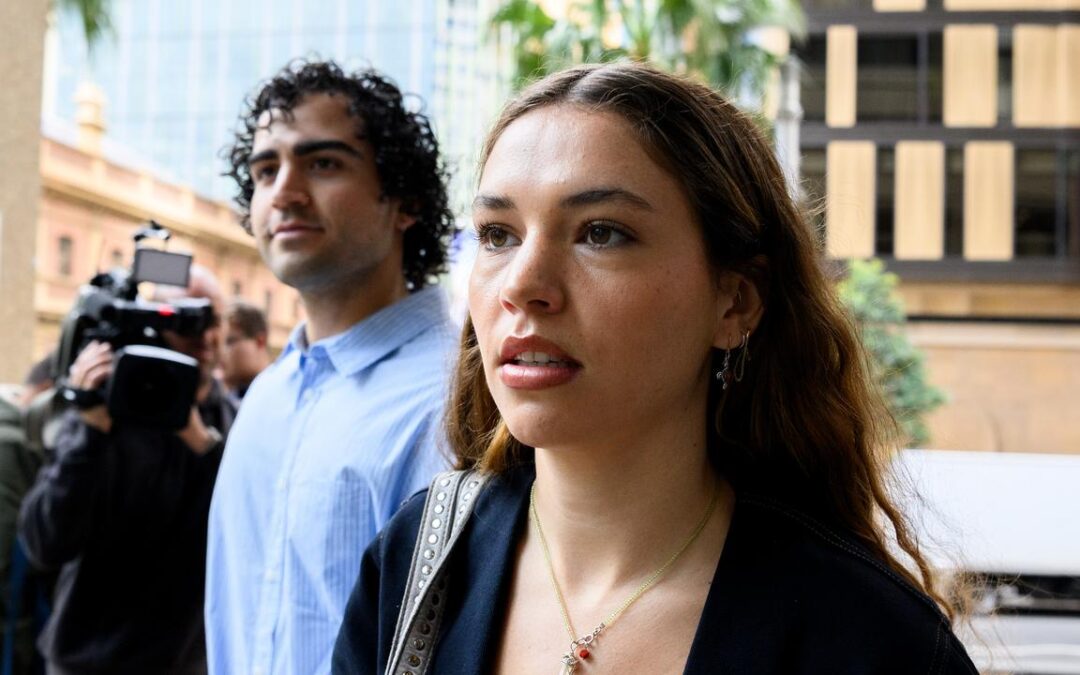
MacInnes was flanked by supporters, including her boyfriend Carlo Boumouglbay, as she faced the Federal Court on Thursday for the second day of her testimony.
It coincides with the release of her second single Struck, which her manager previously told the court had not been timed to coincide with the court battle.
MacInnes was left “deeply wounded” and constantly on edge after Wilson’s social media posts, Mr Boumouglbay revealed in an affidavit tendered to the court.
The Deb’s lead actor was brought to tears and became fearful for her safety after suspecting Wilson had been monitoring her, he wrote.

When she returned to her Western Australian hometown last year, the young actor told her boyfriend that all people talked about was “Rebel and this situation”.
The key issue to be determined is not whether MacInnes was sexually harassed but rather whether she made a complaint and then withdrew it, Wilson’s barrister Dauid Sibtain SC said.
“Our case is that … she changed her story,” he argued during his opening address.
“We say the reason she did so is obvious. She did so to ensure her career as an actress and musician progressed by appeasing Ms Ghost.”
Ms Ghost is expected to give evidence on Friday.
First home buyer scheme leading to housing price rise
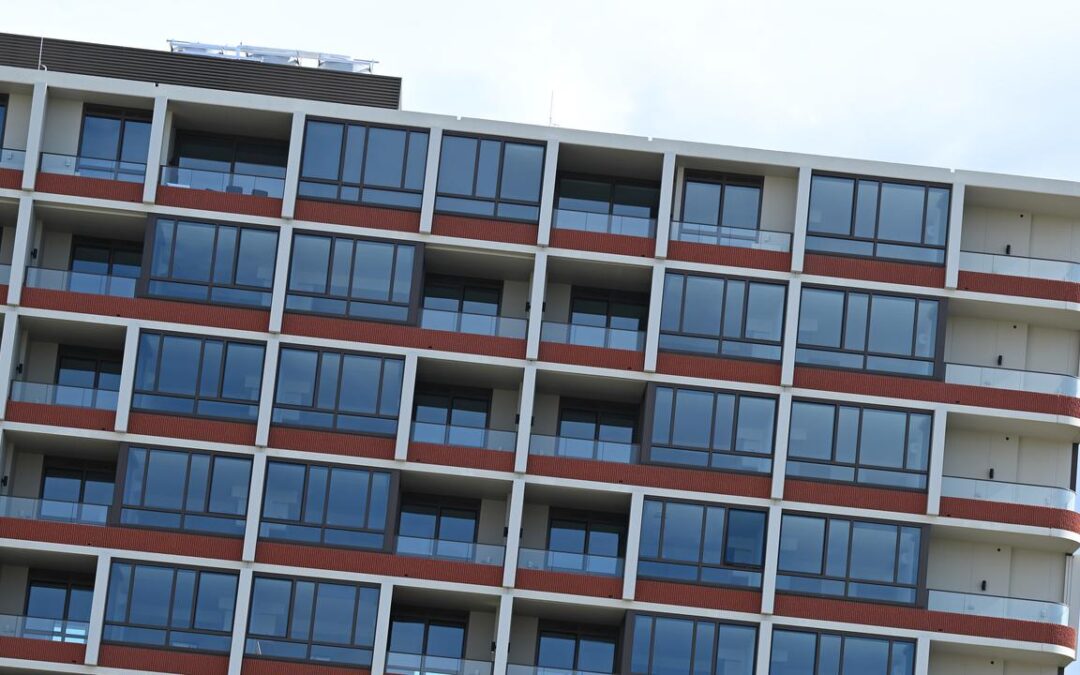
A scheme allowing more first home buyers to enter the property market may be driving up house prices.
A report released on Thursday by Cotality found homes on the lower end of the property market eligible for the federal government’s five per cent deposit scheme recorded stronger price growth than higher-priced houses.
In the first six months after changes were made to expand the scheme, the price of eligible homes rose by 6.7 per cent, compared with 3.6 per cent for other properties.
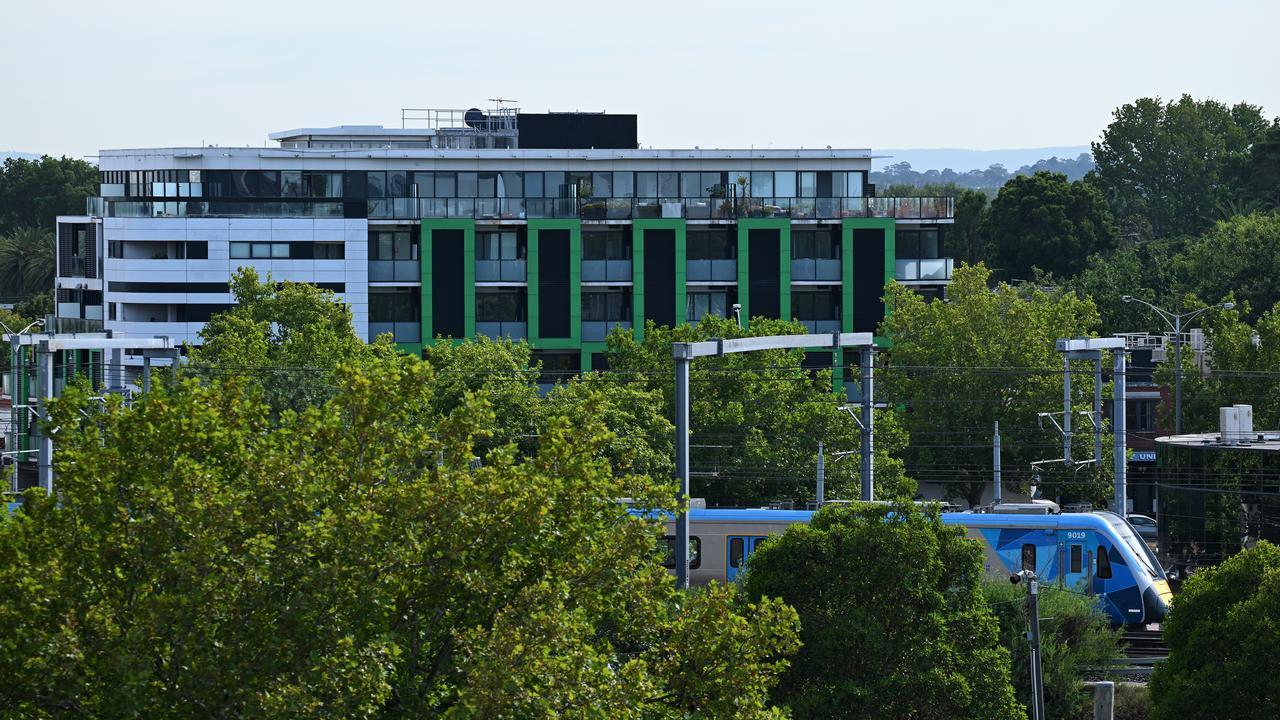
Under the scheme, first home buyers can purchase eligible properties under a price cap with a five per cent deposit, with the federal government acting as a guarantor.
The biggest price gap was in Sydney, where homes below the price cap rose by 4.1 per cent, while those above the limits by 1.1 per cent.
All capital cities had higher growth in prices for homes below the price caps with the exception of Canberra, where the increase was the same at 3.6 per cent.
Cotality said anticipation of increased competition and price pressure after the expansion of the scheme in October was largely to blame.
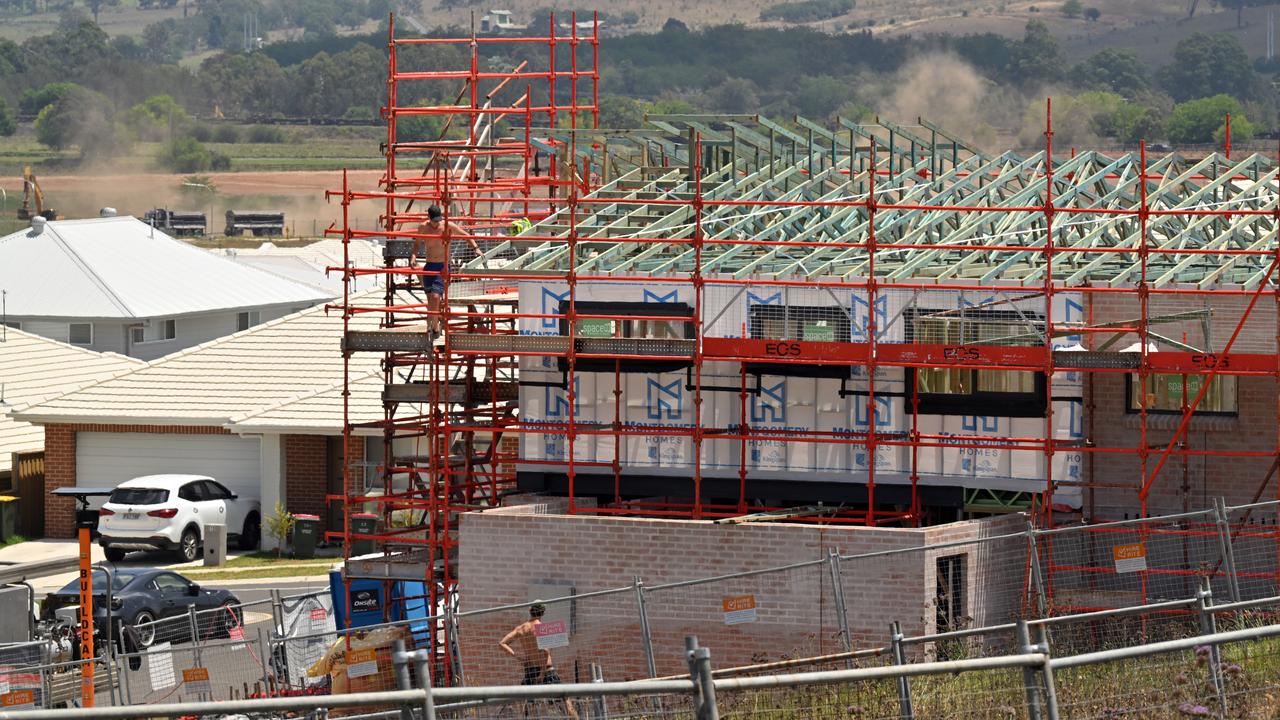
It comes as expectations of work the building industry expects to complete has tumbled as a result of the war in Iran, in a sign the pipeline of new homes is set to shrink.
Expectations of forward work schedules decreased in every state and territory in March, the Property Council found in its quarterly survey of industry sentiment on Thursday.
It’s another setback to the National Housing Accord target of 1.2 million new homes by mid-2029.
State and federal governments have put increasing supply at the centre of their push to make housing more affordable.
Industry confidence was key to new supply, said Property Council chief executive Mike Zorbas.
“With costs high and confidence fragile, even relatively small increases in uncertainty can delay or stall projects before construction begins,” he said.
Since the Middle East conflict shut the Strait of Hormuz and disrupted global oil supplies, diesel prices have skyrocketed and costs of building materials, such as PVC pipes, have soared as much as 36 per cent.
Confidence levels fell by 19 index points to 104 – the largest quarter‐on‐quarter decline since June 2022 – according to the survey of 435 property developers, real estate agents and service providers.
Mr Zorbas said mooted changes to rein in property investor tax concessions increased uncertainty among developers and would reduce project feasibility.
But Jocelyn Martin, managing director of the Housing Industry Association, said reducing the capital gains tax discount for existing properties, while keeping a more generous concession for new builds, would encourage new supply.
“Of the current pool of investors, we know that about 80-odd per cent of them are buying existing homes,” she told a parliamentary inquiry on Wednesday.
“So perhaps changing the balance between new and existing would actually encourage some investors into new homes.”
Another way to boost supply was to lower how long it takes and how costly it is to build new homes by improving the building sector’s productivity, which has fallen by 21.5 per cent in just over a decade, said Master Builders Australia policy director Melissa Byrne.
Centre for Independent Studies chief economist Peter Tulip and Grattan Institute senior associate Matthew Bowes both argued further easing zoning and planning rules to allow denser housing would significantly increase productivity.
Another productivity improvement could be achieved by reforming occupational entry regulations, which prevent skilled workers from entering the country or moving between borders, Deloitte Access Economics partner David Rumbens argued.
“These barriers constrain the labour market’s ability to direct people to where they are needed most, restricting competition and weighing on productivity,” he said.
Tesla profits rises in Q1 as Musk teases Roadster debut
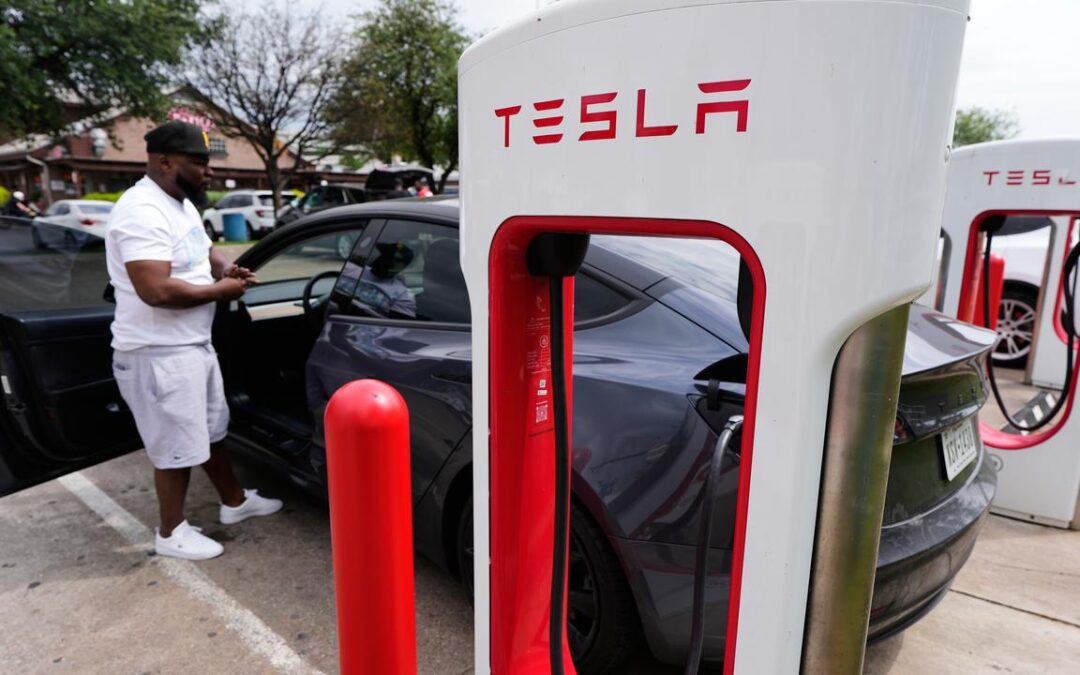
Tesla’s profit has risen in the first quarter of the year as its car sales rebounded from a sharp slump in 2025.
The electric vehicle maker run by billionaire Elon Musk said it earned $US477 million ($A666 million) in the quarter, up 17 per cent from a year ago.
Earnings per share totalled 13 cents. Adjusted for certain items, per share earnings were 41 cents, topping Wall Street estimates of 36 cents.
Revenue rose to $US22.39 billion ($A31.28 billion), led by a 16 per cent increase in automotive revenues.
Still, profits and revenue are far below their peak when its cars were grabbing market share. Now that is in reverse as European and Chinese rivals steal its customers. The company last year lost its crown as the world’s largest EV maker to China’s BYD.
Musk has repeatedly shrugged off its car troubles, emphasising that Tesla’s future lies less in car sales than getting people to take rides in them as self-driving taxis.
The company said robotaxi miles doubled in the first quarter compared to the fourth quarter of 2025. They are currently running in San Francisco and three Texas cities, including Austin where Tesla is headquartered.
Musk also highlighted Tesla’s production of robots for homes and businesses In a conference call with investors on Wednesday. He talked about breaking ground for a new factory in Texas for the robots, called Optimus, with a potential capacity of making 10 million a year.
“I think Optimus will be our biggest product,” Musk said.
“Not just Tesla’s biggest product ever, but probably the biggest product ever.”

The company noted it has begun making its so-called Cybercabs without pedals or wheels. And Musk added a teaser in the call, saying Tesla could debut a new manually driven Roadster sports car in a month or so.
The company is spending big on its transition, including $US2.5 billion ($A3.5 billion) last quarter in capital expenditures, up 67 per cent from the year earlier period.
Musk warned of “a very significant increase” in the future, too.
Shares fell 1.0 per cent in after-hours trading.

Trump again claims election fraud after Virginia defeat
US President Donald Trump has claimed without evidence that a Virginia vote clearing the way for the state’s congressional map to be redrawn had been rigged, reviving a familiar line of attack after Republicans lost a closely watched election.
Virginia voters on Tuesday approved a redistricting referendum that could help Democrats flip as many as four Republican-held seats in the US House of Representatives and boost Democrats’ chances of winning control of the chamber in November.
In a social media post on Wednesday, Trump declared that “A RIGGED ELECTION TOOK PLACE LAST NIGHT IN THE GREAT COMMONWEALTH OF VIRGINIA!” and blamed mail-in ballots for the outcome.
The post was the latest example of Trump casting doubt on election outcomes he dislikes by portraying ordinary vote counting, particularly the tabulation of mail ballots, as evidence of fraud without offering proof.
The outcome in Virginia is the latest twist in the nation’s redistricting arms race, which Trump and Texas Republicans began in 2025 as they sought to defend the party’s slim House majority during the midterm elections in November.
Trump, who has not accepted that he lost the 2020 presidential election despite having failed in dozens of courts to challenge the results, has consistently sought to undermine faith in the voting process.

After his 2020 loss to Joe Biden, Trump falsely claimed widespread fraud and backed efforts to overturn the result, including pressuring his then-vice president, Mike Pence, to not certify the election results.
Courts, state election officials and his own administration have since found no evidence of fraud on a scale that would have changed the outcome.
In recent months, the Trump administration has stepped up its effort to revive claims of widespread voter fraud in the 2020 election. The Justice Department is seeking a swath of state voter data, while the FBI has reopened old election-fraud allegations in battleground states including Georgia.
‘Lost’ rule opens door to Indigenous sovereignty
Indigenous communities could ask the High Court to rule on the fundamental question of sovereignty, after the discovery of a landmark legal rule which upends the belief the court has no power to make a decision.
Research by Melbourne Law School’s Olivia Barr has found a 1935 legal rule she says means there is an “open door” for the High Court to get involved in questions of Indigenous sovereignty.
The issue dates back to a 1970s case, Coe v Commonwealth, in which four High Court judges split two-two on the procedural question of whether the court should allow a trial on sovereignty.
The case did not go to trial because the vote was a stalemate, Associate Professor Barr said, and everyone accepted the outcome and the assumption the High Court did not have jurisdiction.
But Assoc Prof Barr has uncovered a long-forgotten legal rule in Tasmania v Victoria (1935) that split-court decisions do not create a precedent.
“This means it is as if the Coe case never happened, so it is open to the High Court to agree to hear any case on Aboriginal sovereignty that is put forward,” she said.
Australia is the only Commonwealth country that has not signed a national treaty with its Indigenous peoples.
A treaty acknowledges the “sovereignty” of original inhabitants, that is, their authority and power to make decisions about how best to govern aspects of their lives.
The next practical step would be for Indigenous communities and leaders to decide whether a test case was a good idea and if the risk was worth it.
“It’s high risk,” Assoc Prof Barr said.
“It could lead to massive legal change, it could lead to massive legal regression or it could lead to the status quo.”
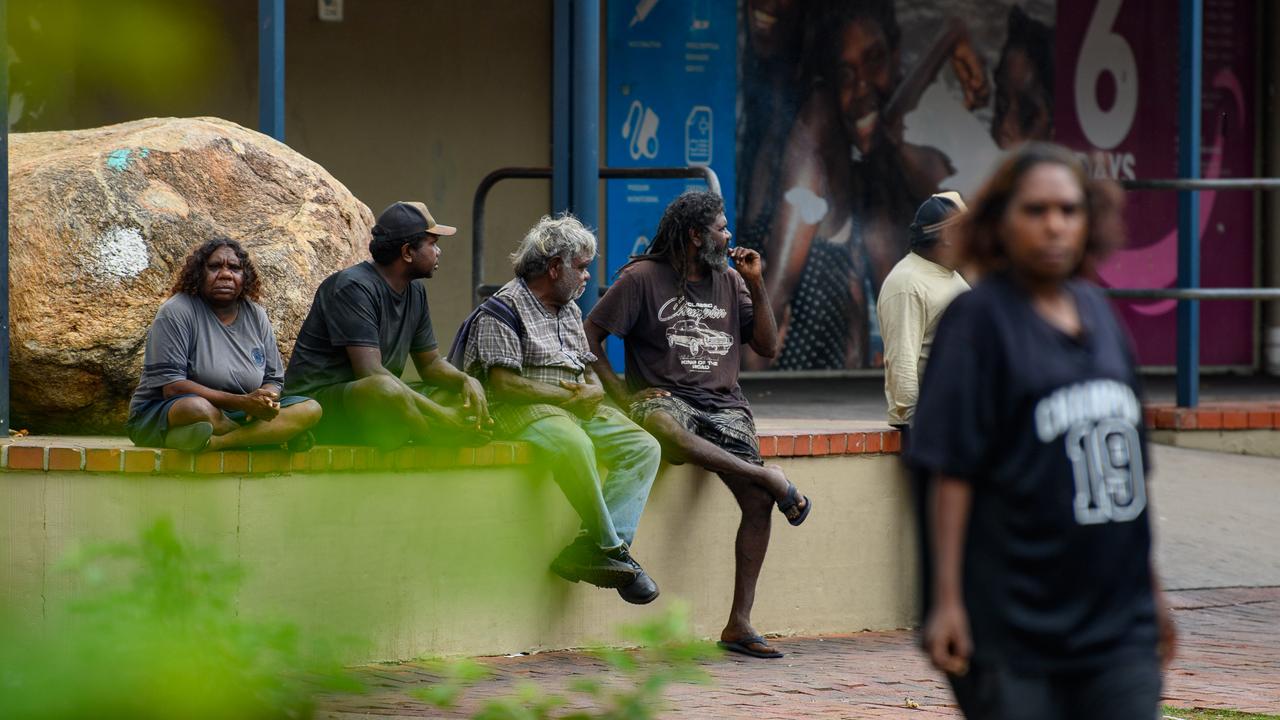
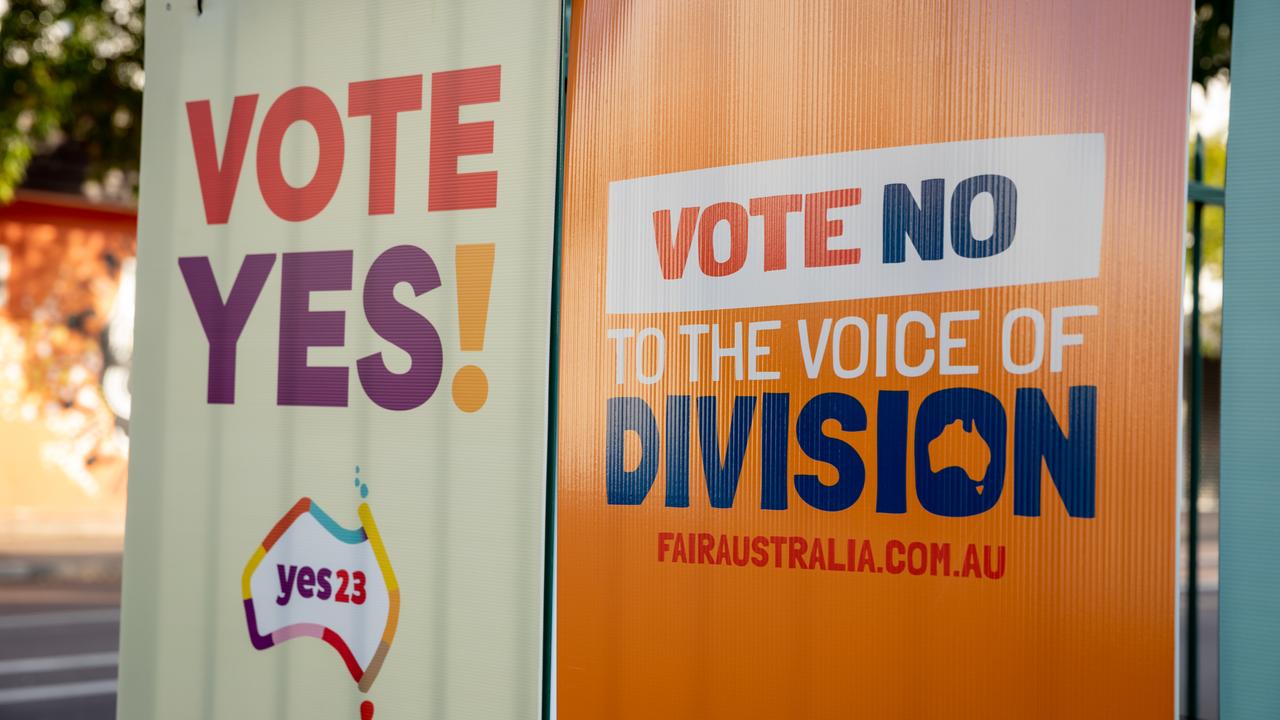
University of Melbourne deputy vice-chancellor (Indigenous) Barry Judd said given the experience of heightened racism in the aftermath of the Voice referendum, Indigenous leaders and organisations would likely open up private discussions about what this meant.
“I think there’ll be a time of deep thinking and consideration about whether it’s the right time to put our heads up, or whether we might hold and think about it for longer,” he said.
The research needed to be considered in the context of the High Court’s 1992 Mabo decision, which recognised terra nullius to be a myth and that Indigenous people held land rights, he said.
“This research potentially gives the Australian legal system, through the High Court, an opportunity to revisit history and to revisit those questions of truth which were partially answered by Mabo, but not fully.”
Professor Judd said it raised the question of Australians taking responsibility for historical lies and “the untruths we’ve lived by” since 1788.
The consequences of the research should not be feared, because if sovereignty were found to exist, this would not change the world and the sky would not fall in, he said.
“It would simply bring Australia into line with just about every other like contemporary society that was a part of the former British Empire,” he said.
Assoc Prof Barr said High Court recognition of Indigenous sovereignty would be a massive change with potentially massive benefits, leading to wider treaty-making.
“But if it’s a ‘no’ or a status quo result, then that will be devastating, in the way that the Voice referendum result was,” she said.
“So Aboriginal and Torres Strait Islander communities need to have conversations, because it’s not without risk.”
Assoc Prof Barr’s research is published in the University of New South Wales Law Journal on Thursday.

‘Dark day’: sector braces for impact from NDIS changes
The overhaul of the National Disability Insurance Scheme has a vulnerable disability sector feeling left behind.
Disability activist Jarrod Sandell-Hay, who heavily relies on the NDIS to manage his cerebral palsy, bluntly described the federal government’s announcement of cuts as a “dark day”.
“We are blindsided by this, we knew something was coming but didn’t know how bad it would be,” the 37-year-old told AAP.
“We’re quite upset and quite angry.”
The government is aiming to reduce the number of people on the NDIS from about 760,000 to 600,000 by the end of the decade.
But Mr Sandell-Hay questioned what support would be given to the 160,000 people who will be booted out.
Another cost-cutting measure will be the average annual spend on participant plans to be downsized from $31,000 to $26,000 – back to 2023 funding levels.
Mr Sandell-Hay said the reduction would directly affect his quality of life.
“When it rains in Melbourne, I am unable to use my electric wheelchair because if it gets wet it will stop working so I rely on support workers to drive me to places,” he explained.
He said going to work, grocery shopping and “all these very basic everyday things” would be in jeopardy for him and his wife, who is also on the scheme.
“For some reason, this government doesn’t prioritise the lives of the disabled,” he said.
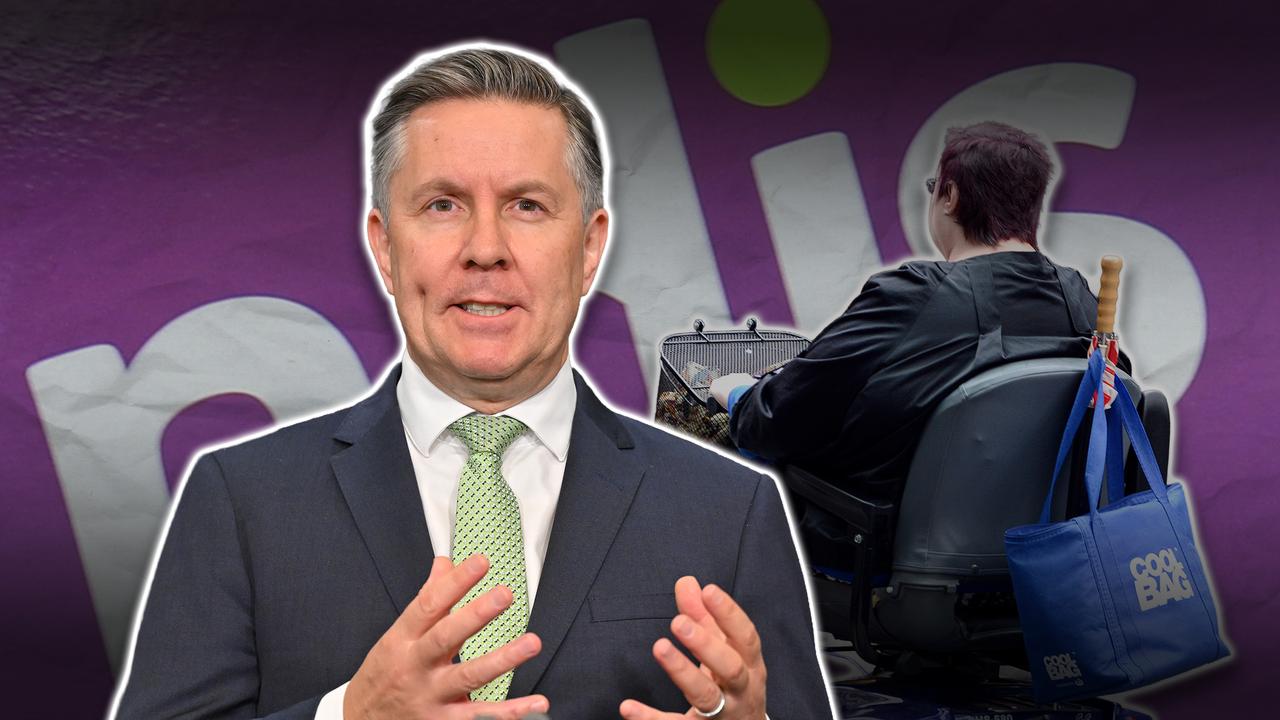
Health Minister Mark Butler revealed the major changes to the $50 billion scheme in an address to the National Press Club on Wednesday.
The reforms are expected to save $15 billion by the end of the decade with the NDIS coming in as the government’s third-largest budget item.
A dozen disability rights groups said they were concerned about changes to the eligibility threshold and that it could impact the scheme for a generation.
“Any decisions that determine who gets support and who doesn’t must be built with the people most affected,” the groups said in a joint statement late on Wednesday.
“People with disability are the experts in their own lives and must lead the design of solutions.”
The minister said the announcement was “a move away from the ‘let it rip’ market that has built up over the last 10 years.”
He said the incoming restrictions would combat the “very little oversight” over the quality and the qualifications of providers of what he said were essentially taxpayer-funded services.
Laws putting in place the NDIS overhaul will be introduced in May, when federal parliament returns for the budget.
Fuel tax cut extension on cards amid fresh crisis talks
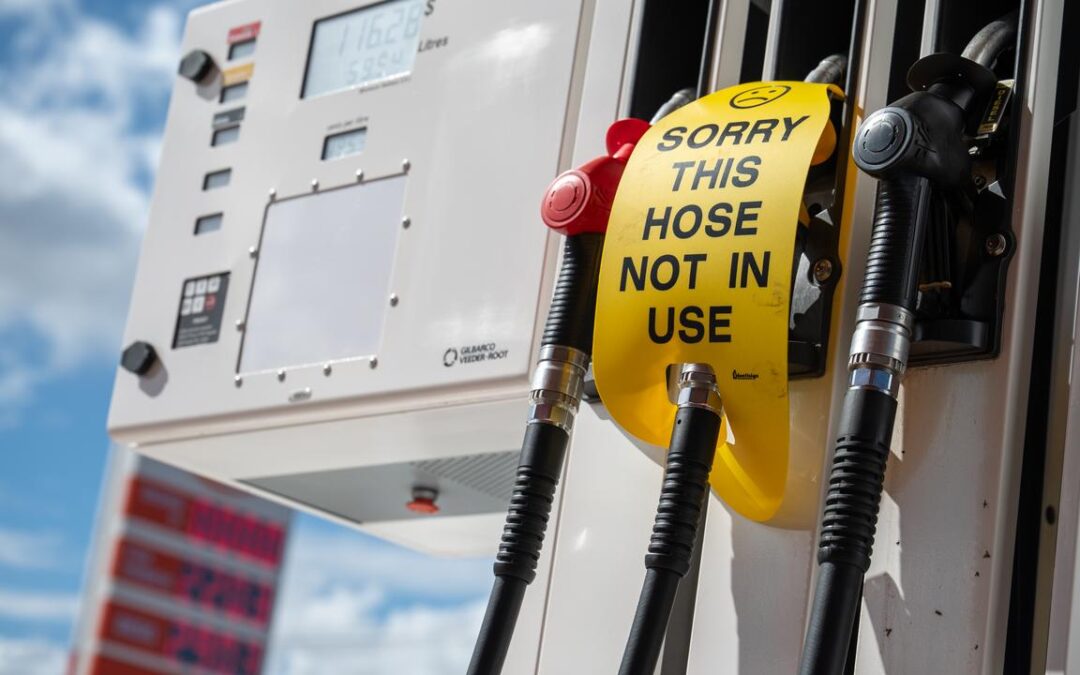
State and territory leaders will get an update on Australia’s fuel crisis as the prime minister leaves the door open to extending a tax cut on petrol and diesel in response to the war in the Middle East.
Anthony Albanese will hold his third meeting of national cabinet since the start of the Iran war, which has thrown global oil supply chains into chaos and sent prices skyrocketing.
Mr Albanese has framed the talks as a chance to ensure all jurisdictions across Australia were on the same page, playing down expectations of tougher fuel restrictions after the meeting.
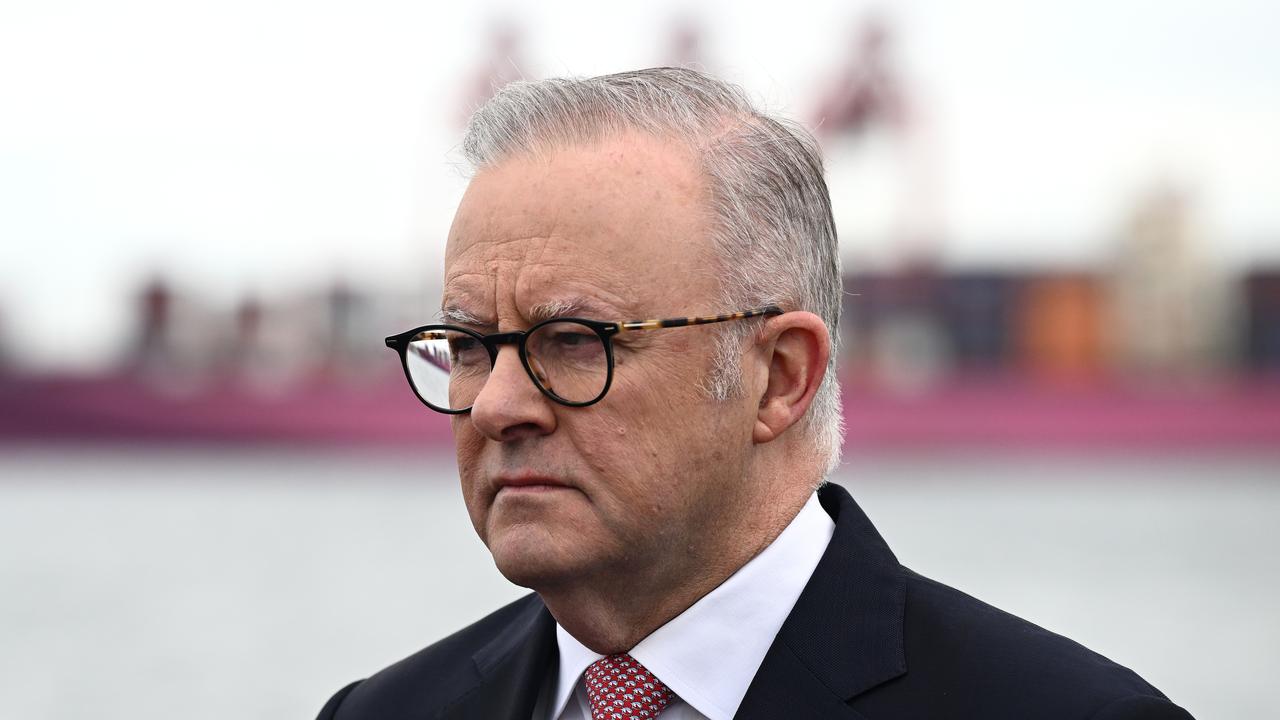
“It will just be an update,” he told reporters in Sydney on Wednesday.
“It’s important that state and territories be informed, and it’s important we work together as a nation at what is a very difficult and challenging time for the entire world,” Mr Albanese said.
US President Donald Trump declared on Thursday that Iran was collapsing financially and short of cash, suggesting the regime wanted trade to resume through the Strait of Hormuz.
“They want the Strait of Hormuz opened immediately – starving for cash! Losing 500 Million Dollars a day,” he said in a post on his platform Truth
Social.
Mr Trump also flagged an indefinite extension of the ceasefire in Iran.
The strait – which before the war carried around a fifth of the world’s oil – has been effectively closed since US and Israeli strikes on Iran in February.
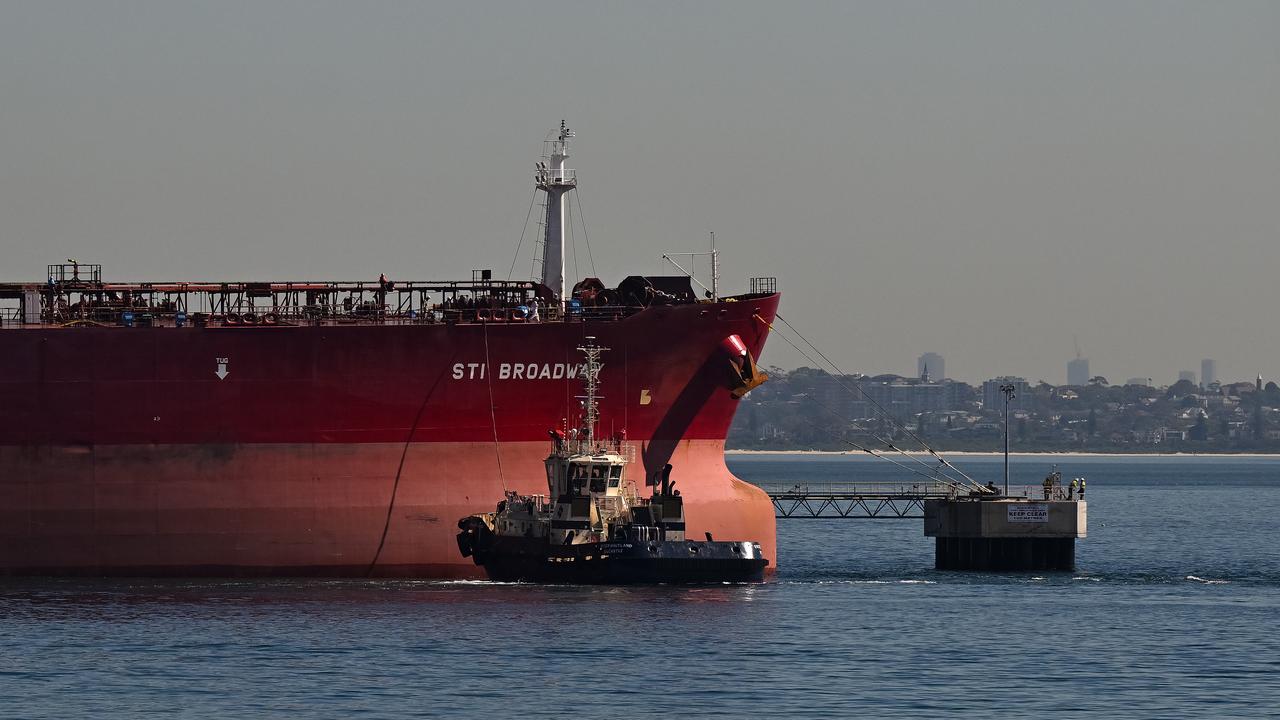
The closure has left countries scrambling to find new supplies of oil and refined fuels, prompting Australia to seek more shipments from its neighbours in Asia.
Also in response to the global oil shock, Labor slashed the fuel excise – shaving 32 cents a litre off the price of petrol and diesel.
The three-month halving of the tax is due to expire at the end of June, but government officials are not ruling out extending the policy if the war in the Middle East continues to disrupt global supplies.
Mr Albanese warned the war in the Middle East would have long-lasting economic impacts even if it was resolved quickly, pointing to volatility in international markets.
“We have made the call of the fuel excise being there until June 30,” he said when asked whether it would be extended.
“This is a volatile, turbulent period in the world. We have been very upfront about that. We’re not trying to pretend that that isn’t the case.”
Moody’s lowers NZ outlook to ‘negative’ on fiscal risks
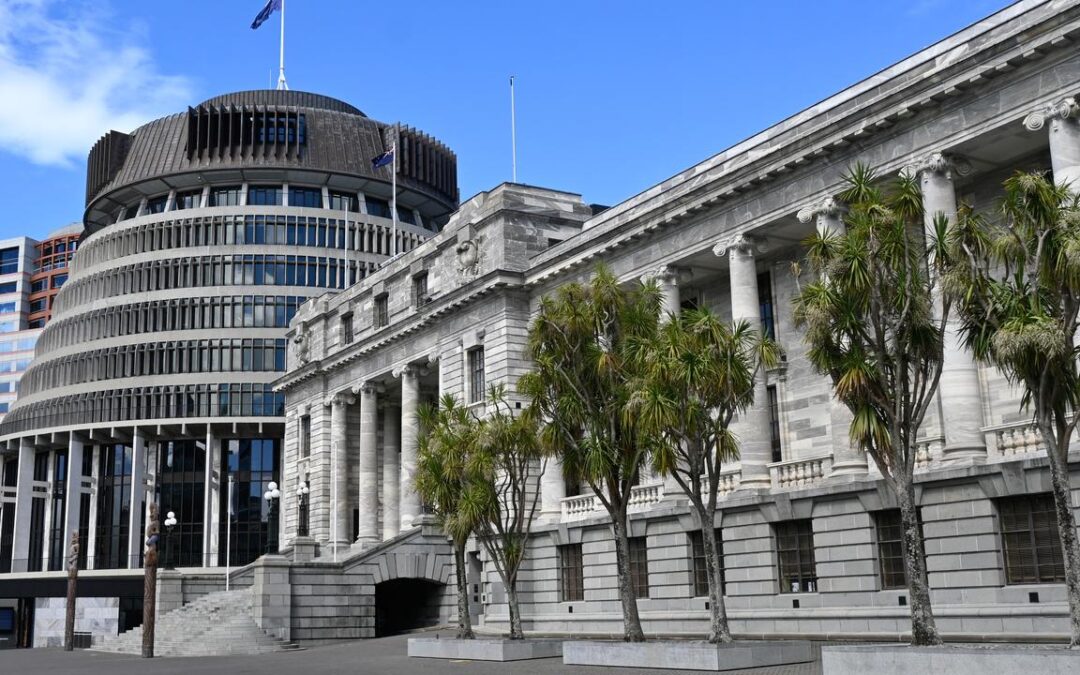
Credit rating agency Moody’s has downgraded New Zealand’s outlook to negative from stable, citing increased risks to the country’s fiscal trajectory amid global economic and geopolitical uncertainty.
Moody’s affirmed New Zealand’s top-tier Aaa rating, thanks to support from strong institutions and policy framework, even as weaker growth, tight monetary policy, and higher debt servicing costs add pressure to the fiscal outlook.
“Global economic and geopolitical uncertainty present downside risks to growth,” the agency said in a report released on Wednesday.
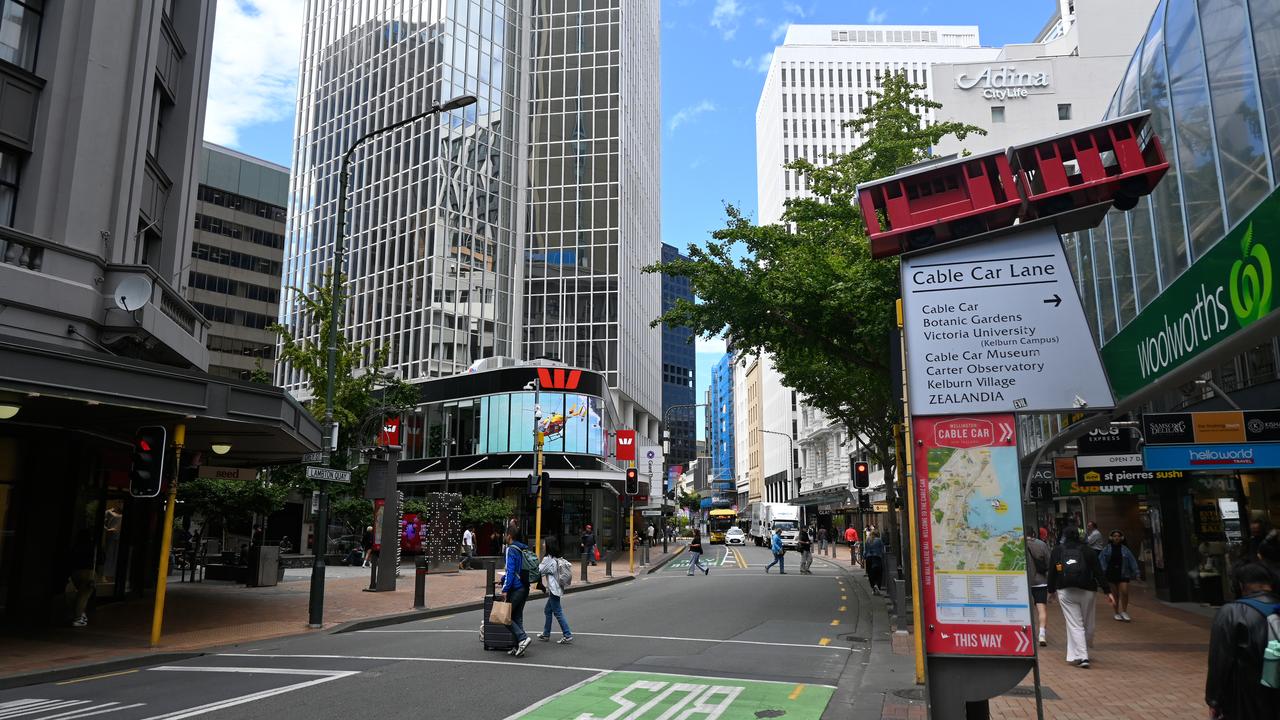
“Inflation pressures also persist, including fuel price increases, stubborn non-tradeable housing costs and utility prices, and higher electricity costs.”
Moody’s said New Zealand’s return to a budget surplus had been pushed back by a year, while recent shocks had increased the debt burden and weakened debt affordability.
Recent data underline those concerns.
New Zealand’s annual inflation rate was unchanged at 3.1 per cent in the first quarter, remaining above the central bank’s target range and increasing the likelihood of further interest rate hikes later in 2026.
In March, Fitch lowered New Zealand’s outlook to negative from stable, citing increasing difficulty in reducing debt due to delayed fiscal consolidation.
UK inflation rises as Iran war impact begins to hit
British consumer price inflation rose to an annual rate of 3.3 per cent in March from 3.0 per cent in February, according to official figures that show the first impact on prices from the war in the Middle East.
Factory gate prices also rose sharply and by much more than expected, the figures from the Office for National Statistics released on Wednesday showed.
Economists polled by Reuters had mostly expected the headline rate of consumer price inflation to accelerate to 3.3 per cent, driven by a rise in petrol and other fuel costs during March.
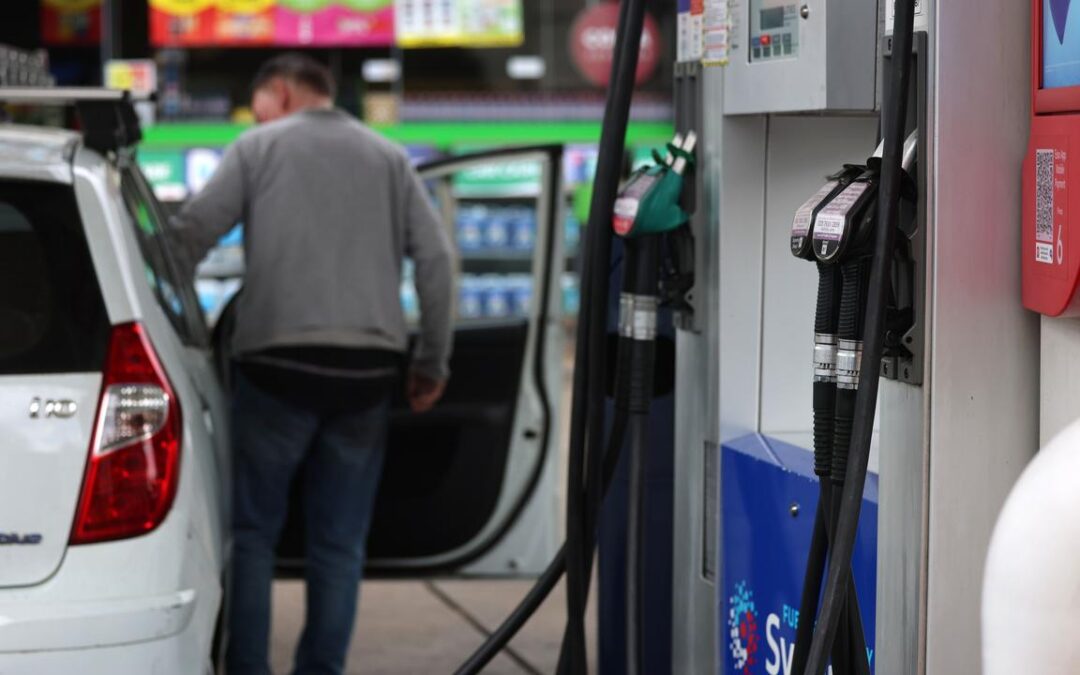
The price of motor fuels jumped by 8.7 per cent on the month, the biggest rise since June 2022, shortly after Russia’s full-scale invasion of Ukraine.
The data from the Office for National Statistics showed services price inflation – which the BoE watches closely as a gauge of longer-term inflation pressures – rose to 4.5 per cent from 4.3 per cent in February.
The economists polled by Reuters had expected it to hold at 4.3 per cent.
Core inflation, which excludes more volatile food, energy, alcohol and tobacco prices, weakened to 3.1 per cent from 3.2 per cent in February. The poll had pointed to another reading of 3.2 per cent.
Before the US-Israeli war on Iran began on February 28, the Bank of England said Britain’s inflation rate – the highest among the Group of Seven economies for much of the last four years – was likely to be close to its two per cent target in April.
But the BoE in March sharply increased its inflation forecast due to the energy price shock, predicting it would rise towards 3.5 per cent by the middle of 2026.
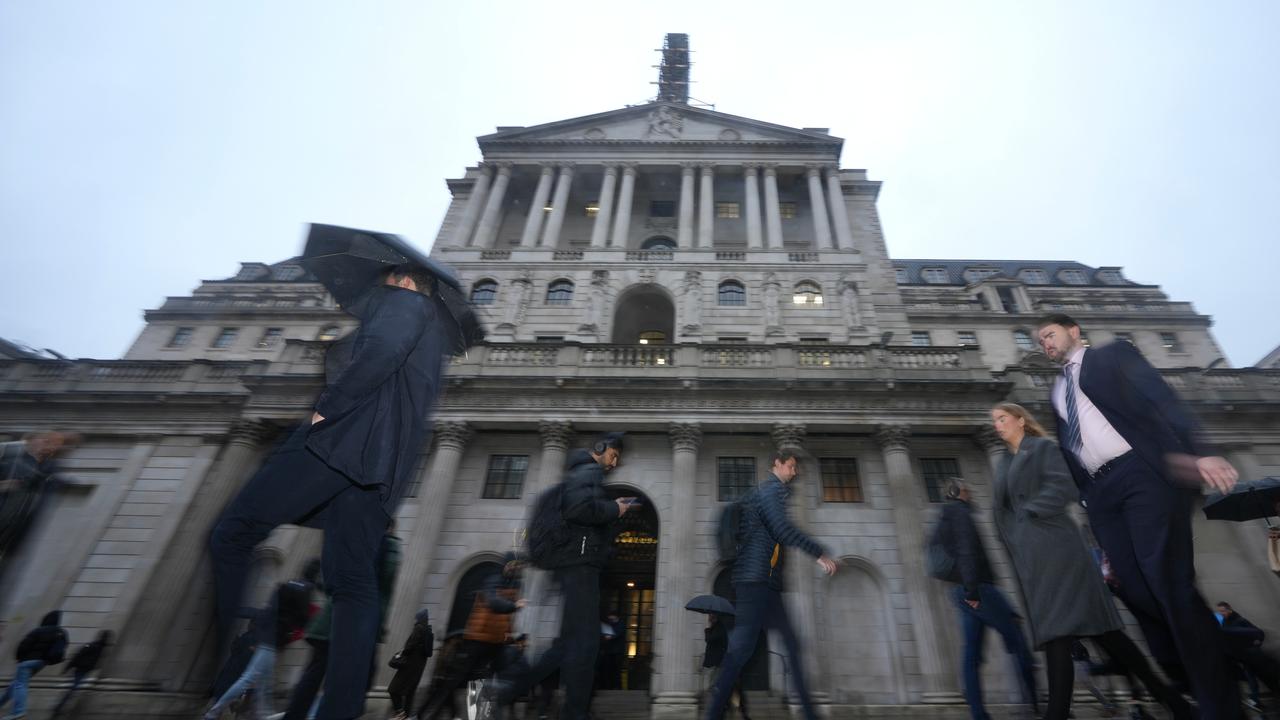
The International Monetary Fund last week predicted British inflation would peak at four per cent in the coming months.
However, the BoE’s interest rate-setters have mostly said it is too soon to know what the rise in headline inflation will mean for underlying price pressures in the economy, given the weak jobs market which could make it harder for workers to demand higher pay or for businesses to pass on higher costs.
The British central bank is expected to keep borrowing costs on hold on April 30 at the end of its next scheduled Monetary Policy Committee meeting.
Financial markets on Tuesday were betting on one or possibly two quarter-point interest rate rises by the BoE in 2026.
But a Reuters poll of economists showed most expected no change in borrowing costs during 2026.