

No bonus for Porsche employees as car maker struggles
Employees at Porsche will not receive a bonus for the 2025 financial year because of the German luxury car maker’s poor results.
A spokesman for the Stuttgart-based manufacturer confirmed on Thursday there would be no bonus “due to the company’s financial situation”.
Porsche is well known in Germany for offering high bonuses for employees, having paid them out every year since at least 2007, but the sports car giant’s profits have tumbled in recent years.
In March, the car maker reported a slump in profits in the 2025 financial year, plummeting by 91.4 per cent year-on-year to 310 million euro ($A507 million), from 3.6 billion euro in 2024.
Turnover fell by almost one-tenth to 36.3 billion euro as business in China stalled, US tariffs hit sales and demand for electric models proved far less than expected.
The company, a subsidiary of the Volkswagen Group, decided to overhaul its strategy, offering more combustion engine cars in a shift that incurred costs of 2.4 billion euro.
Porsche has announced job cuts and a cost-cutting program.
Management will not receive a bonus either while basic remuneration has also been frozen.
Shareholders can, however, expect a dividend, although it fell from 2.31 euro per share last year to 1.01 euro.
The car maker expects “very challenging market conditions” to persist in 2026, with sales falling again between January and March.
Heat on premiers to back reforms as NDIS stoush brews
Disabled Australians could be left without the support they need if state governments are too slow to build new programs outside the NDIS, the scheme’s former chief economist warns.
David Cullen, the National Disability Insurance Scheme’s top economic advisor from 2016 to 2022, has urged recalcitrant premiers to get on board with major reforms.
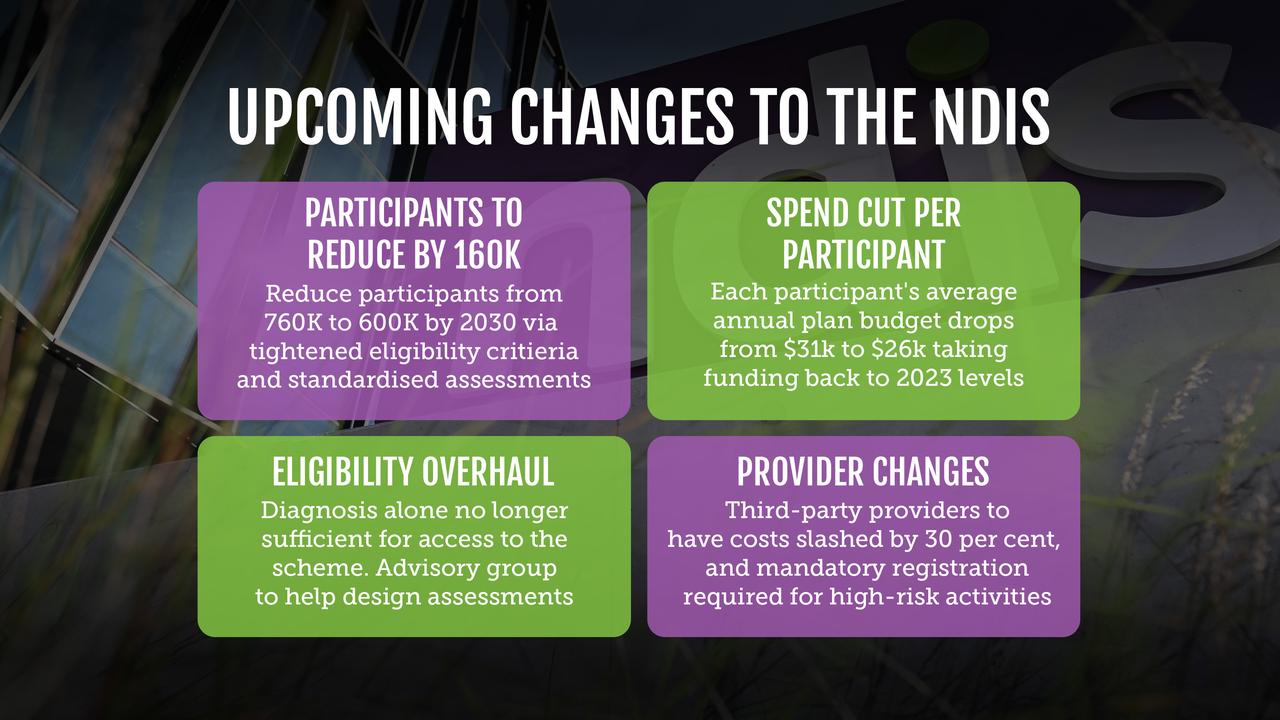
About 160,000 people will be moved off the program and onto separate state-run support systems.
Premiers have reacted coolly to the proposal, claiming it will simply shift costs from the federal budget onto their own.
But Professor Cullen – now a partner at Evaluate Consulting – said the massive overhaul would leave states better-off in the long run.
“State premiers are failing to understand that if it doesn’t change, the NDIS is going to cost them more and more as the years go by,” he told AAP.
“The cost of changing the NDIS is less for them than the cost of leaving it as it is.”
Under a funding agreement struck in January, premiers are required to increase their spending on the scheme by eight per cent each year, unless the growth rate of the NDIS falls below that figure.
In exchange, the federal government promised to provide the states an extra $25 billion in hospital funding.
While Prof Cullen said offering more disability supports outside the NDIS would inevitably cost state coffers some money, he argued it would be less than if the scheme continued on its current trajectory.
“It’s in the interests of the states to build those supports,” he said.
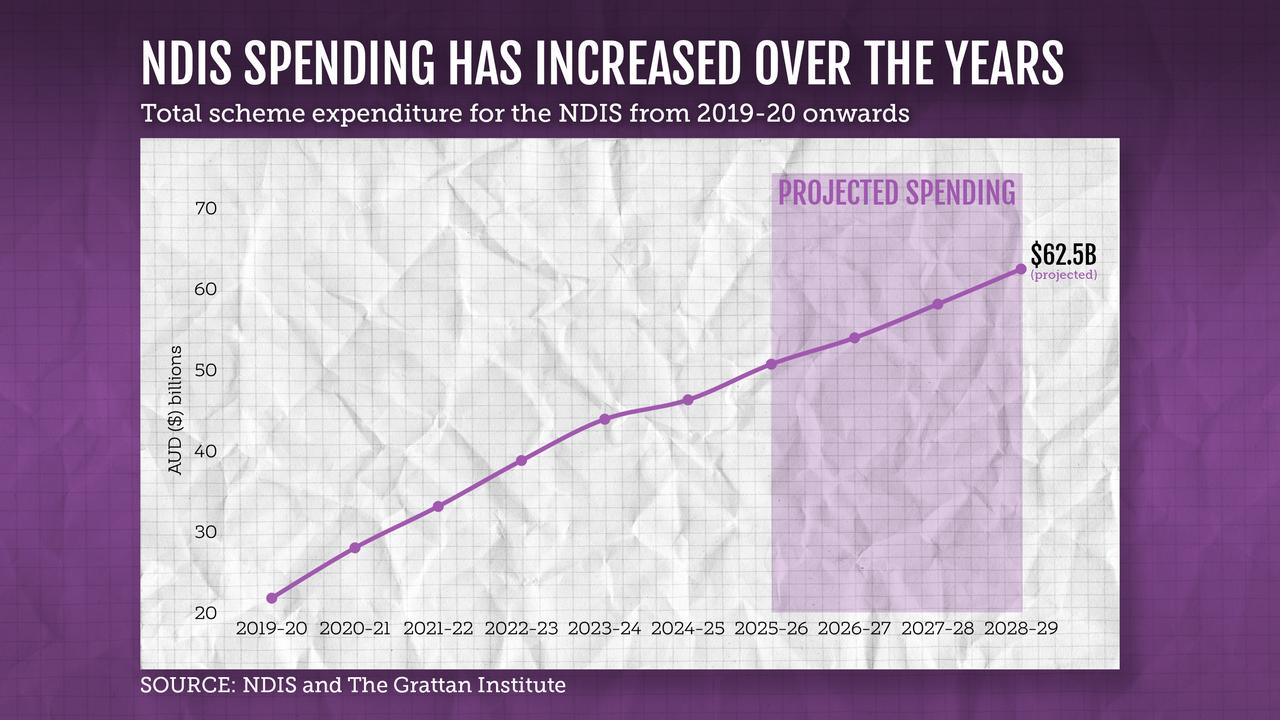
Health Minister Mark Butler’s changes are expected to reduce the cost of the scheme from a projected annual figure of $70 billion by the end of the decade, to about $55 billion.
Some of that $15 billion saving will be borne by the states to support people no longer on the scheme, but Mr Butler argues it will be cheaper to help people with mild to moderate disabilities outside the NDIS.
But many disability advocates are concerned about the support people will be offered once they’re moved off the scheme.

Australian Autism Alliance co-chair Jenny Karavolos warned people with autism often slipped through the cracks before the advent of the NDIS, and said new support systems would need to be built.
“Autistic people shouldn’t be the shock absorbers of systems government has not yet fixed,” she told AAP.
“Good reform is not just about what changes – it’s the order in which it’s implemented … we need to make sure that those systems are ready.”
The government has already flagged plans to move children with mild to moderate autism off the NDIS under a program called Thriving Kids.
Ms Karavolos said she expected adults with similar conditions to be shifted onto other supports under Mr Butler’s changes.
PM cool on gas tax as companies prepare for grilling
The prime minister has given the strongest indication yet his government will not impose a new tax on the nation’s gas giants in the May budget.
As calls grow for Labor to impose a 25 per cent levy on the liquefied natural gas sector – which stands to rake in huge profits from soaring prices driven by the Iran war – Anthony Albanese has talked up the industry’s tax contribution.
“They pay around about $22 billion … you need to acknowledge the tens of billions of dollars of investment that occurs in order to have that gas extracted,” he told the ABC’s Afternoon Briefing program.
“Without that investment that’s come from North America, that’s come from Japan … we wouldn’t be having a debate because there wouldn’t have been that extraction.”
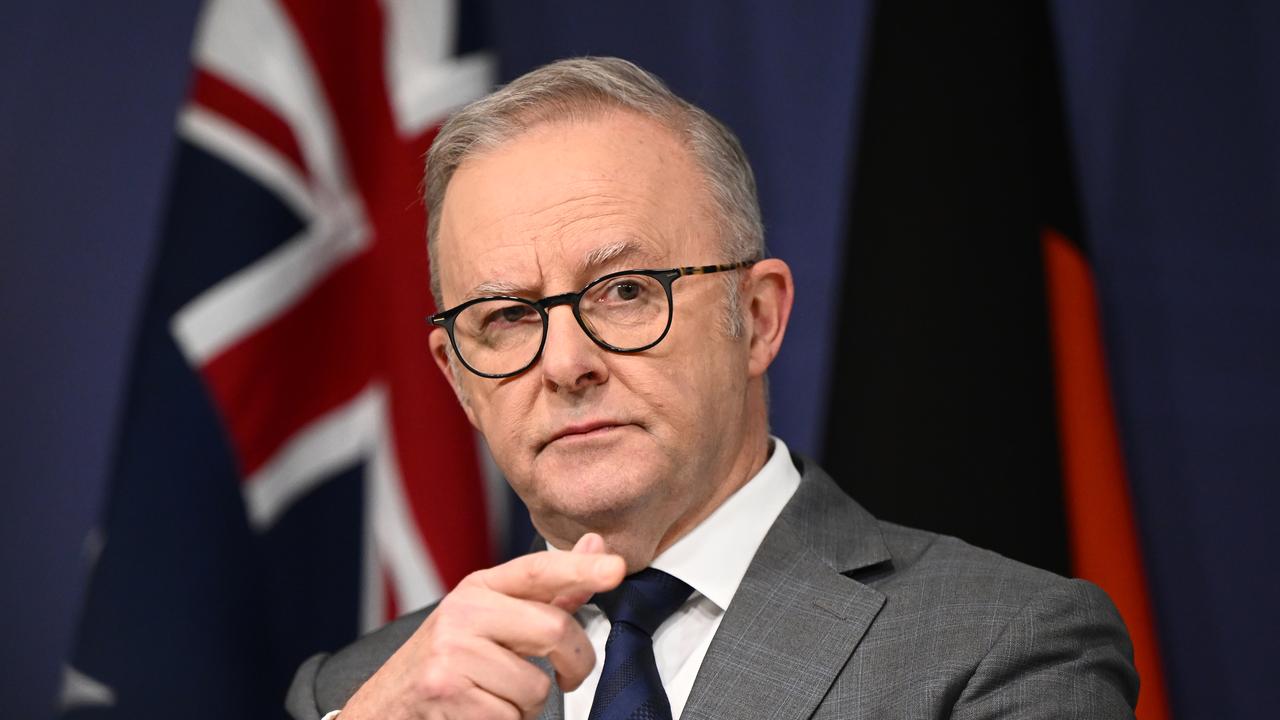
Pressed on the push for a new gas tax – which is supported by some Labor MPs – Mr Albanese said he wouldn’t rule anything in or out before the May 12 budget.
Woodside, Chevron, Santos, INPEX and peak body Australian Energy Producers are all expected to argue any new taxes on the sector would stifle investment and cost jobs, when they face a Greens-led senate hearing on the taxation of gas resources on Friday.
“For Australia to remain competitive, stability in fiscal settings is critical,” Chevron’s submission to the inquiry says.
“Introducing an additional tax on LNG exports would increase perceptions of sovereign risk and further reduce Australia’s attractiveness for long-term investment.”
A number of the gas companies have defended the Petroleum Resource Rent Tax regime, which has been criticised for raising little revenue from resources companies.
But this was by design, INPEX’s submission argued.
“The absence of PRRT payments in the early years of large LNG projects reflects intended design and phasing, not tax avoidance,” it said.
The system was designed to raise more tax income once projects matured and become more profitable, the Japanese-owned oil and gas company said.
Also scheduled to testify is Climate Analytics, which argues the energy crisis presents a rare opportunity to take more ambitious action against global warming.
“It would be broadly beneficial from a climate perspective for changes in the taxation regime to support a managed decline in Australian fossil gas use,” the advocacy group said in its submission.
But the organisation said any changes should not just seek to capture wartime windfall profits, but also drive structural changes in Australia’s reliance on fossil fuels.

Warner Bros shareholders approve Paramount merger
A Warner-Paramount mega merger has received shareholders’ stamp of approval, propelling a deal that could vastly reshape Hollywood and the wider media landscape closer to the finish line.
Per a preliminary vote count on Thursday, the overwhelming majority of Warner Bros Discovery shareholders voted in support of selling the entire business to Paramount for $US31 a share, the company said.
Including debt, the deal is valued at nearly $US111 billion ($A155 billion).
Skydance-owned Paramount wants to buy all of Warner.
That means HBO Max, cult-favourite titles like Harry Potter and even CNN could soon find themselves under the same roof with CBS, Top Gun and the Paramount+ streaming service.
A green light from company shareholders increases the likelihood of that becoming a reality.
But it’s not a done deal quite yet.
The acquisition still faces ongoing regulatory reviews.
Warner has said it expects to close sometime in the third fiscal quarter.
Meanwhile, Warner shareholders rejected a separate measure on Thursday that outlined post-merger payments for company executives.
Paramount’s quest for Warner has been far from smooth sailing.
And while Warner’s board now endorses the Paramount merger, it was not always eager to enter this particular marriage.
Late last year, Warner rebuffed Paramount’s overtures to instead strike a $US72 billion studio and streaming deal with Netflix.
Paramount, meanwhile, went directly to shareholders with a hostile bid to take over the whole company, including the cable business that Netflix did not want.
All three companies spent months fighting publicly over who had the better offer on the table.
Warner’s board repeatedly backed Netflix’s bid.
But eventually, Paramount offered more money and Netflix abruptly bowed out of the race rather than prolonging the fight.
That corporate drama may now be over but the implications remain.
Thousands of actors, directors, writers and other industry professionals have voiced “unequivocal opposition” to the deal, in a letter arguing that further consolidation will lead to job losses and fewer choices for filmmakers and movie goers.
Jane Fonda’s Committee for the First Amendment called Warner shareholders’ vote to advance the merger a “serious setback” on Thursday – but maintained the “fight is far from over”.
In a statement, the advocacy group pointed to past efforts to challenge consolidation and maintained “a handful of powerful decision-makers should not be allowed to quietly reshape American media, culture, and creative life without accountability”.

Lululemon sinks as CEO hire fails to impress investors
Lululemon Athletica shares in the United States have tumbled to their lowest level since March 2020 as the struggling athletic apparel maker’s decision to tap a CEO from turnaround-embattled Nike failed to reassure investors.
The appointment of Heidi O’Neill, who most recently was the president of consumer, product, and brand at Nike, ends a months-long search marked by pressure from an activist investor and Lululemon’s founder Chip Wilson.
“We do not expect the market to receive this appointment positively given O’Neill’s longstanding tenure at Nike, which overlaps with the brand developing many challenges that parallel the ones LULU is currently facing,” BTIG analyst Janine Stichter said.
Lululemon shares fell about 12 per cent in early trading on Thursday.
O’Neill, who left Nike last year after more than 25 years amid a management reshuffle, will join in September and will be tasked with stalling Lululemon’s market share losses and refreshing its image.
Nike’s stock hit a more than decade-low earlier this month after CEO Elliott Hill warned of a sharp sales drop and continued weakness in China, frustrating analysts and investors keen on a revival in the storied sportswear giant’s fortunes.
Lululemon has also dealt with product recalls for some of its pricey leggings in the recent past and has tried to balance inventory levels as it deals with intensifying competition from upstart brands such as Alo Yoga and Vuori in the US.
Chip Wilson, who owns about 4.3 per cent of the company, continues to believe that a board overhaul should have come before the CEO’s election, a source familiar with the founder’s thinking told Reuters.
Wilson has been waging a proxy fight to install his three director-candidates and had said earlier this year that any CEO candidate picked by the current board would have his support.
Elliott did not respond to Reuters request for comment.

Rinehart could be ordered to give documents to rivals
Billionaire Gina Rinehart is likely to be forced to hand over years of financial records to two rival mining dynasties pursuing hundreds of millions of dollars in unpaid iron ore royalties.
Lawyers for Mrs Rinehart’s company, Hancock Prospecting, and the heirs of mining pioneer Peter Wright and engineer Don Rhodes, returned to court in Perth on Thursday.
They wrangled over the implementation of a judgment that found Wright Prospecting and DFD Rhodes were owed some of the spoils from the massive Rio Tinto-operated Hope Downs mining complex, in WA’s ore-rich Pilbara region.
These included who should calculate the royalty amounts, the interest rates that could be applied to the vast sum, potential damages for Hancock Prospecting’s breach of contract, future revenue payments and what documents Hancock Prospecting would be required to supply.
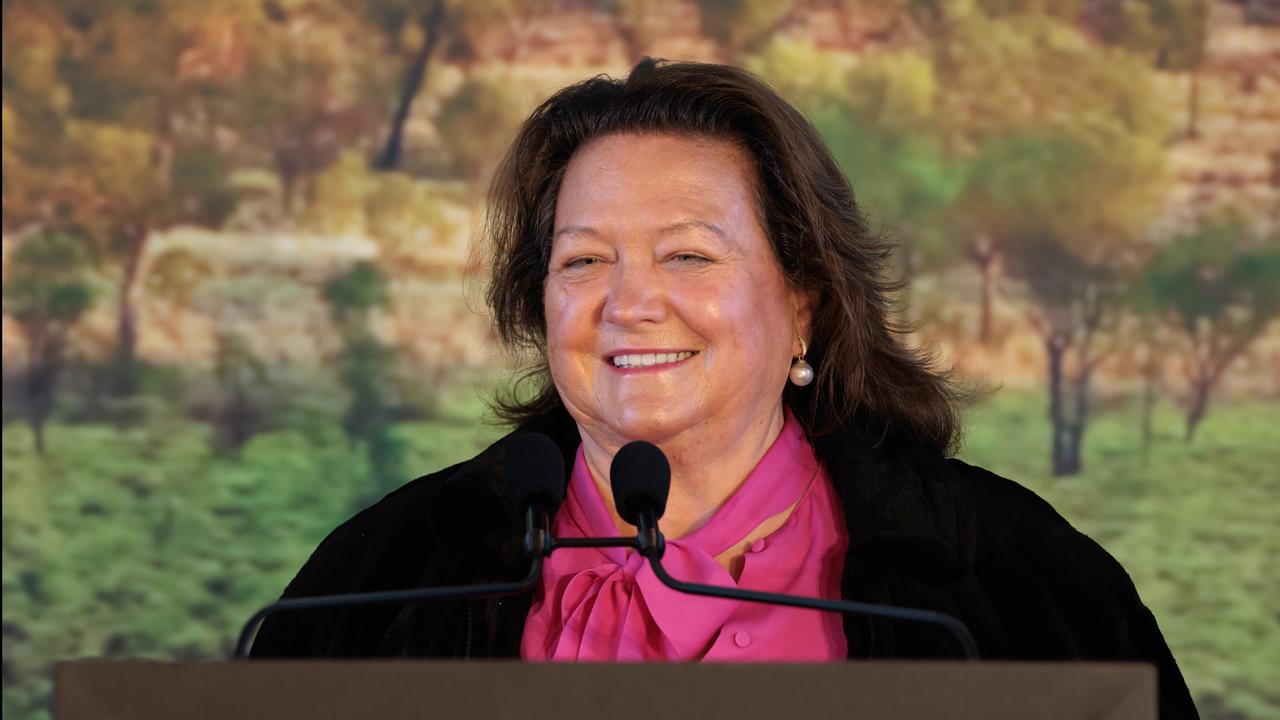
Justice Jennifer Smith indicated that Hancock Prospecting should give Wright Prospecting and DFD Rhodes decades of royalty accounts as a first step in determining the monetary settlement, as she detailed the orders she would likely make at a future date.
The years-long complex legal case, which pitted Hancock Prospecting against Wright Prospecting and DFD Rhodes amid allegations of decades-old contract breaches, ended last week with Justice Smith handing down a 1655-page judgment.
Justice Smith dismissed Wright Prospecting’s claim for a half share of some of Hancock’s iron ore deposits, worth billions of dollars, leaving Mrs Rinehart in control of the prized assets.
Rio Tinto was also involved in the battle as the joint-venture partner in Hope Downs.
The 51-day Western Australian Supreme Court trial featured sensational allegations against Mrs Rinehart, which she vehemently denied.
These include that the billionaire devised an unlawful scheme to defraud her children and allegedly tried to have her father Lang Hancock’s wife, Rose Porteous, deported in the 1980s amid fears she would inherit shares in Hancock Prospecting.
Mrs Rinehart inherited her father’s iron ore discovery in the Pilbara region and forged a mining empire after he died in 1992.
She developed mines from tenements at Hope Downs, signing a deal in 2005 with Rio Tinto which has a 50 per cent stake in the project.
The Hope Downs mining complex near Newman is one of Australia’s largest and most successful iron ore projects, with multiple open-pit mines.
Mrs Rinehart’s wealth is estimated to be about $40 billion.
The parties will return to court on May 1 to continue the hearing.
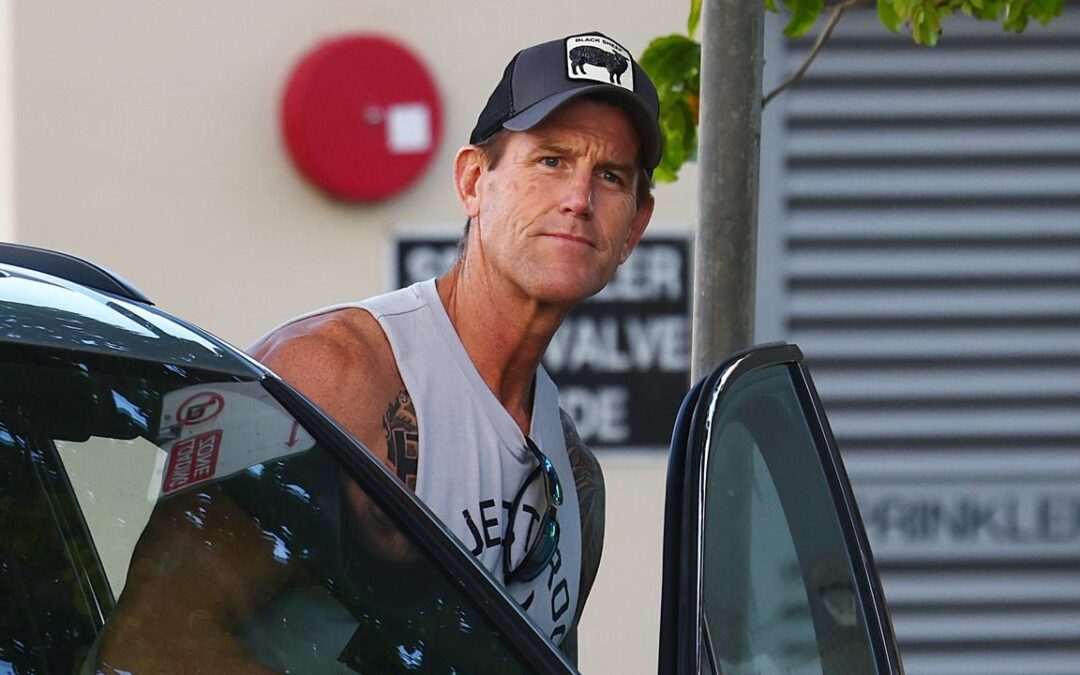
Ben Roberts-Smith ‘never planned’ to flee overseas
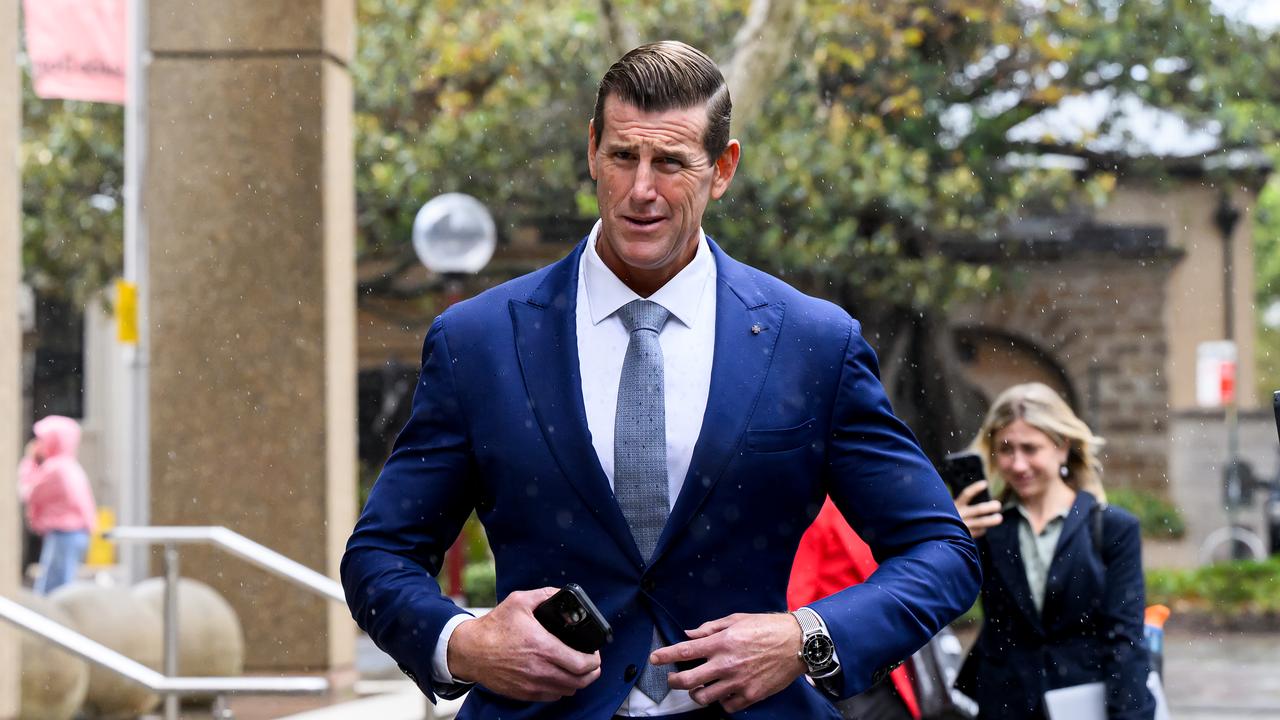
Ben Roberts-Smith was eyeing business opportunities overseas before his arrest, but his partner says the war veteran always intended to return home if criminal charges were laid.
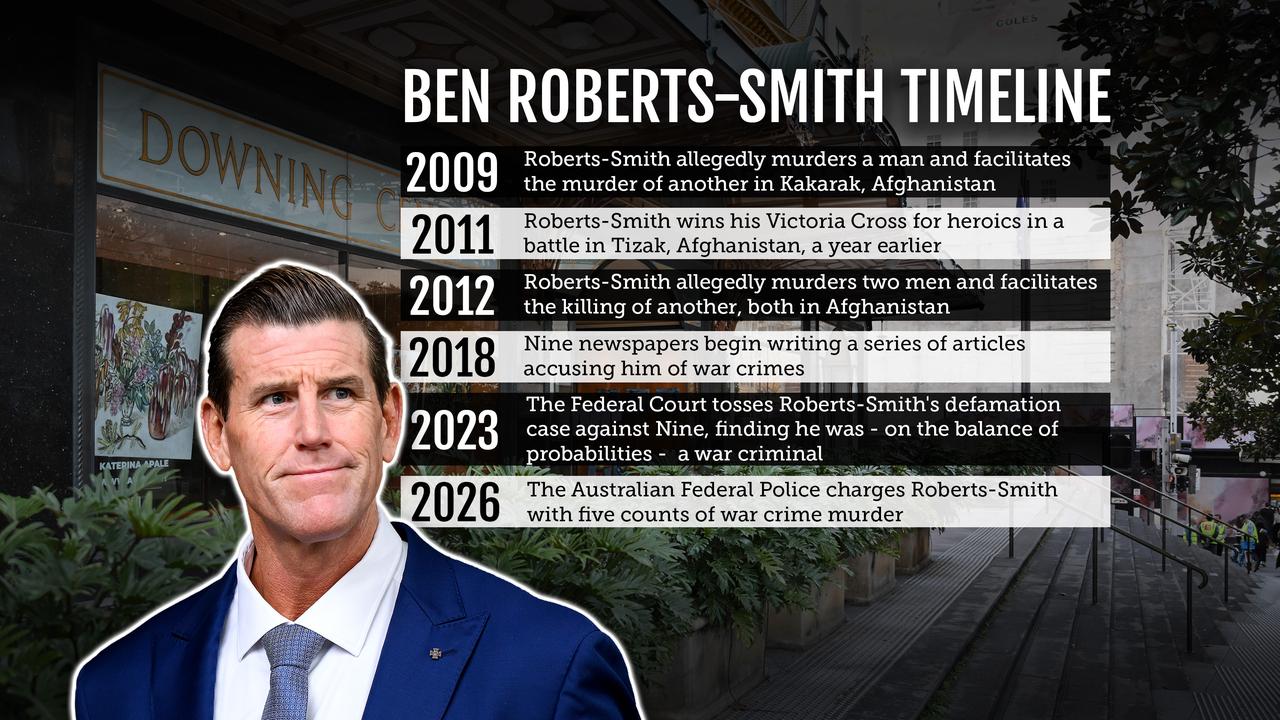
The former SAS soldier was arrested on April 7 and charged with murdering or ordering the murders of five unarmed detainees while deployed in Afghanistan between 2009 and 2012.
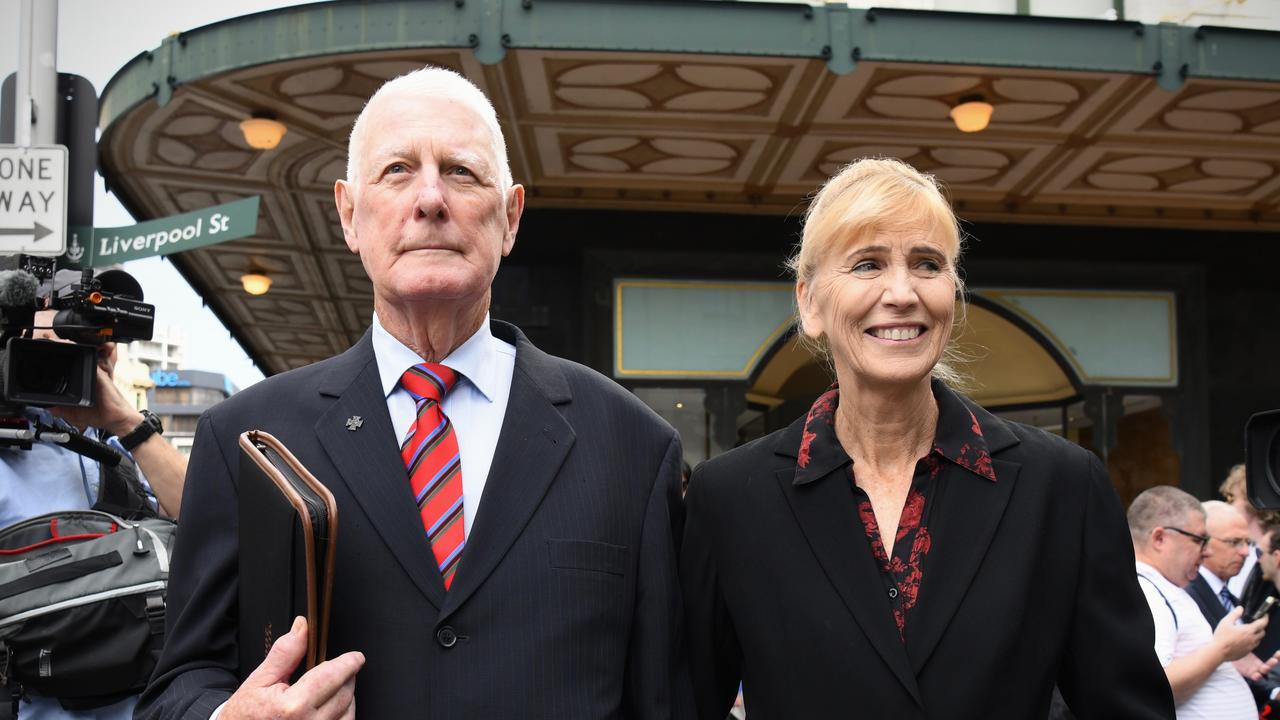
Roberts-Smith was released from prison on bail on Friday after his father Len Roberts-Smith, a former Western Australia Supreme Court judge, paid a $250,000 surety.
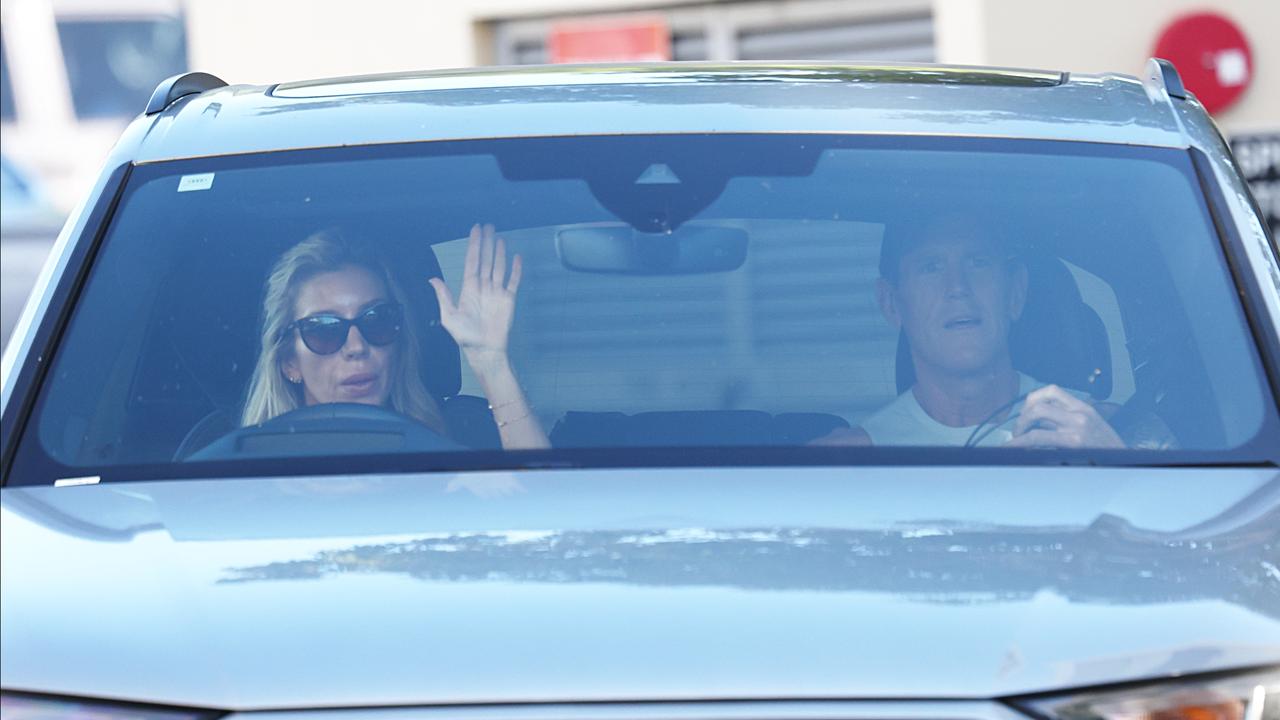
Documents from the 47-year-old’s bail hearing in Sydney’s Downing Centre Local Court released on Thursday detail plans made with his partner Sarah Matulin to open a business overseas.
In an affidavit filed with the court, Ms Matulin wrote they had wanted to move out of Australia to create some normalcy in their lives, but her partner had always intended to return if charged.
“We have never planned to run away from this and have always intended to face the criminal charges if they presented,” she wrote.
“We have had countless discussions that if he was ever requested to do so, he would hand himself into police custody voluntarily.”
In March 2023, Roberts-Smith contacted the chief executive of an outdoor weather protection firm in Chiang Mai, Thailand, looking to meet business contacts over a beer.
By October, the couple had become serious about moving overseas, contacting a friend who owned an avocado farm in Myanmar to discuss opportunities, Ms Matulin wrote.
Later that month, Roberts-Smith had started inquiring about buying a fitness and wellness business in Spain, and began the visa process to move there.
Ms Matulin said it was no secret they wanted to move to Spain because they had openly discussed this with family and friends.
In his own affidavit, Roberts-Smith said he had flown overseas 28 times since 2018 – including a taxpayer-funded trip to the UK for Queen Elizabeth II’s funeral in 2022.
He had always returned despite knowing he was being investigated for war crimes, he wrote.
His lawyer Karen Espiner revealed in another affidavit that she offered to have her client arrested by “appointment” by handing himself in at a police station if police disclosed he was going to be charged.
The solicitor said Roberts-Smith did not tell the Officer of the Special Investigator – which was probing the war crime allegations – of the Spanish plans because there were no restrictions on his travel at the time.
The Victoria Cross recipient has consistently proclaimed his innocence, including during a failed defamation action against publisher Nine over articles detailing a number of alleged war crimes.
While the war veteran’s former employer Kerry Stokes had funded the defamation proceedings, Roberts-Smith revealed he had to liquidate all his assets to fund the later failed appeals.
His parents also coughed up $400,000 to pay for his legal costs, his affidavit says.
“I have no assets and my personal savings are significantly depleted,” he wrote.
Roberts-Smith receives a service pension of $4500 a fortnight, his affidavit says.
He is accused of machine-gunning an Aghan prisoner Mohammed Essa and ordering the execution of his son Ahmadullah to “blood the rookie” during a raid at a compound called Whiskey 108 in April 2009.
Ahmadullah had a prosthetic leg.
The then-SAS soldier placed firearms on the bodies to falsely claim they were enemy combatants, court documents seen by AAP say.
In August 2012 at the village of Darwan, Roberts-Smith is accused of kicking a hand-cuffed Ali Jan off a 10 metre cliff before ordering that he be dragged over a creek bed and shot.
Two months later at Syahchow, he allegedly lined up two prisoners in a corn field, shooting one of them with another soldier.
He ordered a subordinate to shoot the other before throwing a grenade on the bodies to cover up what he had done, court documents say.
The matter will return to court on June 2.
Lifeline 13 11 14
Open Arms 1800 011 046
Oil and gas giant feels the heat from climate activists
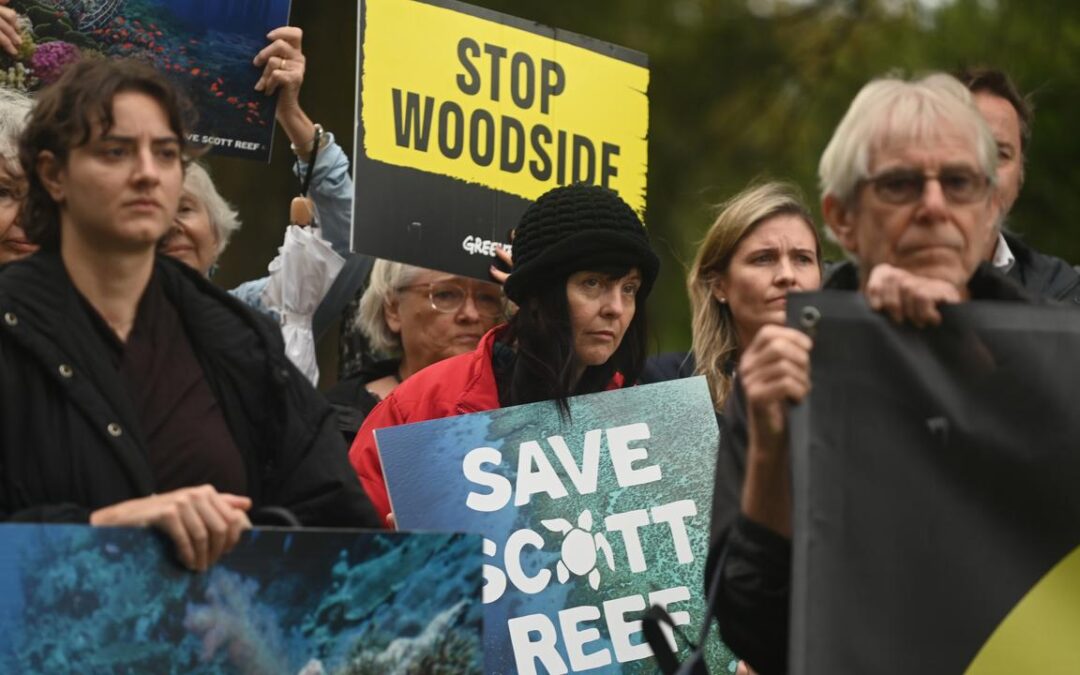
Climate activists have repeatedly disrupted a gathering of shareholders of Australia’s biggest oil and gas company, with one breaching barricades to jump onto the stage.
The four Disrupt Burrup Hub protesters yelled at the board of Woodside Energy during its annual general meeting at Crown Towers in Perth on Thursday, before being escorted from the ballroom.
“We have 85 seconds left on the doomsday clock, we are running out of time,” one activist, whom the protest group identified as a 20-year-old university student, bellowed as investors jeered.
Shareholders approved all items of business at the meeting, although there was a significant 34.5 per cent vote against a bonus structure for new chief executive Liz Westcott.
Ms Westcott will receive a fixed salary of $2.3 million in 2025/26 and could get as much as another $14.8 million if short and long-term performance hurdles are met.
Woodside chairman Richard Goyder said the backlash was “slightly frustrating” because the long-term incentive structure was an integral part of Woodside’s remuneration scheme, which the company had redesigned after feedback from shareholders.
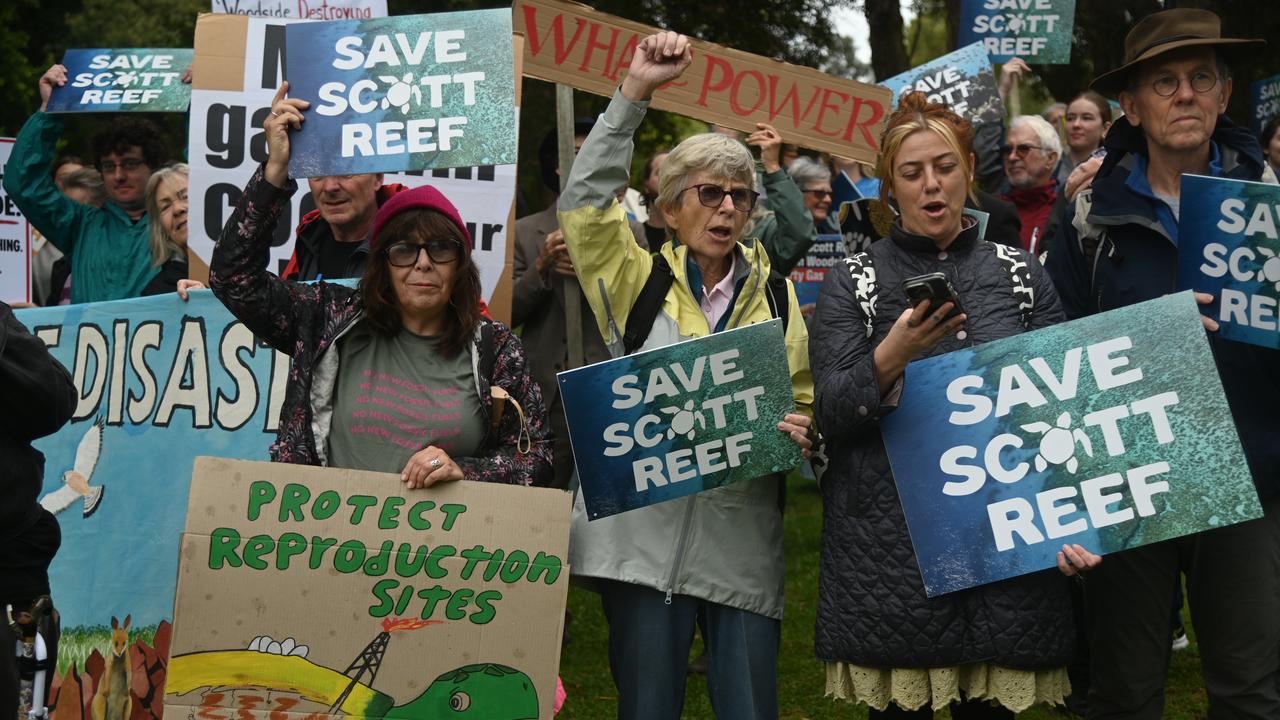
Other protesters were escorted from the room by security while singing and holding “hands off Scott Reef” signs they had managed to smuggle in.
Ms Westcott took the protests in her stride, saying the conflict in the Middle East had caused significant disruption, “and we may get disruption today”.
Greens senator Steph Hodgins-May appeared at the meeting to question Woodside executives about their contention that a 25 per cent export tax would kill the company’s $37 billion Browse gas project off the coast of Western Australia.
“If giving Australians a fair return for their own gas makes your project unviable, doesn’t that show that the model is broken and depends on Australians effectively giving away their resources for free,” she said.
Ms Westcott said the tax system gave Australians a fair return, with Woodside paying $2 billion in taxes in 2025, for an effective tax rate of 44 per cent.
“We are giving back to Australians,” she said.
“Our new projects generate a huge amount of tax.”
Outside the meeting, several dozen activists held signs with slogans such as “Rage against the Woodside machine” and “More gas will cook our planet”.
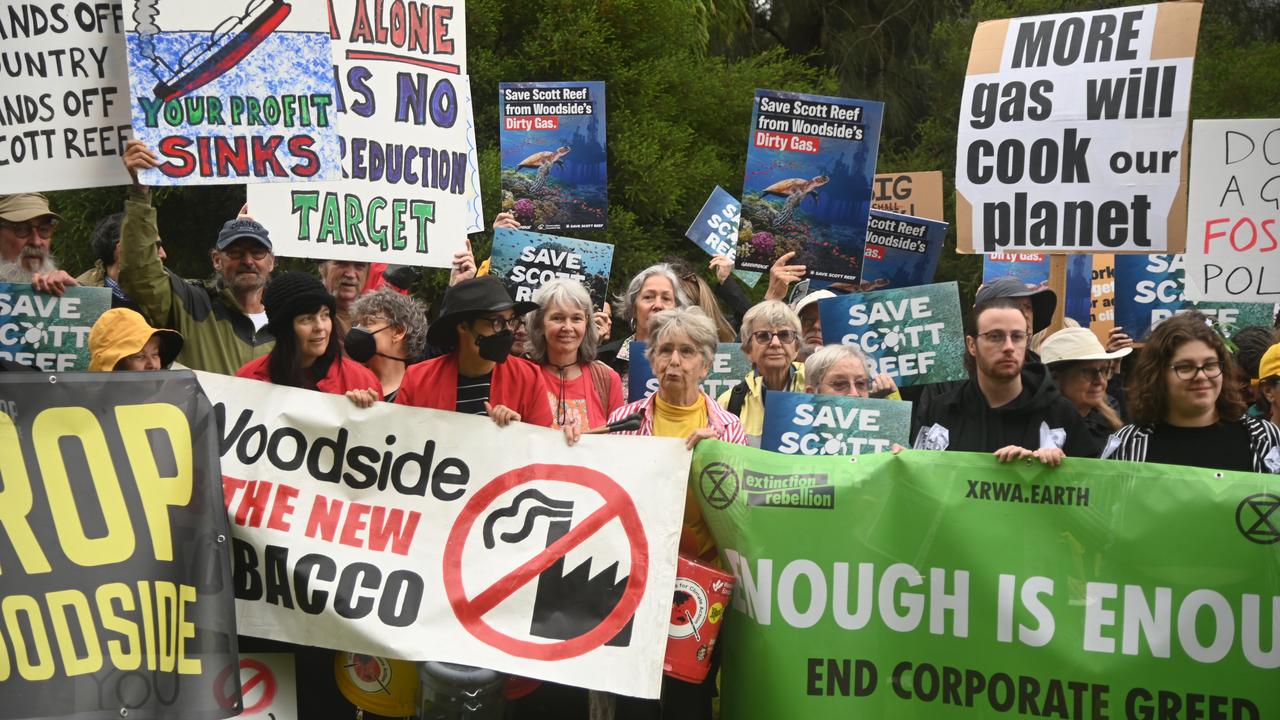
Protester Laraine Brindle said she was concerned about the environmental destruction she believed was occurring as a result of industrial projects, such as Woodside’s gas projects.
“We have opportunities in Australia to be utilising renewable energies rather than what we’re doing, destroying the environment,” she said.
“I’ve lived through decades of beautiful country, and I want that preserved for my grandchildren and their children and their grandchildren.”
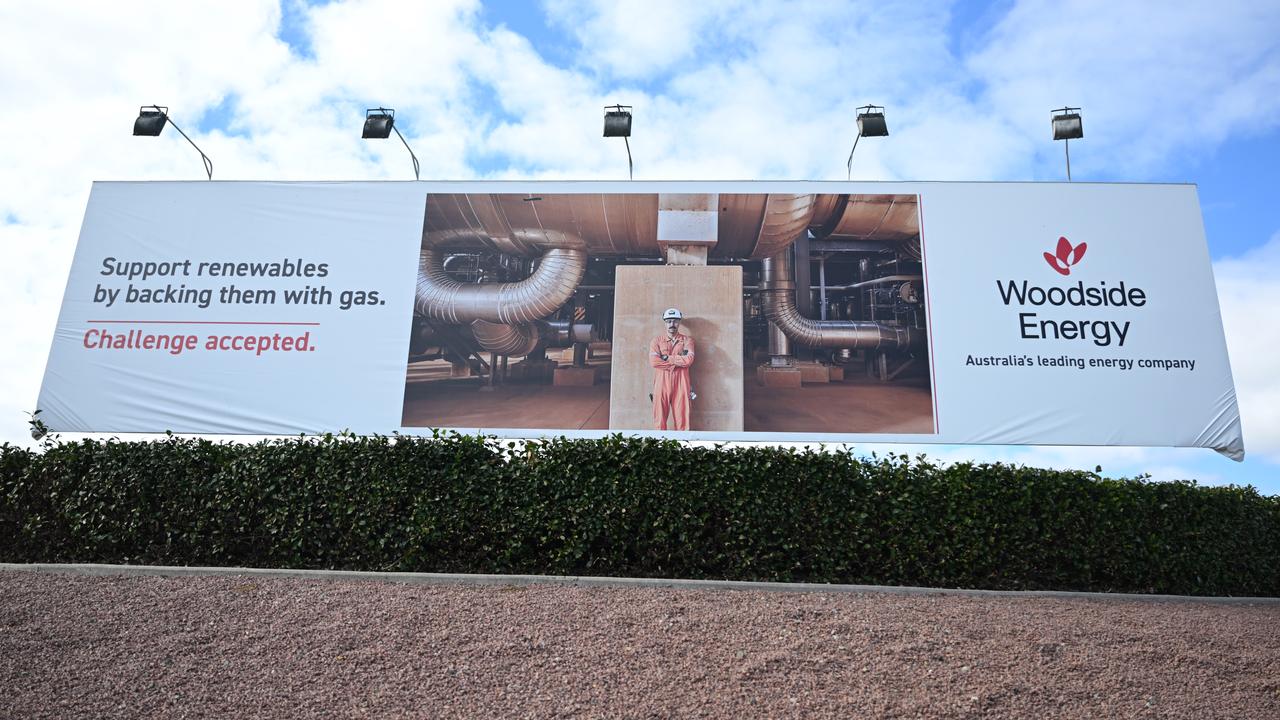
Ms Westcott argued during the meeting that Woodside’s liquefied natural gas products were actually assisting in global decarbonisation by replacing coal as a fuel source in Asian markets.
“When we look at the use of coal in the energy system, and we compare it to the use of natural gas, we can nearly halve the emissions by having coal replaced by gas,” she said.
Matt Roberts, executive director of the Conservation Council of WA, disputed that claim in remarks to the AGM, saying gas was in fact replacing renewables.
“We have these lines about it helping decarbonise, but the evidence suggests otherwise,” he said.
Woodside shares closed about 2.5 per cent higher at $31.59 on the Australian stock exchange.

Asia shares track Wall Street to record highs
Asian shares tracked Wall Street higher on Thursday, led by record highs in Japan, South Korea and Taiwan, as investors shrugged off higher oil prices from more shipping woes in the Gulf and focused on strong corporate earnings.
Overnight, the S&P 500 climbed 1.0 per cent and the Nasdaq jumped 1.6 per cent to close at record highs, helped by a strong start to earnings season that has eased concerns about the health of the US consumer despite rising energy prices from the Iran war.
That was despite oil prices gaining for a fourth straight day. Iran on Wednesday captured two container ships seeking to exit the Gulf via the Strait of Hormuz, tightening its grip on the crucial waterway, as a fragile ceasefire hangs in the balance for now.
Brent crude futures rose 0.5 per cent to $US102.45 ($A143.13) a barrel, having jumped 3.5 per cent overnight to cross back above $US100 ($A140). MSCI’s broadest index of Asia-Pacific shares outside Japan rallied 1.0 per cent to a record high as tech heavyweights surged in the region.
Markets in Japan, South Korea and Taiwan vaulted to records for a second day, with the Nikkei topping the 60,000 mark.
China’s blue chips rose 0.3 per cent and Hong Kong’s Hang Seng index slipped 0.3 per cent.
“Markets have been remarkably effective at looking through risks – and may continue to be. But the list of risks is growing as resolutions remain elusive,” said Laura Cooper, global investment strategist at asset manager Nuveen.
“The dissonance cannot hold indefinitely … At some point, the weight of what is being ignored could become the only one that matters.”
Wall Street futures slipped in Asia after the earnings-driven rally, with the Nasdaq futures off 0.2 per cent and S&P 500 futures down 0.3 per cent.
Shares of GE Vernova surged 13.75 per cent after the power equipment maker raised its annual revenue forecast on the AI boom, and Boeing advanced over 5.0 per cent after a smaller-than-expected quarterly loss.
Electric automaker Tesla reported a surprise positive free cash flow in the first quarter, but its projection of sharply higher spending plans on AI and robotics drew scepticism from investors, with its shares last down 2.0 per cent after the bell.
Treasuries were also mostly steady despite the jump in oil prices. The two-year US Treasury yield held at 3.8064 per cent, after edging up 1 basis point (bp) on Wednesday. The 10-year yield inched 1 bp higher at 4.3094 per cent, after finishing little changed overnight.
Currencies were mostly calm, with the dollar holding onto small gains from overnight. The euro was steady at $US1.1709 ($A1.6358), just above a 10-day low of $US1.1691 ($A1.6333), having lost 0.3 per cent overnight.
“It is questionable whether financial markets are correctly pricing the reality that supply constraints will remain an issue for some time,” said Skye Masters, head of markets research at the National Australia Bank.
Ratings slump as Kyle and Jackie O sued for millions
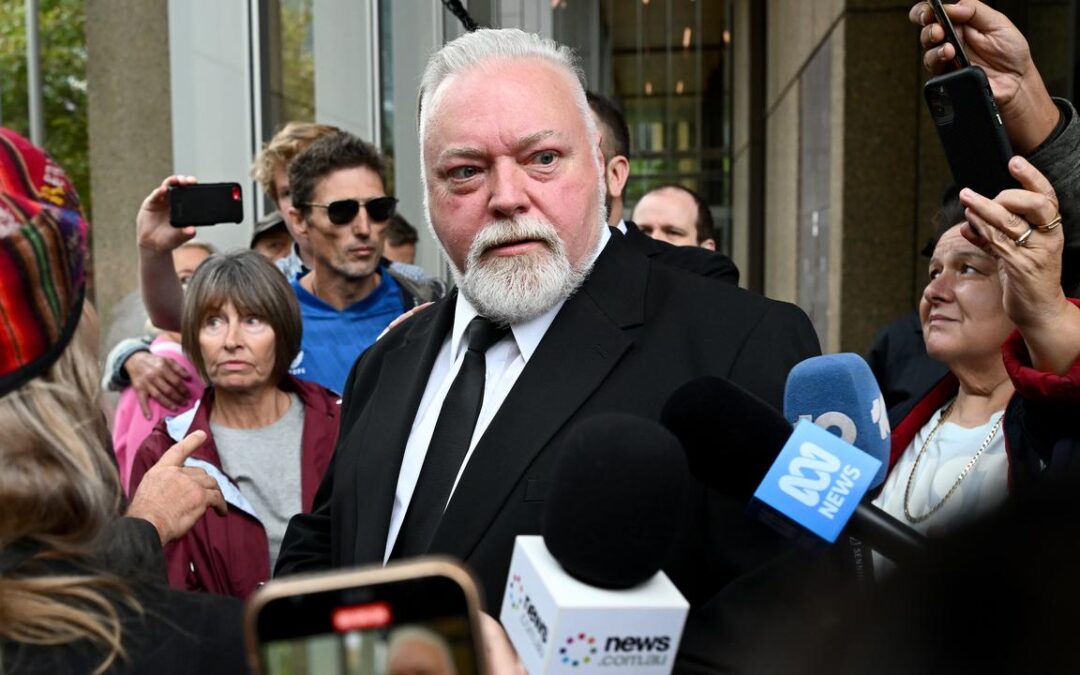
Ratings have slumped in The Kyle and Jackie O Show’s former slot as the star radio duo’s former employer seeks to recoup millions in lost profits from the pair.
Kyle Sandilands and Jackie “O” Henderson both face a counter-suit from their old employer ARN, which claimed the pair cost the company key advertising revenue through their sacking.
By breaching their contract and making the future of their KIIS FM breakfast show untenable, both Henderson and Sandilands are liable for the subsequent loss of advertising revenue, the broadcaster said in documents filed in the Federal Court.
Audience share for the station has dropped in the pair’s old time slot in their primary market of Sydney, according to a ratings survey released on Thursday.

The proportion of breakfast listeners on KIIS FM in Sydney dropped one percentage point to 11.7 between February 8 and April 4, representing most of the period after the pair’s final show on February 20 and Sandilands’ sacking on March 4.
Conversely, the station’s share grew by 0.3 percentage points in the Melbourne market where Sandilands and Henderson failed to make many in-roads after their expansion in 2023.
In its defence to Sandilands’ lawsuit over his sacking, ARN told the court that Henderson sent the station a letter in February claiming her co-host repeatedly bullied her.
He allegedly made offensive comments to her in September that prompted her to raise a complaint with station staff.
“Don’t f***ing bother coming back either until you get your f***ing shit together like a normal person,” Sandilands allegedly told Henderson off-air.
“I’ve been carrying this whole show for f***ing a year.”
The highly public bust-up moved into the legal arena after an exchange between the star pair in February, when Sandilands accused his co-host of being “off with the fairies”.
The on-air comments prompted Henderson to say she could no longer work with her colleague.

As a result of Sandilands breaching his contract by committing serious misconduct, he is liable for legal costs and lost revenue, ARN said in court documents.
The radio giant claimed Henderson was also liable for the same costs because she breached her agreement by bringing the show to an end.
Both presenters are suing ARN separately for breaches of their respective contracts, with Henderson claiming she should not have been fired just for refusing to work with Sandilands.
Henderson alleged in court documents she complained to station management multiple times about comments by Sandilands over about six months.
Sandilands allegedly said some of Henderson’s comments were “weird, psychological bullshit” and her belief in “hype words” was negatively impacting her dating life.
But Sandilands’ suit claims he did not deserve to have his contract torn up because he had not committed serious misconduct.
The pair are both seeking the full payout of the remainder of their 10-year, $100 million contracts signed at the end of 2023.
Both cases are due for a preliminary hearing on Friday.