
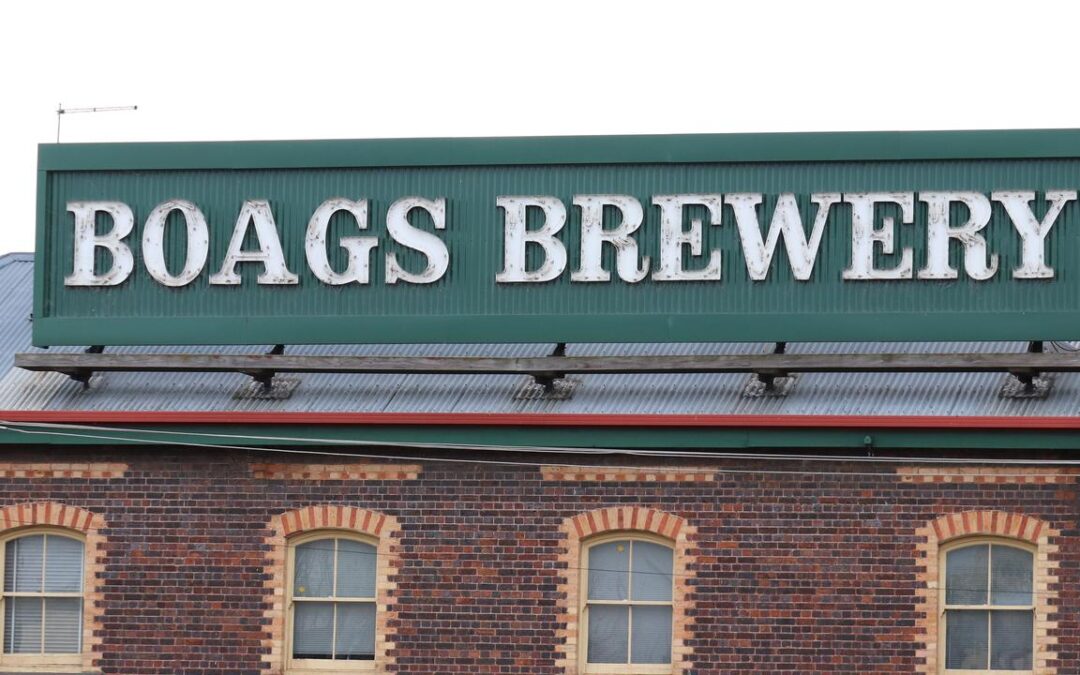
‘Gut punch’: beer production to end at brewery’s home
After more than 140 years, the production taps will be turned off at the home of James Boag’s beer.
Owner Lion, a subsidiary of Japanese conglomerate Kirin, has blamed declining beer sales nationwide as one reason for its shutdown of the brewery in Launceston in northern Tasmania.
The brewery opened in 1881, with Scotland’s James Boag and his son taking over two years later.
Lion said the brewery was currently operating at about one-fifth of its capacity and would close in November, with James Boag’s production to continue on mainland Australia.
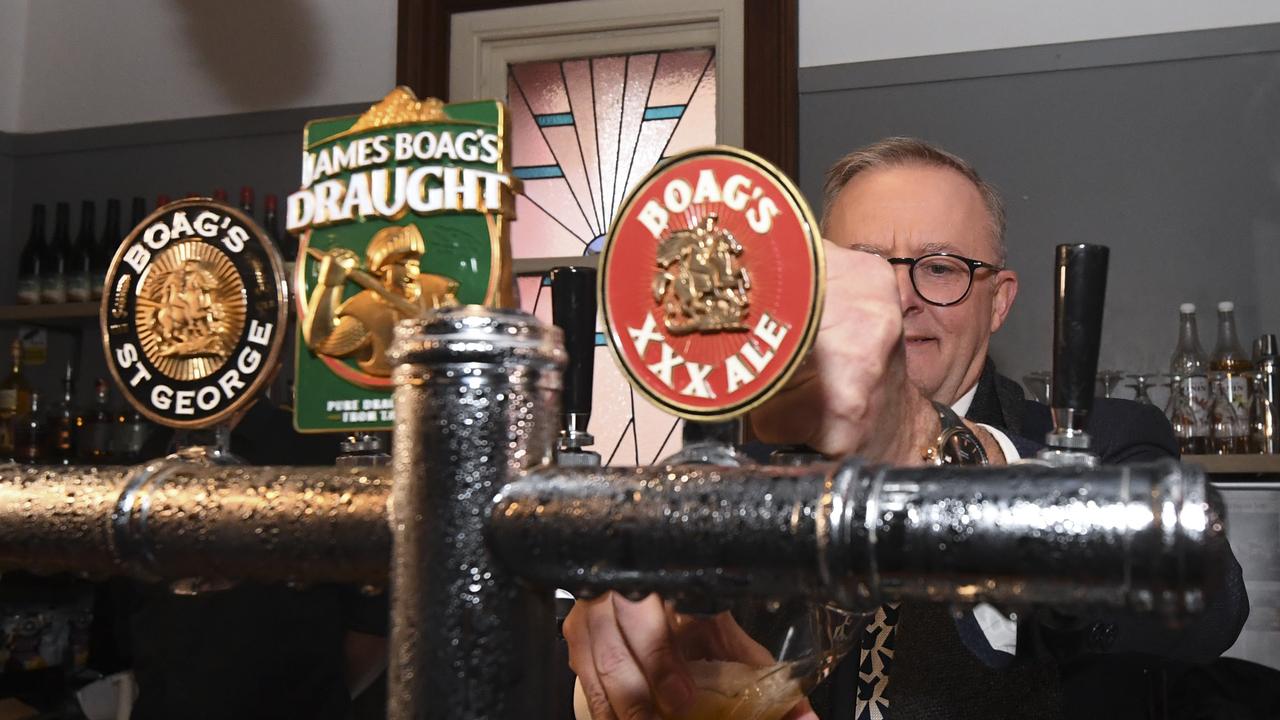
“Long-term decline in the national beer market has caused the brewery to run significantly under capacity for many years,” it said in a statement on Tuesday.
“This, combined with significant cost inflation, means the brewery is no longer viable.”
In 2024, James Boag’s shifted some of its production from the brewery to mainland Australia, saying it was spending $1.5 million per year on shipping out of Tasmania.
The company said 42 jobs at the brewery will be “impacted” and redeployment opportunities will be discussed with staff.
A recently revamped brewhouse at the site, which has a sales and hospitality team, will remain operational.
“We know this is difficult news for our Boag’s brewery team and the broader Launceston community,” Lion CEO Anubha Sahasrabuddhe said.
“I sincerely apologise for the negative impact this announcement will cause.”
The announcement was not a reflection on the capability, passion and commitment of brewery team members and all employee entitlements will be honoured, she said.
Lion will establish a $500,000 fund to re-skill workers, give $500,000 over four years to grassroots organisations in Tasmania, and repay a $1 million state government grant that went towards the brewhouse redevelopment.
(Linda Higginson/AAP PHOTOS)
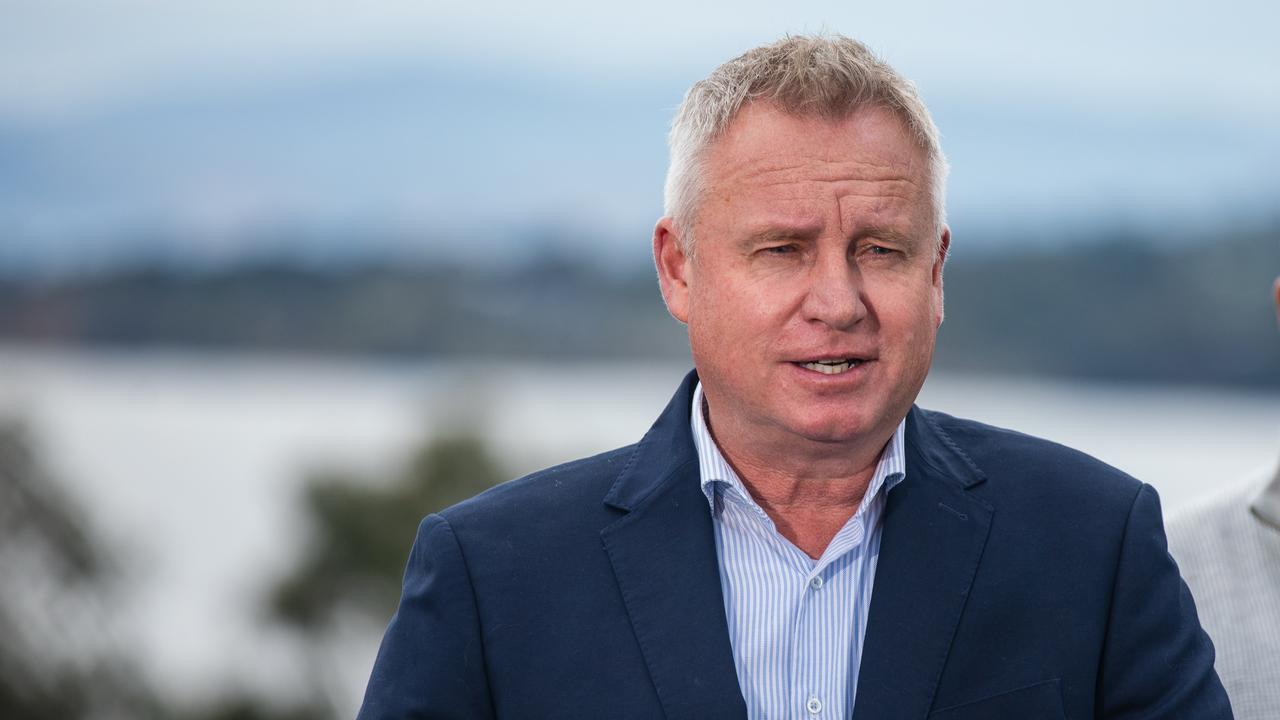
Lion’s decision was deeply concerning and extremely disappointing, Premier Jeremy Rockliff said.
“The government has been a strong supporter of the business over a number of years,” he said.
“Our immediate priority is the wellbeing of the workforce. We will engage closely with Lion, the union, workers and the hospitality industry to support those impacted.”
Labor MP Janie Finlay said the shutdown would be a “gut punch” for Launceston and workers who had kept one of Tasmania’s most iconic brands going for generations.
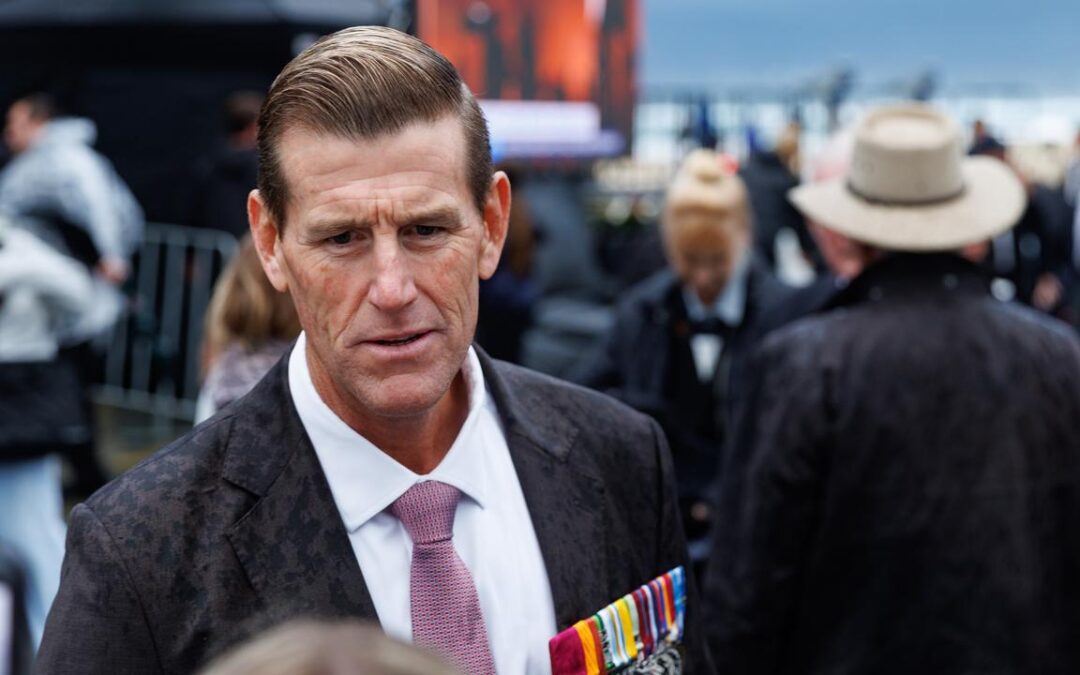
National security delays Ben Roberts-Smith prosecution
Former SAS soldier Ben Roberts-Smith will not know of the full suite of war crimes allegations against him for months due to classified information included in the case.
The 47-year-old was arrested in April and charged with murdering or ordering the murders of five unarmed detainees while deployed in Afghanistan between 2009 and 2012.
But the case against him is mired in delays stretching to September due to national security issues, Sydney’s Downing Centre Local Court was told on Tuesday.
Crown prosecutor Chelsea Brain said Roberts-Smith could not be given the full brief of evidence against him until certain orders protecting sensitive information were made by the court.
The application over this top secret material was made by the federal government.
Roberts-Smith’s solicitor Karen Espiner told the court that her client, crown prosecutors and the government would likely agree to how the classified documents should be handled.
Judge Susan Horan will have to be convinced the orders are necessary during a hearing in September.
Under the National Security Information Act, a judge can make orders around the disclosure, storage, protection, handling and destruction of classified material during a criminal matter.
Roberts-Smith has not entered pleas to any of the charges but has said he would use an upcoming trial to clear his name.
He was released on bail in April after his father Len Roberts-Smith – a former Western Australia Supreme Court judge – paid a $250,000 surety.
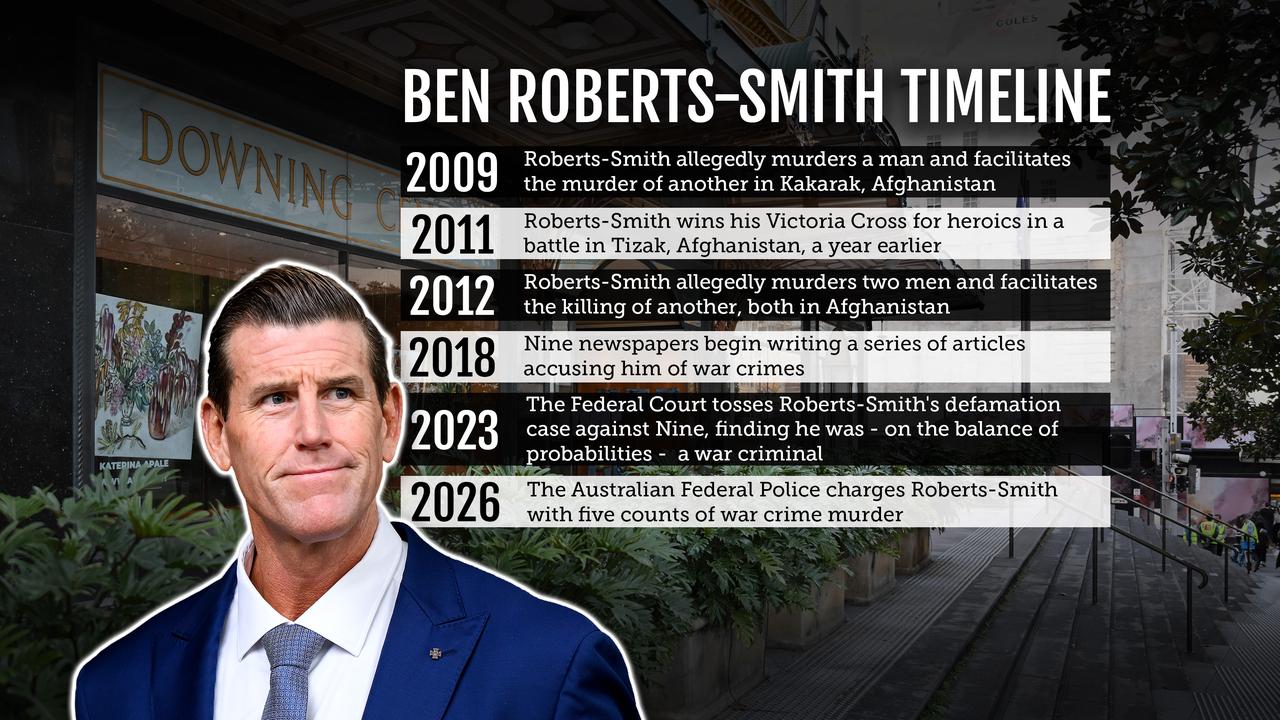
Australia’s most decorated living soldier is accused of machine-gunning an Afghan prisoner Mohammed Essa and ordering the execution of his son Ahmadullah to “blood the rookie” during a raid at a compound called Whiskey 108 in April 2009.
Ahmadullah had a prosthetic leg.
The then-SAS soldier placed firearms on the bodies to falsely claim they were enemy combatants, court documents seen by AAP allege.
In August 2012 at the village of Darwan, Roberts-Smith is accused of kicking a hand-cuffed Ali Jan off a 10-metre cliff before ordering that he be dragged over a creek bed and shot.
Two months later at Syahchow, he allegedly lined up two prisoners in a corn field, shooting one of them with another soldier.
He ordered a subordinate to shoot the other before throwing a grenade on the bodies to cover up what he had done, court documents claim.
Lifeline 13 11 14
Open Arms 1800 011 046
Labor downplays budget’s impact on house price decline
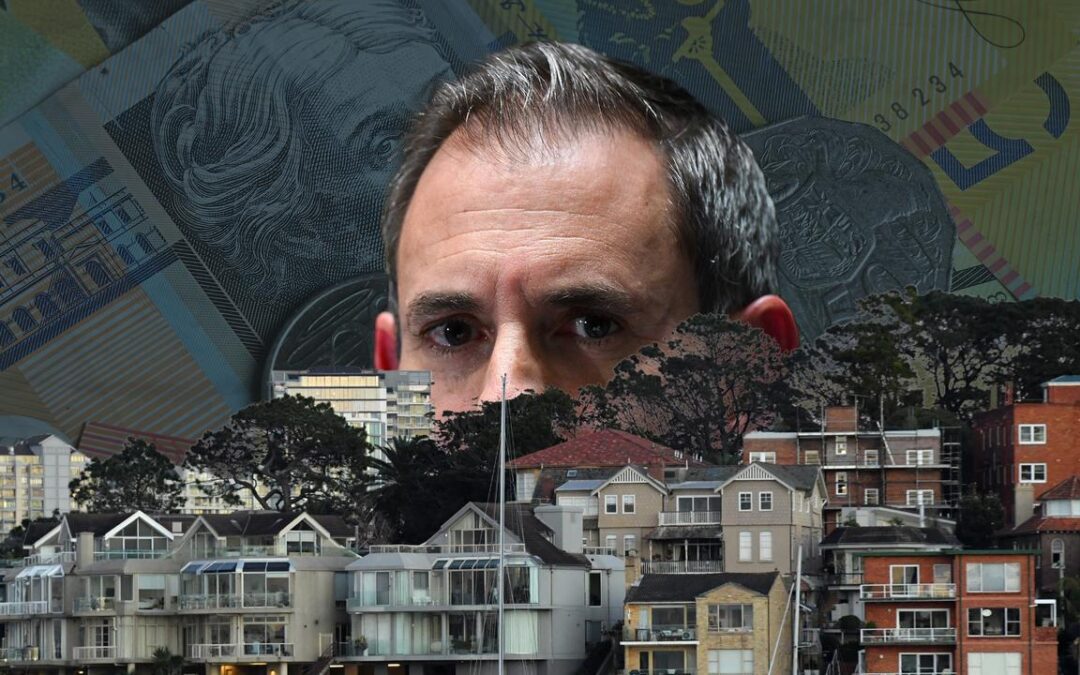
Proposed tax changes to make it easier for first homebuyers to purchase a property are not the only reason the housing market is softening, the treasurer says.
Federal parliament on Tuesday is set to debate changes which would limit negative gearing to new properties from July 2027, while replacing the 50 per cent capital gains tax discount with a rate based on inflation.
After the first data released since the May budget showed property prices falling in major capital cities, Treasurer Jim Chalmers said the market had already been experiencing a downturn in price.
“We had seen the housing market already softening a bit before the budget. The budget decisions, the tax reforms in the budget are not the only factor when it comes to the housing market,” he told ABC Radio.
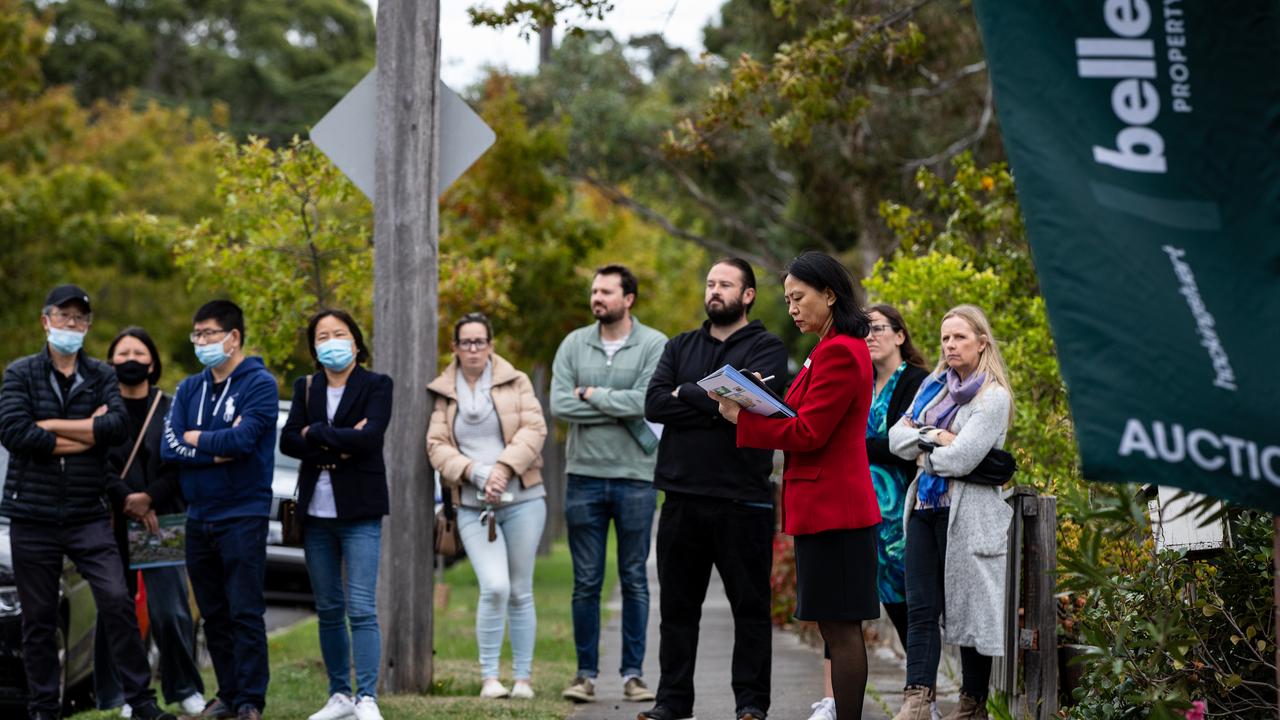
“What we want to see is we want to see first homebuyers getting a fair chance at auctions, and so we’re seeing that increasingly.”
Dwelling values fell 0.9 per cent in Sydney and 0.8 per cent in Melbourne during May, according to data from research agency Cotality.
It comes as auction clearance rates have also experienced a downturn in the weekends following the budget, which Dr Chalmers said had also been softer before the May budget.
The treasurer said Treasury had forecast house prices would continue to increase but slower than previous rates.
“Our job here is not to target a particular price outcome, our job here is to make sure that there are more affordable options for first homebuyers to get a toehold in at what has been historically a really difficult market,” he said.
“For too long, the intersection of the tax system and the housing market has locked too many Australians, particularly young Australians, out of housing, and that’s why we’re taking some of these difficult decisions to address that problem.”
It comes as late-night sittings of parliament are expected for debate on the tax changes in the House of Representatives.
Debate in the Senate is not expected to get under way until later in June.
Labor still needs the support of the Greens or the coalition to get the laws through the upper house.
The coalition have promised to vote against the changes, while the Greens have yet to outline their final stance on the issue.
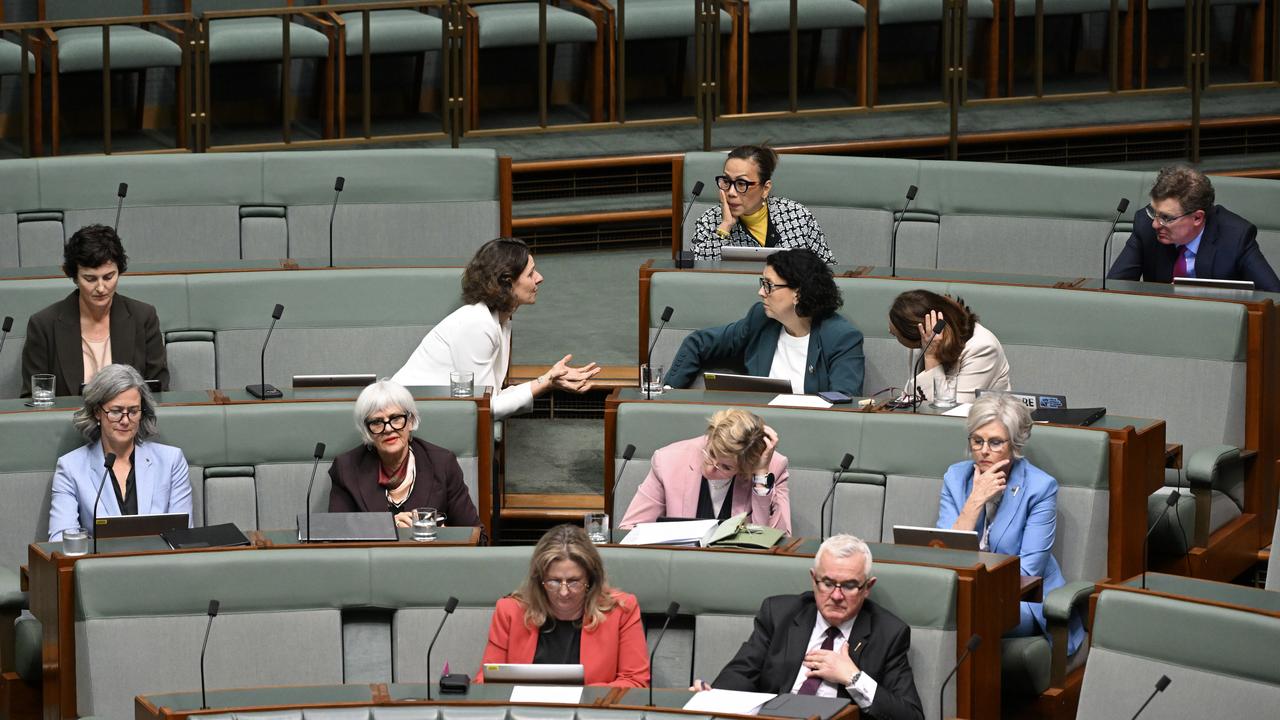
The government is also set to find out if its housing targets are on track when the latest building approval figures are released on Tuesday.
The previous month’s figures showed the total dwelling approval rate fell by 10.5 per cent in March.
Those figures were driven by a 26 per cent fall in private dwellings excluding houses.
OpenAI rival Anthropic races toward a Wall Street debut
Artificial intelligence firm Anthropic, rival of ChatGPT developer OpenAI, may soon become a publicly traded company, allowing people to buy shares in it.
The company said on Monday it had confidentially submitted a draft registration statement for an initial public offering to the US Securities and Exchange Commission.
This means that business information will remain under wraps for now, while the documents are being reviewed by the regulator.
“The proposed initial public offering will depend on market conditions and other factors,” Anthropic said.
Anthropic said last week it had raised $US65 billion ($A91 billion) in private funding that will push its valuation to $US965 billion, a number that makes the five-year-old maker of the Claude chatbot one of the world’s most valuable startups.
The company, which was formed in 2021 by ex-OpenAI leaders as a little-known research laboratory, last week launched its newest AI model called Claude Opus 4.8, boasting that it is even better at coding and other professional work than previous models.
The IPO could be one of the three largest this year.
OpenAI is also rumoured to have IPO ambitions that could be on a similar scale.
Elon Musk’s space firm SpaceX, which has now also absorbed his AI firm xAI, could go public as early as mid-June.
At the same time, questions remain over whether the hundreds of billions of dollars being invested in artificial intelligence infrastructure can ultimately generate sufficient returns.
Anthropic, OpenAI and SpaceX have all been losing more money than they make, fuelling concerns of an AI bubble.
with AP
Watchdog flooded with complaints as dry spell persists
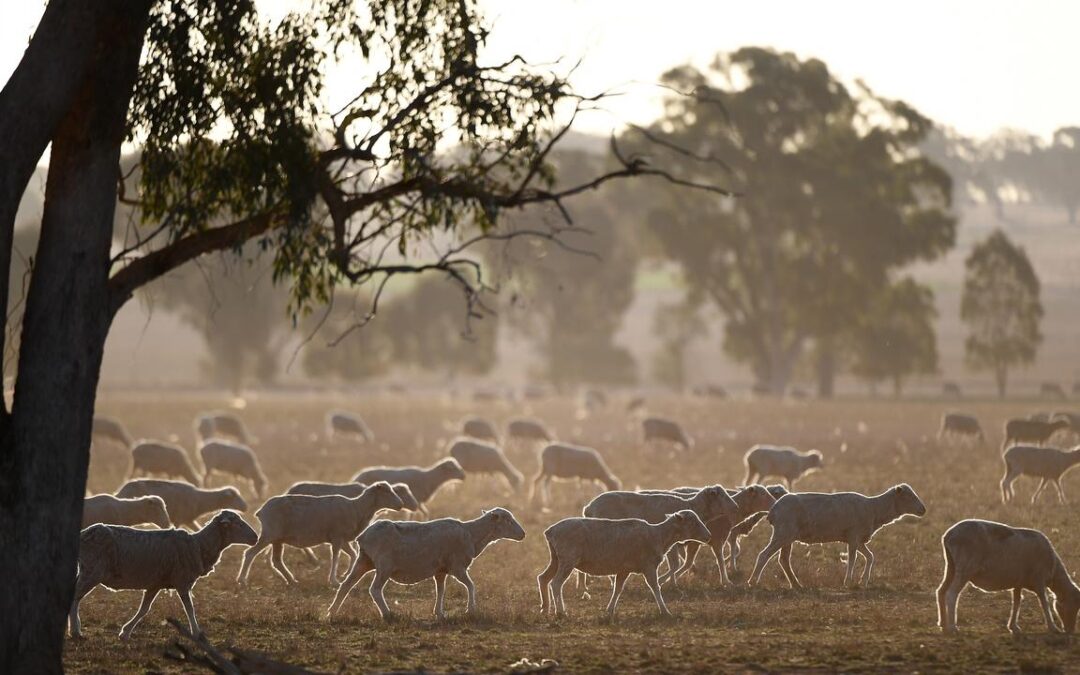
A dramatic spike in the number of people being dobbed in for suspected water misuse has been linked to increased anxiety amid ongoing dry conditions.
Public tip offs to the state’s water regulator significantly increased as NSW recorded its second driest April on record.
The state’s Natural Resources Access Regulator, which is tasked with ensuring license holders comply with water laws, typically receives between 50 and 60 public tip-offs about suspected water misuse each month.
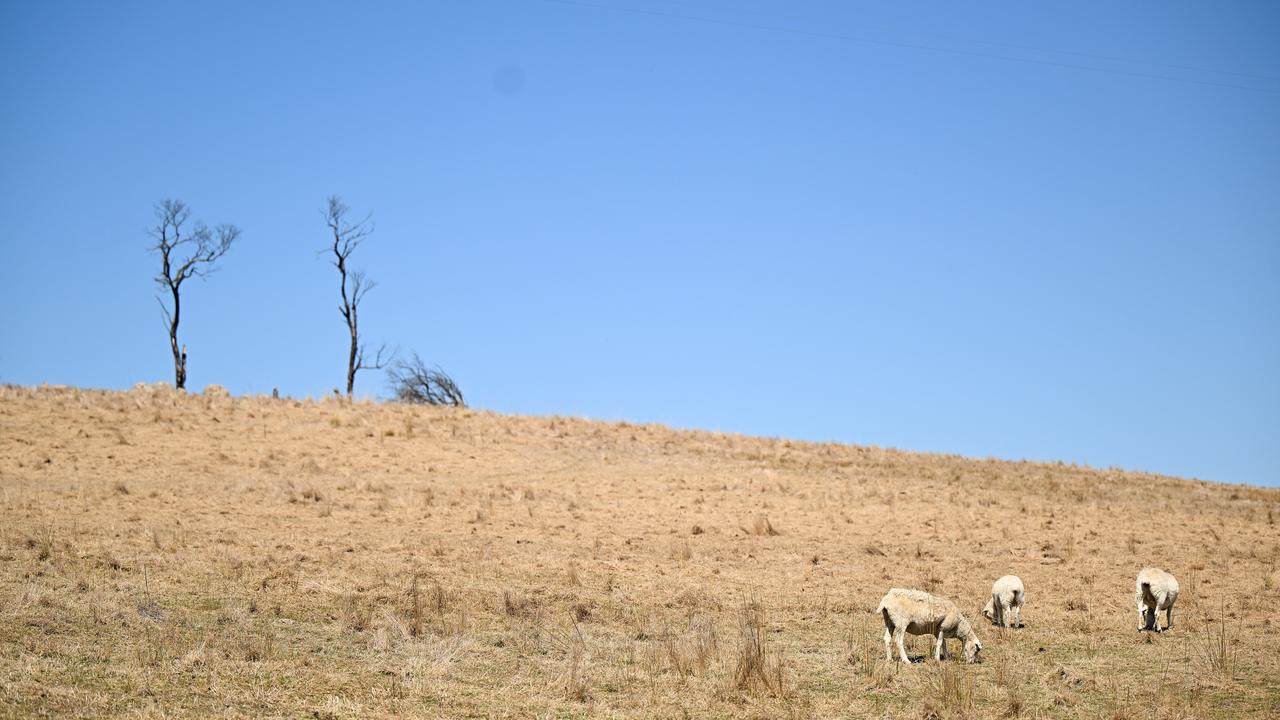
But following record low rainfall, that number jumped to 84 in February, 88 in March, and 72 in April.
“When conditions are dry, there is a heightened anxiety amongst the community and the scrutiny does increase,” the regulator’s chief Grant Barnes said.
“If you take more than your share, you’re taking it off your neighbour, your community, the environment”.
Recent public reports of suspicious activity include creeks or streams being modified, dams being enlarged without permission, pumps illegally running at night, and water being used for non-licensed purposes.
Entities that extract water from rivers or lake for business or public supply – such as farmers, mining companies and local councils – are required to have a licence.
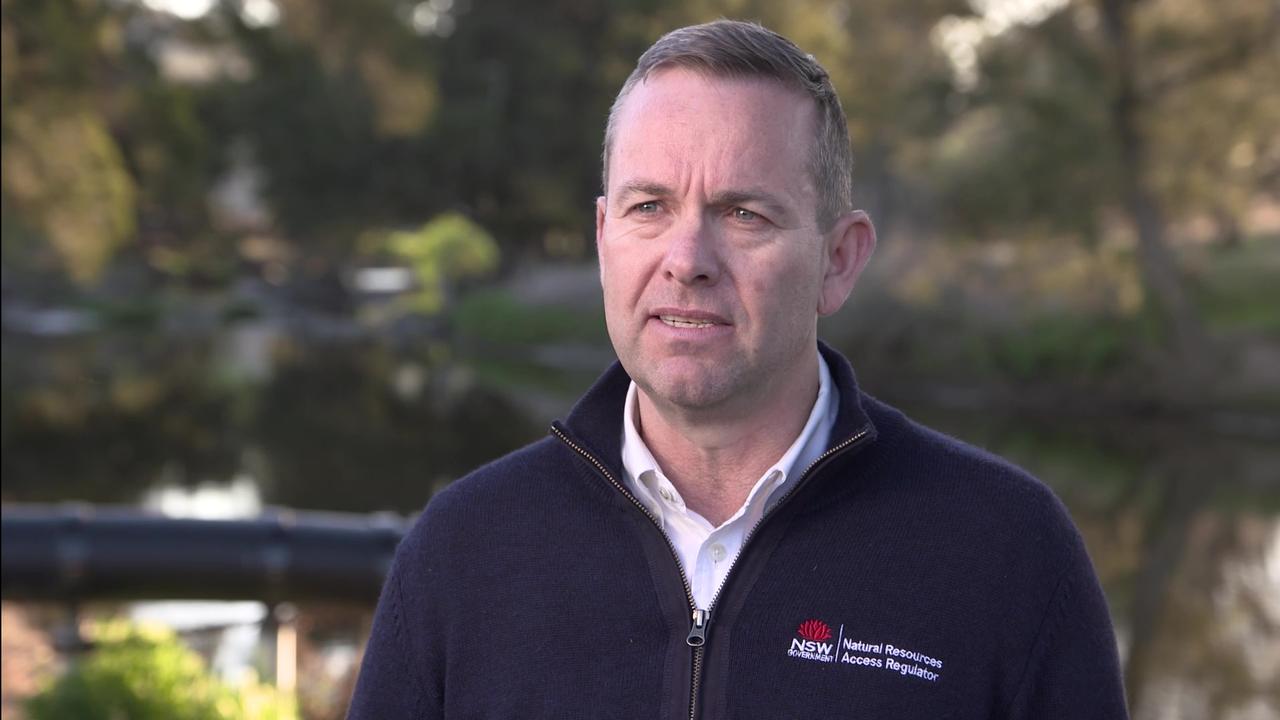
Mr Barnes said only a small minority of rogue operators were breaking the law for financial gain, but increased reports of suspected water misuse show the public won’t tolerate misbehaviour.
But the NSW Irrigators Council chief Madeleine Hartley suggested misuse reports could be attributed to confusion about what is permissible under water regulations.
She said farmers support rules around water use but they have to deal with more than a dozen regulatory bodies, a plethora of laws, and shifting water restrictions.
Ms Hartley added there have been numerous recent regulatory changes in response to the drought.
“The potential for confusion in the community is large, and that’s concerning,” she said.
“The laws are very complex.”
People who are guided by water restrictions and people who have been the subject of complaints work and live together in the same small communities, Ms Hartley said.
She called for the clarification of the water use laws for one of the state’s most crucial sectors.
“Water users are just trying to get on the job of farming and producing food and fibre that we all eat and wear,” the NSW Irrigators Council chief said.
Below average rainfall is expected across southern, central and eastern Australia until the end of August, according to the Bureau of Meteorology.
More than half of NSW remains drought affected.
Lifeline 13 11 14
beyondblue 1300 22 4636
Climate change ‘loading the dice’ ahead of El Nino risk
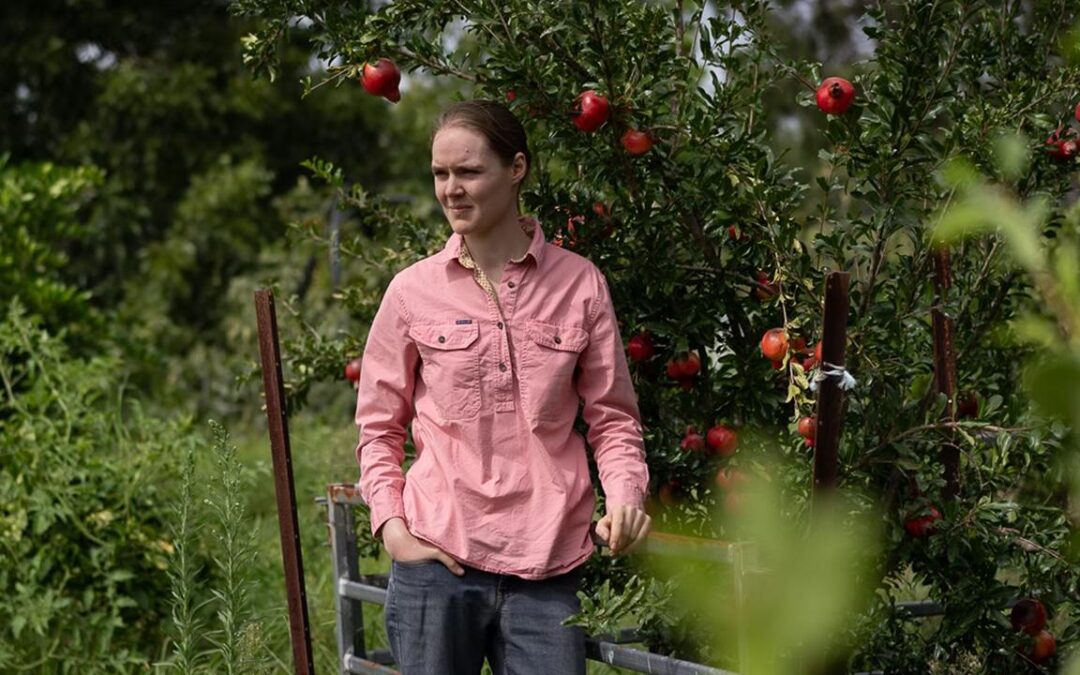
Fourth-generation farmer Sophie Nichols would usually be enjoying a hard-earned holiday in late autumn.
Instead, she spent the usually temperate period on flood watch.
“I can’t really leave the farm when there’s that sort of risk,” she told AAP.
She was particularly concerned as the heavy rainfall warnings followed a protracted dry stint for the Singleton property in NSW’s Hunter Valley, leaving the landscape prone to flooding.
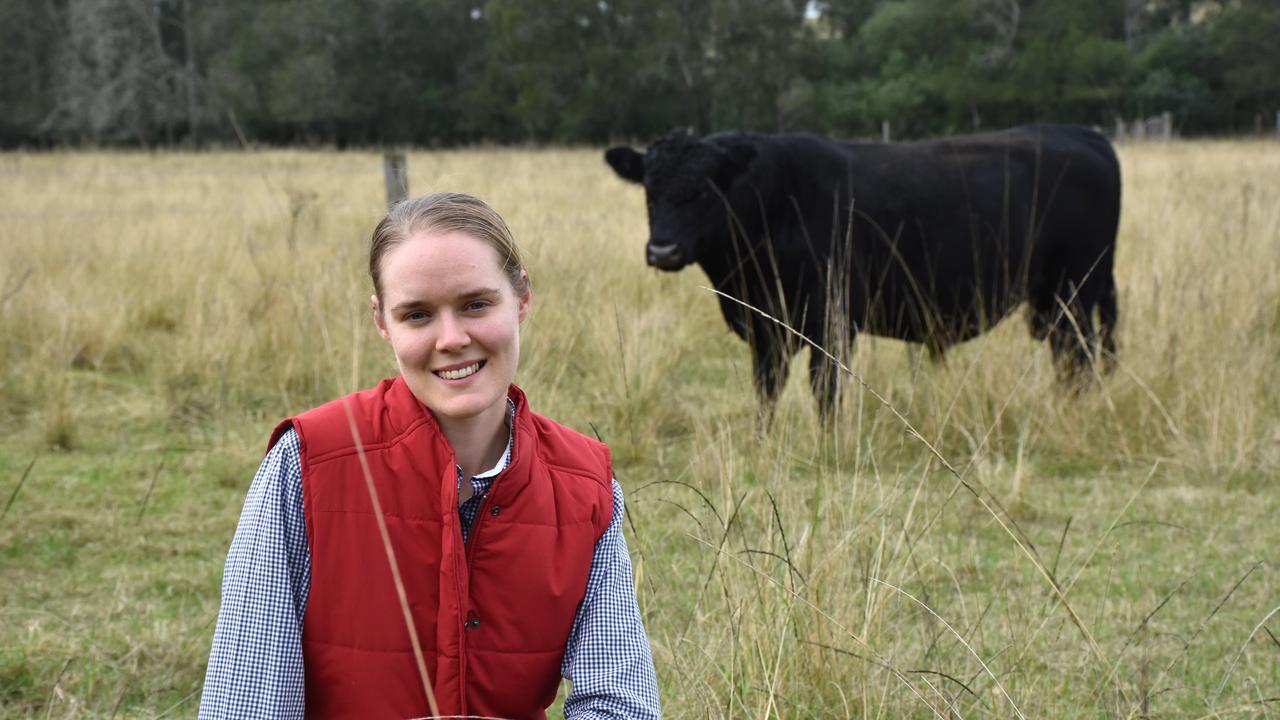
While the property, which has an organic orchard and runs beef cattle and sheep, escaped inundation, Ms Nichols is bracing for more extreme conditions.
A formal El Nino declaration, which could arrive from meteorological organisations in coming weeks, has the potential to pivot the region back into dry.
Australia’s climate is driven by more than just the El Nino–Southern Oscillation patterns that cycles in the Pacific Ocean periodically, and its status for the latter part of the year is yet to have been confirmed.
Yet El Nino patterns are typically associated with less rainfall than usual over much of eastern Australia, and warmer-than-average temperatures throughout the south.
The latest update from the Bureau of Meteorology says there are signs of El Nino development based on warming oceans in the Pacific.
Other atmospheric indicators, such as trade winds, pressure and cloud patterns in the tropical Pacific, remain consistent with an ENSO-neutral pattern, and the Indian Ocean Dipole – another influential driver of Australia weather – is presently neutral.
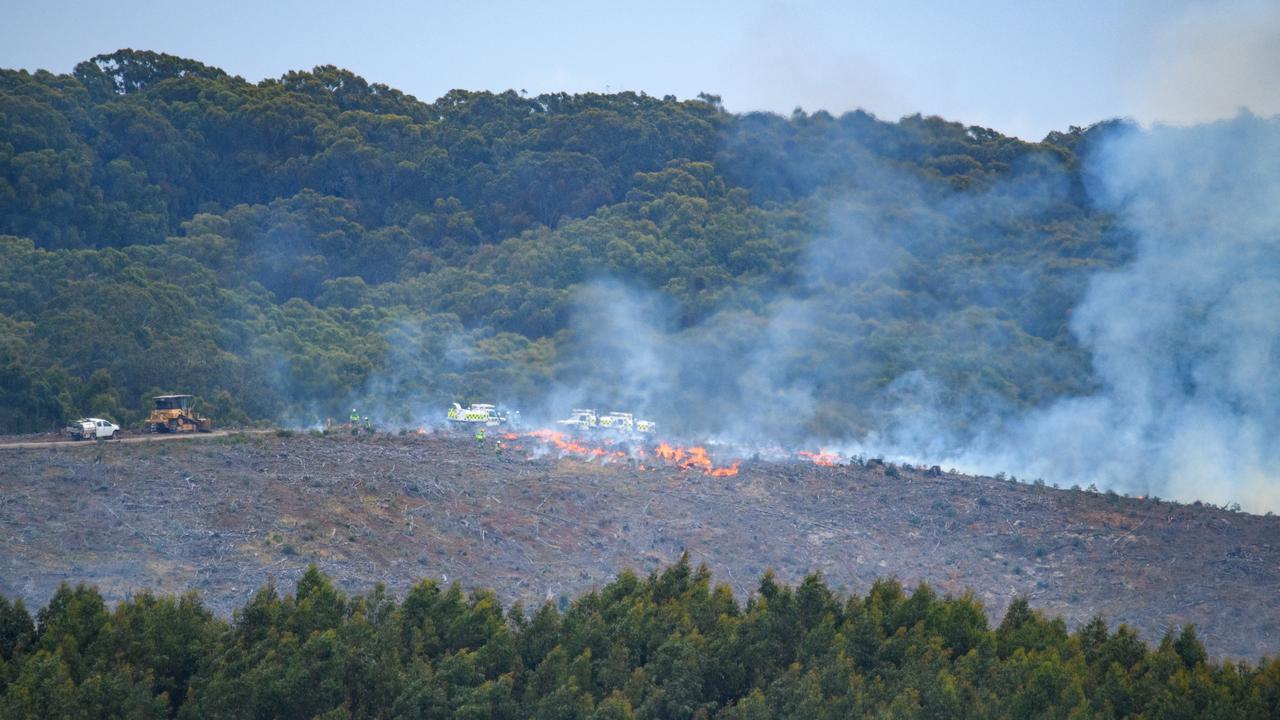
Were an El Nino to eventuate and to bring with it less rainfall and higher temperatures that is typical, drought and bushfire risk worries Ms Nichols the most.
“Like a lot of regional towns, Singleton is about half national park,” she said.
After destocking before the rain to give pastures a chance to recover, the risk of a dry winter complicated restocking decisions, along with elevated cattle prices.
Compared to when her grandfather was farming the same patch of land, Ms Nichols says the swings between dry and wet were more pronounced due to climate change, allowing less time to prepare for climate events like an El Nino.
“There would have been a few seasons that he could have built up a bit more of a buffer between these kind of extreme weather events,” she said.
Climate whiplash, characterised by swings between weather extremes, has been accelerating due to higher concentrations of greenhouse gases in the atmosphere, according to the Climate Council.
Climate Councillor Andrew Watkins, formerly of the Australian Climate Service and BoM, said climate change and El Nino were a concerning combination.
The warming climate is already gearing the climate towards fire, drought and heatwave, and an El Nino had the potential to intensify those impacts.
“Climate change has already loaded the dice,” Dr Watkins told AAP.
The decision set to impact millions of workers’ wages
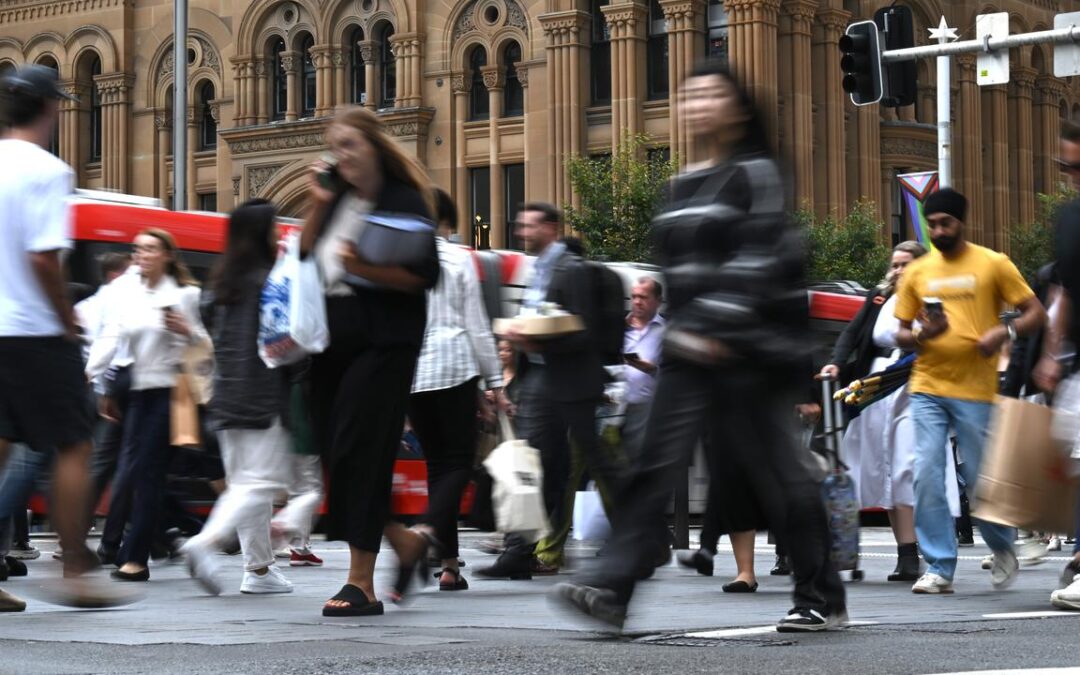
Almost three million workers will learn how much their pay packets will increase as the industrial umpire hands down its highly anticipated annual wage review.
The Fair Work Commission’s decision, to be revealed on Tuesday, sets the increase for minimum and award wage scales from July 1.
With the blockade of the Strait of Hormuz exacerbating already high inflation pressures, unions have been pushing the commission for a bumper pay rise to ensure workers don’t go backwards.

Peak body the Australian Council of Trade Unions has called for an increase of six per cent, which would be the biggest increase to award wages on record.
“The Fair Work Commission must not allow low-paid workers like those in the hospo, retail and care industries to go backwards,” said ACTU secretary Sally McManus.
“Rent, mortgages, and bills are locked in, meaning if these workers’ wages fall short of inflation, they have no choice but to cut back on essentials like food and doctors’ visits.”
But employer groups argue a six per cent rise would further squeeze business margins, resulting in higher insolvencies and entrenching inflation as firms are forced to pass on costs to consumers.
Headline inflation was 4.2 per cent in April, according to the Australian Bureau of Statistics
The Australian Chamber of Commerce and Industry has recommended an increase of 3.5 per cent, arguing underlying inflation, which was 3.4 per cent in April, is a better benchmark.
“The panel should therefore avoid converting a volatile price shock into a permanent wage shock through an outsized increase,” ACCI chief economist Peter Grist said in a submission to the commission.
But that would still result in a pay cut in real terms as workers fall behind the rising cost of living.
Without nominating an exact figure, the government has called for a “sustainable real wage increase”.
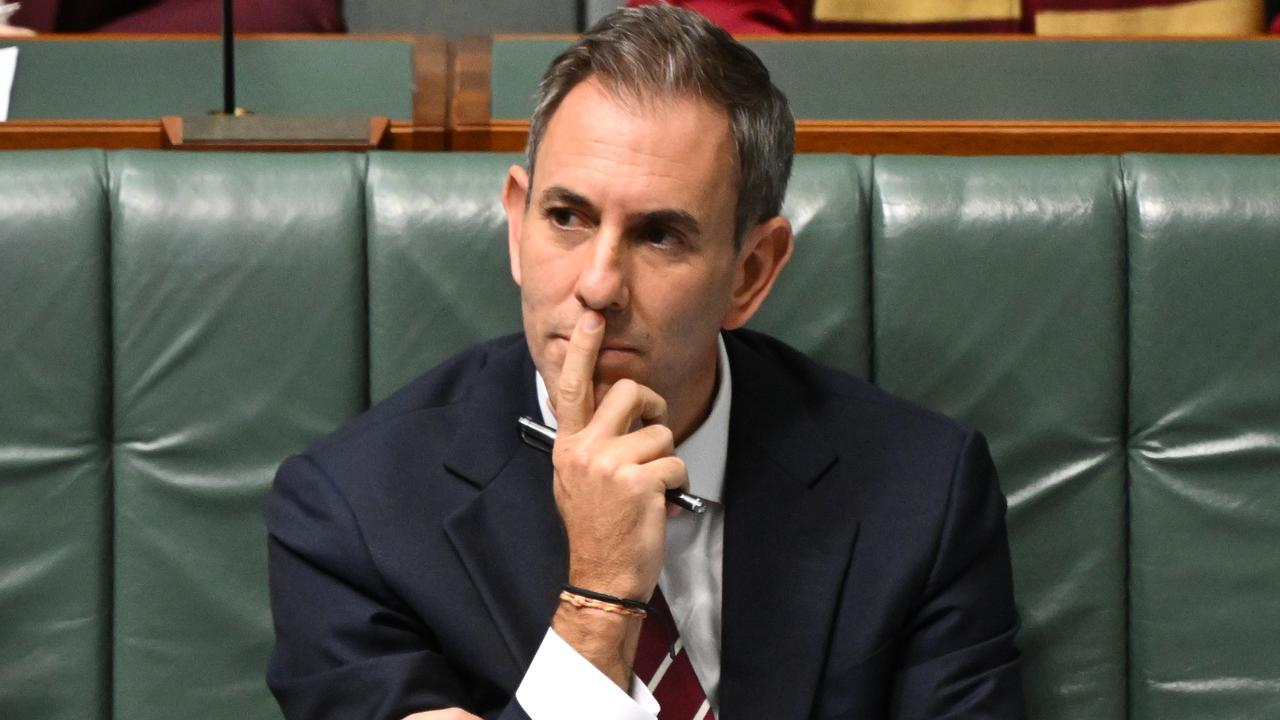
“Decent pay and conditions is a really important way that we help people with the cost of living,” Treasurer Jim Chalmers told reporters in Brisbane on Monday.
In recent years, the commission has tended to split the difference between union and employer demands and award pay rises modestly above the headline inflation rate.
Oxford Economics Australia expected a pay rise of between 4.5 and 5 per cent.
“That’s broadly consistent with what the Fair Work Commission has delivered over the last few years, delivering slightly above inflation wage gains,” the advisory firm’s lead economist Ben Udy told Sky News on Monday.
The decision covers about one in five employees, but given they tend to be lower paid, it only amounts to 11.2 per cent of the national wages bill, according to commission estimates.
But economists say the decision influences pay rise claims in occupations across the economy, and therefore results in broader flow-on effects.

Malaysia enforces ban on social media for children
Malaysia has begun enforcing rules barring millions of children younger than 16 from social media, joining a global effort to tighten online safety protections for young users.
The rules require social media platforms to implement age-verification systems and block users under 16 from creating accounts. They apply to platforms with at least eight million users, including Facebook, Instagram, TikTok and YouTube.
Companies that fail to comply could face penalties of up to 10 million ringgit ($A3.5 million).

But parents whose children manage to bypass the law will not be penalised.
The government said the measures are aimed at protecting children from harmful content, cyberbullying and platform features designed to encourage excessive use.
Other countries including Australia, Brazil and Indonesia have introduced or announced age-based restrictions or requirements for children’s access to social media.
Countries including Britain, France, Spain, Denmark, Thailand and South Korea are also studying or developing similar approaches.
Malaysia’s Communications and Multimedia Commission said the rules aren’t intended to prevent children from accessing the internet or digital technology.
Instead it set expectations for service providers to address online harms and ensure age-appropriate safeguards are in place.
“These measures help strengthen the protection of children in the online environment, while providing added reassurance to parents in navigating increasingly complex digital risks,” the regulator said in a statement last month.
Platforms will be required to introduce safety-by-design features, including protections against manipulative design that encourages compulsive use, and take action against underage accounts and harmful content.
Technology companies have yet to detail how they will comply with the requirements.
The regulator said a grace period will be given for platforms to complete implementation of age-verification systems.
Clara Koh, Meta’s director of public policy for Southeast Asia, had cautioned in April that Malaysia’s blanket under-16 ban could backfire by driving teenagers away from protected apps and into unregulated corners of the internet.
She said Meta has launched “teen accounts” for those under 18 that limits contact, screen time and exposure to inappropriate content.
Benjamin Loh, social science lecturer at Monash University in Malaysia said experiences elsewhere suggest age-based restrictions have yet to prove consistently effective.
Without parent penalties, he said families can easily bypass the law by creating accounts for their children.
“This is a major gap that unless regulators are willing to fix, will result in the law having little effect in stopping children from using social media,” he added.
Accelerated lights out for gas urged to hit net zero
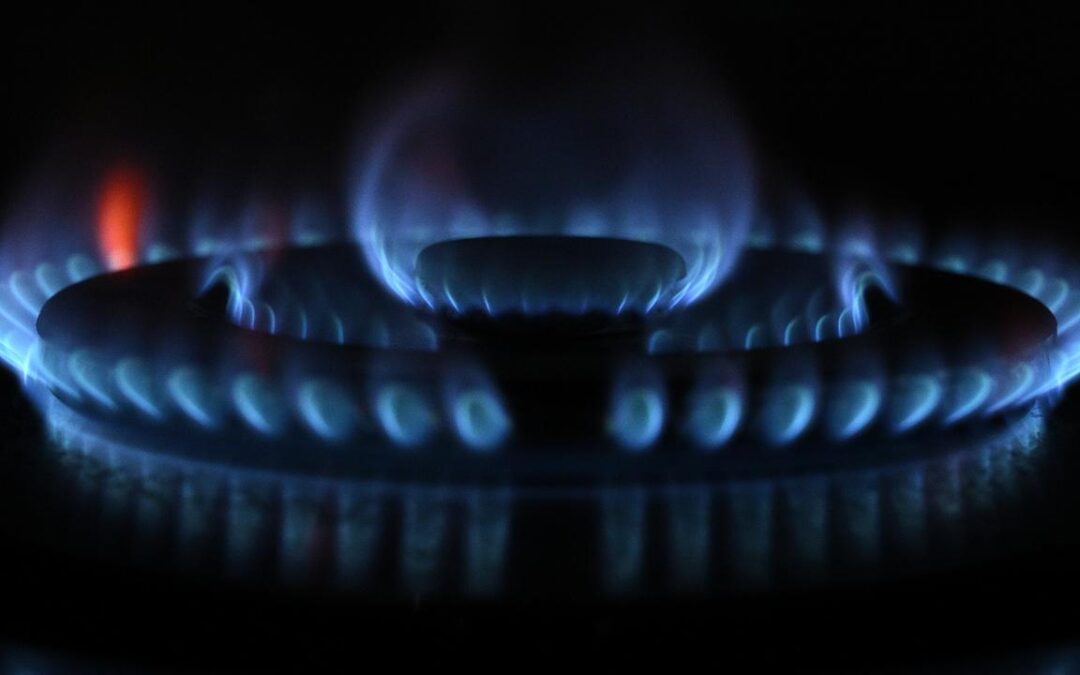
Australia must start preparing for life after gas or risk bill hikes, missed climate targets and manufacturers shutting up shop, warns a prominent think tank.
Bans on new household gas connections, reworked green hydrogen incentives and a windfall profit tax on the export industry feature in the Grattan Institute’s extensive report on Australia’s deteriorating relationship with the fuel.
The think tank says demand for both domestic and exported liquefied natural gas (LNG) product is projected to decline.
It argues an even faster drop off will be needed than implied by the federal government’s gas strategy projections to meet Australia’s international climate commitments, including net zero by 2050.
Burning gas to cook food, manufacture goods and generate electricity releases greenhouse gas emissions but so does getting it out of the ground and processing it, together amounting to roughly 20 per cent of Australia’s carbon pollution.
Australia’s Future Gas Strategy implies net zero can be reached while gas production and use stay elevated beyond 2050.
Such a scenario would rely on far more renewable gases, widespread use of carbon capture and storage, and large volumes of carbon removals, solutions that “are unlikely to be available in the volumes required at prices people are willing to pay”.
Households are already turning away from gas, with demand peaking in 2020 and declining 16 per cent since.
Bans on new gas connections and incentives for landlords to swap in electric appliances are recommended to keep electrification going, as well as careful management of the network “death spiral”.
Recognising electrification leaves behind a shrinking pool of customers covering the cost of the pipes moving gas around, the case is made for clamping down on new spending and splitting the costs of decommissioning the network fairly.
Governments nervous of strong gas phase-out signals are warned consumers that do not have are realistic opportunities to electrify will be left paying more for the benefit of a few diehards.
Consumers who really want to use gas should be nudged towards using Liquid Petroleum Gas (LPG), as used in some regional and rural areas already.
“This would mean they take full responsibility for their choice, by handling their own supply instead of relying on a network where their choice is cross-subsidised by those who can least afford it,” the report said.
The case is also made for a reset on renewable fuels industry policy, including repurposing hydrogen production tax incentives for smaller grants and loans in recognition the sector is still fledgling and lacks scaled demand.
Australia also needs to get the market settings right to ensure it has enough gas-powered generation capacity and to maximise the benefits of the LNG export sector, including a tougher tax regime and an effective domestic reservation scheme.
Royal guards’ bearskin cap orders rise ‘indefensible’
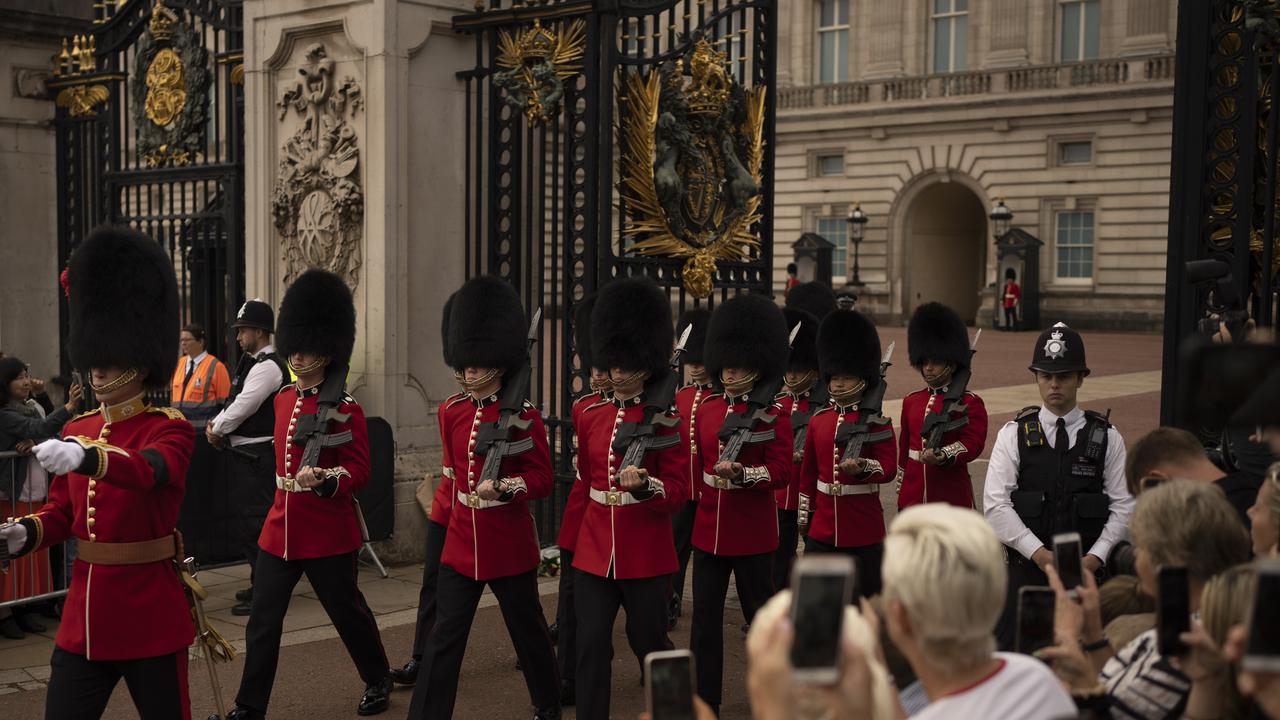
An animal rights group has criticised the British Government for an “indefensible” rise in bearskin cap orders for royal guards, despite a pledge to clamp down on fur imports.
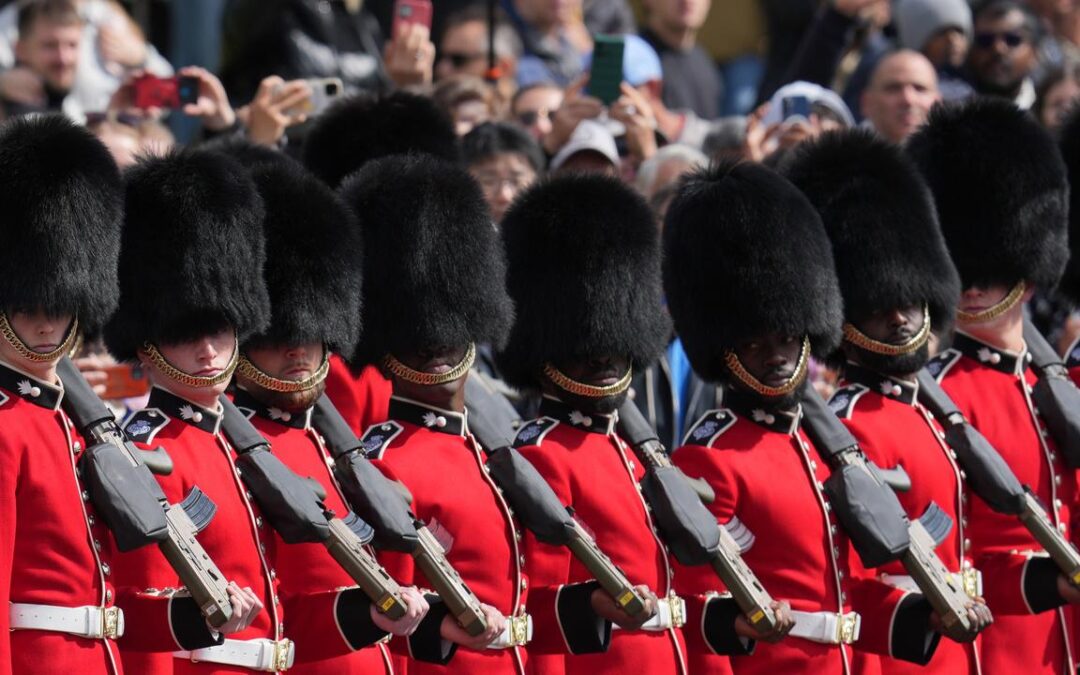
Orders for the tall fur caps worn by the King’s Guards outside Buckingham Palace and St James’s Palace have risen more than fourfold since the Labour Party took power, according to data obtained by People for the Ethical Treatment of Animals (Peta) under freedom of information laws, rising from 22 caps in 2024 to 96 in 2025.
The black caps, which were introduced following the Battle of Waterloo in 1815 to make soldiers appear tall and threatening, cost the Ministry of Defence (MoD) more than stg225,000 ($A420,332) in 2025, marking a nearly eight per cent increase in the price per cap from 2024.
The Labour Party previously committed to ban fur imports to the UK in 2018, while the government pledged to deliver “the most ambitious animal welfare program in a generation” in a policy paper published in 2025.
Peta has called on Defence Minister Luke Pollard to switch to faux fur caps.
“Each cap costs a bear their life – making it indefensible that a government claiming to be the ‘party of animal welfare’ continues to use taxpayer money on these purely ornamental caps,” Peta’s Kate Werner said.
“With modern, high-quality faux fur readily available, there is no excuse to continue using bear fur,” she said.
The black caps are worn by foot soldiers in the Grenadier Guards, the Coldstream Guards, the Scots Guards, the Irish Guards and the Welsh Guards.
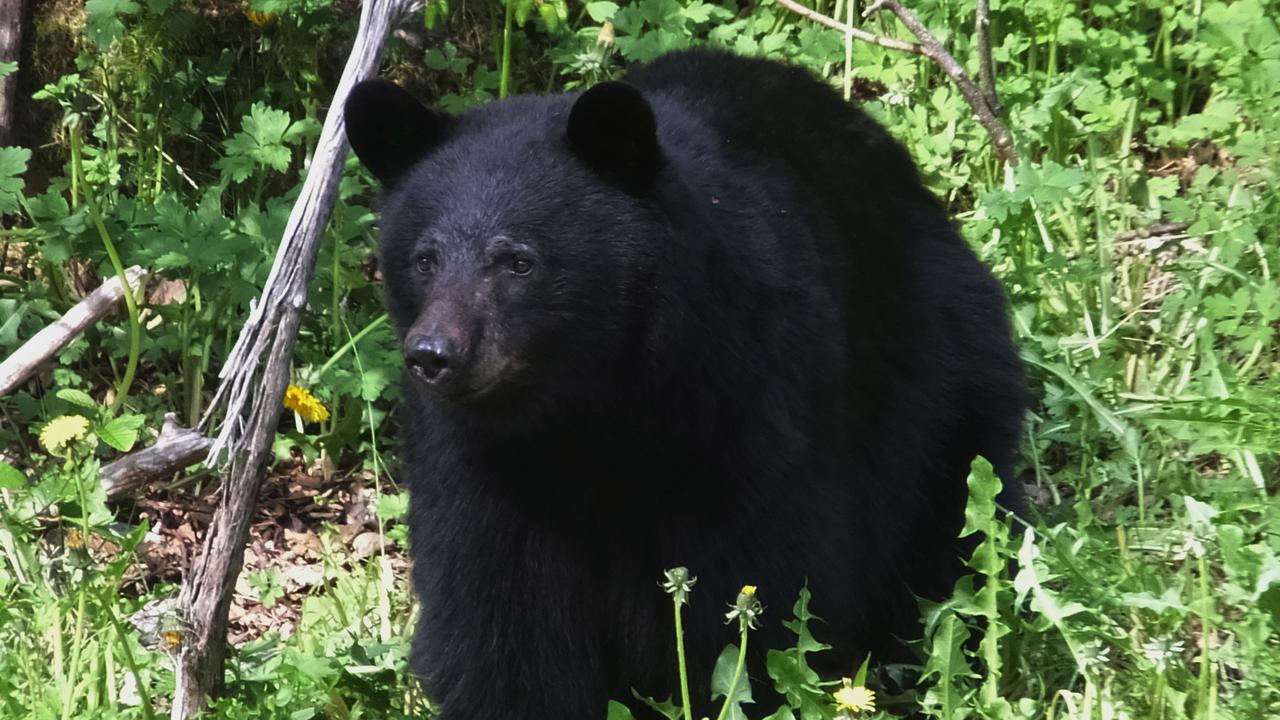
They are made of bearskin sourced from Canada, where hunters shoot bears with high-powered crossbows, which is an illegal form of hunting in the UK.
“Many bears are shot several times, and some escape only to die slowly from blood loss, gangrene, starvation, or dehydration,” Peta said.
“The continued use of bear fur for the caps creates a market for the pelts and incentivises hunters to kill the bears.”
A MoD spokesperson said the department bought “the minimum number of bearskin caps to replace those which have seen extensive use over extended years”.