
Coalition unveils road map to turbocharge fuel capacity
Australia’s fuel reserves would be more than doubled to 60 days under a coalition plan to strengthen the nation’s supply chains in the face of global crisis.
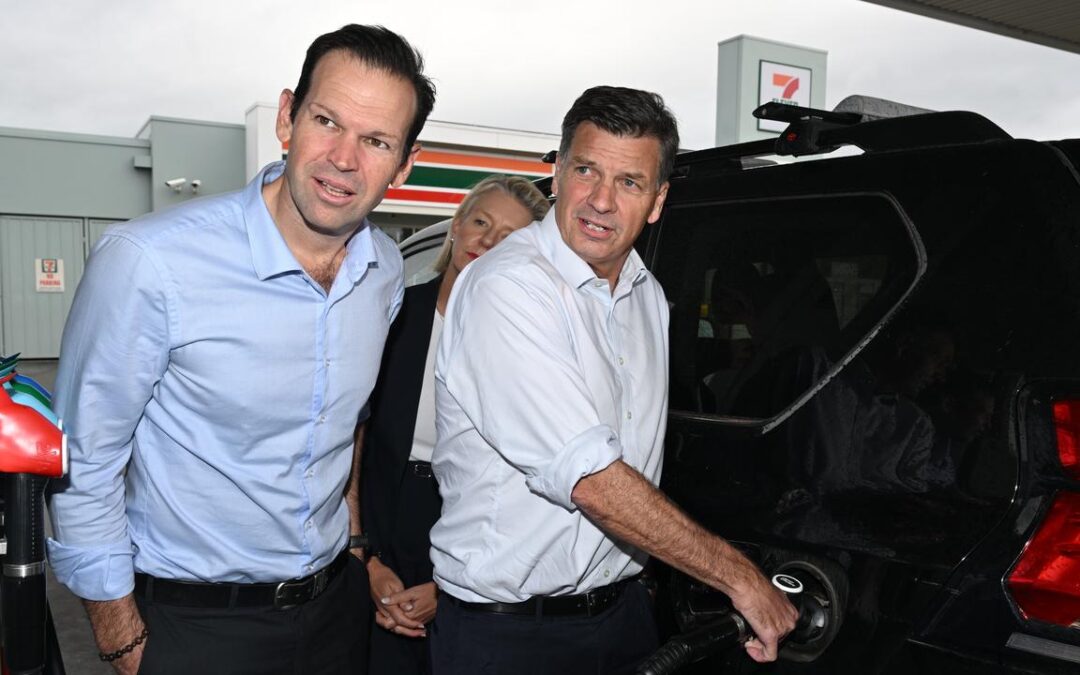
Opposition Leader Angus Taylor and Nationals leader Matt Canavan will on Tuesday announce their bid to bolster fuel security.
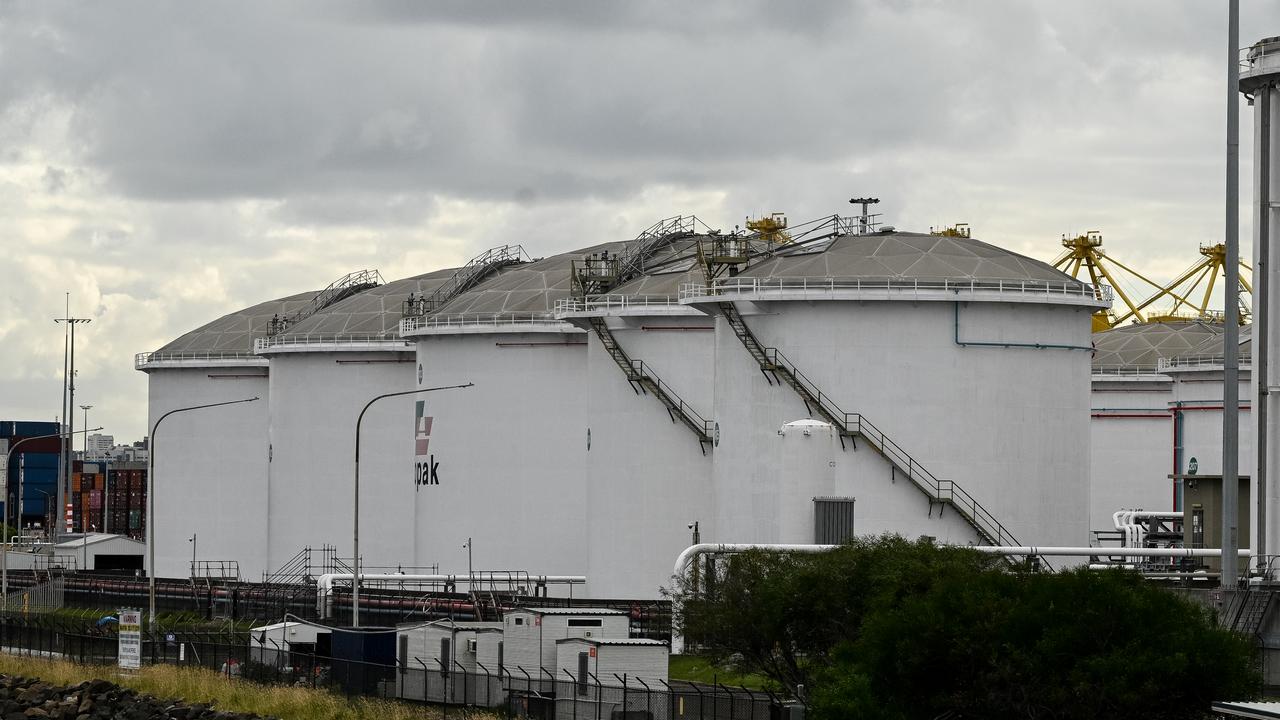
The proposal includes setting up an $800 million facility to deliver at least one billion litres of new onshore storage, with a focus on diesel.
The plan could be adopted by Prime Minister Anthony Albanese “without delay” because Australia would cease to operate if it ran out of fuel, Mr Taylor said.
“More fuel in reserve, more storage on the ground, and a country that can stand on its own two feet,” he said.
“This is about protecting Australians’ way of life and restoring their standard of living.
“You don’t do that with talk. You do it with action.”
The Liberals and Nationals are calling on the federal government to lift baseline fuel stocks from January, which would mandate current levels as the new minimum.
This would increase minimum levels for critical fuels as a whole by almost a quarter.
Under the minimum stockholding obligation, importers are required to have a baseline level of domestic fuel stocks.
Petrol and jet fuel mandate 27 days of supply, while importers must have enough diesel to last 32 days.
Lifting of the minimum stockholding obligation to 60 days would raise the price of fuel at the bowser by about 1 cent per litre, according to coalition analysis.
But the move is “prudent insurance” to prevent severe economic damage during a future crisis, it argues.
The proposal means fuel suppliers would need to build additional storage and buy extra fuel, with financial support on offer to help manage the cost.
Senator Canavan said households and businesses needed confidence fuel will be there when they need it.
“This plan is just common sense. Keep more fuel here in Australia so we are not relying on overseas supply lines that can be cut overnight,” he said.
“We cannot keep hoping for the best. We need to be ready, and this plan gets us there.”
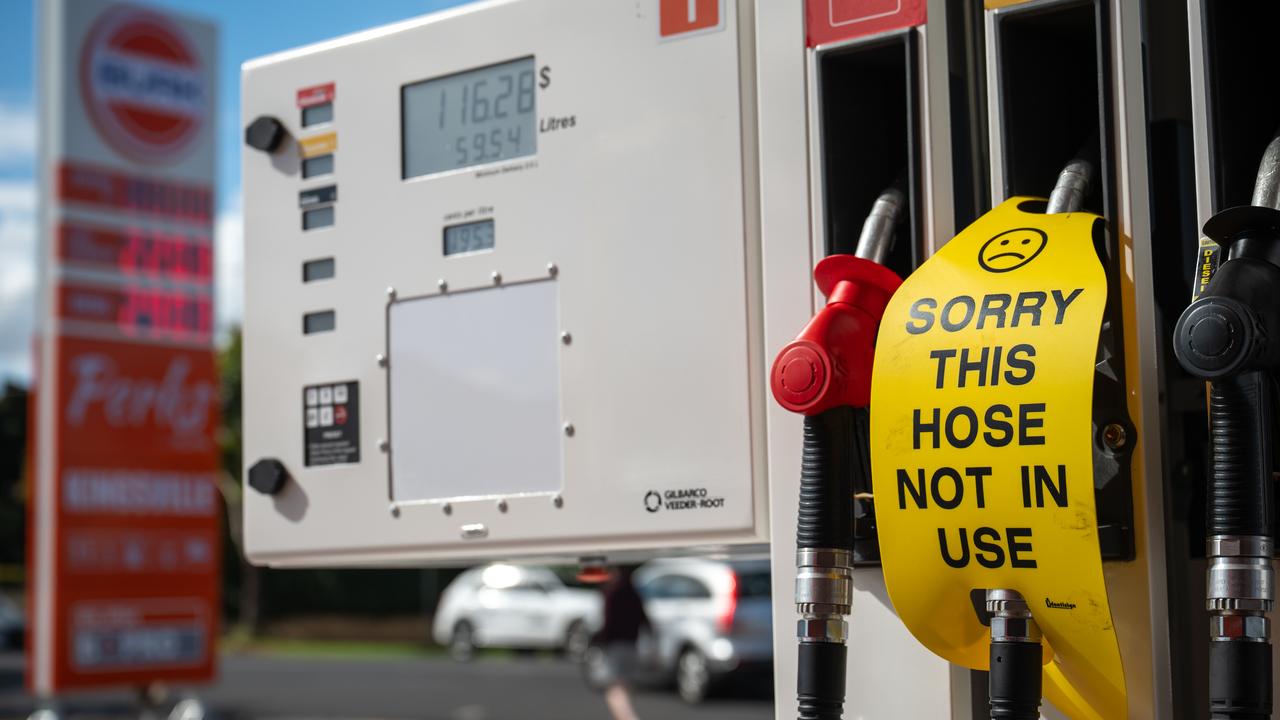
Under the International Energy Agency’s agreement, member countries which include Australia, are required to hold 90 days’ worth of emergency oil stocks.
As at mid-April, Australia had 49 days of fuel stocks, according to the agency.
The Albanese government has previously said complying with the 90-day requirement would cost $20 billion.
Nations are allowed to store stocks outside of their countries and can count reserves held abroad as part of the requirement.
Conflict in the Middle East is strangling global fuel supply as key shipping lanes close.
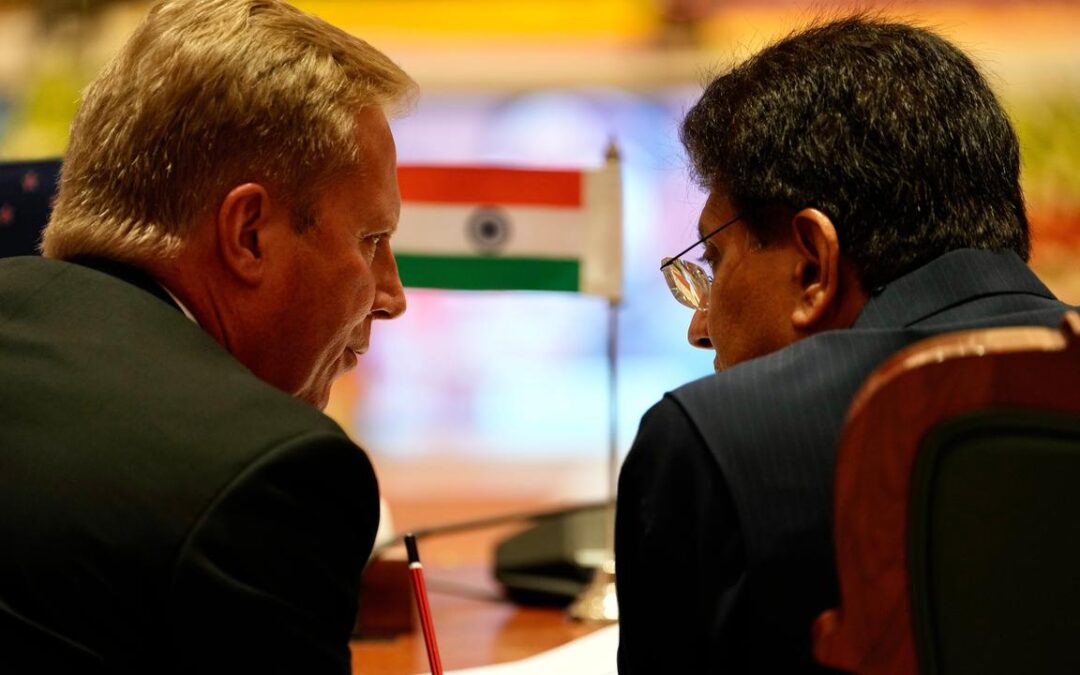
India and New Zealand sign a free trade agreement
India and New Zealand have signed a free trade agreement to deepen economic ties and expand market access, as both countries navigate mounting global trade disruptions.
The deal comes as New Delhi moves to diversify export markets to offset the impact of steep tariffs imposed by the United States and instability in shipping and energy routes due to the Iran war.
For New Zealand, the agreement is part of a broader push to reduce reliance on China, its largest trading partner.
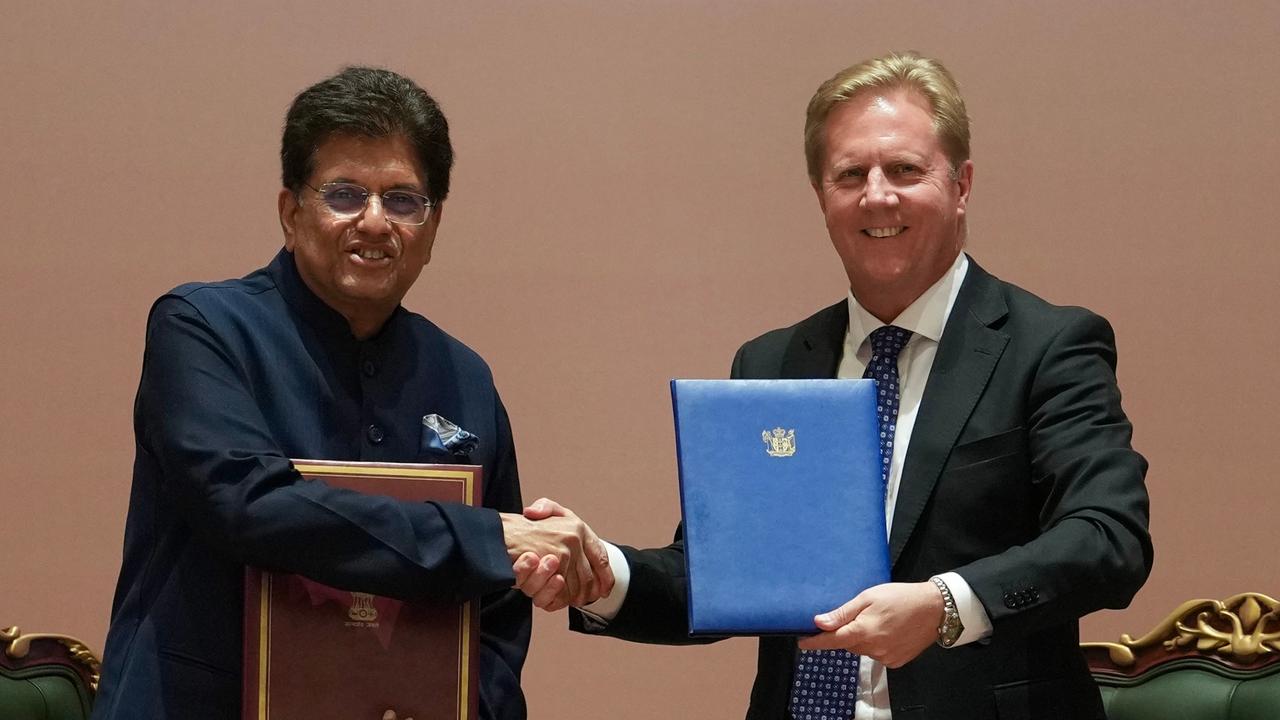
The agreement was signed in New Delhi on Monday by India’s Commerce and Industry Minister Piyush Goyal and visiting New Zealand Trade and Investment Minister Todd McClay.
Negotiated over nine months and agreed in December, the deal will cut or eliminate tariffs on 95 per cent of New Zealand’s exports to India, while making all Indian exports to New Zealand duty-free.
Wellington has also committed to invest $US20 billion ($A28 billion) in India over the next 15 years.
McClay said the deal marked a “once in a generation” opportunity to deepen economic ties at a time of rising global trade tensions and uncertainty.
India is New Zealand’s 12th-largest export market, with bilateral trade valued at $US2.15 billion in the year through June 2025, according to official data.
Goyal called the deal a “defining milestone” and said India and New Zealand had “chosen each other” at a time “when the world economy is being recast”.
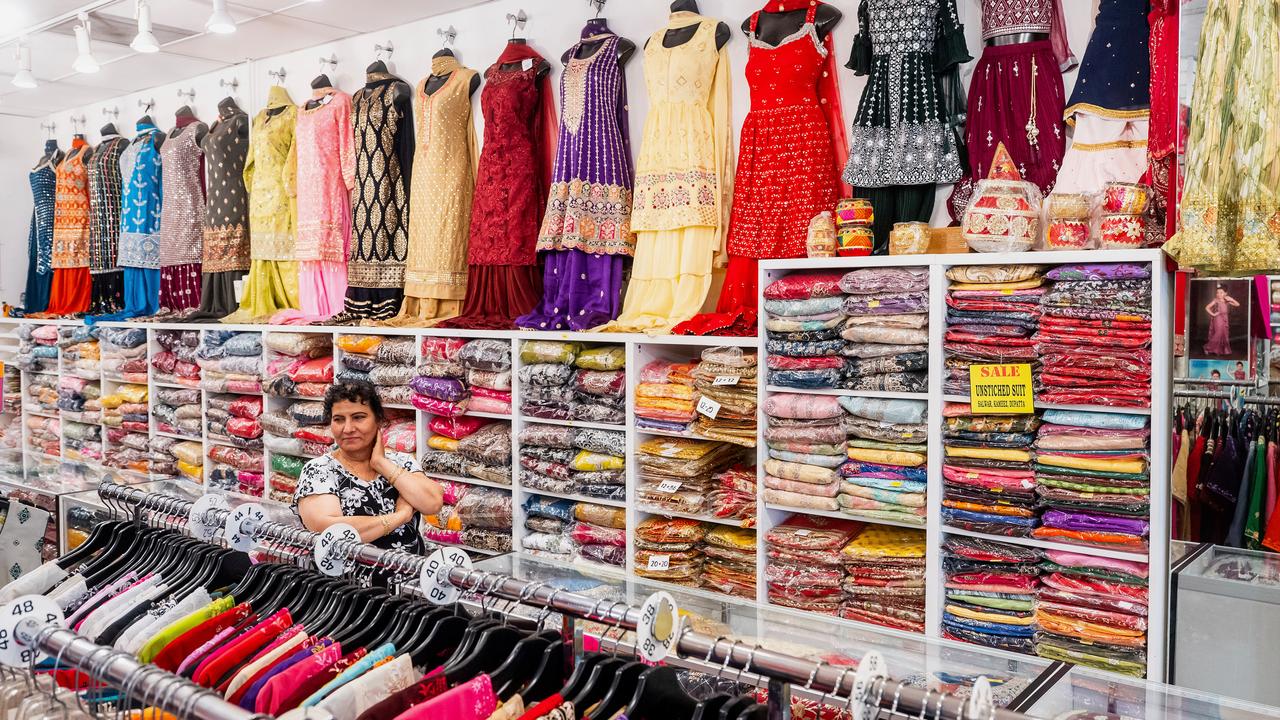
He said the agreement offers market access across sectors and creating frameworks for investment and regulatory co-operation.
Indian sectors expected to see expanded market access include textiles and apparel, engineering goods, leather and footwear, and marine products. New Zealand is likely to register increased exports in horticulture, timber, coal, wool and meat.
India has excluded dairy and certain agricultural products from the deal to protect its farming sector.
Indian exporters have been under pressure from higher US tariffs since August 2025, particularly in labour-intensive sectors such as textiles, auto components and metals, even as New Delhi continues negotiations with Washington on a separate bilateral agreement.
New Zealand’s trade deals are usually bipartisan.
The agreement now requires ratification by parliament and is expected to pass after the opposition New Zealand Labour Party backed it, despite resistance from coalition partner and populist minor party New Zealand First.
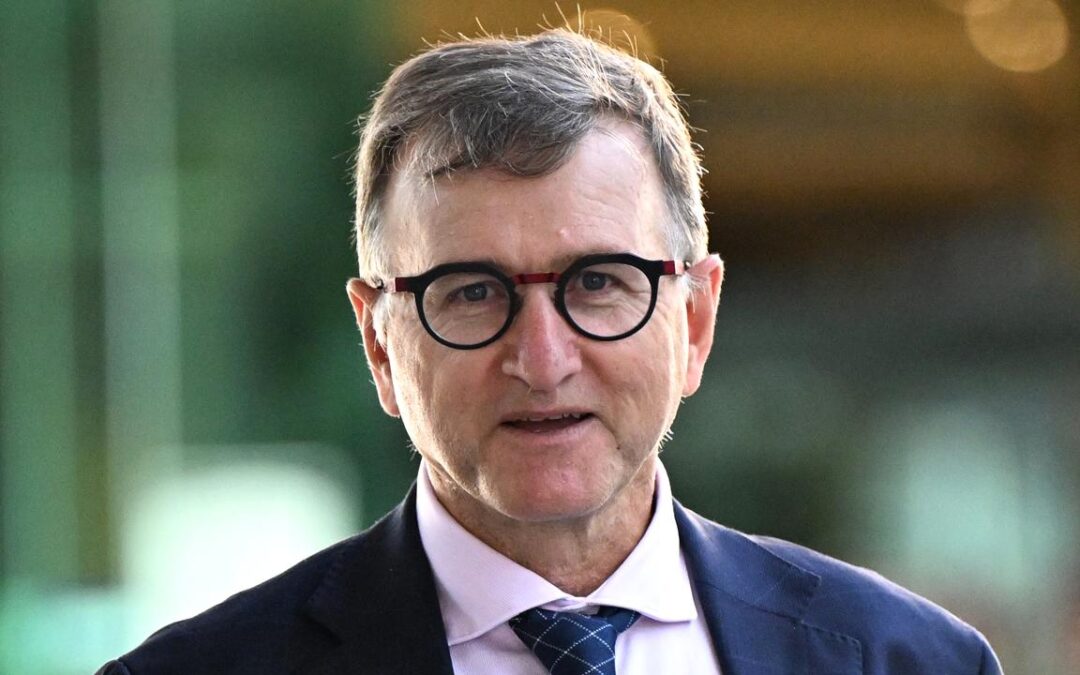
Lawyer charged with cleaning up embattled CFMEU quits
The head of the CFMEU administration has resigned less than two years after he was appointed to clean up the embattled union.
Mark Irving KC revealed on Monday he would step down from his role as CFMEU administrator after more than a year spent laying the groundwork for its future.
Since his appointment in August 2024, the Melbourne barrister successfully established control of the union and drove its restructure, according to a statement from the administration.
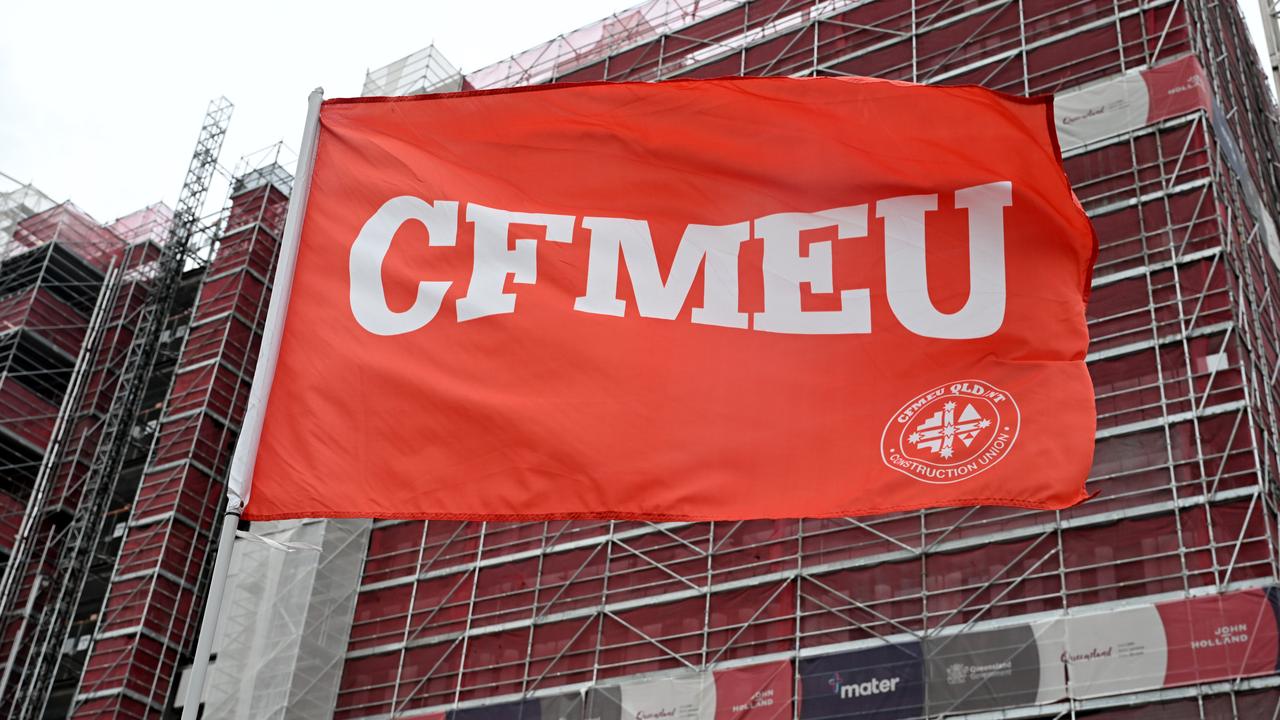
As the administration entered a new phase, it needed a different approach, Mr Irving said.
“The union is changing its personnel, it is changing its culture, it is regaining its position in civil society,” he wrote in a letter to Fair Work Commission general manager Murray Furlong.
“It is imperative that the administration have the right people in the right roles at this crucial time.
“The best person to lead the administration in this phase should be an experienced union professional who has a fundamental commitment to union values and who can drive the necessary culture change and other reforms.”
CFMEU NSW executive officer Michael Crosby is set to take over from Mr Irving as he steps back to a senior counsel role within the administration.
“Mr Crosby is committed to continuing to drive change and rebuild a strong and independent union,” the administration said in a statement.
The CFMEU’s construction and general division was placed into administration in late 2024 after it was accused of corruption and links to organised crime.
Former CFMEU official and bikie Joel Leavitt, one of four men charged over an alleged extortion plot, faced court in March.
Queensland has also launched an inquiry into the CFMEU, led by commissioner Stuart Wood KC.
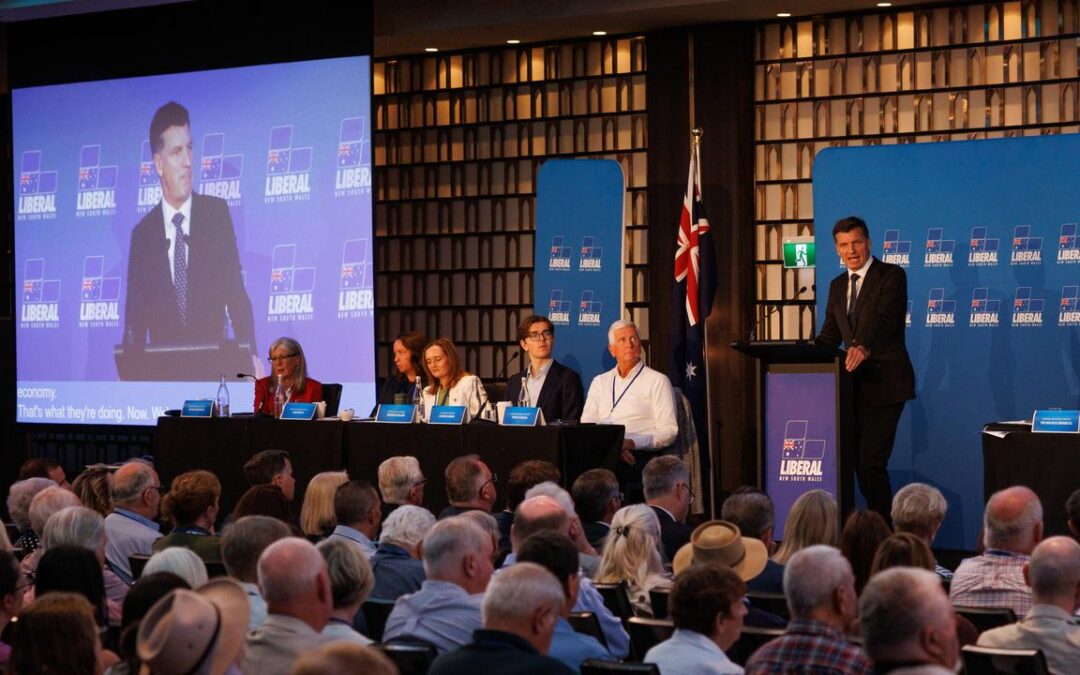
‘Brand damage’ risk as Liberals preference One Nation
Liberal leaders are chancing the wrath of traditional swing voters to restore their fleeing base after the party preferenced One Nation for federal and state by-elections.
The Liberals’ how-to-vote cards favour One Nation’s David Farley over community independent candidate Michelle Milthorpe for the Farrer by-election on May 9.
Former Victorian Liberal deputy director turned pollster Tony Barry said the party was in a fight for survival and compared its stewardship to driving a “car with no brakes”.
“There are no perfect solutions, only imperfect choices,” he told AAP.
“It’s clear that their strategy is to try and get to second in the national polls and if they can get over the top of One Nation then they can try to build a coalition of constituencies to try to be competitive with Labor again.”

Unable to beat Labor from third position, Mr Barry said the party had to treat their base like swing voters at risk of alienating the actual swing voting block.
“If they do get over the top of One Nation the risk is that the brand damage sustained in getting there means they can’t get their primary vote into a contestable position with Labor,” the Redbridge director said.
“It’s a very complicated path back to competitiveness.”
Former prime minister John Howard once famously said One Nation should be placed last on every Liberal Party how-to-vote card around Australia.
Mr Howard has since tempered his 2001 edict, declaring preferences with One Nation should be considered on a case-by-case and seat-by-seat basis.
Nonetheless, fellow former Liberal prime minister Malcolm Turnbull described the decision to preference One Nation third in Farrer as a “retrograde move”.
“That would have been inconceivable during my time as prime minister, or indeed Tony Abbott’s or John Howard’s,” he told a climate and energy panel on Monday.
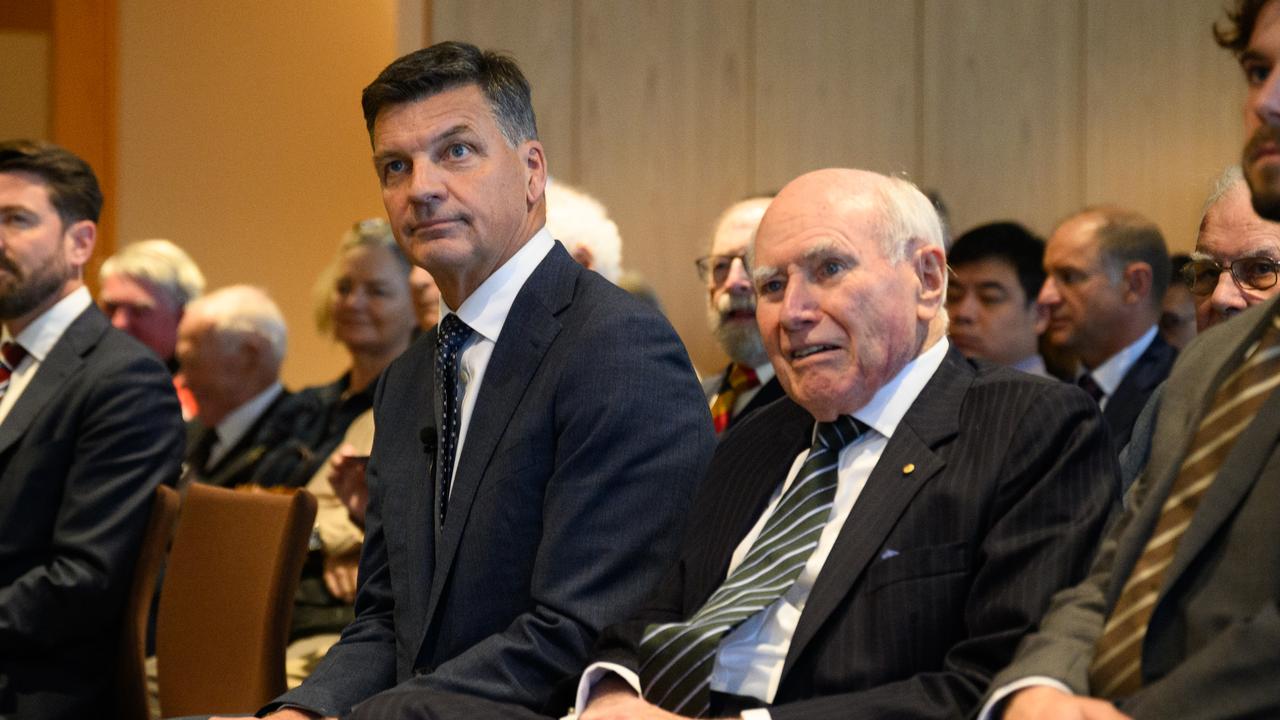
Opposition Leader Angus Taylor defended One Nation as the “least worst option” in Farrer, aside from Nationals pick Brad Robertson.
“We’ve got … a group of teals in this parliament that are trashing our energy system … and we simply cannot endorse that,” he told the ABC’s Insiders program.
Mr Taylor singled out Iran as a “bad country” while selling his immigration policy, forcing party deputy and prominent moderate Jane Hume to clarify the country would not be subject to a blanket ban.
He criticised the booing of the Indigenous acknowledgement of Country at Anzac Day services but argued Welcome to Country ceremonies, a different cultural practice, had become “devalued by overuse”.
Defence Industry Minister Pat Conroy accused Mr Taylor of being a “pale imitation of One Nation”, while Deputy Prime Minister Richard Marles warned Australians would judge the Liberals on their preference ordering.
The Victorian Liberals have adopted the same preference strategy for Saturday’s by-election in Nepean.
Liberal candidate Anthony Marsh has a fight on his hands to retain the state seat in a three-way contest with One Nation’s Darren Hercus and community independent candidate Tracee Hutchison.
The Victorian Liberals plan to preference One Nation ahead of Labor as a default position for the state election in November, the Nine newspapers reported.
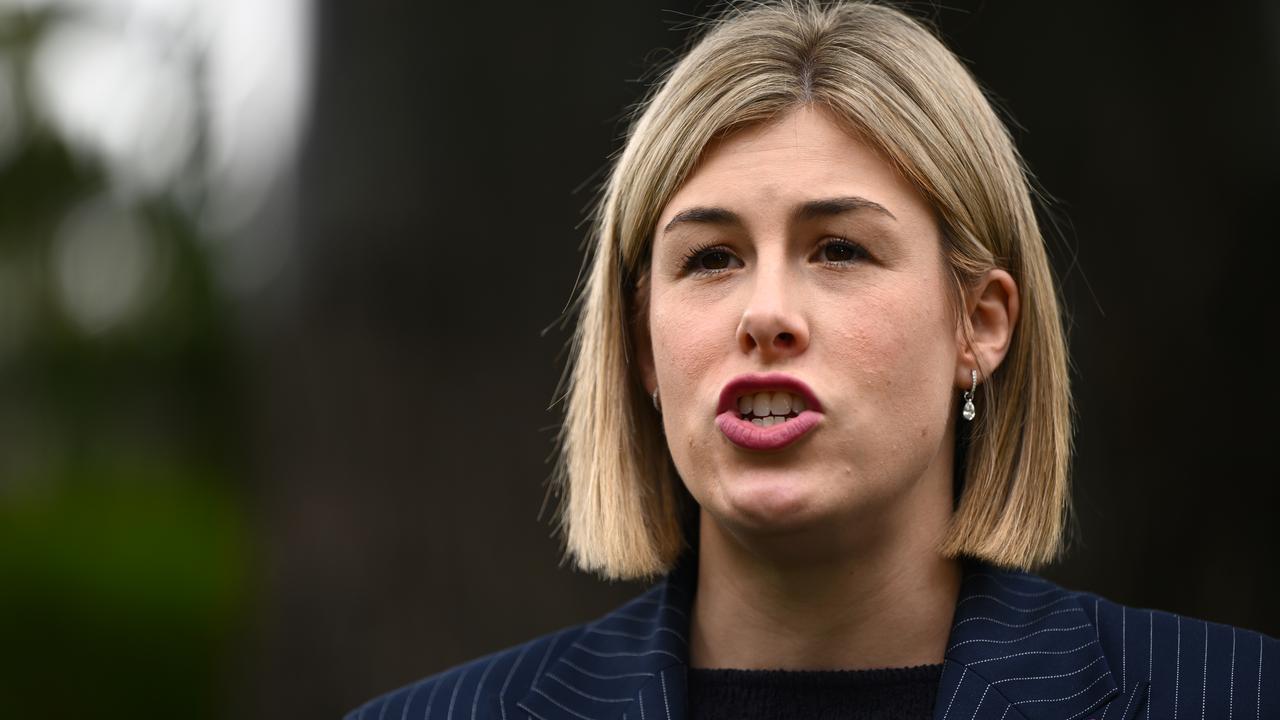
Victorian Opposition Leader Jess Wilson, a member of the party’s state campaign strategy committee, categorically denied the preference strategy had been discussed.
“We’re seven months out and, in most cases, there aren’t candidates, there aren’t policies and for some parties there isn’t even a leader,” she said.
Ms Wilson previously ruled out forming an “alliance” with One Nation for the state election, with polling showing one-fifth of Victorian voters back Pauline Hanson’s populist party.
Harking back to a 1996 one-liner from Ms Hanson, Premier Jacinta Allan demanded a “please explain” from Ms Wilson and called for no more “weasel words”.

Australian shares slump as US-Iran peace talks stall
Australia’s share market has started the week lower after a planned second round of US-Iran peace talks fell apart and as closure of a key energy transport route continues to wreak havoc.
The S&P/ASX200 slipped 23 points lower by midday, down 0.26 per cent, to 8,763.5, as the broader All Ordinaries fell 15.1 points, or 0.17 per cent, to 8,993.6.
The Persian Gulf conflict continued to simmer with the Strait of Hormuz – an arterial route for a a fifth of global oil and gas supplies – entering a ninth week of effective closure.
“The markets clearly remain hopeful that the ceasefire will hold if talks stagnate, hostilities will not renew, and a peace deal will eventually materialise,” Capital.com senior market analyst Kyle Rodda said.
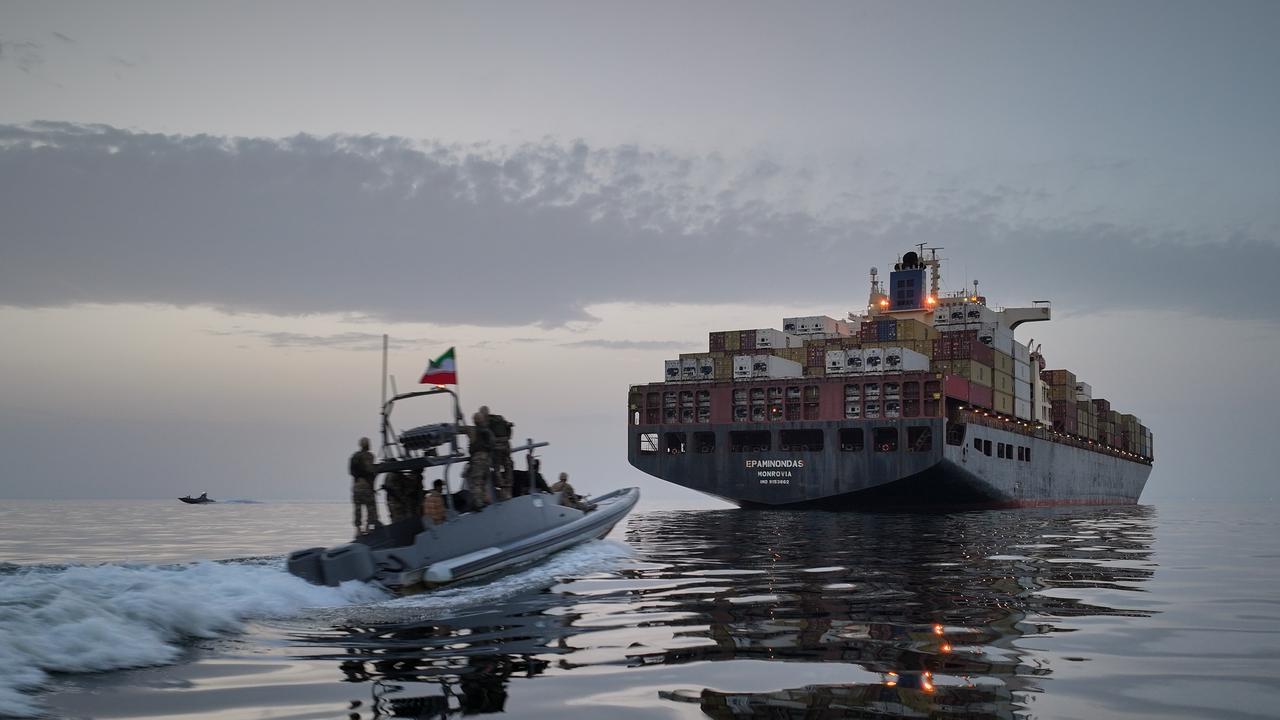
“However, that outcome is not without its risks and potential costs, with the Strait of Hormuz still closed and the global economy still drifting towards a supply cliff in energy markets.”
Beside the headline risk presented by geopolitics, market volatility could also be fueled this week by central bank decisions, US company earnings, and macroeconomic data and events, including local inflation figures for March.
Basic materials was one of only two sectors in the green on Monday, up 0.6 per cent as advances from mega miners Rio Tinto and Fortescue helped ballast a modest dip in BHP.
Gold miners were mixed but skewing positive, as the precious metal hovered just above $US4,700 ($A6,557) an ounce.
Battery minerals producers performed well, with PLS and Liontown each up more than three per cent after BMI upgraded its lithium price forecast on Friday.
Financials dropped 0.7 per cent, with Commonwealth Bank leading the big four lower with a 1.2 per cent decline to $172.46.
Energy stocks also fell despite oil prices inching higher since Friday, with the Brent benchmark trading near $US100 a barrel.
Woodside and Santos each shed roughly 1.3 per cent, while coal producers and uranium stocks also sold off.
Utilities were also under pressure, slumping as Origin tumbled 2.6 per cent to $12.44 after it sharply downgraded earnings guidance for UK energy provider Octopus Energy, in which it owns a stake of about 23 per cent.
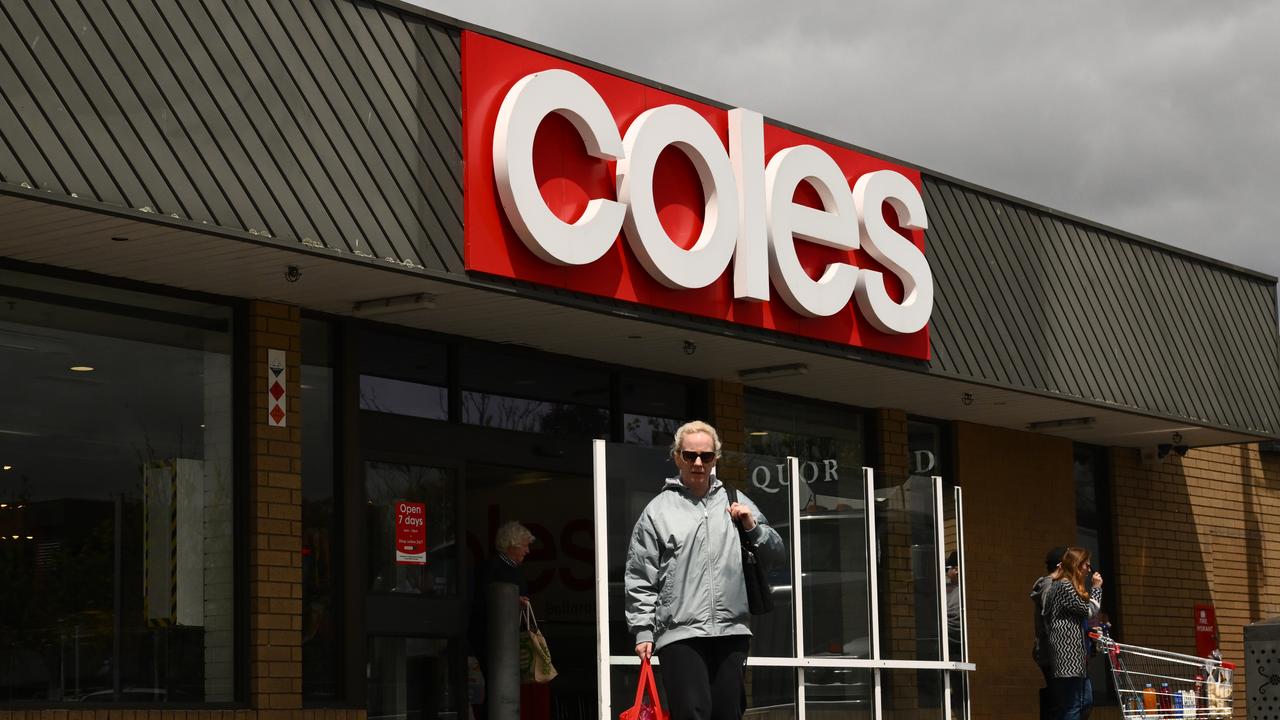
Consumer staples ran into profit-taking after a strong week prior, down 0.9 per cent on Monday and tracking with similar dips in Coles and Woolworths.
Consumer cyclicals edged 0.1 per cent higher with help from Aristocrat Leisure and Eagers Automotive, as Wesfarmers and JB Hi-Fi lost ground.
Toll road operator Atlas Arteria outperformed the top-200 with a more than 14 per cent boost after receiving a takeover bid from IFM Investors.
The Australian dollar is buying 71.68 US cents, up from 71.23 US cents on Friday at 5pm.
‘ISIS brides’ preparing to return home from Syria
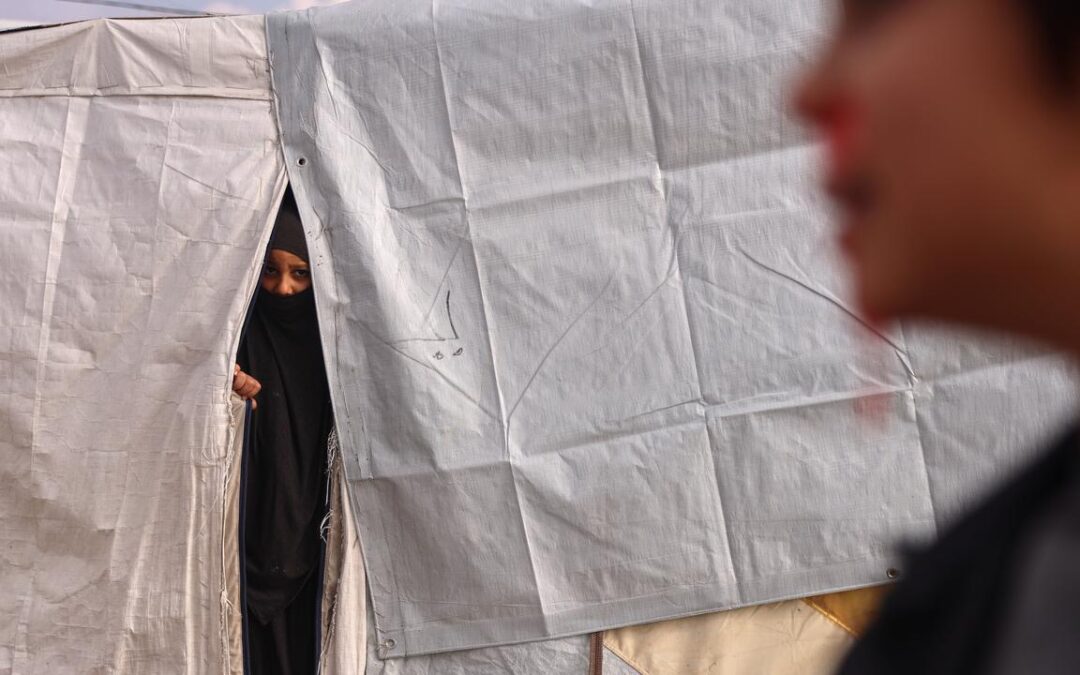
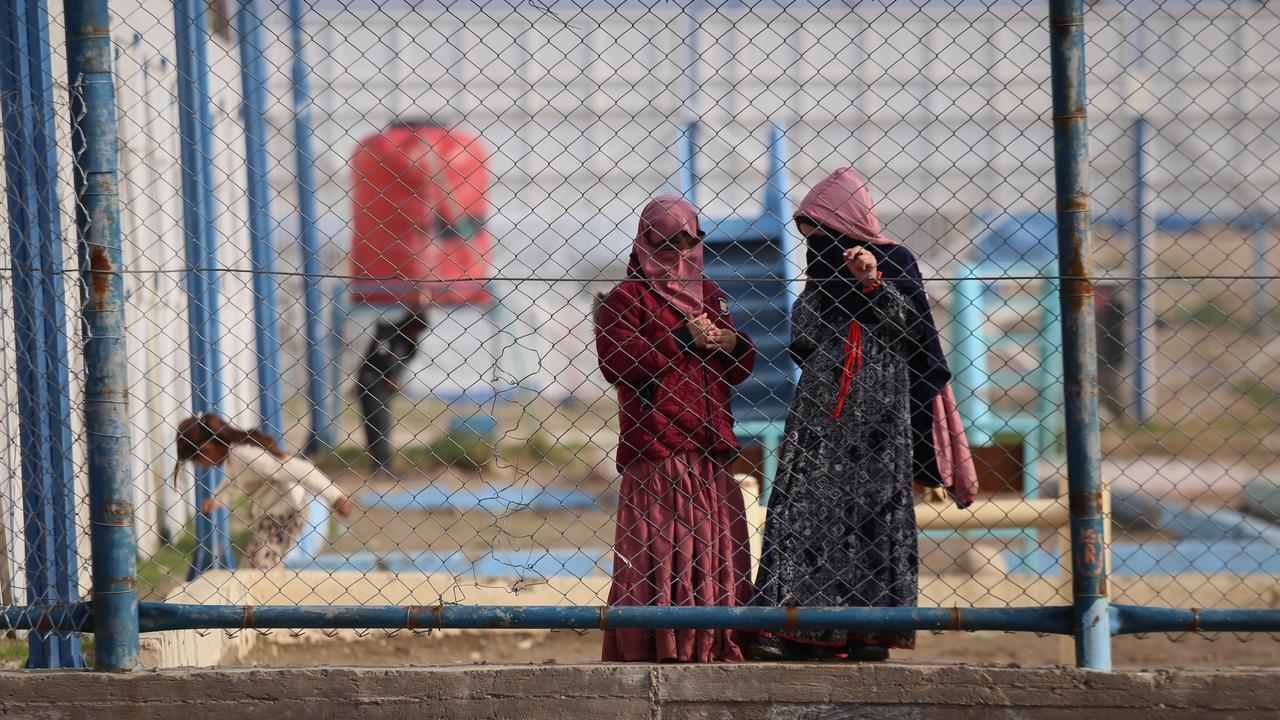
Spy agencies are on alert as a group of Australian women and children linked to Islamic State plan to return home from Syria after years in a detention camp.
Four women and their nine children left Syria’s al-Roj camp on Friday, travelling to Damascus where they plan to board a flight back to Australia, according to multiple media reports.
A source close to the families told the Sydney Morning Herald and the Age they had secured plane tickets to Australia.
But this was disputed by a government source, not authorised to speak publicly, who told AAP none of the 13 women or children had been flagged as having booked a flight home.
The government was not involved in the group’s repatriation but spy agencies were following the case closely, Defence Minister Richard Marles said.
“Obviously our intelligence agencies are on the job,” he told ABC Radio National on Monday.
“We’re not providing any assistance for these people to come back to Australia,” Mr Marles said.
Security agencies had been preparing for the group’s return, and anyone who had committed a crime would face the consequences when they re-renter Australia, Home Affairs Minister Tony Burke said.
“People in this cohort need to know that if they have committed a crime and if they return to Australia they will be met with the full force of the law,” he said in a statement.
A group of around 30 women and children has been trying to return home to Australia from Syria for years, after travelling to the Middle East with men who wanted to fight for Islamic State before the caliphate was toppled in 2019.
Advocates claim some of the women were coerced into leaving Australia.
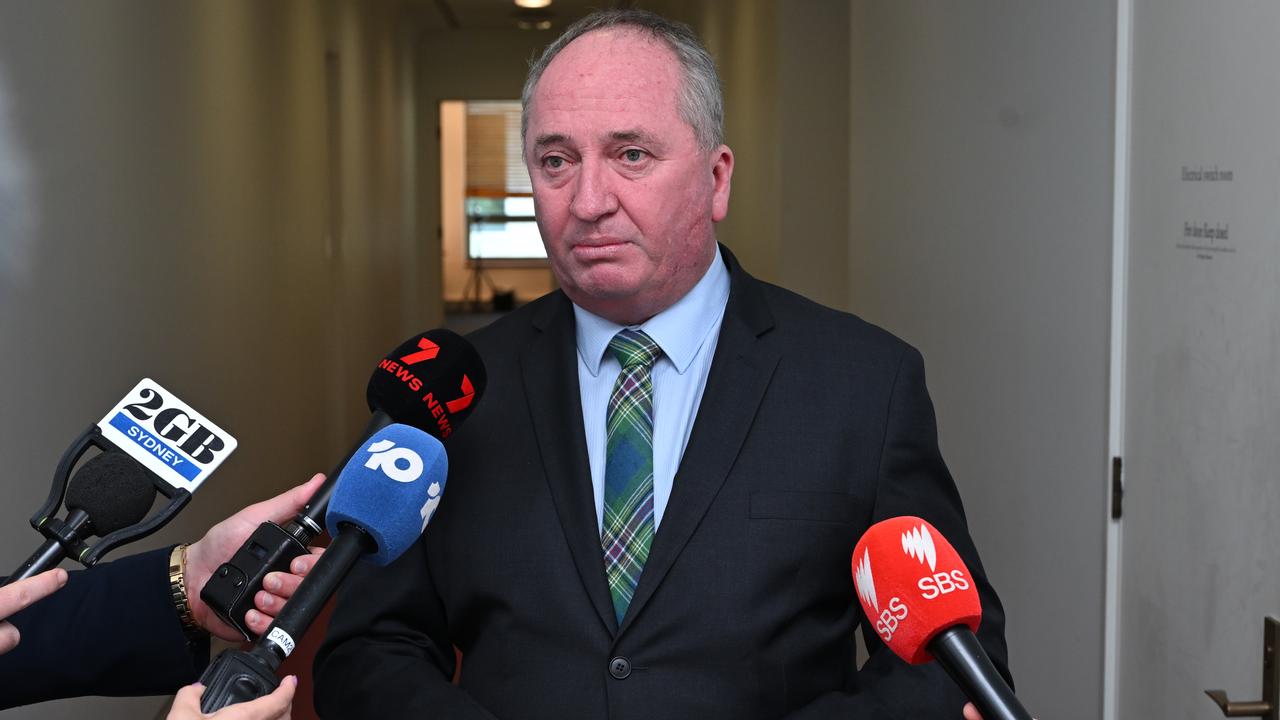
One of the women has been barred from entering the country because of fears she could pose a security risk, and One Nation MP Barnaby Joyce said more should be excluded.
“These are women… who were a party to some of the most horrendous crimes in the history of the world,” he told Seven’s Sunrise program.
“If we’ve got a temporary exclusion on one, we should be doing everything to get a temporary exclusion on the lot,” Mr Joyce said.
Stark warning from ex-PM on rise of the ‘manosphere’
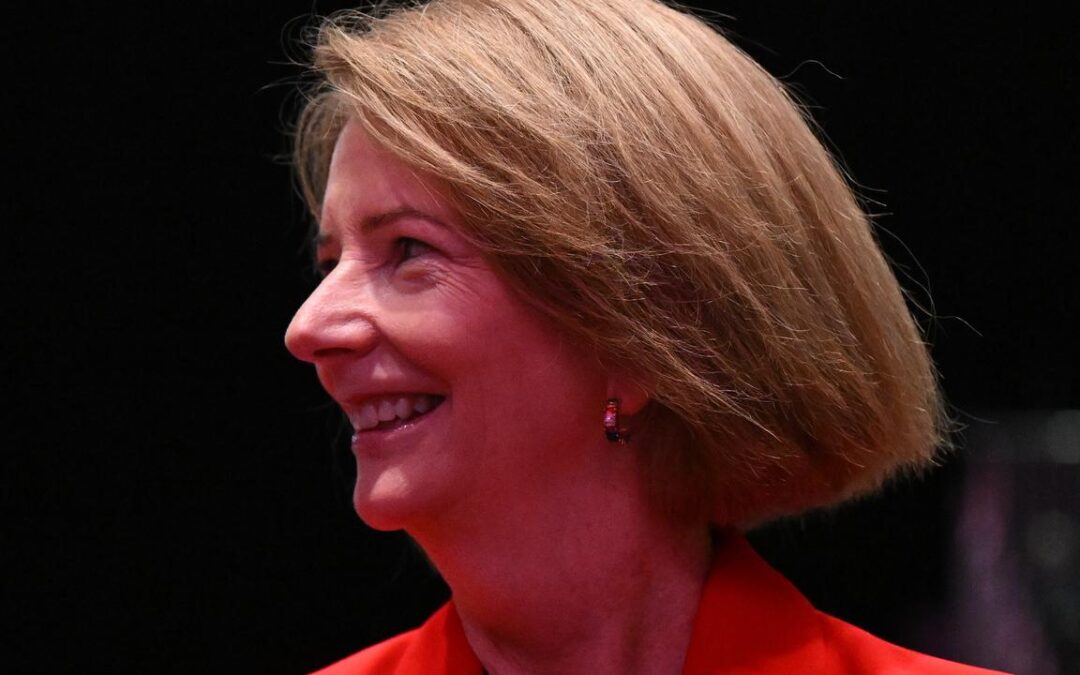
A concerted, organised and strategic pushback by the “manosphere” against gender equality can’t be swept under the rug, Australia’s only female prime minister says.
But advocates also need to turn the spotlight on themselves and assess whether their language has played a role in making men feel excluded from the movement, Julia Gillard says.
The former Labor prime minister, now primarily based in the United Kingdom, has returned to Australia as a keynote speaker at Women Deliver.
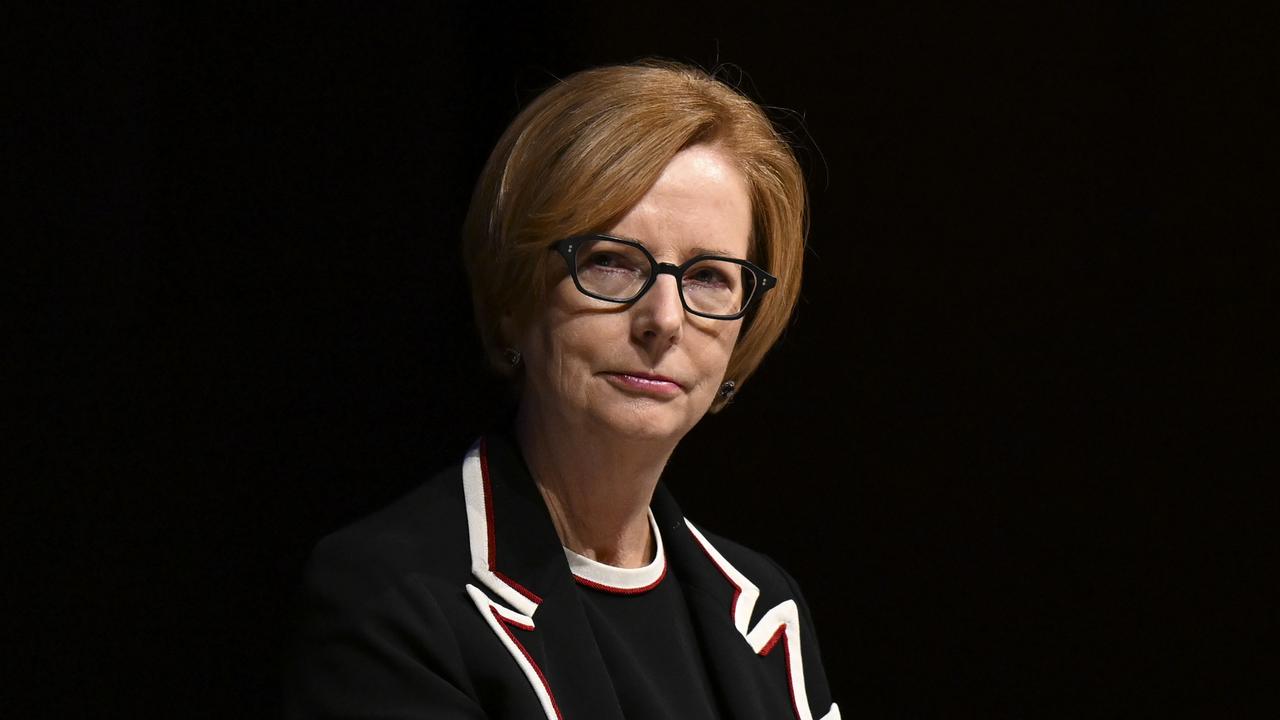
The gender-equality conference, which begins on Monday, is focused on improving all aspects of women’s, girls’ and gender-diverse people’s lives.
Melbourne is hosting the event, a significant moment as it is the first time the conference – established in 2007 and held every three years – has been in the Oceanic Pacific region.
Women Deliver is more than a talkfest, with Ms Gillard saying attendees were keenly focused on developing solutions to global challenges.
“People are coming together not just to chat, but to build new links, work through difficult issues, come up with new ideas and then take them away from the conference and implement them,” she told AAP.
The conference is being held against a backdrop of global push-back against diversity, equity and inclusion initiatives, and concerns about the rise of the manosphere and its impact on young men.
“We have seen in many parts of the world a form of politics which weaves together nationalism, isolationism, patriotism and anti-women’s rights agendas,” Ms Gillard said.
“With all of this happening, it’s a particularly important time for people to come together and to discuss what we can do to win the popular debate globally because, at the end of the day, more gender-equal societies benefit everyone.”
Following her departure from parliament in 2013, Ms Gillard has focused much of her attention on improving gender equality, mental health support and education.
In 2018, she was appointed chair of the Global Institute for Women’s Leadership at King’s College London and later founded its sister institute based at the Australian National University in Canberra.
The institute was among the first to spotlight and track the trend of young men’s attitudes towards gender equality going backwards.
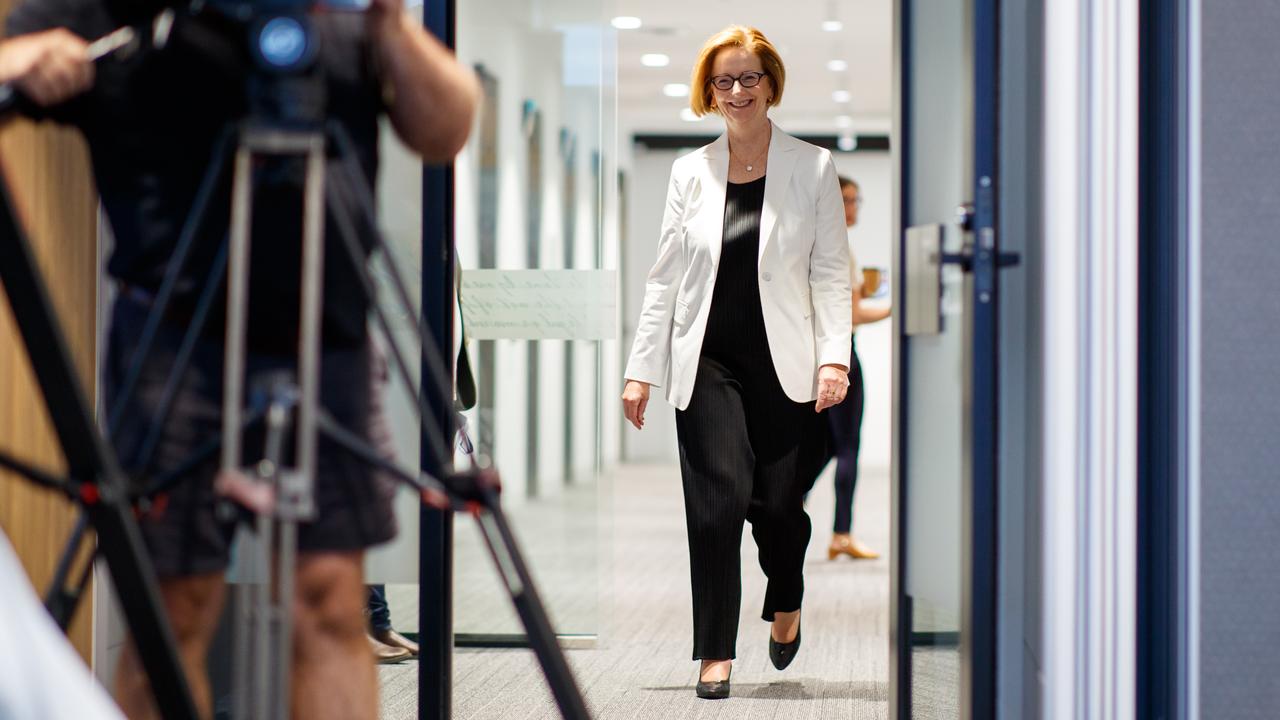
That trend could be partially attributed to the equality movement not being as inclusive of men as it could have been, Ms Gillard said.
“To be self-critical … some of the language we’ve used around gender equality has given the impression that it’s solely about women … it hasn’t been inclusive enough to explain that it’s about a better future for all,” she said.
“But it’s not just as simple as we need to change our language and be more inclusive of men and boys.
“I think we’ve got to be pretty knowing that there is concerted, organised and strategic pushback.
“There is a form of politics that has fused with online influencers and the manosphere, who are peddling a particular version of masculinity … (about being) able to project dominance over women in their lives.”
Right-wing leaders tout migrant crackdowns before poll
Right-wing parties have used an anti-immigration rally to stake out their credentials to disgruntled voters ahead of a tightly fought by-election.
The coalition parties and a resurgent One Nation are fighting for the Liberal-held seat of Farrer, where the minor right-wing party appears to have inched ahead among voters discontent with mainstream politics.
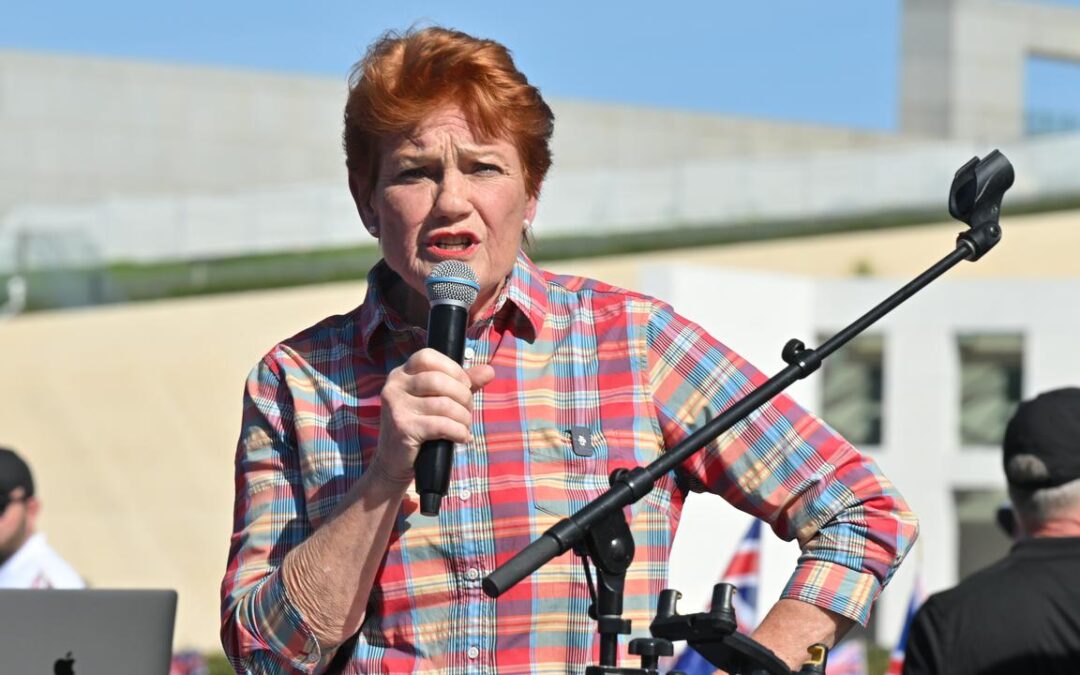
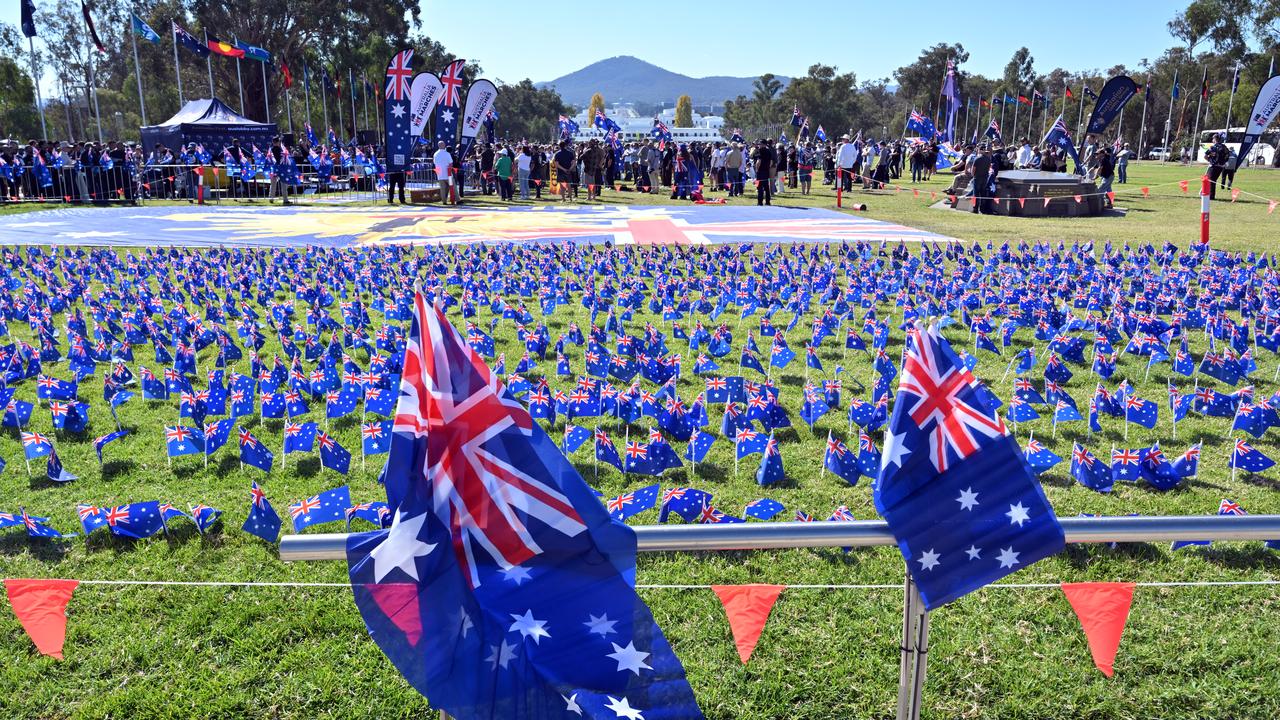
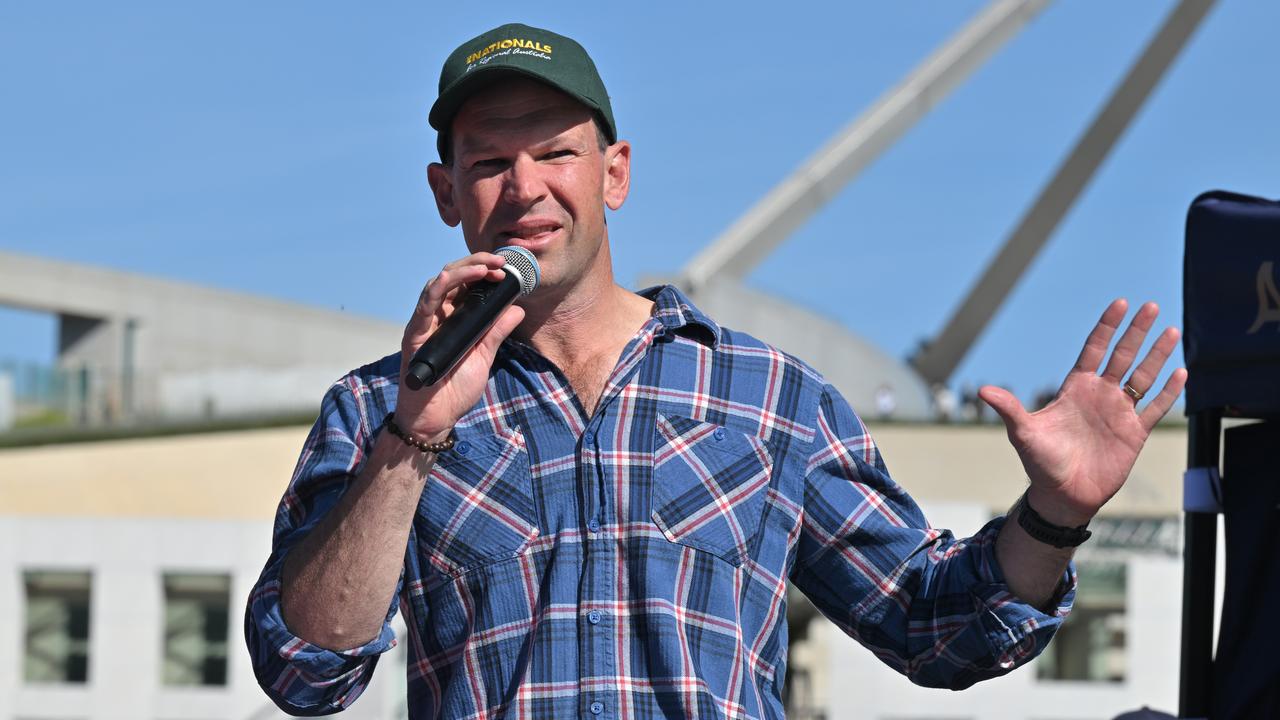
One Nation leader Pauline Hanson and Nationals leader Matt Canavan both sought to tap into the sentiment in front of a hundreds-strong crowd at a march to “end mass immigration” in Canberra on Sunday.
Senator Hanson, who has called for annual immigration levels to be capped at 130,000 people, said further tightening of migration policies was needed.
“Why haven’t (politicians) done anything about the mass migration that’s coming into Australia,” she told the rally.
“I am not against migration at all. You have to do it in a managed way. You have to bring in the right people who want to assimilate.”
The One Nation leader was censured in the Senate in March for claiming in an interview there were “no good Muslims”.
Senator Canavan also used his speech at the rally to tout the tough-on-immigration policies the federal coalition has pledged to implement if it wins power.
“(Liberal prime ministers) Tony Abbott, John Howard stopped the boats,” he said.
“They secured our borders. We’re going to do it again.
“We’re going to check who’s coming to this country, going to have better standards, and we’re going to bring the numbers down.”
Voting in the regional NSW electorate, triggered by the resignation of former opposition leader Sussan Ley, is shaping as a contest between One Nation’s David Farley and independent candidate Michelle Milthorpe.
The coalition has held the seat since it was established, but a recent poll indicates One Nation’s candidate is the frontrunner to win the party’s first lower-house seat.
The looming electoral showdown comes as Opposition Leader Angus Taylor says stricter checks are needed to ensure “bad people” from “bad countries” don’t come to Australia.
But Mr Taylor refused to clarify which countries should be considered bad when pressed on the comments, which follow the release of the first stage of the coalition’s immigration policy earlier in April.
The plan was criticised by various groups, with one Labor frontbencher labelling it “desperate dog-whistling”.
The Liberal Party leader said immigrants who did not come from like-minded nations had made Australia better, but there needed to be a more stringent look at the values of migrants from some countries.
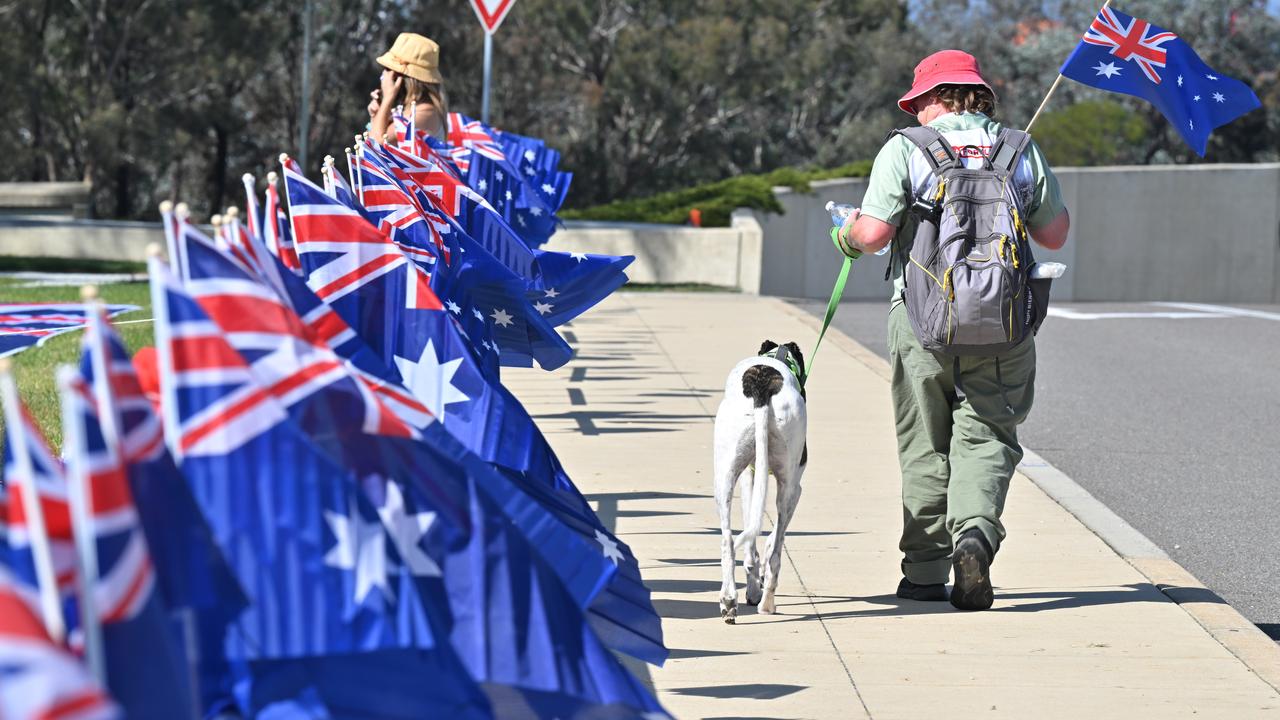
In his speech announcing the policy in mid-April, Mr Taylor said immigration screening should be based on beliefs, adding that people who came from liberal democracies were more likely to adopt Australian values.
“Let’s be clear, some of the great Australians have come from countries that were bad countries at the time,” he told ABC’s Insiders program.
“There is a higher risk that some bad people come from those bad countries and so what we have to do is we have to screen not based on country of origin, not based on race, but based on values.”
Asked which countries were bad, Mr Taylor would only mention Iran by name, refusing to say whether he considered nations such as the communist party-run China as part of the same group.
He would not say whether One Nation’s target of 130,000 migrants was the right one, only noting that current levels were too high and the figure needed to be “sustainable”.
Net overseas migration stood at more than 300,000 people in the 2024/25 financial year, although the figure has been declining following a surge of post-COVID-19 immigration.
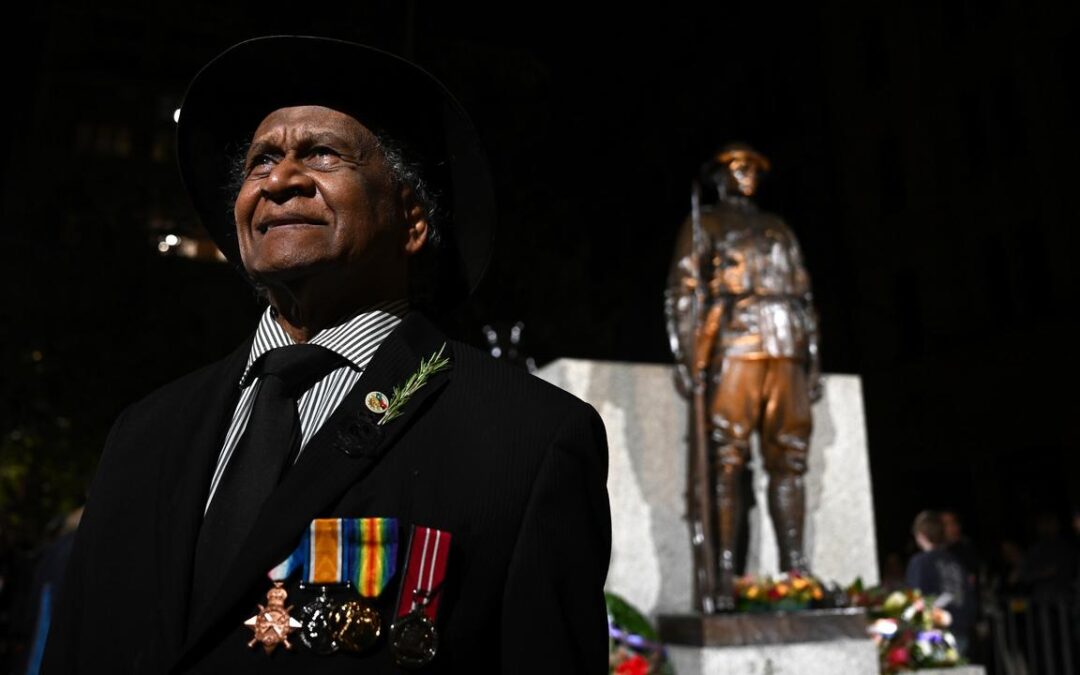
Right-wing activists ejected for Anzac ceremony heckles
Associates of a prominent anti-immigration group were among those ejected from an Anzac Day dawn service after the cohort was accused of heckling acknowledgement of Country ceremonies at other events.
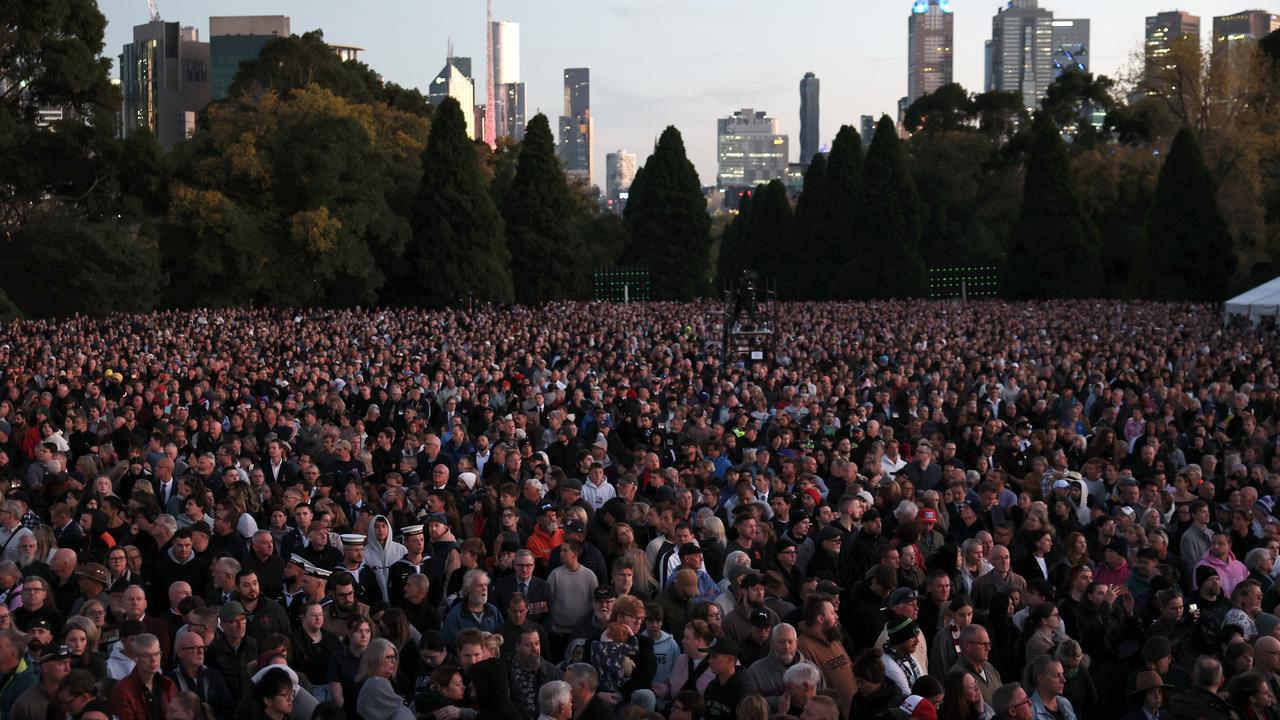
Marking 111 years since Australian troops landed in Gallipoli, tens of thousands turned out to commemorate Anzac Day nationwide on Saturday.
But the sombre occasion was blighted by a small but disruptive and vocal minority, who heckled and booed during traditional Indigenous acknowledgements at the start of dawn services.
Official events in Sydney and Melbourne were disrupted, prompting condemnation by politicians and RSL leaders for the lack of respect shown.
Opposition Leader Angus Taylor said the booing was inappropriate and should not have happened, but he understood people’s frustrations about the “overuse” of acknowledgement of Country ceremonies.
“I would like to see them used less and therefore not devalued as I think they have been over time,” he told ABC’s Insiders program on Sunday.
Five people reportedly linked to the anti-immigration March for Australia group were ejected from the Anzac Day dawn service in Perth.
WA Police said they issued several move-on orders to the cohort, who were identified as members of issue-motivated groups.
“Due to your association with the March for Australia group and their actions in the eastern states, you’re being removed from the ceremony due to the belief that you will interrupt it,” a police officer was recorded telling the group in footage shared on social media.
“Your association to that group has unfortunately ruined your opportunity to remain at the ceremony.”
March for Australia has been behind a series of anti-immigration rallies nationwide, some of which have also featured neo-Nazi speakers and attendees.
Fifteen move-on orders were issued across the state, with 14 in the metropolitan area and one in regional WA. No arrests were made.
NSW Police arrested and charged a 24-year-old man in Sydney with committing nuisance, and he will appear in court on June 3.
Several other people among the 11,000-strong Sydney crowd were moved on.
The fact that some Australians booed elders, including those who had fought for the nation, was disrespectful to Indigenous servicemen and women and to other Anzacs, Aboriginal and Torres Strait Islander social justice commissioner Katie Kiss said.
“Australians are starting to stand up to that and we saw that yesterday in the thousands of people who stood with our elders during what was a disgraceful display of vilification,” she told ABC News.
It was up to Traditional Owners and event organisers to determine if an acknowledgement of Country was appropriate, she said.
Almost 2000 people attended the dawn service at Anzac Cove on the shores of Gallipoli in Turkey on Saturday.
More than 8000 Australian soldiers died in the failed effort to wrest control of the Dardanelles in 1915.
But the battle is credited with helping to galvanise the nation’s national identity.
Across major cities in Australia, tens of thousands of people lined the streets to honour veterans and their families at annual Anzac Day marches.
Among those marking the date was Ben Roberts-Smith, Australia’s most decorated living soldier and now an accused war criminal.
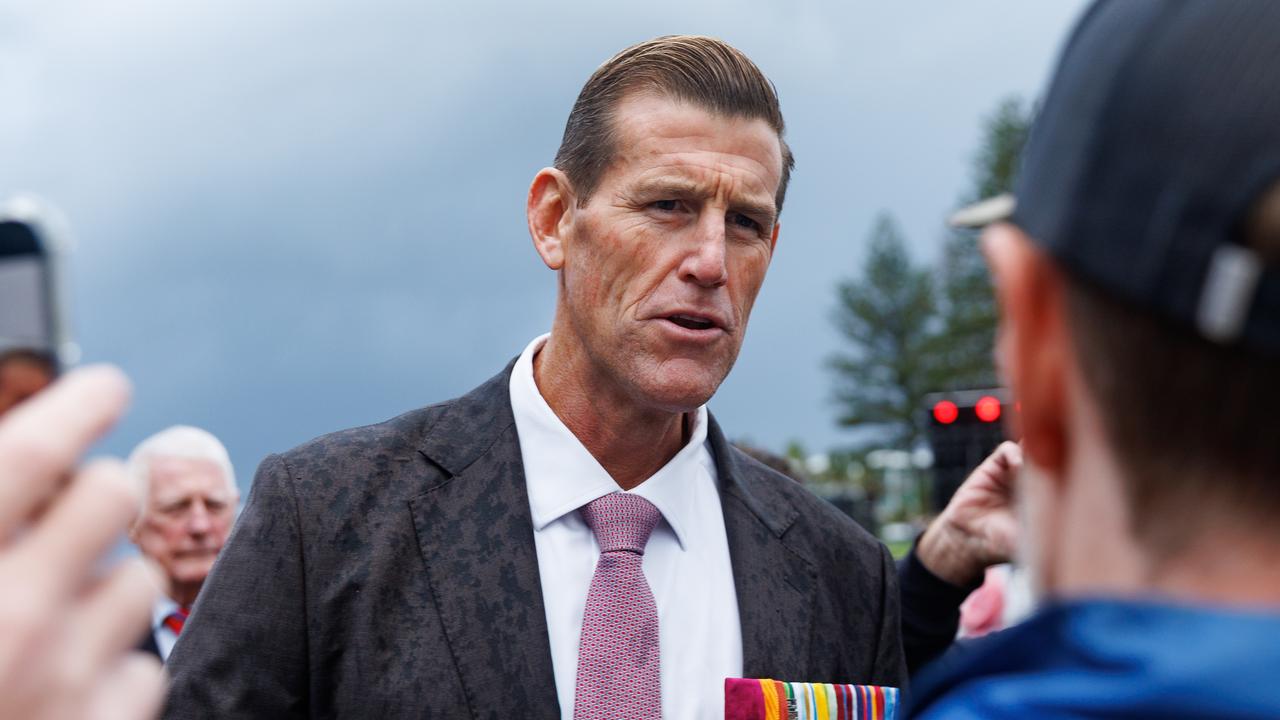
The 47-year-old Victoria Cross recipient attended a ceremony on the Gold Coast just over a week after being released on bail following the laying of multiple war crime-related murder charges against him.
“I’ve never thought about not coming. I was always going to be here,” the veteran, who denies the allegations, said.
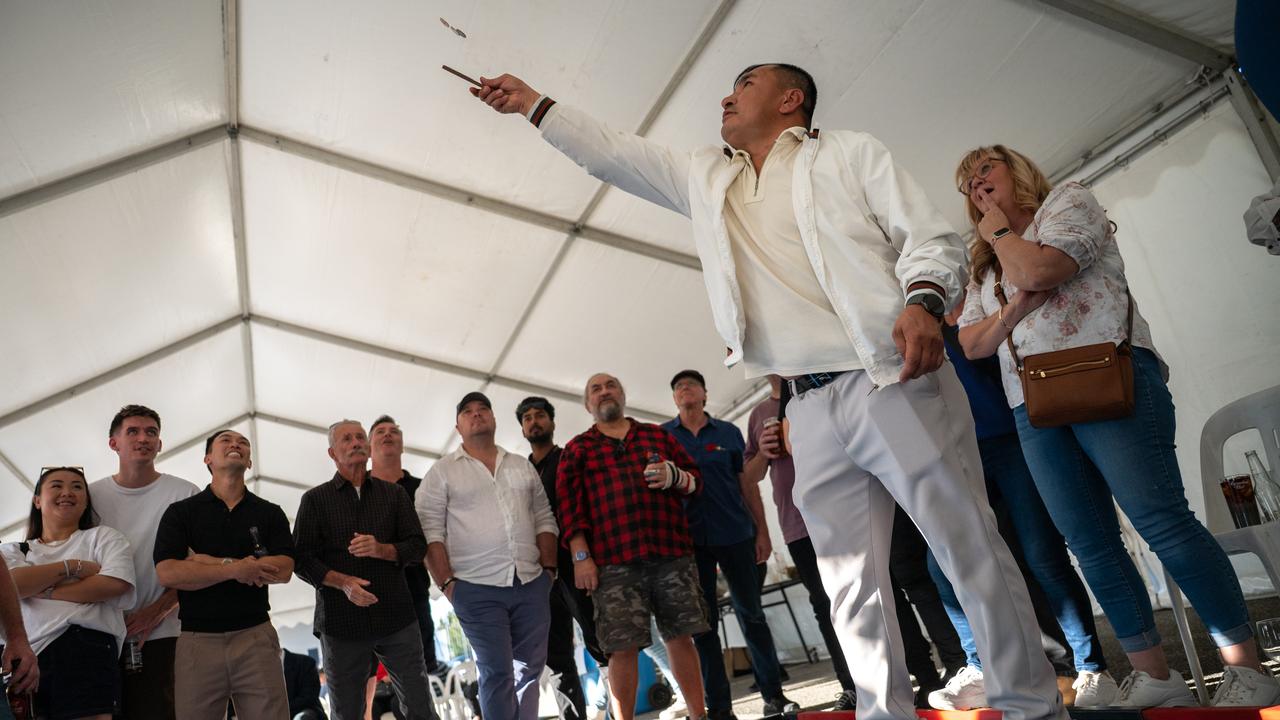
With formalities concluded, many people migrated to hotels to indulge in another Anzac Day tradition: two-up.
The gambling game can only legally be held on Anzac Day after midday.
Impact on inflation from fuel price hike to be revealed
The initial impact of the Iran war on Australia’s economy is set to be laid out when pivotal inflation data is released.
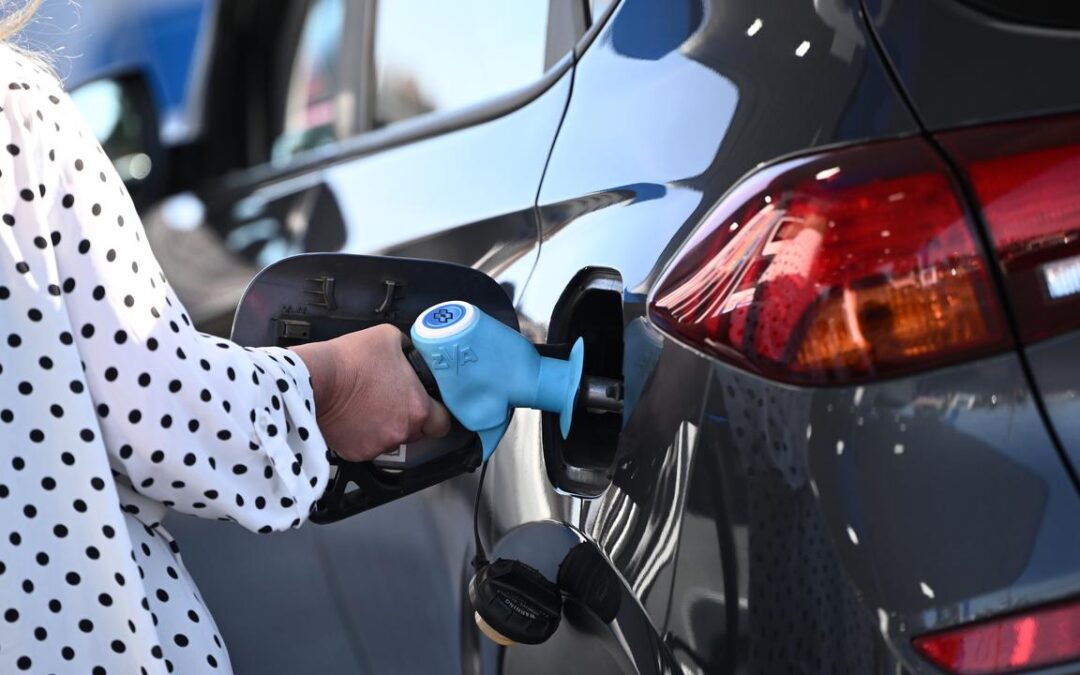
The first set of inflation numbers since US and Israeli strikes on Iran led to the closure of the Strait of Hormuz and skyrocketing oil prices will be unveiled on Wednesday.
A large inflation spike in March is expected by economists, off the back of sharp increases to petrol and diesel prices which have filtered through to other sectors of the economy.
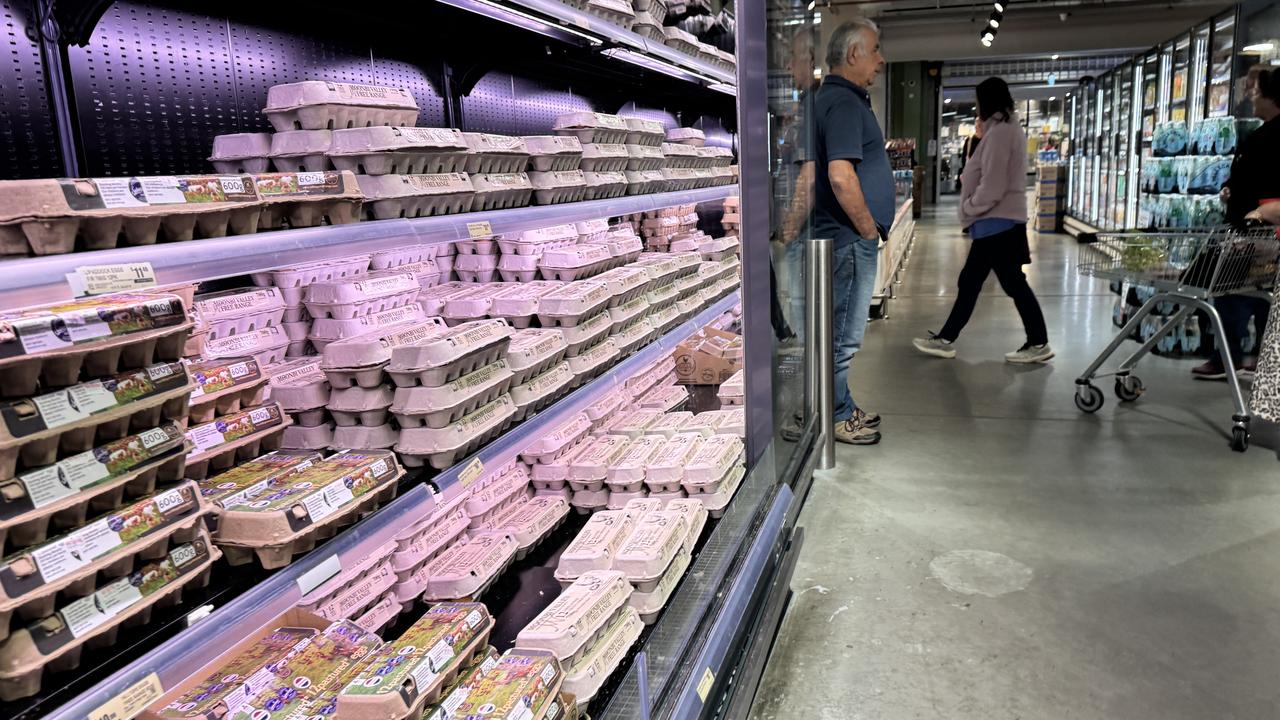
Commonwealth Bank economists have tipped inflation to rise almost a full percentage point for the month, from 3.7 per cent to 4.6 per cent.
The trimmed mean inflation, which removes the more volatile price increases such as petrol costs, will nudge up from 3.3 per cent to 3.5 per cent, they forecast.
The Reserve Bank favours the trimmed mean as a true measure of inflation, with the figures already well above the bank’s target band of between two per cent and three per cent.
The release of the fresh inflation numbers will take place less than a week before the central bank’s board meets in May, when a third successive interest rate rise is on the cards.
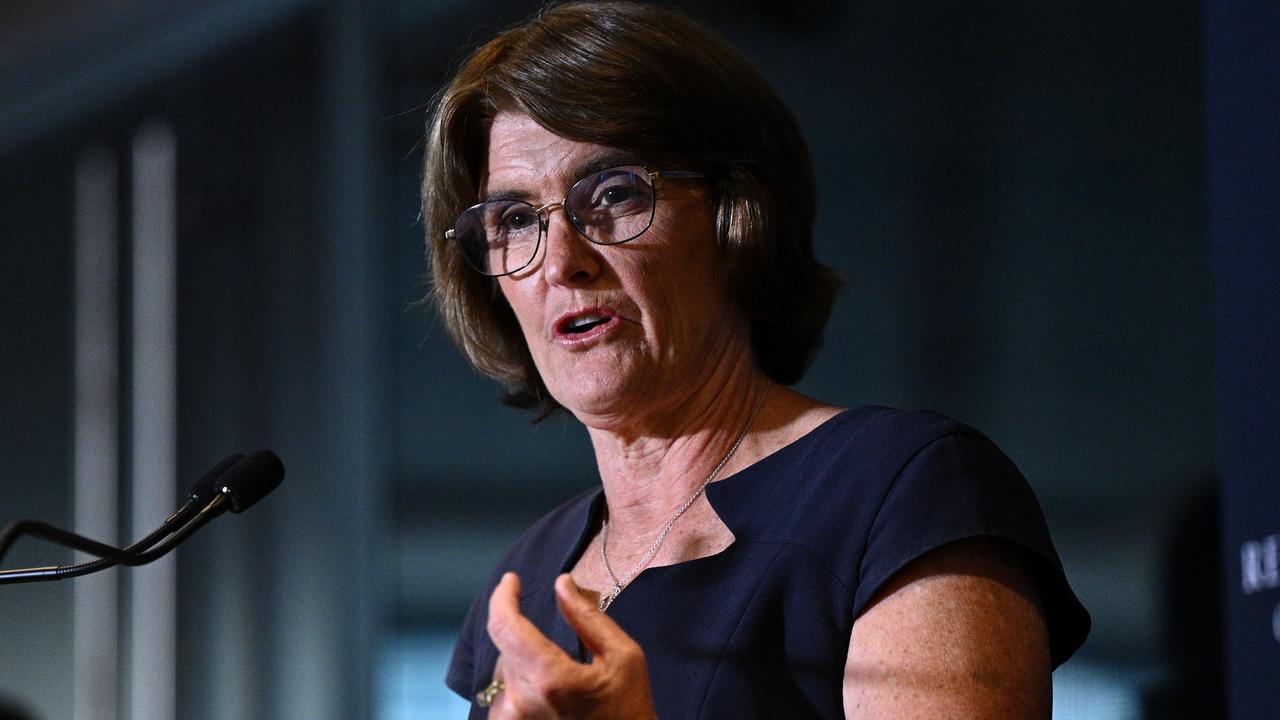
Even before the war against Iran started, RBA governor Michele Bullock expressed concerns about high inflation levels.
The Commonwealth Bank said the RBA was more likely than not to hike rates again off the back of the forthcoming inflation data.
“The data will be keenly watched given the RBA is due to hand down its decision on interest rates on May 5, with money markets suggesting a 72 per cent chance of a 25 basis point rate hike,” the bank said in a statement.
While other pieces of economic data have been released since the start of the Middle East conflict, the inflation figures will provide some of the first indications of the war’s wider economic impact.
Inflation is tipped to rise even further in the months following March’s figures, NAB’s head of Australian economics Gareth Spence said.
“We expect inflation to peak in quarter two with trimmed mean at 3.9 per cent year-on-year and headline at 4.9 per cent,” he said in a research note.
“We expect trimmed mean inflation to be cumulatively 0.5 percentage points higher over the course of 2026 due to the cost shock emanating from the Middle East.”
Meanwhile, Wall Street investors are seemingly optimistic about possible negotiations between the United States and Iran to end their war, or at least about the prospects of a ceasefire between the nations holding, with both the S&P 500 and Nasdaq closing at record highs.
The former gained 56.68 points, or 0.80 per cent, to finish Friday at 7,165.08 and the latter picked up 398.09 points, or 1.63 per cent, to 24,836.60.
A surge in Intel shares extended a rally in semiconductor stocks.
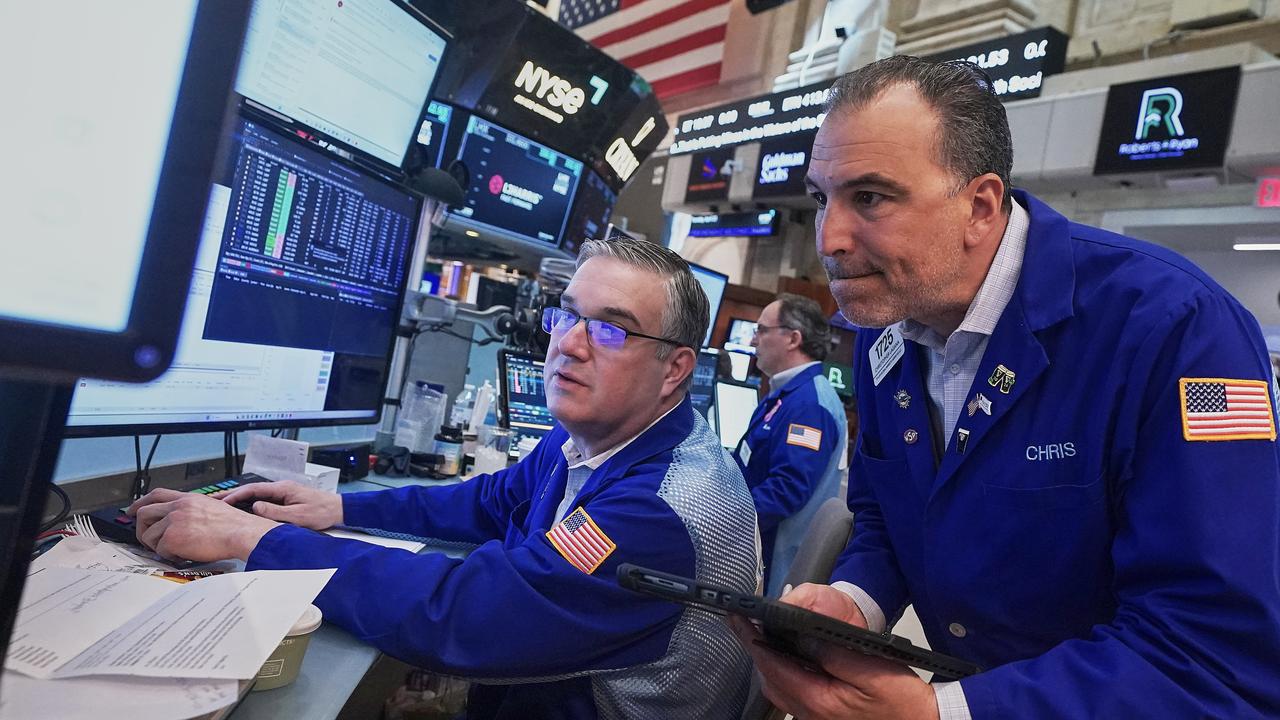
The Dow Jones Industrial Average fell 79.61 points, or 0.16 per cent, to 49,230.71.
Australian share futures slipped three points, or 0.03 per cent, to 16,666.
The S&P/ASX200 slipped 6.9 points on Friday, down 0.08 per cent to 8,786.5, as the broader All Ordinaries lost 17.8 points, or 0.08 per cent, to 9,006.4.