

OpenAI falls short of revenue, user targets: WSJ report
OpenAI has fallen short of its goals for new users and revenue in recent months, sparking concern among some company leaders over whether it can support its extensive data centre spending, the Wall Street Journal reported, citing people familiar with the matter.
CFO Sarah Friar has expressed concerns to other company leaders that the ChatGPT creator might not be able to pay for future computing contracts if revenue doesn’t grow fast enough, according to the report.
OpenAI missed multiple monthly revenue targets earlier this year after losing ground to Anthropic in coding and enterprise markets, the report said.
“This is ridiculous. We are totally aligned on buying as much compute as we can and working hard on it together every day,” CEO and co-founder Sam Altman and Friar said in an emailed statement to Reuters.
ChatGPT’s growth slowed toward the end of last year, the WSJ report said, adding that OpenAI fell short of an internal target to reach one billion weekly active users for the artificial intelligence chatbot by year-end.
The company has also grappled with subscriber defections, the report added.

Tech giants forced to strike deals for news content
Social media companies will be forced to pay more money for using news content on their platforms unless they strike deals with media outlets.
Prime Minister Anthony Albanese unveiled on Tuesday draft laws for the news bargaining incentive, which encourages agreements to be struck between tech giants and media companies.
If bargains are struck between the companies for content, the social media platforms will only pay 1.5 per cent of revenue to the government, compared with a higher amount of 2.25 per cent if no deal is made.
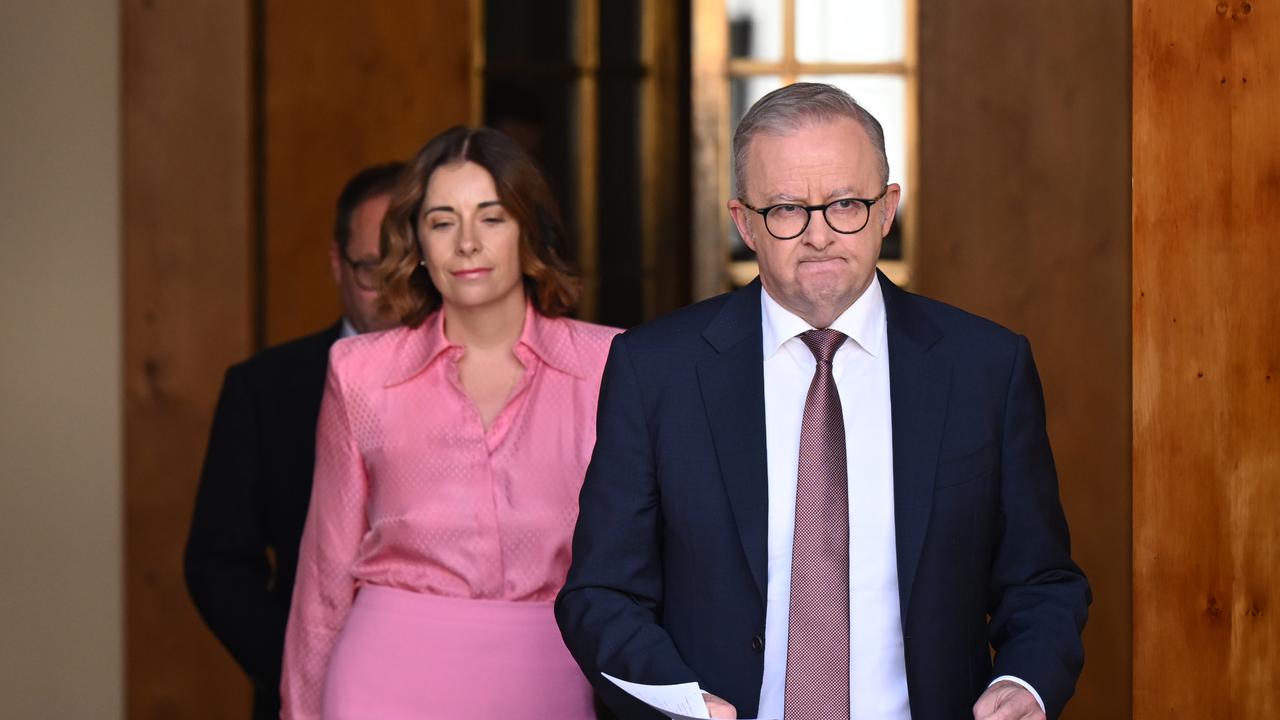
Mr Albanese said Australian journalism needed to be properly paid for by tech companies.
“Our government is taking the next steps to ensure that Australian journalism is sustainable now and into the future, by ensuring that large digital platforms cannot avoid their obligations,” he told reporters in Canberra.
“What we are encouraging is for organisations to sit down with news organisations, get these deals done, and then we can move forward.”
The draft laws were released ahead of the legislation being introduced to parliament in coming weeks.
Consultations with Meta – the owners of Facebook and Instagram – as well as Google and TikTok have been carried out.
The deals would be offset by 150 per cent if agreements are struck with large media organisations, and 170 per cent for smaller newsrooms or non-traditional outlets.
“Investment in journalism is critical to a healthy democracy. It matters,” Mr Albanese said.
“If the work has been done by the people here at this press conference, in other places right around Australia, then your work needs to have a monetary value attached to it.
“It shouldn’t just be able to be taken by a large multinational corporation and used to generate profits for that organisation with no compensation appropriate for the people who produce that creative content.”
A previous version of the news bargaining code was rolled out in 2021 by the Morrison government.
However, social media companies such as Meta walked away from deals with Australia news outlets in 2024.
Communications Minister Anika Wells said a changed deal was needed as the media landscape evolves.
“People are increasingly getting their news directly from Facebook, from TikTok and from Google,” she said.
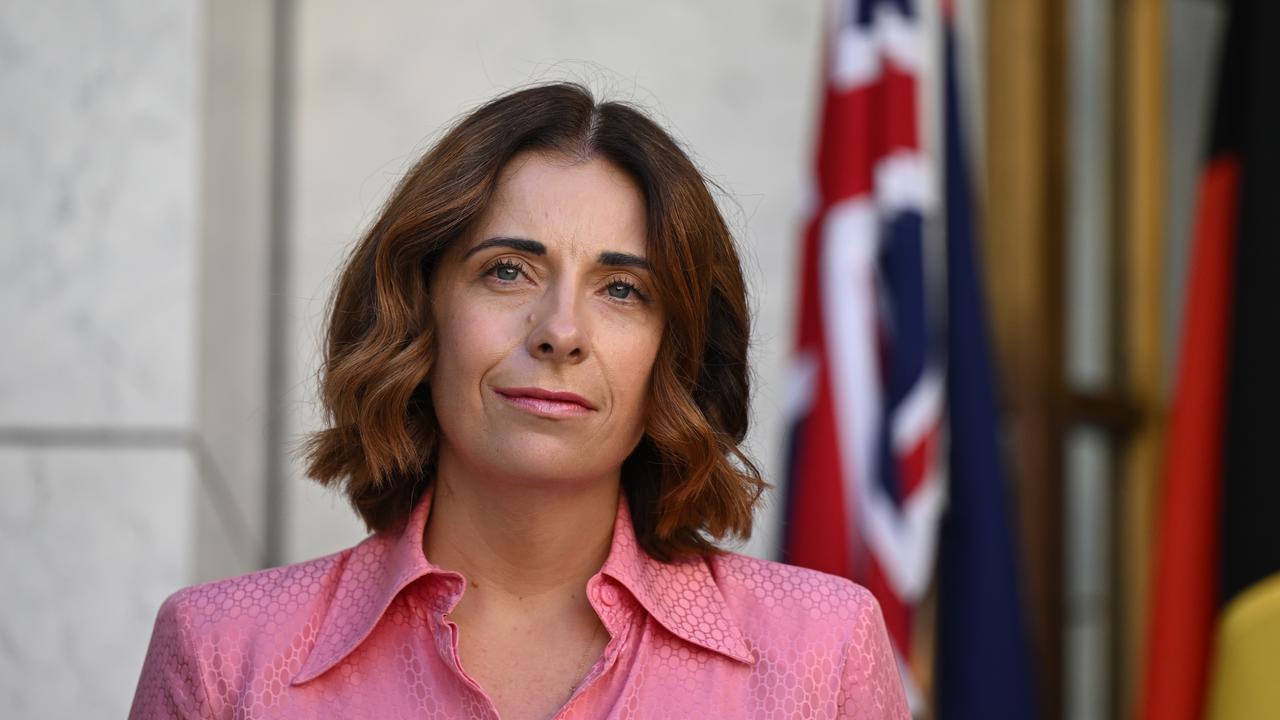
“We believe it’s only fair that large digital platforms contribute to the hard work of journalism that enriches their feeds and that drives their revenue.”
It comes as the Greens called for the federal government to implement a tax on big tech companies.
“Big tech platforms make massive profits from ripping off the content of journalists and creators, but they are also making billions from monetising the personal data of Australians and shifting profits offshore,” the party’s communication spokeswoman Sarah Hanson-Young said.
“Billion-dollar tech corporations are exploiting loopholes and shifting profits offshore, and Australians are rightly asking why they’re getting away with it.”
Aussie shares on track for sixth day of losses
Australia’s share market has extended Monday’s drop as some states return from a long weekend and the Middle East energy shock continues to drag on sentiment.
The S&P/ASX200 fell 50.9 points by midday on Tuesday, down 0.58 per cent, to 8,715.5, as the broader All Ordinaries lost 48 points, or 0.53 per cent, to 8,942.8.
Wall Street stalled at fresh record highs overnight as oil prices crept up on signals that the US was unlikely to accept an Iranian proposal to delay nuclear talks in order to prioritise the opening of the strait of Hormuz.

“Markets have been in limbo since President Trump formally cancelled the latest round of in-person negotiations over the weekend,” Westpac economist Ryan Wells said.
“Price action has been mixed against this fluid backdrop around US-Iran negotiation prospects.”
Energy and real estate were the only two sectors trading higher, scraping gains of less than 0.2 per cent.
Woodside and Santos traded either side of break-even, while refinery operators Viva Energy and Ampol both improved.
Dip-buyers supported uranium stocks after they started the week in the red, while Whitehaven outperformed other coal producers after targeting the upper end of 2026 earnings guidance in a quarterly update.
Utilities stocks underperformed, the segment tumbling almost three per cent as Origin extended its losses to almost a tenth in two sessions.
Origin’s sell-off came after UBS analysts cut their earnings per share forecasts a day after the utility slashed its own revenue forecasts related to its stake in Octopus Energy.
The raw materials sector handed back Monday’s gains with interest, shedding 1.2 per cent as BHP and Rio Tinto clocked even bigger losses.
Gold stocks also slipped as the precious metal eased to $US4,667 ($A6,501) an ounce.
Critical minerals producers PLS, Liontown and Lynas continued their recent strength with advances of up to three per cent.
The heavyweight financials sector traded roughly flat, as CBA, Westpac and NAB fell behind, while ANZ improved ahead of its interim results on Friday. CBA slipped 0.2 per cent to $173.49.
Consumer discretionary stocks were under pressure, dipping 1.1 per cent as Wesfarmers, Aristocrat Leisure and Light & Wonder weighed.
Health care stocks continued to sell off, wiping away Monday’s gains to again trade at ten-year lows.
In company news, Domino’s Pizza shares plummeted by nearly a tenth after a similar dive for its US-listed equivalent after a first-quarter earnings miss.
Beach Energy fell more than two per cent as March quarter production declined at its Otway Basin, Cooper Basin joint venture and Western Flank projects, despite its Perth Basin output soaring 174 per cent.
The Australian dollar was buying 71.78 US cents, up from 71.65 US cents on Monday at 5pm.
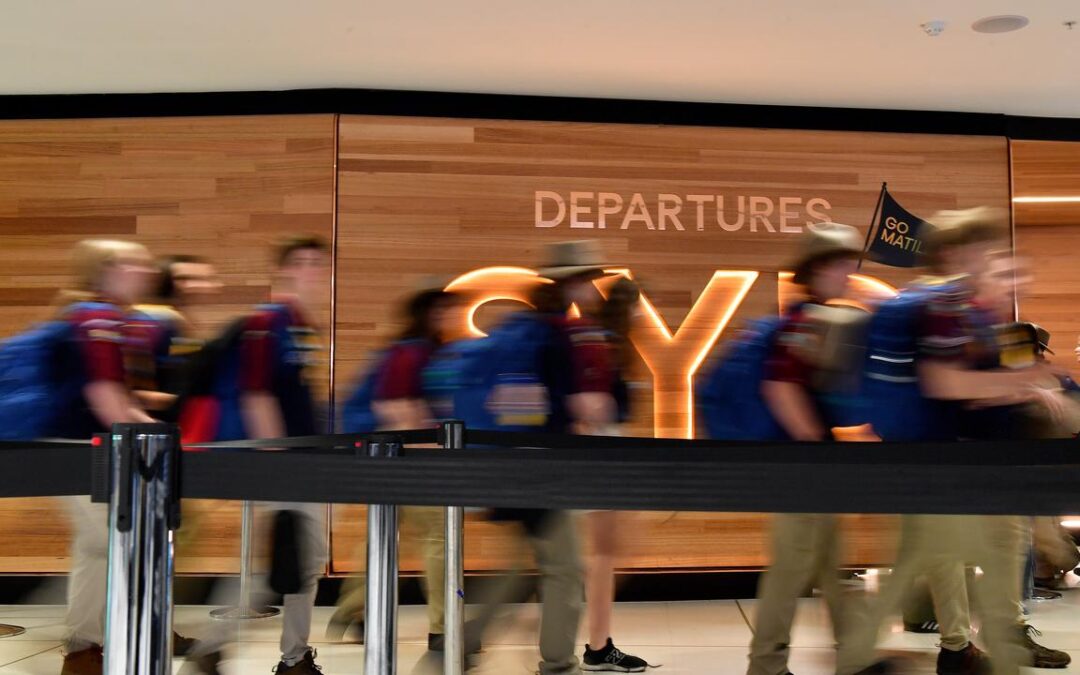
Aussie travellers on the go as Asian airport hubs shine
Airlines in Australia and around the world have trimmed flight numbers and increased airfares on the back of the Middle East crisis, but that hasn’t stopped Aussies from heading overseas.
The nation’s biggest airport has revealed the March quarter was its strongest for international travel in its history, despite the outbreak of the US-Israel war against Iran on February 28.
Sydney Airport funnelled 4.57 million passengers through its terminals at Mascot in the city’s south, up 5.8 per cent on the same quarter last year.
New Zealand and China were the airport’s largest international markets, with passenger volumes increasing by 13.5 per cent and 14 per cent, respectively.
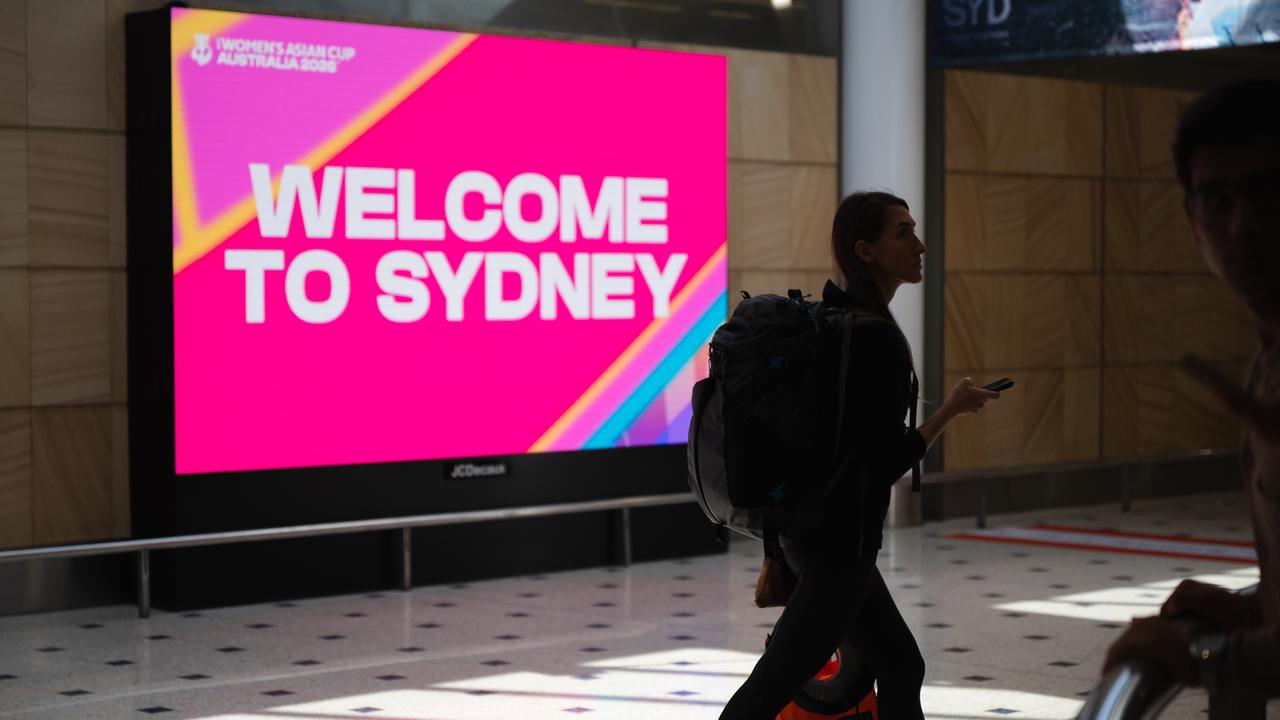
Travel to and from Hong Kong was also strong, up 21.4 per cent, and there was also increased traffic for Shanghai, Seoul and Kuala Lumpur.
Airport chief Scott Charlton said the growth in international traffic was a great outcome given the US war on Iran, which also sent the price of jet fuel soaring and forced many airlines to change their operations.
“Growth across China and broader Asia is increasingly supporting travel into Europe, helping to offset softer conditions in parts of the Middle East,” he said on Tuesday.
“This performance reflects resilient demand for travel to and from Sydney and reinforces Sydney Airport’s role as the nation’s primary international gateway.”
Looking ahead to the second quarter, Mr Charlton said the focus for airlines will likely be changes to routes, as they adjust to higher fuel prices and the possibility that the conflict will run through to June, or beyond.
“From a fuel perspective, the outlook remains stable and consistent with government guidance,” he added.
“There are no current indications of fuel supply constraints impacting airline planning or near-term operations at Sydney Airport.”
On the domestic side, passenger growth was also strong – rising by 2.1 per cent to 6.2 million in the quarter.
Overall, Sydney Airport saw more than 10 million passengers through its domestic and international gates.
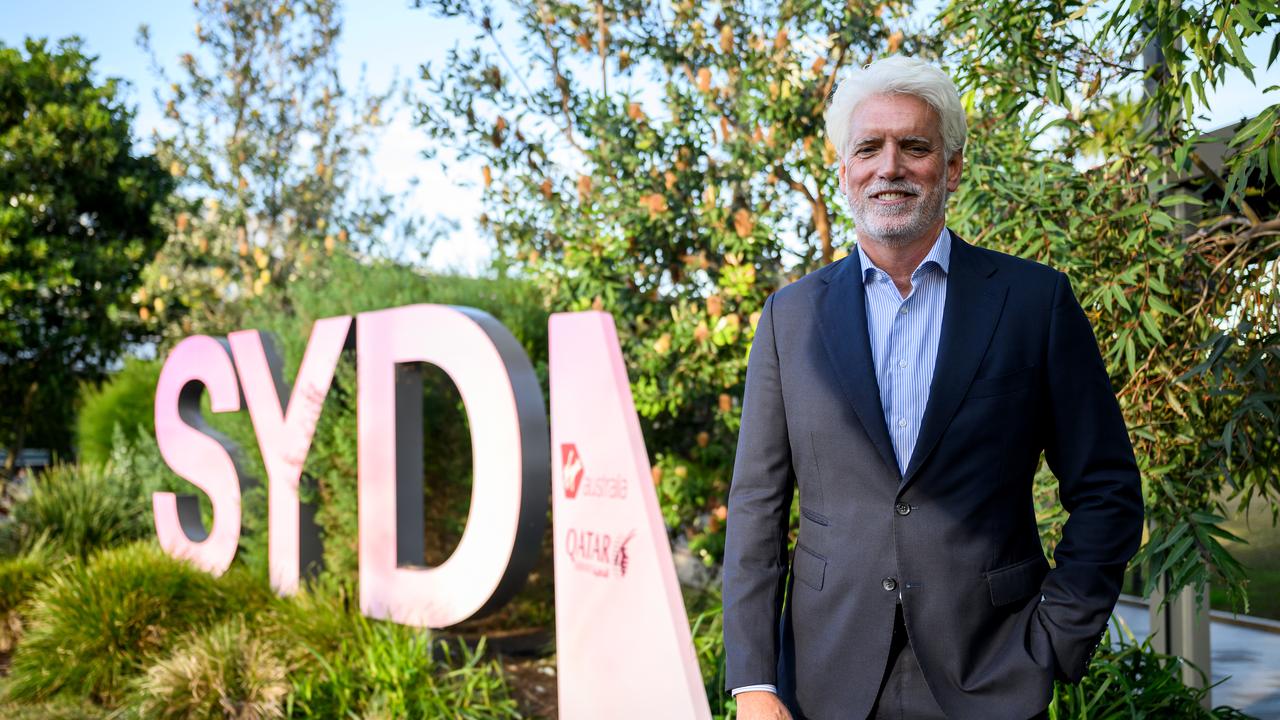
”Everything we have seen so far suggests the aviation market continues to demonstrate adaptability and Sydney Airport is well positioned to support growth as conditions evolve,” Mr Charlton said.
Since the crisis began, Qantas has reduced some domestic capacity and raised fares.
But the carrier, which does not fly to the Middle East, has said it was also seeing more demand for travel to Europe and was redeploying capacity from the US and its domestic network to increase flights to Paris and Rome.
Air New Zealand, Air India, Delta Air Lines, and Lufthansa have also reduced capacity in recent weeks, citing the refining costs of jet fuel which have surged to a peak of around $US120 per barrel from $US20 before the war.
Union clean-up hit as ailing corruption fighter quits
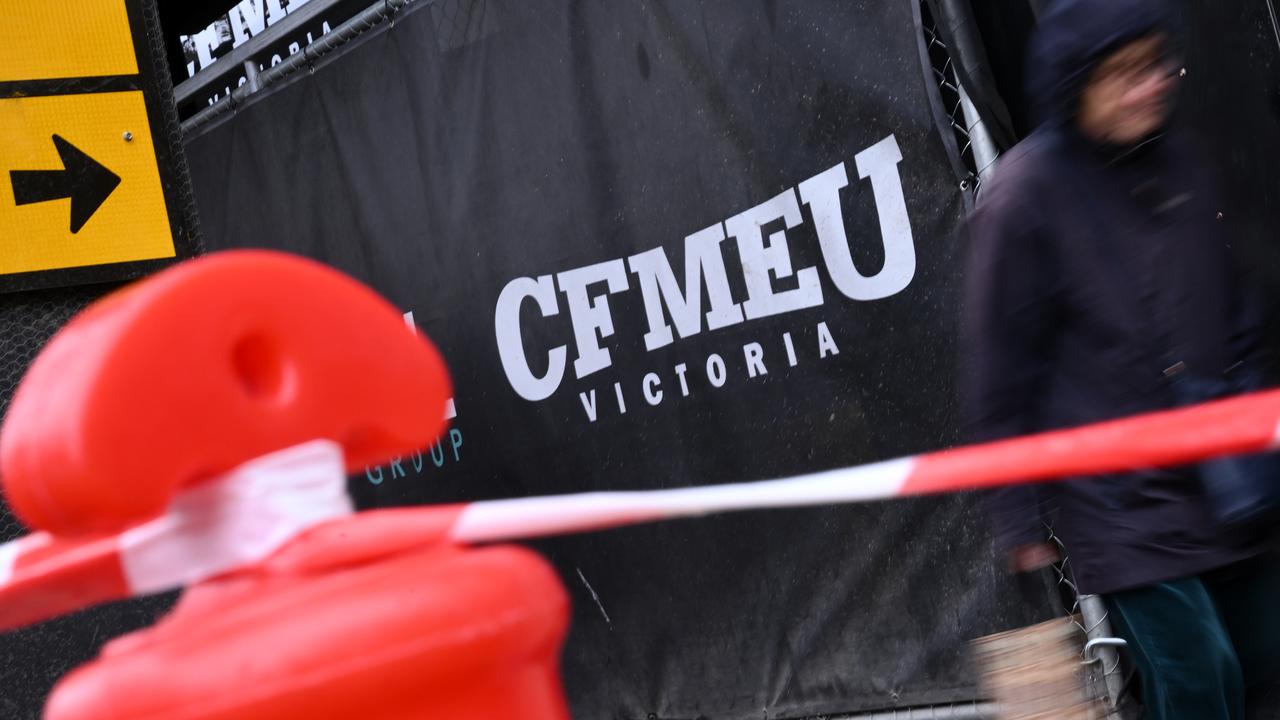
The resignation of the man tasked with cleaning up the scandal-plagued construction union may have been triggered by health issues, according to the government.
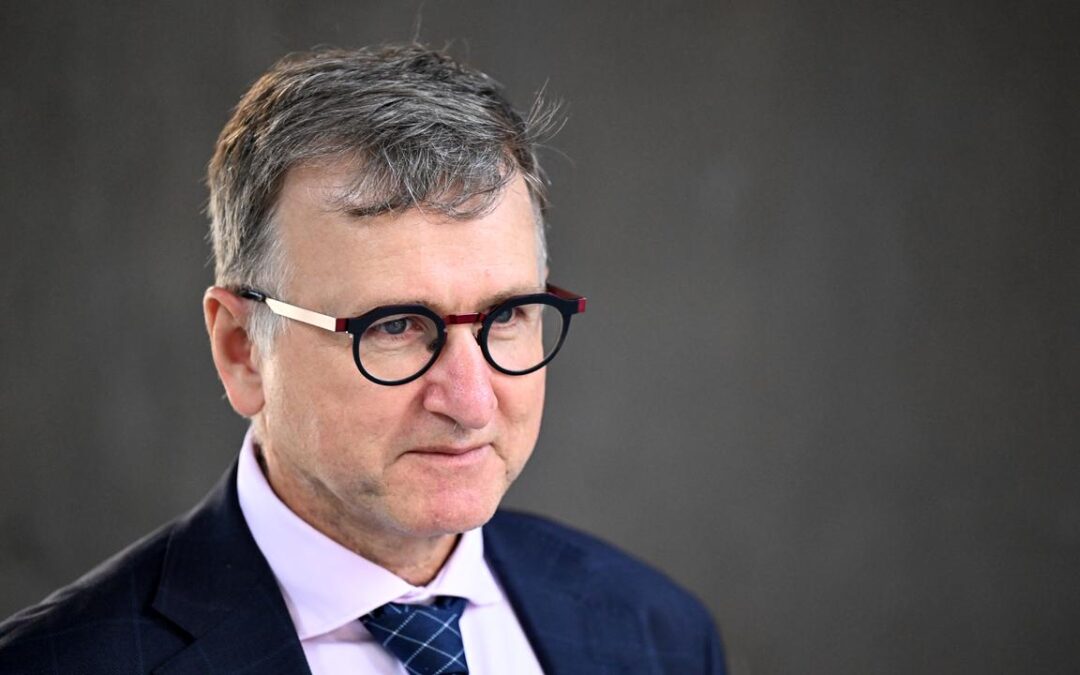
Senior barrister Mark Irving KC was appointed in 2024 to tackle allegations of corruption and bikie infiltration in the CFMEU but has now stepped aside, allowing a senior union official from NSW to take the reins.
Mr Irving had done a good job in very difficult circumstances, federal minister Jason Clare told reporters on Tuesday.
“He’s had two heart attacks in recent times,” Mr Clare said.
Mr Irving was reportedly hospitalised in May and August of 2025 after suffering chest pains.
He also received death threats after he began sacking hundreds of union officials as part of his efforts to stamp out corruption.
CFMEU NSW executive officer Michael Crosby will take over as administrator.
Mr Irving will still be involved in the union in a senior counsel role.
But the resignation of the government’s handpicked corruption fighter shows the clean-up fight is failing, the opposition said.
The coalition will seek to establish a parliamentary inquiry into corruption in the construction industry, workplace relations spokeswoman Jane Hume said in a statement.
“Labor promised to clean up the CFMEU,” she said.
“Instead, Australians have seen secrecy, controversy and now the resignation of the very person appointed to fix the mess.”
The CFMEU’s construction and general division was placed into administration in late 2024 after it was accused of corruption and links to organised crime.
Former CFMEU official and bikie Joel Leavitt, one of four men charged over an alleged extortion plot, faced court in March.
Queensland has also launched an inquiry into the CFMEU, led by commissioner Stuart Wood KC.
Australian Constructors Association chief executive Jon Davies praised Mr Irving’s work and acknowledged it came with a high level of personal and professional risk.
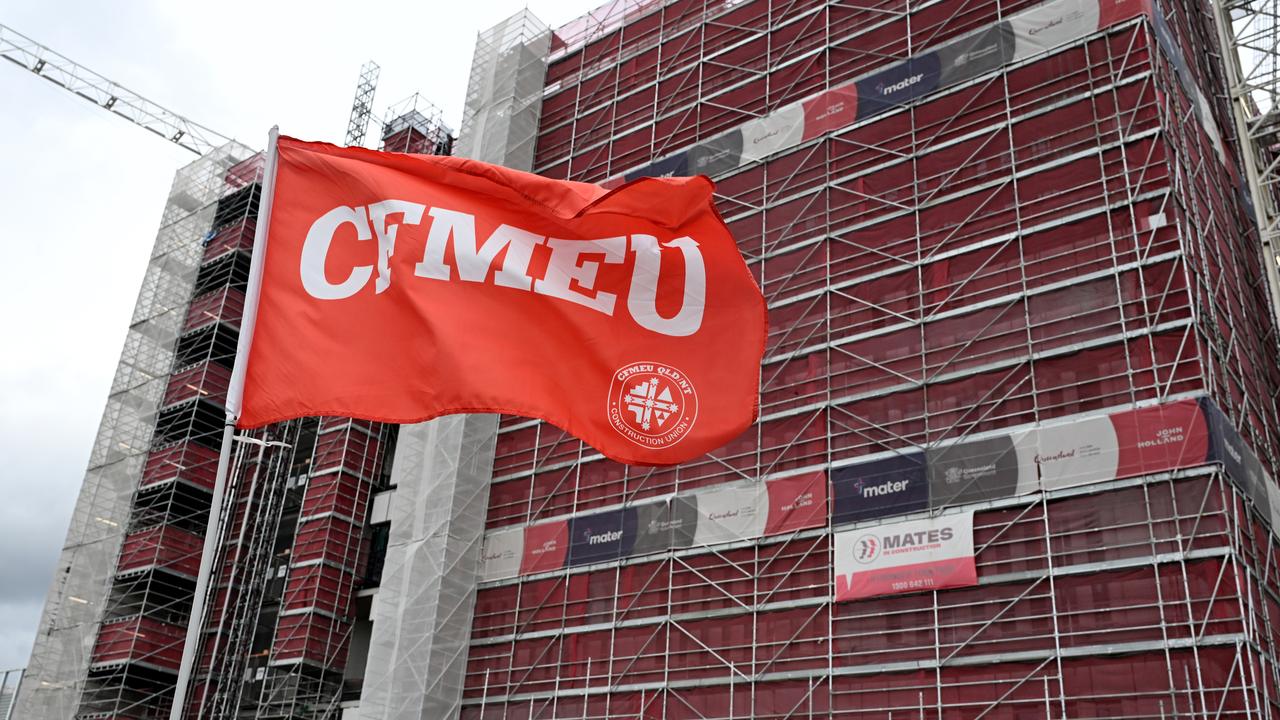
“Given the CFMEU’s history of coercive conduct and criminal infiltration in parts of the construction industry, this was not a role many would have been willing to take on,” he said in a statement.
“While we have not always agreed on every issue, our engagement with Mark has consistently been respectful, direct and constructive,” Mr Davies said.
The peak body for construction companies called for broad reform of the sector, warning lawlessness could re-emerge once the administration ends.
“We need stronger oversight, clearer accountability and consistent enforcement across the sector,” Mr Davies said.
Trump reveals long-awaited pick for top Australia post
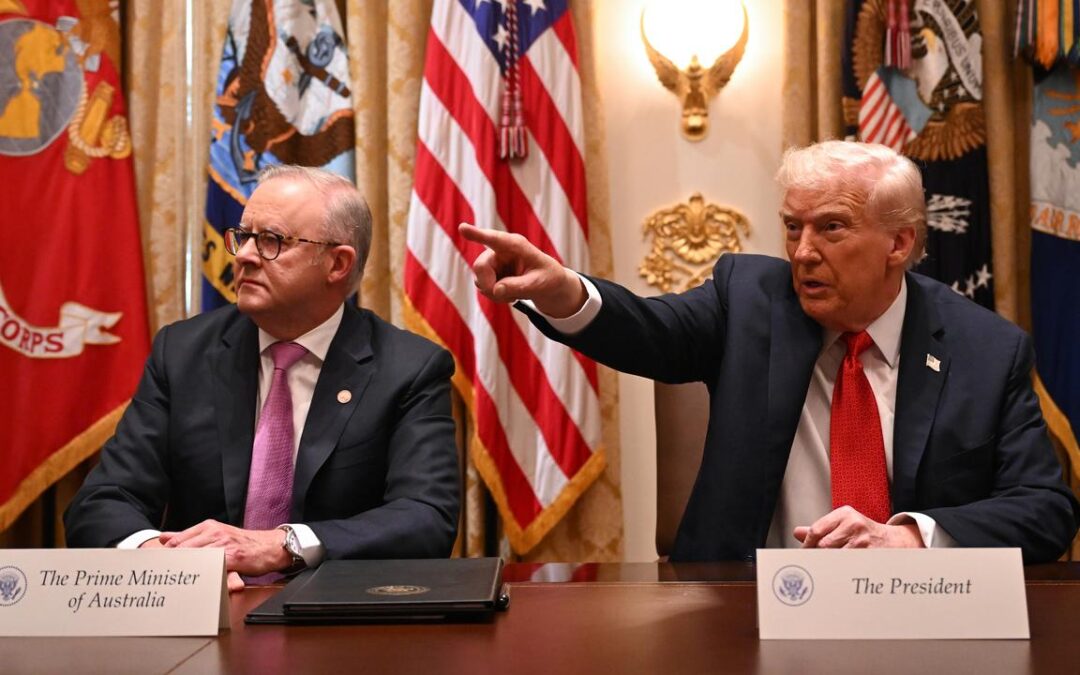
US President Donald Trump has announced his pick for the next American ambassador to Australia more than a year after the Republican leader’s return to the White House.
Former Virginia congressman David Brat was nominated for the ambassador role, which has been vacant since 2024.
Mr Brat represented Virginia’s seventh congressional district in the US House of Representatives for the Republicans.
He was first elected in 2014 and served two terms before losing his seat in 2018.
The ambassador position is yet to be finalised as the appointment needs to be ratified by the US Senate.
If successful in his selection, Mr Brat will succeed Caroline Kennedy in the role of ambassador to Australia.
Ms Kennedy, the only surviving child of former Democratic president John F. Kennedy, was appointed under the Biden administration.
Trump reveals long-awaited pick for top Australia post
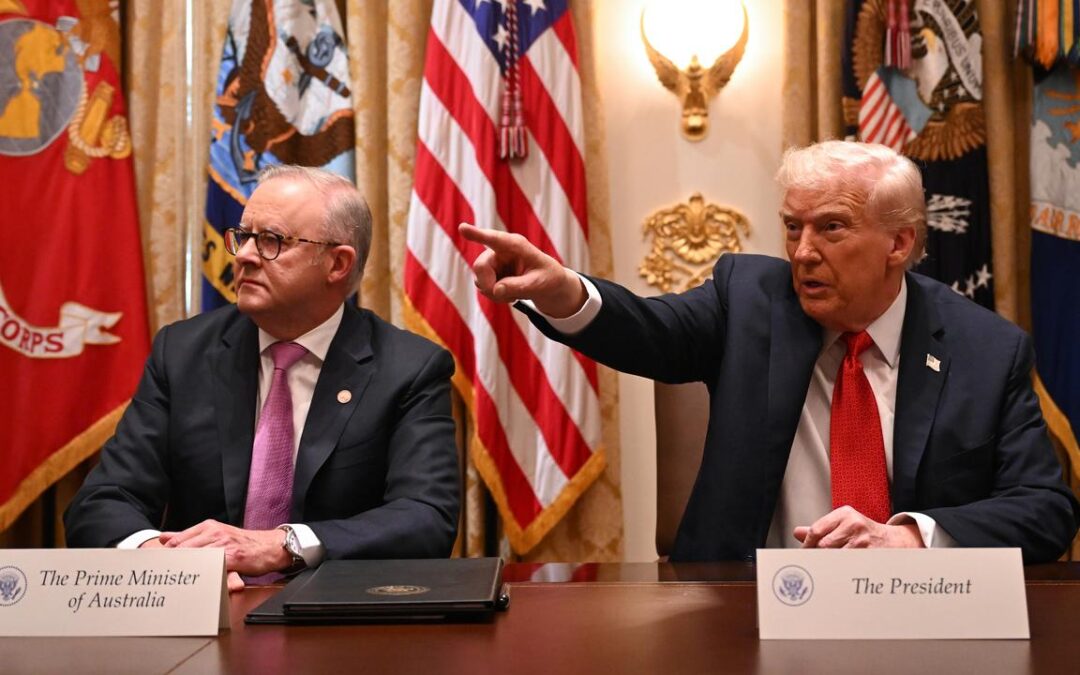
US President Donald Trump has announced his pick for the next American ambassador to Australia more than a year after the Republican leader’s return to the White House.
Former Virginia congressman David Brat was nominated for the ambassador role, which has been vacant since 2024.
Mr Brat represented Virginia’s seventh congressional district in the US House of Representatives for the Republicans.
He was first elected in 2014 and served two terms before losing his seat in 2018.
The ambassador position is yet to be finalised as the appointment needs to be ratified by the US Senate.
If successful in his selection, Mr Brat will succeed Caroline Kennedy in the role of ambassador to Australia.
Ms Kennedy, the only surviving child of former Democratic president John F. Kennedy, was appointed under the Biden administration.
‘Not a luxury’: call for inclusivity in gender equality
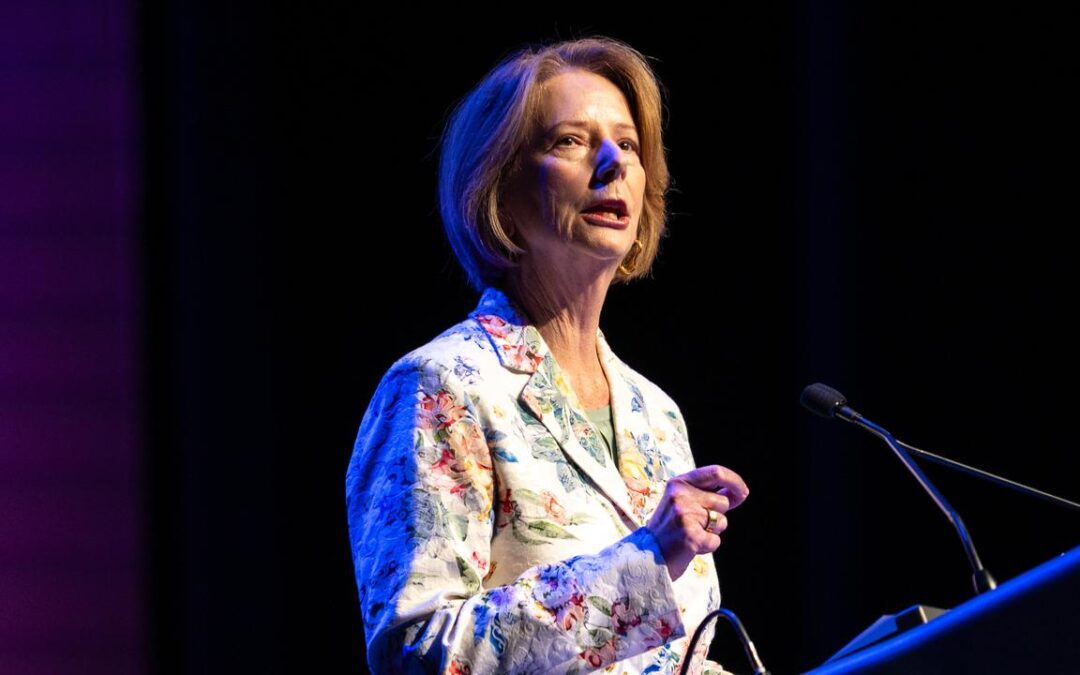
As the rights of women and girls are deliberately wound back, Australia’s first female prime minister has urged gender equality activists to push back with the same ferocity.
Former Labor prime minister Julia Gillard is a key speaker at Women Deliver, a major gathering of activists, policymakers and leaders past and present.
Ms Gillard was welcomed with cheers from almost 6000 delegates who have gathered for the conference in Melbourne.
“The rolling back of women’s rights is not being done in secret, it’s being heralded by key global political leaders,” she said at the opening ceremony on Monday night.
“It’s not being disguised or done in tiny increments, it is overt, strategic and being attempted in bounding leaps.
“We must push back in the same way and find the courage to take bounding leaps as well (because) gender equality is not a luxury and (it) is not just an issue for women.”
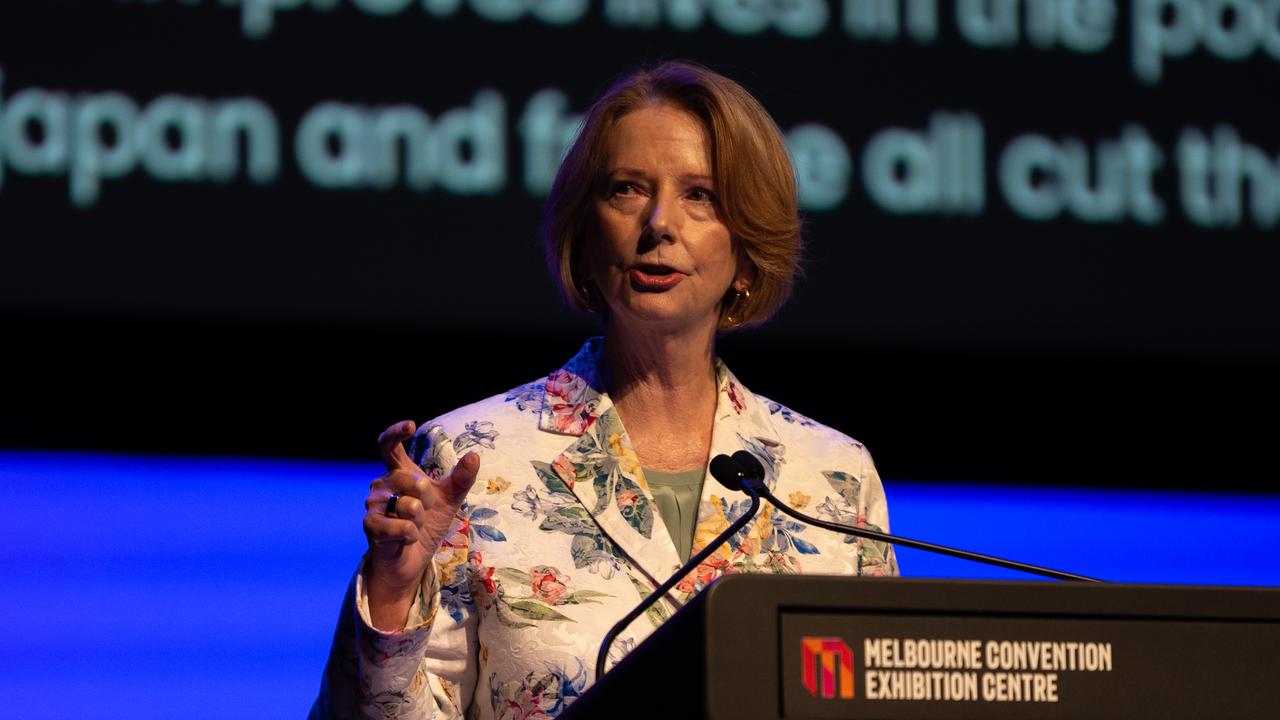
Ms Gillard is chair of the Global Institute for Women’s Leadership at King’s College London and later founded its sister institute based at the Australian National University in Canberra.
She said research conducted by the institutes had shown more gender-equal communities offered everyone, including men, better economic prospects and a fuller range of life choices.
“We have not always been as loud as we should have been about making this case,” Ms Gillard said.
“So-called populist movements have exploited this and worked to create the impression that gender equality is a zero-sum game, where if women and girls get more then men and boys must get less.
“We need to make sure that we are continuing to make an inclusive case for gender equality.”
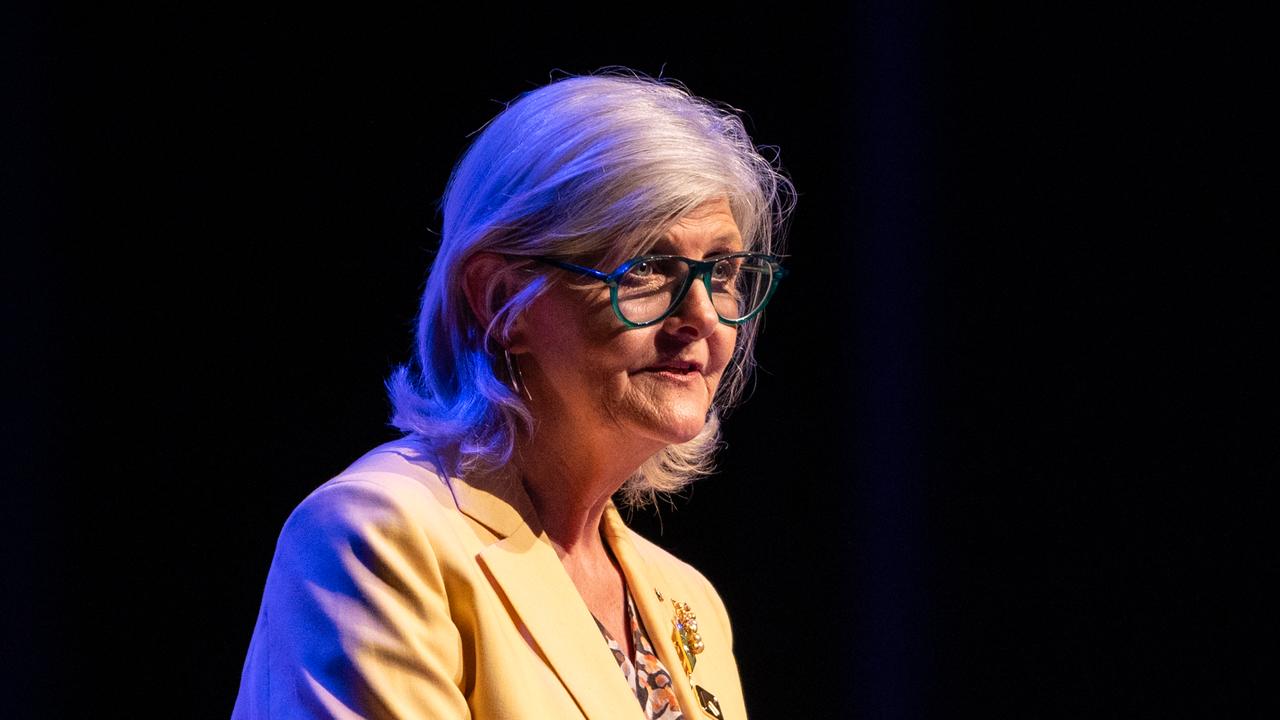
As only the second woman appointed to the position, Governor-General Sam Mostyn said the gendered language of opposition was alive and well.
“I hope I speak for all the women who step up into positions of leadership and authority … in saying the least interesting thing about us, actually, is our gender,” she said.
“In fact, the most important thing for a generation of young women and men across the globe is to know there should be no barriers whatsoever, gender or otherwise, to the very best people assuming leadership in our society.”
The five-day Women Deliver schedule includes notable speakers from the political sphere including former prime ministers such as New Zealand’s Jacinda Ardern and Canada’s Justin Trudeau.
Attendees will also have the chance to hear from other global leaders and advocates for gender equality including eSafety Commissioner Julie Inman Grant and Olympic gold medallist Emma McKeon.

Canaries in AI coalmine still chirping, jobs data shows
Artificial intelligence has yet to negatively impact hiring of graduates, although some occupations are starting to show signs of softening, says Employment Minister Amanda Rishworth.
In a keynote address on Tuesday, Ms Rishworth will preview new government data showing the effects of AI on the jobs market as she announces a new forum bringing together employer groups and unions in a big to increase collaboration in the technology’s roll-out.
“Pleasingly, employment outcomes for young tertiary graduates have been positive, despite some expectations that they could be the ‘canaries in the coalmine’ for AI in the workplace,” she will tell the AFR Workforce Summit in Sydney.
“We are not seeing an elevated rate of compositional change, meaning that the mix of jobs in the economy is not changing faster than usual.
“However, we are starting to see a slight softening in the rate of growth for occupations that are most exposed to AI adoption, like filing clerks or keyboard operators.”
The government has been attempting to balance union concerns that unleashing AI on workplaces with no oversight would impact job security with employer warnings that over-regulating the technology would threaten a potential productivity boon.
Labor ministers, including Ms Rishworth, Treasurer Jim Chalmers and Assistant Minister for Productivity Andrew Leigh, have touted the productivity-boosting potential of AI.
But Ms Rishworth will say it is crucial workers are brought along on the journey and that the benefits of AI are shared, which is why dialogue between government, unions and business is so important.
“One of the ways I am building this dialogue is through the newly elevated AI Employment and Workplaces Forum,” she will say, according to an excerpt of the speech.
The new forum, including the secretary of the Australian Council of Trade Unions and chief executives of employer groups such as the Business Council Australia and Australian Industry Group, will meet for the first time in Adelaide on Wednesday.
Top of the agenda: how to build trust around AI adoption.
That could mean employers ensuring employees are given input into how AI is used in their workplace, for instance.
Themes of capability, transparency, safety and productivity will also be discussed by the forum.
“These themes will shape our discussions on how we can build common understanding, and translate these themes into agreed outcomes,” Ms Rishworth will say.
At an economic roundtable in August 2025, Dr Chalmers announced the government would conduct a gap analysis to see whether existing legislation was adequate to regulate AI or whether it would require one overarching bill.

Rebel yell: actor to testify in film fight with co-star
Aussie A-lister Rebel Wilson is set to star in a real-life courtroom drama when she testifies in her high-profile defamation battle against the star of her directorial debut.
The Pitch Perfect star is being sued by Charlotte MacInnes, the Australian lead actor of the musical comedy The Deb.
MacInnes claims Wilson defamed her in four social media posts which claimed she made a sexual harassment complaint and then retracted it to further her career.
The dispute was sparked when the young actor assisted The Deb’s co-producer Amanda Ghost after she suffered a medical episode at Bondi Beach in September 2023.
She helped the producer back to an apartment they were sharing with others and ended up innocently sharing a bath in their swimwear in a bid to warm up, MacInnes says.
Wilson is set to go into the Federal Court witness box on Tuesday after flying from the US with her wife, who will also give evidence this week.
Hints about what she might say can be found in sworn statements by MacInnes that have been tendered to the court and contain parts of the older actor’s own affidavit.
Wilson is expected to testify about her claim MacInnes confided in her that Ms Ghost had asked her to have a bath and a shower together, and it made her feel uncomfortable.
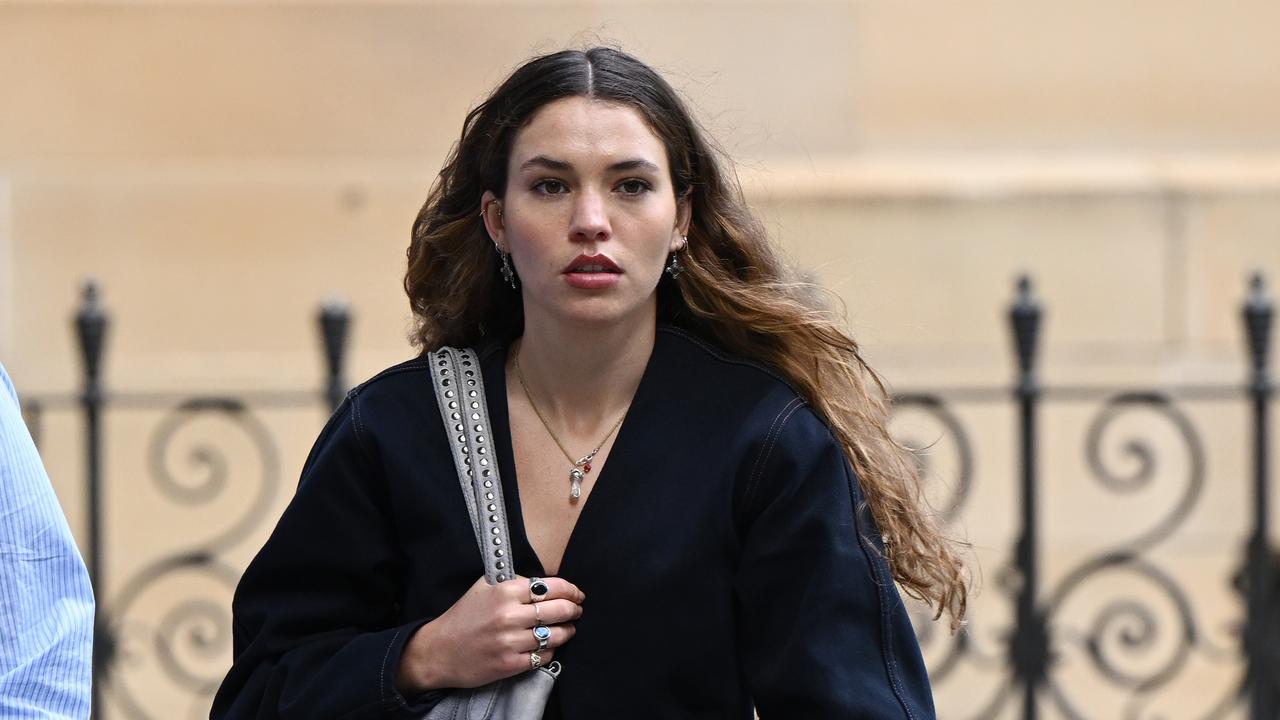
MacInnes denies making the complaint, maintaining she later clarified to Wilson the situation had been weird but she was not uncomfortable around Ms Ghost.
In her statement, Wilson says she overheard the producer and young star saying intimate things – often of a sexual nature – to each other, which MacInnes has denounced as untrue.
She also rejected Wilson’s account of seeing Ms Ghost push her to go out for a drink together until the young actor relented.
The Bridesmaids star falsely portrayed herself as a whistleblower who spoke up to protect MacInnes when she was actually using the alleged complaint as leverage in a dispute with her co-producers, MacInnes’ barrister Sue Chrysanthou SC said.
“I was angry that Rebel claims to be someone who stands up for women … but then was so maliciously and unfairly persisting with a narrative that painted me as a liar, prostitute, sell out, and whore,” MacInnes wrote in her affidavit.
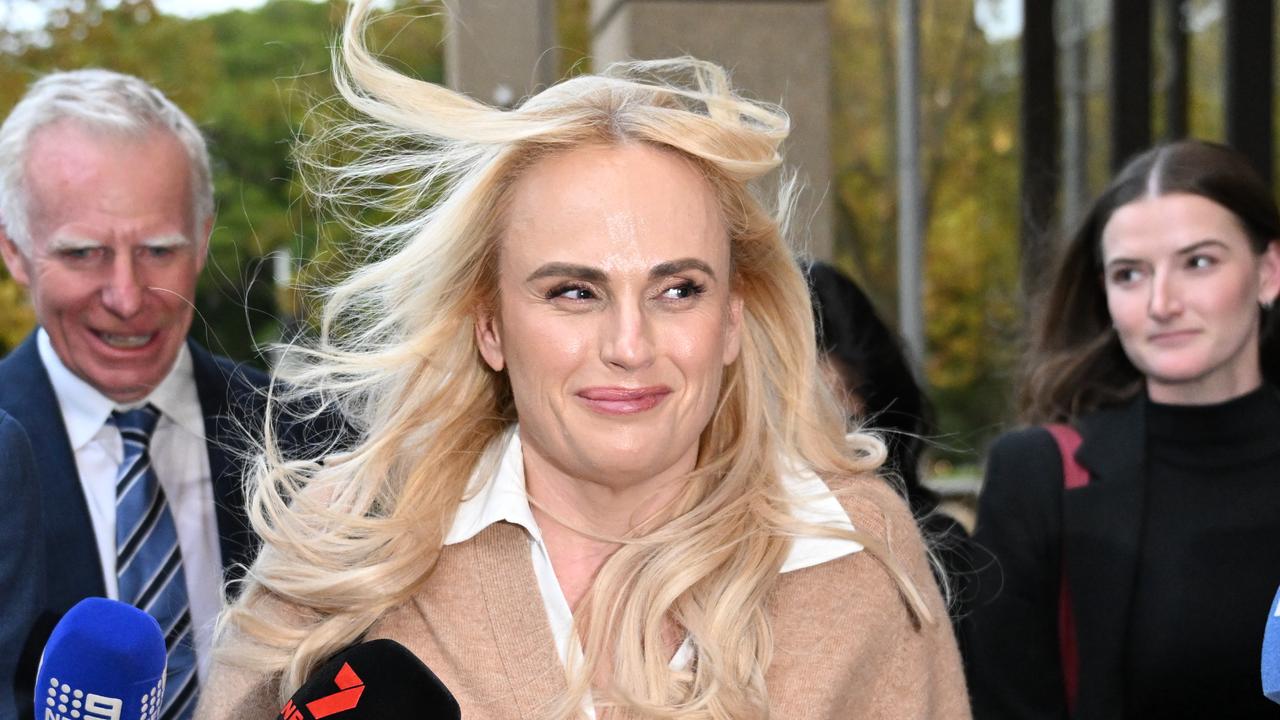
Instead of checking on the alleged victim of inappropriate behaviour, Ms Chrysanthou said Wilson instead shared posts “slagging off” her client.
“This is how this bully, apparently this saviour of women, the protector of the harassed, responds,” she previously told the court.
But Wilson had raised her concerns with others even though she had doubts about the veracity of the alleged complaint, her lawyer Dauid Sibtain SC said in his opening address.
The central issue is not whether MacInnes was a victim but instead whether she complained to Wilson and then changed her story, he contended.
“Our case is that … she changed her story,” Mr Sibtain said.
“She did so to ensure her career as an actress and musician progressed by appeasing Ms Ghost.”
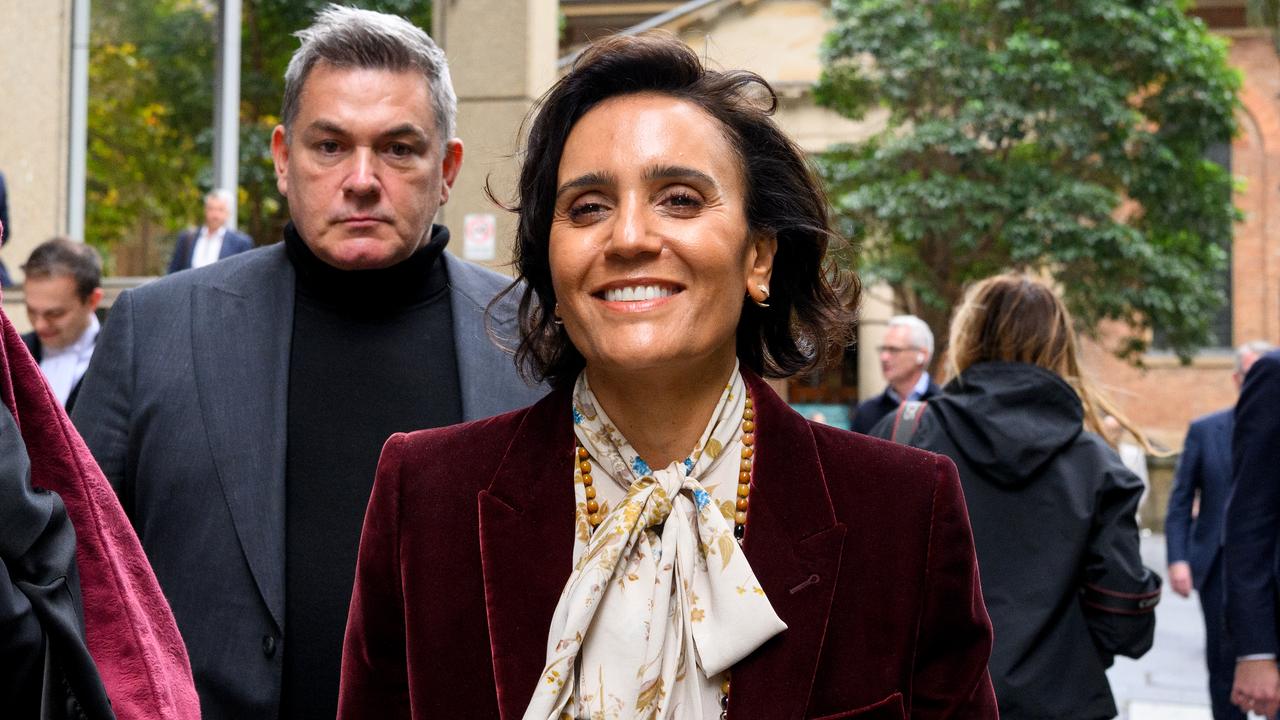
Mr Sibtain argued MacInnes hasn’t suffered any harm to her reputation at all as a result of the social media posts, contrary to her allegations.
It is likely Wilson will face questioning about MacInnes’ claim she played a role in a hack on her social media account that led to a nude photo being leaked.
The Hollywood star is also expected to be grilled on whether she was involved in creating malicious websites attacking Ms Ghost that referenced the alleged complaint.
Wilson has been accused of directing a crisis PR team to create the websites, but denies any involvement.