
Batteries undercutting gas, keeping lid on power bills
Australian power grids have proven far more resilient to the latest global energy crisis compared with the Russia-Ukraine war, bolstered by battery boom and subdued local gas prices.
A ballooning battery fleet soaking up cheap, abundant solar to discharge in the evening peak have cut reliance on dearer gas and hydro generation, the market operator says.
More battery usage fed into lower year-on-year wholesale electricity prices in most regions.
Batteries set prices nearly a third of the time in the first three months of 2026, surpassing all other technologies.
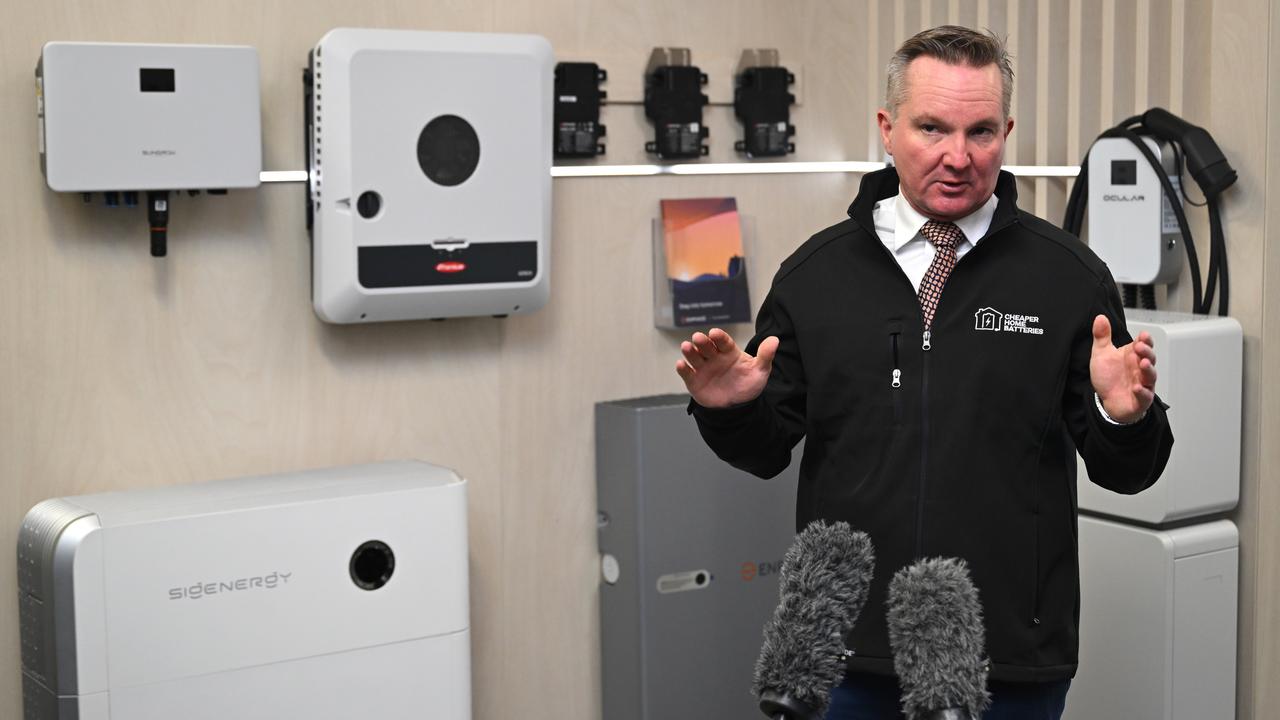
“Grid-scale batteries are increasingly absorbing excess renewable energy during the day and shifting it into the market during evening peaks, helping moderate prices during high-demand periods,” the Australian Energy Market Operator’s Violette Mouchaileh said.
The eastern grid has doubled its installed battery capacity in 12 months, as grid-scale projects and subsidised household systems entered the market at pace.
Wholesale spot prices across the main eastern network averaged $73/megawatt hour (MWh) in the first three months of 2026, down 12 per cent from the same period in 2025, but higher than the spring quarter before.
Summer quarters typically see higher prices as hot days push demand and prices higher.
Early 2026 prices were also well below the above $250/MWh averages of 2022 triggered by the Russia-Ukraine war, despite similar international price shocks following recent Middle East conflicts.
Gas prices, which typically drive east coast power bills when peaking plants cover evening demand spike, were also surprisingly subdued given the geopolitical context.
Wholesale gas prices averaged $10.61/GJ, lower than in the first three months of 2026.
Ms Mouchaileh said lower gas demand for electricity generation and a moderately lower Queensland LNG exports weighed on domestic prices, even as international prices surged.
Wood Mackenzie research analyst Natalie Thompson said Australia’s power system was undergoing a structural shift insulating it from global energy price shocks.
“Growth in renewables and batteries, reduced reliance on gas-fired generation, and the rise of distributed energy resources are materially lowering exposure to international fossil fuel markets,” she said.
“Australia’s energy transition is now delivering tangible energy security benefits alongside emissions reductions.”
Solar and wind continue to supply a growing share of Australia’s total generation, AEMO’s quarterly electricity snapshot revealed, with the 46.5 per cent a record high for a first quarter.
Renewables share was lower than the 51 per cent of overall supply in the quarter prior, reflecting a jump in demand as airconditioners fired up during searing January temperatures, reaching 50C in some heatwave locations.
Ongoing electrification and data centre connections also added to a new quarterly record for electricity demand, with 11 big projects working through the connection process.
US Fed holds rates, three members dissent on ease bias
The Federal Reserve has held interest rates stead but in its most divided decision since 1992 noted rising concerns about inflation in a policy statement that drew three dissents from officials who no longer feel the US central bank should communicate a bias towards lowering borrowing costs.
A fourth dissent at the meeting came in favour of a quarter-percentage-point rate cut.
“Inflation is elevated, in part reflecting the recent increase in global energy prices,” the Fed said in its policy statement, a shift from previous language saying that inflation was just “somewhat” elevated.
Developments in the Middle East are contributing to a high level of uncertainty about the economic outlook.
The 8-4 vote was the most divisive since October 6, 1992, and shows the breadth of opinion incoming Fed chair Kevin Warsh will face in pursuing rate cuts that US President Donald Trump says he expects from his chosen successor to Jerome Powell, whose term as central bank chief ends on May 15.
Although the latest policy statement retained language about how the Fed would assess the “extent and timing of additional adjustments” to rates, a phrase that pointed to future cuts as the next likely move, three policy makers objected.
Cleveland Fed president Beth Hammack, Minneapolis Fed president Neel Kashkari and Dallas Fed president Lorie Logan, while supportive of holding the policy rate steady in the current 3.50 per cent-3.75 per cent range, “did not support inclusion of an easing bias in the statement at this time” and voted against the new statement.
With global oil prices lodged above $US100 a barrel due to the US-backed war against Iran, the Fed has been hard-pressed to determine if the effects are likely to be seen more through depressed growth or higher inflation, keeping the policy rate in the range where it has been since December despite repeated urgings by Trump for looser monetary policy.
Alongside elevated inflation, “the unemployment rate has been little changed in recent months” while the economy continues to expand “at a solid pace,” the Fed said.
The new statement is likely the last to be issued under Powell’s leadership.
Earlier on Wednesday, the Republican-controlled Senate Banking Committee voted to advance Warsh’s nomination on a party-line 13-11 vote.
The Senate is expected to confirm Warsh next month.
Powell is scheduled to hold a press conference later on Wednesday to elaborate on the results of the meeting and the economic outlook, and may also address whether he plans to remain at the Fed as a governor in a separate term that runs through January of 2028.
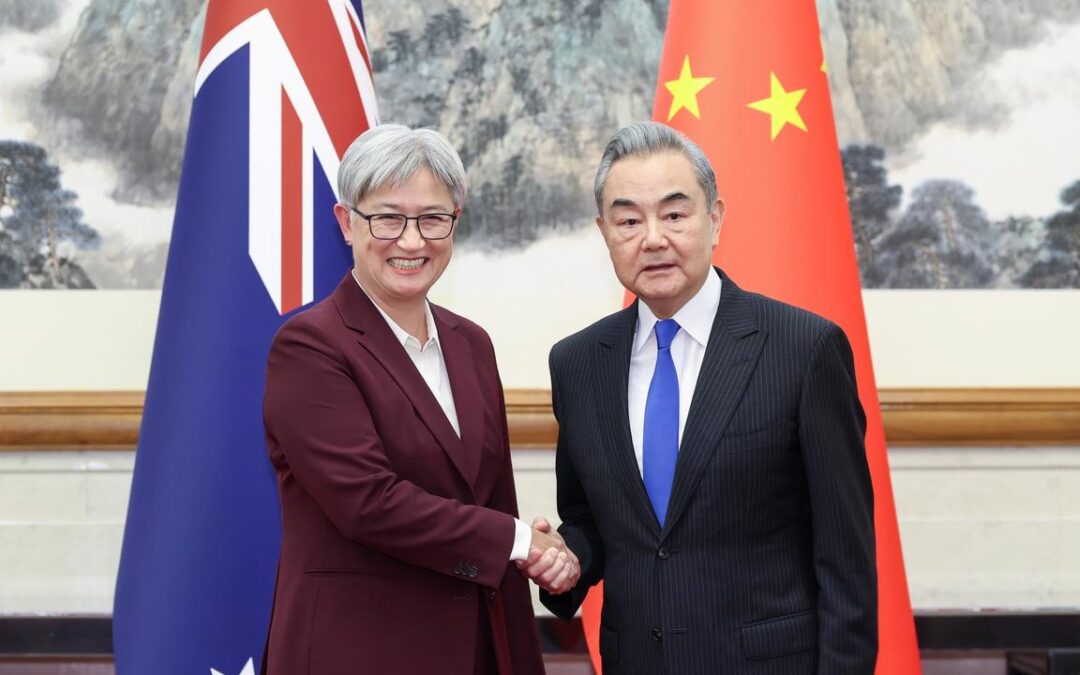
China agreed to co-operate on jet fuel exports: Wong
The Chinese government has agreed to co-operate with Australian businesses on jet fuel shipments, Australian Foreign Minister Penny Wong says, suggesting China could loosen curbs on exports imposed amid supply disruption from the Iran war.
“We believe this is an important step, but it is the first step,” Wong told reporters in Beijing, adding that the aim of her trip was to press for Chinese co-operation “in particular for the provision of liquid fuels”.
Wong is in China as part of a three-country tour that also includes Japan and South Korea, with Australia seeking to keep ties with China on a steadier footing while co-ordinating with regional powers on energy security.
Australia, which imports most of its fuel, has faced localised shortages since the Middle East conflict that began in February.
China has clamped down on fuel exports since March to protect domestic supply after the closure of the Strait of Hormuz disrupted crude and fuel flows.
China is a major source of fuel in Asia and supplied a third of Australia’s jet fuel last year.
In a meeting with her Chinese counterpart Wang Yi, Wong said she “made the point that the imports China supplies to Australia, including jet fuel, support the Australian resources sector, which in turn helps to maintain the flow of commodities” that are crucial to the bilateral trading ties.
“Our energy security is shared,” Wong said.
“Energy supplies to us impact upon our capacity to provide other energy and other commodities to the region,” she added.
China has approved 500,000 metric tons of fuel exports for May to regions other than Hong Kong, representing a near doubling of shipments forecast for April, trading sources said, but levels remain less than half of last year’s corresponding averages.
“It is more important than ever for countries of the region to work together to co-ordinate our responses and to keep fuel and goods flowing,” the Australian foreign minister said on Wednesday.
Bill hikes loom as shrinking gas pool pays for network
Every day, Australians are buying gas stoves and heaters with no clue their bills are projected to balloon as other customers abandon the network in droves.
Consumers should be warned they are locking themselves into decades of covering gas network costs as electrification accelerates, Energy Consumers Australia proposes.
“We know how many hens per hectare there are when we buy our carton of eggs,” the consumer group’s general manager advocacy and policy Brian Spak told AAP.
“But there’s not simple consumer information on the package when you buy a gas appliance.”
The threat of unsustainable price hikes underpins the consumer advocacy group’s calls for an “equitable and orderly” gas phase-out.
A national electrification blueprint targeting no gas in new homes by 2028 and all-electric housing by 2050 should be accompanied with consumer appliance labels and mandatory electric replacements for busted gas appliances in rentals.
Lowering upgrade costs was also recommended, as well as managing the transition of the $11 billion gas network that fairly shares the costs between consumers, networks, investors and taxpayers.
Household gas bills are expected to soar as climate goals and improving economics bolster the case for home and business electrification, leaving behind a shrinking pool of customers to cover costs of gas pipes and infrastructure.
By 2045, a near 80 per cent decline in household and commercial gas use is forecast by the Australian Energy Market Operator.
Modelling suggests South Australians could be slugged with a near 65 per cent total gas bill increase within the decade if they do not electrify.
By mid-century, households in the state could be paying 265 per cent more for gas.
Renters, low-income households and apartment-dwellers are most likely to get stuck on gas.
Regulators have been responding, with new gas buyers soon to pay upfront for connections to stop costs being socialised across the entire customer base.
Nationally aligned government policy is needed as well, Mr Spak said.
“We need government to just, first of all, acknowledge that this is the direction” the energy market is travelling in he said.
Government quietly recognises the projected demise of gas but “saying it out loud” would send a message to choose electric as gas appliances reach end-of-life, he said.
“The longer we wait, the harder this is going to get,” he said.
“You’re going to have people who buy gas appliances now or in five years, and then are stuck with this gas appliance they don’t want.”
State and territory governments are primarily responsible for gas networks and the Australian Capital Territory and Victoria have been spearheading pathways towards electrification.
Other gas-reliant states, including South Australia, NSW and Western Australia, have been falling behind.
While banning new gas appliances is flagged as the most effective pathway to electrification, the report recognises limited political appetites for restricting consumer choice.
Security agencies in Bondi royal commission spotlight
Possible intelligence and security failures before the deadly Bondi Beach terror attack will headline initial findings from a high-level probe.
The Royal Commission on Anti-Semitism and Social Cohesion’s interim report is expected to offer a glimpse into how two men were able to plan and carry out one of the worst mass shootings in Australian history.
The attack killed 15 people attending a Hanukkah festival at the popular beach in December, prompting the government to eventually launch the formal probe.
Sabina Kleitman’s 87-year-old father, Alex Kleytman, was shot in the chest and killed as he shielded his wife Larisa from the gunmen.

Ms Kleitman said the safety of all Australians rested on figuring out what – if anything – went wrong before the attack.
“They will have to do a lot of soul-searching, a lot of thinking and re-thinking of their decision-making and a lot of restructuring,” she told AAP.
Asked how the release of the interim report made her feel, Ms Kleitman said: “None of what happened makes me feel good.”
“It’s not only a matter of how I feel – the effects of this act of terrorism are bigger than affecting the Jewish community only,” she said.
“It’s about the safety and security of all Australians and whether that report actually shows the way forward to avoid or mitigate disasters of that sort moving forward.”

An ASIO review of one of the gunmen cleared him as a potential threat in 2019, according to agency director-general Mike Burgess, who said the men “went dark” to conceal their plot.
“It appears the alleged terrorists demonstrated a high level of security awareness to hide their plot,” Mr Burgess told a parliamentary hearing in February.
“In simple terms, they went dark to stay off the radar.
“The grim reality is, as I’ve said many times, ASIO is not all-seeing and all-knowing. We cannot stop every terrorist, just as we cannot catch every spy.”
If ASIO was found to have made mistakes, Mr Burgess said the agency would learn from them.
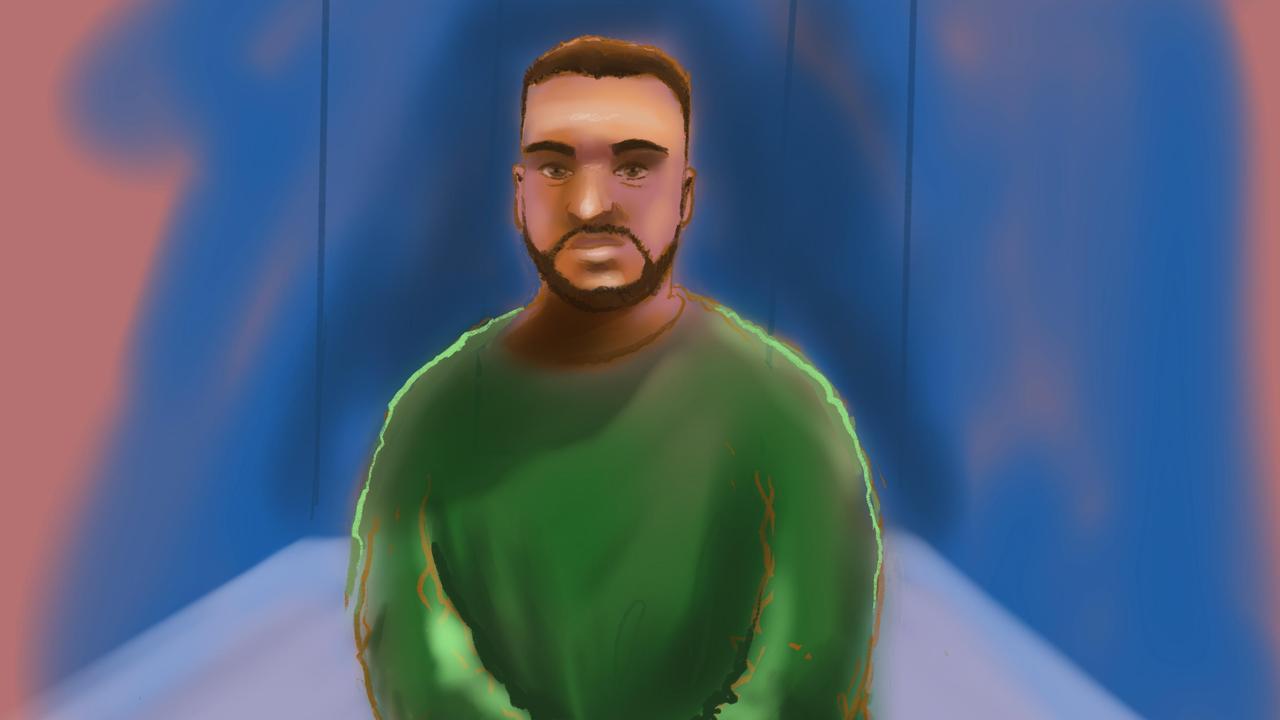
Sajid Akram was shot dead during the massacre while his son, Naveed Akram, remains before the courts on terrorism and multiple murder charges.
The commission will enter an initial block of public hearings in Sydney from May 4 to 15, addressing Jewish-Australian lived experiences of anti-Semitism.
The interim report will be made public on Thursday morning.
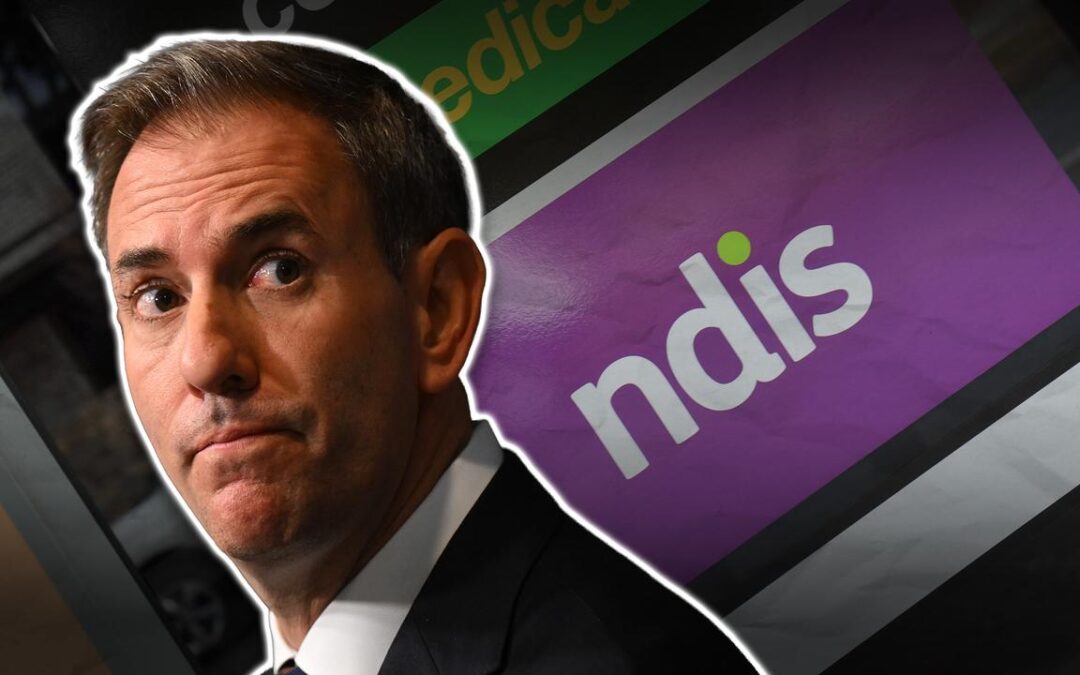
Top economist lays out three tests for Labor in budget
Reining in the National Disability Insurance Scheme and property investor tax breaks could save the budget $30 billion over four years, the chief economist at Australia’s biggest bank says.
Luke Yeaman, who was a senior department official under Treasurer Jim Chalmers before switching to the Commonwealth Bank, said the upcoming budget was shaping as one of the most interesting in a long time.
Since Labor’s huge election win in May 2025, it has been framed as a reforming budget to fix Australia’s chronic productivity malaise and structural fiscal deficit.
The Iran war has made the task for Mr Yeaman’s former boss even tougher, as Dr Chalmers attempts to pull off major reform, big spending cuts, national resilience and supporting households in one budget.
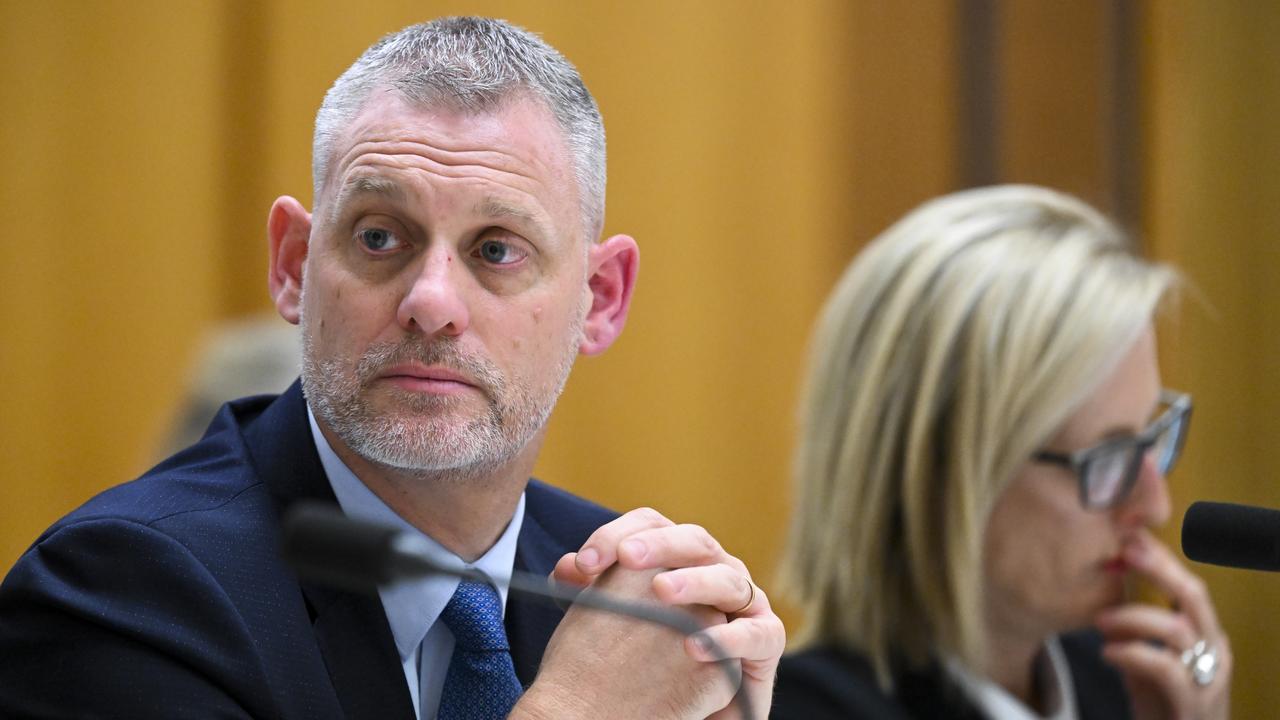
The conflict has deepened the government’s inflation predicament.
The headline consumer price index soared to 4.6 per cent in the year to March, the Australian Bureau of Statistics reported on Wednesday, as the oil shock caused fuel prices to rise 33 per cent.
“We expect the government to try to thread the needle. To pull this off, they will need to meet several tests,” Mr Yeaman said.
Firstly, spending cuts to the tune of tens of billions of dollars are needed to reduce the deficit and help cool inflation.
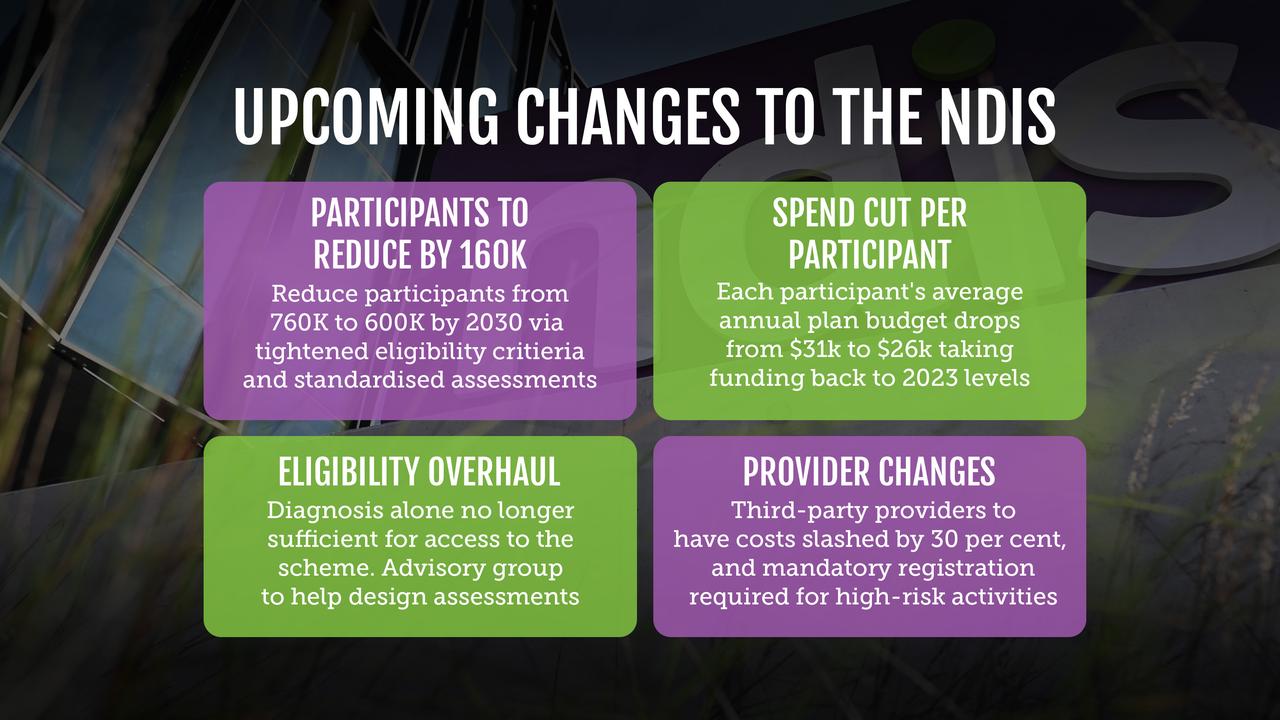
Already, the government has announced major changes to the NDIS, which it claims will save $35 billion over four years.
“This is a welcome and badly needed reform,” Mr Yeaman said.
“The big question is whether such sharp cuts in spending can be delivered, especially so quickly.”
Demands from the states for more funding to shoulder taking on replacement services would test the government’s resolve, he said, predicting that cumulative savings would be closer to $20‑25 billion over the next four years.
Telegraphed changes to negative gearing and the capital gains tax discount will also boost revenue, even though Mr Yeaman expects the impact on house prices to be relatively modest.
Together, with the NDIS savings, they could improve the budget bottom line by around $30 billion over four years and $200 billion over 10 years, Mr Yeaman estimated.
The second test of the budget would be changes that do shift the dial on housing affordability and productivity, Mr Yeaman said.
That could look like broader business or personal tax reform, although implementing an allowance for corporate equity or a tax on gas windfall profits has been made more unlikely by the Iran war.
The third test is on national resilience and the cost of living, including lifting Australia’s fuel reserves to 90 days, in line with international standards.
“We assume that government will commit $20 billion in the budget over five years to boost energy resilience,” Mr Yeaman said.
“This could include a combination of increasing the domestic reserves and boosting refining capacity.”
Further support for households was also likely, but Mr Yeaman expected the government to avoid making a big splash that would risk adding further fuel to the inflation fire and heap pressure on the Reserve Bank.
Following Wednesday’s inflation release, bond traders slightly lowered their rate expectations but still predicted two more hikes, including one at the RBA’s next meeting on Tuesday.
Citi chief economist Josh Williamson expects the central bank to follow it up with another hike in June.
Australia’s inflation headache was “about to become a migraine” with price pressures expected to persist over the coming quarters, he said.
‘Exhausted’: housing supply hit as affordability dips
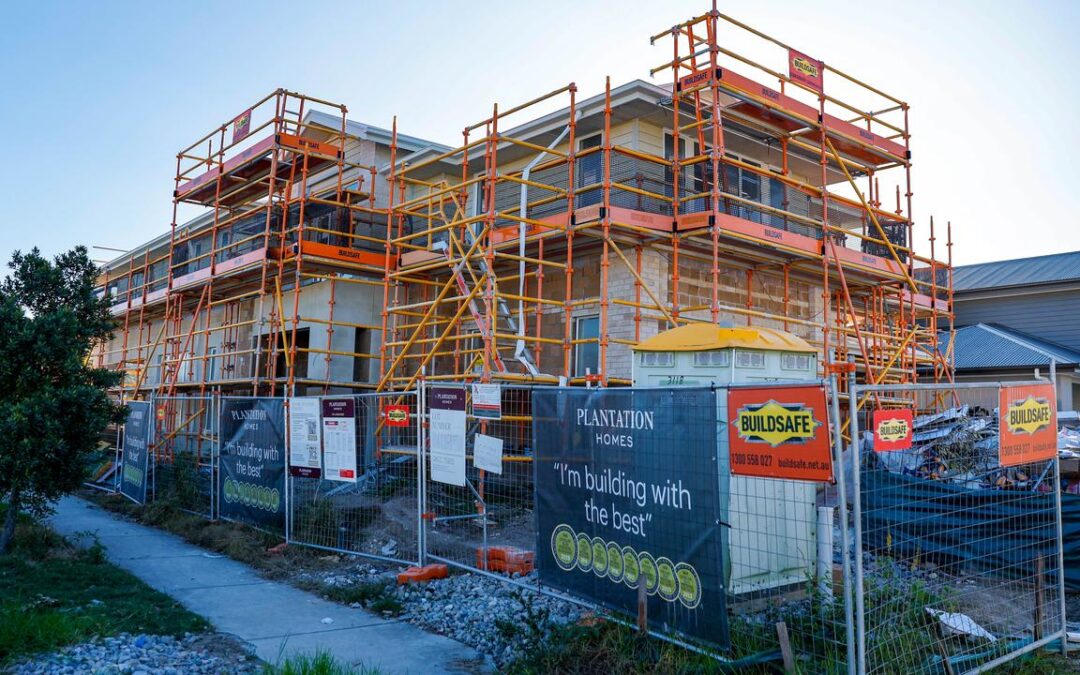
The Iran war could result in Australia building 33,000 fewer homes than planned, the government’s independent housing adviser has warned.
Australia was making ground on its housing supply targets before the Middle East conflict broke out in late February, the National Housing Supply and Affordability Council found in its annual state of the housing system report on Thursday.
But the effective closure of the Strait of Hormuz, which send fuel prices sky-rocketing and disrupted supply chains for building materials such as PVC pipe, has severely impacted the housing sector.
“There is, particularly for smaller firms, an enormous amount of pressure on costs,” council chair Susan Lloyd-Hurwitz told AAP.
Prior to the conflict, the council was estimating that Australia would build 980,000 new homes over the National Housing Accord period, which ends in June 2029.
The accord set an “ambitious” target of 1.2 million new homes over five years, which the sector had been lagging behind, but recent building approvals and commencements data showed progress was being made.
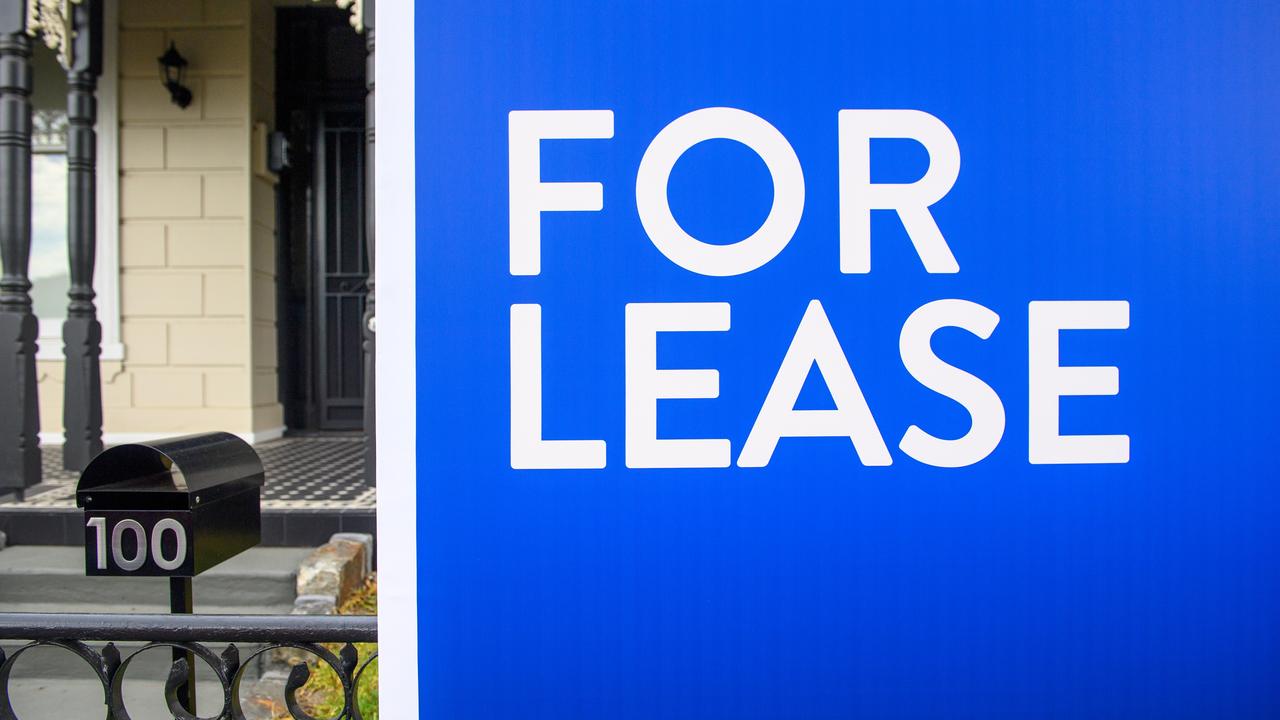
But the council now expects 33,000 fewer homes will be built over the accord period than previously assumed if the crisis persists and the increase in construction costs peaks at 10 per cent.
The impact could be even worse, Ms Lloyd-Hurwitz warned, as the council’s modelling does not take into account consumer sentiment, reticence to borrow, and broader economic conditions.
Even as the supply outlook was looking brighter before the war, affordability continued to deteriorate, the report found.
The share of a median household’s income needed to rent rose to a record-high 33.1 per cent in 2025.
The number of years needed to save for a 20 per cent deposit rose to 11.2 years.
Rental unaffordability has been driven by a chronic shortfall in supply, which has pushed vacancy rates far below long-run averages.
Nationally, just two per cent of the rental stock was available in 2025, according to the Real Estate Institute of Australia.
Single mum Rachael Jackson has felt just how unaffordable the private rental market is first hand.
After fleeing domestic violence, she and her three children have been in and out of homelessness.
Ms Jackson has struggled to afford a place to rent in Sydney’s Northern Beaches as no social housing options offered to her was suitable for her family.
“We’re exhausted, we just want stable accommodation,” she said.
“The way the system is built is, if you go out and get work or get a pay rise, you lose your subsidy, so you’re homeless anyway.
“So it’s not built to help people in poverty get out of poverty; it’s built to keep you trapped.”
Community service group Anglicare Australia found that out of the 48,776 rental listings across the country on the weekend of March 14-15, just one was affordable and suitable for a single person on JobSeeker.
A rental property is deemed affordable if it takes up no more than 30 per cent of a household’s budget.
Anglicare’s rental affordability snapshot shows there are no options for low-income Australians in the private rental market, which has been built to benefit investors, said executive director Kasy Chambers.
She called for the government to rein in tax breaks for property investors and use the money to build more public housing, agreeing with Prime Minister Anthony Albanese that changes to negative gearing and the capital gains discount are needed to stem anger about intergenerational unfairness.
1800 RESPECT (1800 737 732)
Lifeline 13 11 14
Men’s Referral Service 1300 766 491
Push for leaders to see climate as gender issue
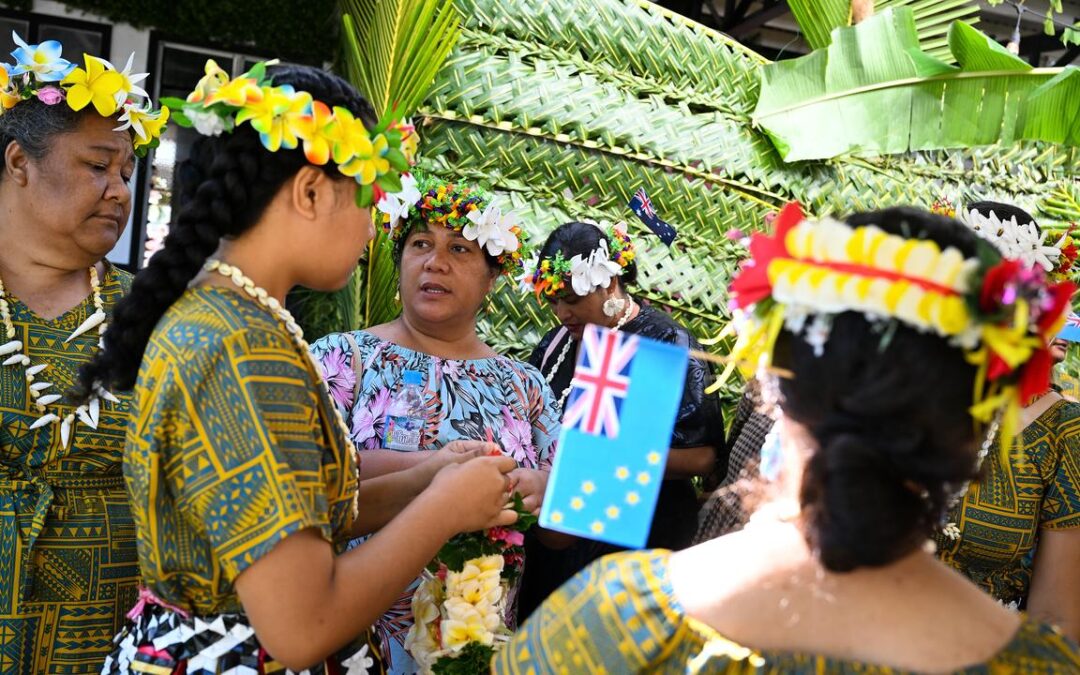
Pacific women and girls bearing the brunt of the climate crisis are demanding governments listen to their lived experiences when making global commitments at a major upcoming conference.
Ahead of COP31, a key summit on climate change to be held in November, leaders are being urged to measure their commitments against humanity rather than economics.
Floods devastating crops, disappearing resources for cultural weaving and economic hardship fuelling gender-based violence, human-driven global warming is particularly taking a toll on women in the Pacific region.
A session on climate change at the Women Deliver conference explored how leaders can better respond to the realities facing women and communities living on the front lines of climate change.
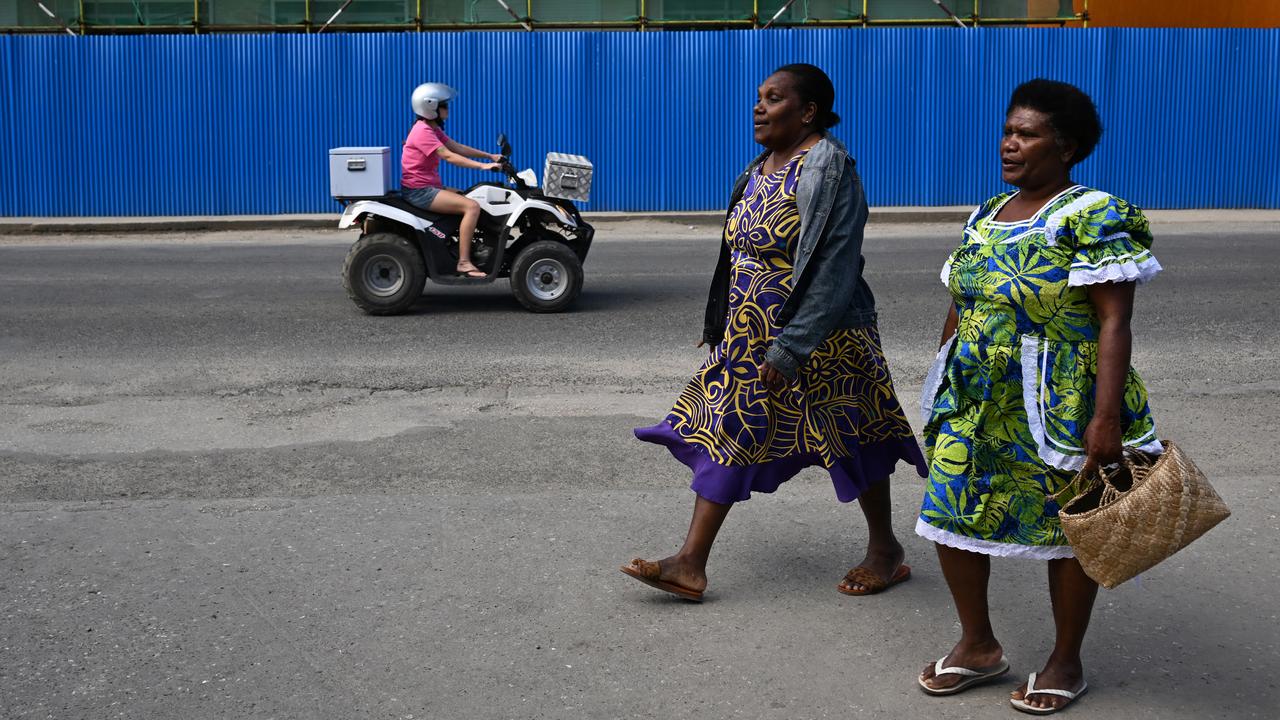
Pacific feminists issued 17 urgent demands for systemic change to protect the future of Pacific people, land and oceans.
The climate crisis and the gender equality crisis were not separate emergencies, but one and the same, Tuvalu Prime Minister Feleti Penitala Teo said at the session on Wednesday.
“They are the same crisis produced by the same system, a system organised around one logic: colonialism said that this land is not yours, the extractive economy said that these costs are not mine and the patriarchy said that women’s work is not work,” he said.
“The defining injustice of our time is that the people who bear the cost of those decisions were never invited to be part of those decisions.”
The annual climate talks will be held in Turkey but with Australia in a “president of negotiations” role. A pre-COP meeting will be held in the Pacific islands.
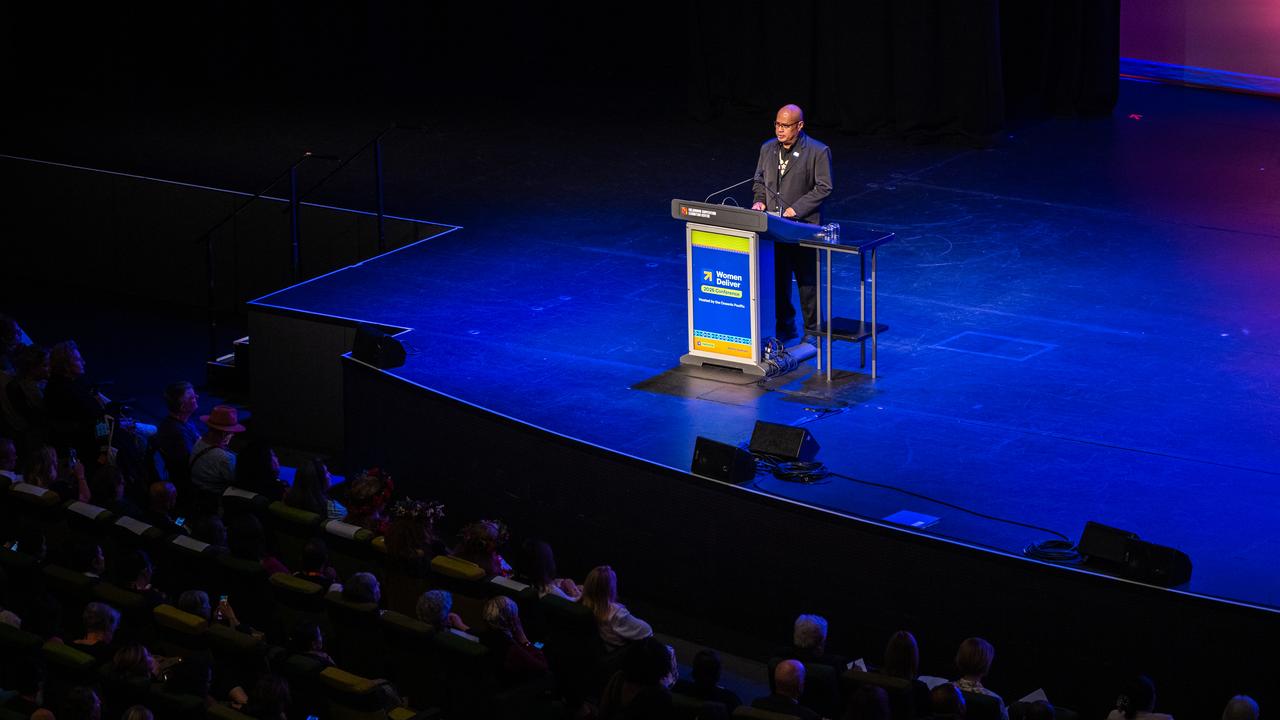
Mr Teo admitted there was little optimism to be drawn from the COP process, but it was the only means states had to engage in global climate discussions.
But he said the pre-COP meeting would allow leaders to see firsthand the extent of Pacific nations vulnerability to climate change and sea-level rise.
“What happens between this week and COP31 will certainly determine the fate of women and children,” he said.
“Will they inherit a country or will they inherit just a memory of a country that used to be?”
Human rights lawyer Jennifer Robinson was among the team that secured the landmark advisory opinion on climate from the International Court of Justice in 2025.
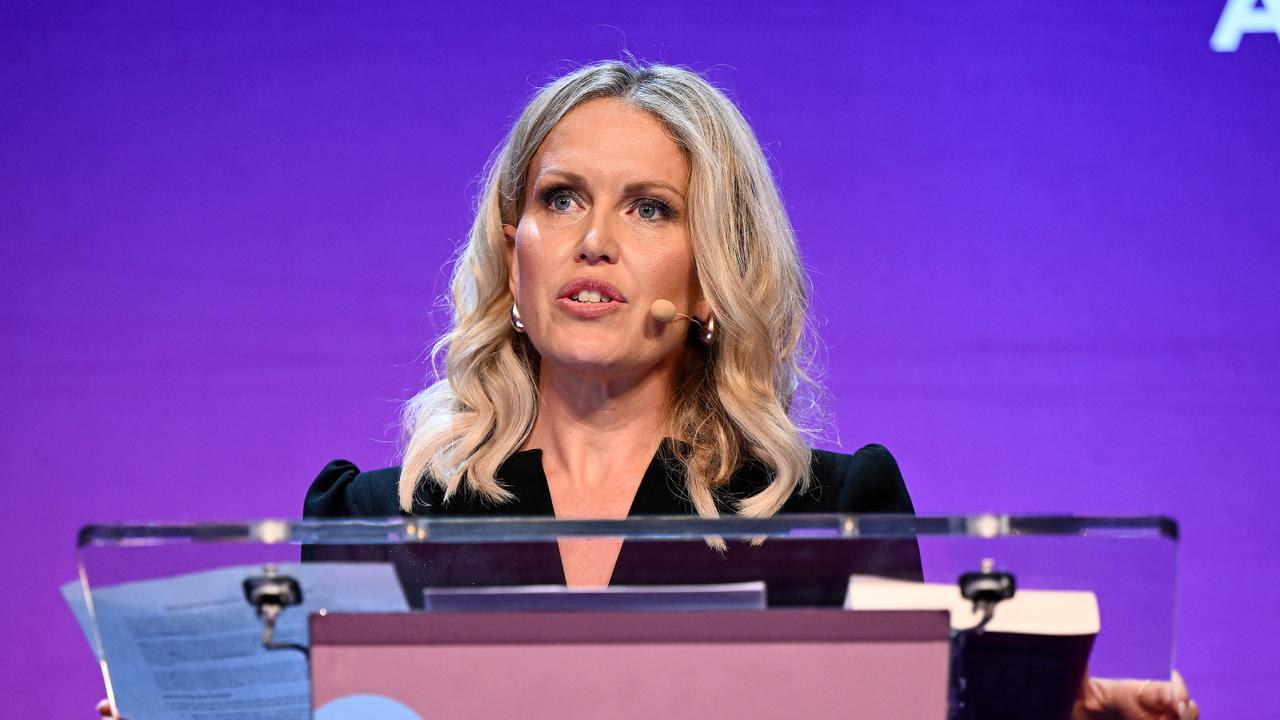
The advisory determined states have a duty to prevent significant harm to the climate system and ruled that wealthy nations that cause climate change have legal obligations to help nations suffering the impacts.
“It means if Australia continues to approve fossil fuel mines, then there is potentially legal action that could be brought by Vanuatu or other climate-vulnerable nations,” Ms Robinson said.
What was needed now was for frontline communities to bring claims, but Ms Robinson acknowledged they would need funding to back court action.
“If we’re going give this remarkable, historic ICJ decision life, we need to start litigating in our domestic and regional courts and international bodies, but we need to support the communities to be able to bring those cases,” she said.
Dire warning of violent fallout from unchecked racism
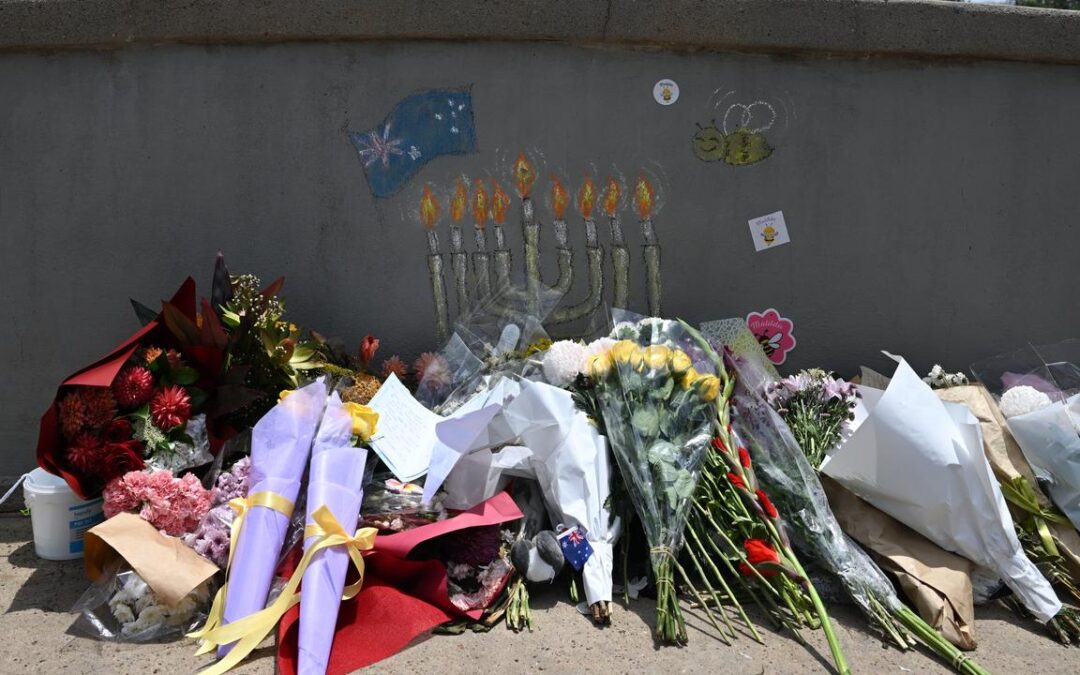
Australia’s social fabric is fraying as it grapples with worsening racism, anti-Semitism and other challenges that are undermining citizens’ basic dignity.
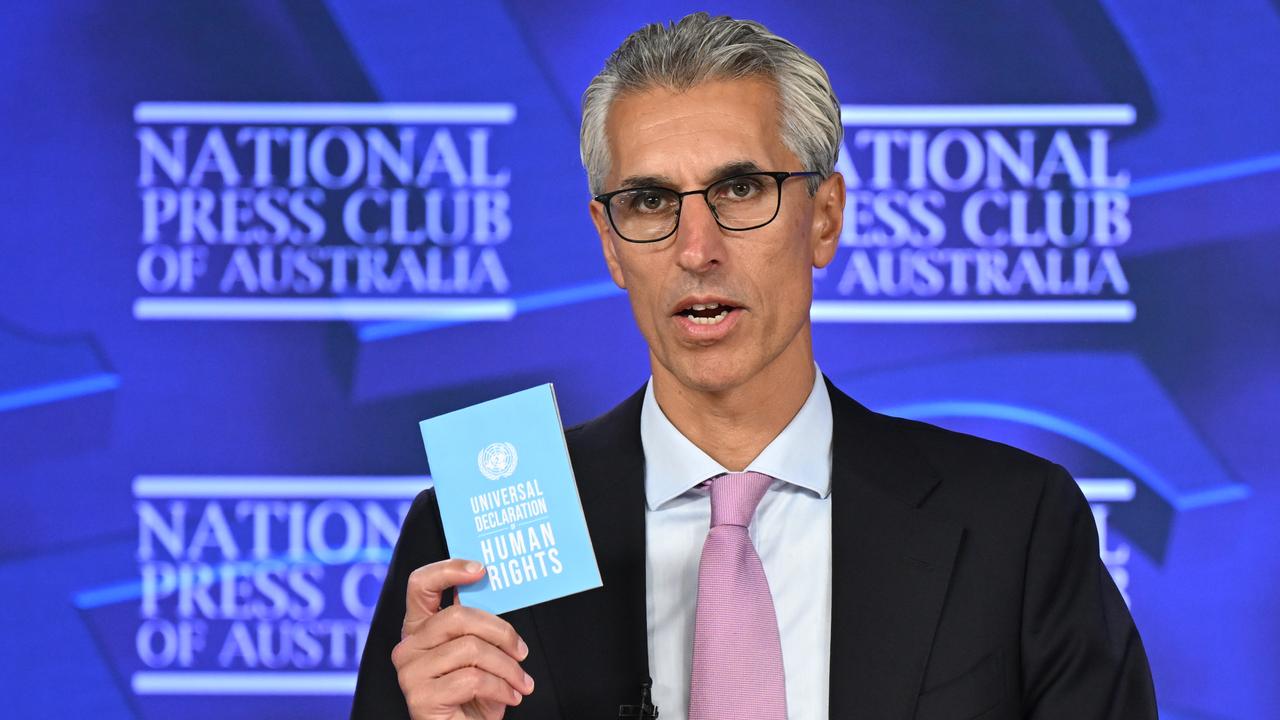
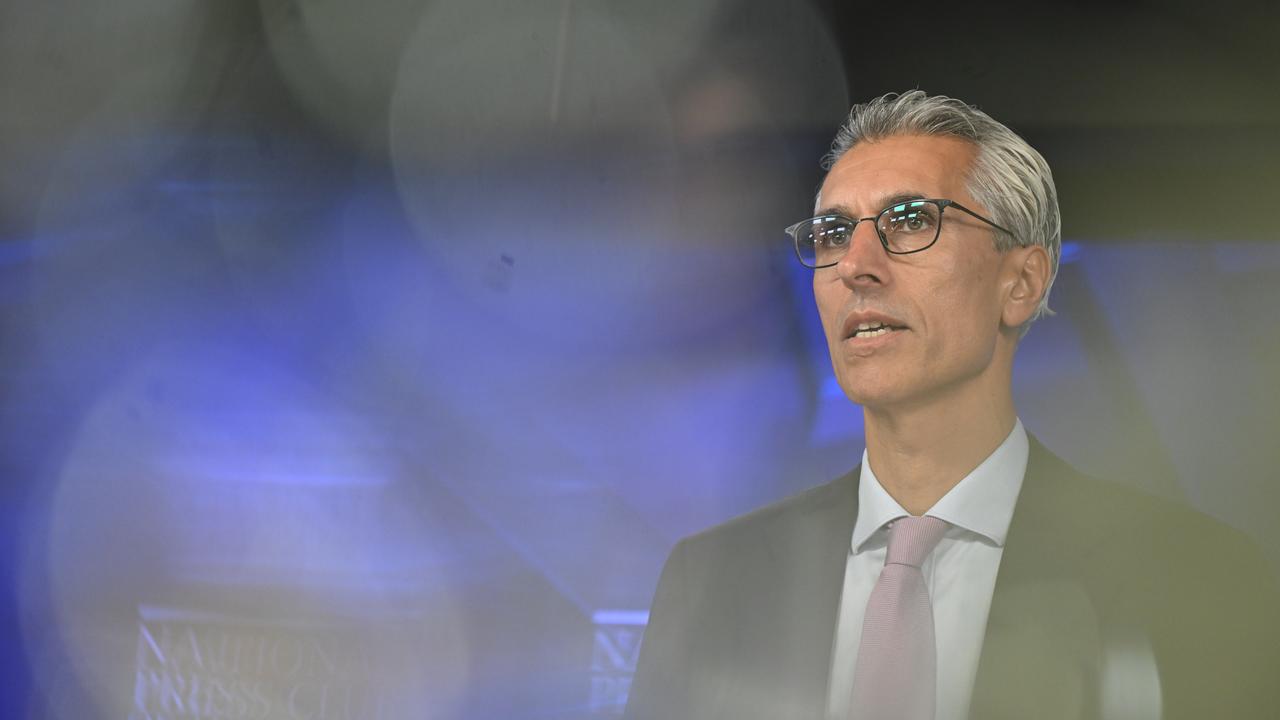
That’s the view of Australian Human Rights Commission president Hugh de Kretser, who also called out politicians stoking social division as he launched the nation’s first annual assessment in Canberra on Wednesday.
The landmark evaluation is drawn from United Nations reviews of Australia’s performance against human rights benchmarks, as well as local and global data sources, the commission said.
Among the findings was what Mr de Kretser described as a sharp rise in racism against several groups.
“For First Peoples it rose with the failed Voice referendum,” he said.
“For Jewish, Muslim, Arab, Palestinian and Israeli communities in Australia it surged after the October 7 attack and the war in Gaza.
“We must not allow racism to be normalised.
“We must not accept Jewish children attending schools, which have to be protected by armed guards, and we must not accept Muslim women being spat at and abused when they go shopping.
“We must not accept First Peoples parents fearing their children and grandchildren will be harmed by the police and justice systems meant to protect them.”
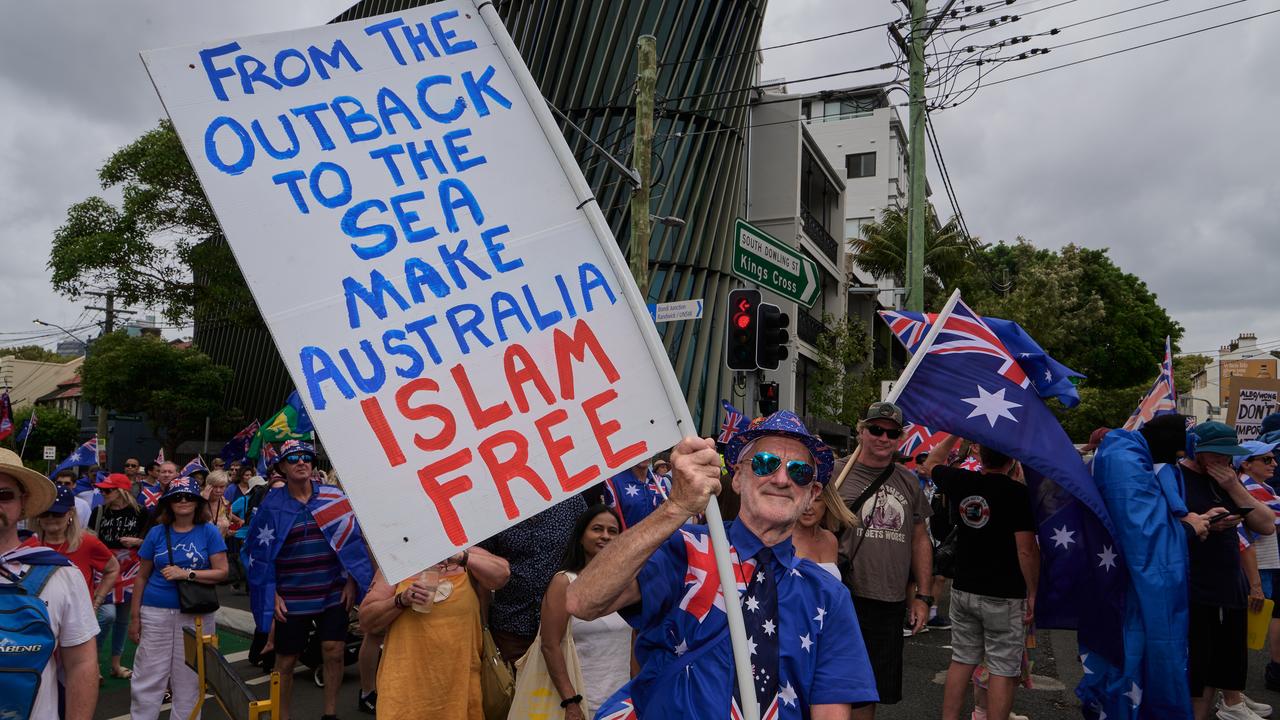
The assessment also documented rising anti-immigrant sentiment, stating that migrants were being scapegoated for cost-of-living issues.
Asked whether politicians, such as Opposition Leader Angus Taylor, were responsible for this, Mr de Kretser urged caution.
“Our leaders have a responsibility to choose their words really carefully,” he said.
“You can’t – on the one hand – say you’re worried about social division and social cohesion, and on the other hand stoke it.”
Mr de Kretser said racism “left unchecked can lead to violence”, drawing a link to December’s deadly Bondi shooting and January’s attempted bomb attack in Perth.
The everyday racism experienced by many Australians is detailed in the AHRC’s “Seen and Heard” report, published earlier in April.

The report detailed shocking everyday experiences of Australians being abused, including a Jewish community member being called a “baby-killer” and Islamic Australians questioning whether they can call their country home.
Mr de Kretser used his platform at the National Press Club to again call for the federal government to adopt the commission’s national anti-racism framework.
That framework – funded by Anthony Albanese’s government and backed by the special envoys against anti-Semitism and Islamophobia – is yet to be implemented.
It has also failed to pick up the commission’s signature reform call for a federal human rights act.
Australia is the only developed democracy without a charter or bill of rights.
Attorney-General Michelle Rowland has been “carefully considering” a human rights act since a cross-party parliamentary committee recommended it in May 2024.
The inaugural assessment also delved into issues of economic justice, equality and fairness, declaring poverty and homelessness as “urgent human rights issues” deserving of national plans.
Mr de Kretser called out “populist, blunt and harmful law and order policies” which led to the incarceration of children.
“Mandatory sentencing, sentencing children as adults … these are lazy non-solutions,” he said.
“At the same time as we are banning children under 16 from having social media accounts, the age of criminal responsibility in most of the country is 10.”
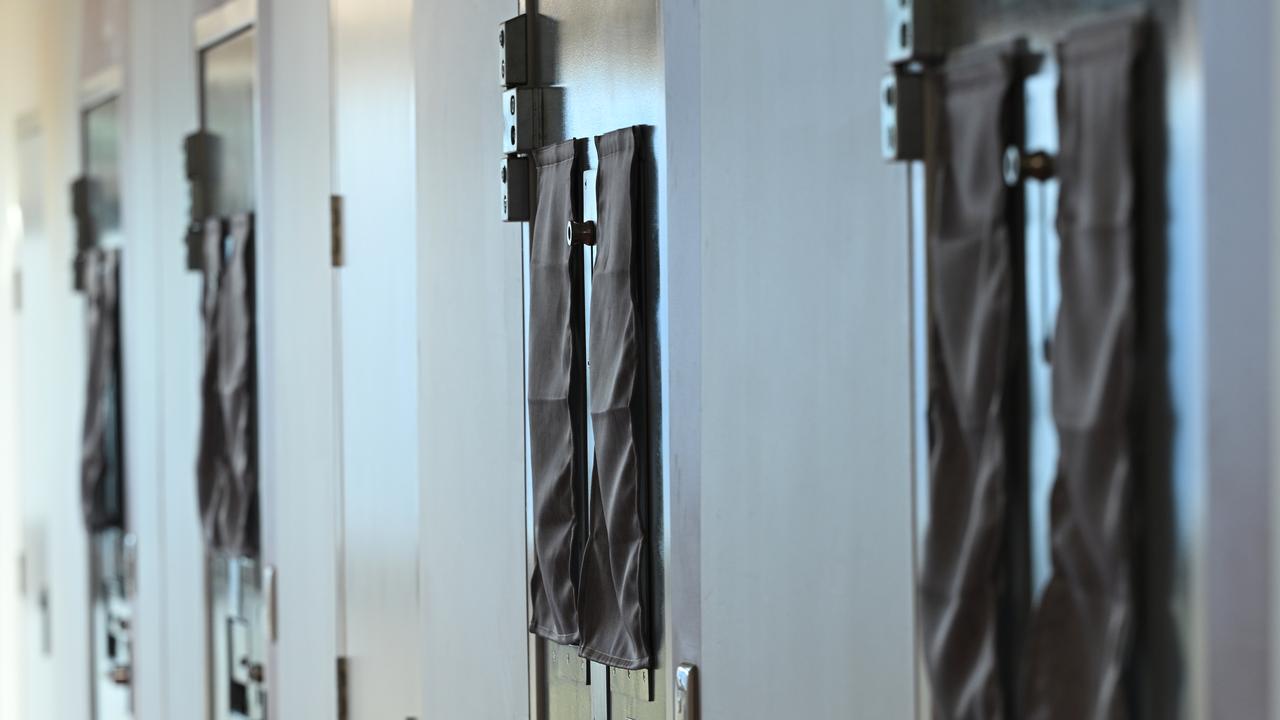
Several states have introduced measures that have led to more children being held in custody, including moves to punish youths as adults and make it harder for alleged offenders to get bail.
The commission’s assessment was not wholly negative, with federal hate speech and modern slavery laws lauded.
“Australia has done a lot well on human rights: we live in one of the safest, most stable and prosperous countries on the planet,” Mr de Kretser said.
“The fact that many of us rarely think about our rights reflects Australia’s success but … the reality is that for many people in Australia, human rights are not guaranteed.”

Stock market dips as inflation leaps on fuel prices
Australia’s share market is on track for a seventh-straight session of losses, as the latest reading on inflation hit a three-year high, opening the way for interest rate rises.
The S&P/ASX200 fell 10.8 points by midday, down 0.12 per cent, to 8,699.9, as the broader All Ordinaries lost 7.2 points, or 0.08 per cent, to 8,927.8.
The top-200 fell as much as 45.4 points in early trade, but pared its losses after the consumer price index rose 4.6 per cent in the year to March.
The outcome was just under a projected 4.8 per cent, but up from 3.7 per cent in the 12 months to February.

The US-led war on Iran has roiled markets, lit a match under inflation expectations and put a handbrake on global economic growth hopes.
The Reserve Bank’s preferred trimmed mean annual price growth figure was unchanged at 3.3 per cent, but remains outside the central bank’s two to three per cent target range as markets brace for a widely expected interest rate hike at its meeting next week.
Energy and utilities stocks outperformed the broader market, as oil prices surged on fading hopes of a deal to reopen the Strait of Hormuz, and reports Iran’s leadership has become dominated by hardliners.
The United Arab Emirates announced it will leave OPEC and OPEC+ on May 1, amid a widening rift between it and Saudi Arabia.
The move could ultimately boost global crude supplies, but is unlikely to have much of an effect on shipments or price while the Hormuz Strait remains effectively shut.
Closer to home, Woodside shares improved 1.3 per cent to $32.81 despite extreme weather impacting March quarter production, while Santos swung one per cent higher.
Coal producers also improved, while uranium stocks sold off as underwhelming figures from an artificial intelligence leader raised questions about the AI narrative.
“A Wall Street Journal report on softer-than-expected user growth and revenue targets at OpenAI once again had investors questioning the sustainability of sky-high AI spending and whether big tech can continue footing the bill for those massive data centre buildouts,” IG market analyst Tony Sycamore said.

Raw materials stocks were under pressure as mega miners BHP, Rio Tinto and Fortescue lost ground.
Gold miners were mixed as the precious metal fell below $US4,600 ($A6,413) an ounce, the All Ordinaries gold sub-industry shaving 0.1 per cent.
Financials faded a modest 0.2 per cent as three of the big four banks traded lower, while ANZ bucked the trend with a 0.4 per cent advance to $36.18 as it flagged plans to buy out its French payments joint venture partner Worldline.
Consumer discretionary stocks were up 0.5 per cent by midday, rebounding from four-week lows in a broad-based advance.
In other company news, Sea Forest jumped three per cent to $2.36 after its quarter-on-quarter revenue nearly doubled as demand for its seaweed-based, methane-busting livestock feed gathered pace.
The Australian dollar was buying 71.73 US cents, up from 71.64 US cents on Tuesday at 5pm, little changed by the statistics bureau’s inflation surprise.