
Hopes of wartime windfall shot down for federal budget
Australia will miss out on a budget windfall similar to the Russian invasion of Ukraine, with this year’s forecast to only be $3.6 billion better off than previously thought.
Treasurer Jim Chalmers has been able to rely on revenue windfalls to paper over the cracks of Australia’s precarious fiscal position in previous years, but the budget’s luck was running out, Deloitte Access Economics partner Stephen Smith said.
Inflation and higher commodity prices helped boost the tax take by almost $100 billion in the 2023 budget, which turned an expected $77 billion deficit into a $22 billion surplus, despite net policy decisions leaving the budget worse off.
The uncomfortable dividend of conflict on the other side of the world was less pronounced this time, with negative impacts to Australia’s economy weighing down the budget as well.
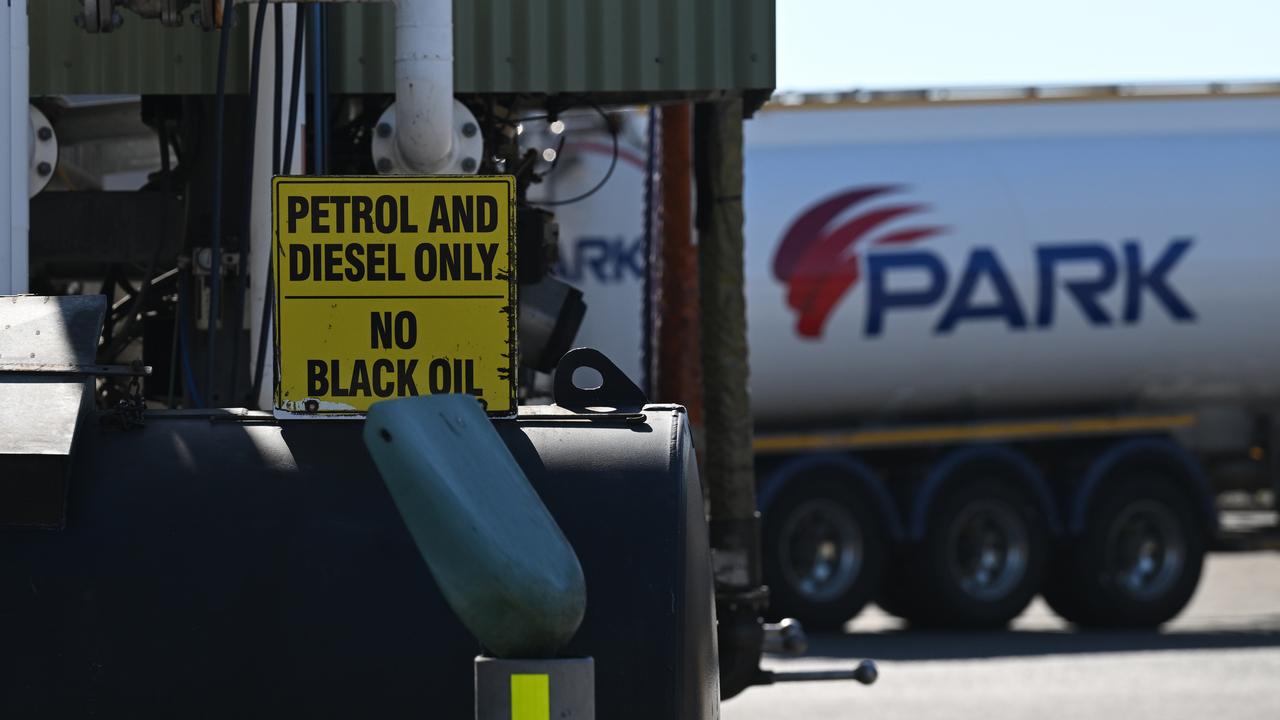
Oil prices surged to the highest level since the start of the war on Thursday, with no end in sight to the blockade of the Strait of Hormuz, making it increasingly likely the severe downside scenario Treasury is cooking up for the budget will come to pass.
In Deloitte’s Budget Monitor report, Mr Smith forecast a deficit for 2025/26 of $33.2 billion, a modest improvement from the $36.8 billion deficit projected in the December mid-year update.
“Economic developments that deliver sugar hits on the revenue side will jeopardise the budget’s health elsewhere,” said Mr Smith.
“A sustained oil supply shock could substantially slow demand, while the Reserve Bank of Australia may have to hike interest rates further than anticipated.”
More heavy-handed cost-of-living support, such as the three-month cut to the fuel excise from early April, would entrench high inflation and require a more aggressive response from the RBA, he said.
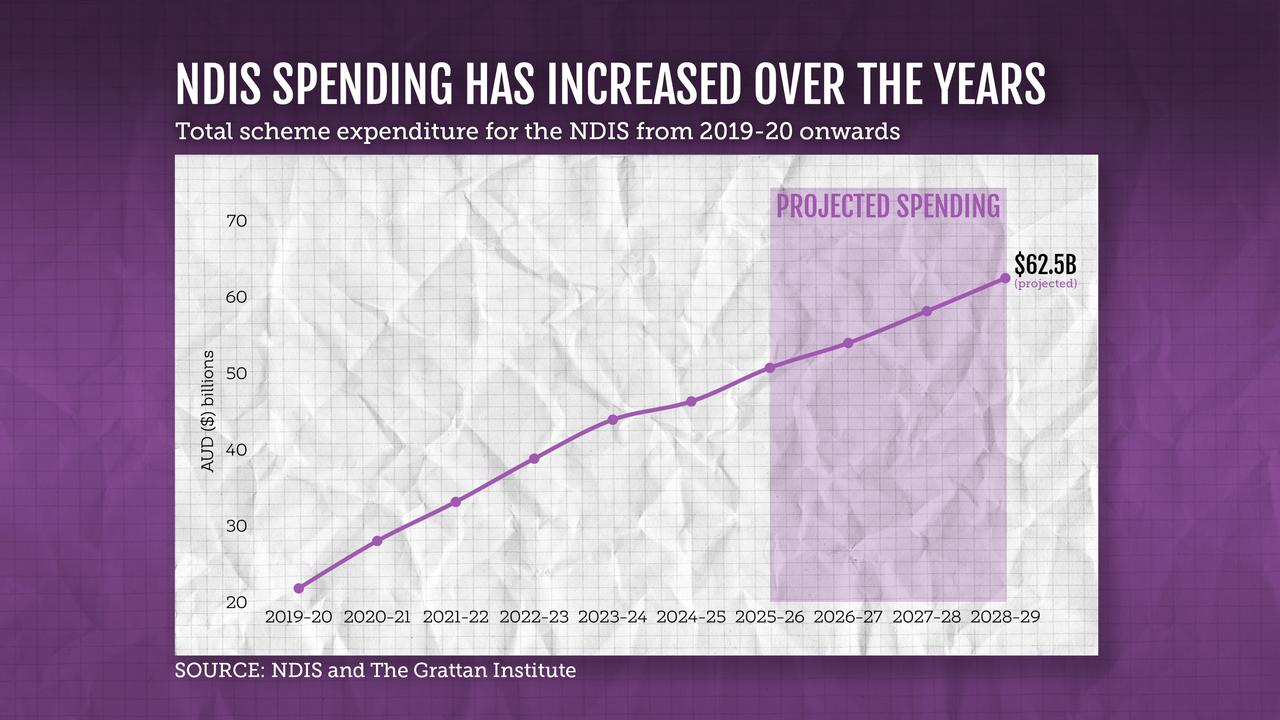
Even without new support measures and with bold efforts to constrain spending growth in the NDIS, increased expenditure in existing programs is likely to offset most of the revenue windfall.
Dr Chalmers warned not to expect big upgrades in the budget, with revenue to be downgraded in some years.
“Reform is urgent not despite global uncertainty, but because of it,” he said.
“This budget will be calibrated to the economic conditions we confront in the global economy with a premium on what’s right for the times and consistent with our ambitions and obligations to the future.”
Mr Smith said the ongoing structural deficit underscored the need for real reform over short-term measures – which would take political courage.
As would resisting the urge to grandfather existing assets amid changes to pare back negative gearing and capital gains tax concessions, he said.
A better option would be to phase in changes across the board, which would bring in more revenue and avoid creating a two-tiered system.
In a podcast interview on Thursday, Dr Chalmers hinted tax arrangements would remain unchanged for existing asset holders.
“Without getting into hypotheticals about policies, what you try and do is to make sure that we recognise the decisions that people have taken in the past,” he told Commonwealth Bank chief economist Luke Yeaman.
Mr Yeaman also expected the budget windfall to be smaller than in previous years, but forecast a slightly smaller deficit of $29 billion.
Housing downturn in big two capitals gathers steam
Sydney home prices have tumbled by the largest amount in 18 months as the Iran war and Reserve Bank rate hikes amplified a downturn in the nation’s two biggest housing markets.
Median home values in Sydney and Melbourne fell 0.6 per cent in April, property data firm Cotality revealed on Friday.
Nationwide, home prices rose 0.3 per cent, but the pace of growth was slowing across the board as headwinds blowing in from the Strait of Hormuz gathered strength.
Affordability and serviceability constraints were weighing on demand, Cotality head of research Gerard Burg said.
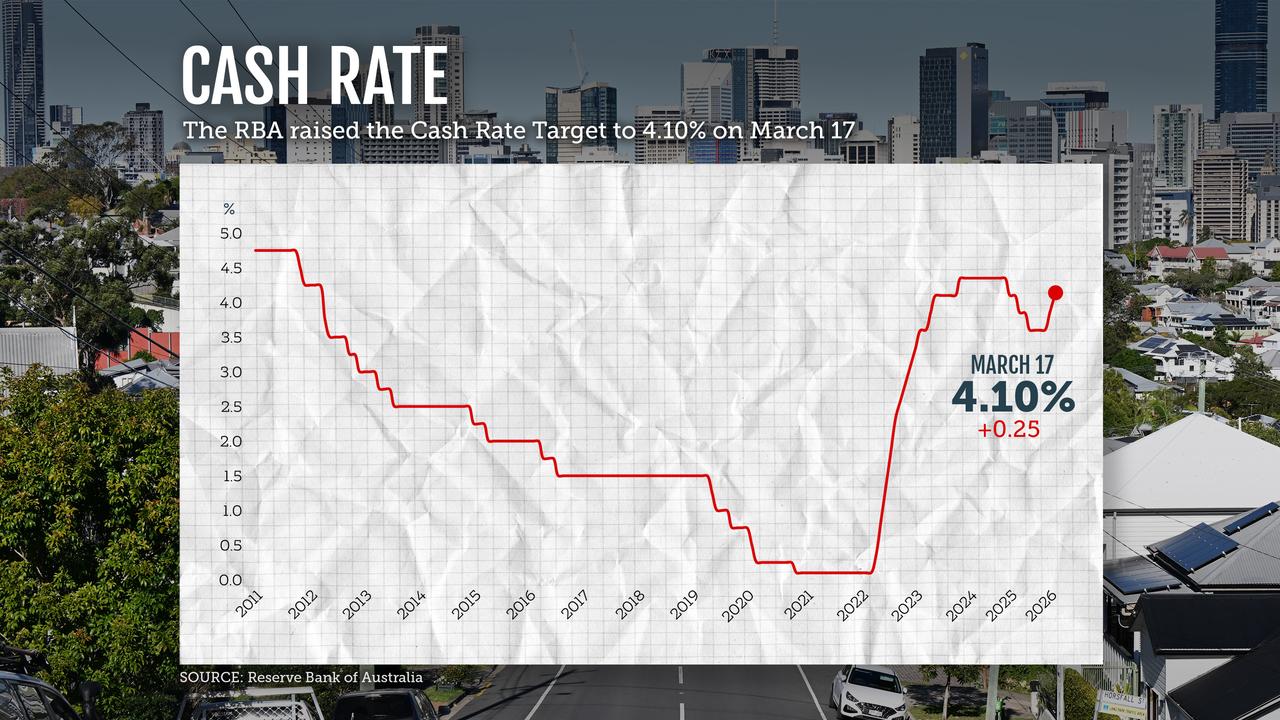
The RBA’s two back-to-back rate hikes, with a third likely on Tuesday, and uncertainty driven by the Middle East crisis, had hit sentiment, he said.
“When things get uncertain, people have a tendency to sit on their hands and wait and see, and that’s a pretty negative trend for a high-value purchase, like making a home purchase,” Mr Burg told AAP.
The median Sydney dwelling was still the nation’s most expensive, at $1.29 million, but Brisbane and Perth are rapidly gaining ground.
The median Brisbane home, which climbed 1.2 per cent over the month to $1.12 million, is now worth 86 per cent of the Sydney median, compared to 76 per cent a year prior.
In Perth, the median dwelling jumped 2.1 per cent to $1.04 million, representing 80 per cent of the Sydney benchmark compared to 68 per cent a year earlier.
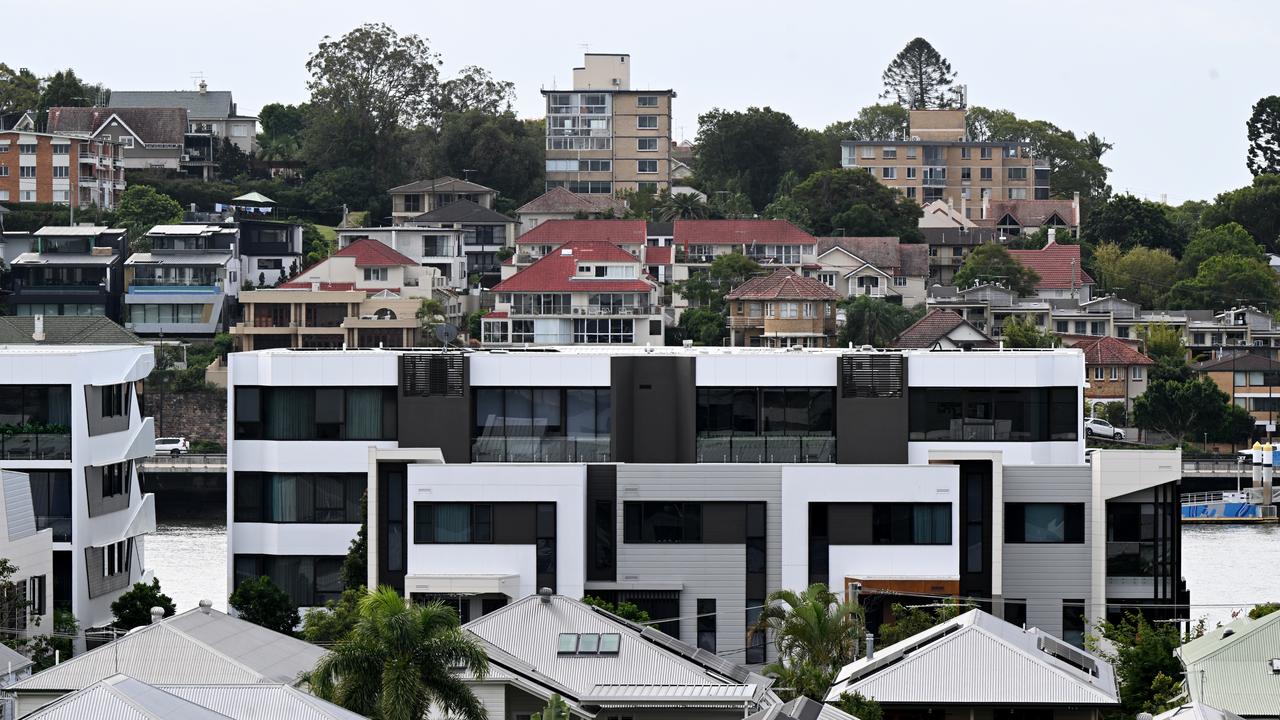
On the other side of the scale, the supply picture was improving, particularly in Sydney and Melbourne, where the total number of listings has pushed above the five-year average.
“It’s pointing to a market that’s a bit better balanced than was the case across much of last year,” he said.
Mr Burg said the improvement in supply in Sydney and Melbourne was mainly driven by more vendors looking to sell before property values fall much further, rather than a material increase in new builds on the market.
Australia’s chronic supply imbalance would continue to put a floor under prices for several years to come, beyond the short-term cycle.
“When you take a look at the significant increase in costs that we’ve seen over the last couple of years, just making new projects feasible has become increasingly challenging,” he said.
The National Housing Supply and Affordability Council warned supply chain disruptions caused by the Middle East conflict could shrink the housing pipeline by 33,000 new homes over the next three years.
As a large user of diesel, the construction sector was particularly vulnerable to the oil shock, Housing Minister Clare O’Neil told a Property Council summit on Thursday.
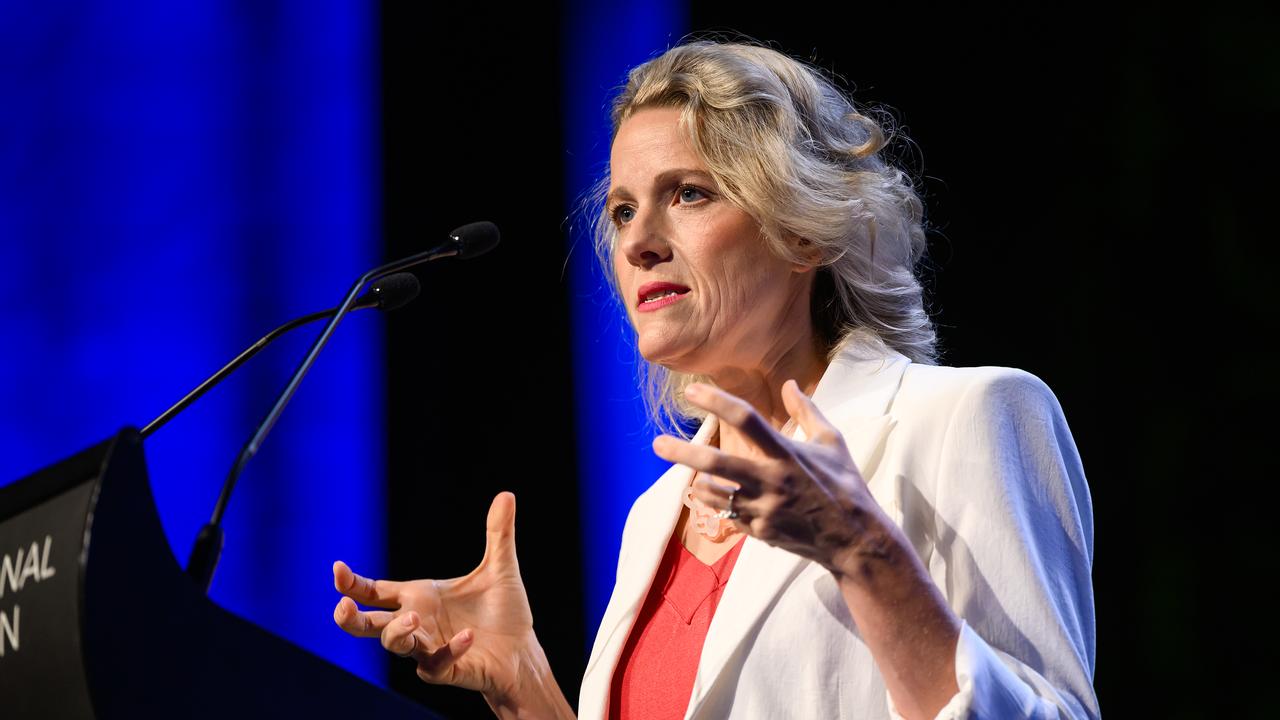
The government was working to secure more fuel supplies, but also looking to make it easier to build by reducing the regulatory burden, she said.
“I absolutely believe there is far too much red tape and regulation in housing and that, if we are going to support you to build the homes our country needs, we’re going to have to wind that back,” Ms O’Neil said.
She said a review into the National Construction Code identified three priorities: making the document easier to use with AI; reducing regulatory variation across state lines; and clamping down on new additions to the code that added complexity and cost.
But opposition housing spokesman Andrew Bragg said for all its talk about slashing red tape, Labor had little to show for it.
The construction code was layered with gold plating, like mandating grab rails in bathrooms for young home builders, he said.
“Only in Australia would you find so much red tape as to make a cheap house illegal.”
US economy grew two per cent between January and March
The United States economy accelerated at the start of 2026, expanding at a modest 2 per cent pace from January through March after recovering from last northern autumn’s 43-day federal government shutdown.
But the outlook is clouded by the Iran war.
The Commerce Department reported on Thursday that gross domestic product – the country’s output of goods and services – rebounded from a lacklustre 0.5 per cent expansion the last three months of 2025.
The federal government’s spending and investment grew at a 9.3 per cent annual rate in the first quarter, adding more than half a percentage point to growth after lopping off 1.16 percentage points in fourth-quarter 2025.
Growth in consumer spending, which accounts for 70 per cent of US economic activity, slowed to 1.6 per cent in the first quarter from 1.9 per cent at the end of 2025.
Spending on goods, including food and clothing fell slightly.
Spending on services slowed.
But business investment, likely driven by spending in artificial intelligence, rose at an 8.7 per cent pace.
A weak housing market continues to weigh on the economy.
Residential investment fell at an 8.0 per cent annual pace – the fifth straight quarterly drop and the biggest since the end of 2022.
Excluding housing, non-residential investment surged 10.4 per cent, the biggest jump in nearly three years.
An uptick in imports, which rose at an annual rate of 21.4 per cent from January-March, slashed more than 2.6 percentage points off first-quarter growth.

Alleged abductor arrested after girl’s body found
A recently released prisoner has been arrested after a search for an abducted girl ended in tragedy.
The search for Jefferson Lewis, 47, had intensified following the discovery of a child’s body about 5km from where a five-year-old disappeared near Alice Springs at the weekend.
Police said it was believed to be that of the missing girl, referred to as Kumanjayi Little Baby at her family’s request.

“A short time ago, the Northern Territory Police Force located and arrested Jefferson Lewis at a residence in Alice Springs,” authorities said on Thursday evening.
“Further information will be provided early in the morning.”
Earlier on Thursday, police had sent an ominous message to the girl’s accused abductor and killer.
“We’re coming for you,” Northern Territory Police Assistant Commissioner Peter Malley said.
“The focus is to locate Jefferson Lewis; it is our sole job in this investigation right now.”
The girl went missing after being put to bed at a residence in the Old Timers camp near Alice Springs on Saturday night.
Lewis is accused of abducting her just six days after being released from prison.
It sparked one of the NT’s largest investigations with almost 200 people scouring harsh desert country for the non-verbal girl and Lewis.
The child’s body was found about noon on Thursday, on day five of the search.
A pair of children’s underwear found during the investigation had been linked by forensic analysis to both Lewis and the girl, police said.
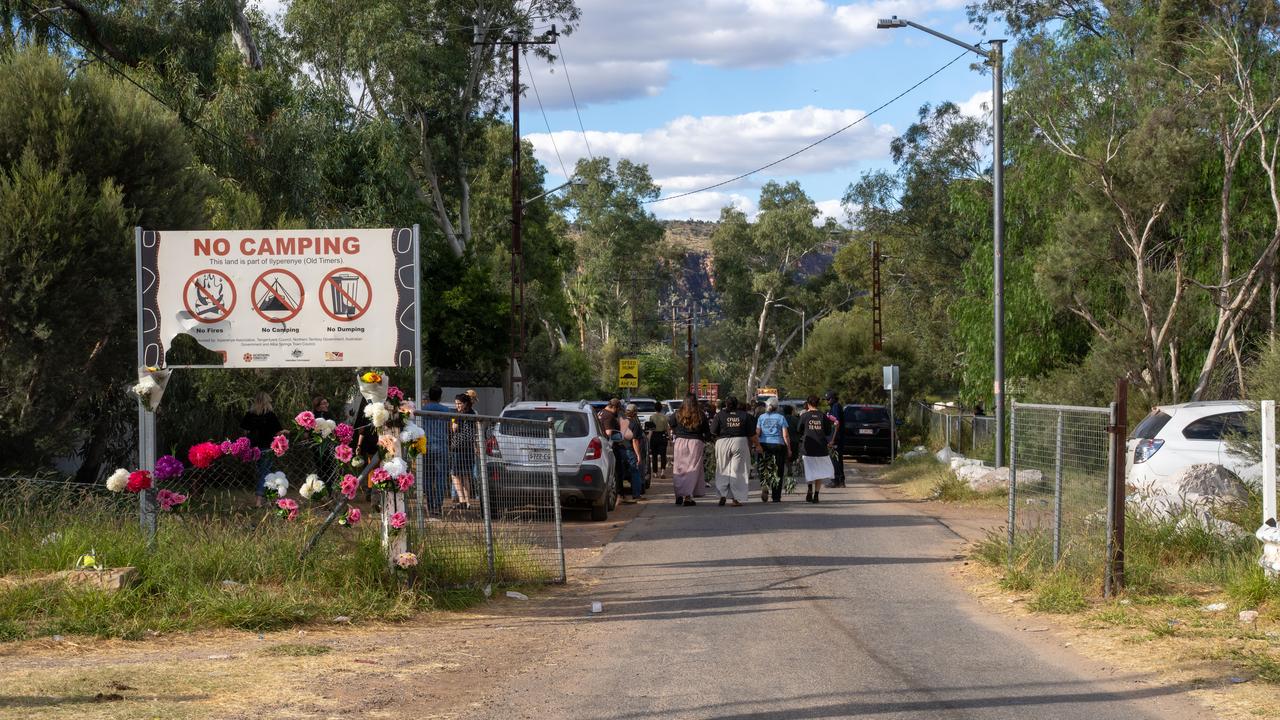
Police are adamant Lewis had been helped by people in the community and remained in the Alice Springs area.
“To the family of Jefferson Lewis: we believe he has murdered this child – do not assist him,” Mr Malley said.
“Get him to the police station and we’ll look after him.”
Lewis was sentenced to 64 months in prison, between 2016 and 2025, for offences including aggravated assaults, breaching domestic violence orders, bail and resisting police.
NT Chief Minister Lia Finocchiaro did not rule out a reward or policy response as police hunted Lewis, after leading condolences for the girl’s heartbroken family.
“Everything is on the table. We will be led by the police investigation,” she said.
“A poor young lady has passed away, and the police are now doing the work to stop this happening again, to make sure that the person who did this is caught.”
A post-mortem examination, expected to be conducted within days, will be crucial in determining the cause and timing of the girl’s death, police said.
A coronial process kicked off as the girl’s family reeled from the tragedy.
Kumanjayi Little Baby’s devastated family paid tribute to their beloved girl, thanking everyone who took part in the search.
“I know you are in heaven with the rest of the family,” her mother said in a statement.
“Me and your brother will meet you one day. We are giving our lives to Jesus.
“It’s going to be so hard to live the rest of our lives without you.”
1800 RESPECT (1800 737 732)
National Sexual Abuse and Redress Support Service 1800 211 028
13YARN 13 92 76
Lifeline 13 11 14
UK rates kept on hold as bank weighs Iran war impact
The Bank of England has kept its main interest rate on hold at 3.75 per cent Thursday as policymakers assess the economic impact of the Iran war and Tehran’s effective closure of the Strait of Hormuz, through which a fifth of the world’s crude passes.
The decision on Thursday was widely expected and echoes the decision of the US Federal Reserve on Wednesday to keep rates unchanged.
It was the same theme in Japan on Tuesday.
Minutes from the meeting showed that eight of the nine rate-setters voted to keep rates on hold while one member opted for a quarter-point hike.
“We think this is a reasonable place given the situation of the economy and the unpredictability of events in the Middle East,” said bank governor Andrew Bailey.
“We’ll continue to monitor the situation and its impact on the UK economy very closely.
“Whatever happens, our job is to make sure that inflation gets back to the two per cent target after the initial impact of the war on energy prices has passed.”
Before the start of the Iran war on February 28, there had been an expectation in financial markets that the Bank of England would cut rates given that inflation was predicted to fall back towards its two per cent target.
The war has since upended the bank’s predictions and wider global economic forecasts as the price of oil and other costs have spiked sharply higher.
S.Korea and Australia strengthen energy co-operation
South Korea and Australia have agreed to strengthen co-operation in the energy sector as the countries deal with fuel supply disruption from the Iran war.
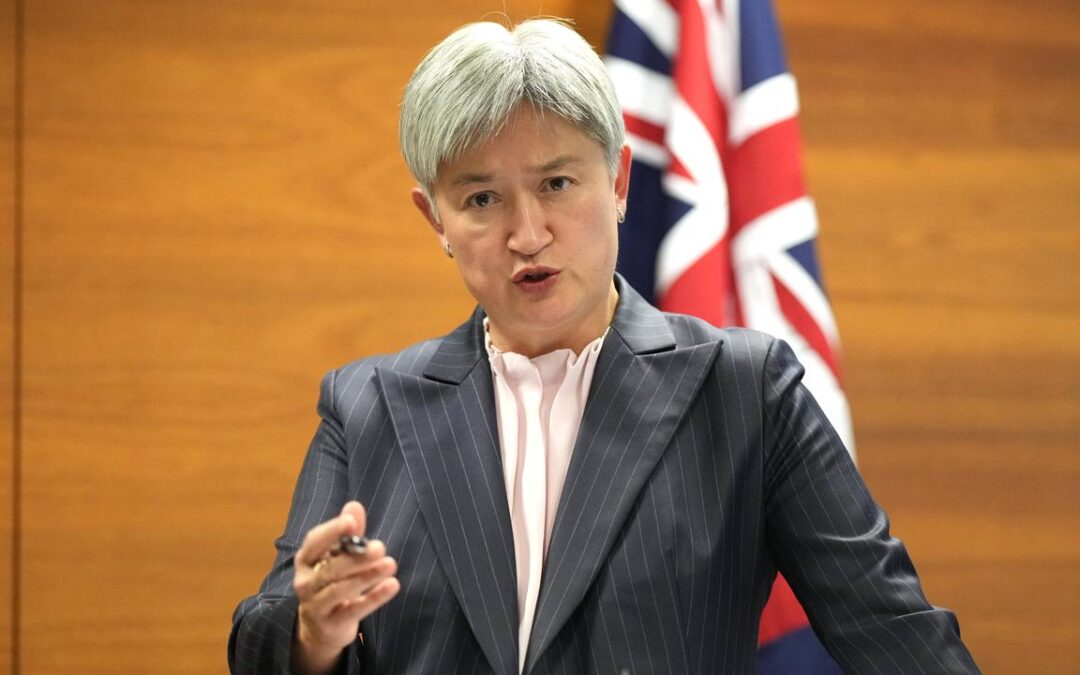
Both countries decided to “maintain a stable, secure and reliable supply of diesel and other liquid fuels” following a meeting in Seoul on Thursday between Australian Foreign Minister Penny Wong, her South Korean counterpart Cho Hyun, and Energy Minister Kim Jong-kwan.
Wong’s visit to Seoul is part of a three-country tour that also includes China and Japan, as Australia co-ordinates with regional powers on energy security.
Crude oil prices have soared since the US-Israeli began its attack on Iran on February 28, which resulted in Tehran effectively closing the Strait of Hormuz, through which a fifth of the world’s oil flows.
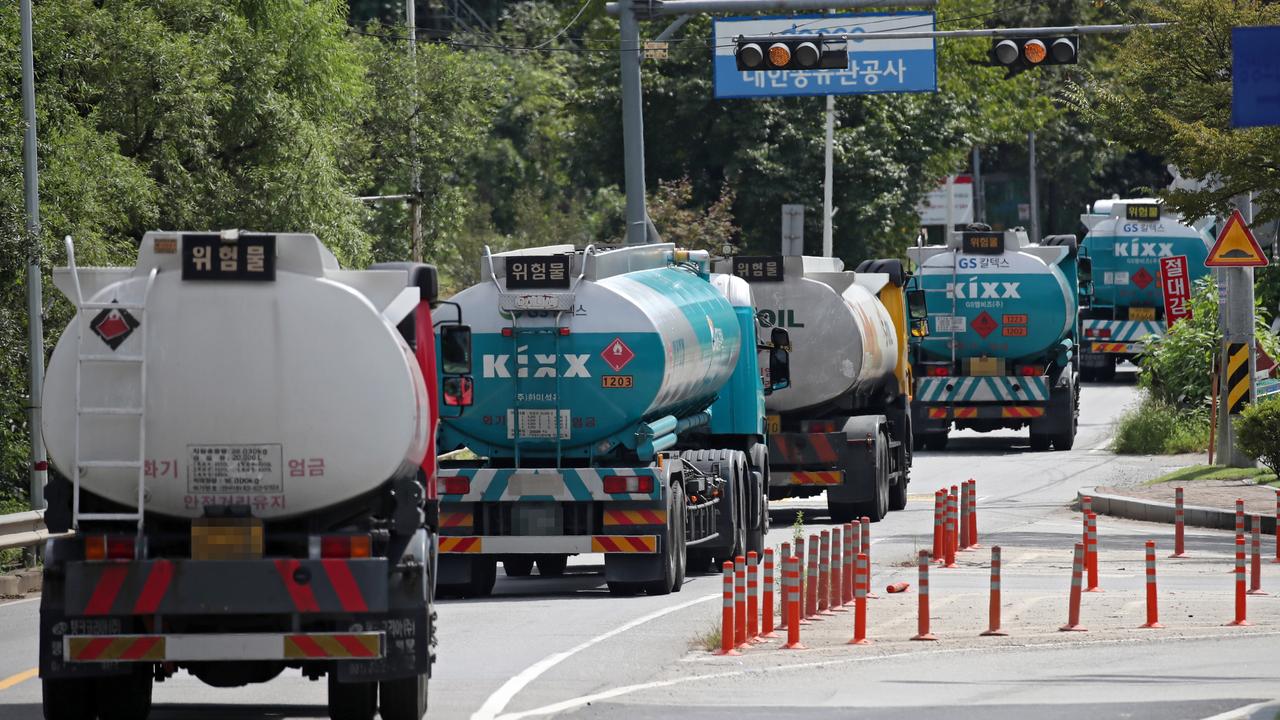
Australia and South Korea also agreed to notify and consult each other in the event of potential trade disruptions amid “deep concern” about the impact of the situation in the Middle East on key sectors of raw materials, according to a joint statement.
“The central pillar of our Comprehensive Strategic Partnership is a long and trusted economic and energy resource partnership, grounded in a shared commitment to open markets and rules-based trade, which underpins our prosperity and economic security,” the countries said.
Canberra is Seoul’s main supplier of liquefied natural gas, as well as an important supplier of critical minerals, while South Korea provides Australia with refined petroleum products and diesel.
South Korea was a key energy partner of Australia as the largest supplier of diesel and third-largest source of jet fuel, Wong said.
“We depend on you, and you depend on us,” Wong said, in describing the need for close co-ordination and Australia’s commitment as a reliable supplier of food, energy and other commodities to South Korea.
South Korea is particularly vulnerable to the conflict in Iran, as it imports 70 per cent of its crude oil from the Middle East, with more than 95 per cent of these volumes passing through the Strait of Hormuz.
It also obtains 20 per cent of its liquefied natural gas from the region.
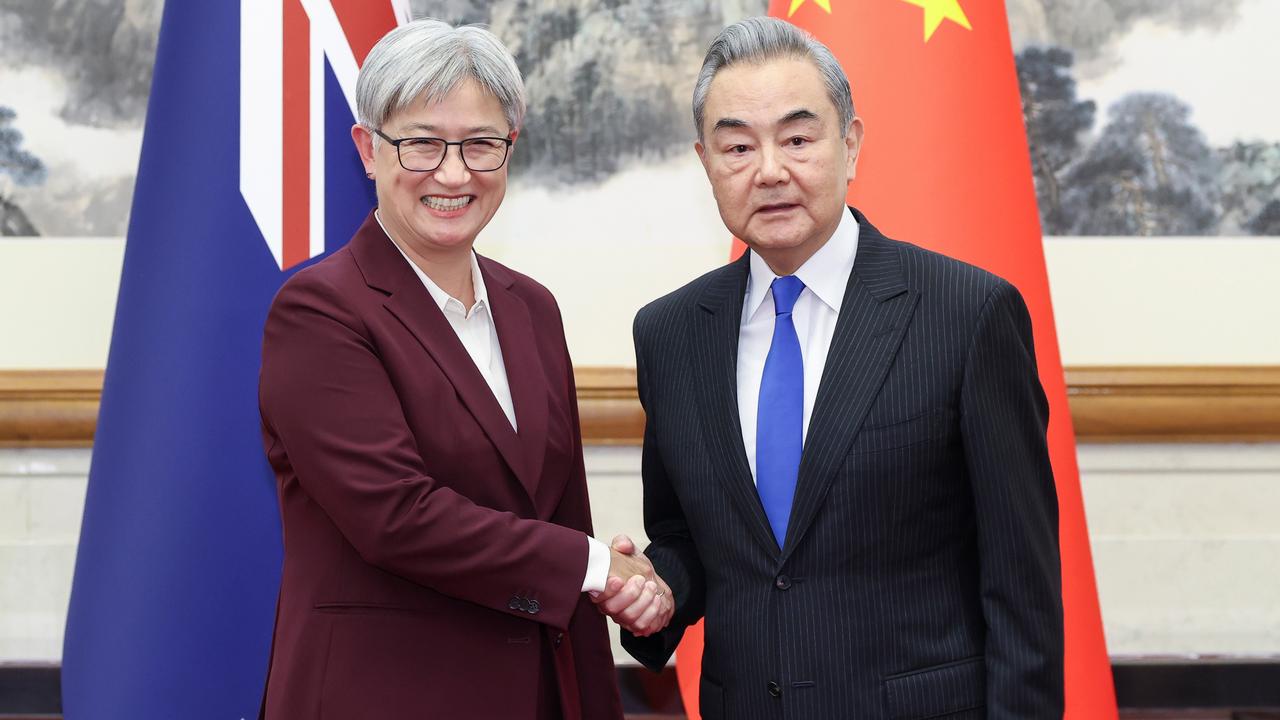
In Beijing on Wednesday, Wong said the Chinese government agreed to co-operate with Australian businesses on jet fuel shipments.
“We believe this is an important step, but it is the first step,” Wong told reporters in Beijing, adding that the aim of her trip was to press for Chinese co-operation “in particular for the provision of liquid fuels”.
In a meeting with her Chinese counterpart Wang Yi, Wong said she “made the point that the imports China supplies to Australia, including jet fuel, support the Australian resources sector, which in turn helps to maintain the flow of commodities” that are crucial to the bilateral trading ties.
with Reuters
Aussie shares slip as brent crude hits new wartime high
The Australian bourse has continued its losing streak into its eighth-straight day as oil prices rocketed and the realities of a prolonged energy shock hit home for Woolworths and other exposed businesses.
The S&P/ASX200 finished Thursday down 21.2 points, or 0.2 per cent, to 8665.8 while the broader All Ordinaries eased 28.1 points, or 0.32 per cent, to 8887.6.
Brent crude prices soared above $US125 a barrel – the highest levels reached since the Middle East war began – following reports of a possible military escalation by US President Donald Trump amid gridlocked talks with Iran.
Moomoo Australia and New Zealand market strategist Michael McCarthy said markets were caught in a bind.
“There was a lot of optimism, particularly coming out of the US, but shared by some investors around the globe, that the conflict in the Middle East would be quickly resolved,” Mr McCarthy told AAP.
“That confidence is being eroded.”
Australian oil and energy stocks closed higher but weakening sentiment weighed on consumer staples and mining stocks.
Australian supermarket chain Woolworths warned higher fuel costs due to the Middle East war were putting customers under pressure and adding to operating costs, clouding its earnings outlook with uncertainty.
Shares in the grocery giant fell 7.8 per cent, with competitor Coles down 3.6 per cent.
The two big supermarkets have also been accused of deceiving customers with misleading discount pricing claims by the consumer watchdog, which is pursuing them in the Federal Court.
Miners were broadly lower on weaker gold prices and a deteriorating global growth outlook.
Diversified miner South32 dived 5.4 per cent after reporting cost overruns and delays on one of its projects, while lithium and iron ore player Mineral Resources defied the trend with a 2.9 per cent gain after upgrading full-year guidance across parts of the business.
BHP fell 2.2 per cent to $53.72, Rio Tinto slipped 2.0 per cent to $167.40 and Fortescue dipped 2.8 per cent to $19.65.
Australian tech was mixed after reporting from four of the Magnificent Seven stocks showcased a rosy outlook for the artificial intelligence boom.
Mr McCarthy said Australian tech stocks with AI exposure were performing best, including data centre operator NextDC, up 1.7 per cent, and logistics tech company WiseTech, which gained 3.4 per cent.
“It’s not buy all tech, it’s buy particular tech,” he said.
Financial stocks finished higher, with ANZ outperforming the other Big Four banks, up 1.3 per cent to $36.65.
CommBank gained 0.9 per cent to $173.66, Westpac lifted 0.7 per cent to $38.50 and NAB climbed 0.5 per cent to $39.88.
Exchange operator ASX Ltd stocks climbed 5.1 per cent after group executive for markets and listings Darren Yip was appointed interim chief executive.
The Australian dollar is buying 71.16 US cents, down from 71.58 US cents at close on Wednesday.
ON THE ASX:
*The S&P/ASX200 finished down 21.2 points, or 0.2 per cent, to 8665.8
*The broader All Ordinaries eased 28.1 points, or 0.32 per cent, to 8887.6
One Australian dollar trades for:
* 71.16 US cents, from 71.58 US cents at 5pm AEST on Wednesday
* 114.28 Japanese yen, from 114.29 Japanese yen
* 60.98 euro cents, from 61.20 euro cents
* 52.79 British pence, from 53.03 British pence
*122.09 NZ cents, from 112.08 NZ cents
‘Demand more’: rallying call issued on gender equality
A rallying call has been issued for global leaders to prioritise accountability to their citizens and improve the lived realities of girls, women and gender-diverse people.
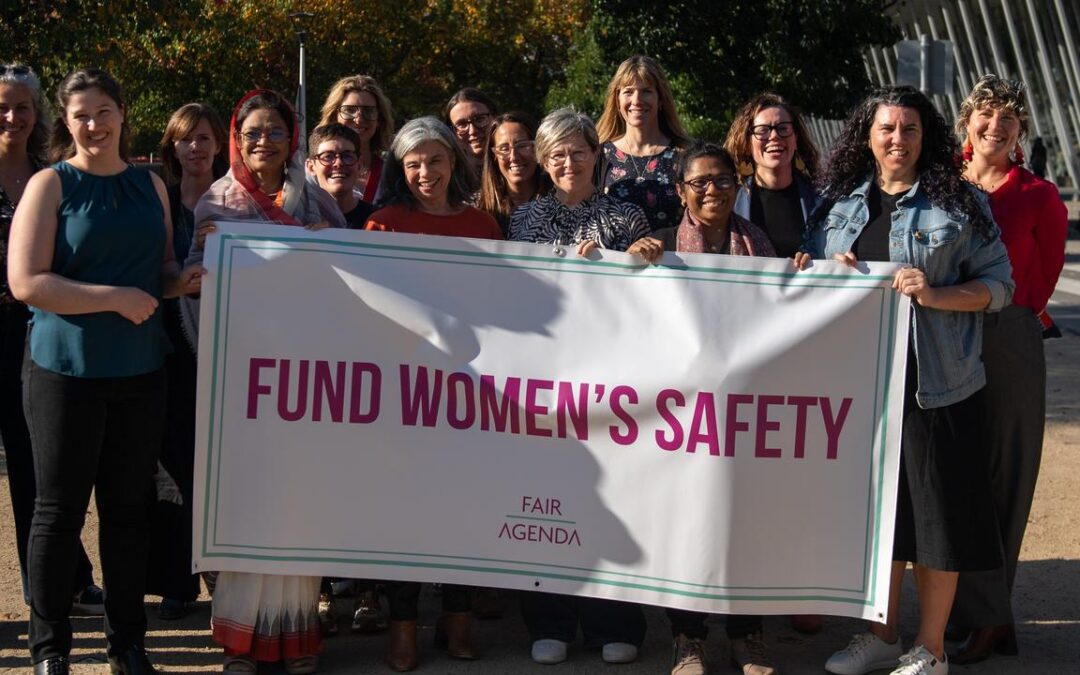
The final day of Women Deliver, a major gender equality conference, has resulted in the Melbourne Declaration which will set the agenda for the movement’s future.
The five-day conference, hosted in the Oceanic Pacific region for the first time, has brought 6000 delegates from 185 countries together to discuss priorities, plans and challenges for the future of gender equality globally.
The declaration is the result of 650 consultations with people from every continent in the lead up to Women Deliver, along with hundreds of additional conversations during the past week.

It calls on states to uphold their human rights obligations, institutions to strengthen accountability and funders to resource feminist movements and locally-led change.
“It’s a commitment to do things differently,” Women Deliver president Maliha Khan said on Thursday.
“What comes next must be defined by accountability to people and not just to systems.”
Former New Zealand prime minister Jacinda Ardern received cheers and applause as she walked onstage for a session on women living in conflict zones.
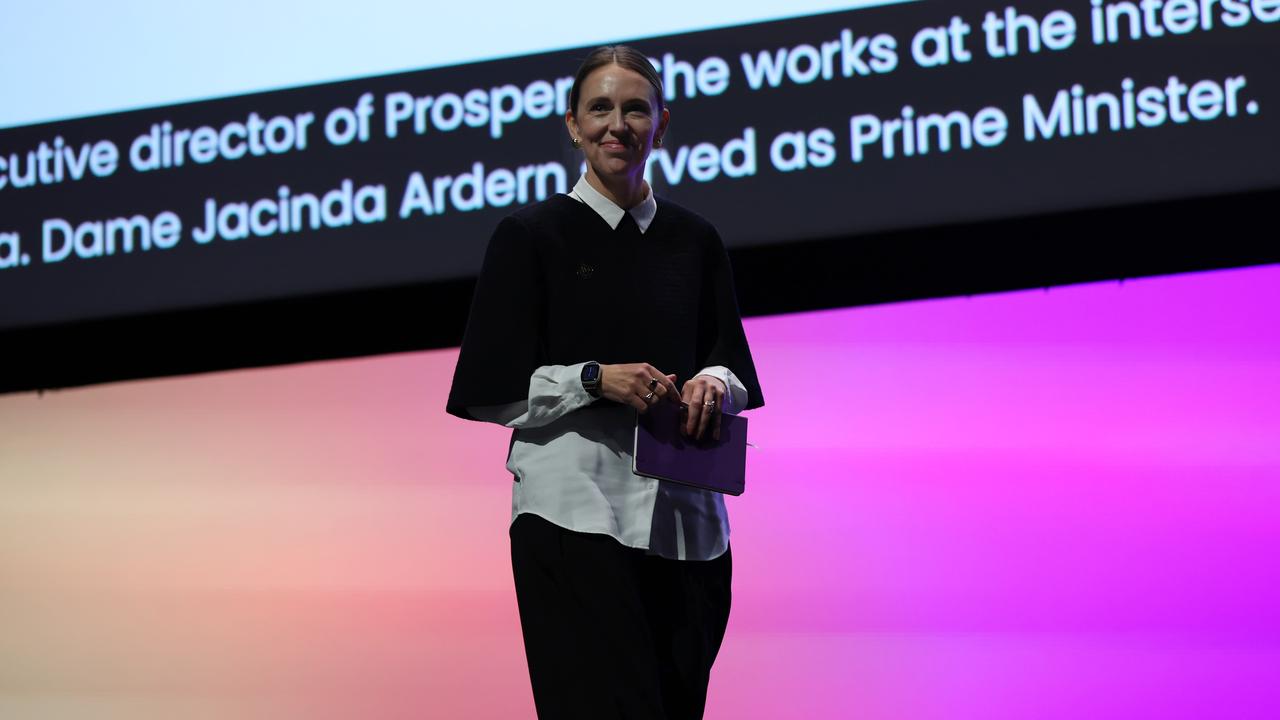
She urged people to continue to demand elected representatives remain accountable to their citizens.
“We exist in a failure of leadership and it is critical that we don’t start lowering our expectations of politics and leadership,” she said.
“Build up those who lead with empathy, support women into politics, and never lower your expectations of the political system that they are a part of.
“Don’t drop your expectations, please, demand more.”
Australia’s first female prime minister has been another key speaker throughout the week.
Julia Gillard said the collective power of feminist activists gathering could not be underestimated.
She warned strategic and organised pushback from anti-rights movements against gender equality should not be ignored.
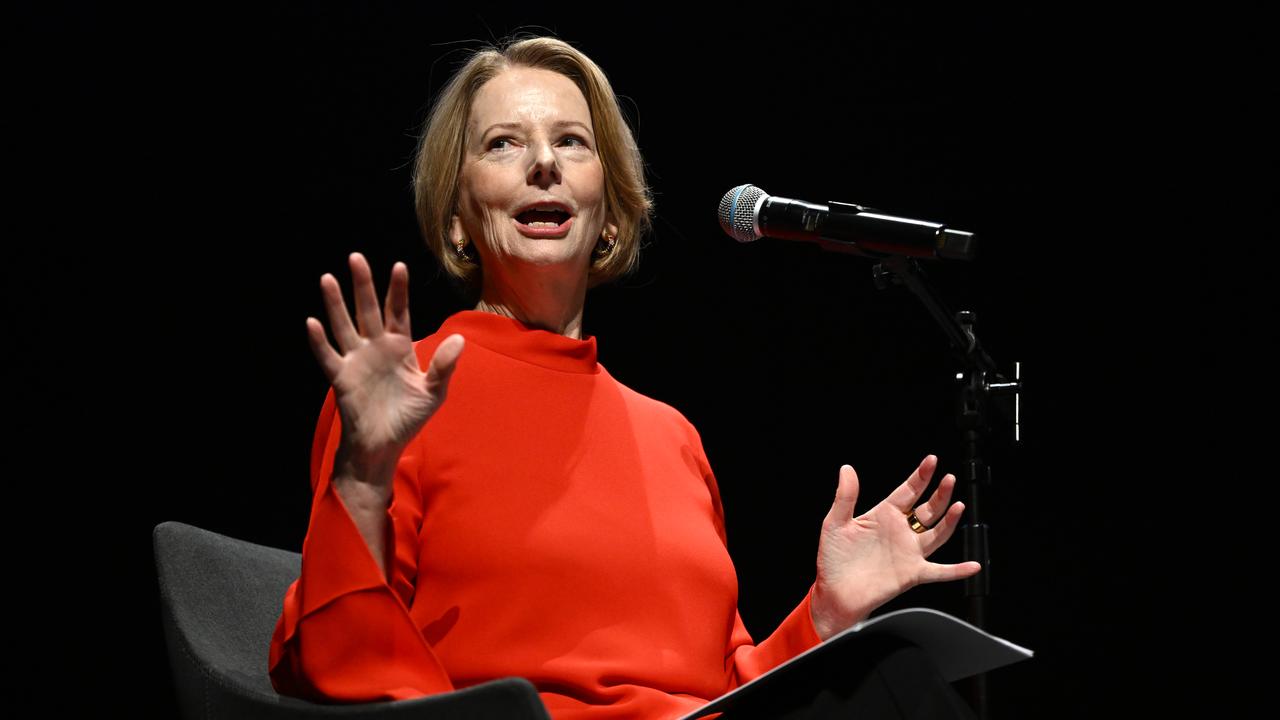
“We obviously want to be breaking glass ceilings … but right at this moment, we’ve also got to make sure we’re standing on concrete floors, and that the things we already think we have can’t suddenly crumble away,” she said.
“The world is in such a state of flux that new systems and new ways of working together need to be built … when things are in flux, it’s also a time of opportunity.”
Australia’s gender equality ambassador Michelle O’Byrne said it was no longer enough to be shocked by the efforts of anti-rights movements.
“This is no surprise. It is well-planned and particularly well-delivered,” she said.
“Our job is to make sure that we deliver not just a pushback on the pushback, but a positive and strong agenda and narrative about what it is we believe, why we need to be there (and) how we can deliver.”
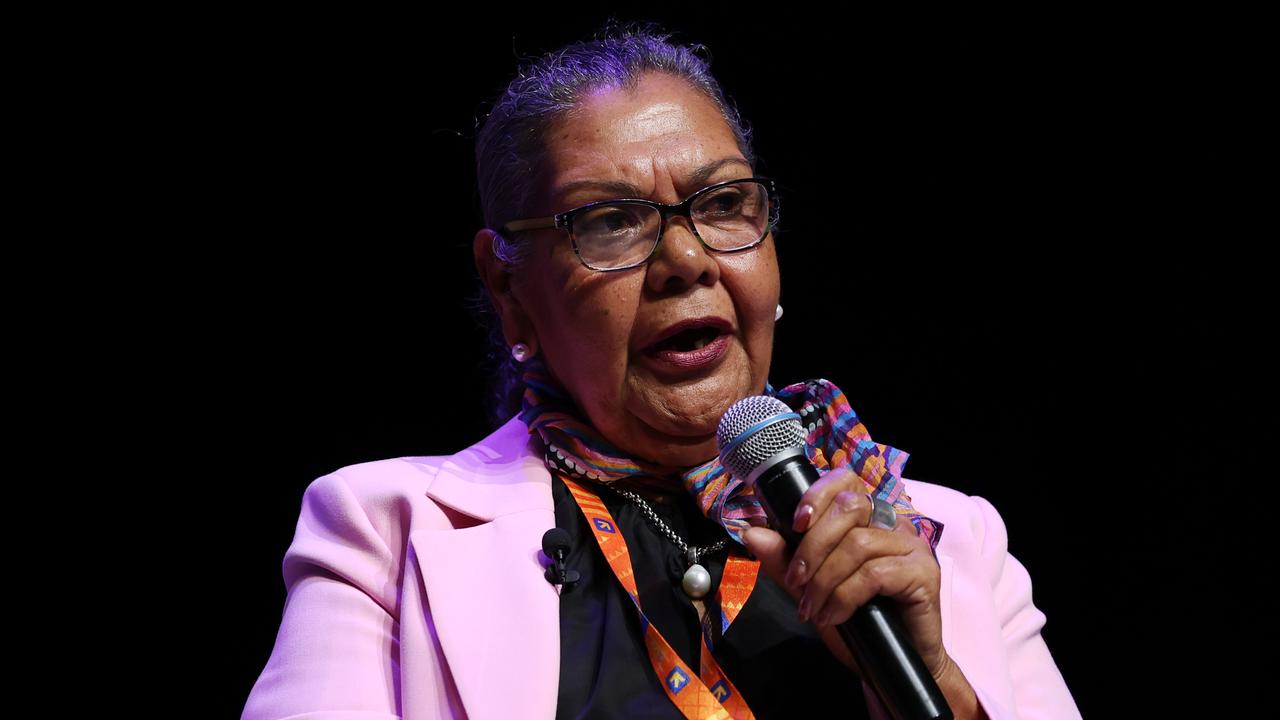
The Melbourne Declaration calls for governments to prioritise public systems and strengthen civil society’s ability to hold power to account.
A key theme of the conference has been to centre voices of First Nations people around the world and ensure they are listened to.
“If there are people who are absolutely committed to gender justice and equality, make sure there’s seats around that table for those who need to be there from First Nations Indigenous communities,” former Aboriginal and Torres Strait Islander social justice commissioner June Oscar said.
Legal action against troubled smelter dropped
The corporate regulator has dropped legal action that could have wound up Australia’s only manganese smelter.
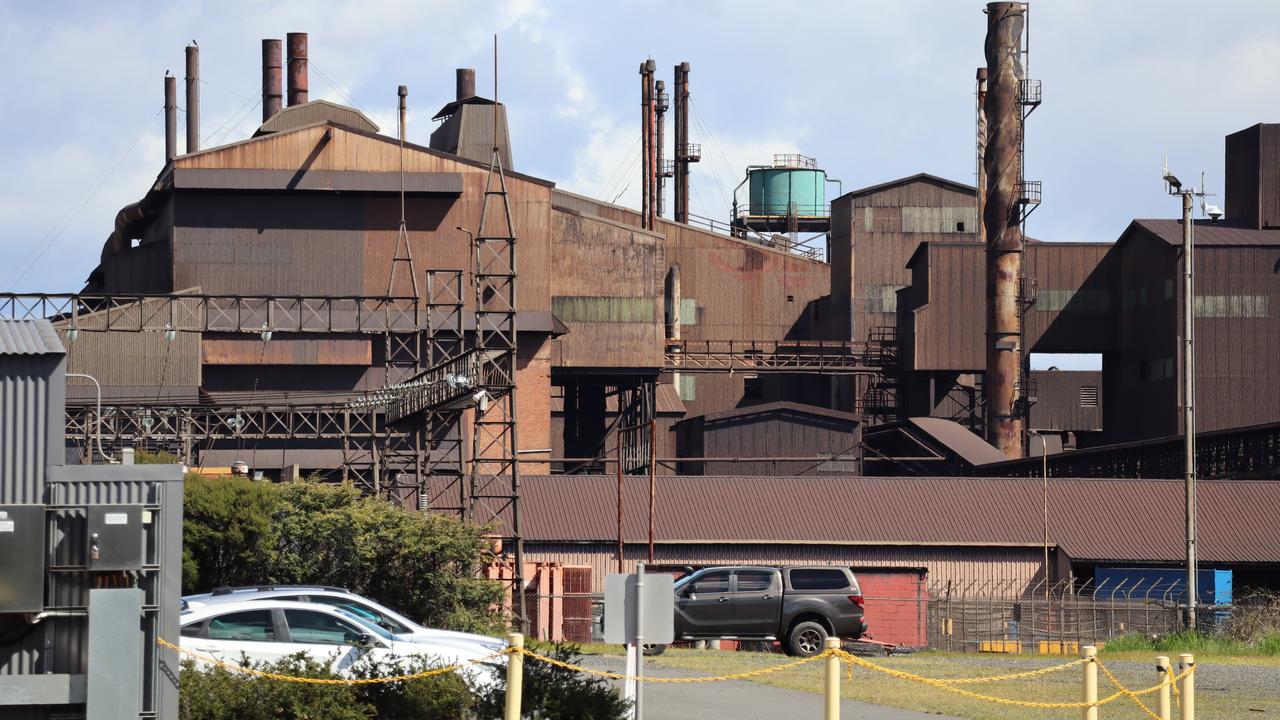
A buyer is being sought for the troubled Liberty Bell Bay in northern Tasmania, which went into voluntary administration in March.
The smelter, which was a subsidiary of GFG Alliance, owned by controversial businessman Sanjeev Gupta, has been sitting idle for almost 12 months.
Corporate regulator ASIC announced on Thursday it had dropped Supreme Court action taken against Liberty Bell Bay over an alleged failure to lodge tax returns over five financial years.
As part of the legal action lodged in March, the regulator applied to wind up the smelter and accused it of failing to abide by a court ruling to provide tax returns.
The court proceedings had been “discontinued”, the regulator said in a statement.
“Administrators have since been appointed to the company,” it said.
“Consequently, its obligations to comply with its financial reporting requirements have been deferred as the administration takes its course.”
The future of some 200 workers employed at the smelter remains in limbo as administrator Ernst and Young tries to find a buyer.
On April 22, the federal and state governments announced a $3 million loan to guarantee wages for three weeks after the administrators said they would run out of money to pay 175 workers.
Ernst and Young has previously indicated there are a dozen potential buyers for the smelter, which produces an alloy to strengthen steel.
The smelter’s operations have been under a cloud for some time.
In August, the Tasmanian government loaned Liberty Bell Bay $20 million to purchase ore so it could resume operations.
But when operations didn’t resume, the government appointed receivers and managers in January to protect the ore stockpile.
Federal Industry Minister Tim Ayres said GFG Alliance had run down the facility but it remained efficient and markets and customers were willing to buy its products.
Woolies accused of ‘fanciful’ price drops by watchdog
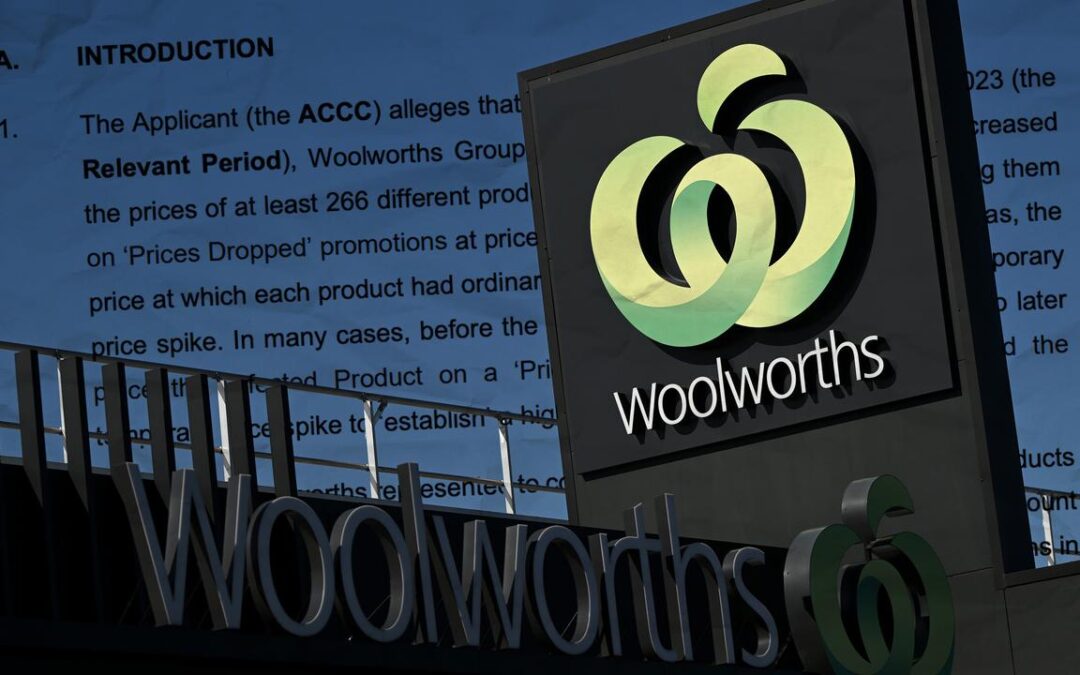
Woolworths used short-term price hikes and subsequent discounts to hide higher prices and mislead Australian consumers, the Federal Court has been told.
The Australian Competition and Consumer Commission’s joint case against Woolworths and Coles discounting policies is approaching its end after 17 sessions.
The watchdog has alleged the two supermarket giants hiked prices for hundreds of products by at least 15 per cent before reducing them to at or above their initial price, but below the spiked price as part of their “Prices Dropped” and “Down Down” promotions.
The short-term hikes made the price drops “fanciful”, ACCC barrister Michael Hodge KC told the court in his closing arguments.

“Whether the representation of the price had dropped was true or not … is fanciful, because when one actually looks at what has actually happened with the particular price of this product, it has not dropped it has increased,” Mr Hodge told the hearing in Sydney.
Woolworths has argued an extended period of inflation following from the COVID-19 pandemic prompted a series of price increase requests and negotiations with suppliers.
But the ACCC said the supermarket giant’s pricing scheme and its temporary price hikes told suppliers and consumers two incompatible things.
“The commission says the fact that you agree to pay more to your supplier does not make it true when you tell your customers that the customers will now pay less for the product,” Mr Hodge said.
Matters around Woolworths’ margins were confidential and not able to be assessed by the court.
But Justice Michael O’Bryan questioned whether the initial prices, sometimes in place for more than 12-months before being temporarily hiked for as little one week, were relevant at all.
“Because the commission’s case properly starts and ends at the reasonableness of price-two,” Justice O’Bryan said.
“The real question is: was it genuine, not artificial, not temporary in an artificial way, illusory, all of these adjectives to describe what might otherwise be going on?”
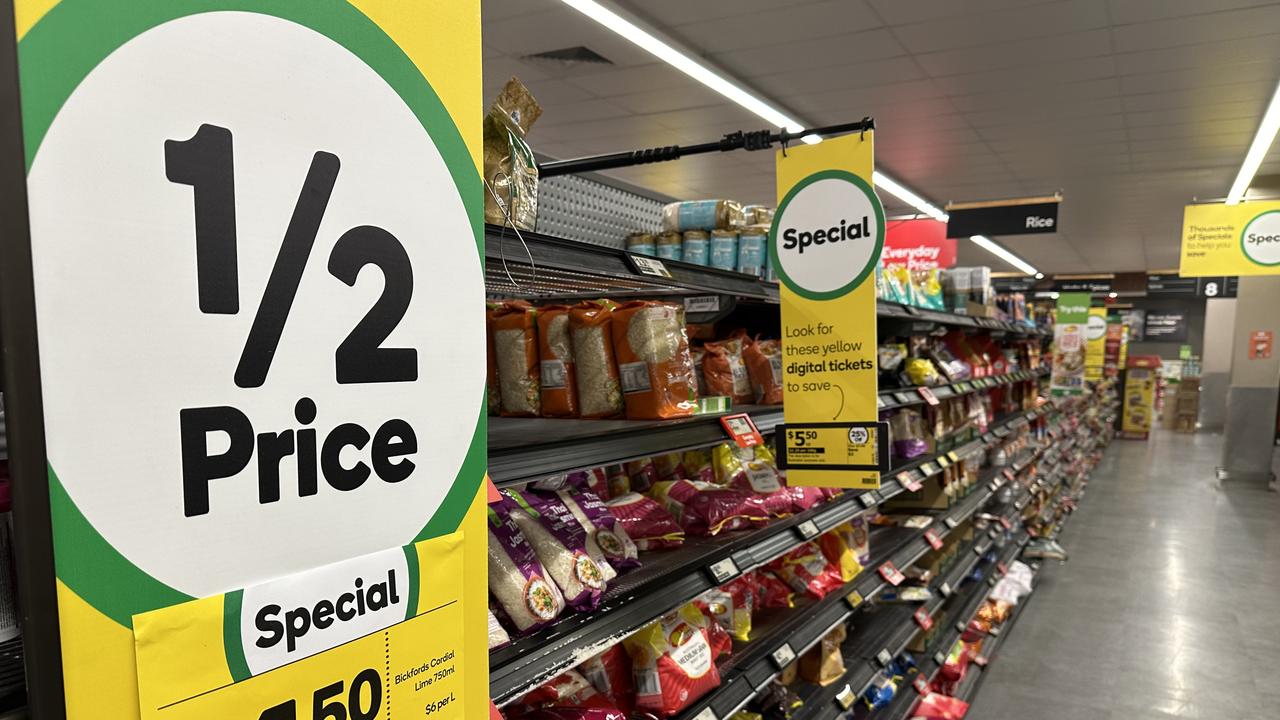
Justice O’Bryan said he did not find the promotional strategy inherently misleading or nefarious.
In its closing arguments, Woolworths’ barrister Robert Yezerski SC said the watchdog had tried to argue two different cases, one which fell outside its original concise statement.
The commission had shifted its argument to include matters of profit maximisation and price competitiveness.
“Mr Hodge this morning … correctly anticipated our concern as to the extent of what I think even the ACCC accepts as a departure from its concise statement,” he said.
The case failed for two reasons, Mr Yezerski said.
“The first, the alleged misleading or deceptive representation was not conveyed to ordinary and reasonable consumers by the ‘Prices Dropped’ tickets,” he told the court.
“And second, even if it was the period for which that ‘was’ price was charged … was sufficiently long to constitute the products’ previous regular price, and we say in each case the period was reasonable.”
The hearing continues.