
Major smelters under a cloud, government money runs out
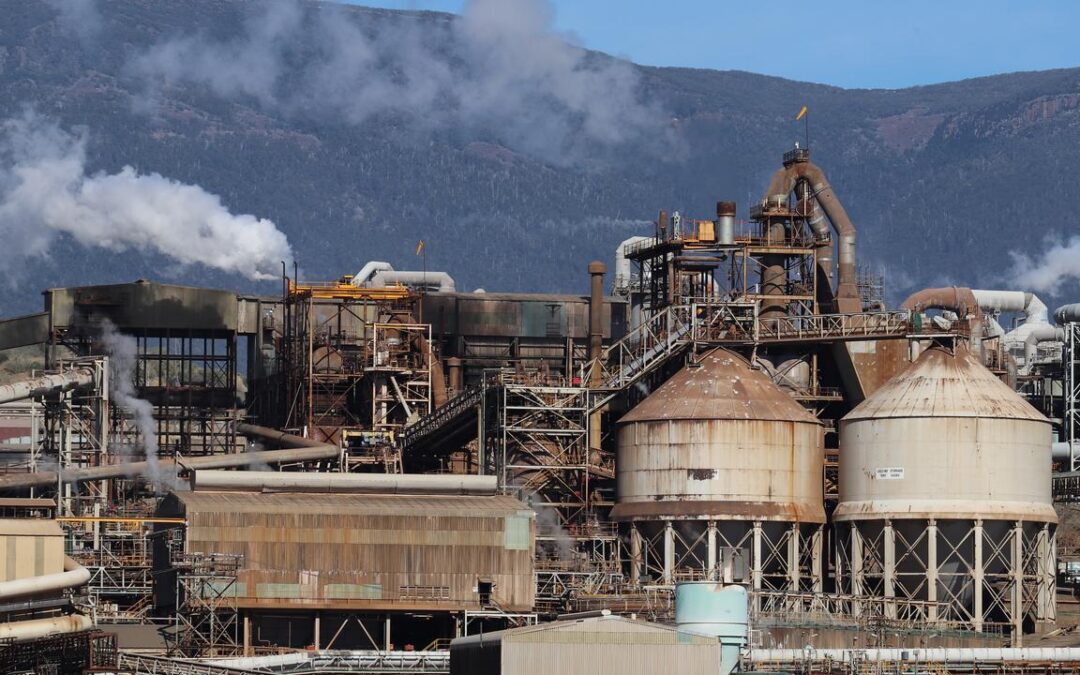
More than 1000 jobs and operations at two smelters are under a cloud as governments and an international company butt heads over the dollar-figure of a fresh support package.
Taxpayer-funded help of $135 million to prop up Nyrstar smelters in South Australia’s Port Pirie and Hobart in Tasmania expired on Friday.
Weeks of talks have failed to reach an agreement on a new package, but South Australian Premier Peter Malinauskas said a revised offer would be put to Nyrstar by the end of Friday.
He was confident negotiations were moving in the right direction, but also said a failure to reach an appropriate agreement could have “very severe” consequences.
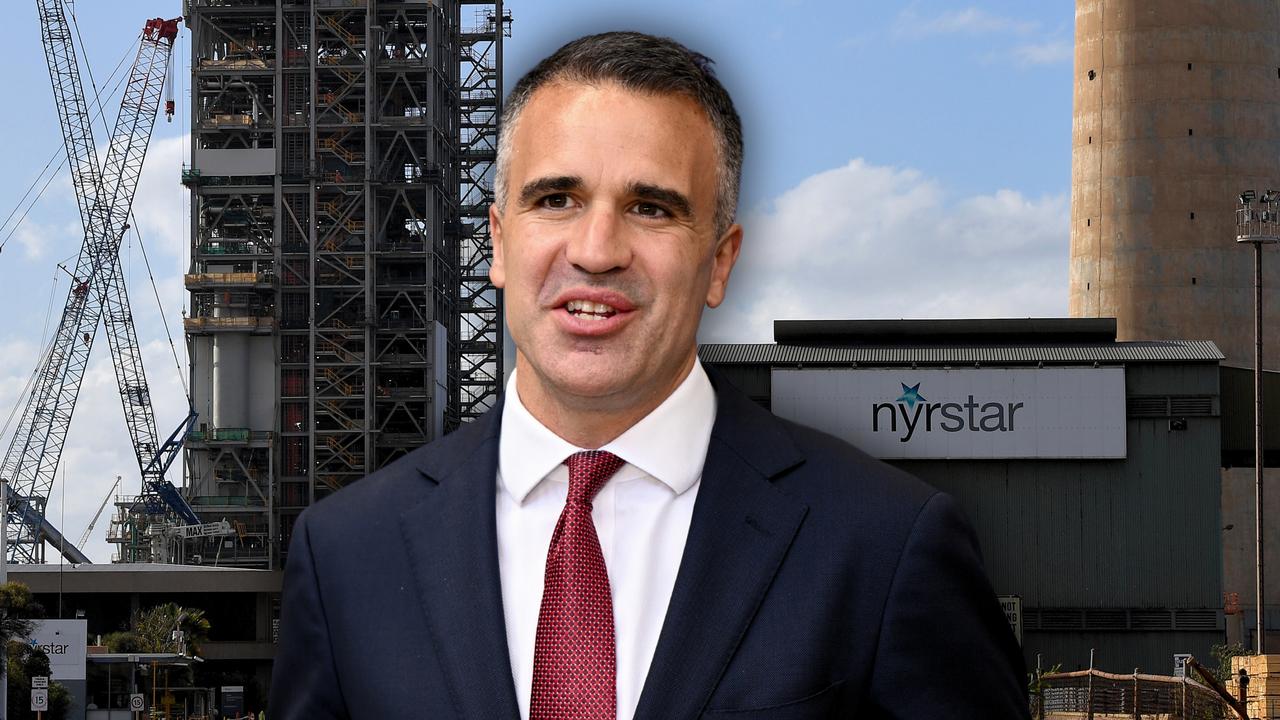
Under the previous package, announced in August, the federal government provided $57.5 million, South Australia $55 million and Tasmania $22.5 million.
The key point of difference during negotiations was the level of funding, Mr Malinauskas told reporters.
“We have to make sure that we’re not unnecessarily funding Nyrstar for operations,” he said.
“But at the same time we acknowledge there is a legitimate national sovereign challenge here.”
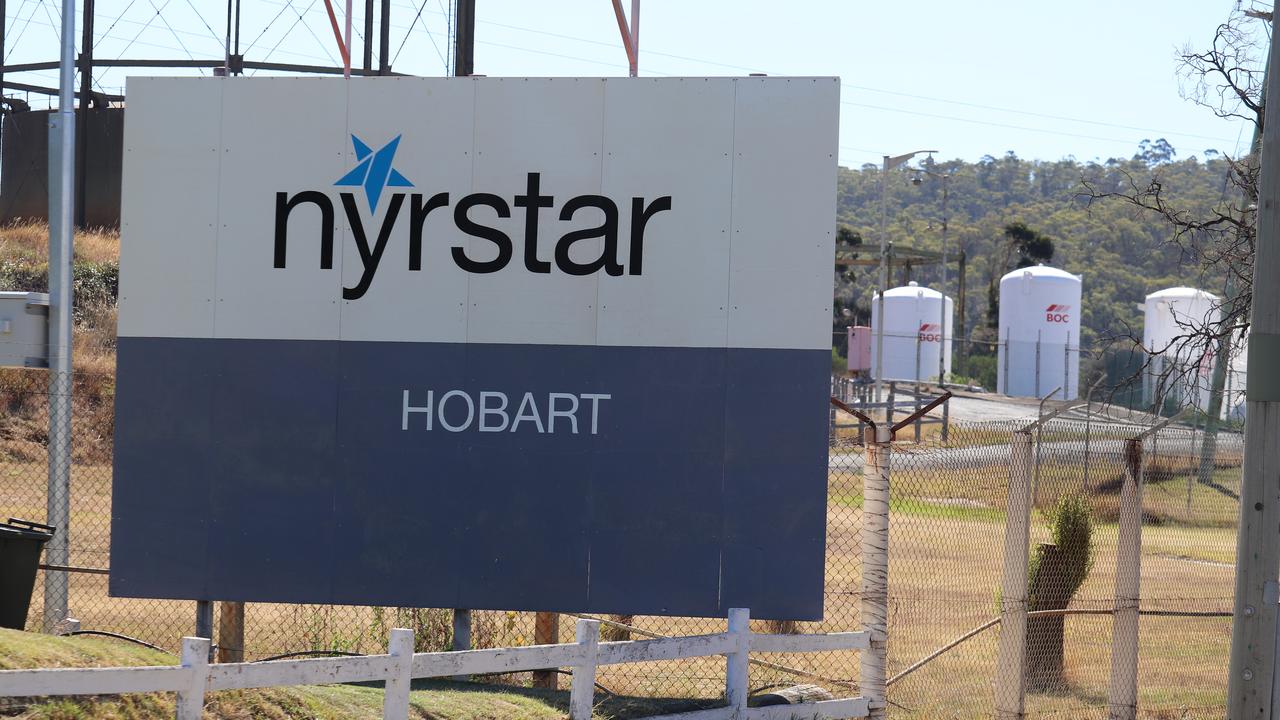
The Port Pirie and Hobart smelters, which combined produce lead, silver, zinc and other critical minerals, employ roughly 800 and 500 workers respectively.
All three governments were committed to maintaining a viable smelting industry, a spokesman for federal Industry Minister Tim Ayres said.
“Nyrstar’s Port Pirie and Hobart facilities are strategically important assets that fulfil a key role in Australia’s critical minerals future,” he said.
Tasmanian Premier Jeremy Rockliff said his government had put $7.5 million on the table during ongoing talks and was hoping for a resolution as quickly as possible.
Port Pirie had to remain an ongoing operation, Mr Malinauskas said.
“If we lose our smelting operations, we lose our ability to produce critical minerals and metals which we know the rest of the world needs,” he said.
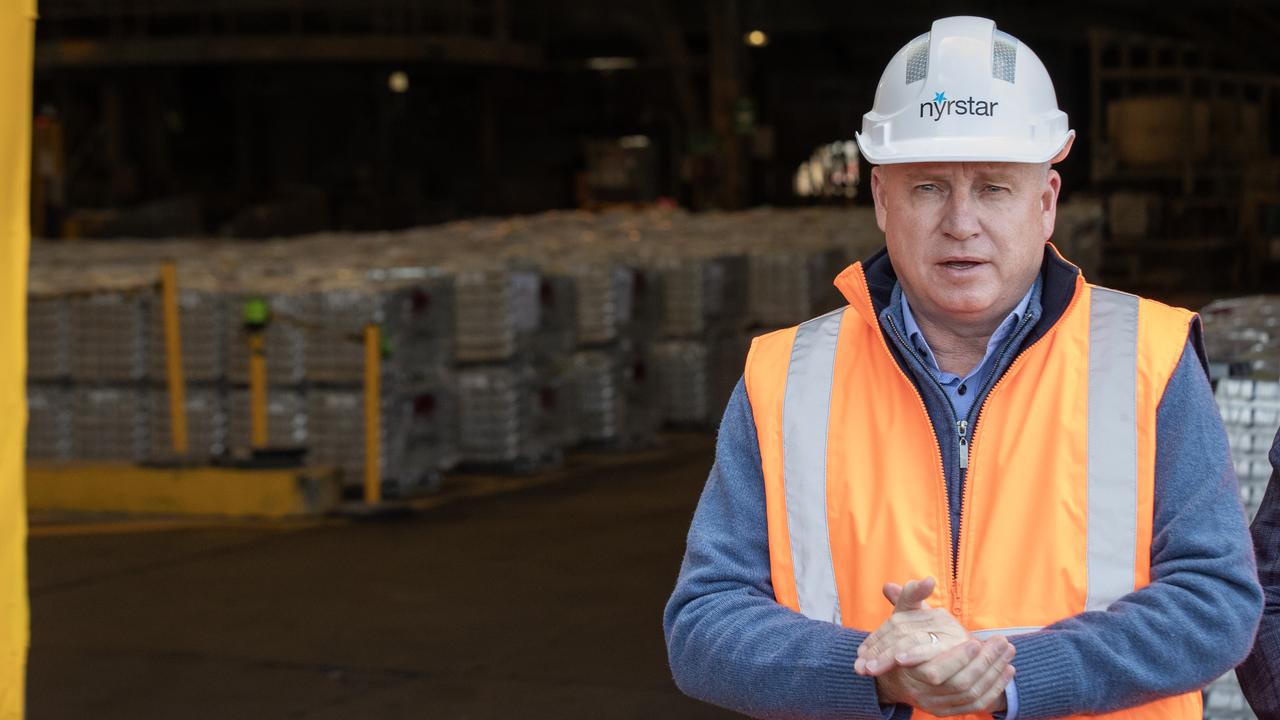
Nyrstar Port Pirie general manager Darrin Cooper said important upgrades and production of the nation’s first antimony metal had been delivered since the August funding agreement.
“Disappointingly, despite this progress … we have not been able to reach agreement on the next phase and now have to consider all options for the business,” he said.
The August funding was to maintain ongoing operations and to allow a significant rebuild of the smelters and feasibility studies into critical metals production.
Tasmanian independent federal MP Andrew Wilkie said the situation was deeply concerning.
The survival of the Hobart smelter was important for hundreds of people and for Australia’s broader economic resilience and national security, he said.
Stratospheric dreams of a new city coming back to earth
Leaders want to avoid “naive promises” for a sprawling city as the federal government kicks in millions to untangle urban developers from red tape.
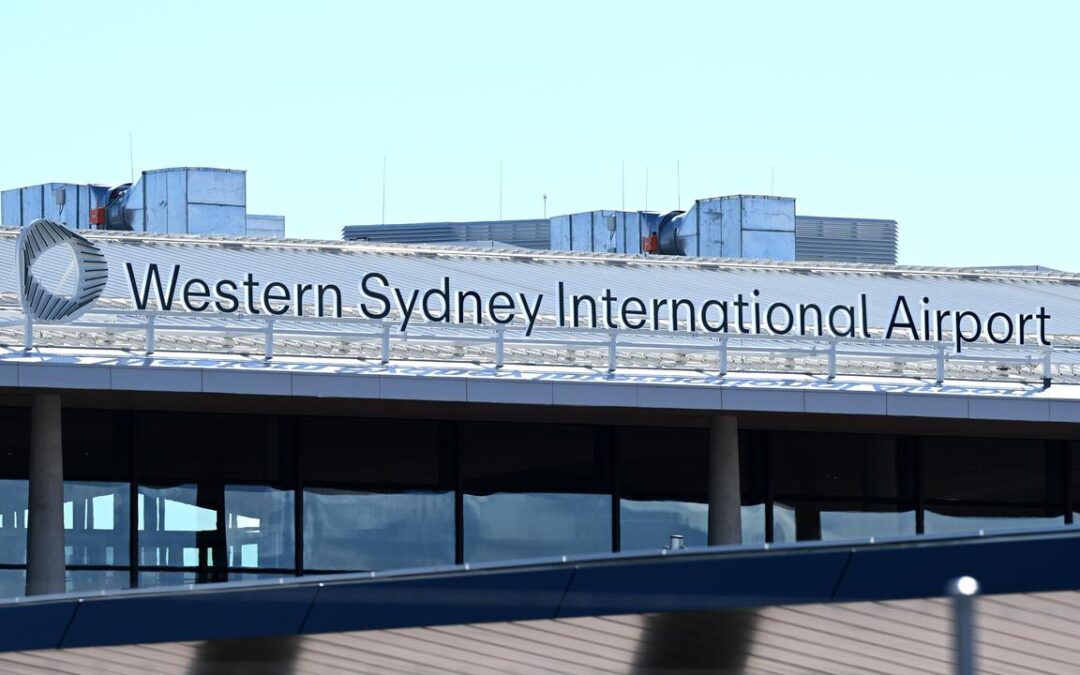
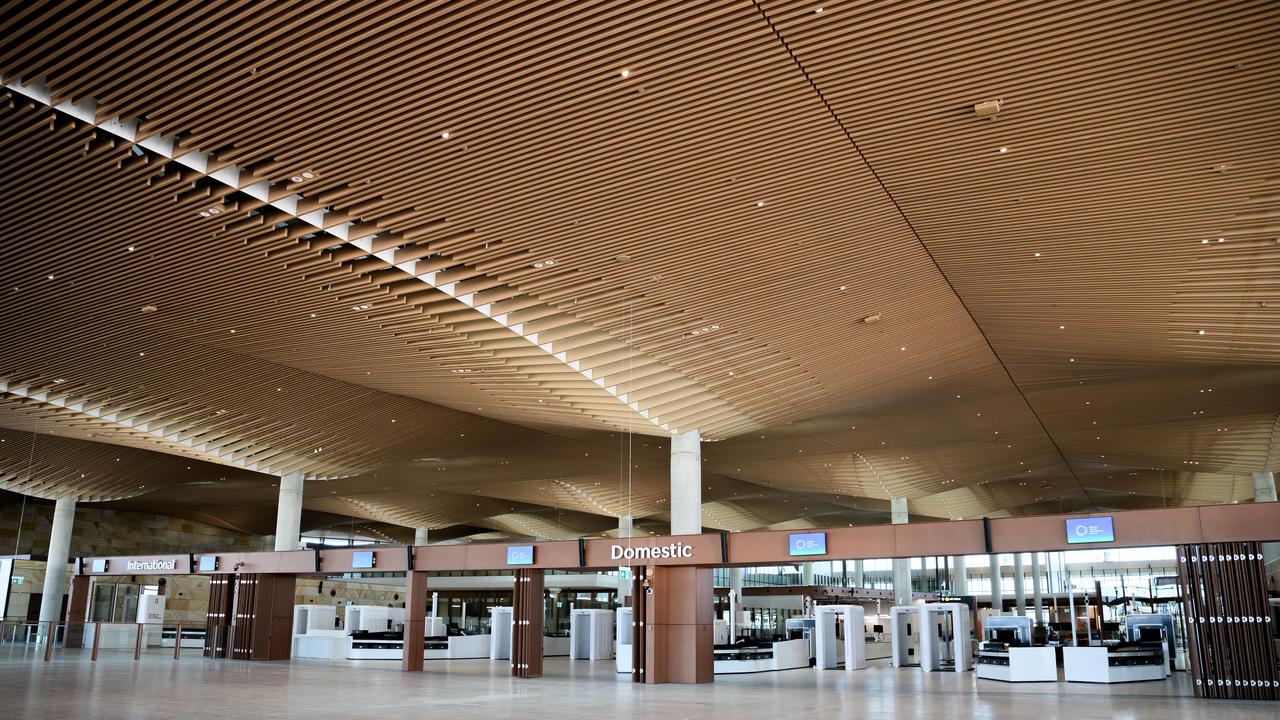
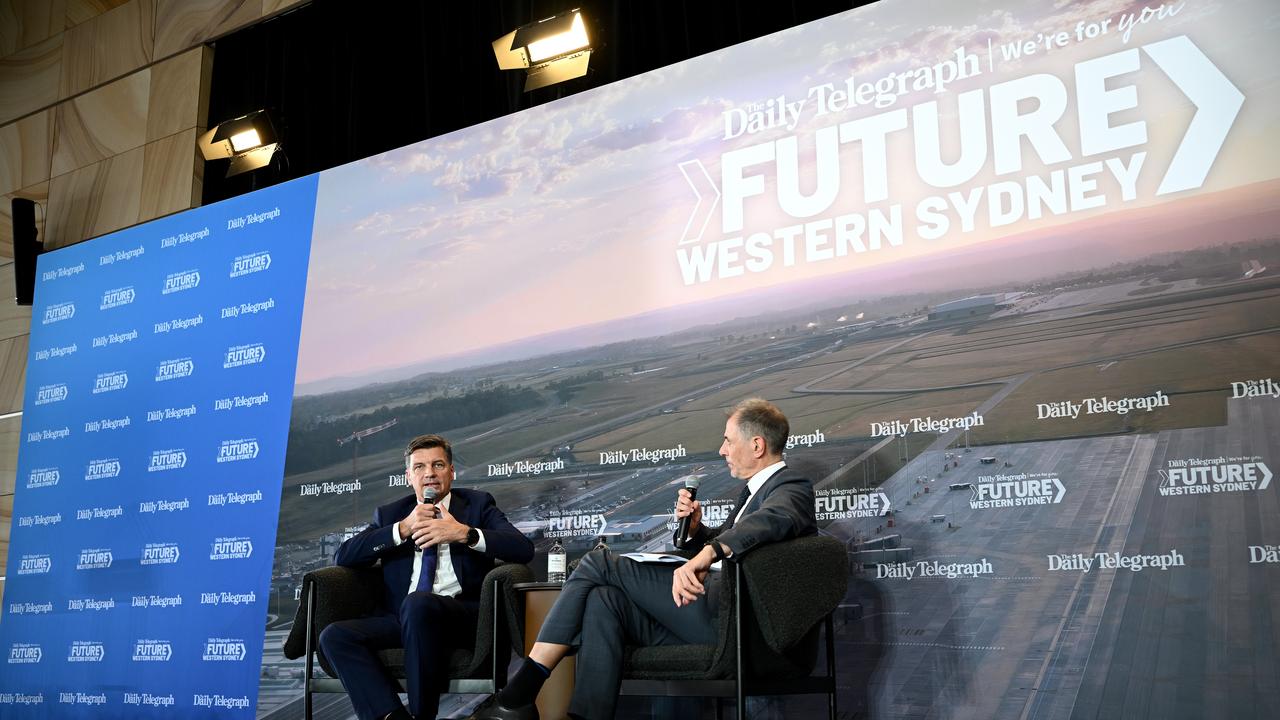
Prime Minister Anthony Albanese, Opposition Leader Angus Taylor and NSW Premier Chris Minns were among those descending on Western Sydney International Airport’s baggage hall on Friday for the Future Western Sydney event.
The airport’s first passengers are expected to touch down in October.
It is positioned as the centrepiece of the state’s grand plans for a swelling western Sydney, which consultancy firm KPMG estimates will absorb more than 71,000 new residents every year and account for two-thirds of the city’s total growth to 2035.
State and federal governments have scrambled to meet the expansion, with NSW set to splurge more than $31 billion on schools, freeways and metro lines in the region over the next four years.
But overzealous development without an eye for the bottom line threatens to leave Sydneysiders stuck in a cul-de-sac, according to Mr Minns.
“We need to be somewhat wary of undoubtedly well-meaning, but sometimes naive promises made about new projects,” he said.
He argued for prudence, citing the pressures of rising inflation, interest rates and fuel prices.
“You’re not being a killjoy or a party pooper when you ask these fundamental questions,” he said.
Planning tunnel vision also means important support infrastructure risks being neglected amid the frenzy, Business Western Sydney chief executive David Borger told the forum.
The region needed more tourism infrastructure to entice visitors, he said.
“I don’t think we’re ready for it,” Mr Borger said.
“We’re seeing big international (hotel) brands … being held up in the bowels of some local councils for years at a time, and we can’t afford to do that.”
The prime minister announced the federal government was chipping in $72.5 million to help speed up zoning and planning reforms in NSW.
The money will be injected through the federal government’s productivity fund, which rewards state and territory governments for “good behaviour” on housing policy.
The premier affirmed any changes would be dished out judiciously to shield some communities from the ravages of rampant development.
“We did it to give these communities, particularly in western Sydney, a chance to breathe,” he said.
Nevertheless, Mr Minns said he’d rather a project be over budget than over time.
Western Sydney Interational Airport is set to open on schedule, having finally been green-lit in 2017 after decades of dithering from the 1980s.
Stock market rebounds from worst losing streak in years
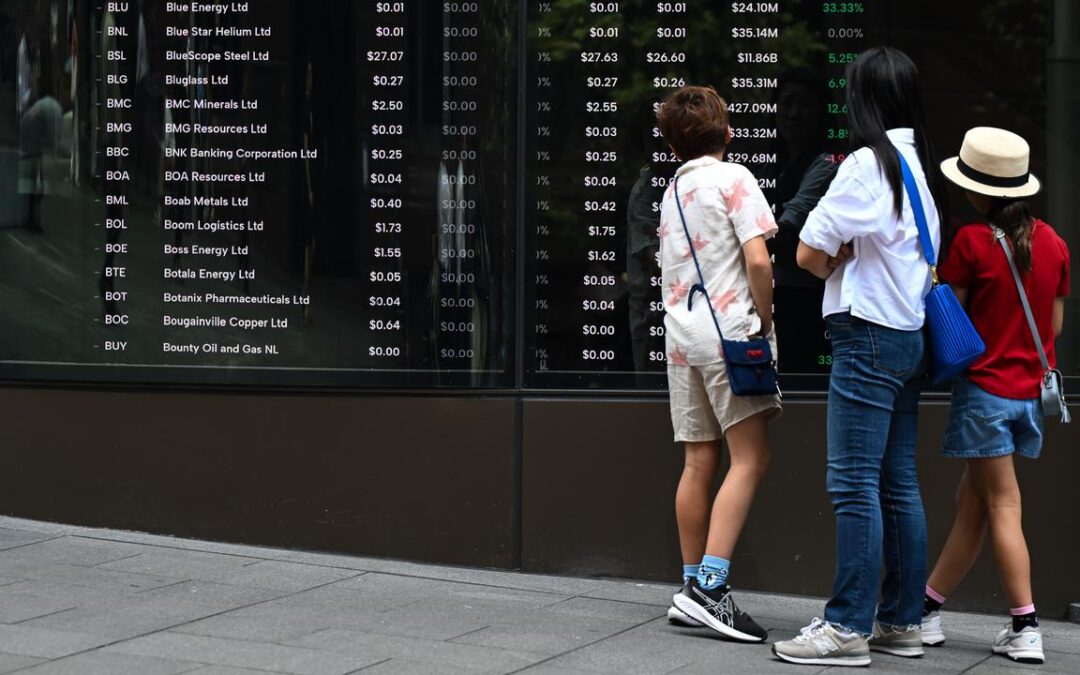
Australian shares are rebounding from an eight-session losing streak, but remain under pressure as the Middle East fuel crisis drags on.
The S&P/ASX200 jumped 81.6 points by midday, up 0.95 per cent, to 8,748.3, as the broader All Ordinaries gained 80.8 points, or 0.91 per cent, to 8,968.4.
It has been the top-200’s longest losing streak since 2018.
The bounce came as oil prices eased from a sharp spike on Thursday, and after Wall Street hit record highs on the back of strong corporate earnings, helping investors look past the impacts of the Persian Gulf conflict.
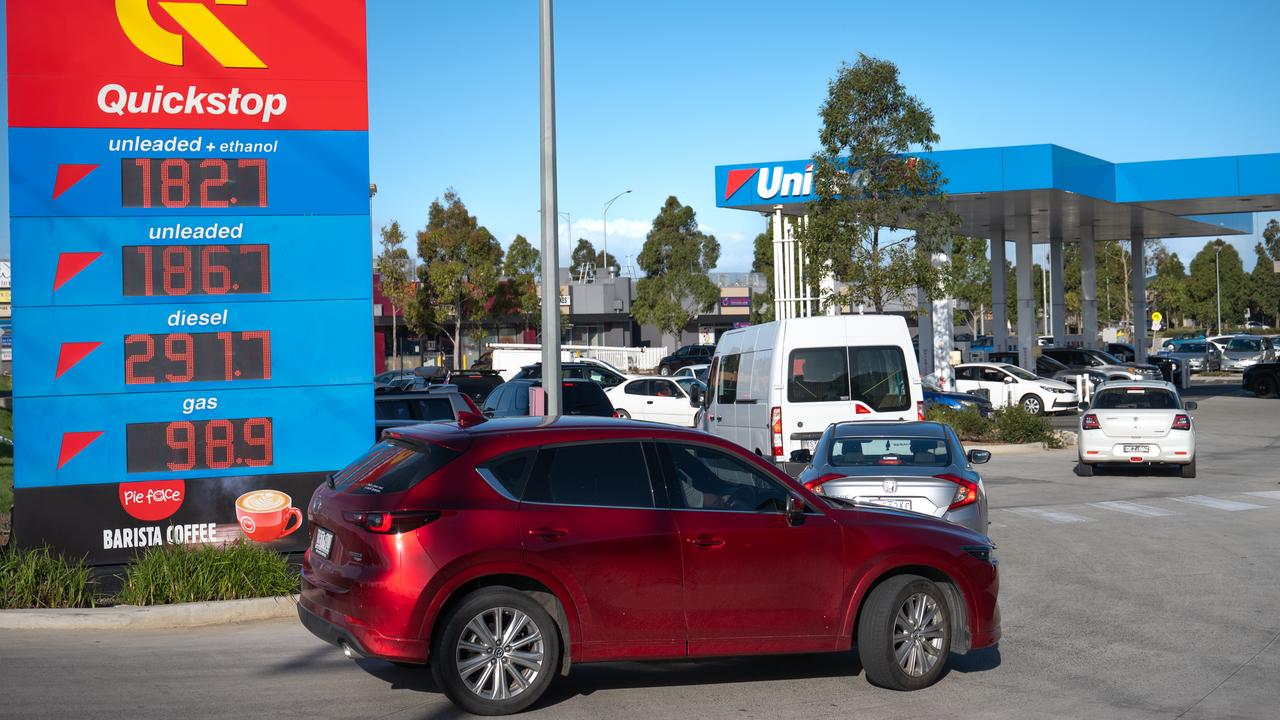
“Geopolitical risks are still simmering away and on the balance of probabilities skew towards renewed hostilities and an extended disruption in global energy markets,” Capital.com senior market analyst Kyle Rodda said.
ASX-listed miners led the recovery, with basic materials stocks up 2.3 per cent by midday, as BHP and Rio Tinto clocked gains of around three per cent each.
Gold stocks improved as the precious metal firmed to $US4,623 ($A6,420) an ounce, helping lift the All Ordinaries gold sub-index 1.2 per cent.
Evolution was a standout, up 2.2 per cent to $12.16.
Mixed miners, copper plays, rare earths and battery minerals producers all climbed higher.
Energy stocks rose 0.2 per cent despite Woodside and Santos tracking lower with the dip in oil prices.
Coal miners broadly improved, while uranium stocks made a tentative rebound after selling off in the second half of April.
Financials edged 0.3 per cent higher as ANZ kicked off reporting season, slipping 0.8 per cent to $36.46 despite its first-half $3.8 billion interim profit beating expectations.
“ANZ delivered a solid 1H26 result, positioning the bank well to navigate heightened uncertainty stemming from the conflict in the Middle East,” Moody’s Ratings VP-Senior Credit Officer Daniel Yu said.
Commonwealth Bank shares performed best of the big four, up 0.3 per cent to $174.17.
Consumer-facing stocks improved, with staples up 0.5 per cent and discretionaries advancing 0.3 per cent.
Coles jumped 0.7 per cent to $22.28 after it posted a three per cent lift in third-quarter group sales revenue to $10.7 billion.
SkyCity Entertainment shares tumbled more than four per cent after the casino trimmed its expected 2026 financial year earnings to between $180 million and $190 million, from a range of $190 million to $210 million.
Industrials stocks improved 1.2 per cent, as Qantas shares edged 0.4 per cent higher to $8.45 as it extended its service changes due to the ongoing Middle East conflict.
Virgin Australia rebounded 0.7 per cent, but has lost roughly a quarter of its value since it re-listed on the ASX in June 2025.
The Australian dollar was buying 72.02 US cents, up from 71.16 US cents on Thursday at 5pm.
Asian stocks find relief as oil price eases
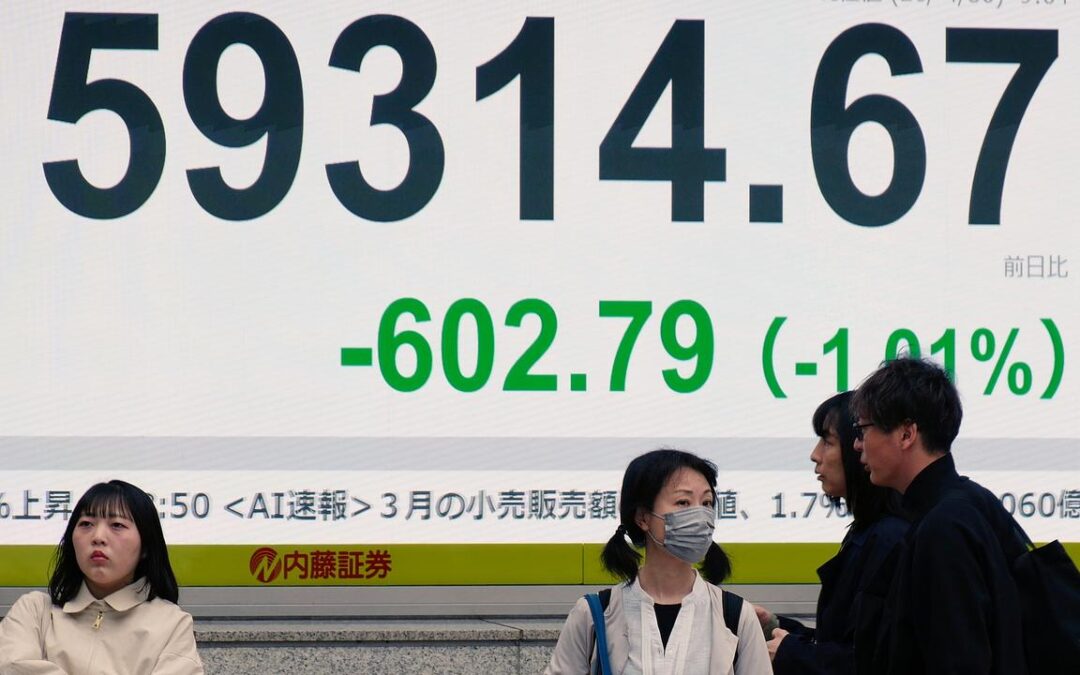
Asian share markets have rebounded in relief as oil prices came off the boil and upbeat company earnings pulled investors into tech stocks, while Japan’s first yen-buying intervention in two years steadied the battered currency.
Apple amplified the cheer by beating forecasts and providing an upbeat outlook for sales, though it did warn of chip supply constraints. Its shares rose 2.7 per cent in extended trading, adding to gains of 10 per cent in both Caterpillar and Alphabet as they beat expectations.
Hopes for ever-rising profits saw the S&P 500 climb more than 10 per cent for all of April, while Nasdaq surged 15 per cent in its best performance since 2020. S&P 500 futures were up 0.2 per cent on Friday, with Nasdaq futures firming 0.1 per cent.
April was also a barnstormer for Asia, with Japan’s Nikkei up 16 per cent for the month, Taiwan gaining 23 per cent and South Korea almost 31 per cent.
Market holidays limited the reaction across Asia on Friday, with the Nikkei up 0.4 per cent and Australian shares adding 0.7 per cent. MSCI’s broadest index of Asia-Pacific shares outside Japan edged 0.3 per cent higher.
Asia does remain acutely vulnerable to higher energy prices, importing most of its oil and gas, and oil flows remain badly disrupted through the vital Strait of Hormuz.
Iran said on Thursday it would respond with “long and painful strikes” on US positions if Washington renewed attacks and restated its claim to the strait.
That saw Brent crude firm 1.2 per cent to $US111.70 a barrel, though that was well off Thursday’s four-year peak of $US126.41. US crude rose 0.5 per cent to $US105.64 a barrel.
Currency markets had also come alive after sources said Japanese authorities had intervened on Thursday to sell dollars for yen, initially sending the greenback sliding five whole yen to a two-month low of 155.50.
Yet buyers were back on Friday, lifting the dollar to 157.29 in a sign Tokyo may yet have to do more if it really wants to draw a line at the 160.00 yen barrier.
“The cost is likely to be in the tens of billions of dollars based on history,” said Tim Baker, a macro strategist at Deutsche Bank, referring to the size of the intervention.
“We’re not convinced USD/JPY will keep falling, or even stay here for long,” he argued. “The cross may well be high relative to rates, but it’s actually low relative to a simple model that includes rates, equities and oil.”
Japan imports all its oil and the rise in crude prices is set to sharply widen the country’s trade deficit.
The burst of US dollar sales indirectly lifted the euro to $US1.1729 and away from a three-week trough of $US1.1655. The British pound firmed as far as a 10-week high at $US1.3612.
Both currencies were supported by hawkish commentary from their respective central banks.
The Bank of England warned the fallout from the Iran war could lead to “forceful” rate rises if energy prices kept climbing, and one board member voted for an immediate hike.
European Central Bank President Christine Lagarde said they were debating whether to lift rates and noted that data over the next six weeks would decide the issue.
“The messages conveyed during the press conference leave us with a distinct perception that the consensus among governors is that they will hike policy rates at the next meeting on June 11,” said analysts at Citi in a note.
“We find no reason to alter our expectation of back-to-back rate hikes in June and July.”
That follows a hawkish shift from the Federal Reserve on Wednesday that saw markets give up on any hope for a rate cut there this year.
The pivot left US 10-year Treasury yields up eight basis points on the week at 4.390 per cent, but off a top of 4.436 per cent.
Elsewhere in commodity markets, gold was flat at $SU4,623 an ounce, having been stuck in a tight trading range for more than a month now.
Rising star suspected of ‘fudging’ complaint to Rebel
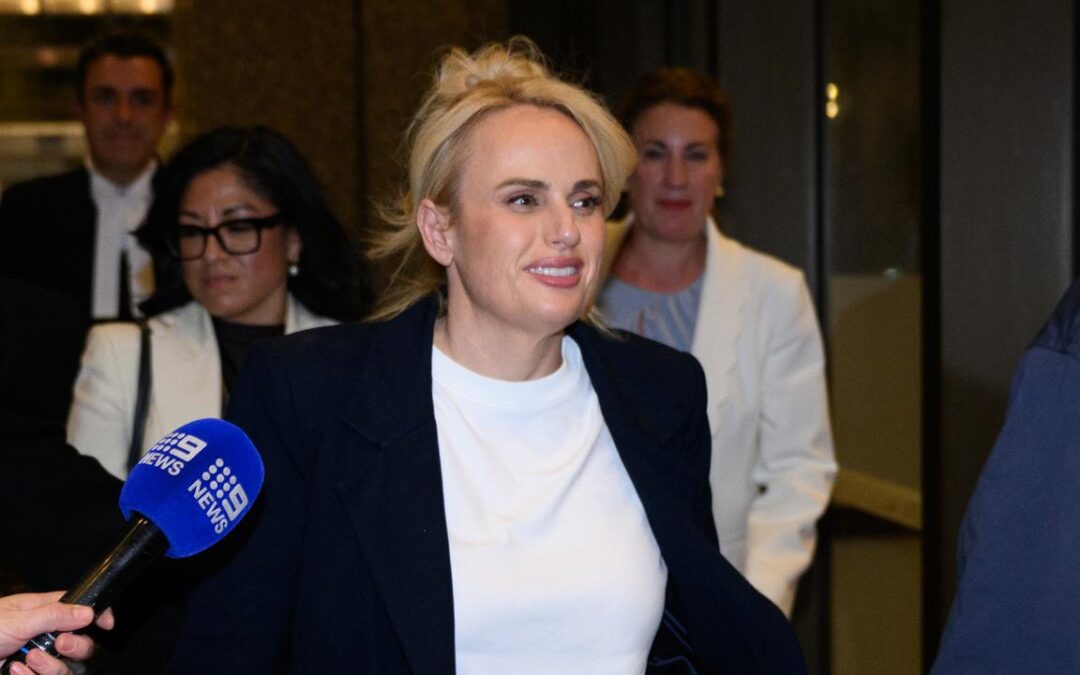
A producer who thought a rising star was “fudging” her story and walking back a complaint of sexual harassment to Rebel Wilson will be in the spotlight during the final hours of a fiery court battle.
Wilson is being sued by Charlotte MacInnes, the 27-year-old lead actor of the musical comedy The Deb.
The rising star claims she was defamed by Wilson in social media posts that suggested she was a liar and a sellout who withdrew a sexual harassment complaint to advance her career.
The posts alleged MacInnes confided to Wilson – but later recanted – that she felt uncomfortable when the film’s co-producer Amanda Ghost asked to have a shower and a bath together.

The claim hinges on a medical episode suffered by Ms Ghost at Bondi Beach on September 5, 2023, which led to her sharing a bath with MacInnes in their swimwear to warm up.
The young actor maintains she doesn’t think it was inappropriate and insists she never made or retracted a complaint.
Wilson gave evidence she was shocked by the divulgence and informed The Deb’s local producer Greer Simpkin, who she described as very responsible.
The local producer is set to reveal her recollection of events in the Federal Court on Friday during the final day of the blockbuster defamation battle between the film’s director and star.
Ms Simpkin orchestrated MacInnes’ removal from an apartment where she had been staying with Ms Ghost and others during pre-production, the court was previously told.
The local producer confirmed to Ms Ghost that MacInnes had been asked to leave the apartment days after the complaint had been relayed by Wilson.
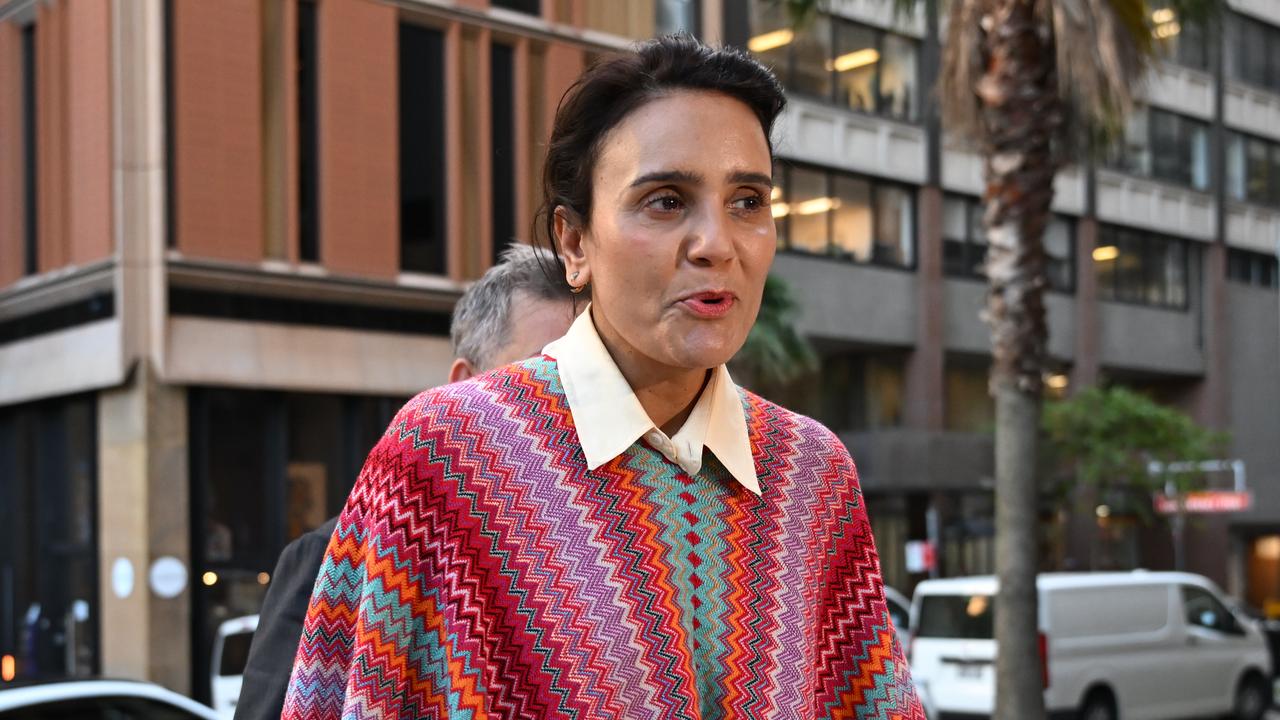
“I asked that the reason be as we discussed that Rebel needs the space by the beach,” Ms Simpkin texted.
But when MacInnes learned the real reason for her eviction was the complaint alleged by Wilson, her agent reached out to Ms Simpkin to “mend this misunderstanding”.
She explained MacInnes’ version of events and clarified she had never been uncomfortable with Ms Ghost, whom she respected and idolised.
In the email tendered to the court, the agent said MacInnes had been very upset by the change in the producer’s behaviour and she wanted to resolve the issue expeditiously.
Ms Simpkin forwarded the email to Ms Ghost and noted the young actor’s version of events was different from those of the producer and a witness.
“Charlotte is walking back the statement she made to Rebel,” she wrote.
“I feel there is some fudging being done by Charlotte.”
The local producer is expected to be questioned about what and when she was told about the bath incident and how events unfolded in the aftermath.
The high-profile defamation battle between Wilson and MacInnes is set to conclude on Friday after nine days of heated evidence in which both actors rejected accusations of lying.

More people are ditching eating out, food giant says
More Australians are shifting to cooking at home rather than eating out as households adjust to higher costs, particularly for fuel, the nation’s second-largest supermarket chain says.
Coles has followed Woolworths in warning that shoppers face tougher economic conditions, with tensions in the Middle East contributing to higher commodity input prices.
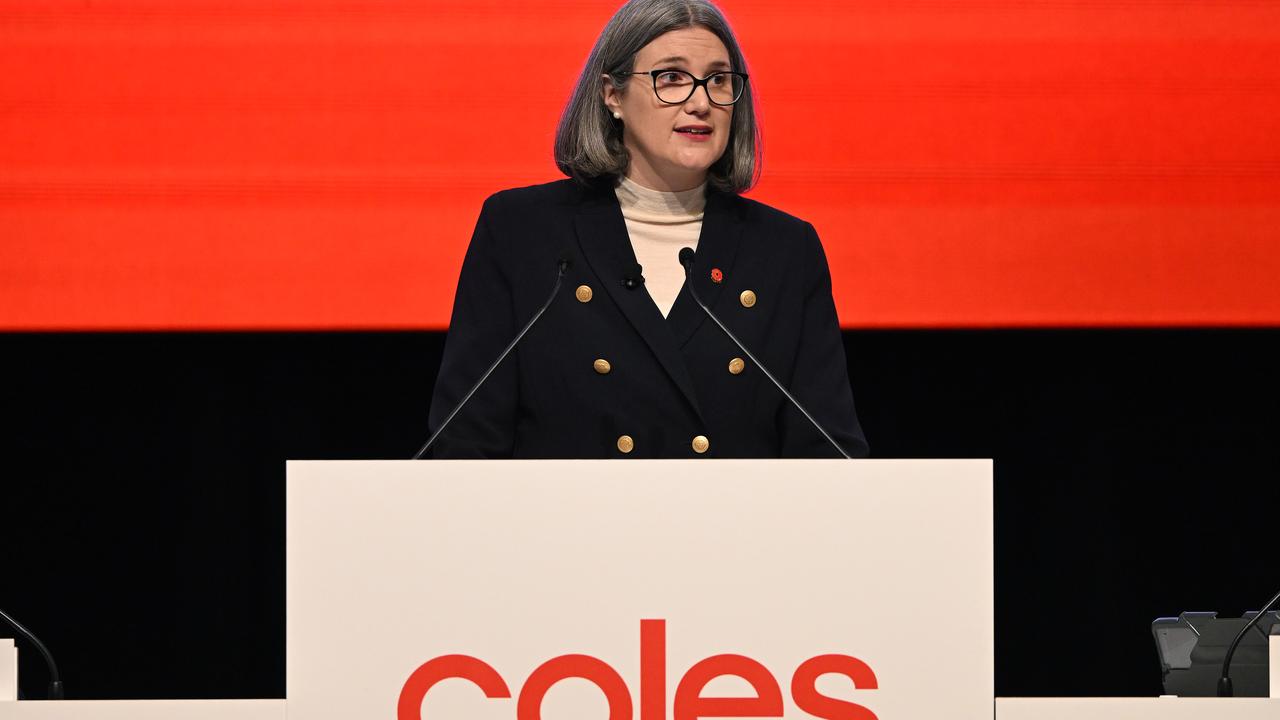
“We know value and availability will be important to our customers over the months ahead,” chief executive Leah Weckert said on Friday.
“We are well placed to respond to this.”
Coles reported a 3.1 per cent lift in third-quarter sales to $10.7 million, most of which was driven by its some 860 supermarkets, which generated $9.8 billion.
Supermarket price inflation – excluding tobacco – moderated to 0.8 per cent in the three months ending March 29.
That compared to 1.7 per cent in the second quarter, reflecting deflation in fresh produce due to abundant supply across a number of key fruit and vegetable categories.
Price inflation for packaged groceries also eased, due to more promotions across a number of non-food categories, such as cleaning and baby products.
But this was partially offset by inflation in red meat prices.
“However, consistent with prior periods, the full impact of the increased beef and lamb livestock cost of goods was partially absorbed as part of our investment in value for customers,” Coles said.
“Our focus remains on continuing to provide customers with a compelling value proposition that supports their everyday needs, coupled with inspiration as more customers shift from eating out to cooking at home to help manage their household budget.”
On Thursday, rival Woolworths warned sentiment amongst its shoppers had plummeted since the US attacked Iran on February 28, sparking a Middle East conflict that has sent the cost of crude oil – and petrol – higher.
Woolworths’ tracking shows 44 per cent of customers are experiencing real budget pressures and are struggling to make ends meet.
Woolworths reported $18.1 billion in total sales for the 13 weeks to April 5, up 4.5 per cent from a similar period a year ago.
Most of that was driven by food sales, which rose almost six per cent to $13.8 billion.
Big four bank says customers have savings buffers
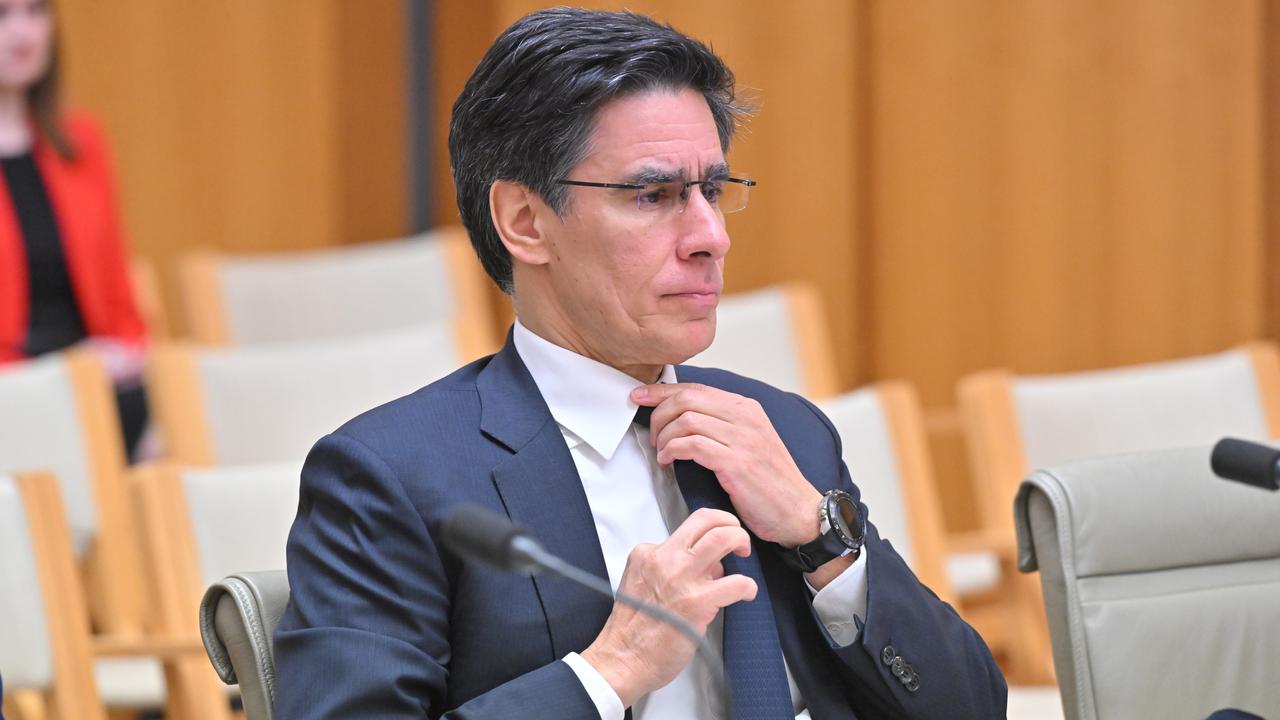
The conflict in the Middle East is creating greater economic uncertainty, particularly for customers, one of Australia’s big four banks says.
The warning from ANZ Bank came as the fourth-ranked top institution posted a flat bottom line first-half net profit of $3.65 billion.
The bank’s preferred cash profit metric, excluding significant items, jumped 14 per cent to $3.78 billion year-on-year and rose a massive 70 per cent from the final quarter of its financial year.
ANZ is the first of the three major banks to report its earnings for the three months to March 31 this profits season. Commonwealth Bank will post is third quarter results later this month.
All are being closely watched for signals on how customers are weathering a high interest rate and high inflation environment.
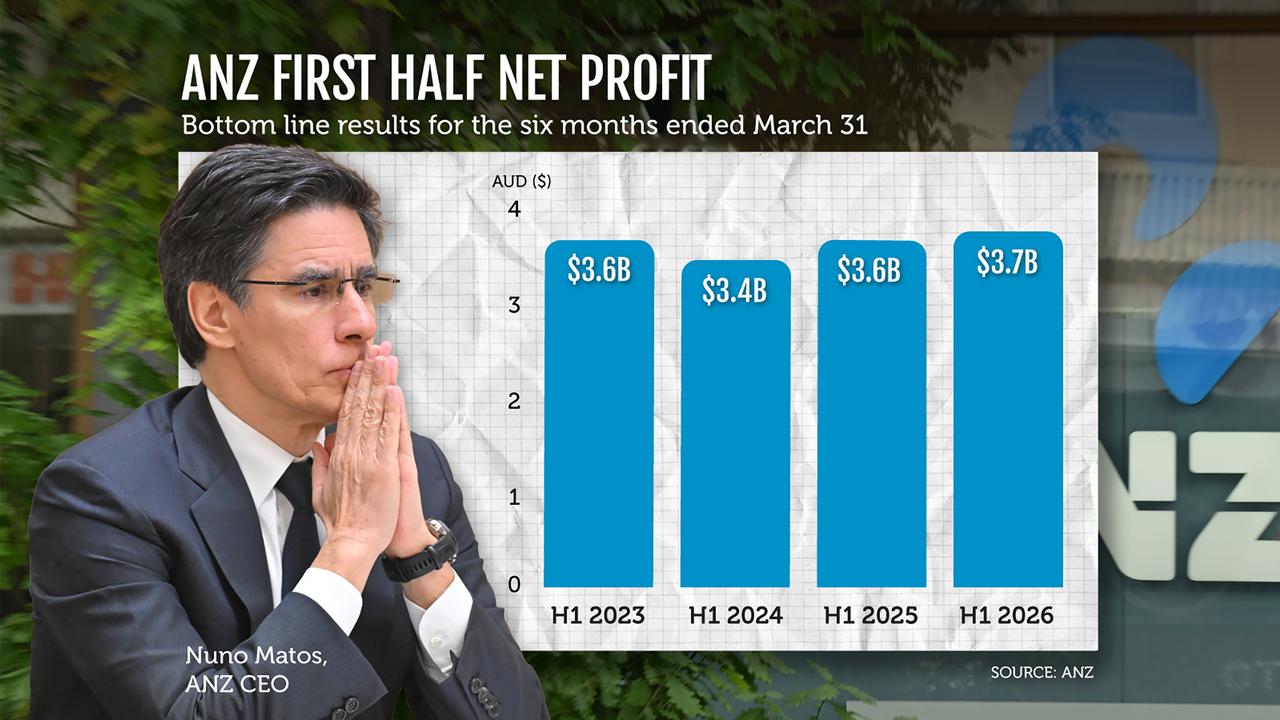
ANZ’s result was boosted by a nine per cent cut in operating expenses, as operating income remained flat at $11.2 billion, excluding one-offs.
Chief executive Nuno Matos said the bank, which has a large institutional trading arm, believed the world was now more complex due to the war in the Middle East, which began on February 28.
“As Australia’s most international bank we have a front-row seat to global developments,” he said on Friday.
“Much of the potential impact of this crisis remains ahead of us, but the longer the flow of oil is constrained, the greater the chance the crisis shifts from being primarily an inflation challenge, to much more a supply and growth challenge.”
On Thursday during Asian trading, the price of Brent crude oil – the global benchmark – jumped above $US125 a barrel as the Strait of Hormuz, a key passageway for about 20 per cent of the world’s oil supplies, remains closed.
Before the war it was trading around $US60. On Friday morning it was around $US110.
High oil prices are translating to higher fuel costs for the Australian community and businesses.
At the same, domestic inflation is spiking and interest rates as set by the central bank are due to rise again this month.
“Likewise, in both Australia and New Zealand, households entered this period with generally strong balance sheets and high savings buffers,” Mr Matos said.
“We have not seen any material increase in new customers entering hardship or receiving assistance.
“However, we recognise that some individuals and businesses are navigating these challenging circumstances.”
ANZ will pay shareholders an interim dividend of 83 cents per share, in line with last year.
Apple beats earnings estimates with iPhone momentum
Apple has posted strong results for its quarterly earnings and forecast sales that beat expectations, even as the company expects to continue to face chip supply constraints.
Apple executives said they expect sales growth of 14 per cent to 17 cent in the current fiscal third quarter, which was above Wall Street estimates of 9.5 per cent growth to $US102.93 billion, according to data from LSEG.
Earlier, Apple reported better-than-expected second-quarter results, with customers showing eagerness to buy a new MacBook model driven by incoming CEO John Ternus, while supply constraints hindered iPhone sales.
Apple said revenue rose about 17 per cent to $US111.18 billion for the fiscal second quarter ended March 28.

Sales of the iPhone, still the company’s best-selling product nearly 20 years after its introduction, were $US56.99 billion, slightly less than estimates of $US57.21 billion, according to LSEG data, after the biggest revamp of the lineup since the iPhone X in 2017.
Apple Chief Financial Officer Kevan Parekh also said the company would no longer aim to bring its net cash – its cash minus debt – to a net neutral position. Apple embarked on that goal in 2018 but still had $US54 billion in net cash at the end of the first fiscal quarter in January.
Apple CEO Tim Cook said iPhone sales were held back in the quarter by supply constraints for the advanced processor chips that form the brains of the device. The iPhone 17 family’s chips are made on a variant of the same Taiwan Semiconductor Manufacturing Co chip manufacturing technology as many leading AI chips.
“The demand was off the charts. And there’s just a little less flexibility in the supply chain at the moment for getting more parts,” Cook told Reuters.
The iPhone 17 family of devices, plus the iPhone Air, was spearheaded by incoming CEO Ternus, who will take over from Cook in September.
Under Ternus, Pro models gained more features but also a higher price tag, while entry-level models such as the 17e and base model iPhone 17 held prices steady relative to their storage capacity.
That strategy, along with massive buying power, has helped Apple navigate higher memory chip prices so far. But memory costs will catch up to Apple starting in the current quarter ending in June.
“We expect significantly higher memory costs,” Cook said during a conference call with analysts. “Where we don’t give colour beyond June, I can tell you that beyond the June quarter, we believe memory costs will drive an increasing impact on our business.”
Investors are waiting to hear more about Apple’s plans for Siri, its voice assistant that it plans to improve with Google technology.
While Apple is not spending tens of billions of dollars per quarter on AI like its rivals, its research and development costs were up 33.5 per cent to $US11.42 billion in the fiscal second quarter.
Apple’s services business, which includes revenue from its App Store, which has been under regulatory scrutiny in Europe and elsewhere, generated $US30.98 billion in revenue for the fiscal second quarter, above analyst estimates of $US30.39 billion.
Sales of iPads were $US6.91 billion, compared with estimates of $US6.66 billion, and wearables, which include the Apple Watch, accounted for $US7.9 billion in revenue, compared with expectations of $US7.7 billion, according to LSEG data.
Apple’s greater China sales were $US20.5 billion, beating analyst estimates of $US19.45 billion, according to Visible Alpha data.
with AP
Musk testifies he didn’t read ‘fine print’ about OpenAI
Elon Musk has wrangled with Sam Altman’s lawyer over the timing of his decision to sue OpenAI and whether he knew about discussions to turn it into a for-profit company, as he was cross-examined in a trial over his lawsuit that could determine the future of the ChatGPT maker.
The world’s richest person alleges OpenAI, its co-founder and CEO Sam Altman and its president Greg Brockman wooed his $US38 million ($A53 million) in donations and personal help by promising to build a nonprofit that would prioritise safe development of AI, before pivoting to create a for-profit entity to enrich themselves.
William Savitt – a lawyer for OpenAI, Altman and Brockman – pressed Musk on whether he had read a term sheet that Altman forwarded on August 31, 2017, relating to OpenAI’s shift from a nonprofit to a for-profit overseen by a nonprofit.
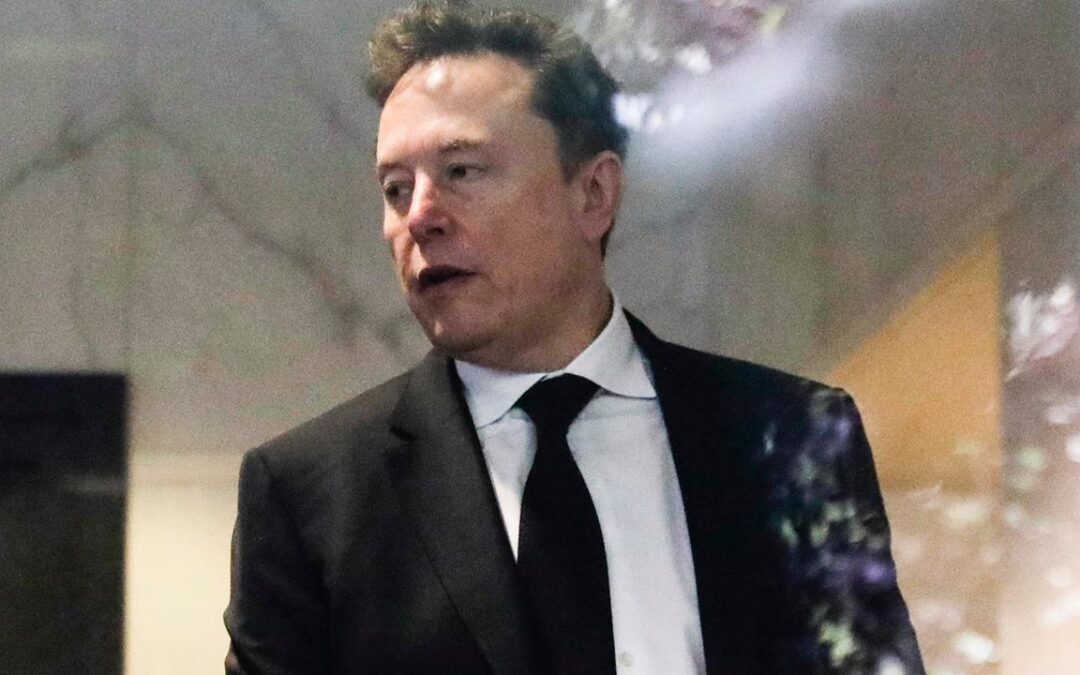
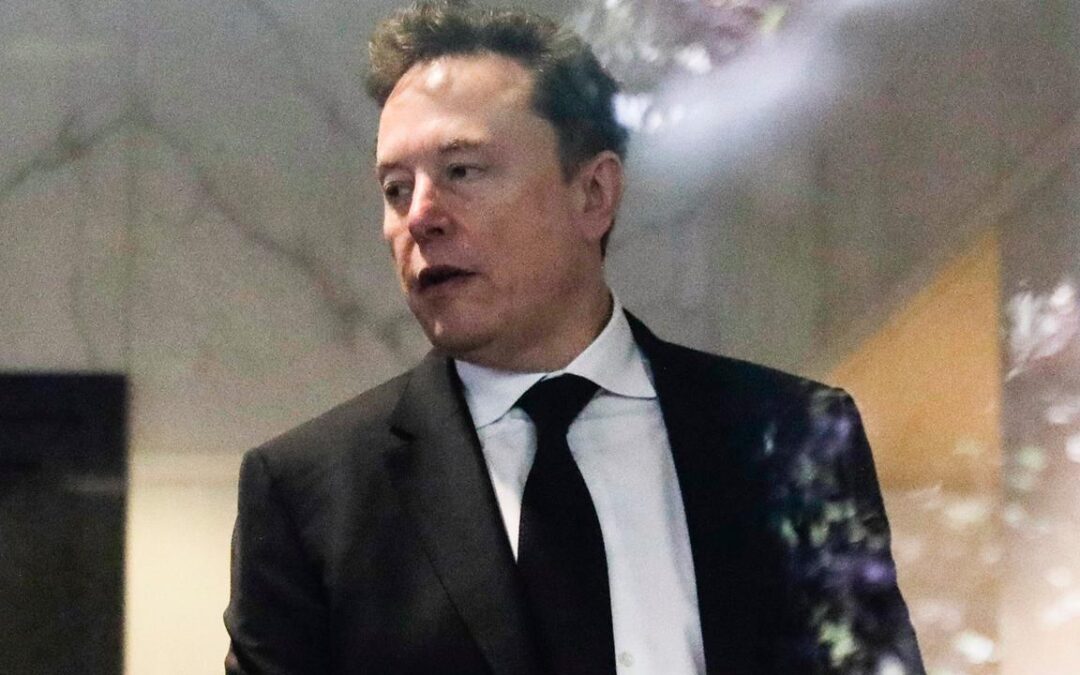
“My testimony is I didn’t read the fine print, just the headline,” said Musk, wearing a dark suit, dark solid tie and white shirt.
OpenAI has said Musk, the CEO of Tesla and SpaceX, is driven by a compulsion to control OpenAI and is bitter about the company’s success after he left its board in 2018. They have also said he did not prioritise safety issues while with the company, and that he is trying to bolster his own AI company, SpaceX unit xAI, which lags OpenAI in user adoption.
OpenAI spearheaded widespread use of AI with its ChatGPT chatbot and has been raising billions of dollars from investors to build out its computing power ahead of a potential trillion-dollar IPO. Musk is seeking fundamental changes to the governance of the company as well as $150 billion in damages.
At times, Musk expressed frustration with Savitt’s cross-examination.
“Few answers are going to be complete, especially when you cut me off all the time,” Musk said.
US District Judge Yvonne Gonzalez Rogers later admonished Savitt for not letting Musk answer a question, but rejected Musk’s complaints that the lawyer was leading the questioning.
Musk was asked why he did not sue OpenAI earlier, as well as how and why he did not realise it was going to become a for-profit entity. Savitt repeatedly pointed to emails sent to Musk from other OpenAI founders that show them discussing making OpenAI’s technology closed-source at some point or making money from it.
“I was reassured by Sam Altman and others that OpenAI would continue as a nonprofit,” Musk said.
Under questioning, Musk also said his company xAI used OpenAI to train its own models, adding: “It is standard practice to use other AIs to validate your AI.”
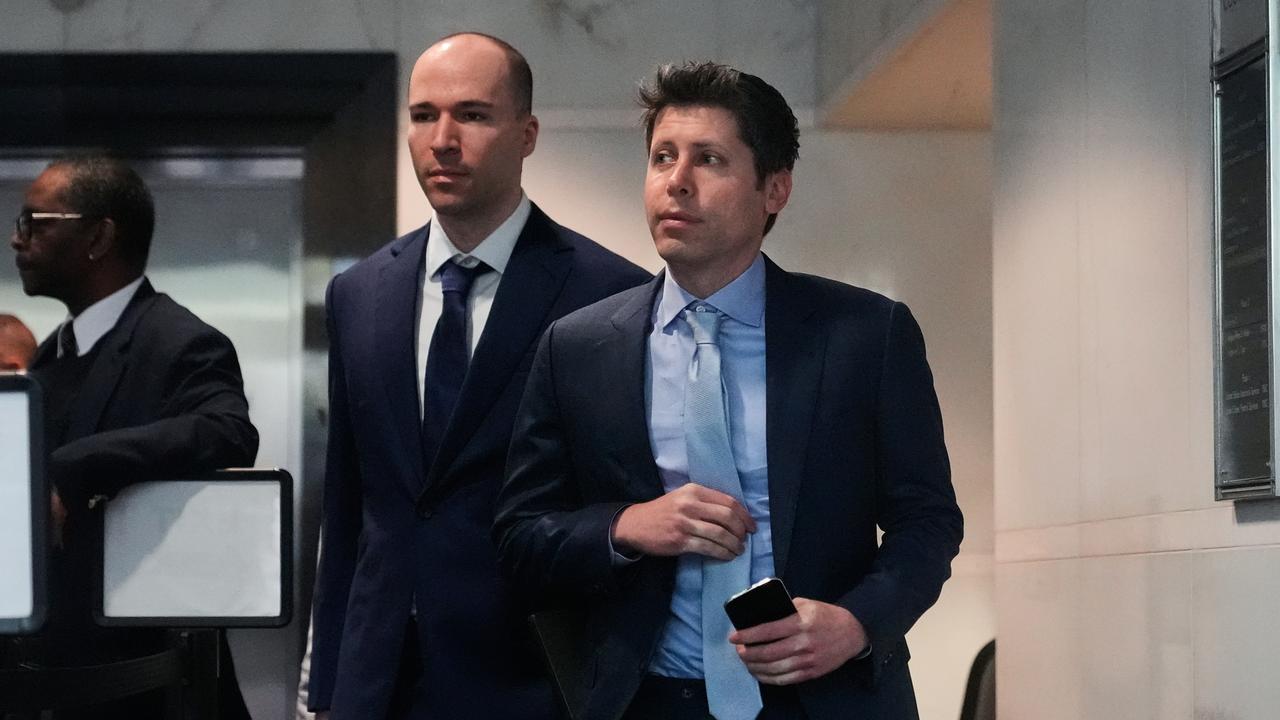
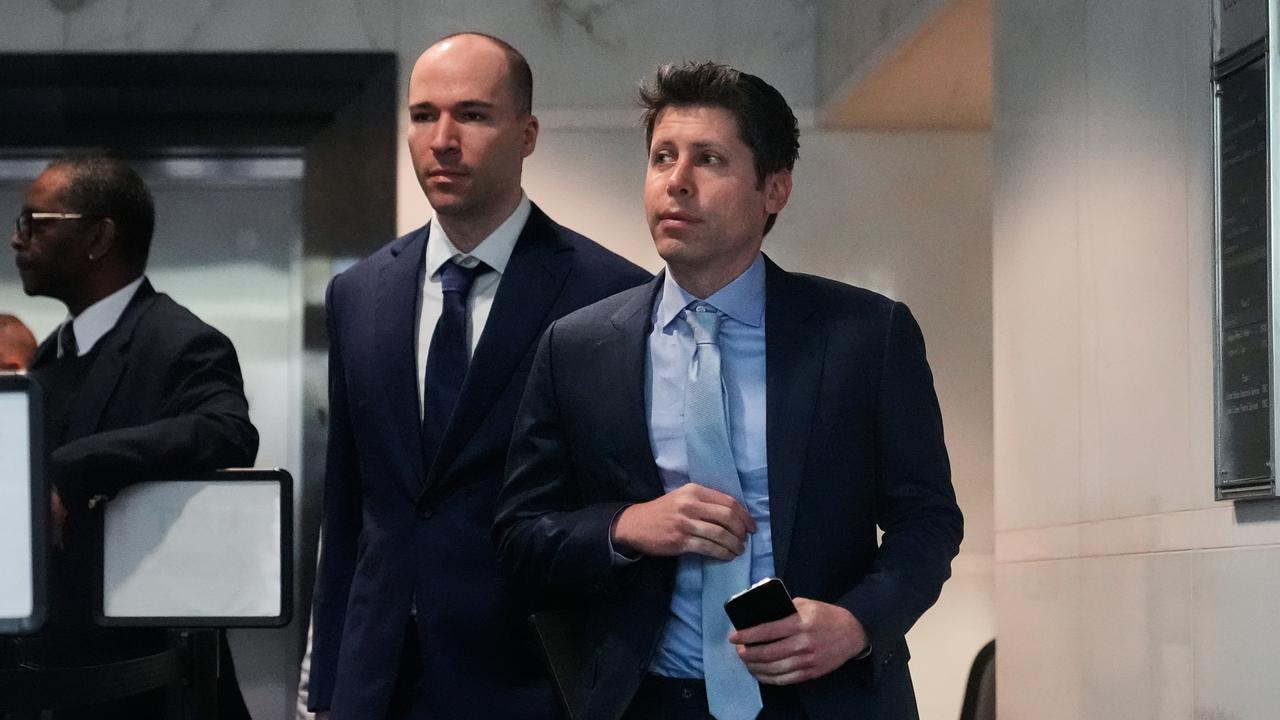
Altman and Brockman were in the courtroom for much of Musk’s testimony, watching intently. Musk was dismissed after more than two hours of questioning, followed by his top aide Jared Birchall taking the stand.

OpenAI, founded in 2015, has evolved from a nonprofit research lab in Brockman’s apartment to a company worth more than $US850 billion that is planning a potential initial public offering.
Musk is seeking the $US150 billion in damages from OpenAI and Microsoft, one of its largest investors, with proceeds going to OpenAI’s charitable arm. Musk also wants OpenAI to revert to being a nonprofit, with Altman and Brockman removed as officers and Altman removed from its board. Musk’s claims include breach of charitable trust and unjust enrichment.
The trial started on Monday and is expected to last several weeks.
Musk testifies he didn’t read ‘fine print’ about OpenAI
Elon Musk has wrangled with Sam Altman’s lawyer over the timing of his decision to sue OpenAI and whether he knew about discussions to turn it into a for-profit company, as he was cross-examined in a trial over his lawsuit that could determine the future of the ChatGPT maker.
The world’s richest person alleges OpenAI, its co-founder and CEO Sam Altman and its president Greg Brockman wooed his $US38 million ($A53 million) in donations and personal help by promising to build a nonprofit that would prioritise safe development of AI, before pivoting to create a for-profit entity to enrich themselves.
William Savitt – a lawyer for OpenAI, Altman and Brockman – pressed Musk on whether he had read a term sheet that Altman forwarded on August 31, 2017, relating to OpenAI’s shift from a nonprofit to a for-profit overseen by a nonprofit.
“My testimony is I didn’t read the fine print, just the headline,” said Musk, wearing a dark suit, dark solid tie and white shirt.
OpenAI has said Musk, the CEO of Tesla and SpaceX, is driven by a compulsion to control OpenAI and is bitter about the company’s success after he left its board in 2018. They have also said he did not prioritise safety issues while with the company, and that he is trying to bolster his own AI company, SpaceX unit xAI, which lags OpenAI in user adoption.
OpenAI spearheaded widespread use of AI with its ChatGPT chatbot and has been raising billions of dollars from investors to build out its computing power ahead of a potential trillion-dollar IPO. Musk is seeking fundamental changes to the governance of the company as well as $150 billion in damages.
At times, Musk expressed frustration with Savitt’s cross-examination.
“Few answers are going to be complete, especially when you cut me off all the time,” Musk said.
US District Judge Yvonne Gonzalez Rogers later admonished Savitt for not letting Musk answer a question, but rejected Musk’s complaints that the lawyer was leading the questioning.
Musk was asked why he did not sue OpenAI earlier, as well as how and why he did not realise it was going to become a for-profit entity. Savitt repeatedly pointed to emails sent to Musk from other OpenAI founders that show them discussing making OpenAI’s technology closed-source at some point or making money from it.
“I was reassured by Sam Altman and others that OpenAI would continue as a nonprofit,” Musk said.
Under questioning, Musk also said his company xAI used OpenAI to train its own models, adding: “It is standard practice to use other AIs to validate your AI.”
Altman and Brockman were in the courtroom for much of Musk’s testimony, watching intently. Musk was dismissed after more than two hours of questioning, followed by his top aide Jared Birchall taking the stand.

OpenAI, founded in 2015, has evolved from a nonprofit research lab in Brockman’s apartment to a company worth more than $US850 billion that is planning a potential initial public offering.
Musk is seeking the $US150 billion in damages from OpenAI and Microsoft, one of its largest investors, with proceeds going to OpenAI’s charitable arm. Musk also wants OpenAI to revert to being a nonprofit, with Altman and Brockman removed as officers and Altman removed from its board. Musk’s claims include breach of charitable trust and unjust enrichment.
The trial started on Monday and is expected to last several weeks.