
Unsafe toys reaching kids hands through online giants
Potentially dangerous toys and other products are finding their way into Aussie homes due to legal loopholes meaning online retail giants may take no responsibility for the items they stock.
Products which may already be banned in Australia are being sold by retail giants including Amazon, Temu, AliExpress and Ebay, consumer group CHOICE warned on Wednesday.
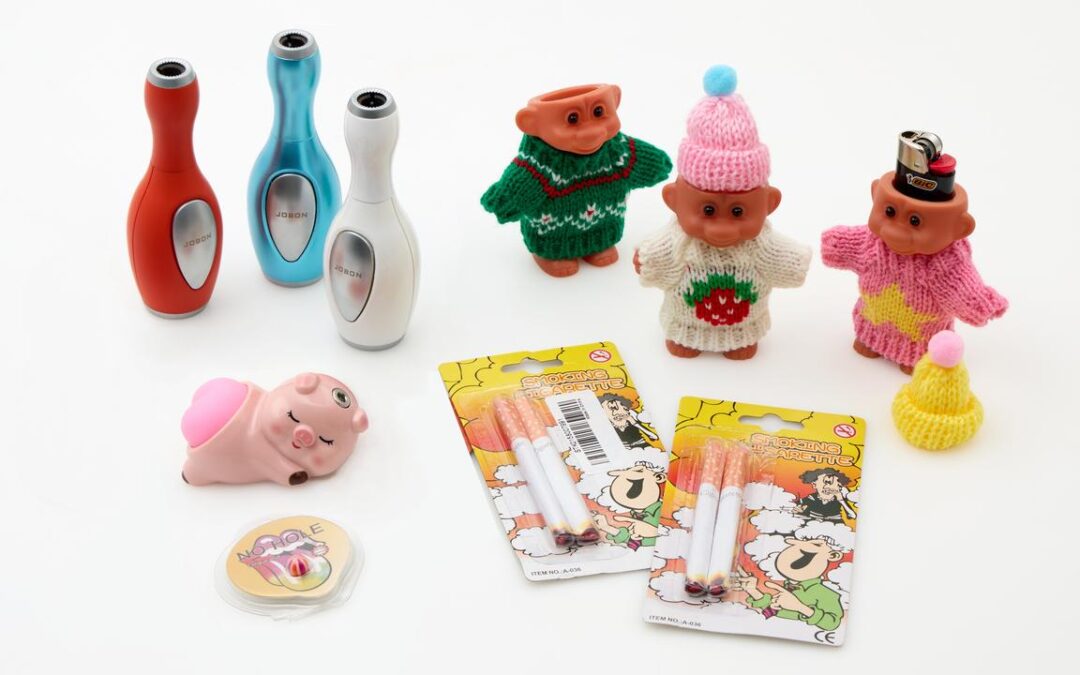
These include, fake novelty cigarettes which create a puff of smoke, cigarette lighters that look like toys and removable tongue studs which can easily come loose and become choking hazard.
Also of serious concern are flammable garments and products containing small choking hazards and potentially deadly button batteries, which may be in breach of safety standards.
Due to the legal loopholes regarding online sales, nothing generally gets done about the breaches until someone is hurt, CHOICE director of campaigns, Andy Kelly said.
Mr Kelly described the scale of unsafe products for sale as frightening – particularly those designed for infants and children.
CHOICE has issued a complaint to the consumer watchdog and is urging the Australian government to take action against retailers who continue to sell dangerous products.
However, Mr Kelly explained that online retailers may claim only to act as an intermediary, shifting blame onto third-party suppliers which could exist anywhere in the world.
“That gap in the law really allows online marketplaces to continue to get away with selling these unsafe products with little consequence,” he told AAP.
CHOICE is calling on the Commonwealth Government to introduce a general safety provision, which would place obligations on all businesses to ensure the products they sell are safe.
Similar provisions already exist in the European Union offering an existing framework to work from.
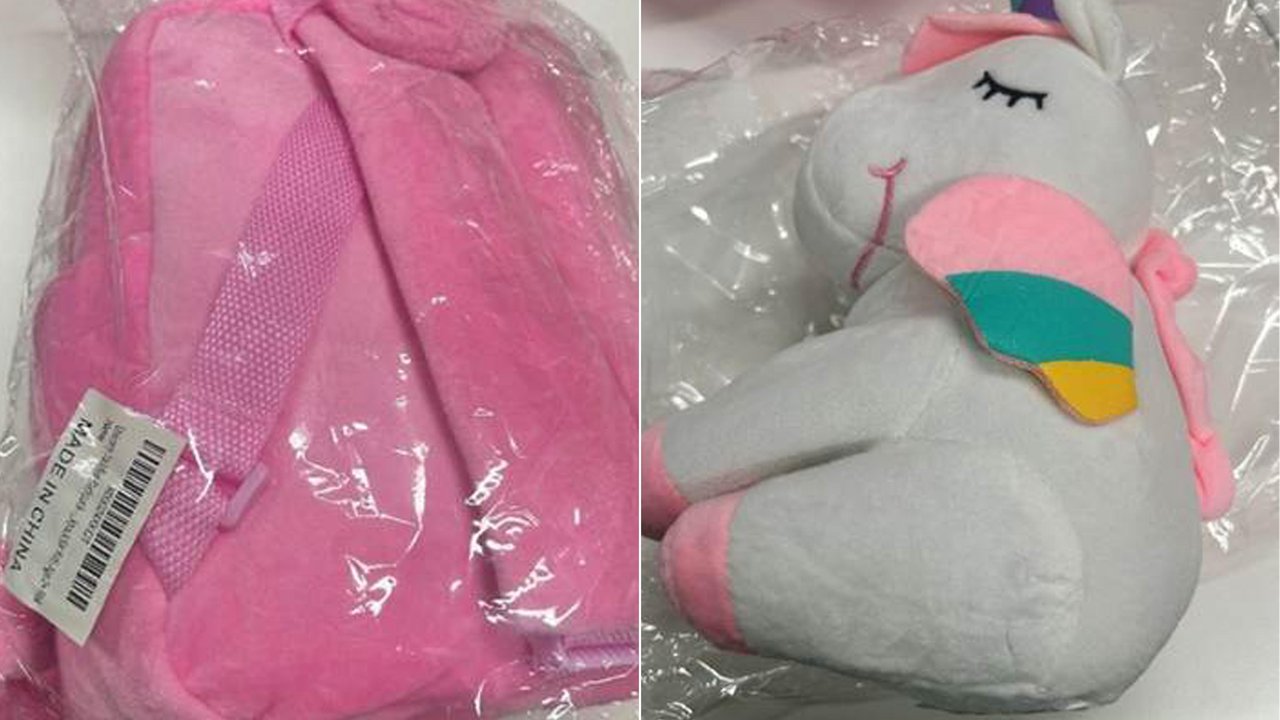
The Australian Competition and Consumer Commission recently took legal action against Amazon for allegedly stocking unicorn backpacks for toddlers that failed to include a warning they contained button batteries.
Mr Kelly described the case as an interesting test of whether Amazon will be held accountable.
On Tuesday, the ACCC said it was also investigating the online supply of games and toys containing potentially deadly small high-powered magnets, despite the magnets being banned.

Several chess-style board games sold in Australia, including “magnetic chess” and “magnetic battle chess”, contain small magnets which if swallowed can cause life-threatening injuries.
The consumer watchdog sent takedown requests for the products to Amazon, eBay, Kogan, and Fruugo, said ACCC Deputy Chair Catriona Lowe.
Each website has since removed the listed items from their online stores.
A statement from Amazon says customer safety is its top priority and AI models and dedicated teams are used to continuously monitor its listed products to identify and remove any that may pose a risk.
Other online retailers mentioned have been contacted for comment.
Apart from Ebay, each website has also offered a refund to customers.
‘Scambling’: the scam on the rise catching out punters
Australians love to gamble, but if you’re going to try your luck, please don’t get lured in by illegal online gambling sites.
That’s the message from one of Australia’s biggest telecommunications companies, which is ramping up its fight against “scambling”.
Scambling, or scam gambling, is one of the fast-growing threats faced by people going online, where they already lose about $2.2 billion a year to hundreds, if not thousands, of different financial swindles.
These gambling games, which mirror casinos, poker machines and even scratchies, have been illegal in Australia since 2021, but that hasn’t stopped scammers reaching their targets.
Telstra has blocked close to 1,800 high-risk gambling-themed domains since the start of 2026, stopping more than two million attempted visits by people lured in by promises of big wins or prizes.
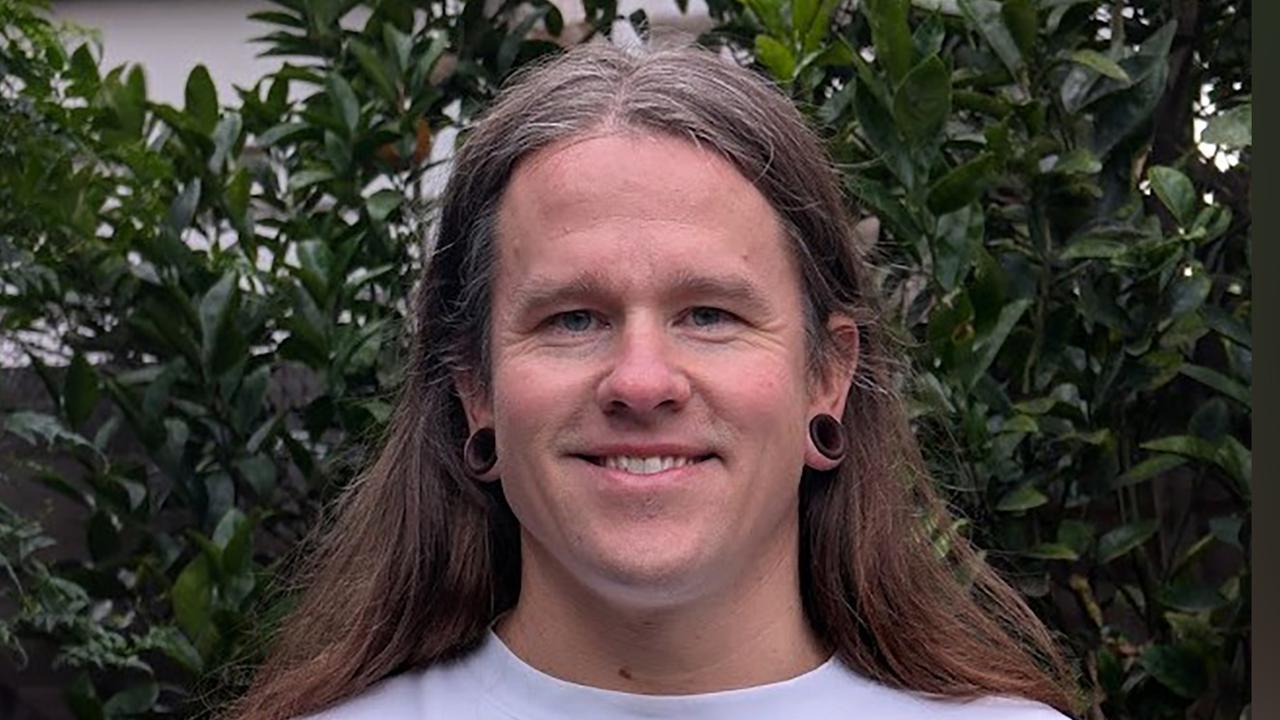
“It’s definitely ramping up,” Telstra cybersecurity expert Darren Pauli says of scambling activity.
But what’s really worrying Australia’s biggest telco is a recent shift in when these scammers go into action.
And the timing was deliberate, Mr Pauli said.
Telstra found that 63 per cent of scam messages are sent between 6pm and midnight, peaking between 7pm and 9pm, followed by a second surge between 2am and 4am.
“If people are going to put a bet on, that’s probably when sports are on, everyone’s relaxing and your guard is down,” Mr Pauli said of the peak risk period.
The second surge appears to be aimed at shiftworkers winding down or even insomniacs looking for a distraction.
“Certainly, your mind is not as sharp as it could be … (the scammers) had years working out when people are not at their sharpest mentally, so they kind of know what works,” Mr Pauli said.
Here’s broadly how the scam works.
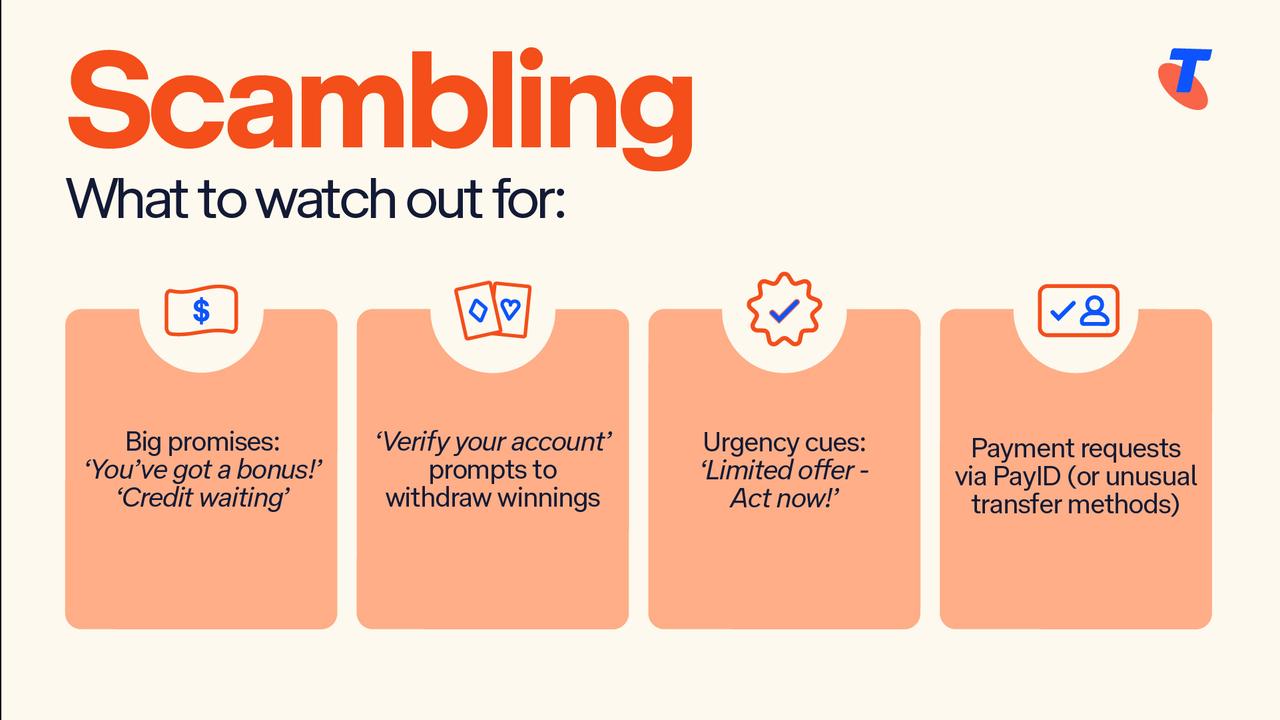
An online gambling promotion pops up on SMS, social media, messaging apps, chat groups or from people you’re connected to, offering prizes and wide odds to get you to click through to an often colourful, but dodgy, website.
Then you’re asked to transfer funds using an alternative payment system, such as PayID, to play.
Soon you’ll be doing great, and you might be asked to put even more money in.
But when you try to cash in, you can’t and there’s no way to get it back because the platforms operate overseas – beyond Australian law.
At the same time, your personal details, including your bank accounts or driver’s licence number, have been put at risk, leaving you exposed.
“It’s more than the money, it’s identity (theft), which is tremendously painful down the track,” Mr Pauli said.
“It can take weeks or months for that to percolate, and for someone to use it, open a line of credit or something in your account.”
And while there’s not enough information on exactly how much is lost to scambling, the scammers are certainly making an effort.
“Another way to think of it is that we wouldn’t be seeing the increases that we are if it weren’t paying dividends,” Mr Pauli said.
So beware, and if you do get caught, notify your bank immediately.
National Gambling Helpline 1800 858 858

Solomons PM to meet Albanese with China pact in focus
A treaty between Australia and the Solomon Islands is on the cards as the Pacific nation’s new prime minister prepares for talks with Anthony Albanese.
Matthew Wale is in Canberra for his first overseas trip since he was elected by his country’s parliament in May.
Mr Wale has long been an advocate for diplomatically tying his country to Australia, but it’s the Pacific nation’s relationship with China that has drawn attention.
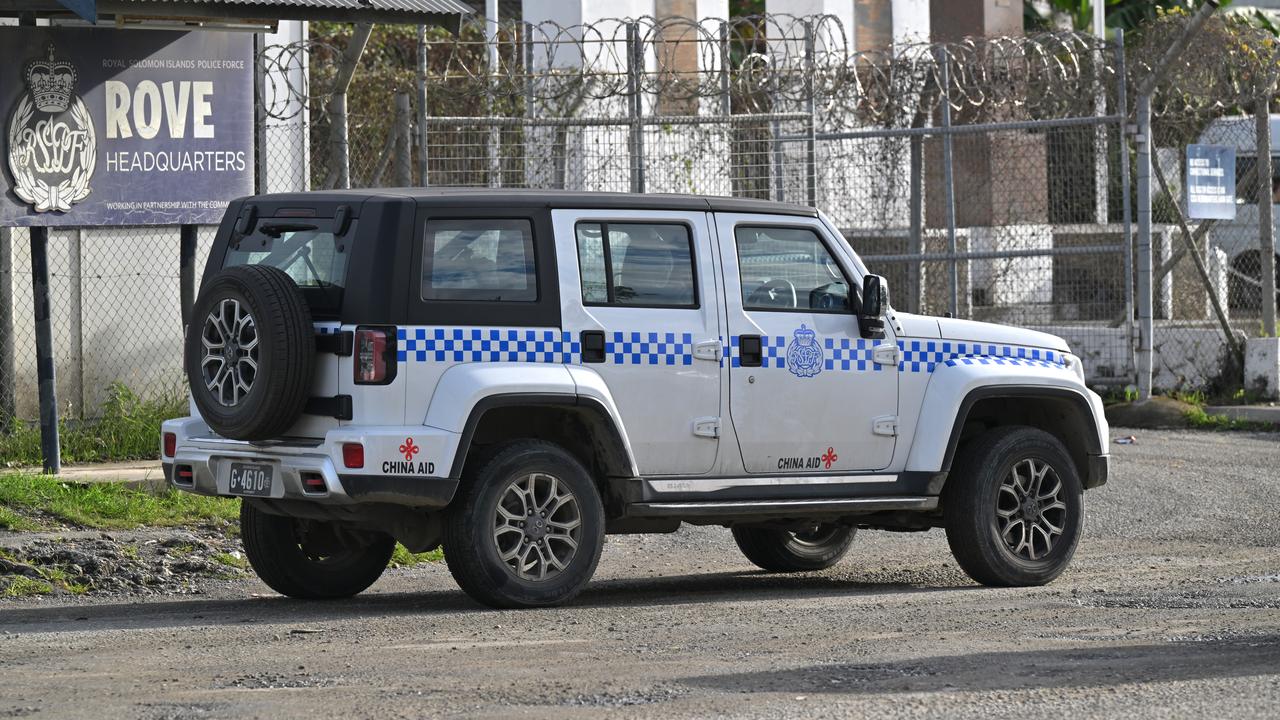
The Solomon Islands and China signed a security pact in 2022, which partially eclipsed the bilateral security arrangement Australia has had with its Pacific neighbour since 2017.
Mr Wale has been critical of the Solomons’ relationship with China, using the 2024 elections to accuse his political opponents of “sleazing up” to Beijing.
He promised to release details of the secretive 2022 security pact if elected, although the information is yet to be made public.
The Solomons and Australia will likely sign an agreement to set aside $190 million for expanding and training the Royal Solomon Islands Police Force.
A further deal between the countries is also expected to be discussed, but details have not been released.
Australia has in recent times finalised treaties with Tuvalu, Nauru and Papua New Guinea, while a security pact with Fiji is in the works.
A wide range of topics were likely to be canvassed during the visit, Australian National University Pacific scholar Anouk Ride said.
“Anything substantive, we are going to have to wait a while to see,” she said.
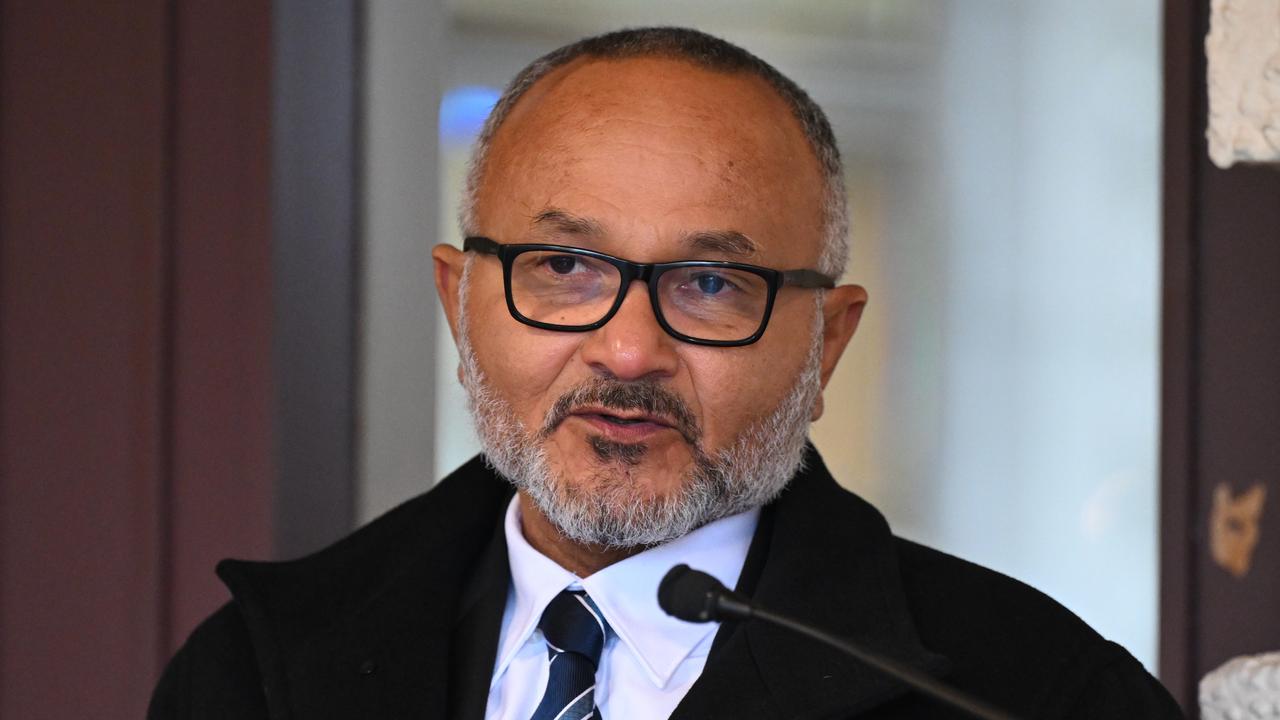
The Solomons is the only Pacific country to sign a security deal with China, so the visit remains significant regardless of diplomatic milestones reached.
“Maybe his early visit here is sending a signal of who he wants to engage with,” Dr Ride said.
“We will have to wait to see how deep that relationship goes and if it supersedes that of other countries.”
Mr Albanese said the decision of Mr Wale to visit Australia as his first destination emphasised the importance of ties between the two nations.
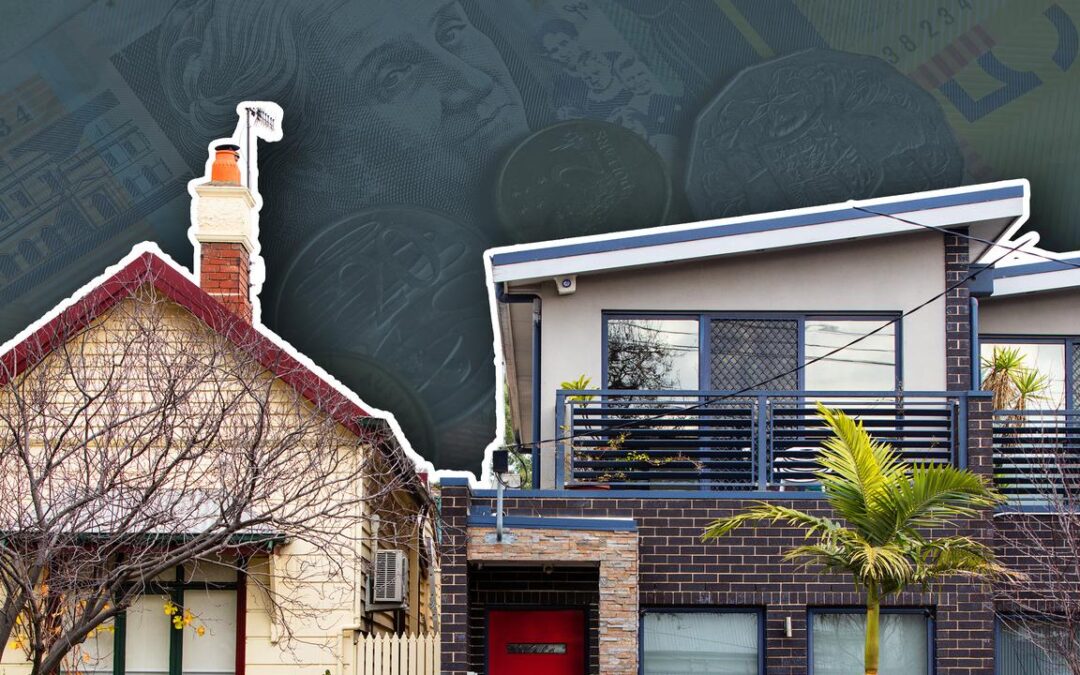
Home prices dip another speed bump for slowing economy
Contentious tax changes that have dented housing market activity could slow Australia’s economy and deter the Reserve Bank from hiking interest rates again.
Fresh data is likely to show gross domestic product was still growing at a fairly rapid clip at the start of the year, but a slowdown is on the way.
Wednesday’s national accounts release is likely to be the last time annual growth has a two in front of it for some time, which could convince the central bank to hold off on more rate rises.
Economists at National Australia Bank expect the Australian Bureau of Statistics to show the economy grew by 0.3 in the March quarter, which would put the annual growth rate at 2.4 per cent.

In May, the Reserve Bank predicted GDP to rise by 2.6 per cent.
NAB’s forecast downgrade is largely the result of a sharp rise in imports, which resulted in Australia’s first trade deficit since December 2017.
Imports surged on the back of higher fuel prices and the AI boom, NAB chief economist Sally Auld said.
The data centre build-out, which drove a massive increase in business investment, is highly reliant on imported server racks, while increased use of AI software also fuelled a rise in service imports.
Dr Auld said Wednesday’s numbers were already “pretty historical”.
The RBA’s three rate hikes in 2026 and the flow-on effects of the Strait of Hormuz blockade will only be partially felt in the data, which covers January to March.
But it would provide a baseline for where the economy was before the Middle East conflict and the budget tax changes hit sentiment in the housing market, she said.
“Growth is clearly moderating, which would give the Reserve Bank confidence that they’re on track in terms of getting a better balance between aggregate demand and aggregate supply,” Dr Auld told AAP.
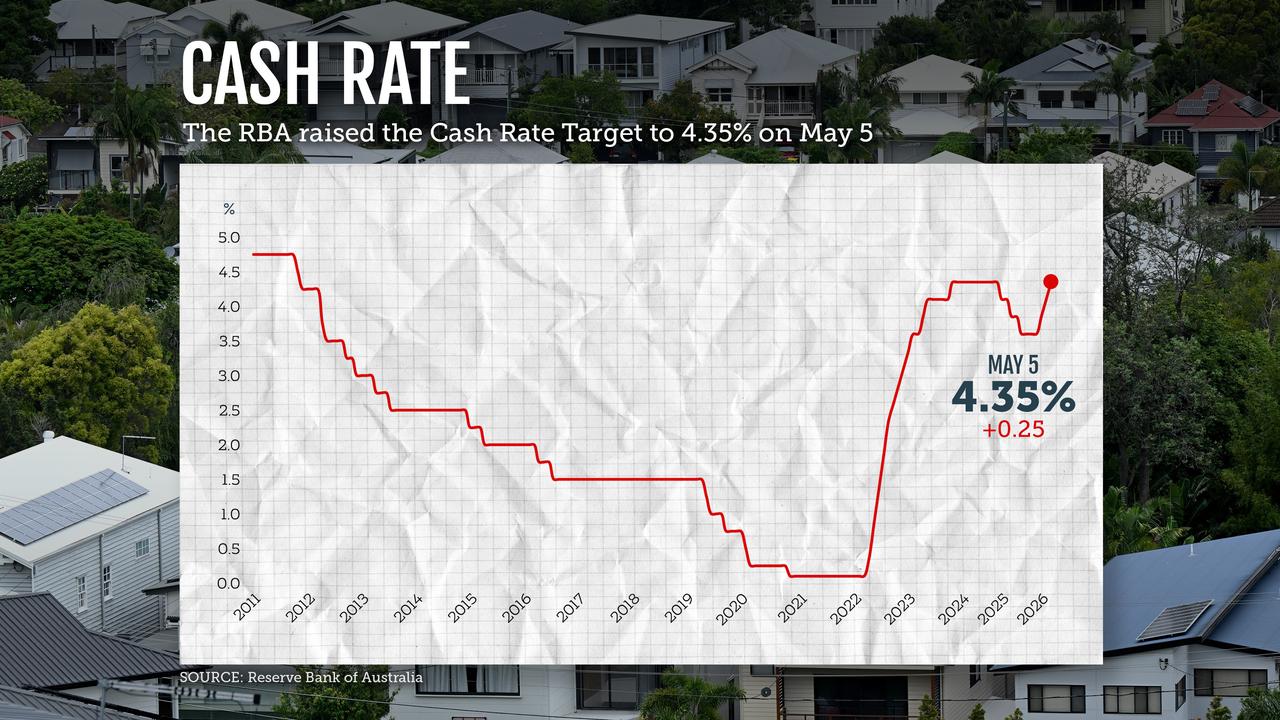
Westpac has also pencilled in growth of 0.3 per cent, while ANZ expects a slightly sturdier rise of 0.5 per cent and Commonwealth Bank has forecast a flat outcome.
If predictions of a slowdown from 0.8 per cent in the December quarter are accurate, it augurs ill for the rest of the year.
While some analysts, including HSBC chief economist Paul Bloxham, believe Australia is headed for at least one quarter of negative growth, Dr Auld said it was still too early to tell.
“It does feel like we’ve had quite a significant shift in housing policy as a consequence of what was announced in the budget, and that’s clearly had a sentiment effect on the housing market,” she said.
“The question we’re mulling over is how big is the correction in housing likely to be, and what that might mean for activity; not so much in the current quarter, but possibly in the back half of the year.
“Does that present some downside risks to the economy from an activity perspective that maybe weren’t there even just a month ago?”

Morgan Stanley economists have predicted property values to fall between 5-10 per cent.
Prices sank 0.9 and 0.8 per cent in Sydney and Melbourne, respectively, in May, according to Cotality.
Treasurer Jim Chalmers said any economic growth with a two in front of it would be welcome given the current circumstances.
“(It) would be a very welcome reminder that we confront this period of substantial global economic uncertainty and volatility from a position of genuine economic strength,” he told reporters on Tuesday.
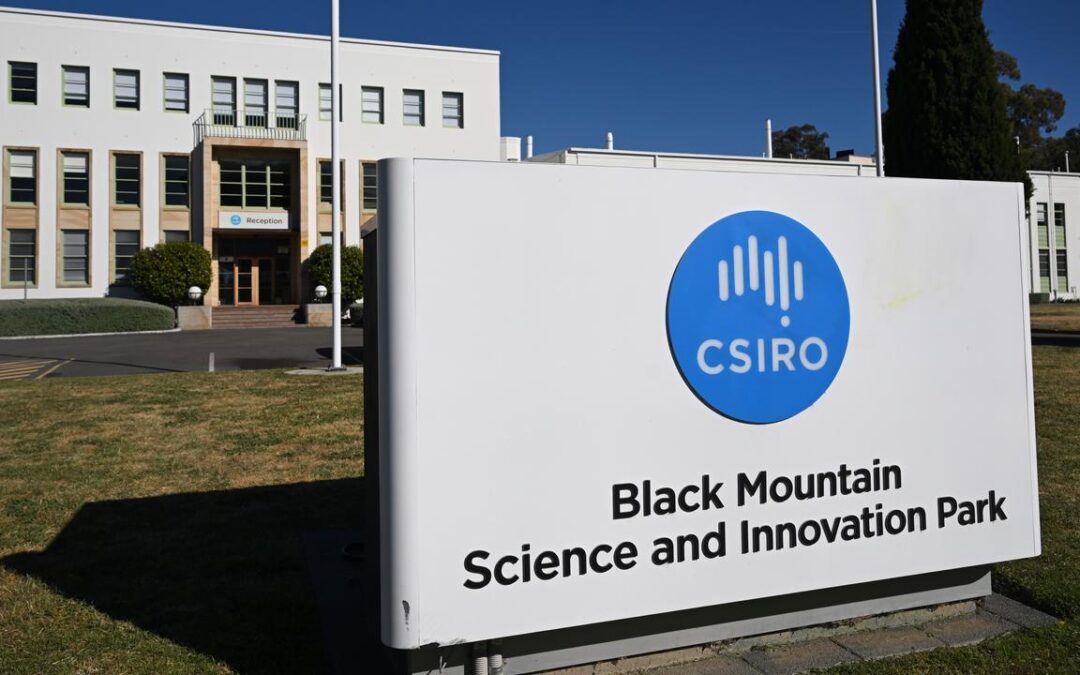
CSIRO moves ahead with plan to cut hundreds of jobs
Australia’s national science agency has defended its ability to deliver research and technology, as it confirmed plans for almost a quarter of job losses to come from a key environmental unit.
The CSIRO last November said up to 350 research positions would be slashed as the “cost of doing science has gone up”.
Originally, almost half of those jobs were expected to come from the agency’s environmental research unit, which includes climate adaption science.
But executives from the agency confirmed during budget estimates on Tuesday evening that while 92 staff from the unit are affected, 86 roles will be redundancies.
CSIRO acting chief executive Elanor Huntington said there had been a change in the “composition” of the job cuts.
“We’ve received a very significant amount of feedback through that process, all of which we’ve read and thought about very carefully,” she told the public hearing.
“We have a six-stage major change process. We have now reached step five … we have confirmed with all of the affected research units the final sets of changes.”
Professor Huntington said the organisation would need to find an additional $135 million each year over the next decade to keep it financially sustainable.
The cuts attracted widespread criticism including from senior climate scientists and experts internationally who claimed the CSIRO’s science capability would be severely impacted.
Peter Mayfield, CSIRO’s executive director for environment, said management had been “very careful” with where reductions were made.
He said the agency remained comfortable it could deliver on the obligations for a key project providing projections on climate change.
“We’re not walking away from anything. We’re actively trying to make sure we do well around climate science,” Dr Mayfield said.
The federal budget handed down in May set aside more than $387 million for the CSIRO over the next four years.
The Community and Public Sector Union warned the extra funding was not enough to stop the science agency from shedding staff.
Since February 2024, 1150 jobs have been cut from the CSIRO, union secretary Susan Tonks previously said.
System that cancelled welfare payments taken offline
A government-run IT system responsible for hundreds of unlawful cancellations of welfare payments will be offline for several months.
The Targeted Compliance Framework runs Australia’s controversial mutual obligations regime for welfare recipients.
The system has been paused since 2025, after it unlawfully cancelled the payments of 964 job seekers between April 2022 and July 2024, the Commonwealth Ombudsman found.
Laws introduced after the Robodebt scandal require agencies to consider each job seeker’s circumstance before cutting off payments, but that did not happen.
Many recipients then had to go to great lengths, including producing detailed historical documents, to retrieve funds.
Department of Employment and Workplace Relations secretary Simon Duggan told a Senate committee that an extended period was needed to fix the system.
“This time frame reflects the greater complexity of returning these elements to lawful administration, including the need for more substantive changes to IT systems, procedures and training for human decision makers,” he said.
In the meantime, welfare recipients are still required to meet a complex list of obligations, to keep getting payments.
They include things like people on JobSeeker needing to attend regular meetings and apply for roles, or single parents needing to report their precise income.
Employment minister Amanda Rishworth used a National Press Club speech in May to announce sweeping JobSeeker changes.
She said unemployed people were “languishing” without proper help and the mutual obligations requirements simply took too much time.
Ms Rishworth said the changes would be “effective, fair and proportionate”.
The announcement came after more than five years of criticism that the system left people in unsuitable jobs or without adequate help.
A 2023 parliamentary inquiry into the scheme found the system had become focused on “kicking people off welfare”.
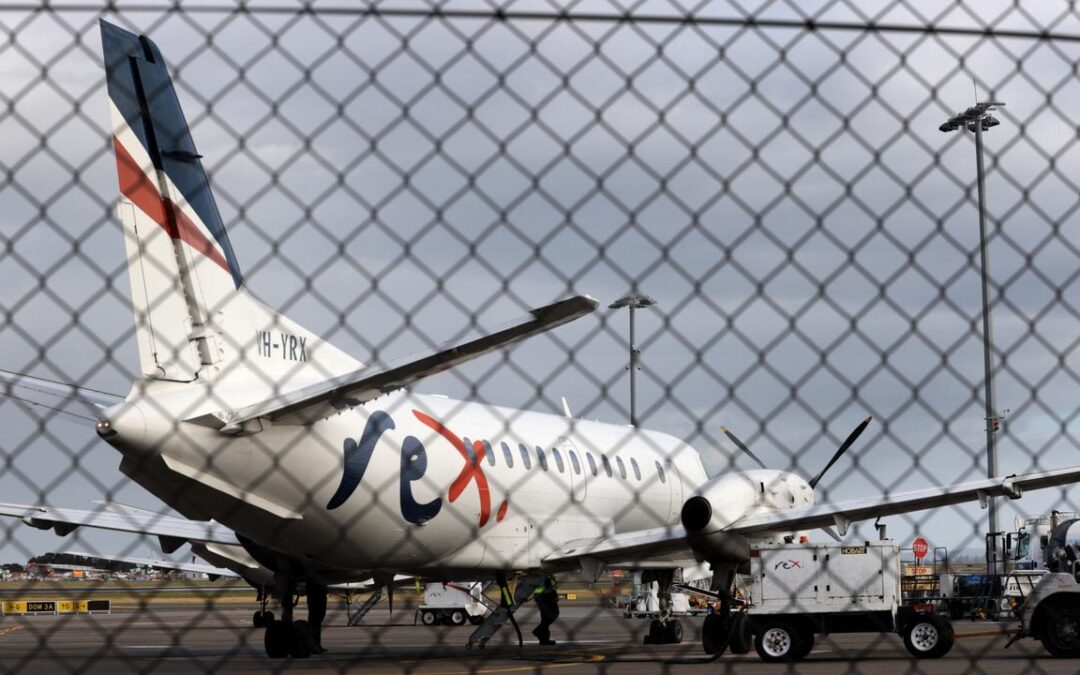
‘Unexplained gap’ in case against ex-Rex directors
The corporate watchdog’s case against regional airline Rex and its former directors over an optimistic and ultimately incorrect profit forecast has major evidence gaps, a court has heard.
The Australian Securities and Investments Commission has alleged four former Rex directors misled the market in statements claiming the board was confident of a strong financial result, months before handing down a $31.7 million operating loss.
In delivering his closing argument for two of the directors on Tuesday, barrister David Thomas SC argued the commission’s case leaned heavily on evidence against the company rather than the board itself.
“I’m drawing attention to a notable and unexplained gap between the course of expert evidence against the company and the complete absence of it against my clients,” he told the NSW Supreme Court.
On February 28, 2023, Rex released a statement to the market saying it was optimistic the company would post positive operating profits for the financial year, barring any external shocks.
The statement was not corrected until June 20, when Rex forecast a $35 million loss, with 10 days of the financial year remaining.
It ultimately recorded a $31.7 million operating loss for the 2023/24 year.
Former Rex executive chair Lim Kim Hai in May admitted ASIC’s allegations against him.
The defence teams for the other former directors – one-time Nationals MP John Sharp AM, Lincoln Pan and Siddharth Khotkar – have argued the February statement was not intended to mislead and any financial predictions were difficult to make accurately.
“Whether it’s unawareness or breach, there needs to be allowance under the scheme … for mistakes or errors of judgment,” said Mr Thomas, who represents Mr Pan and Mr Khotkar.
For its part, ASIC’s legal team claimed the board ought to have known Rex’s legal position much earlier than by June 2023 and had breached their continuous disclosure obligations.
“Mr Lim in particular, but all of them, knew the position much, much earlier and ought to have taken steps to correct or withdraw the unreasonable guidance well before the middle of June,” ASIC barrister Michael Borsky KC previously told the court.
Rex went into administration in July 2024 with more than $500 million in debt after an ill-fated expansion into Australia’s competitive capital city routes.
It was purchased by US aviation group Air T via administrators EY in October 2025, with the deal finalised in December after the federal government had bought $50 million of the carrier’s debt and provided a $80 million commercial loan to support the acquisition and keep regional routes running.
Rex is Australia’s largest independent regional airline, flying to 53 destinations across the nation.
Businesses still in dark on tax carve outs from budget
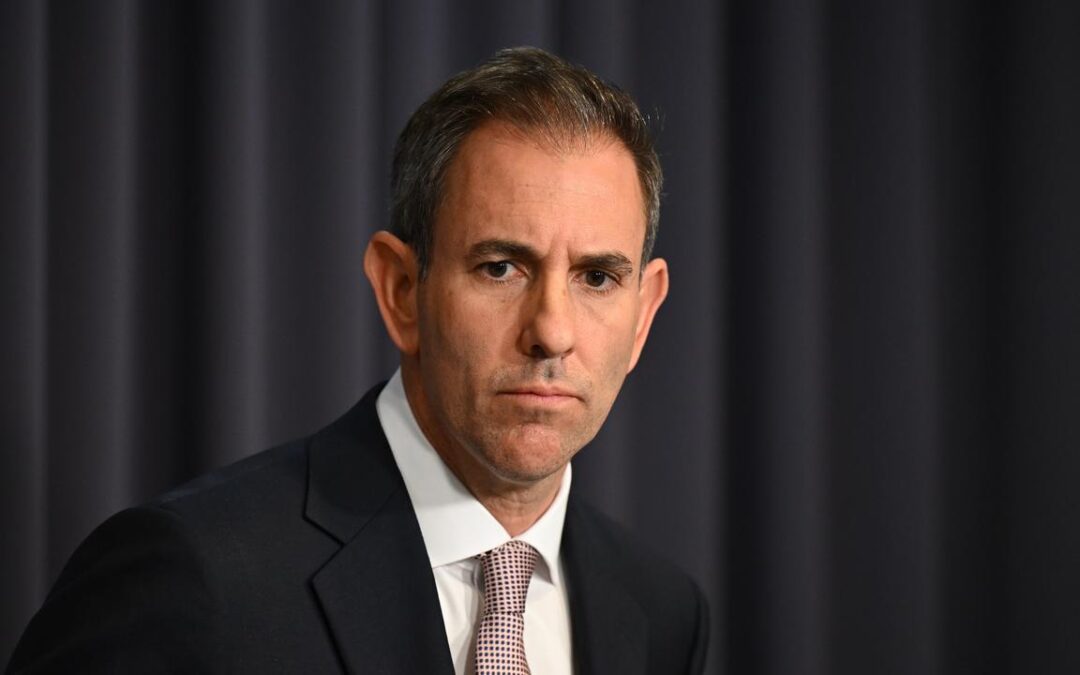
Start ups and small businesses will be forced to wait longer to find out if they will get special treatment from looming tax changes, as the government looks to enact the measures within weeks.
Measures in the federal budget limiting negative gearing to new properties from July 2027 and changing a 50 per cent discount on capital gains tax to the rate of inflation will be debated in late-night sittings of parliament.
Labor has flagged it will seek to pass the laws through the House of Representatives by Thursday, ahead of passage through the Senate.
But the future of the laws remain in doubt, with the Greens not confirming whether it will back the measures after the coalition ruled out supporting the tax change.
Despite the timeline, Treasurer Jim Chalmers has not said when exemptions to the measures would be finalised.
“It’s not unusual for legislative instruments to be used to finalise these sorts of definitions or these sorts of implementation arrangements,” he told reporters in Canberra on Tuesday.
“The timing of the core elements is this week, in the House of Representatives and into the Senate as soon as possible.”
Small businesses and start ups have been calling for carve outs to the sector in response to the capital gains tax changes.
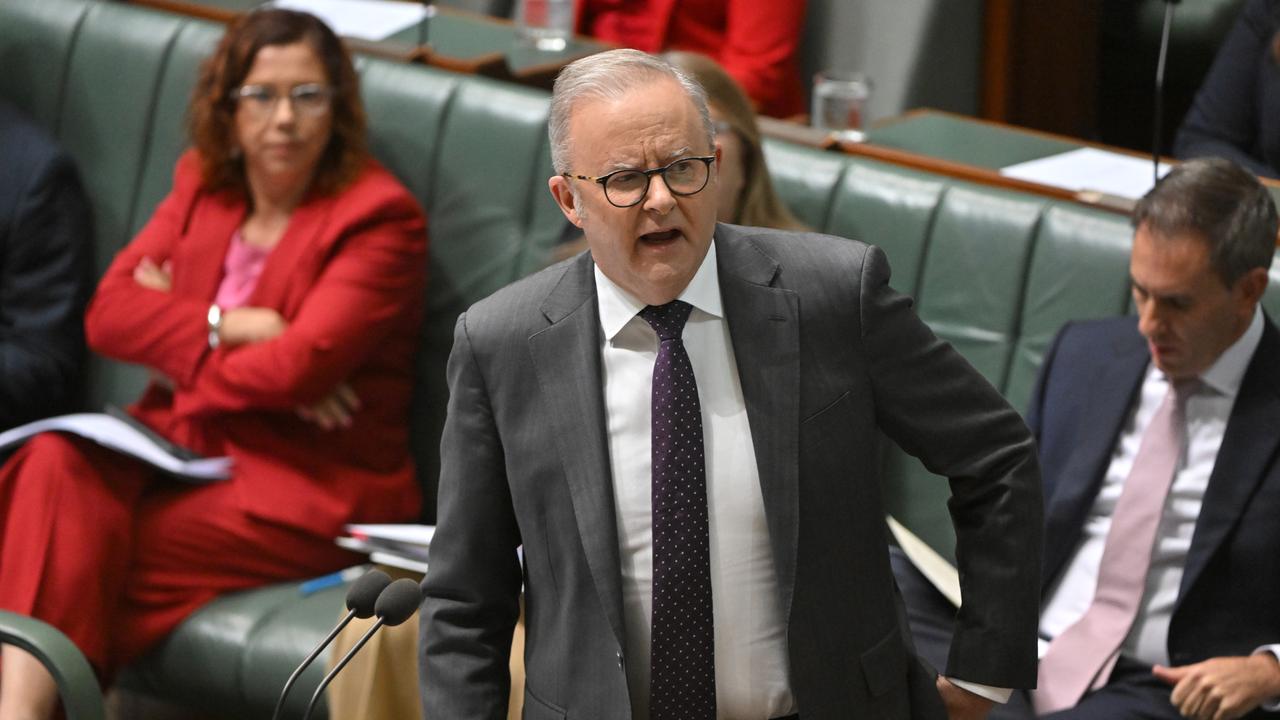
Prime Minister Anthony Albanese told Labor colleagues at a caucus meeting that the measures would help to make the housing market more equitable for young people.
“At a time when so many people don’t think the system is working for them, we are working to change the system to give people a better chance,” he said.
“We want young Australians to have a chance to own their own home. This is pro aspiration and pro supply.”
Opposition Leader Angus Taylor repeated calls from Nationals leader Matt Canavan for the government to call an early election in order to get a mandate for the tax changes.
Mr Albanese said during the 2025 election campaign the government did not have plans to make changes to negative gearing or capital gains taxes.
“If you don’t have the courage to call an election now, we will make the next election a referendum on these tax increases,” he told parliament.
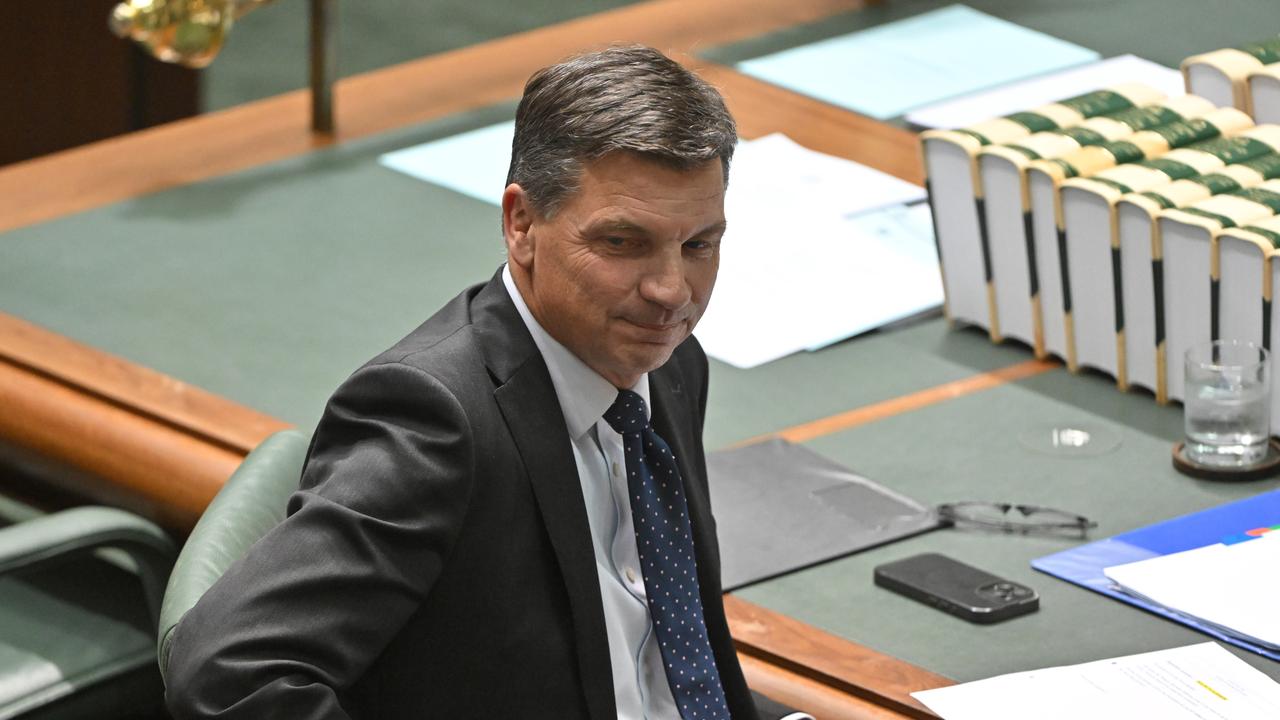
“This is a prime minister who has no reverence, no respect for the truth, and certainly no respect for hard-working Australians.”
Mr Taylor said the coalition would still vote against the measures despite the tax changes being tied to a $250 annual tax offset for workers.
“Ramming this legislation through the parliament without sufficient scrutiny is an act of political bastardry and expediency,” he said.
“What Australians see is a bad faith government, a bad faith government playing a cynical political game.”
Friendly fire: Labor figures question AUKUS commitment
A Labor MP has broken ranks to call for a rethink of the AUKUS nuclear submarine deal as a former party minister launches a “people’s inquiry” into the agreement.
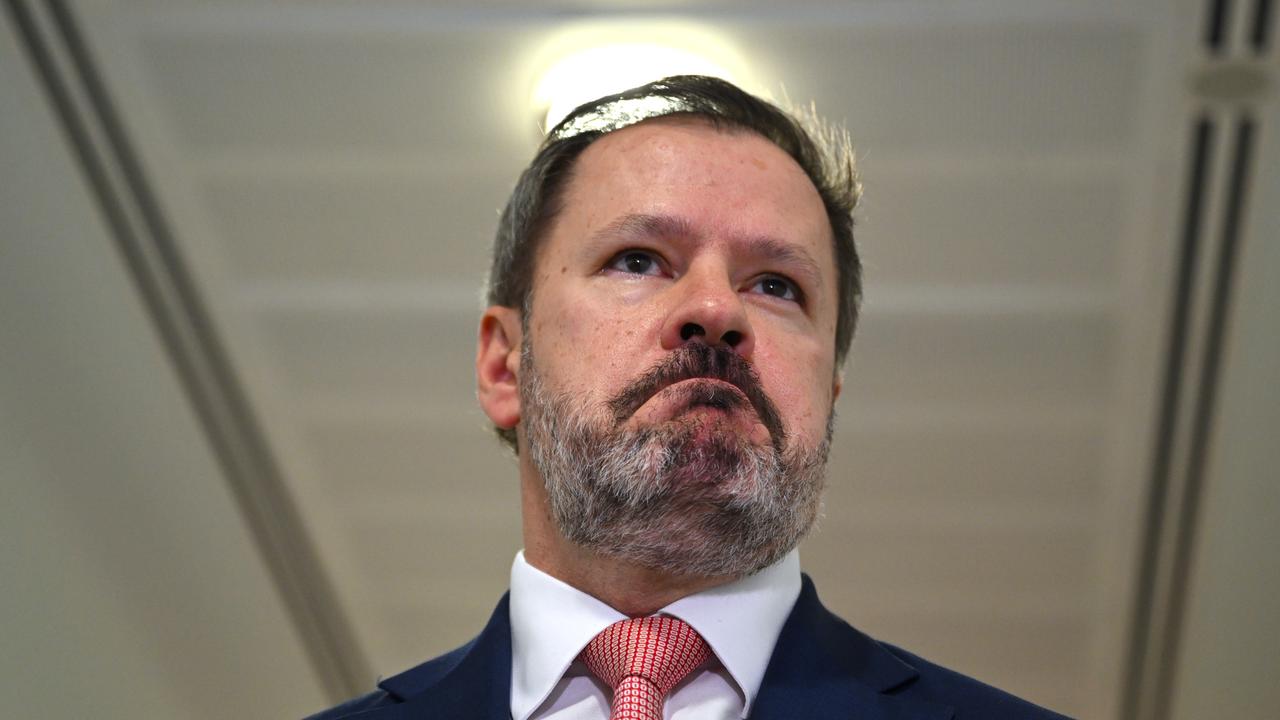
After asking whether Labor’s original commitment to the deal still stood during a private caucus meeting in Canberra on Tuesday, Labor backbencher Ed Husic went public with his reservations about the military pact after it was announced Australia would only get second-hand submarines from the US.
“You do wonder whether or not we will get the deal, even the reconfigured one that we have got,” Mr Husic told reporters at Parliament House.
Originally, Australia was set to get a mix of new and used Virginia-Class vessels before eventually building its own in Adelaide, but now the defence force will only get used submarines.
Defence Minister Richard Marles defended the move, saying it would make AUKUS simpler and cheaper to deliver, but Mr Husic appeared skeptical of that reasoning.
“In the circumstances he’s been placed, he would have to say that,” Mr Husic said.
The Labor MP, who was science and industry minister before being ousted from cabinet in 2025 in a factional power play, said Australia needed to be open about the workforce shortages, supply chain challenges and quality issues confronting the AUKUS pact.
Mr Husic has previously broken with his colleagues on the recognition of a Palestinian state, the war in Gaza and taxation of gas.
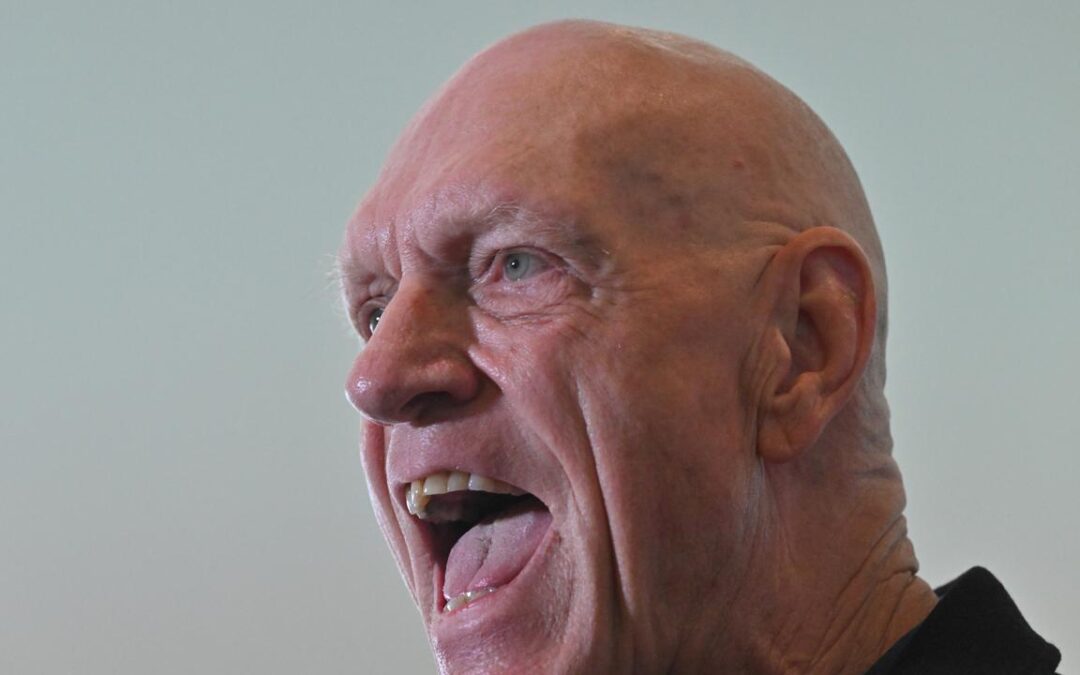
Husic’s comments came as former Labor minister and Midnight Oil frontman Peter Garrett on Tuesday announced plans to lead a “people’s inquiry” into AUKUS, investigating the implications of the pact for the nation’s security.
The crowdfunded probe, run separately from the government, will look into whether the vessels will make Australia more secure, the storage of nuclear waste and potential long-term strategic consequences, the former environment minister said.
“This is not a royal commission, this is a people’s inquiry,” Mr Garrett told reporters in Canberra on Tuesday.
Mr Garrett said he hoped the government would be among those presenting to the inquiry and welcomed submissions from people with a range of political views.
“The AUKUS decision is the most momentous and expensive decision ever made by any Australia government in the modern era,” he said.
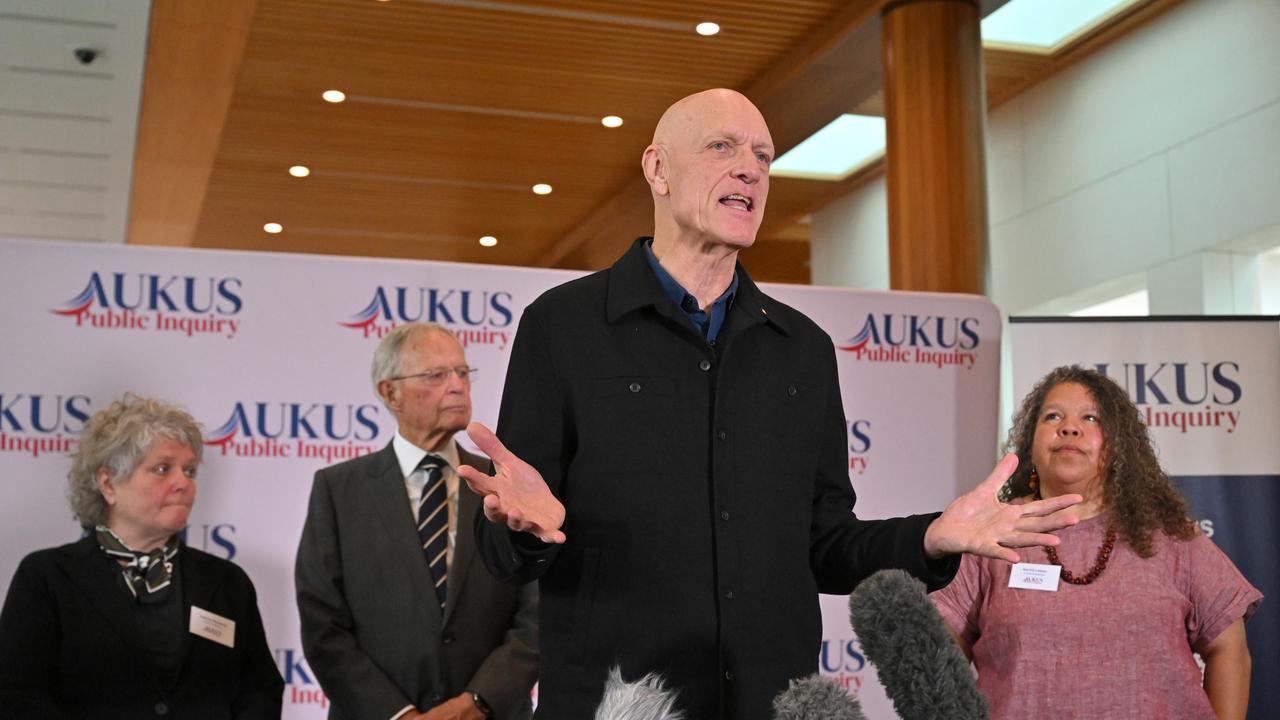
The rock star turned politician has named retired admiral Chris Barrie, former WA premier Carmen Lawrence, Yankunytjatjara woman Karina Lester and Australia Institute co-chief executive Leanne Minshull as “commissioners” for the probe.
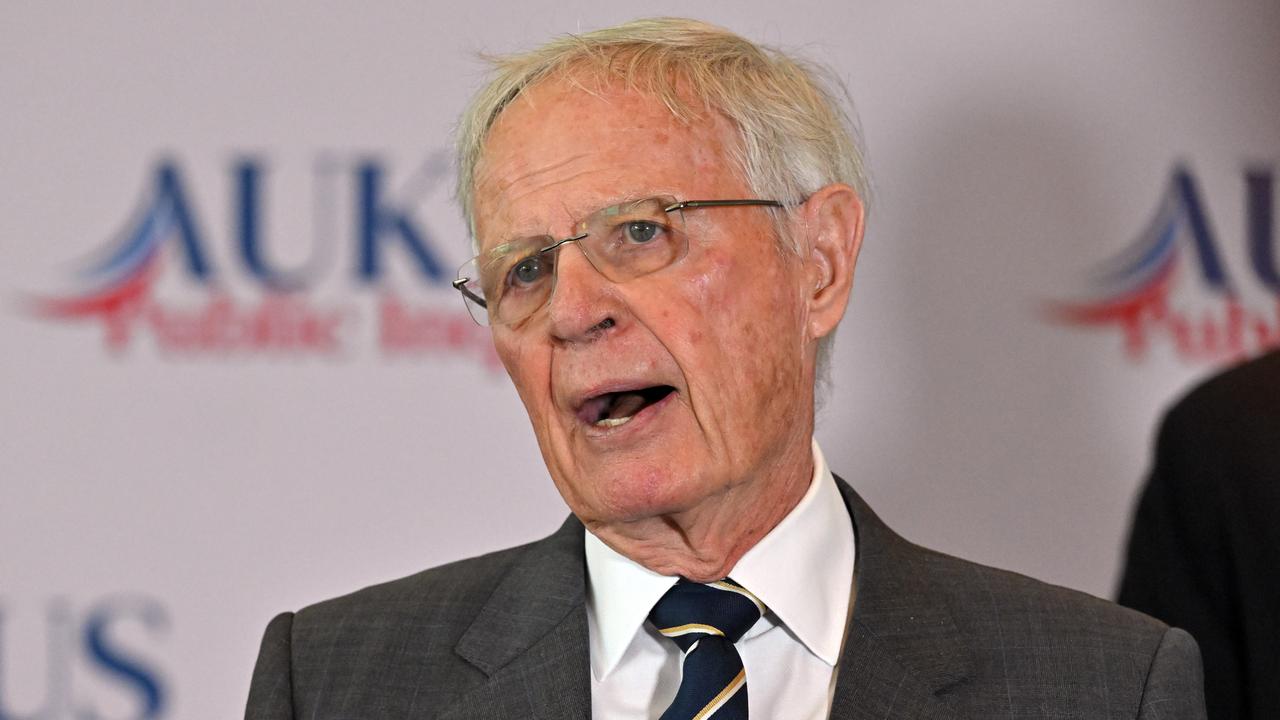
Mr Barrie, who was chief of the defence force between 1998 and 2002, said it was important to have a thorough look at Australia’s defence commitments and its alliance with the US and UK.
“My fear … is that the kinds of expenditures, and the kinds of workforce, and the way in which we would go about supporting something like AUKUS, might drain other parts of our defence force,” he said.
Asked about Mr Husic’s contribution during Labor’s caucus meeting, Treasurer Jim Chalmers would not be drawn.
“We support the AUKUS arrangements, and I don’t get into the details of discussions in the parliamentary party,” he told reporters in Canberra.
Western Australian Labor MP Josh Wilson has also previously raised questions about the nuclear submarine deal.
Australian shares slump as Middle East tensions rise
Australia’s share market is pointing downward, after oil prices rebounded as Iranian officials threatened to abandon US peace talks should Israel’s attacks on Lebanon continue.
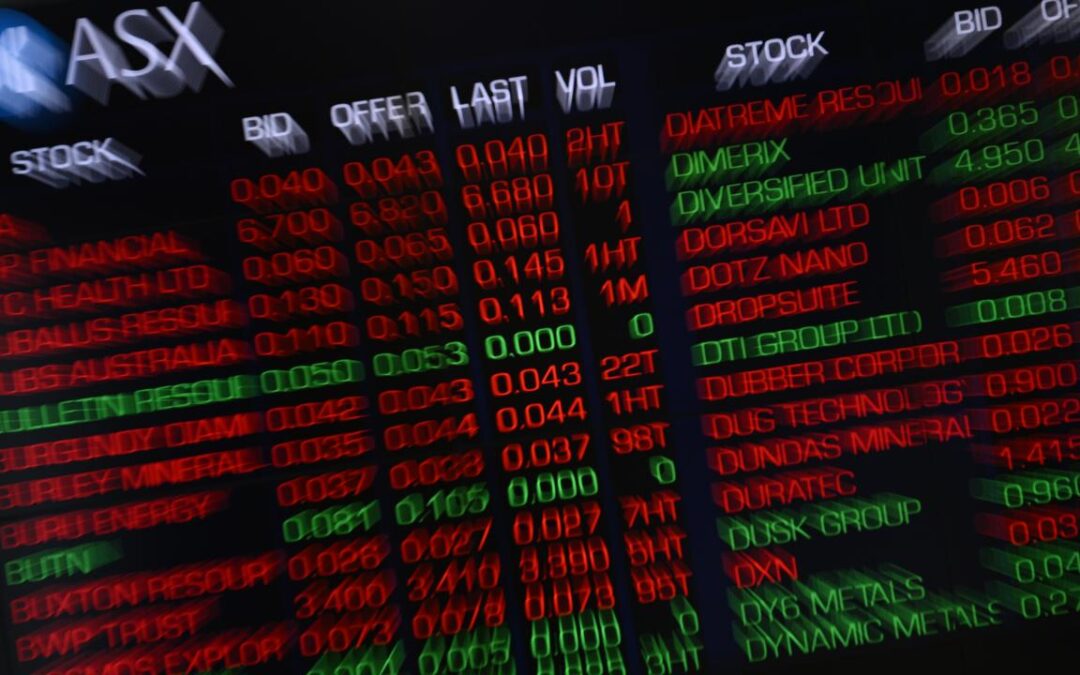
The S&P/ASX200 fell 81.9 points by midday on Tuesday, to be down 0.94 per cent to 8,647.5, as the broader All Ordinaries dipped by 83.9 points, or 0.87 per cent, to 8,891.9.
The drop came after crude oil jumped around six per cent overnight after tensions in the Middle East escalated.
“The news raised concerns the conflict could broaden, prompting fears of potential disruptions to energy supply and so driving oil prices higher,” Moomoo dealing manager Chris Strazzeri said.
Local energy stocks rose 0.9 per cent as Brent crude hovered near $US95 a barrel, as Woodside, Santos and coal miners forged ahead.
The ASX-listed technology sector rallied for a second day, to be up 2.4 per cent, after Wall Street’s tech-heavy Nasdaq index notched yet another record-high close overnight.
Financials weighed heavily on the bourse, tumbling 1.5 per cent in a sea of red that swallowed the major banks, insurers and investment firms.
Basic materials slipped 0.2 per cent, as gold miners fell and the precious metal eased to $US4,484 ($A3,854) an ounce.
Northern Star was one of the few gold producers to improve, surging by more than a tenth after hedge fund and shareholder Elliott Investment Management called for an urgent strategic review.
The big miners, BHP and Rio Tinto, offered some ballast to the broader market weakness, edging higher as copper prices appreciated.
Real estate trusts, health care, consumer discretionary stocks and utilities also dropped sharply as risk sentiment continued to deteriorate.
Looking ahead, investors will be closely watching Wednesday’s quarterly economic growth data to gauge Australia’s performance under the combined weight of a rate-hike cycle, energy price shock, and softening consumer confidence, eToro lead analyst Josh Gilbert said.
“The February rate hike, and the Middle East conflict, have certainly accelerated the slowdown, but it began long before either of those factors hit,” Mr Gilbert said.
“The problem for the RBA (central bank) right now is that inflation hasn’t come back to where it needs to be, even despite three consecutive rate hikes.”
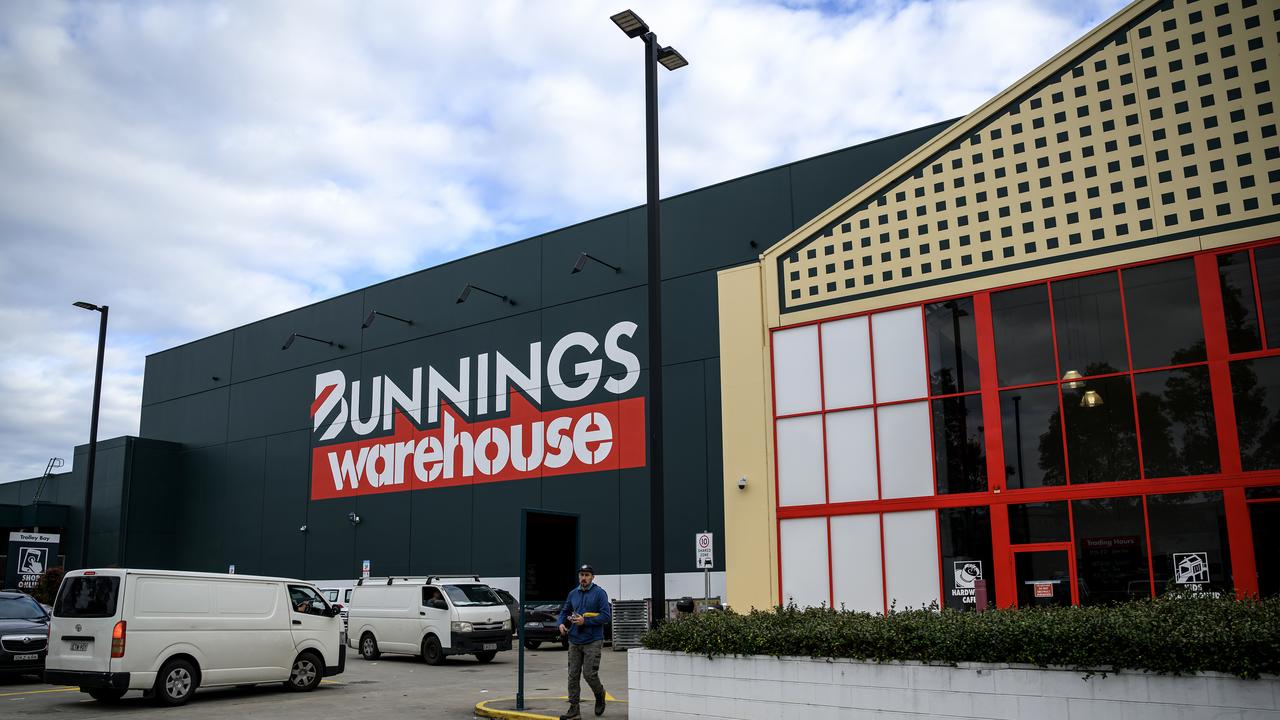
In company news, Wesfarmers shares slipped 1.7 per cent to $78.42 after announcing it will move its industrial and safety businesses, Blackwoods and Workwear Group, into its Bunnings business.
Imaging company 4DMedical gained almost two per cent after launching a clinical evidence program designed to fast-track its entry into the $US2.5 billion ($A3.5 billion) acute pulmonary embolism market.
Meanwhile, Nine Entertainment has completed the conversion of two regional TV assets, NBN (Northern NSW) and Nine Darwin, to their new owners, WIN Network.
The Australian dollar was buying 71.56 US cents, down from 70.83 US cents on Monday at 5pm.