
Aussies losing almost $5b in unpaid super every year
Australians are missing out on almost $5 billion in superannuation entitlements every year, with one in four workers affected nationwide.
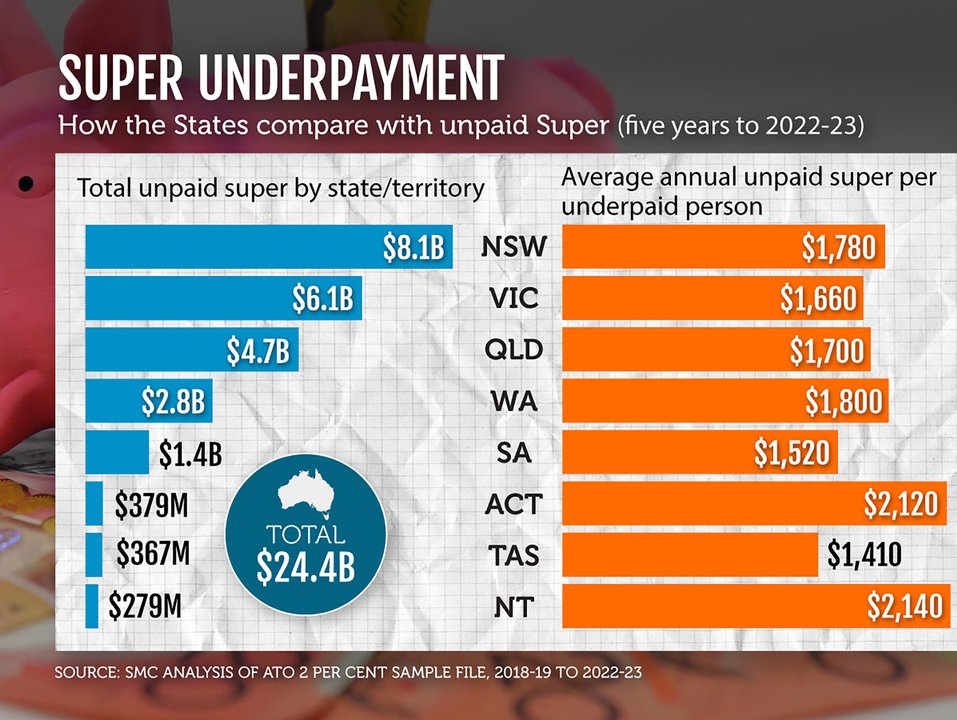
Workers were underpaid $24.4 billion across five years between 2018 and 2023, according to the latest Australian Taxation Office data analysed by the industry group Super Members Council.
NSW had the highest value of underpayments over the five years, totalling an eye-watering $8.1 billion, followed by Victoria ($6.1 billion) and Queensland ($4.7 billion).
The impact of underpayment intensifies over a person’s working life.
Some $1730 in missed super in one year could potentially leave someone $30,000 poorer at retirement due to lost compounding of investment returns.
“Unpaid super hits hardest where it hurts most – for women, younger workers and people on low incomes,” council chief executive Misha Schubert said.
Women already retire with 25 per cent less retirement savings than men, according to the Association of Superannuation Funds of Australia.
Young workers and low-income earners were also at risk of underpayment, with one in every two people on less than $25,000 missing unpaid super.
“This is money Australians have earned but never been paid – and it’s leaving millions significantly poorer at retirement,” Ms Schubert said.
Workers in the Northern Territory were the worst impacted, underpaid an average of $2140 in super entitlements each year, followed by the ACT ($2120), and Western Australia ($1800)
From July 1, payday super laws will come into effect, requiring employers to pay superannuation contributions within seven days of paying wages.
Super funds will have three business days to allocate or return the contributions, improving transparency for workers.
The reform would be a game-changer for unpaid entitlements, Ms Schubert said.
“This long-overdue shift to pay super with wages will make any underpayments visible, easier to fix, and far harder to hide,” she said.
For its part, the tax office plans to take a pragmatic approach to compliance during the first 12 months of the reforms.
“Employers who make an honest mistake and take steps to fix it quickly won’t be the focus of ATO compliance action in the first year,” tax office deputy commissioner Emma Rosenzweig said.
Almost half of businesses already pay superannuation more frequently than quarterly, as currently required.
“It’s important to plan ahead – review and check with your payroll provider about readiness to pay super guarantee more frequently, and start transition planning early,” Ms Rosenzweig said.
However, real-time super payments could put pressure on businesses already under financial strain, according to insolvency and business recovery specialist Jirsch Sutherland.
“In effect, super has operated like a ‘buy now, pay later’ mechanism for some businesses – and that flexibility is about to disappear,” partner Chris Baskerville said.
Sectors with high payroll costs and tight margins would likely face greater pressure.
“These are industries with very little margin for error,” Mr Baskerville said.
“When super has to be paid every cycle, there’s far less capacity to absorb uneven or seasonal cash flow.”
As of the end of 2025, Australians had a total of $4.5 trillion in super.
Jewish primary school like ‘prison’ after Bondi attack
School students are growing up surrounded by prison-like security and in fear of being subjected to abuse or violence, an inquiry stemming from the Bondi terror attack has been told.
The Royal Commission on Anti-Semitism and Social Cohesion on Monday held the first in a series of public hearings focusing on the lived experiences of Jewish Australians.
Mount Sinai College board president Stefanie Schwartz told the inquiry her five-year-old daughter was at Bondi on the day of the attack and remains highly traumatised.
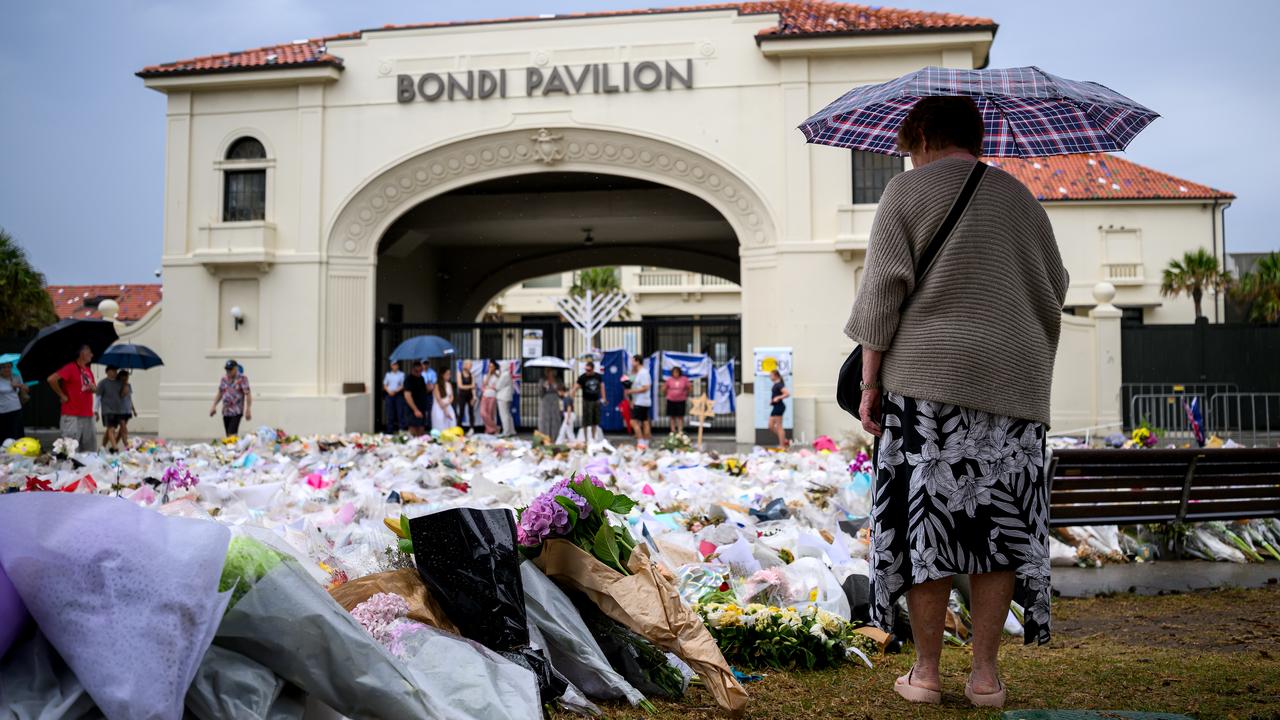
Ms Schwartz said since the attack, which killed 15 people, her Jewish school looks more like a prison because of the high level of security required to keep parents and students safe.
“Since … the Bondi attack, the level of guarding, police presence, is much more extreme,” she said.
“You walk past our school and it looks a lot more like a prison than a primary school.”
The school in Maroubra, in eastern Sydney, was targeted with graffiti branding Jews as “terrorists” and “dogs” in January 2025.
“It was clear that the intent was to intimidate children,” Ms Schwartz said.
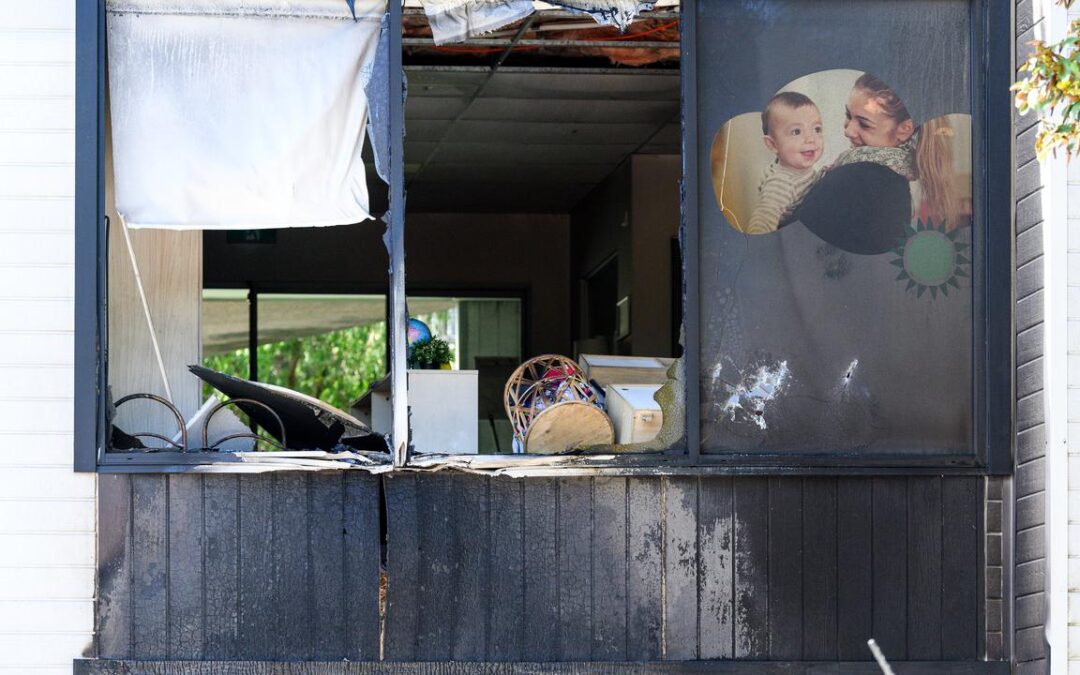
A nearby day care centre was destroyed in an arson attack Ms Schwartz said she believed was mistargeted and intended for her school.
“There’s always, unfortunately, been a need for security amongst Jewish Australians and Jewish institutions,” she said.
“But the frequency, the visibility, the intensity of these anti-Semitic attacks has fundamentally changed in the last few years and the fact that this is being felt by the youngest and the most vulnerable – our children – is frankly, devastating.”
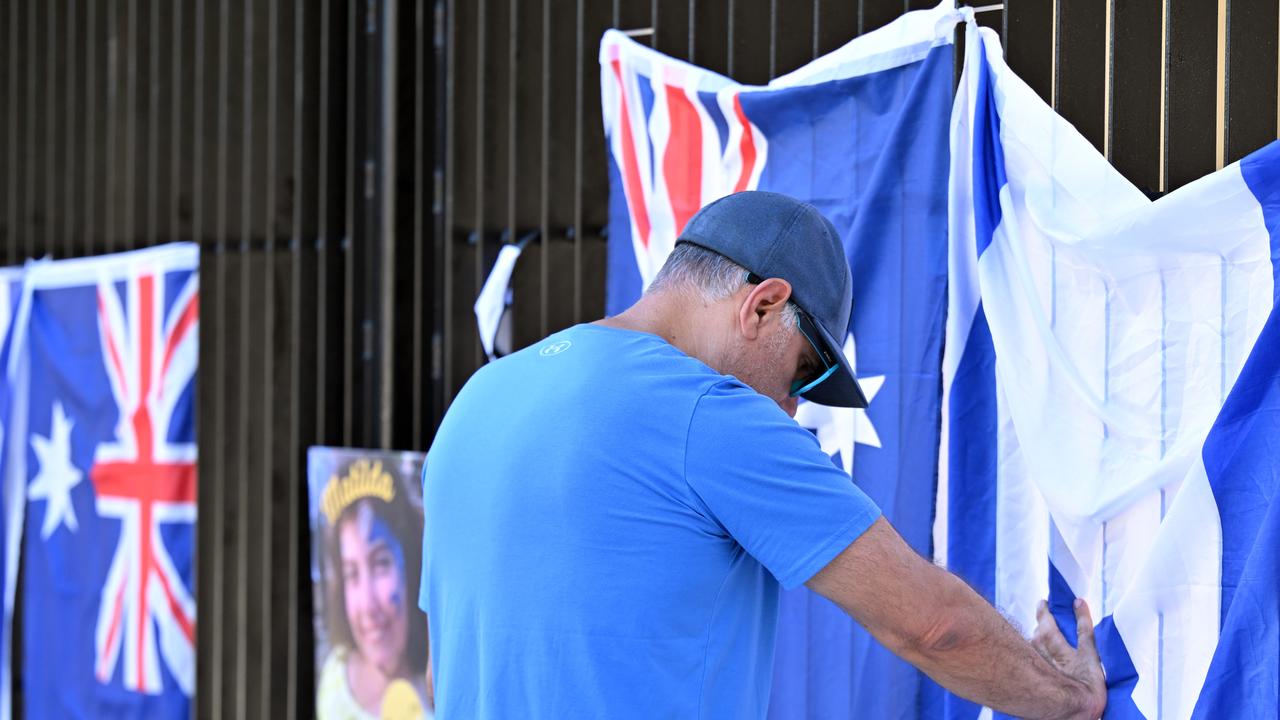
Other witnesses told the inquiry they felt intimidated and feared for their safety during pro-Palestine rallies, which some compared to the historical persecution of Jews.
One of the witnesses appearing anonymously at the inquiry said the glass front door of an Israeli restaurant he was in was smashed by protesters in Melbourne in July 2025 while diners were observing the Jewish Shabbat.
Other witnesses blamed “radical Islam” for fuelling hatred against Jews and compared pro-Palestine demonstrations to Nazi pogroms.
“Unless the root cause of anti-Semitism, which is a vitriolic, despicable preaching of anti-Semitic diatribes at schools, at mosques, at public gatherings, unless that is absolutely, totally stamped out, this country has no hope,” a man speaking under the pseudonym AAL said.
Another witness speaking under the pseudonym AAM said she considered Australia a “safe haven” when she moved from the United Kingdom.
“Precisely what we’re seeing in Australia now we saw in the UK many, many years ago,” AAM said.
“The rise in anti-Semitism, radical Islam, police doing nothing, government doing nothing.”
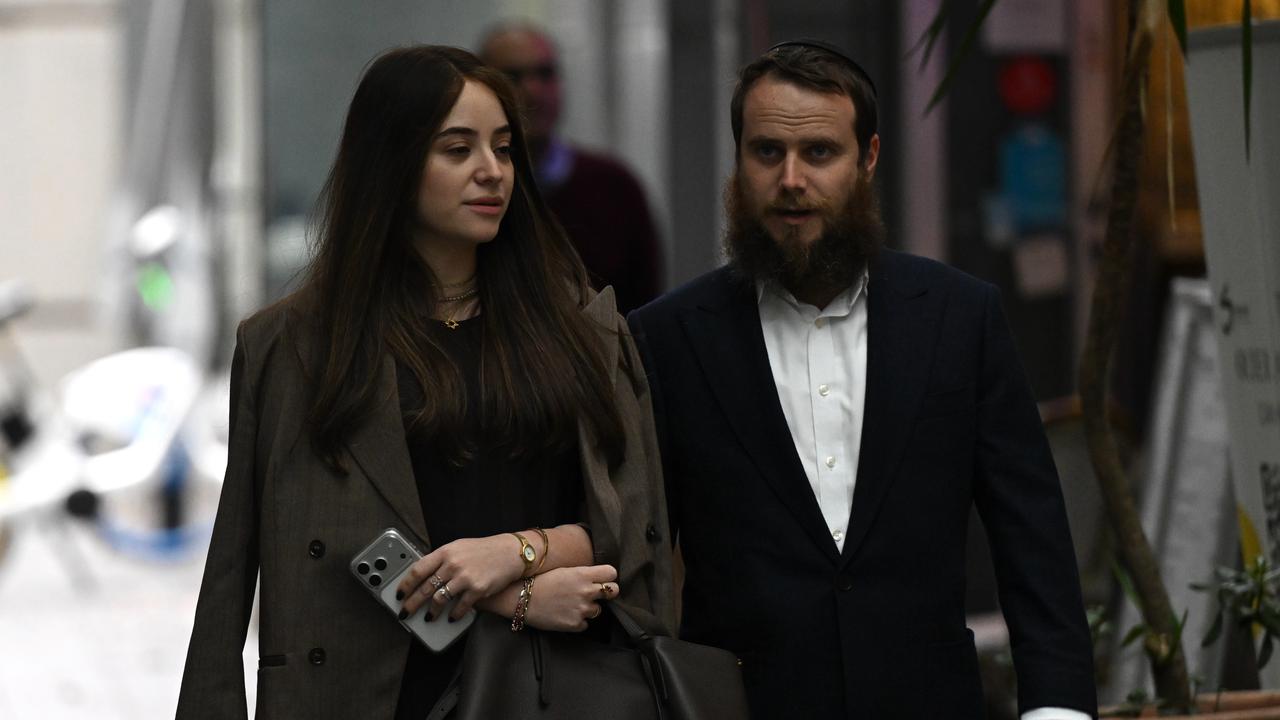
The first witness to give public evidence at the inquiry was daughter of one of the Bondi terror attack victims, Sheina Gutnick, who recounted being abused for being Jewish while in a shopping centre with her baby.
Ms Gutnick’s 62-year-old father Reuven Morrison was killed after hurling a brick at one of the gunmen involved in the December 14 attack that left 15 people dead.
Ms Gutnick said in December 2024 – a year before the deadliest shooting since the Port Arthur massacre – she was walking through Westfield Bondi Junction with her baby when a man pointed at her Star of David necklace and called her a “f***ing terrorist”.
“I felt shocked, exposed and unsafe. There were many people around me, but no one intervened,” she said.

The commission’s initial hearing block will run until May 15.
A second hearing block will run from May 25 to June 12 and probe the circumstances surrounding the Bondi terror attack, including the conduct of intelligence and law enforcement agencies before the assault.
A third hearing block will address a number of case studies of anti-Semitism with a particular focus on institutions and industries, including within the education sector.
The commission will hand down a final report before the end of the year.
Economic hawks eye restraint in pre-election budget
A state treasurer has been urged to throw out the usual pre-election budget playbook as health costs and debt mount.
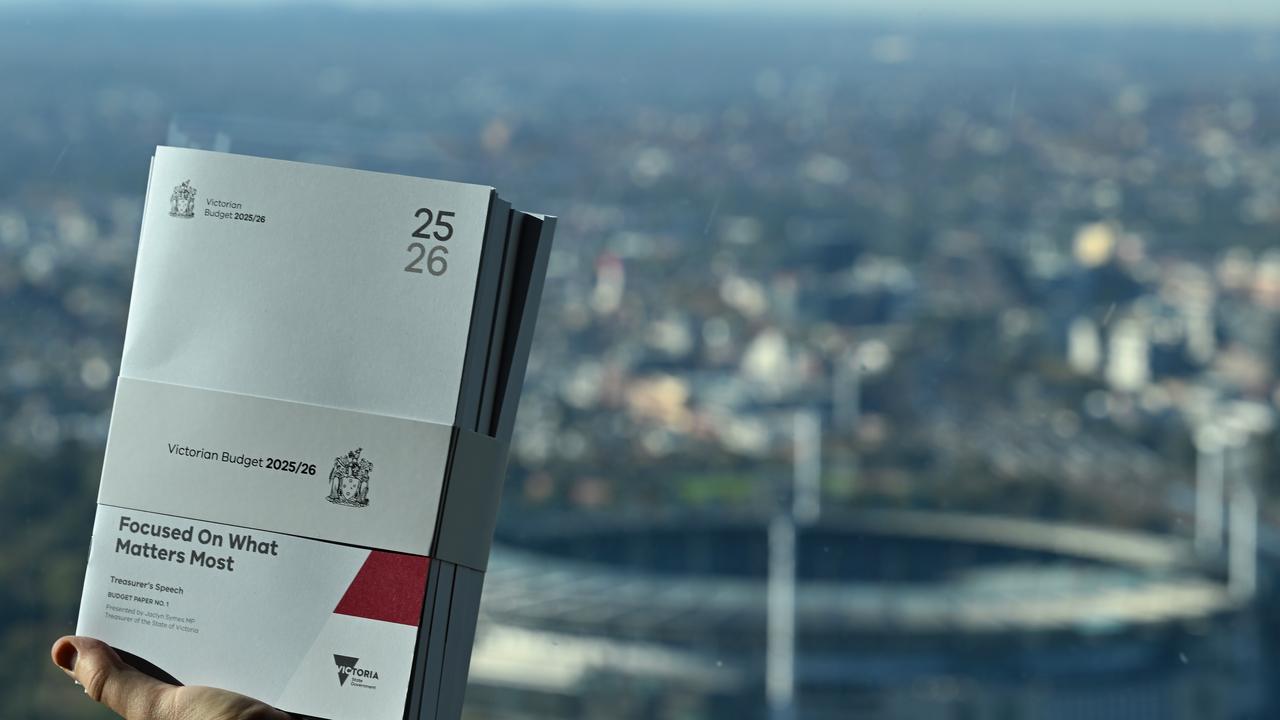
More than $2 billion in spending measures have been unveiled in the lead up to Tuesday’s Victorian budget, including free and half-priced public transport and discounted car registration.
Victoria remains on track to accrue $192.6 billion in net debt by mid-2029, pushing the state’s daily interest bill past $28 million.
Victorian Chamber of Commerce and Industry chief executive Sally Curtain said the peak business body wasn’t against cost-of-living relief but suggested it wasn’t targeted enough.
“If we continue to do this spending, we’re simply unable to repay the debt, and if you can’t repay it then business and Victorians will simply be taxed more into the future,” she told AAP.
“We didn’t have such a significant debt when we entered COVID … essentially the cupboard is bare.”
Ms Curtin said the business community catchcry of “anywhere but Melbourne” and “anywhere but Victoria” was not a media concoction but rather being relayed to her by members and interstate counterparts.
“They (other states) are relishing investors coming their way who would otherwise be coming to Victoria,” she said.
“This is very real.”
Analysis by the e61 Institute, an independent think tank lead by former productivity commissioner Michael Brennan, shows Victoria’s interest repayments have doubled from 0.6 per cent of gross state product to 1.2 per cent since 2019.
Health spending has ticked up from about 4.25 per cent of GSP to five per cent in that span, with the cost of treating each patient in Victoria rising above the national average.
“Victoria is not broke, but it is increasingly boxed in,” the e61 Institute report said.
“The finances are weak, with limited room to manoeuvre.
“Treasurer (Jaclyn) Symes has the unenviable task of delivering a budget that maintains a credible fiscal trajectory, repairs past fiscal damage and deals with the health and hospitals juggernaut.”
While Victorians face another cost-of-living shock ahead of the November state election, the think tank argued current challenges necessitated a shift from past budget habits.
“It is certainly no time or place for the usual pre-election playbook,” it said.
In December, the mid-year budget update forecast Victoria to post an operating surplus of $600 million this financial year and $1.9 billion next financial year.
Premier Jacinta Allan on Monday reiterated those surpluses would not be ditched and the budget papers would show net debt reducing as a share of the state economy.
Victoria will use the “strength” of the budget to ease the pain for under-pressure families, Ms Allan said.
“No Victorian can control what is going on in terms of Donald Trump’s war in Iran,” the premier told reporters.
“But we’ve got to accept that it’s having a real and material (impact).”
Rolling teacher strikes, due to start this week to coincide with the budget’s release, were called off for two weeks on Monday as the education union and Victorian government inched closer to a pay deal.

GameStop makes bold $US56 billion play for eBay
US video game retailer GameStop has proposed to buy eBay for about $US56 billion ($A78 billion) in a cash-and-stock deal, with chief executive Ryan Cohen saying he is prepared to take the bid directly to shareholders should eBay’s board be unreceptive.
GameStop – once a stock market minnow that shot to fame during a meme-stock frenzy five years ago – is offering to pay $US125 ($A173) a share in a 50-50 mix of cash and stock, Cohen said in a letter to eBay’s board.
Based on eBay’s Friday close, the bid represents a premium of about 20 per cent.
EBay has a market capitalisation nearly four times larger than GameStop, making the buyout bid an ambitious attempt.
The US videogame retailer has already built up a five per cent stake in eBay through shares and derivatives, Cohen said in the letter, which was seen by Reuters.
Its unsolicited offer to buy the US online marketplace was first reported by the Wall Street Journal, citing an interview with chief executive Cohen, also GameStop’s largest investor.
Cohen, who is pushing to boost the struggling videogame retailer’s market value more than tenfold, told the Journal that putting eBay and GameStop under one roof would create huge opportunities to improve earnings and cut costs.
“It could be a legit competitor to Amazon,” Cohen said about eBay to the Journal.
Cohen said in the letter that GameStop would cut $US2 billion ($A2.8 billion) of eBay’s annualised costs within 12 months of close, resulting in an increase in the company’s earnings per share.
GameStop’s 1600 US locations would give eBay a national network for authentication, intake, fulfillment, and live commerce, he added.
He told the Wall Street Journal he was prepared to pursue a proxy fight if eBay’s board was not receptive to the proposal.
EBay did not immediately respond to Reuters requests for comment on GameStop’s offer.
“EBay should be worth – and will be worth – a lot more money,” Cohen said in the interview. “I’m thinking about turning eBay into something worth hundreds of billions of dollars.”
Cohen, dubbed the “meme king” by retail traders for his role in the 2021 meme-stock frenzy and his outsized influence among individual investors on social media, has built a reputation for bold, unconventional bets that can move markets.
Cohen said he has already lined up financial commitments, including a commitment letter for about $US20 billion ($A28 billion) in debt from TD Bank, and may seek backing from external investors including Middle Eastern sovereign wealth funds for the deal, according to the WSJ report.
Cohen said that following the close, he would serve as the chief executive of the combined company.
GameStop had a market value of nearly $US12 billion ($A17 billion) at the close of business on Friday, while eBay had a market value of about $US46 billion ($A64 billion).
Their shares have gained 32.1 per cent and 19.5 per cent, respectively, in 2026.
AI key to recovering ultra-valuable solar material
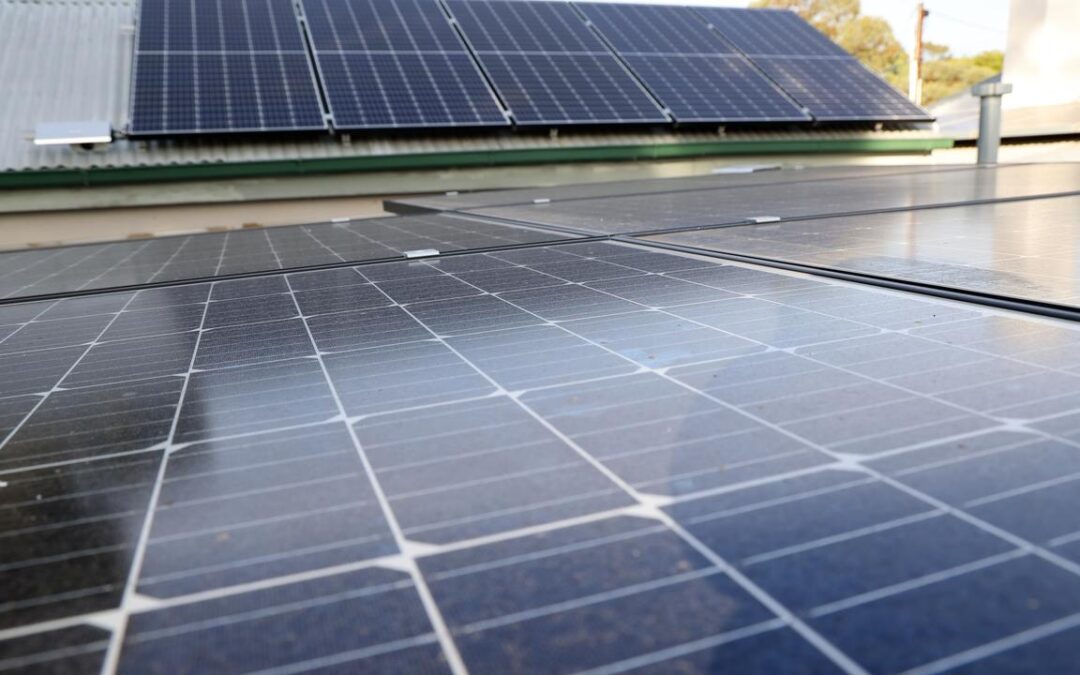
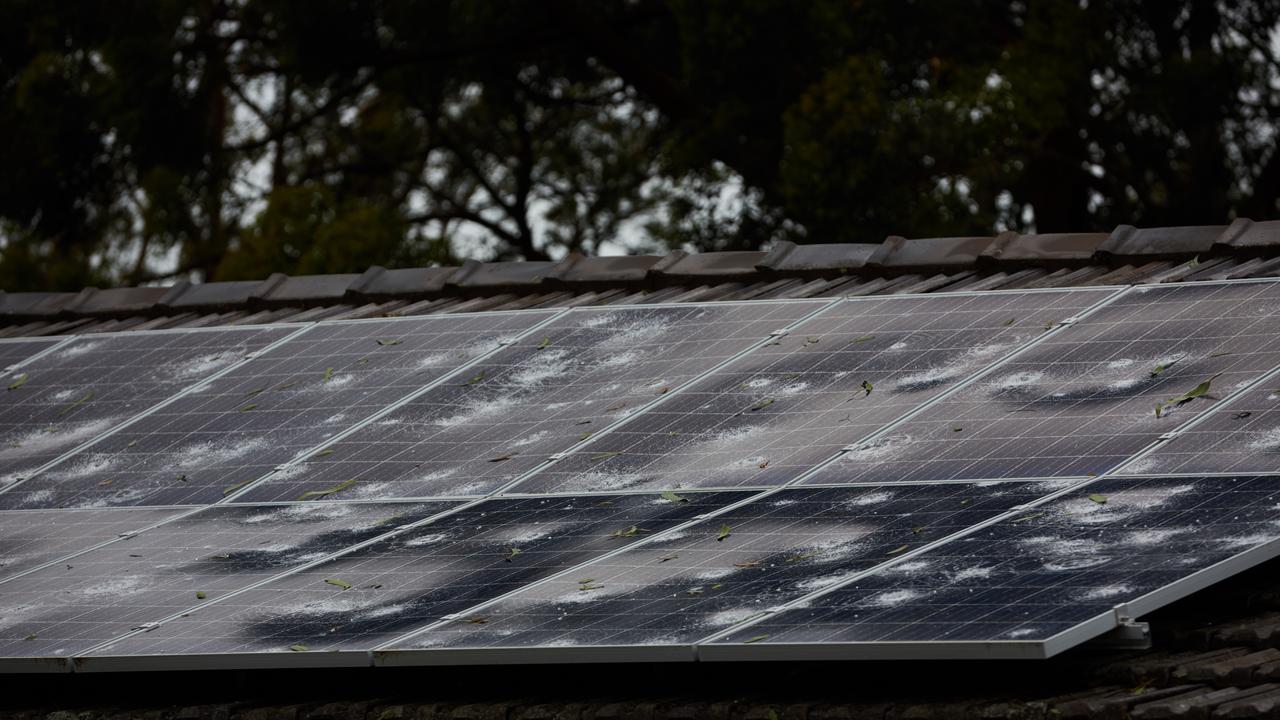
The race is on to extract more value from retired solar equipment to improve recycling economics and prevent tens of thousands of tonnes of material going to landfill.
Materials like glass, silver and copper can be prised from end-of-life systems but removing silicon pure enough to be upcycled into new panels has proven difficult.
The high-purity silicon wafers that absorb photons from solar panels are highly valuable so must be protected from the elements by binding them tightly to substrate material.

A University of New England research team is now employing AI tools to help separate pure silicon from the substrate.
The newly-launched Institute for Strategic AI has been using the tech to automate the discovery and testing of potential solvents that can isolate components of the silicon wafers efficiently.
The three types of AI – predictive, generative and agentic – first suggest promising solvents and then analyse the results after they have been trialled in a real-life robotic lab.
Institute director Amir Karton said the discovery process had accelerated dramatically.
“Up until now, you would have to come up with an hypothesis, and then you will have to go to the lab and test say 1000 different solvent combinations and reaction conditions,” Professor Karton told AAP.
“That sort of discovery process would normally take years.”
The research is ongoing but Prof Karton is confident a solvent can be developed that can extract silicon in a way that’s cheap, scalable, efficient and non-toxic.
“Being able to recycle those critical minerals and high-purity materials would be a very significant component of the economic viability of the whole recycling process,” he said.
Australian households and small businesses have embraced rooftop solar and installed more than 4.3 million systems, according to the Clean Energy Regulator, yet rates of recycling remain low.
Barriers include limited processing capacity and high logistics and recycling costs.
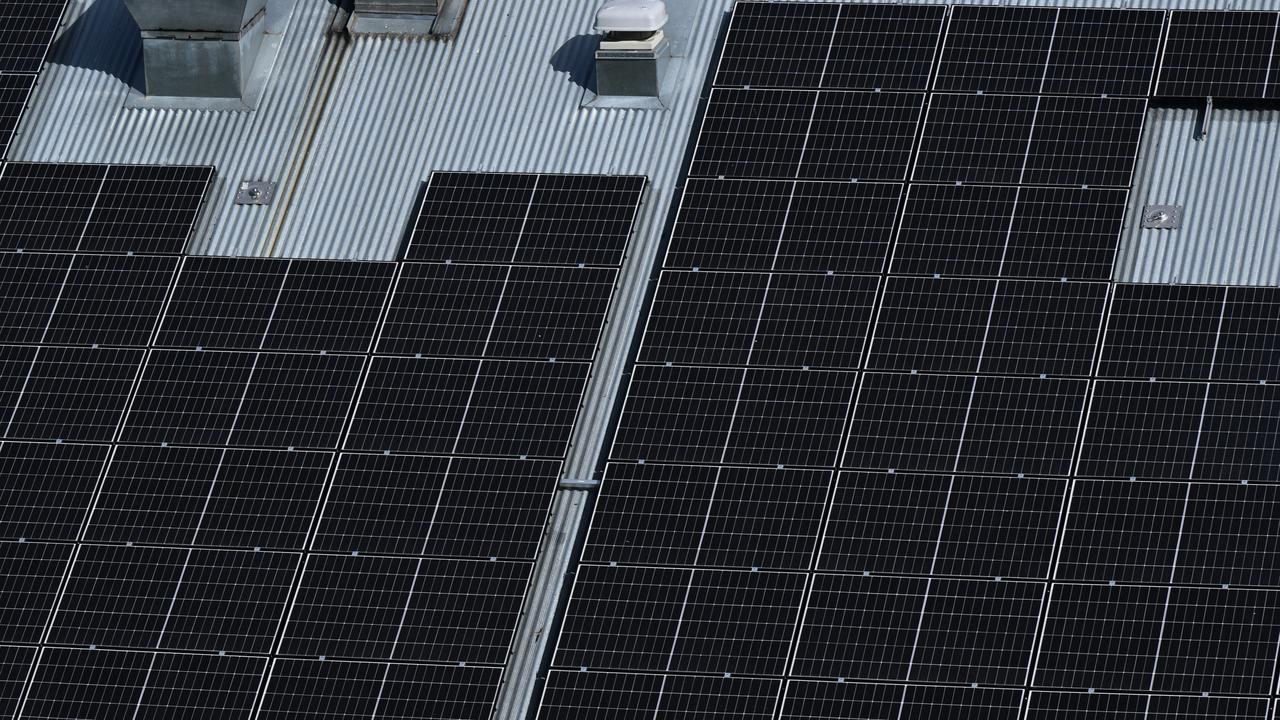
Government figures predict annual solar panel waste could swell by nearly 30,000 tonnes by 2030 to roughly 91,000 tonnes a year, as the first generation of systems reach end-of-life after about 25 years.
Work is underway to solve bottlenecks in the recycling process, including through a $24.7 million federally-backed pilot program aimed at gathering feedback to inform a national plan and product stewardship proposal.
Prof Karton said the solar recycling research was a flagship project for the new unit and the university would be looking to partner with industry and government to foster recycling capacity in the area, which hosts a renewable energy zone.
“We are trying to develop local recycling technologies so that we can recycle solar panels where the electricity is produced.”
Booze giant eyes job cuts, as consumers curb thirst
One of Australia’s biggest alcohol sellers is trying to ring-fence its business and cushion customers as the Middle East conflict threatens supply chains and pushes up fuel and freight costs.
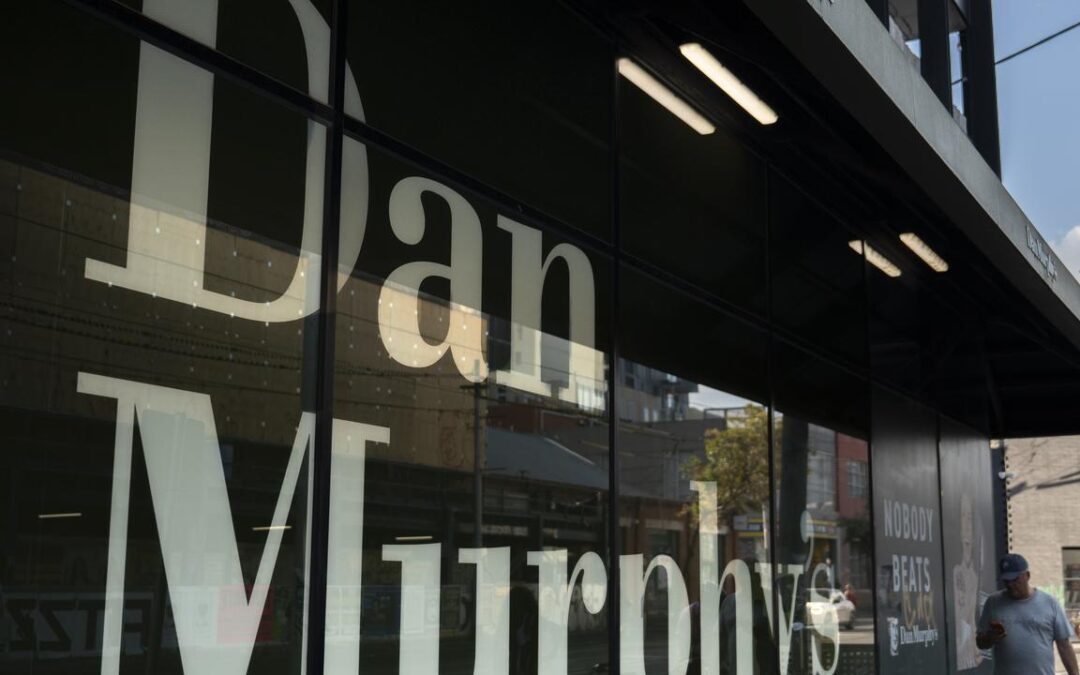
Endeavour Group, which owns more than 1500 Dan Murphy’s and BWS outlets, has also hinted at job cuts going into its new financial year as part of a $100 million cost savings drive.
Endeavour is taking action after seeing relatively flat sales of $2.4 billion in the third quarter of fiscal 2026.

While sales were supported by strong trading over Easter, consumer demand remains subdued.
The group’s outlook is in line with its major competitor Coles, which last week said sales at its Liquorland business fell 3.9 per cent to $781 million in its first half.
The supermarket group’s boss Leah Weckert said consumers were counting their pennies as confidence nosedived after the war began on February 28.
“Liquor is just a more discretionary category than something like food,” she said last week.
“People will make decisions to cut back in that space to make way for the increased lines in their budget that they might see on things like mortgages or energy or groceries.”
Endeavour, which also owns hundreds of pubs, said sales at the venues began to soften in March across food and bar sales, gaming activity and accommodation bookings.
This was despite an overall sales lift in its hotels division of 3.7 per cent to $531 million in the three months ended April 26.
Endeavour is now adding $400 million more to its inventory to create a buffer against potential supply chain issues due to the war.
It is also closely watching price pressures in its supply chain due to higher fuel costs.
“Endeavour is working with its suppliers to manage these pressures to mitigate structural cost inflation and to minimise the impact on customers,” it said in a statement.
The company warned it would incur additional fuel and freight-related costs over the remainder of its financial year of between $6 million and $8 million.
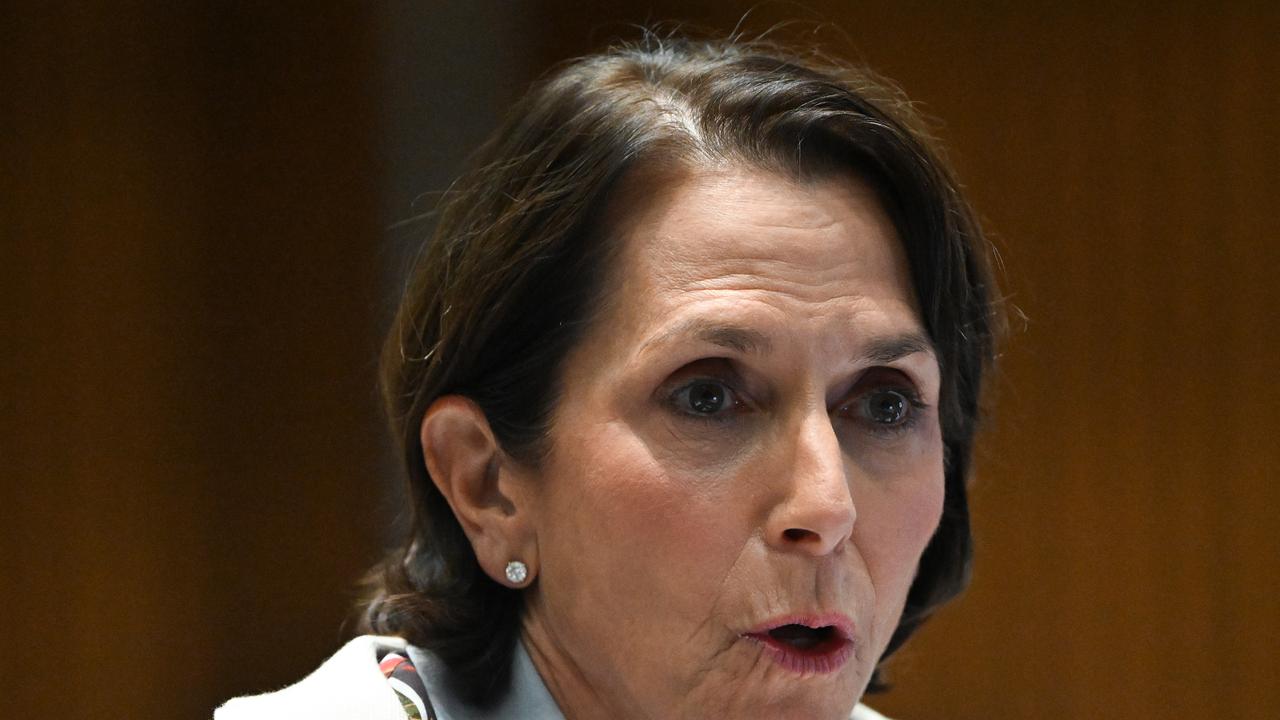
RBC Capital Markets analyst Michael Toner said, despite the somewhat gloomy consumer outlook, Endeavour’s overall sales were ahead of consensus.
“However, taking a forward-looking view, the (half-year to date) sales growth (including April) shows signs of deceleration as cost of living weighs on spending,” he said.
Earlier this year, chief executive Jayne Hrdlicka said the group was putting its customers before profits after cutting prices to stay ahead in a highly competitive market.
“To be clear, the intention is that Dan Murphy’s will not be beaten on price by anyone at any point for any reason,” she told a first-half results briefing in March.
Endeavour shares dropped by 7.5 per cent in morning trade before recovering around midday to $3.28, down 4.3 per cent.
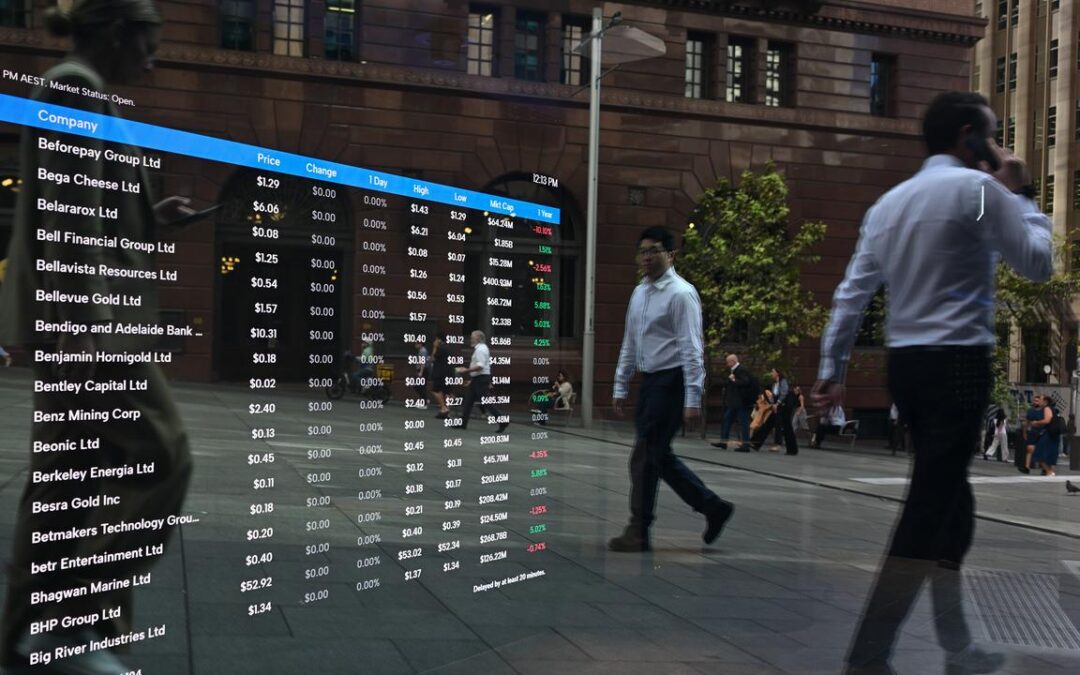
Aussie shares drop after big four bank earnings miss
Australia’s share market has started the week slightly lower, after a big four bank and a drinks giant missed earnings expectations.
The S&P/ASX200 fell 17.2 points by midday on Monday, down 0.2 per cent, to 8,712.6, as the broader All Ordinaries dipped 13.7 points, or 0.15 per cent, to 8,941.
The dip followed another record-breaking session on Wall Street on Friday, as investors mulled mixed news from the Persian Gulf energy crisis.
“News that the Trump administration has instructed the military to escort trapped tankers through the Strait of Hormuz … has seen crude gap lower,” Capital.com senior market analyst Kyle Rodda said.
“The move by the US amounts to a small kick of the can down the road, with energy markets still heading in the direction of a looming supply cliff with the Strait blockaded.”
Local energy stocks dropped more than two per cent by midday, tracking with a slip in oil prices since Friday’s ASX close, dragging Woodside (-3.0 per cent) and Santos (-1.6 per cent) lower.
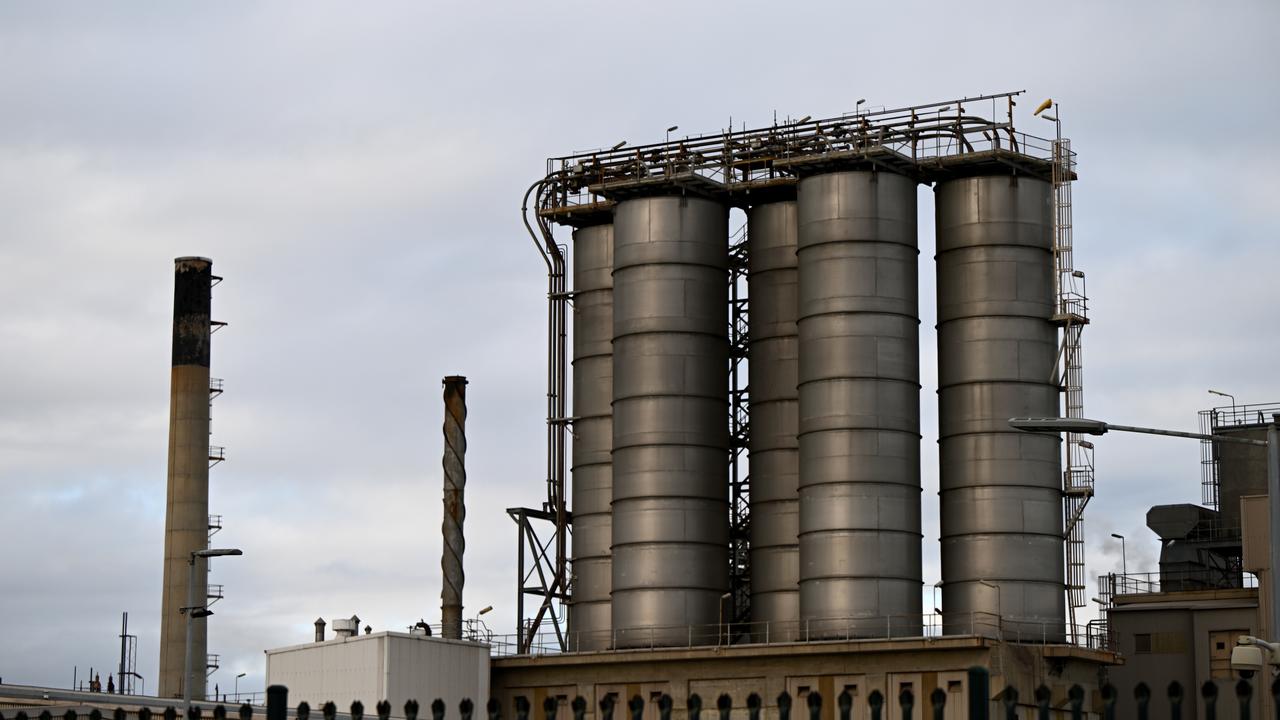
Refinery operators Ampol and Viva also fell, as Viva flagged its Geelong refinery should return to 90 per cent output capacity from June, following a major fire in April.
Coal miners were broadly lower and uranium stocks rebounded modestly from the previous week’s sell-off.
The heavyweight financials sector was in the red, as NAB shares tumbled 1.7 per cent to $39.16 after its $2.8 billion first-half statutory net profit missed expectations, joining ANZ as the second big four bank to disappoint investors this reporting season.
Westpac, which traded flat, will hand down its interim results on Tuesday.
Commonwealth Bank shares slipped 0.2 per cent to $172.67.
ASX-listed miners were a mixed bag, with basic materials rising 0.2 per cent thanks to a decent 0.5 per cent lead from BHP to $55.23.
The gold sub-sector edged 0.3 per cent higher as the precious metal hovered near $US4,606 ($A6,392) an ounce.
Rare earths and battery minerals producers were under pressure, with Lynas and Liontown down 2.4 per cent and 5.5 per cent respectively.
Consumer staples tumbled 1.7 per cent, after earnings from Dan Murphy’s and BWS owner Endeavour came in slightly softer-than-expected.
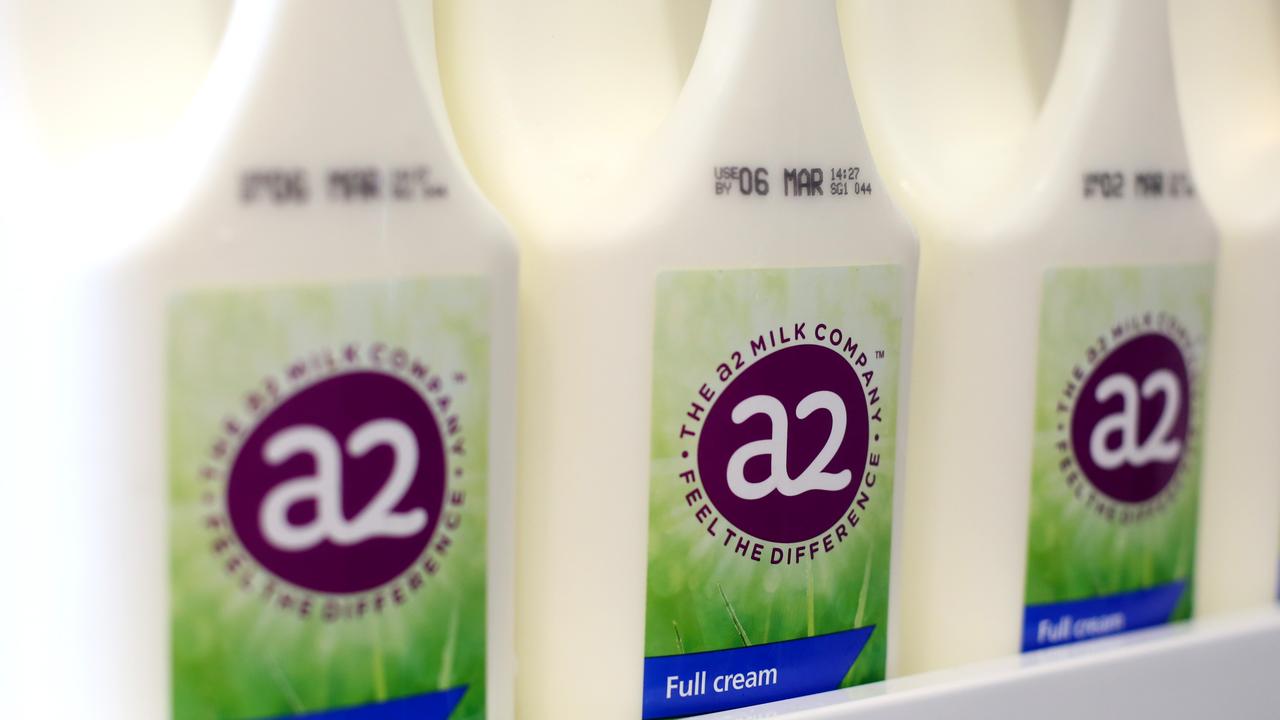
Shares in a2 Milk tanked almost 12 per cent to $6.41 after it recalled three batches of infant milk formula in the United States due to the presence of cereulide, a toxin that can cause nausea and vomiting.
And fashion group Accent fell more than 10 per cent as it responded to an investigation by the corporate regulator and flagged a gross margin drop in a trading update.
Southern Cross Media gained 2.1 per cent to 61 cents after chair Heith Mackay-Cruise announced his retirement after a major shareholder pushed for his and two other directors’ removal.
The Australian dollar was buying 72.09 US cents, up from 71.96 US cents on Friday, ahead of what’s widely anticipated to be another interest rate hike from the Reserve Bank on Tuesday.
Global energy markets need deal cut on Iran war: Wong
Australia wants Iran to cut a deal with the US to ease stress on global energy markets as a result of a key oil passage remaining closed.
Donald Trump said the US will start guiding ships through the Strait of Hormuz, which has been effectively closed since the start of the war, in response to the requests of countries not involved in the conflict.
“For the good of Iran, the Middle East, and the United States, we have told these Countries that we will guide their Ships safely out of these restricted Waterways, so that they can freely and ably get on with their business,” the US president wrote on Truth Social.
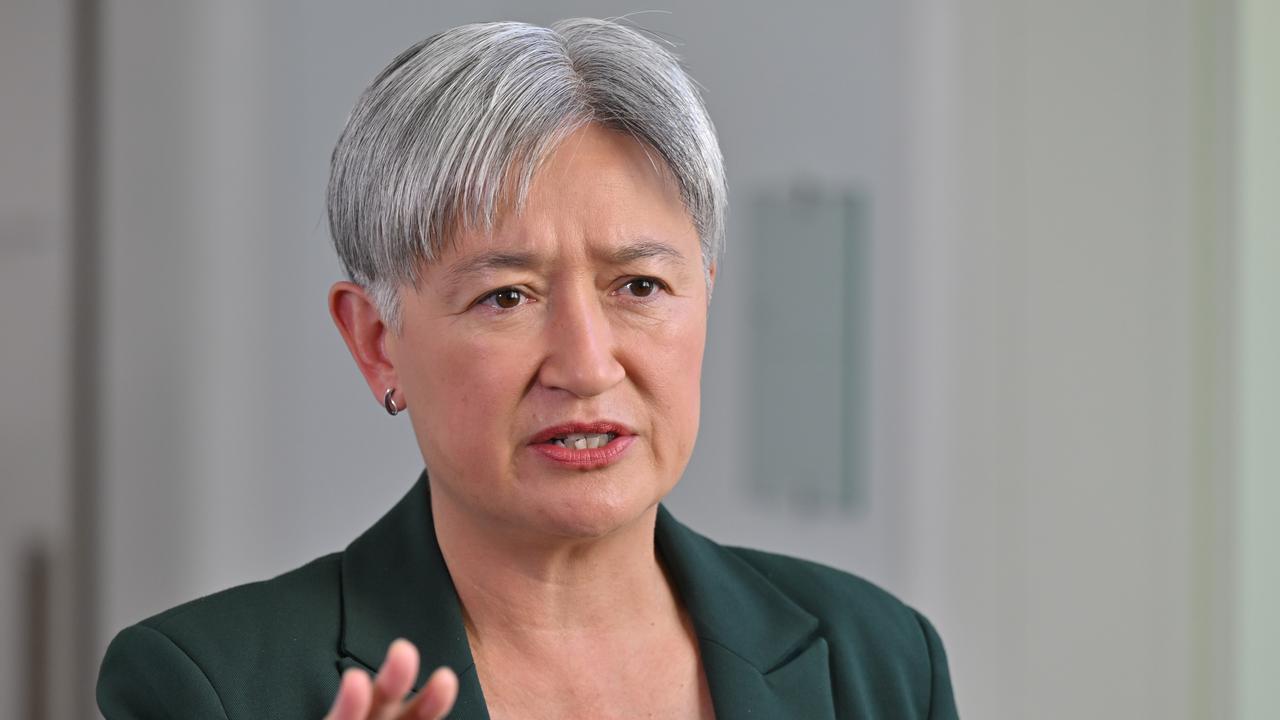
Foreign Minister Penny Wong said global energy markets and Australian consumers needed the passageway reopened.
“What we do want, however, is Iran to cut a deal, make sure they get a negotiated outcome that opens the strait and is to the satisfaction of the United States and the rest of the world,” she told Seven’s Sunrise program on Monday.
Senator Wong said Australia was working with the US, UK, and France to secure the outcome.
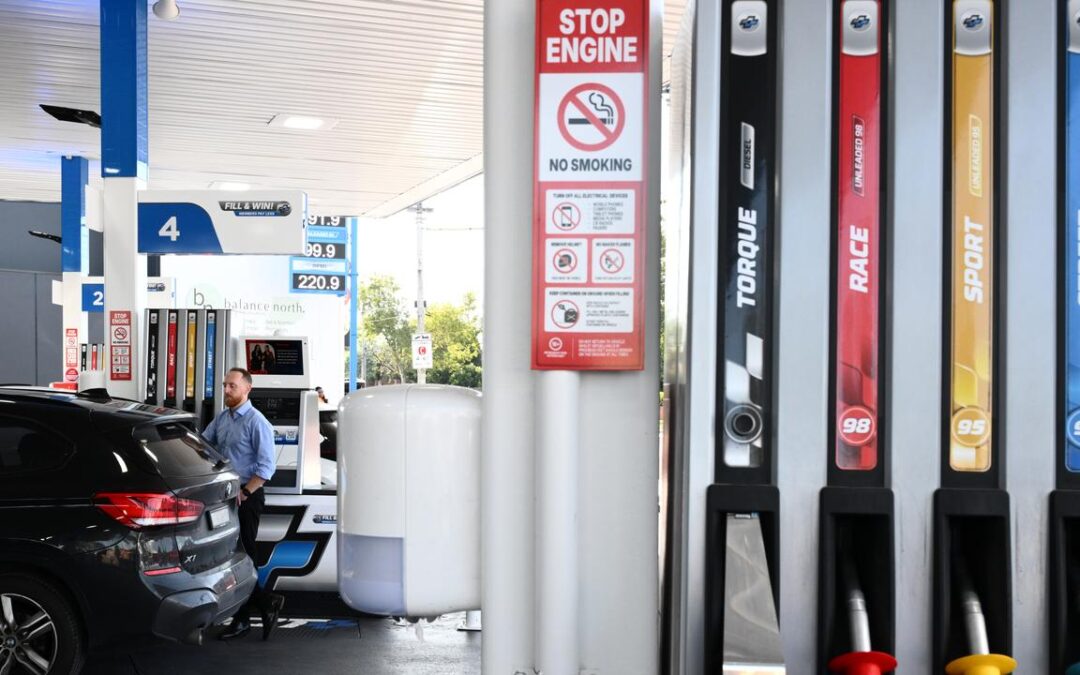
“We all have an interest in this being resolved. We know this has affected Australians at the petrol bowser,” she told ABC News Breakfast.
“It’s affected our economy, and it’s made our need to source fuel from elsewhere imperative.”
As Mr Trump announced the operation, he raised doubts the proposal proposed by Iran to end the war was “acceptable”.
Tehran confirmed it has received a US response to its latest peace offering, which had been delivered via Pakistan and was now being reviewed.
The 14-point peace plan asks the US to withdraw all its forces located near Iran, lifting of the naval blockade of the Strait of Hormuz, and for Israel’s offensive in Lebanon to come to an end.
It called for a deal to be reached between the two nations within 30 days.
Aussies adjusting to volatility: business banking giant
Geopolitical tensions driven by the Middle East crisis and high fuel prices have created a volatile macroeconomic environment, Australia’s biggest business bank says.
National Australia Bank, which is one of the big four, on Monday posted a 19.3 per cent fall in 2026 first-half statutory net profit to $2.75 billion, on revenue of $11.16 billion.
Its preferred cash net profit, which excludes large items, was flat at $3.59 billion from the same period last year, but 2.3 per cent higher from the end of its 2025 fiscal year.
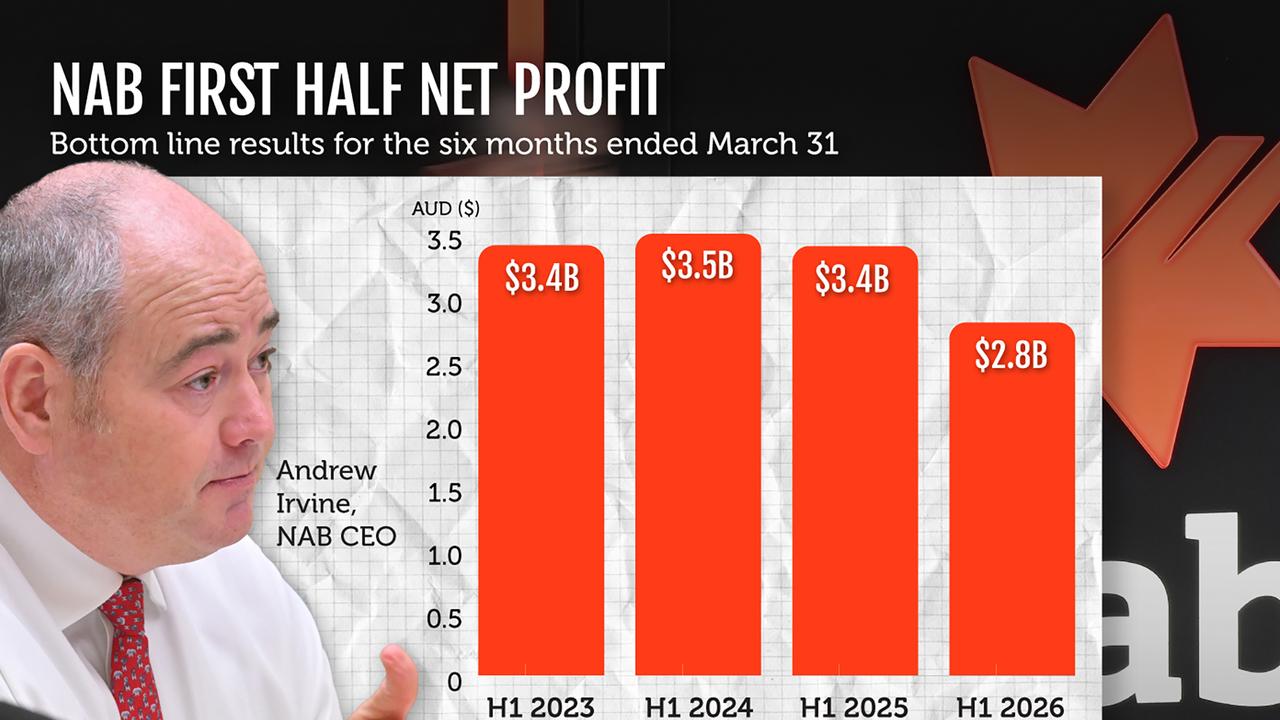
NAB’s result was supported by strong growth of 5.4 per cent in its business and private banking arm and a higher net interest margin, which reflects its earnings on lending activity.
Chief executive Andrew Irvine said global conflict, including in the Middle East, continued to contribute to ongoing economic volatility.
“We’re hearing that businesses are challenged by higher fuel costs, supply disruptions, inflation and elevated interest rates, and are becoming more cautious with spending and cash management,” he said in a statement on Monday.
“But Australians are resilient.
“Many businesses are experienced in managing cost volatility and are making the required adjustments through higher savings and offset balances.”
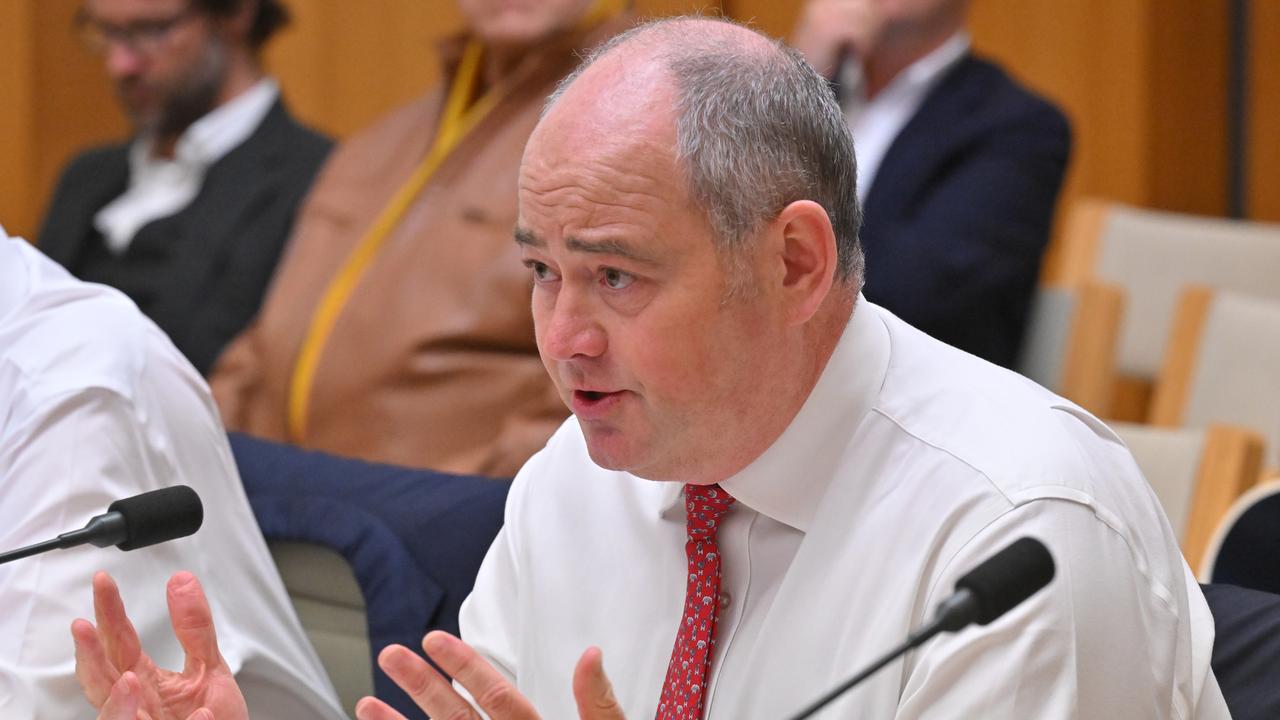
Mr Irvine said NAB was also well-positioned to navigate near-term challenges, on the back of its stronger balance sheet.
In April, ahead of its results, NAB warned that its results would be impacted by $706 million in credit impairment charges, and an increase of around $221 million from the end of its financial year.
The total included a $152 million “economic adjustment” charge to address the changing outlook for Australia’s economy, which is expected to weaken this year.
It also allocated $201 million for potential stress that might emerge in energy-related business sectors, likely to be impacted by fuel supply and cost costs related to the conflict.
NAB declared an interim dividend of 85 cents per share, in line with last time.
‘Most responsible’: Labor pledge for high-stakes budget
Labor will tout its most restrained budget yet as sweeping changes to the National Disability Insurance Scheme allow it to bank more savings than increased spending.
But the government also faces accusations it is coming after “mum and dad” investors as family trusts join capital gains tax discounts and negative gearing on the list of possible targets for change.
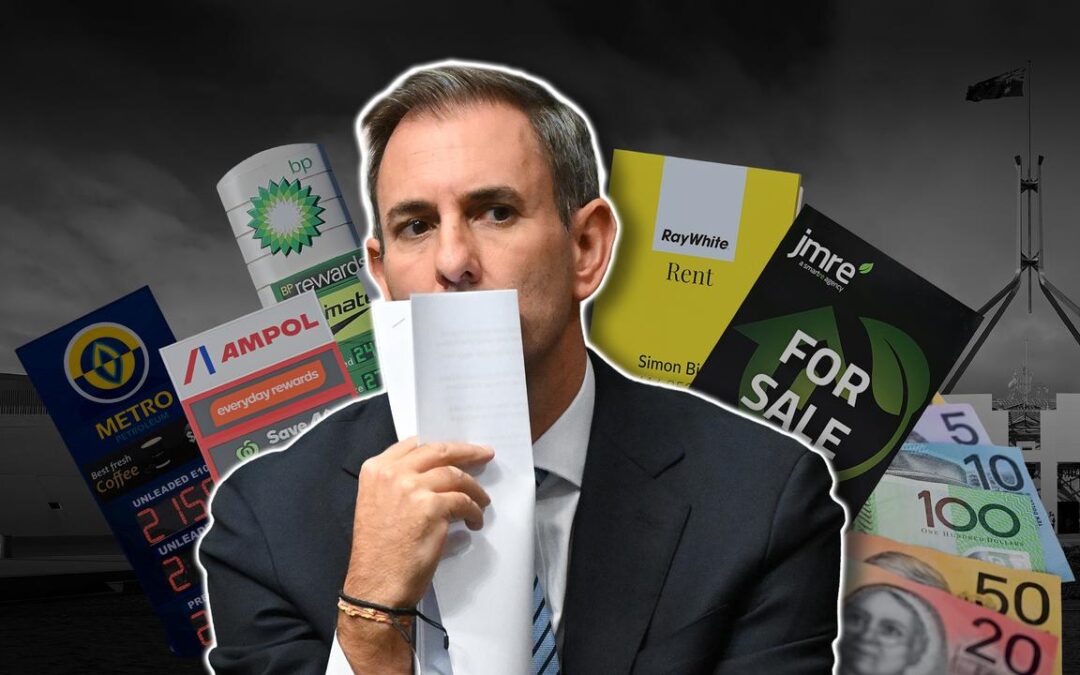
Treasurer Jim Chalmers, who will hand down the federal budget on May 12, said on Monday the fiscal blueprint would feature net savings for the second consecutive year.
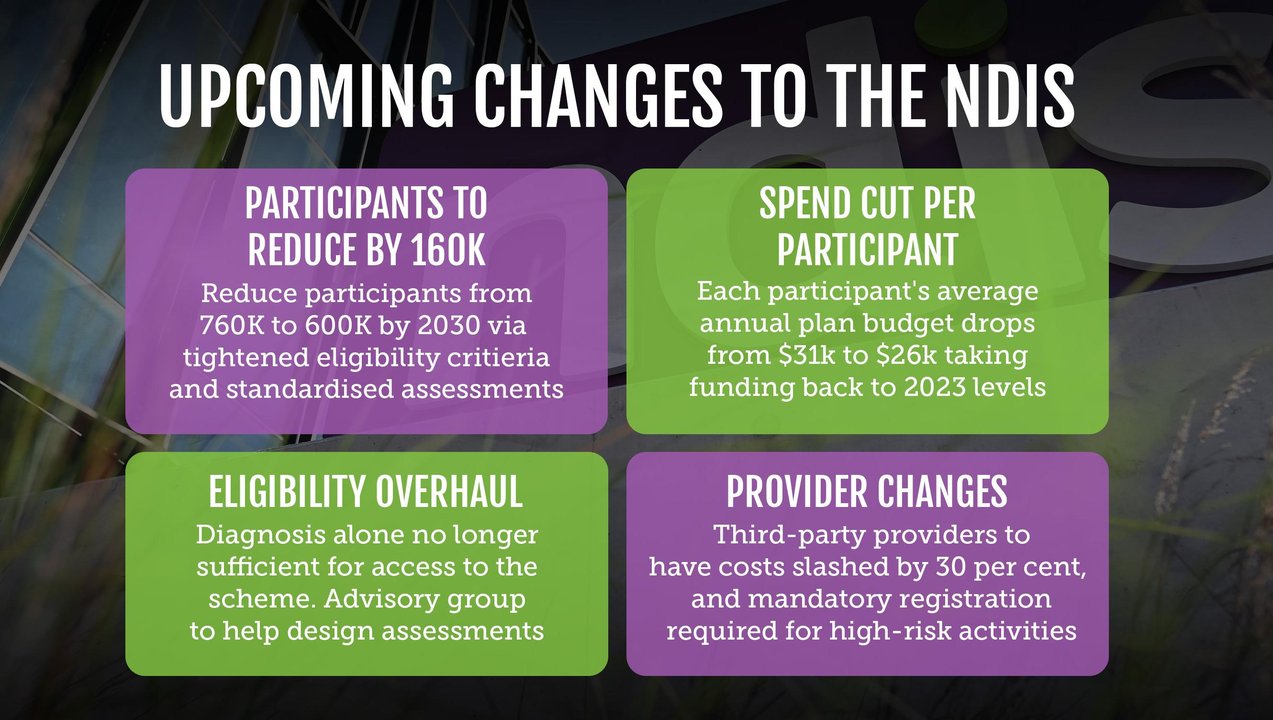
Labor recently announced at least 160,000 people were expected to be removed from the NDIS by 2030 as the government curbs growth in spending on the scheme.
The move will do the heavy lifting in budget repair, providing more than $35 billion in forecast savings, although states have sounded the alarm about the financial burden of people with disabilities being shifted onto their health and education systems.
A further $3 billion will be saved by removing the age-based loading for the private health insurance rebate, also announced in April.
Dr Chalmers said the government had shown restraint in its budget measures.
“Responsible economic management has been a hallmark of this Albanese government and the May budget will be our most responsible yet,” he said.
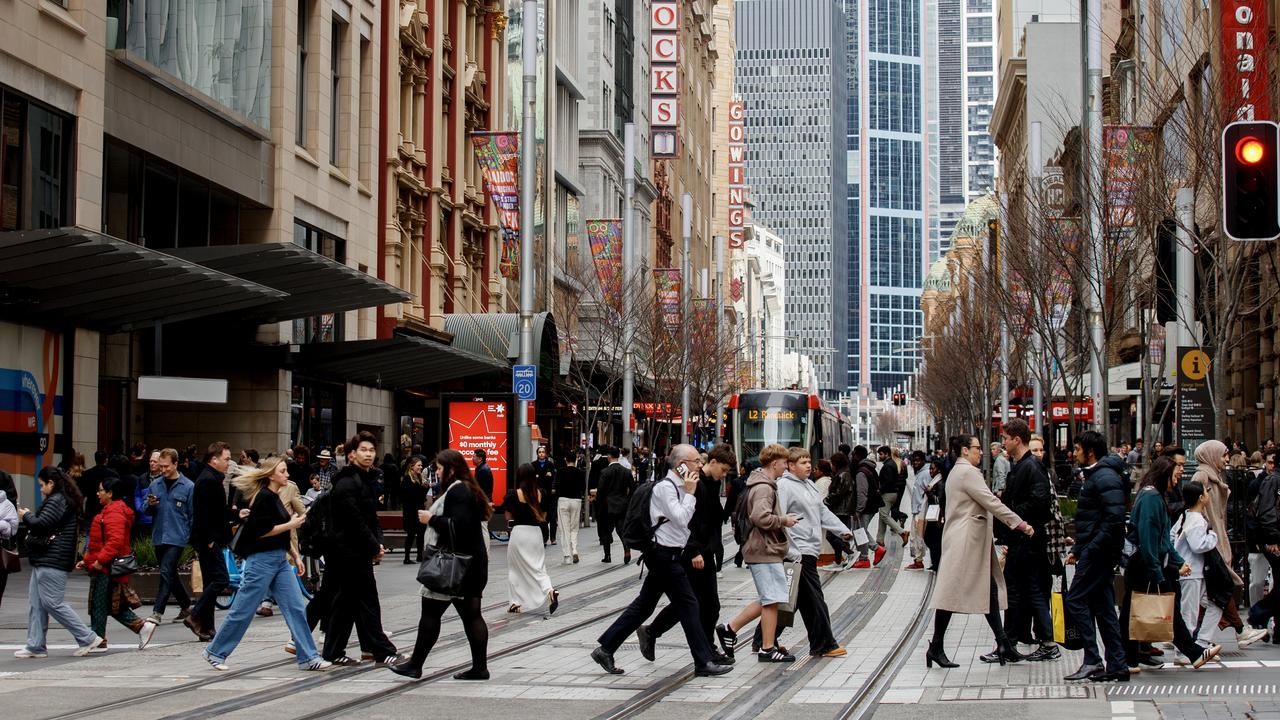
Senior Labor figures have done little to dampen expectations the budget will deliver major changes to the capital gains tax discount and negative gearing for investment properties.
Asked on Sunday if the public would support changes Labor had not taken to the 2025 election, Prime Minister Anthony Albanese said voters would make their own decisions about his government’s record.
He indicated the measures could go after existing investments, responding that everything in the budget was focused on “immediate needs” when asked about so-called grandfathering arrangements.
The government is also reportedly considering tax changes for family trusts.
In a speech to the Australian Chamber of Commerce and Industry in Melbourne on Monday, shadow treasurer Tim Wilson will paint the expected changes as a “tax agenda assault on family”.
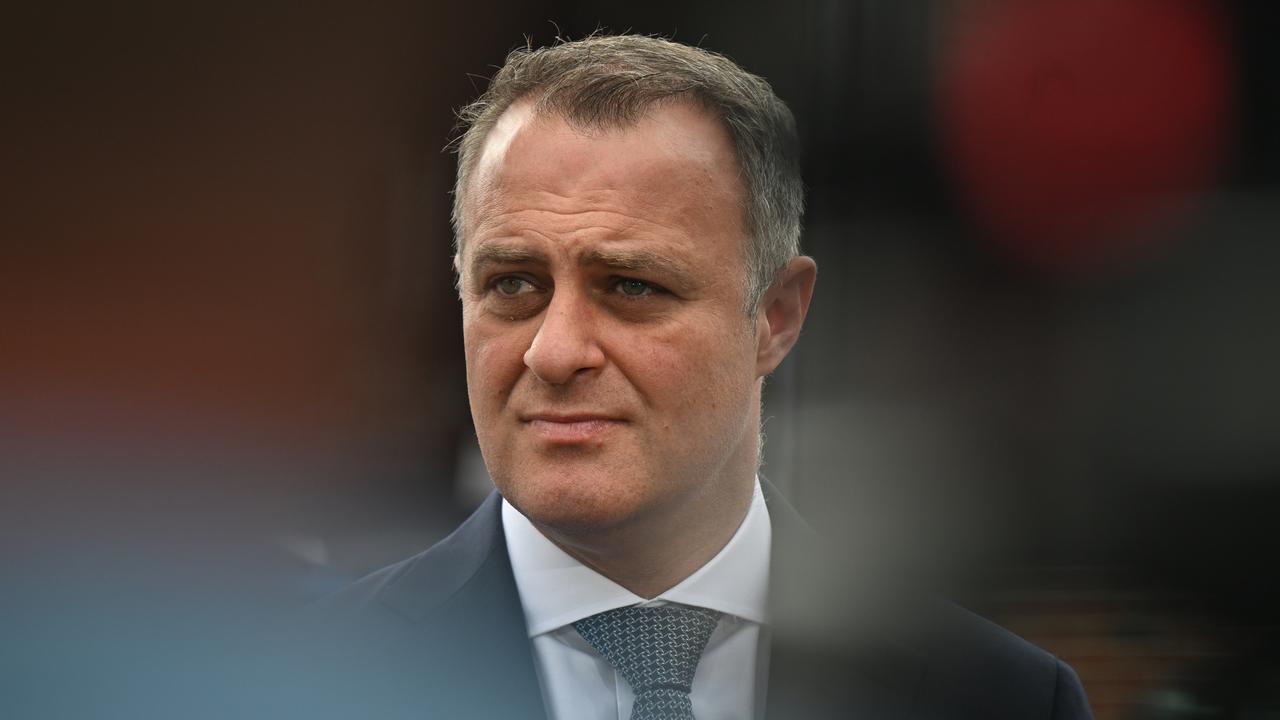
“Their capital gains tax applies to everyday Australians, mums and dads, but probably won’t to industry super funds nor foreign investors in renewable energy,” he will tell the business group.
“Labor is building a class of Australians dependent on them being in office. This government is not about a better Australia; it is about securing power.”
The government will suspend the commercial broadcasting tax for a further two years as part of the budget, which it estimated would save the industry $111 million through to June 2028.
The move follows announced restrictions on gambling advertising, which are expected to hit many media companies’ bottom lines.
Communications Minister Anika Wells said the changes eased financial pressure on the industry and helped ensure communities had access to free-to-air television and radio.